Calculating Decimals
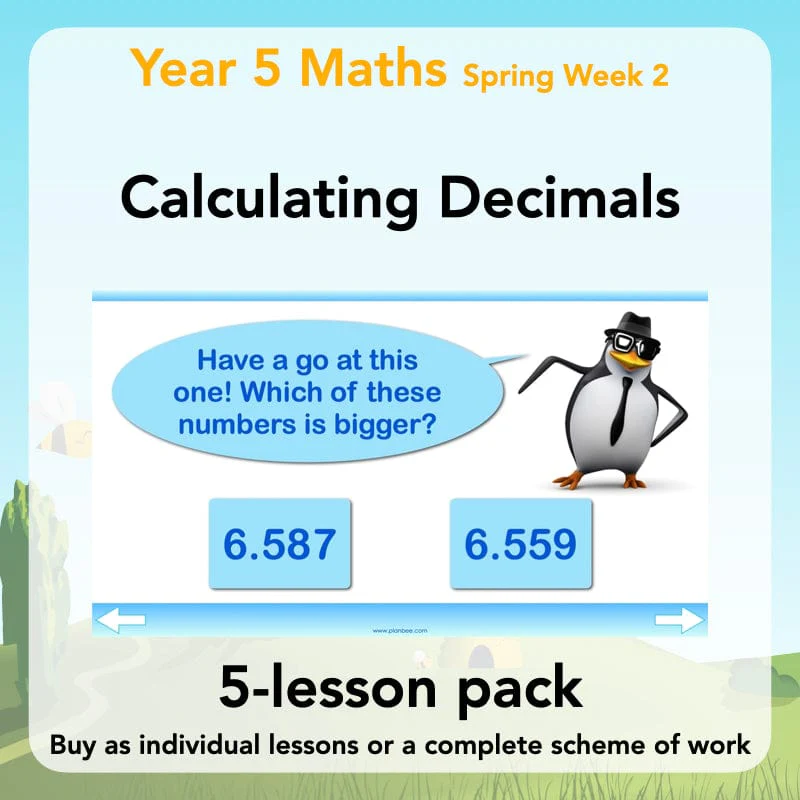
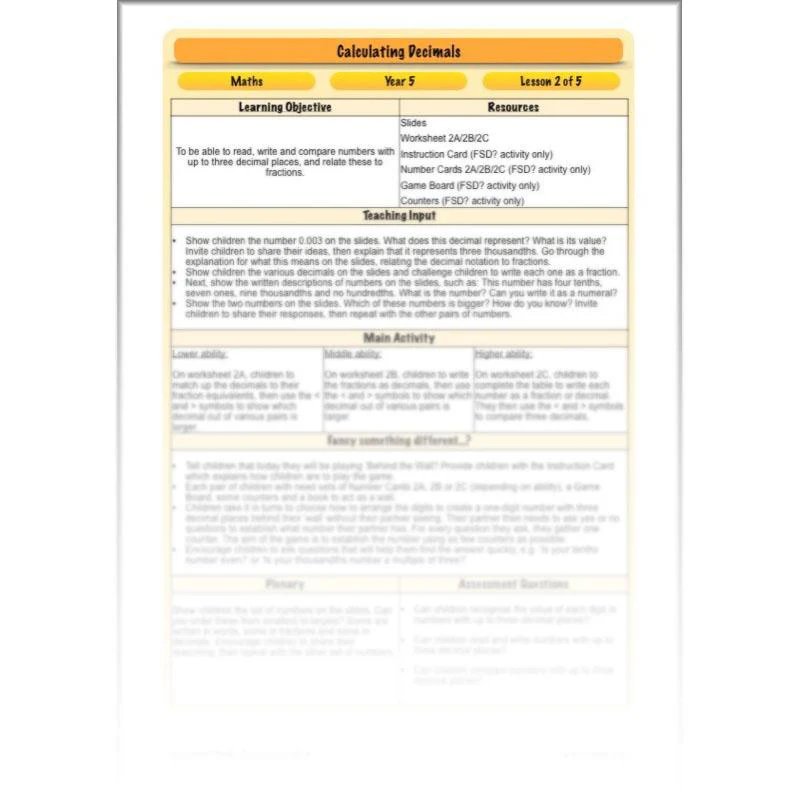
Help your class work with decimals with this KS2 ‘Calculating Decimals’ scheme of work for Year 5. Your class will be introduced to thousandths, learn how to describe, order and compare decimals with up to three decimal places, as well as solve addition and subtraction decimal problems.
Packed full of engaging activities and challenging problems, this Year 5 Maths scheme of work will help your class to work with decimals in practical contexts. And with everything needed to teach this scheme, including slides, lesson plans, worksheets, games and challenges, you can make a (decimal) point of getting your Maths planning done and dusted in no time!
Making Wholes
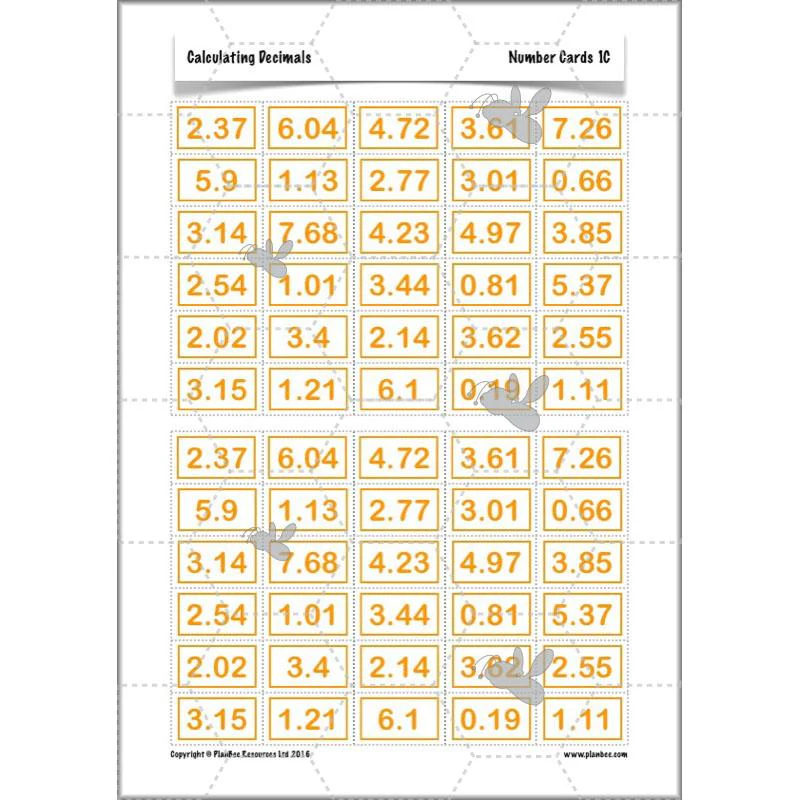
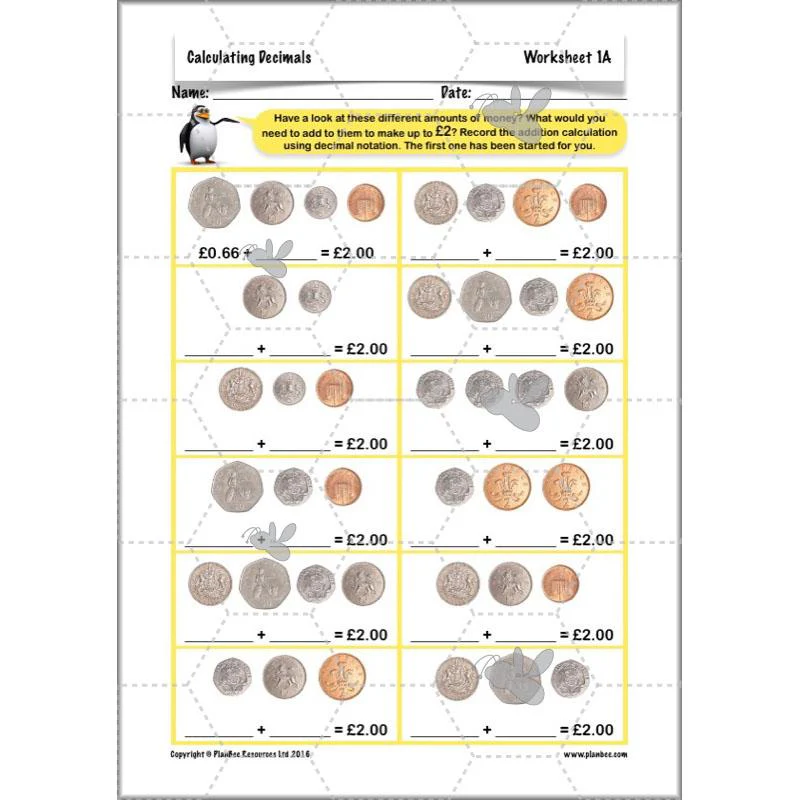
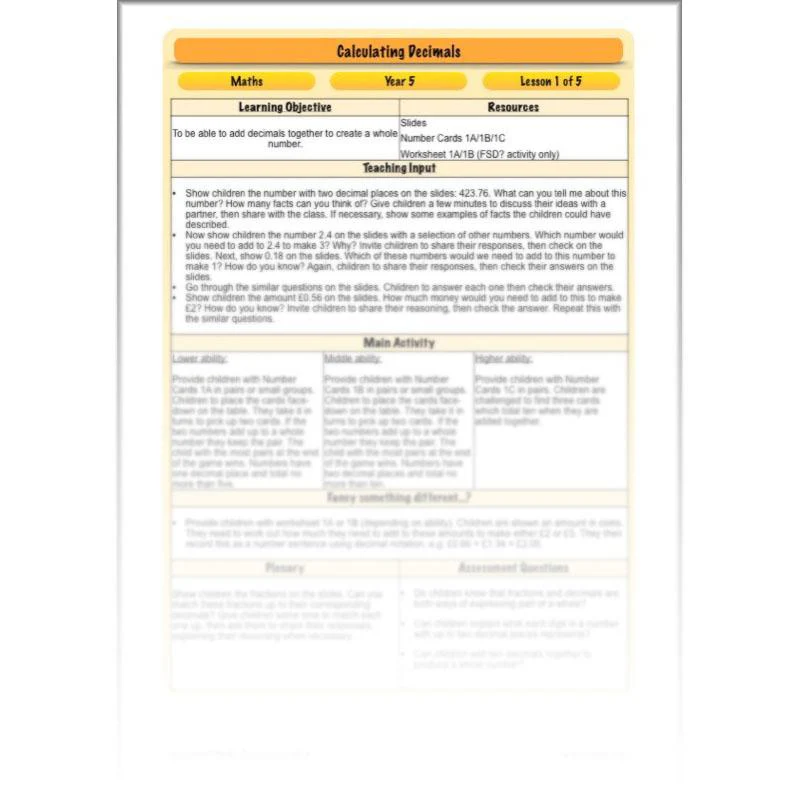
This scheme of work starts by encouraging your class to identify the value of each digit in a three-digit number with two decimal places, giving as many facts about the number as they can. It then goes on to challenge your class to use mental skills (supported by diagrams and number lines) to solve complement problems, figuring out what they need to add to a number with up to two decimal places to make a whole number. This is also related to money to help them place decimals in a real-life context.
What's included:
- Lesson plan
- Slides
- Activity ideas
- Differentiated number cards
- Differentiated worksheets
Thousandths
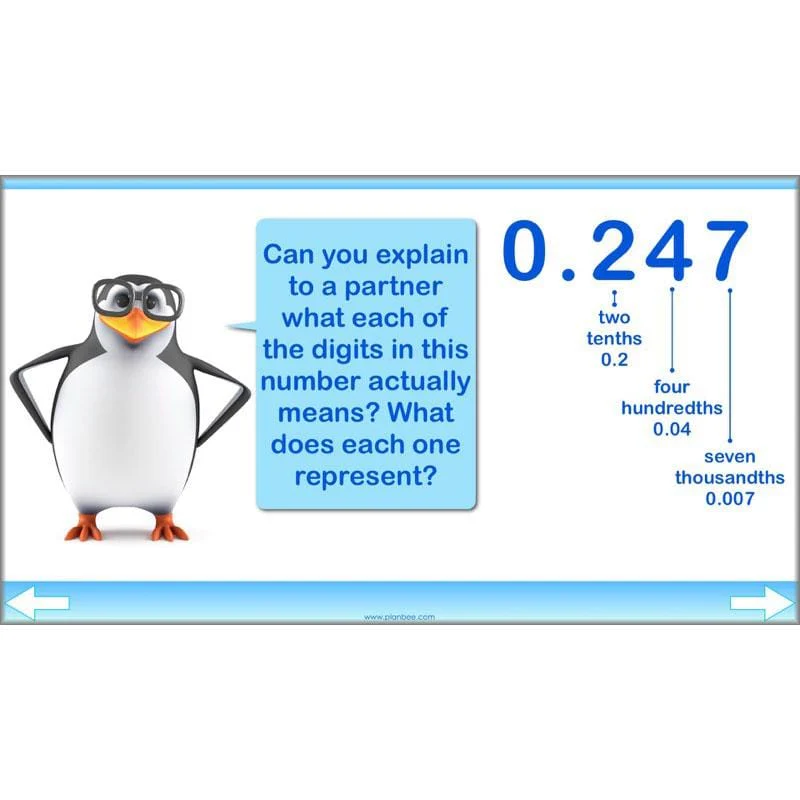
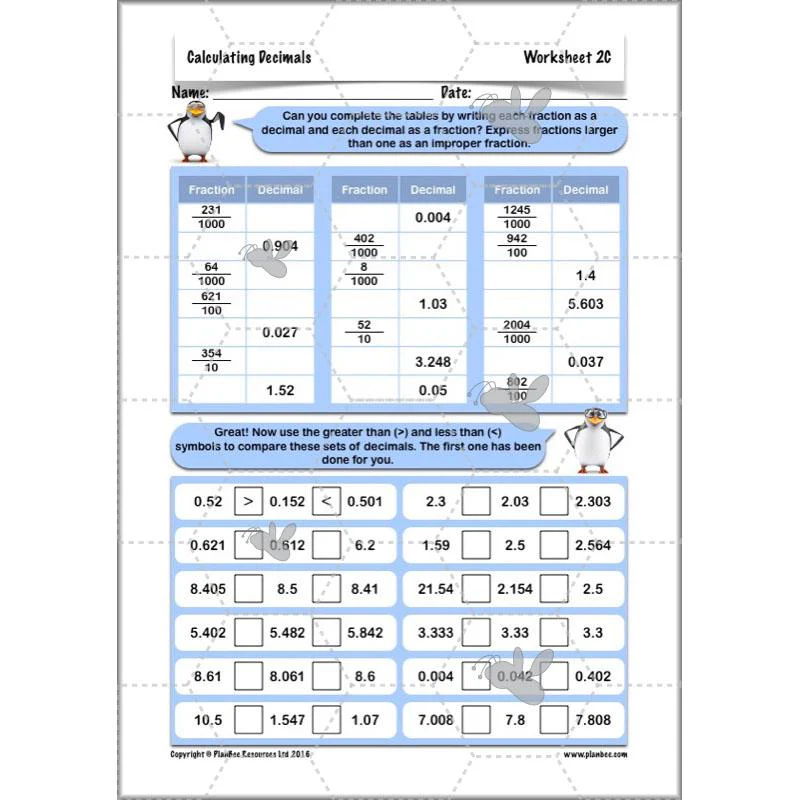
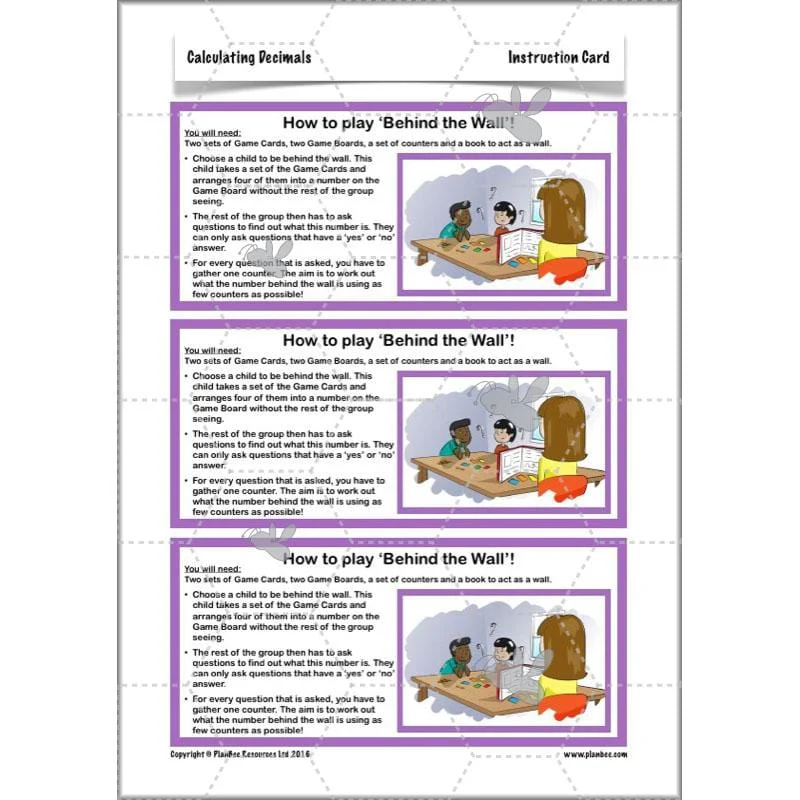
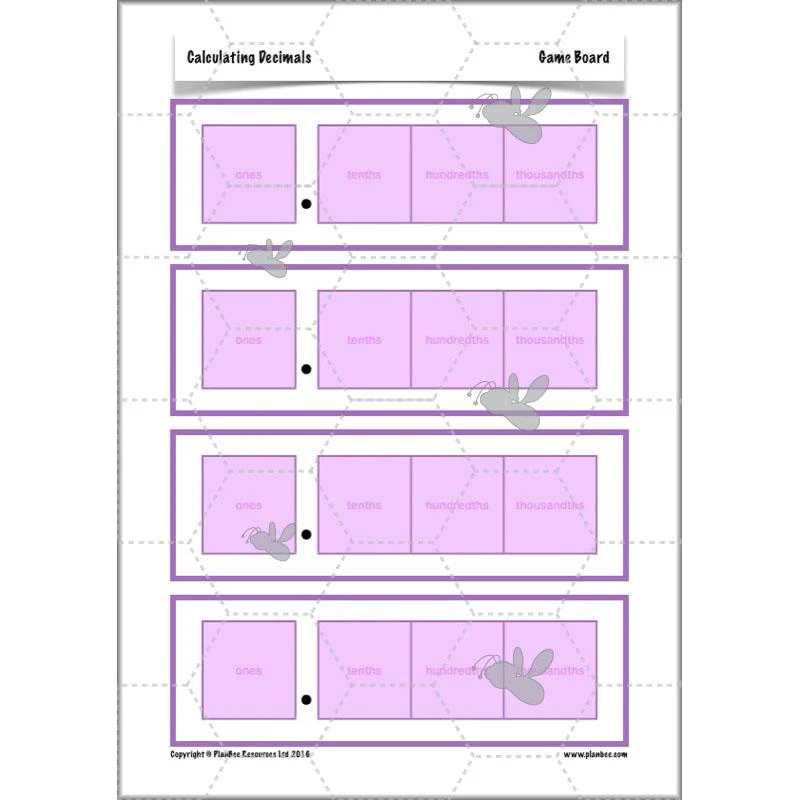
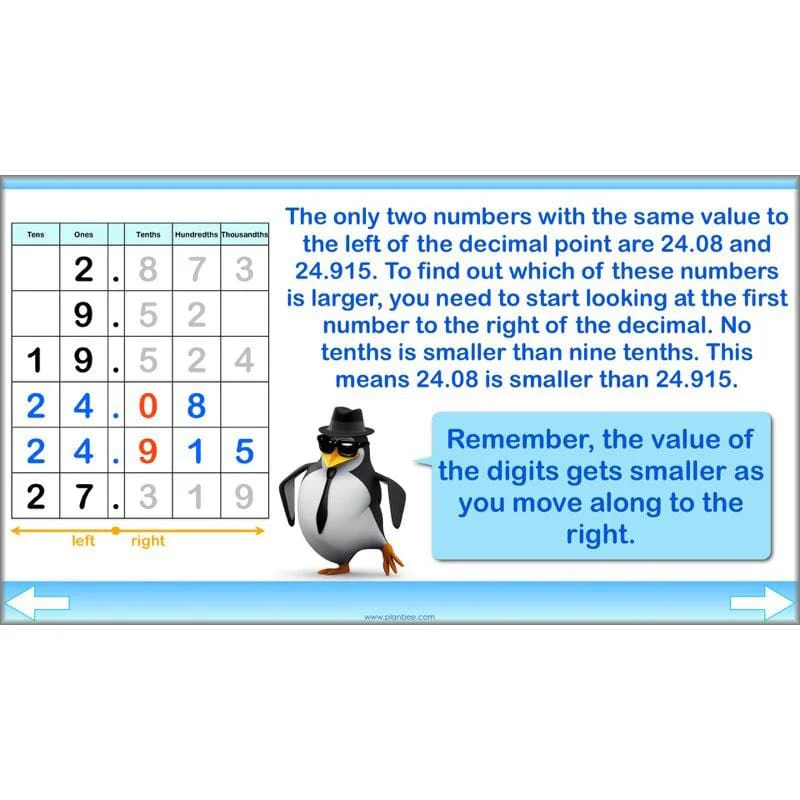
This lesson introduces your children to numbers with three decimal places by exploring thousandths. A variety of activities on the slides and during their independent learning will have your class identifying the value of each digit in numbers with up to three decimal places, as well as comparing two decimals at a time.
What's included:
- Lesson plan
- Slides
- Activity ideas
- Differentiated worksheets
- Instruction card
- Differentiated number cards
- Game Board
Ordering Decimals
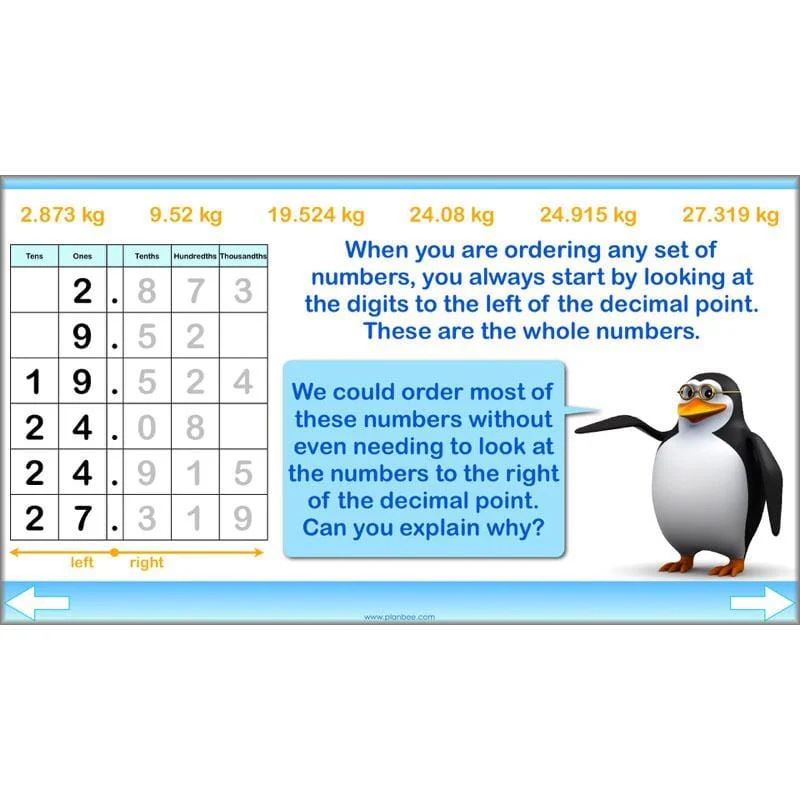
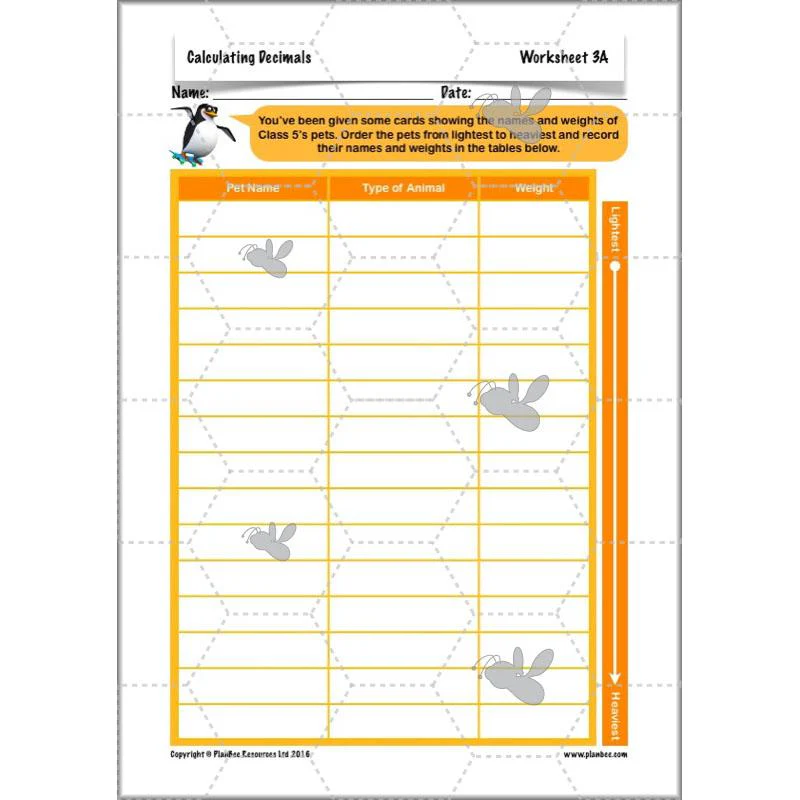
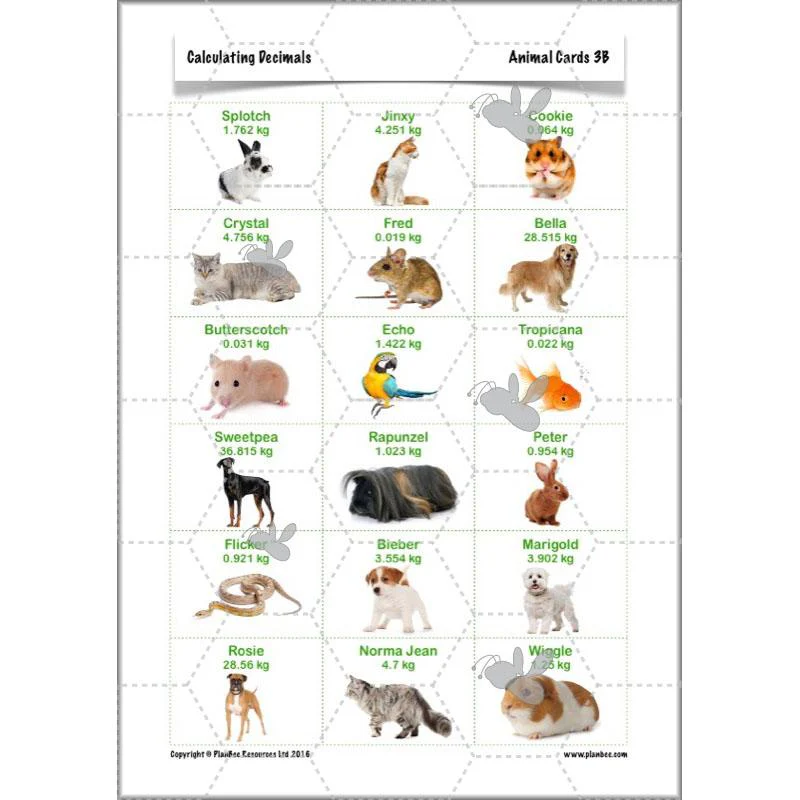
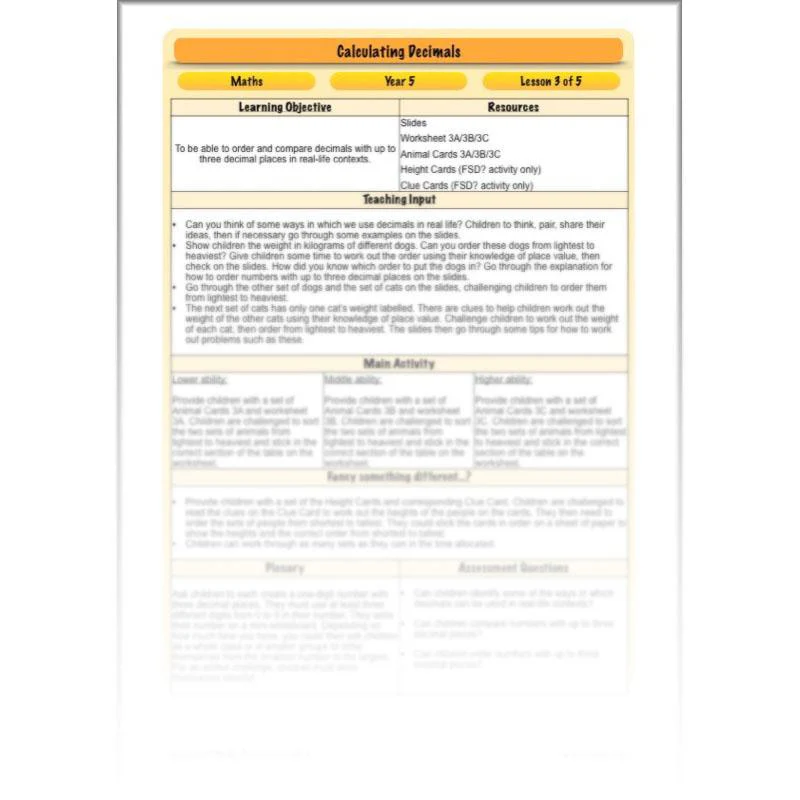
Your class will love this fun and furry lesson as they compare and order the weights of some familiar pets. Children will be challenged to order and compare numbers with up to three decimal places to order different sets of pets from lightest to heaviest. They can also start to apply their place value skills by adding tenths, hundredths and thousandths (without bridging ten) to solve problems.
What's included:
- Lesson plan
- Slides
- Activity ideas
- Differentiated worksheets
- Differentiated animal cards
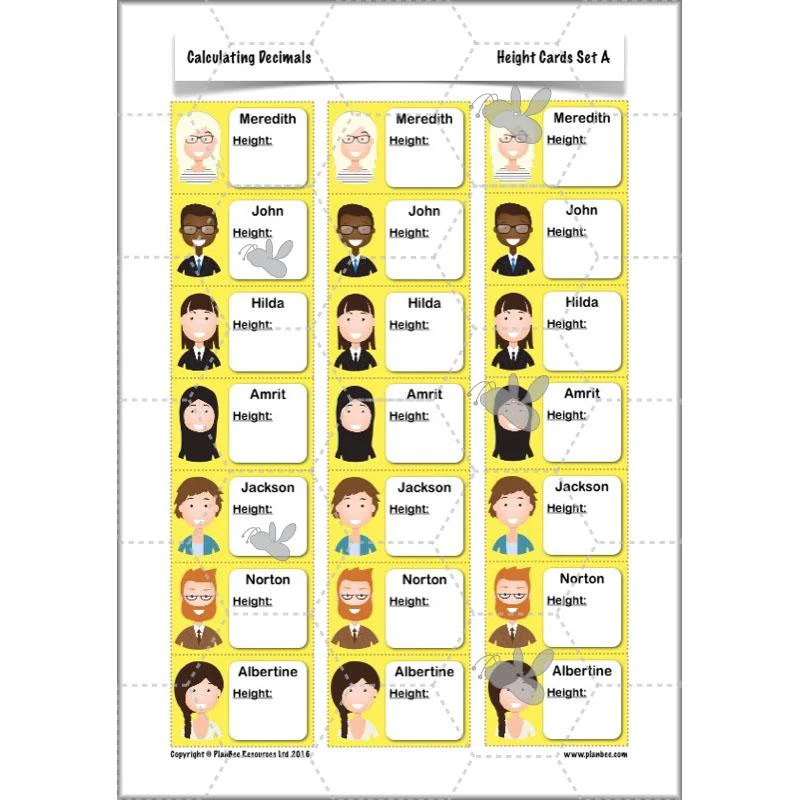
- Height cards
- Clue cards
Adding and Subtracting
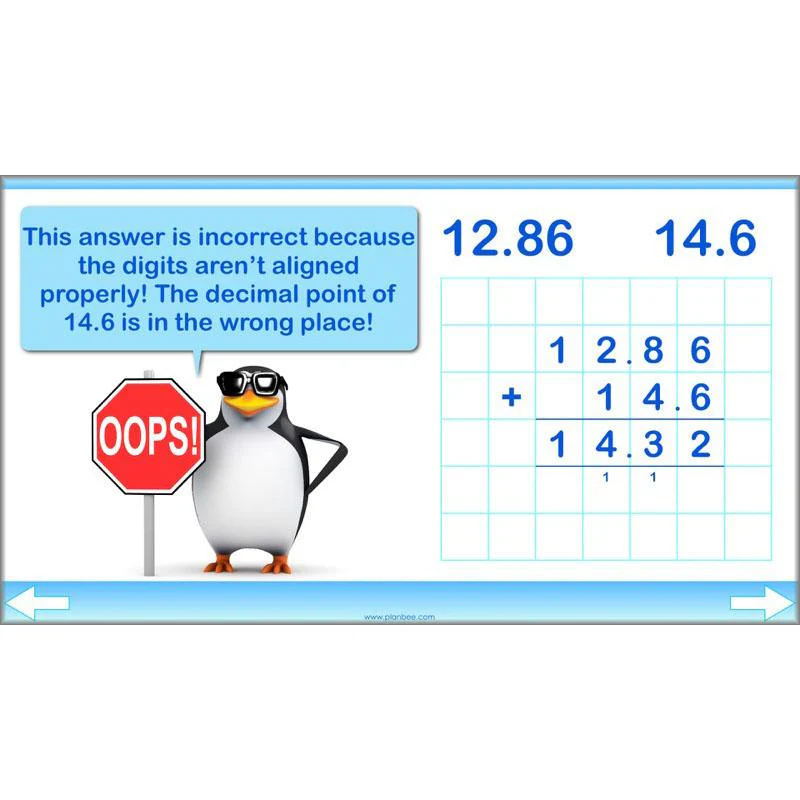
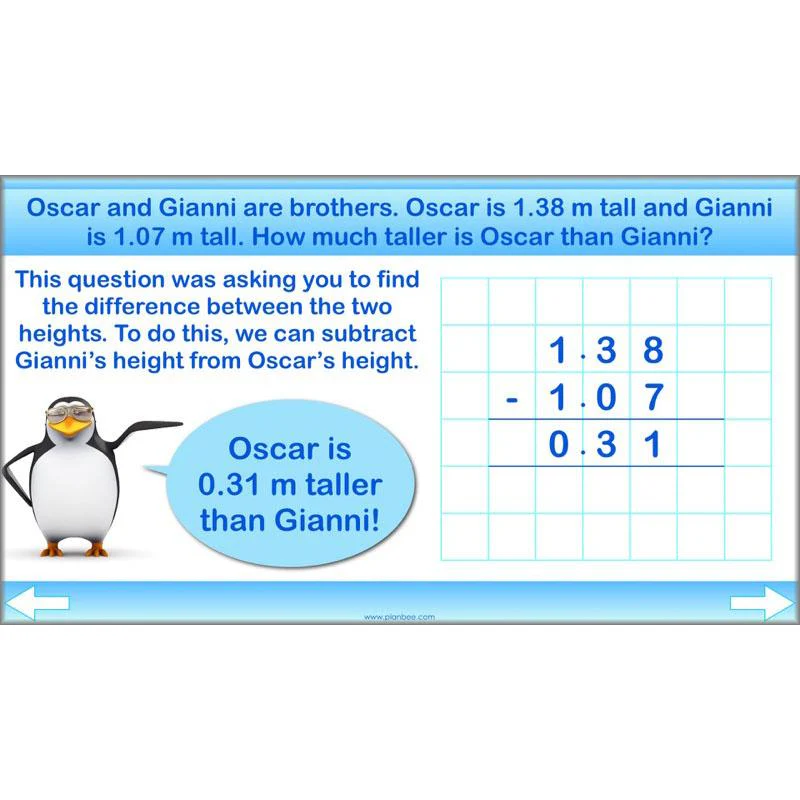
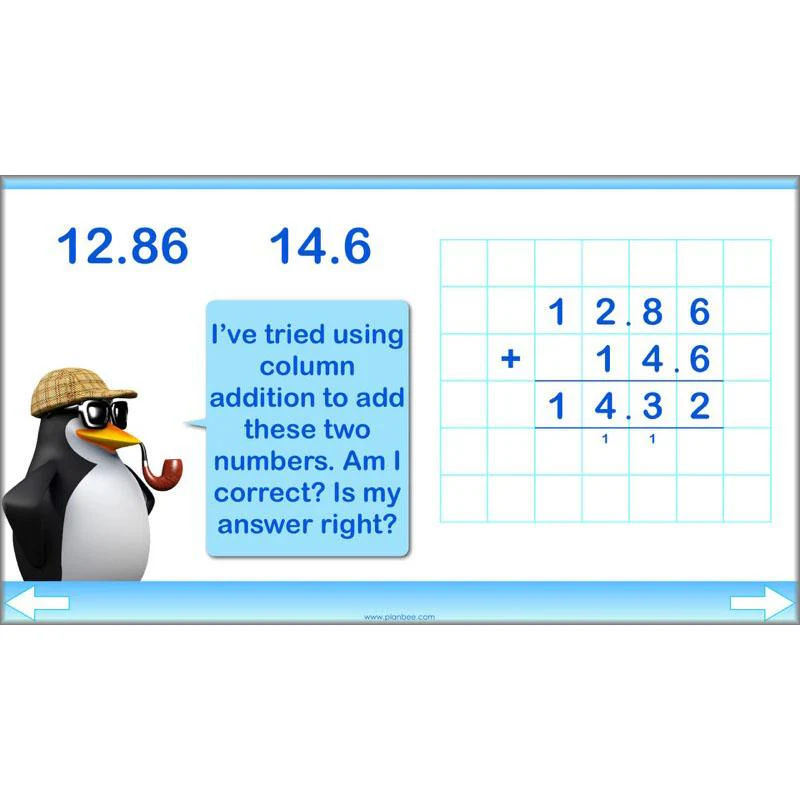
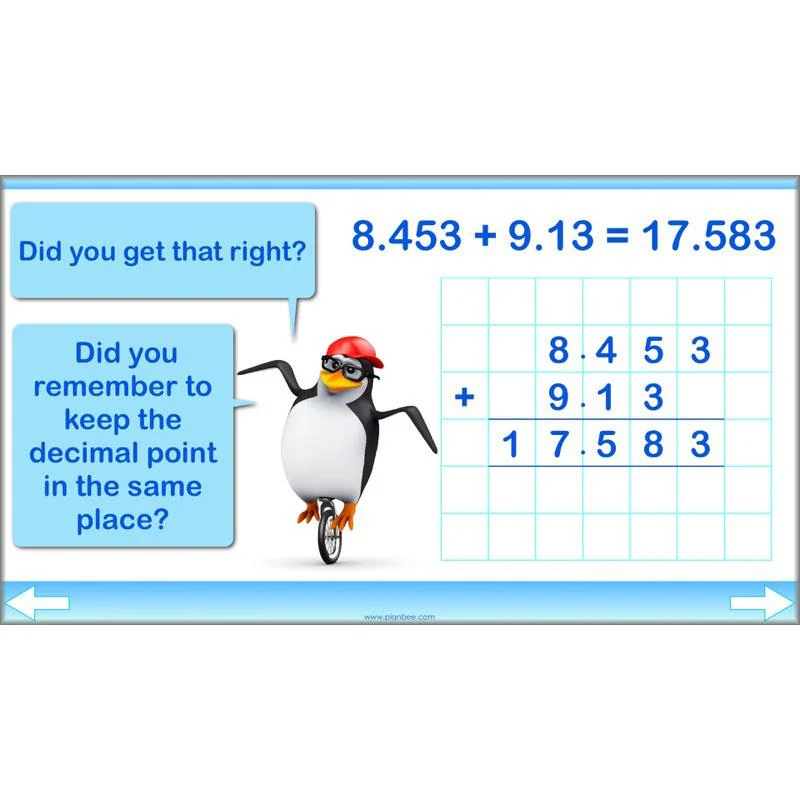
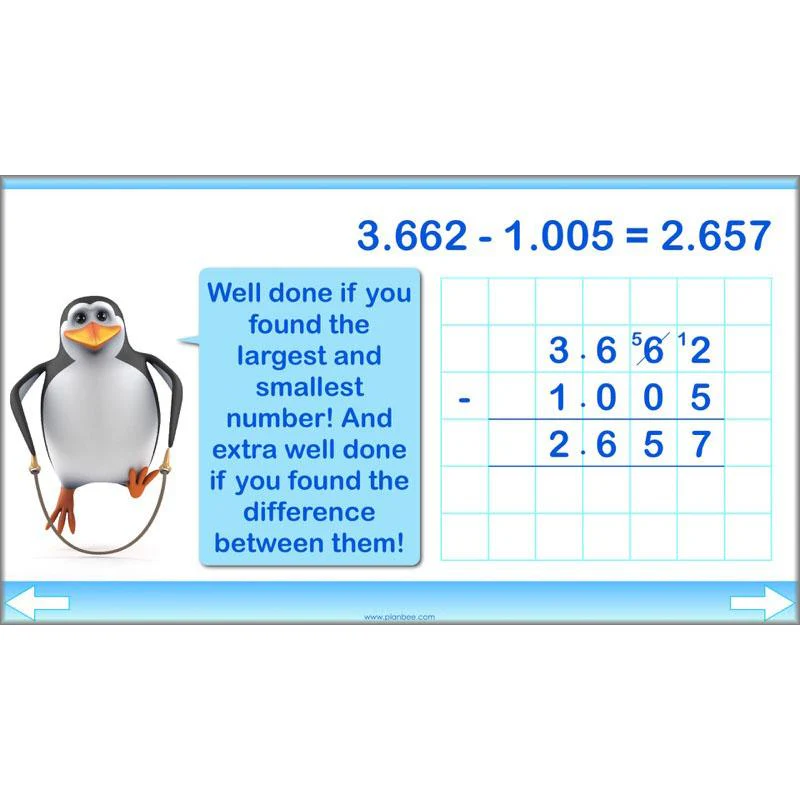
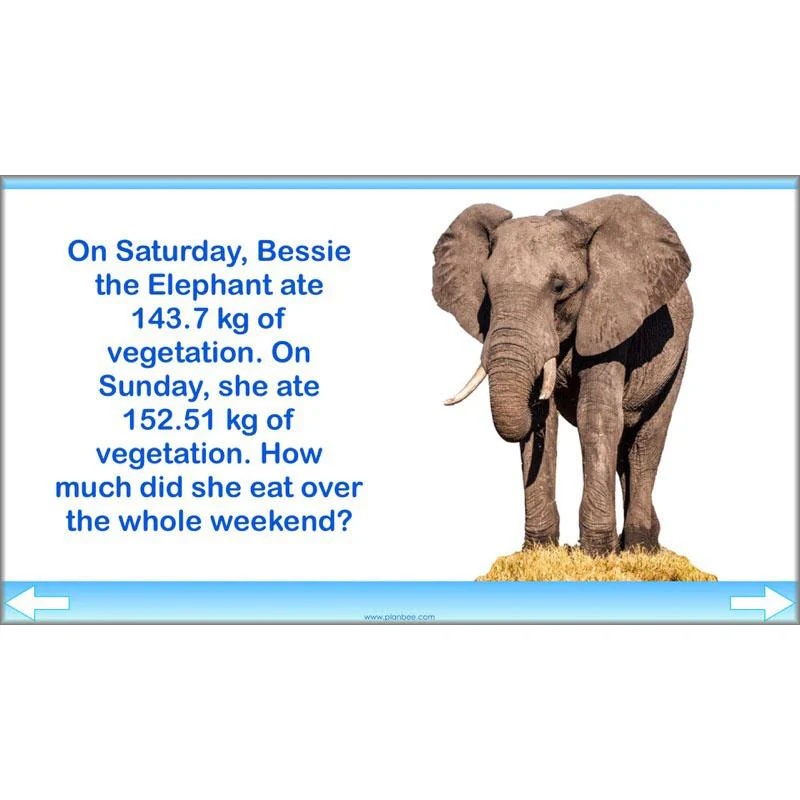
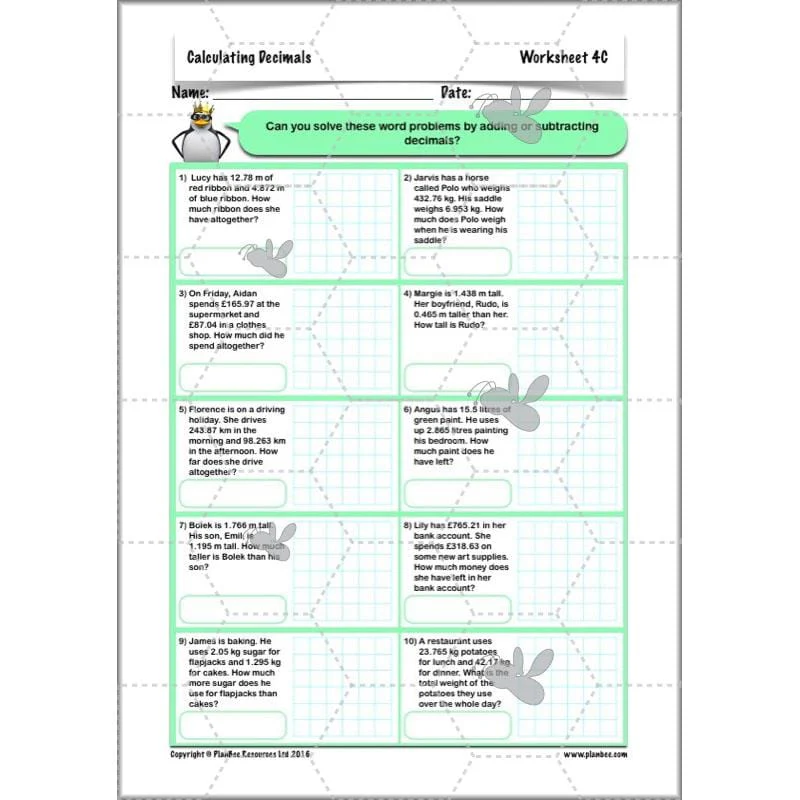
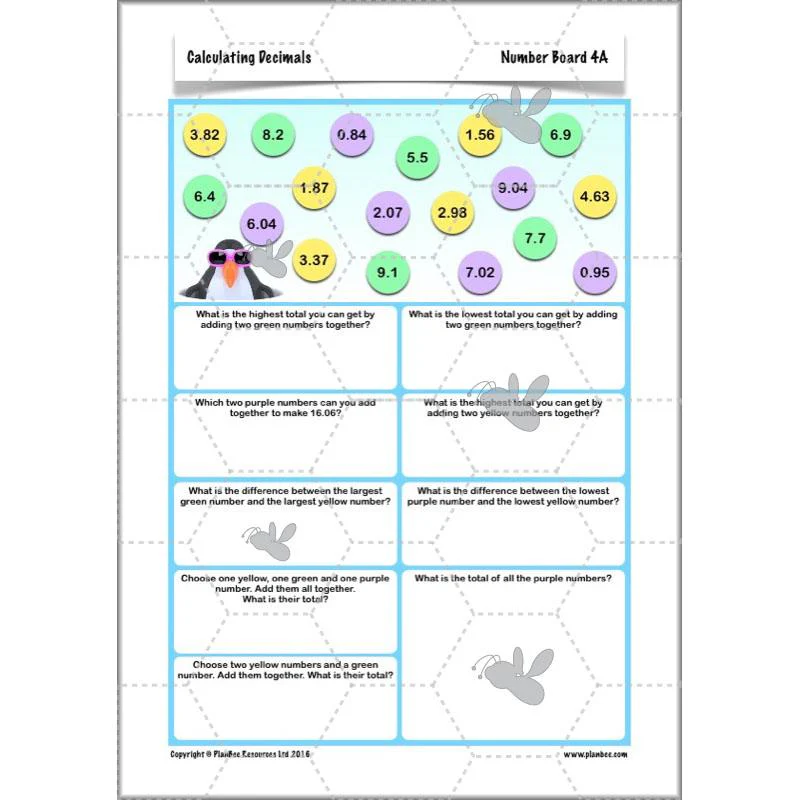
Now that your class are more confident with the place value of numbers with up to three decimal places, they are challenged to add and subtract decimals to solve problems. They will look at how they can use formal column addition and subtraction to do this, focussing on making sure that place value columns are correctly aligned, particularly with examples such as 4.12 + 12.7. They will then use their understanding to solve word problems and challenging puzzles.
What's included:
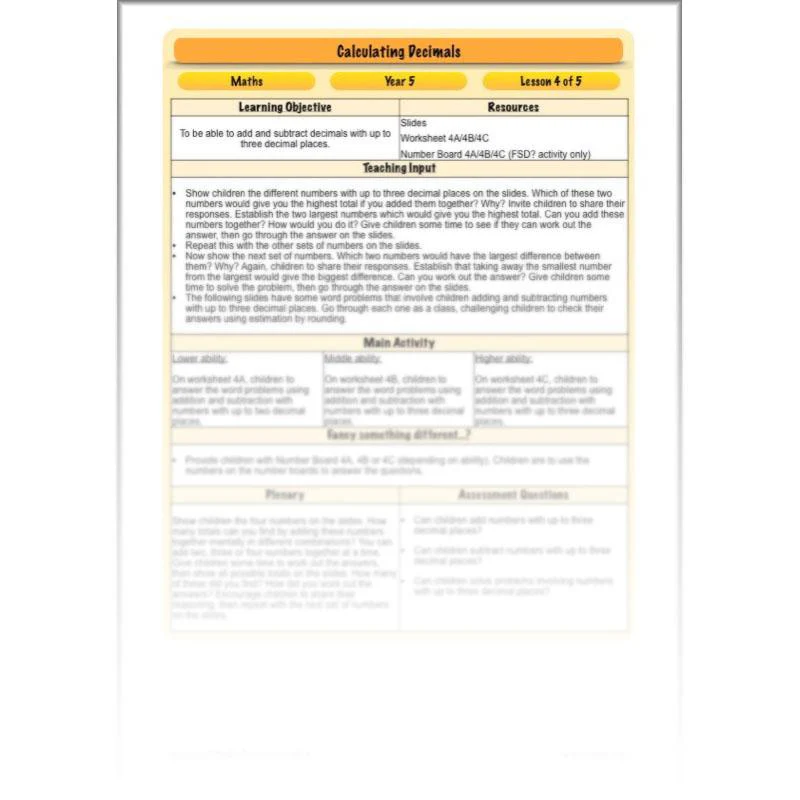
- Lesson plan
- Slides
- Activity ideas
- Differentiated worksheets
- Differentiated number boards
Calculating Fractions
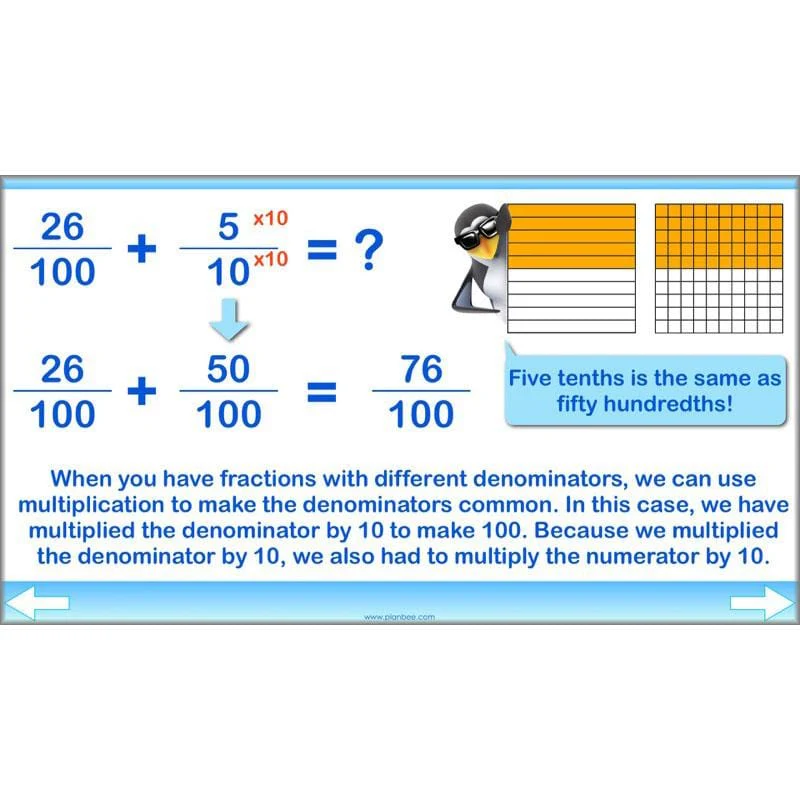
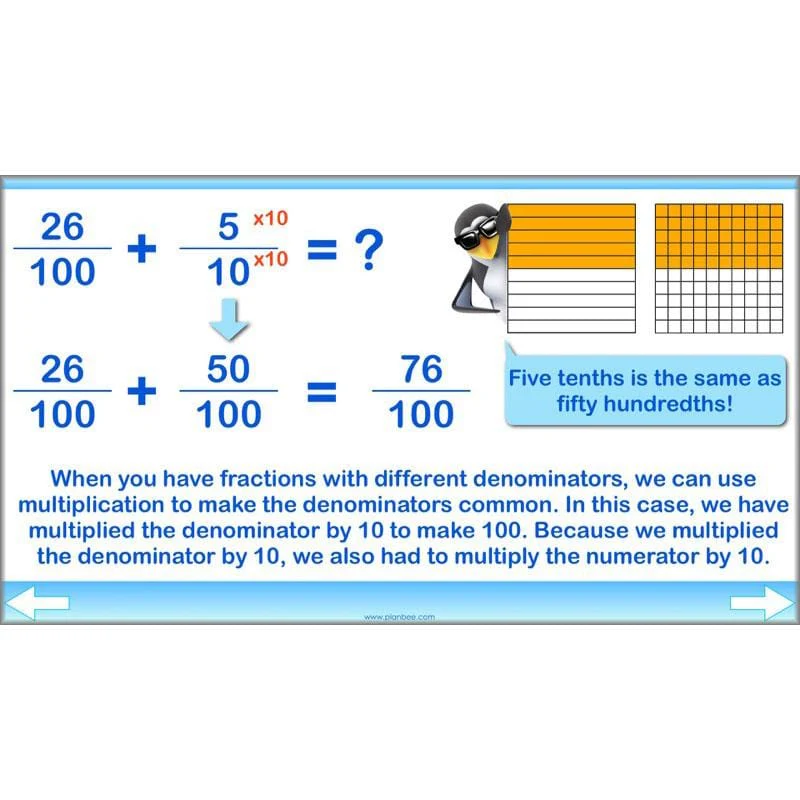
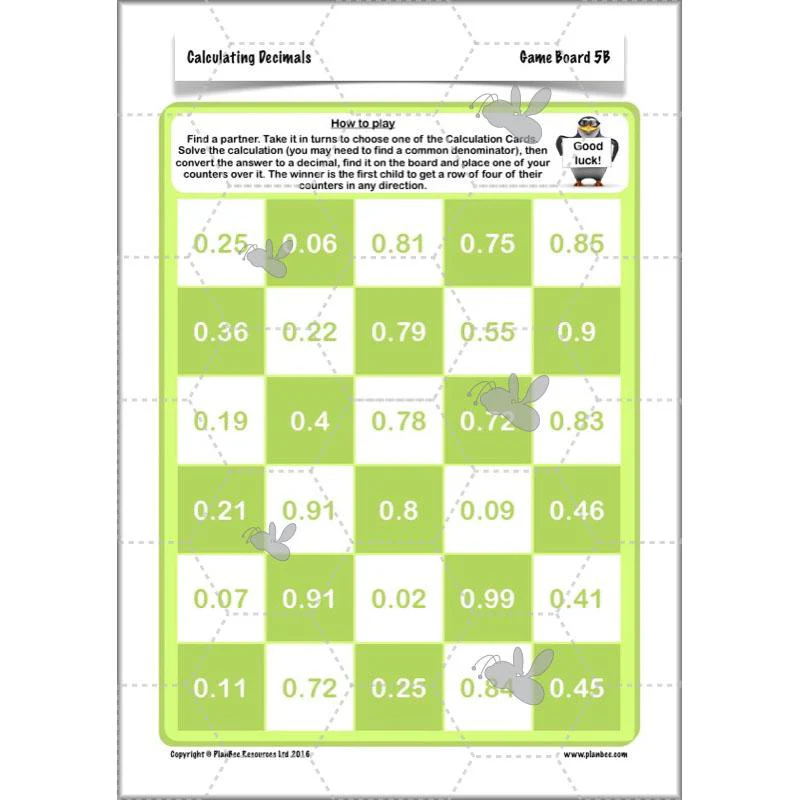
The final lesson in this series starts by relating decimal calculations to identical calculations expressed as fractions. Your class are then taught how to add and subtract fractions when the denominators (tenths, hundredths and thousandths) are the same, before challenging them how to create a common denominator by multiplying by 10 or 100. Their independent activities contain some engaging board games to help them hone their skills, as well as challenging them to create number statements from some given decimals, fractions and symbols.
What's included:
- Lesson plan
- Slides
- Activity ideas
- Differentiated game boards
- Differentiated calculation cards
- Target boards
- Worksheet
Original: $4.71
-65%$4.71
$1.65More Images

















Calculating Decimals
Help your class work with decimals with this KS2 ‘Calculating Decimals’ scheme of work for Year 5. Your class will be introduced to thousandths, learn how to describe, order and compare decimals with up to three decimal places, as well as solve addition and subtraction decimal problems.
Packed full of engaging activities and challenging problems, this Year 5 Maths scheme of work will help your class to work with decimals in practical contexts. And with everything needed to teach this scheme, including slides, lesson plans, worksheets, games and challenges, you can make a (decimal) point of getting your Maths planning done and dusted in no time!
Making Wholes
This scheme of work starts by encouraging your class to identify the value of each digit in a three-digit number with two decimal places, giving as many facts about the number as they can. It then goes on to challenge your class to use mental skills (supported by diagrams and number lines) to solve complement problems, figuring out what they need to add to a number with up to two decimal places to make a whole number. This is also related to money to help them place decimals in a real-life context.
What's included:
- Lesson plan
- Slides
- Activity ideas
- Differentiated number cards
- Differentiated worksheets
Thousandths
This lesson introduces your children to numbers with three decimal places by exploring thousandths. A variety of activities on the slides and during their independent learning will have your class identifying the value of each digit in numbers with up to three decimal places, as well as comparing two decimals at a time.
What's included:
- Lesson plan
- Slides
- Activity ideas
- Differentiated worksheets
- Instruction card
- Differentiated number cards
- Game Board
Ordering Decimals
Your class will love this fun and furry lesson as they compare and order the weights of some familiar pets. Children will be challenged to order and compare numbers with up to three decimal places to order different sets of pets from lightest to heaviest. They can also start to apply their place value skills by adding tenths, hundredths and thousandths (without bridging ten) to solve problems.
What's included:
- Lesson plan
- Slides
- Activity ideas
- Differentiated worksheets
- Differentiated animal cards
- Height cards
- Clue cards
Adding and Subtracting
Now that your class are more confident with the place value of numbers with up to three decimal places, they are challenged to add and subtract decimals to solve problems. They will look at how they can use formal column addition and subtraction to do this, focussing on making sure that place value columns are correctly aligned, particularly with examples such as 4.12 + 12.7. They will then use their understanding to solve word problems and challenging puzzles.
What's included:
- Lesson plan
- Slides
- Activity ideas
- Differentiated worksheets
- Differentiated number boards
Calculating Fractions
The final lesson in this series starts by relating decimal calculations to identical calculations expressed as fractions. Your class are then taught how to add and subtract fractions when the denominators (tenths, hundredths and thousandths) are the same, before challenging them how to create a common denominator by multiplying by 10 or 100. Their independent activities contain some engaging board games to help them hone their skills, as well as challenging them to create number statements from some given decimals, fractions and symbols.
What's included:
- Lesson plan
- Slides
- Activity ideas
- Differentiated game boards
- Differentiated calculation cards
- Target boards
- Worksheet
Product Information
Product Information
Shipping & Returns
Shipping & Returns
Description
Help your class work with decimals with this KS2 ‘Calculating Decimals’ scheme of work for Year 5. Your class will be introduced to thousandths, learn how to describe, order and compare decimals with up to three decimal places, as well as solve addition and subtraction decimal problems.
Packed full of engaging activities and challenging problems, this Year 5 Maths scheme of work will help your class to work with decimals in practical contexts. And with everything needed to teach this scheme, including slides, lesson plans, worksheets, games and challenges, you can make a (decimal) point of getting your Maths planning done and dusted in no time!
Making Wholes
This scheme of work starts by encouraging your class to identify the value of each digit in a three-digit number with two decimal places, giving as many facts about the number as they can. It then goes on to challenge your class to use mental skills (supported by diagrams and number lines) to solve complement problems, figuring out what they need to add to a number with up to two decimal places to make a whole number. This is also related to money to help them place decimals in a real-life context.
What's included:
- Lesson plan
- Slides
- Activity ideas
- Differentiated number cards
- Differentiated worksheets
Thousandths
This lesson introduces your children to numbers with three decimal places by exploring thousandths. A variety of activities on the slides and during their independent learning will have your class identifying the value of each digit in numbers with up to three decimal places, as well as comparing two decimals at a time.
What's included:
- Lesson plan
- Slides
- Activity ideas
- Differentiated worksheets
- Instruction card
- Differentiated number cards
- Game Board
Ordering Decimals
Your class will love this fun and furry lesson as they compare and order the weights of some familiar pets. Children will be challenged to order and compare numbers with up to three decimal places to order different sets of pets from lightest to heaviest. They can also start to apply their place value skills by adding tenths, hundredths and thousandths (without bridging ten) to solve problems.
What's included:
- Lesson plan
- Slides
- Activity ideas
- Differentiated worksheets
- Differentiated animal cards
- Height cards
- Clue cards
Adding and Subtracting
Now that your class are more confident with the place value of numbers with up to three decimal places, they are challenged to add and subtract decimals to solve problems. They will look at how they can use formal column addition and subtraction to do this, focussing on making sure that place value columns are correctly aligned, particularly with examples such as 4.12 + 12.7. They will then use their understanding to solve word problems and challenging puzzles.
What's included:
- Lesson plan
- Slides
- Activity ideas
- Differentiated worksheets
- Differentiated number boards
Calculating Fractions
The final lesson in this series starts by relating decimal calculations to identical calculations expressed as fractions. Your class are then taught how to add and subtract fractions when the denominators (tenths, hundredths and thousandths) are the same, before challenging them how to create a common denominator by multiplying by 10 or 100. Their independent activities contain some engaging board games to help them hone their skills, as well as challenging them to create number statements from some given decimals, fractions and symbols.
What's included:
- Lesson plan
- Slides
- Activity ideas
- Differentiated game boards
- Differentiated calculation cards
- Target boards
- Worksheet