What's the Total?
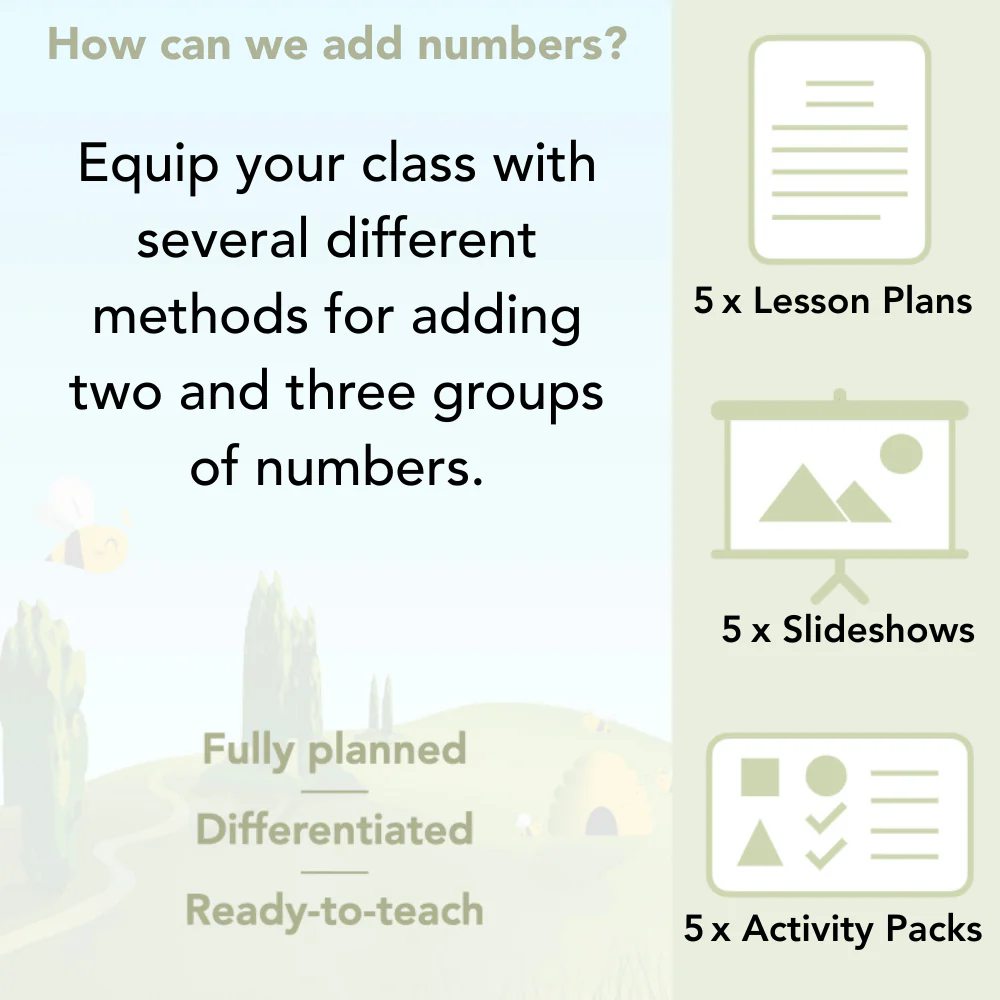
Help your children understand different methods of addition with this ‘What’s the Total?’ scheme of work for Year 5. Your class will have the chance to brush up on their mental addition skills before moving on to recap the decomposition and expanded methods. Once these are safely tucked under their belts they can then move on to explore column addition and how to use this method to add several numbers together.
Through a variety of engaging activities, investigations and puzzles, these Year 5 ‘What’s the Total?’ lessons (including everything you need to teach a whole week of Maths planning) are the perfect way to improve their understanding of addition.
Mental Puzzles
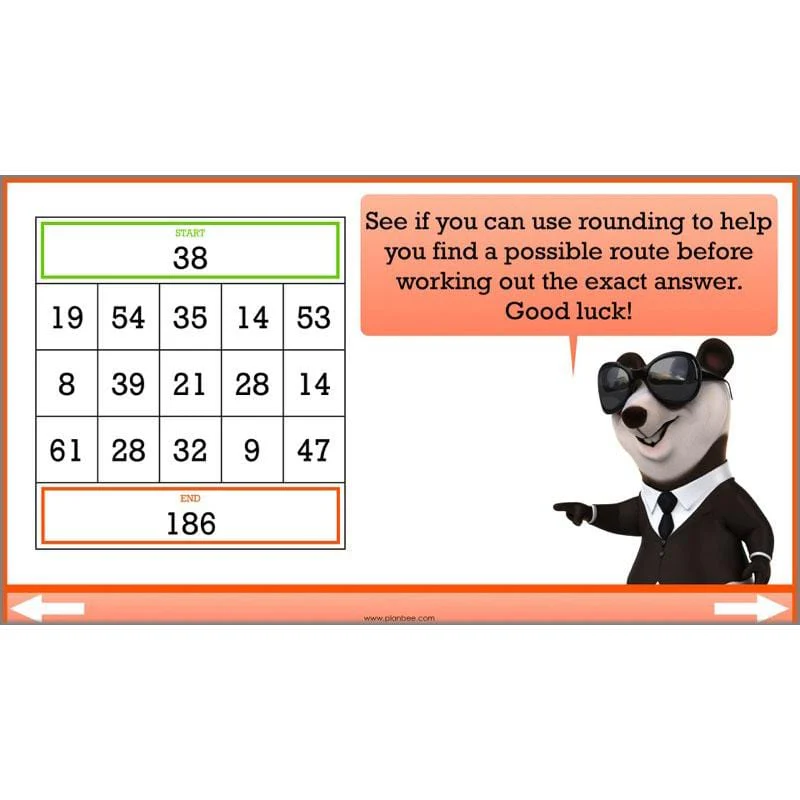
Get them using their number and addition knowledge to solve some addition problems mentally in this first lesson. Your class will be challenged to work their way through an addition maze to reach a given total from a start number, using rounding and estimation along the way to help them. Alternatively, they can find three numbers which total a given target number. There’s also an addition bingo game to wrap the lesson up with!
What's included:
- Lesson plan
- Slides
- Activity ideas
- Differentiated addition mazes
- Differentiated challenge cards
- Number cards
- Bingo game cards
- Bingo game question sheet
Decomposition and Expanded Methods
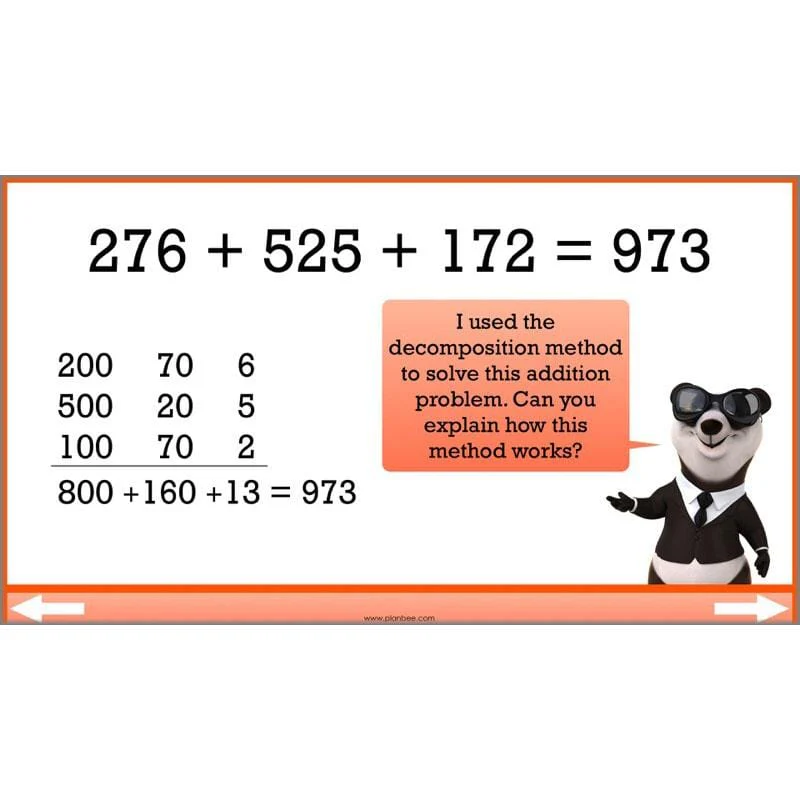
After some missing number chain warm-up activities, your class will have the chance to recap how the decomposition and expanded methods of addition work. They will use these methods to add several numbers together at once, consolidating their understanding of how to partition numbers into hundreds, tens and ones to make them easier to add together.
What's included:
- Lesson plan
- Slides
- Activity ideas
- Differentiated question cards
- Worksheet
- Differentiated true or false cards
Column Addition
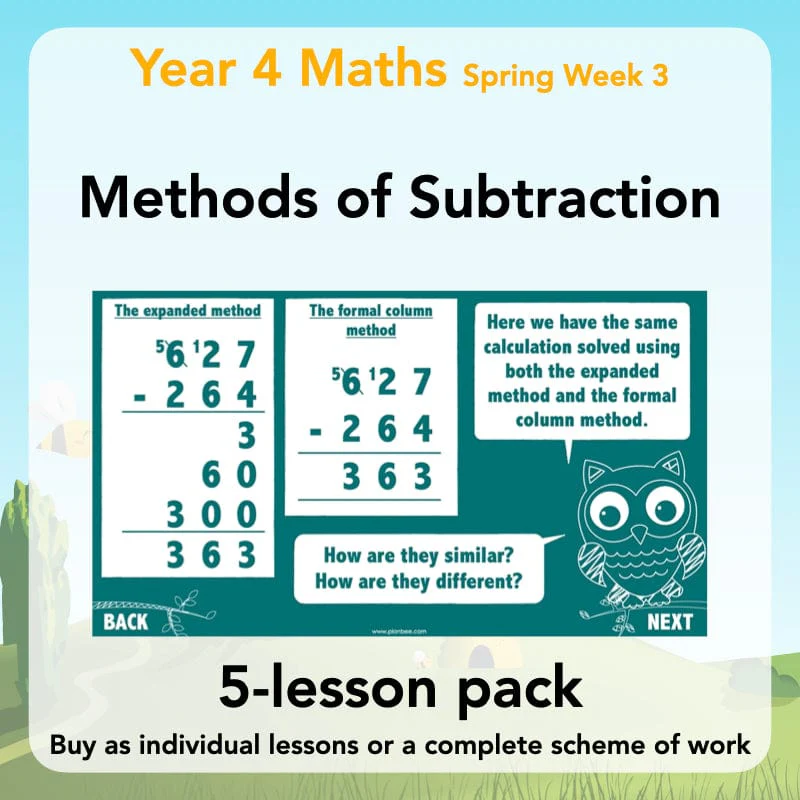
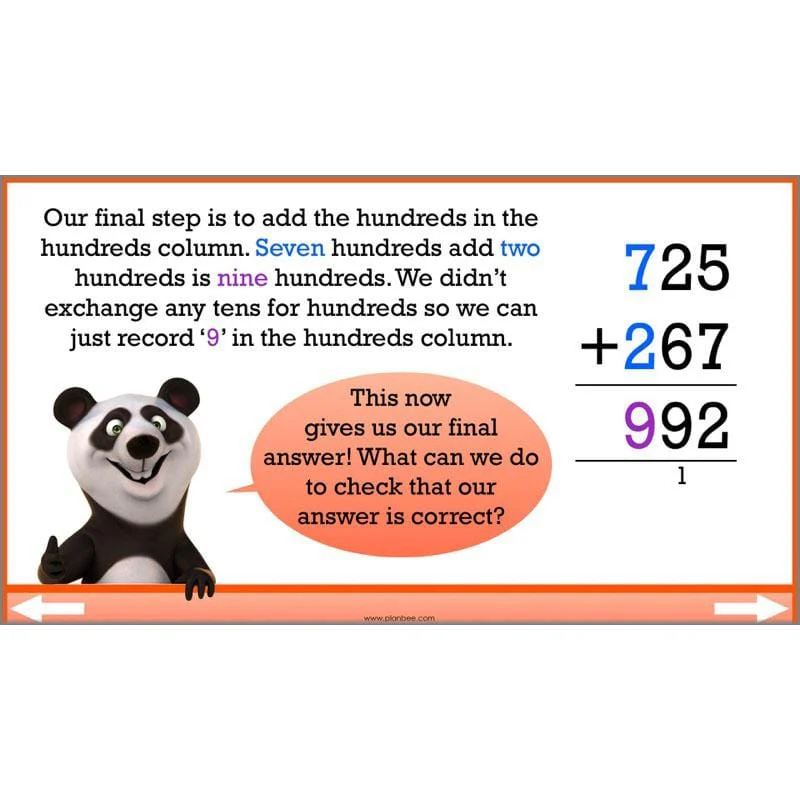
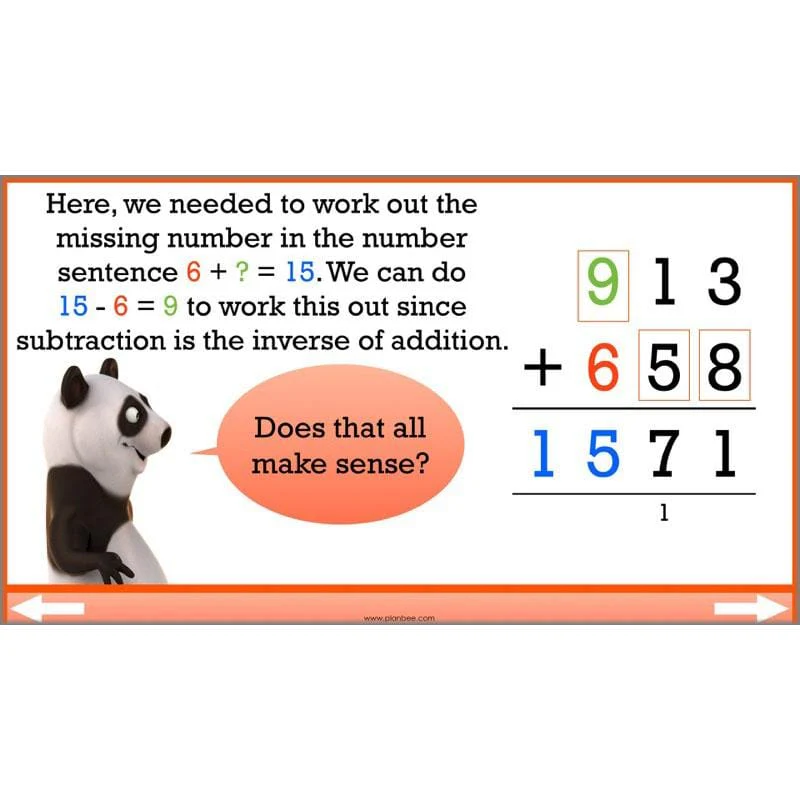
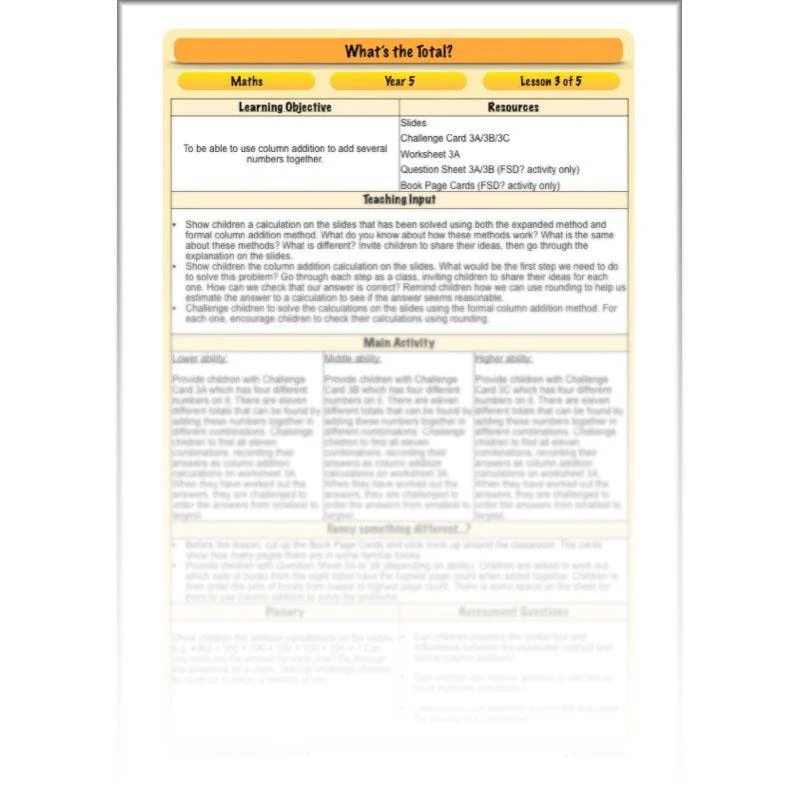
This lesson starts by encouraging your class to recognise the similarities and differences between the expanded and formal column addition methods. They will then recap in detail how column addition works before using this method to add several numbers together. Their independent learning activities have some challenging investigations to tackle to help reinforce these skills.
What's included:
- Lesson plan
- Slides
- Activity ideas
- Differentiated challenge cards
- Worksheet
- Differentiated question sheets
- Book page cards
Missing Number Problems
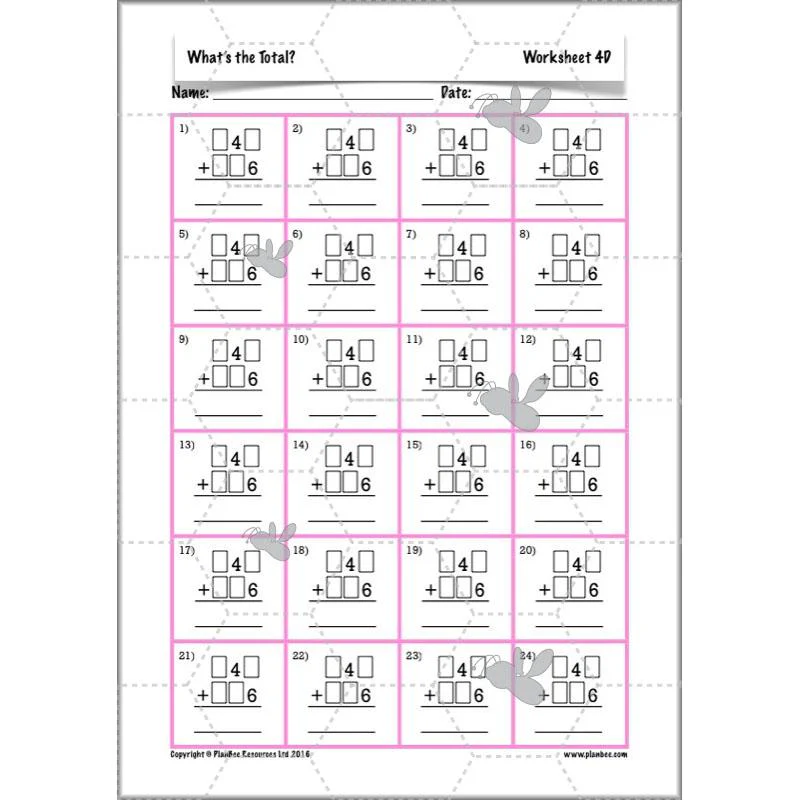
After recalling how the column addition method works, this lesson will help them to really understand the different steps of this method as they solve a variety of increasingly challenging missing number calculations. They will have to think carefully about the information they have been given and how they can use this, and follow the steps for column addition, to solve each problem.
What's included:
- Lesson plan
- Slides
- Activity ideas
- Differentiated worksheets
- Differentiated challenge cards
Distance Problems
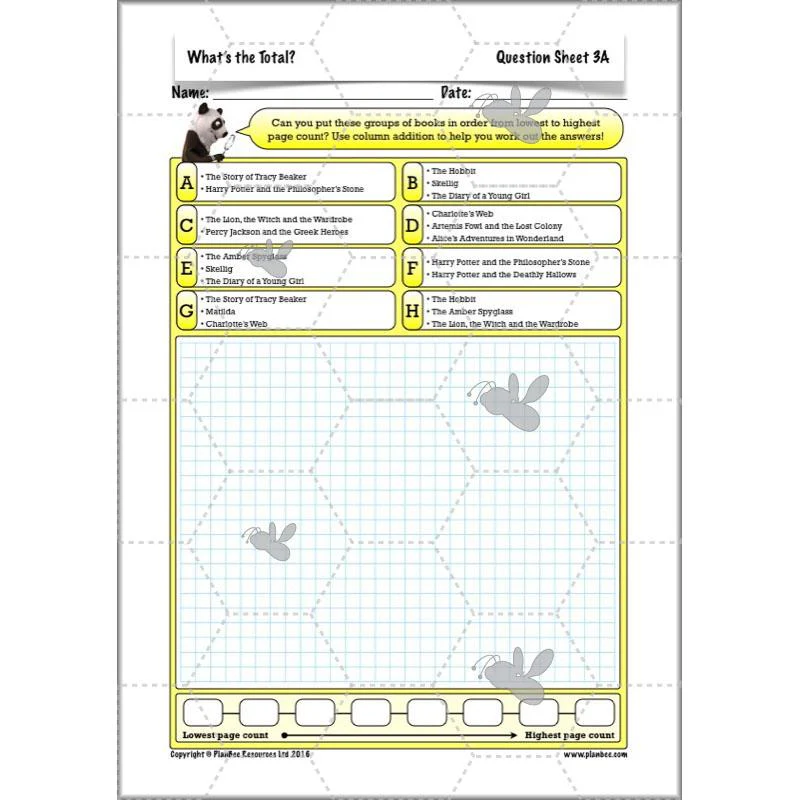
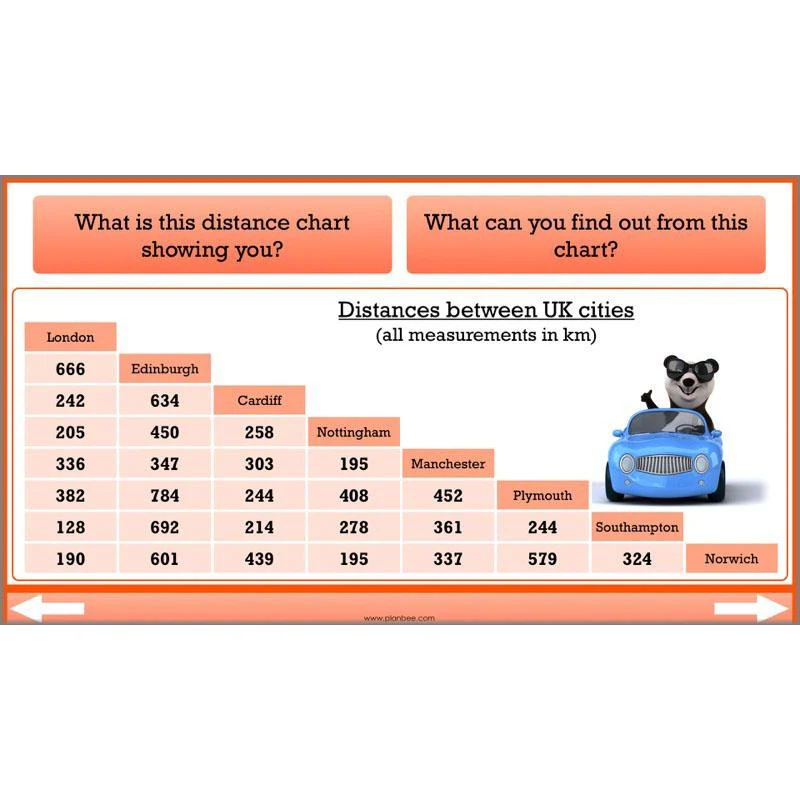
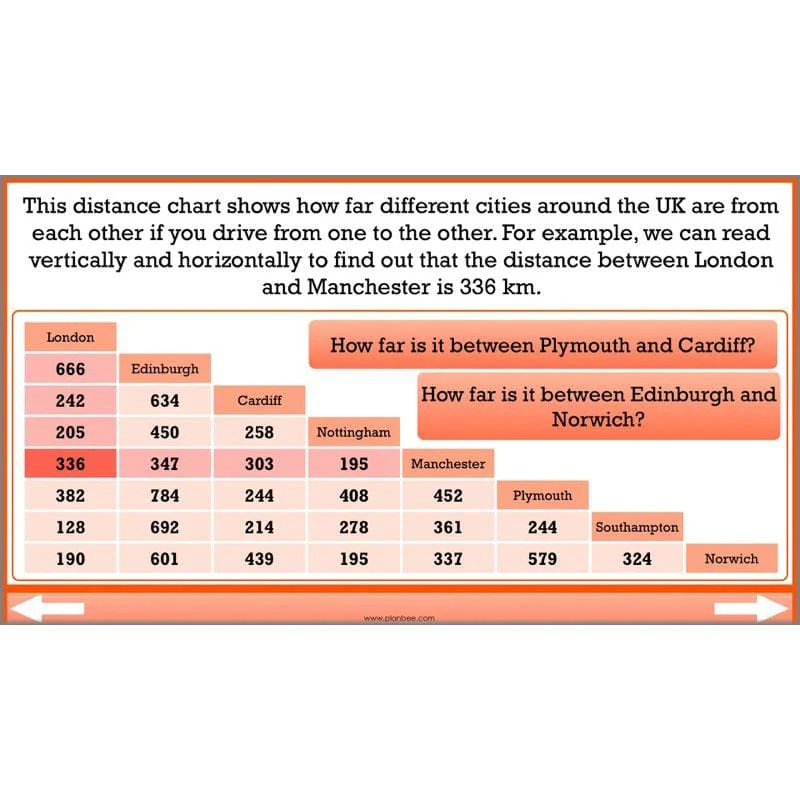
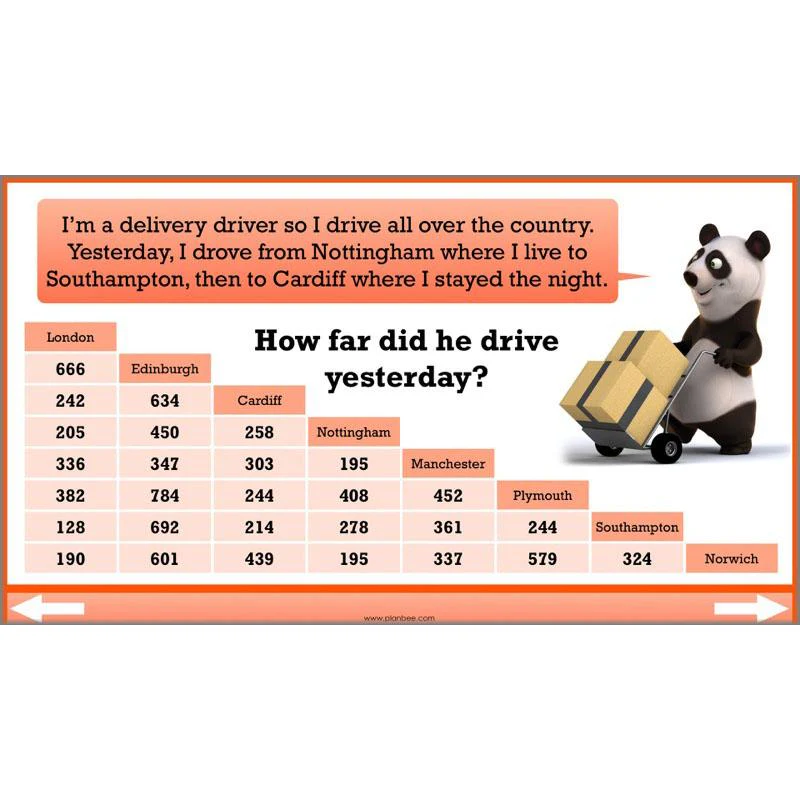
The final lesson in this series gives your class the chance to use their improved addition skills to solve problems relating to distances between UK cities. The slides for the teaching input ask your class to help a delivery man (well, panda!) work out how far he has travelled on various trips. Their independent learning then asks them to order a variety of journeys from shortest to longest, using column addition to work out the answers.
What's included:
- Lesson plan
- Slides
- Activity ideas
- Worksheet
- Differentiated journey cards
- Differentiated distance cards
- City cards
Original: $4.71
-65%$4.71
$1.65More Images
















What's the Total?
Help your children understand different methods of addition with this ‘What’s the Total?’ scheme of work for Year 5. Your class will have the chance to brush up on their mental addition skills before moving on to recap the decomposition and expanded methods. Once these are safely tucked under their belts they can then move on to explore column addition and how to use this method to add several numbers together.
Through a variety of engaging activities, investigations and puzzles, these Year 5 ‘What’s the Total?’ lessons (including everything you need to teach a whole week of Maths planning) are the perfect way to improve their understanding of addition.
Mental Puzzles
Get them using their number and addition knowledge to solve some addition problems mentally in this first lesson. Your class will be challenged to work their way through an addition maze to reach a given total from a start number, using rounding and estimation along the way to help them. Alternatively, they can find three numbers which total a given target number. There’s also an addition bingo game to wrap the lesson up with!
What's included:
- Lesson plan
- Slides
- Activity ideas
- Differentiated addition mazes
- Differentiated challenge cards
- Number cards
- Bingo game cards
- Bingo game question sheet
Decomposition and Expanded Methods
After some missing number chain warm-up activities, your class will have the chance to recap how the decomposition and expanded methods of addition work. They will use these methods to add several numbers together at once, consolidating their understanding of how to partition numbers into hundreds, tens and ones to make them easier to add together.
What's included:
- Lesson plan
- Slides
- Activity ideas
- Differentiated question cards
- Worksheet
- Differentiated true or false cards
Column Addition
This lesson starts by encouraging your class to recognise the similarities and differences between the expanded and formal column addition methods. They will then recap in detail how column addition works before using this method to add several numbers together. Their independent learning activities have some challenging investigations to tackle to help reinforce these skills.
What's included:
- Lesson plan
- Slides
- Activity ideas
- Differentiated challenge cards
- Worksheet
- Differentiated question sheets
- Book page cards
Missing Number Problems
After recalling how the column addition method works, this lesson will help them to really understand the different steps of this method as they solve a variety of increasingly challenging missing number calculations. They will have to think carefully about the information they have been given and how they can use this, and follow the steps for column addition, to solve each problem.
What's included:
- Lesson plan
- Slides
- Activity ideas
- Differentiated worksheets
- Differentiated challenge cards
Distance Problems
The final lesson in this series gives your class the chance to use their improved addition skills to solve problems relating to distances between UK cities. The slides for the teaching input ask your class to help a delivery man (well, panda!) work out how far he has travelled on various trips. Their independent learning then asks them to order a variety of journeys from shortest to longest, using column addition to work out the answers.
What's included:
- Lesson plan
- Slides
- Activity ideas
- Worksheet
- Differentiated journey cards
- Differentiated distance cards
- City cards
Product Information
Product Information
Shipping & Returns
Shipping & Returns
Description
Help your children understand different methods of addition with this ‘What’s the Total?’ scheme of work for Year 5. Your class will have the chance to brush up on their mental addition skills before moving on to recap the decomposition and expanded methods. Once these are safely tucked under their belts they can then move on to explore column addition and how to use this method to add several numbers together.
Through a variety of engaging activities, investigations and puzzles, these Year 5 ‘What’s the Total?’ lessons (including everything you need to teach a whole week of Maths planning) are the perfect way to improve their understanding of addition.
Mental Puzzles
Get them using their number and addition knowledge to solve some addition problems mentally in this first lesson. Your class will be challenged to work their way through an addition maze to reach a given total from a start number, using rounding and estimation along the way to help them. Alternatively, they can find three numbers which total a given target number. There’s also an addition bingo game to wrap the lesson up with!
What's included:
- Lesson plan
- Slides
- Activity ideas
- Differentiated addition mazes
- Differentiated challenge cards
- Number cards
- Bingo game cards
- Bingo game question sheet
Decomposition and Expanded Methods
After some missing number chain warm-up activities, your class will have the chance to recap how the decomposition and expanded methods of addition work. They will use these methods to add several numbers together at once, consolidating their understanding of how to partition numbers into hundreds, tens and ones to make them easier to add together.
What's included:
- Lesson plan
- Slides
- Activity ideas
- Differentiated question cards
- Worksheet
- Differentiated true or false cards
Column Addition
This lesson starts by encouraging your class to recognise the similarities and differences between the expanded and formal column addition methods. They will then recap in detail how column addition works before using this method to add several numbers together. Their independent learning activities have some challenging investigations to tackle to help reinforce these skills.
What's included:
- Lesson plan
- Slides
- Activity ideas
- Differentiated challenge cards
- Worksheet
- Differentiated question sheets
- Book page cards
Missing Number Problems
After recalling how the column addition method works, this lesson will help them to really understand the different steps of this method as they solve a variety of increasingly challenging missing number calculations. They will have to think carefully about the information they have been given and how they can use this, and follow the steps for column addition, to solve each problem.
What's included:
- Lesson plan
- Slides
- Activity ideas
- Differentiated worksheets
- Differentiated challenge cards
Distance Problems
The final lesson in this series gives your class the chance to use their improved addition skills to solve problems relating to distances between UK cities. The slides for the teaching input ask your class to help a delivery man (well, panda!) work out how far he has travelled on various trips. Their independent learning then asks them to order a variety of journeys from shortest to longest, using column addition to work out the answers.
What's included:
- Lesson plan
- Slides
- Activity ideas
- Worksheet
- Differentiated journey cards
- Differentiated distance cards
- City cards