Who Lives Here?
Explore some of the amazing and unusual homes found around the world with this ‘Who Lives Here?’ Geography scheme of work for KS1. This downloadable Geography scheme of work is ready to teach. Each lesson contains a lesson plan, a slideshow presentation and printable resources, all saved as PDFs. Pick from one of the lessons or download the whole scheme. While you are here, make sure you have browse our other paid and free Geography resources.
From a single dwelling in the Amazon rainforest that houses an entire village, to underground cave homes in Africa, your class will learn about the diverse homes and cultures of different groups of people around the world! Containing six detailed lesson plans, a set of slides for each lesson, as well as a variety of engaging and colourful printable resources, this KS1 ‘Who Lives Here?’ scheme is completely ready for you to teach and enjoy with your class.
You might also like our Houses and Homes Topic Bundle – perfect if you're looking for a cross-curricular approach to your teaching!
The Inuit People
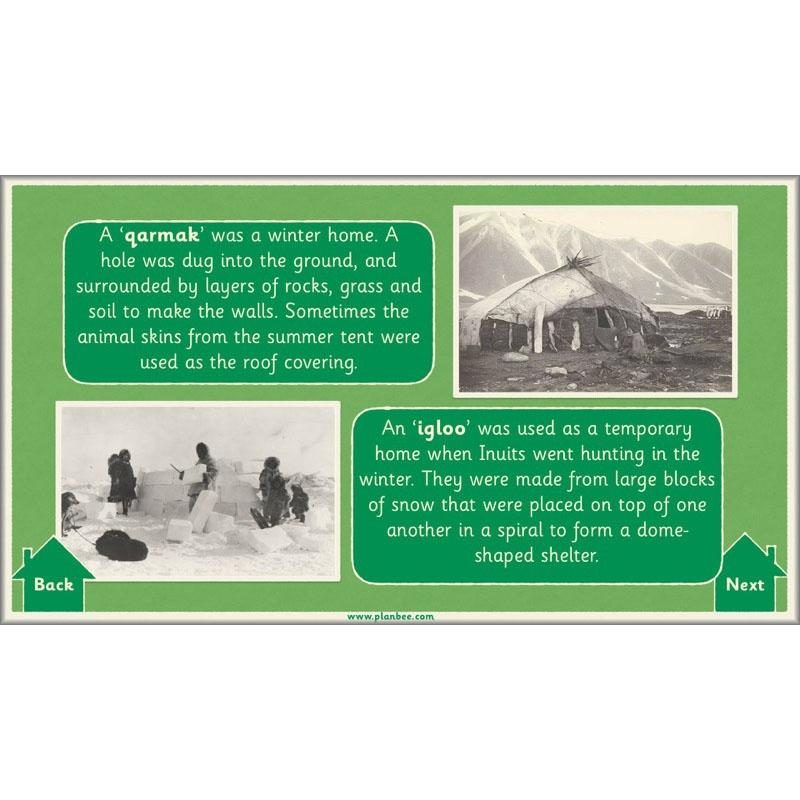
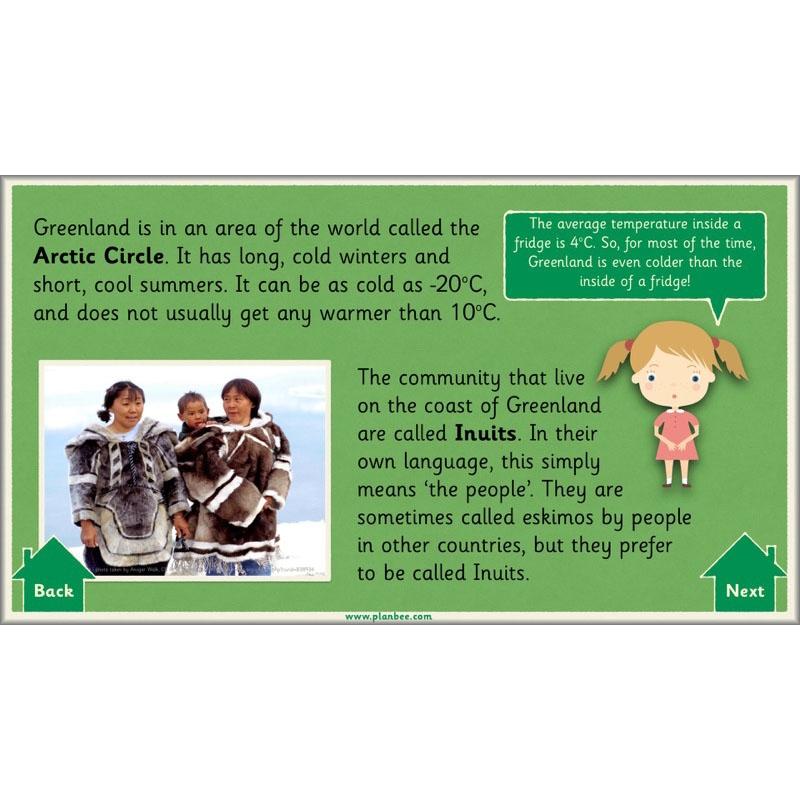
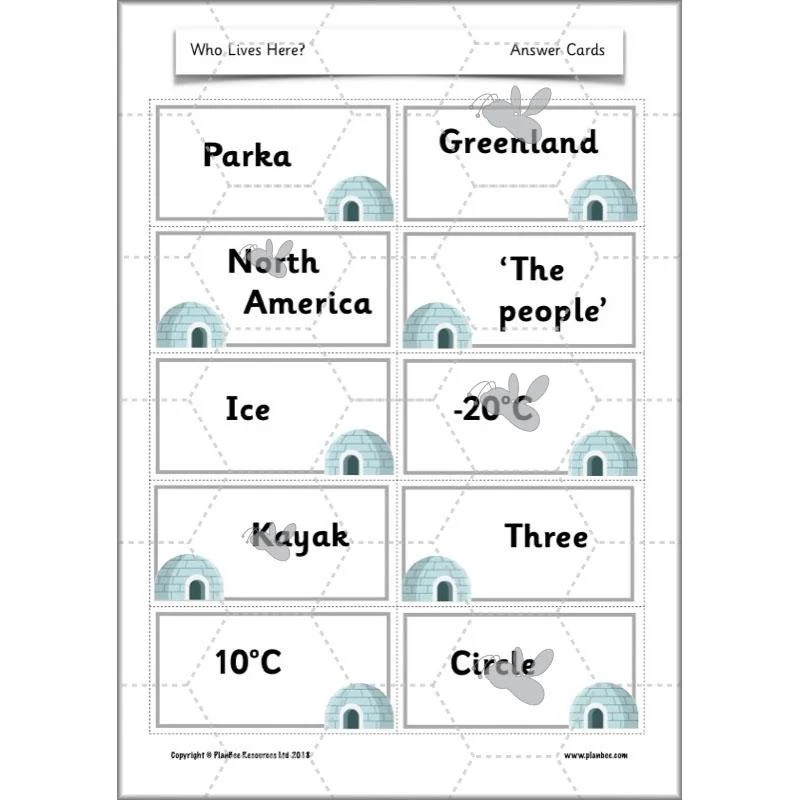
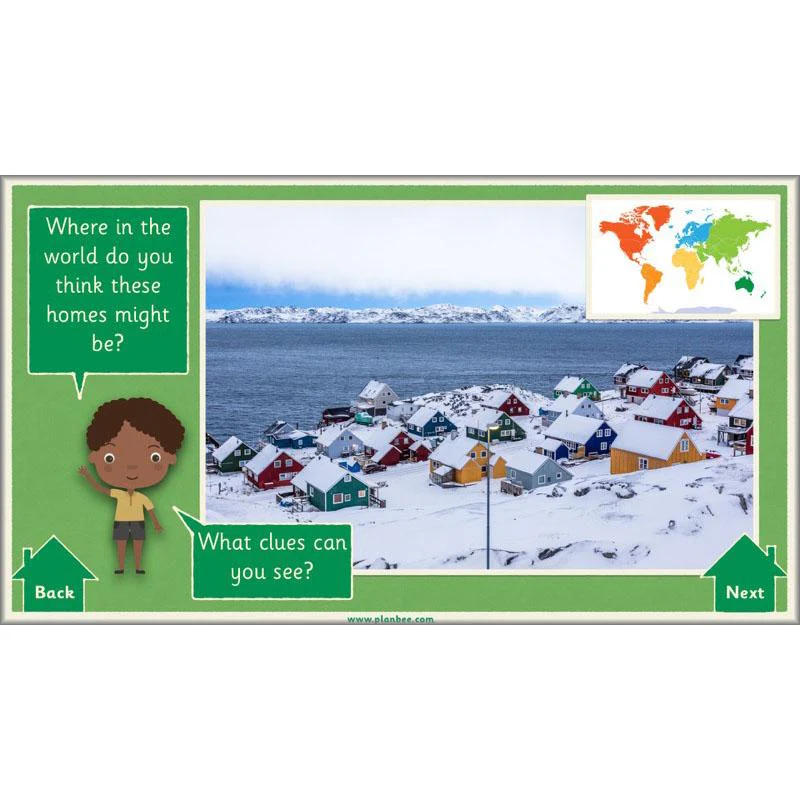
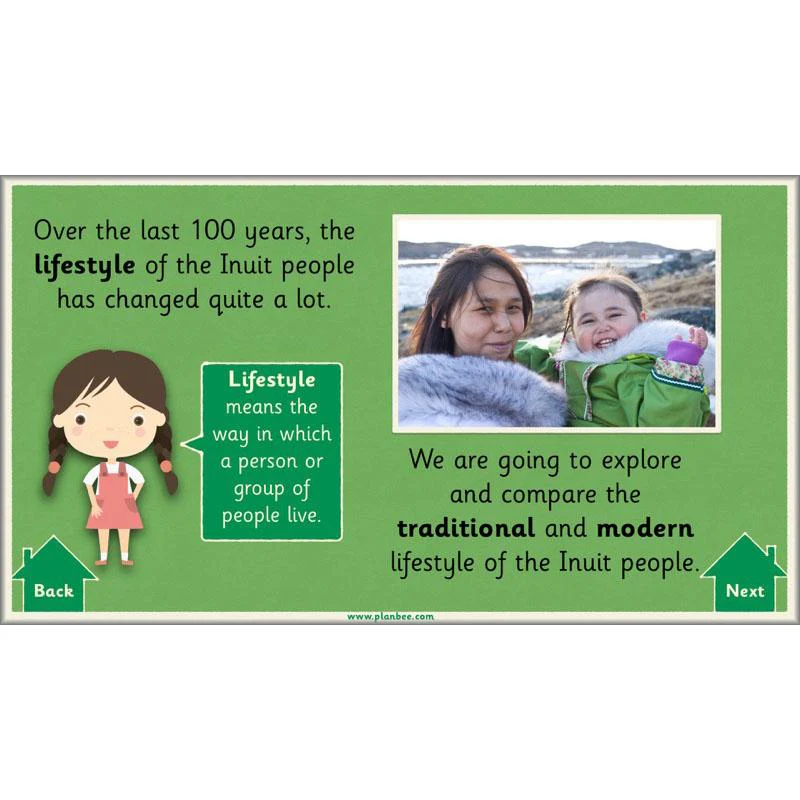
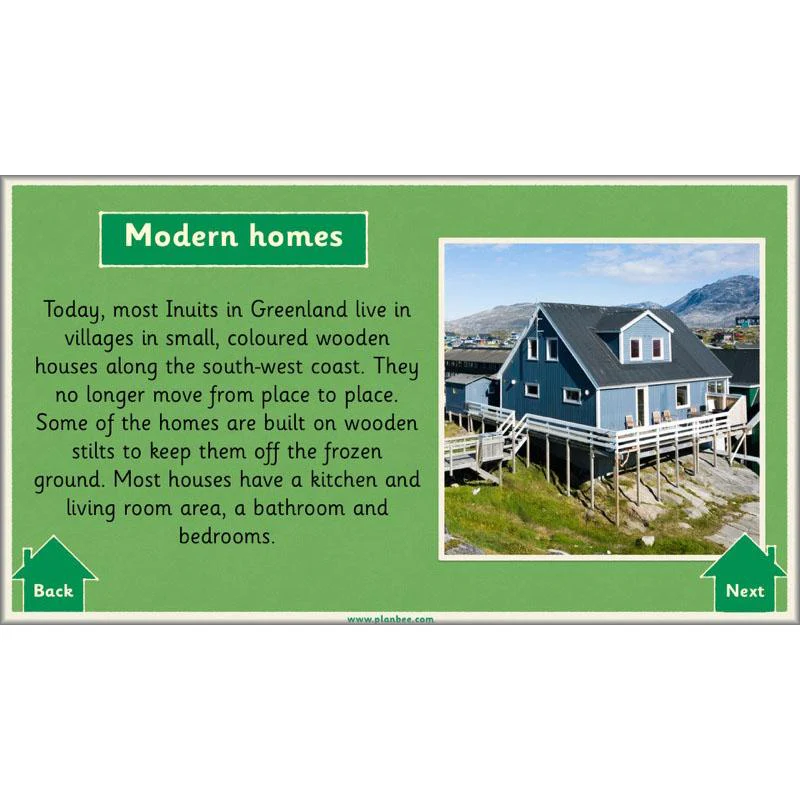
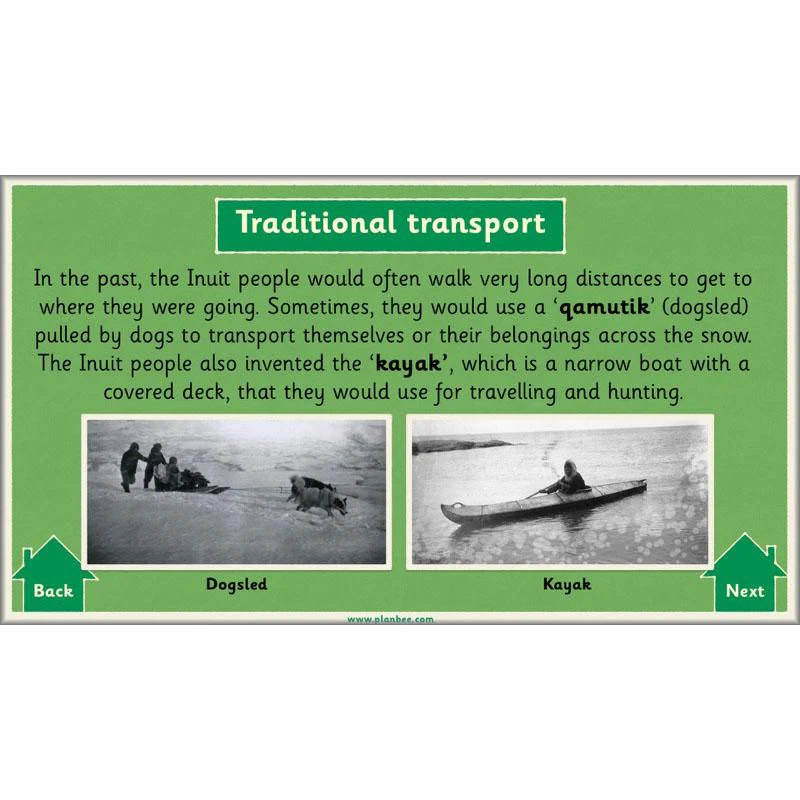
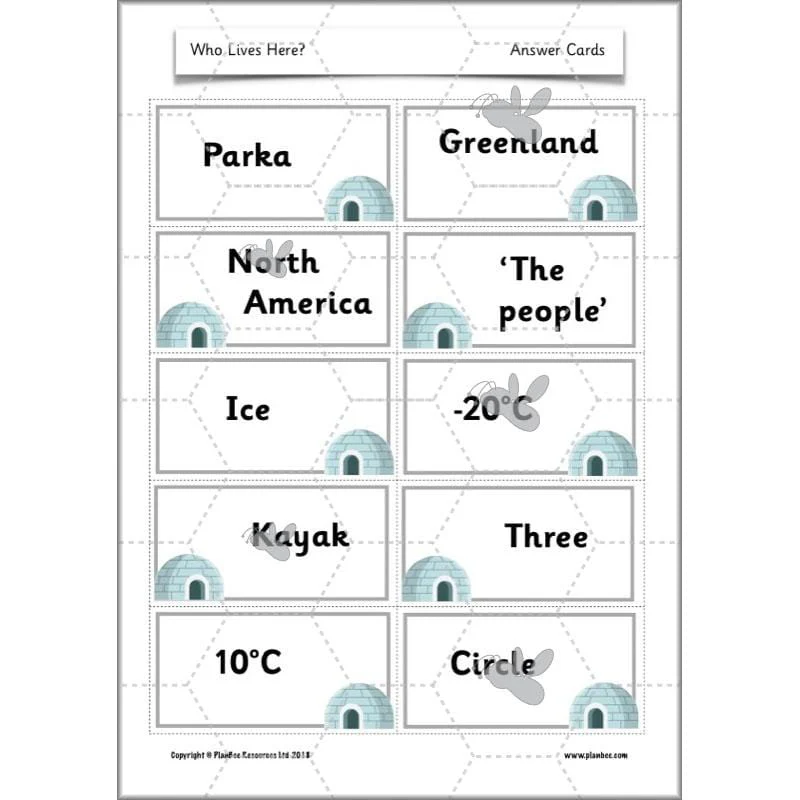
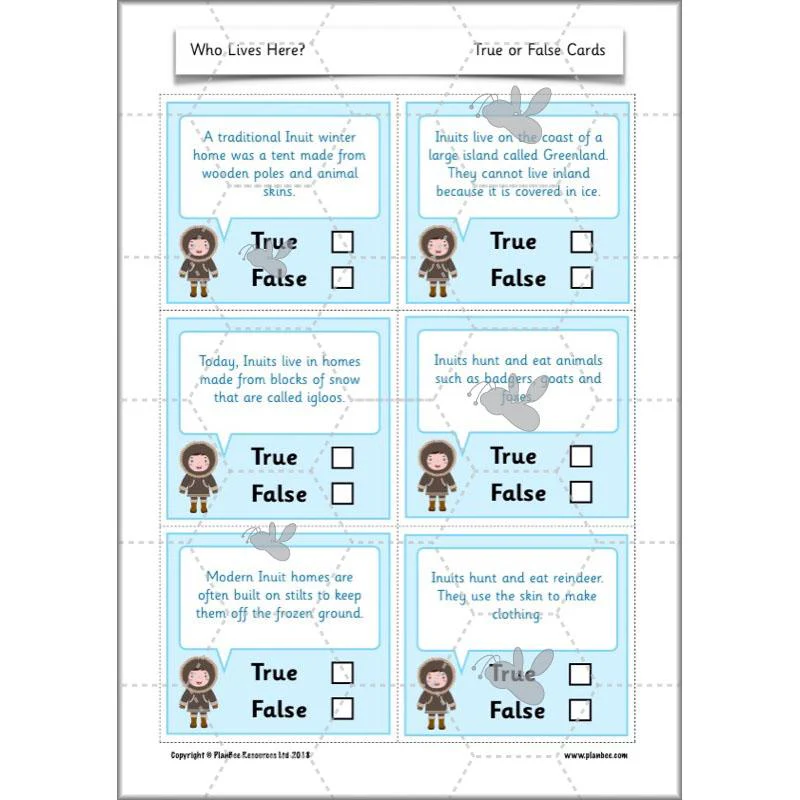
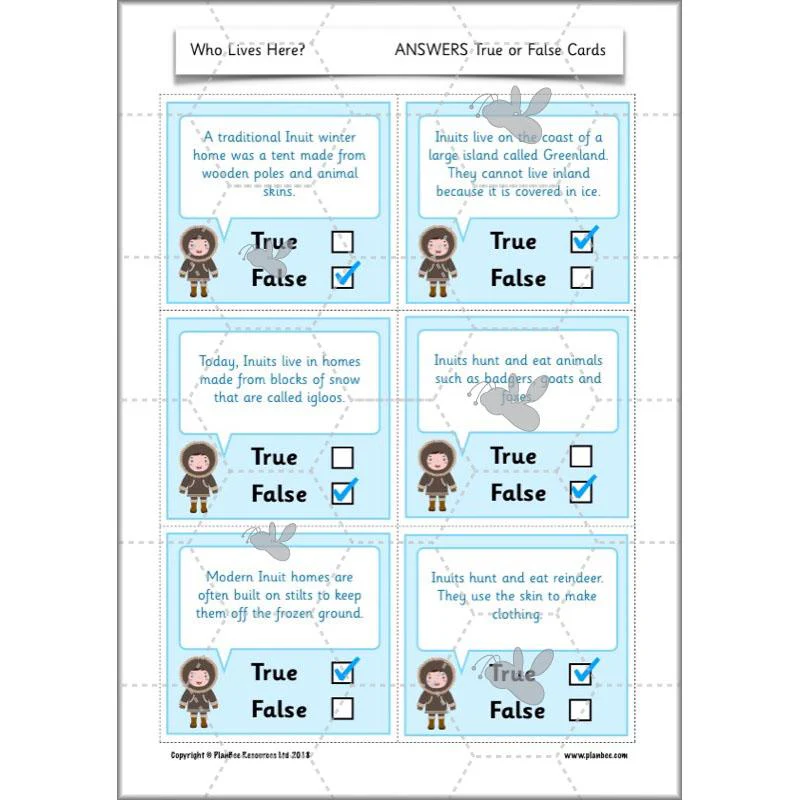
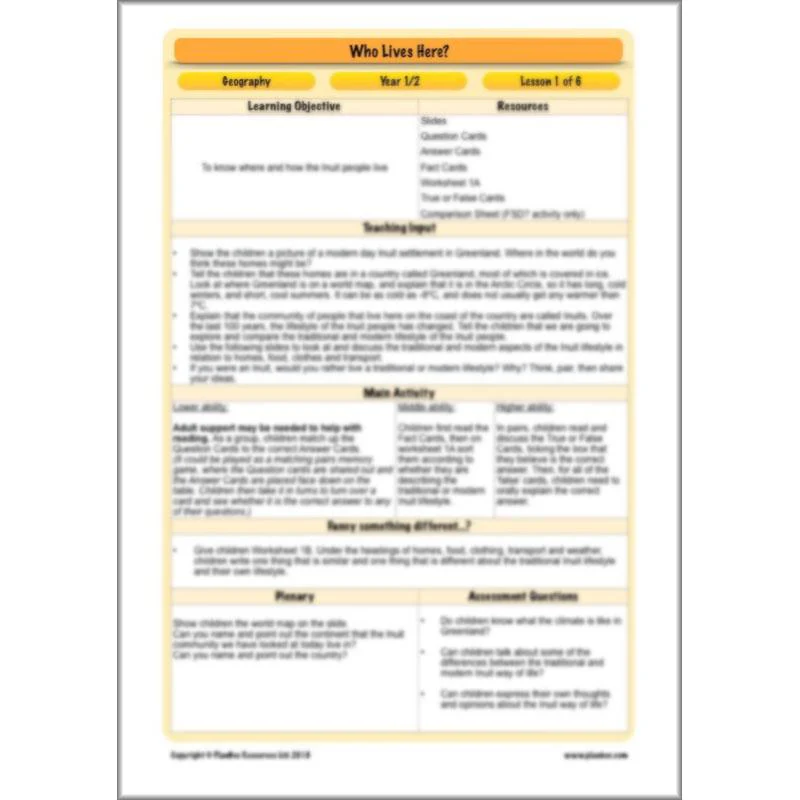
In this first lesson, children find out who lives on the largest island in the world, Greenland. They explore both the traditional and modern way of life for Inuits. In their independent activities, they will match answers to questions, sort fact cards, or identify and correct true and false statements. In the FSD? activity, children will compare and contrast the traditional Inuit way of life to their own lifestyle, using given headings.
What's included:
- Lesson plan
- Slides
- Activity ideas
- Question and Answer Cards
- Fact Cards
- True or False Cards
- Comparison Sheet
View Lesson 1
The Yanomami People
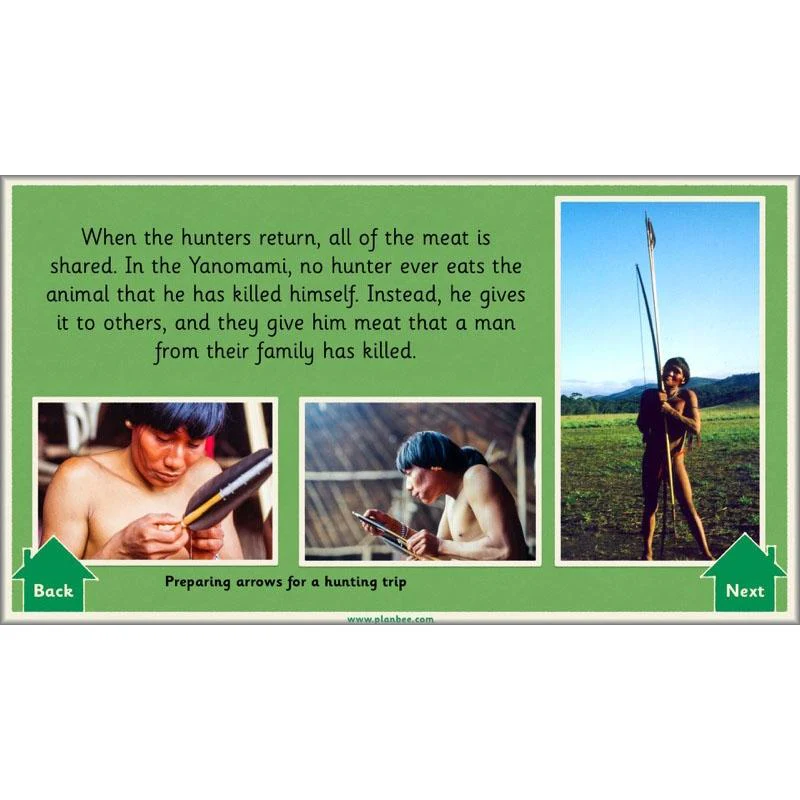
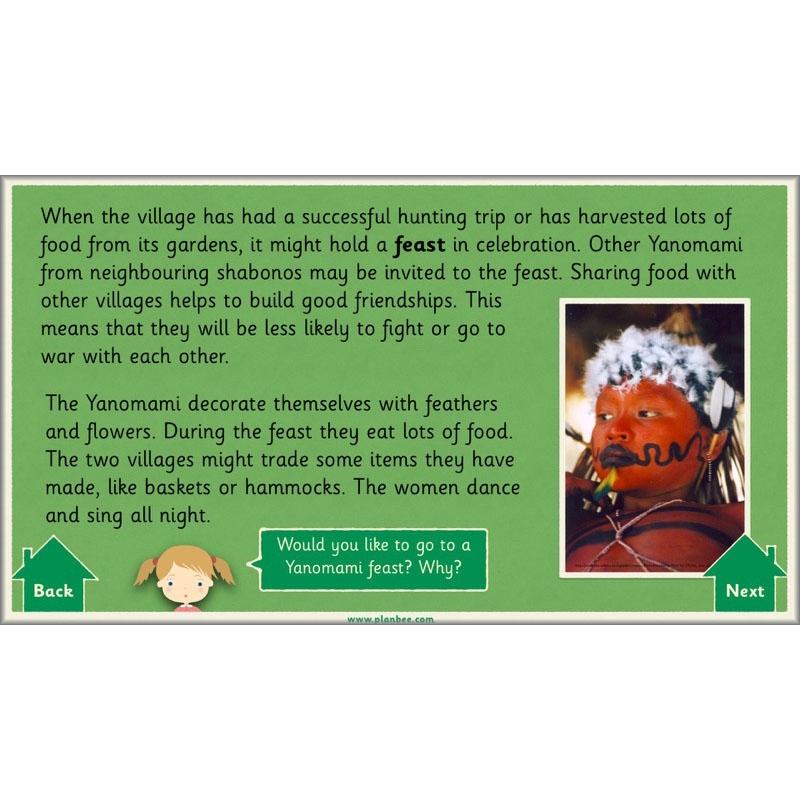
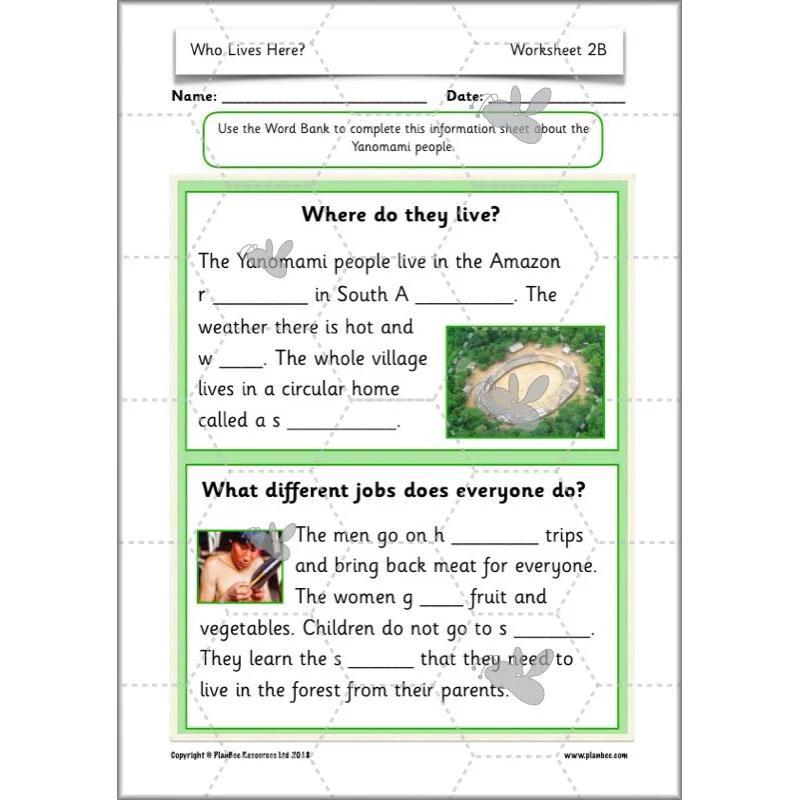
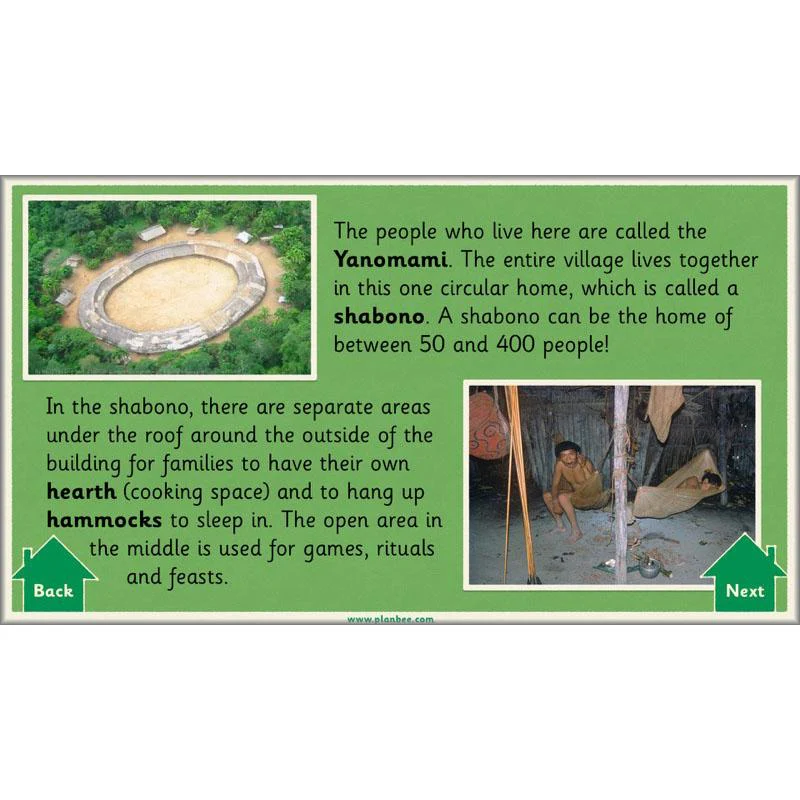
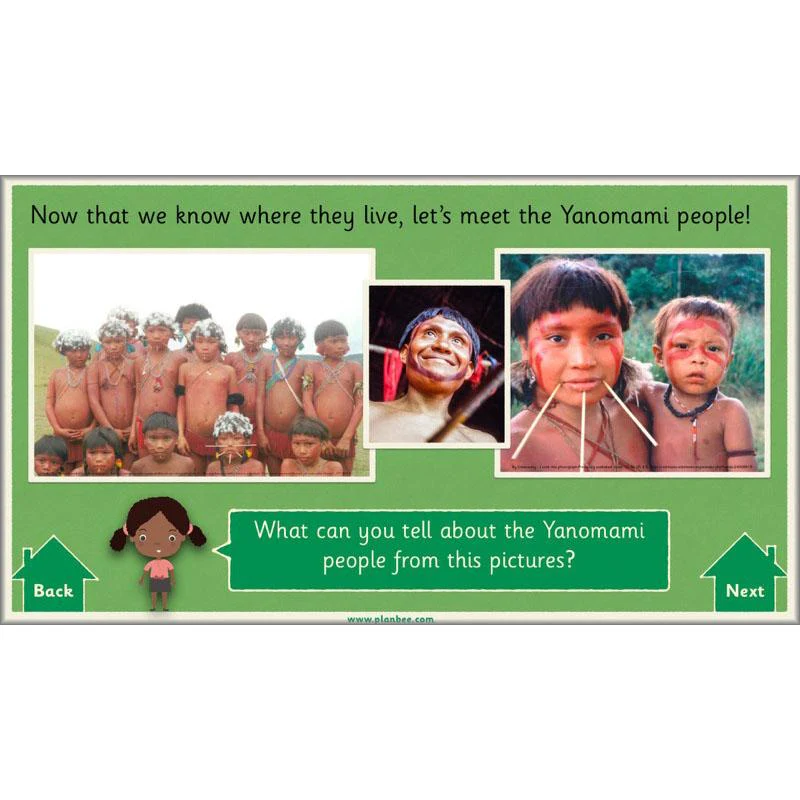
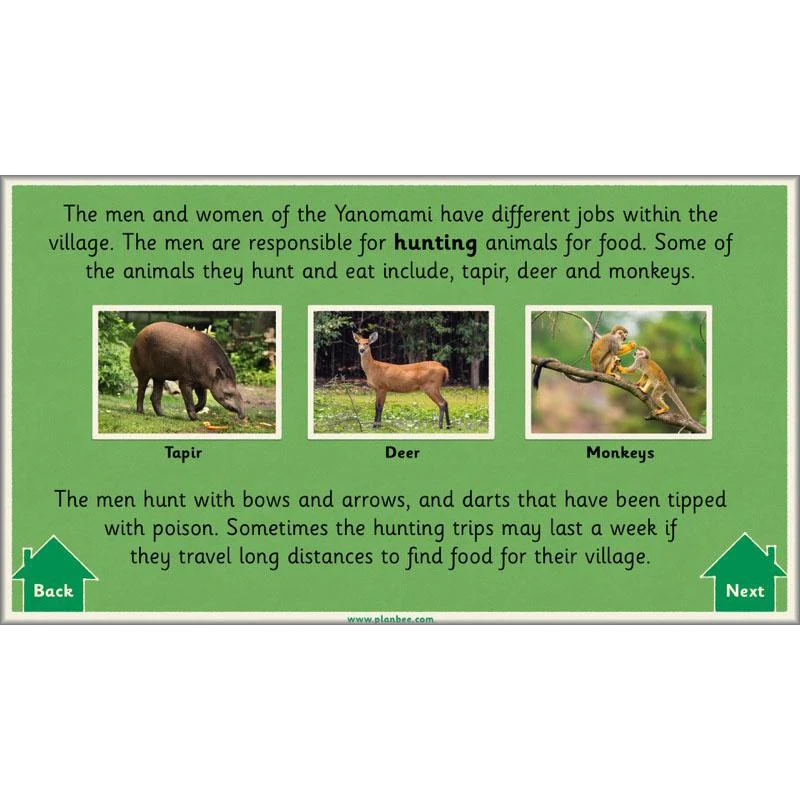
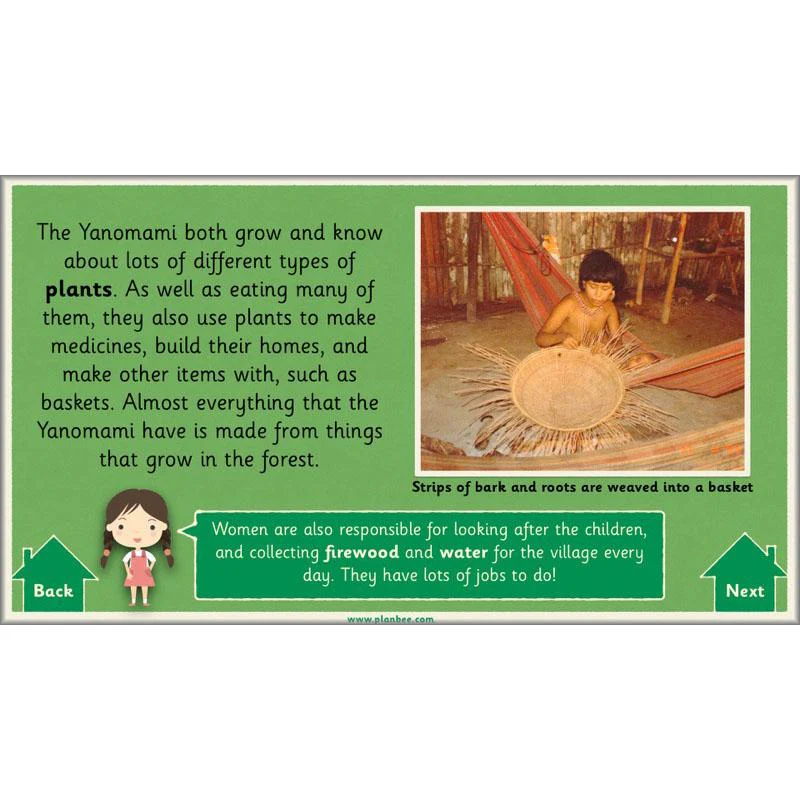
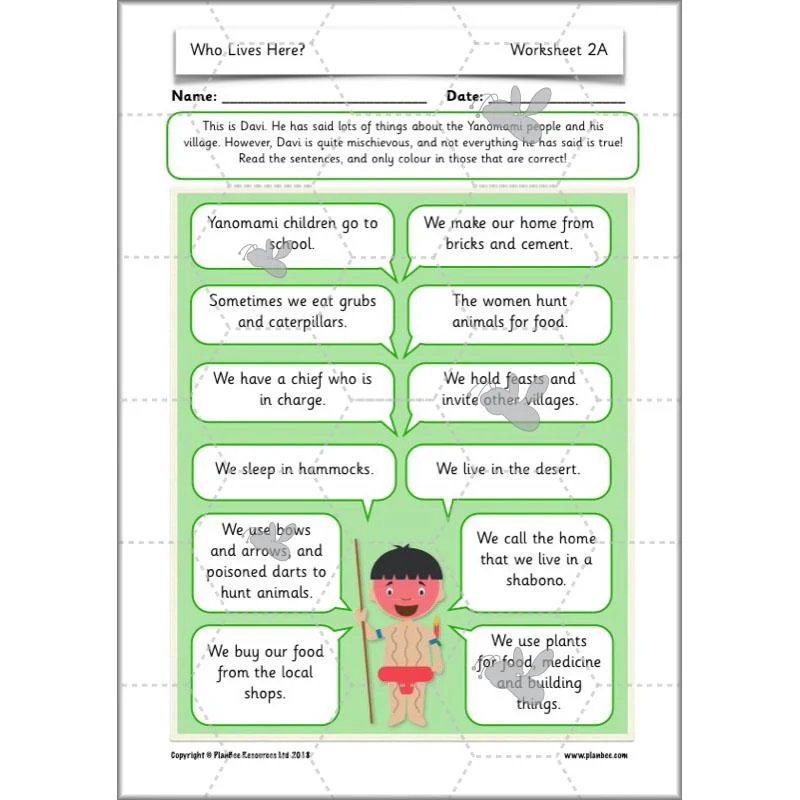
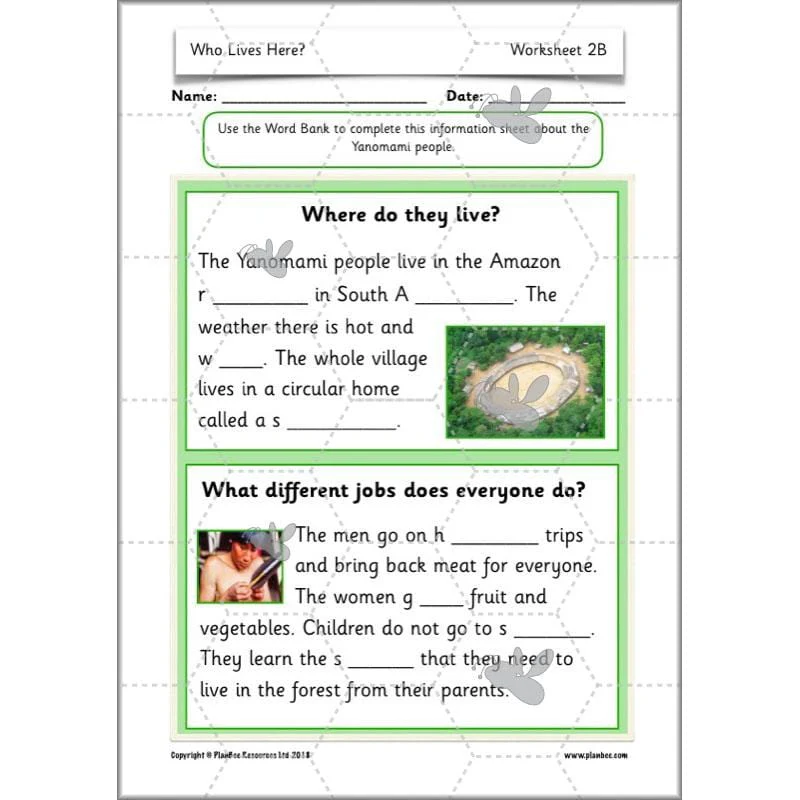
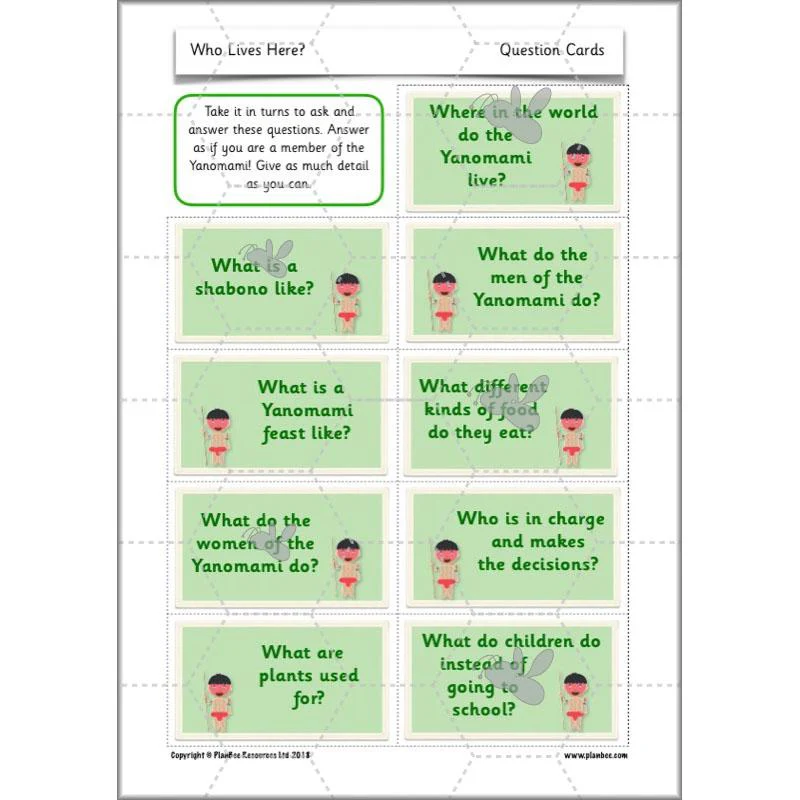
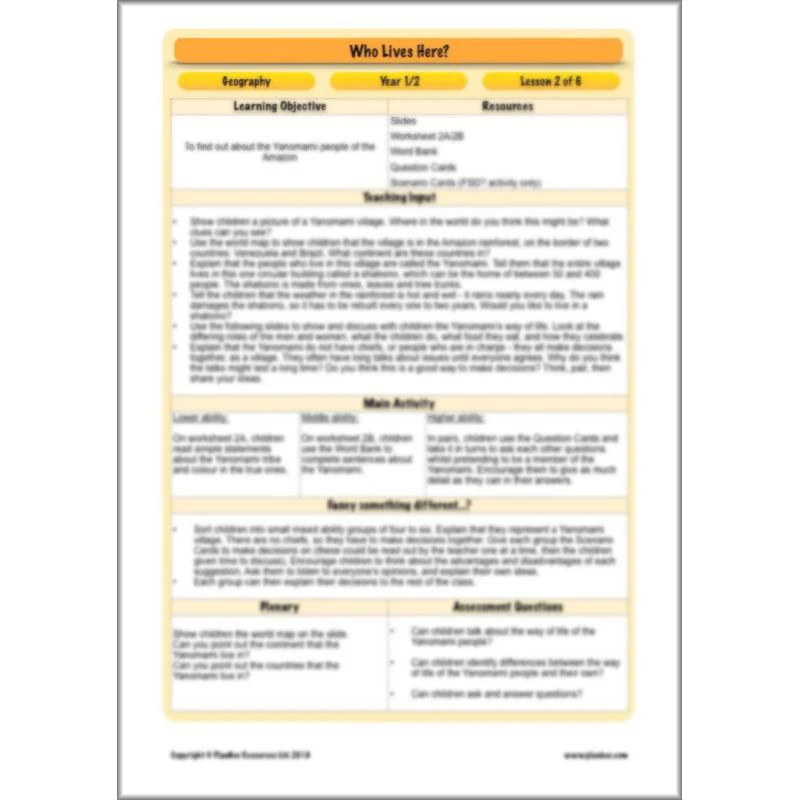
Children find out about the way of life of the Yanomami people in South America. They explore their homes, the differing roles of men and women, the food they eat, and how they celebrate. In their independent activities, children use what they have learned to identify true and false statements, complete sentences, and answer questions. In the alternative activity, children pretend to be members of a Yanomami village and make decisions together!
What's included:
- Lesson plan
- Slides
- Activity ideas
- Differentiated worksheets
- Word Bank
- Question Cards
- Scenario Cards
View Lesson 2
A Nomadic Way of Life
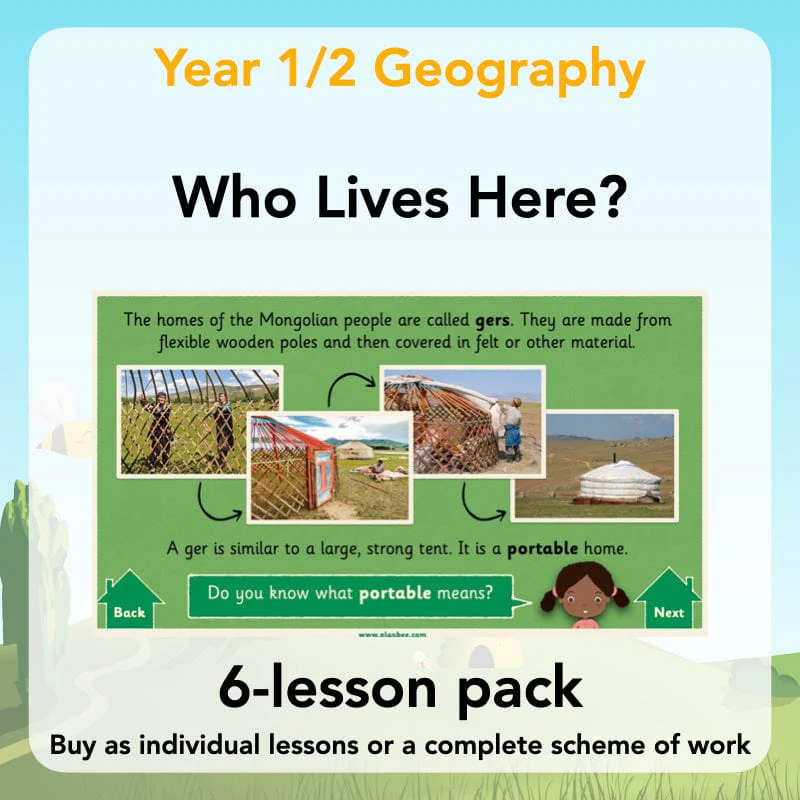
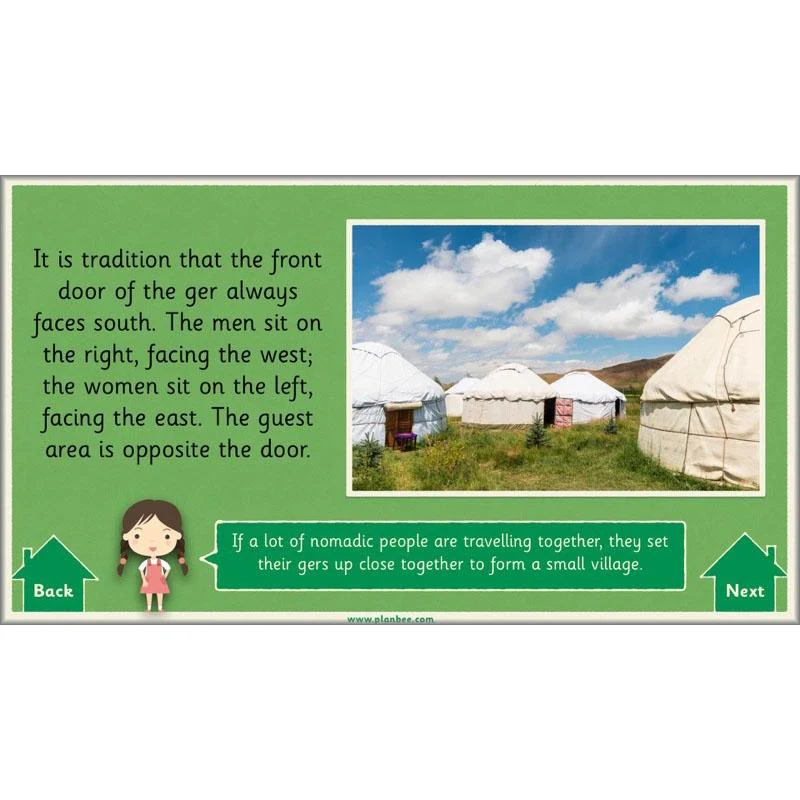
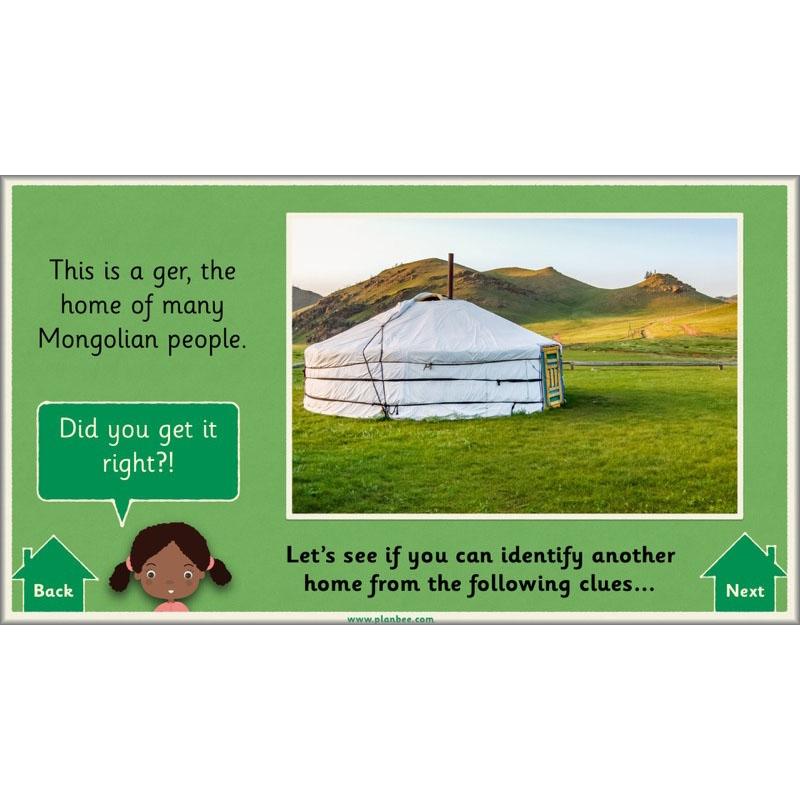
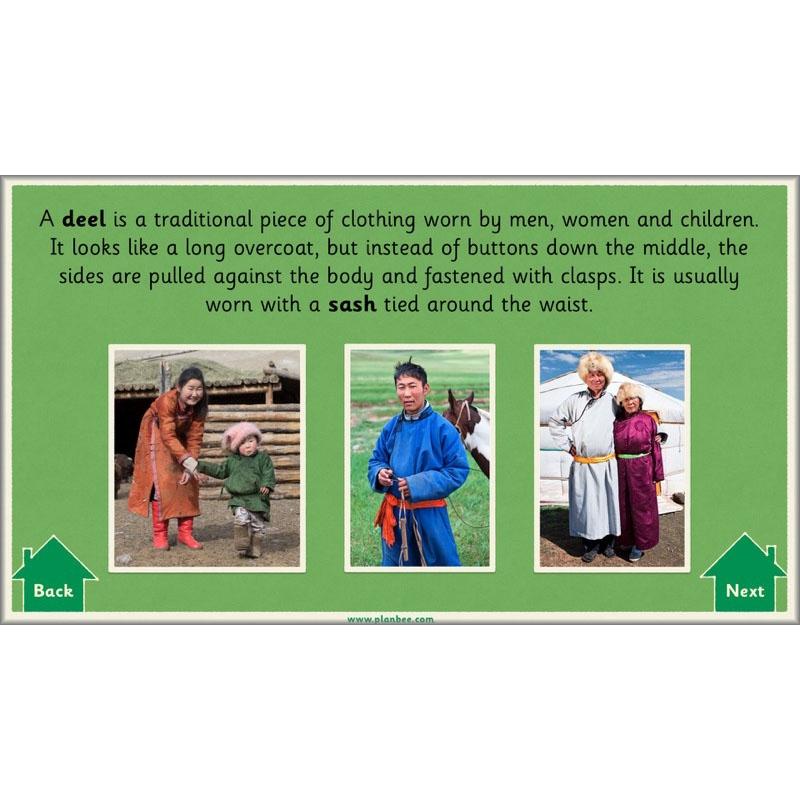
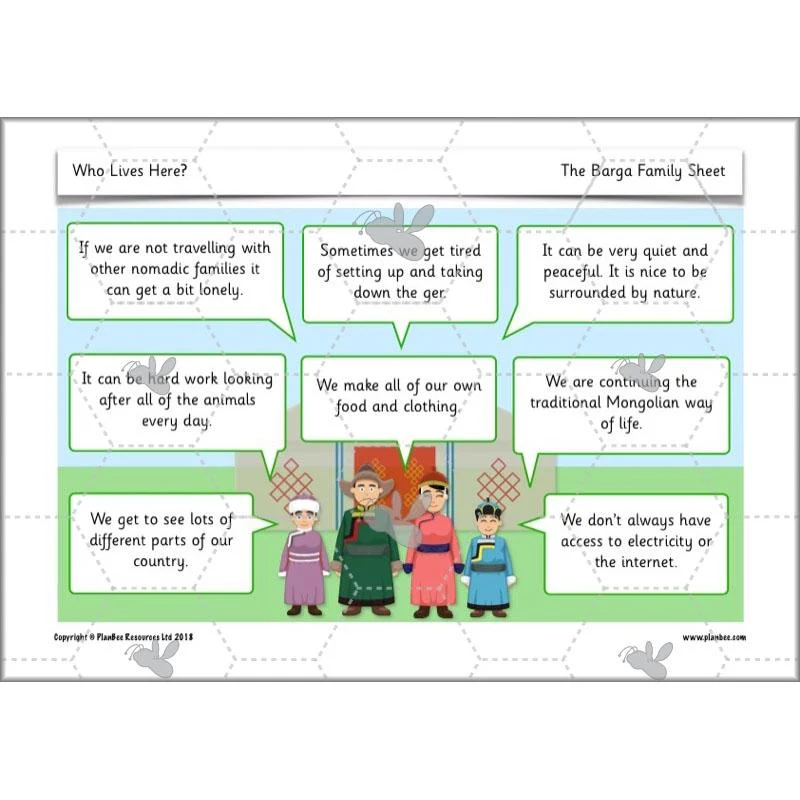
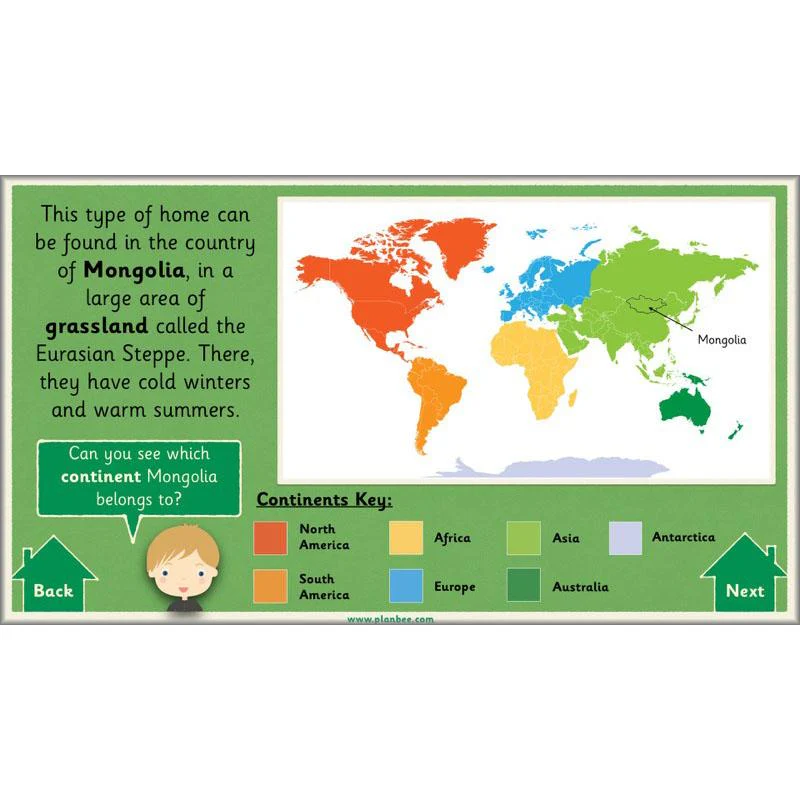
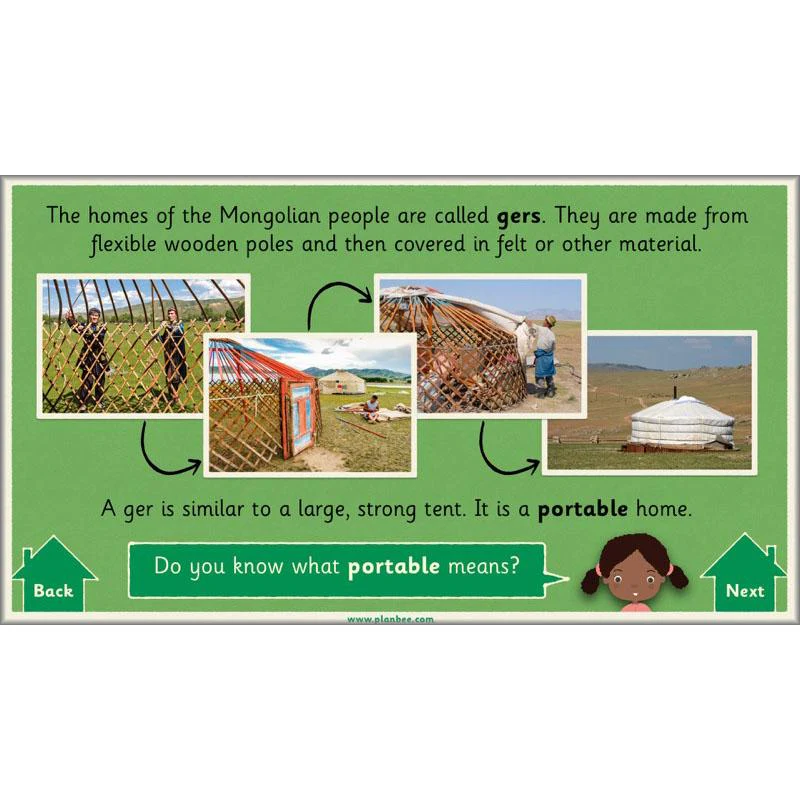
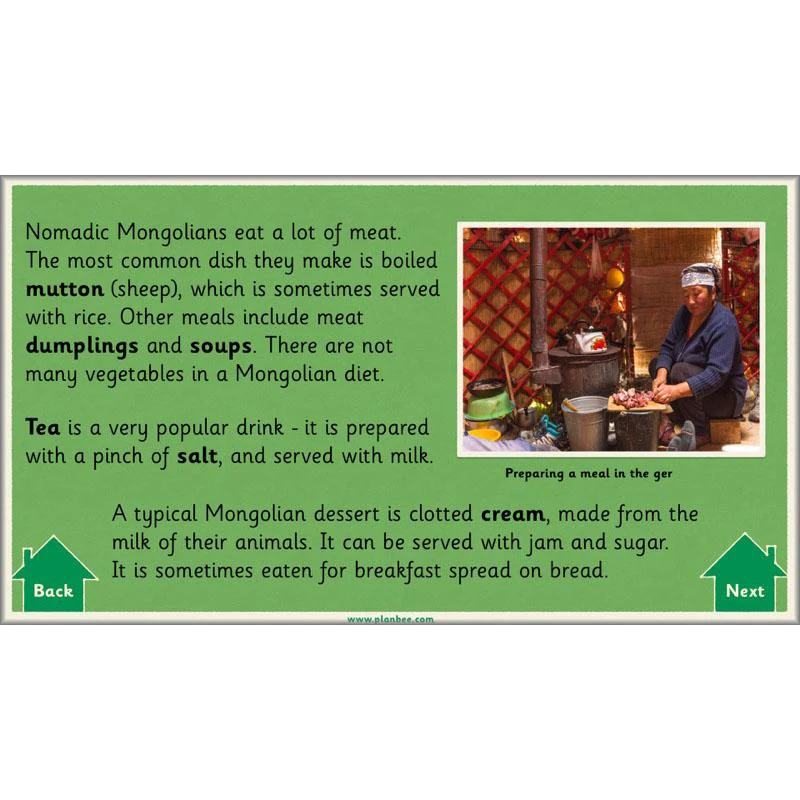
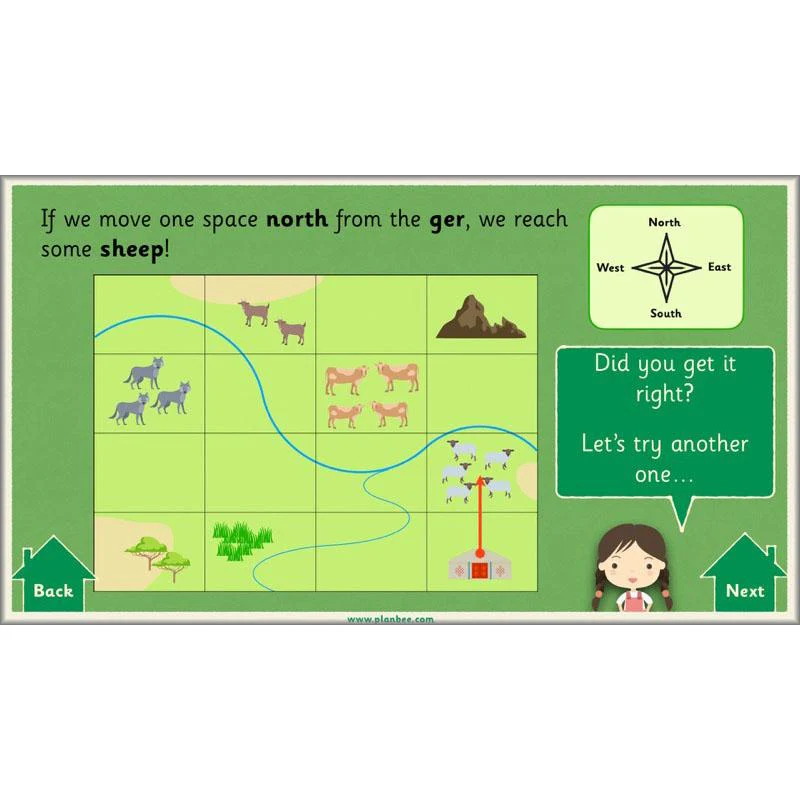
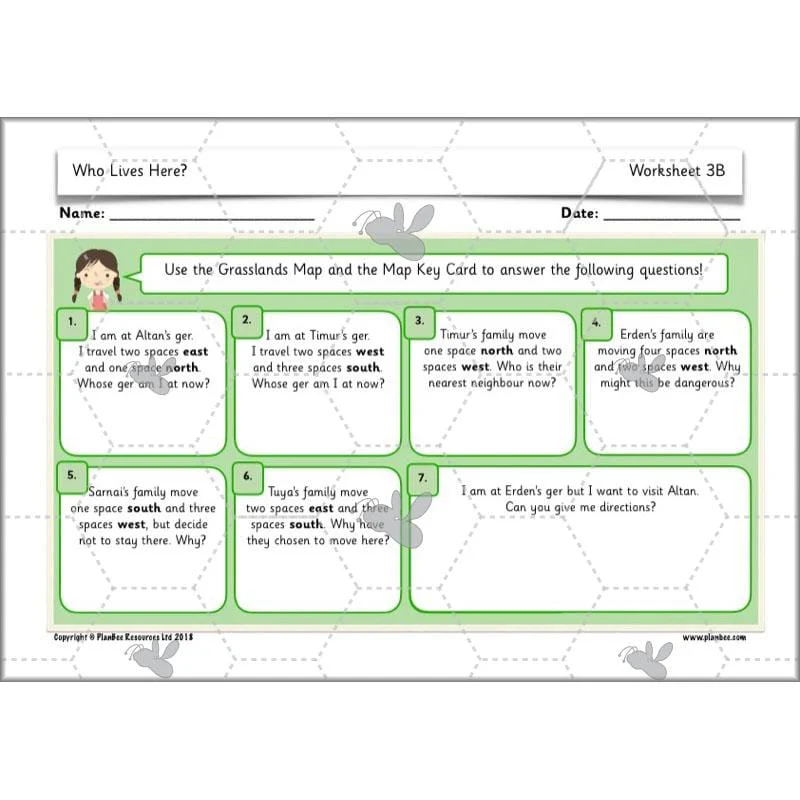
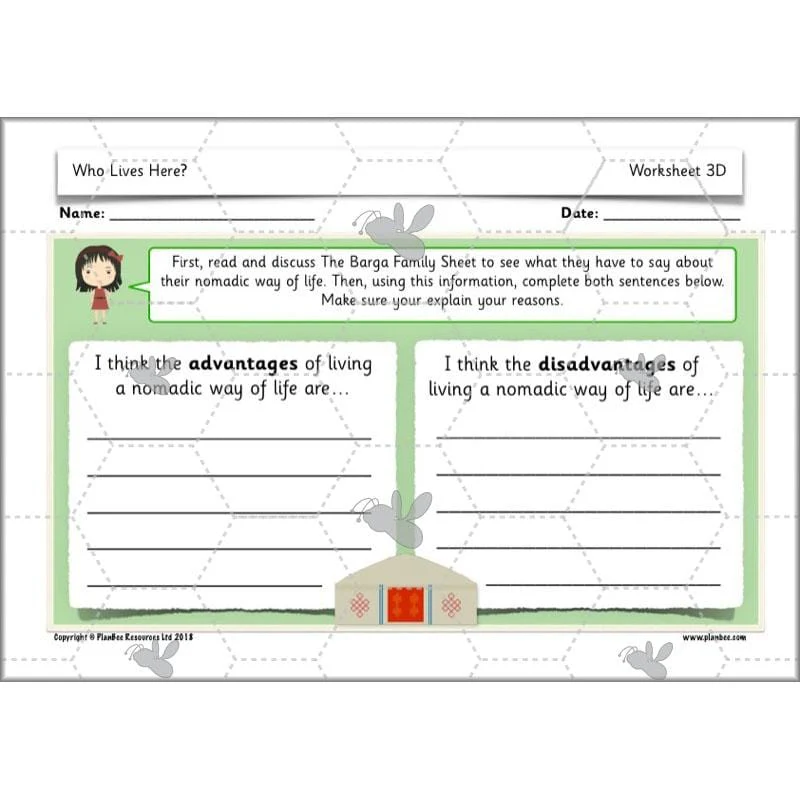
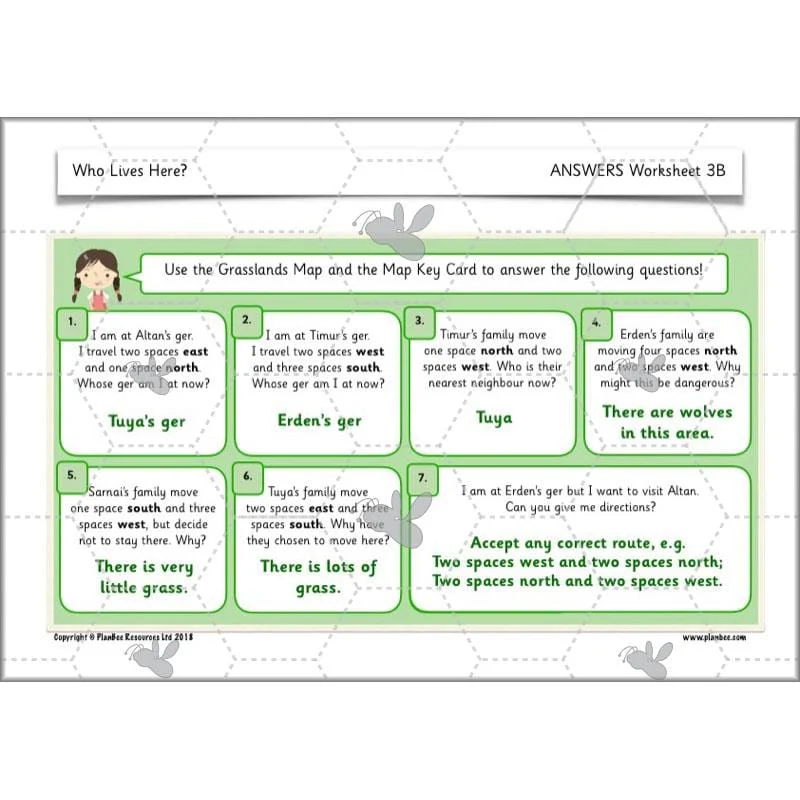
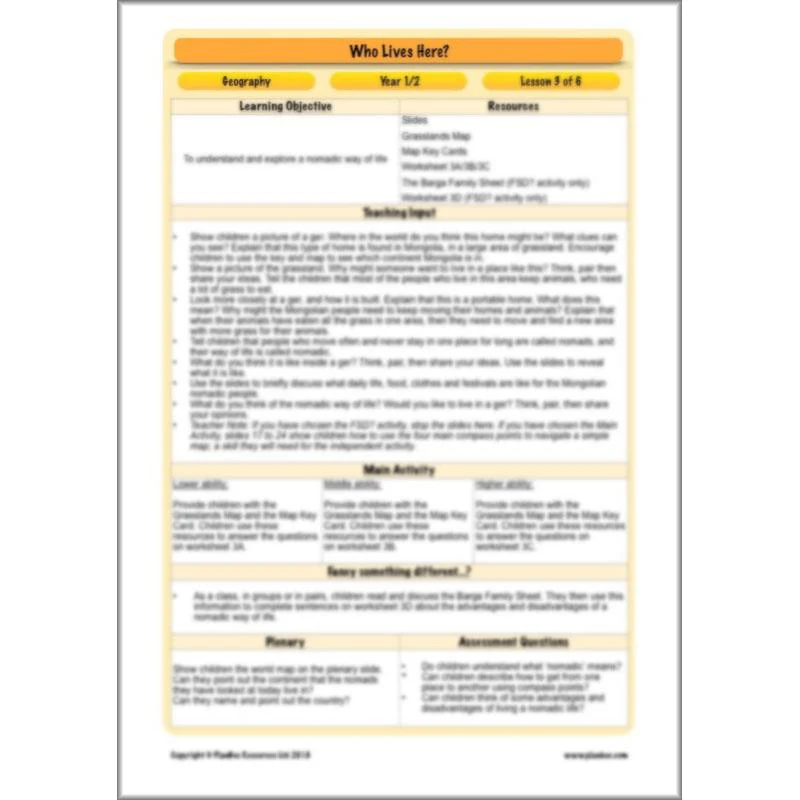
In this lesson, children learn about a nomadic way of life by exploring the lifestyle of those who live on the Mongolian grasslands. They find out why they need to keep moving from place to place, and what their portable homes are like. In their independent activities, children use a map and key to answer questions involving simple compass directions. In the alternative activity, children discuss the advantages and disadvantages of the nomadic way of life.
What's included:
- Lesson plan
- Slides
- Activity ideas
- Differentiated worksheets
- Grasslands Map
- Map Key Cards
- The Barga Family Sheet
View Lesson 3
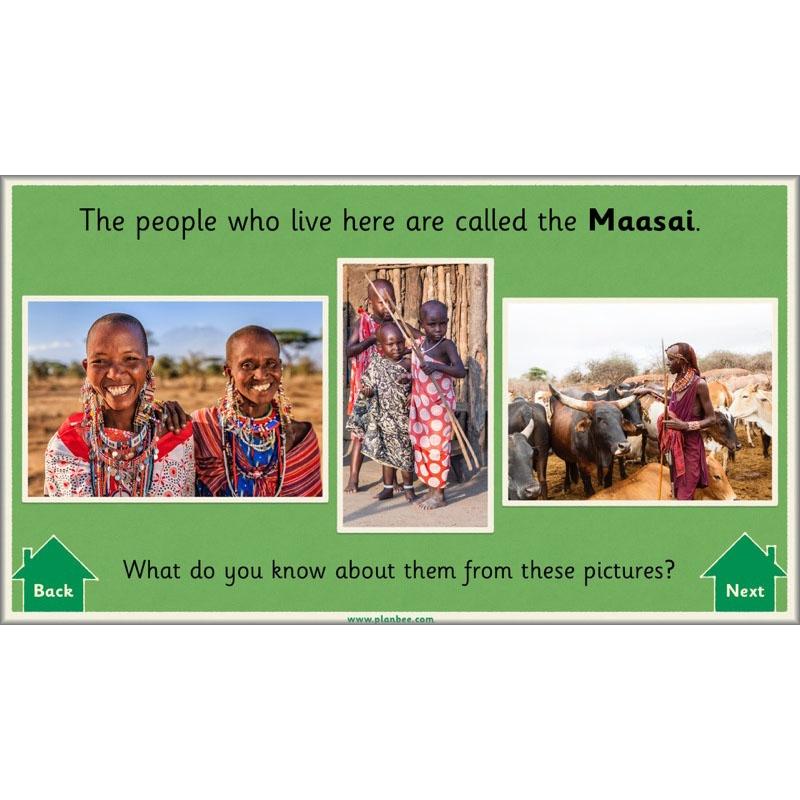
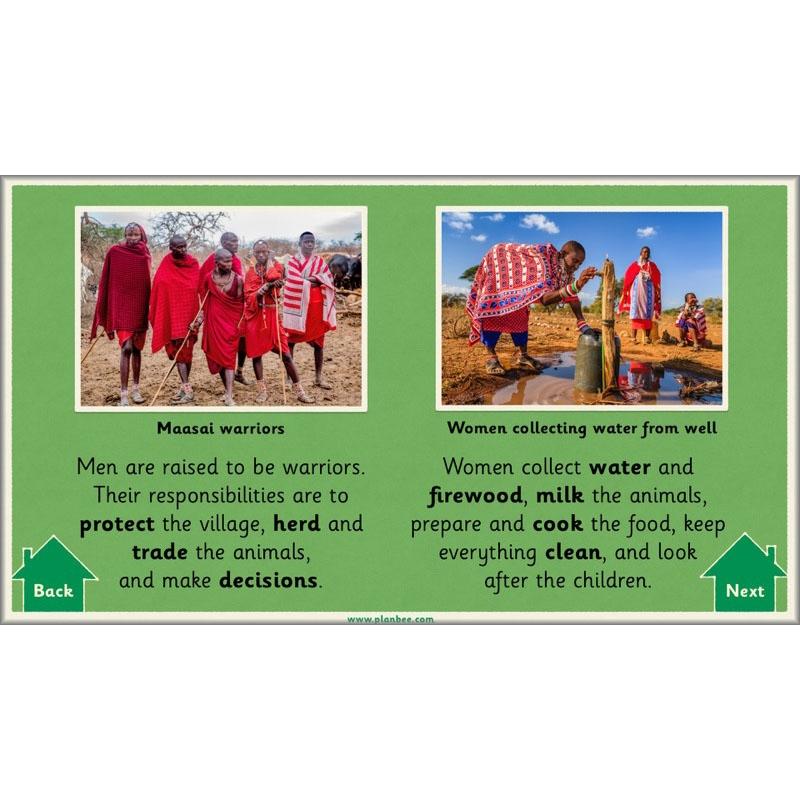
The Maasai People
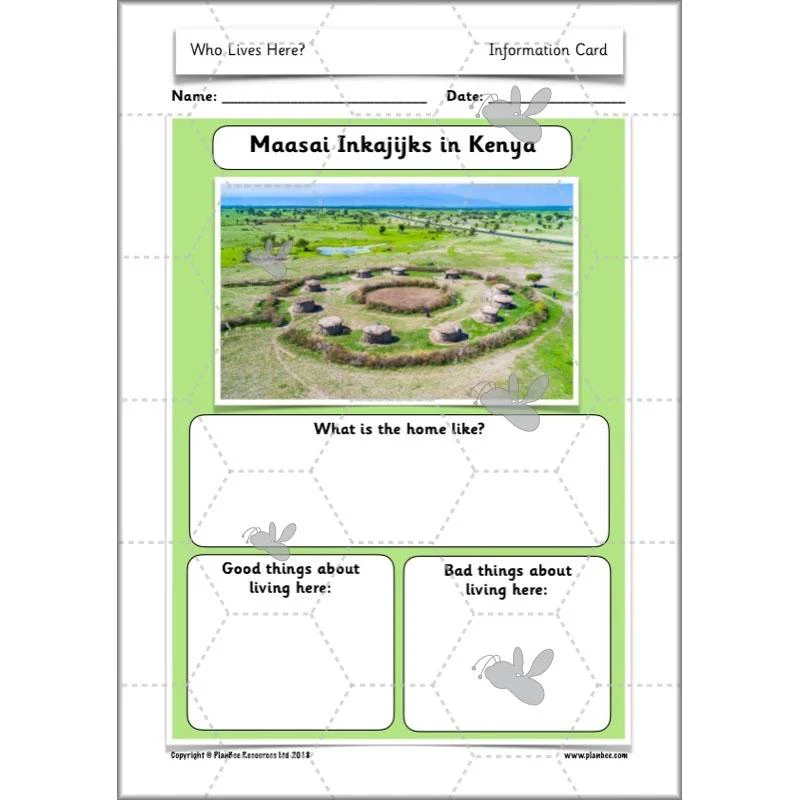
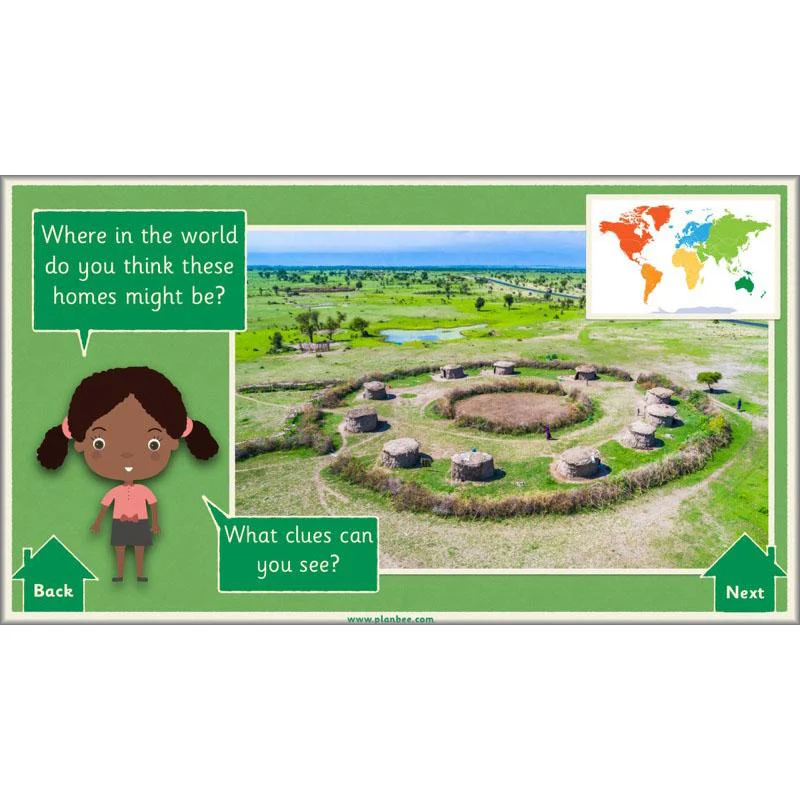
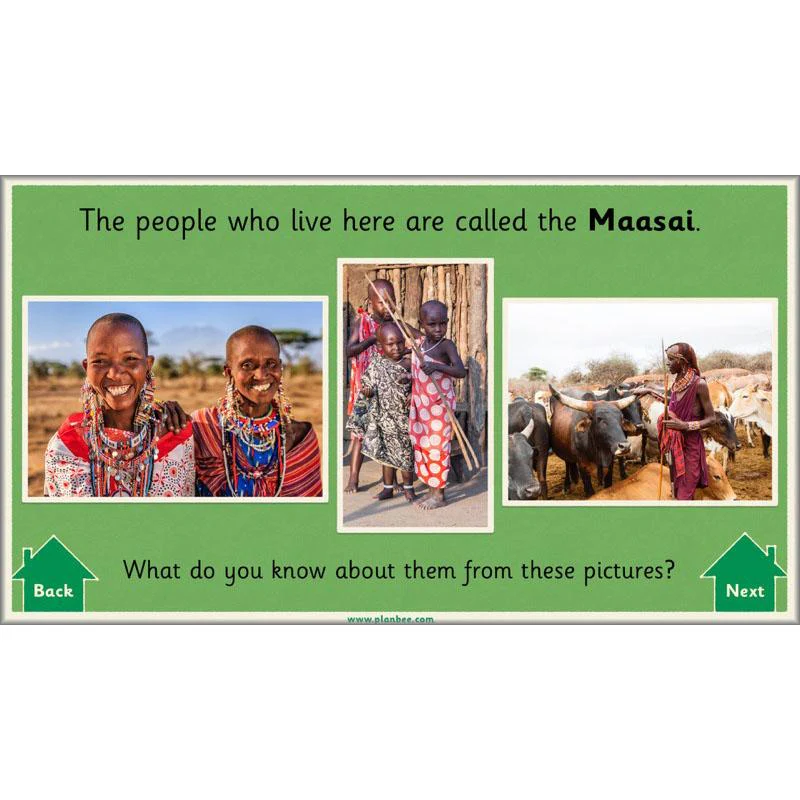
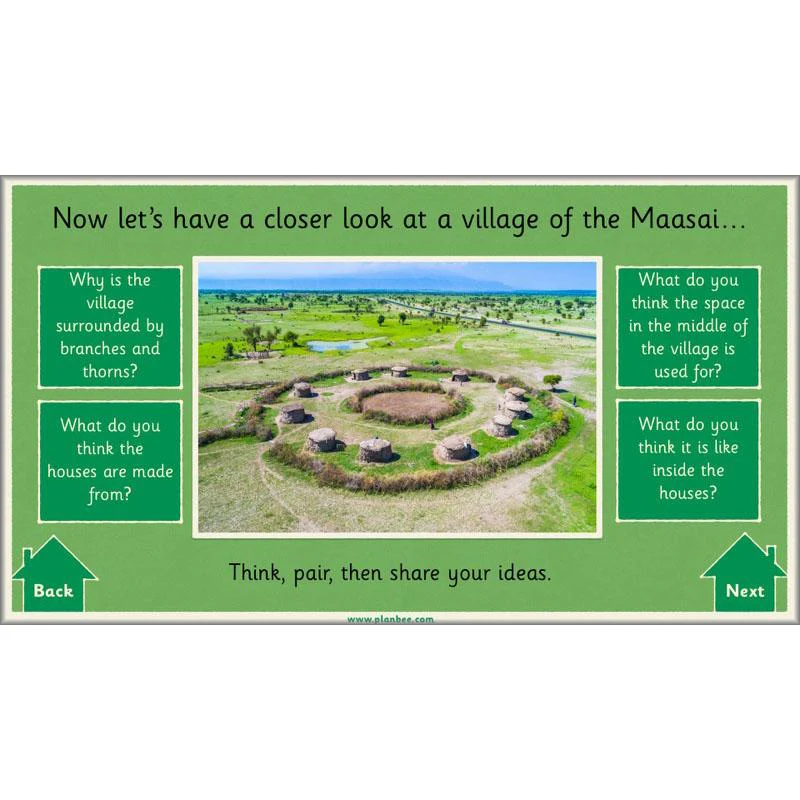
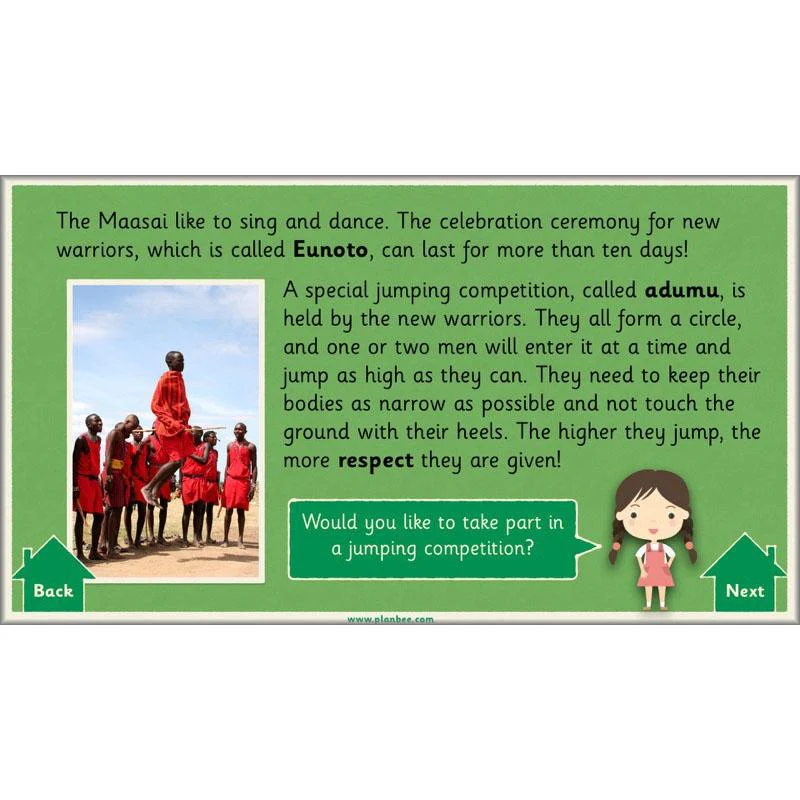
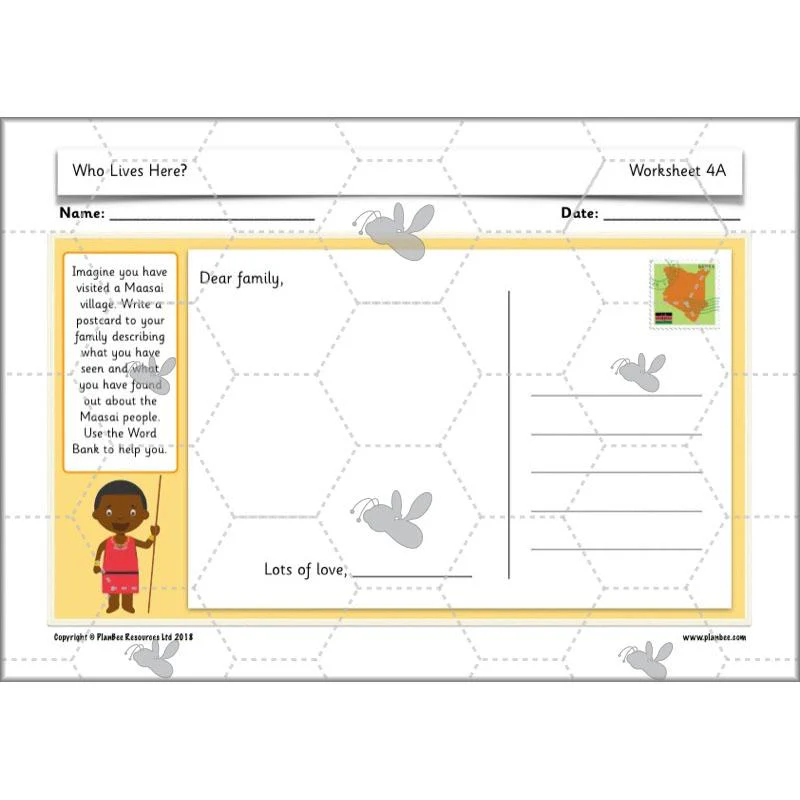
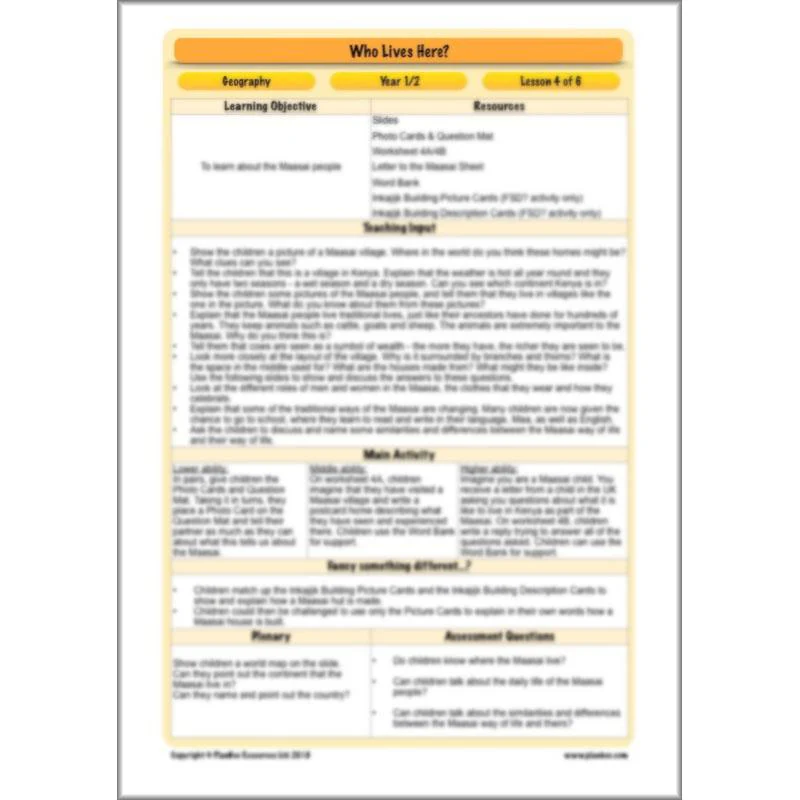
Children learn about the traditional way of life of the Maasai people in Kenya. They explore what their villages are like, why their animals are so important to them, and other aspects of the Maasai culture. In their independent activities, children use what they have learned to explain what life is like in a Maasai village. In the FSD? activity, children match and sequence pictures and descriptions of how to build a Maasai house.
What's included:
- Lesson plan
- Slides
- Activity ideas
- Differentiated worksheets
- Photo Cards & Question Mat
- Letter to the Maasai Sheet
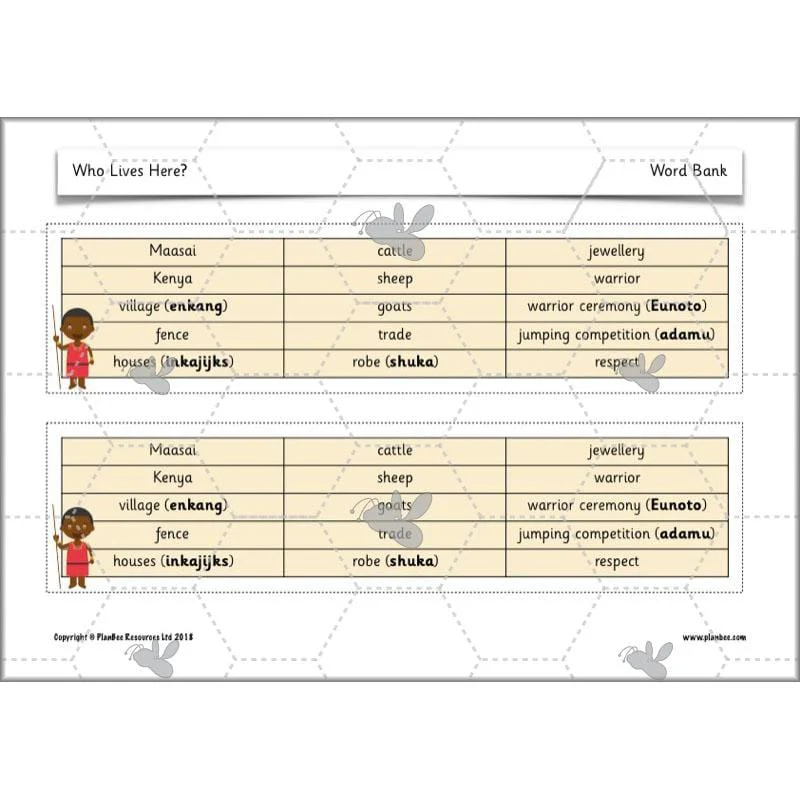
- Word Bank
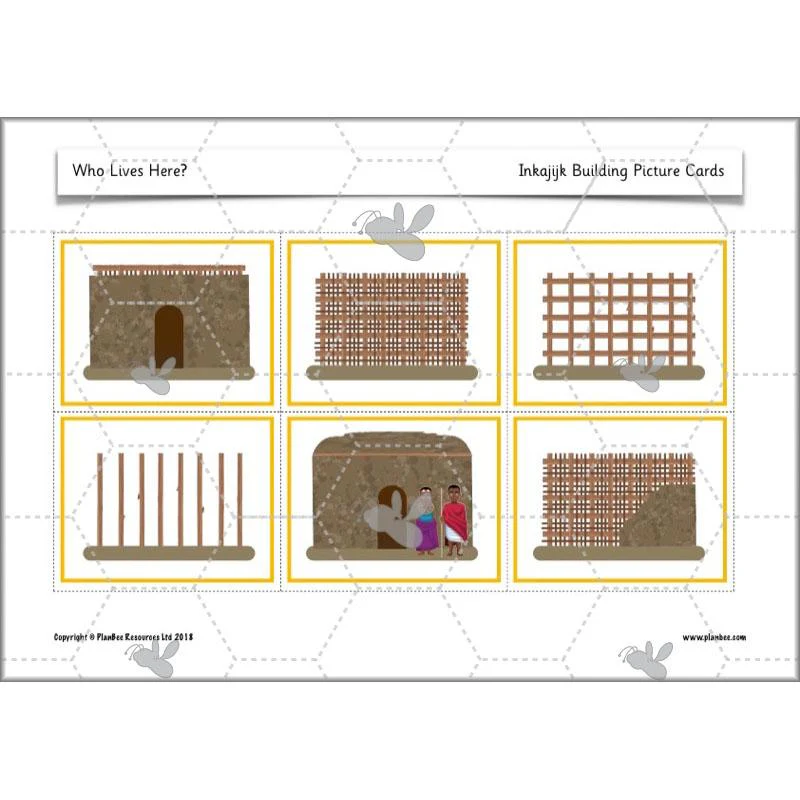
- Inkajijk Building Picture Cards
- Inkajijk Building Description Cards
View Lesson 4
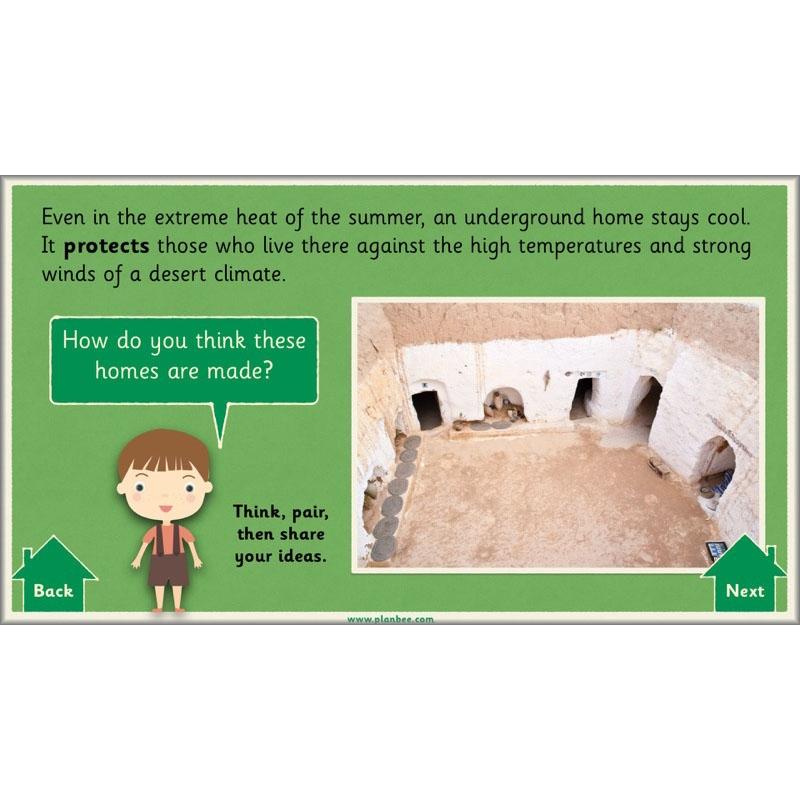
Underground Cave Homes
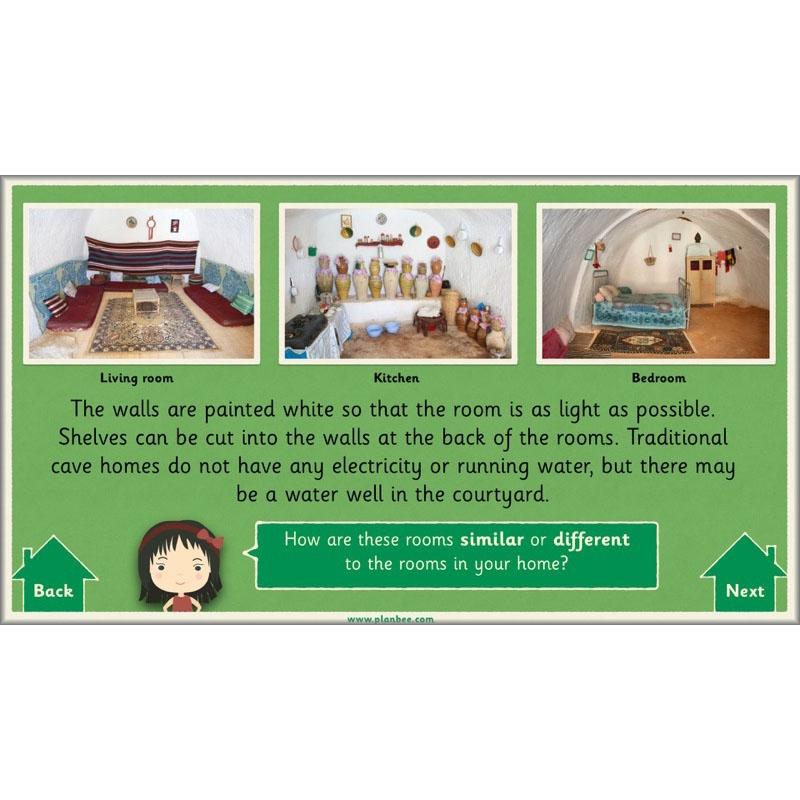
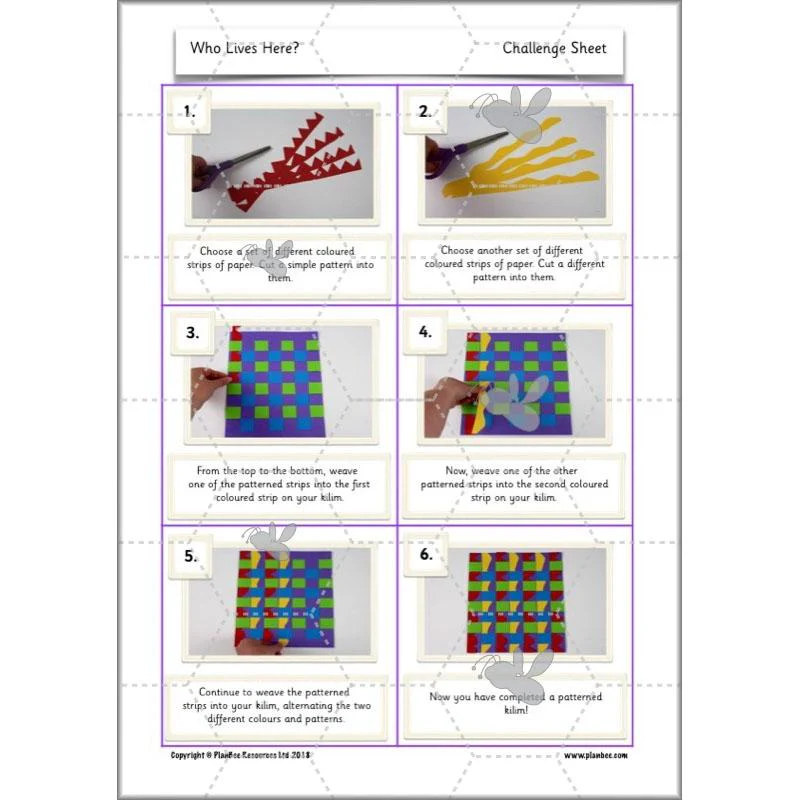
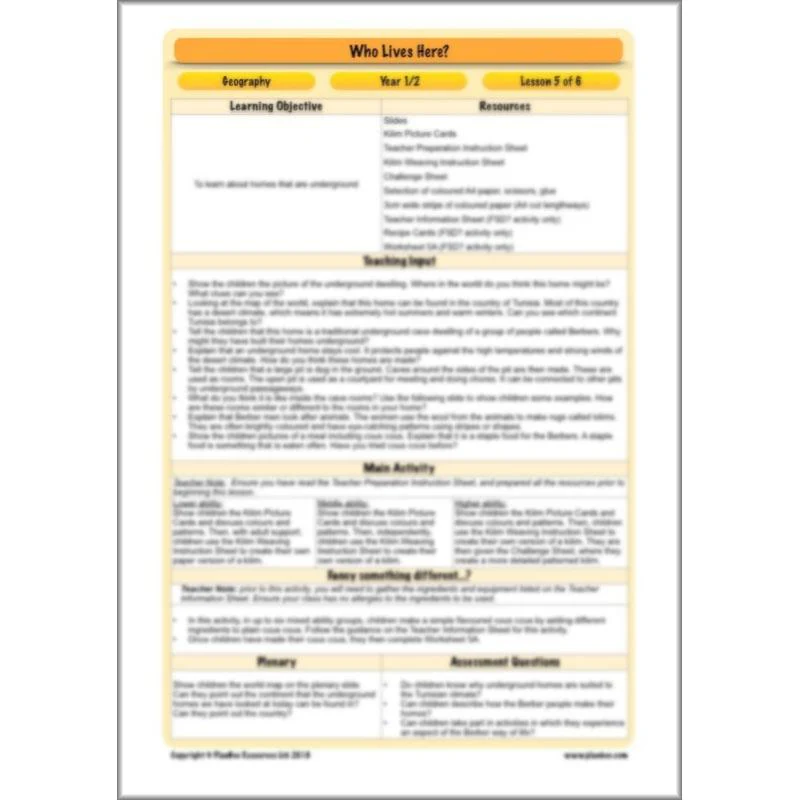
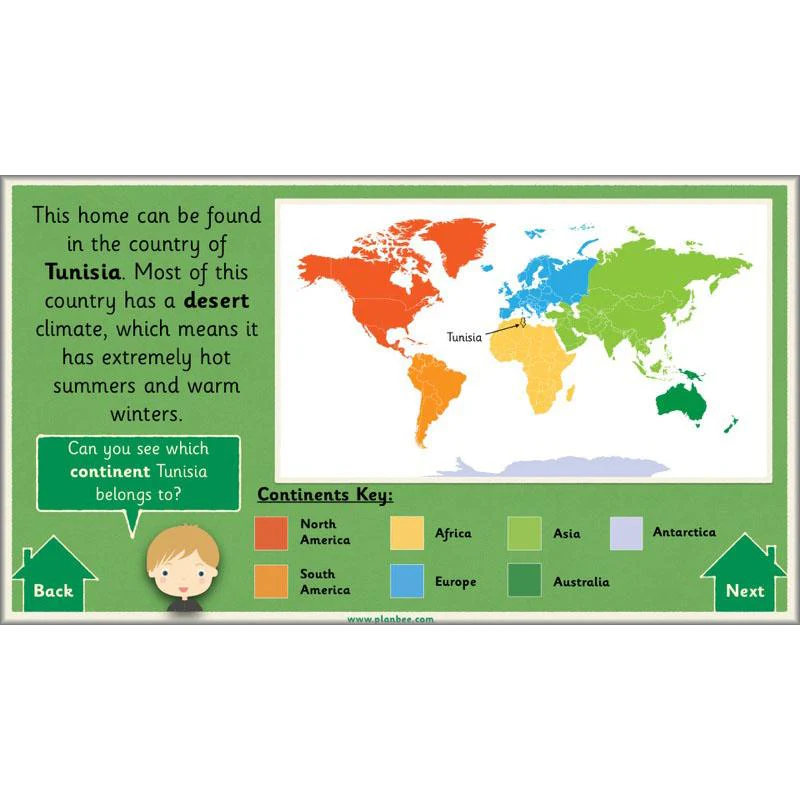
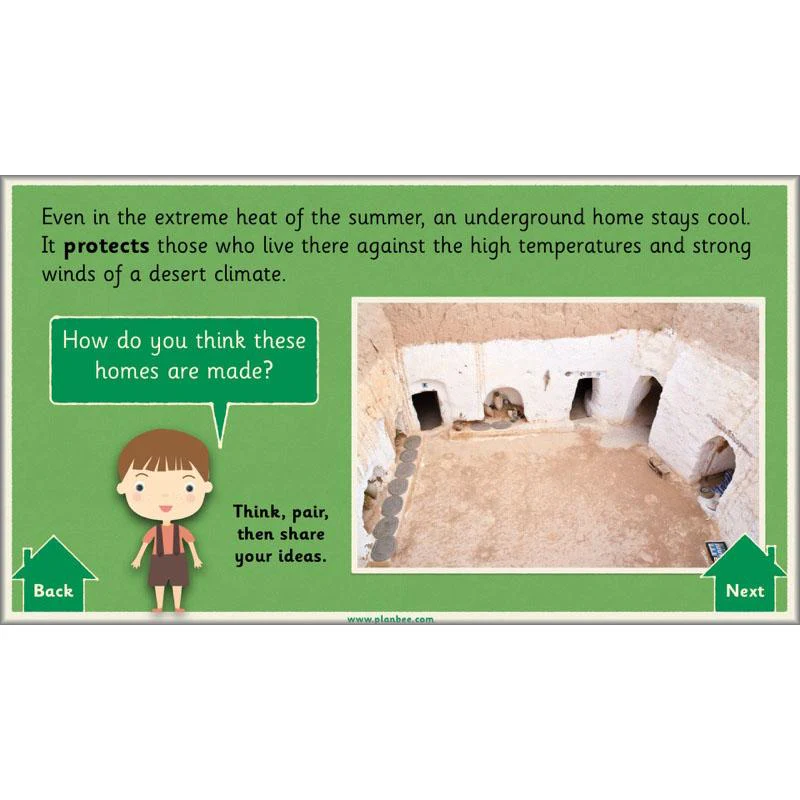
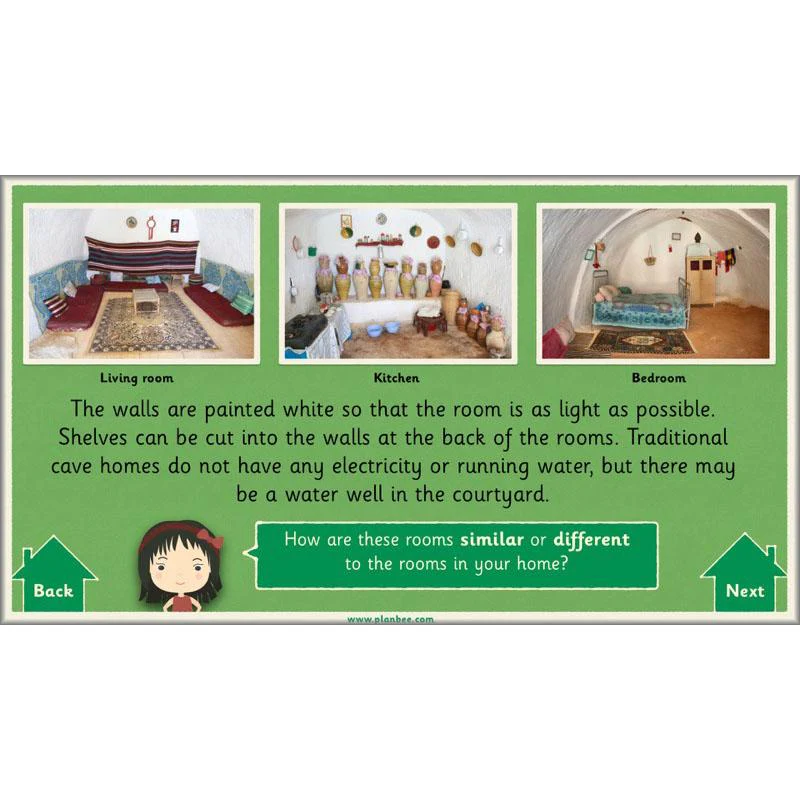
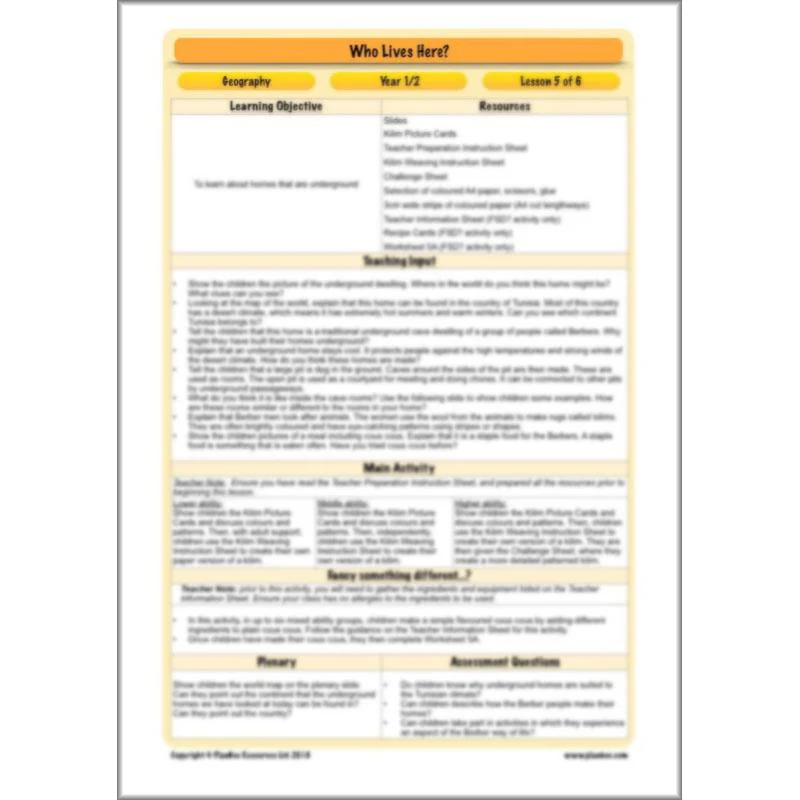
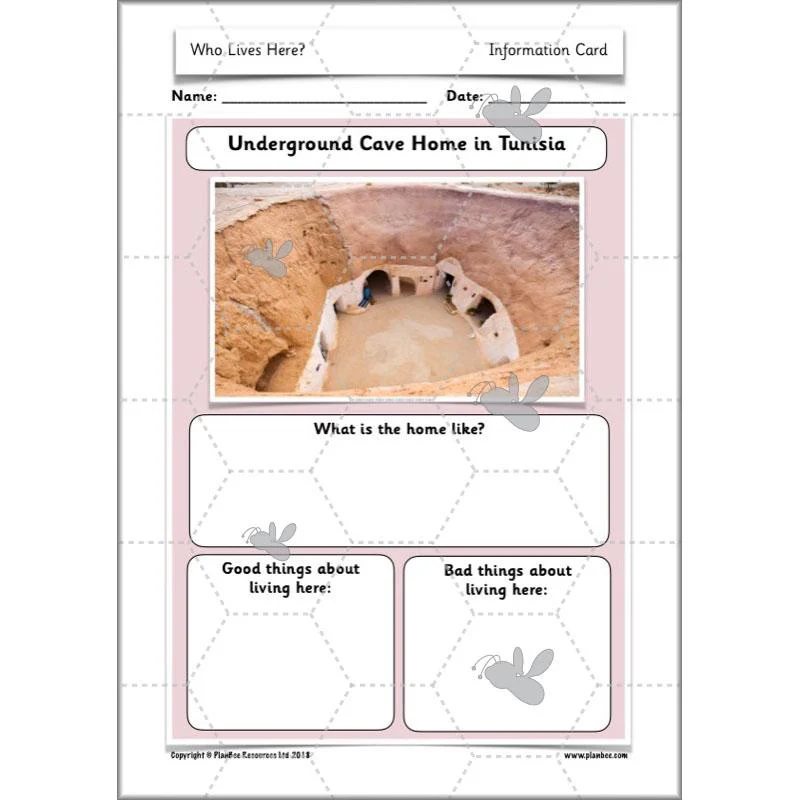
In this lesson, children explore the underground cave homes created by the Berber people in Tunisia. They learn how they were built, and why people choose to live there. In their independent activities, they explore the culture of the Berber people, by either creating their own paper weaving of a kilim, or following some simple recipes for making flavoured couscous.
What's included:
- Lesson plan
- Slides
- Activity ideas
- Kilim Picture Cards
- Teacher Preparation Instruction Sheet
- Kilim Weaving Instruction Sheet
- Challenge Sheet
- Teacher Information Sheet
- Recipe Cards
View Lesson 5
Comparing Homes
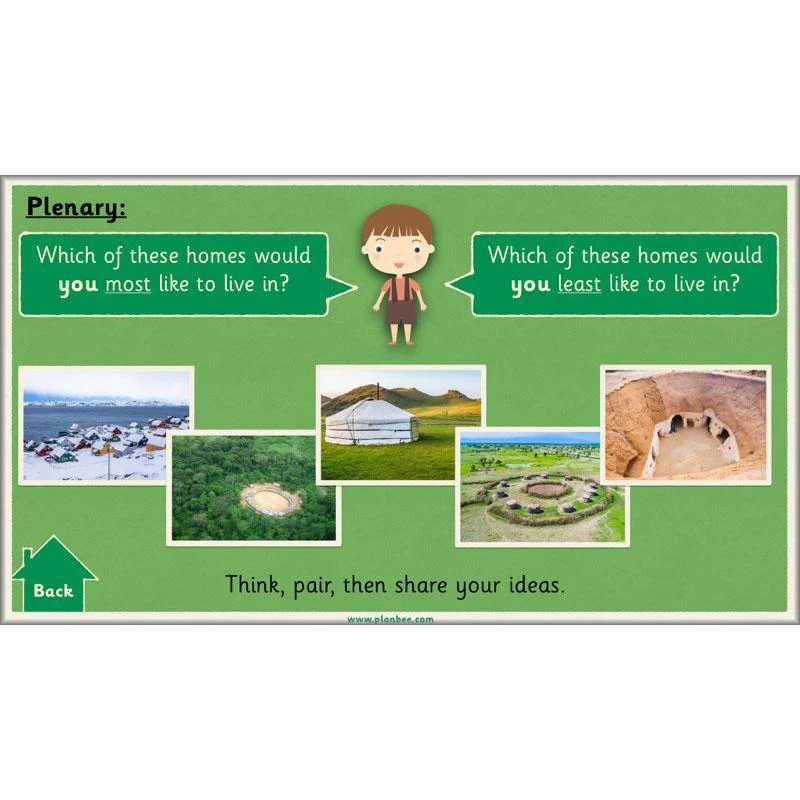
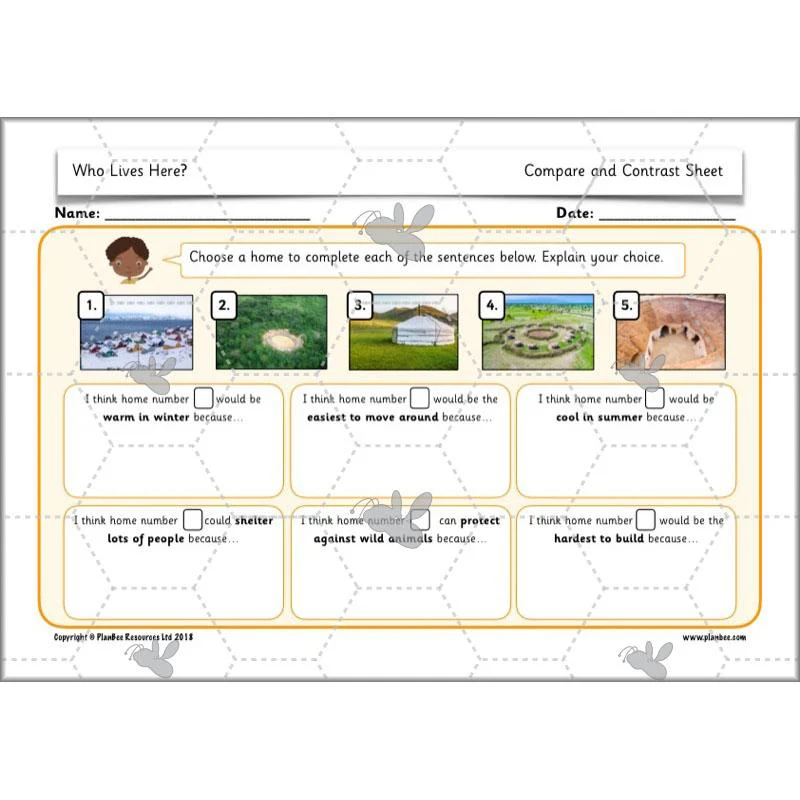
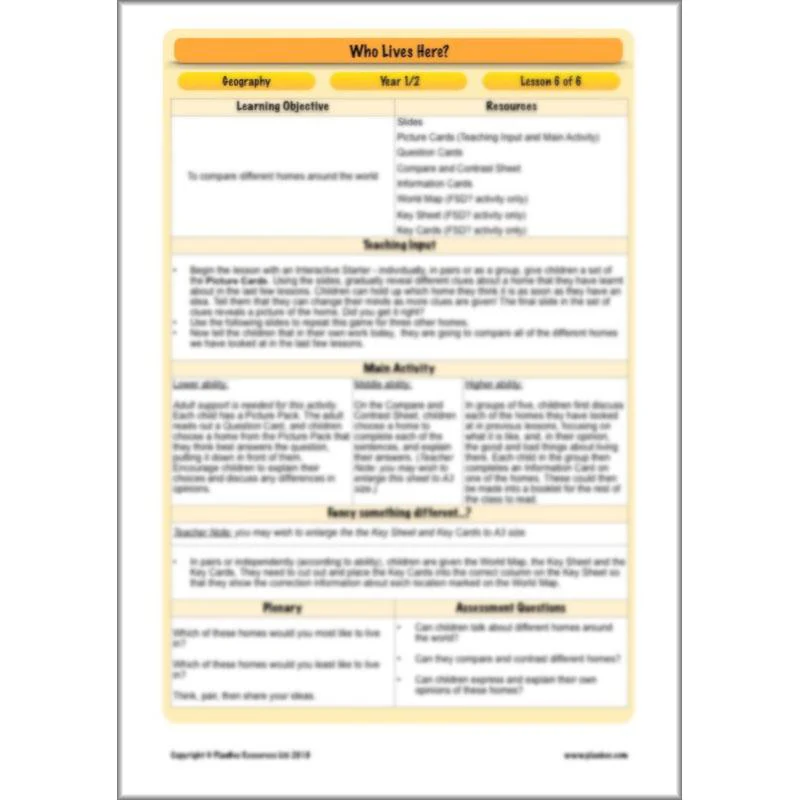
This final lesson begins with children showing what they have learned by using clues to identify different homes. In their independent activities, they compare and contrast homes through discussion prompted by given questions. In the alternative activity, children complete a map key matching the location of the different homes to information about them.
What's included:
- Lesson plan
- Slides
- Activity ideas
- Picture Cards
- Question Cards
- Compare and Contrast Sheet
- Information Cards
- World Map
- Key Sheet
- Key Cards
View Lesson 6
Original: $4.71
-65%$4.71
$1.65More Images
Who Lives Here?
Explore some of the amazing and unusual homes found around the world with this ‘Who Lives Here?’ Geography scheme of work for KS1. This downloadable Geography scheme of work is ready to teach. Each lesson contains a lesson plan, a slideshow presentation and printable resources, all saved as PDFs. Pick from one of the lessons or download the whole scheme. While you are here, make sure you have browse our other paid and free Geography resources.
From a single dwelling in the Amazon rainforest that houses an entire village, to underground cave homes in Africa, your class will learn about the diverse homes and cultures of different groups of people around the world! Containing six detailed lesson plans, a set of slides for each lesson, as well as a variety of engaging and colourful printable resources, this KS1 ‘Who Lives Here?’ scheme is completely ready for you to teach and enjoy with your class.
You might also like our Houses and Homes Topic Bundle – perfect if you're looking for a cross-curricular approach to your teaching!
The Inuit People
In this first lesson, children find out who lives on the largest island in the world, Greenland. They explore both the traditional and modern way of life for Inuits. In their independent activities, they will match answers to questions, sort fact cards, or identify and correct true and false statements. In the FSD? activity, children will compare and contrast the traditional Inuit way of life to their own lifestyle, using given headings.
What's included:
- Lesson plan
- Slides
- Activity ideas
- Question and Answer Cards
- Fact Cards
- True or False Cards
- Comparison Sheet
View Lesson 1
The Yanomami People
Children find out about the way of life of the Yanomami people in South America. They explore their homes, the differing roles of men and women, the food they eat, and how they celebrate. In their independent activities, children use what they have learned to identify true and false statements, complete sentences, and answer questions. In the alternative activity, children pretend to be members of a Yanomami village and make decisions together!
What's included:
- Lesson plan
- Slides
- Activity ideas
- Differentiated worksheets
- Word Bank
- Question Cards
- Scenario Cards
View Lesson 2
A Nomadic Way of Life
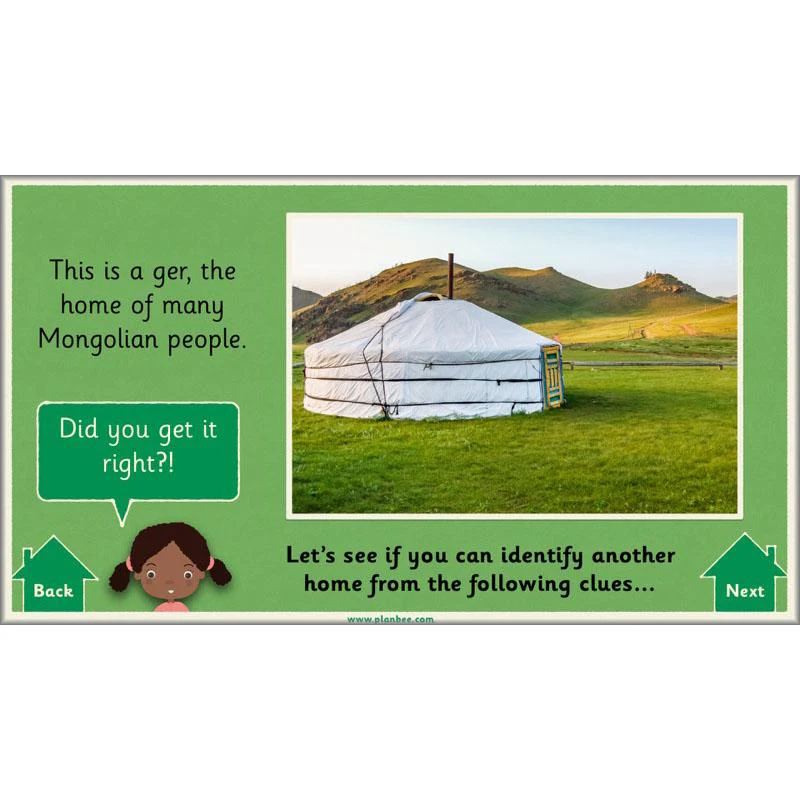
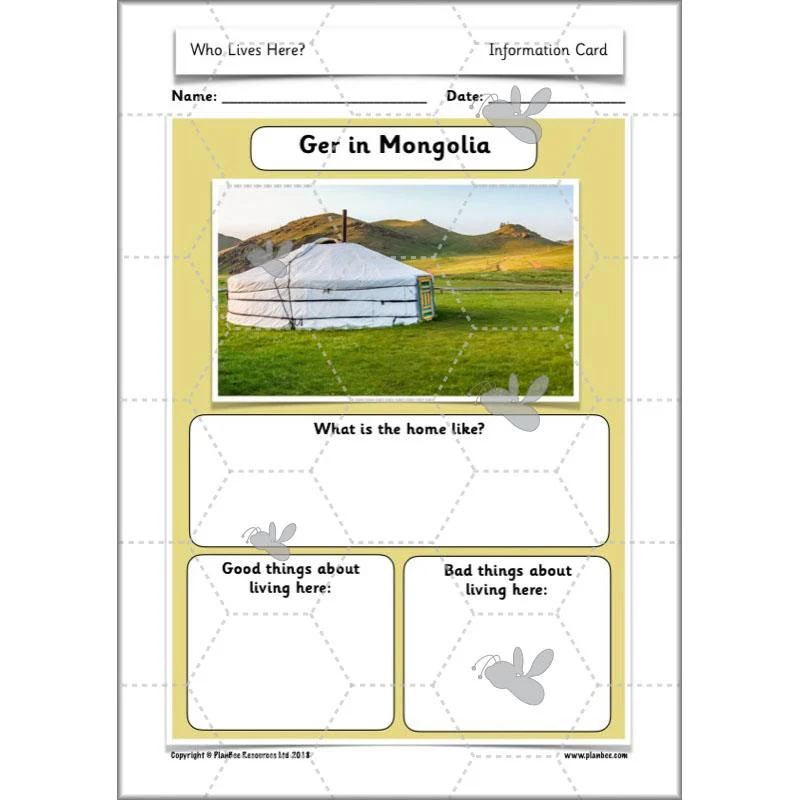
In this lesson, children learn about a nomadic way of life by exploring the lifestyle of those who live on the Mongolian grasslands. They find out why they need to keep moving from place to place, and what their portable homes are like. In their independent activities, children use a map and key to answer questions involving simple compass directions. In the alternative activity, children discuss the advantages and disadvantages of the nomadic way of life.
What's included:
- Lesson plan
- Slides
- Activity ideas
- Differentiated worksheets
- Grasslands Map
- Map Key Cards
- The Barga Family Sheet
View Lesson 3
The Maasai People
Children learn about the traditional way of life of the Maasai people in Kenya. They explore what their villages are like, why their animals are so important to them, and other aspects of the Maasai culture. In their independent activities, children use what they have learned to explain what life is like in a Maasai village. In the FSD? activity, children match and sequence pictures and descriptions of how to build a Maasai house.
What's included:
- Lesson plan
- Slides
- Activity ideas
- Differentiated worksheets
- Photo Cards & Question Mat
- Letter to the Maasai Sheet
- Word Bank
- Inkajijk Building Picture Cards
- Inkajijk Building Description Cards
View Lesson 4
Underground Cave Homes
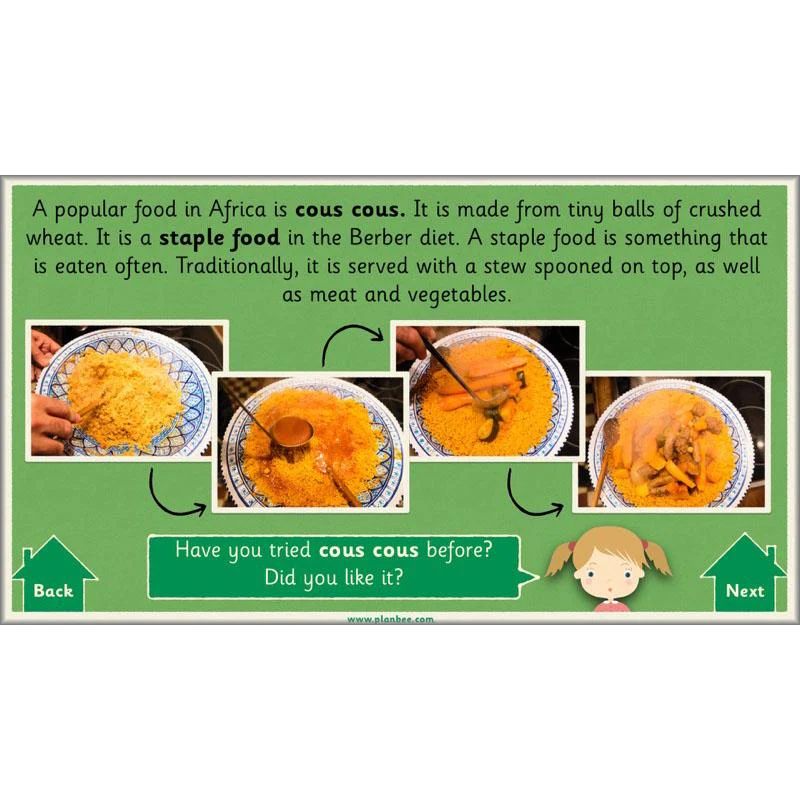
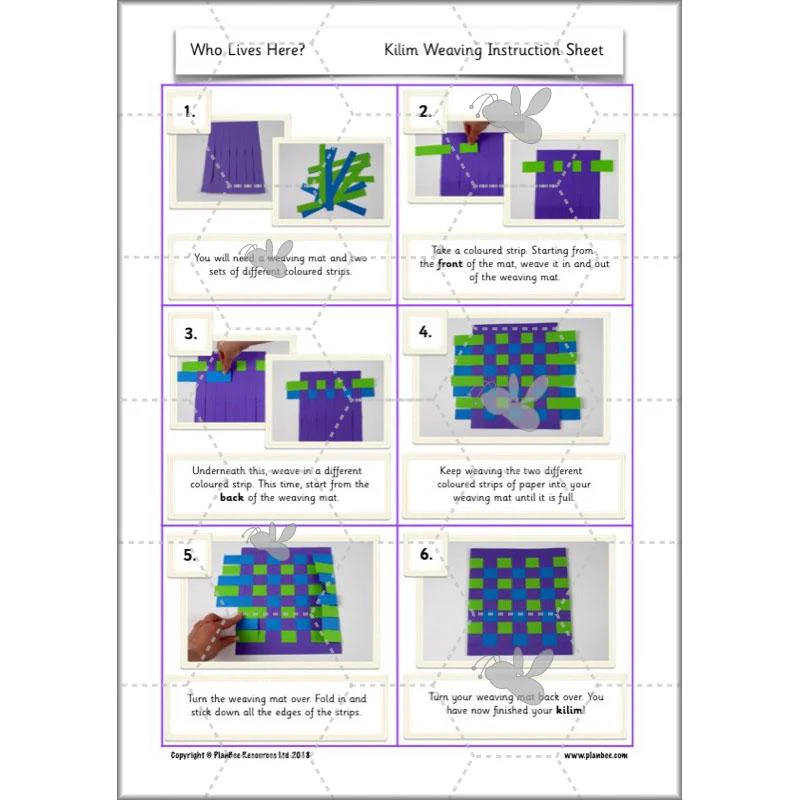
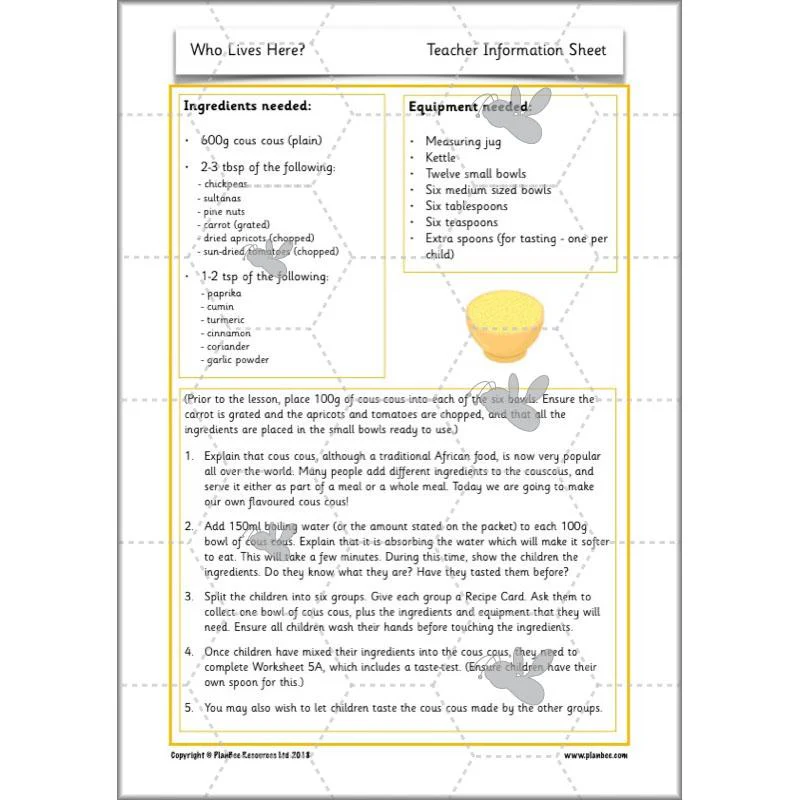
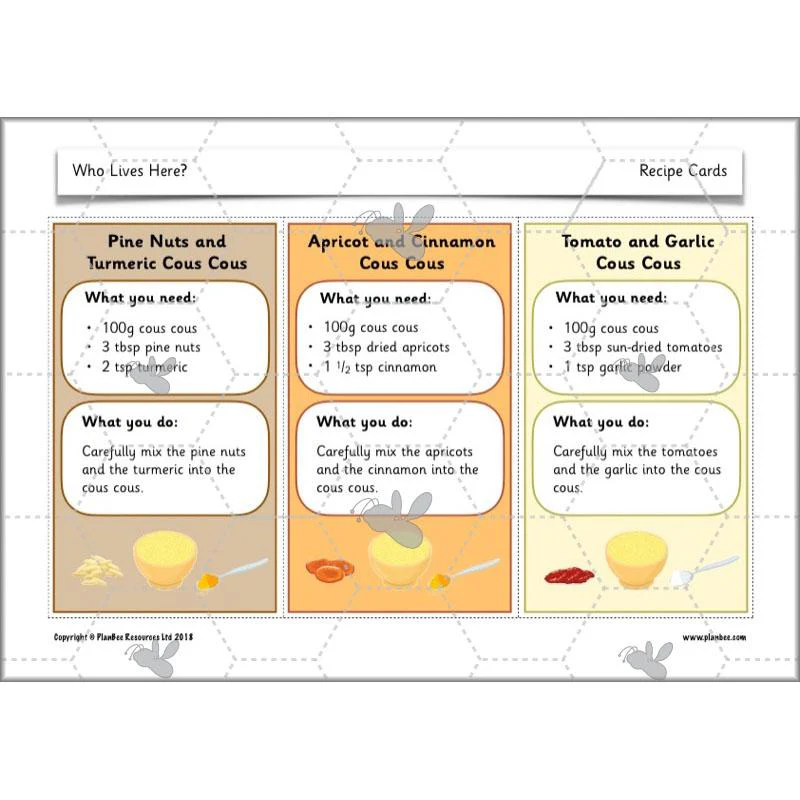
In this lesson, children explore the underground cave homes created by the Berber people in Tunisia. They learn how they were built, and why people choose to live there. In their independent activities, they explore the culture of the Berber people, by either creating their own paper weaving of a kilim, or following some simple recipes for making flavoured couscous.
What's included:
- Lesson plan
- Slides
- Activity ideas
- Kilim Picture Cards
- Teacher Preparation Instruction Sheet
- Kilim Weaving Instruction Sheet
- Challenge Sheet
- Teacher Information Sheet
- Recipe Cards
View Lesson 5
Comparing Homes
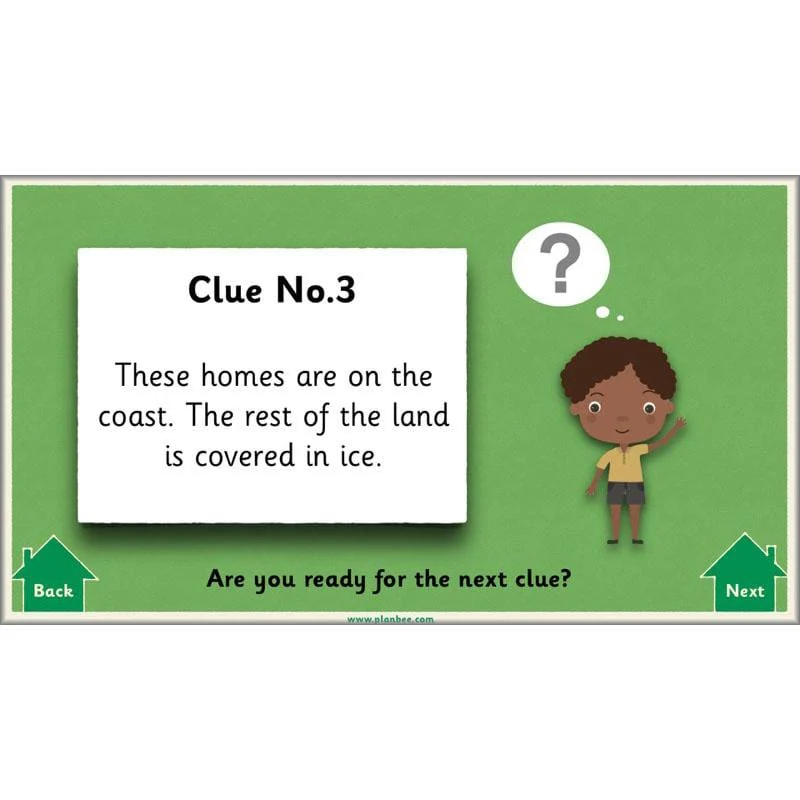
This final lesson begins with children showing what they have learned by using clues to identify different homes. In their independent activities, they compare and contrast homes through discussion prompted by given questions. In the alternative activity, children complete a map key matching the location of the different homes to information about them.
What's included:
- Lesson plan
- Slides
- Activity ideas
- Picture Cards
- Question Cards
- Compare and Contrast Sheet
- Information Cards
- World Map
- Key Sheet
- Key Cards
View Lesson 6
Product Information
Product Information
Shipping & Returns
Shipping & Returns
Description
Explore some of the amazing and unusual homes found around the world with this ‘Who Lives Here?’ Geography scheme of work for KS1. This downloadable Geography scheme of work is ready to teach. Each lesson contains a lesson plan, a slideshow presentation and printable resources, all saved as PDFs. Pick from one of the lessons or download the whole scheme. While you are here, make sure you have browse our other paid and free Geography resources.
From a single dwelling in the Amazon rainforest that houses an entire village, to underground cave homes in Africa, your class will learn about the diverse homes and cultures of different groups of people around the world! Containing six detailed lesson plans, a set of slides for each lesson, as well as a variety of engaging and colourful printable resources, this KS1 ‘Who Lives Here?’ scheme is completely ready for you to teach and enjoy with your class.
You might also like our Houses and Homes Topic Bundle – perfect if you're looking for a cross-curricular approach to your teaching!
The Inuit People
In this first lesson, children find out who lives on the largest island in the world, Greenland. They explore both the traditional and modern way of life for Inuits. In their independent activities, they will match answers to questions, sort fact cards, or identify and correct true and false statements. In the FSD? activity, children will compare and contrast the traditional Inuit way of life to their own lifestyle, using given headings.
What's included:
- Lesson plan
- Slides
- Activity ideas
- Question and Answer Cards
- Fact Cards
- True or False Cards
- Comparison Sheet
View Lesson 1
The Yanomami People
Children find out about the way of life of the Yanomami people in South America. They explore their homes, the differing roles of men and women, the food they eat, and how they celebrate. In their independent activities, children use what they have learned to identify true and false statements, complete sentences, and answer questions. In the alternative activity, children pretend to be members of a Yanomami village and make decisions together!
What's included:
- Lesson plan
- Slides
- Activity ideas
- Differentiated worksheets
- Word Bank
- Question Cards
- Scenario Cards
View Lesson 2
A Nomadic Way of Life
In this lesson, children learn about a nomadic way of life by exploring the lifestyle of those who live on the Mongolian grasslands. They find out why they need to keep moving from place to place, and what their portable homes are like. In their independent activities, children use a map and key to answer questions involving simple compass directions. In the alternative activity, children discuss the advantages and disadvantages of the nomadic way of life.
What's included:
- Lesson plan
- Slides
- Activity ideas
- Differentiated worksheets
- Grasslands Map
- Map Key Cards
- The Barga Family Sheet
View Lesson 3
The Maasai People
Children learn about the traditional way of life of the Maasai people in Kenya. They explore what their villages are like, why their animals are so important to them, and other aspects of the Maasai culture. In their independent activities, children use what they have learned to explain what life is like in a Maasai village. In the FSD? activity, children match and sequence pictures and descriptions of how to build a Maasai house.
What's included:
- Lesson plan
- Slides
- Activity ideas
- Differentiated worksheets
- Photo Cards & Question Mat
- Letter to the Maasai Sheet
- Word Bank
- Inkajijk Building Picture Cards
- Inkajijk Building Description Cards
View Lesson 4
Underground Cave Homes
In this lesson, children explore the underground cave homes created by the Berber people in Tunisia. They learn how they were built, and why people choose to live there. In their independent activities, they explore the culture of the Berber people, by either creating their own paper weaving of a kilim, or following some simple recipes for making flavoured couscous.
What's included:
- Lesson plan
- Slides
- Activity ideas
- Kilim Picture Cards
- Teacher Preparation Instruction Sheet
- Kilim Weaving Instruction Sheet
- Challenge Sheet
- Teacher Information Sheet
- Recipe Cards
View Lesson 5
Comparing Homes
This final lesson begins with children showing what they have learned by using clues to identify different homes. In their independent activities, they compare and contrast homes through discussion prompted by given questions. In the alternative activity, children complete a map key matching the location of the different homes to information about them.
What's included:
- Lesson plan
- Slides
- Activity ideas
- Picture Cards
- Question Cards
- Compare and Contrast Sheet
- Information Cards
- World Map
- Key Sheet
- Key Cards
View Lesson 6