Plants of the World
Discover weird and wonderful plants of the world with your class as they find out about the flora in all seven continents. This Year 3/4 Geography scheme of work teaches your class to locate continents and countries on a world map, identify climate zones and biomes (and the plants that grow in them), explore ways in which humans use plants, and much more.
Containing lesson plans, slides for each lesson, differentiated activity ideas and a range of printable resources, these ‘Plants of the World’ Geography lessons for KS2 are a great way to teach your children more about the amazing world of plants.
You may also like our Plants Topic Bundle – four ready-to-teach schemes of work covering Science, Art, DT and Geography.
Weird and Wonderful
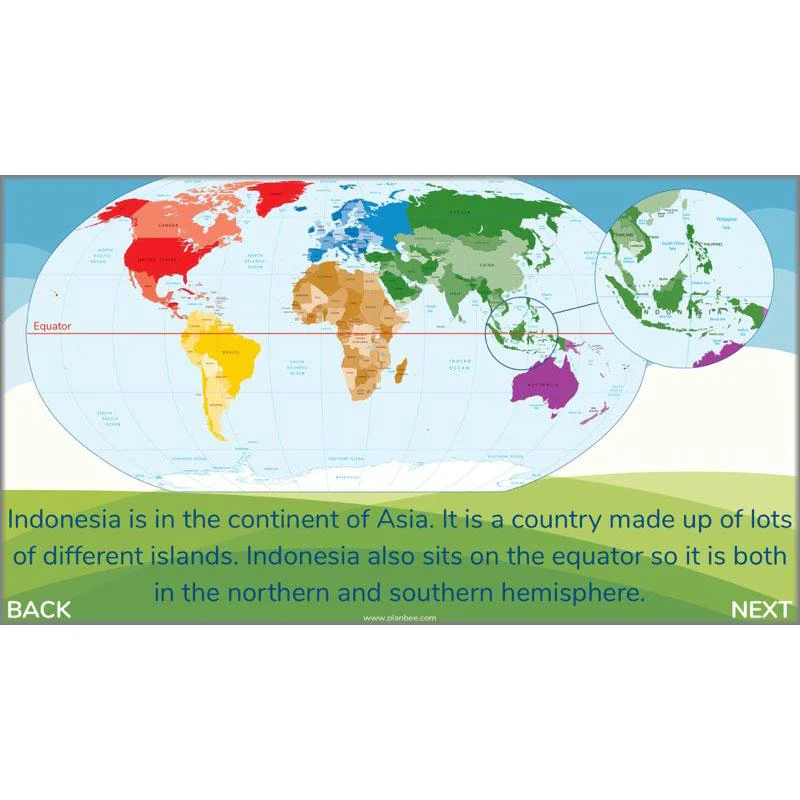
In the first lesson in this series, your class will discover some of the strangest plants on Earth and find out where in the world they can be found. Using their knowledge of the seven continents of the world and learning more about the location of different countries, your class will find out where they can find the world’s largest flower, plants that smell like rotting flesh or trees with rainbow barks.
What's included:
- Lesson plan
- Slides
- Activity ideas
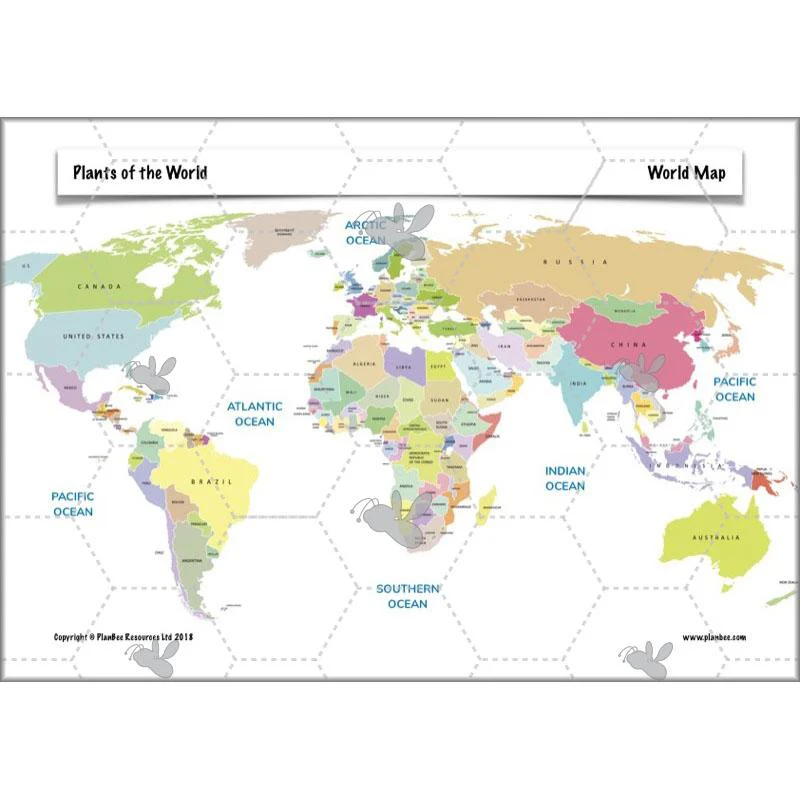
- World map
- Differentiated worksheets
- Plant cards
- World Continents card
- Blank world map
View Lesson 1
Biomes
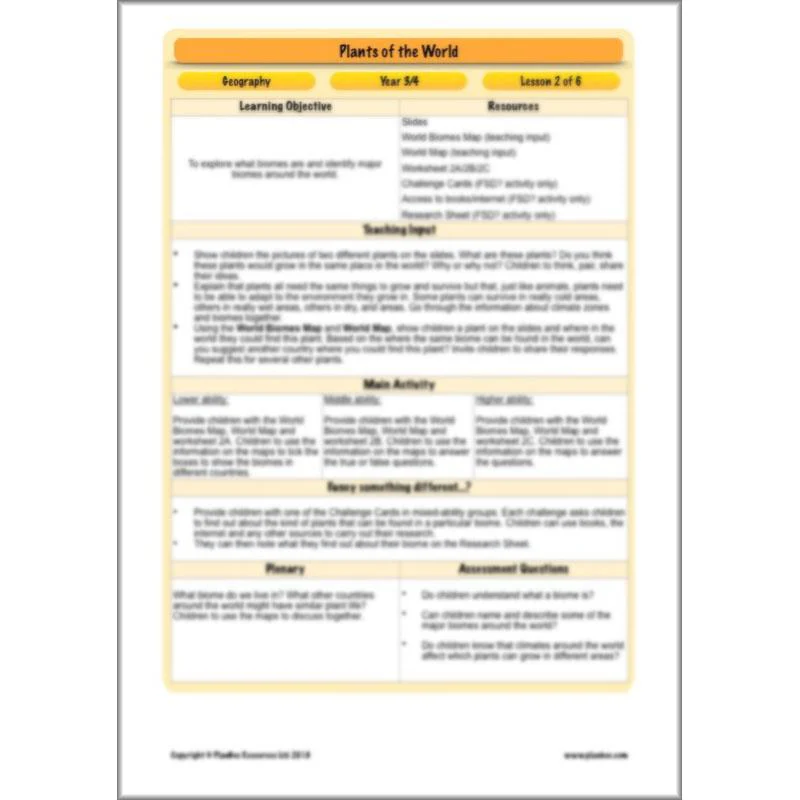
In this lesson, children will consider why different plants grow in different parts of the world. They will learn about different climate zones and where they are located and learn the difference between a climate zone and a biome. They will then identify plants that grow in a particular biome and where these biomes are around the world.
What's included:
- Lesson plan
- Slides
- Activity ideas
- World Biomes map
- World map
- Differentiated worksheets
- Challenge cards
- Research sheet
View Lesson 2
Plants in Extreme Environments
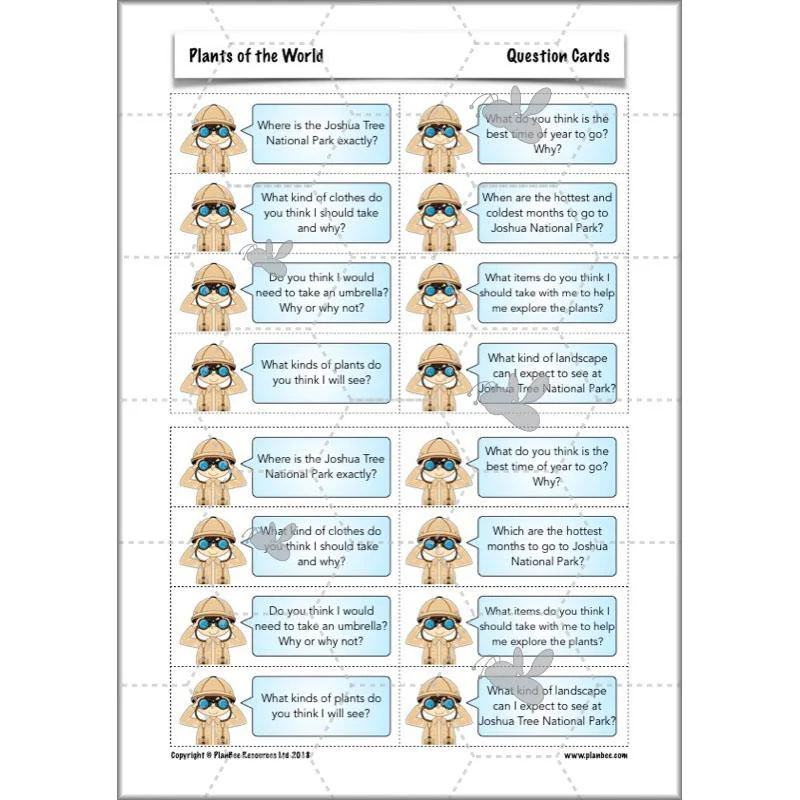
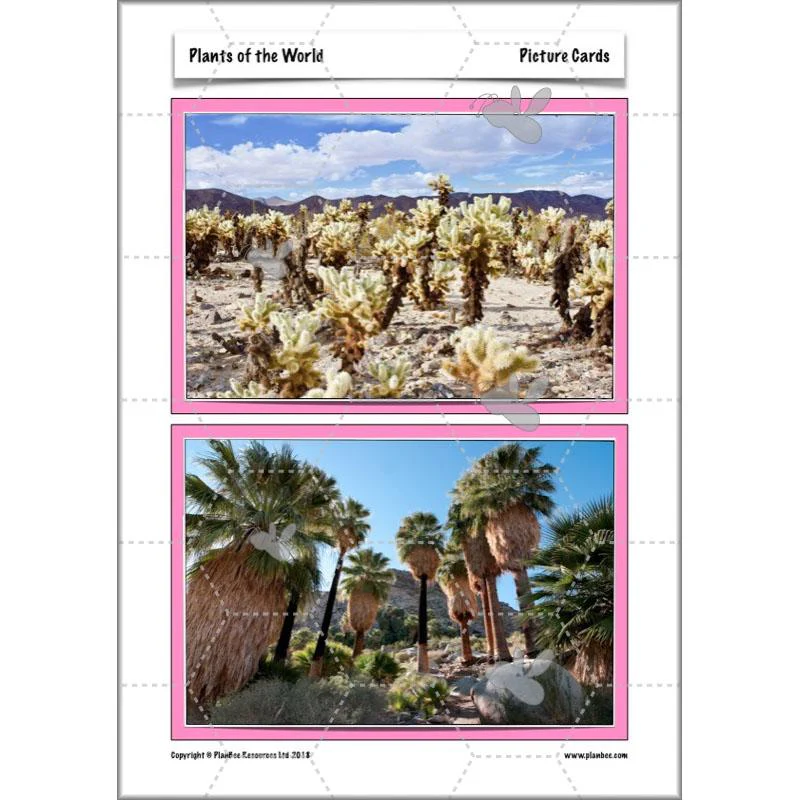
Now that your class understands what a biome is, they will look at how plants survive in the most extreme biomes on Earth - desert biomes. They will learn what hot and cold deserts are like and start to understand how the plants that live there have adapted to suit the extreme climate conditions.
What's included:
- Lesson plan
- Slides
- Activity ideas
- Question cards
- Information sheet
- Picture cards
- Challenge cards
View Lesson 3
Agriculture
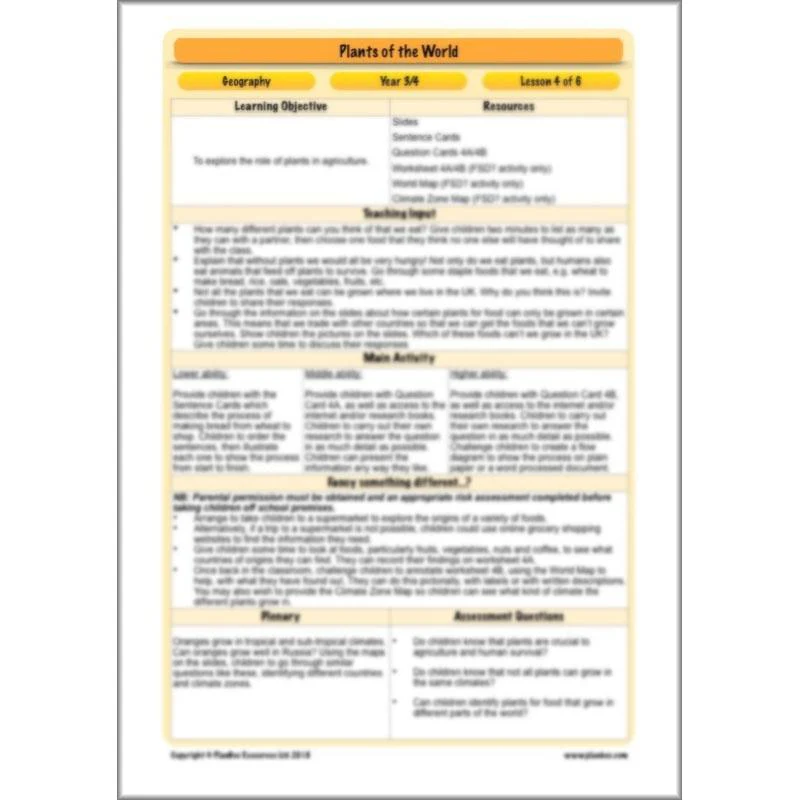
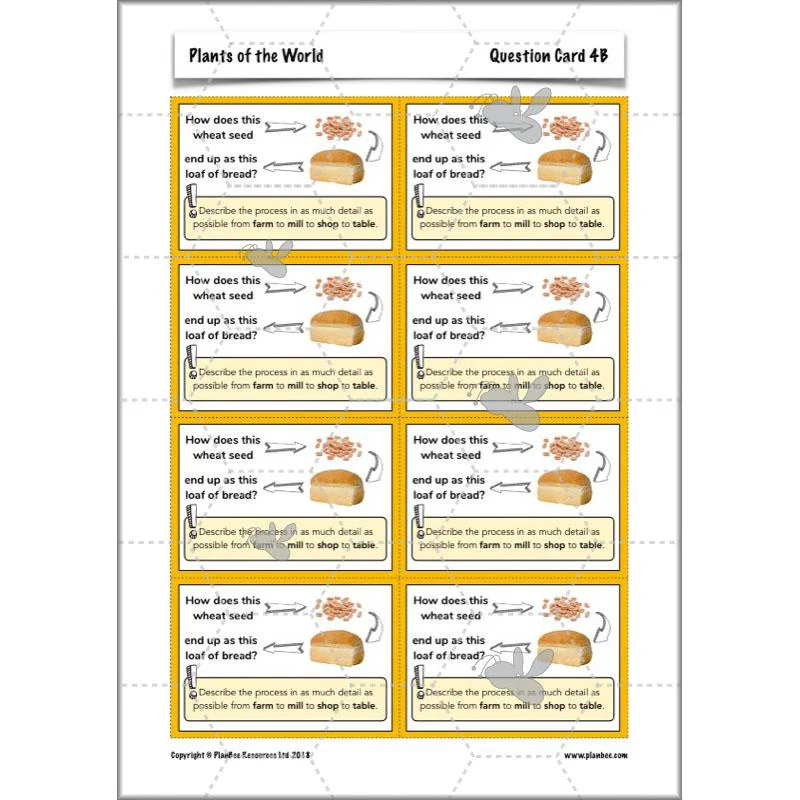
This lesson starts by challenging children to think about all the plants they know that we eat. They are then given a brief overview of some of the staple foods in our diet that come from plants, and what agriculture is. They will find out why some crops grow better in different parts of the world than others, and how plants get from the fields to our tables.
What's included:
- Lesson plan
- Slides
- Activity ideas
- Differentiated worksheets
- Climate Zone map
- World map
View Lesson 4
Plant Uses
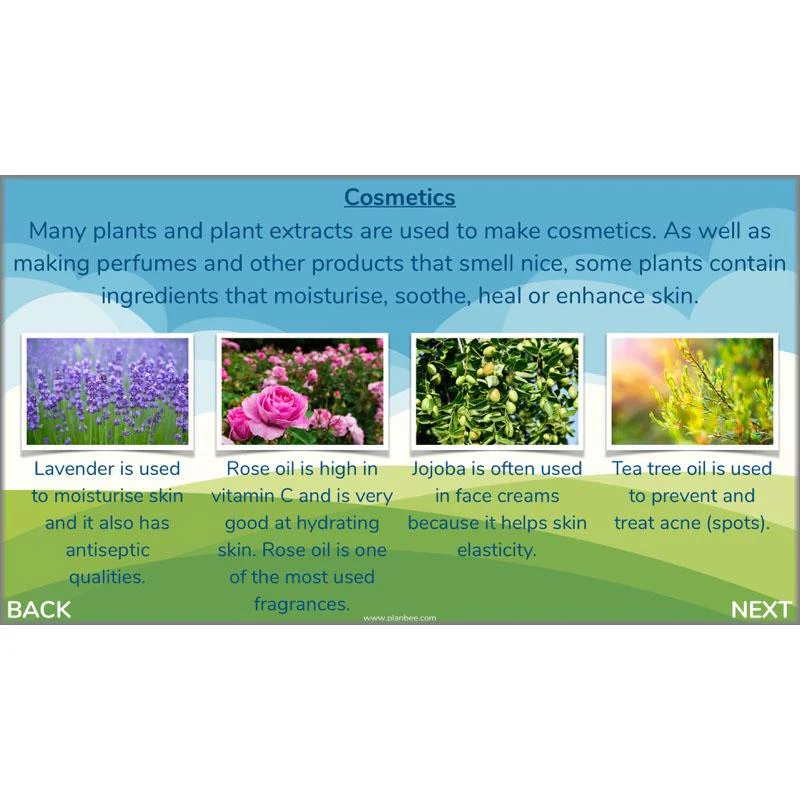
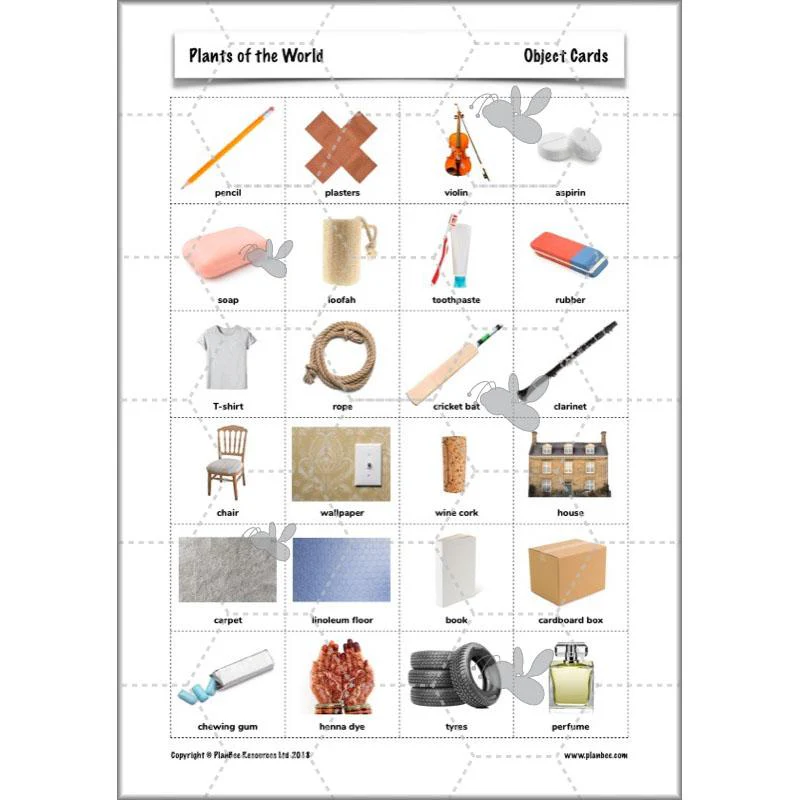
In this lesson, children are challenged to organise a set of objects into those we get from plants and those we don’t, before looking at some of the many ways in which humans use plants, including for wood, paper, medicine, fabrics, rubber and cosmetics.
What's included:
- Lesson plan
- Slides
- Activity ideas
- Plant use mindmap
- Plant use booklet template
- Poster template
- Blank mindmap
View Lesson 5
Mega-Diversity
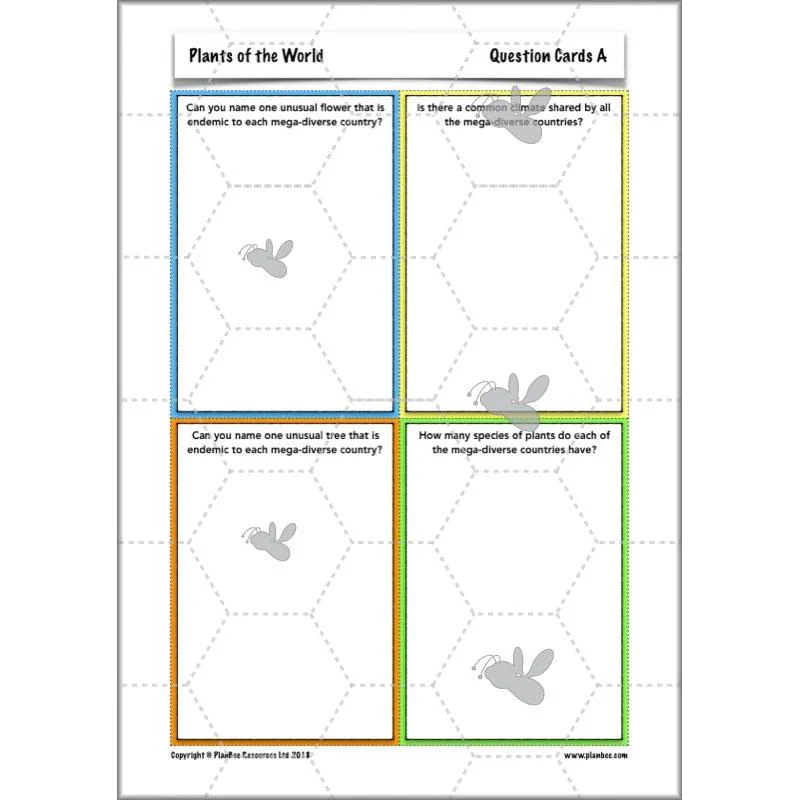
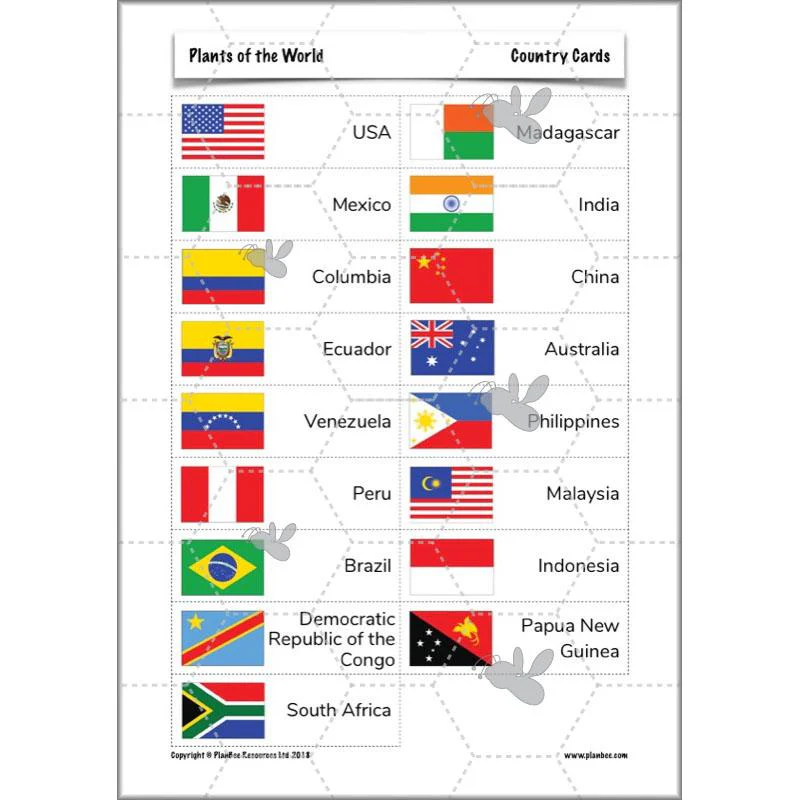
In the final lesson of this series, children will learn what the terms ‘biodiversity’ and ‘mega-diversity’ mean before finding out where the seventeen mega-diverse countries in the world are. They then have the opportunity to carry out their own research into one of these countries, finding out about endemic and other plants that can be found there.
What's included:
- Lesson plan
- Slides
- Activity ideas
- Differentiated worksheets
- Country cards
- Question cards
View Lesson 6
Original: $4.71
-65%$4.71
$1.65More Images


















Plants of the World
Discover weird and wonderful plants of the world with your class as they find out about the flora in all seven continents. This Year 3/4 Geography scheme of work teaches your class to locate continents and countries on a world map, identify climate zones and biomes (and the plants that grow in them), explore ways in which humans use plants, and much more.
Containing lesson plans, slides for each lesson, differentiated activity ideas and a range of printable resources, these ‘Plants of the World’ Geography lessons for KS2 are a great way to teach your children more about the amazing world of plants.
You may also like our Plants Topic Bundle – four ready-to-teach schemes of work covering Science, Art, DT and Geography.
Weird and Wonderful
In the first lesson in this series, your class will discover some of the strangest plants on Earth and find out where in the world they can be found. Using their knowledge of the seven continents of the world and learning more about the location of different countries, your class will find out where they can find the world’s largest flower, plants that smell like rotting flesh or trees with rainbow barks.
What's included:
- Lesson plan
- Slides
- Activity ideas
- World map
- Differentiated worksheets
- Plant cards
- World Continents card
- Blank world map
View Lesson 1
Biomes
In this lesson, children will consider why different plants grow in different parts of the world. They will learn about different climate zones and where they are located and learn the difference between a climate zone and a biome. They will then identify plants that grow in a particular biome and where these biomes are around the world.
What's included:
- Lesson plan
- Slides
- Activity ideas
- World Biomes map
- World map
- Differentiated worksheets
- Challenge cards
- Research sheet
View Lesson 2
Plants in Extreme Environments
Now that your class understands what a biome is, they will look at how plants survive in the most extreme biomes on Earth - desert biomes. They will learn what hot and cold deserts are like and start to understand how the plants that live there have adapted to suit the extreme climate conditions.
What's included:
- Lesson plan
- Slides
- Activity ideas
- Question cards
- Information sheet
- Picture cards
- Challenge cards
View Lesson 3
Agriculture
This lesson starts by challenging children to think about all the plants they know that we eat. They are then given a brief overview of some of the staple foods in our diet that come from plants, and what agriculture is. They will find out why some crops grow better in different parts of the world than others, and how plants get from the fields to our tables.
What's included:
- Lesson plan
- Slides
- Activity ideas
- Differentiated worksheets
- Climate Zone map
- World map
View Lesson 4
Plant Uses
In this lesson, children are challenged to organise a set of objects into those we get from plants and those we don’t, before looking at some of the many ways in which humans use plants, including for wood, paper, medicine, fabrics, rubber and cosmetics.
What's included:
- Lesson plan
- Slides
- Activity ideas
- Plant use mindmap
- Plant use booklet template
- Poster template
- Blank mindmap
View Lesson 5
Mega-Diversity
In the final lesson of this series, children will learn what the terms ‘biodiversity’ and ‘mega-diversity’ mean before finding out where the seventeen mega-diverse countries in the world are. They then have the opportunity to carry out their own research into one of these countries, finding out about endemic and other plants that can be found there.
What's included:
- Lesson plan
- Slides
- Activity ideas
- Differentiated worksheets
- Country cards
- Question cards
View Lesson 6
Product Information
Product Information
Shipping & Returns
Shipping & Returns
Description
Discover weird and wonderful plants of the world with your class as they find out about the flora in all seven continents. This Year 3/4 Geography scheme of work teaches your class to locate continents and countries on a world map, identify climate zones and biomes (and the plants that grow in them), explore ways in which humans use plants, and much more.
Containing lesson plans, slides for each lesson, differentiated activity ideas and a range of printable resources, these ‘Plants of the World’ Geography lessons for KS2 are a great way to teach your children more about the amazing world of plants.
You may also like our Plants Topic Bundle – four ready-to-teach schemes of work covering Science, Art, DT and Geography.
Weird and Wonderful
In the first lesson in this series, your class will discover some of the strangest plants on Earth and find out where in the world they can be found. Using their knowledge of the seven continents of the world and learning more about the location of different countries, your class will find out where they can find the world’s largest flower, plants that smell like rotting flesh or trees with rainbow barks.
What's included:
- Lesson plan
- Slides
- Activity ideas
- World map
- Differentiated worksheets
- Plant cards
- World Continents card
- Blank world map
View Lesson 1
Biomes
In this lesson, children will consider why different plants grow in different parts of the world. They will learn about different climate zones and where they are located and learn the difference between a climate zone and a biome. They will then identify plants that grow in a particular biome and where these biomes are around the world.
What's included:
- Lesson plan
- Slides
- Activity ideas
- World Biomes map
- World map
- Differentiated worksheets
- Challenge cards
- Research sheet
View Lesson 2
Plants in Extreme Environments
Now that your class understands what a biome is, they will look at how plants survive in the most extreme biomes on Earth - desert biomes. They will learn what hot and cold deserts are like and start to understand how the plants that live there have adapted to suit the extreme climate conditions.
What's included:
- Lesson plan
- Slides
- Activity ideas
- Question cards
- Information sheet
- Picture cards
- Challenge cards
View Lesson 3
Agriculture
This lesson starts by challenging children to think about all the plants they know that we eat. They are then given a brief overview of some of the staple foods in our diet that come from plants, and what agriculture is. They will find out why some crops grow better in different parts of the world than others, and how plants get from the fields to our tables.
What's included:
- Lesson plan
- Slides
- Activity ideas
- Differentiated worksheets
- Climate Zone map
- World map
View Lesson 4
Plant Uses
In this lesson, children are challenged to organise a set of objects into those we get from plants and those we don’t, before looking at some of the many ways in which humans use plants, including for wood, paper, medicine, fabrics, rubber and cosmetics.
What's included:
- Lesson plan
- Slides
- Activity ideas
- Plant use mindmap
- Plant use booklet template
- Poster template
- Blank mindmap
View Lesson 5
Mega-Diversity
In the final lesson of this series, children will learn what the terms ‘biodiversity’ and ‘mega-diversity’ mean before finding out where the seventeen mega-diverse countries in the world are. They then have the opportunity to carry out their own research into one of these countries, finding out about endemic and other plants that can be found there.
What's included:
- Lesson plan
- Slides
- Activity ideas
- Differentiated worksheets
- Country cards
- Question cards
View Lesson 6