The River Nile
Jump in a felucca and go on a journey of discovery up and down the River Nile with this KS2 River Nile planning pack for Year 3 and Year 4! These River Nile KS2 Geography lessons will teach your class everything they need to know about the River Nile and its impact on Egypt. They will learn to locate the River Nile on a world map and identify the countries it runs through, identify the source and mouth of the river, investigate its main physical and human features, and much more.
Perfect for teaching alongside our Ancient Egypt History scheme of work, these River Nile KS2 Geography lessons contain all the planning, presentations, activity ideas, and printable resources you need to fully engage your class in learning about the longest river in the world.
You may also like our Ancient Egyptians Topic Bundle which has four fully-prepared schemes of work all themed around ancient Egypt!
River Nile Facts
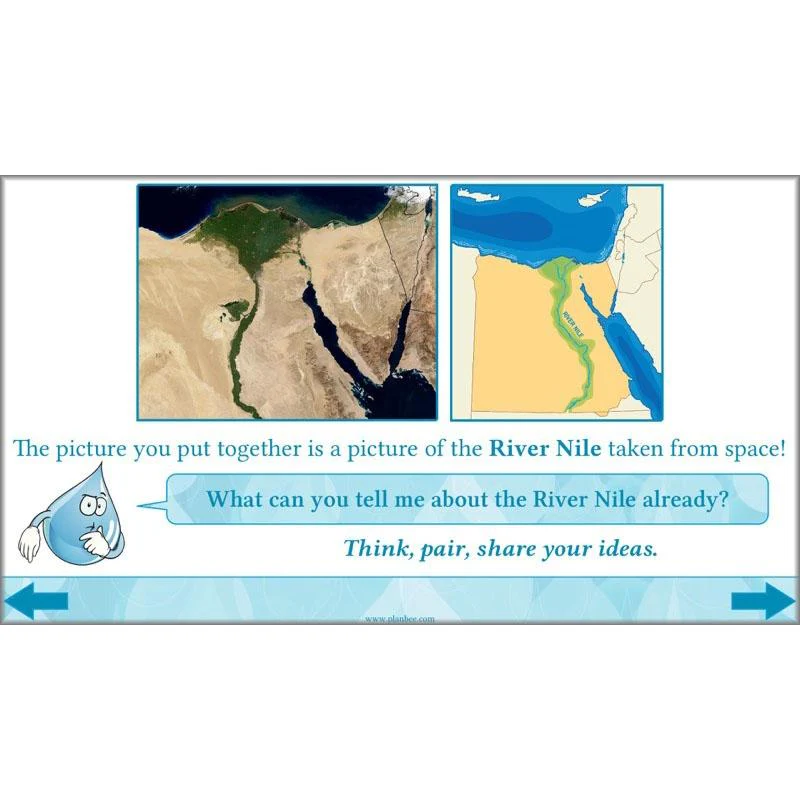
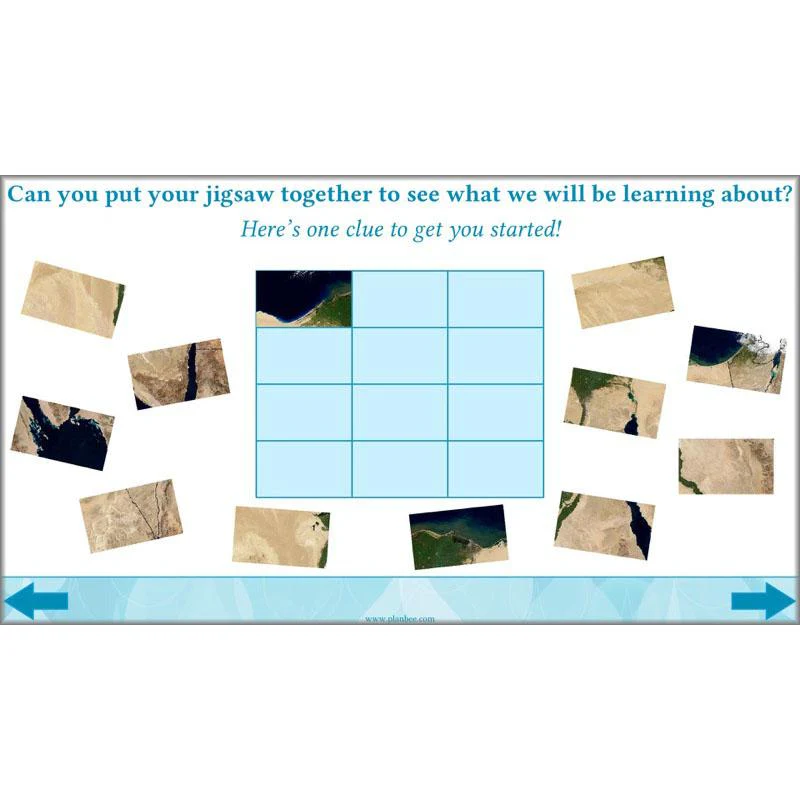
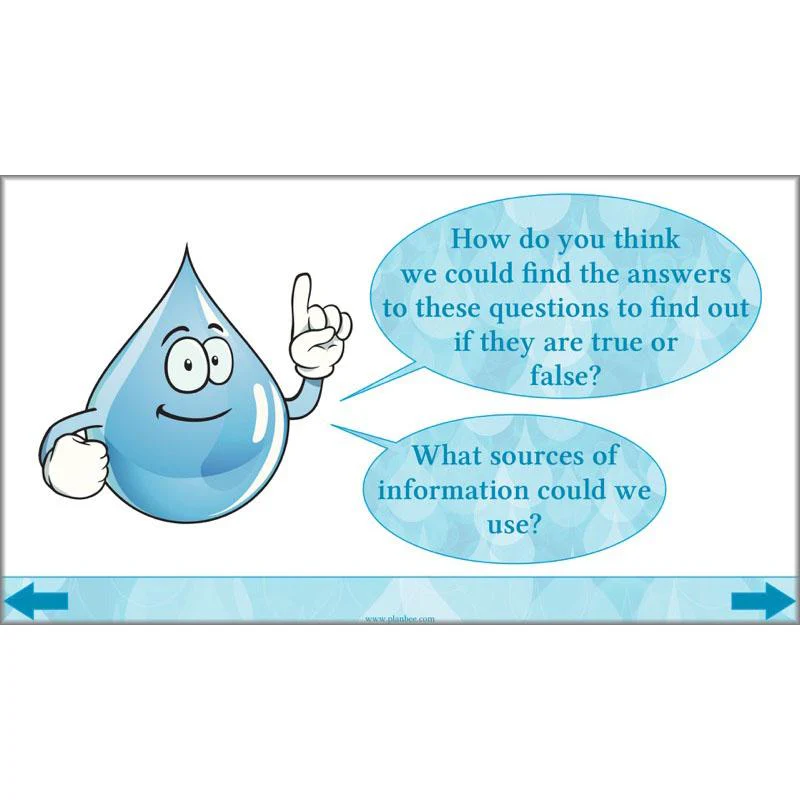
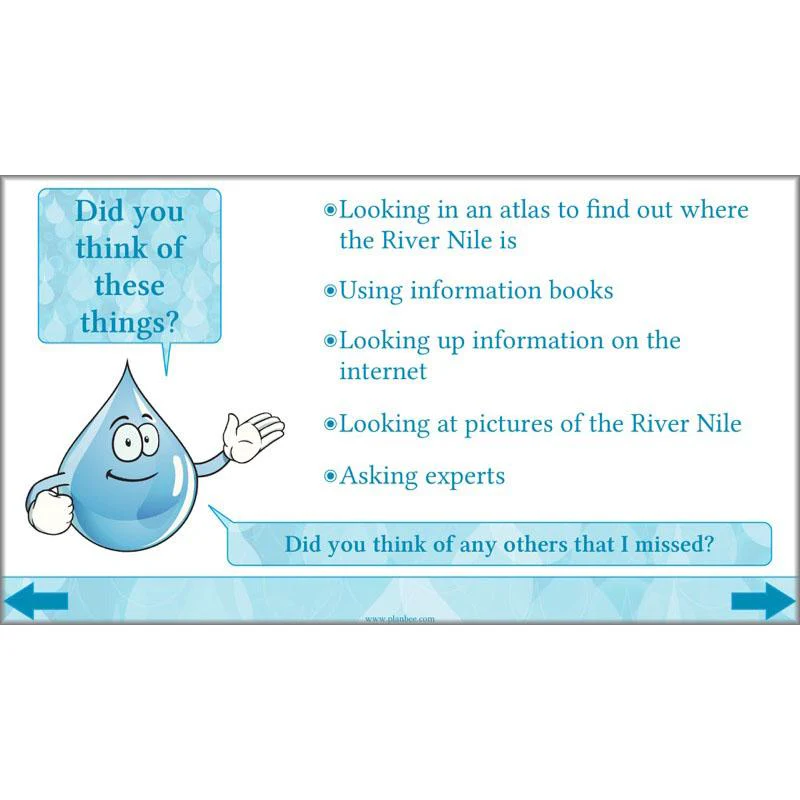
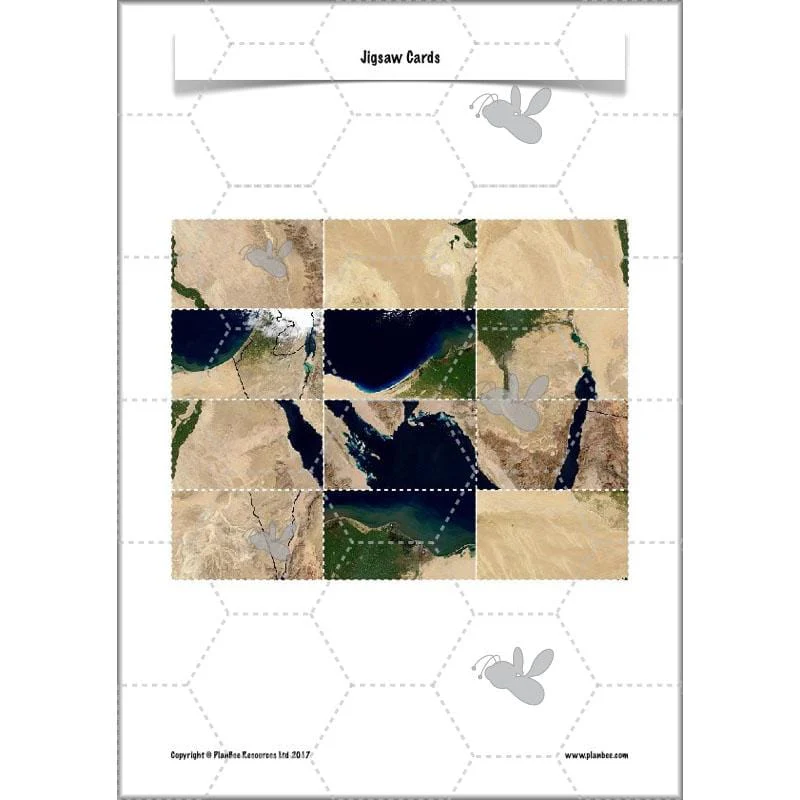
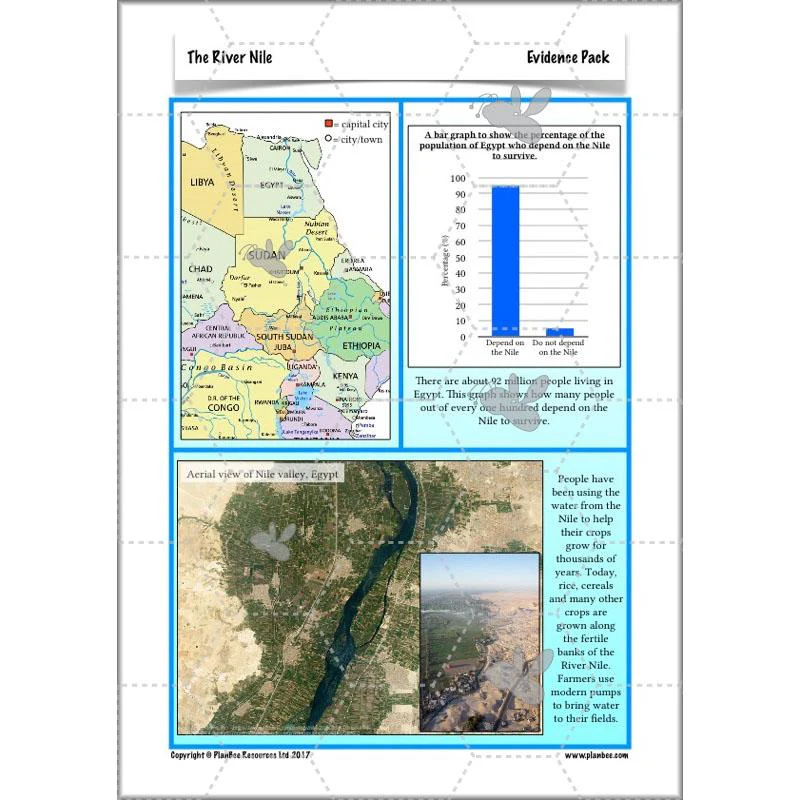
This River Nile Facts KS2 lesson starts by challenging children to piece together a jigsaw of the River Nile as seen from space to find out what they will be learning about. They will then go on to discuss what they already know about the River Nile before using a variety of sources of information to find out some basic facts about the Nile, such as location, length, and features.
With a lesson plan, slideshow for the teaching input, differentiated activity ideas, and a range of printable resources, this River Nile Facts KS2 lesson contains everything you need to give your Year 3 or Year 4 class a solid understanding of the basic facts of the River Nile.
What's included:
- Lesson plan
- Slides
- Activity ideas
- Jigsaw cards
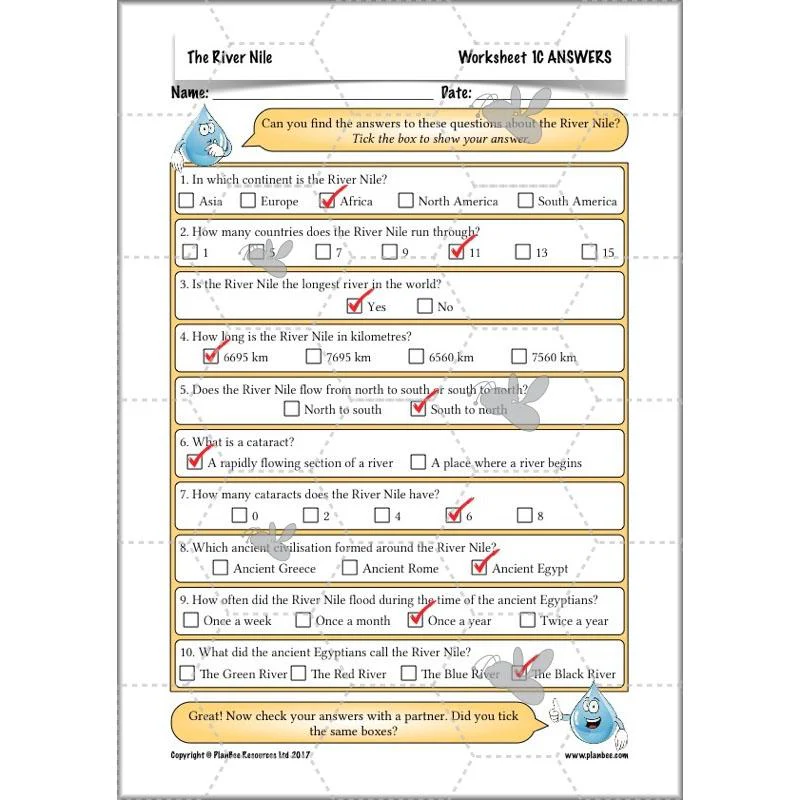
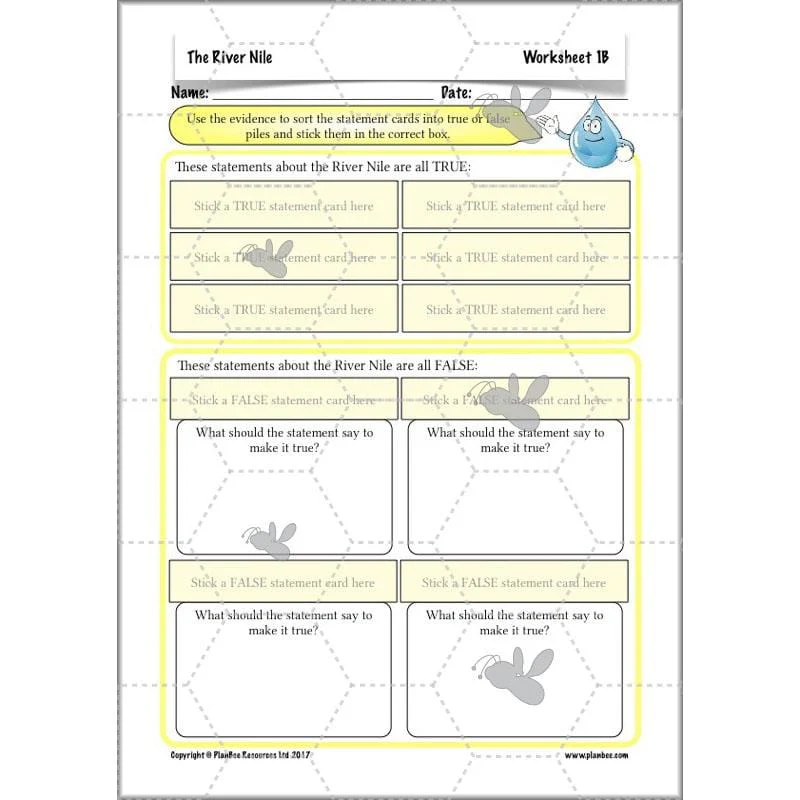
- Differentiated worksheets
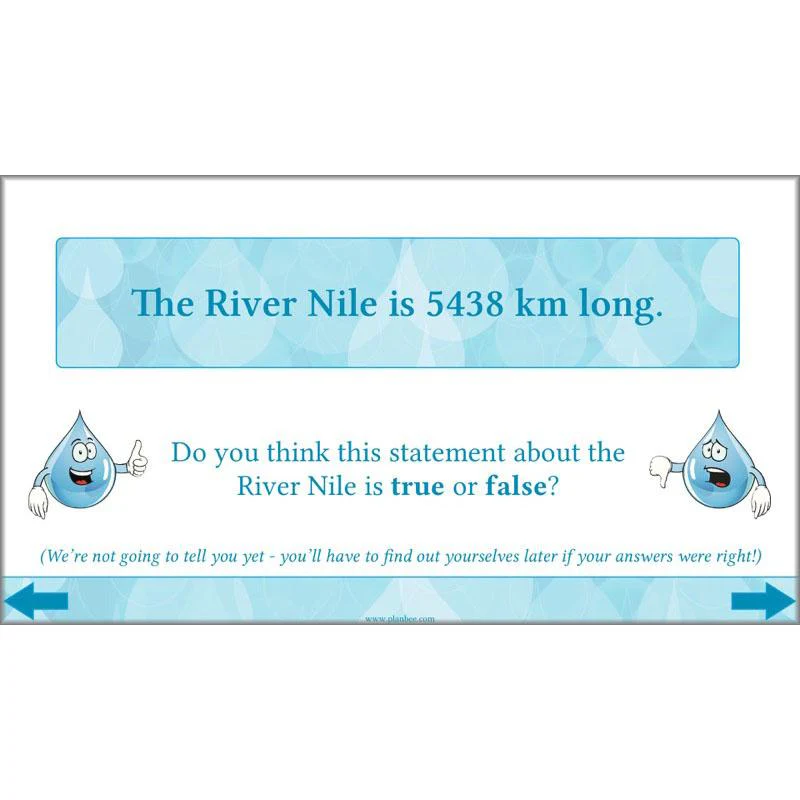
- Differentiated statement cards
- Blank statement cards
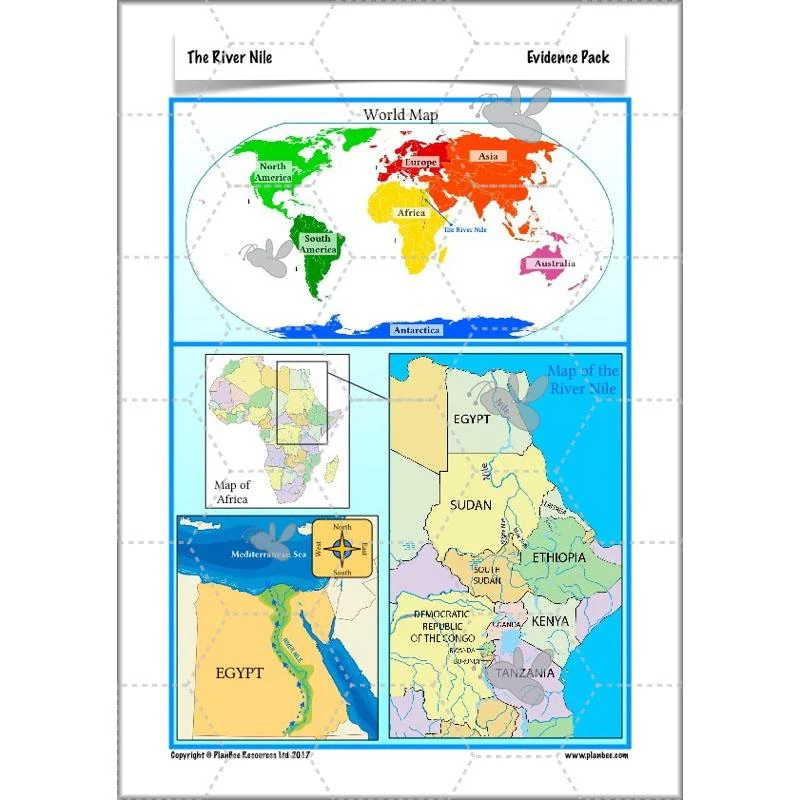
- Evidence pack
- River Nile eBook
View Lesson 1
Source to Mouth
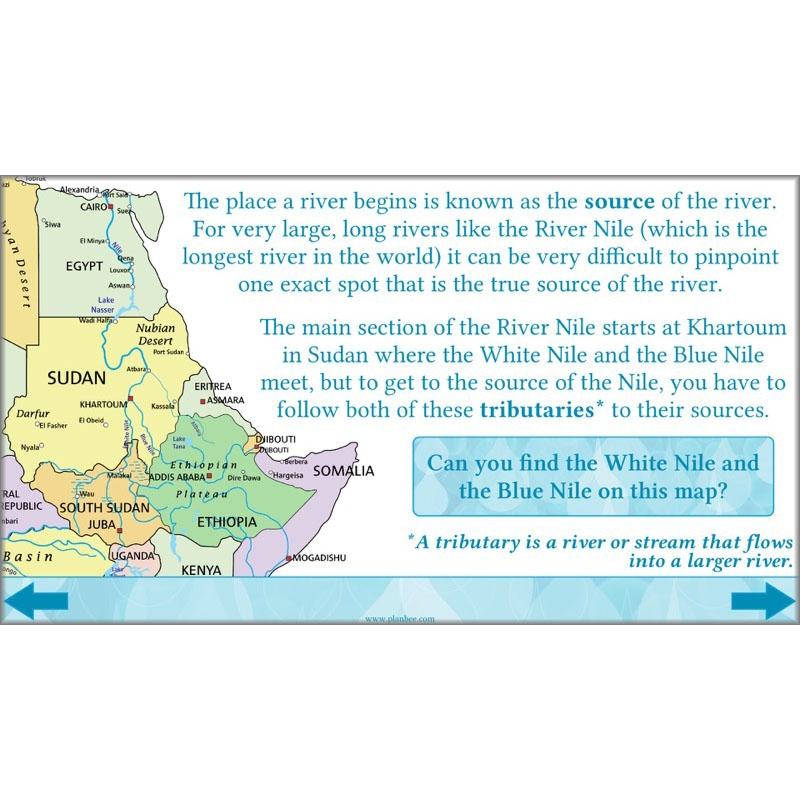
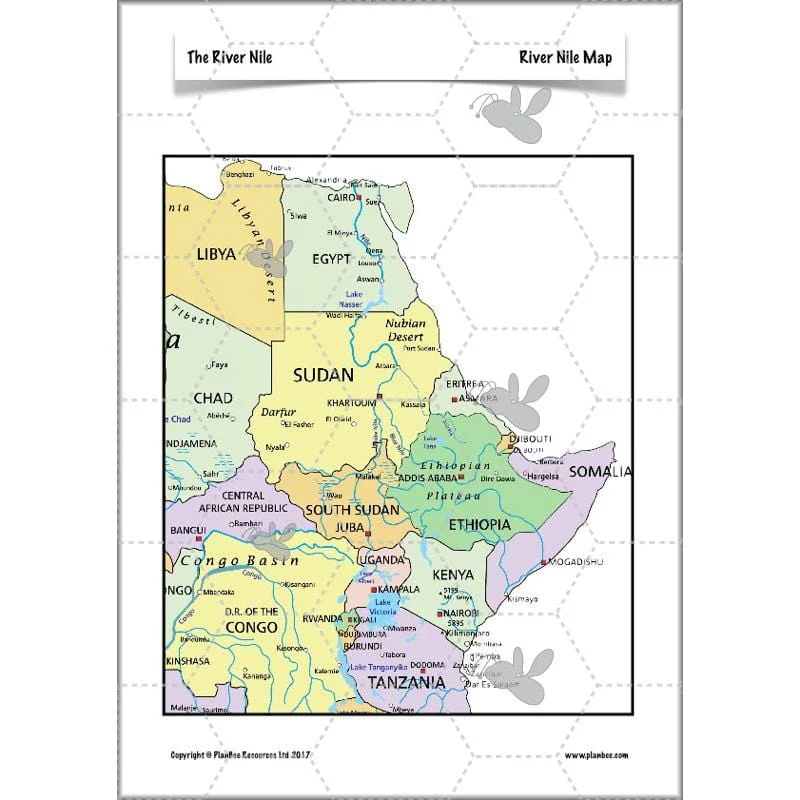
This River Nile Source to Mouth lesson will teach your class both where the River Nile begins and ends, as well as looking at its journey from source to mouth. Starting from its source all the way to the Mediterranean Sea, your class will discover tributaries, waterfalls, and the Nile Delta along the way. During their independent activities, they can then describe the journey of the Nile from source to mouth in a variety of engaging ways.
What's included:
- Lesson plan
- Slides
- Activity ideas
- Worksheet
- Differentiated sentence cards
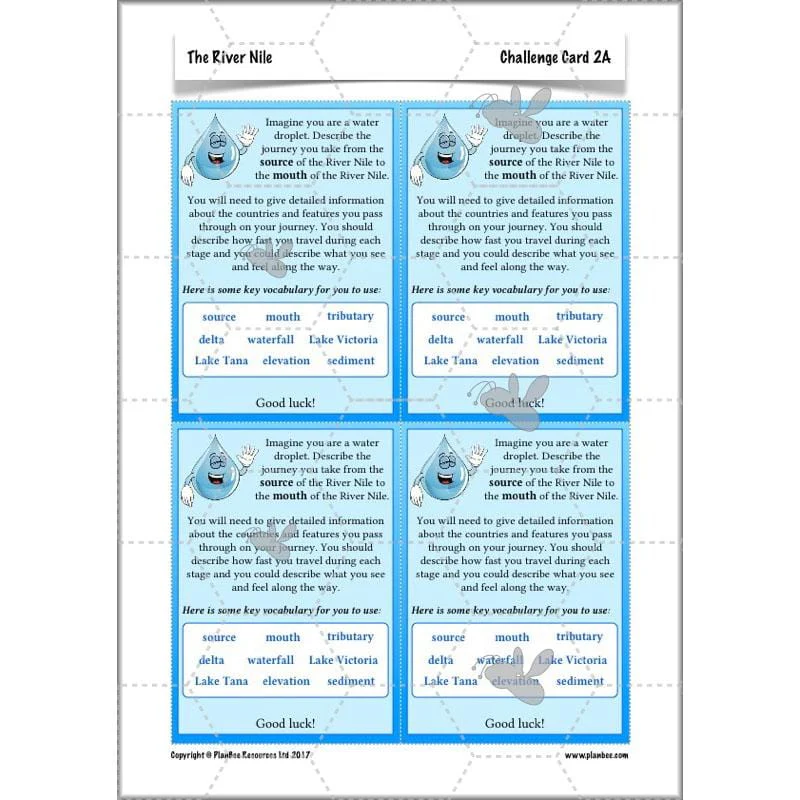
- Challenge card
- River Nile map
- Label cards
View Lesson 2
The Aswan High Dam
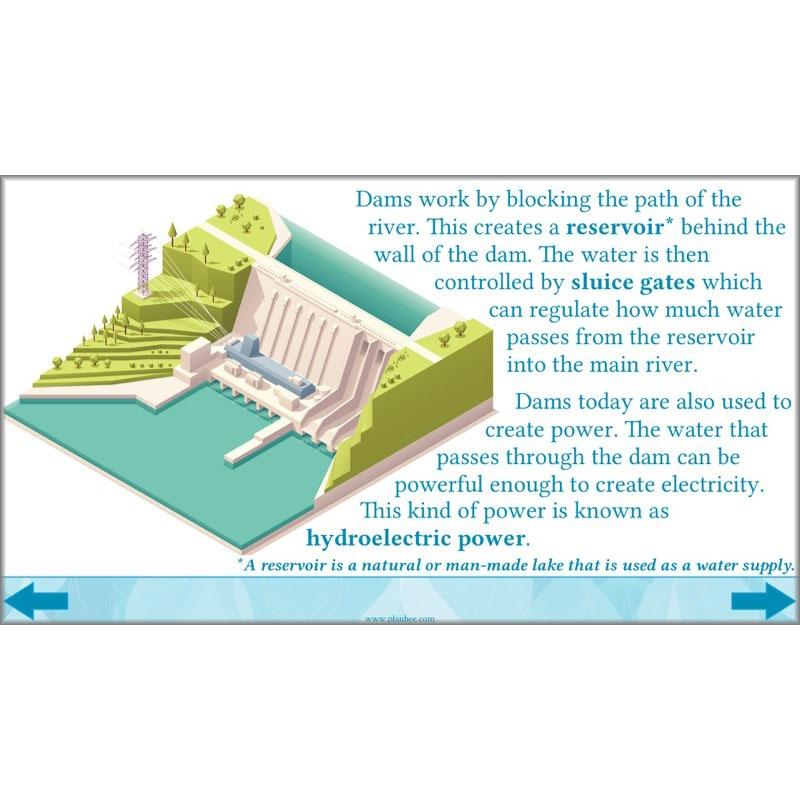
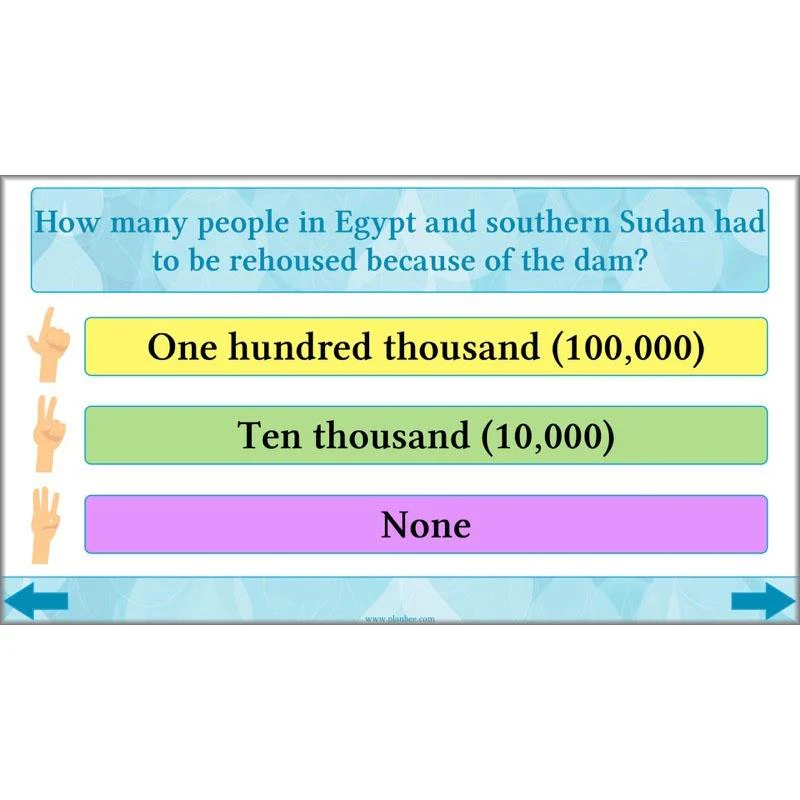
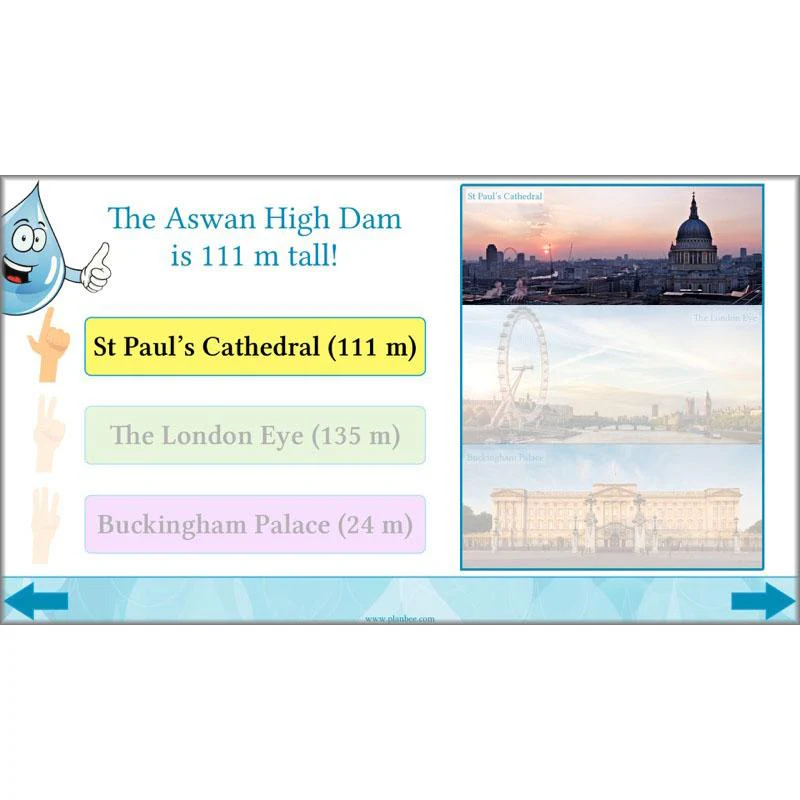
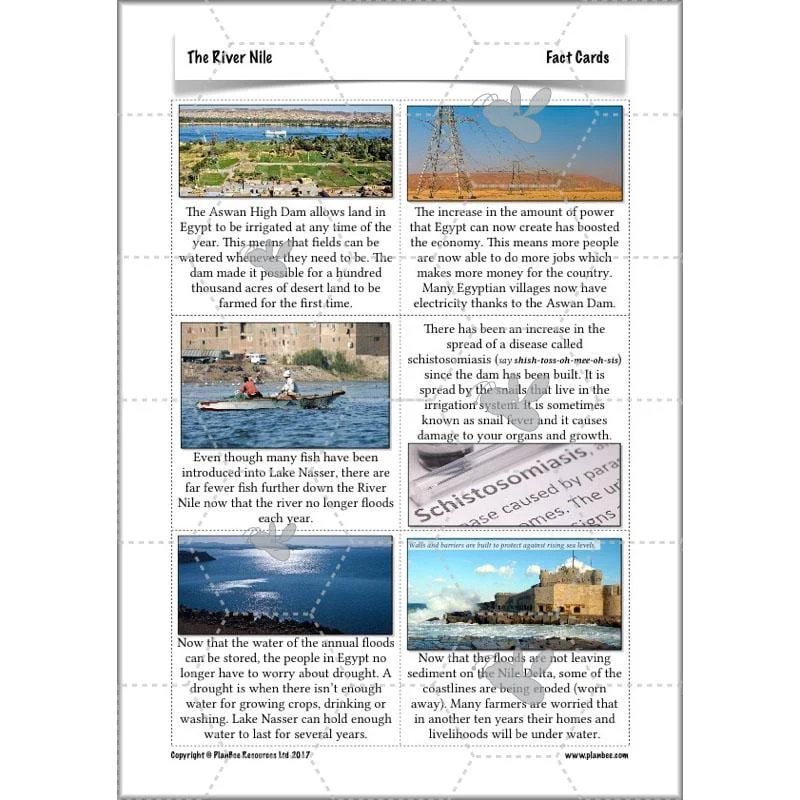
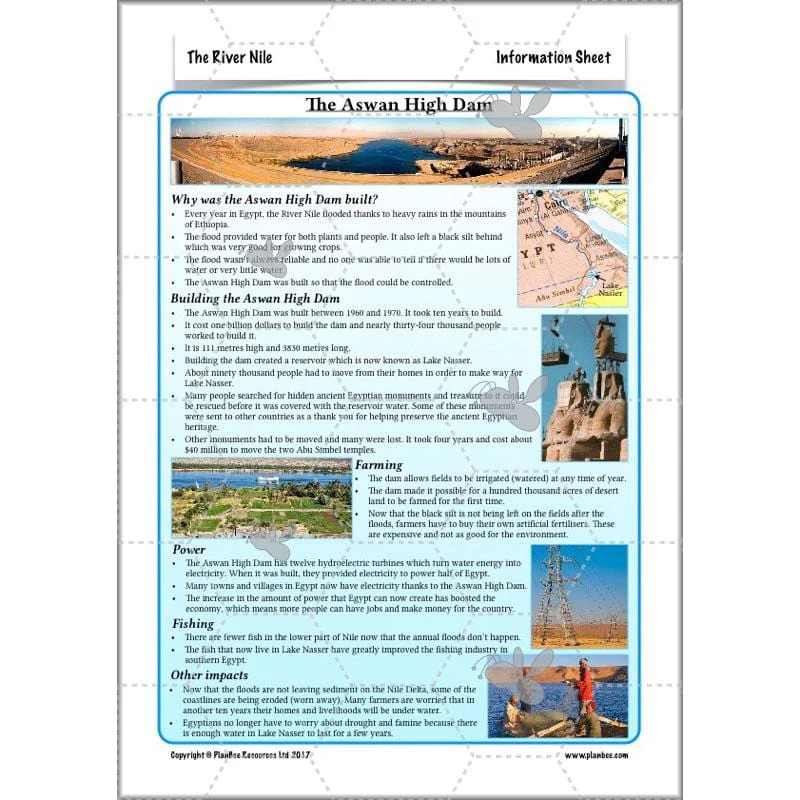
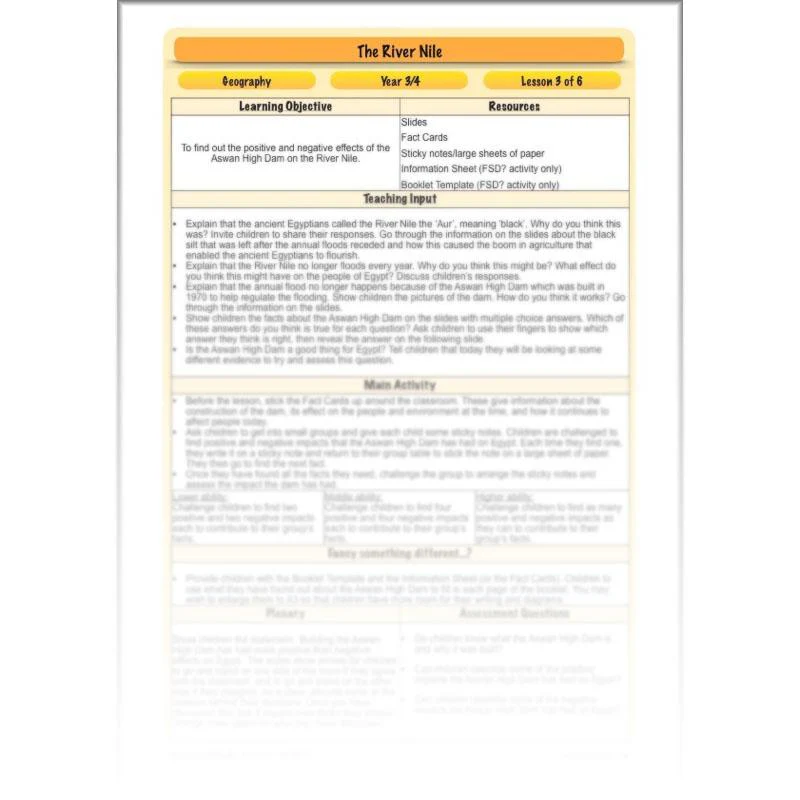
This lesson starts by finding out more about the annual flooding of the Nile and goes on to explore why this no longer happens since the construction of the Aswan High Dam in 1970. They will consider both the positive and negative effects that the dam has had on Egypt, as well as learning about how dams work and what impact they have on the environment.
What's included:
- Lesson plan
- Slides
- Activity ideas
- Fact cards
- Information sheet
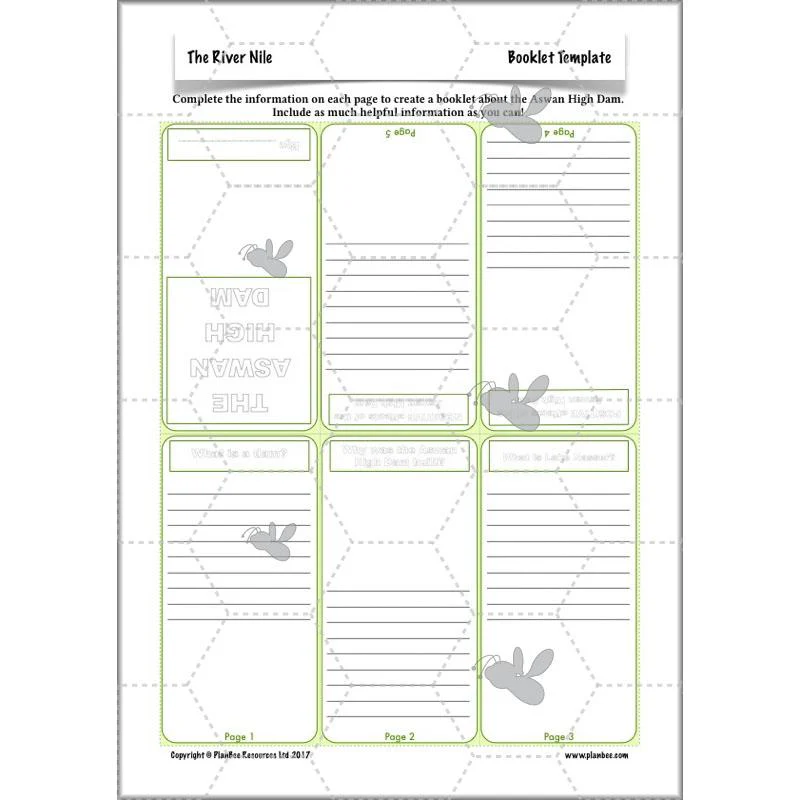
- Booklet templates
View Lesson 3
The Nile Delta
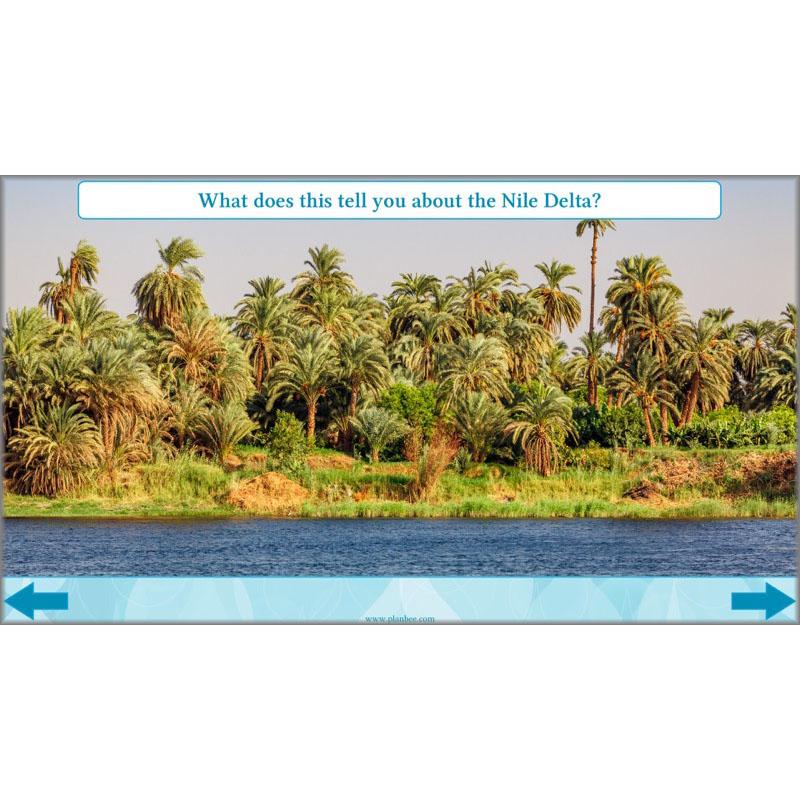
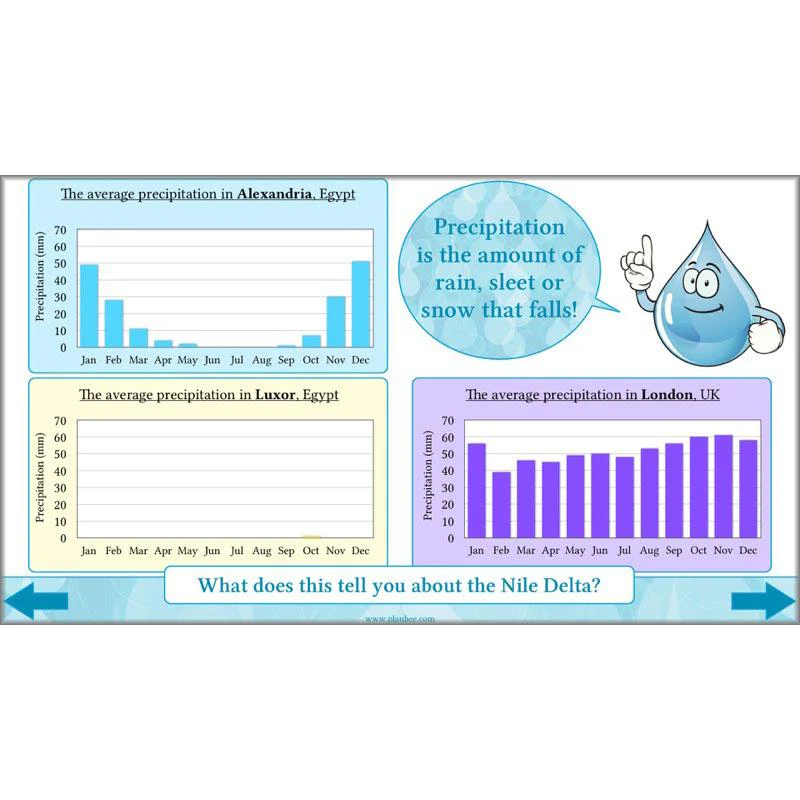
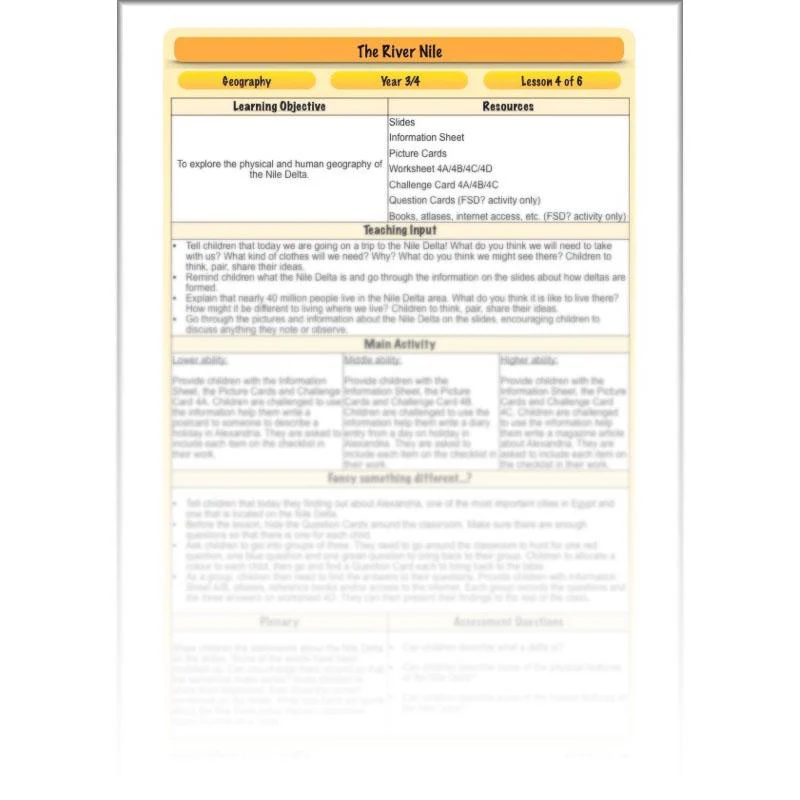
Children will recap what a delta is and how deltas are formed at the beginning of this lesson, before looking at some of the physical and human features of the Nile Delta. They will use photographs to discuss what the delta is like, as well as using climate data and other sources to consider what it is like to live in the Nile Delta region.
What's included:
- Lesson plan
- Slides
- Activity ideas
- Information sheet
- Picture cards
- Differentiated worksheets
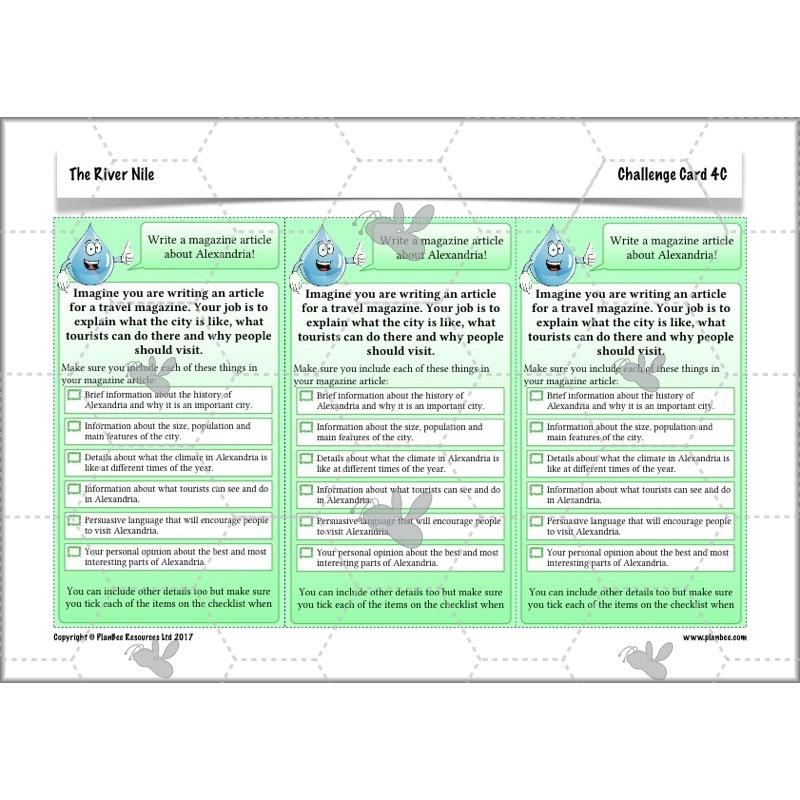
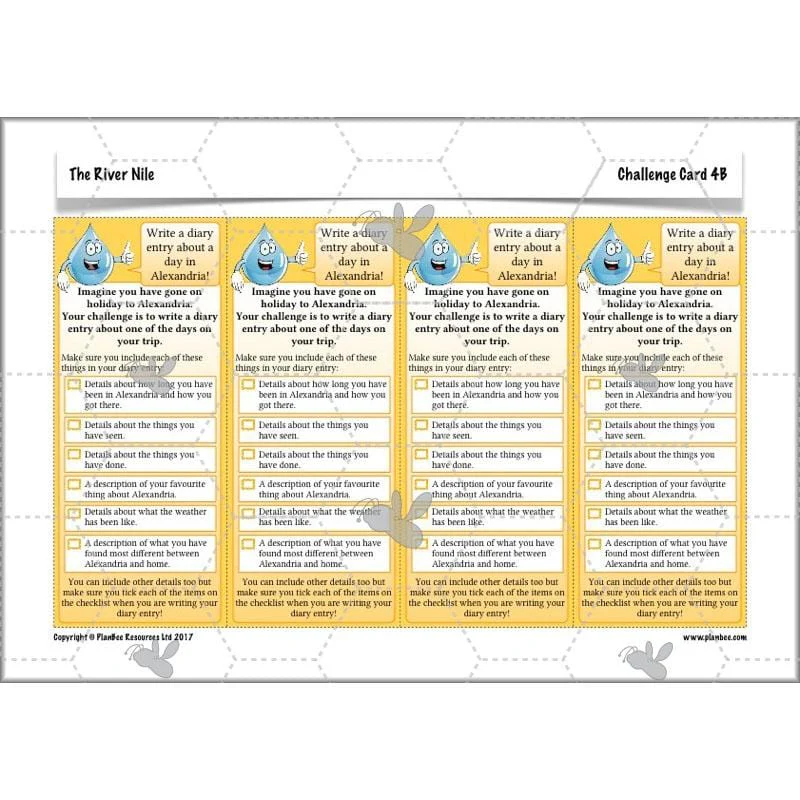
- Differentiated challenge cards
- Question cards
View Lesson 4
River Nile Uses
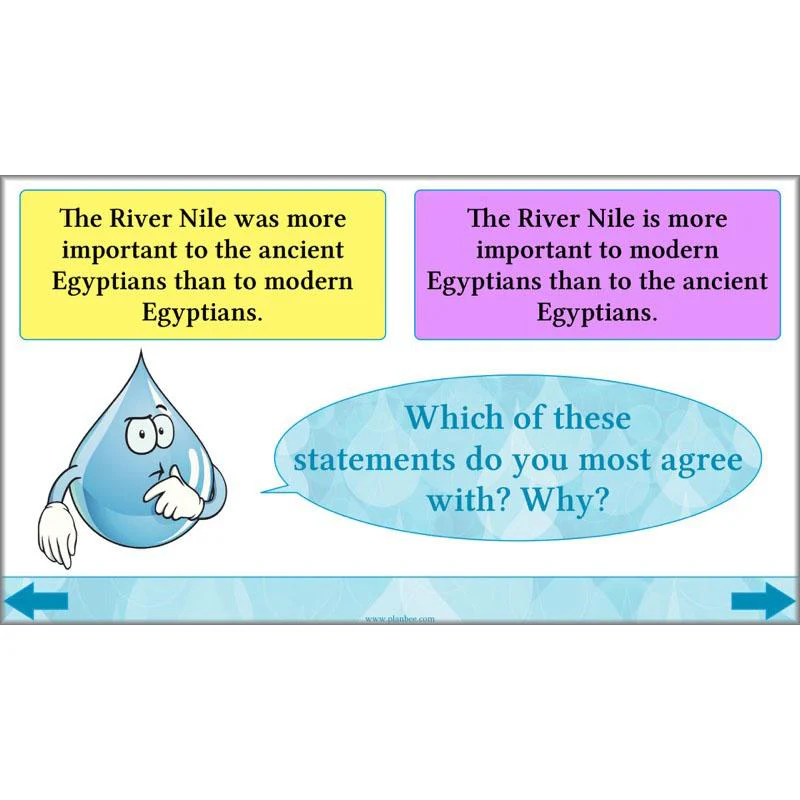
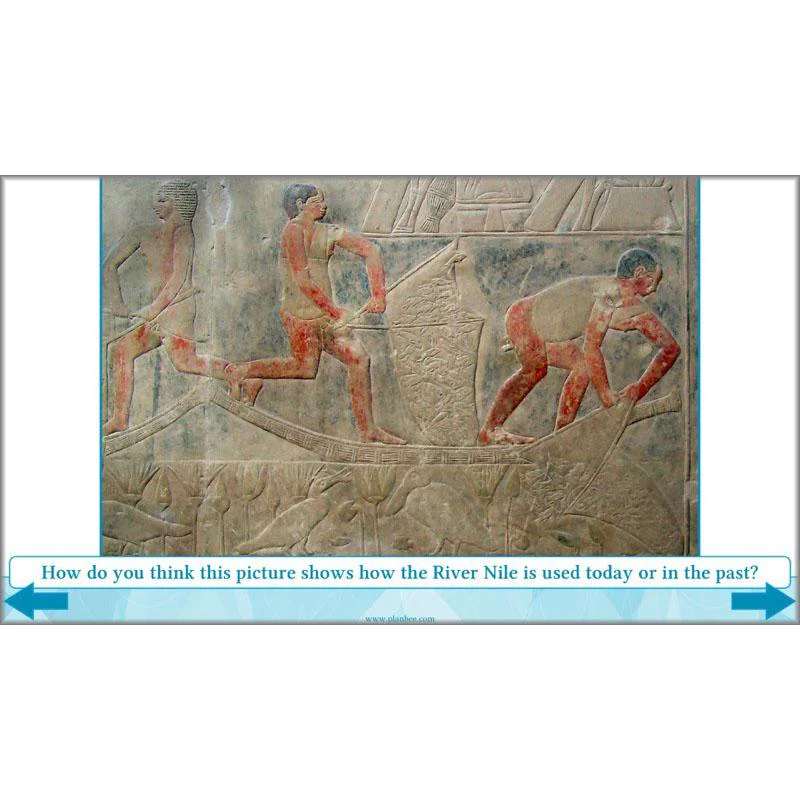
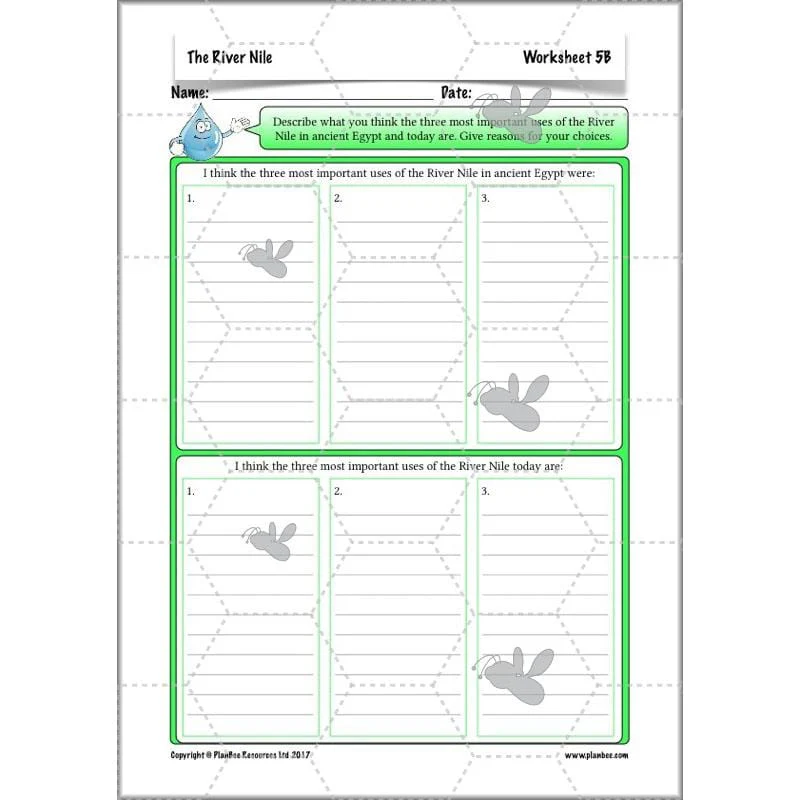
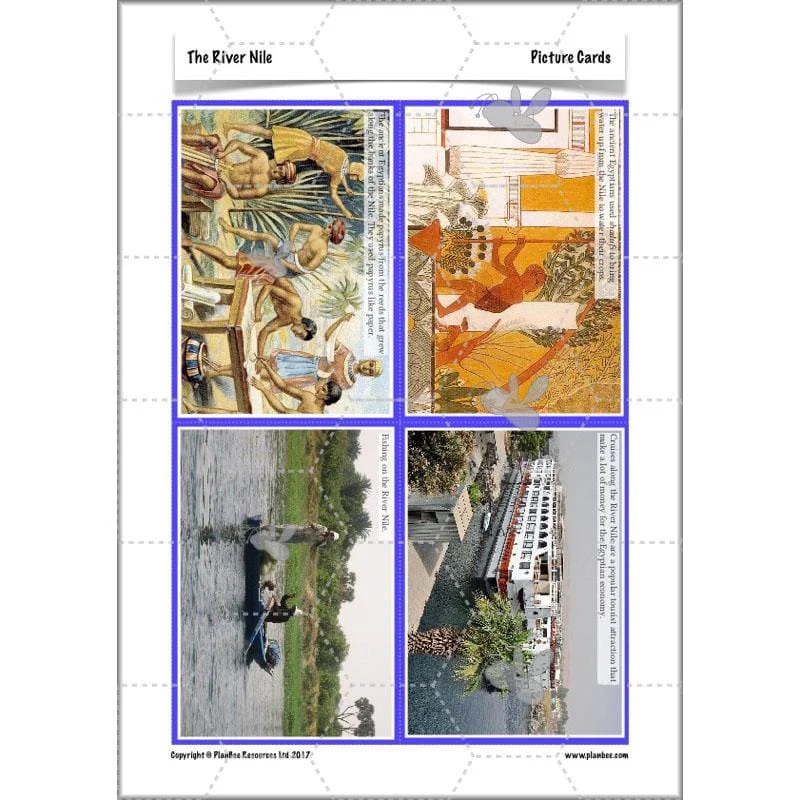
Children will consider the many River Nile uses in this lesson as they consider the question of whether the River Nile was more important in ancient times than it is today. Children will research the many ways in which people use the River Nile, both today and during the ancient Egyptian civilisation. They will think about why some of the River Nile uses have changed over time and discuss which they think the most important uses were in the past and today.
What's included:
- Lesson plan
- Slides
- Activity ideas
- Differentiated worksheets
- Differentiated question cards
- Picture cards
- Challenge card
View Lesson 5
Nile Cruise
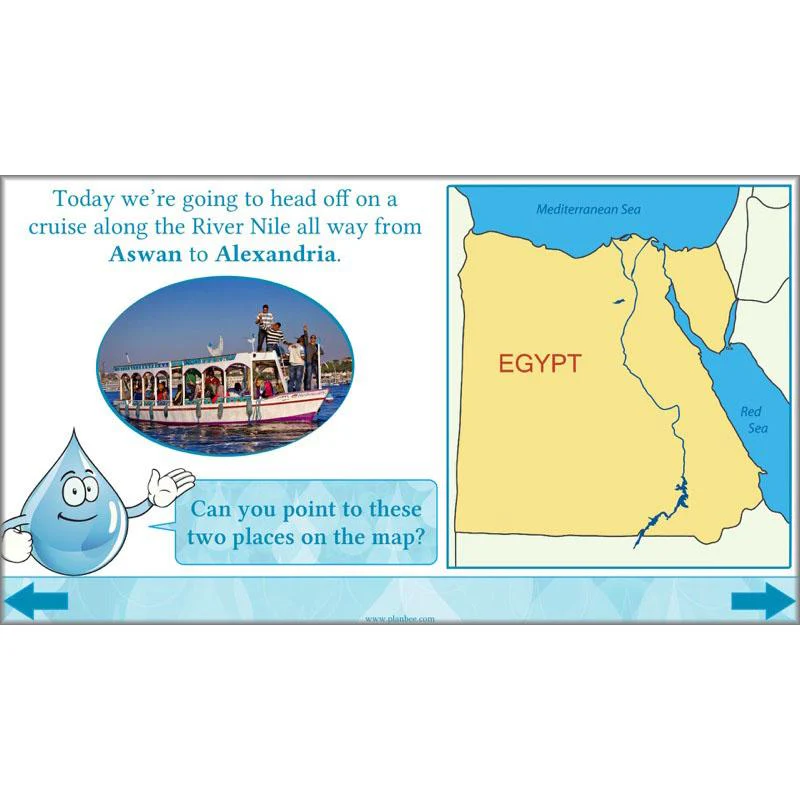
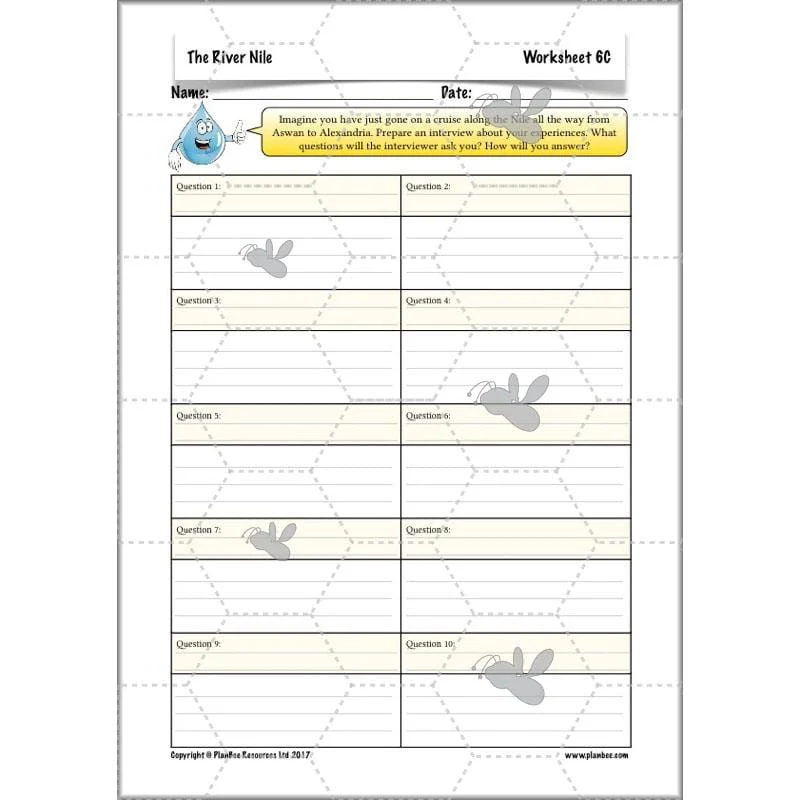
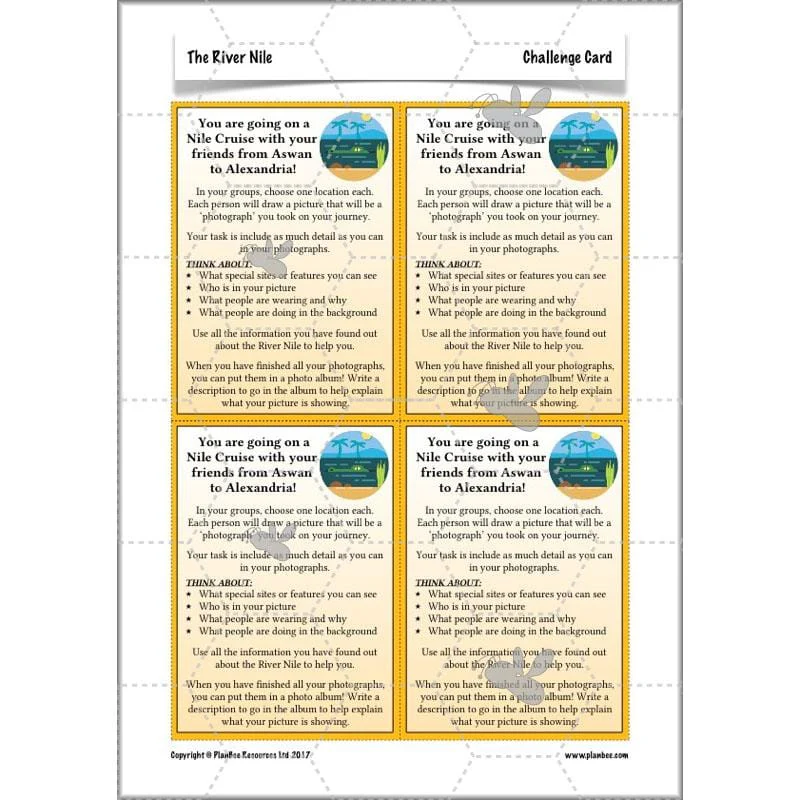
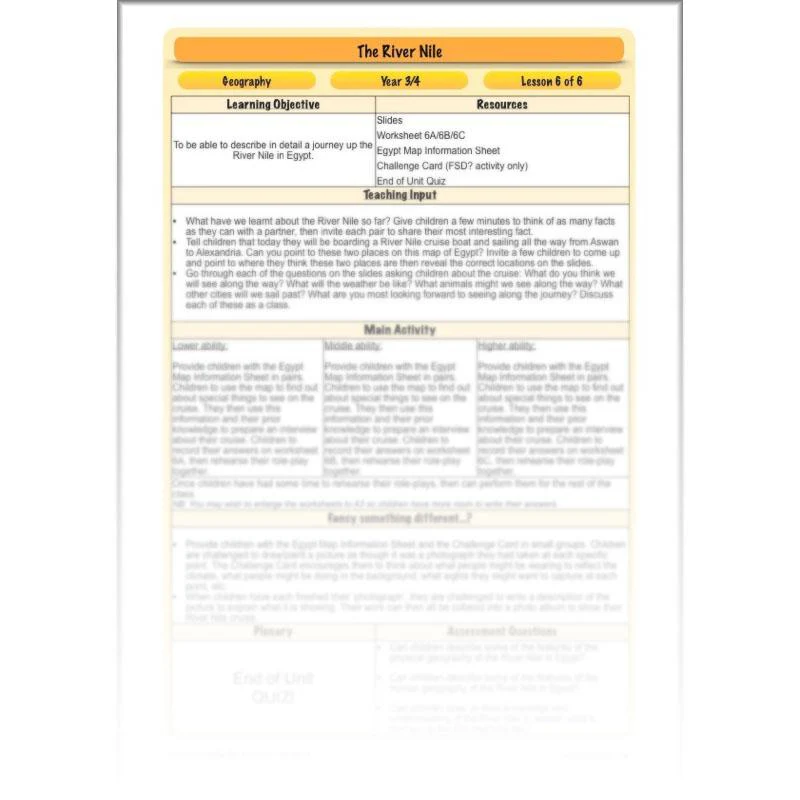
The final lesson in this series gives your class the chance to consolidate their knowledge of the River Nile by describing an imaginary river cruise from Aswan all the way to Alexandria. They will consider what and who they might see along the way and draw on their prior learning to describe in detail what a River Nile cruise would be like.
What's included:
- Lesson plan
- Slides
- Activity ideas
- Differentiated worksheets
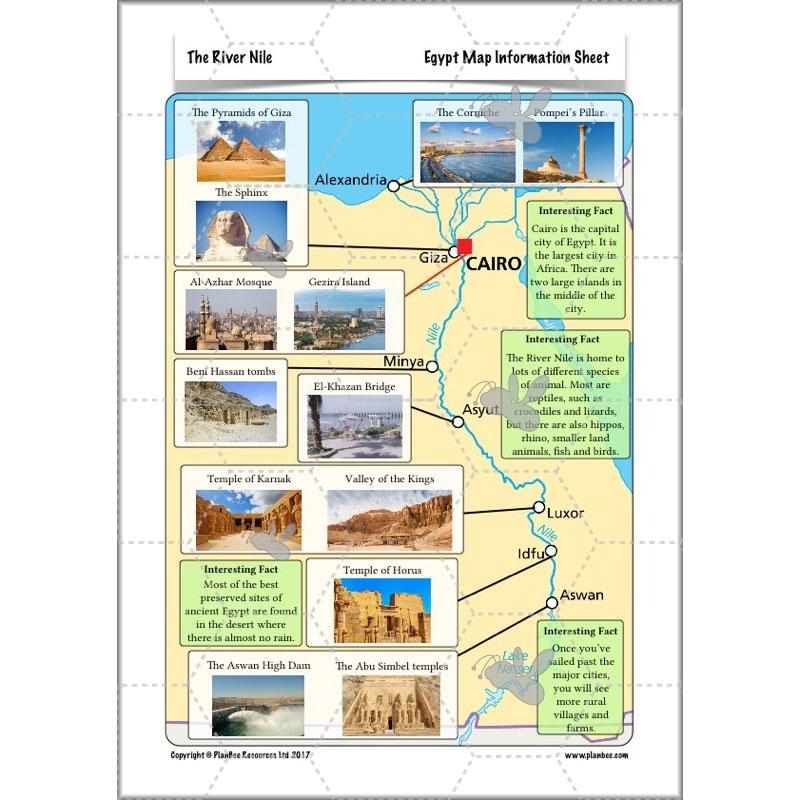
- Egypt map information sheet
- Challenge card
- End of unit quiz
View Lesson 6
Original: $4.71
-65%$4.71
$1.65More Images
























The River Nile
Jump in a felucca and go on a journey of discovery up and down the River Nile with this KS2 River Nile planning pack for Year 3 and Year 4! These River Nile KS2 Geography lessons will teach your class everything they need to know about the River Nile and its impact on Egypt. They will learn to locate the River Nile on a world map and identify the countries it runs through, identify the source and mouth of the river, investigate its main physical and human features, and much more.
Perfect for teaching alongside our Ancient Egypt History scheme of work, these River Nile KS2 Geography lessons contain all the planning, presentations, activity ideas, and printable resources you need to fully engage your class in learning about the longest river in the world.
You may also like our Ancient Egyptians Topic Bundle which has four fully-prepared schemes of work all themed around ancient Egypt!
River Nile Facts
This River Nile Facts KS2 lesson starts by challenging children to piece together a jigsaw of the River Nile as seen from space to find out what they will be learning about. They will then go on to discuss what they already know about the River Nile before using a variety of sources of information to find out some basic facts about the Nile, such as location, length, and features.
With a lesson plan, slideshow for the teaching input, differentiated activity ideas, and a range of printable resources, this River Nile Facts KS2 lesson contains everything you need to give your Year 3 or Year 4 class a solid understanding of the basic facts of the River Nile.
What's included:
- Lesson plan
- Slides
- Activity ideas
- Jigsaw cards
- Differentiated worksheets
- Differentiated statement cards
- Blank statement cards
- Evidence pack
- River Nile eBook
View Lesson 1
Source to Mouth
This River Nile Source to Mouth lesson will teach your class both where the River Nile begins and ends, as well as looking at its journey from source to mouth. Starting from its source all the way to the Mediterranean Sea, your class will discover tributaries, waterfalls, and the Nile Delta along the way. During their independent activities, they can then describe the journey of the Nile from source to mouth in a variety of engaging ways.
What's included:
- Lesson plan
- Slides
- Activity ideas
- Worksheet
- Differentiated sentence cards
- Challenge card
- River Nile map
- Label cards
View Lesson 2
The Aswan High Dam
This lesson starts by finding out more about the annual flooding of the Nile and goes on to explore why this no longer happens since the construction of the Aswan High Dam in 1970. They will consider both the positive and negative effects that the dam has had on Egypt, as well as learning about how dams work and what impact they have on the environment.
What's included:
- Lesson plan
- Slides
- Activity ideas
- Fact cards
- Information sheet
- Booklet templates
View Lesson 3
The Nile Delta
Children will recap what a delta is and how deltas are formed at the beginning of this lesson, before looking at some of the physical and human features of the Nile Delta. They will use photographs to discuss what the delta is like, as well as using climate data and other sources to consider what it is like to live in the Nile Delta region.
What's included:
- Lesson plan
- Slides
- Activity ideas
- Information sheet
- Picture cards
- Differentiated worksheets
- Differentiated challenge cards
- Question cards
View Lesson 4
River Nile Uses
Children will consider the many River Nile uses in this lesson as they consider the question of whether the River Nile was more important in ancient times than it is today. Children will research the many ways in which people use the River Nile, both today and during the ancient Egyptian civilisation. They will think about why some of the River Nile uses have changed over time and discuss which they think the most important uses were in the past and today.
What's included:
- Lesson plan
- Slides
- Activity ideas
- Differentiated worksheets
- Differentiated question cards
- Picture cards
- Challenge card
View Lesson 5
Nile Cruise
The final lesson in this series gives your class the chance to consolidate their knowledge of the River Nile by describing an imaginary river cruise from Aswan all the way to Alexandria. They will consider what and who they might see along the way and draw on their prior learning to describe in detail what a River Nile cruise would be like.
What's included:
- Lesson plan
- Slides
- Activity ideas
- Differentiated worksheets
- Egypt map information sheet
- Challenge card
- End of unit quiz
View Lesson 6
Product Information
Product Information
Shipping & Returns
Shipping & Returns
Description
Jump in a felucca and go on a journey of discovery up and down the River Nile with this KS2 River Nile planning pack for Year 3 and Year 4! These River Nile KS2 Geography lessons will teach your class everything they need to know about the River Nile and its impact on Egypt. They will learn to locate the River Nile on a world map and identify the countries it runs through, identify the source and mouth of the river, investigate its main physical and human features, and much more.
Perfect for teaching alongside our Ancient Egypt History scheme of work, these River Nile KS2 Geography lessons contain all the planning, presentations, activity ideas, and printable resources you need to fully engage your class in learning about the longest river in the world.
You may also like our Ancient Egyptians Topic Bundle which has four fully-prepared schemes of work all themed around ancient Egypt!
River Nile Facts
This River Nile Facts KS2 lesson starts by challenging children to piece together a jigsaw of the River Nile as seen from space to find out what they will be learning about. They will then go on to discuss what they already know about the River Nile before using a variety of sources of information to find out some basic facts about the Nile, such as location, length, and features.
With a lesson plan, slideshow for the teaching input, differentiated activity ideas, and a range of printable resources, this River Nile Facts KS2 lesson contains everything you need to give your Year 3 or Year 4 class a solid understanding of the basic facts of the River Nile.
What's included:
- Lesson plan
- Slides
- Activity ideas
- Jigsaw cards
- Differentiated worksheets
- Differentiated statement cards
- Blank statement cards
- Evidence pack
- River Nile eBook
View Lesson 1
Source to Mouth
This River Nile Source to Mouth lesson will teach your class both where the River Nile begins and ends, as well as looking at its journey from source to mouth. Starting from its source all the way to the Mediterranean Sea, your class will discover tributaries, waterfalls, and the Nile Delta along the way. During their independent activities, they can then describe the journey of the Nile from source to mouth in a variety of engaging ways.
What's included:
- Lesson plan
- Slides
- Activity ideas
- Worksheet
- Differentiated sentence cards
- Challenge card
- River Nile map
- Label cards
View Lesson 2
The Aswan High Dam
This lesson starts by finding out more about the annual flooding of the Nile and goes on to explore why this no longer happens since the construction of the Aswan High Dam in 1970. They will consider both the positive and negative effects that the dam has had on Egypt, as well as learning about how dams work and what impact they have on the environment.
What's included:
- Lesson plan
- Slides
- Activity ideas
- Fact cards
- Information sheet
- Booklet templates
View Lesson 3
The Nile Delta
Children will recap what a delta is and how deltas are formed at the beginning of this lesson, before looking at some of the physical and human features of the Nile Delta. They will use photographs to discuss what the delta is like, as well as using climate data and other sources to consider what it is like to live in the Nile Delta region.
What's included:
- Lesson plan
- Slides
- Activity ideas
- Information sheet
- Picture cards
- Differentiated worksheets
- Differentiated challenge cards
- Question cards
View Lesson 4
River Nile Uses
Children will consider the many River Nile uses in this lesson as they consider the question of whether the River Nile was more important in ancient times than it is today. Children will research the many ways in which people use the River Nile, both today and during the ancient Egyptian civilisation. They will think about why some of the River Nile uses have changed over time and discuss which they think the most important uses were in the past and today.
What's included:
- Lesson plan
- Slides
- Activity ideas
- Differentiated worksheets
- Differentiated question cards
- Picture cards
- Challenge card
View Lesson 5
Nile Cruise
The final lesson in this series gives your class the chance to consolidate their knowledge of the River Nile by describing an imaginary river cruise from Aswan all the way to Alexandria. They will consider what and who they might see along the way and draw on their prior learning to describe in detail what a River Nile cruise would be like.
What's included:
- Lesson plan
- Slides
- Activity ideas
- Differentiated worksheets
- Egypt map information sheet
- Challenge card
- End of unit quiz
View Lesson 6