What Do Scientists Do?
These Scientific Enquiry KS2 lessons explore the world of science and investigate the different areas that people work in. Let your class have a go at being forensic scientists, zoologists, botanists and more as they develop their knowledge of the scientific method and working scientifically in this six-lesson scheme for Years 3 and 4.
This scheme of work is also part of a Topic Bundle. Perfect if you are teaching 'Achievers and Inventors' as a cross-curricular topic.
The Scientific Method
Set the foundation of your scientific enquiry KS2 investigations in this first lesson.
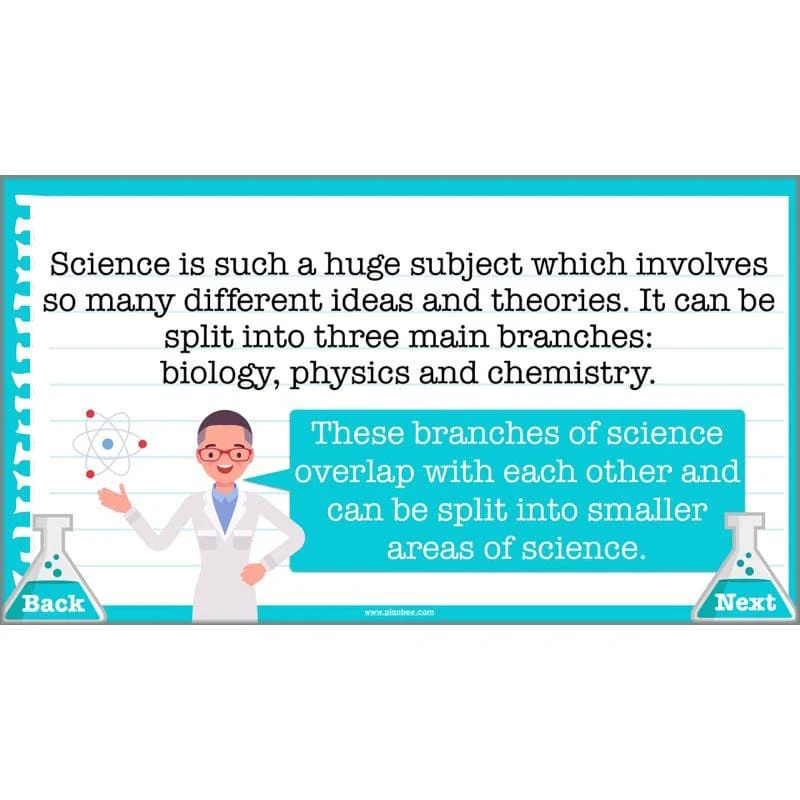
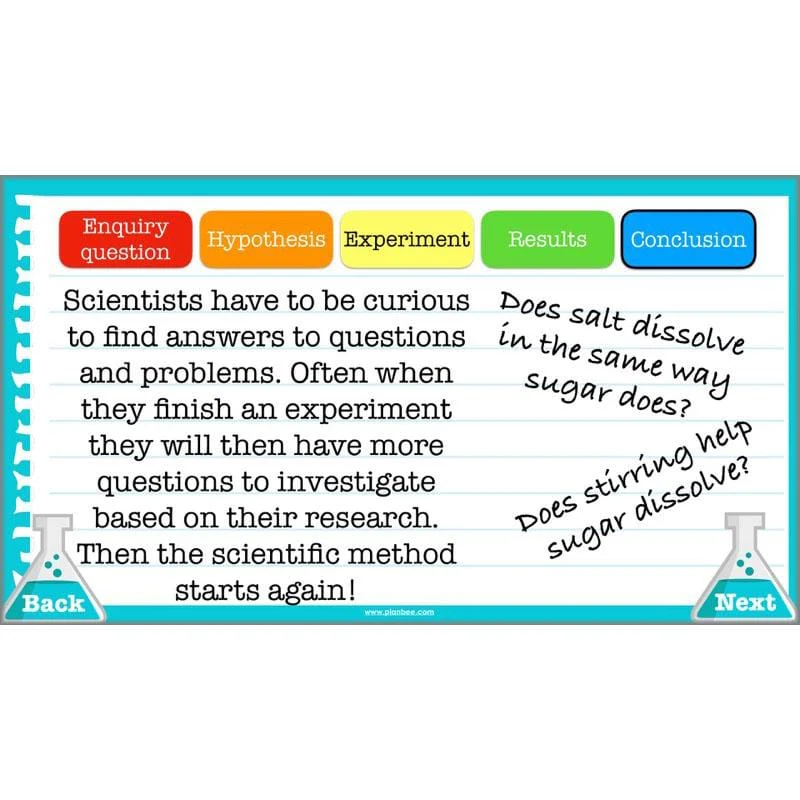
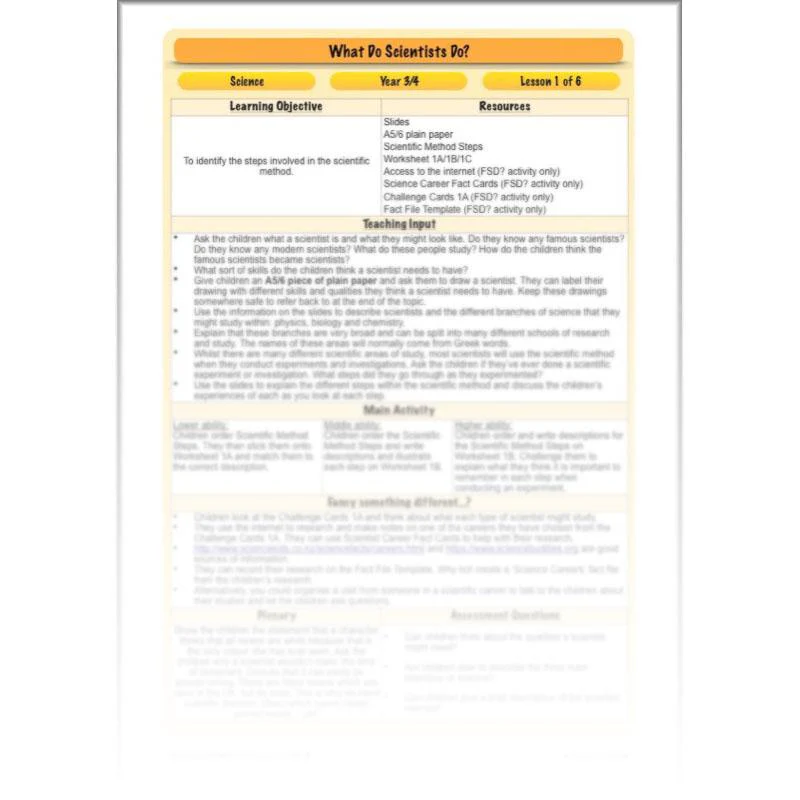
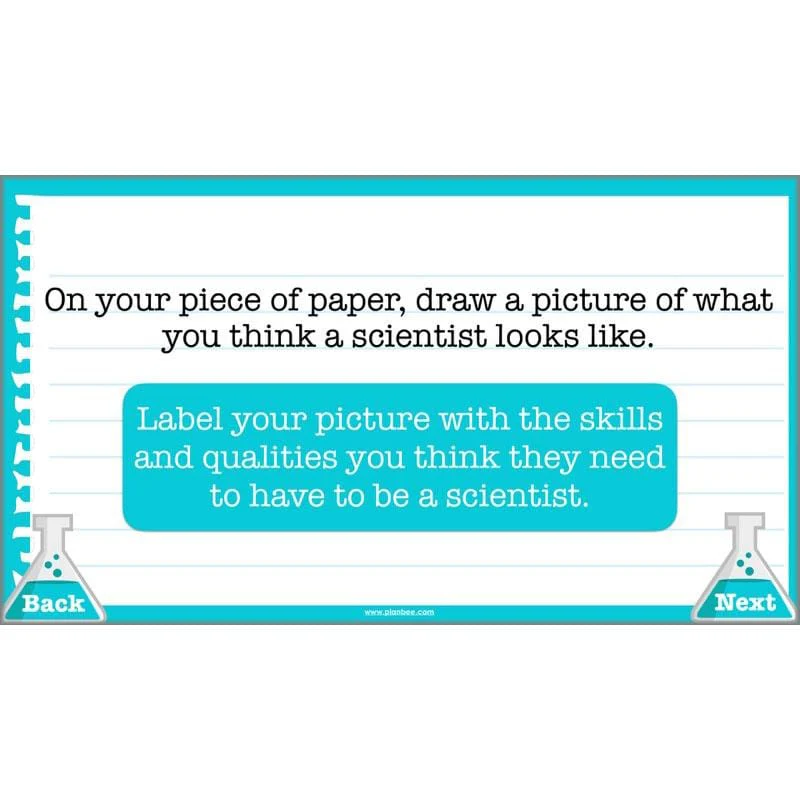
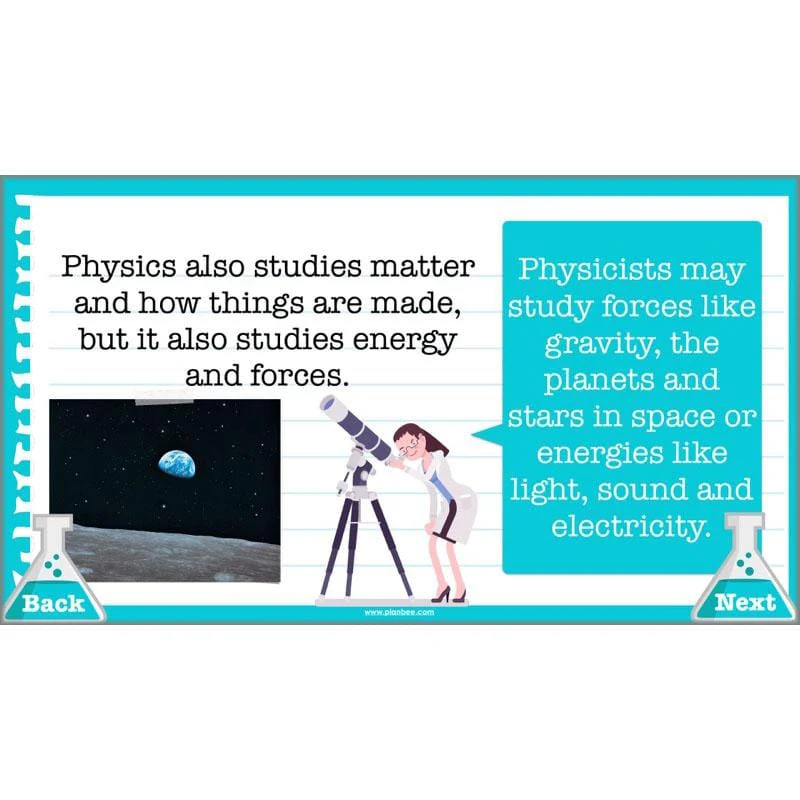
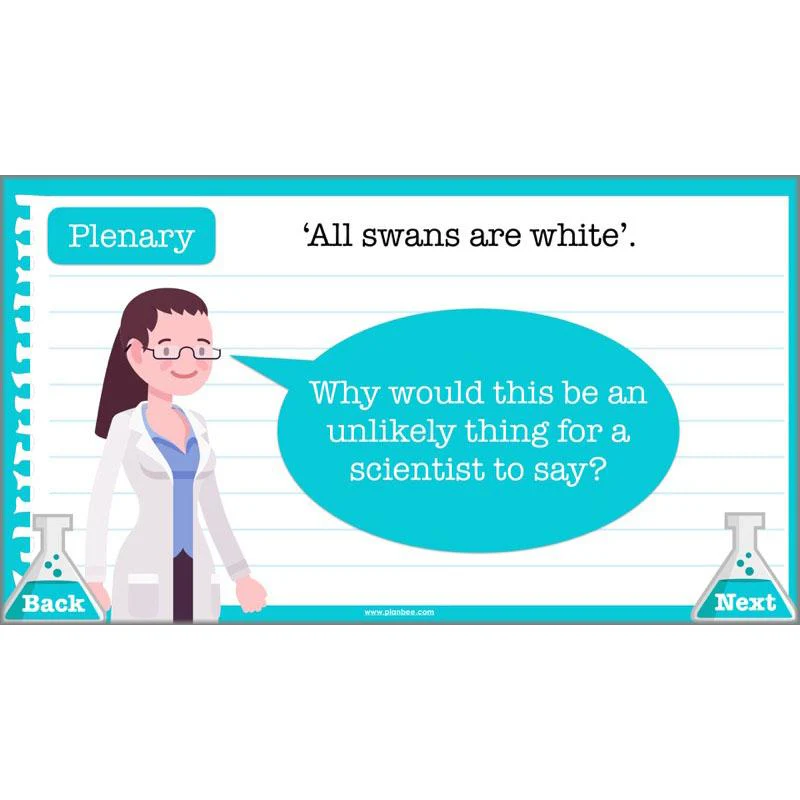
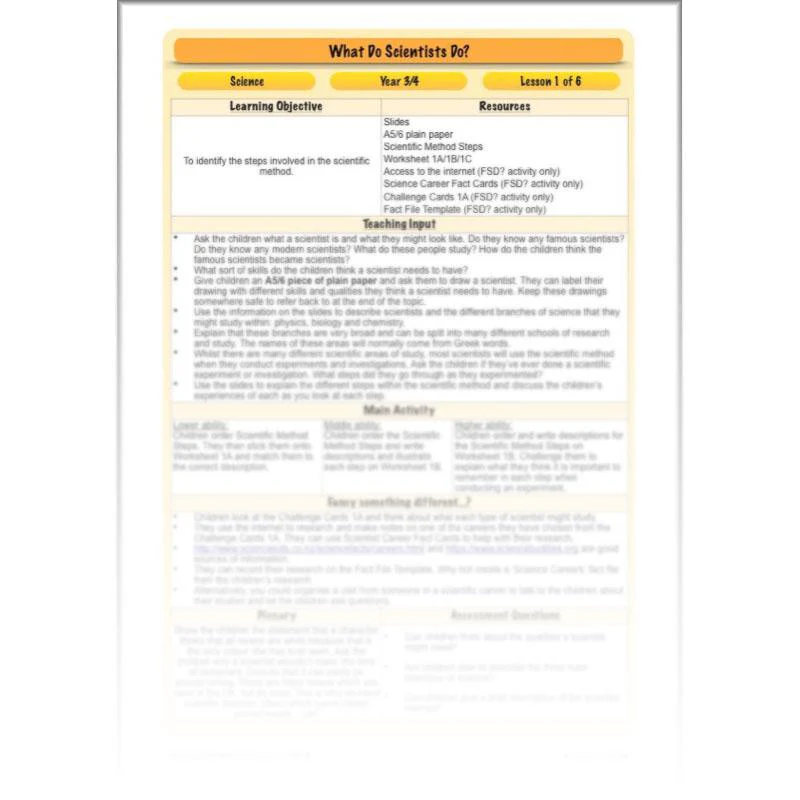
Use the included lesson slides to take a look into the world of science and explore the three main branches of chemistry, biology and physics. Challenge your class to think about their own idea of what a scientist looks like and the skills they might need as a scientist. Then challenge the children to investigate scientific enquiry - the method scientists use to conduct reliable experiments.
What's included:
- Lesson plan
- Slides
- Activity ideas
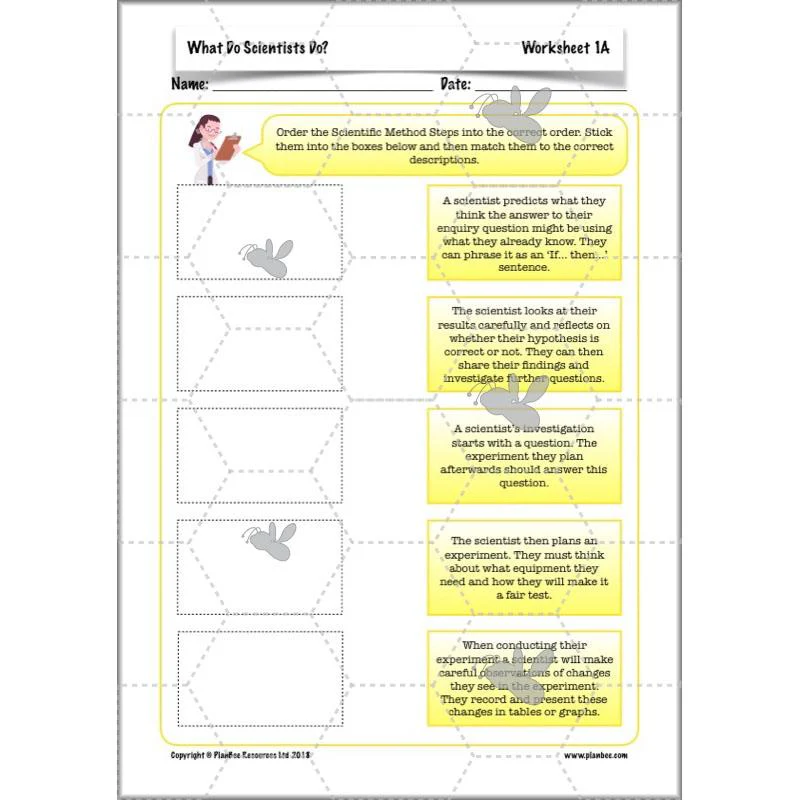
- Scientific method steps
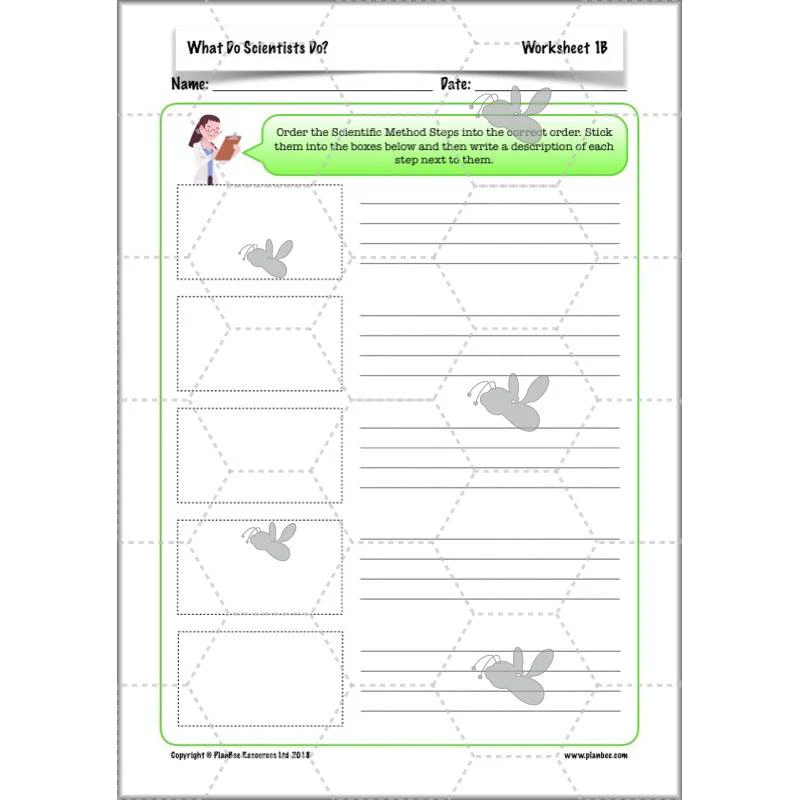
- Differentiated worksheets
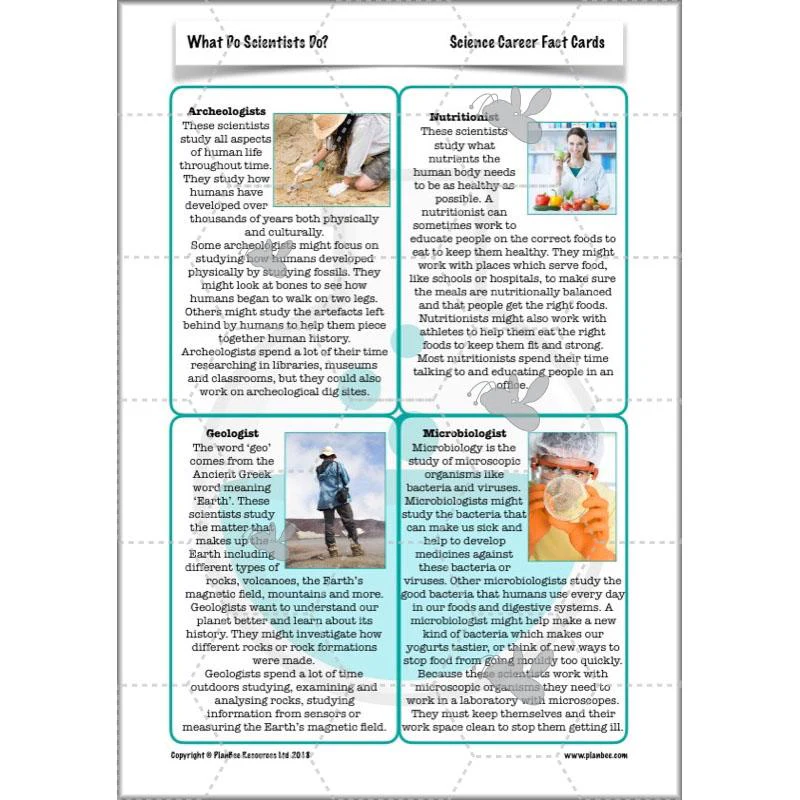
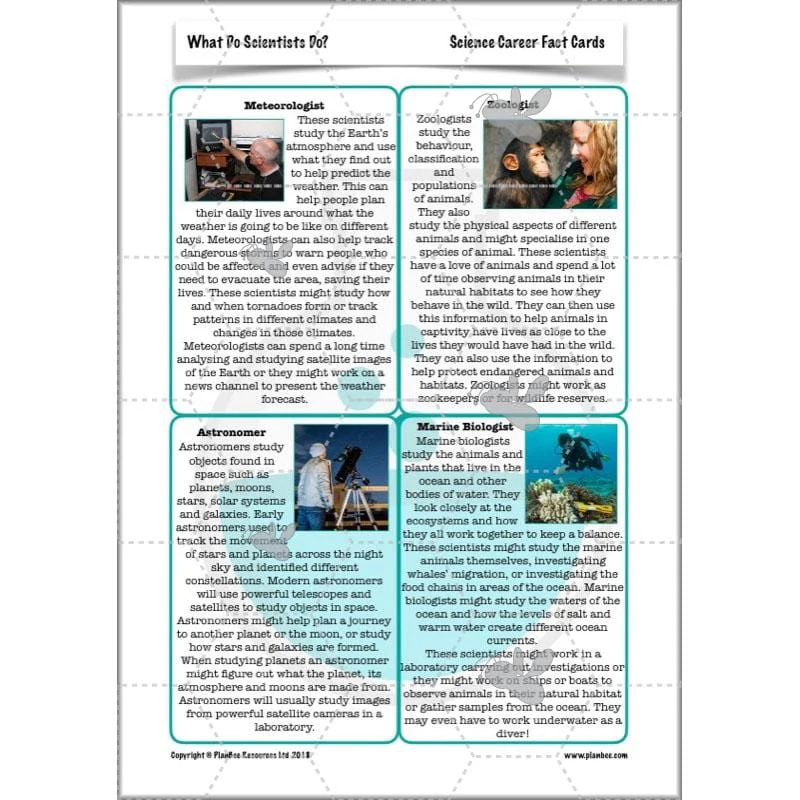
- Science career fact cards
- Challenge cards
- Fact file template
View Lesson 1
Forensics
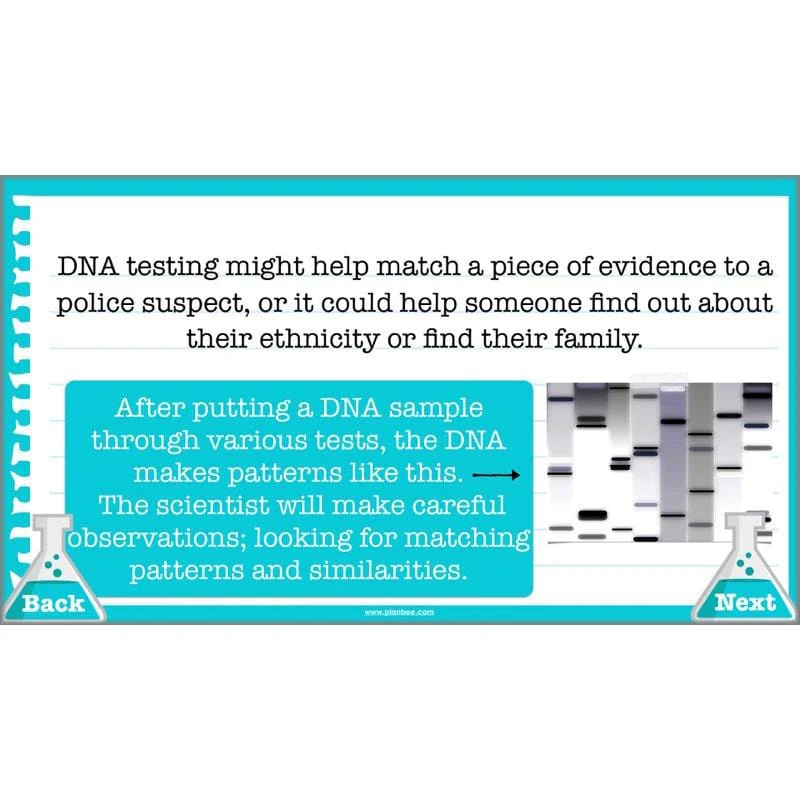
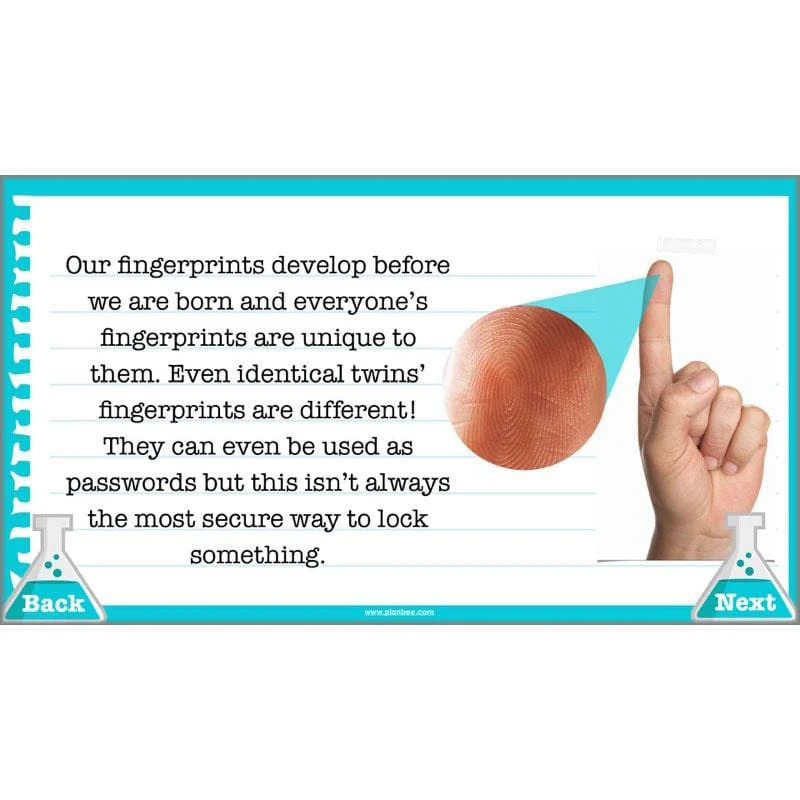
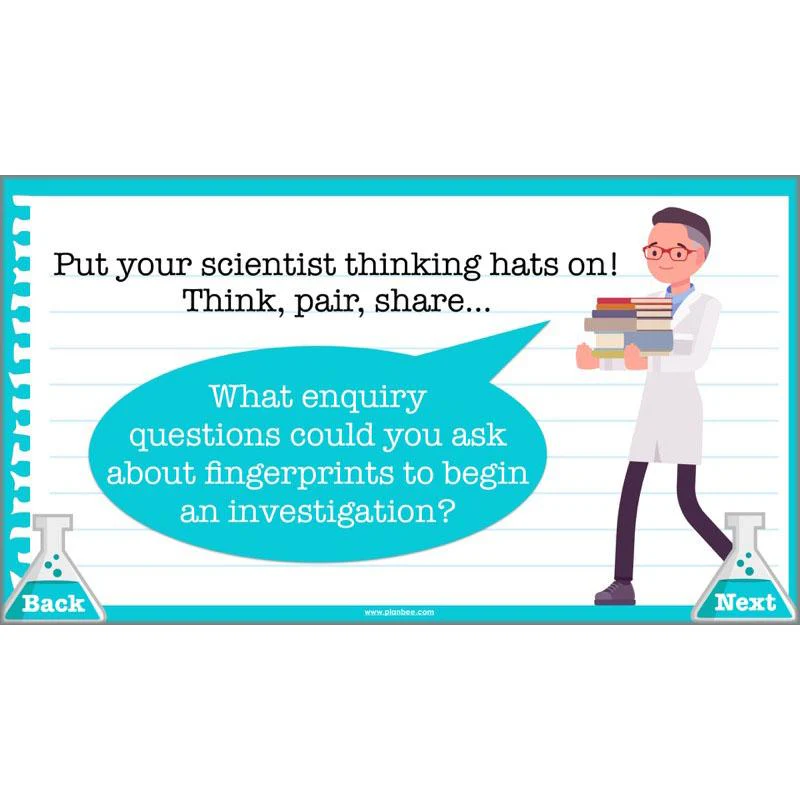
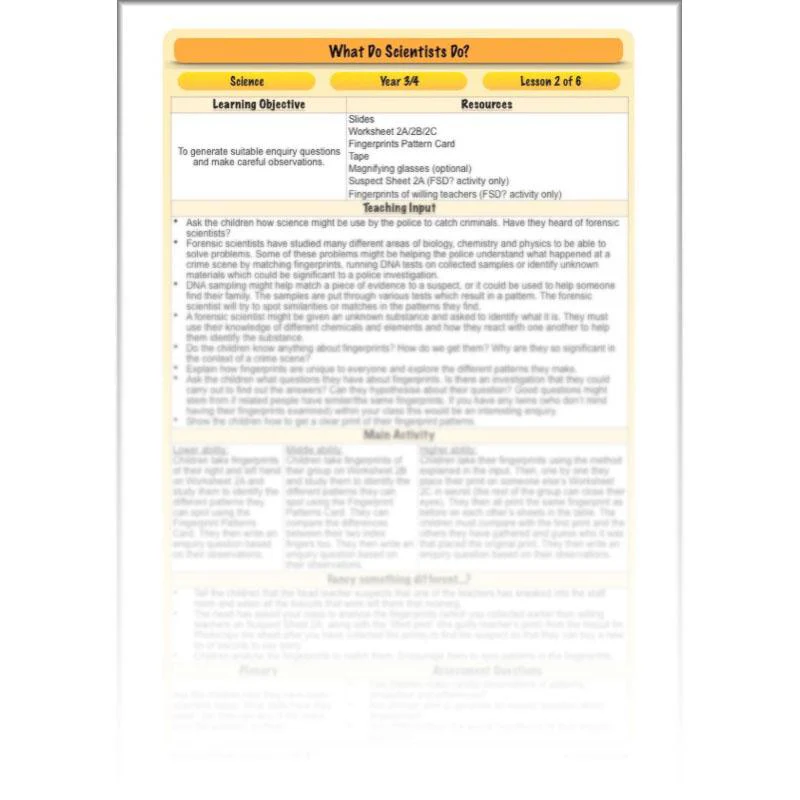
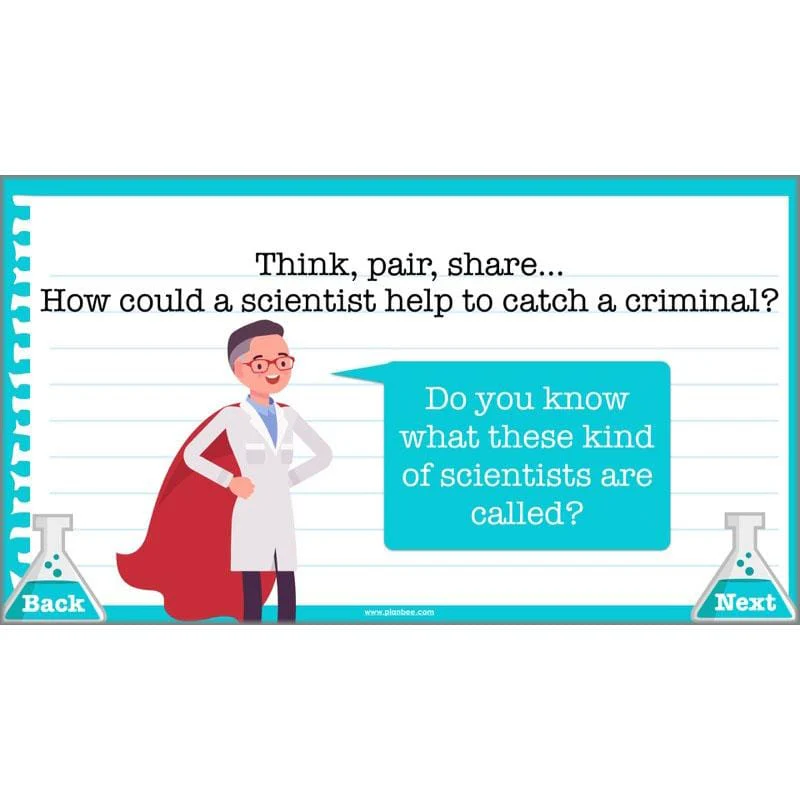
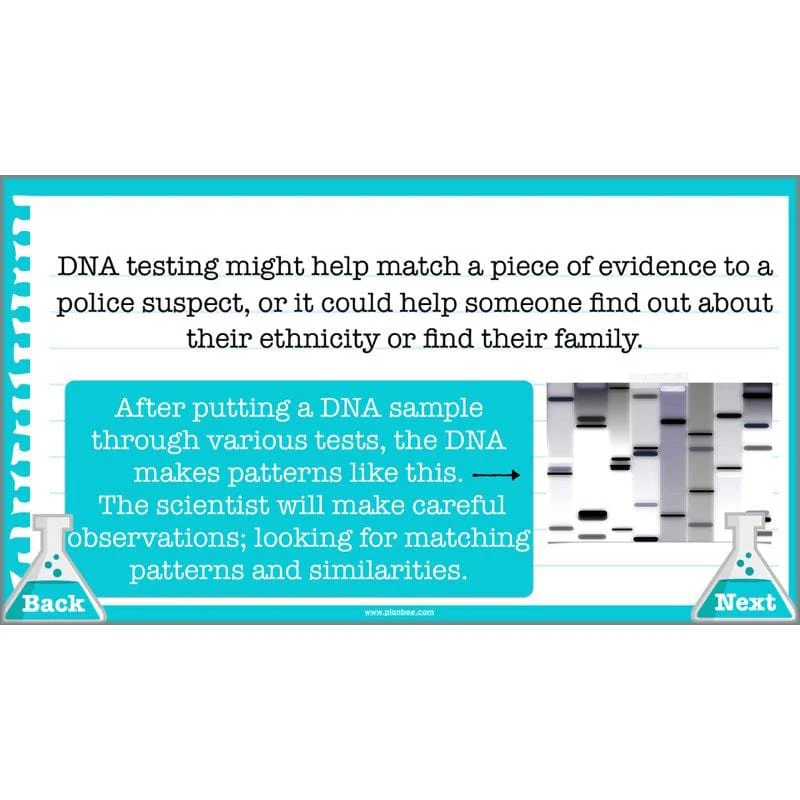
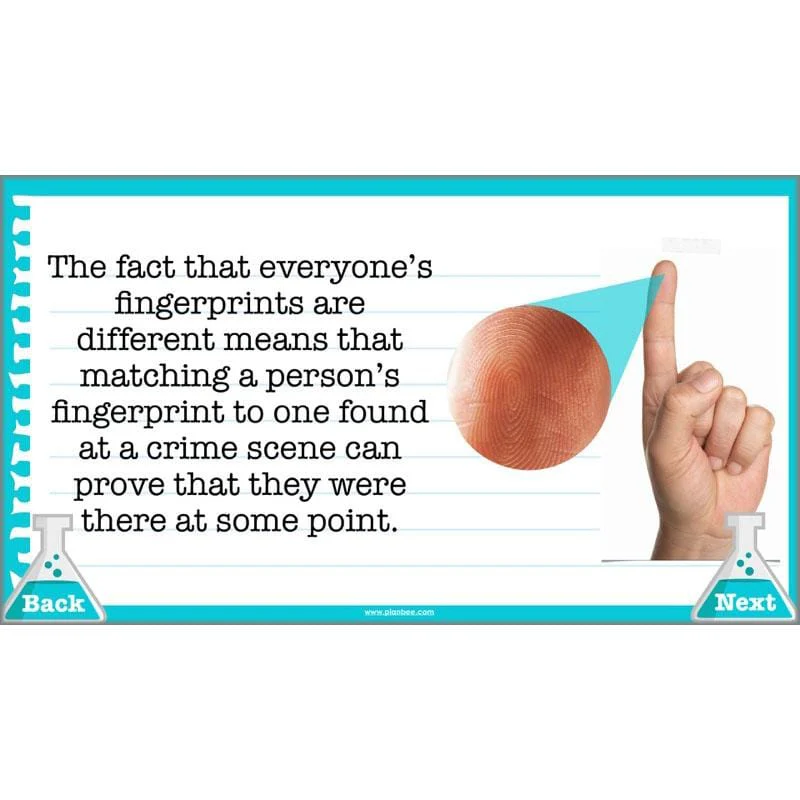
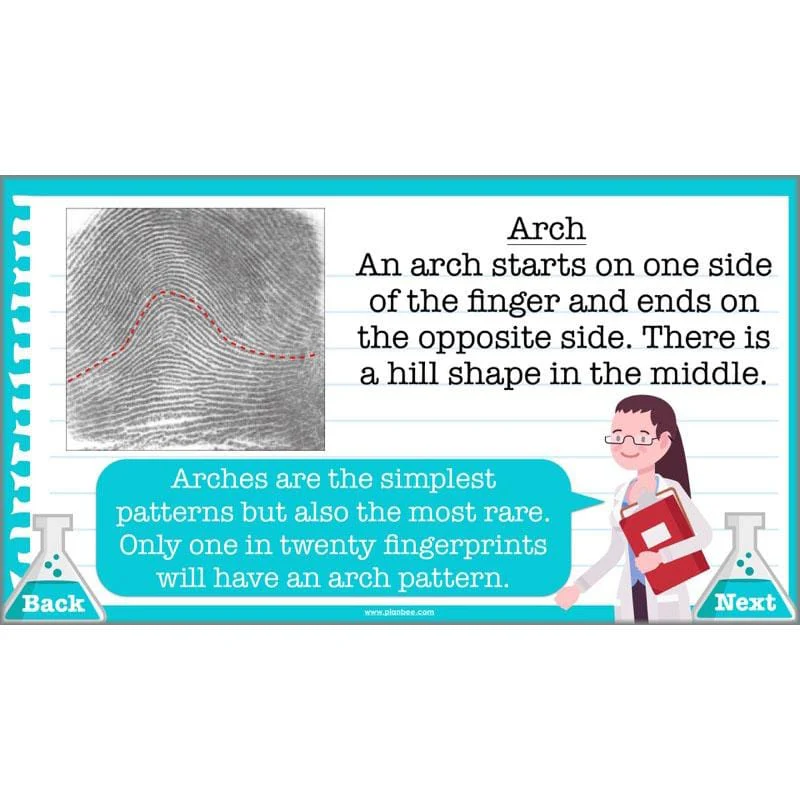
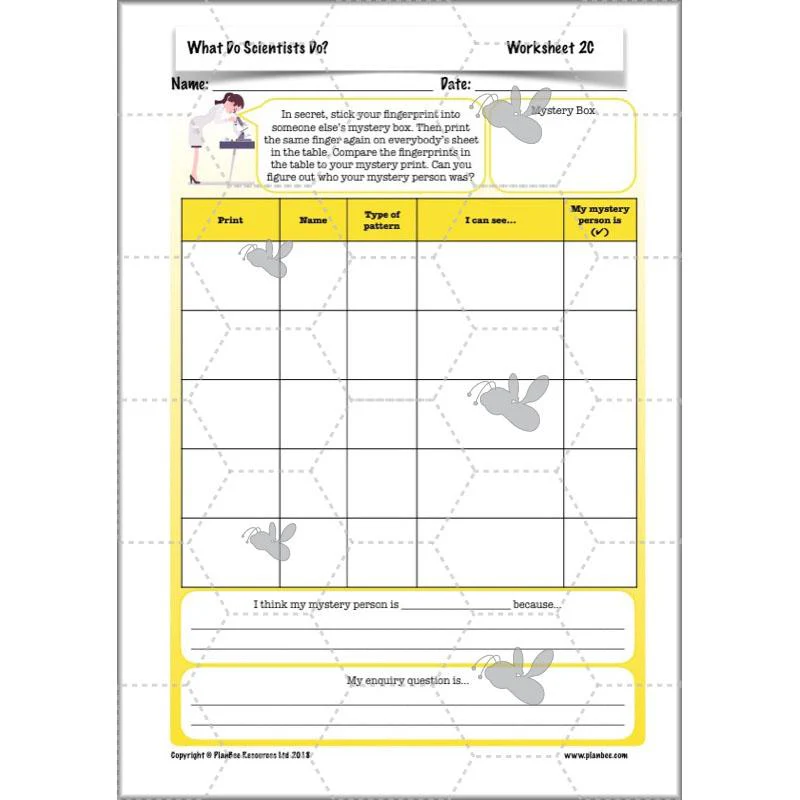
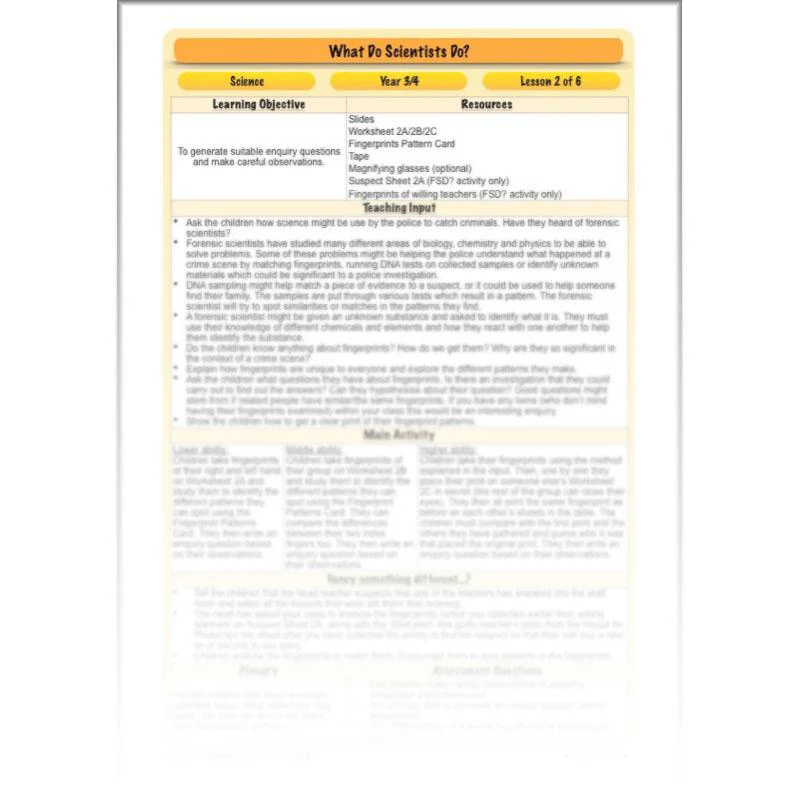
Have you ever wondered how science could help solve a crime? Allow your class to explore the job of a forensic scientist and how they use their knowledge of chemistry, biology and physics to analyse and match evidence to help solve crimes. Discover how fingerprints can be analysed and matched, using careful observation skills, and generate interesting enquiry questions.
What's included:
- Lesson plan
- Slides
- Activity ideas
- Differentiated worksheets
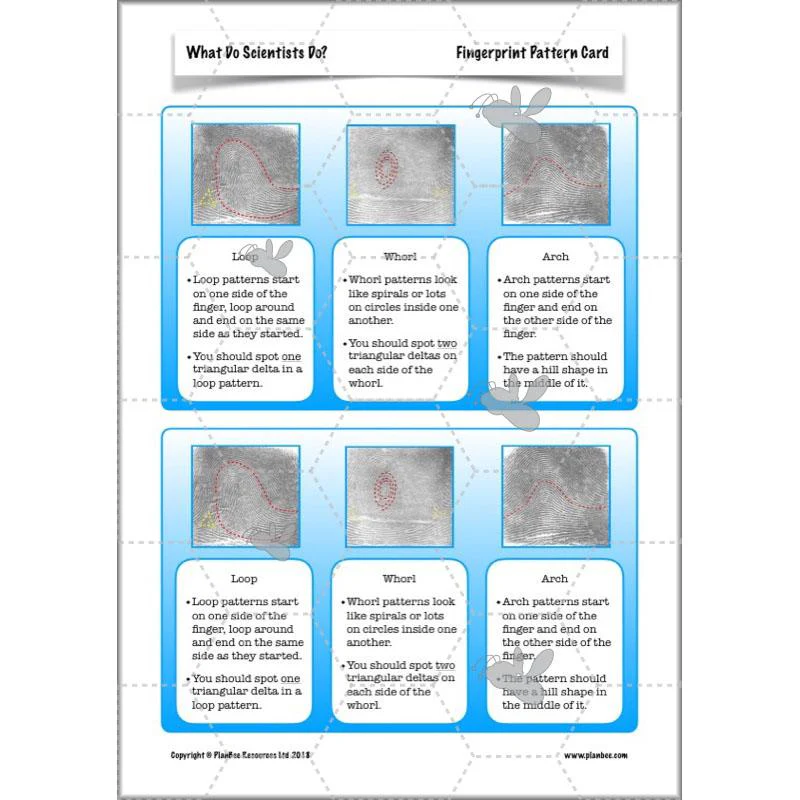
- Fingerprint pattern card
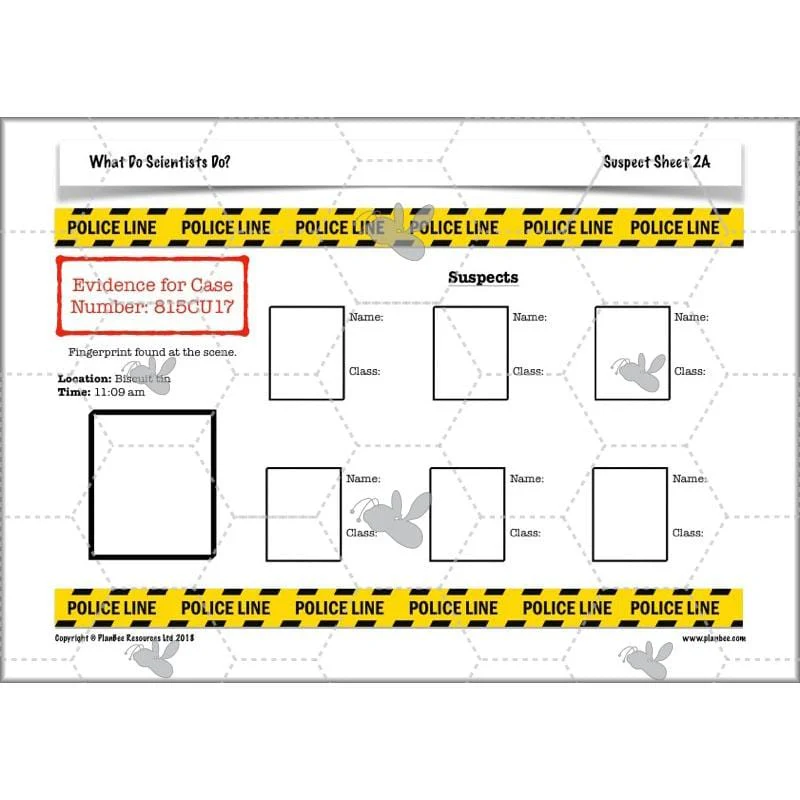
- Suspect sheet
View Lesson 2
Pharmacology
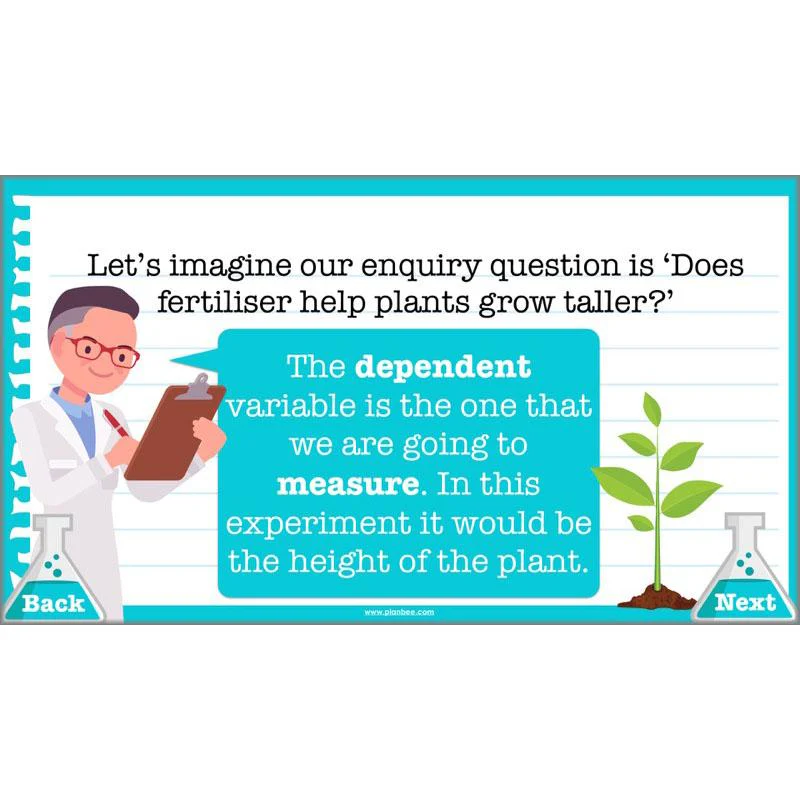
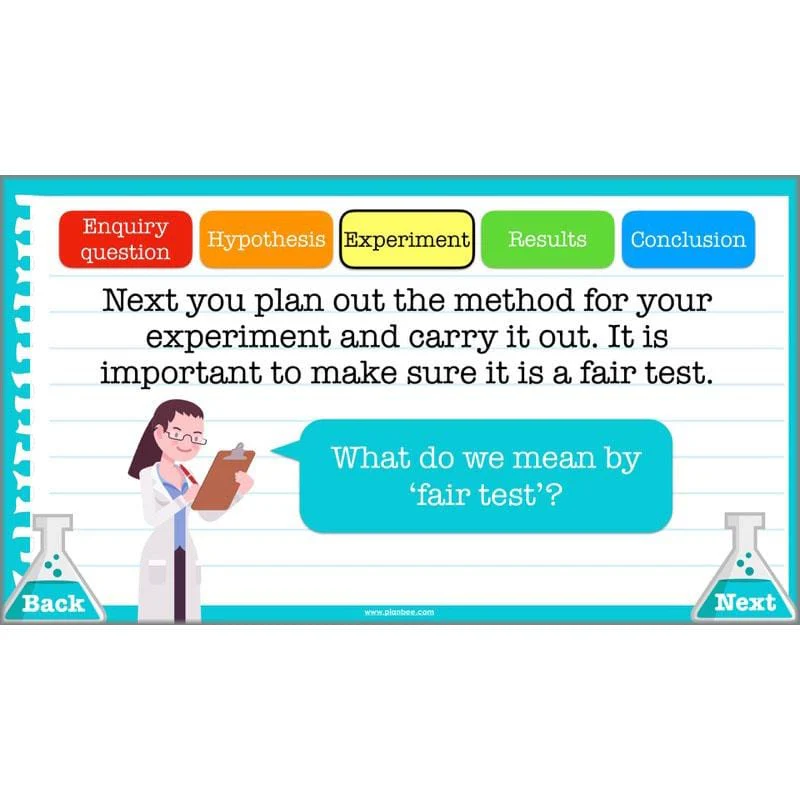
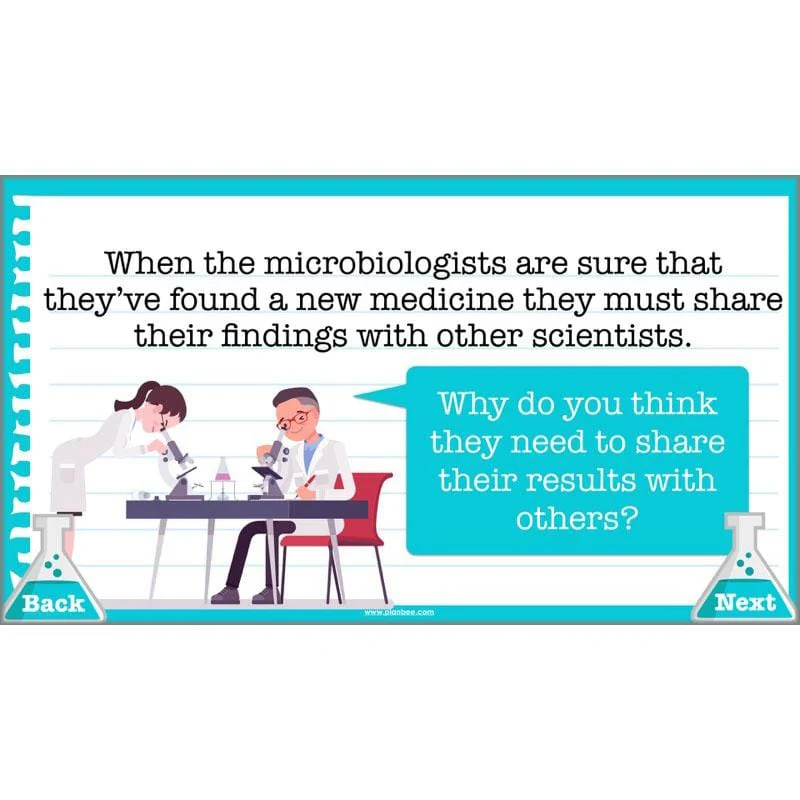
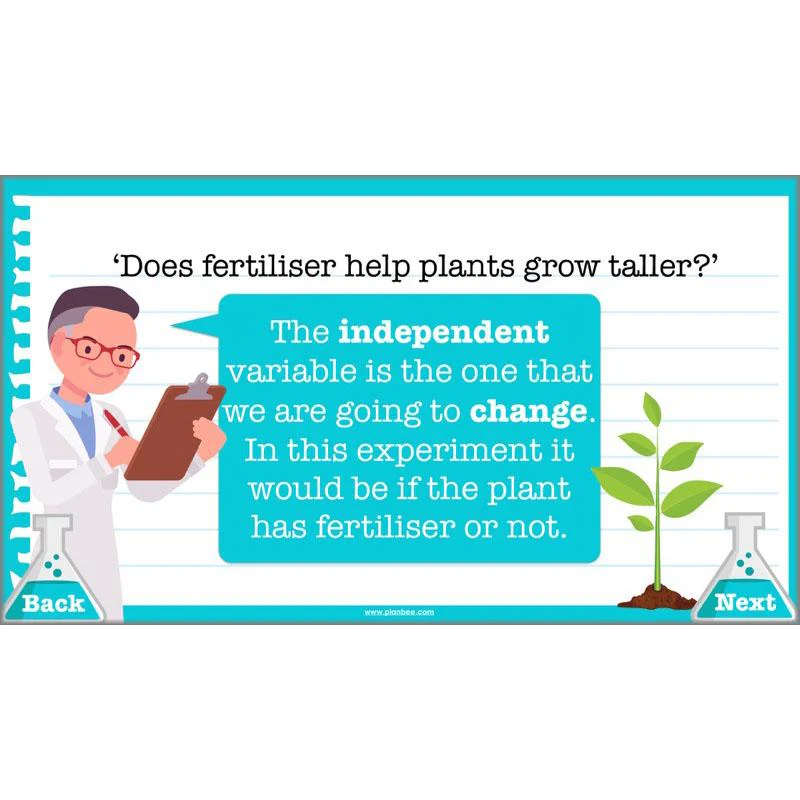
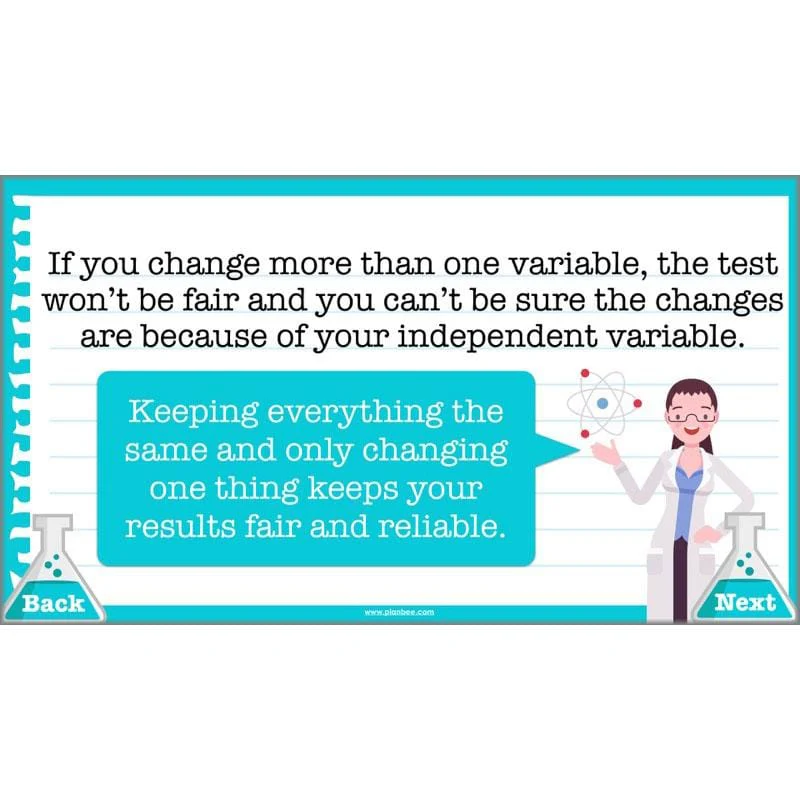
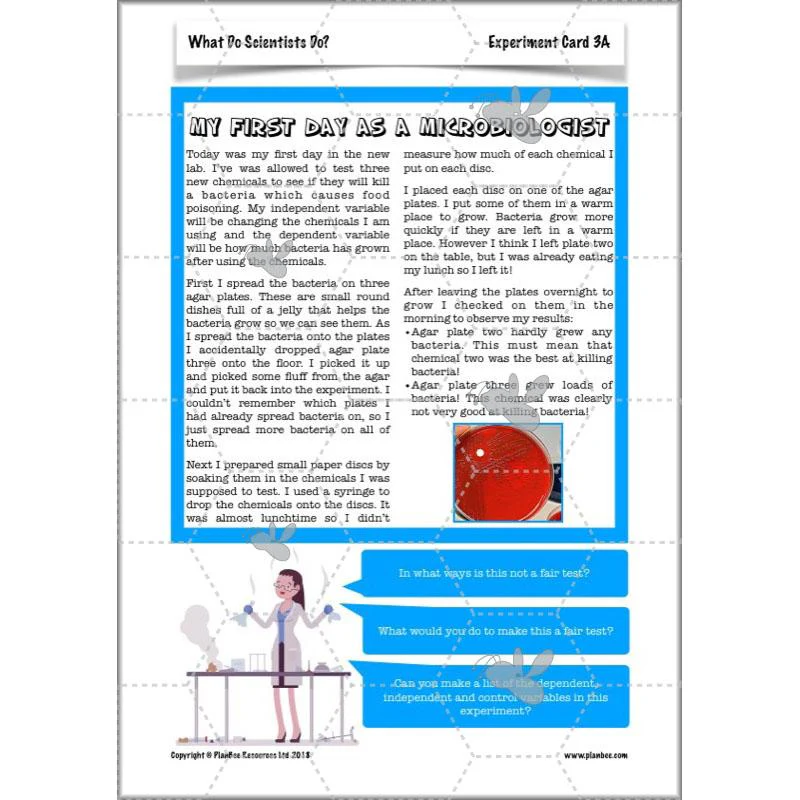
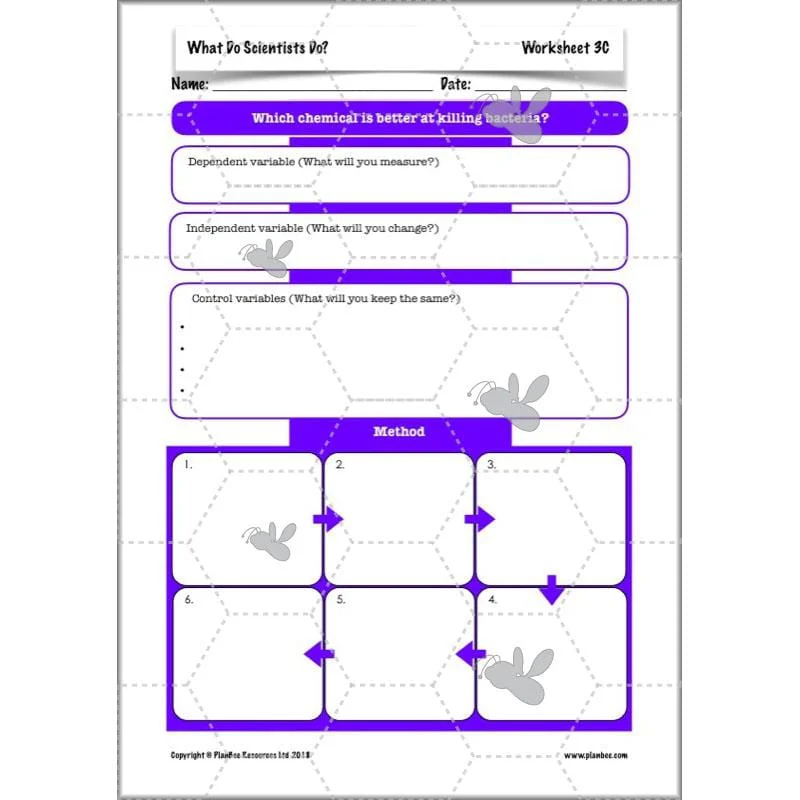
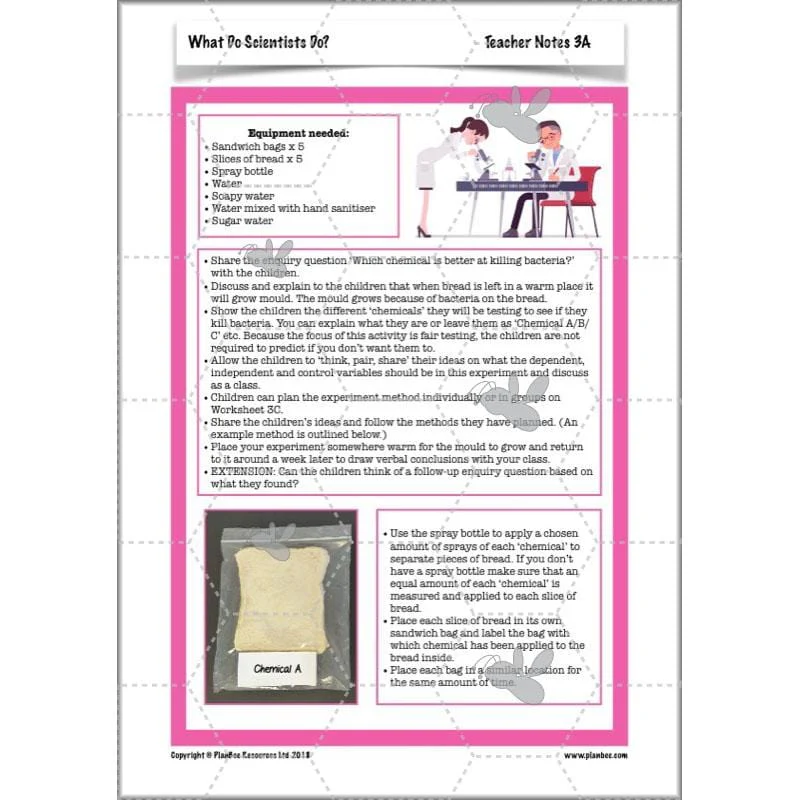
Explore how a microbiologist or pharmacologist uses scientific enquiry to develop new medicines for humans to use. Show your class how fair testing is an important part of the scientific process and how they can plan and conduct fair tests themselves. Encourage your class to identify the dependent, independent and control variables in their own and other experiments.
What's included:
- Lesson plan
- Slides
- Activity ideas
- Differentiated worksheets
- Experiment card
- Teacher notes
View Lesson 3
Zoology
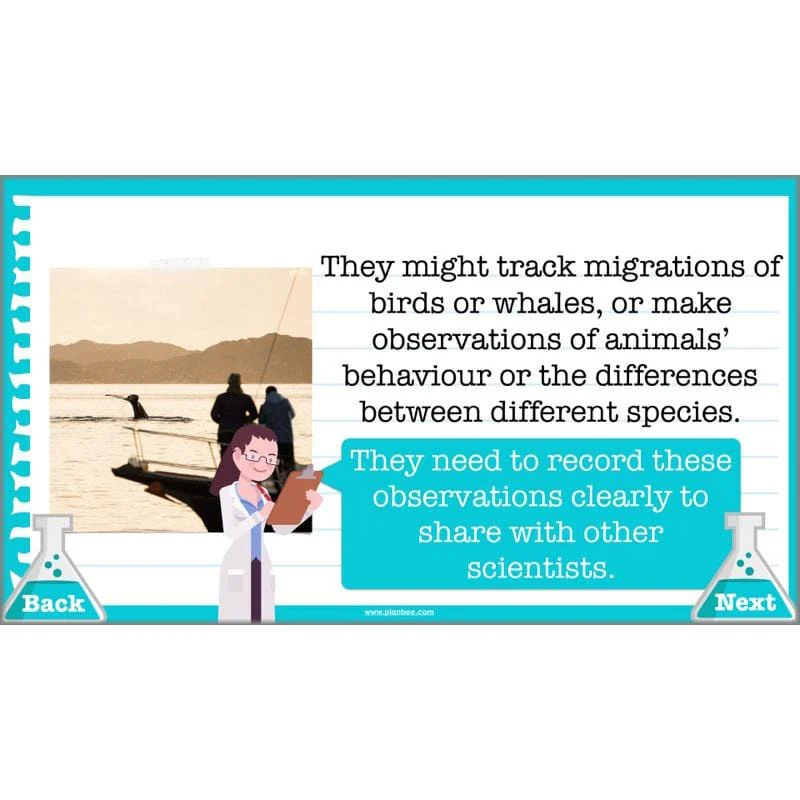
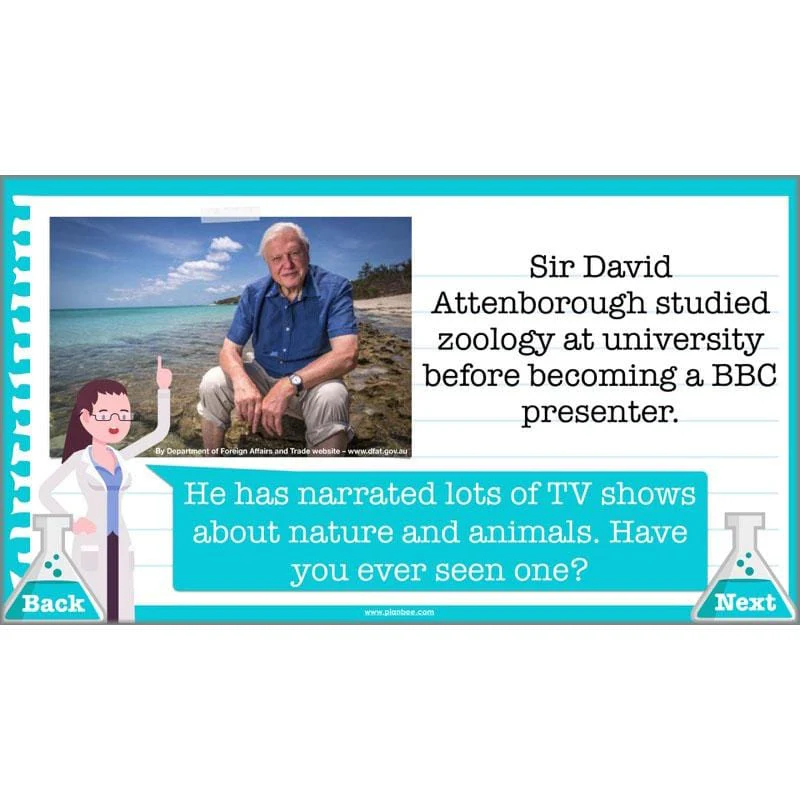
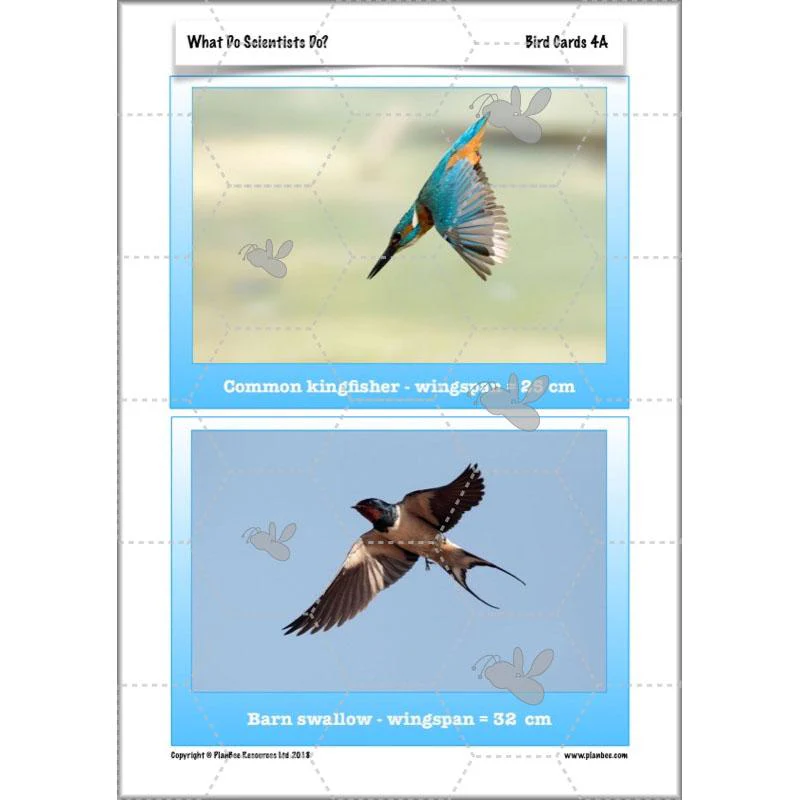
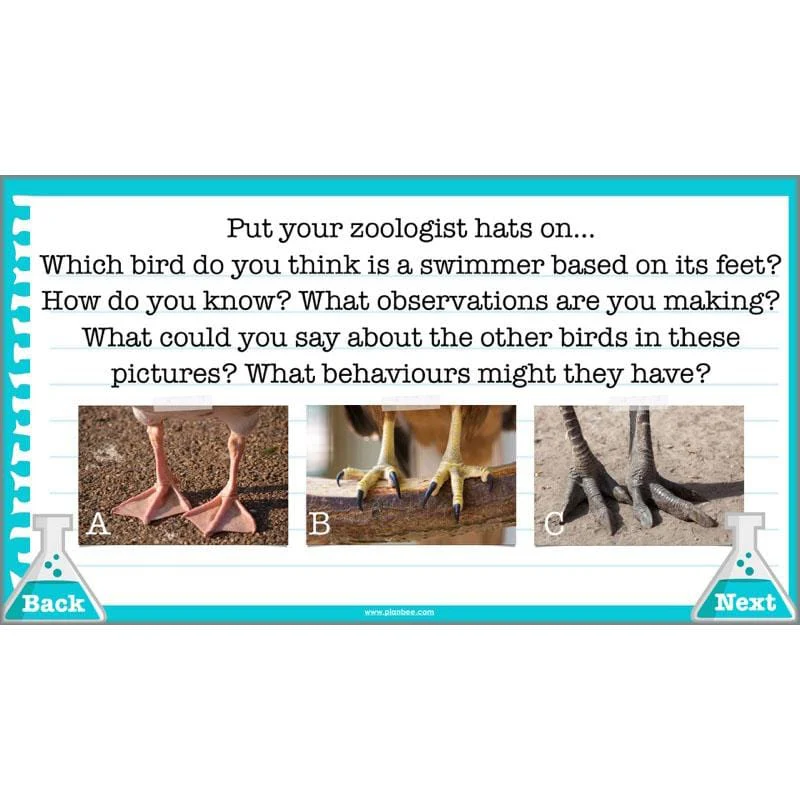
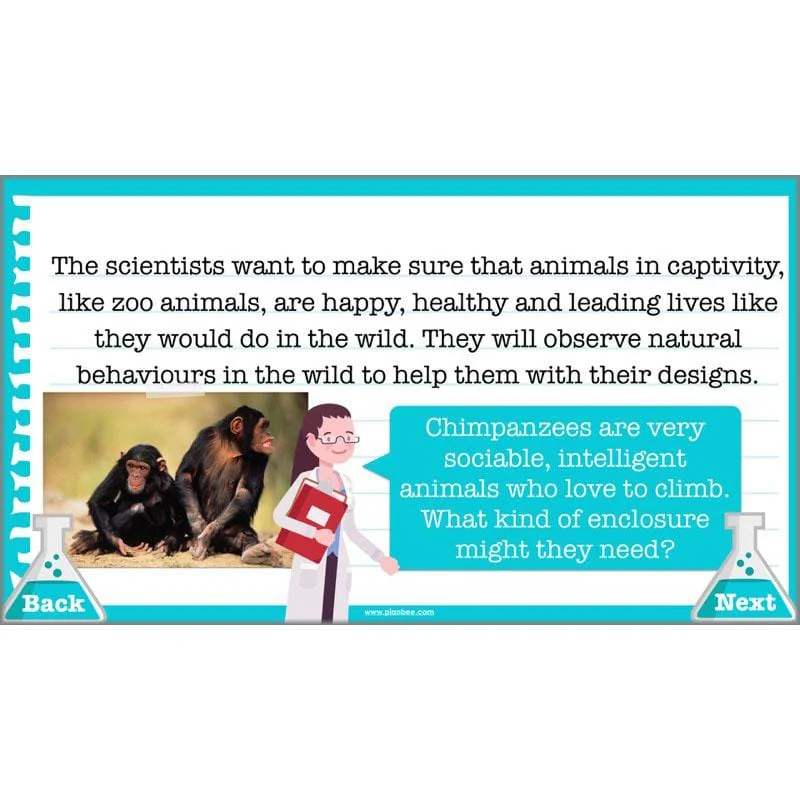
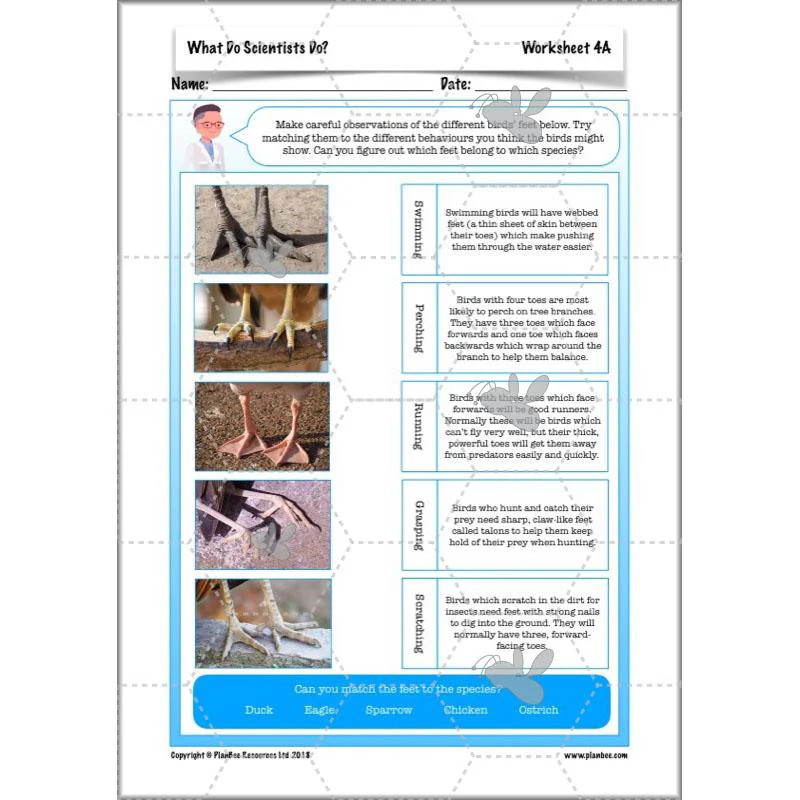
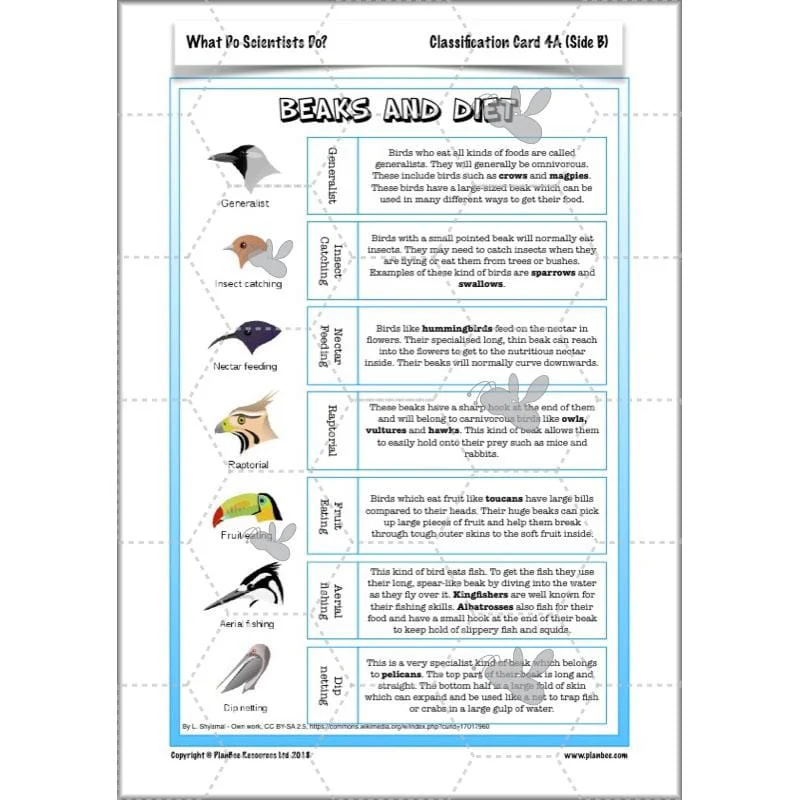
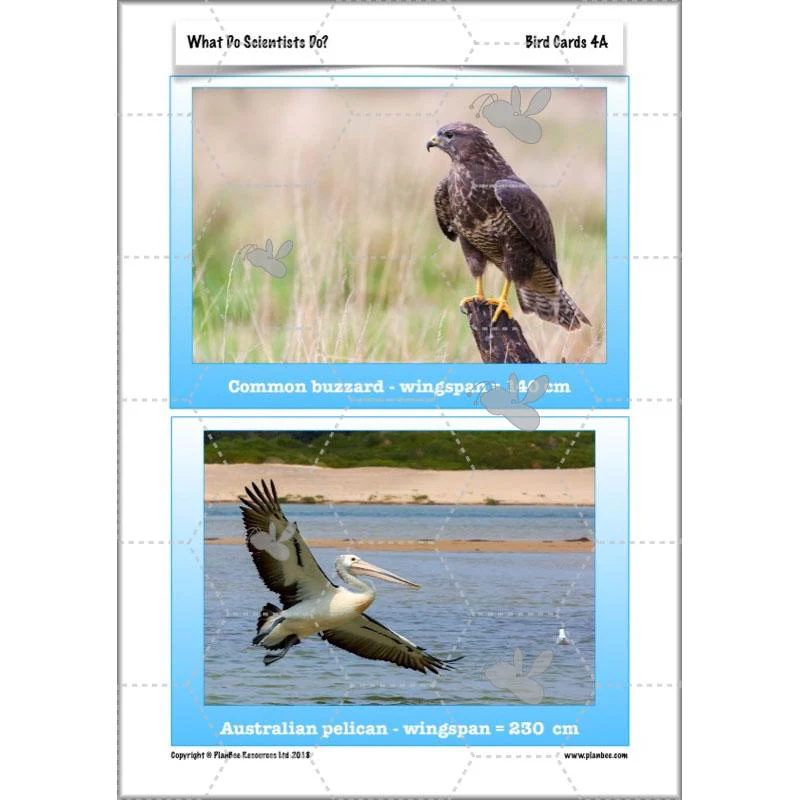
What does a zoologist’s job involve? Discover the studies of zoologists and how they must use careful observation skills to record the natural behaviours, appearances and environments of different animals. Challenge your class to develop their own observation skills to identify and classify different birds based on their physical features. Can the children work out what behaviours a bird might have from looking at the bird’s feet?
What's included:
- Lesson plan
- Slides
- Activity ideas
- Differentiated worksheets
- Bird cards
- Classification card
- Animal information card
View Lesson 4
Botany
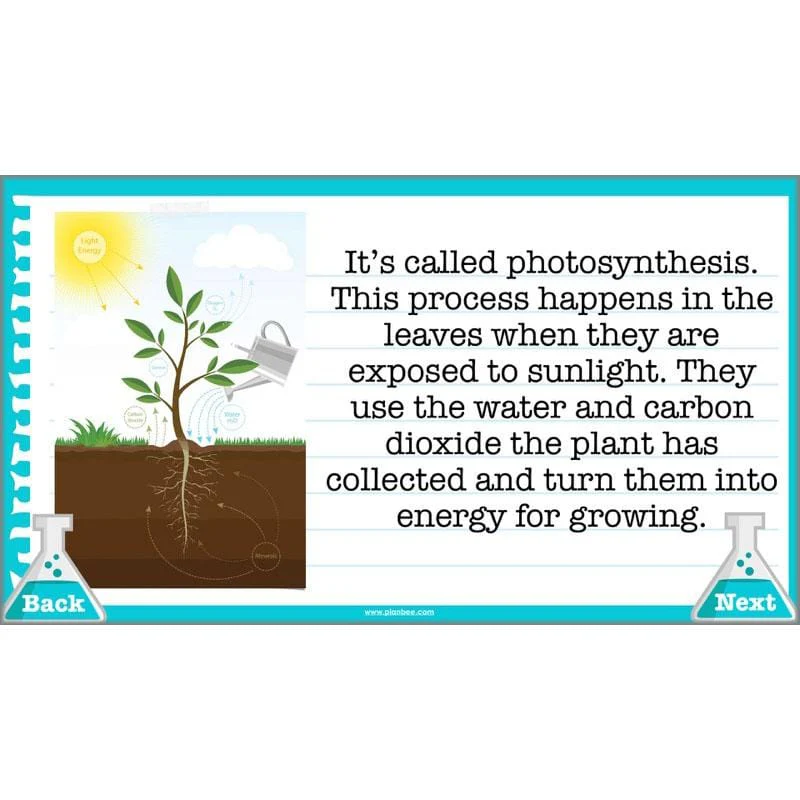
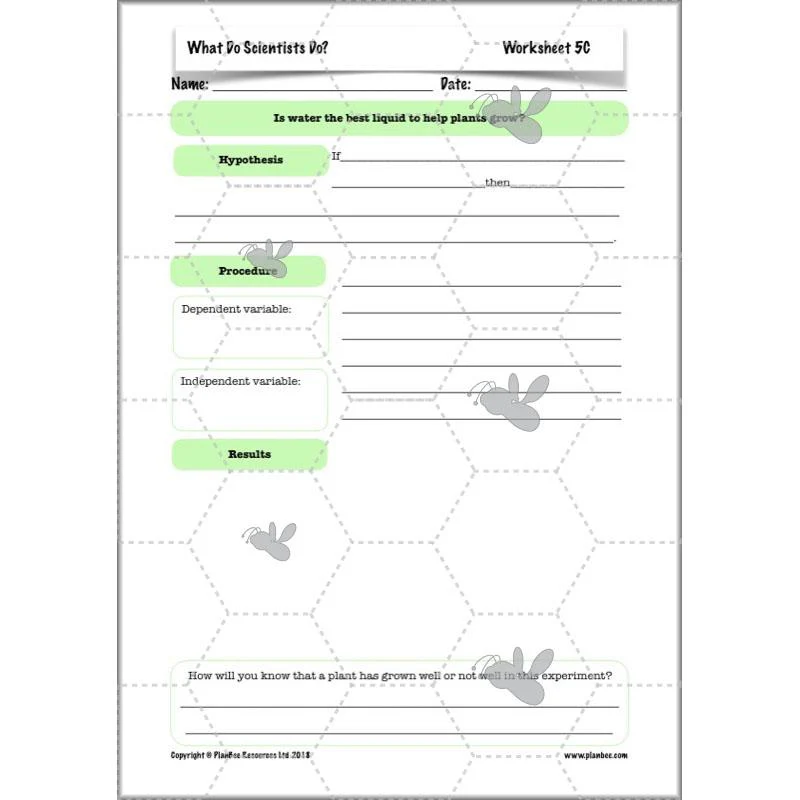
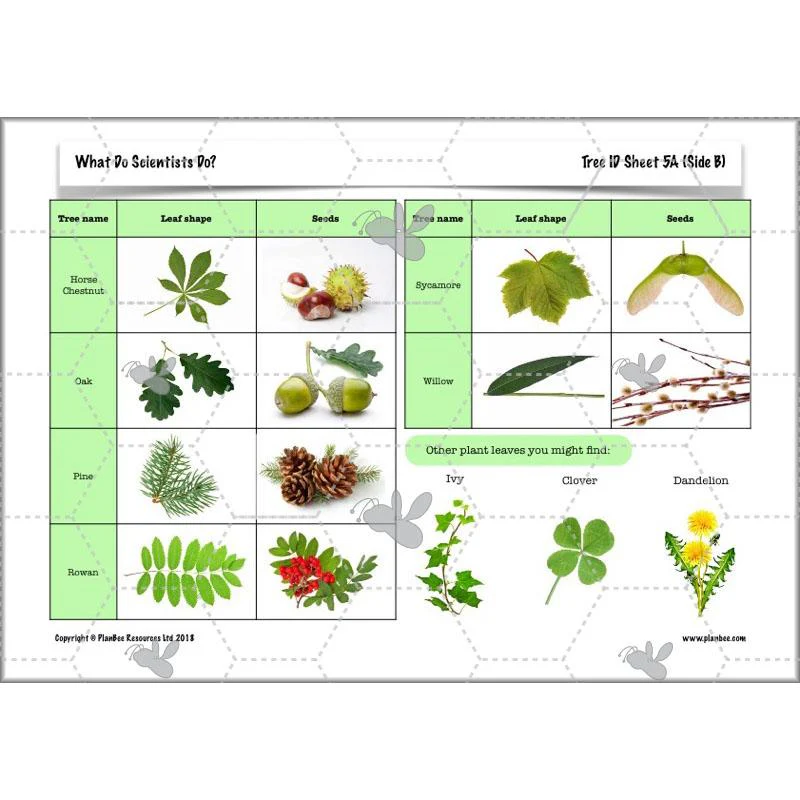
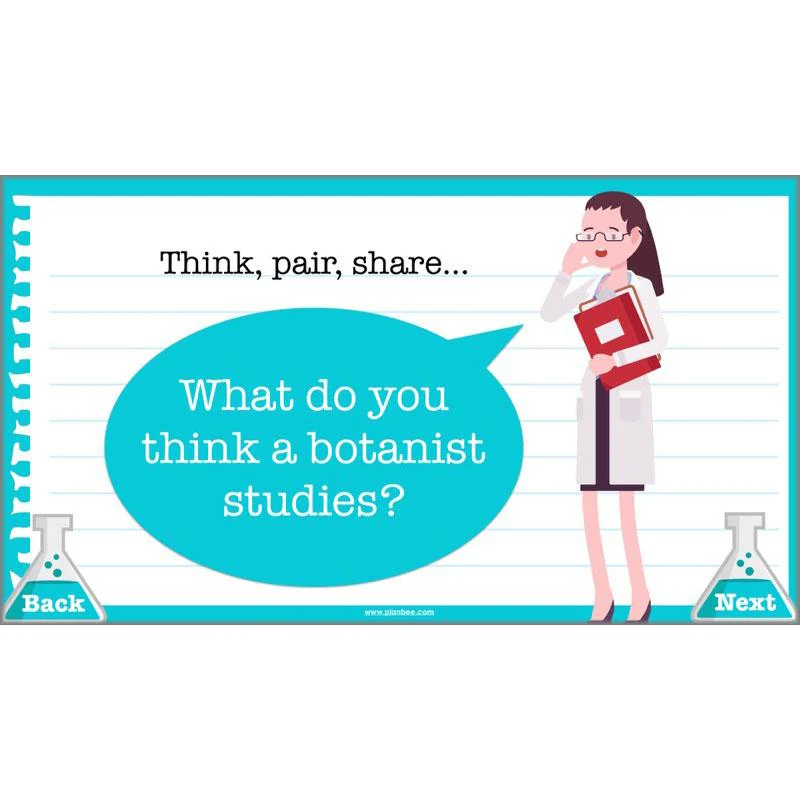
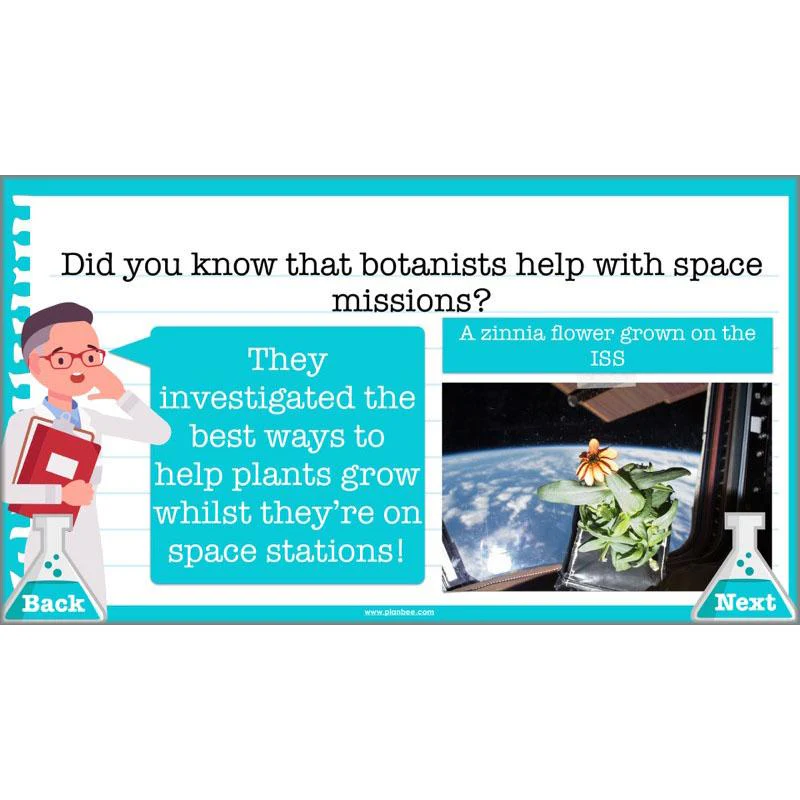
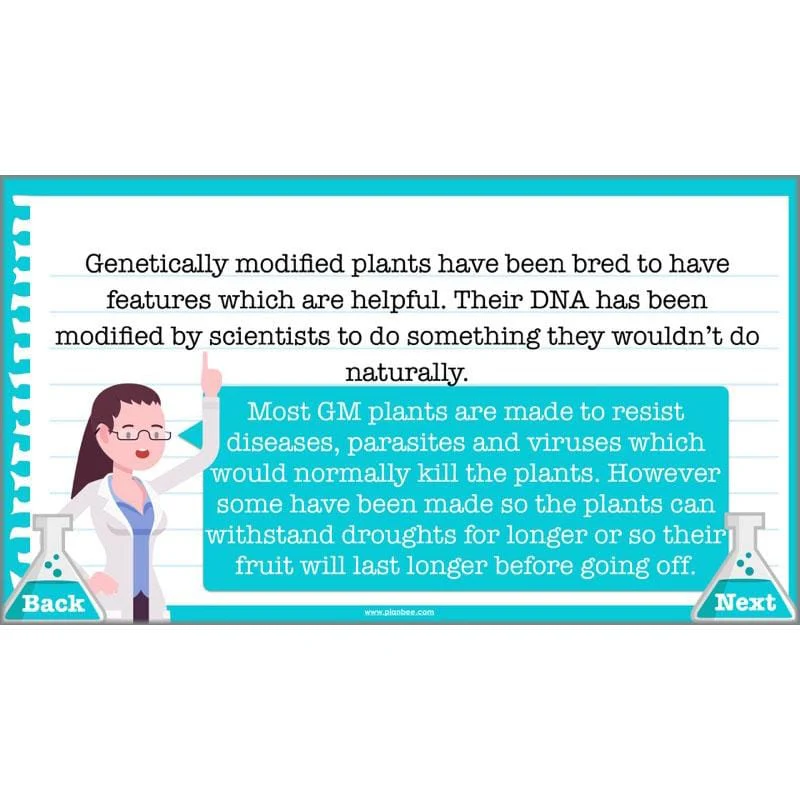
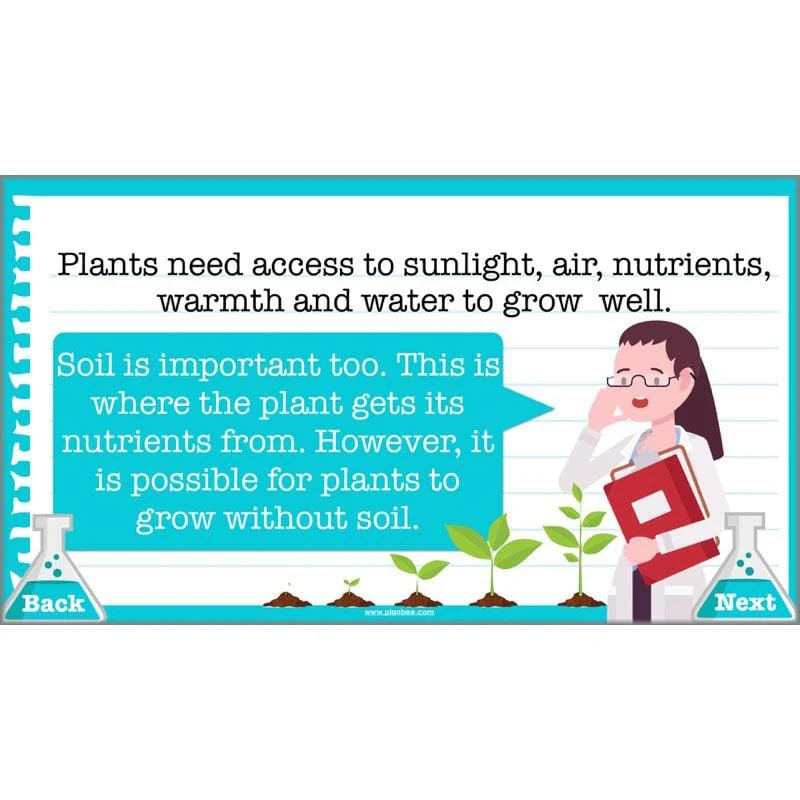
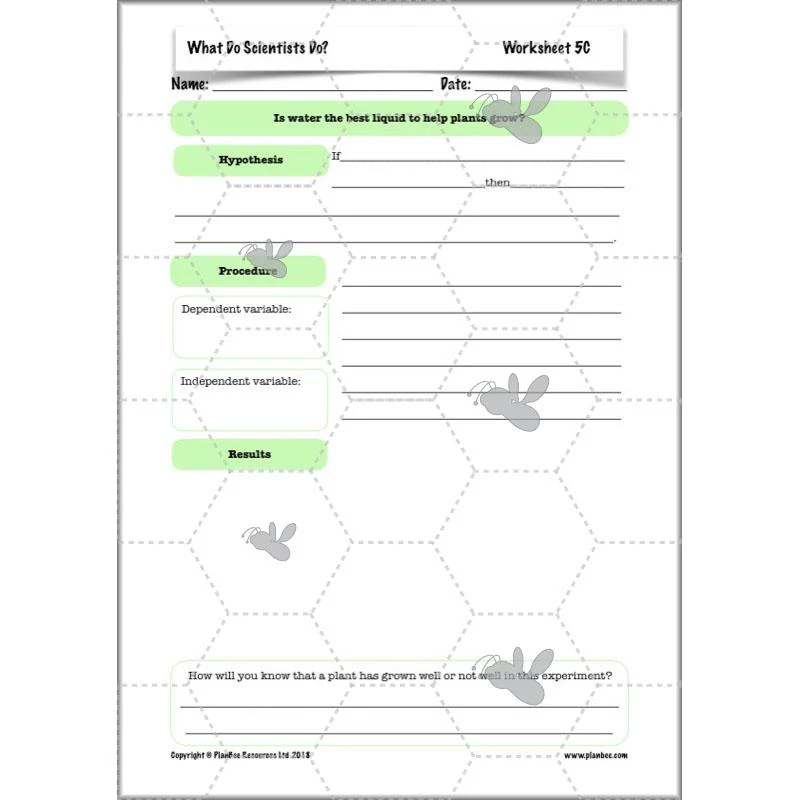
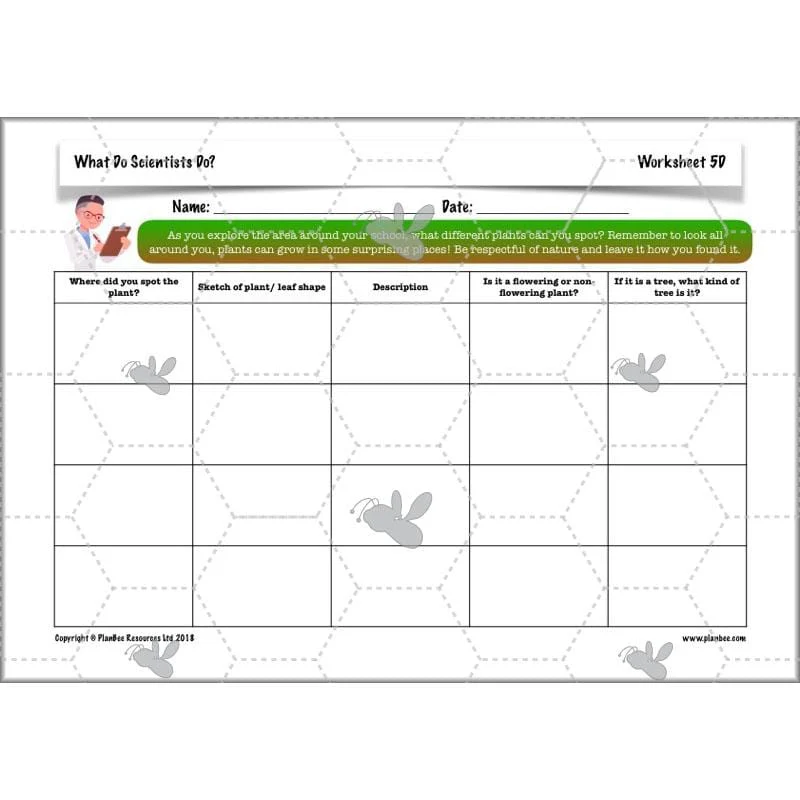
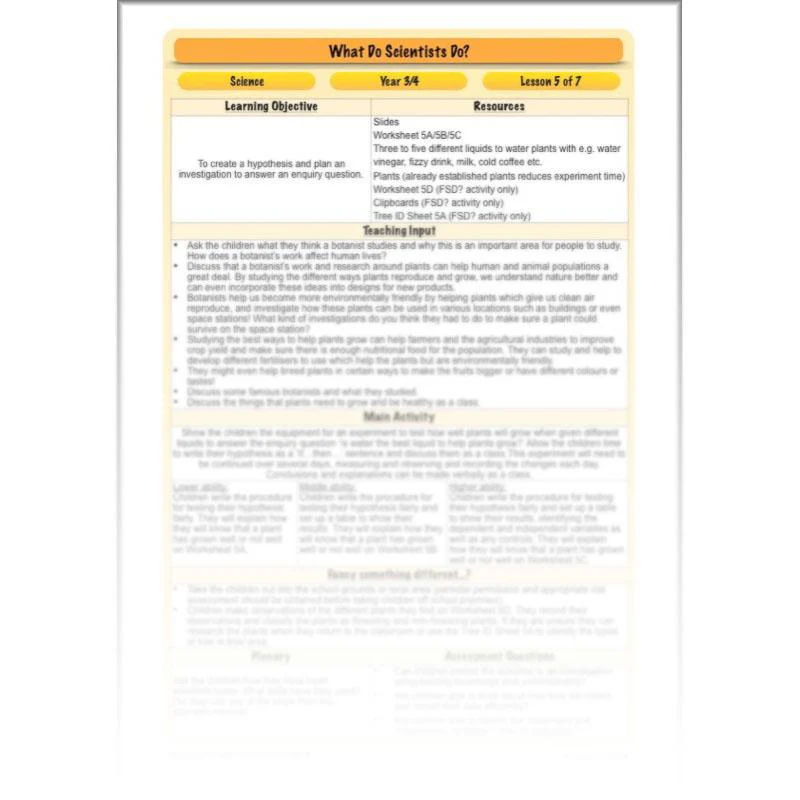
How does a plant scientist help an astronaut? Discover the answer with your class as you explore the role and research of botanists. Challenge your class to think about what helps plants grow well and conduct an experiment to test their own hypotheses. Recap on fair testing and allow your children to plan how they will carry out an investigation and record their results.
What's included:
- Lesson plan
- Slides
- Activity ideas
- Differentiated worksheets
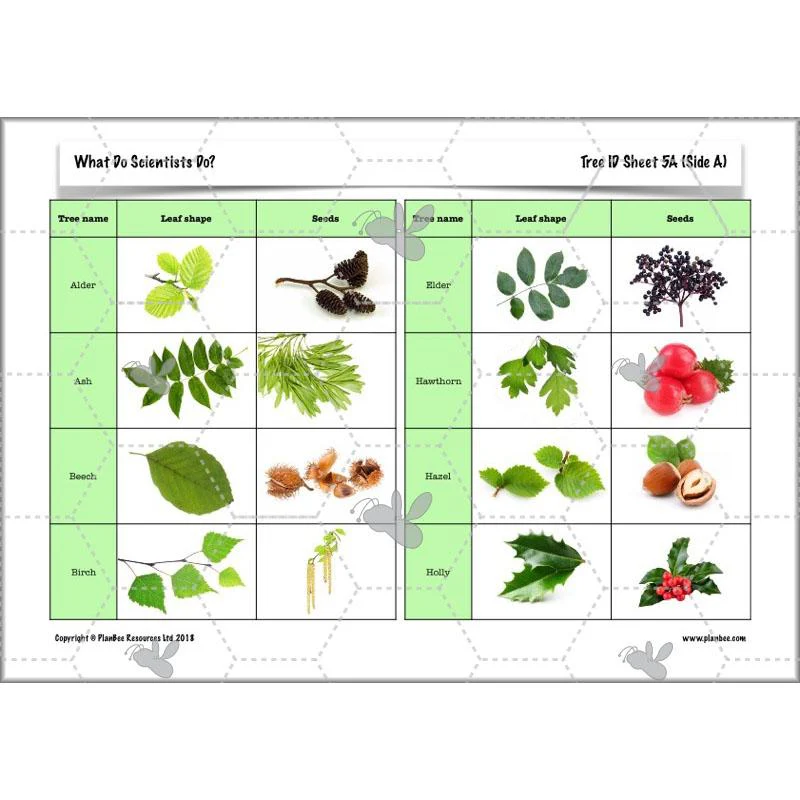
- Tree ID sheet
View Lesson 5
Sports Science
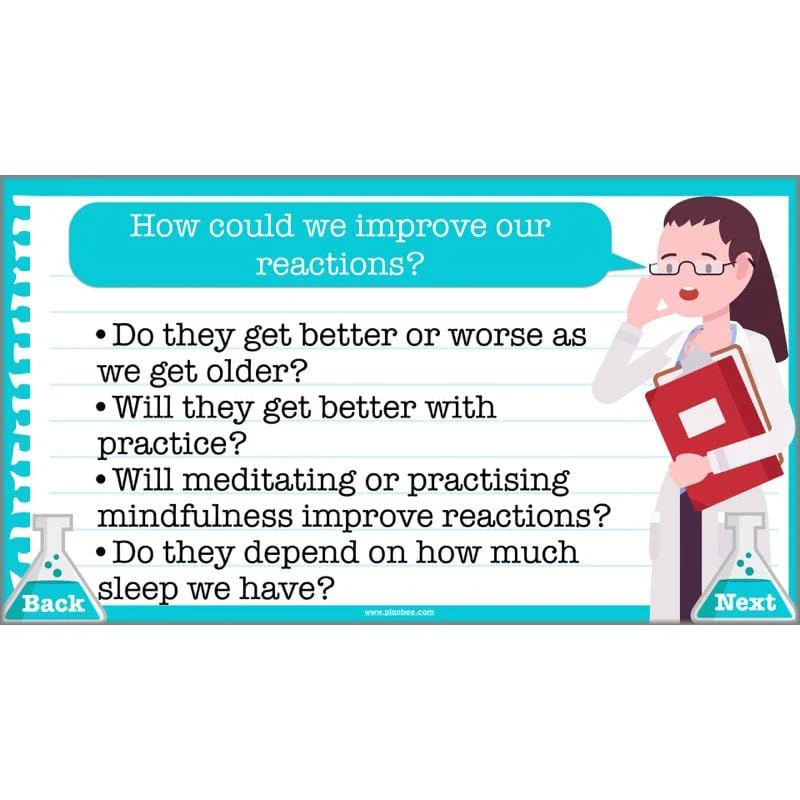
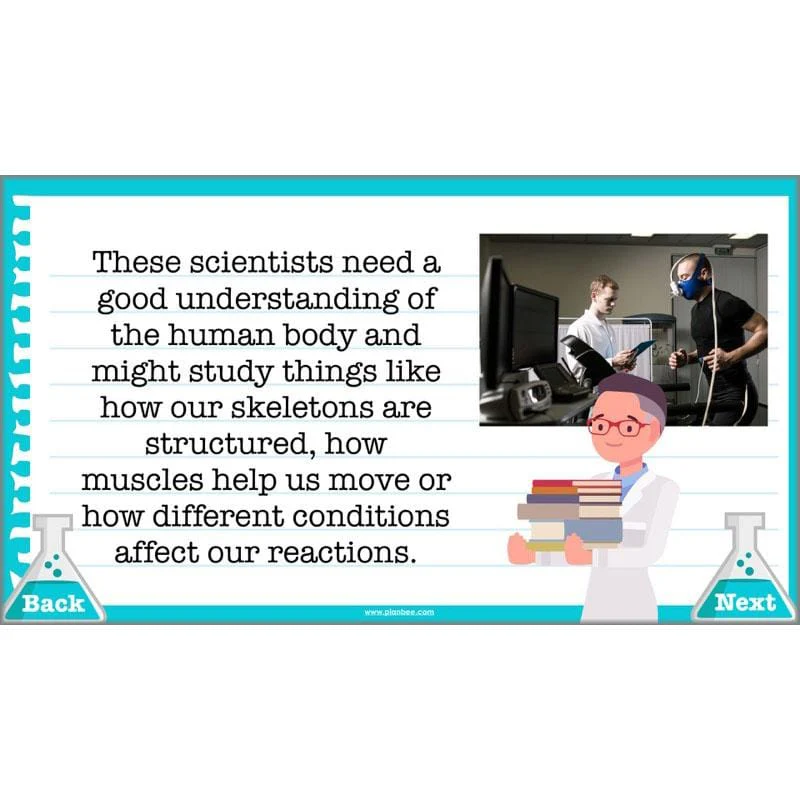
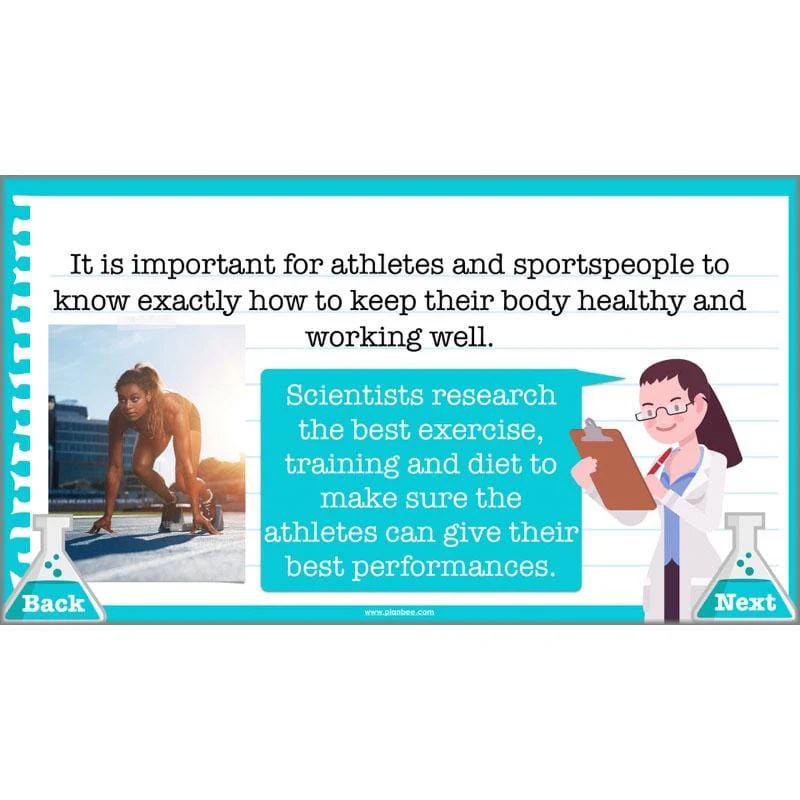
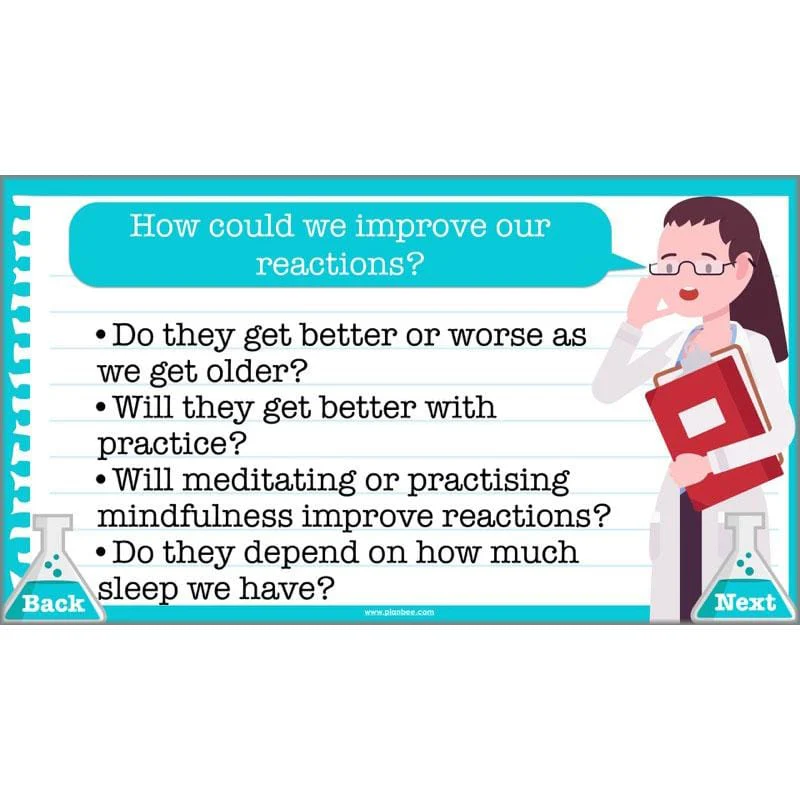
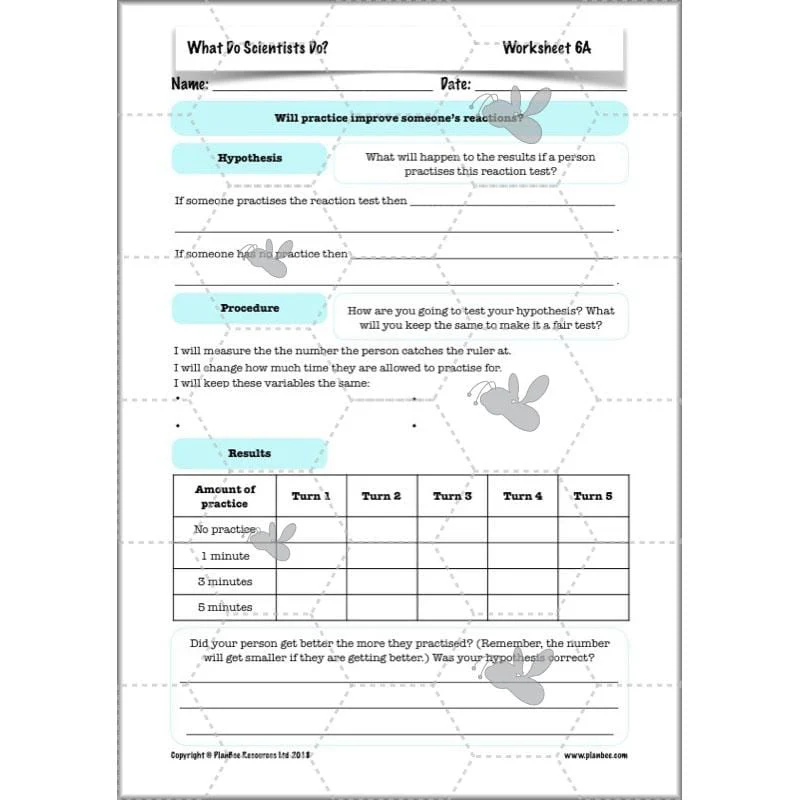
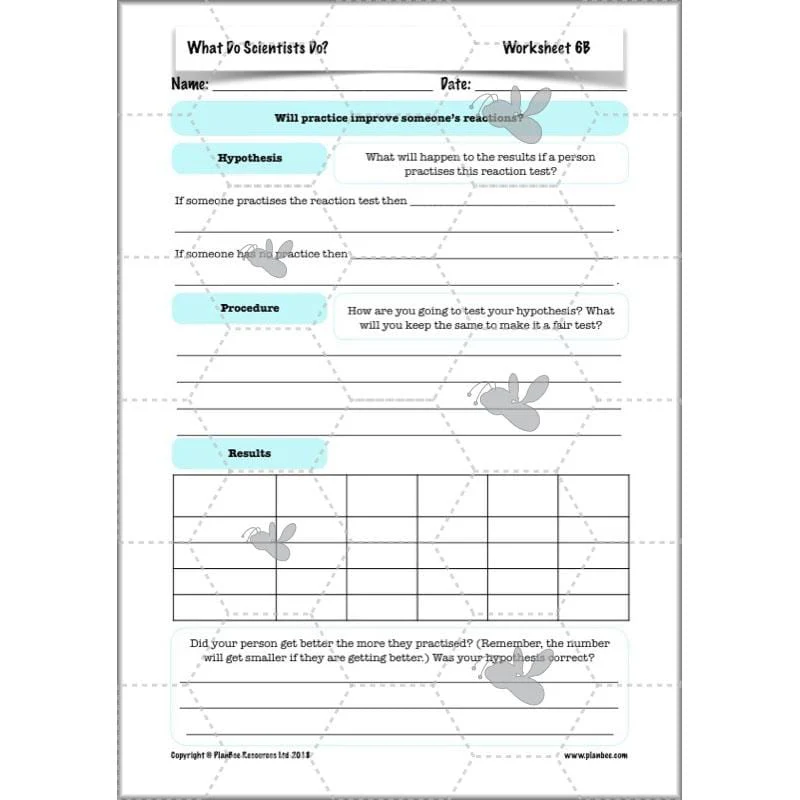
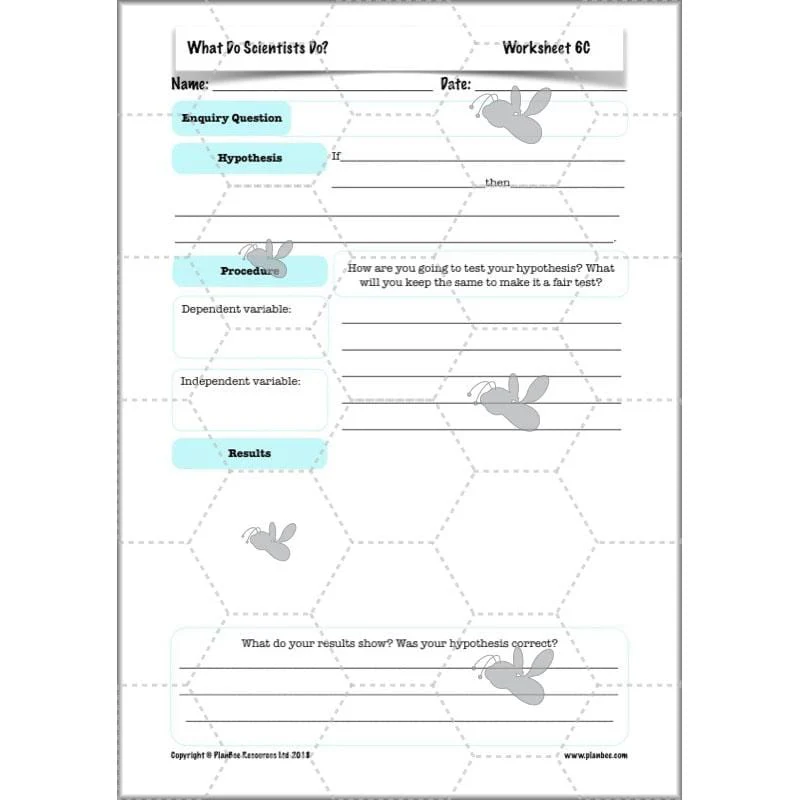
How do we know what is healthy? Investigate the human body and how it moves with your class. Explore how muscles work in pairs to move and discuss the work of sports scientists and nutritionists which helps athletes and sportspeople to give their very best performances. Have your class use their understanding of the scientific method to create an experiment to test and improve their reactions.
What's included:
- Lesson plan
- Slides
- Activity ideas
- Differentiated worksheets
View Lesson 6
More Images

What Do Scientists Do?
These Scientific Enquiry KS2 lessons explore the world of science and investigate the different areas that people work in. Let your class have a go at being forensic scientists, zoologists, botanists and more as they develop their knowledge of the scientific method and working scientifically in this six-lesson scheme for Years 3 and 4.
This scheme of work is also part of a Topic Bundle. Perfect if you are teaching 'Achievers and Inventors' as a cross-curricular topic.
The Scientific Method
Set the foundation of your scientific enquiry KS2 investigations in this first lesson.
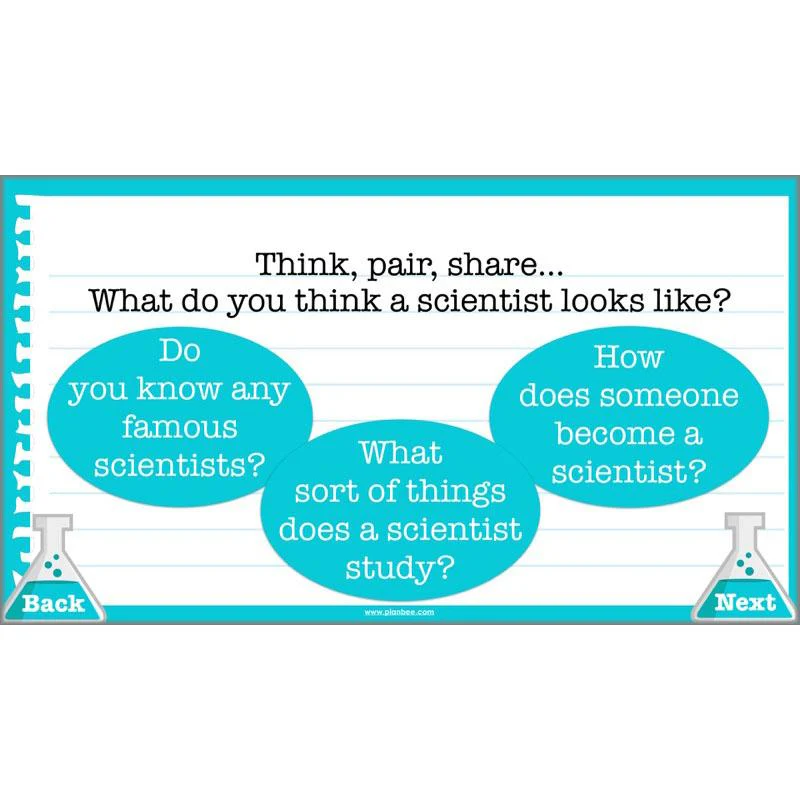
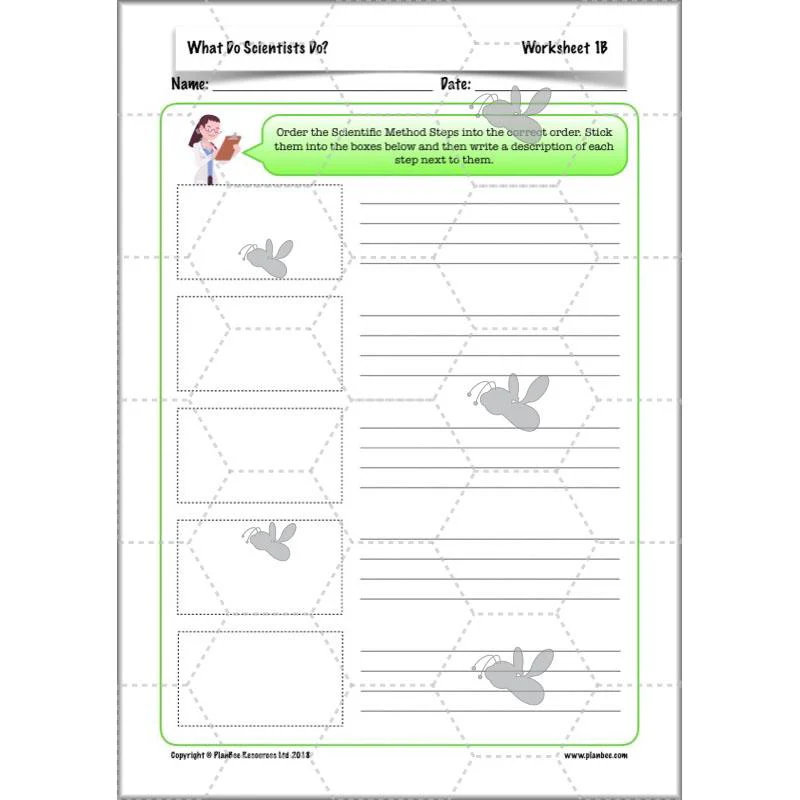
Use the included lesson slides to take a look into the world of science and explore the three main branches of chemistry, biology and physics. Challenge your class to think about their own idea of what a scientist looks like and the skills they might need as a scientist. Then challenge the children to investigate scientific enquiry - the method scientists use to conduct reliable experiments.
What's included:
- Lesson plan
- Slides
- Activity ideas
- Scientific method steps
- Differentiated worksheets
- Science career fact cards
- Challenge cards
- Fact file template
View Lesson 1
Forensics
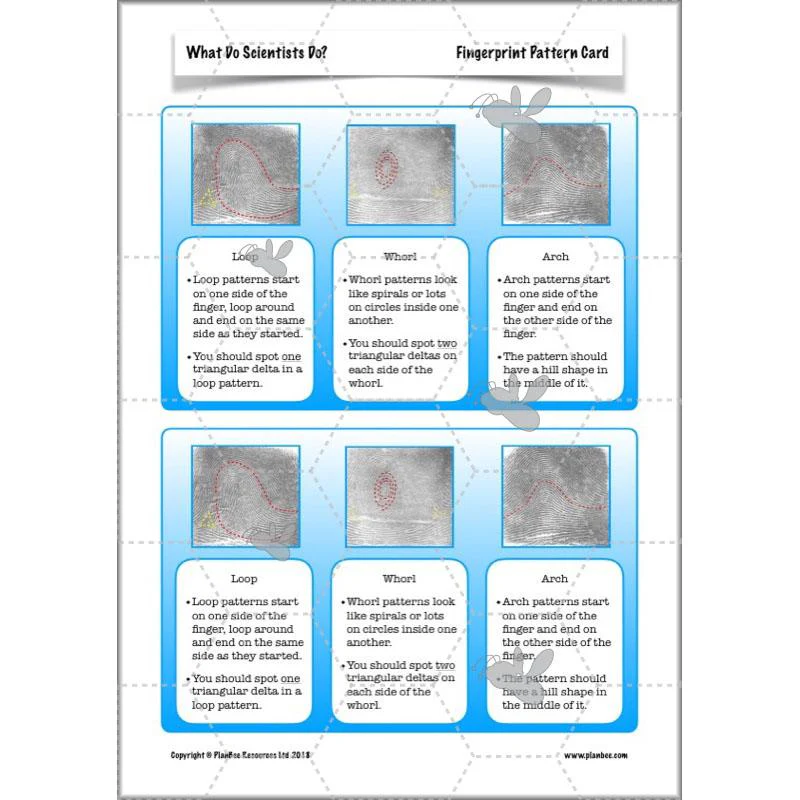
Have you ever wondered how science could help solve a crime? Allow your class to explore the job of a forensic scientist and how they use their knowledge of chemistry, biology and physics to analyse and match evidence to help solve crimes. Discover how fingerprints can be analysed and matched, using careful observation skills, and generate interesting enquiry questions.
What's included:
- Lesson plan
- Slides
- Activity ideas
- Differentiated worksheets
- Fingerprint pattern card
- Suspect sheet
View Lesson 2
Pharmacology
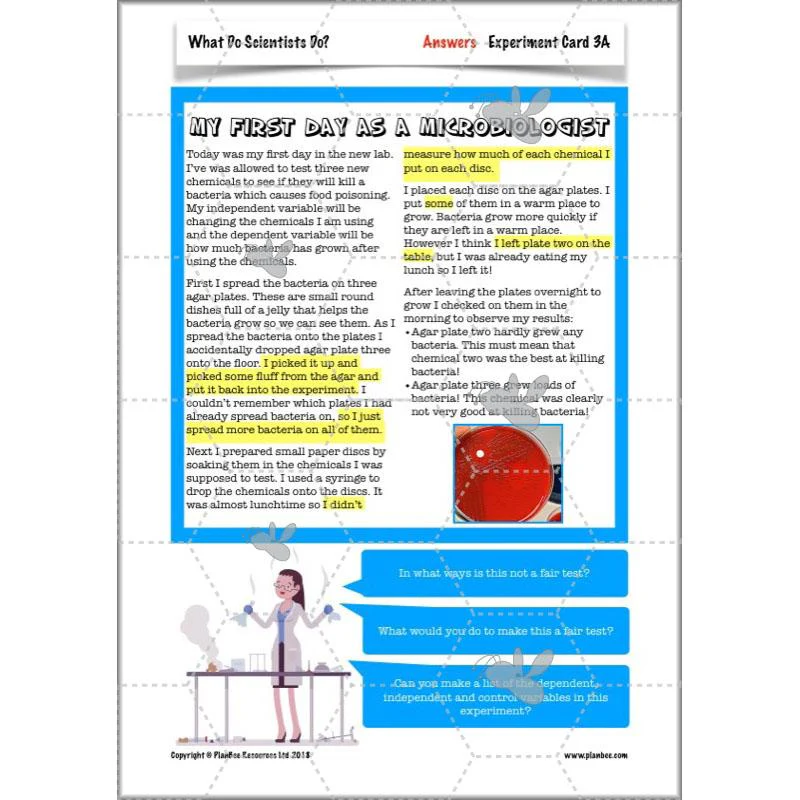
Explore how a microbiologist or pharmacologist uses scientific enquiry to develop new medicines for humans to use. Show your class how fair testing is an important part of the scientific process and how they can plan and conduct fair tests themselves. Encourage your class to identify the dependent, independent and control variables in their own and other experiments.
What's included:
- Lesson plan
- Slides
- Activity ideas
- Differentiated worksheets
- Experiment card
- Teacher notes
View Lesson 3
Zoology
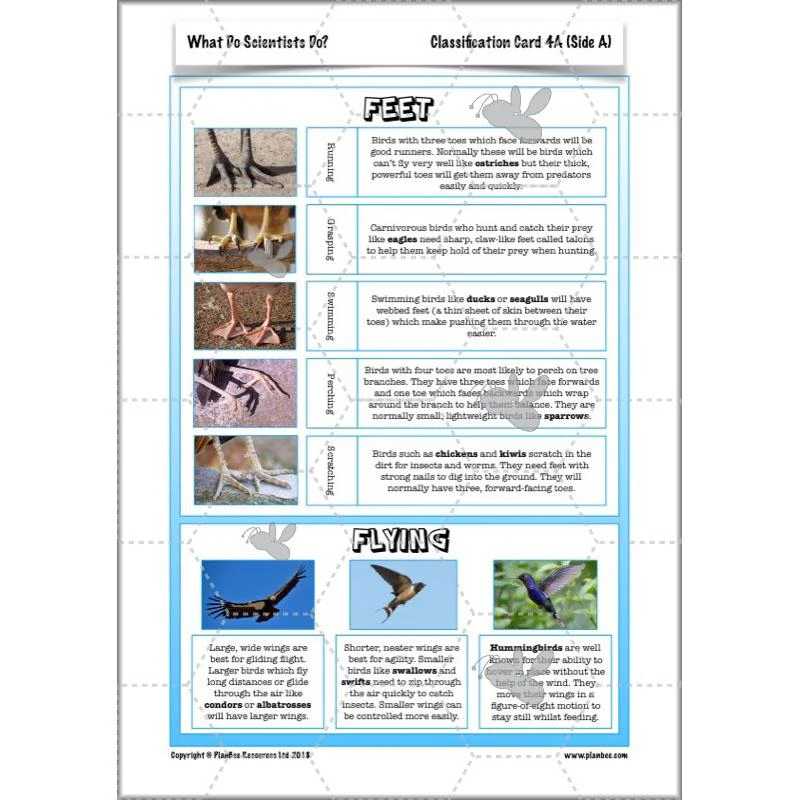
What does a zoologist’s job involve? Discover the studies of zoologists and how they must use careful observation skills to record the natural behaviours, appearances and environments of different animals. Challenge your class to develop their own observation skills to identify and classify different birds based on their physical features. Can the children work out what behaviours a bird might have from looking at the bird’s feet?
What's included:
- Lesson plan
- Slides
- Activity ideas
- Differentiated worksheets
- Bird cards
- Classification card
- Animal information card
View Lesson 4
Botany
How does a plant scientist help an astronaut? Discover the answer with your class as you explore the role and research of botanists. Challenge your class to think about what helps plants grow well and conduct an experiment to test their own hypotheses. Recap on fair testing and allow your children to plan how they will carry out an investigation and record their results.
What's included:
- Lesson plan
- Slides
- Activity ideas
- Differentiated worksheets
- Tree ID sheet
View Lesson 5
Sports Science
How do we know what is healthy? Investigate the human body and how it moves with your class. Explore how muscles work in pairs to move and discuss the work of sports scientists and nutritionists which helps athletes and sportspeople to give their very best performances. Have your class use their understanding of the scientific method to create an experiment to test and improve their reactions.
What's included:
- Lesson plan
- Slides
- Activity ideas
- Differentiated worksheets
View Lesson 6
Product Information
Product Information
Shipping & Returns
Shipping & Returns
Description
These Scientific Enquiry KS2 lessons explore the world of science and investigate the different areas that people work in. Let your class have a go at being forensic scientists, zoologists, botanists and more as they develop their knowledge of the scientific method and working scientifically in this six-lesson scheme for Years 3 and 4.
This scheme of work is also part of a Topic Bundle. Perfect if you are teaching 'Achievers and Inventors' as a cross-curricular topic.
The Scientific Method
Set the foundation of your scientific enquiry KS2 investigations in this first lesson.
Use the included lesson slides to take a look into the world of science and explore the three main branches of chemistry, biology and physics. Challenge your class to think about their own idea of what a scientist looks like and the skills they might need as a scientist. Then challenge the children to investigate scientific enquiry - the method scientists use to conduct reliable experiments.
What's included:
- Lesson plan
- Slides
- Activity ideas
- Scientific method steps
- Differentiated worksheets
- Science career fact cards
- Challenge cards
- Fact file template
View Lesson 1
Forensics
Have you ever wondered how science could help solve a crime? Allow your class to explore the job of a forensic scientist and how they use their knowledge of chemistry, biology and physics to analyse and match evidence to help solve crimes. Discover how fingerprints can be analysed and matched, using careful observation skills, and generate interesting enquiry questions.
What's included:
- Lesson plan
- Slides
- Activity ideas
- Differentiated worksheets
- Fingerprint pattern card
- Suspect sheet
View Lesson 2
Pharmacology
Explore how a microbiologist or pharmacologist uses scientific enquiry to develop new medicines for humans to use. Show your class how fair testing is an important part of the scientific process and how they can plan and conduct fair tests themselves. Encourage your class to identify the dependent, independent and control variables in their own and other experiments.
What's included:
- Lesson plan
- Slides
- Activity ideas
- Differentiated worksheets
- Experiment card
- Teacher notes
View Lesson 3
Zoology
What does a zoologist’s job involve? Discover the studies of zoologists and how they must use careful observation skills to record the natural behaviours, appearances and environments of different animals. Challenge your class to develop their own observation skills to identify and classify different birds based on their physical features. Can the children work out what behaviours a bird might have from looking at the bird’s feet?
What's included:
- Lesson plan
- Slides
- Activity ideas
- Differentiated worksheets
- Bird cards
- Classification card
- Animal information card
View Lesson 4
Botany
How does a plant scientist help an astronaut? Discover the answer with your class as you explore the role and research of botanists. Challenge your class to think about what helps plants grow well and conduct an experiment to test their own hypotheses. Recap on fair testing and allow your children to plan how they will carry out an investigation and record their results.
What's included:
- Lesson plan
- Slides
- Activity ideas
- Differentiated worksheets
- Tree ID sheet
View Lesson 5
Sports Science
How do we know what is healthy? Investigate the human body and how it moves with your class. Explore how muscles work in pairs to move and discuss the work of sports scientists and nutritionists which helps athletes and sportspeople to give their very best performances. Have your class use their understanding of the scientific method to create an experiment to test and improve their reactions.
What's included:
- Lesson plan
- Slides
- Activity ideas
- Differentiated worksheets
View Lesson 6