Classifying Organisms
These 'living things and their habitats' Year 6 Science lessons take an in-depth view at classifying animals, plants and micro-organisms. Your children will recap their knowledge of broad groups of organisms before taking a much more detailed look at the Linnaeus classification system, how it works and how different species of organisms that are closely related can be identified.
Containing everything you need to teach this complete 'Classifying Organisms' KS2 scheme of work, including lesson plans, slideshow presentations, differentiated activity ideas and a range of printable worksheets and resources, these Year 6 lessons are the perfect way to challenge your class' knowledge of living things and their habitats.
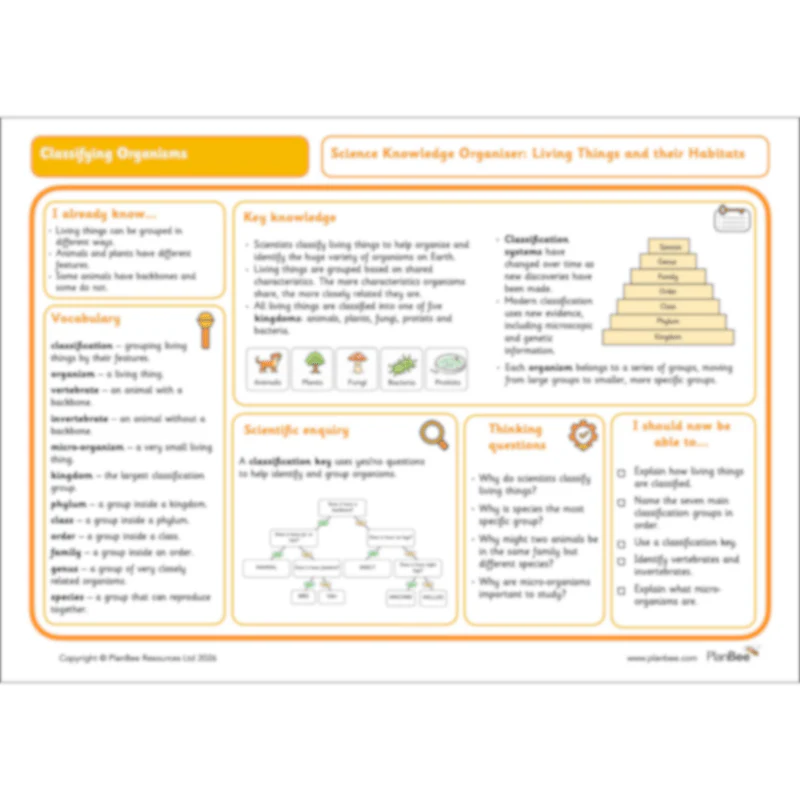
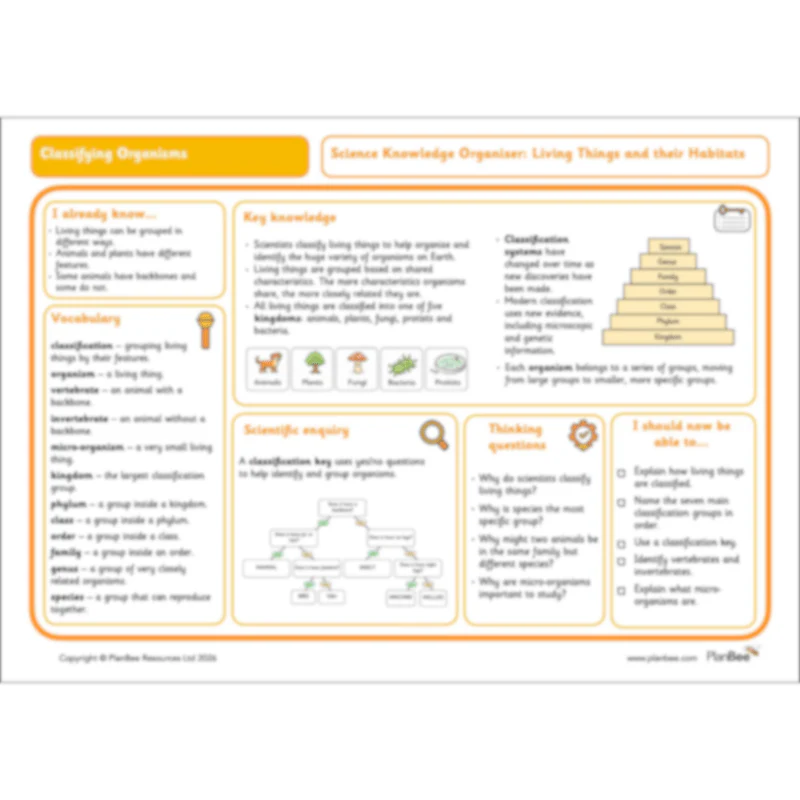
A Knowledge Organiser is included within the complete series download, or is available to purchase separately.
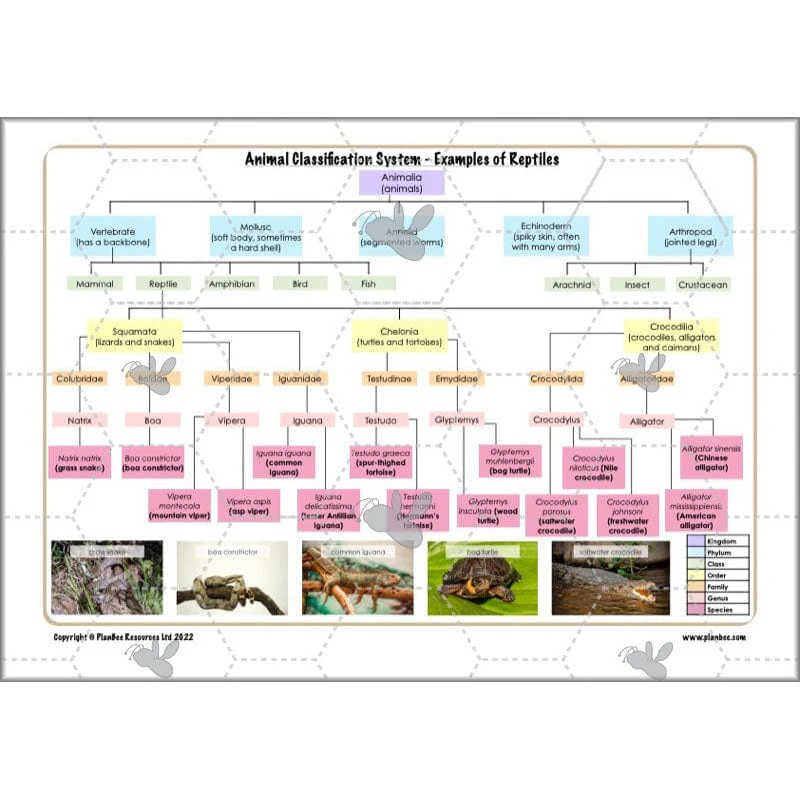
We also have this free Animal Classification Chart ready for you to download.
Grouping Organisms
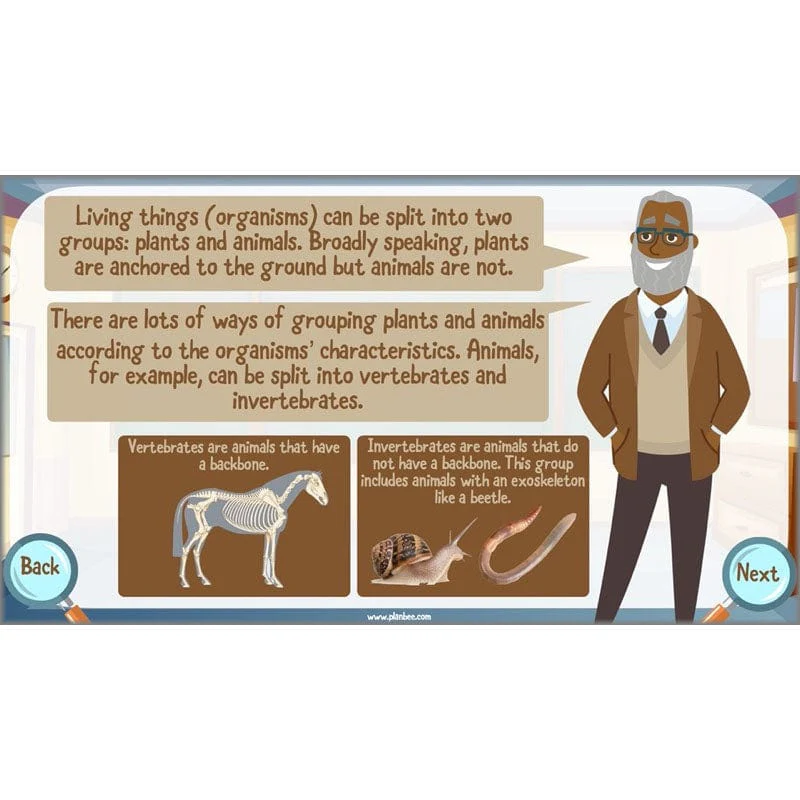
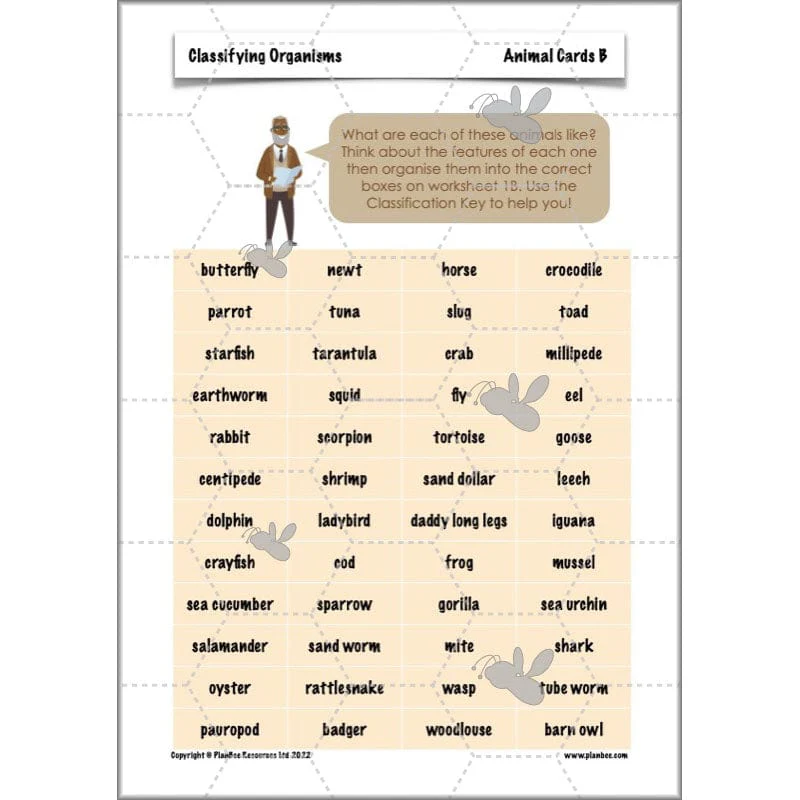
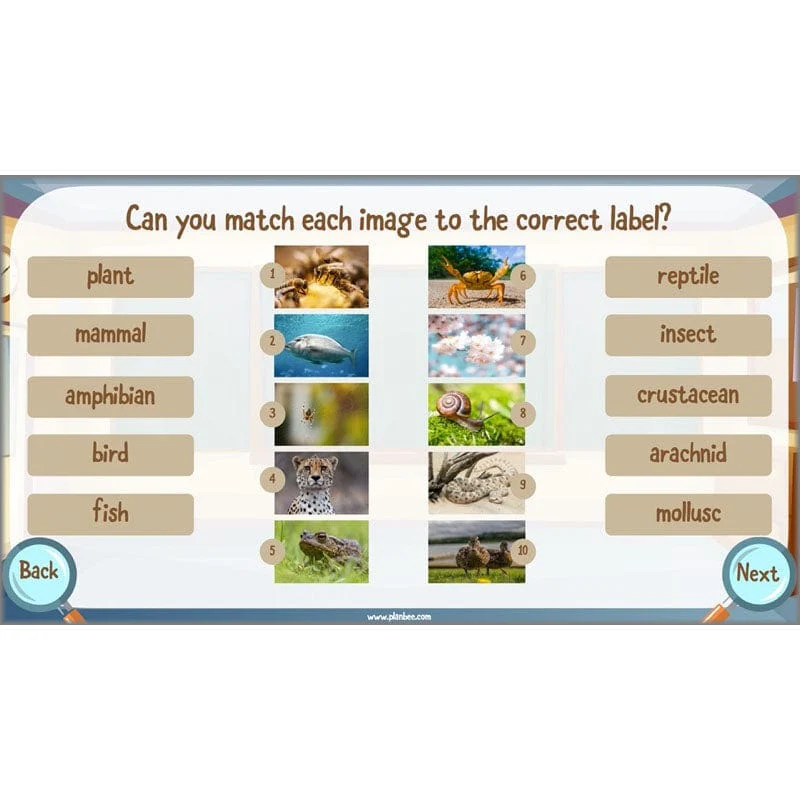
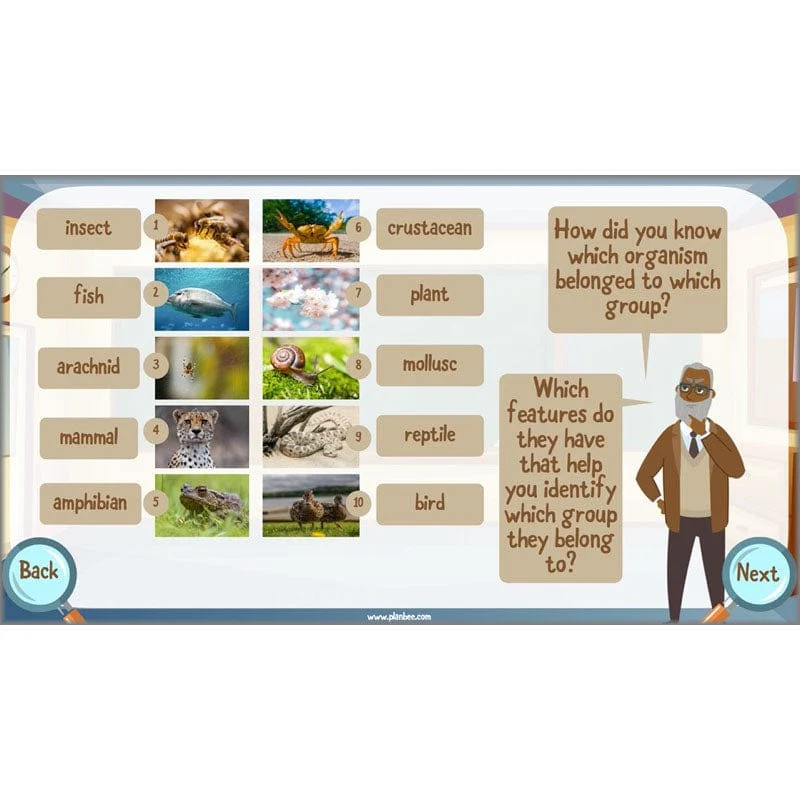
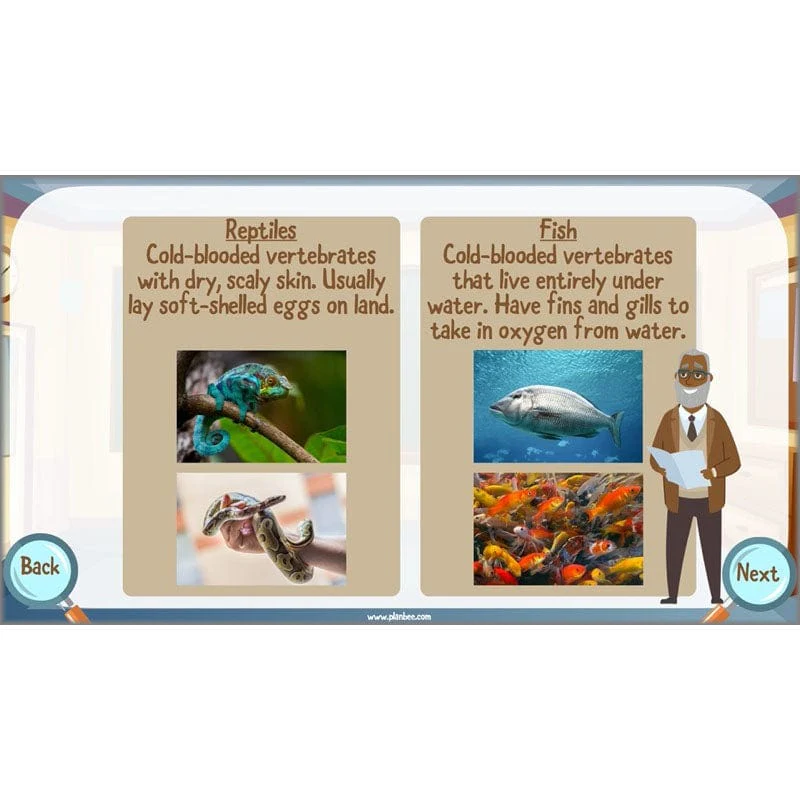
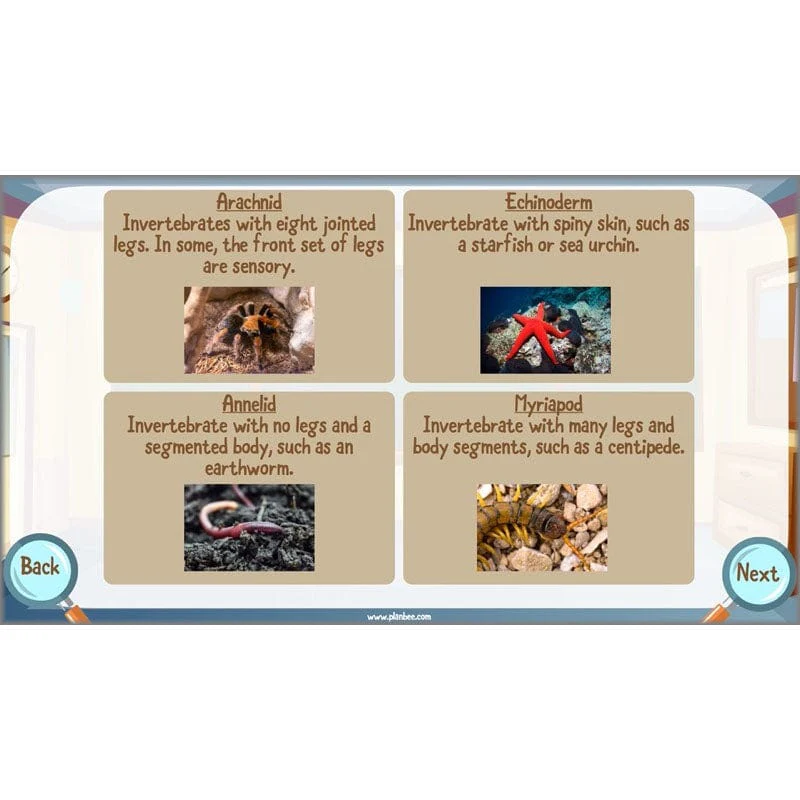
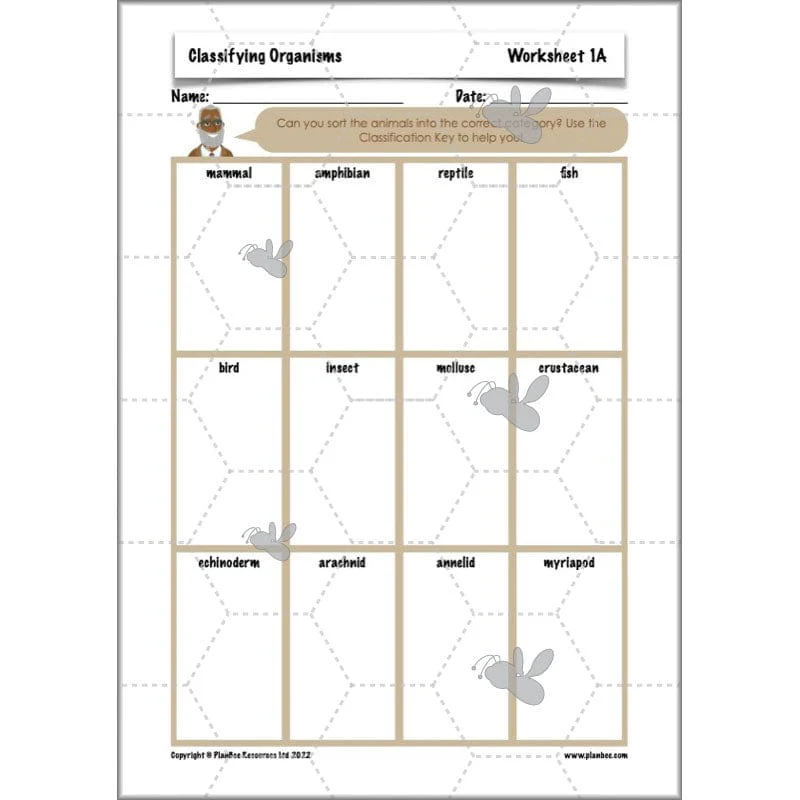
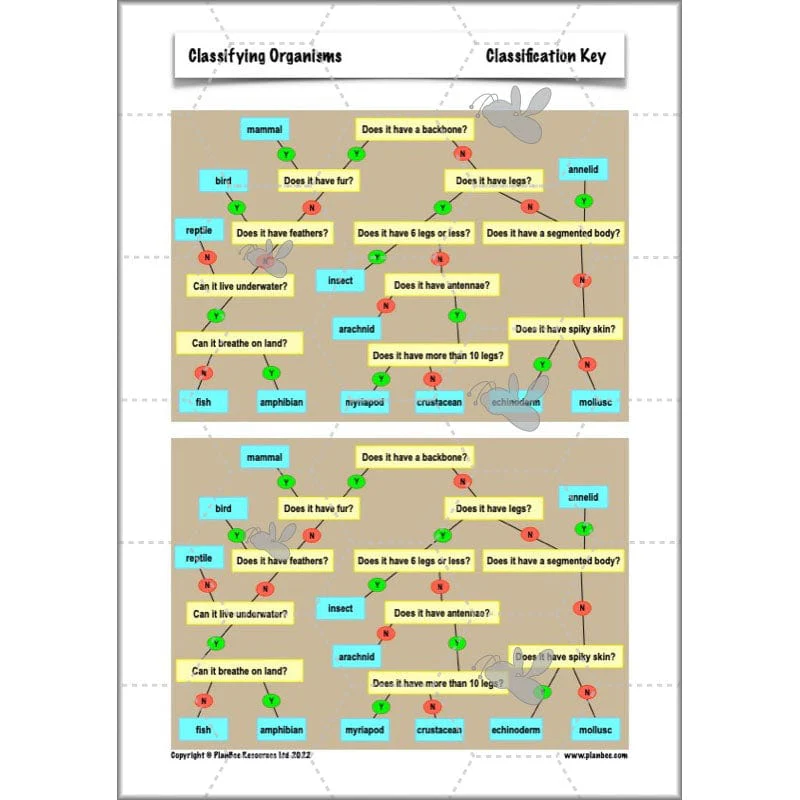
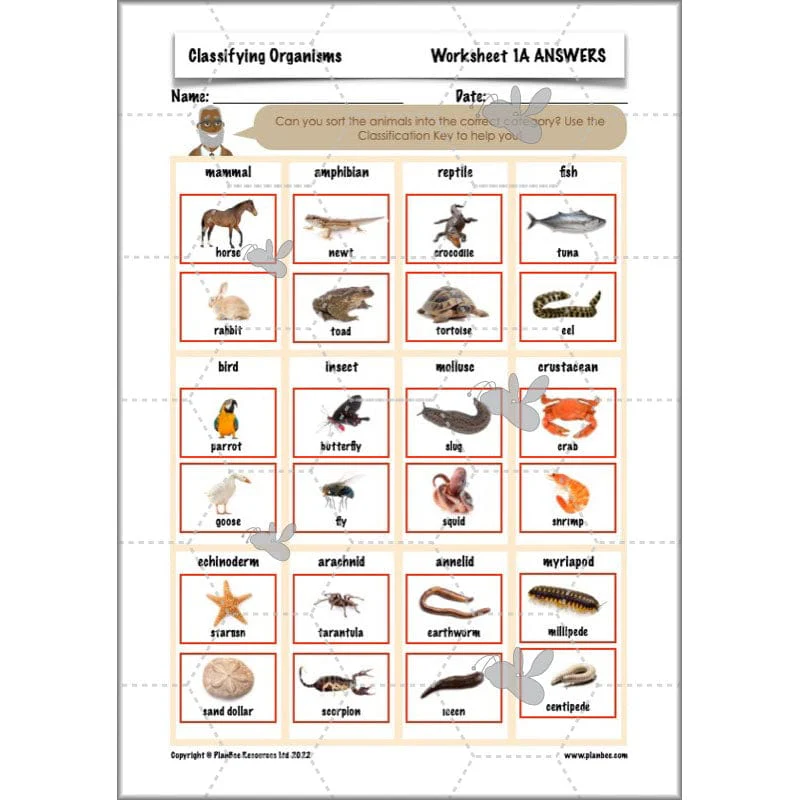
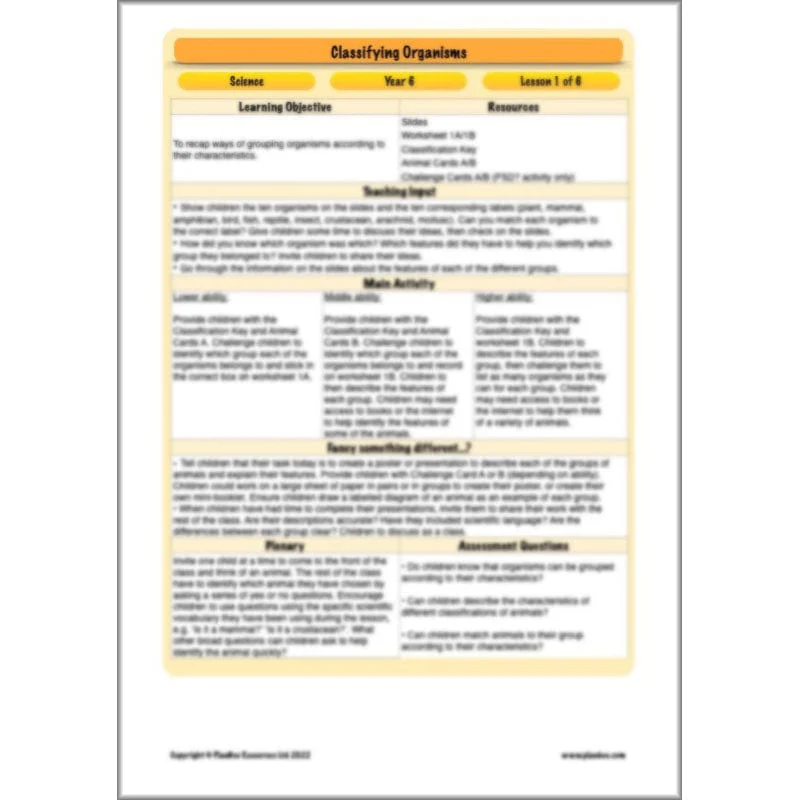
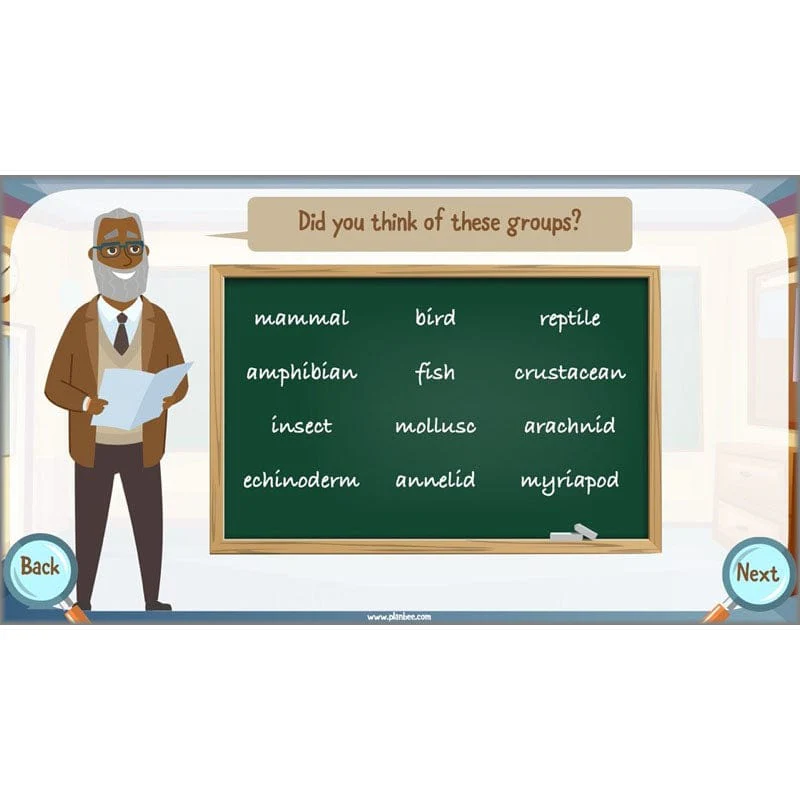
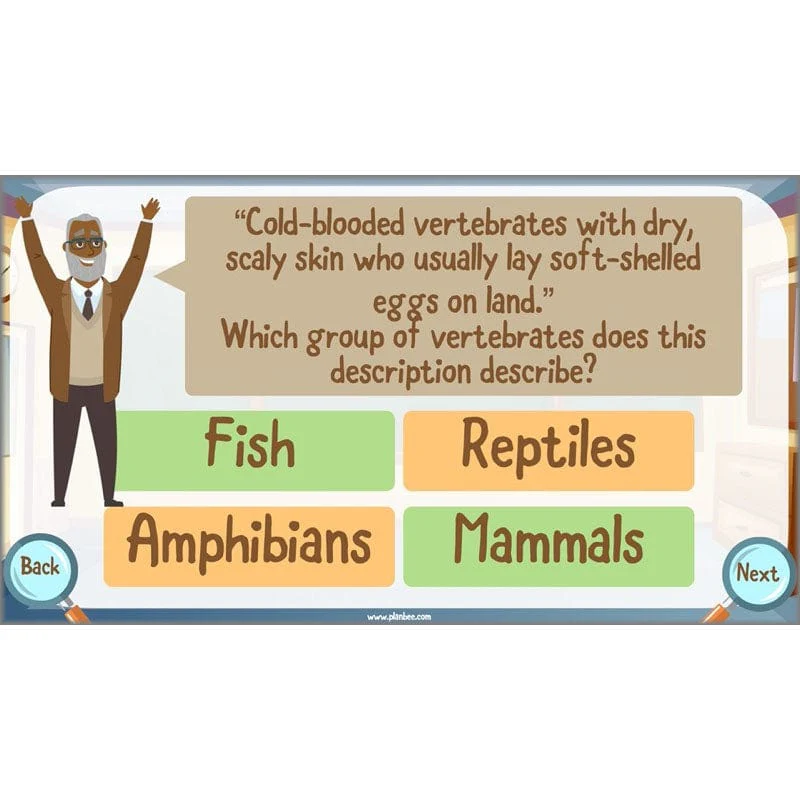
The first lesson in this series recaps your class's knowledge of the broad groups of organisms and challenges them to organise organisms into groups such as plants, mammals, reptiles and amphibians, as well as looking at some groups which might be less familiar, such as annelids, myriapods and arachnids.
What's included:
- Lesson plan
- Slides
- Activity ideas
- Differentiated worksheets
- Classification key
- Animal cards
- Challenge cards
View Lesson 1
Similar Organisms
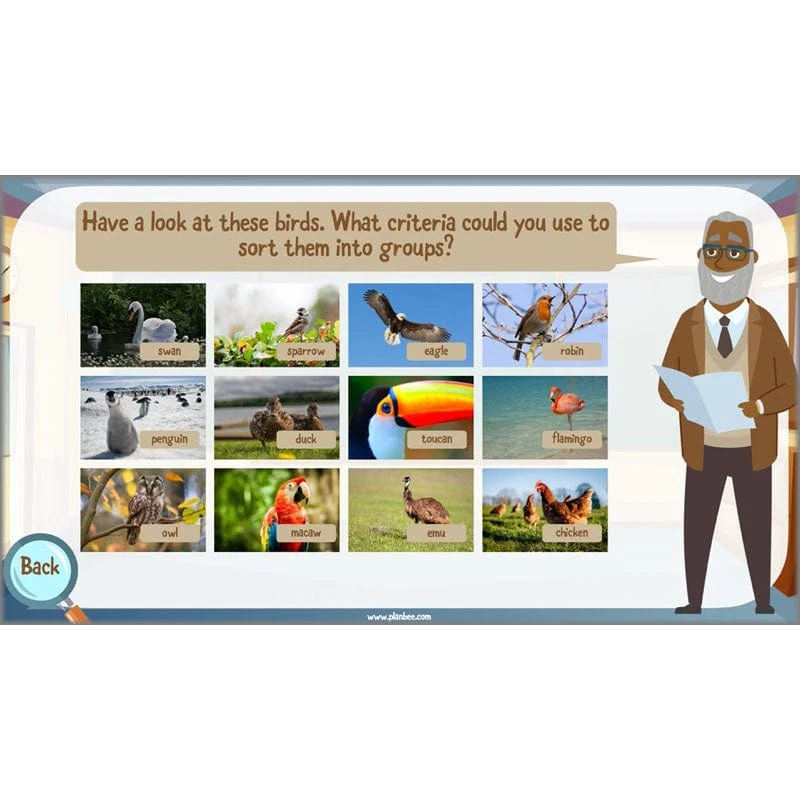
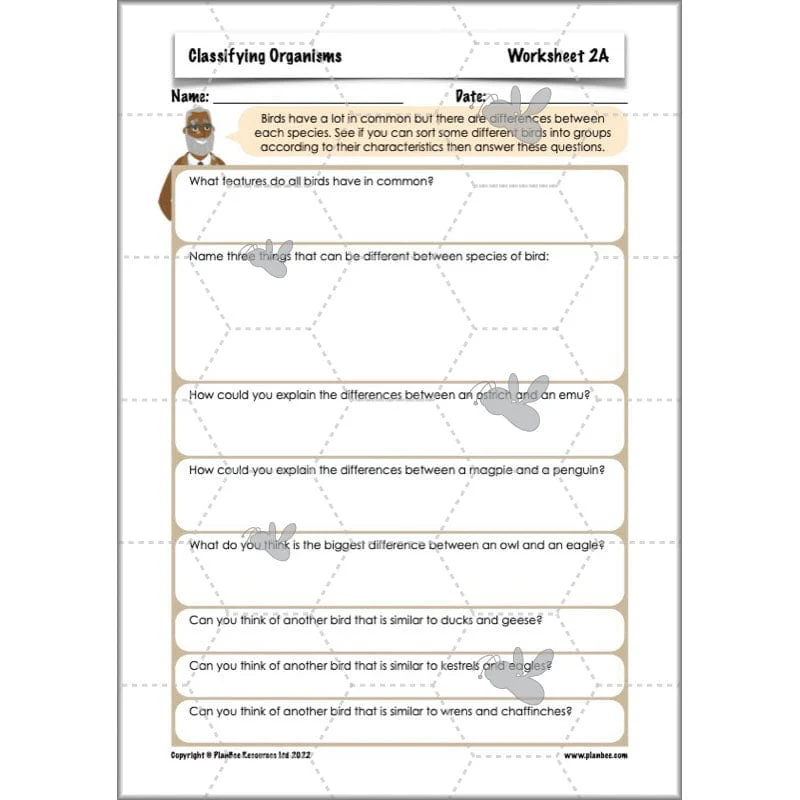
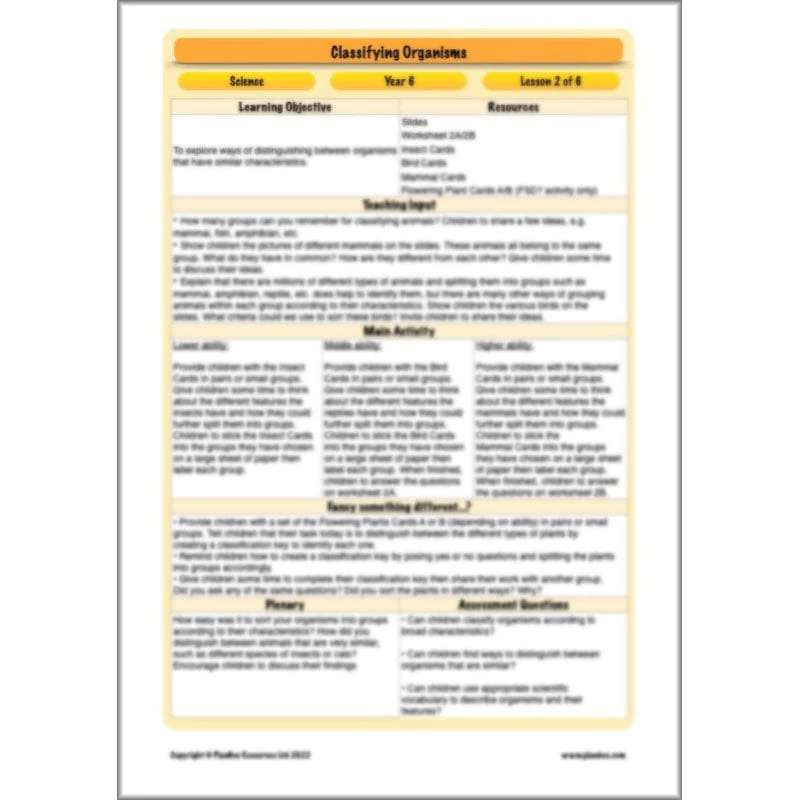
Now that you class can classify animals according to their broad characteristics, they can have the chance to think about how to classify organisms that belong to the same group.
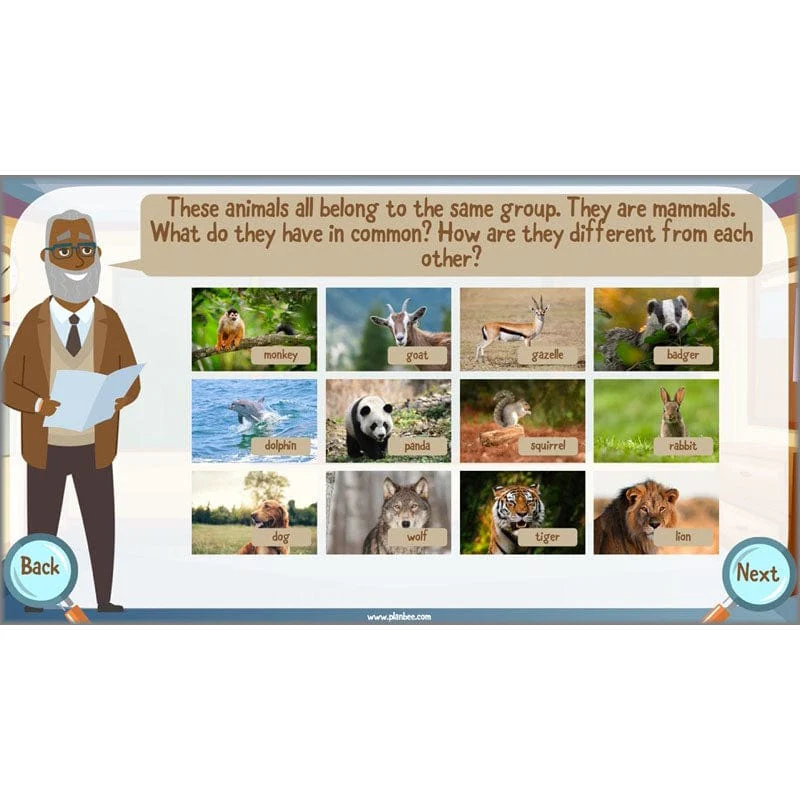
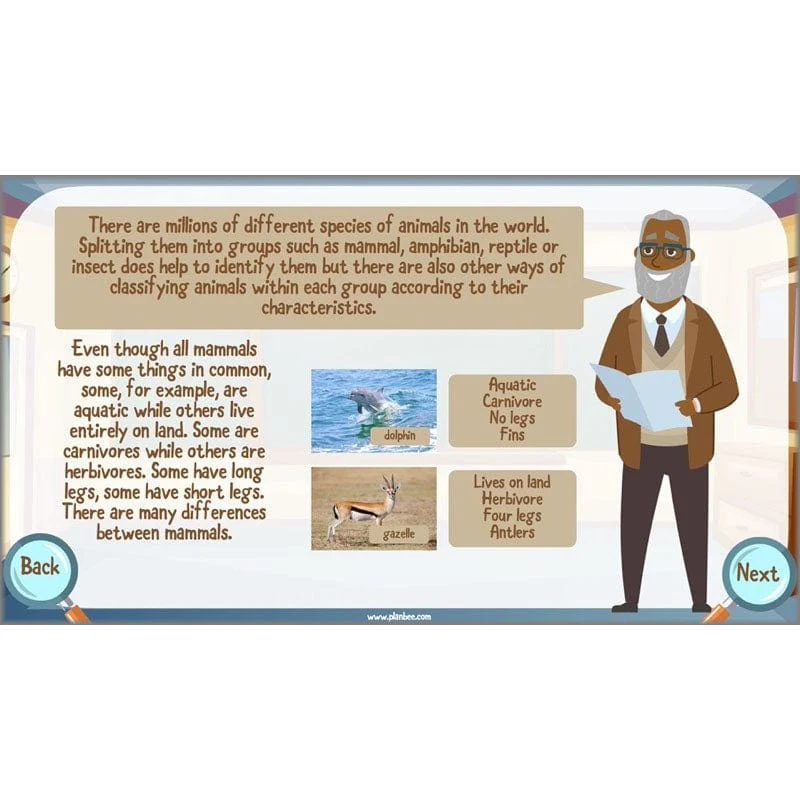
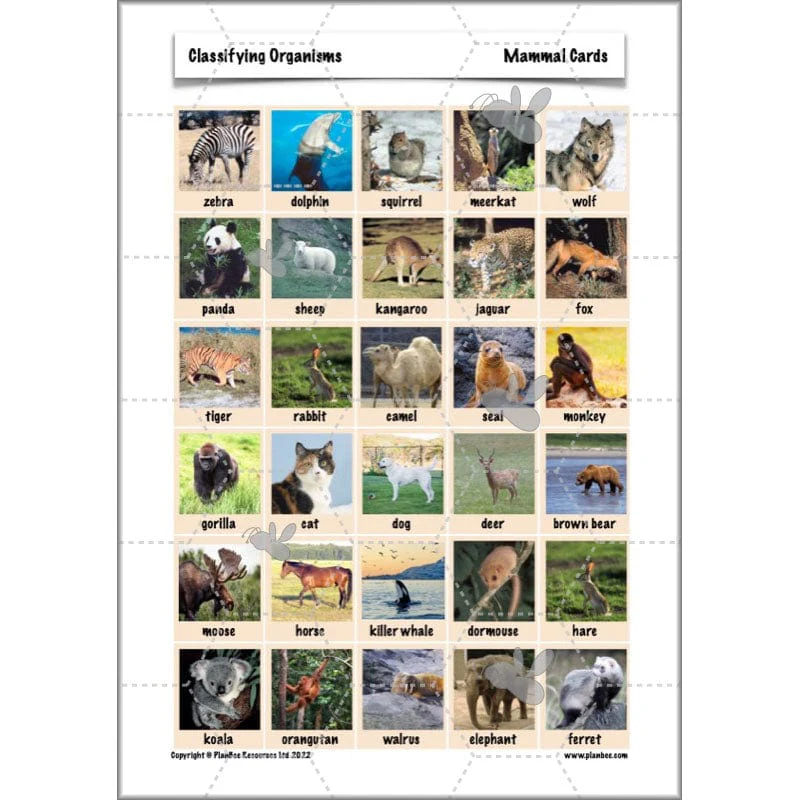
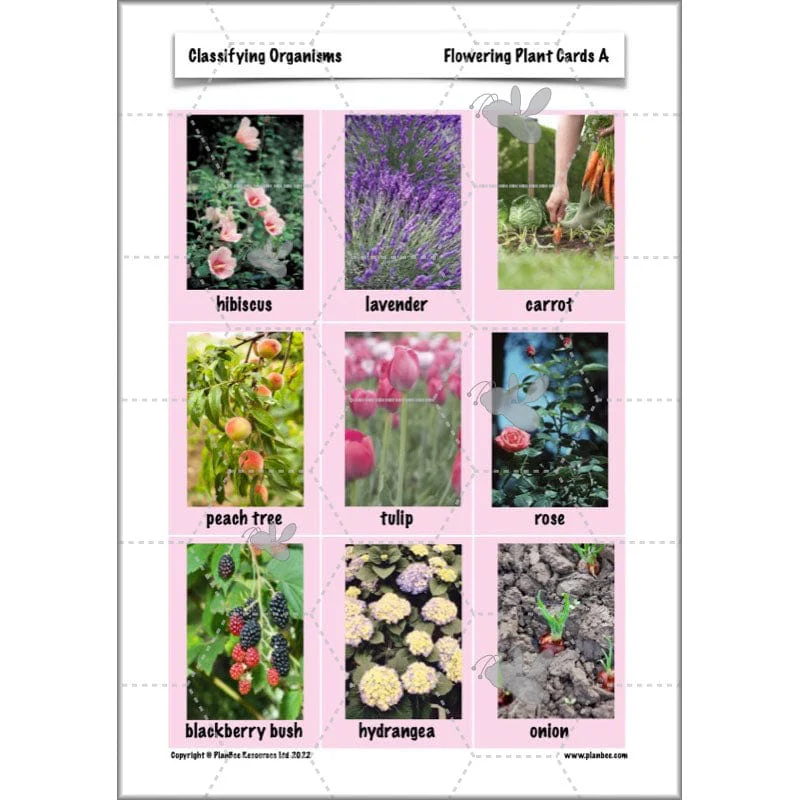
How are various mammals similar to or different from each other? How can flowering plants be split into groups?
Hopefully by the end of the lesson your class will be able to tell you!
What's included:
- Lesson plan
- Slides
- Activity ideas
- Differentiated worksheets
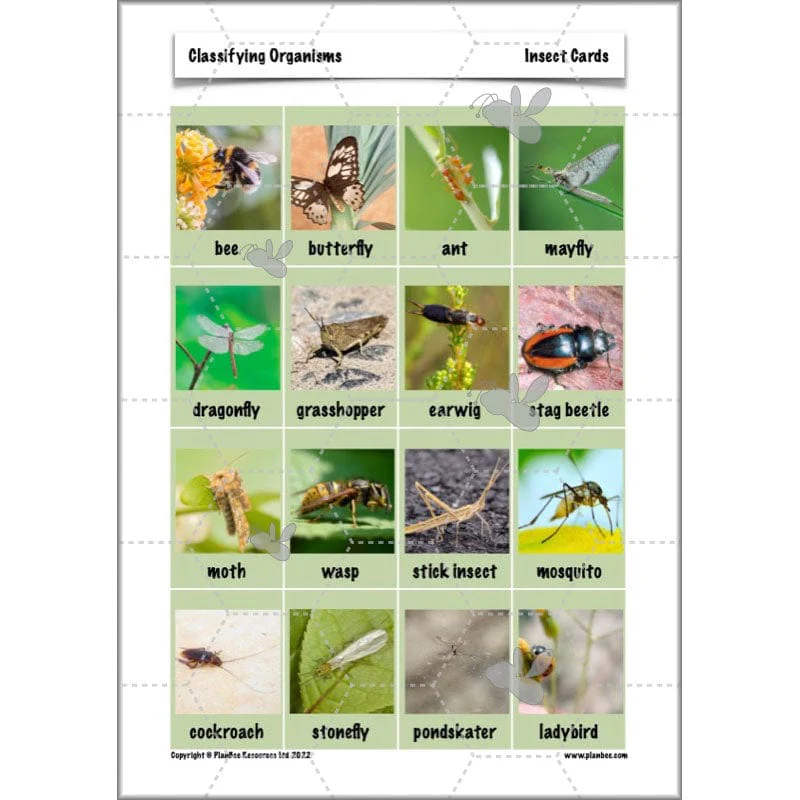
- Insect cards
- Bird cards
- Mammal cards
- Flowering plant cards
View Lesson 2
Classifying Plants
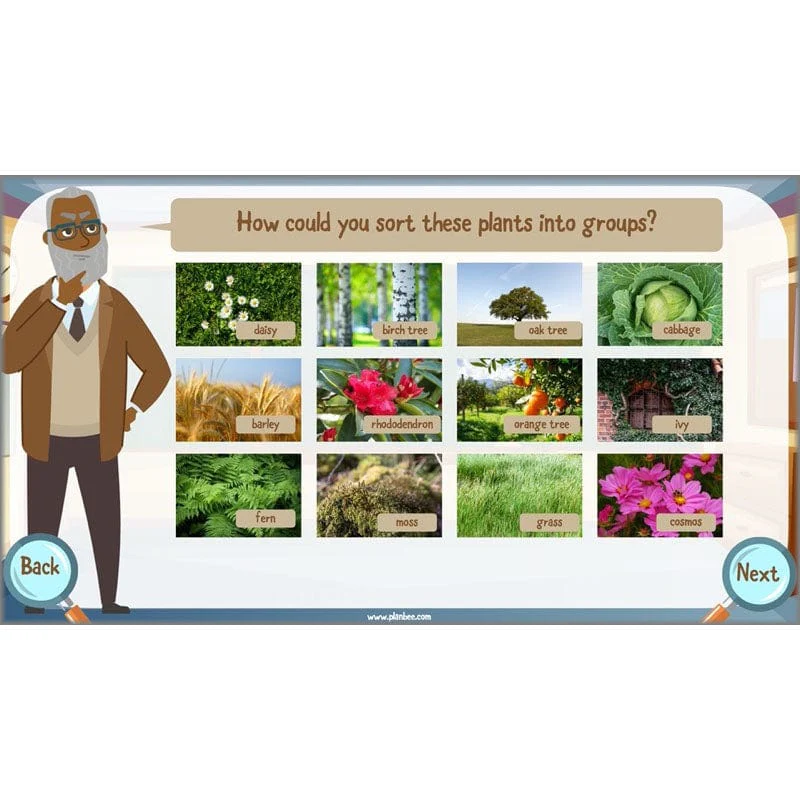
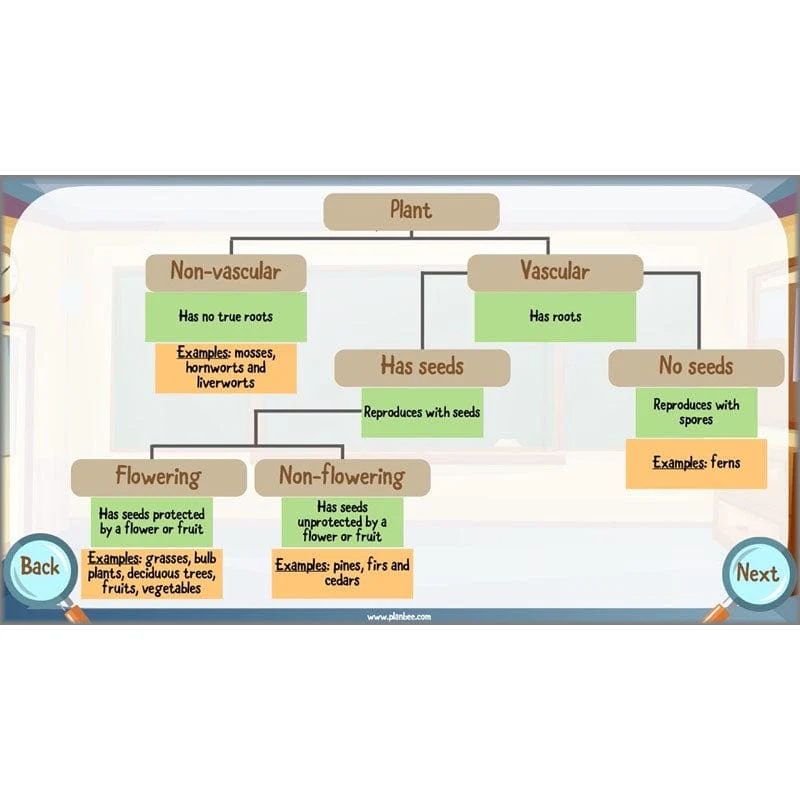
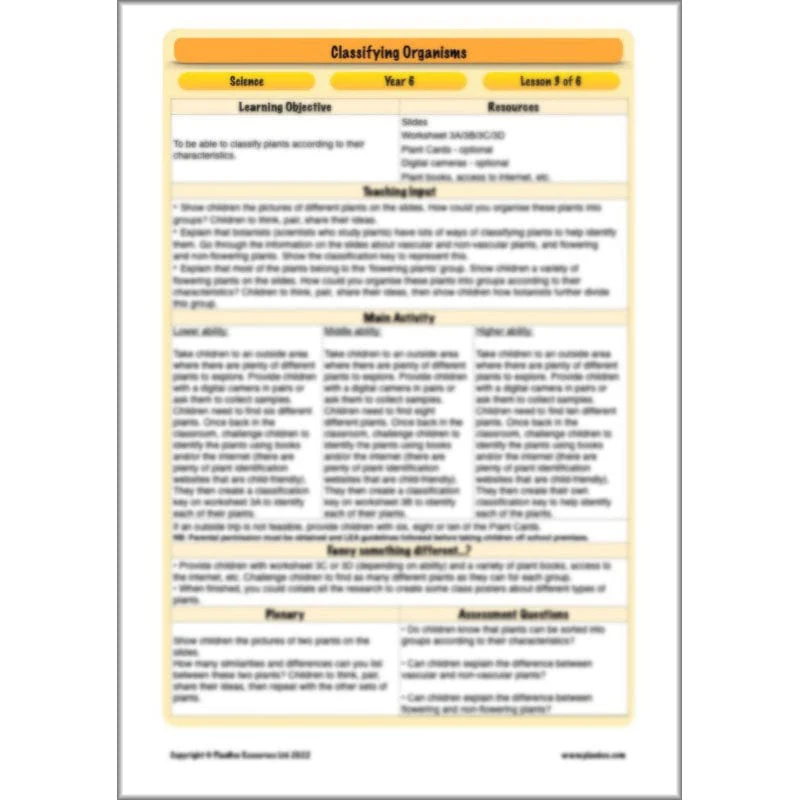
This engaging Classifying Plants Year 6 lesson explores the world of plants and how botanists classify different types of plants according to their characteristics.
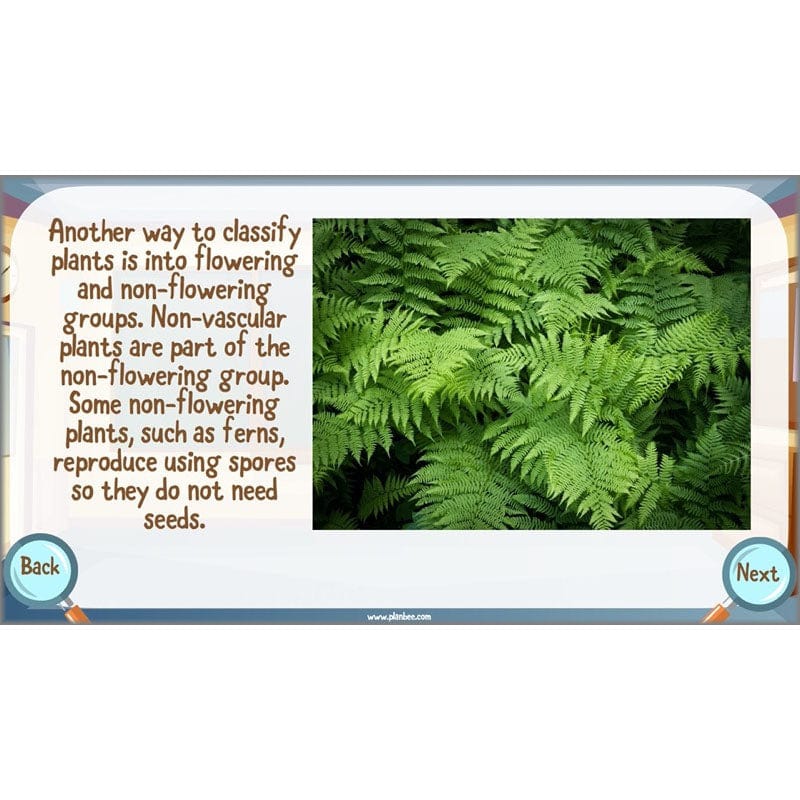
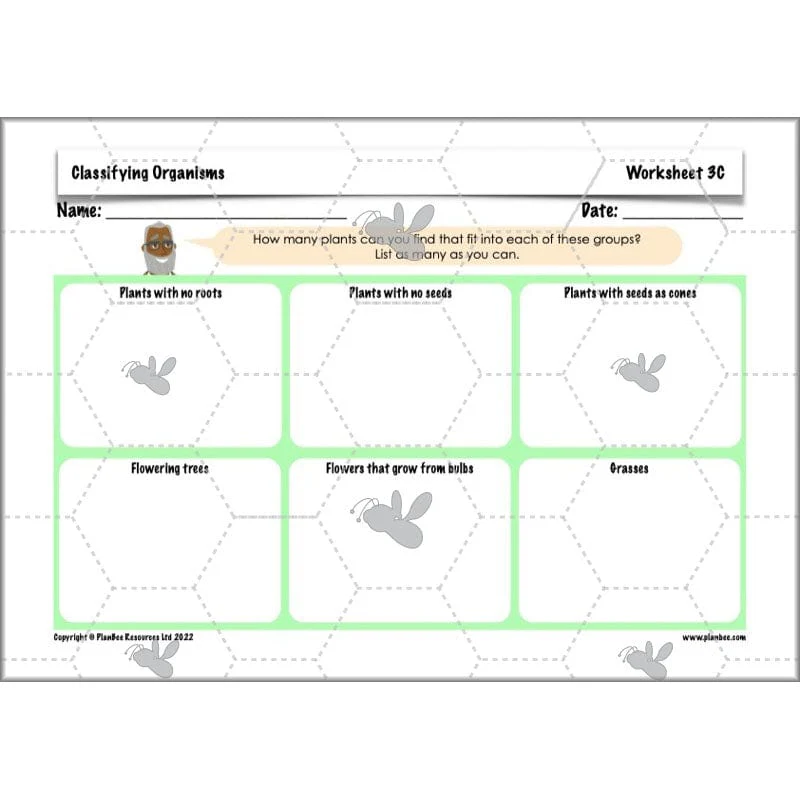
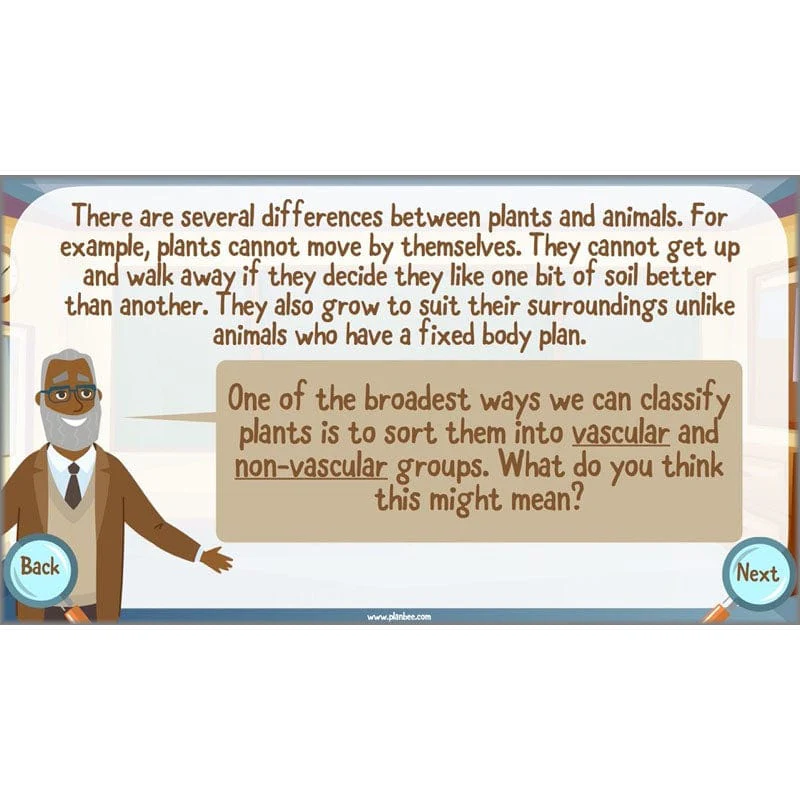
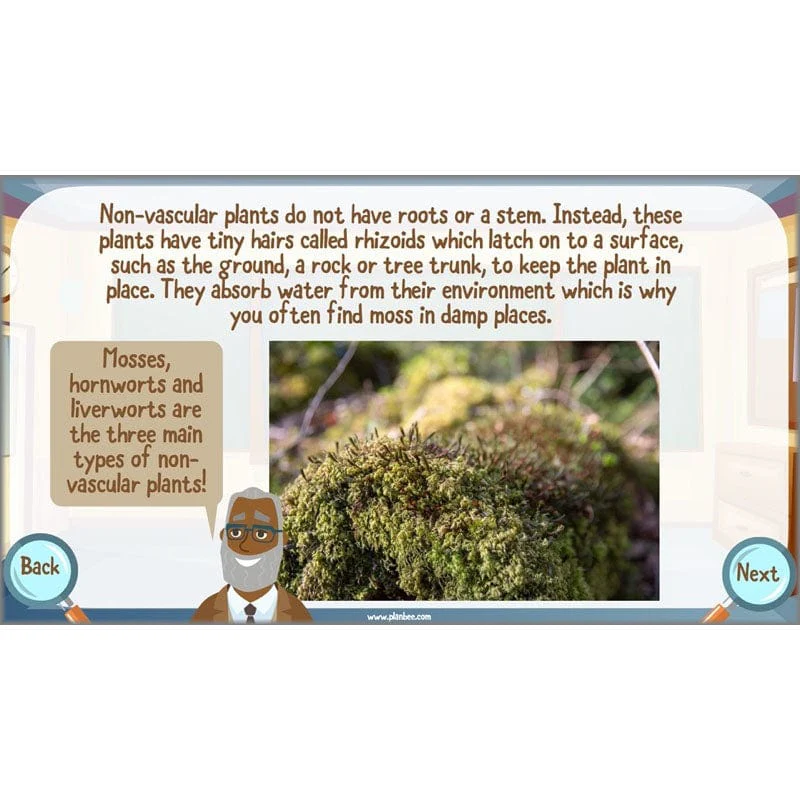
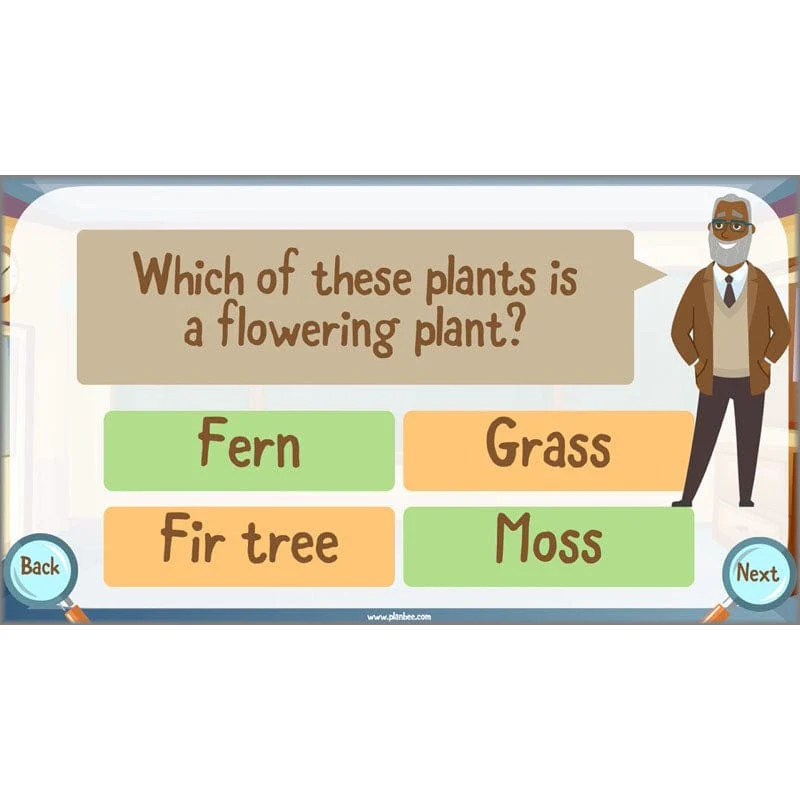
Your KS2 class will learn about vascular and non-vascular plants, as well as flowering and non-flowering plants, and use what they know to sort a variety of plants from their local environment into groups.
What's included:
- Lesson plan
- Slides
- Activity ideas
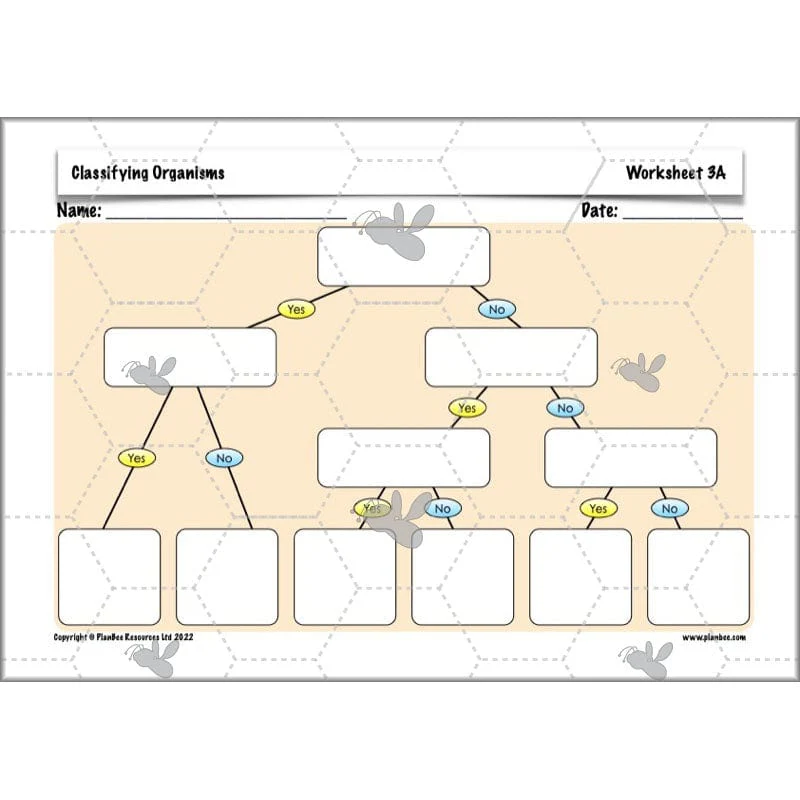
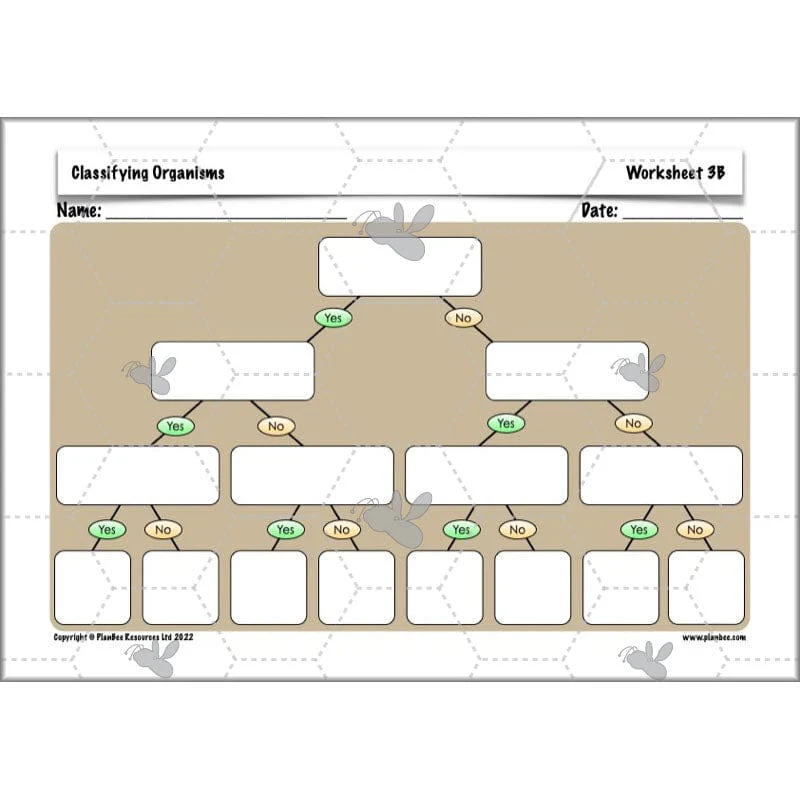
- Differentiated worksheets
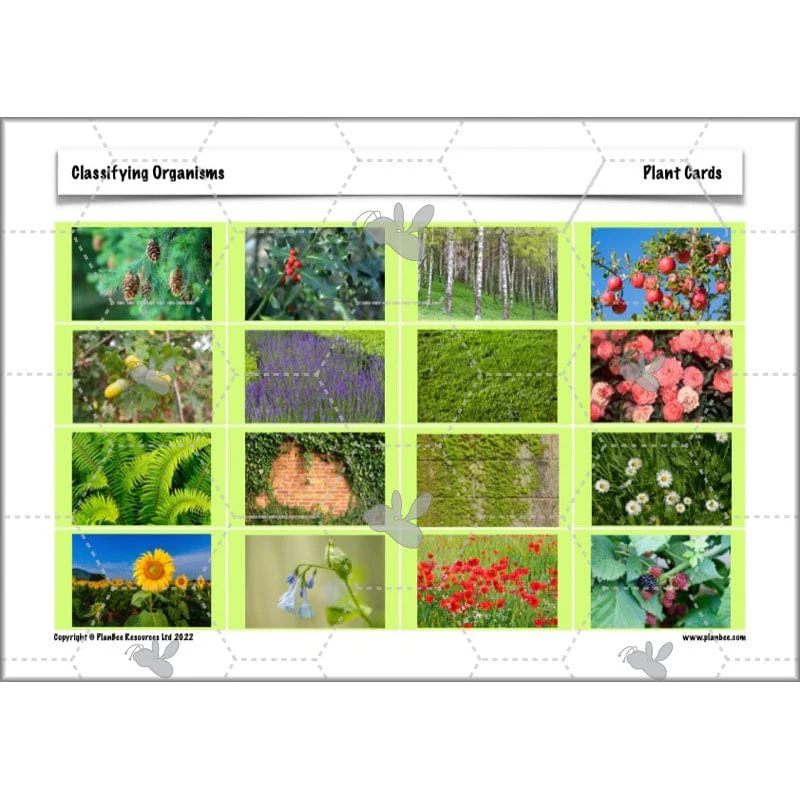
- Plant cards
View Lesson 3
The Classification System
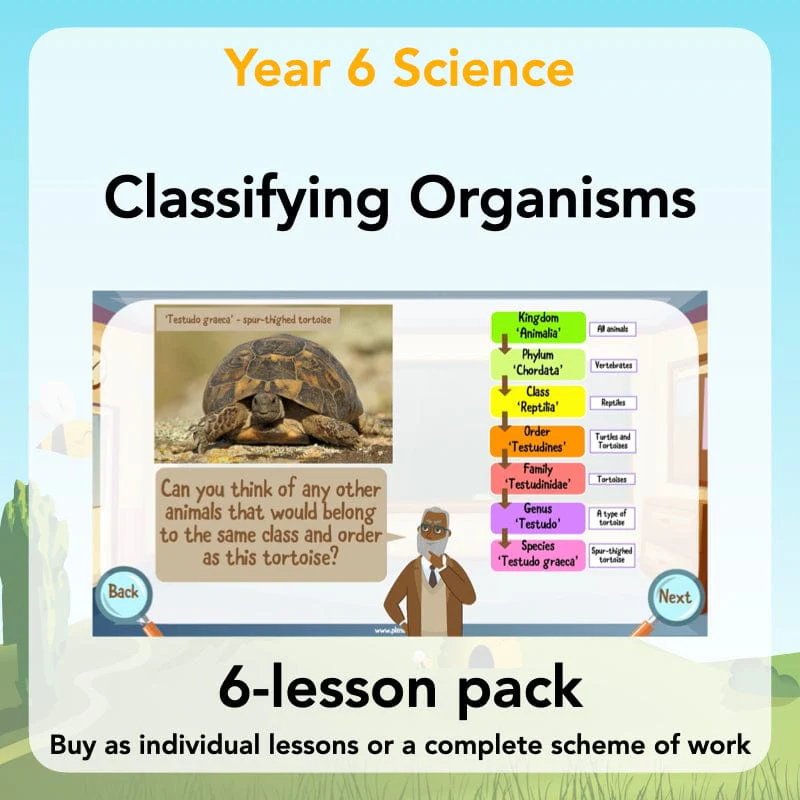
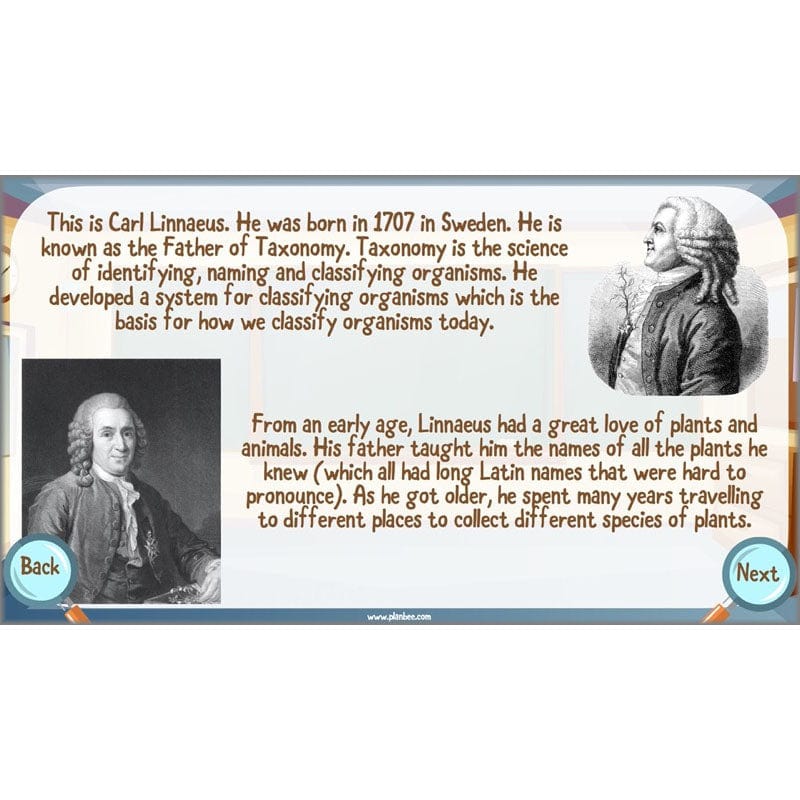
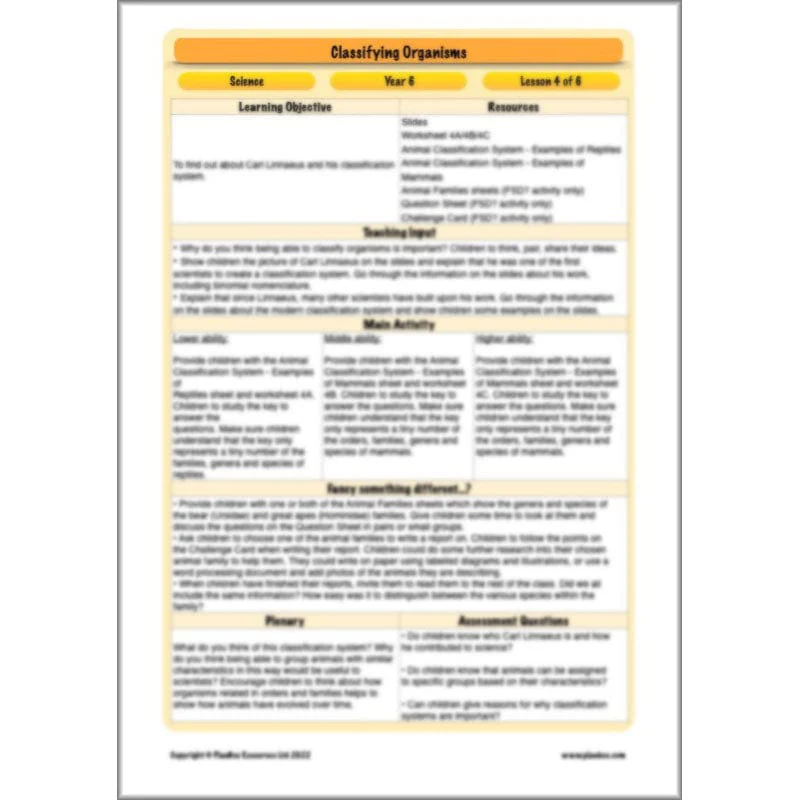
This challenging classification of animals KS2 Science lessons starts by thinking about why it is important to be able to classify organisms, before introducing your class to Carl Linnaeus and his work on the classification system.
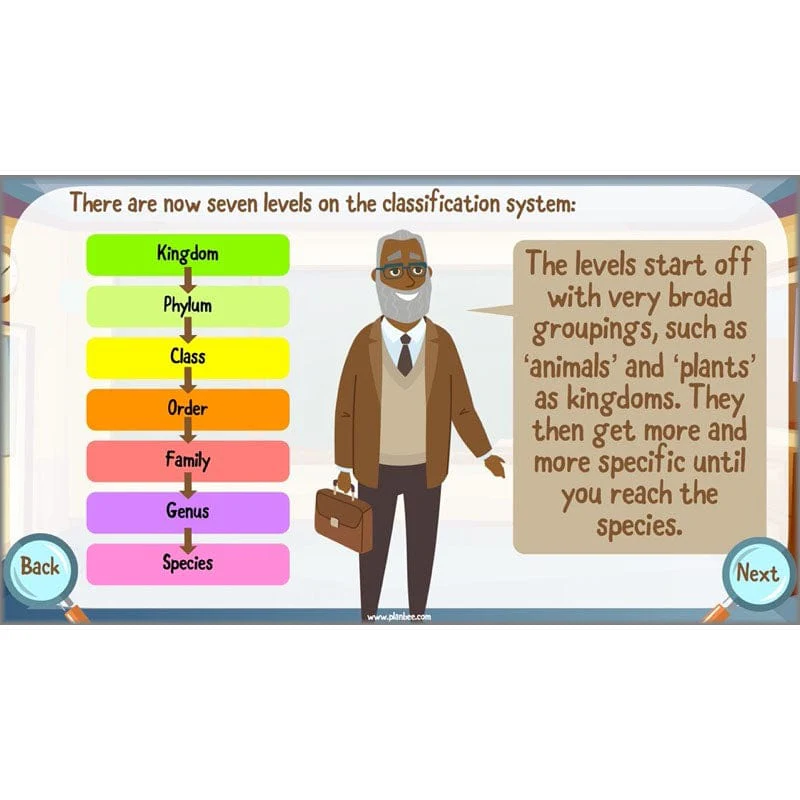
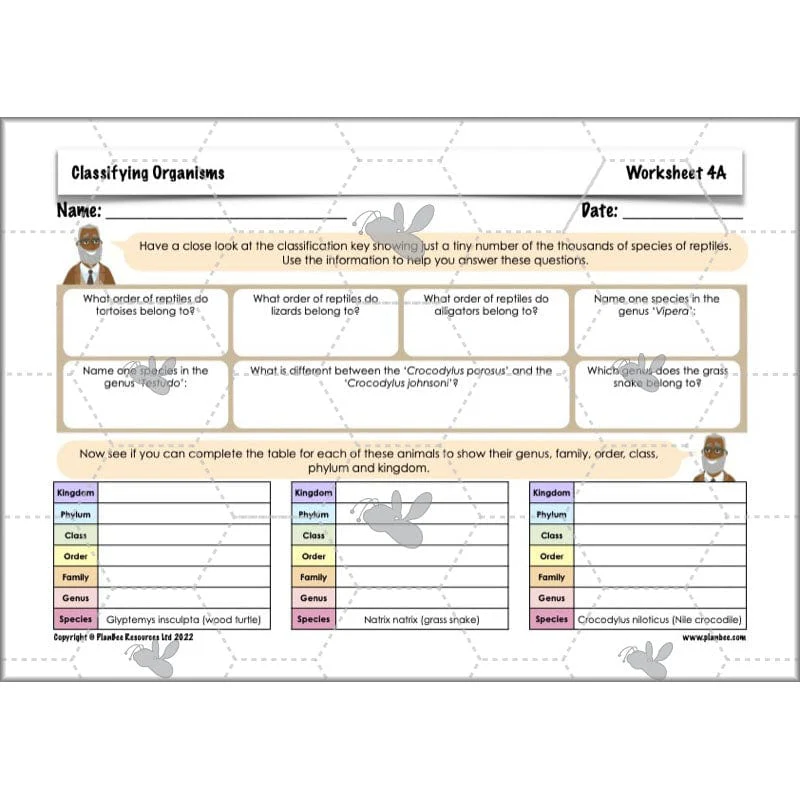
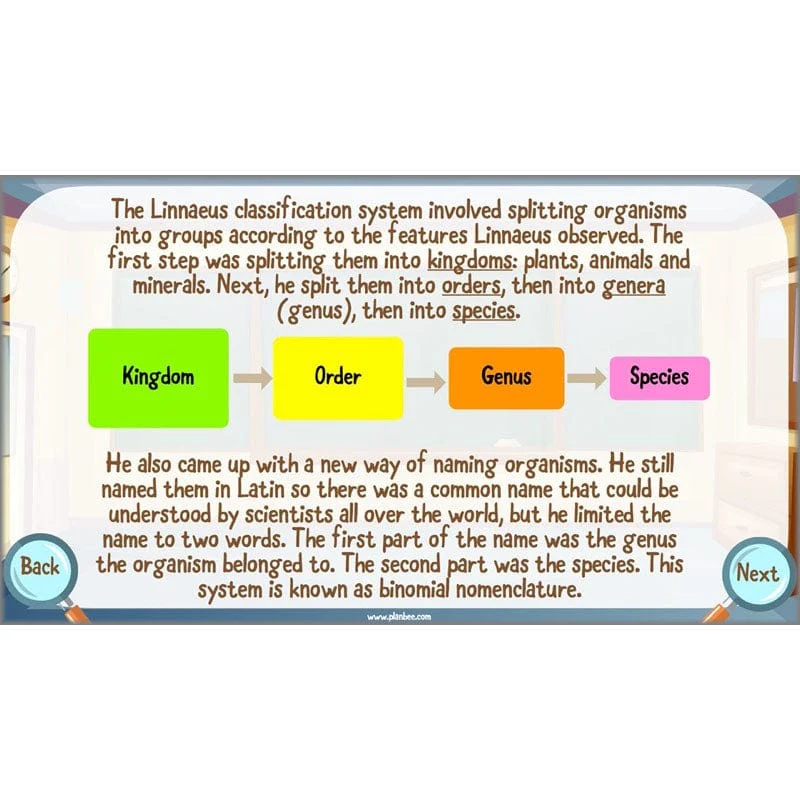
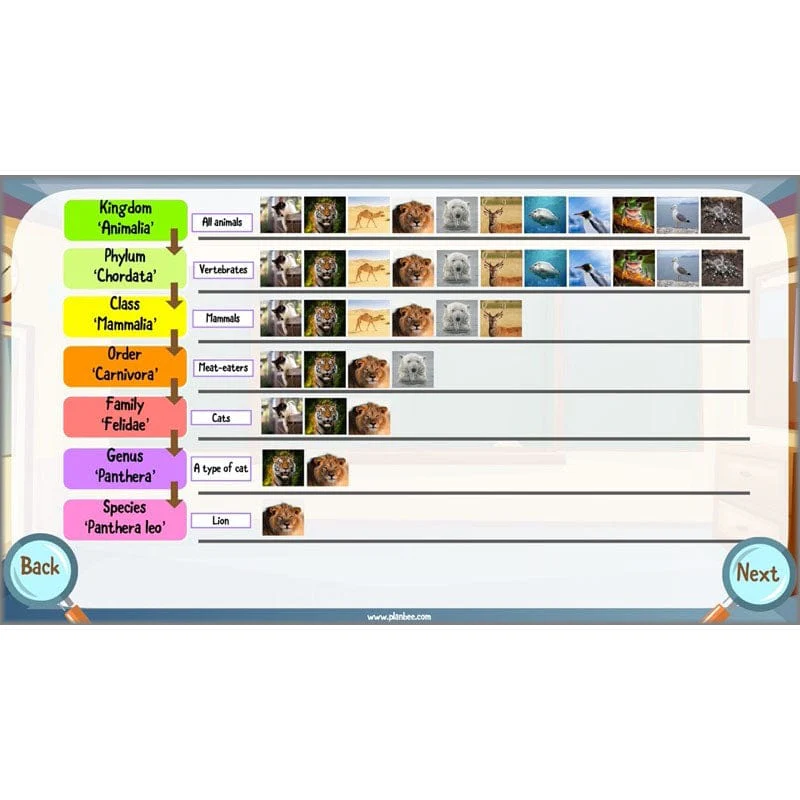
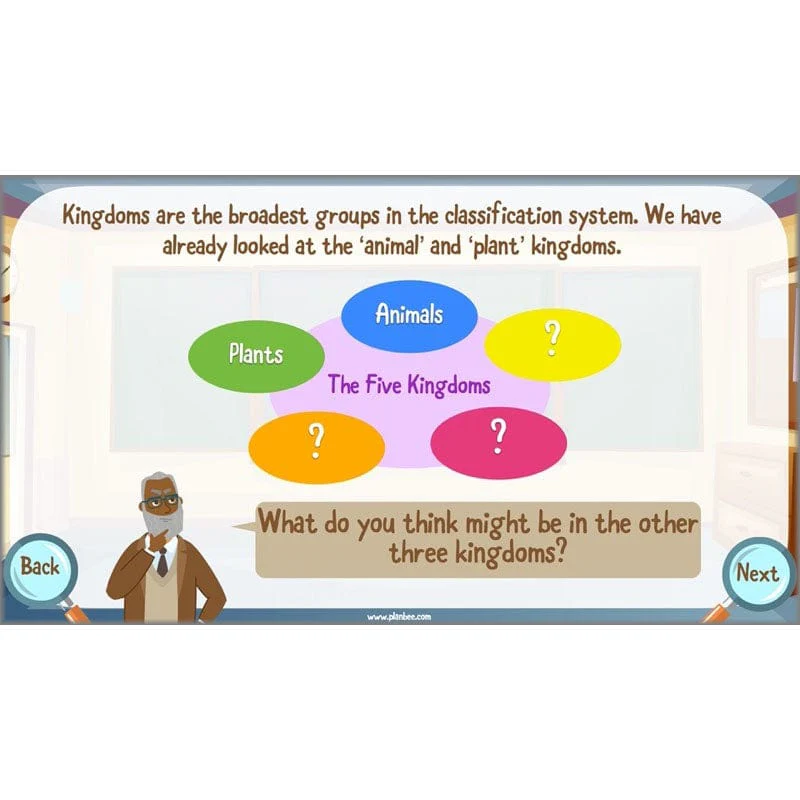
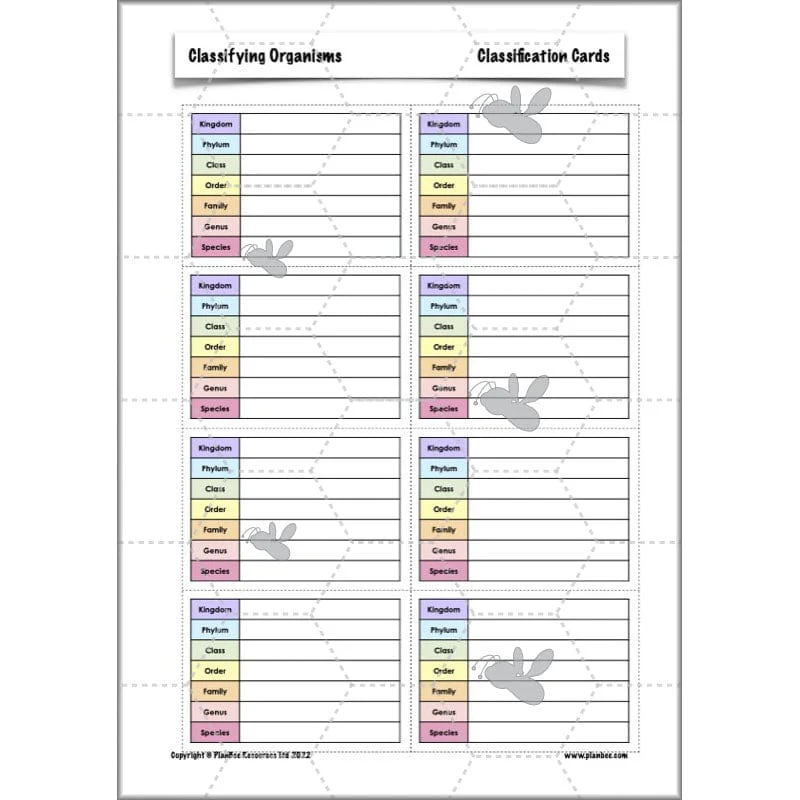
It then goes on to explore how scientists use the classification system today, looking at how organisms can be sorted by their kingdom, phylum, class, order, family, genus and species.
They can also explore how animals in the same genus are similar to and different from each other.
What's included:
- Lesson plan
- Slides
- Activity ideas
- Differentiated worksheets
- Animal classification system sheets
- Animal families sheets
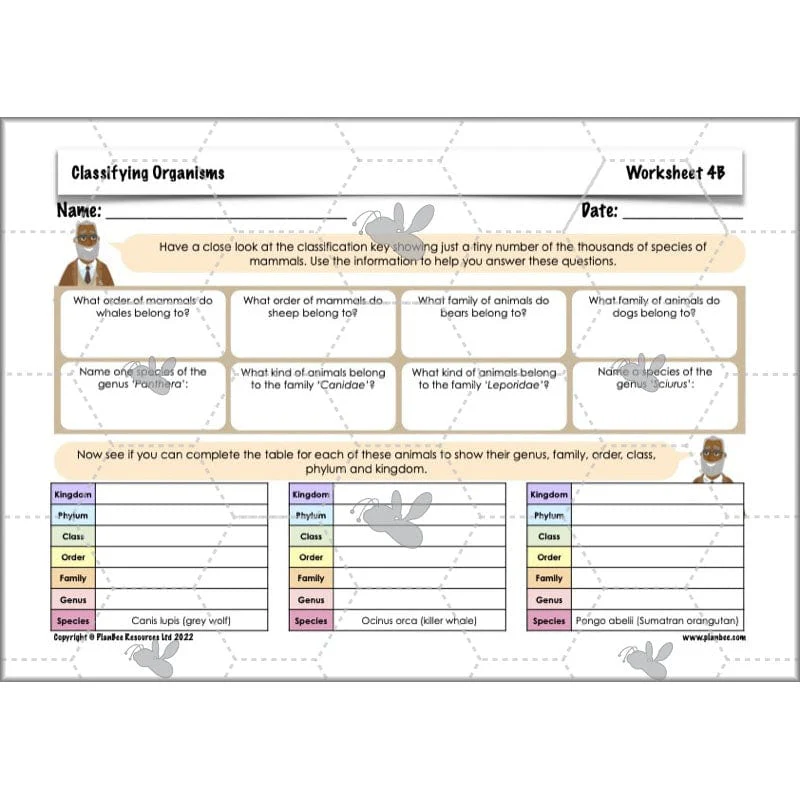
- Question sheet
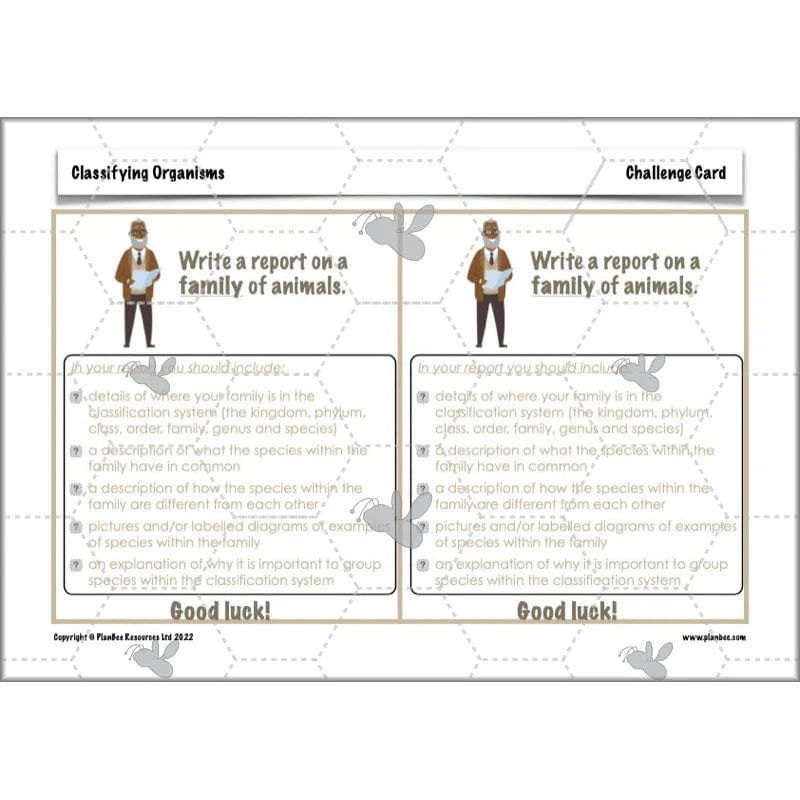
- Challenge card
View Lesson 4
Microorganisms
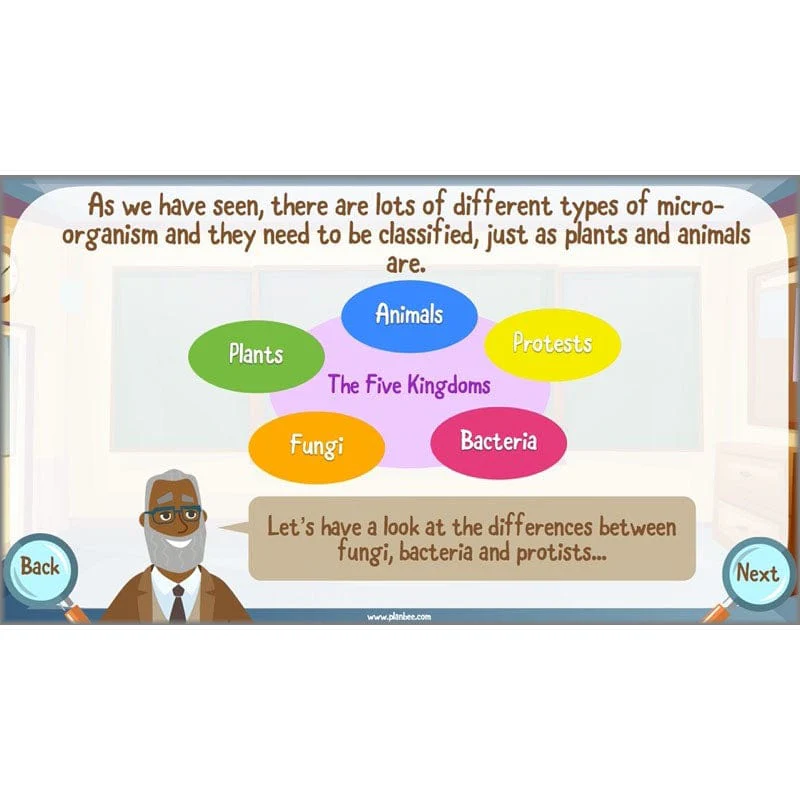
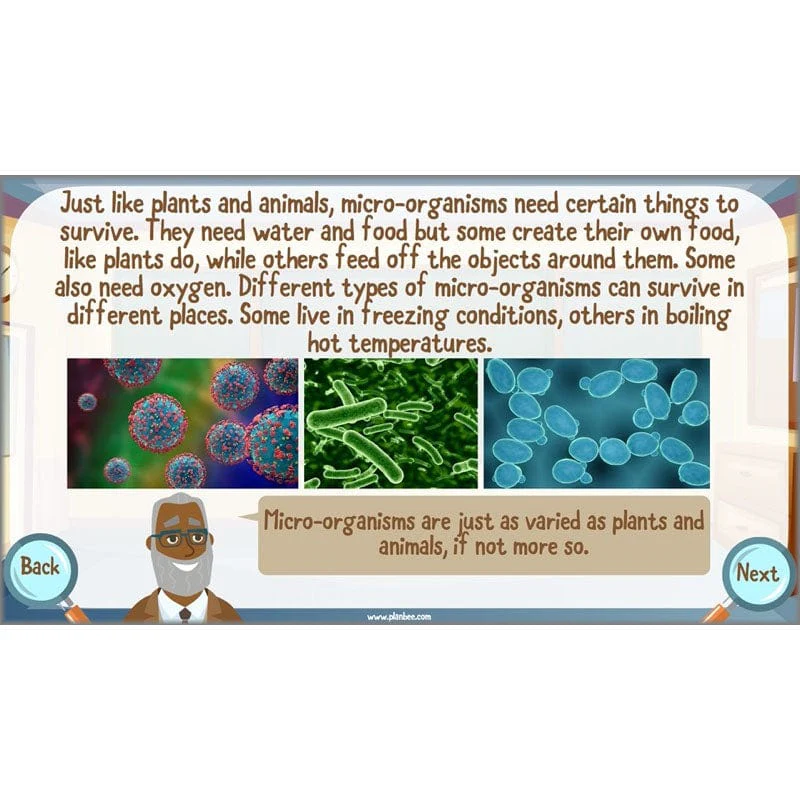
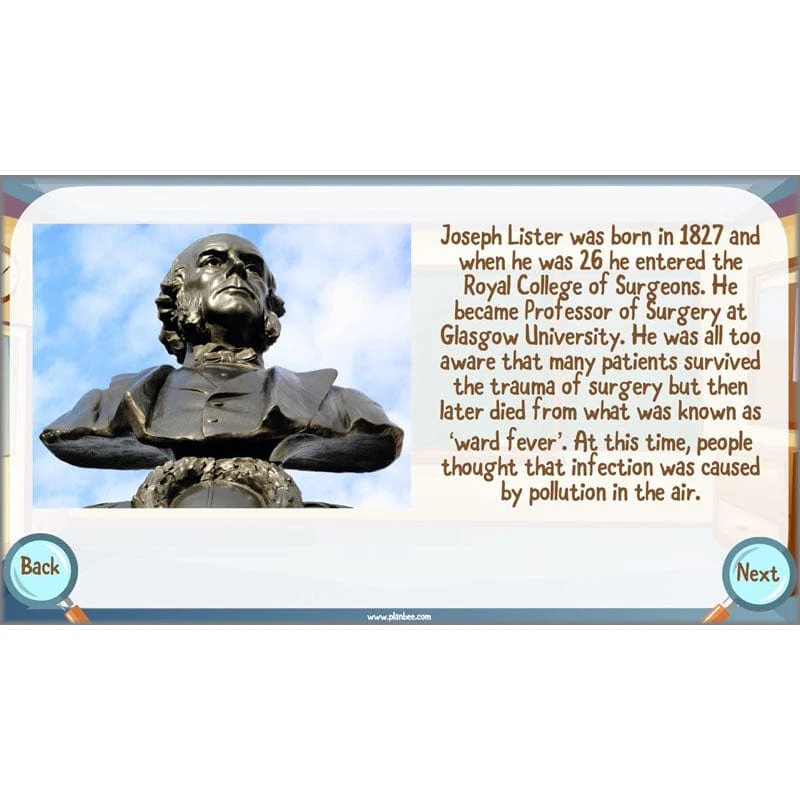
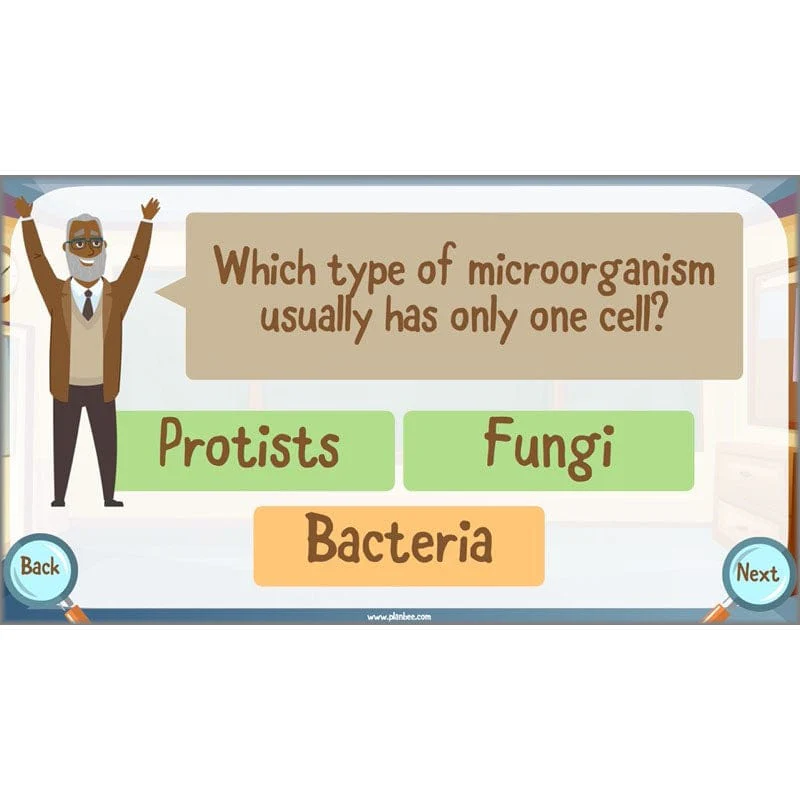
This microorganisms KS2 lesson builds on the children's knowledge of classifying organisms to explore how microorganisms can be split into the groups of protists, fungi and bacteria.
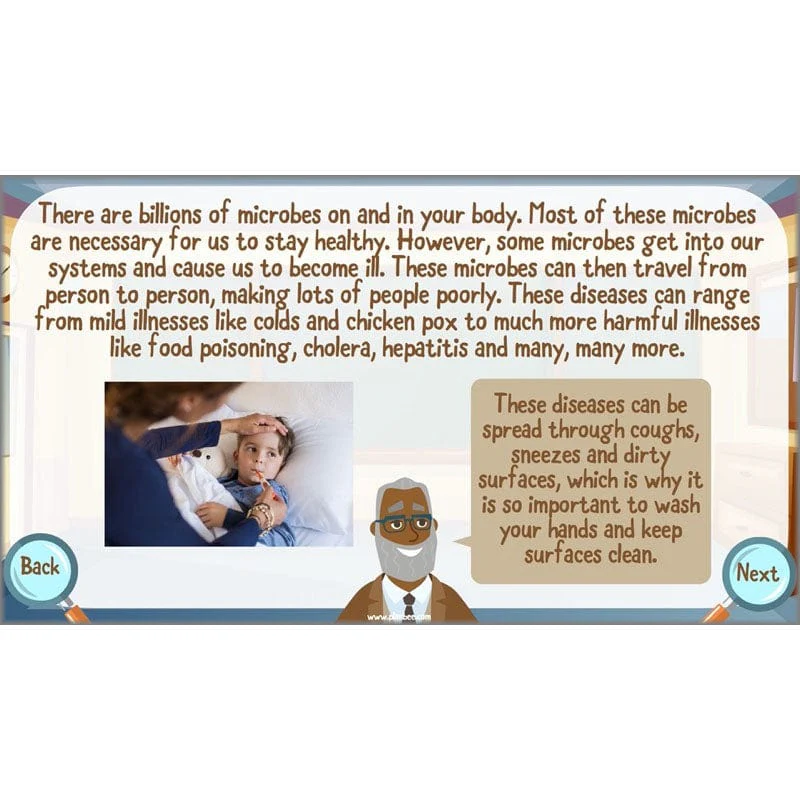
They will look at what a microorganism is, what they need to survive and how some microbes and helpful and some are harmful.
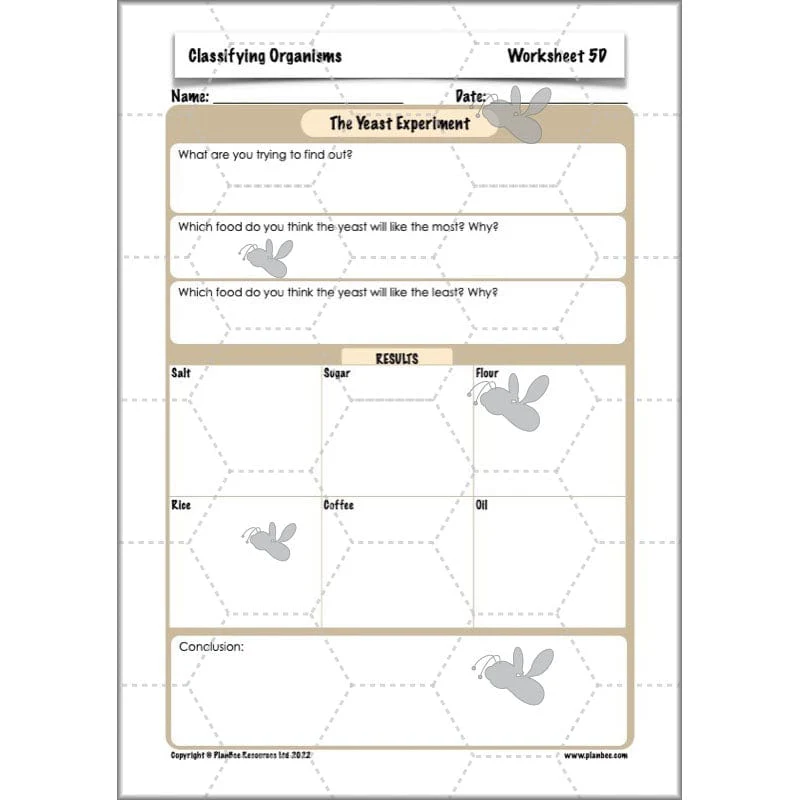
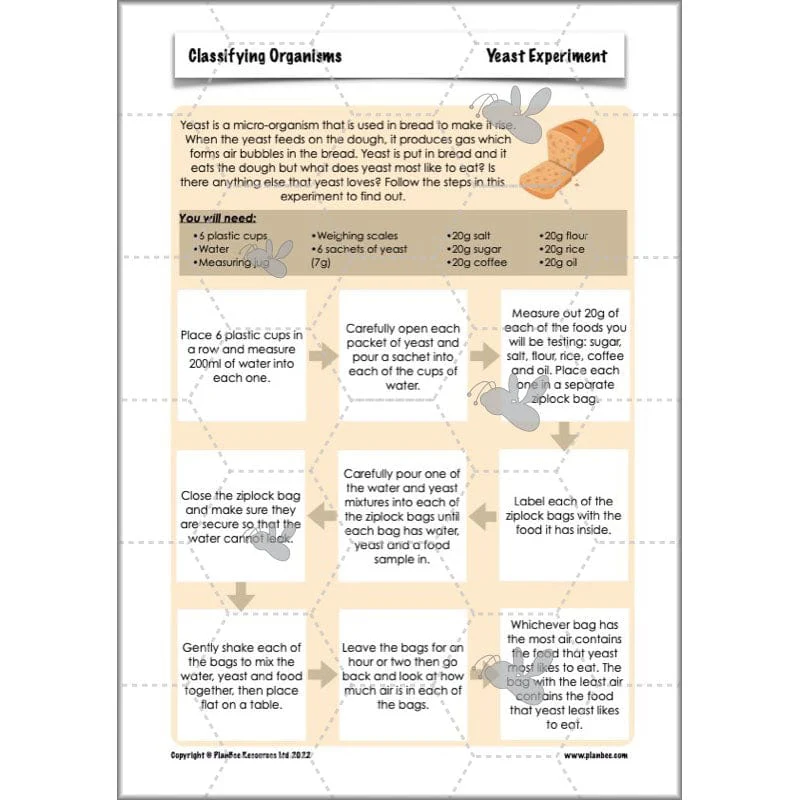
There is also the opportunity to carry out an investigation to see what yeast most likes to eat!
What's included:
- Lesson plan
- Slides
- Activity ideas
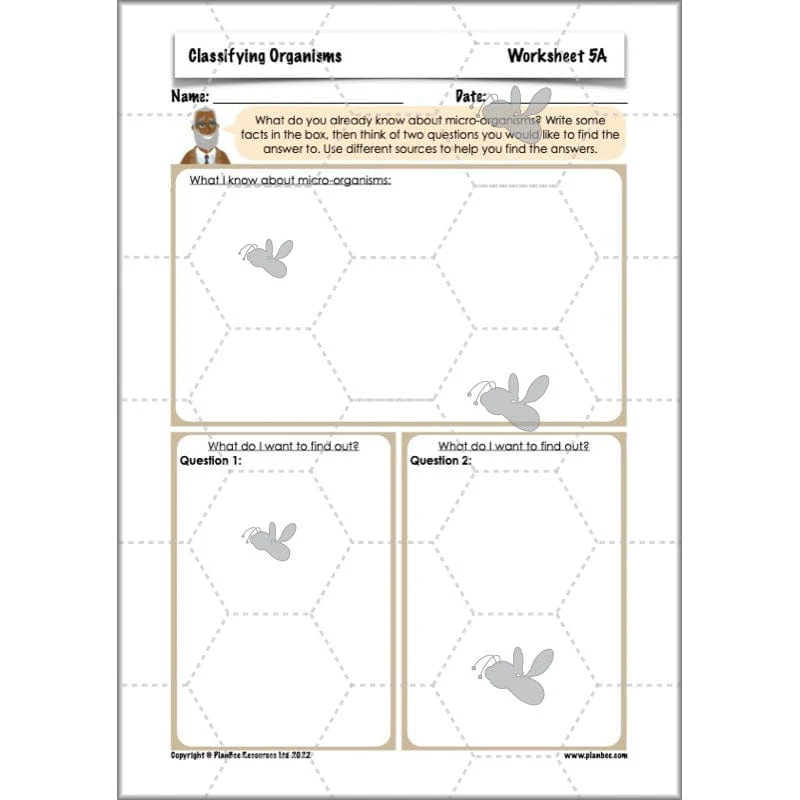
- Differentiated worksheets
- Yeast experiment sheet
View Lesson 5
Local Organisms
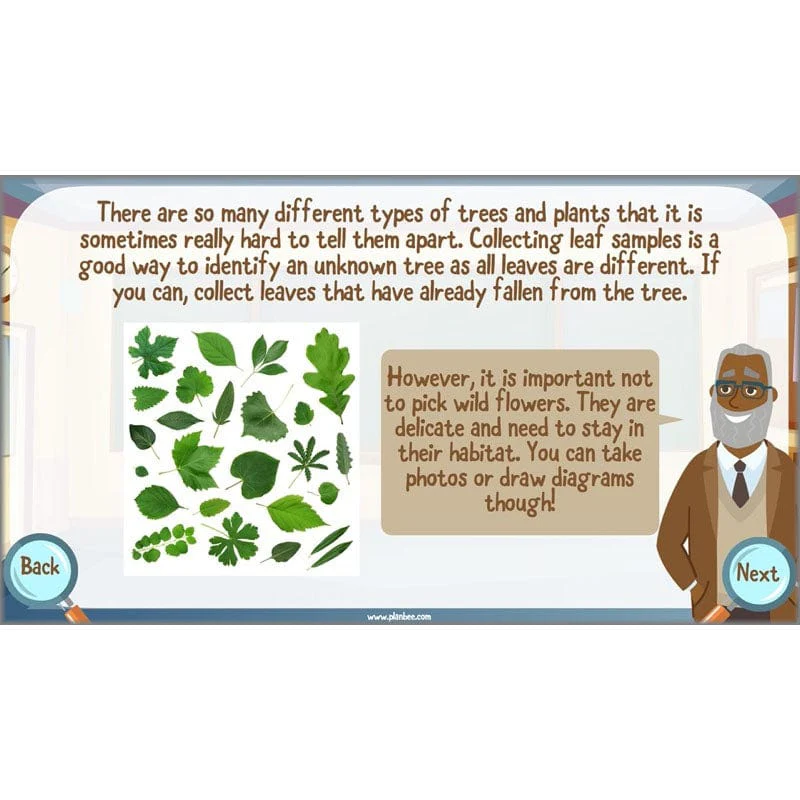
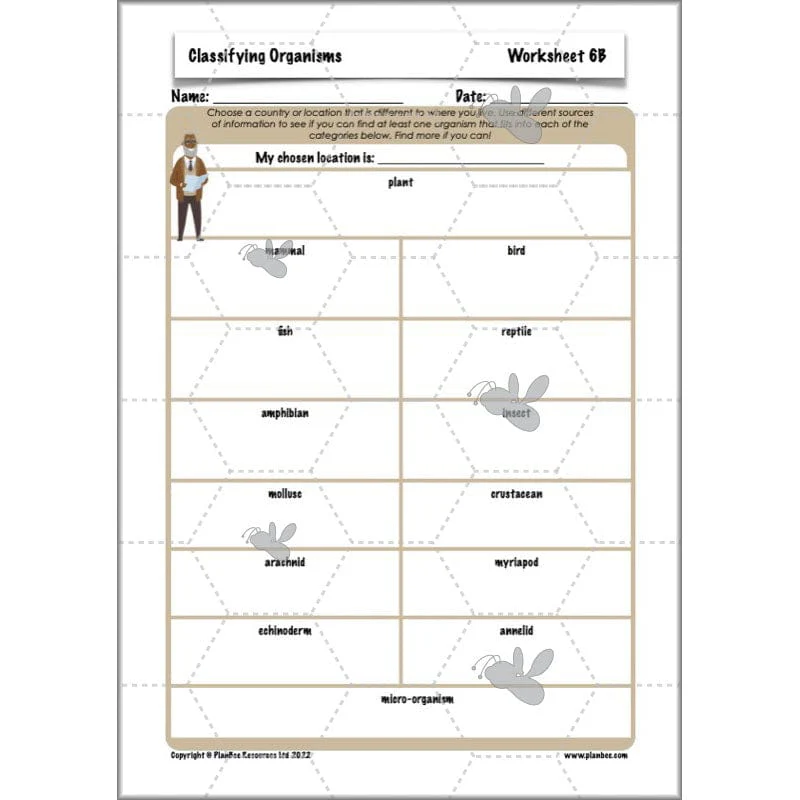
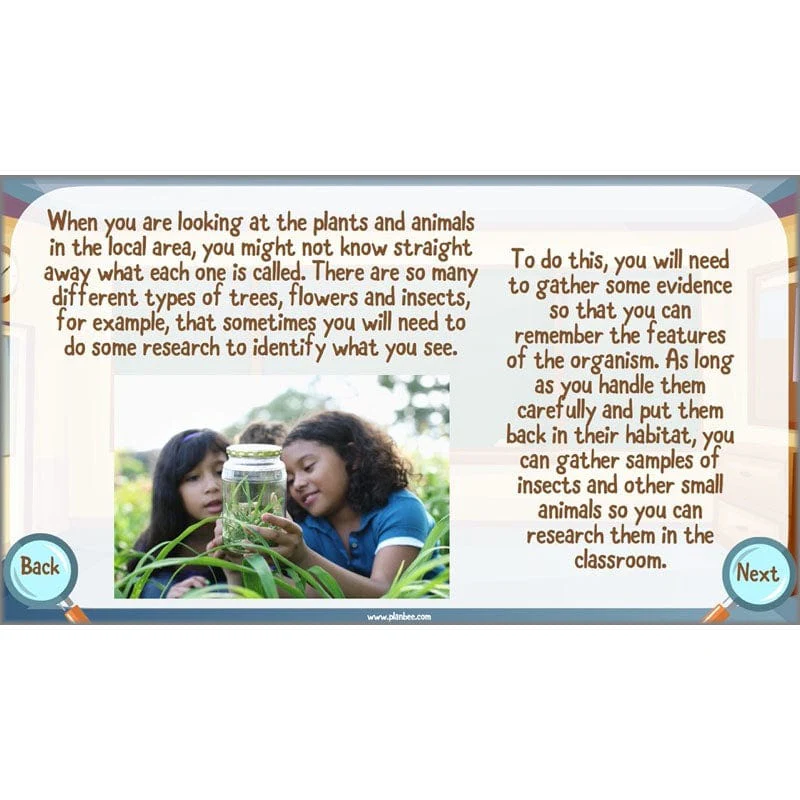
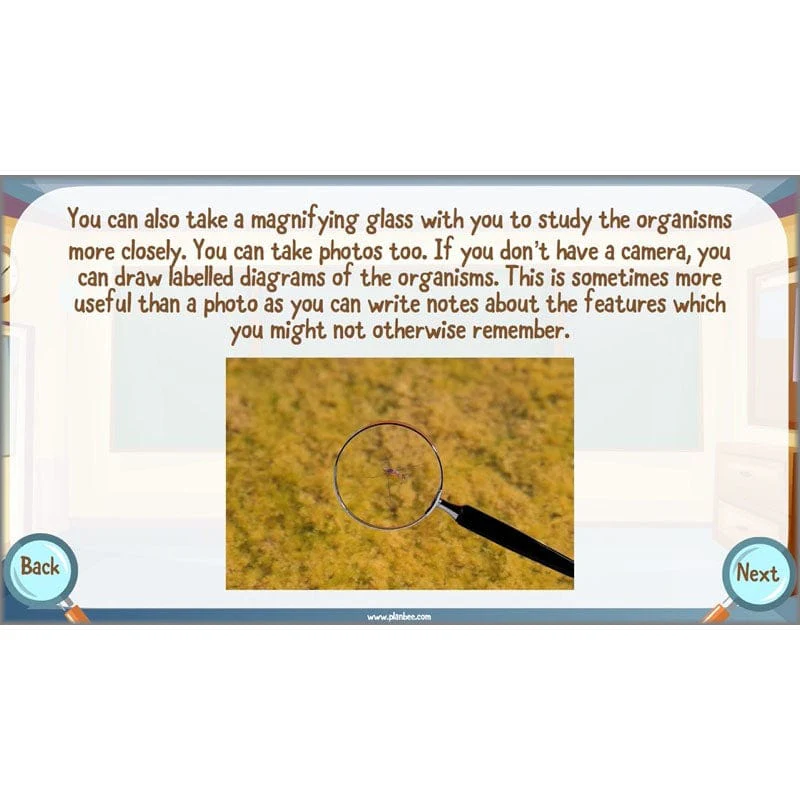
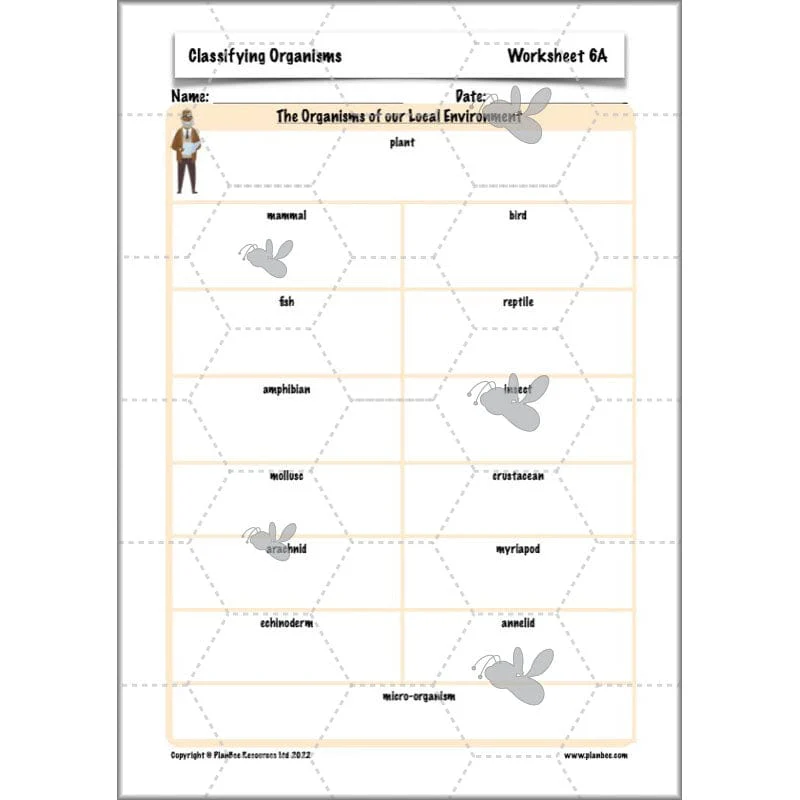
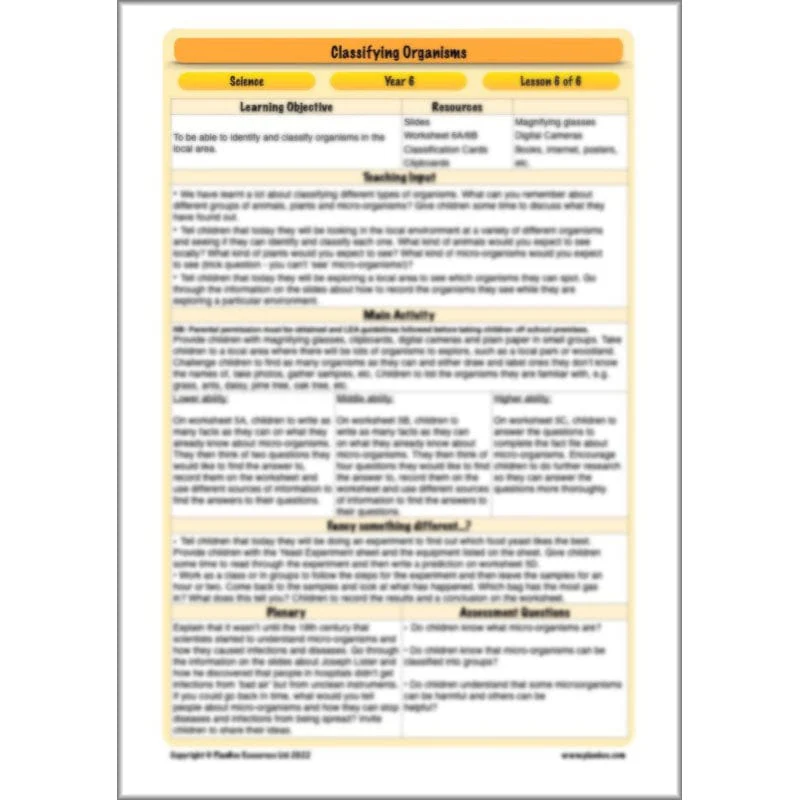
The final lesson in this series gives your class the chance to consolidate everything they have learnt about classifying organisms by letting them loose in their local environments to see how many plants, animals and other organisms they can spot! They will then sort them into the groups they have been studying, such as flowering, non-flowering plants, mammals, amphibians, arachnids, molluscs, birds, and many others. If it is not possible to explore the local environment, your class can look further afield as they research organisms that might live in other countries.
What's included:
- Lesson plan
- Slides
- Activity ideas
- Differentiated worksheets
- Classification cards
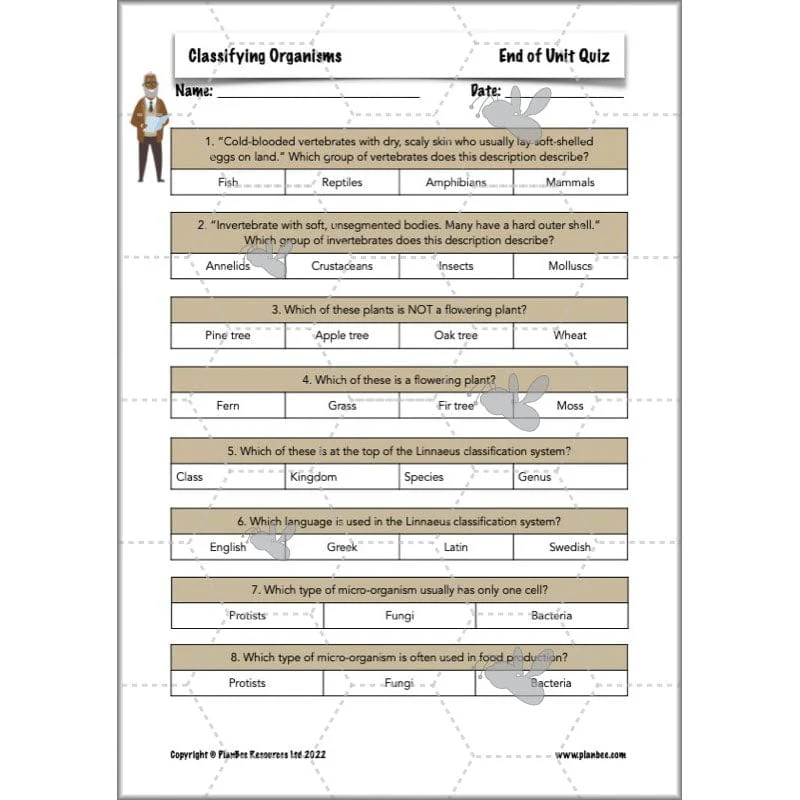
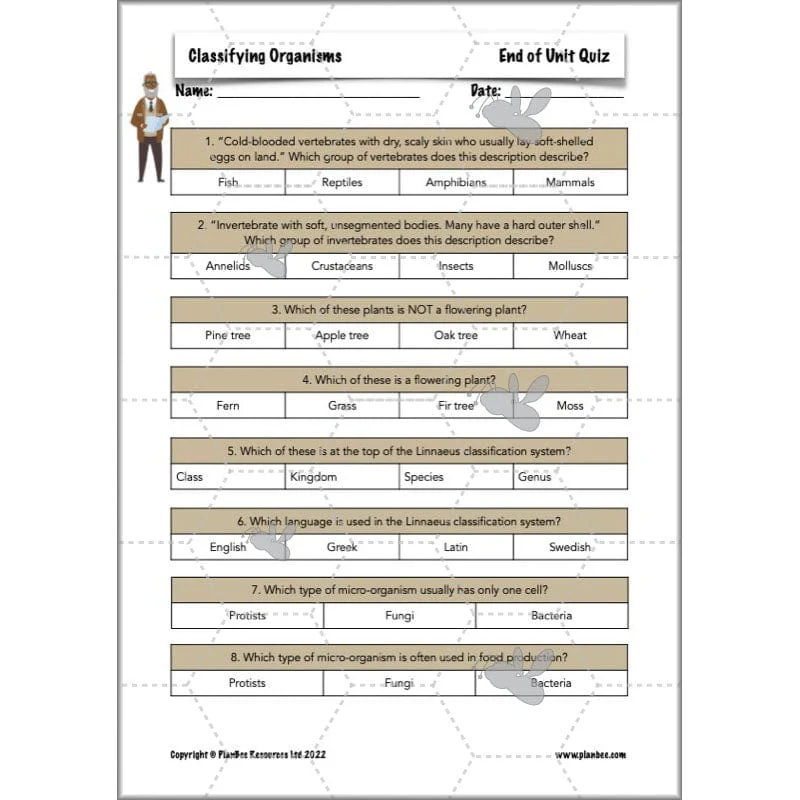
- End of Unit Quiz
View Lesson 6
Original: $2.69
-65%$2.69
$0.94More Images



Classifying Organisms
These 'living things and their habitats' Year 6 Science lessons take an in-depth view at classifying animals, plants and micro-organisms. Your children will recap their knowledge of broad groups of organisms before taking a much more detailed look at the Linnaeus classification system, how it works and how different species of organisms that are closely related can be identified.
Containing everything you need to teach this complete 'Classifying Organisms' KS2 scheme of work, including lesson plans, slideshow presentations, differentiated activity ideas and a range of printable worksheets and resources, these Year 6 lessons are the perfect way to challenge your class' knowledge of living things and their habitats.
A Knowledge Organiser is included within the complete series download, or is available to purchase separately.
We also have this free Animal Classification Chart ready for you to download.
Grouping Organisms
The first lesson in this series recaps your class's knowledge of the broad groups of organisms and challenges them to organise organisms into groups such as plants, mammals, reptiles and amphibians, as well as looking at some groups which might be less familiar, such as annelids, myriapods and arachnids.
What's included:
- Lesson plan
- Slides
- Activity ideas
- Differentiated worksheets
- Classification key
- Animal cards
- Challenge cards
View Lesson 1
Similar Organisms
Now that you class can classify animals according to their broad characteristics, they can have the chance to think about how to classify organisms that belong to the same group.
How are various mammals similar to or different from each other? How can flowering plants be split into groups?
Hopefully by the end of the lesson your class will be able to tell you!
What's included:
- Lesson plan
- Slides
- Activity ideas
- Differentiated worksheets
- Insect cards
- Bird cards
- Mammal cards
- Flowering plant cards
View Lesson 2
Classifying Plants
This engaging Classifying Plants Year 6 lesson explores the world of plants and how botanists classify different types of plants according to their characteristics.
Your KS2 class will learn about vascular and non-vascular plants, as well as flowering and non-flowering plants, and use what they know to sort a variety of plants from their local environment into groups.
What's included:
- Lesson plan
- Slides
- Activity ideas
- Differentiated worksheets
- Plant cards
View Lesson 3
The Classification System
This challenging classification of animals KS2 Science lessons starts by thinking about why it is important to be able to classify organisms, before introducing your class to Carl Linnaeus and his work on the classification system.
It then goes on to explore how scientists use the classification system today, looking at how organisms can be sorted by their kingdom, phylum, class, order, family, genus and species.
They can also explore how animals in the same genus are similar to and different from each other.
What's included:
- Lesson plan
- Slides
- Activity ideas
- Differentiated worksheets
- Animal classification system sheets
- Animal families sheets
- Question sheet
- Challenge card
View Lesson 4
Microorganisms
This microorganisms KS2 lesson builds on the children's knowledge of classifying organisms to explore how microorganisms can be split into the groups of protists, fungi and bacteria.
They will look at what a microorganism is, what they need to survive and how some microbes and helpful and some are harmful.
There is also the opportunity to carry out an investigation to see what yeast most likes to eat!
What's included:
- Lesson plan
- Slides
- Activity ideas
- Differentiated worksheets
- Yeast experiment sheet
View Lesson 5
Local Organisms
The final lesson in this series gives your class the chance to consolidate everything they have learnt about classifying organisms by letting them loose in their local environments to see how many plants, animals and other organisms they can spot! They will then sort them into the groups they have been studying, such as flowering, non-flowering plants, mammals, amphibians, arachnids, molluscs, birds, and many others. If it is not possible to explore the local environment, your class can look further afield as they research organisms that might live in other countries.
What's included:
- Lesson plan
- Slides
- Activity ideas
- Differentiated worksheets
- Classification cards
- End of Unit Quiz
View Lesson 6
Product Information
Product Information
Shipping & Returns
Shipping & Returns
Description
These 'living things and their habitats' Year 6 Science lessons take an in-depth view at classifying animals, plants and micro-organisms. Your children will recap their knowledge of broad groups of organisms before taking a much more detailed look at the Linnaeus classification system, how it works and how different species of organisms that are closely related can be identified.
Containing everything you need to teach this complete 'Classifying Organisms' KS2 scheme of work, including lesson plans, slideshow presentations, differentiated activity ideas and a range of printable worksheets and resources, these Year 6 lessons are the perfect way to challenge your class' knowledge of living things and their habitats.
A Knowledge Organiser is included within the complete series download, or is available to purchase separately.
We also have this free Animal Classification Chart ready for you to download.
Grouping Organisms
The first lesson in this series recaps your class's knowledge of the broad groups of organisms and challenges them to organise organisms into groups such as plants, mammals, reptiles and amphibians, as well as looking at some groups which might be less familiar, such as annelids, myriapods and arachnids.
What's included:
- Lesson plan
- Slides
- Activity ideas
- Differentiated worksheets
- Classification key
- Animal cards
- Challenge cards
View Lesson 1
Similar Organisms
Now that you class can classify animals according to their broad characteristics, they can have the chance to think about how to classify organisms that belong to the same group.
How are various mammals similar to or different from each other? How can flowering plants be split into groups?
Hopefully by the end of the lesson your class will be able to tell you!
What's included:
- Lesson plan
- Slides
- Activity ideas
- Differentiated worksheets
- Insect cards
- Bird cards
- Mammal cards
- Flowering plant cards
View Lesson 2
Classifying Plants
This engaging Classifying Plants Year 6 lesson explores the world of plants and how botanists classify different types of plants according to their characteristics.
Your KS2 class will learn about vascular and non-vascular plants, as well as flowering and non-flowering plants, and use what they know to sort a variety of plants from their local environment into groups.
What's included:
- Lesson plan
- Slides
- Activity ideas
- Differentiated worksheets
- Plant cards
View Lesson 3
The Classification System
This challenging classification of animals KS2 Science lessons starts by thinking about why it is important to be able to classify organisms, before introducing your class to Carl Linnaeus and his work on the classification system.
It then goes on to explore how scientists use the classification system today, looking at how organisms can be sorted by their kingdom, phylum, class, order, family, genus and species.
They can also explore how animals in the same genus are similar to and different from each other.
What's included:
- Lesson plan
- Slides
- Activity ideas
- Differentiated worksheets
- Animal classification system sheets
- Animal families sheets
- Question sheet
- Challenge card
View Lesson 4
Microorganisms
This microorganisms KS2 lesson builds on the children's knowledge of classifying organisms to explore how microorganisms can be split into the groups of protists, fungi and bacteria.
They will look at what a microorganism is, what they need to survive and how some microbes and helpful and some are harmful.
There is also the opportunity to carry out an investigation to see what yeast most likes to eat!
What's included:
- Lesson plan
- Slides
- Activity ideas
- Differentiated worksheets
- Yeast experiment sheet
View Lesson 5
Local Organisms
The final lesson in this series gives your class the chance to consolidate everything they have learnt about classifying organisms by letting them loose in their local environments to see how many plants, animals and other organisms they can spot! They will then sort them into the groups they have been studying, such as flowering, non-flowering plants, mammals, amphibians, arachnids, molluscs, birds, and many others. If it is not possible to explore the local environment, your class can look further afield as they research organisms that might live in other countries.
What's included:
- Lesson plan
- Slides
- Activity ideas
- Differentiated worksheets
- Classification cards
- End of Unit Quiz
View Lesson 6