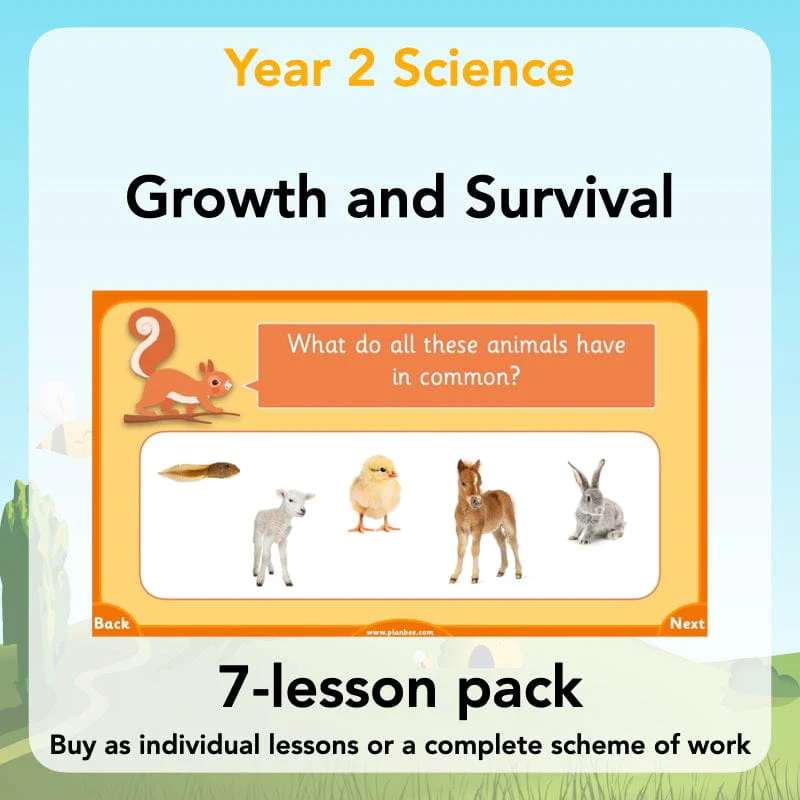
Growth and Survival
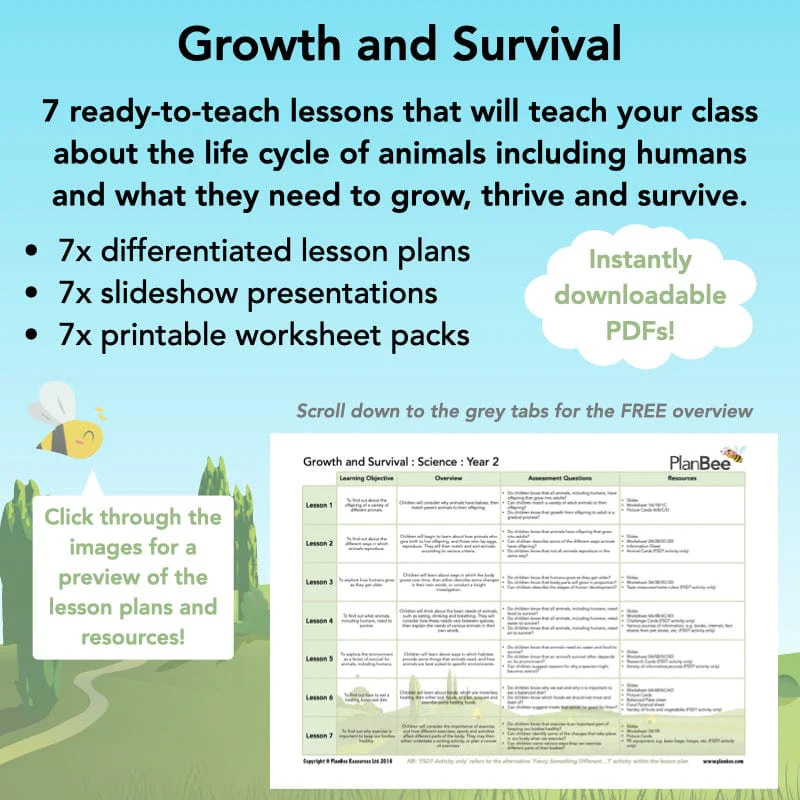
Teach Year 2 pupils about the life cycles of animals including humans—and what they need to survive—with these Growth and Survival lesson planning packs. Made by experienced primary teachers, they're ideal for teaching KS1 children all about the human life cycle and the things all animals need in order to grow, thrive and survive. As well as information and activities about the reproduction and survival needs of all animals, there's a strong focus on how diet, exercise and rest are important for the health of humans.
This 'Growth and Survival' Science scheme of work includes practically everything you'll need to explore how animals reproduce and grow – and how their environment can affect their chances of thriving and surviving. It includes a series of detailed 'animals including humans' Year 2 lesson plans, engaging and informative slides, differentiated Science activity ideas and a range of colourful worksheets and other printable resources. It's all been done for you so all you need to do is download, teach and enjoy with your class!
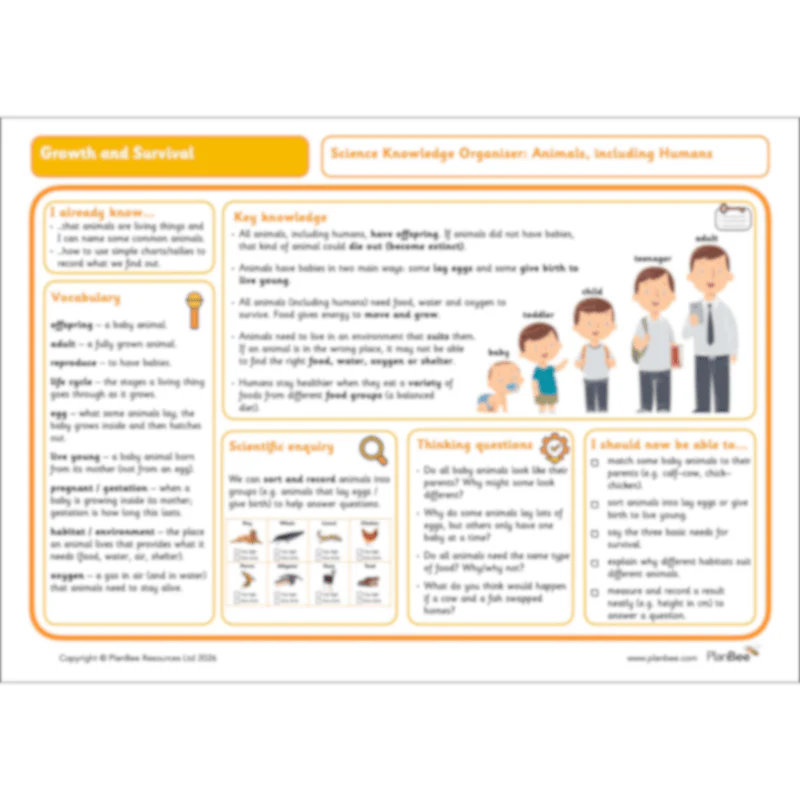
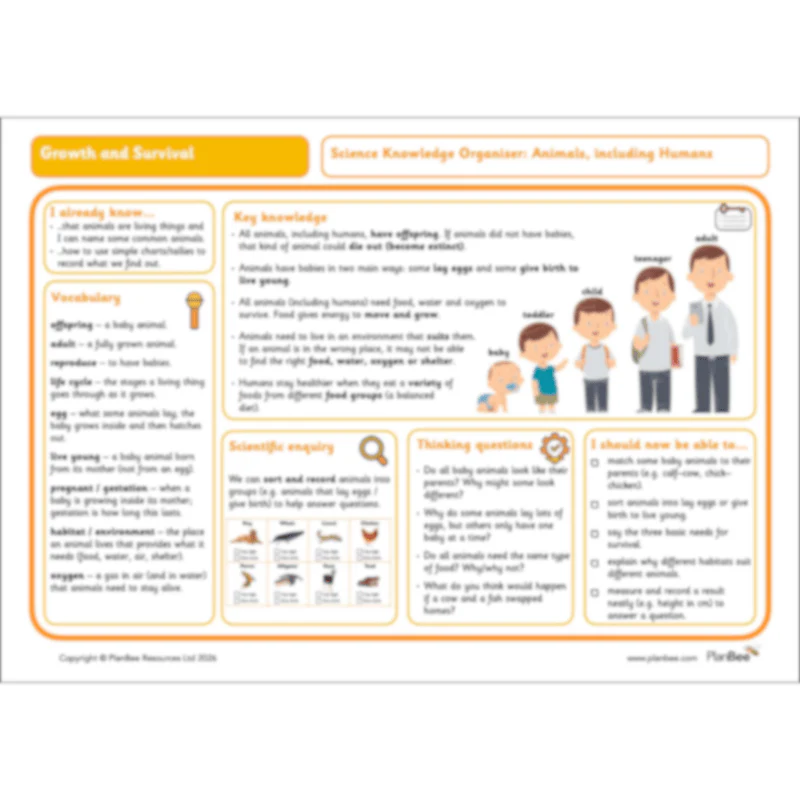
A Knowledge Organiser is included within the complete series download, or is available to purchase separately.
Why not upgrade to our Healthy Me Topic Bundle or This is Me Topic Bundle – perfect if you're looking for a cross-curricular approach to your teaching.
Offspring
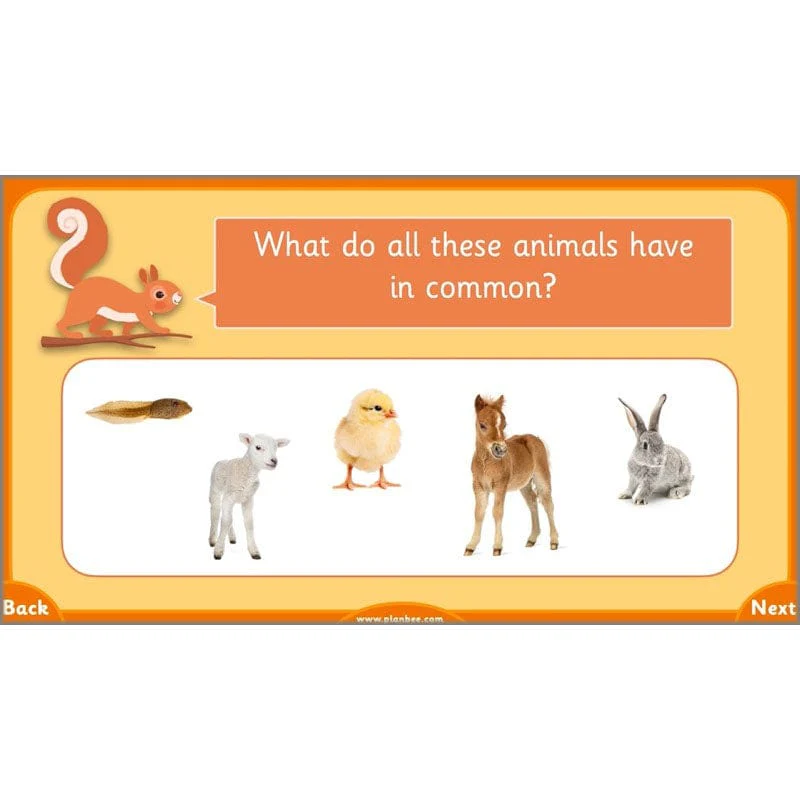
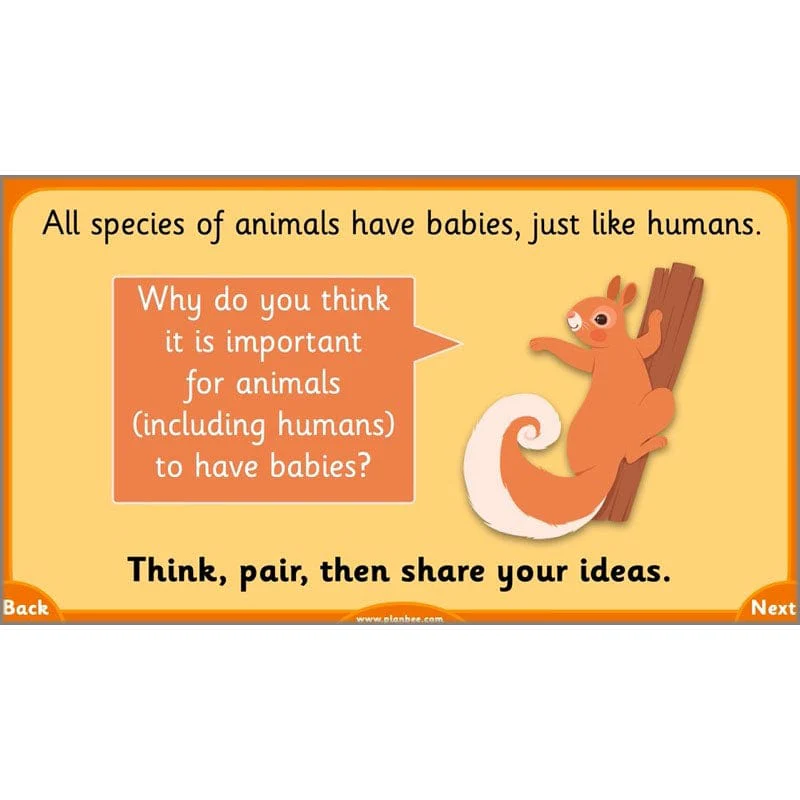
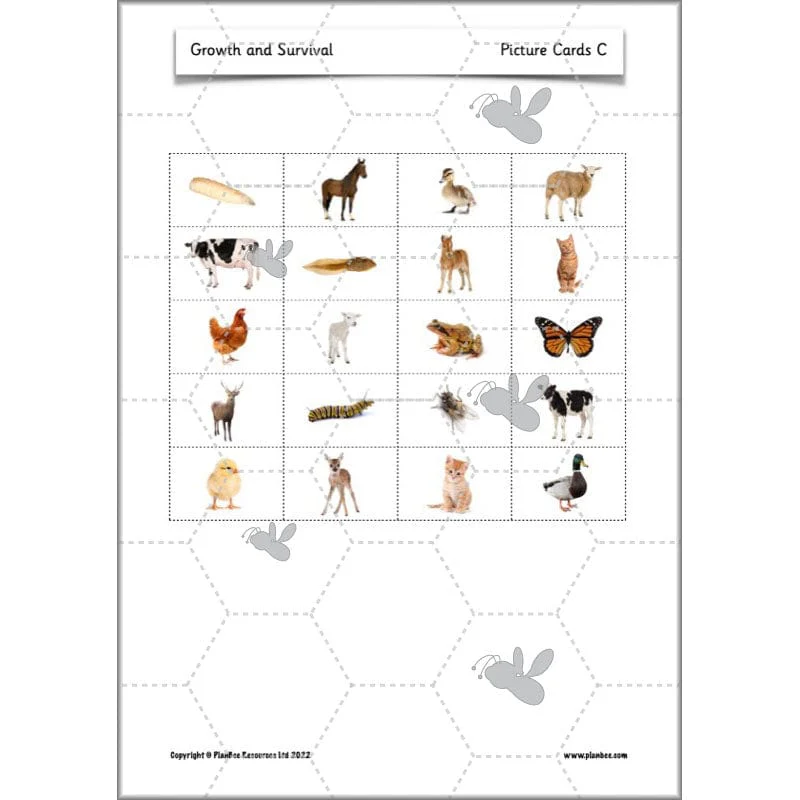
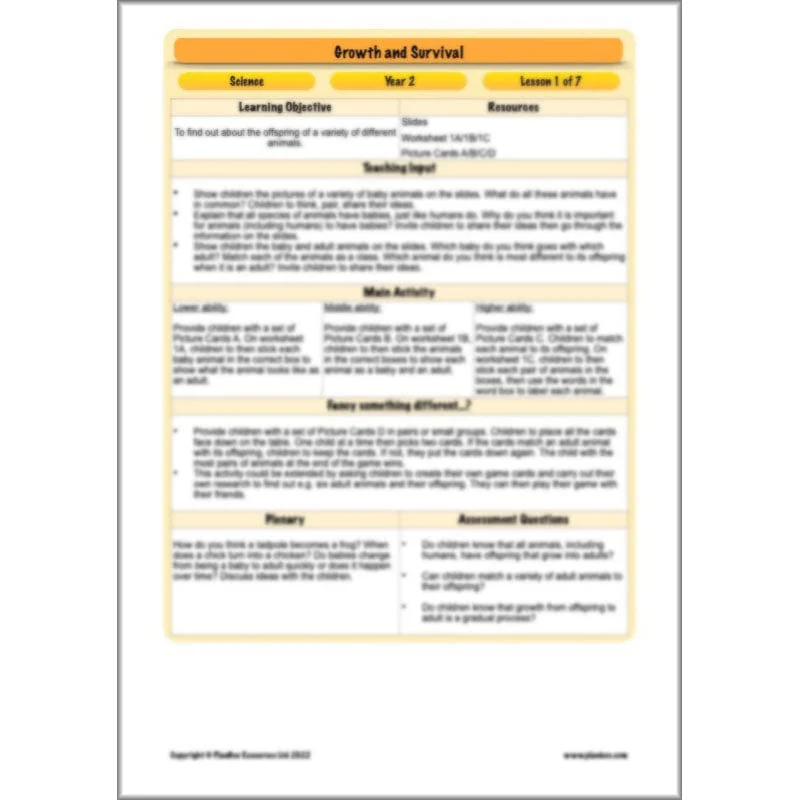
The first lesson in this series teaches your class that all animals, including humans, have babies.
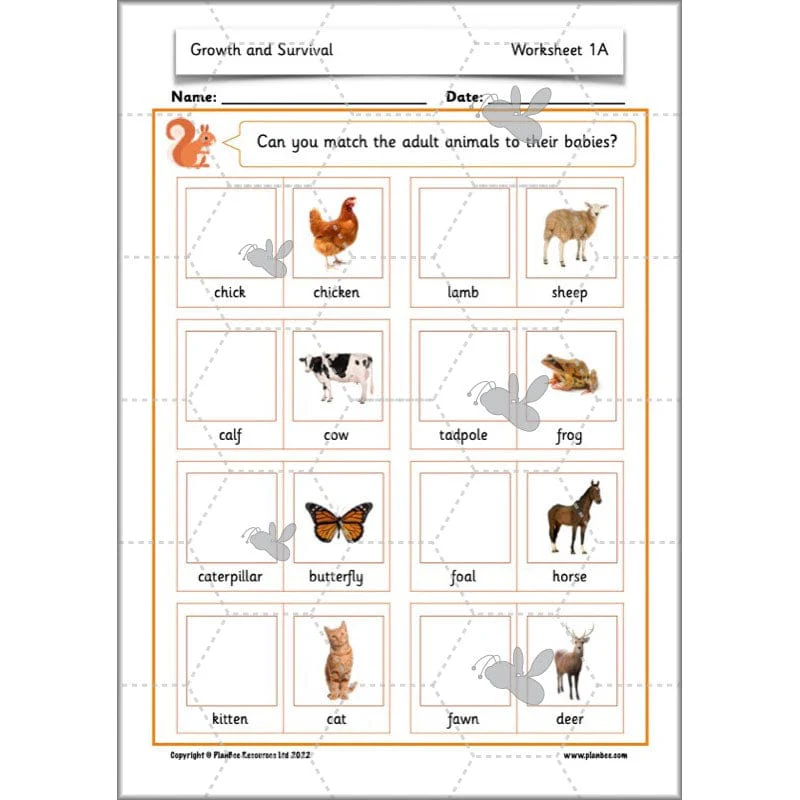
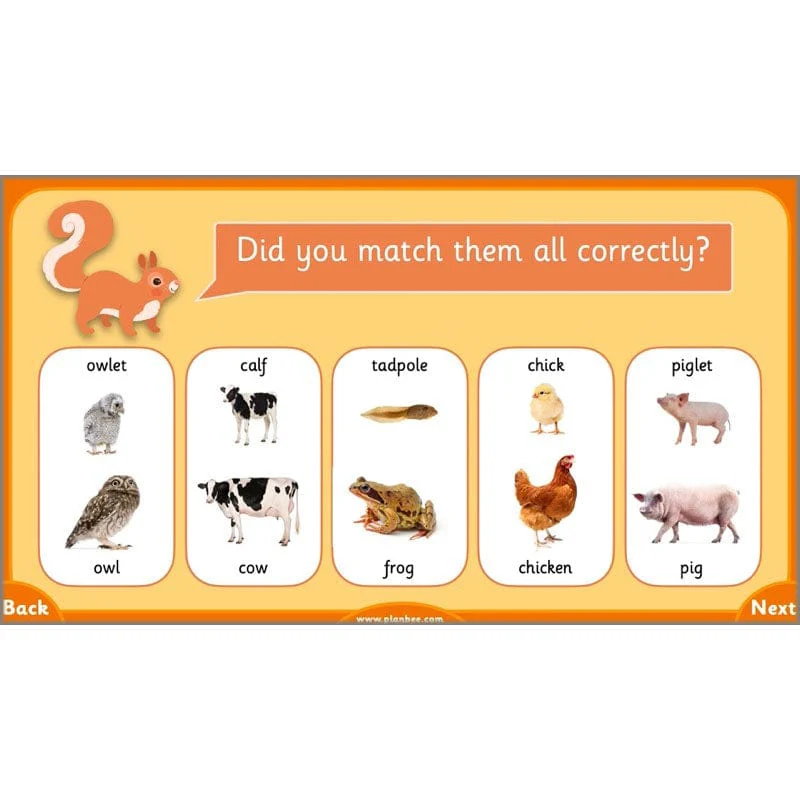
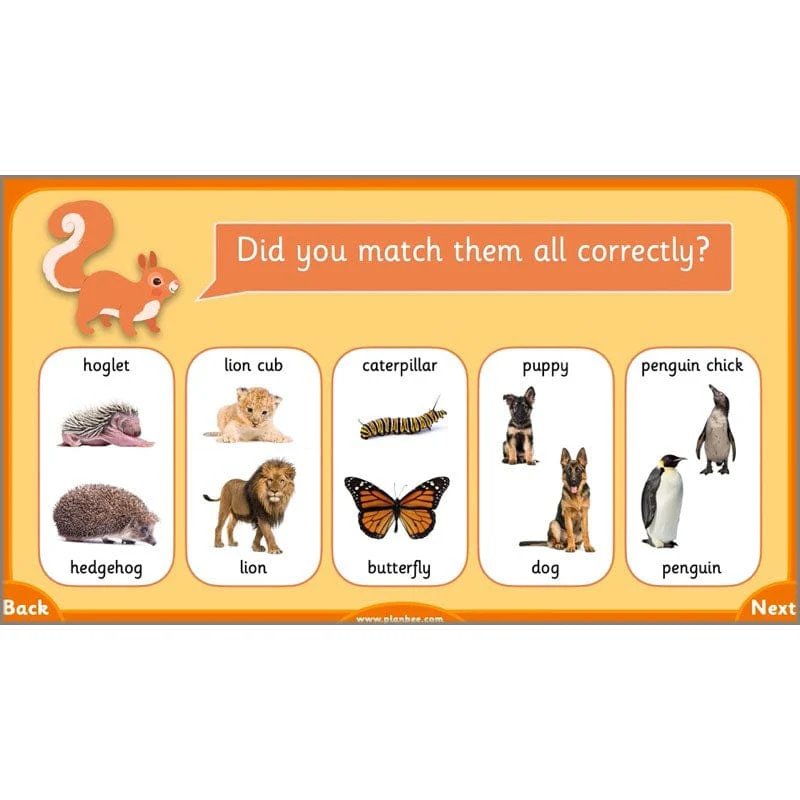
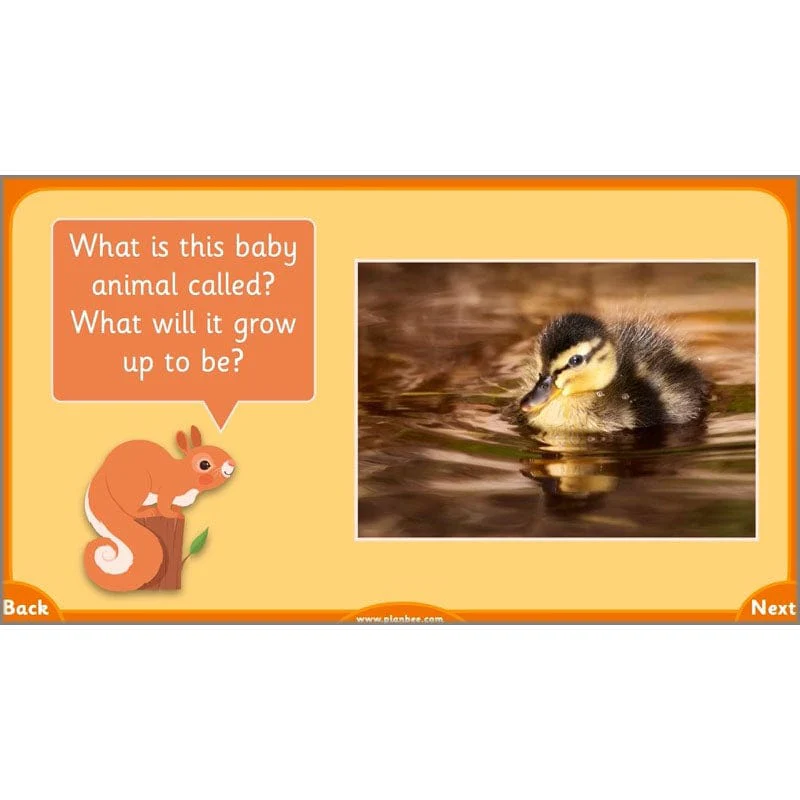
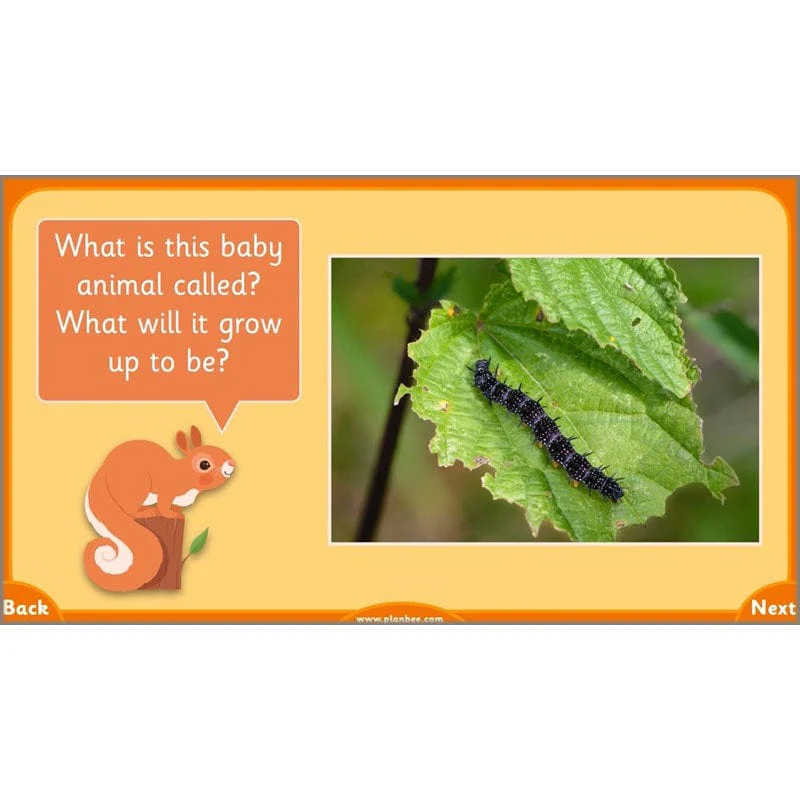
It gives them plenty of opportunities to match young animals to their parents and to think about how babies develop into adults over time.
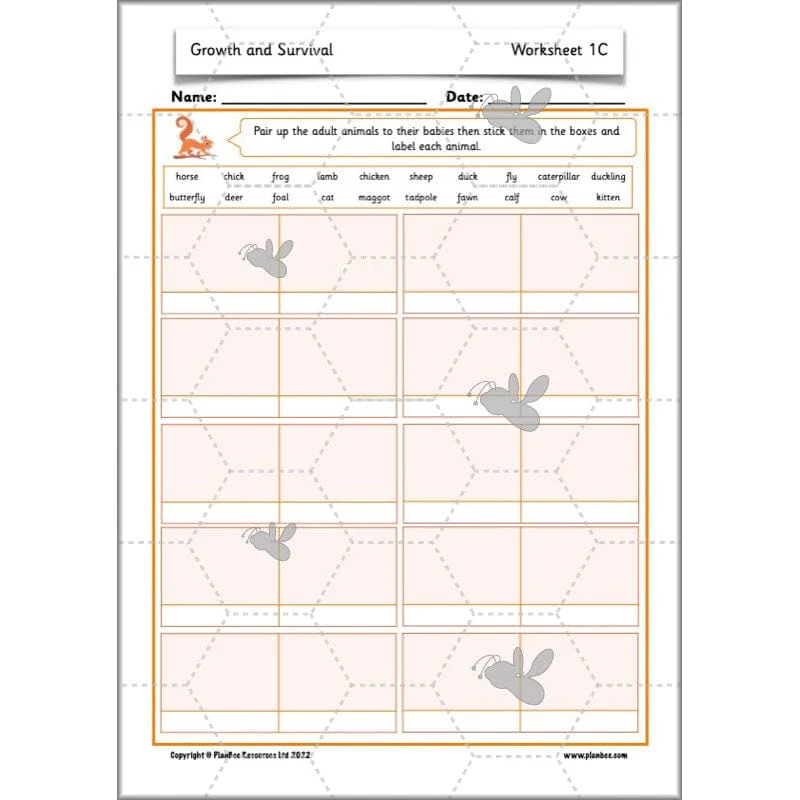
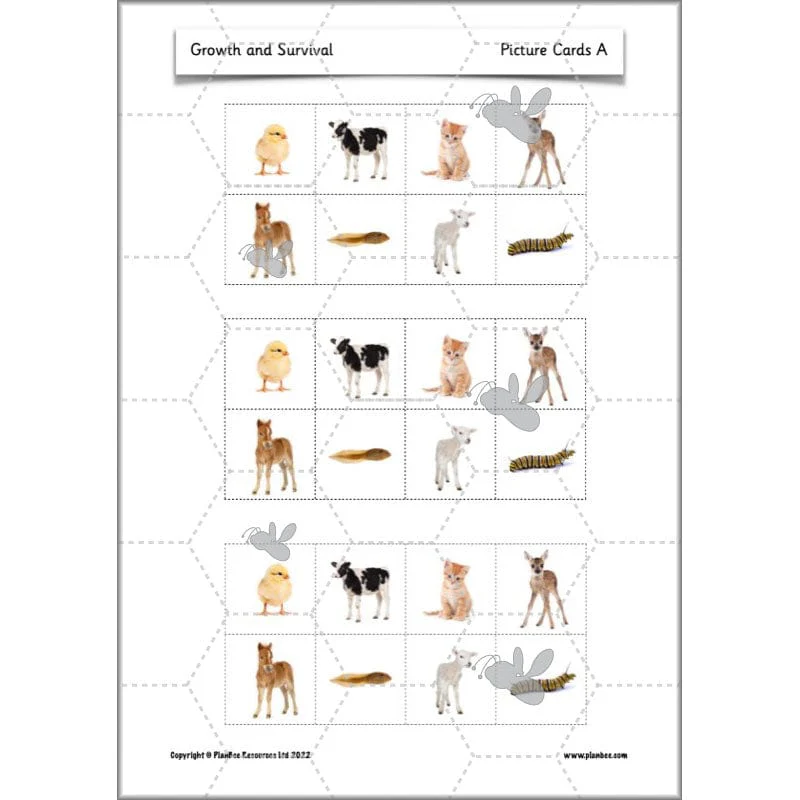
During the included activities, children can use their observations and ideas to match mature animals to their young offspring.
What's included:
- Lesson plan
- Slides
- Activity ideas
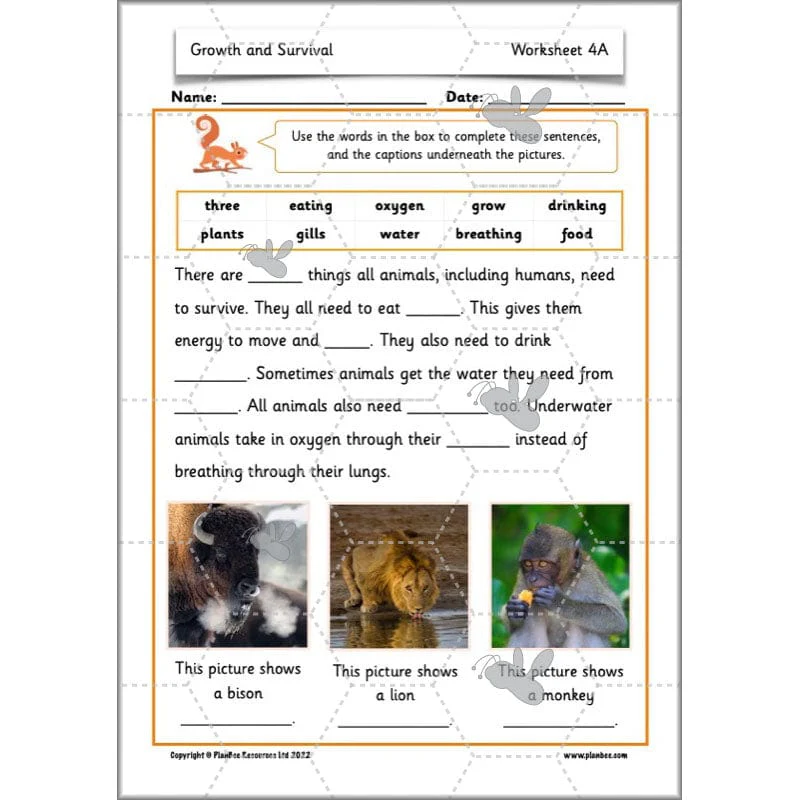
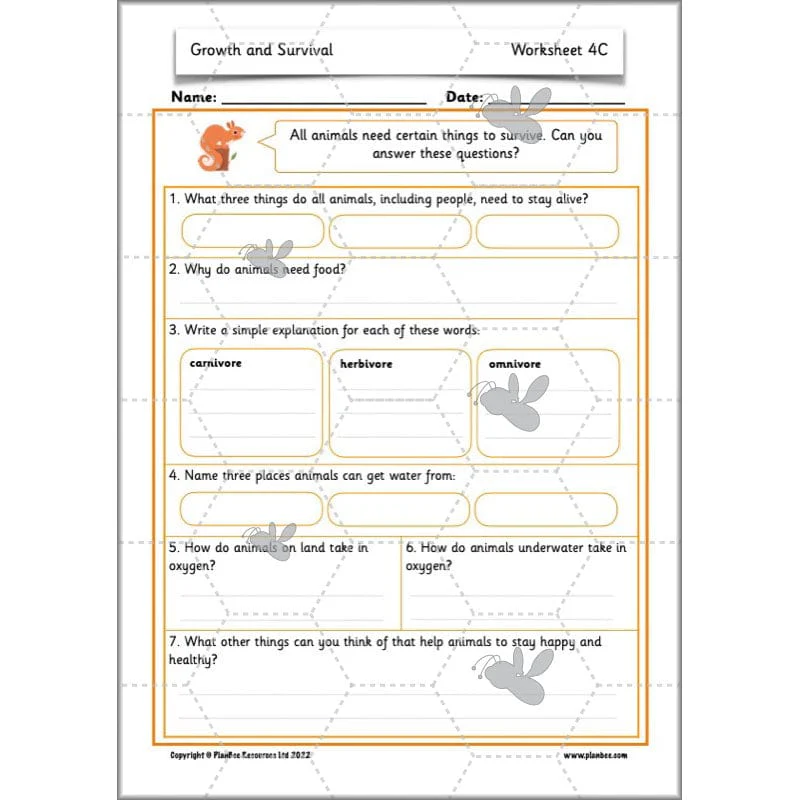
- Differentiated worksheets
- Picture cards
View Lesson 1
Reproduction
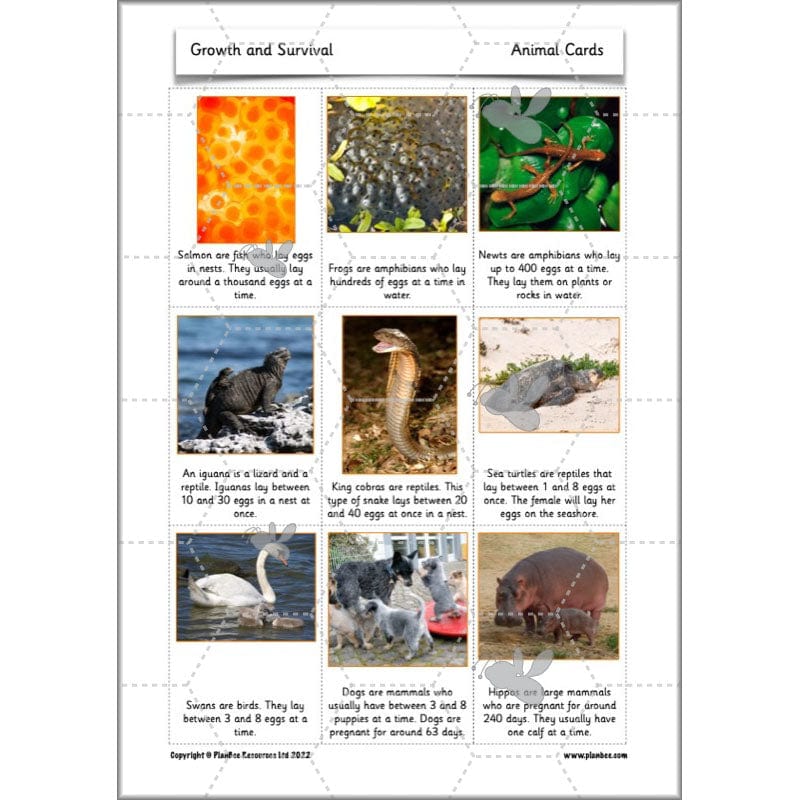
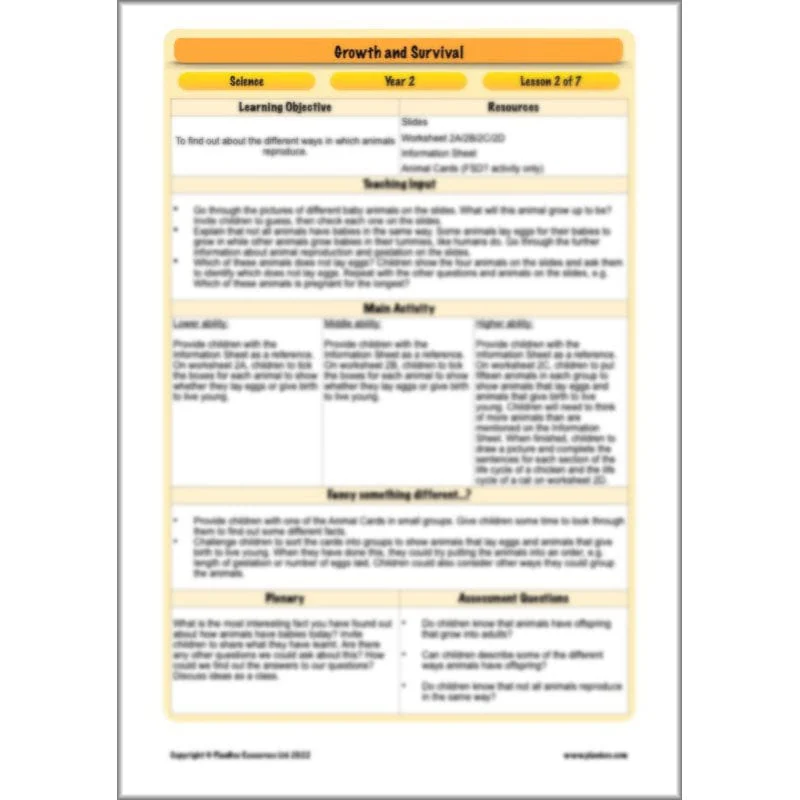
Now that your class know that all animals have babies, in this lesson, they will explore the different ways animals reproduce.
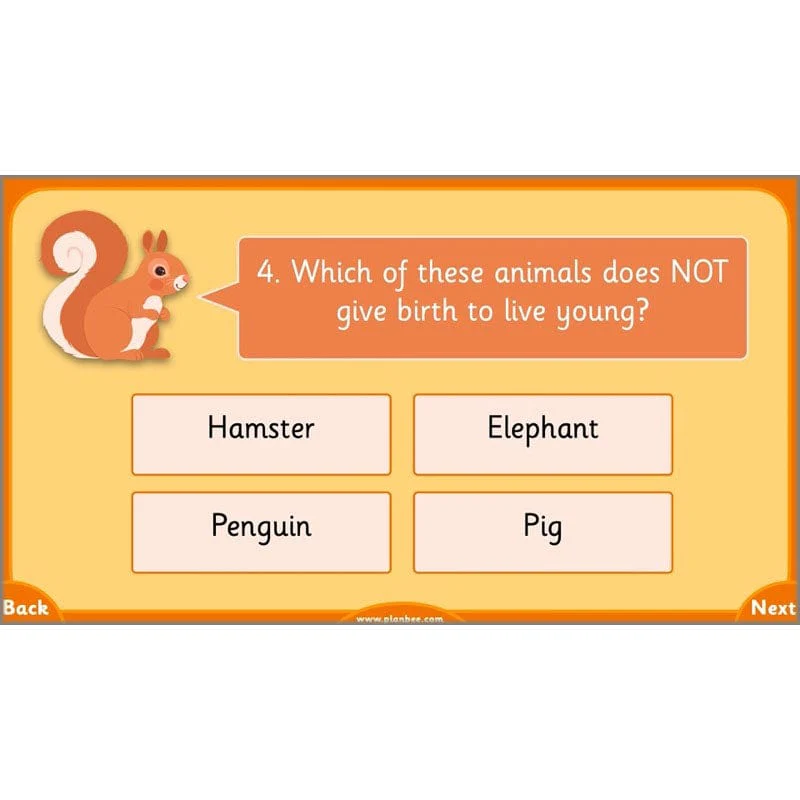
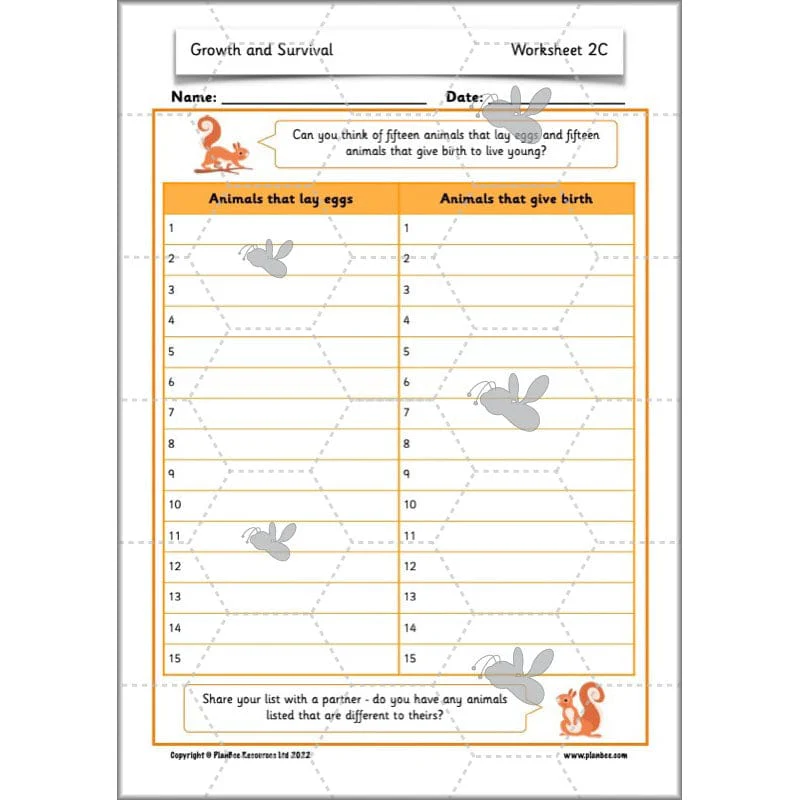
They will learn that some animals give birth to live young and some lay eggs. They'll then go on to identify which types of animals reproduce in these different ways.
The included slides and worksheets include photos and information for children to study, and help them with identifying and classifying animals according to how they reproduce.
What's included:
- Lesson plan
- Slides
- Activity ideas
- Differentiated worksheets
- Information sheet
- Animal cards
View Lesson 2
Growing Up
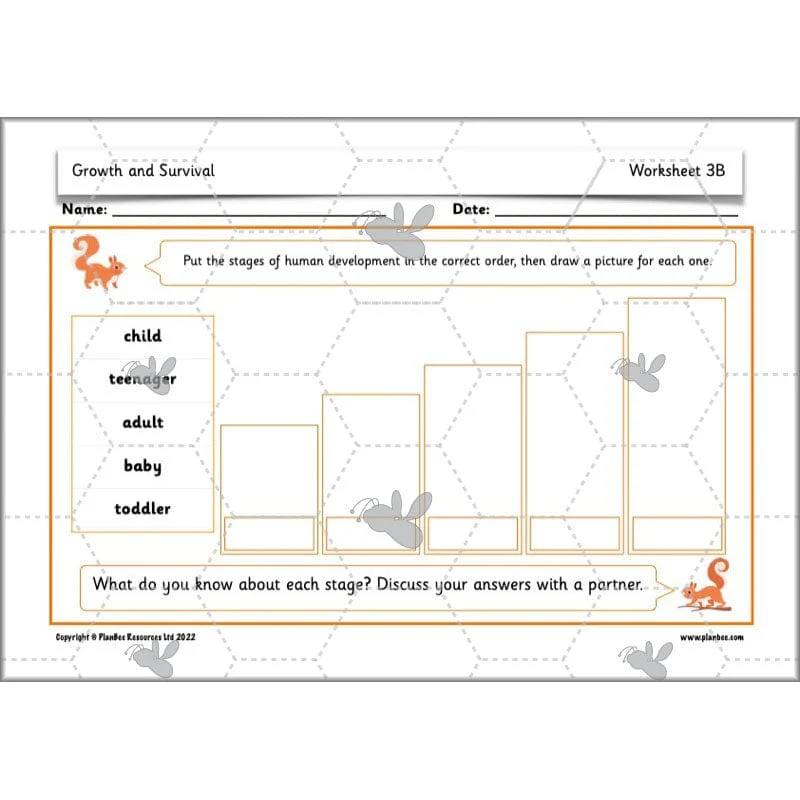
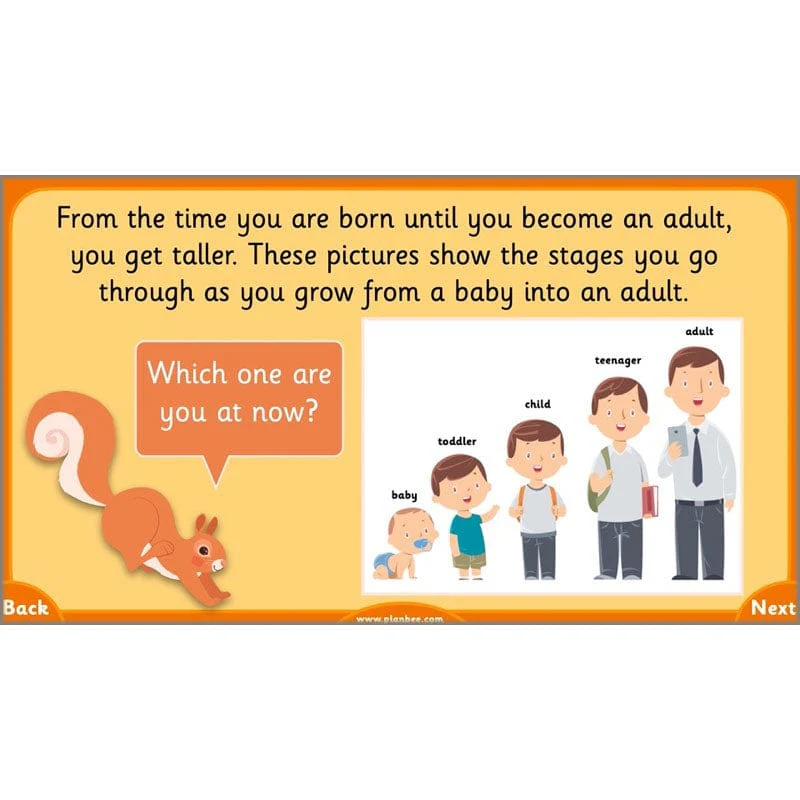
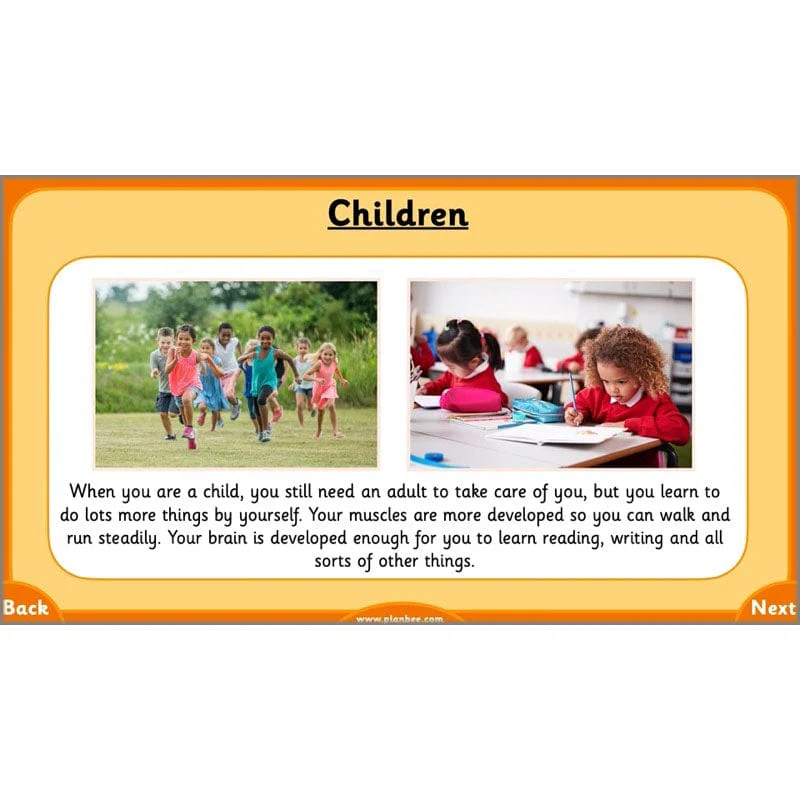
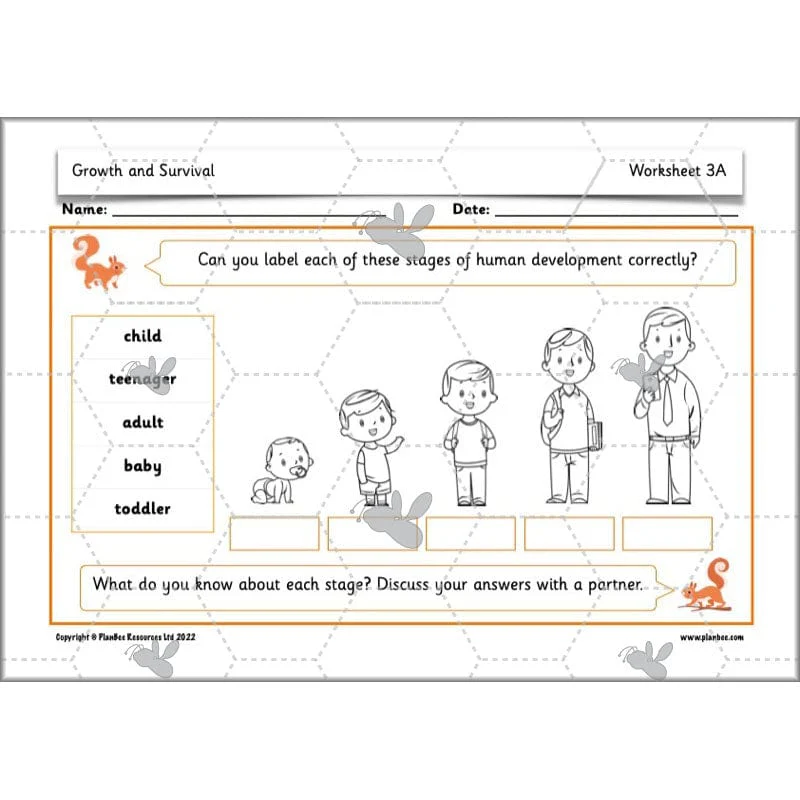
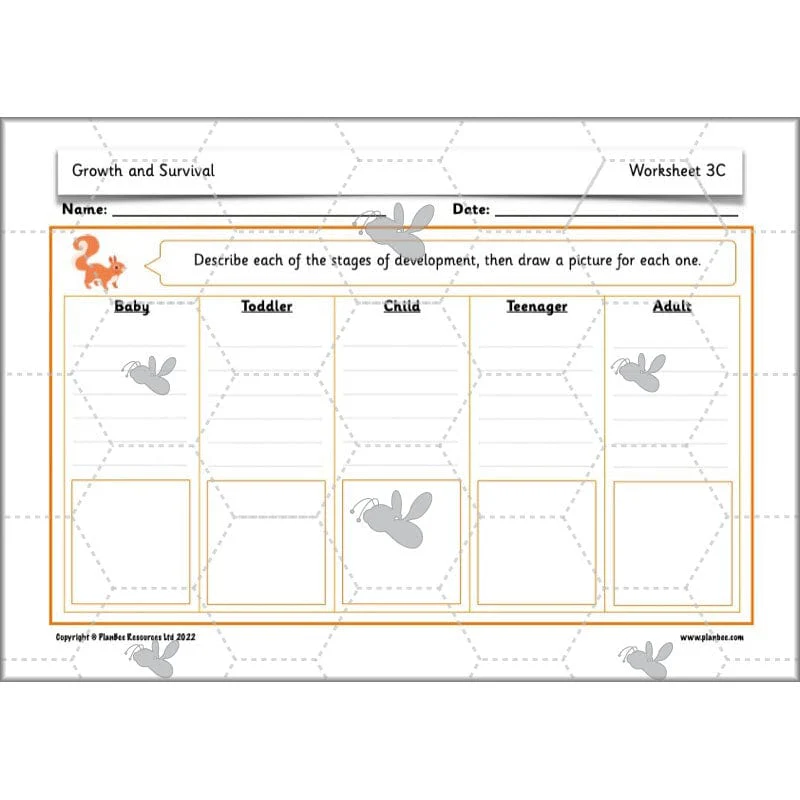
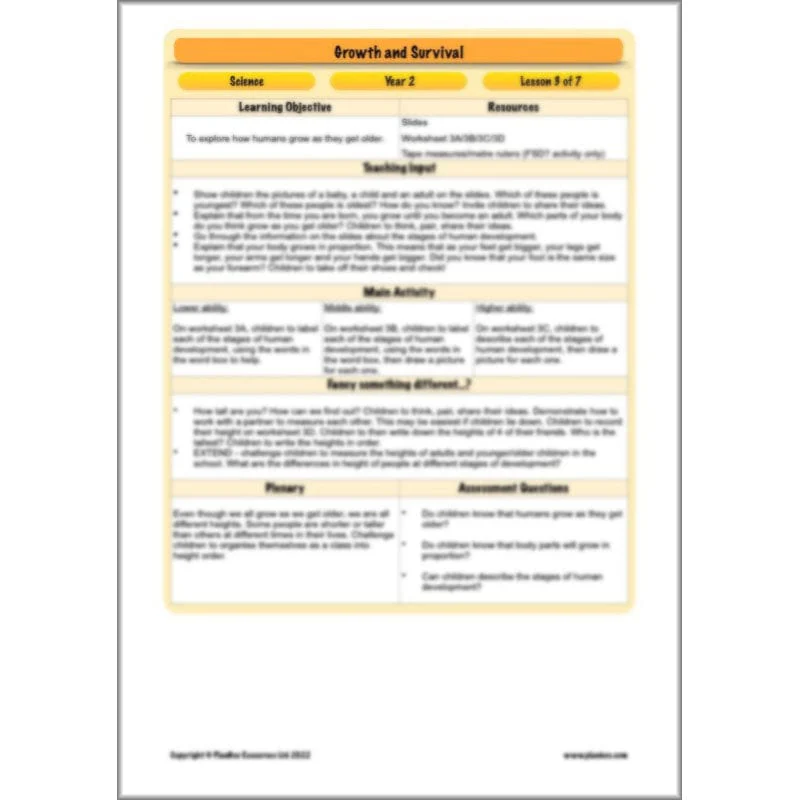
How do humans grow? In this lesson, children will consider this question as they explore the stages of human development.
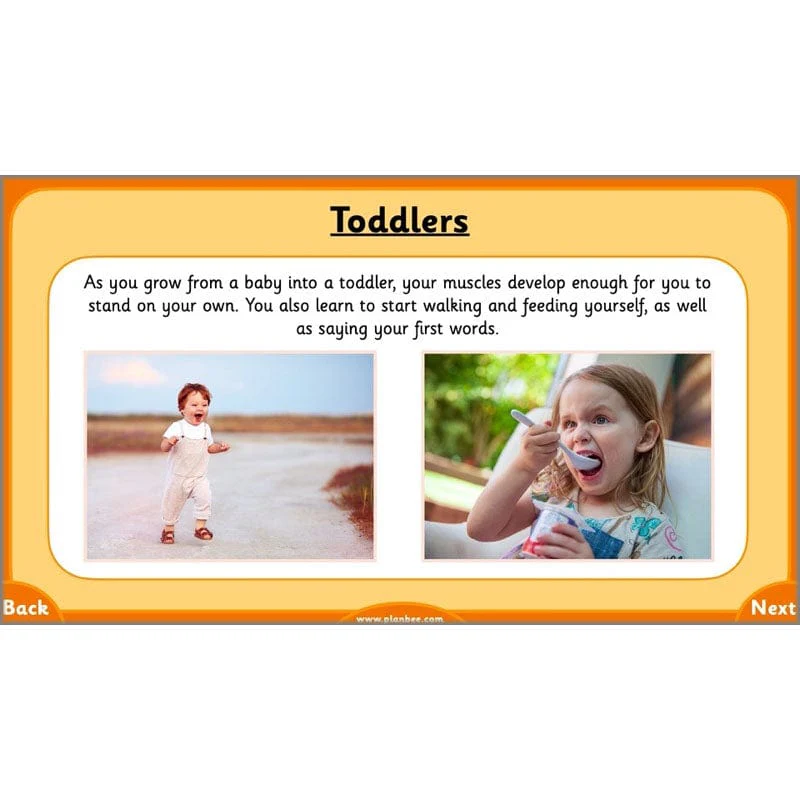
Your class will think about what they were able to do when they were babies and toddlers, what they can do now as children, and what will happen to them as they grow into teenagers and adults.
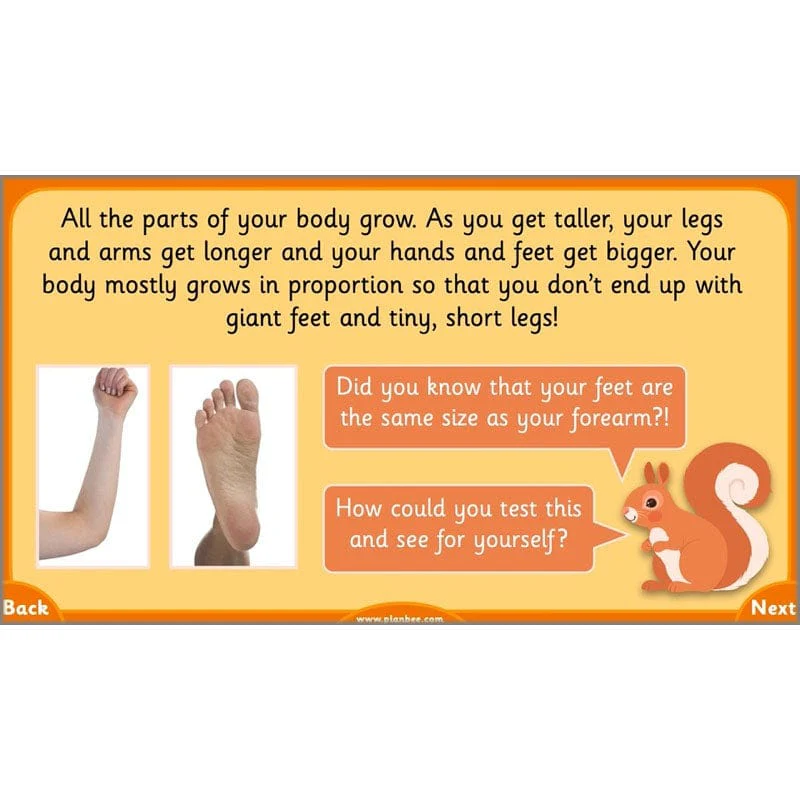
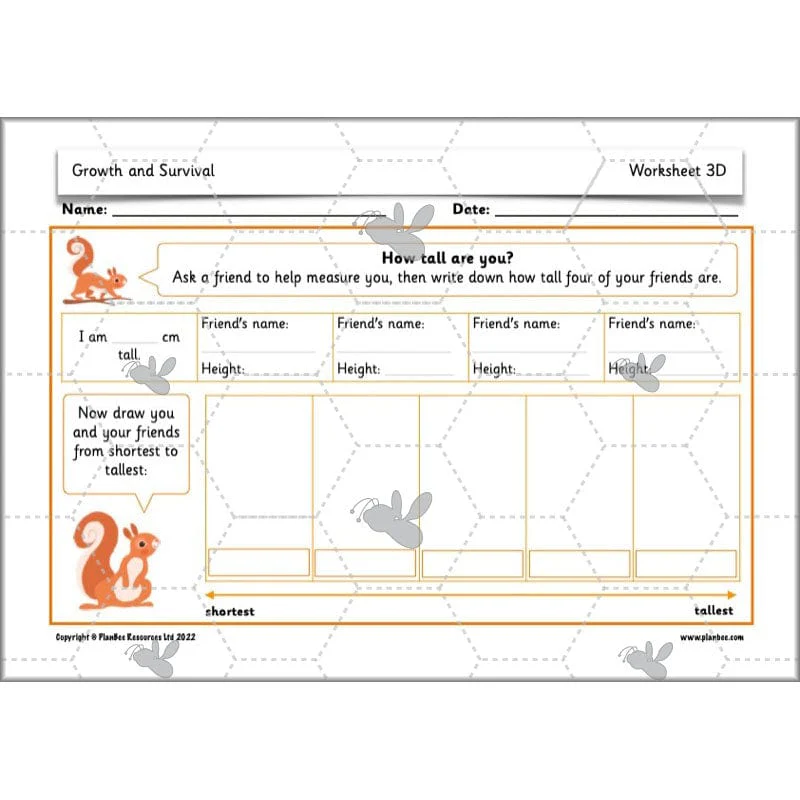
There is also the chance to measure themselves to see how tall they are and compare their height to that of others.
What's included:
- Lesson plan
- Slides
- Activity ideas
- Differentiated worksheets
View Lesson 3
Survival Needs
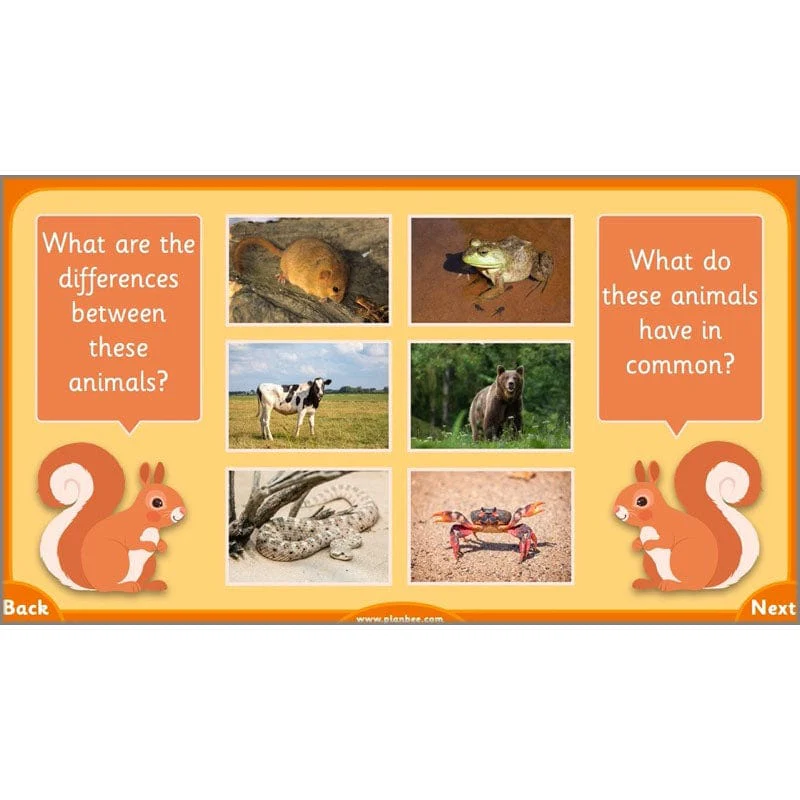
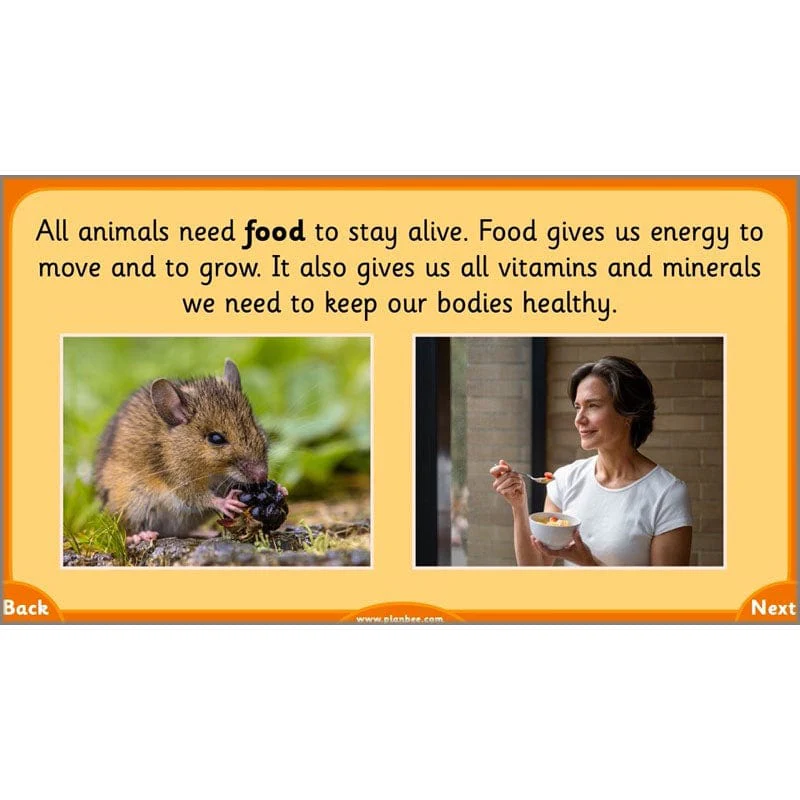
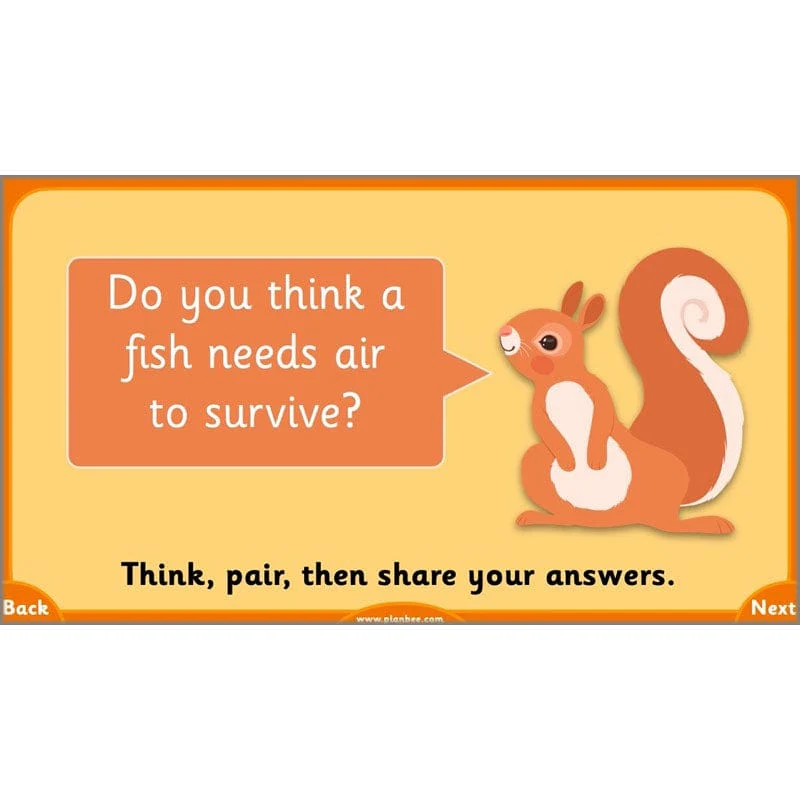
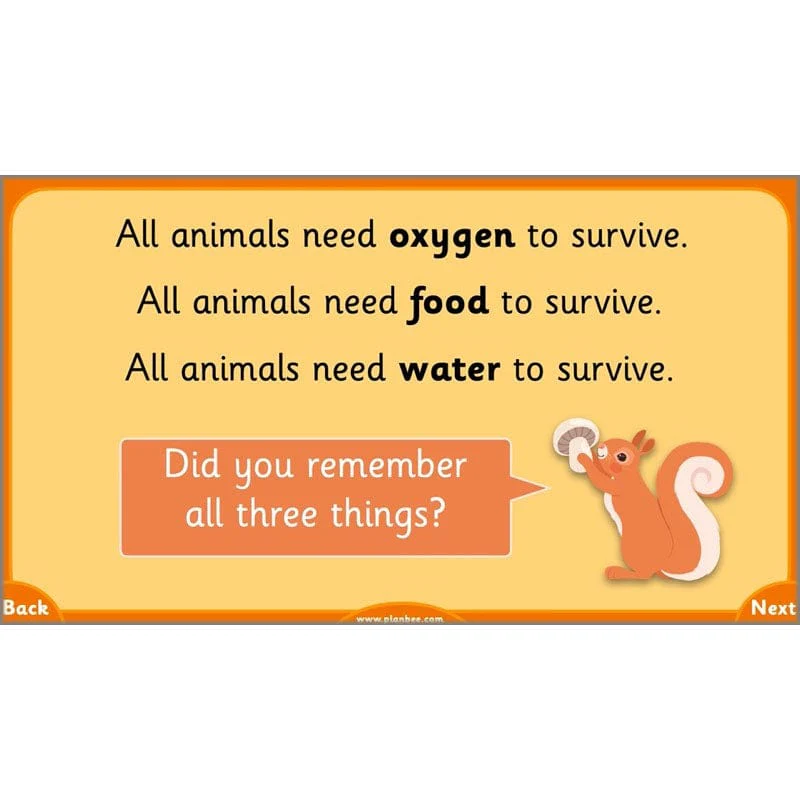
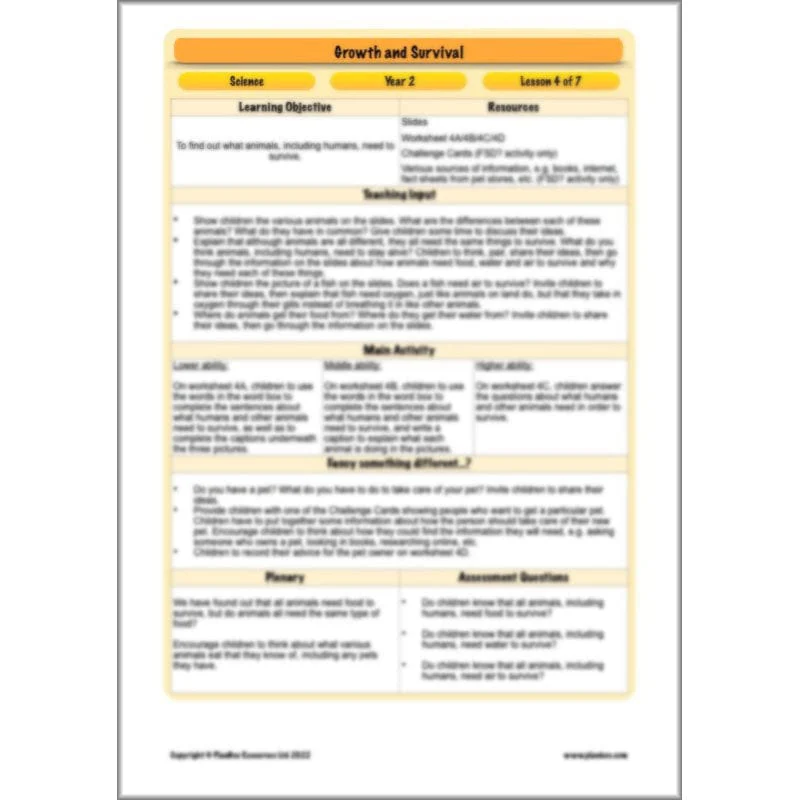
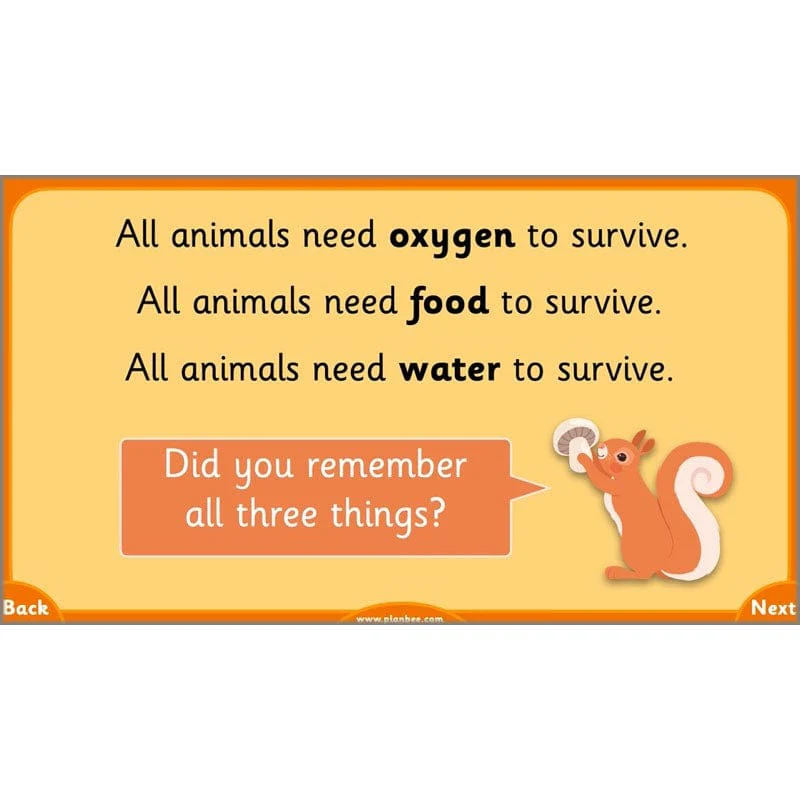
What do animals—including humans—need to survive? This KS1 lesson teaches your class about the things that all animals require to survive – namely food, water and oxygen.
They will think about the different ways that various animals get each of these things, including how animals that live underwater get oxygen.
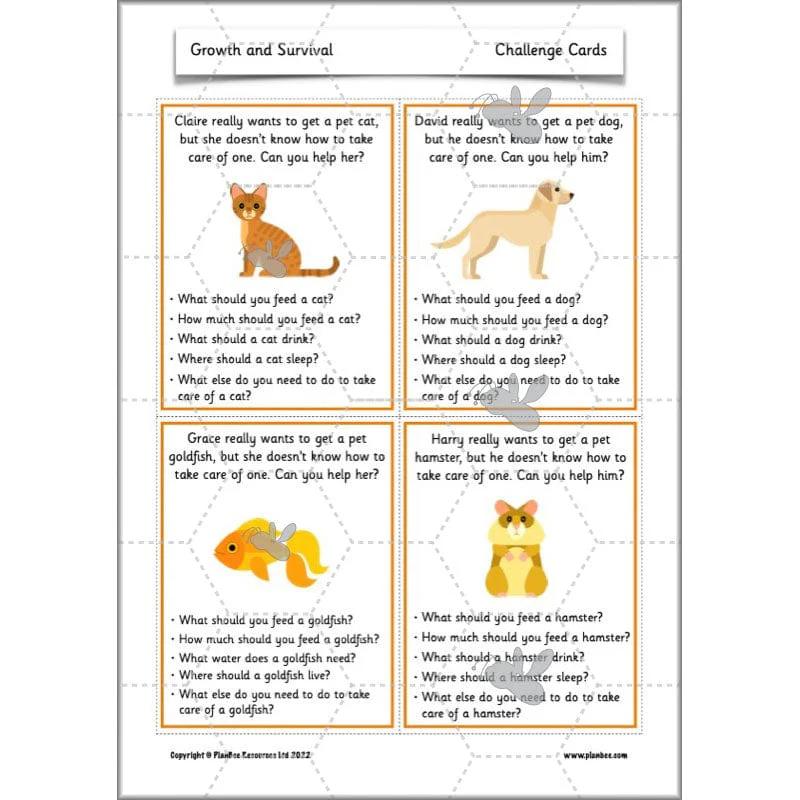
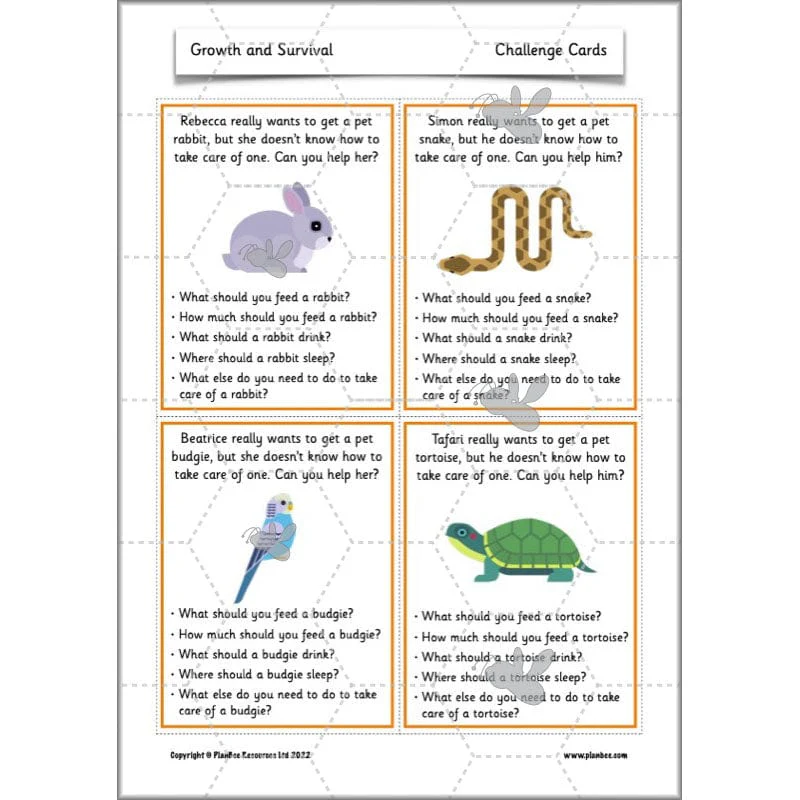
There is also the opportunity to give advice to pet owners on what their pets need!
What's included:
- Lesson plan
- Slides
- Activity ideas
- Differentiated worksheets
- Challenge cards
View Lesson 4
Environments
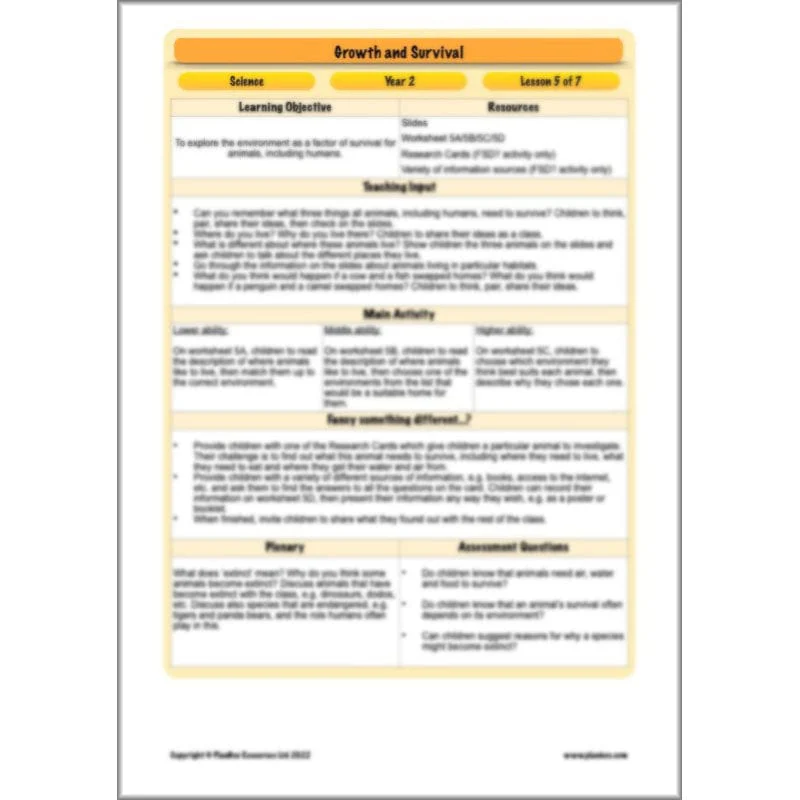
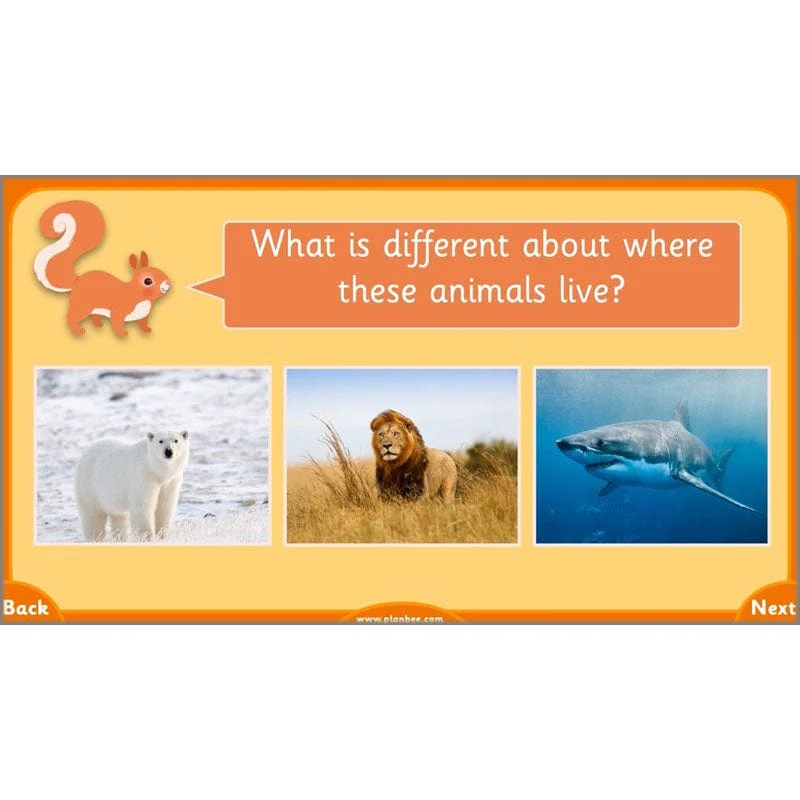
This interesting lesson looks at environment as a factor in the survival of animals.
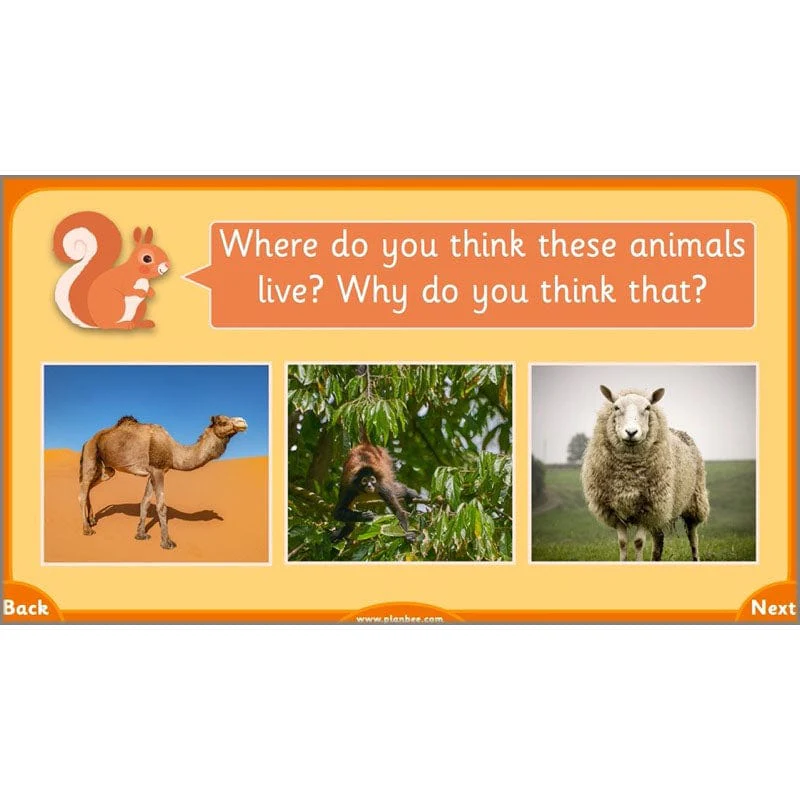
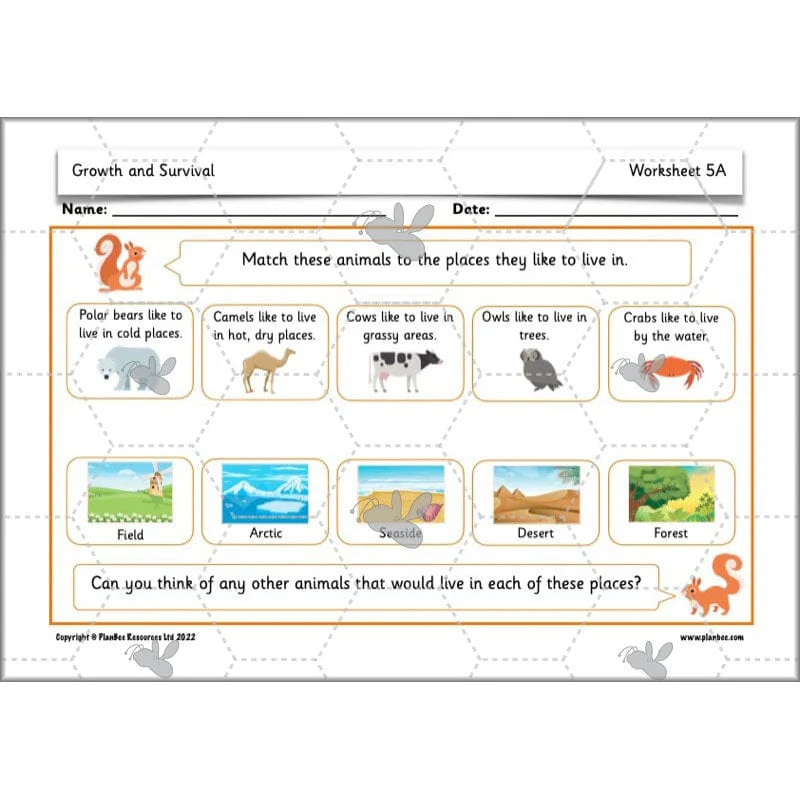
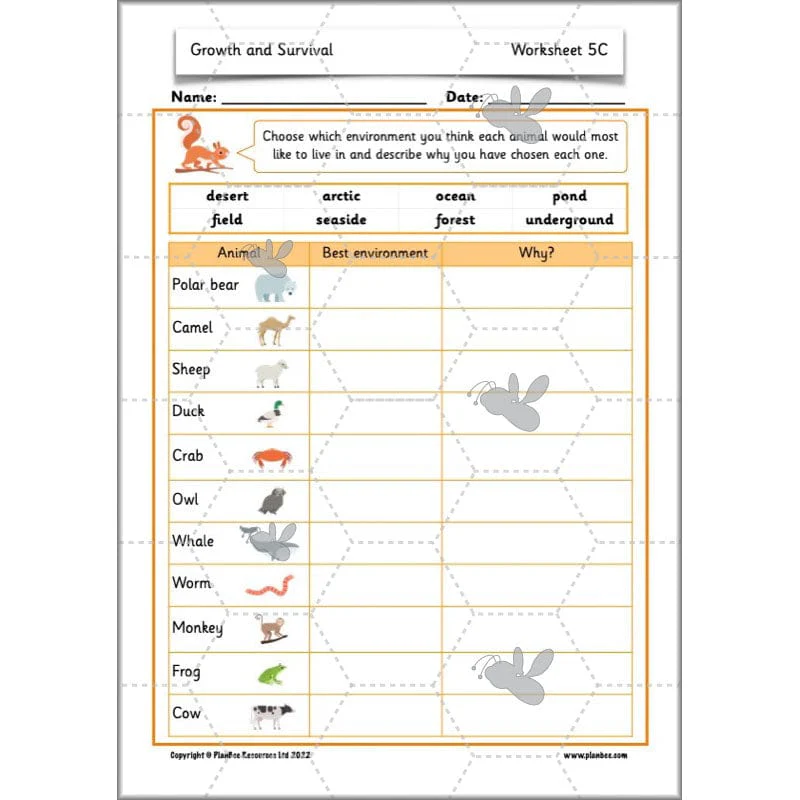
Your class will think about some of the different habitats various animals live in and why they live where they do.
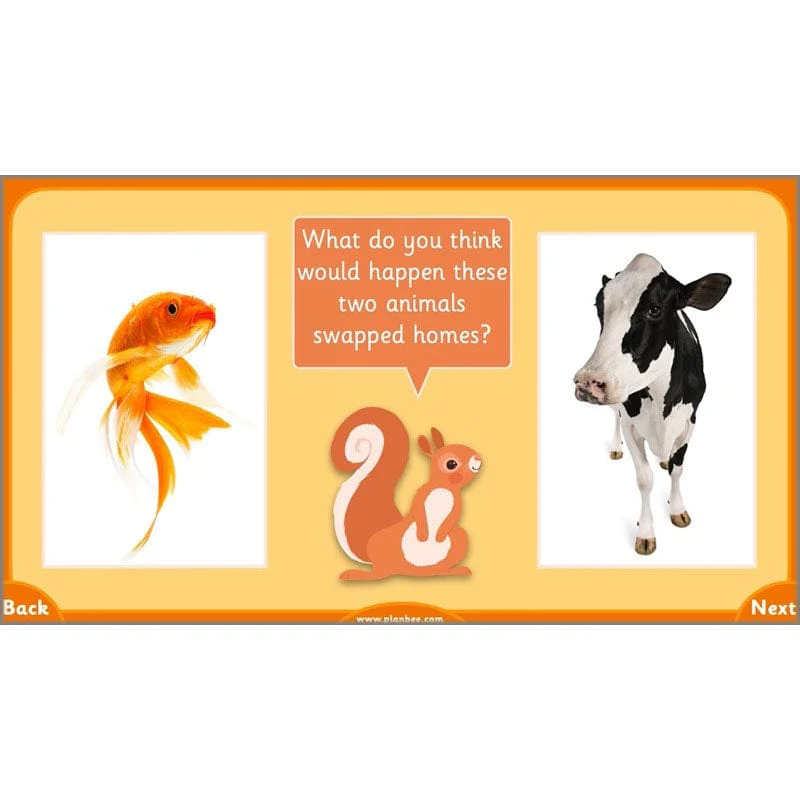
They will also discuss what they think would happen if animals swapped habitats, for example if a camel and a penguin swapped homes.
What's included:
- Lesson plan
- Slides
- Activity ideas
- Differentiated worksheets
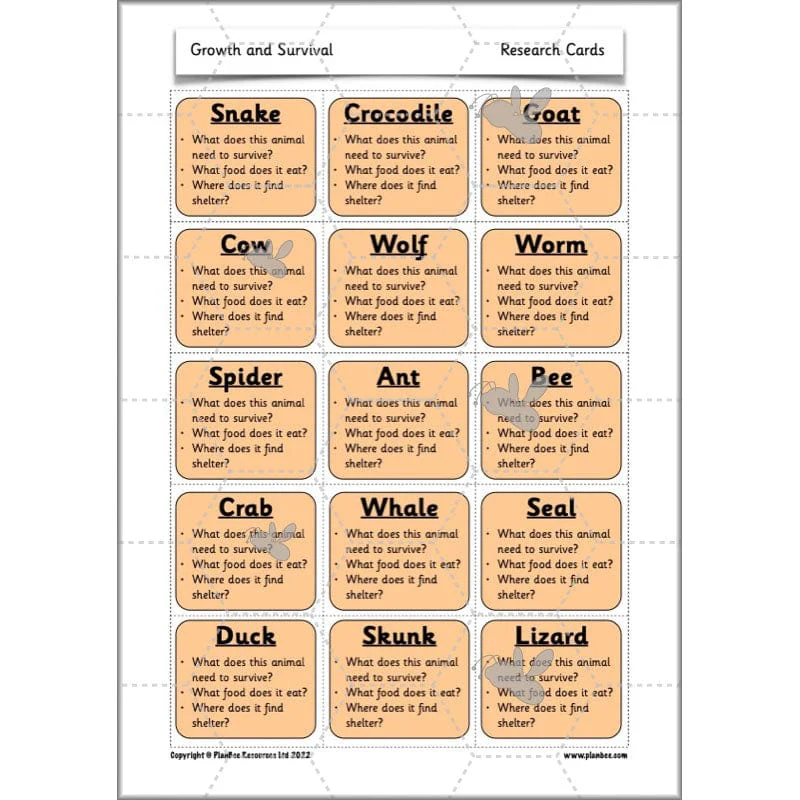
- Research cards
View Lesson 5
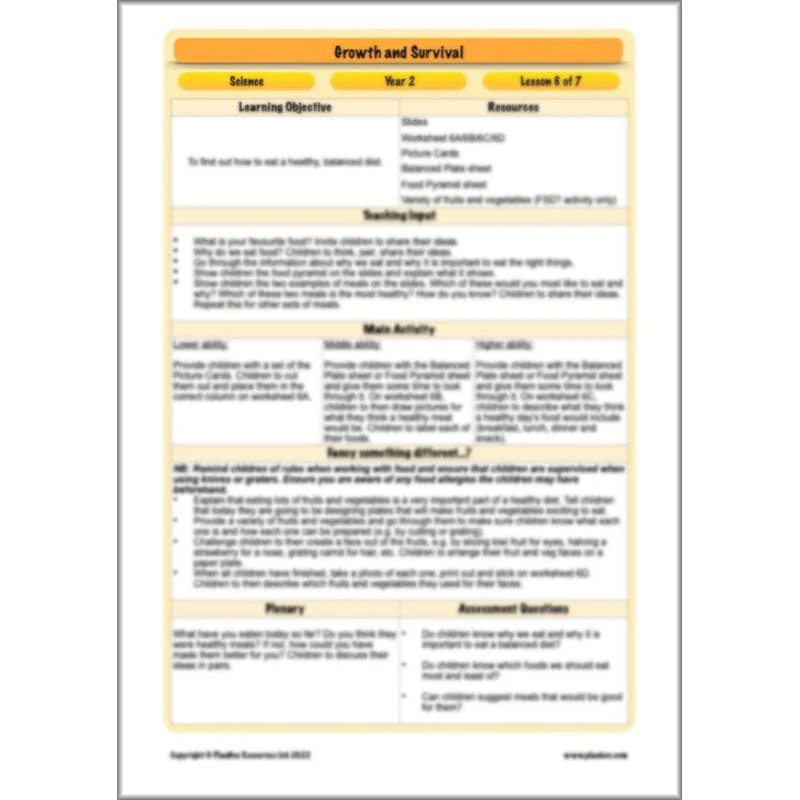
Healthy Eating
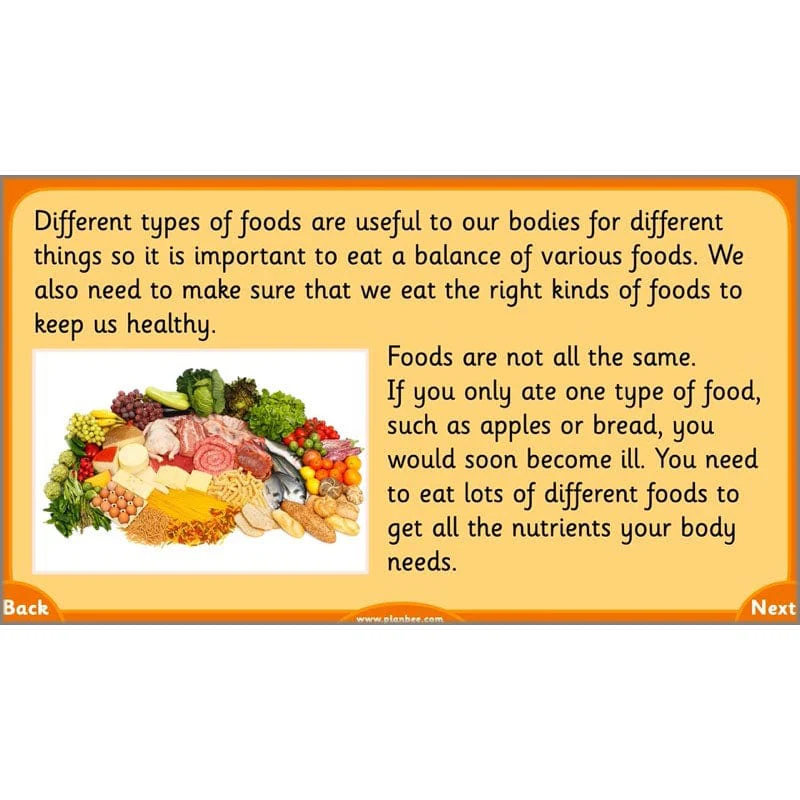
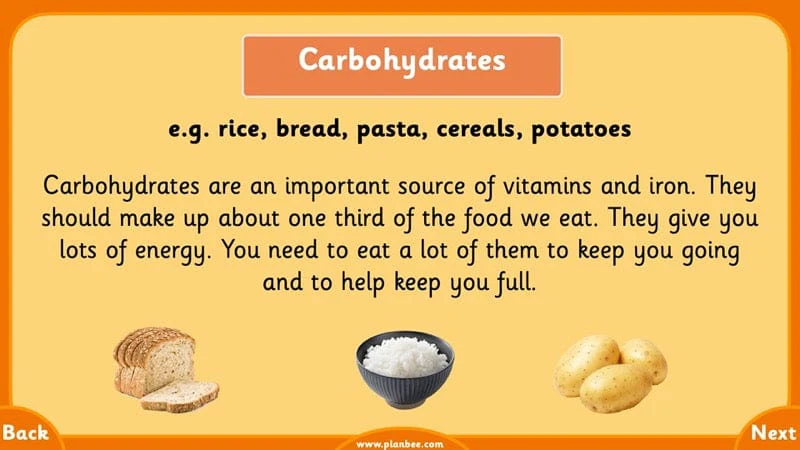
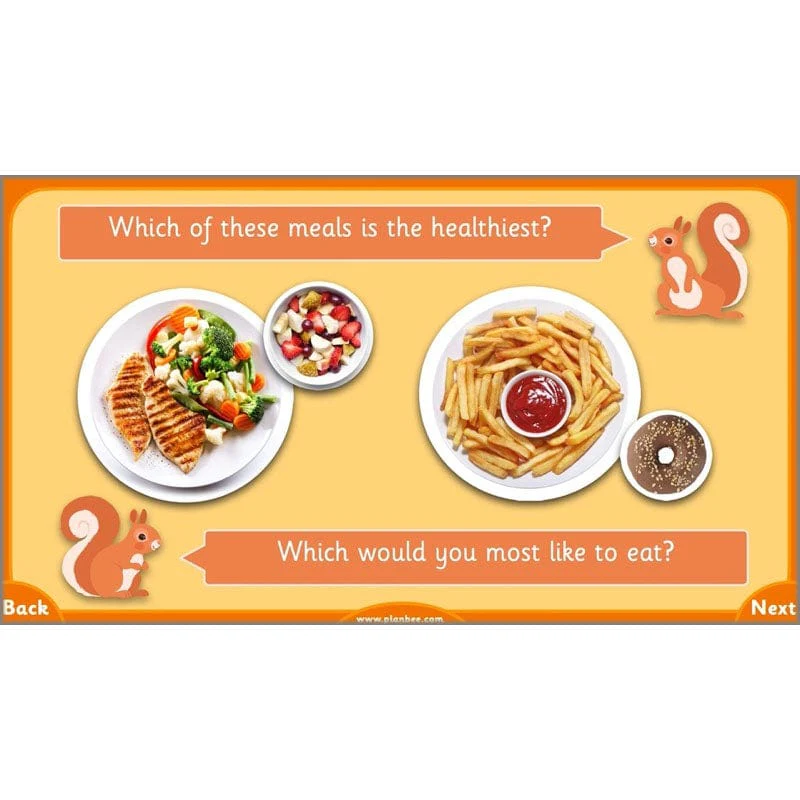
The human body is an amazing thing! This lesson will teach your class the importance of diet for keeping their bodies healthy.
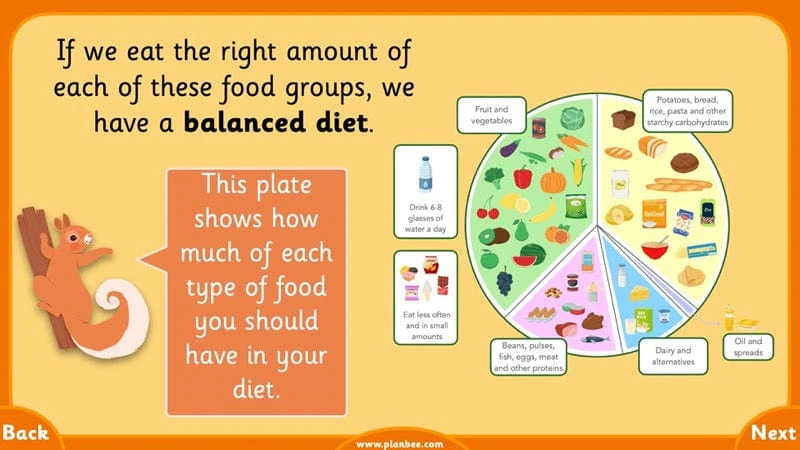
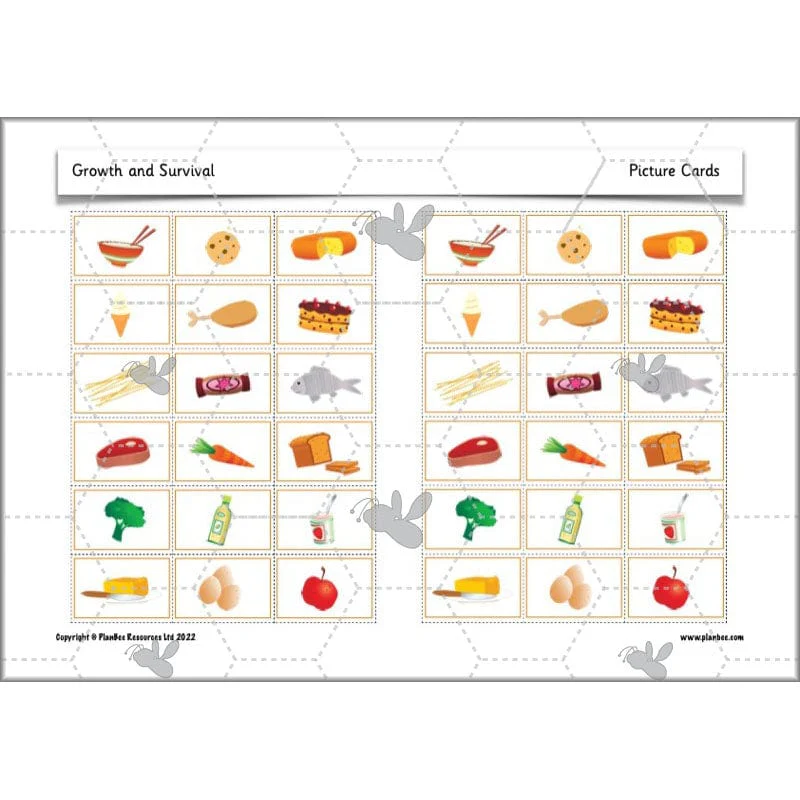
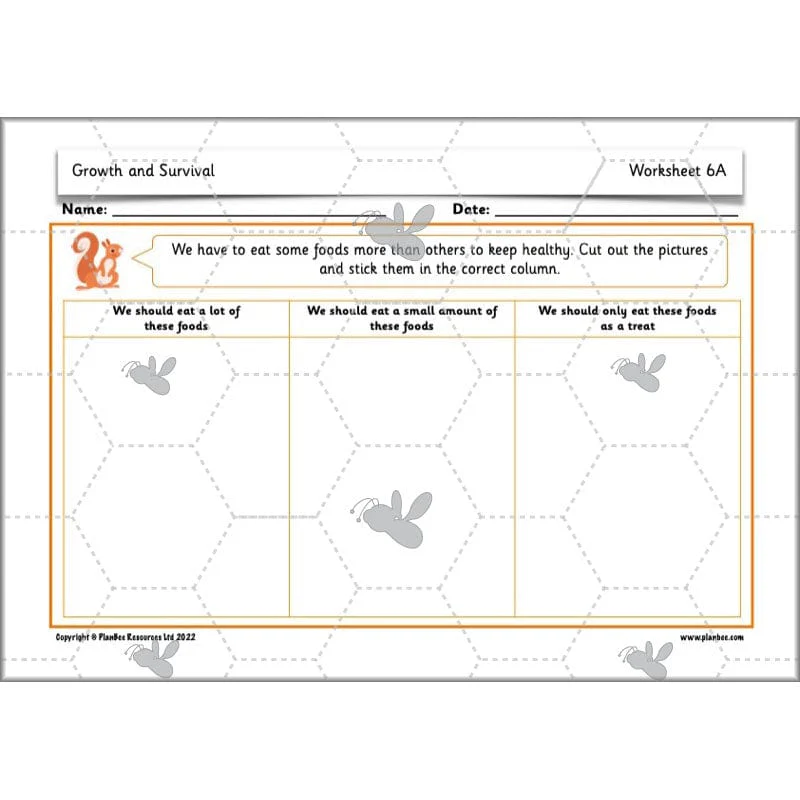
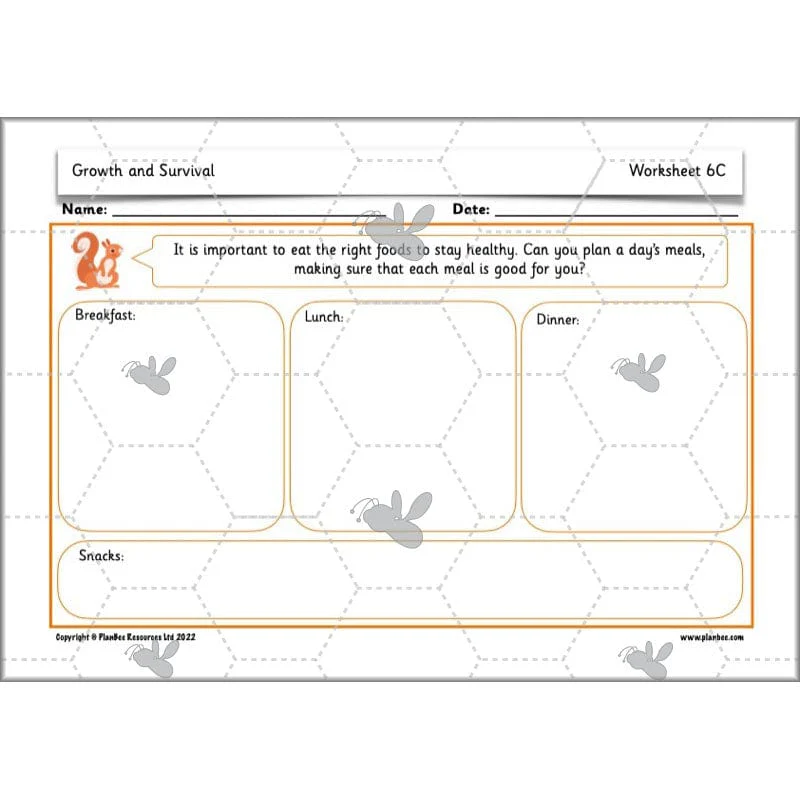
Using the balanced plate model, your class will find out which foods they should eat most and least, before designing healthy meals.
They can also create deliciously appetising fruit and veg pictures!
What's included:
- Lesson plan
- Slides
- Activity ideas
- Differentiated worksheets
- Picture cards
- Balanced plate sheet
View Lesson 6
Exercise
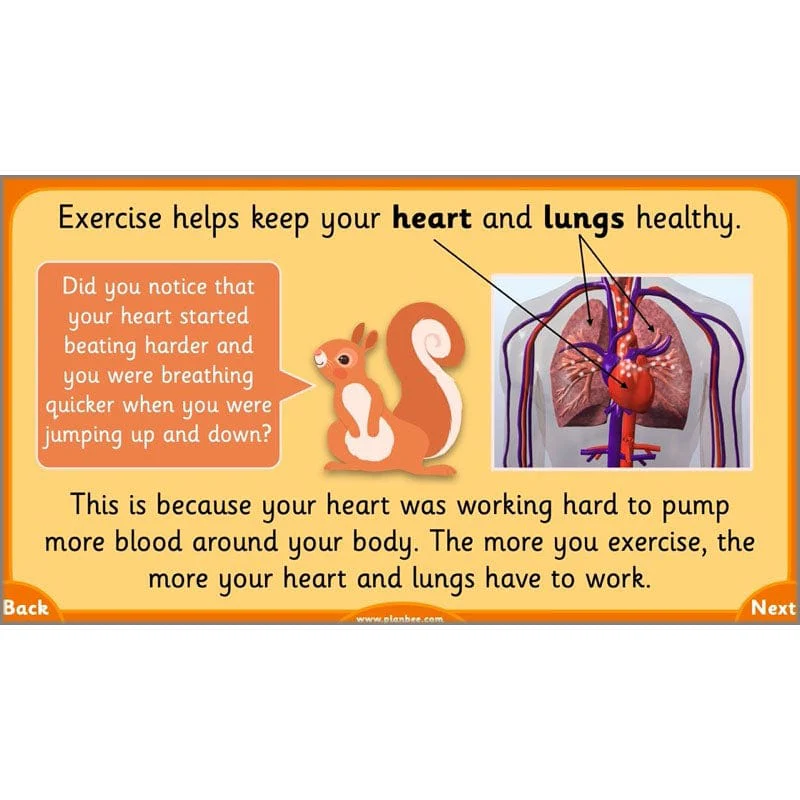
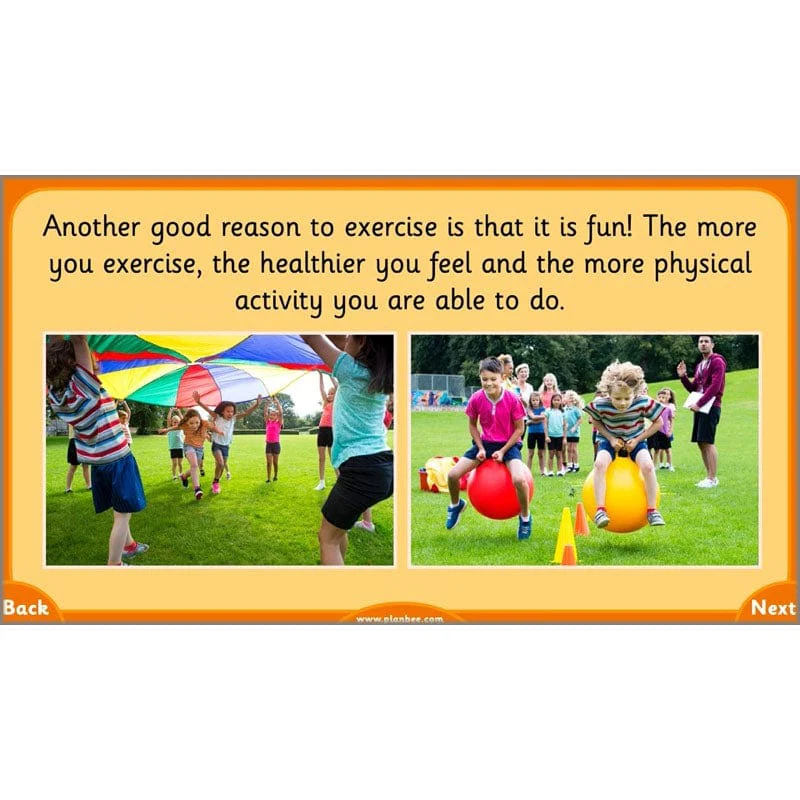
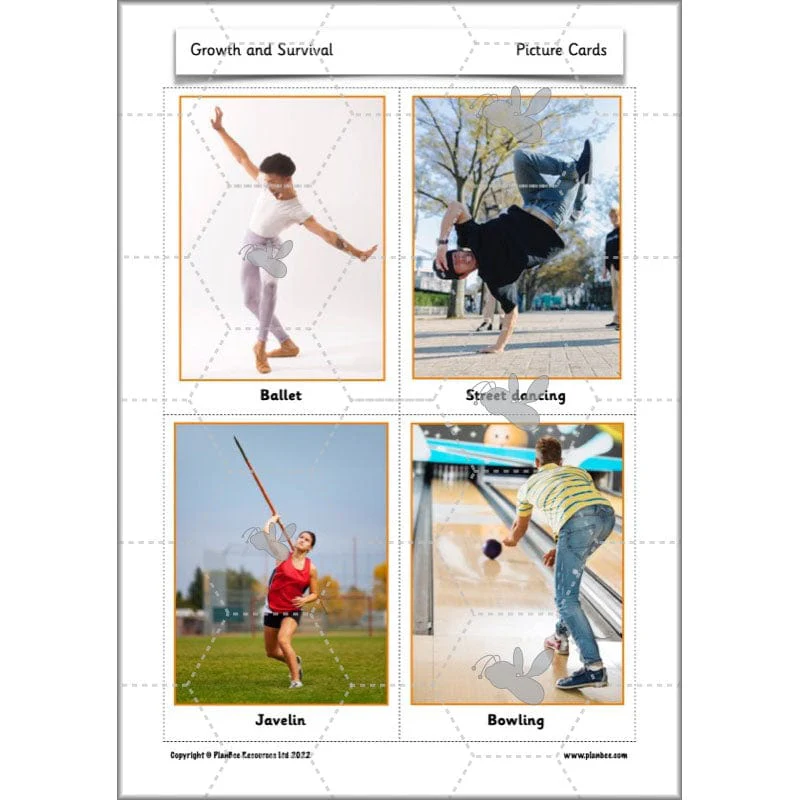
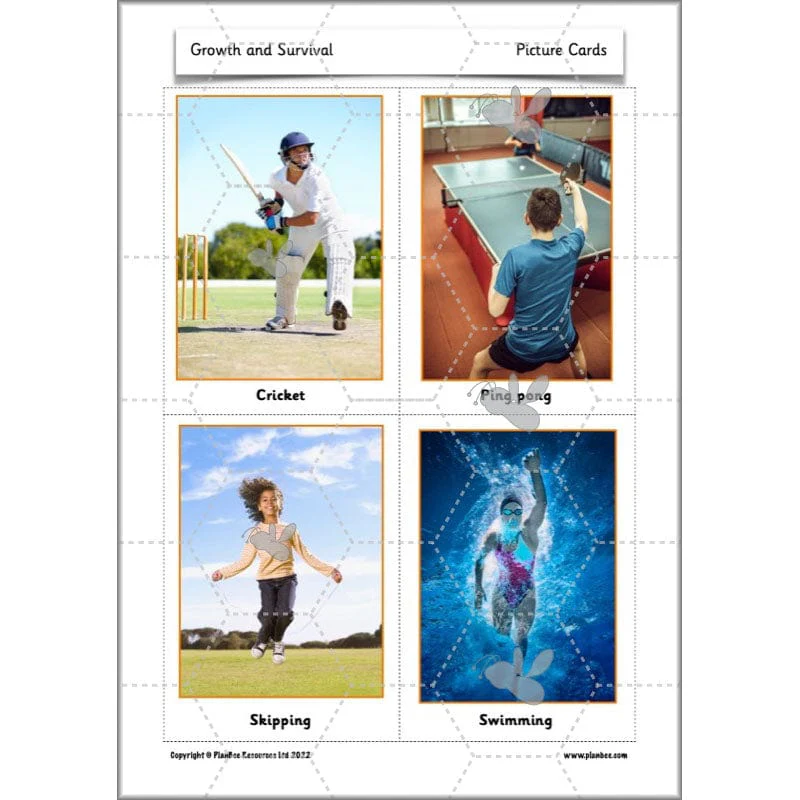
After an active start to the lesson, your class will find out how exercise affects the body and the benefits of this, from healthy hearts and lungs to strong muscles.
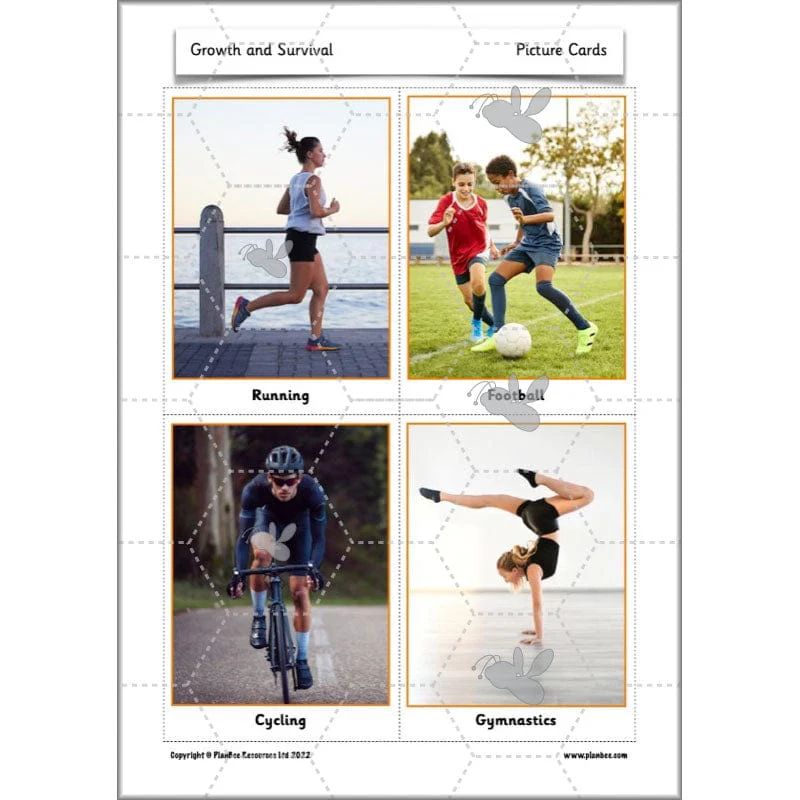
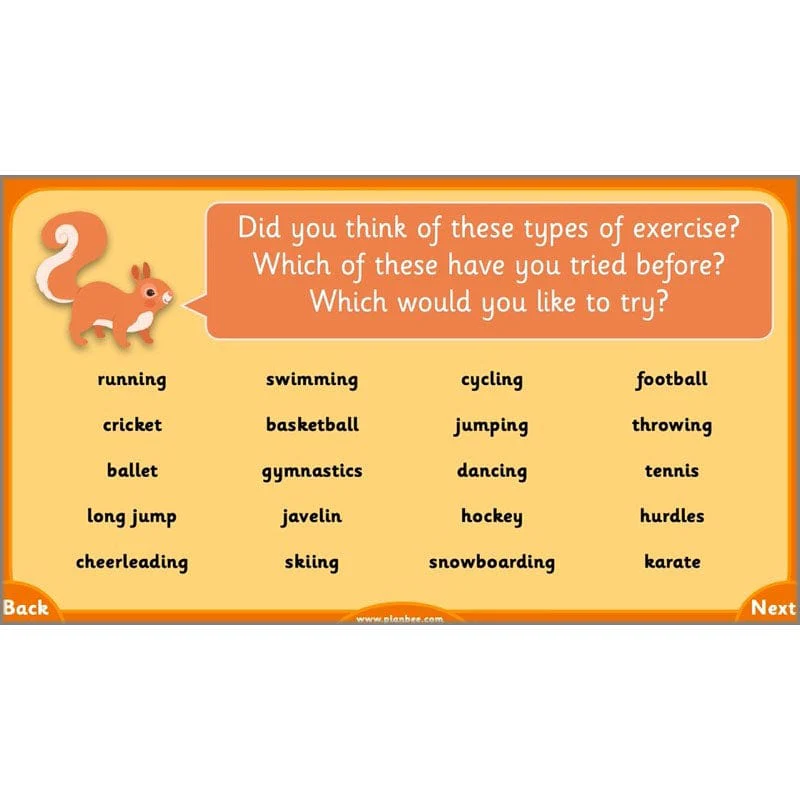
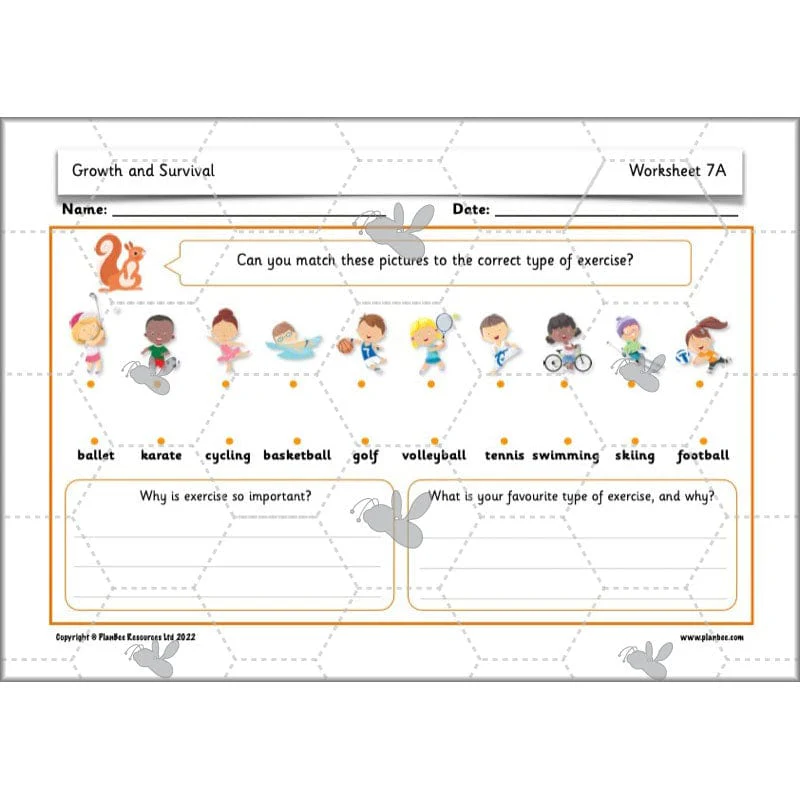
During the included activities, pupils will continue to consider the importance of exercise as they think about different kinds of exercises and sports – and the parts of the body that are used for each one.
What's included:
- Lesson plan
- Slides
- Activity ideas
- Differentiated worksheets
- Picture cards
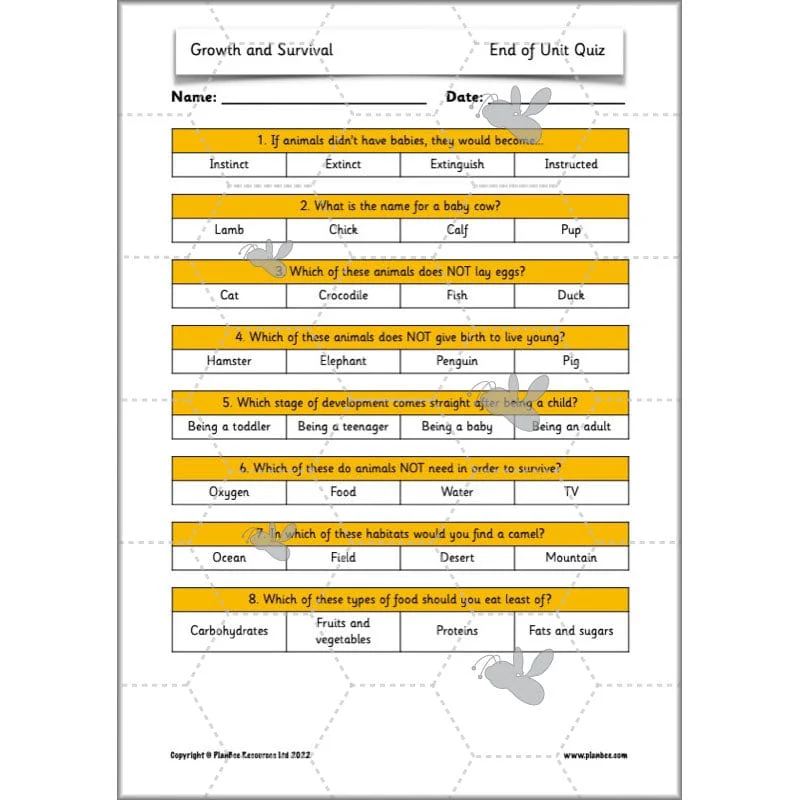
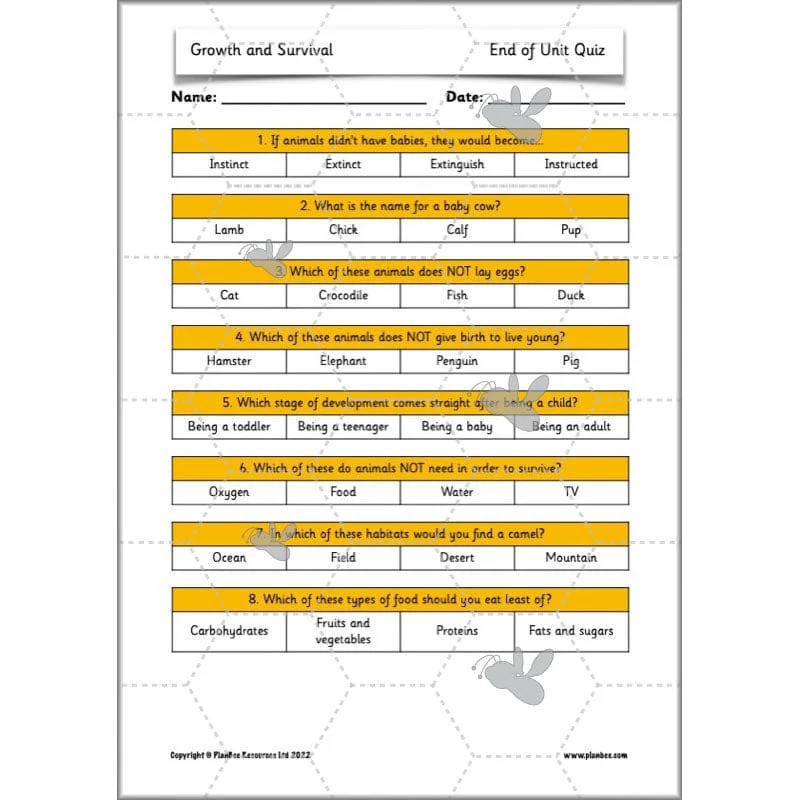
- End of unit quiz
View Lesson 7
Original: $2.69
-65%$2.69
$0.94More Images

Growth and Survival
Teach Year 2 pupils about the life cycles of animals including humans—and what they need to survive—with these Growth and Survival lesson planning packs. Made by experienced primary teachers, they're ideal for teaching KS1 children all about the human life cycle and the things all animals need in order to grow, thrive and survive. As well as information and activities about the reproduction and survival needs of all animals, there's a strong focus on how diet, exercise and rest are important for the health of humans.
This 'Growth and Survival' Science scheme of work includes practically everything you'll need to explore how animals reproduce and grow – and how their environment can affect their chances of thriving and surviving. It includes a series of detailed 'animals including humans' Year 2 lesson plans, engaging and informative slides, differentiated Science activity ideas and a range of colourful worksheets and other printable resources. It's all been done for you so all you need to do is download, teach and enjoy with your class!
A Knowledge Organiser is included within the complete series download, or is available to purchase separately.
Why not upgrade to our Healthy Me Topic Bundle or This is Me Topic Bundle – perfect if you're looking for a cross-curricular approach to your teaching.
Offspring
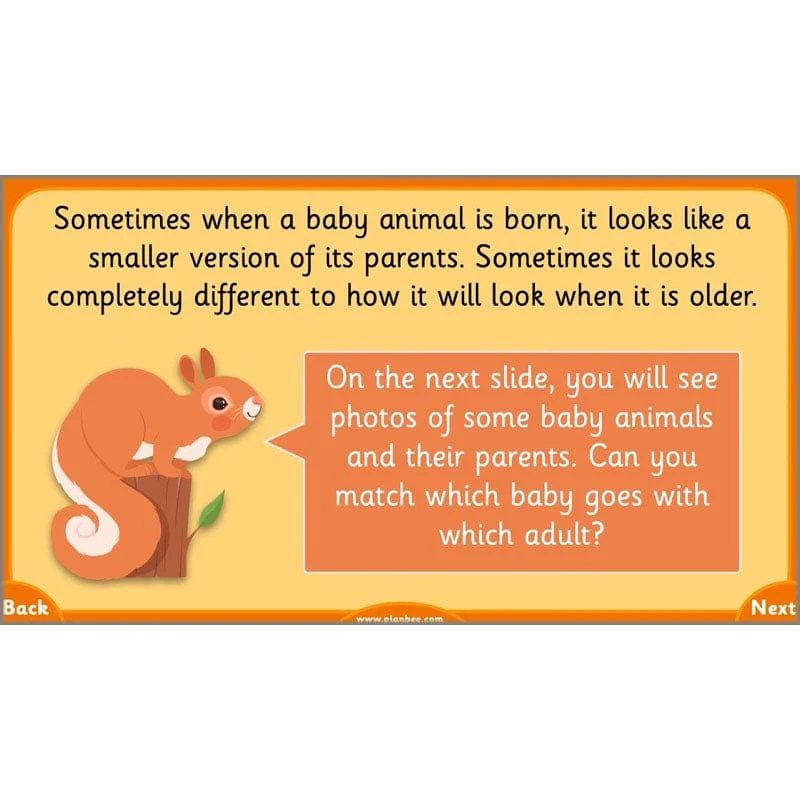
The first lesson in this series teaches your class that all animals, including humans, have babies.
It gives them plenty of opportunities to match young animals to their parents and to think about how babies develop into adults over time.
During the included activities, children can use their observations and ideas to match mature animals to their young offspring.
What's included:
- Lesson plan
- Slides
- Activity ideas
- Differentiated worksheets
- Picture cards
View Lesson 1
Reproduction
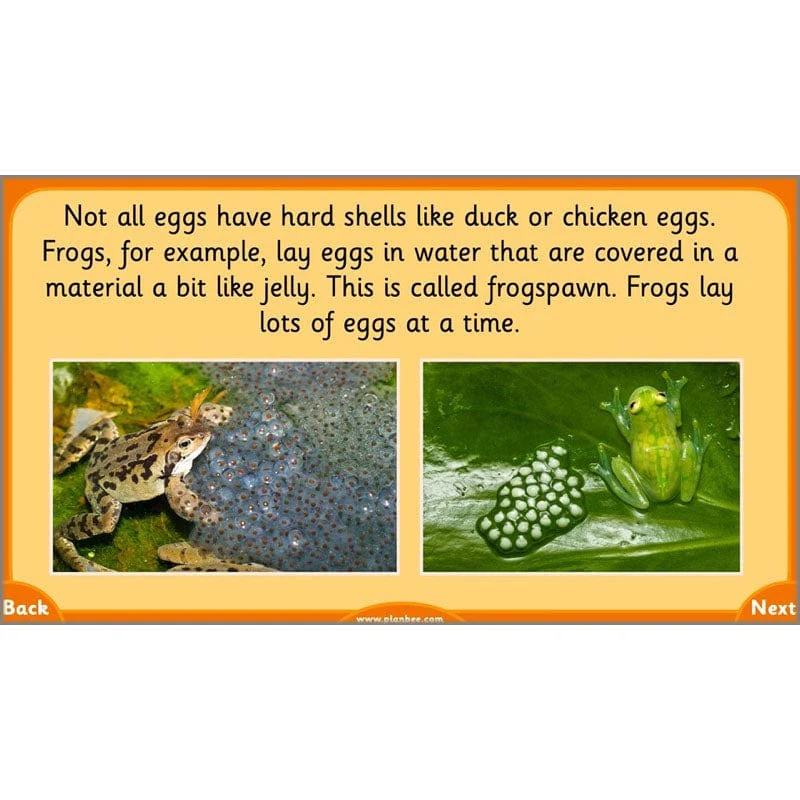
Now that your class know that all animals have babies, in this lesson, they will explore the different ways animals reproduce.
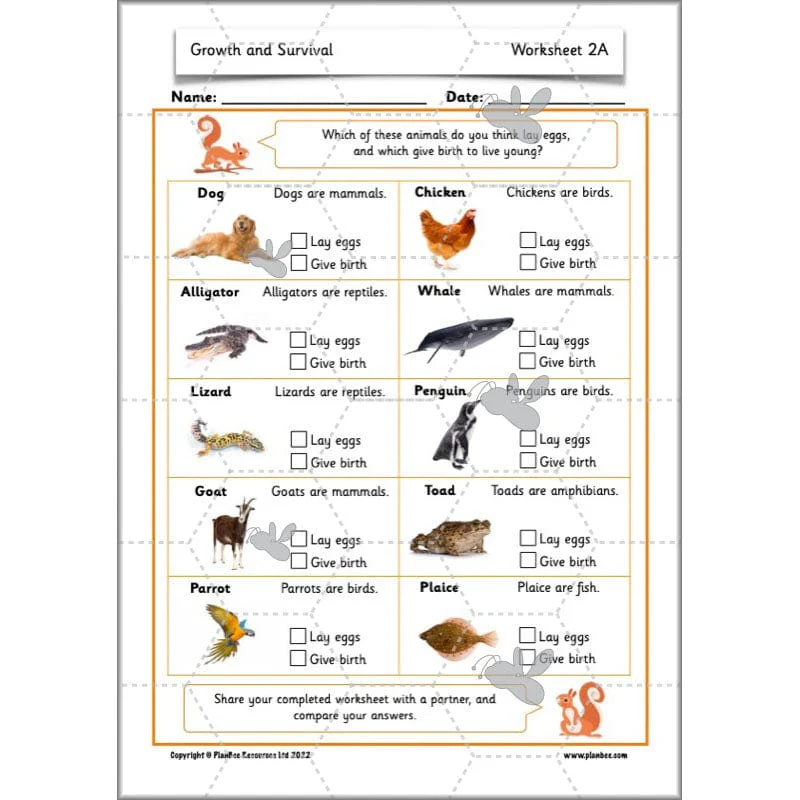
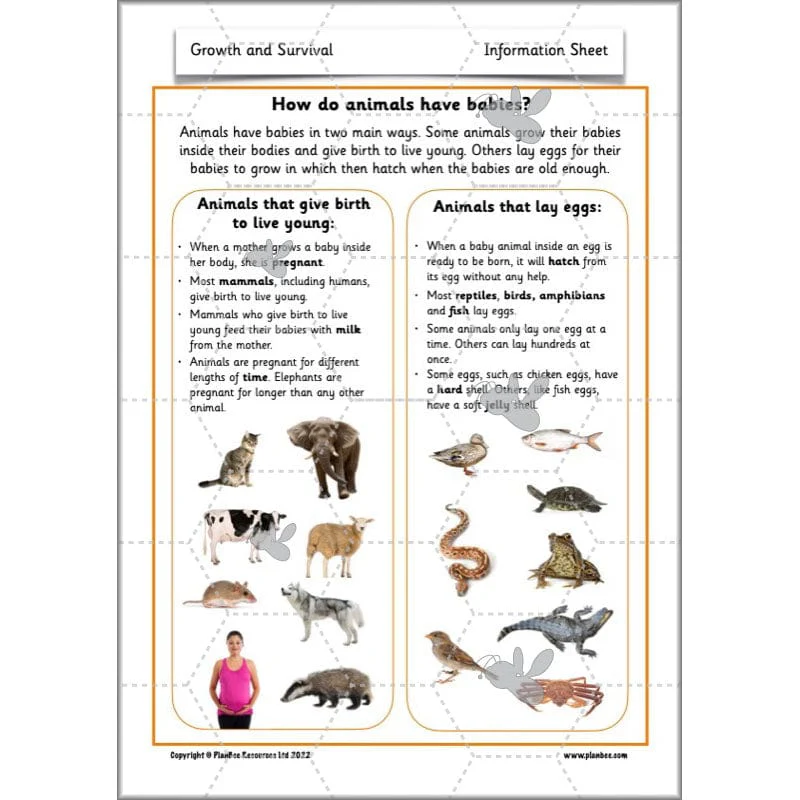
They will learn that some animals give birth to live young and some lay eggs. They'll then go on to identify which types of animals reproduce in these different ways.
The included slides and worksheets include photos and information for children to study, and help them with identifying and classifying animals according to how they reproduce.
What's included:
- Lesson plan
- Slides
- Activity ideas
- Differentiated worksheets
- Information sheet
- Animal cards
View Lesson 2
Growing Up
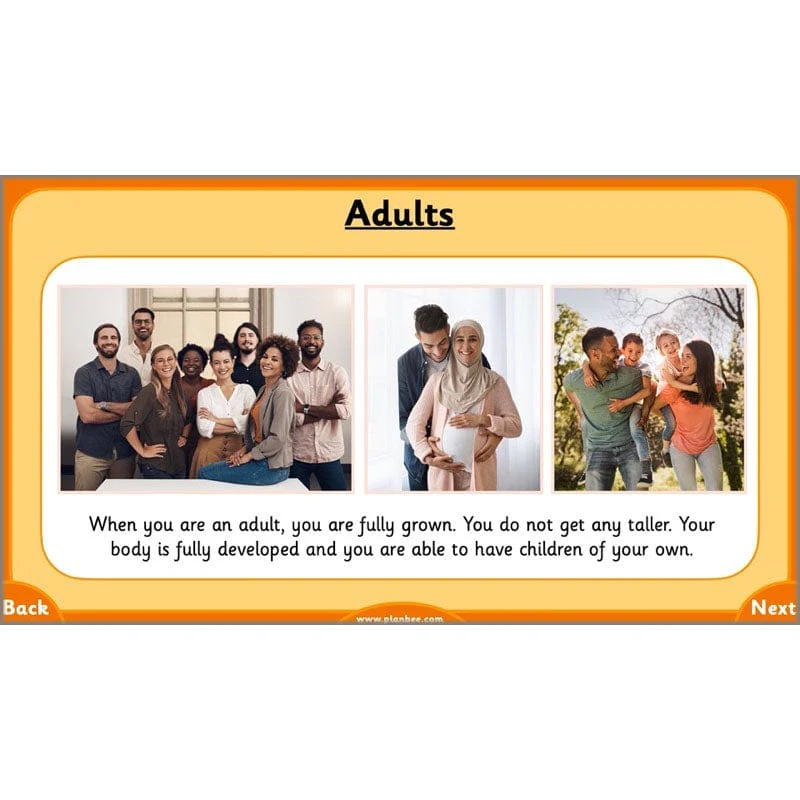
How do humans grow? In this lesson, children will consider this question as they explore the stages of human development.
Your class will think about what they were able to do when they were babies and toddlers, what they can do now as children, and what will happen to them as they grow into teenagers and adults.
There is also the chance to measure themselves to see how tall they are and compare their height to that of others.
What's included:
- Lesson plan
- Slides
- Activity ideas
- Differentiated worksheets
View Lesson 3
Survival Needs
What do animals—including humans—need to survive? This KS1 lesson teaches your class about the things that all animals require to survive – namely food, water and oxygen.
They will think about the different ways that various animals get each of these things, including how animals that live underwater get oxygen.
There is also the opportunity to give advice to pet owners on what their pets need!
What's included:
- Lesson plan
- Slides
- Activity ideas
- Differentiated worksheets
- Challenge cards
View Lesson 4
Environments
This interesting lesson looks at environment as a factor in the survival of animals.
Your class will think about some of the different habitats various animals live in and why they live where they do.
They will also discuss what they think would happen if animals swapped habitats, for example if a camel and a penguin swapped homes.
What's included:
- Lesson plan
- Slides
- Activity ideas
- Differentiated worksheets
- Research cards
View Lesson 5
Healthy Eating
The human body is an amazing thing! This lesson will teach your class the importance of diet for keeping their bodies healthy.
Using the balanced plate model, your class will find out which foods they should eat most and least, before designing healthy meals.
They can also create deliciously appetising fruit and veg pictures!
What's included:
- Lesson plan
- Slides
- Activity ideas
- Differentiated worksheets
- Picture cards
- Balanced plate sheet
View Lesson 6
Exercise
After an active start to the lesson, your class will find out how exercise affects the body and the benefits of this, from healthy hearts and lungs to strong muscles.
During the included activities, pupils will continue to consider the importance of exercise as they think about different kinds of exercises and sports – and the parts of the body that are used for each one.
What's included:
- Lesson plan
- Slides
- Activity ideas
- Differentiated worksheets
- Picture cards
- End of unit quiz
View Lesson 7
Product Information
Product Information
Shipping & Returns
Shipping & Returns
Description
Teach Year 2 pupils about the life cycles of animals including humans—and what they need to survive—with these Growth and Survival lesson planning packs. Made by experienced primary teachers, they're ideal for teaching KS1 children all about the human life cycle and the things all animals need in order to grow, thrive and survive. As well as information and activities about the reproduction and survival needs of all animals, there's a strong focus on how diet, exercise and rest are important for the health of humans.
This 'Growth and Survival' Science scheme of work includes practically everything you'll need to explore how animals reproduce and grow – and how their environment can affect their chances of thriving and surviving. It includes a series of detailed 'animals including humans' Year 2 lesson plans, engaging and informative slides, differentiated Science activity ideas and a range of colourful worksheets and other printable resources. It's all been done for you so all you need to do is download, teach and enjoy with your class!
A Knowledge Organiser is included within the complete series download, or is available to purchase separately.
Why not upgrade to our Healthy Me Topic Bundle or This is Me Topic Bundle – perfect if you're looking for a cross-curricular approach to your teaching.
Offspring
The first lesson in this series teaches your class that all animals, including humans, have babies.
It gives them plenty of opportunities to match young animals to their parents and to think about how babies develop into adults over time.
During the included activities, children can use their observations and ideas to match mature animals to their young offspring.
What's included:
- Lesson plan
- Slides
- Activity ideas
- Differentiated worksheets
- Picture cards
View Lesson 1
Reproduction
Now that your class know that all animals have babies, in this lesson, they will explore the different ways animals reproduce.
They will learn that some animals give birth to live young and some lay eggs. They'll then go on to identify which types of animals reproduce in these different ways.
The included slides and worksheets include photos and information for children to study, and help them with identifying and classifying animals according to how they reproduce.
What's included:
- Lesson plan
- Slides
- Activity ideas
- Differentiated worksheets
- Information sheet
- Animal cards
View Lesson 2
Growing Up
How do humans grow? In this lesson, children will consider this question as they explore the stages of human development.
Your class will think about what they were able to do when they were babies and toddlers, what they can do now as children, and what will happen to them as they grow into teenagers and adults.
There is also the chance to measure themselves to see how tall they are and compare their height to that of others.
What's included:
- Lesson plan
- Slides
- Activity ideas
- Differentiated worksheets
View Lesson 3
Survival Needs
What do animals—including humans—need to survive? This KS1 lesson teaches your class about the things that all animals require to survive – namely food, water and oxygen.
They will think about the different ways that various animals get each of these things, including how animals that live underwater get oxygen.
There is also the opportunity to give advice to pet owners on what their pets need!
What's included:
- Lesson plan
- Slides
- Activity ideas
- Differentiated worksheets
- Challenge cards
View Lesson 4
Environments
This interesting lesson looks at environment as a factor in the survival of animals.
Your class will think about some of the different habitats various animals live in and why they live where they do.
They will also discuss what they think would happen if animals swapped habitats, for example if a camel and a penguin swapped homes.
What's included:
- Lesson plan
- Slides
- Activity ideas
- Differentiated worksheets
- Research cards
View Lesson 5
Healthy Eating
The human body is an amazing thing! This lesson will teach your class the importance of diet for keeping their bodies healthy.
Using the balanced plate model, your class will find out which foods they should eat most and least, before designing healthy meals.
They can also create deliciously appetising fruit and veg pictures!
What's included:
- Lesson plan
- Slides
- Activity ideas
- Differentiated worksheets
- Picture cards
- Balanced plate sheet
View Lesson 6
Exercise
After an active start to the lesson, your class will find out how exercise affects the body and the benefits of this, from healthy hearts and lungs to strong muscles.
During the included activities, pupils will continue to consider the importance of exercise as they think about different kinds of exercises and sports – and the parts of the body that are used for each one.
What's included:
- Lesson plan
- Slides
- Activity ideas
- Differentiated worksheets
- Picture cards
- End of unit quiz
View Lesson 7