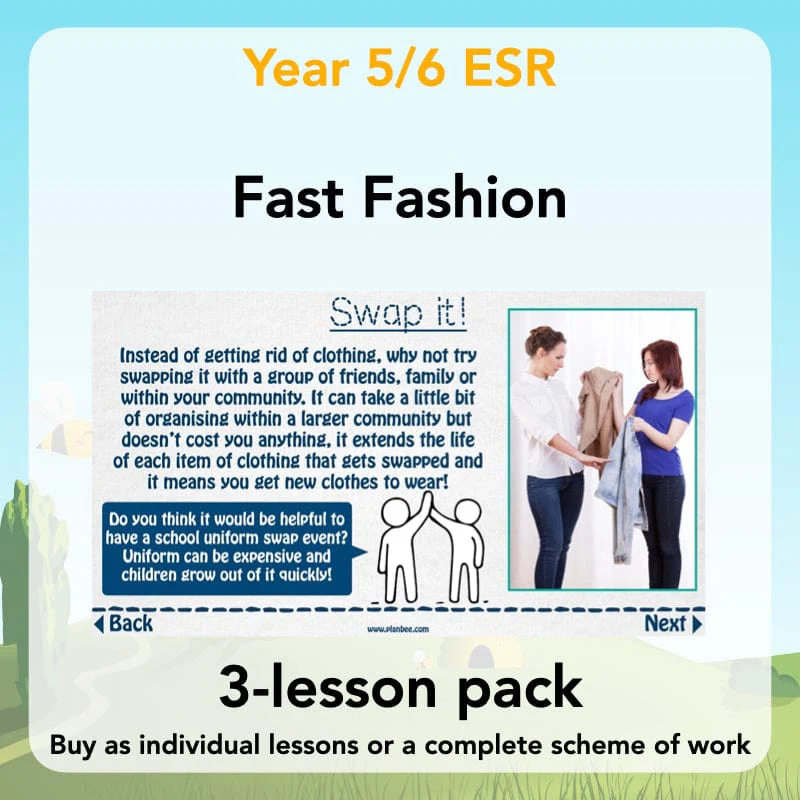
Fast Fashion
This three-lesson ESR scheme of work continues children’s learning about ethical trade by considering the human and environmental impacts of the fast fashion industry.
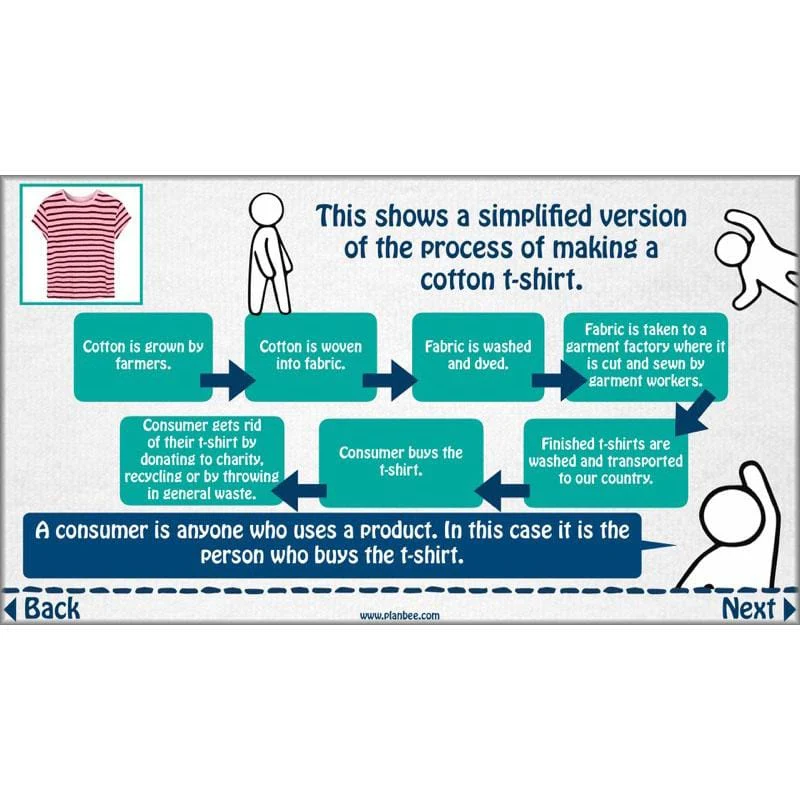
The children begin by exploring where their clothing is made and who is involved in the process. They then begin to unpick the impacts that the industry is having on worker rights and how consumers’ treatment of clothing is damaging the environment. Using this information the children can then reflect on their own clothing habits and discuss ways to combat the negative impacts this industry is having on a personal, local and global scale.
With lesson plans, slides for the teaching input, differentiated activities and a range of printable resources, this ‘Fast Fashion’ scheme will encourage discussion within your class and encourage the children to become more aware of the impacts their choices as a consumer can have.
What is it?
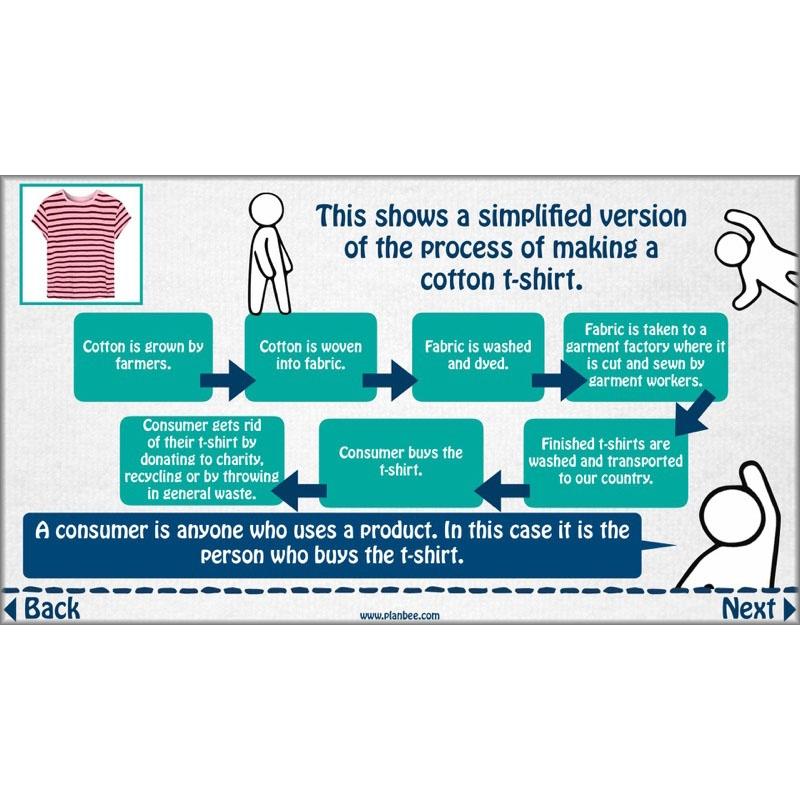
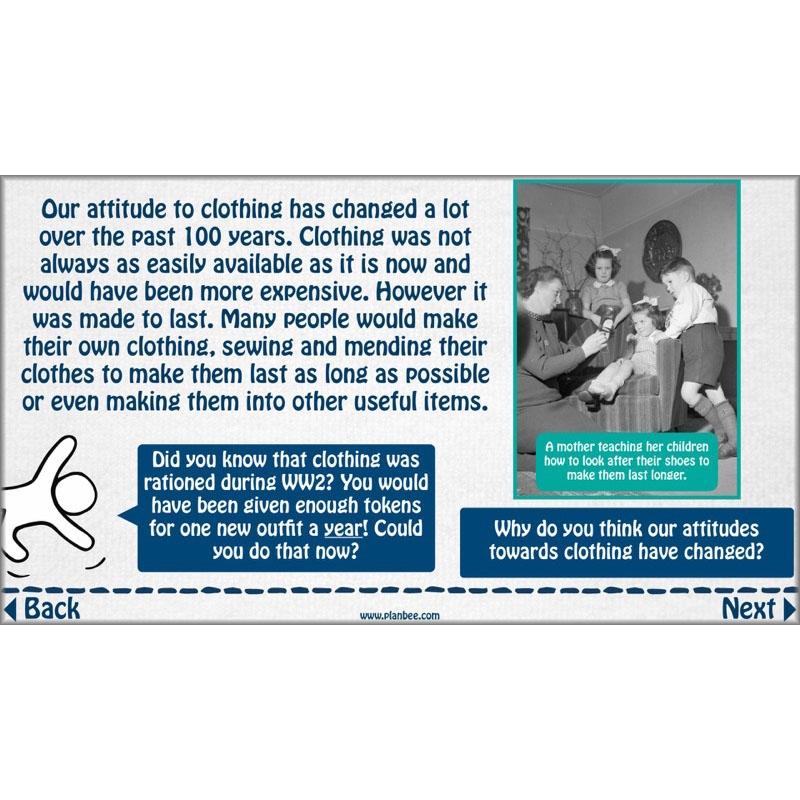
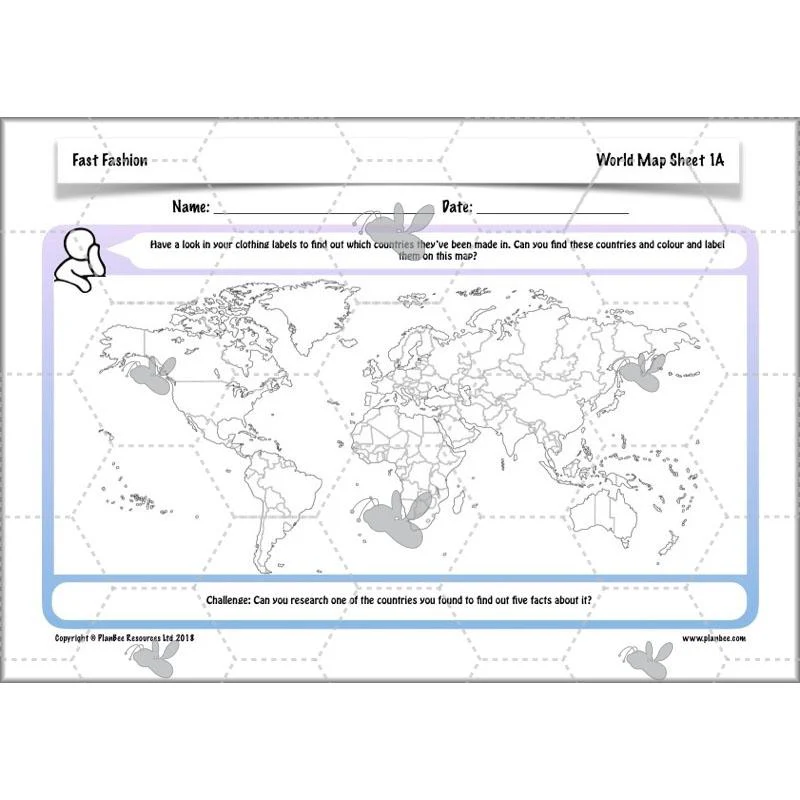
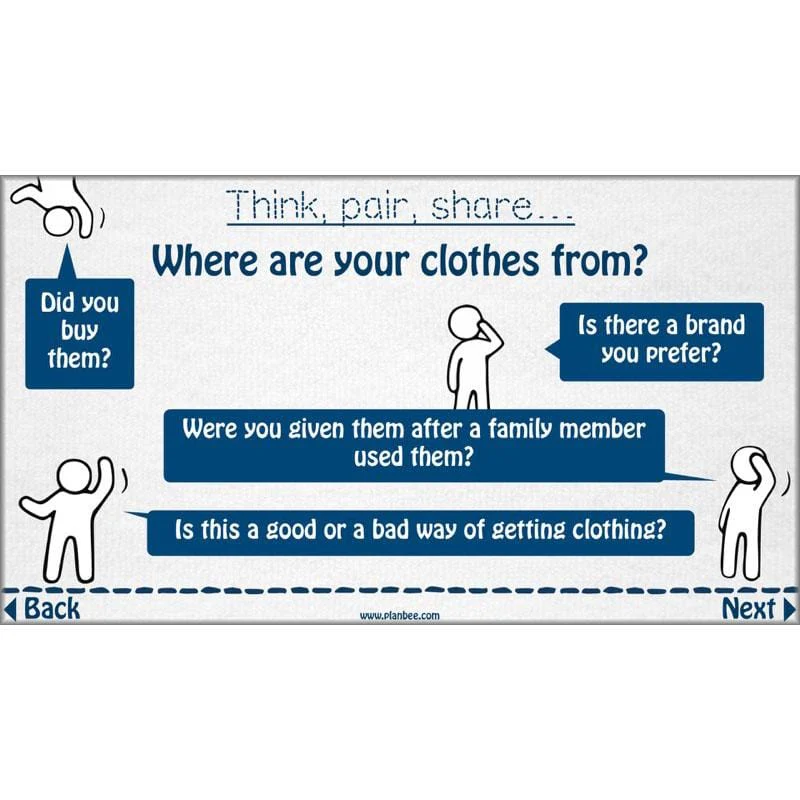
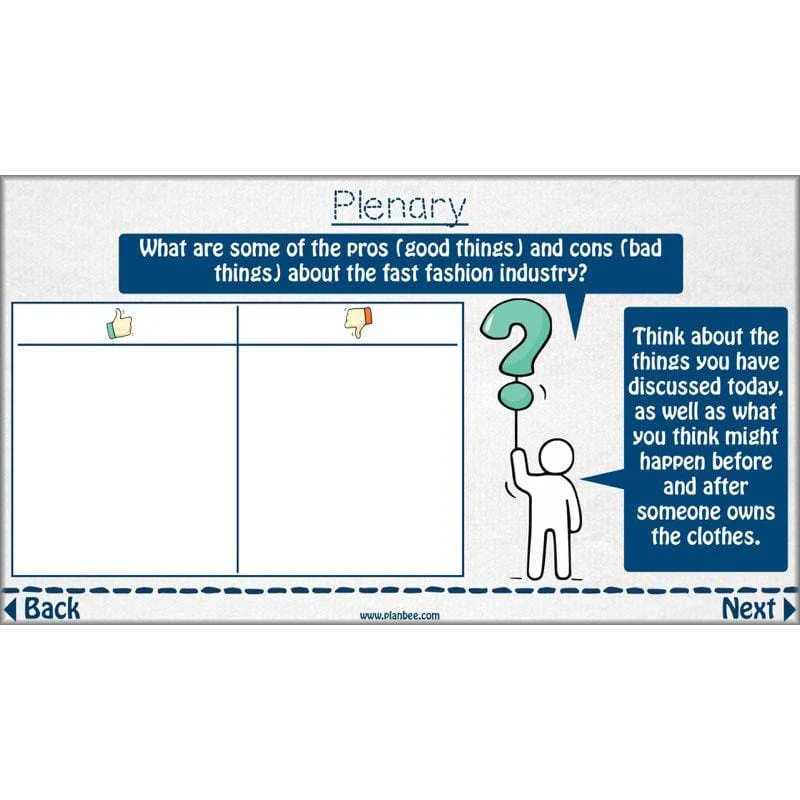
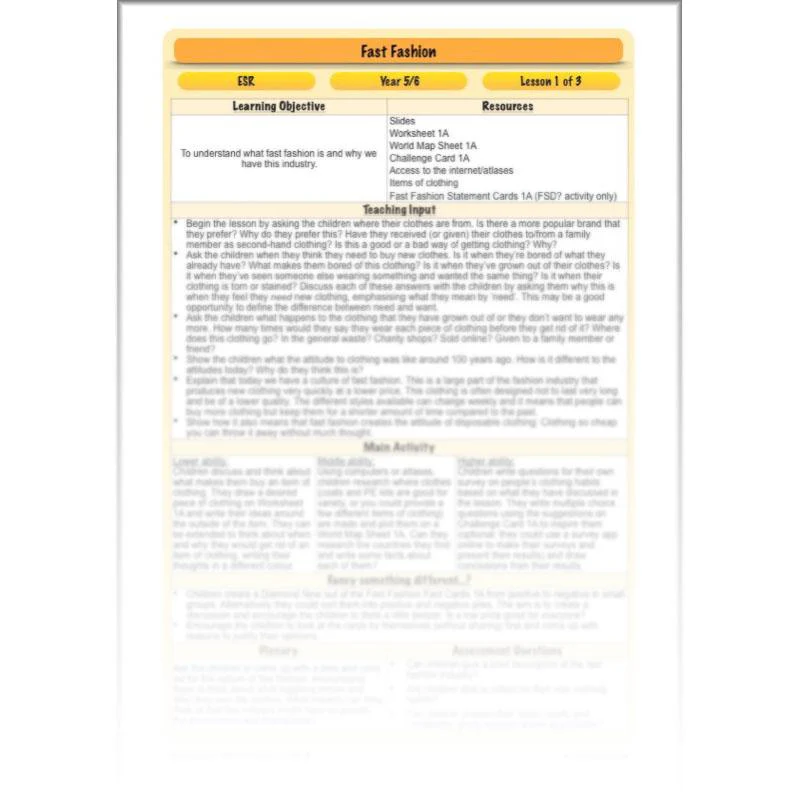
Where do your clothes come from? Start this scheme of work by asking your class to reflect on who makes their clothes and what happens to clothing before and after it is bought by consumers. Ask the children to think about the difference between want and need when buying new clothing and compare this attitude to 100 years in the past and how our attitudes to buying clothes have changed. This lesson encourages the children to build their own opinions on the fast fashion industry and begin investigating the reasons behind it.
This downloadable lesson comes with a lesson plan, a slideshow presentation and printable teaching resources.
What's included:
- Lesson plan
- Slides
- Activity ideas
- Worksheet
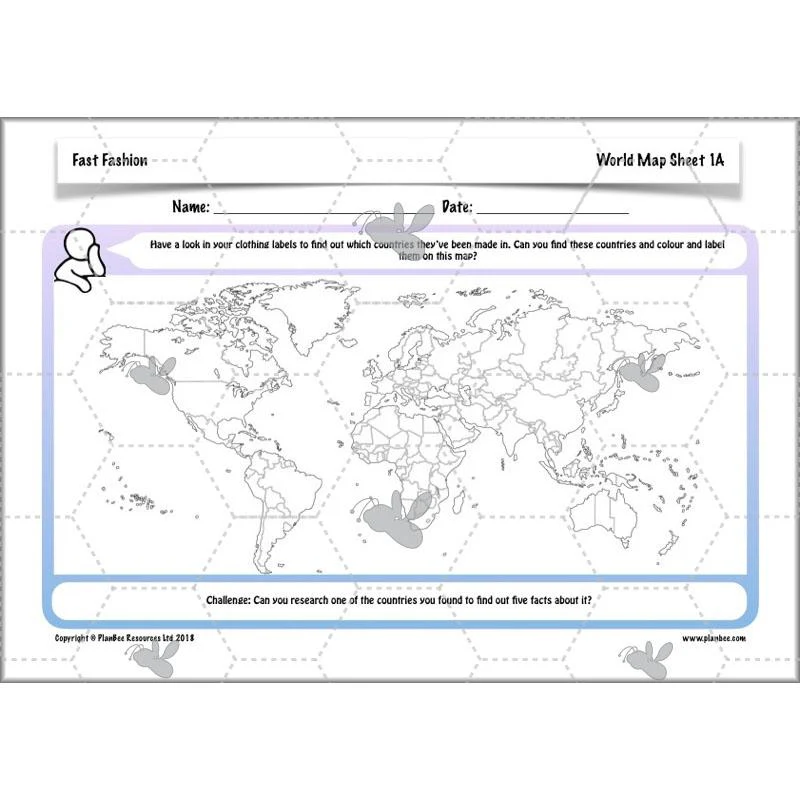
- World map sheet
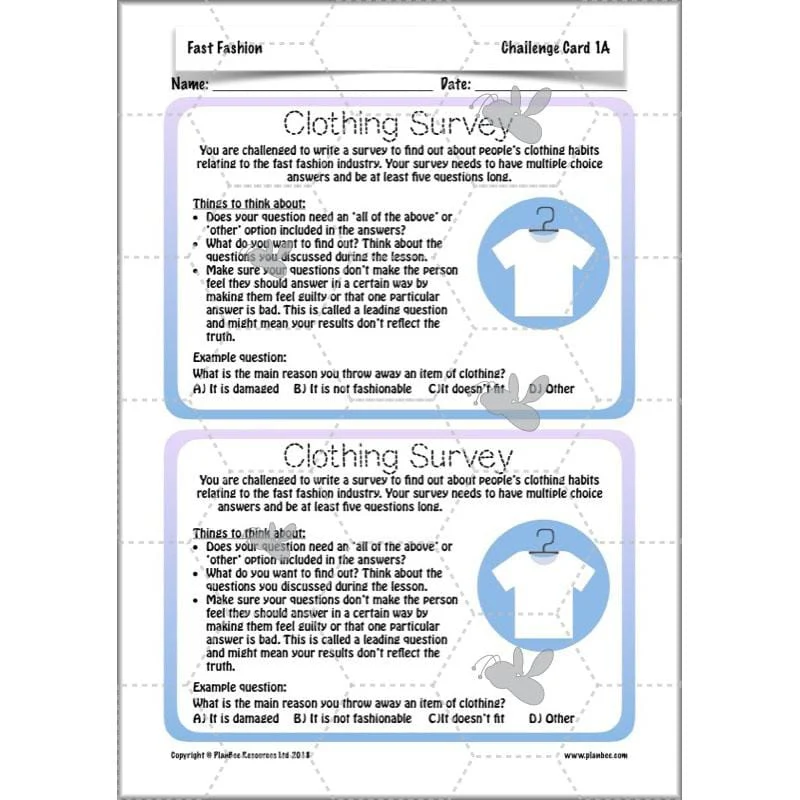
- Challenge cards
View Lesson 1
Human and Environmental Impacts
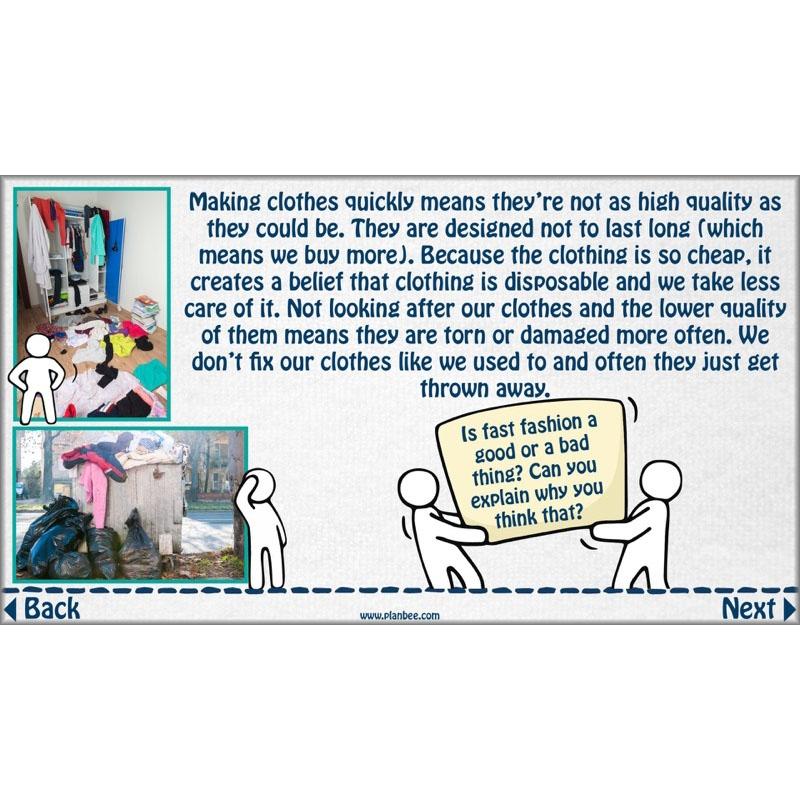
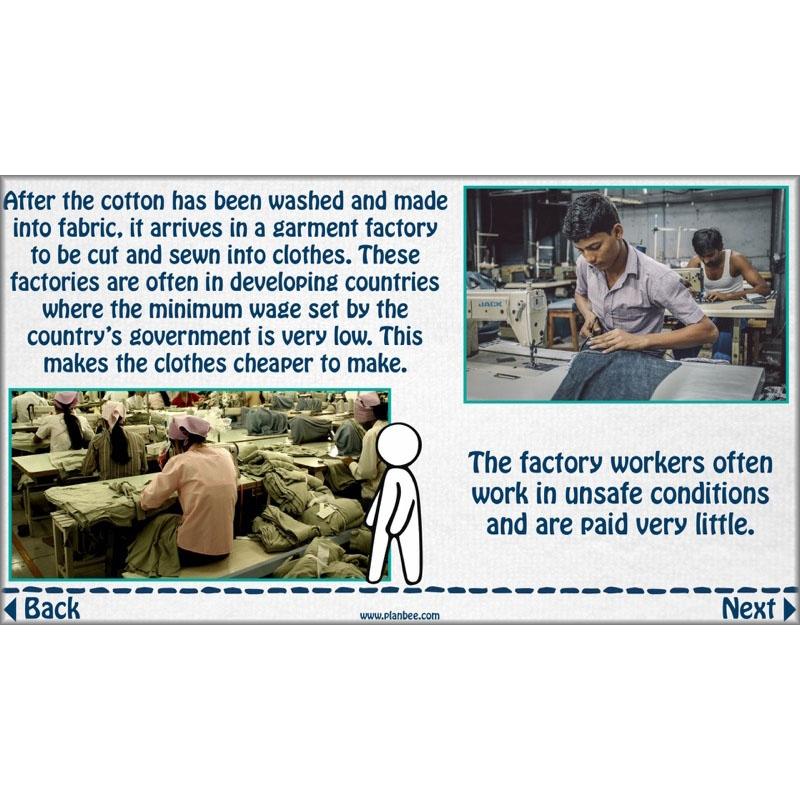
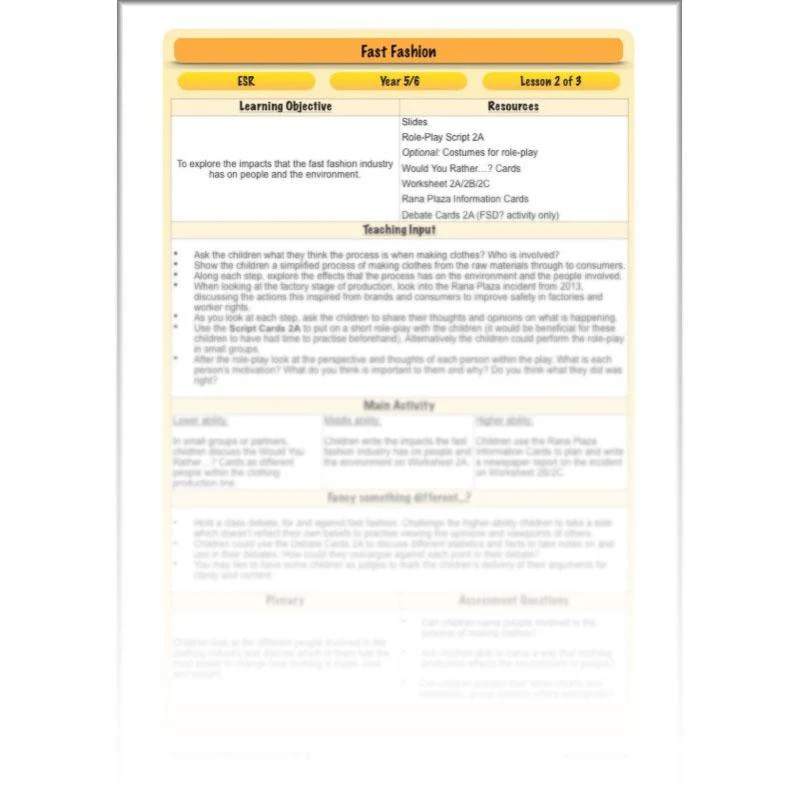
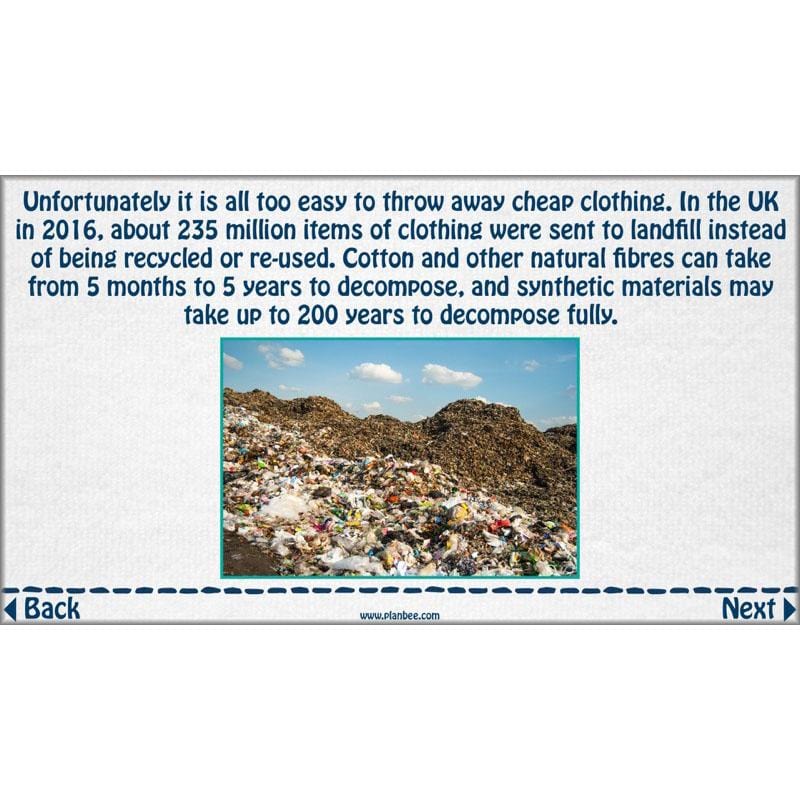
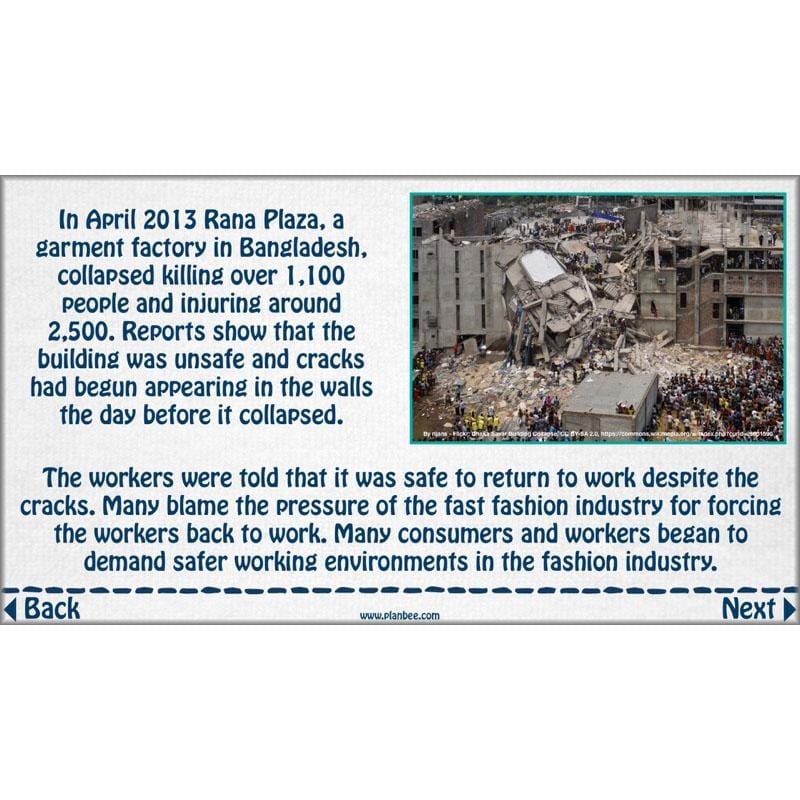
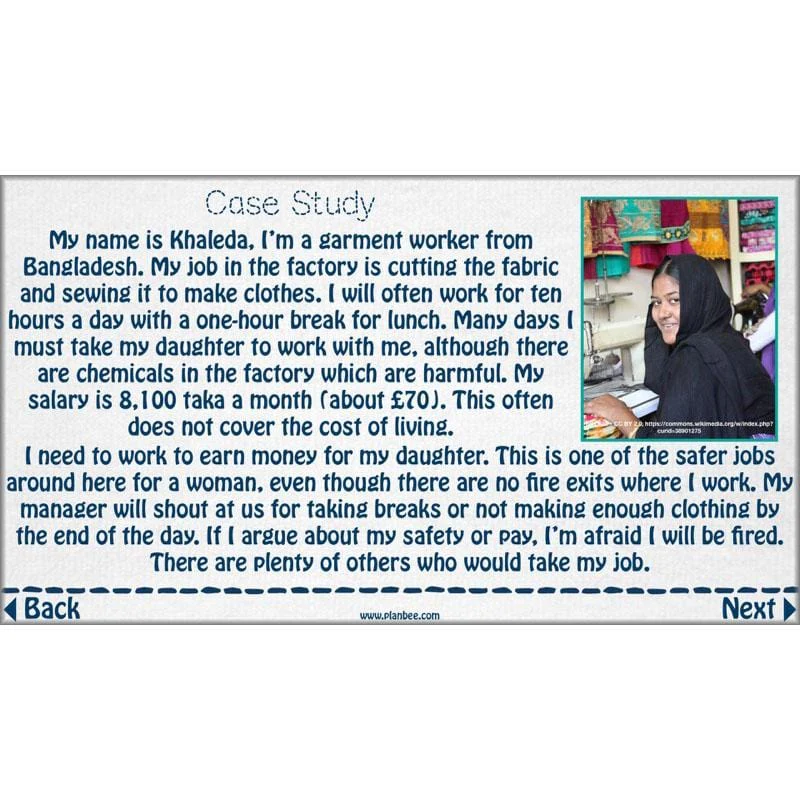
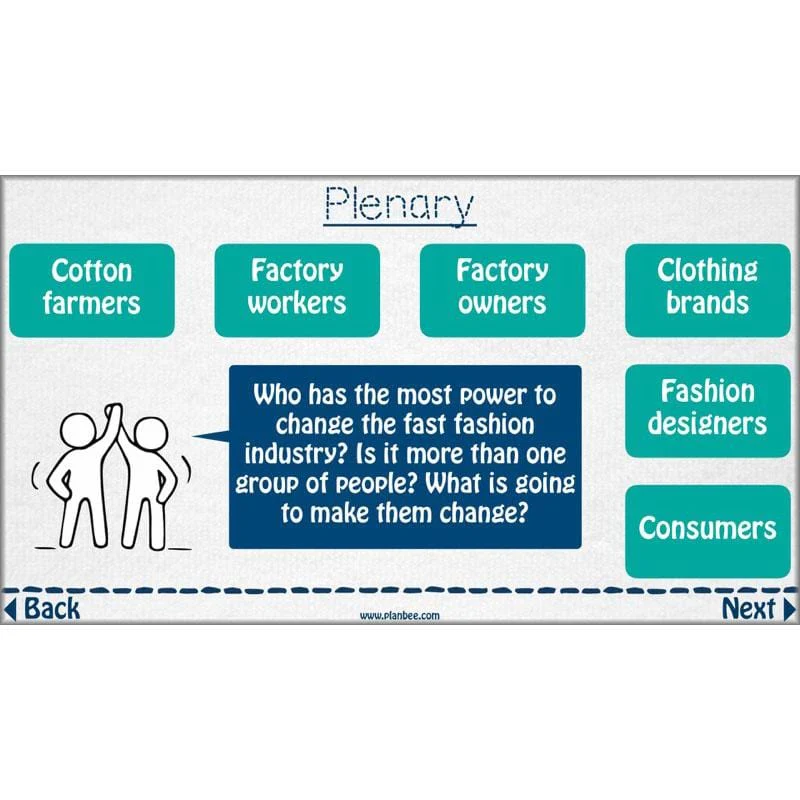
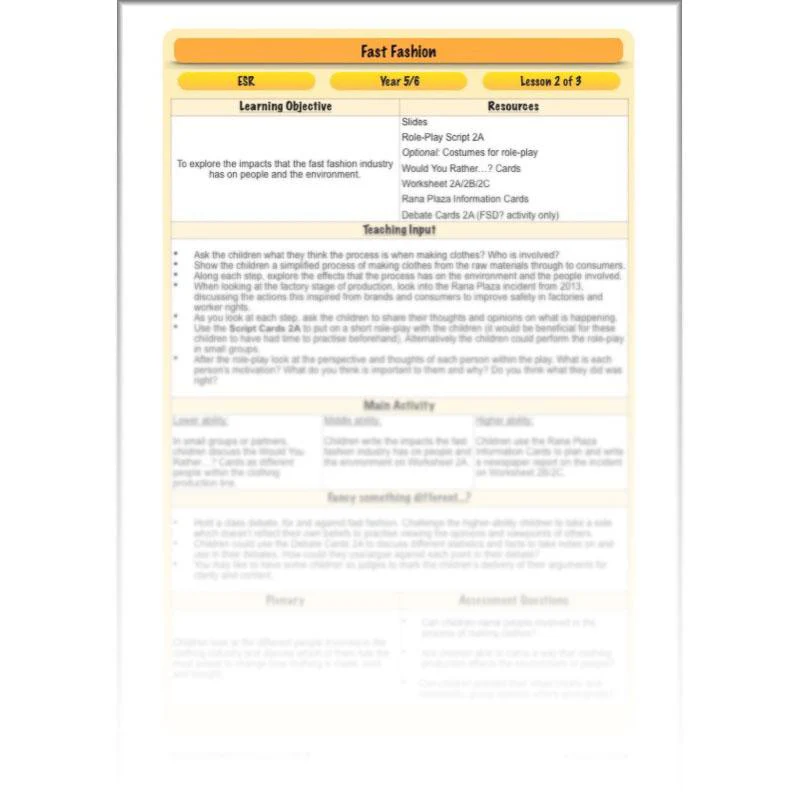
After being introduced to the fast fashion industry in the previous lesson, the children will explore the human and environmental impacts that the fast fashion industry is having on our world including, workers rights, cotton farming and the increased waste it is causing. The children will need to consider the cost that fast fashion has on people and the planet and if this is an ethical, or sustainable, path to continue down and why.
This downloadable lesson comes with a lesson plan, a slideshow presentation and printable teaching resources.
What's included:
- Lesson plan
- Slides
- Activity ideas
- Script cards
- Would you rather…? cards
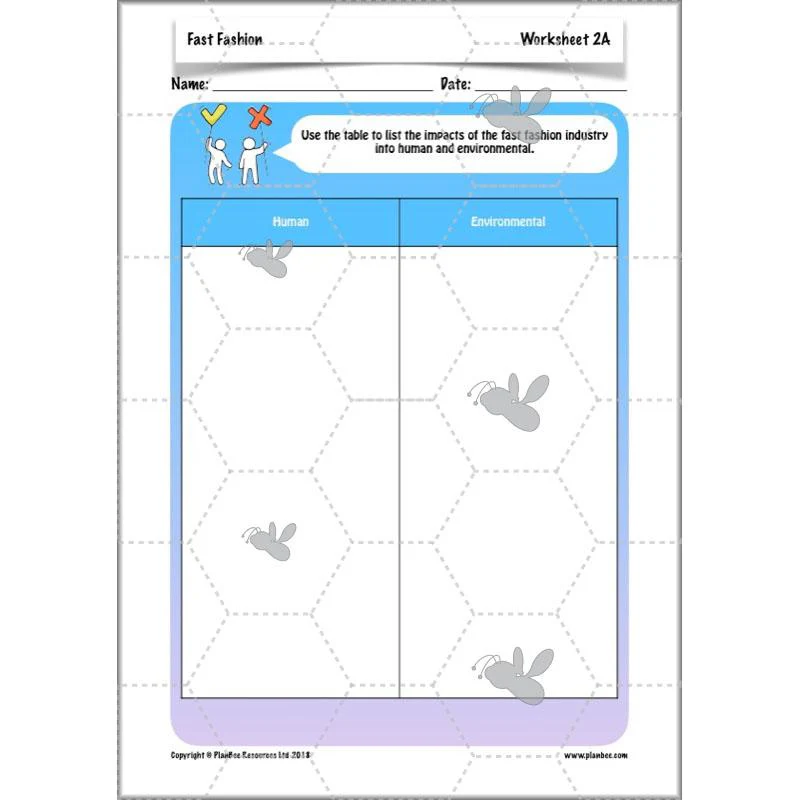
- Differentiated worksheets
- Rana Plaza information cards
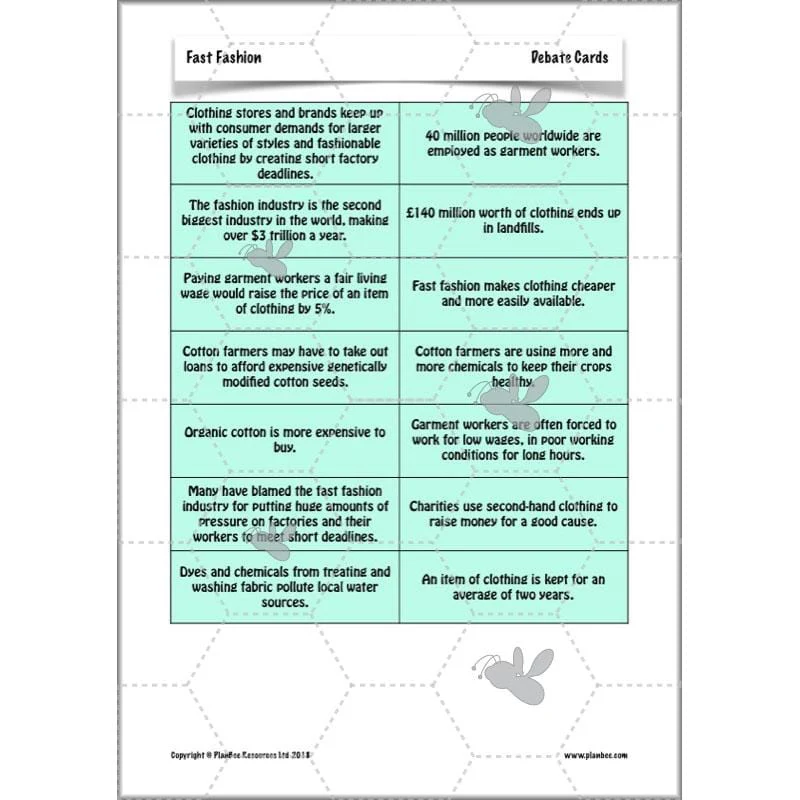
- Debate cards
View Lesson 2
What Can We Do?
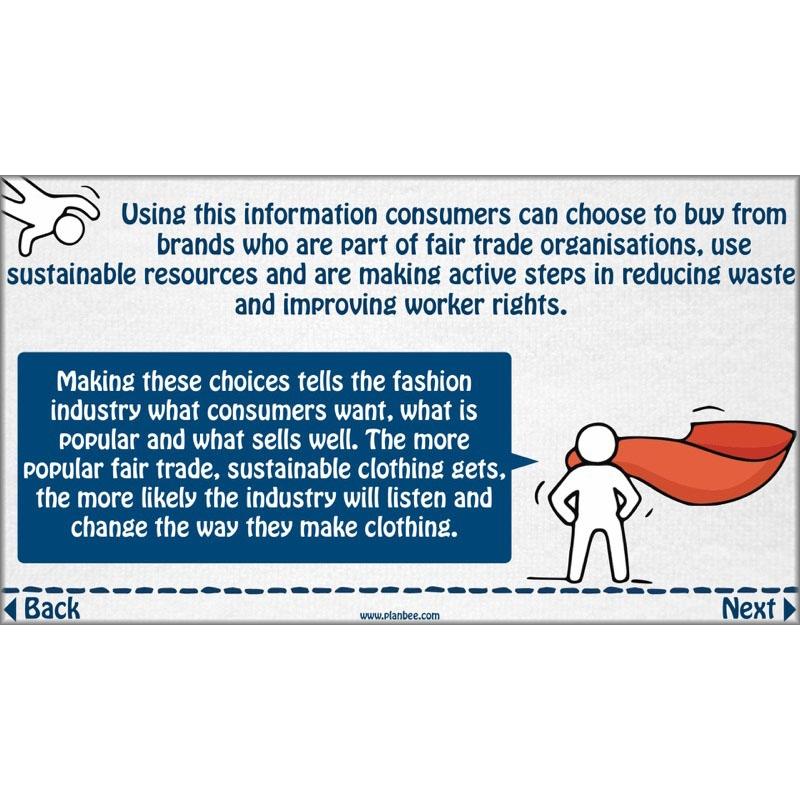
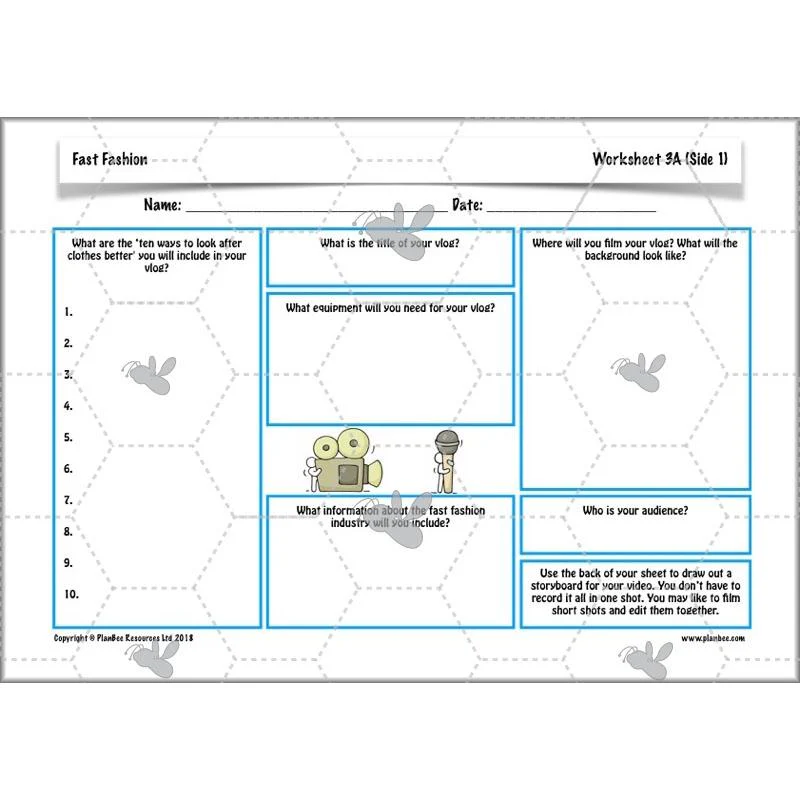
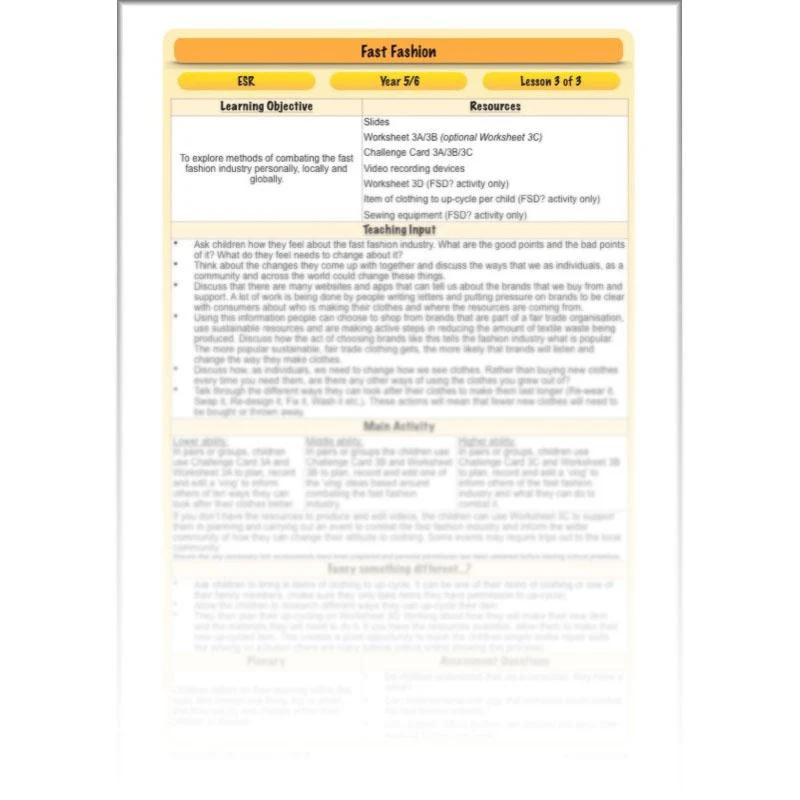
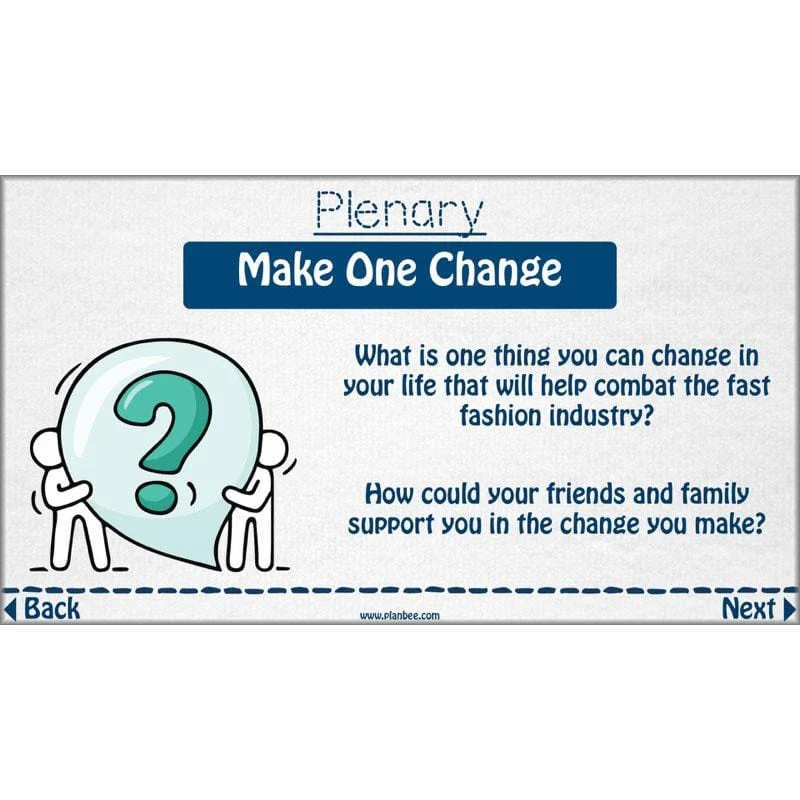
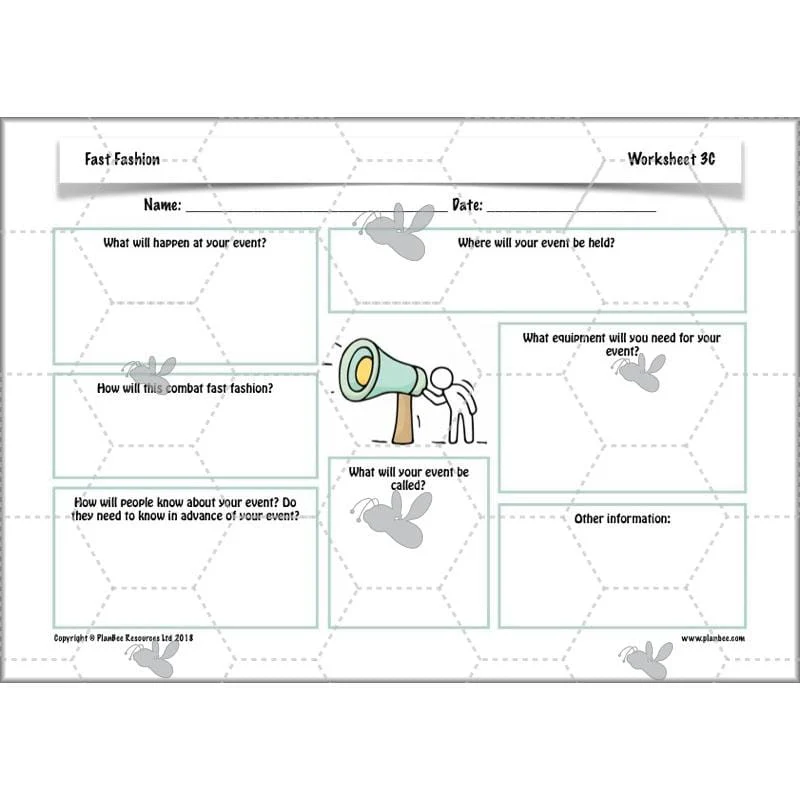
Support your class in exploring all the different ways that they can combat the fast fashion industry as individuals and as a community. Encourage the children to help inform others of the different ways they can help support the improvement of worker rights in the fashion industry. The children also have the opportunity to plan events or record videos to reach the wider community and encourage them to reduce the amounts of clothing they throw away and choose to buy from fair trade clothing brands.
This downloadable lesson comes with a lesson plan, a slideshow presentation and printable teaching resources.
What's included:
- Lesson plan
- Slides
- Activity ideas
- Differentiated worksheets
- Challenge cards
View Lesson 3
More Images
Fast Fashion
This three-lesson ESR scheme of work continues children’s learning about ethical trade by considering the human and environmental impacts of the fast fashion industry.
The children begin by exploring where their clothing is made and who is involved in the process. They then begin to unpick the impacts that the industry is having on worker rights and how consumers’ treatment of clothing is damaging the environment. Using this information the children can then reflect on their own clothing habits and discuss ways to combat the negative impacts this industry is having on a personal, local and global scale.
With lesson plans, slides for the teaching input, differentiated activities and a range of printable resources, this ‘Fast Fashion’ scheme will encourage discussion within your class and encourage the children to become more aware of the impacts their choices as a consumer can have.
What is it?
Where do your clothes come from? Start this scheme of work by asking your class to reflect on who makes their clothes and what happens to clothing before and after it is bought by consumers. Ask the children to think about the difference between want and need when buying new clothing and compare this attitude to 100 years in the past and how our attitudes to buying clothes have changed. This lesson encourages the children to build their own opinions on the fast fashion industry and begin investigating the reasons behind it.
This downloadable lesson comes with a lesson plan, a slideshow presentation and printable teaching resources.
What's included:
- Lesson plan
- Slides
- Activity ideas
- Worksheet
- World map sheet
- Challenge cards
View Lesson 1
Human and Environmental Impacts
After being introduced to the fast fashion industry in the previous lesson, the children will explore the human and environmental impacts that the fast fashion industry is having on our world including, workers rights, cotton farming and the increased waste it is causing. The children will need to consider the cost that fast fashion has on people and the planet and if this is an ethical, or sustainable, path to continue down and why.
This downloadable lesson comes with a lesson plan, a slideshow presentation and printable teaching resources.
What's included:
- Lesson plan
- Slides
- Activity ideas
- Script cards
- Would you rather…? cards
- Differentiated worksheets
- Rana Plaza information cards
- Debate cards
View Lesson 2
What Can We Do?
Support your class in exploring all the different ways that they can combat the fast fashion industry as individuals and as a community. Encourage the children to help inform others of the different ways they can help support the improvement of worker rights in the fashion industry. The children also have the opportunity to plan events or record videos to reach the wider community and encourage them to reduce the amounts of clothing they throw away and choose to buy from fair trade clothing brands.
This downloadable lesson comes with a lesson plan, a slideshow presentation and printable teaching resources.
What's included:
- Lesson plan
- Slides
- Activity ideas
- Differentiated worksheets
- Challenge cards
View Lesson 3
Product Information
Product Information
Shipping & Returns
Shipping & Returns
Description
This three-lesson ESR scheme of work continues children’s learning about ethical trade by considering the human and environmental impacts of the fast fashion industry.
The children begin by exploring where their clothing is made and who is involved in the process. They then begin to unpick the impacts that the industry is having on worker rights and how consumers’ treatment of clothing is damaging the environment. Using this information the children can then reflect on their own clothing habits and discuss ways to combat the negative impacts this industry is having on a personal, local and global scale.
With lesson plans, slides for the teaching input, differentiated activities and a range of printable resources, this ‘Fast Fashion’ scheme will encourage discussion within your class and encourage the children to become more aware of the impacts their choices as a consumer can have.
What is it?
Where do your clothes come from? Start this scheme of work by asking your class to reflect on who makes their clothes and what happens to clothing before and after it is bought by consumers. Ask the children to think about the difference between want and need when buying new clothing and compare this attitude to 100 years in the past and how our attitudes to buying clothes have changed. This lesson encourages the children to build their own opinions on the fast fashion industry and begin investigating the reasons behind it.
This downloadable lesson comes with a lesson plan, a slideshow presentation and printable teaching resources.
What's included:
- Lesson plan
- Slides
- Activity ideas
- Worksheet
- World map sheet
- Challenge cards
View Lesson 1
Human and Environmental Impacts
After being introduced to the fast fashion industry in the previous lesson, the children will explore the human and environmental impacts that the fast fashion industry is having on our world including, workers rights, cotton farming and the increased waste it is causing. The children will need to consider the cost that fast fashion has on people and the planet and if this is an ethical, or sustainable, path to continue down and why.
This downloadable lesson comes with a lesson plan, a slideshow presentation and printable teaching resources.
What's included:
- Lesson plan
- Slides
- Activity ideas
- Script cards
- Would you rather…? cards
- Differentiated worksheets
- Rana Plaza information cards
- Debate cards
View Lesson 2
What Can We Do?
Support your class in exploring all the different ways that they can combat the fast fashion industry as individuals and as a community. Encourage the children to help inform others of the different ways they can help support the improvement of worker rights in the fashion industry. The children also have the opportunity to plan events or record videos to reach the wider community and encourage them to reduce the amounts of clothing they throw away and choose to buy from fair trade clothing brands.
This downloadable lesson comes with a lesson plan, a slideshow presentation and printable teaching resources.
What's included:
- Lesson plan
- Slides
- Activity ideas
- Differentiated worksheets
- Challenge cards
View Lesson 3