Why is Nature Special
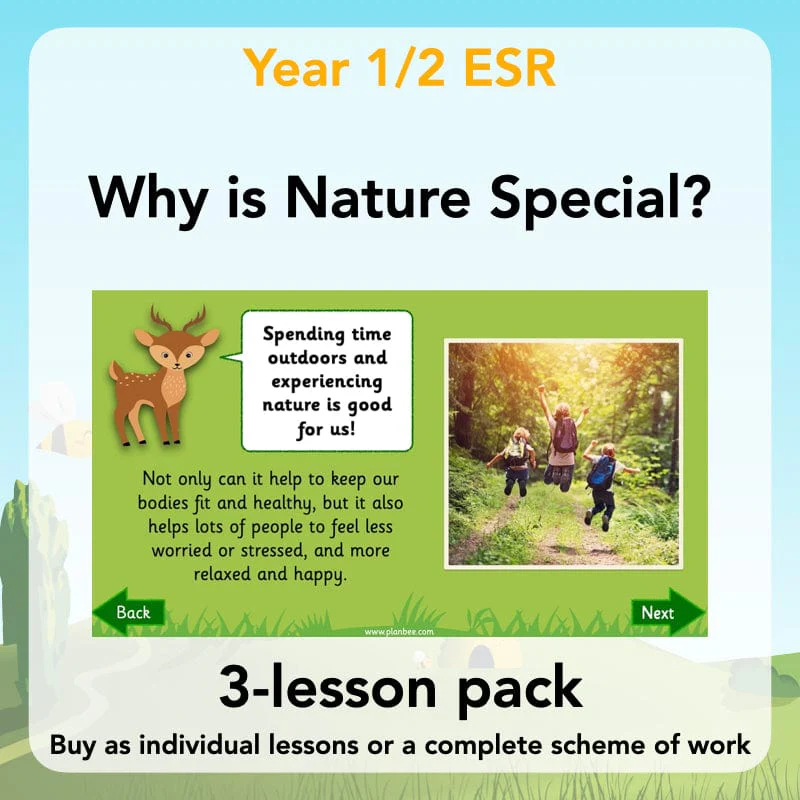
This ‘Why is Nature Special?’ scheme of work for Year 1/2 begins by encouraging your children to think about nature – what it means to them, and how it makes them feel. They will then explore what nature provides for us, and learn how even a small insect like the bee is essential. Finally, children will learn how nature recycles itself through exploring the process of composting.
Including lesson plans, engaging slide shows for the teaching input, differentiated activities and a range of printable resources, this ‘Why is Nature Special?’ scheme of work encourages your class to experience the wonder and explore the importance of nature.
Looking for more nature-themed lessons? You might be interested in PlanBee's 'Our Natural World' KS1 Topic Bundle.
How Nature Makes us Feel
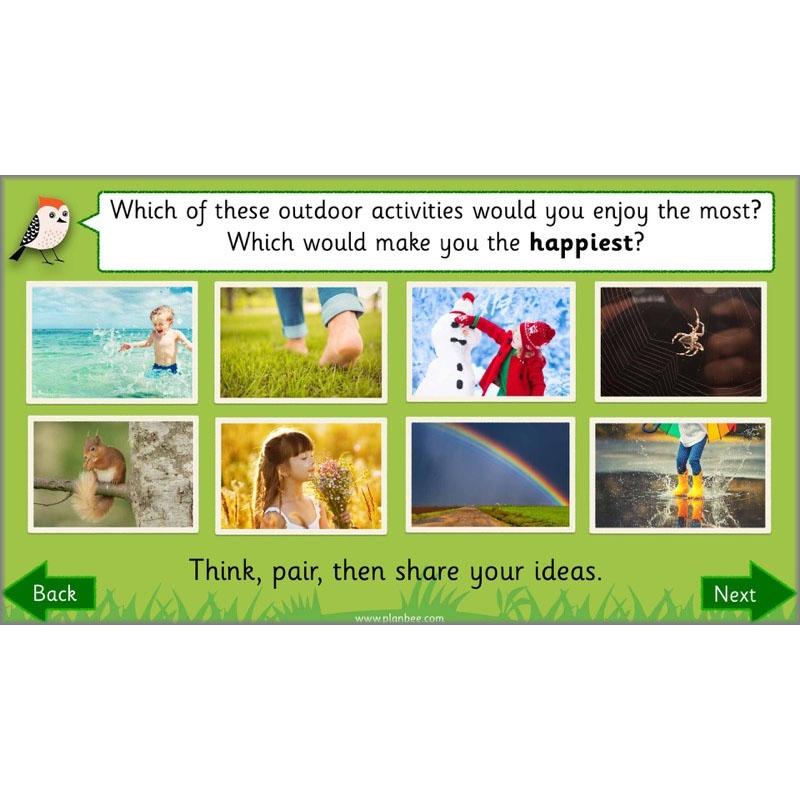
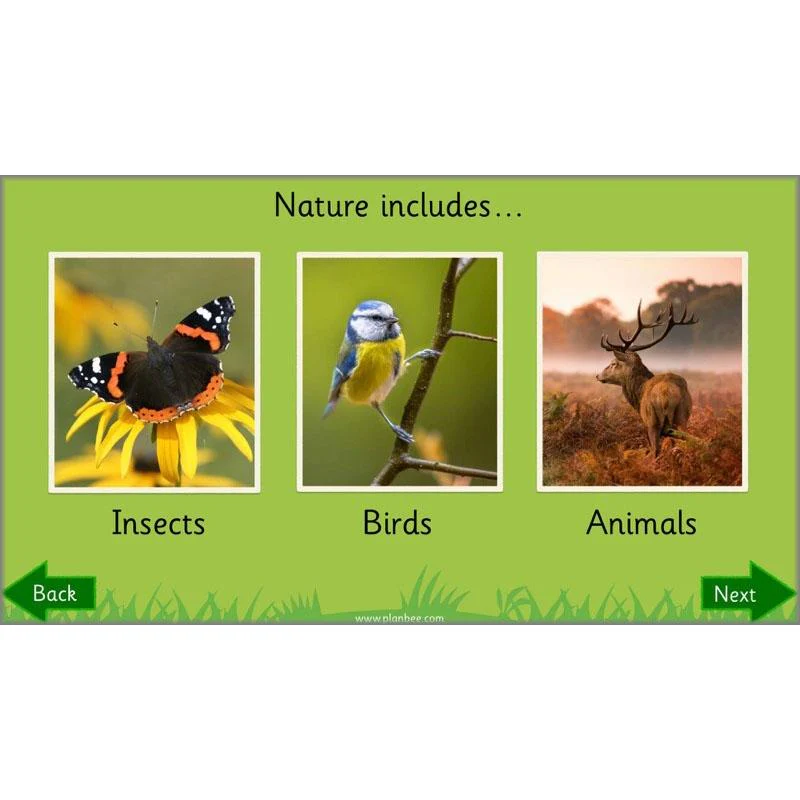
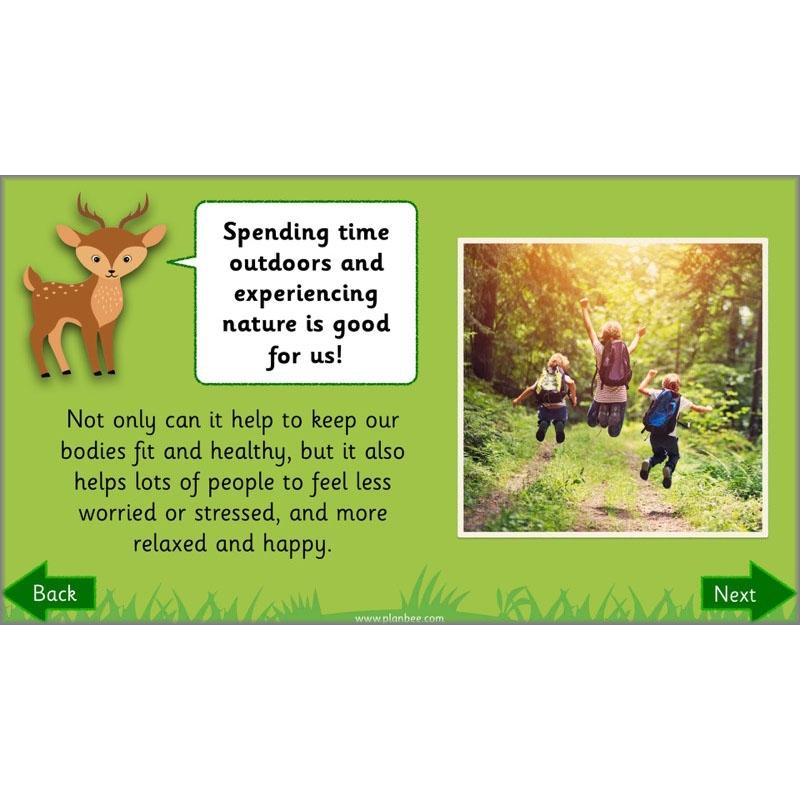
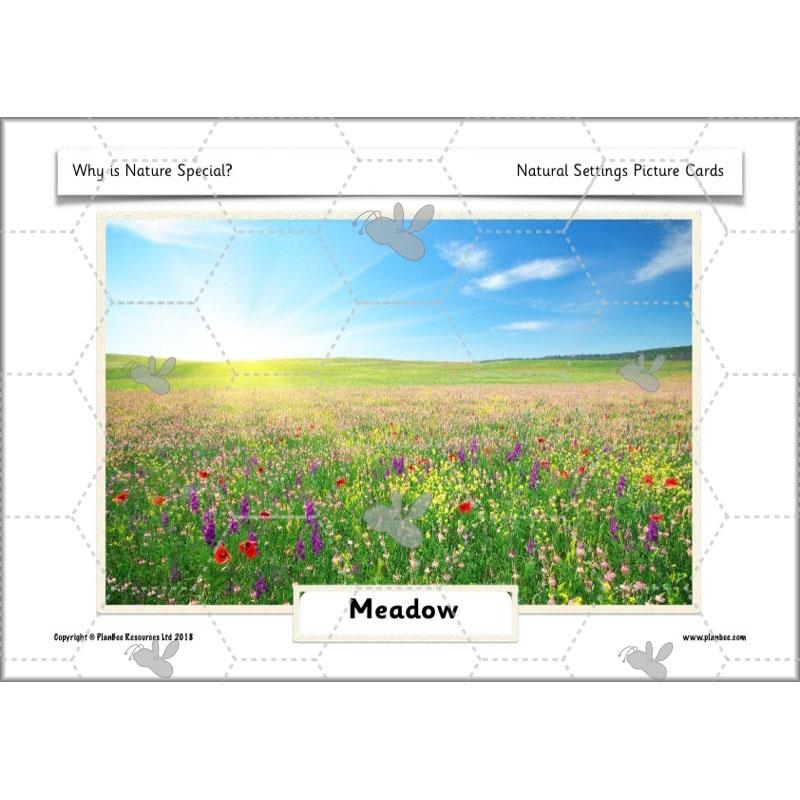
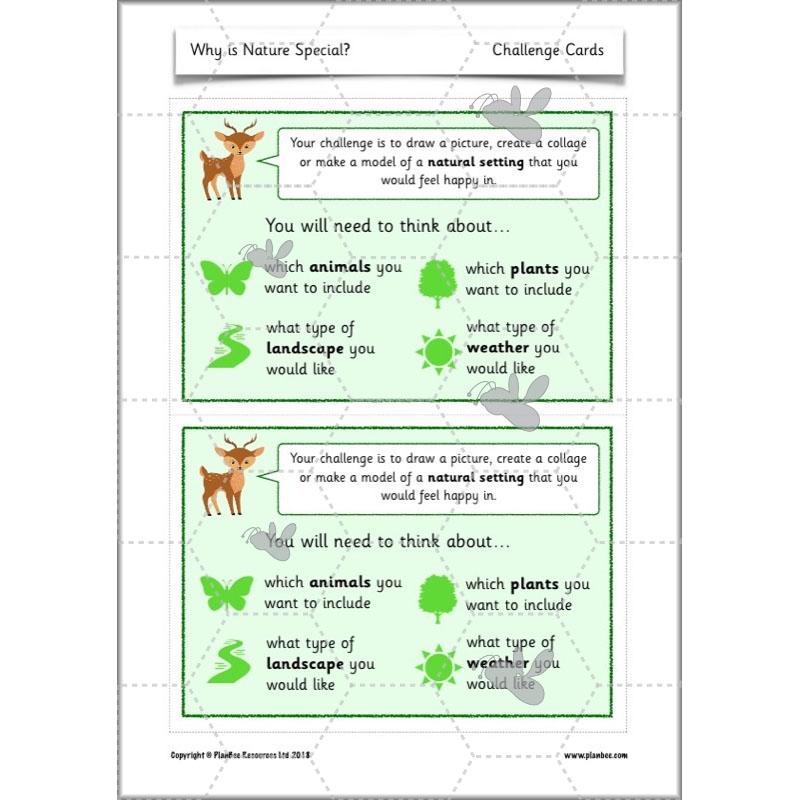
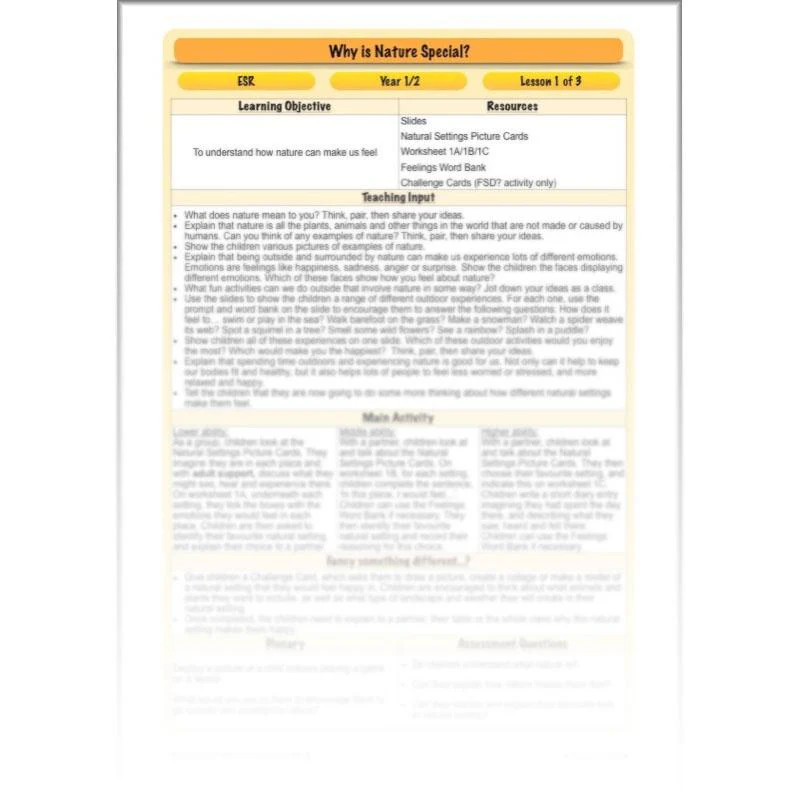
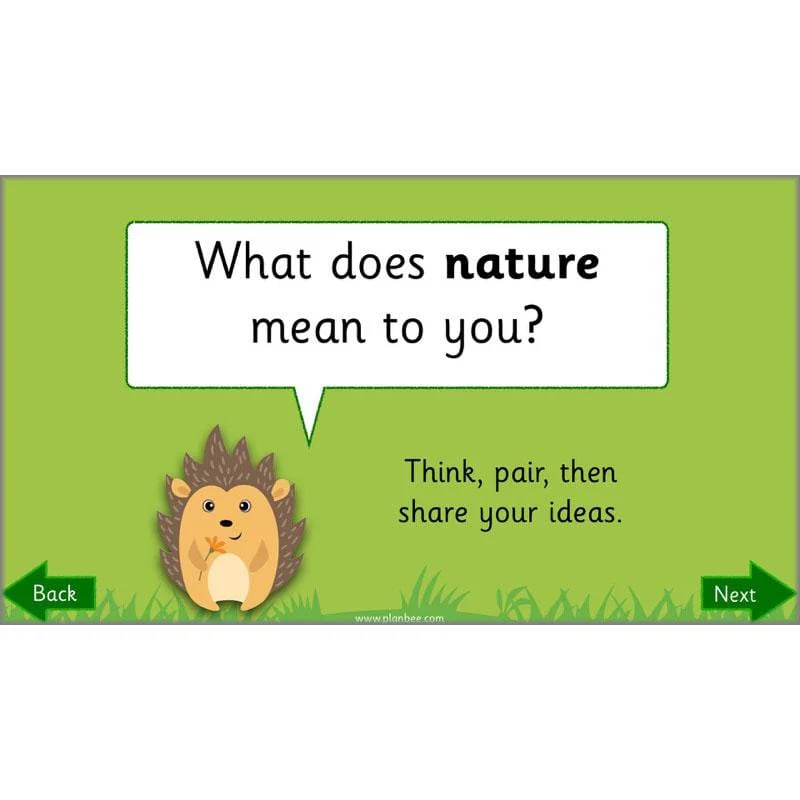
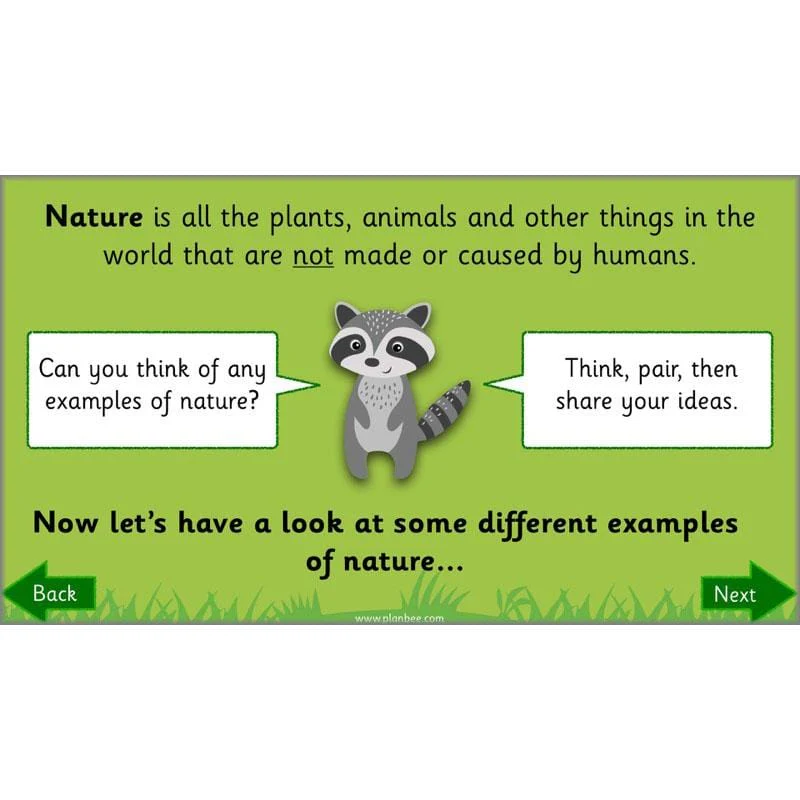
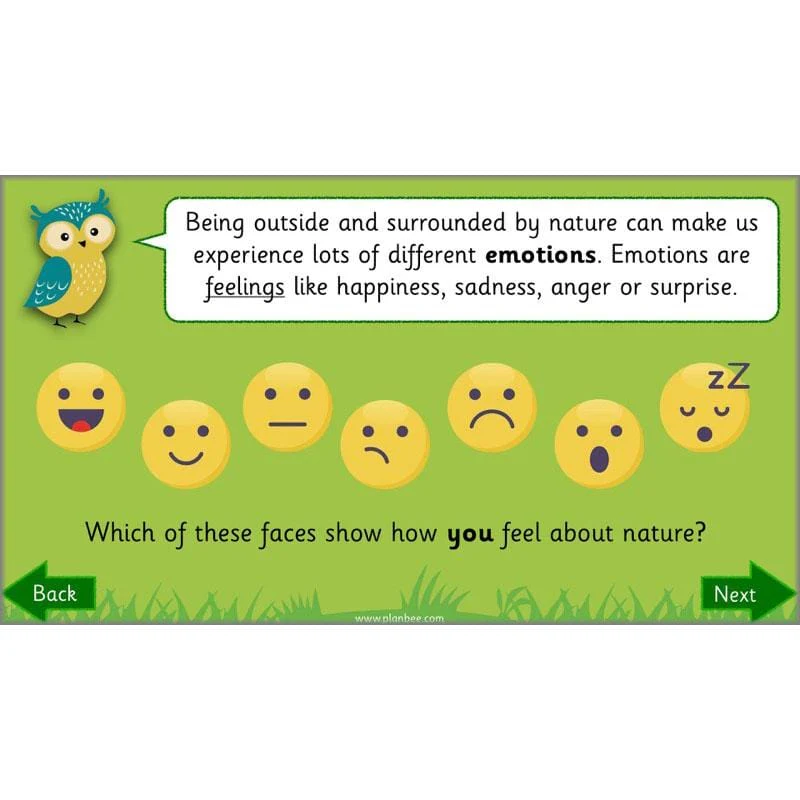
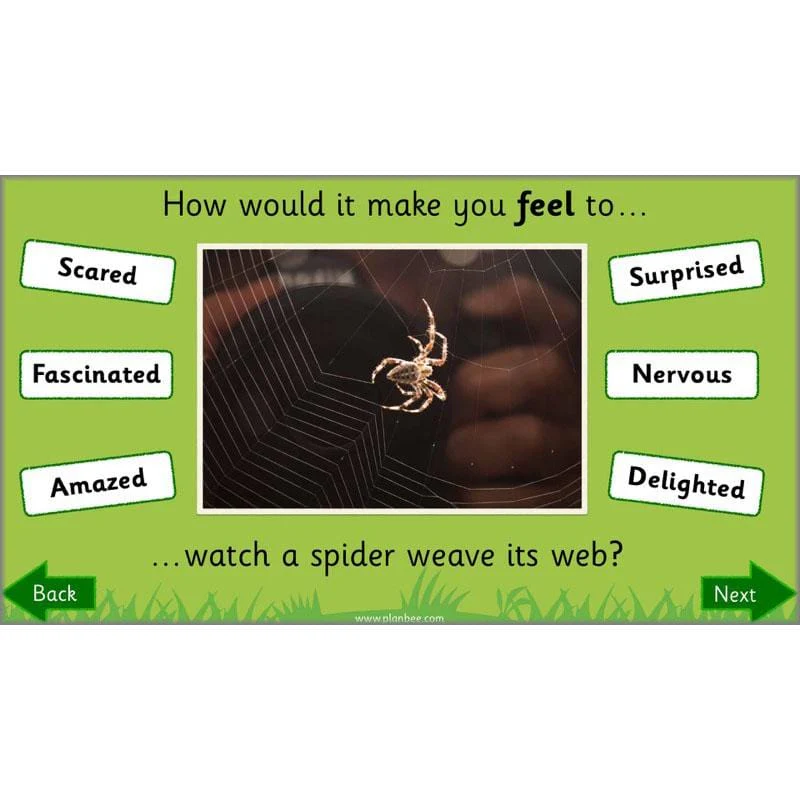
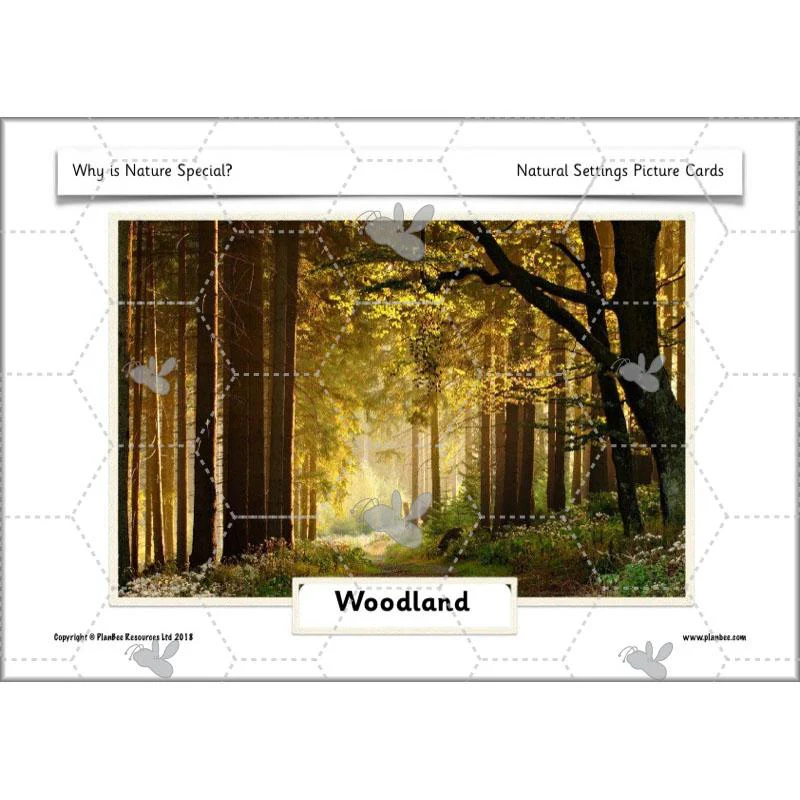
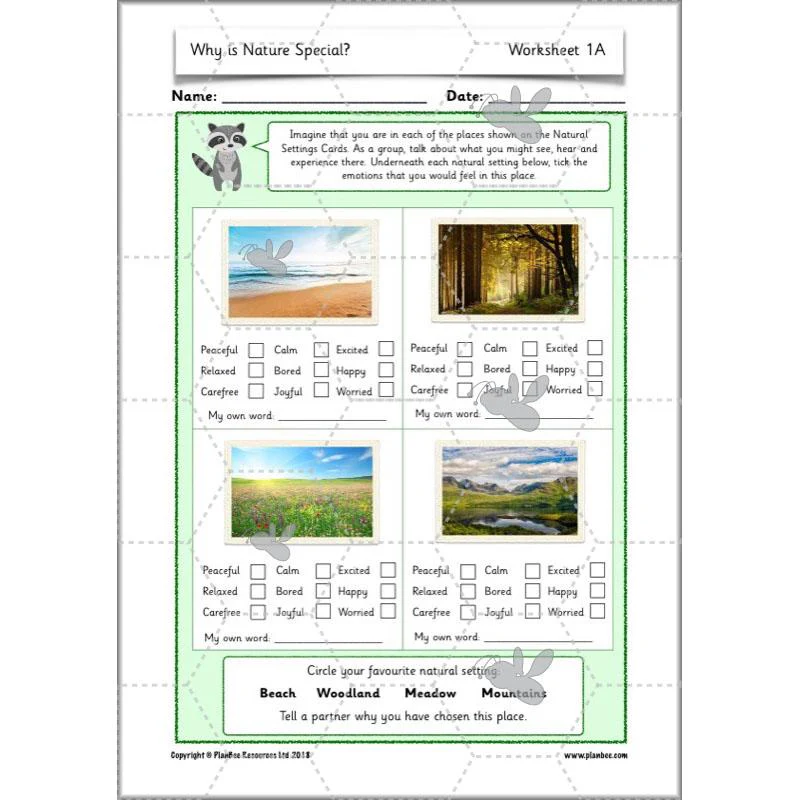
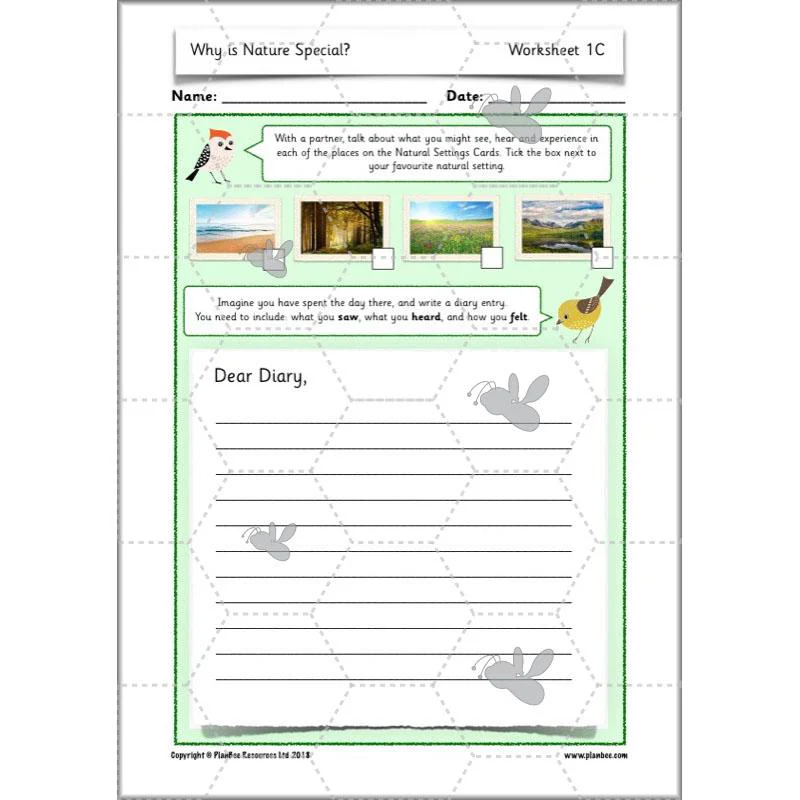
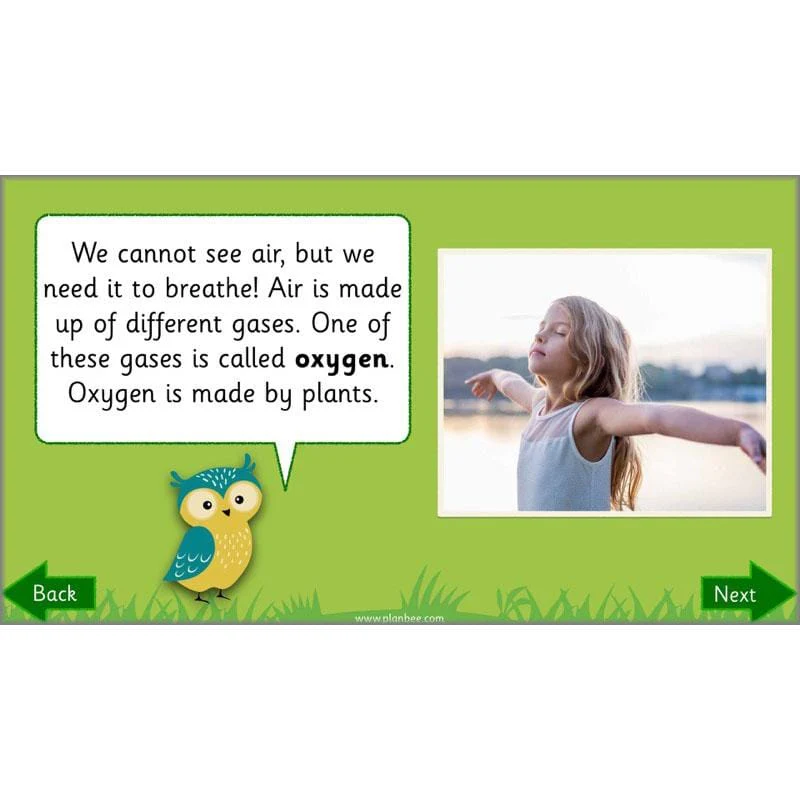
In this first lesson, children talk about what nature is, and how it makes them feel. They begin to understand that spending time outdoors and experiencing nature is good for our well-being. In their independent activities, children look at different natural settings, and record how being in this setting would make them feel. Alternatively, children are challenged to create their own artwork of a natural setting which they would feel happy in.
This downloadable lesson includes a lesson plan, slideshow presentation and printable teaching resources.
What's included:
- Lesson plan
- Slides
- Activity ideas
- Differentiated worksheets
- Natural Settings Picture Cards
- Feelings Word Bank
- Challenge Cards
View Lesson 1
What Nature Provides for Us
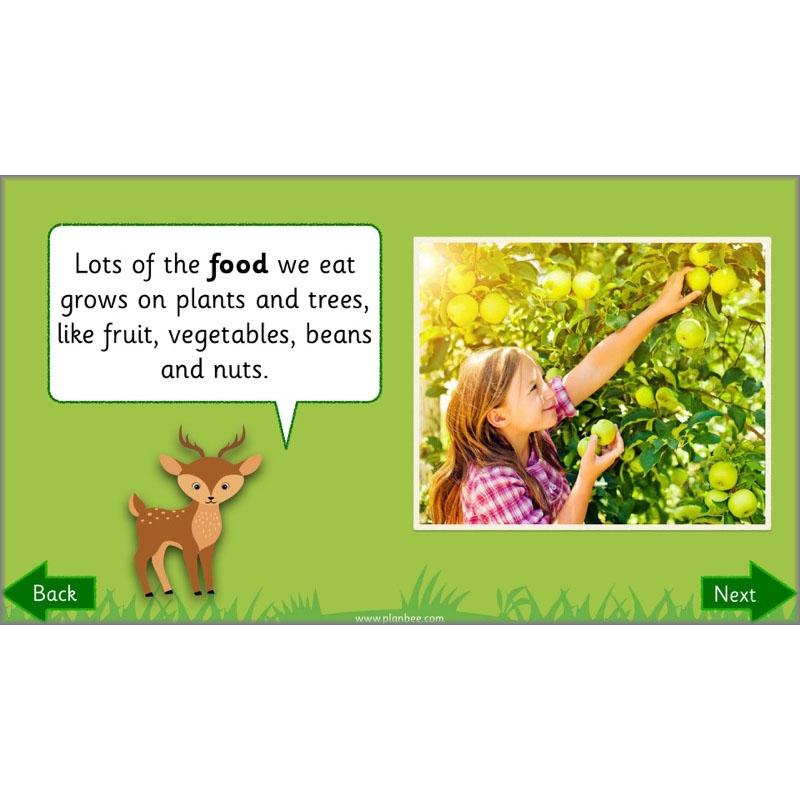
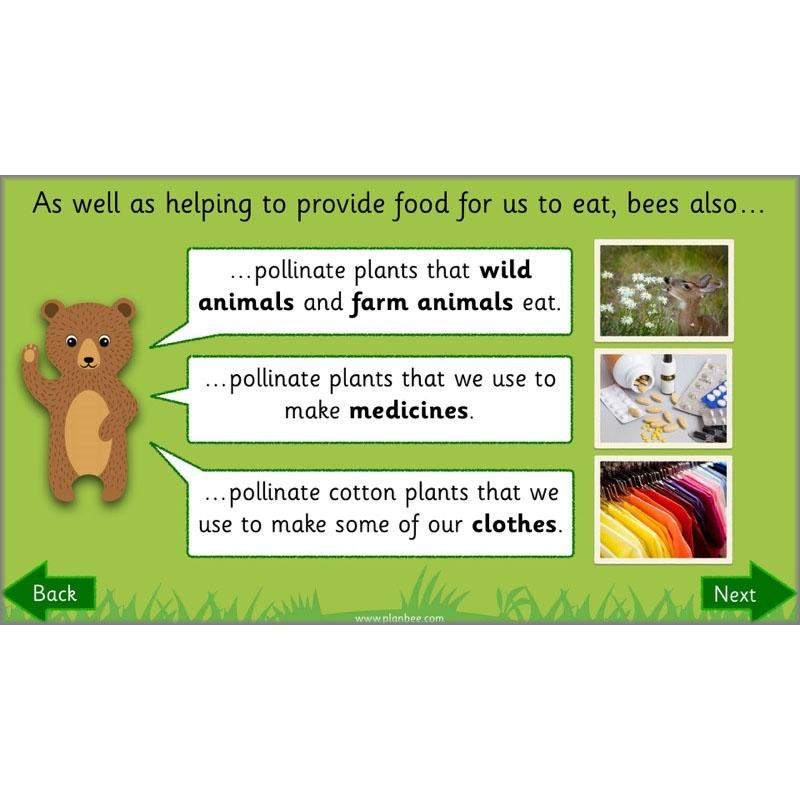
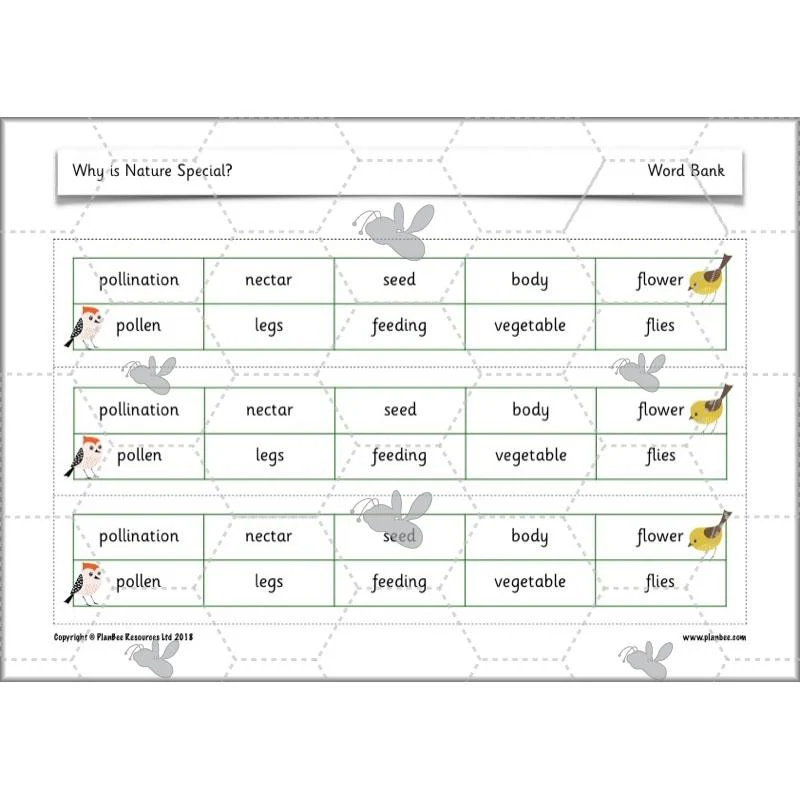
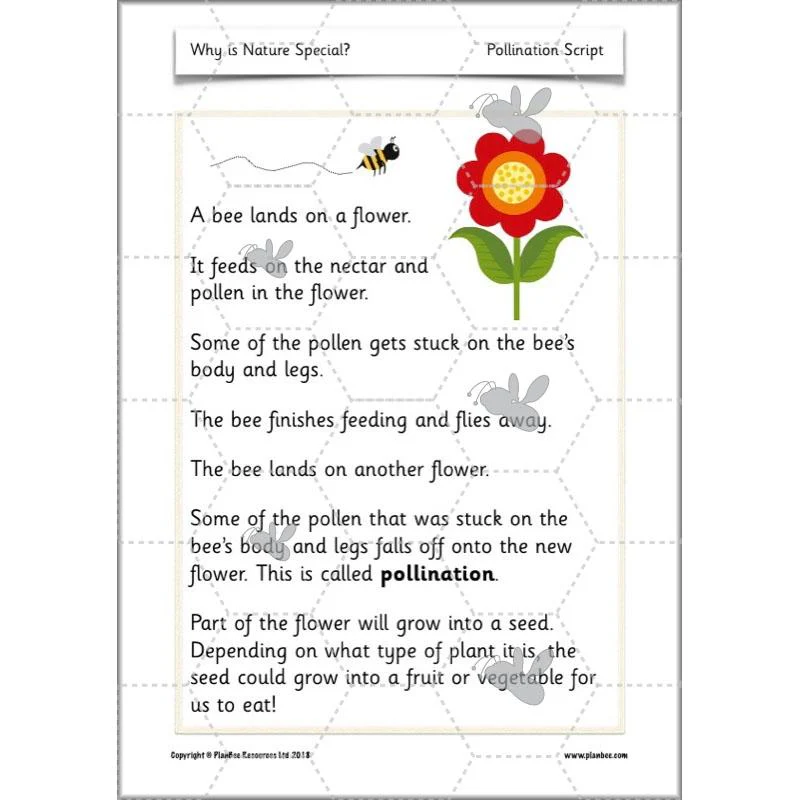
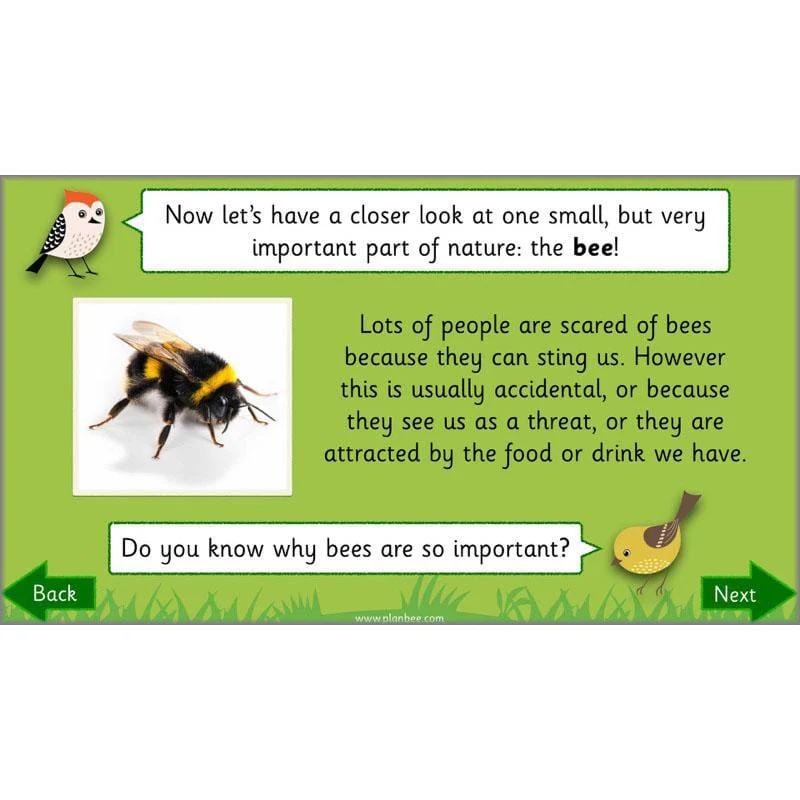
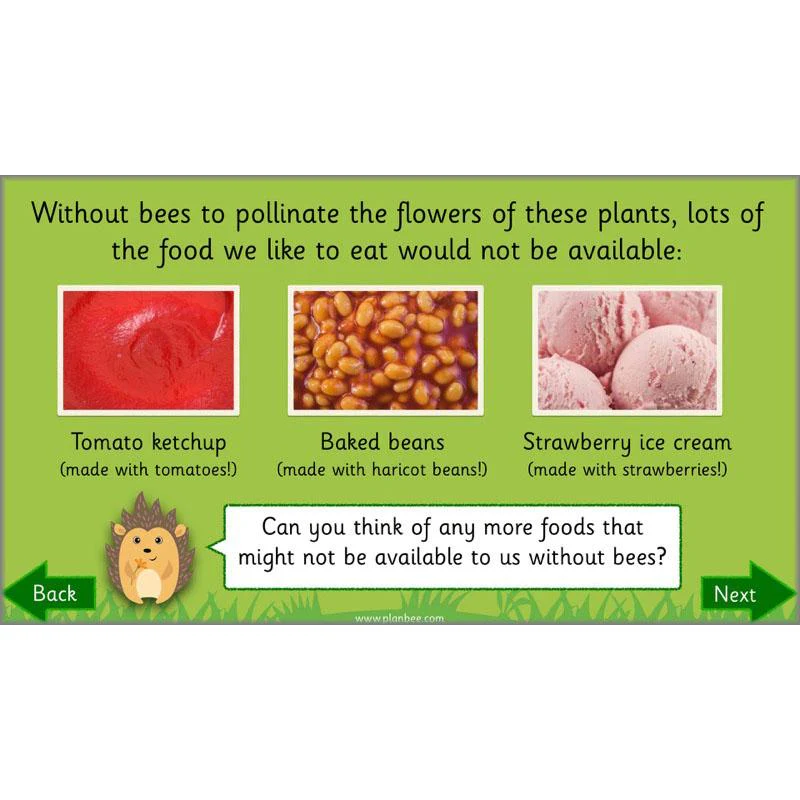
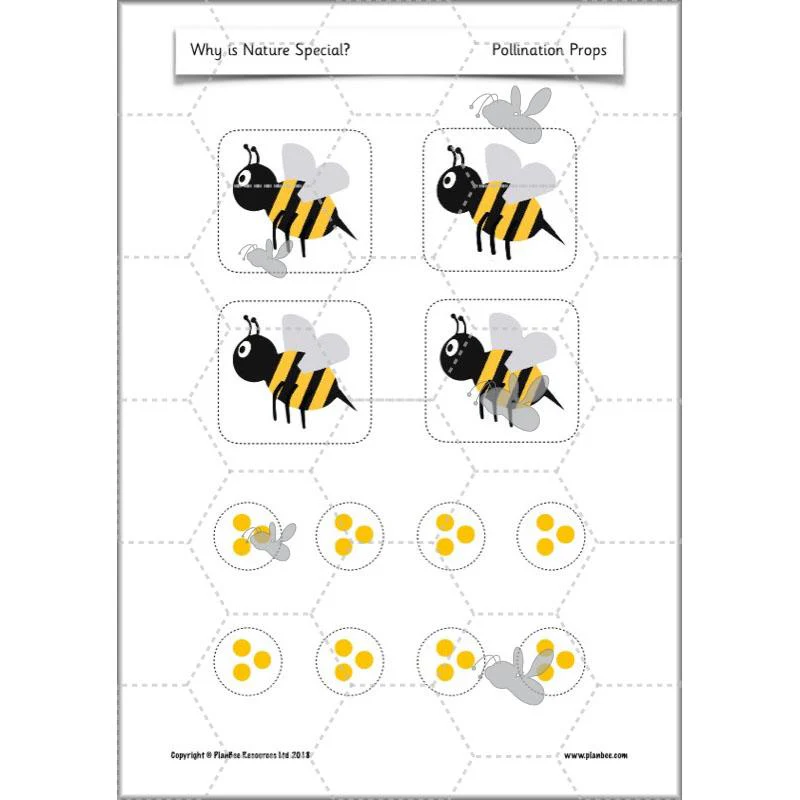
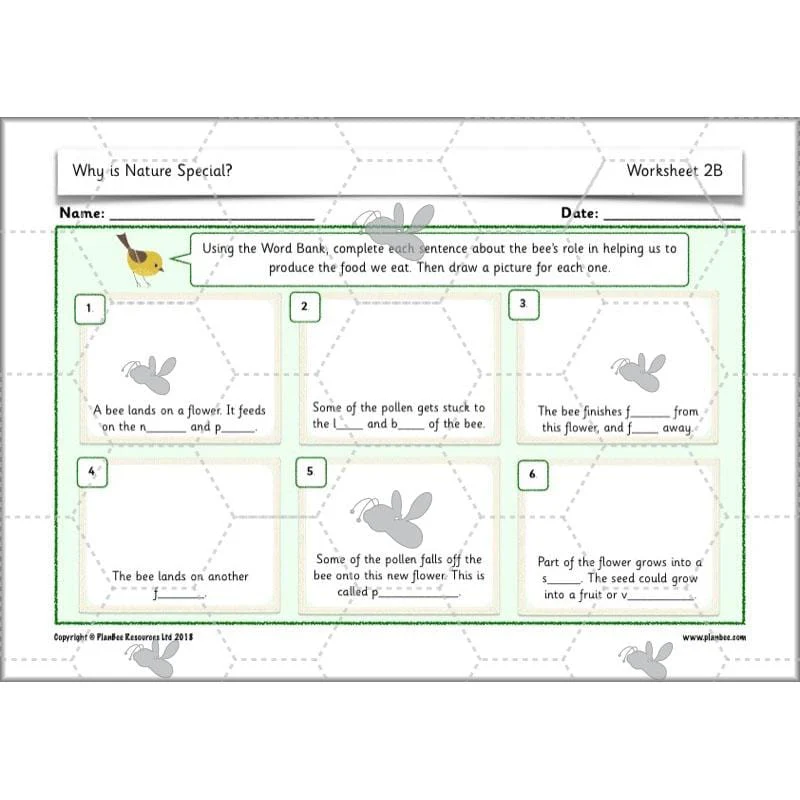
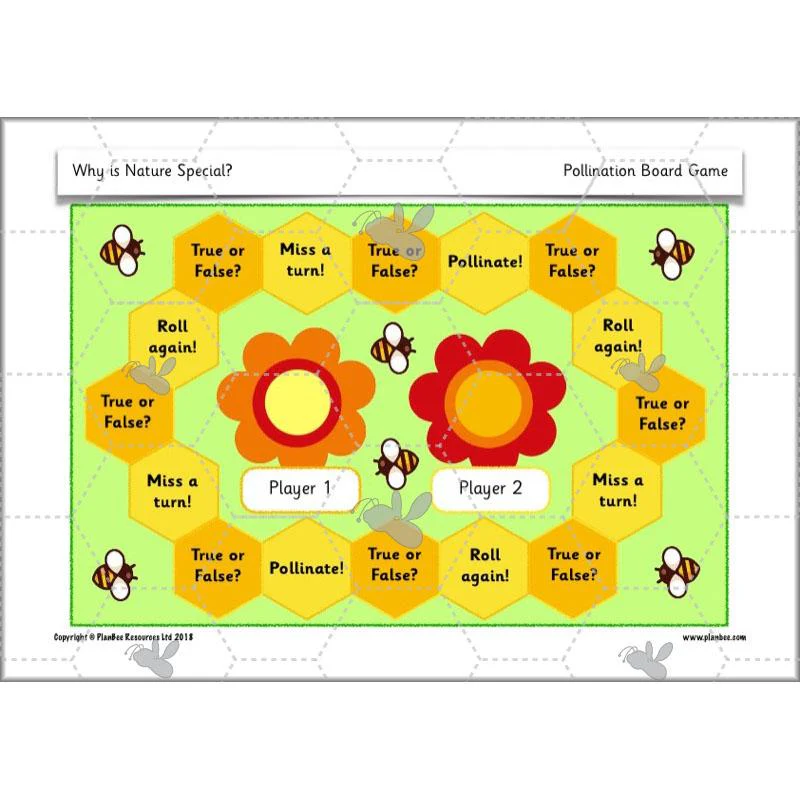
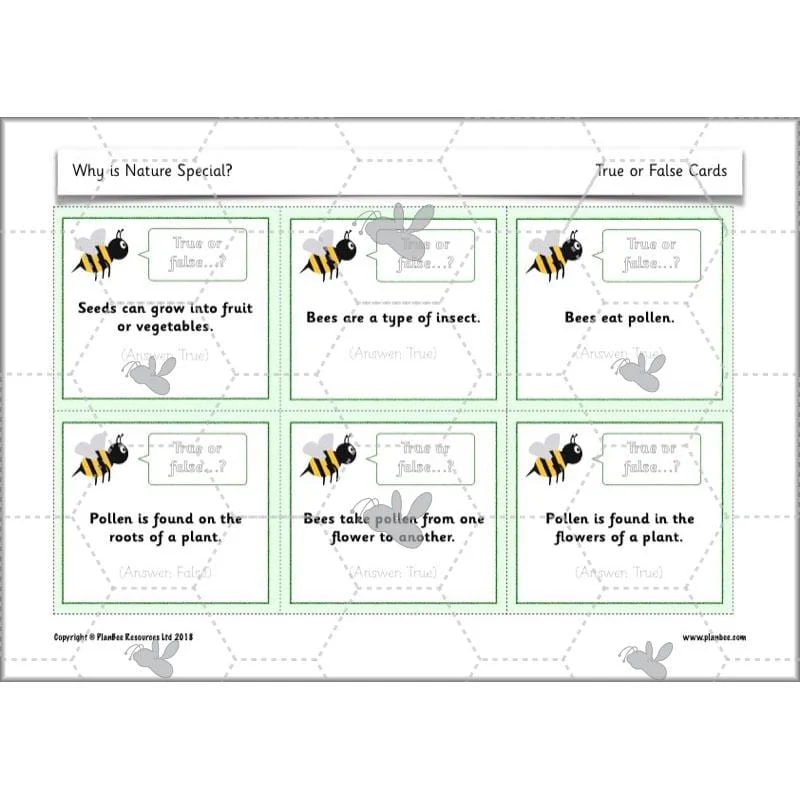
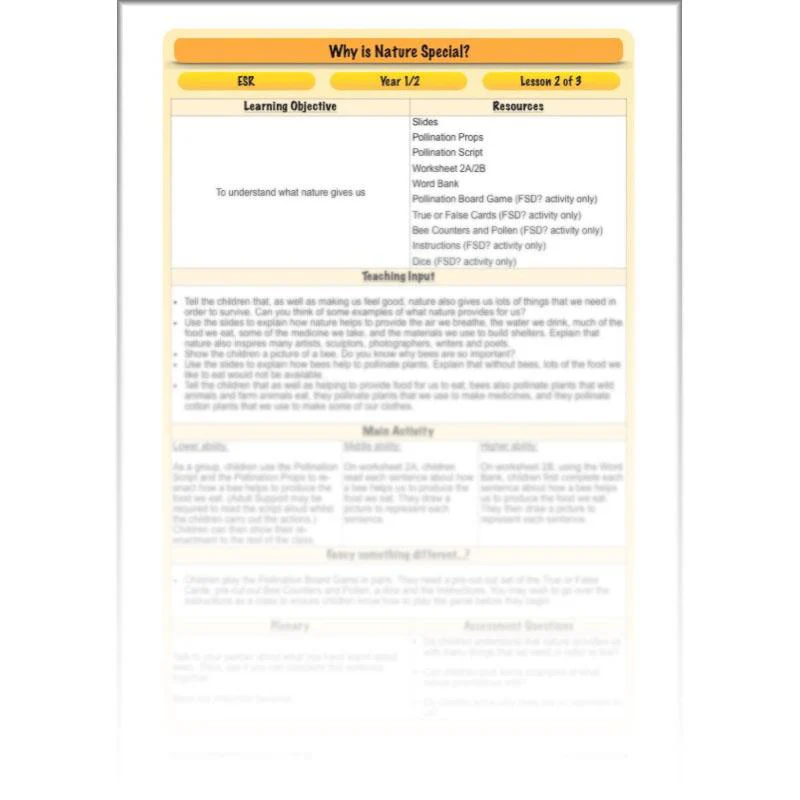
Children learn that nature provides us with lots of things that we need in order to survive. They then focus on the important role that bees play in pollinating the flowers of different plants, and how this provides us with lots of different fruit and vegetables to eat. In their independent activities, children either re-enact or draw pictures to represent the bee's role in pollination. In the alternative activity, children play a game which assesses their understanding of a bee's role in pollination through answering true or false questions.
This downloadable lesson includes a lesson plan, slideshow presentation and printable teaching resources.
What's included:
- Lesson plan
- Slides
- Activity ideas
- Differentiated worksheets
- Pollination Props
- Pollination Script
- Word Bank
- Pollination Board Game
- True or False Cards
- Instructions
View Lesson 2
Nature's Way of Recycling
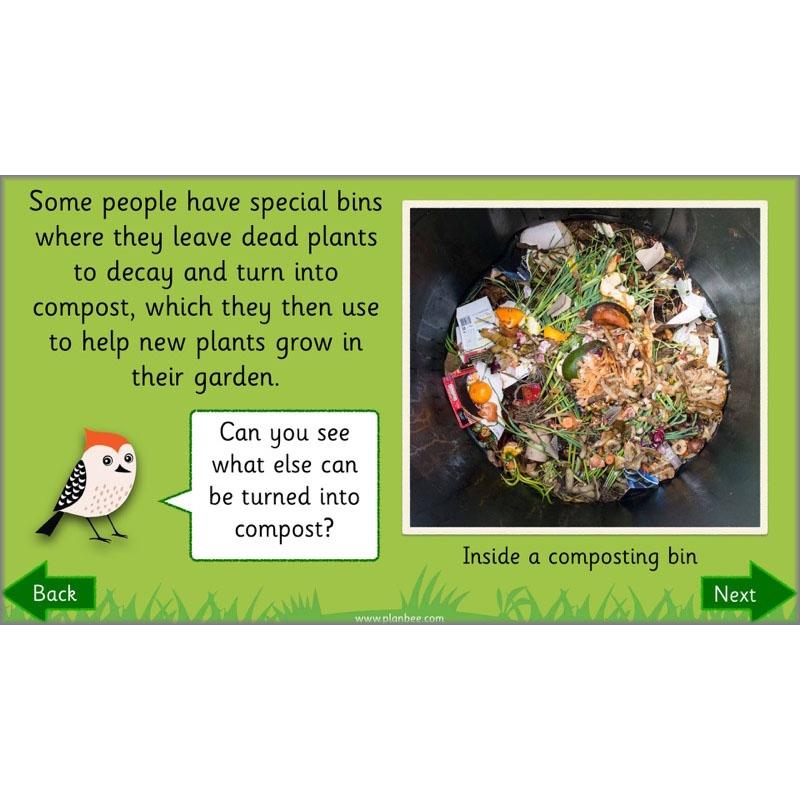
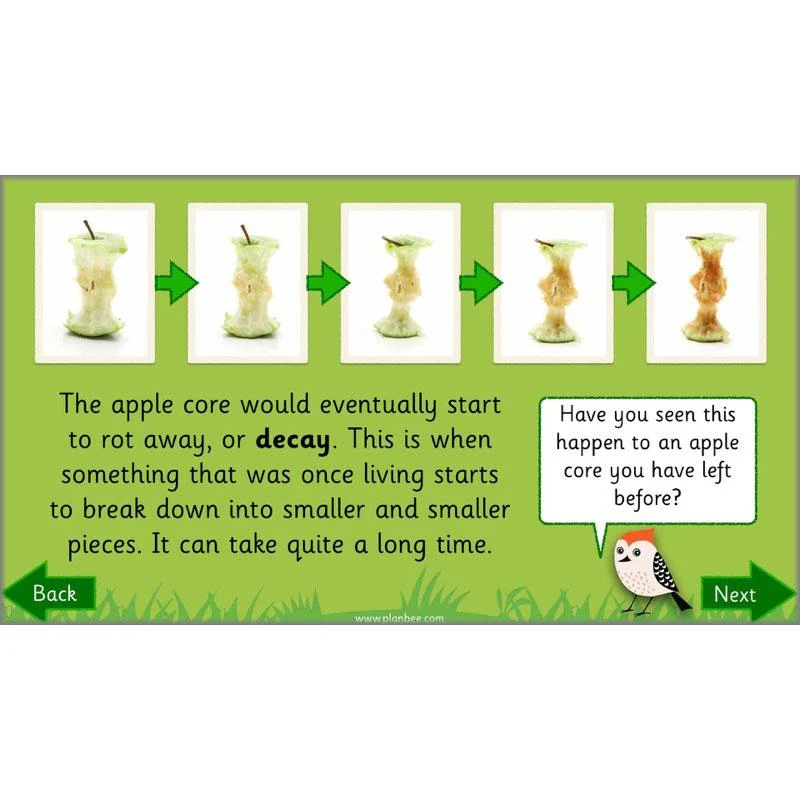
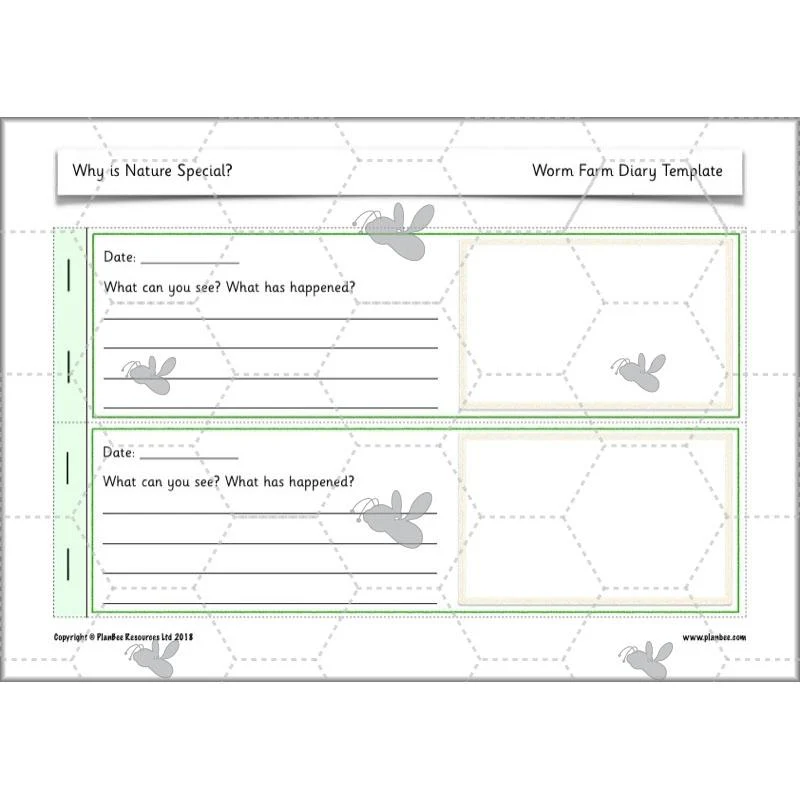
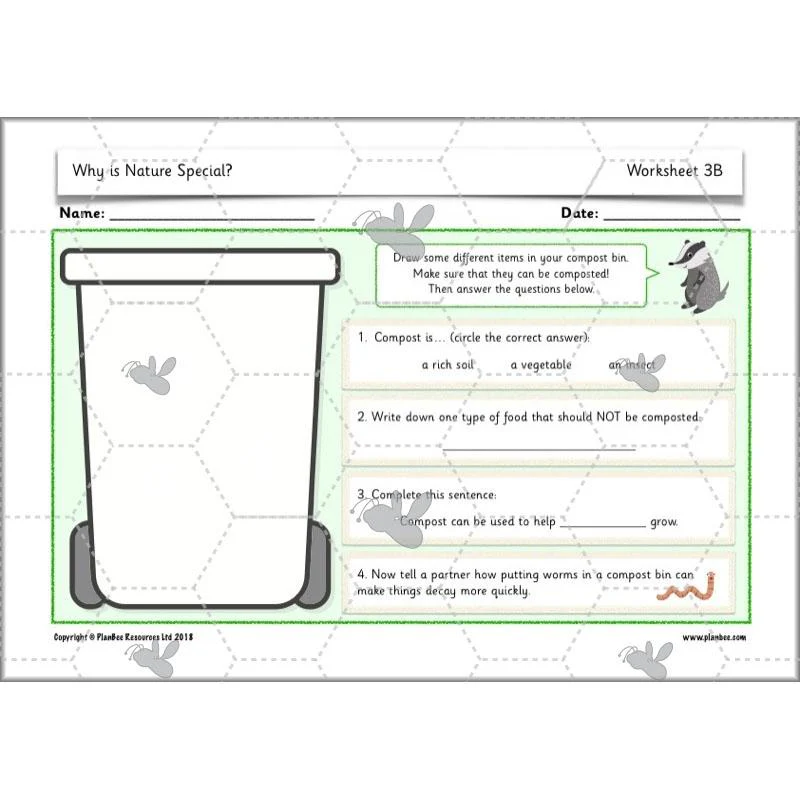
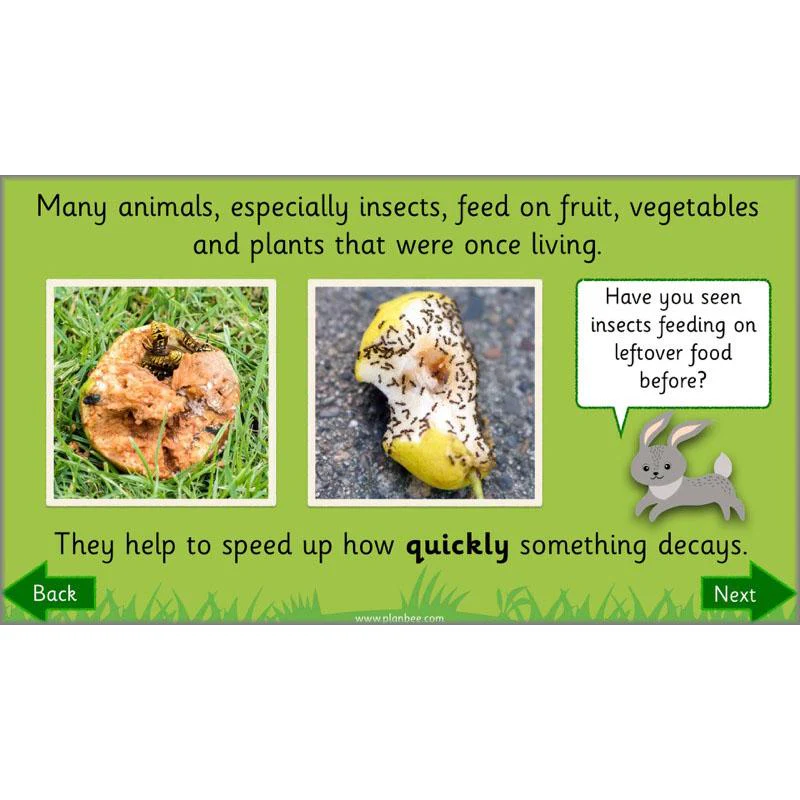
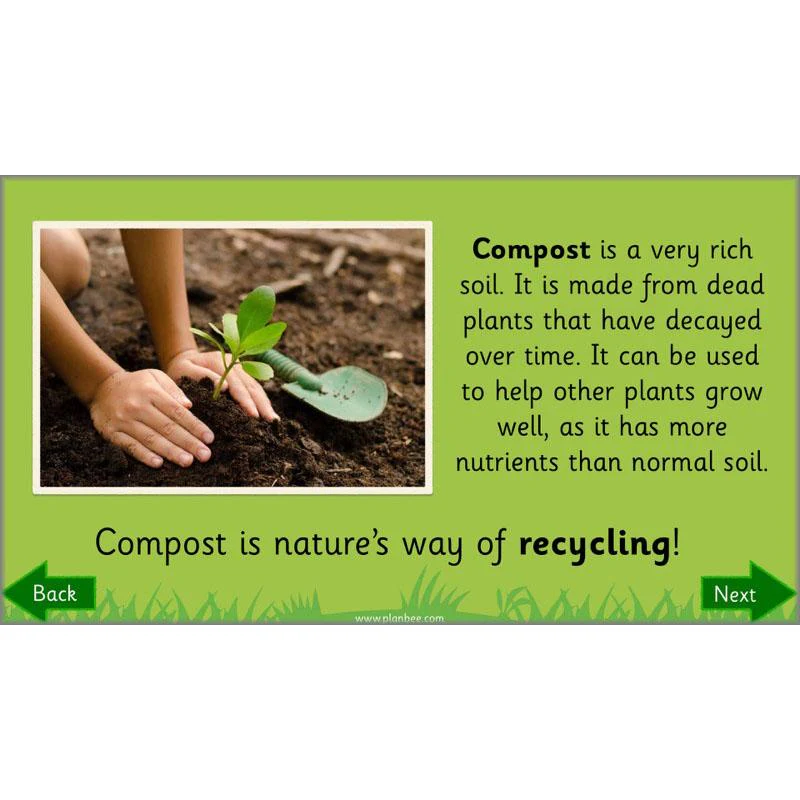
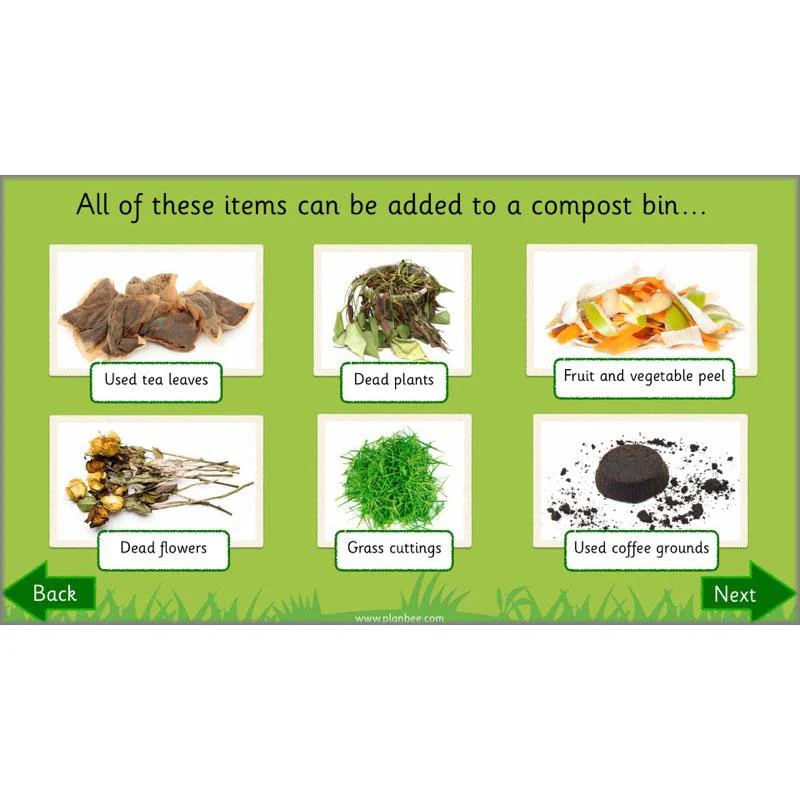
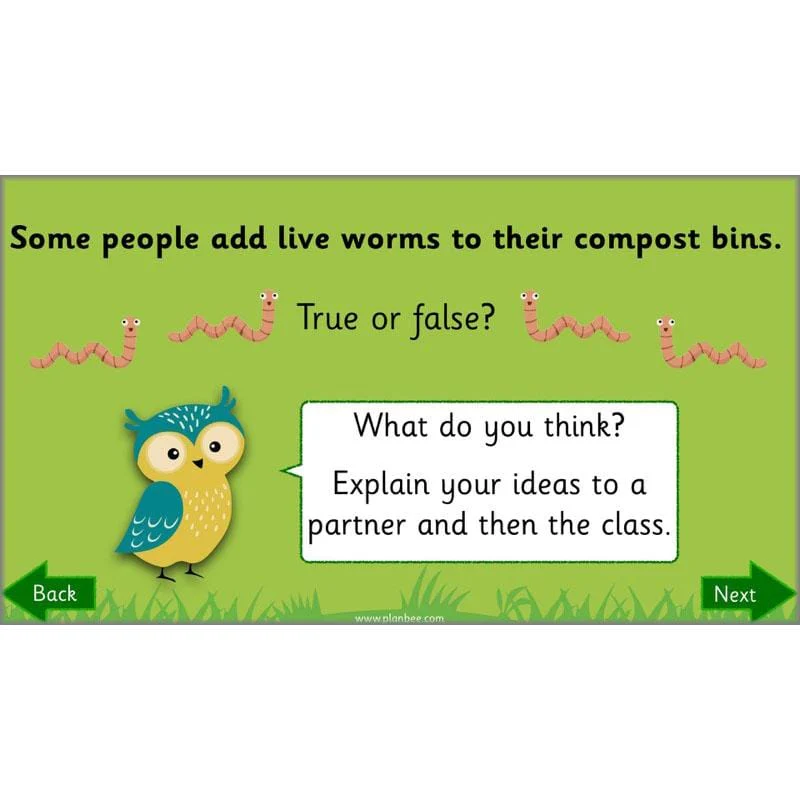
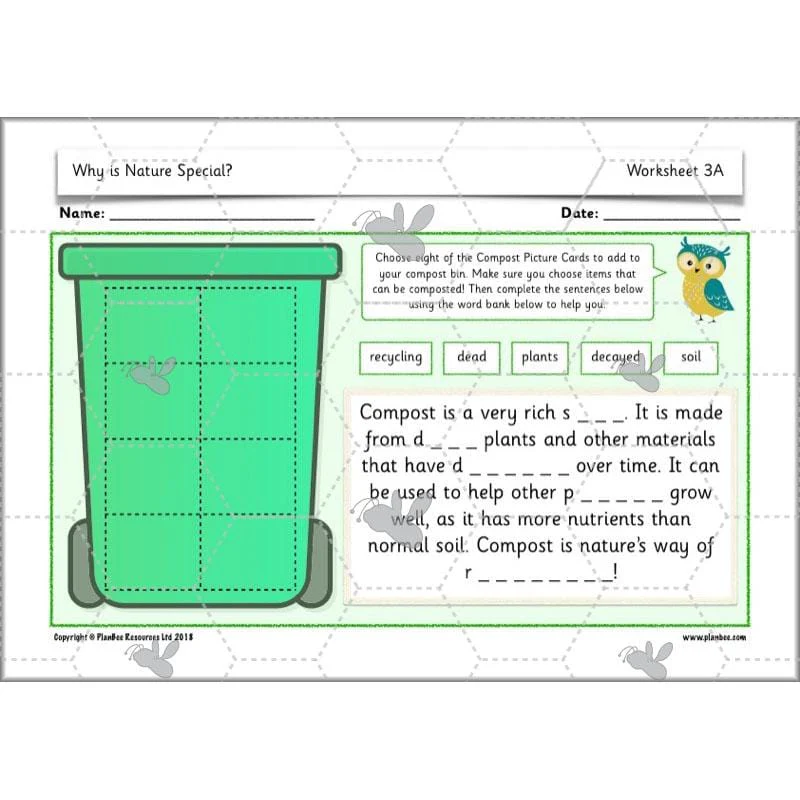
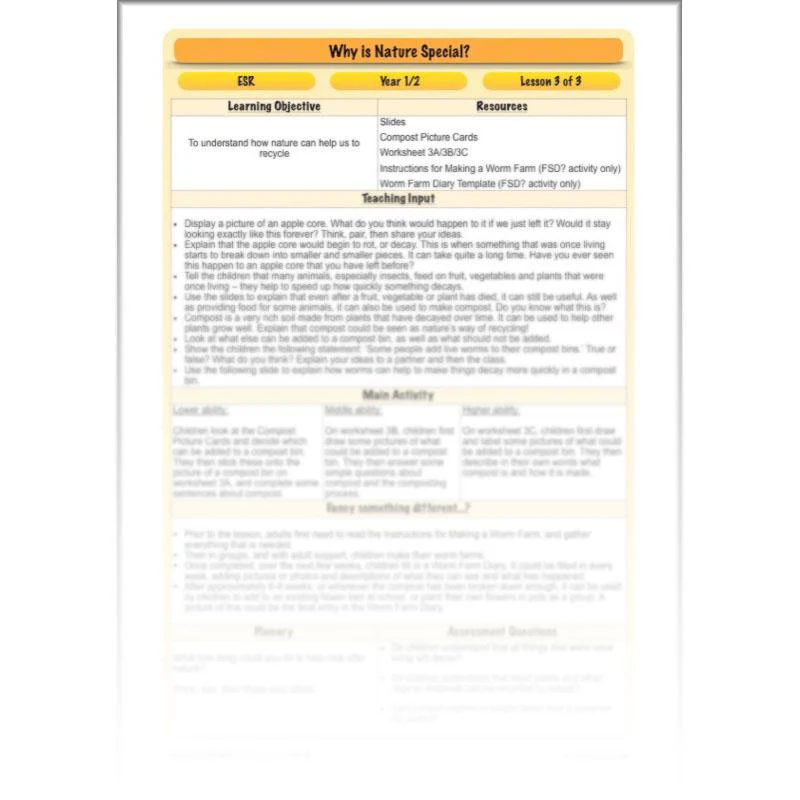
In this final lesson, children learn that everything that was once living will, over time, break down and decay. They begin to understand that dead plants can be recycled by being used to make compost. Children explore what compost is, and how it can be made, including the use of worms. In their independent activities, children ‘create’ their own compost bin on the worksheets. In the alternative activity, in groups, children make their own worm farms, observing and recording what happens over a period of time.
This downloadable lesson includes a lesson plan, slideshow presentation and printable teaching resources.
What's included:
- Lesson plan
- Slides
- Activity ideas
- Differentiated worksheets
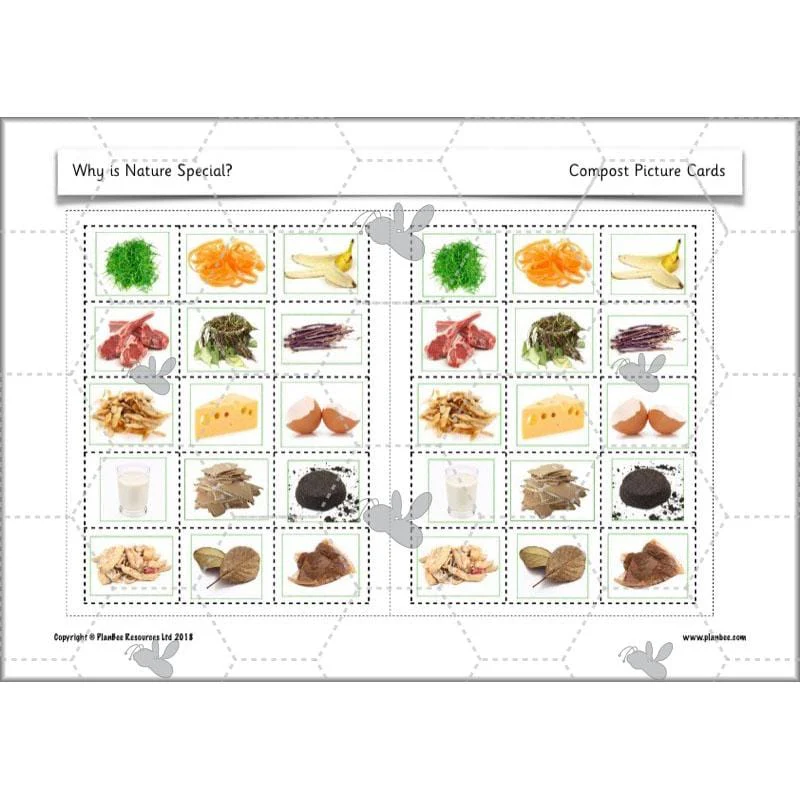
- Compost Picture Cards
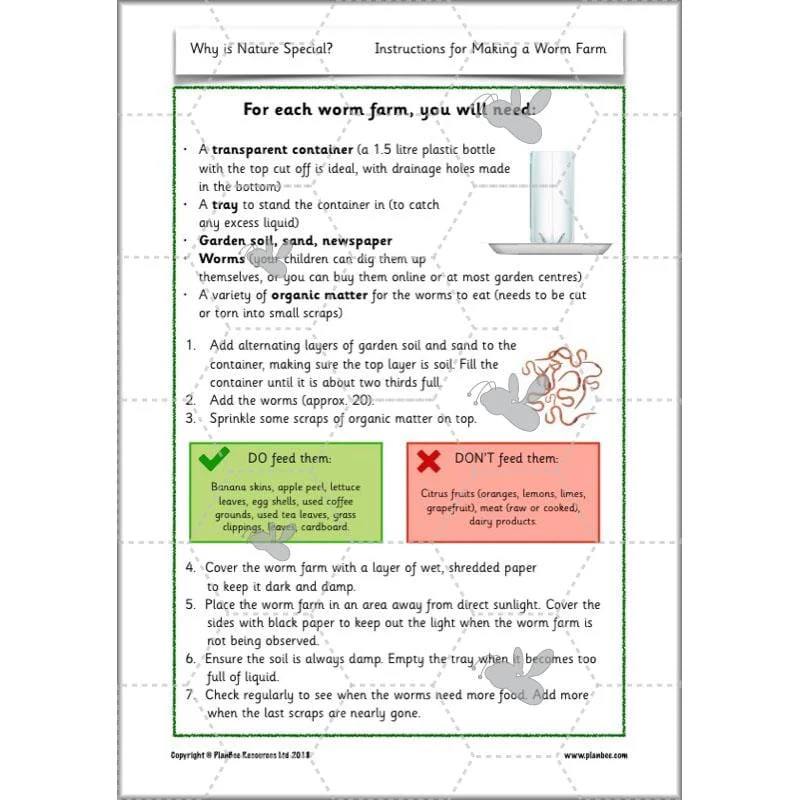
- Instructions for Making a Worm Farm
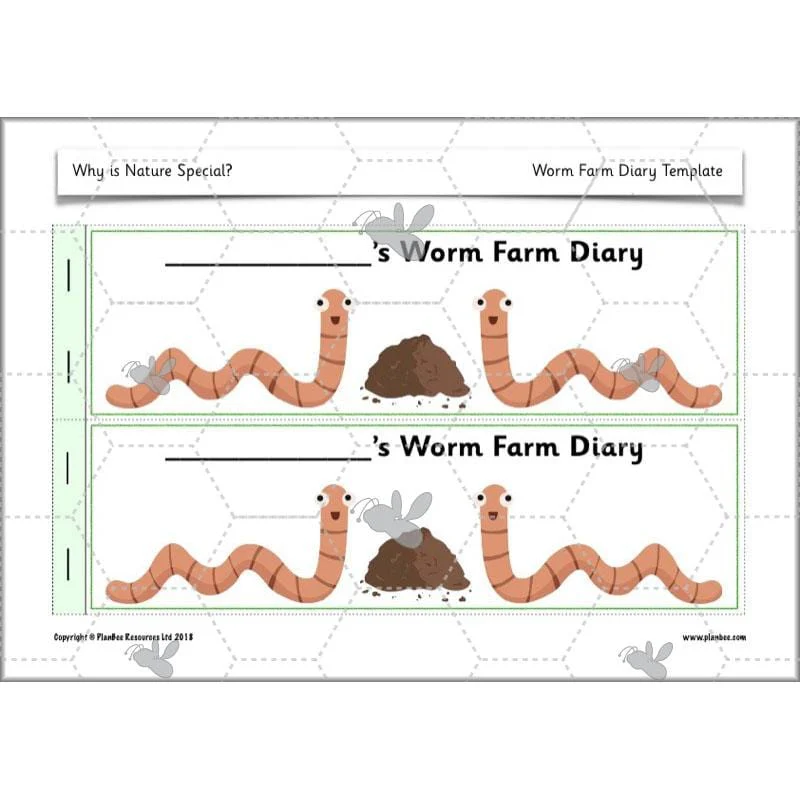
- Worm Farm Diary Template
View Lesson 3
Original: $4.71
-65%$4.71
$1.65More Images

Why is Nature Special
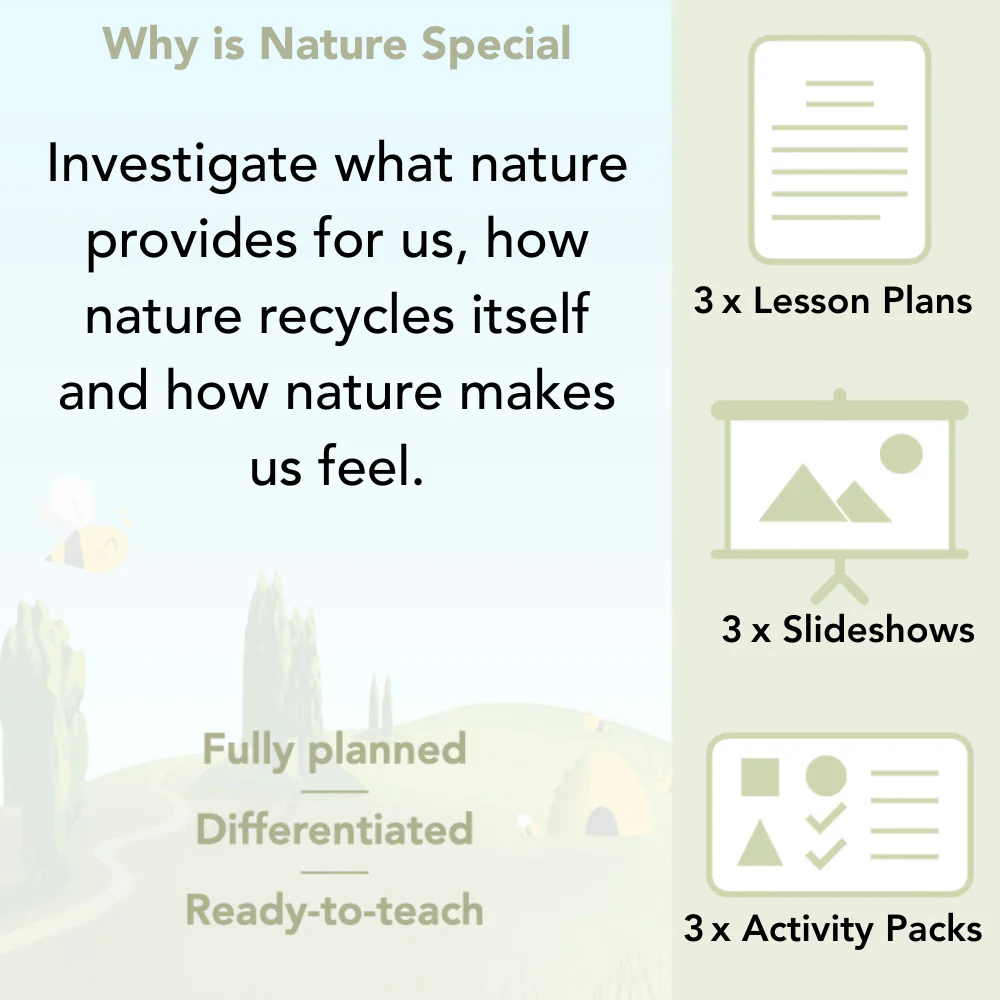
This ‘Why is Nature Special?’ scheme of work for Year 1/2 begins by encouraging your children to think about nature – what it means to them, and how it makes them feel. They will then explore what nature provides for us, and learn how even a small insect like the bee is essential. Finally, children will learn how nature recycles itself through exploring the process of composting.
Including lesson plans, engaging slide shows for the teaching input, differentiated activities and a range of printable resources, this ‘Why is Nature Special?’ scheme of work encourages your class to experience the wonder and explore the importance of nature.
Looking for more nature-themed lessons? You might be interested in PlanBee's 'Our Natural World' KS1 Topic Bundle.
How Nature Makes us Feel
In this first lesson, children talk about what nature is, and how it makes them feel. They begin to understand that spending time outdoors and experiencing nature is good for our well-being. In their independent activities, children look at different natural settings, and record how being in this setting would make them feel. Alternatively, children are challenged to create their own artwork of a natural setting which they would feel happy in.
This downloadable lesson includes a lesson plan, slideshow presentation and printable teaching resources.
What's included:
- Lesson plan
- Slides
- Activity ideas
- Differentiated worksheets
- Natural Settings Picture Cards
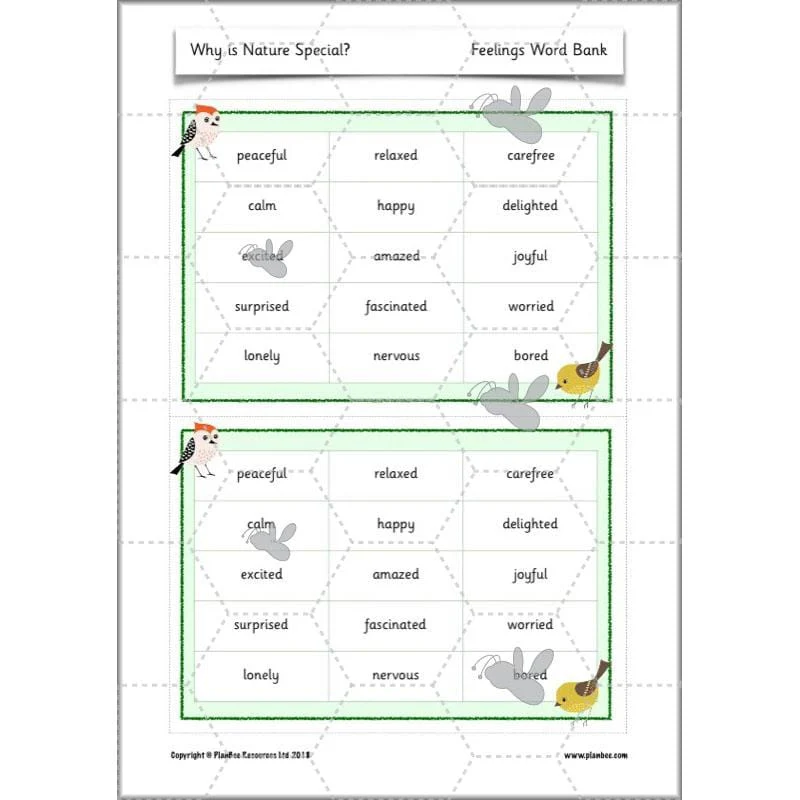
- Feelings Word Bank
- Challenge Cards
View Lesson 1
What Nature Provides for Us
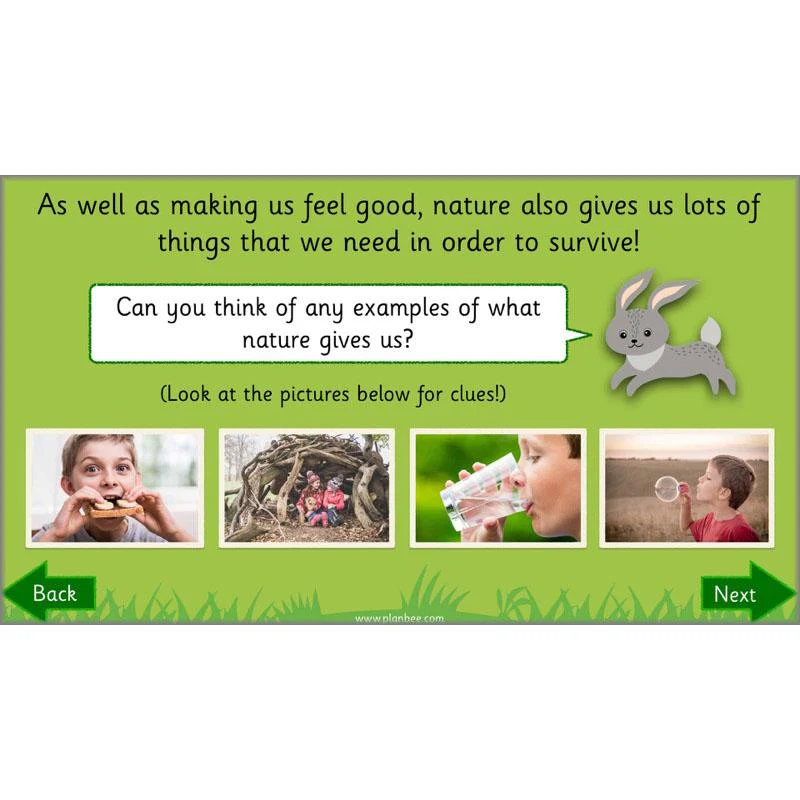
Children learn that nature provides us with lots of things that we need in order to survive. They then focus on the important role that bees play in pollinating the flowers of different plants, and how this provides us with lots of different fruit and vegetables to eat. In their independent activities, children either re-enact or draw pictures to represent the bee's role in pollination. In the alternative activity, children play a game which assesses their understanding of a bee's role in pollination through answering true or false questions.
This downloadable lesson includes a lesson plan, slideshow presentation and printable teaching resources.
What's included:
- Lesson plan
- Slides
- Activity ideas
- Differentiated worksheets
- Pollination Props
- Pollination Script
- Word Bank
- Pollination Board Game
- True or False Cards
- Instructions
View Lesson 2
Nature's Way of Recycling
In this final lesson, children learn that everything that was once living will, over time, break down and decay. They begin to understand that dead plants can be recycled by being used to make compost. Children explore what compost is, and how it can be made, including the use of worms. In their independent activities, children ‘create’ their own compost bin on the worksheets. In the alternative activity, in groups, children make their own worm farms, observing and recording what happens over a period of time.
This downloadable lesson includes a lesson plan, slideshow presentation and printable teaching resources.
What's included:
- Lesson plan
- Slides
- Activity ideas
- Differentiated worksheets
- Compost Picture Cards
- Instructions for Making a Worm Farm
- Worm Farm Diary Template
View Lesson 3
Product Information
Product Information
Shipping & Returns
Shipping & Returns
Description
This ‘Why is Nature Special?’ scheme of work for Year 1/2 begins by encouraging your children to think about nature – what it means to them, and how it makes them feel. They will then explore what nature provides for us, and learn how even a small insect like the bee is essential. Finally, children will learn how nature recycles itself through exploring the process of composting.
Including lesson plans, engaging slide shows for the teaching input, differentiated activities and a range of printable resources, this ‘Why is Nature Special?’ scheme of work encourages your class to experience the wonder and explore the importance of nature.
Looking for more nature-themed lessons? You might be interested in PlanBee's 'Our Natural World' KS1 Topic Bundle.
How Nature Makes us Feel
In this first lesson, children talk about what nature is, and how it makes them feel. They begin to understand that spending time outdoors and experiencing nature is good for our well-being. In their independent activities, children look at different natural settings, and record how being in this setting would make them feel. Alternatively, children are challenged to create their own artwork of a natural setting which they would feel happy in.
This downloadable lesson includes a lesson plan, slideshow presentation and printable teaching resources.
What's included:
- Lesson plan
- Slides
- Activity ideas
- Differentiated worksheets
- Natural Settings Picture Cards
- Feelings Word Bank
- Challenge Cards
View Lesson 1
What Nature Provides for Us
Children learn that nature provides us with lots of things that we need in order to survive. They then focus on the important role that bees play in pollinating the flowers of different plants, and how this provides us with lots of different fruit and vegetables to eat. In their independent activities, children either re-enact or draw pictures to represent the bee's role in pollination. In the alternative activity, children play a game which assesses their understanding of a bee's role in pollination through answering true or false questions.
This downloadable lesson includes a lesson plan, slideshow presentation and printable teaching resources.
What's included:
- Lesson plan
- Slides
- Activity ideas
- Differentiated worksheets
- Pollination Props
- Pollination Script
- Word Bank
- Pollination Board Game
- True or False Cards
- Instructions
View Lesson 2
Nature's Way of Recycling
In this final lesson, children learn that everything that was once living will, over time, break down and decay. They begin to understand that dead plants can be recycled by being used to make compost. Children explore what compost is, and how it can be made, including the use of worms. In their independent activities, children ‘create’ their own compost bin on the worksheets. In the alternative activity, in groups, children make their own worm farms, observing and recording what happens over a period of time.
This downloadable lesson includes a lesson plan, slideshow presentation and printable teaching resources.
What's included:
- Lesson plan
- Slides
- Activity ideas
- Differentiated worksheets
- Compost Picture Cards
- Instructions for Making a Worm Farm
- Worm Farm Diary Template
View Lesson 3