Circular Economies
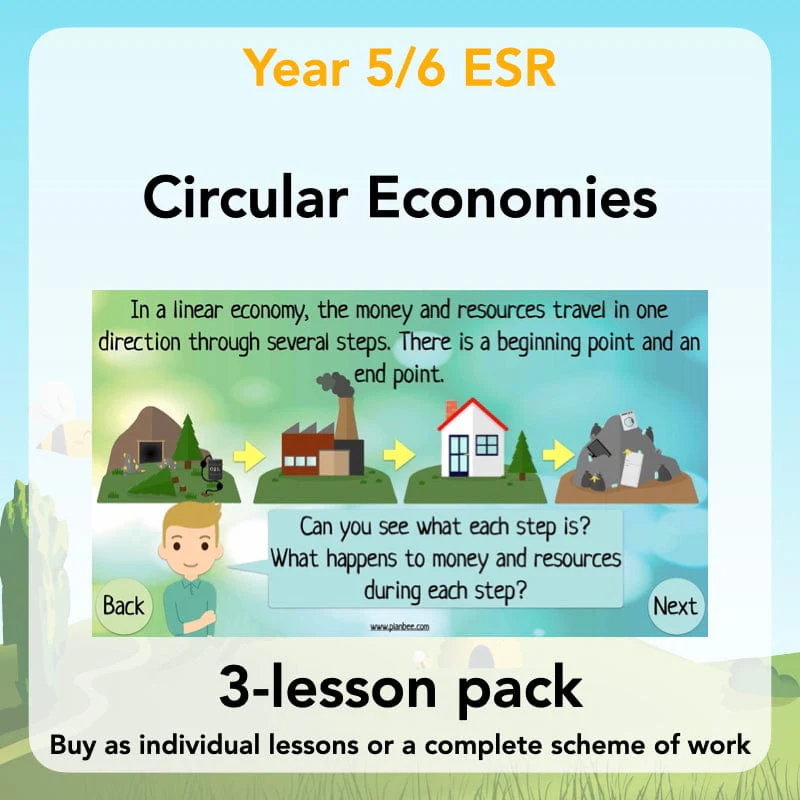
Teach your class about the environmental and societal benefits that a circular economy can have for humans in this three-lesson scheme.
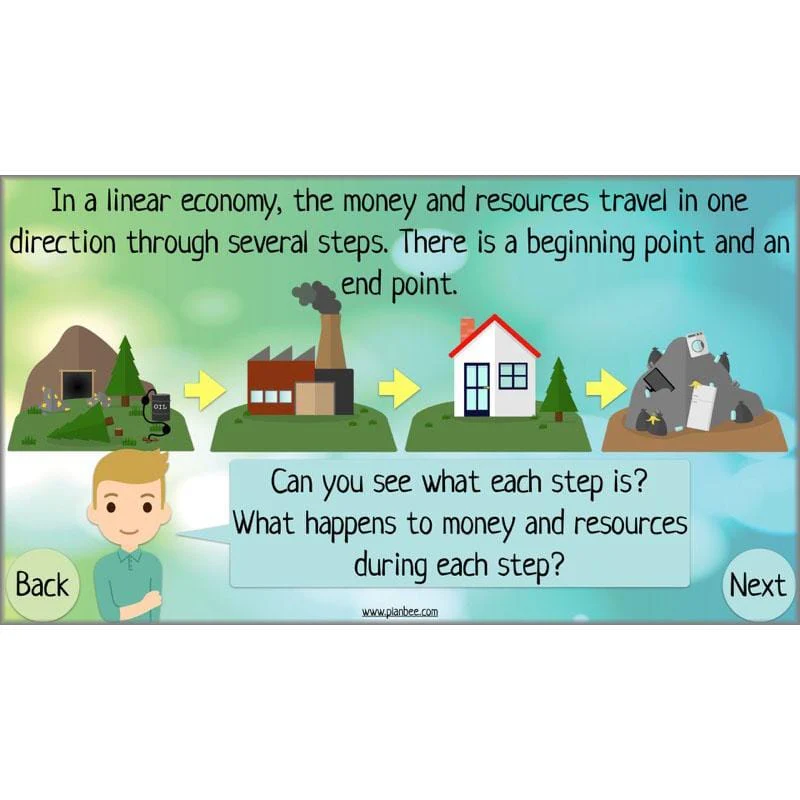
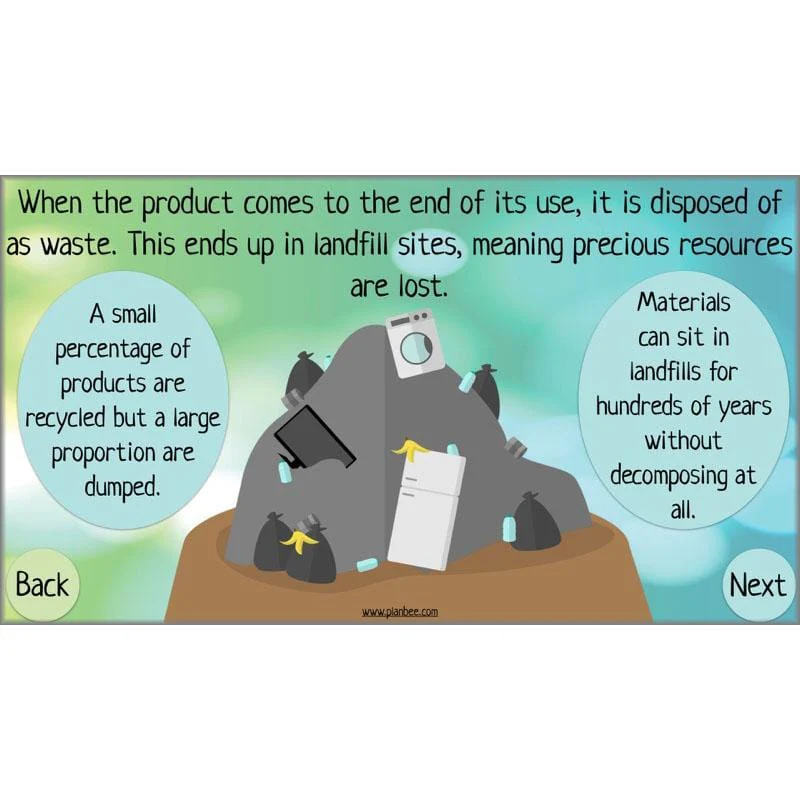
As part of the ‘Finite Planet’ theme, your class will learn about the precious resources that we are taking from our planet and how these resources are treated in a linear ‘take, make and dispose’ economy, and have the opportunity to compare this to a circular economy, where products and resources are reused, repaired or recycled.
This downloadable scheme of work provides you with (almost!) everything you need to teach your class about how circular economies can provide a more sustainable outcome for our society.
What is a circular economy?
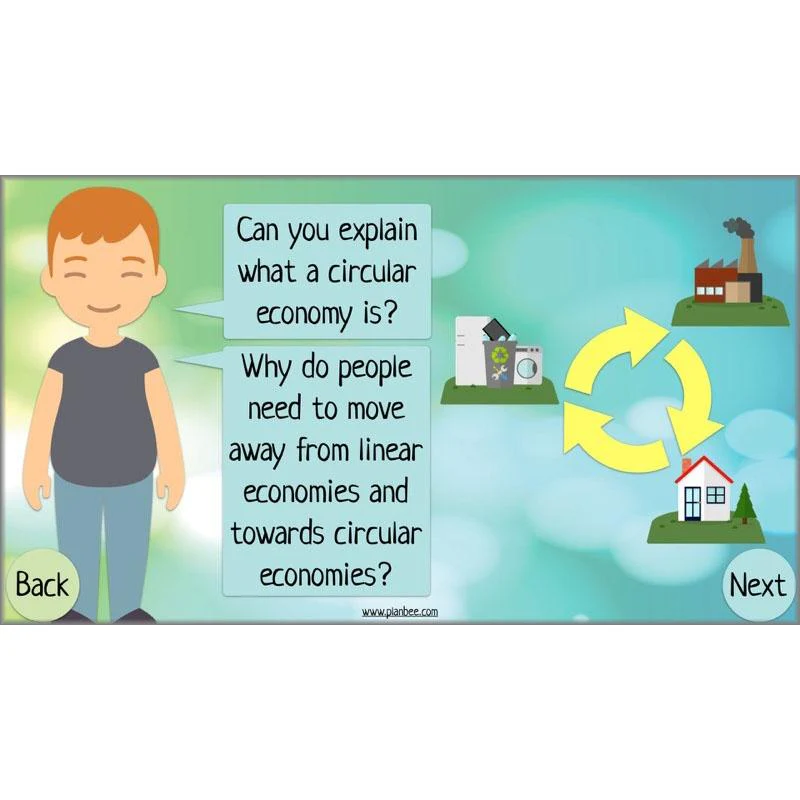
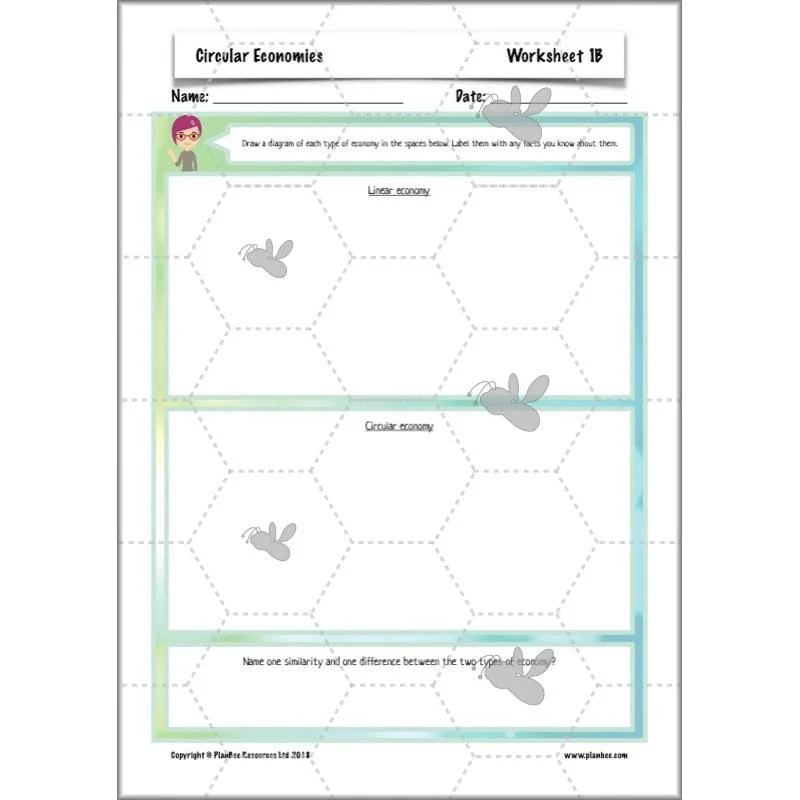
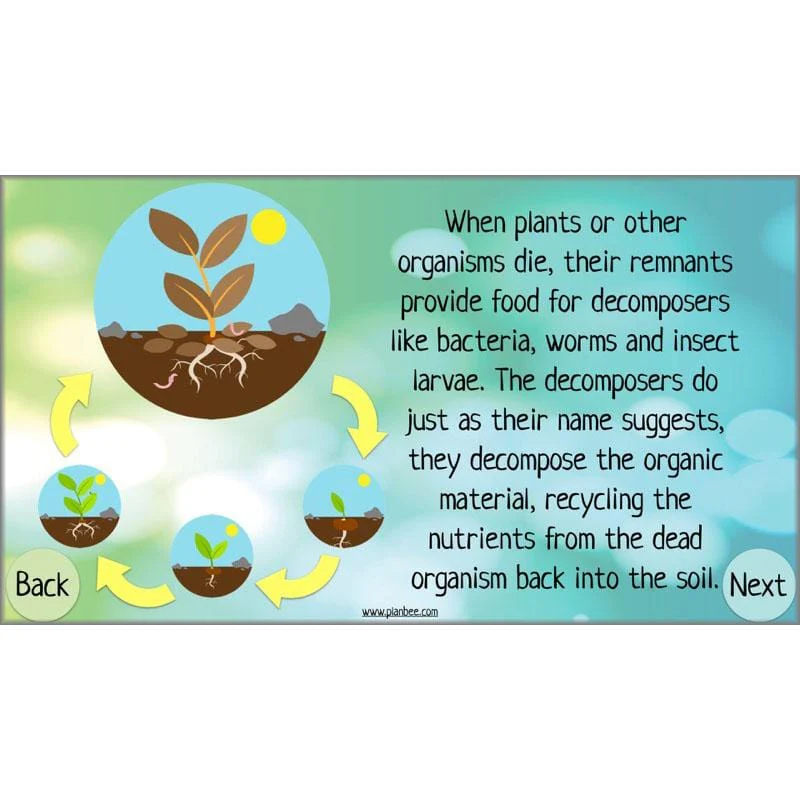
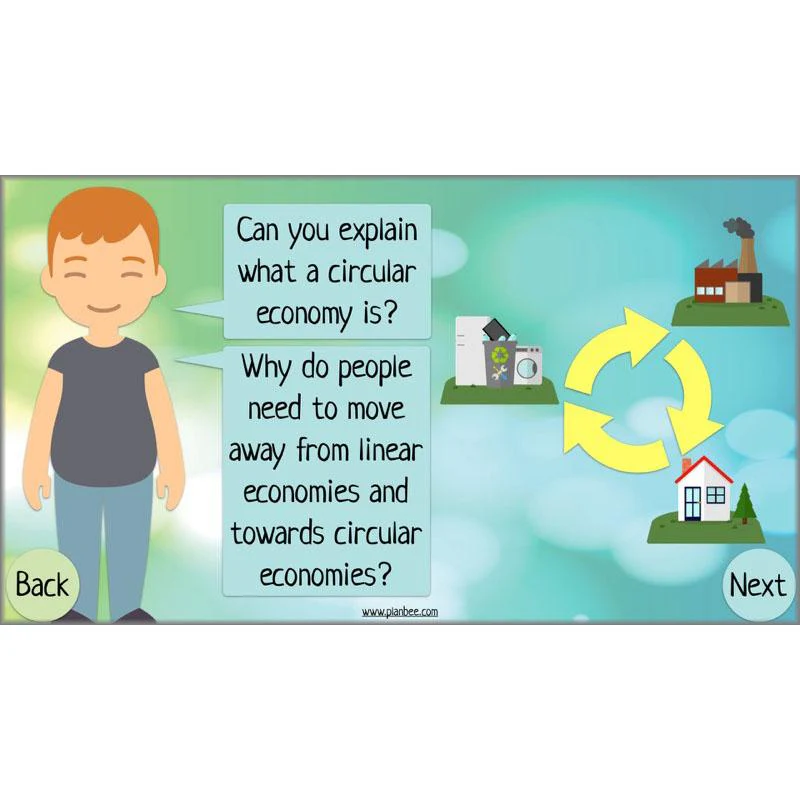
Teach your class about what an economy is and the differences between a linear ‘take, make, dispose’ economy and circular economies. Discuss the societal and environmental benefits that a circular economy can provide and explore how a circular economy works in nature. Explore how, with the change to circular economies, humans can preserve the precious resources the earth gives us and make sure we are taking only what we need at a sustainable rate.
This downloadable lesson includes a lesson plan, slideshow presentation and printable teaching resources.
What's included:
- Lesson plan
- Slides
- Activity ideas
- Differentiated worksheets
- Storyboard sheet
- Challenge cards
View Lesson 1
Producers and Consumers
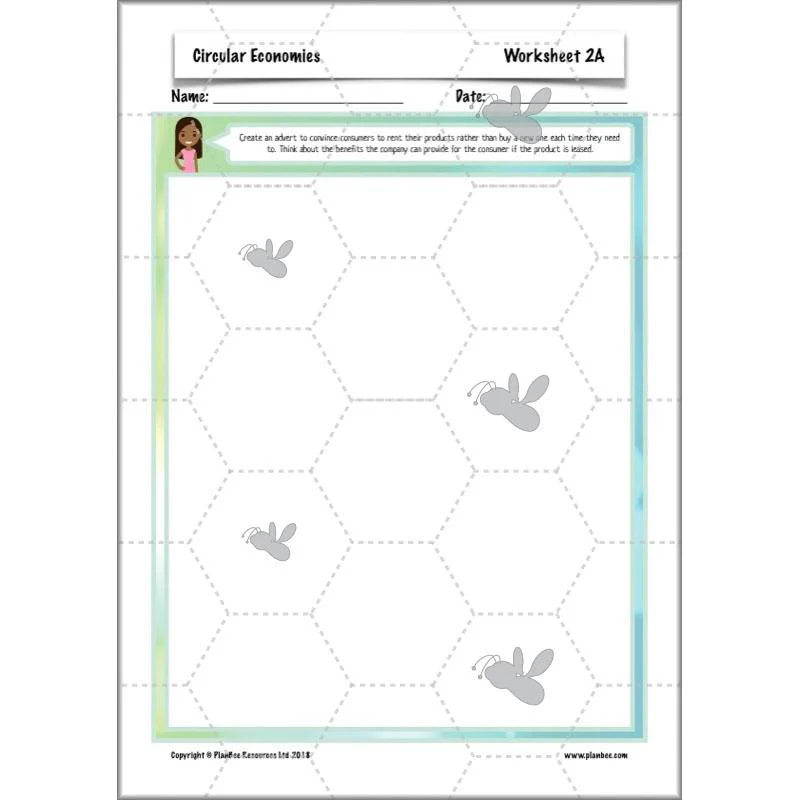
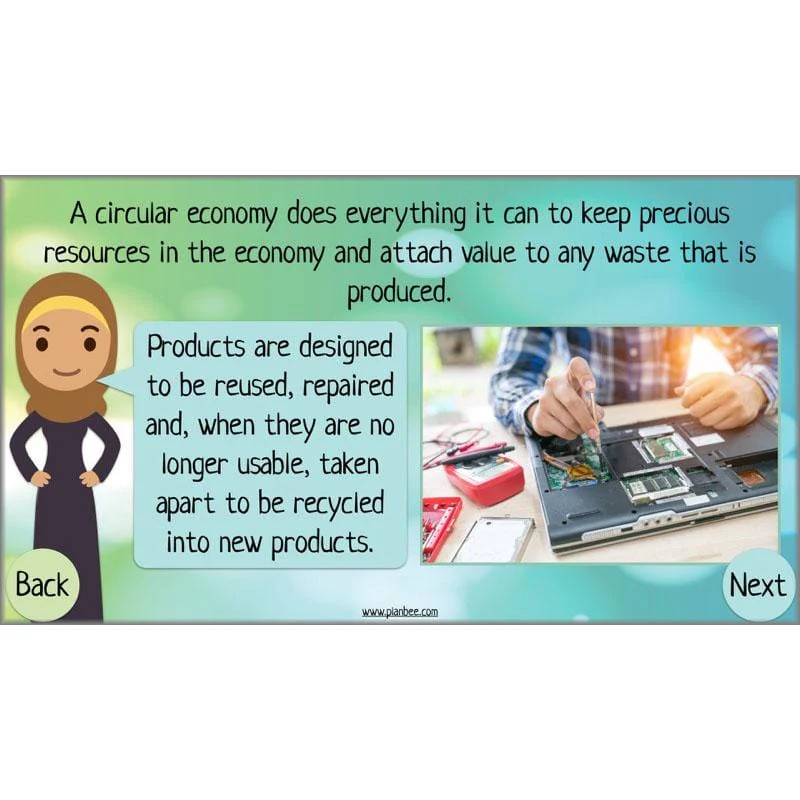
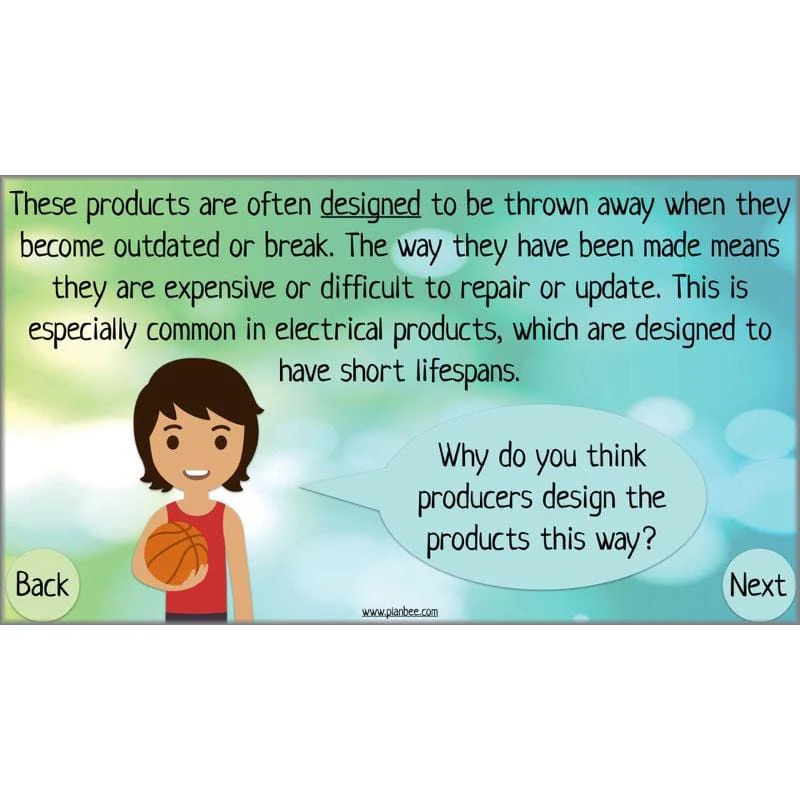
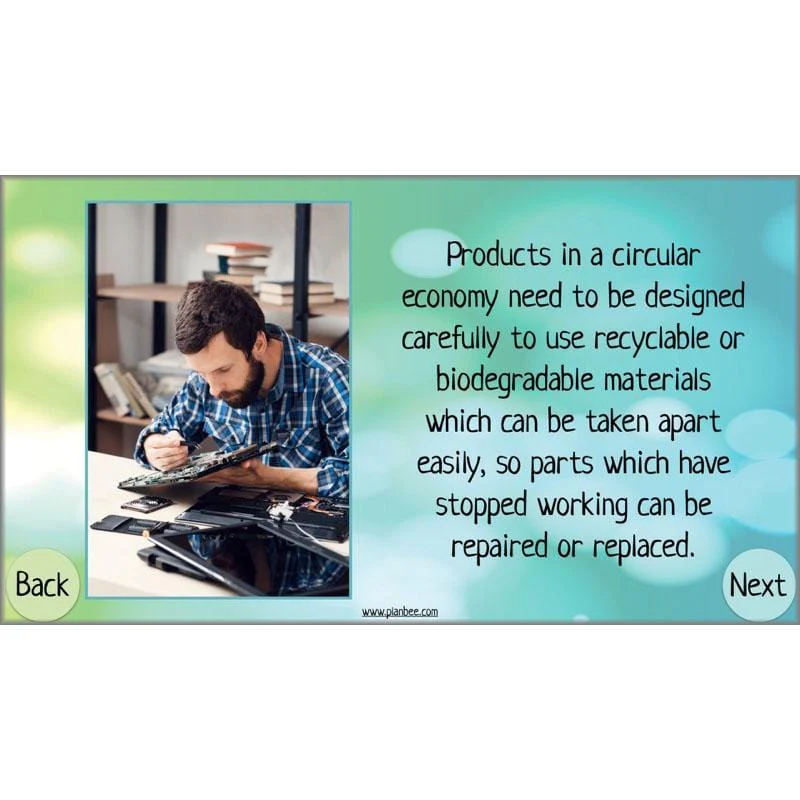
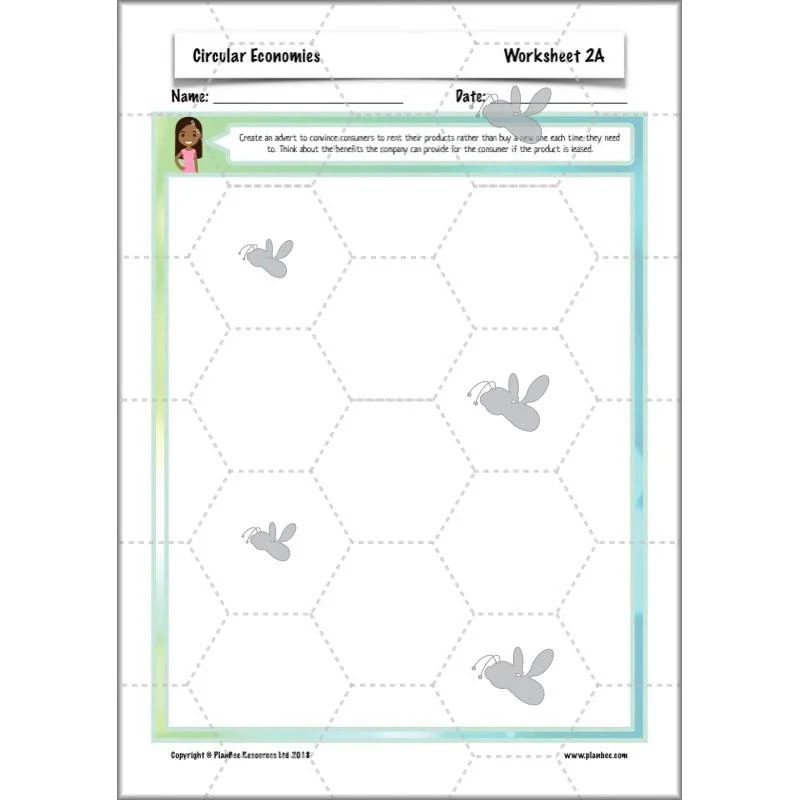
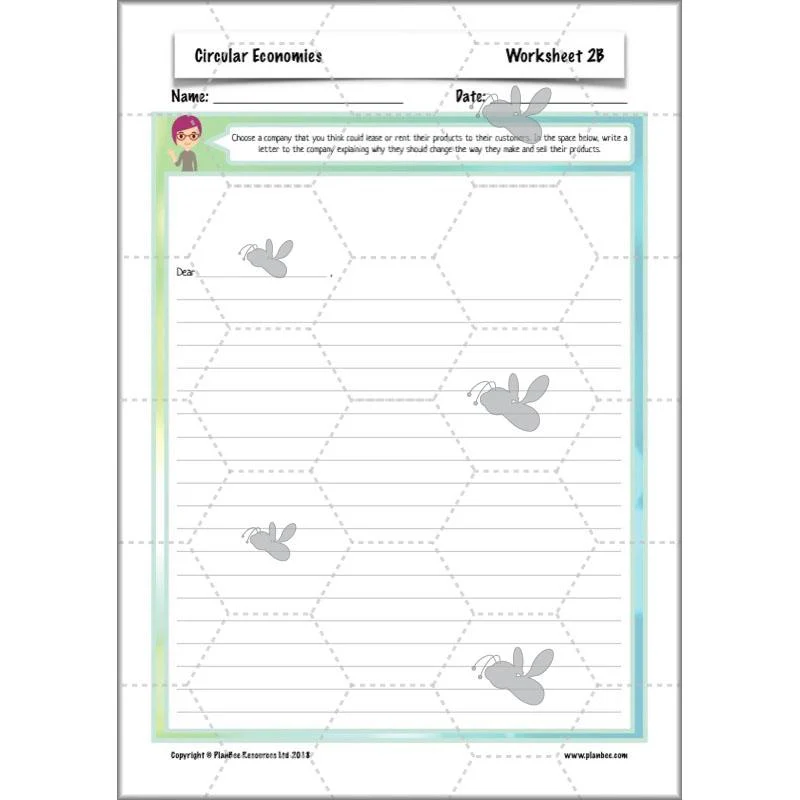
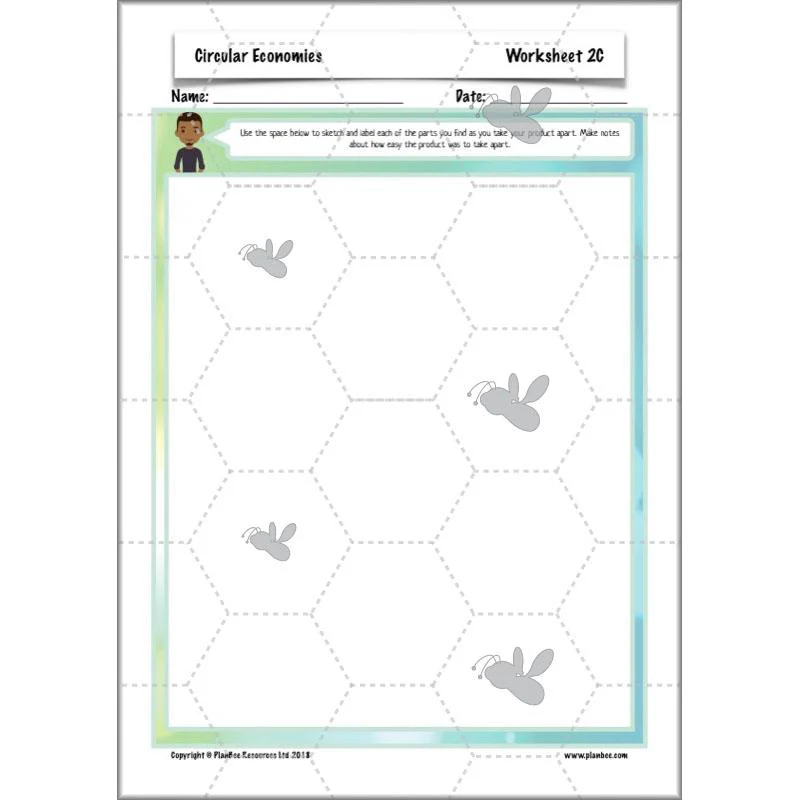
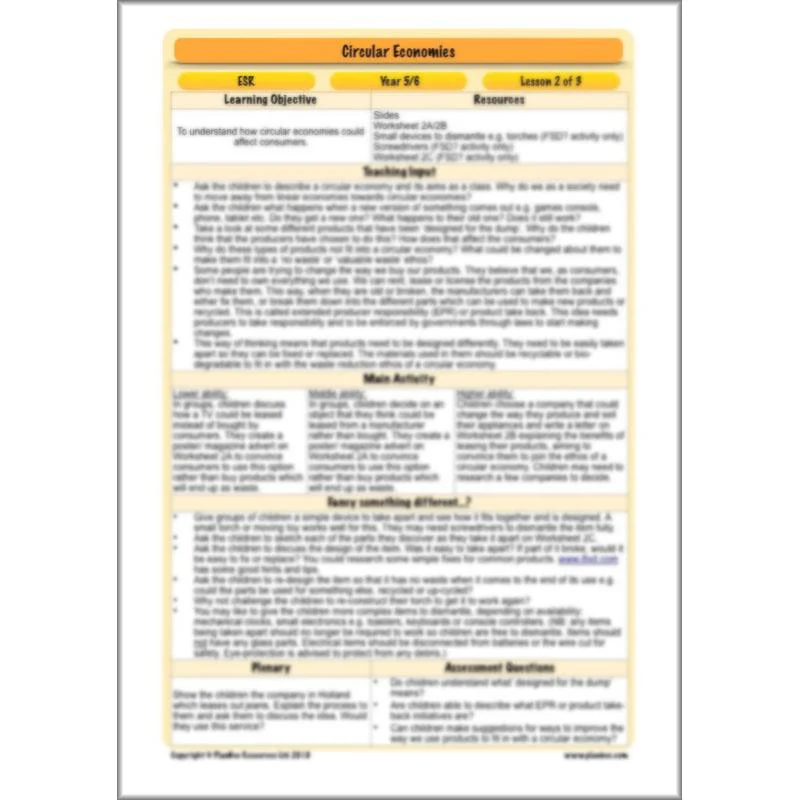
Whose responsibility is it to change our economy towards a circular system? Invite your class to discuss and investigate how some companies’ design their products to be thrown away rather than shared, repaired or recycled. Discuss how electronic products in particular need to have a design which allows them to be taken apart, repaired and recycled easily when they no longer work, and that this responsibility lies with the producers of said products. Allow the children to explore how this idea affects the ways in which we own our products and what happens to them after we’re done.
This downloadable lesson includes a lesson plan, a slideshow presentation and printable teaching resources.
What's included:
- Lesson plan
- Slides
- Activity ideas
- Differentiated worksheets
View Lesson 2
Collaborative Consumption
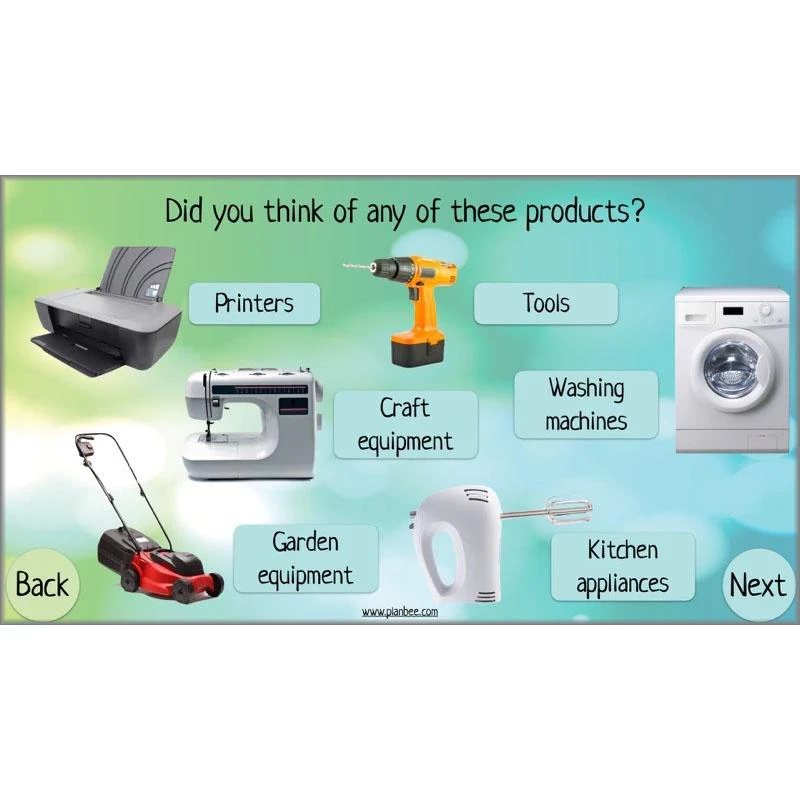
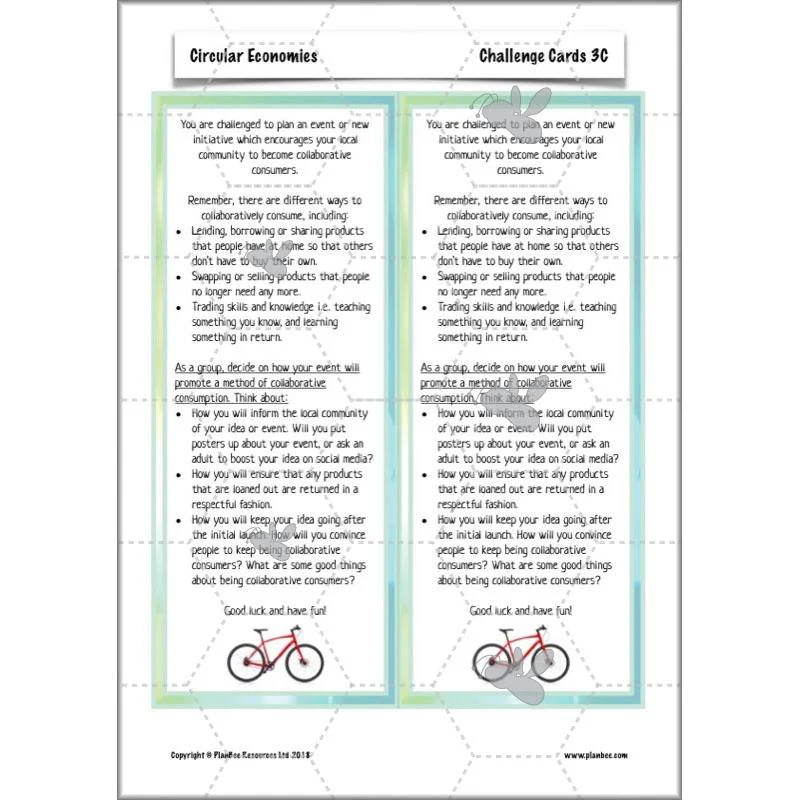
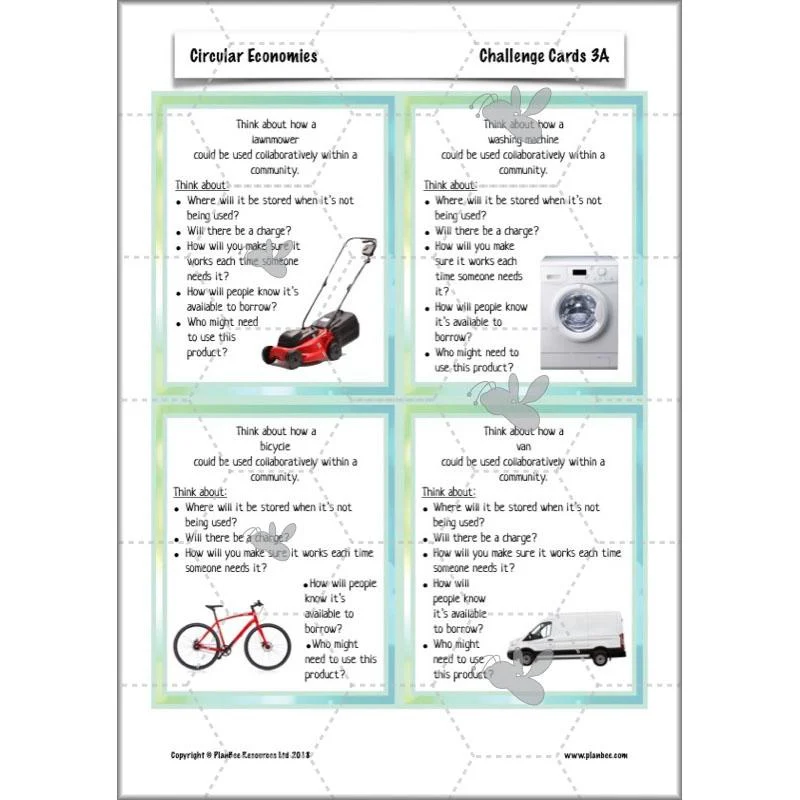
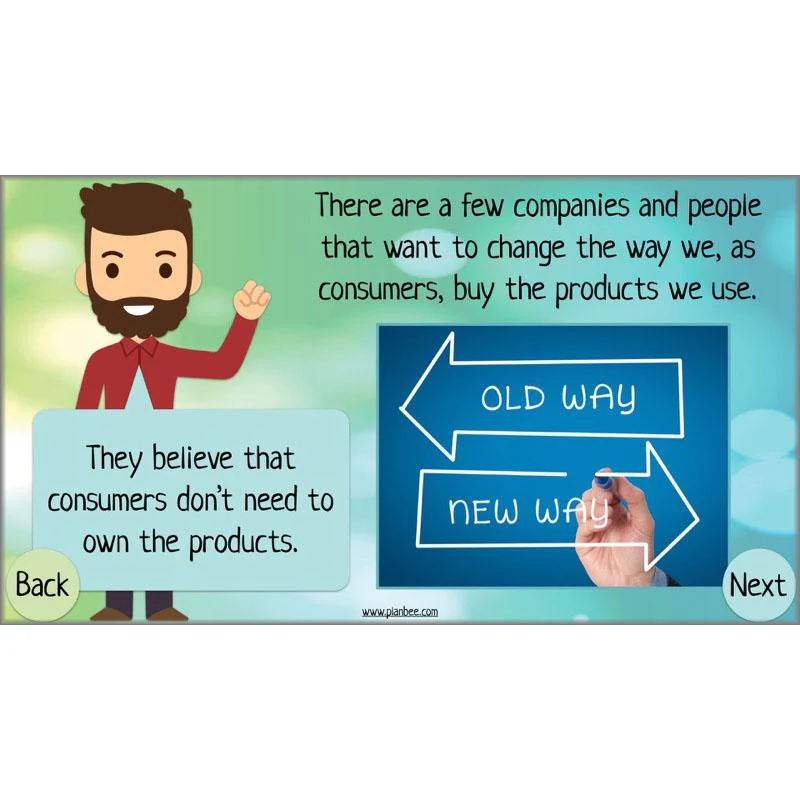
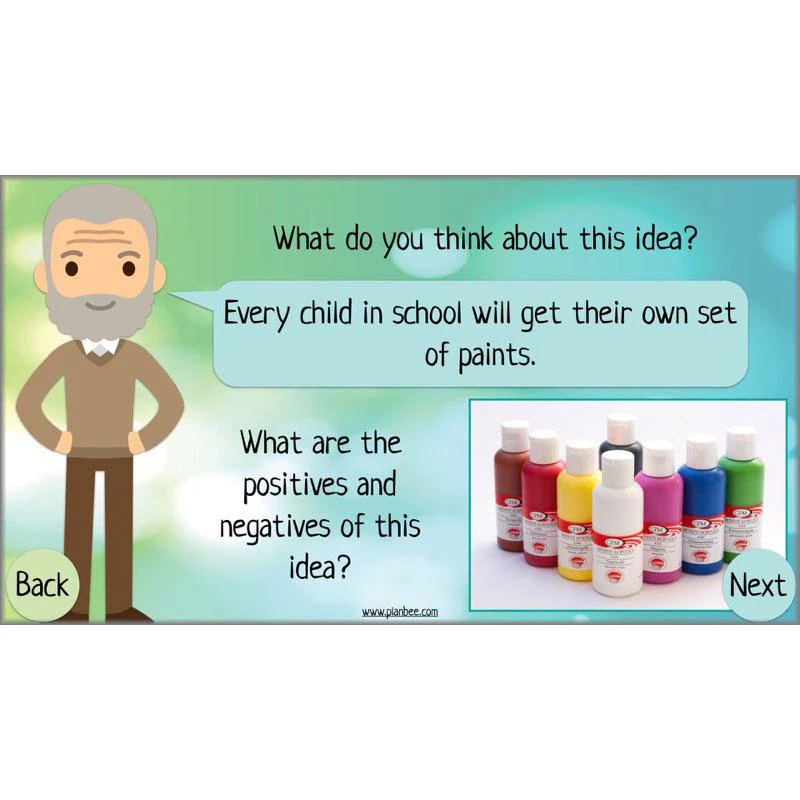
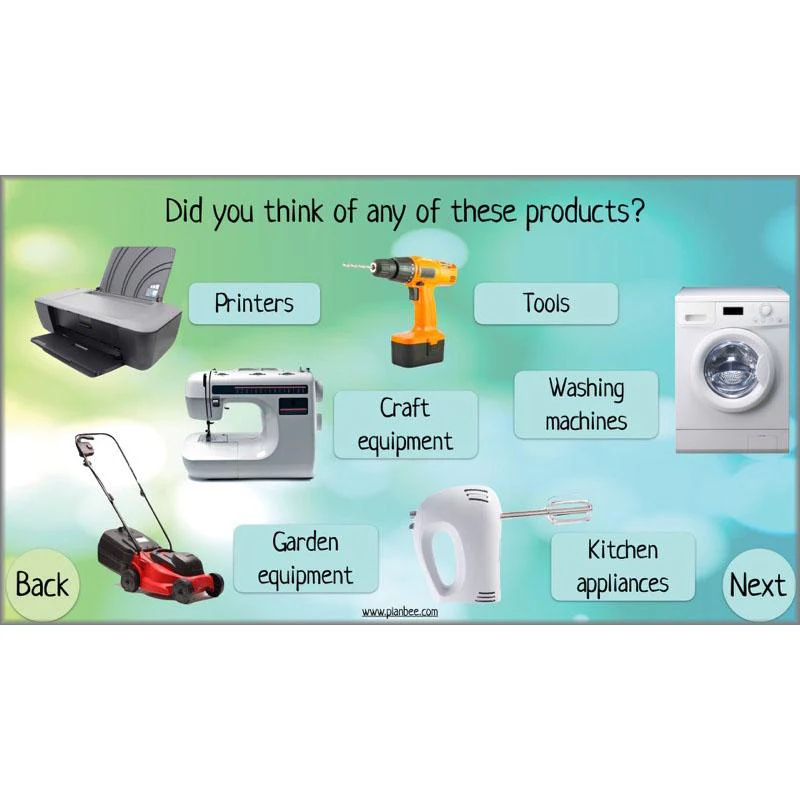
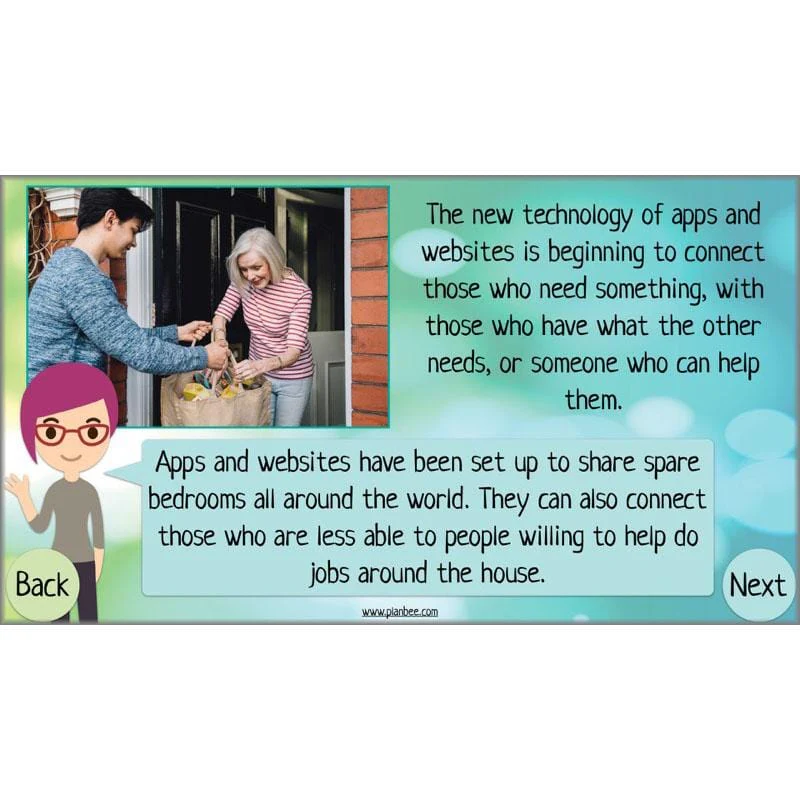
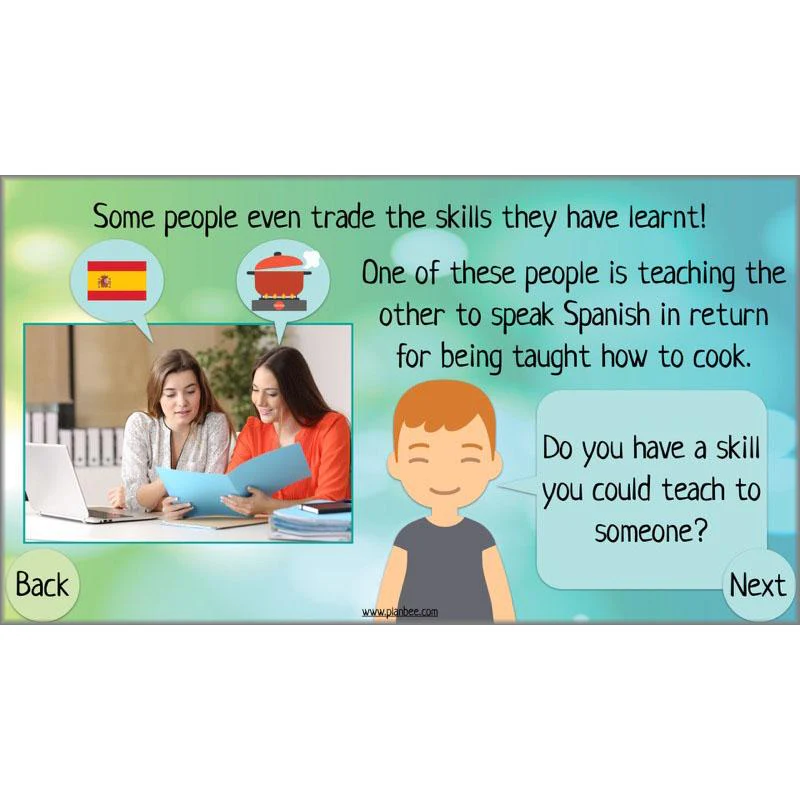
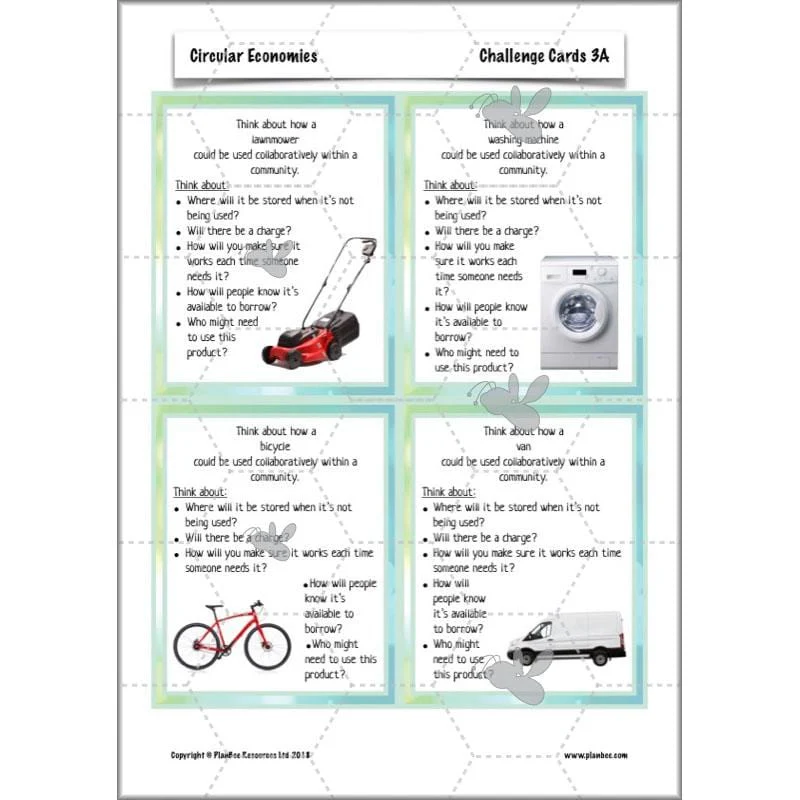
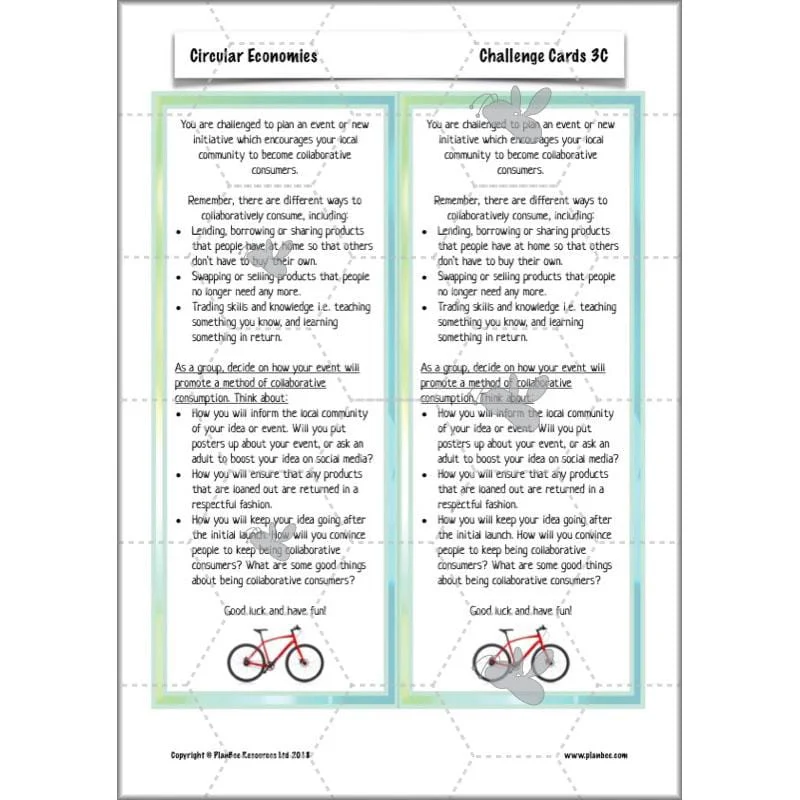
Does every household need to own every product or can some be shared among a community? Lead discussions to decide on the best ways to collaboratively consume a few chosen products with your class. Teach your class about how collaborative consumption of certain products is a step in the direction of becoming a circular economy. Discuss how collaborative consumption has always been around, but a new focus needs to happen to make sure we are using our products in a sustainable way.
This downloadable lesson includes a lesson plan, a slideshow presentation and printable teaching resources.
What's included:
- Lesson plan
- Slides
- Activity ideas
- Differentiated worksheets
- Challenge cards
- Statement card
- Discussion cards
View Lesson 3
Original: $4.71
-65%$4.71
$1.65More Images





Circular Economies
Teach your class about the environmental and societal benefits that a circular economy can have for humans in this three-lesson scheme.
As part of the ‘Finite Planet’ theme, your class will learn about the precious resources that we are taking from our planet and how these resources are treated in a linear ‘take, make and dispose’ economy, and have the opportunity to compare this to a circular economy, where products and resources are reused, repaired or recycled.
This downloadable scheme of work provides you with (almost!) everything you need to teach your class about how circular economies can provide a more sustainable outcome for our society.
What is a circular economy?
Teach your class about what an economy is and the differences between a linear ‘take, make, dispose’ economy and circular economies. Discuss the societal and environmental benefits that a circular economy can provide and explore how a circular economy works in nature. Explore how, with the change to circular economies, humans can preserve the precious resources the earth gives us and make sure we are taking only what we need at a sustainable rate.
This downloadable lesson includes a lesson plan, slideshow presentation and printable teaching resources.
What's included:
- Lesson plan
- Slides
- Activity ideas
- Differentiated worksheets
- Storyboard sheet
- Challenge cards
View Lesson 1
Producers and Consumers
Whose responsibility is it to change our economy towards a circular system? Invite your class to discuss and investigate how some companies’ design their products to be thrown away rather than shared, repaired or recycled. Discuss how electronic products in particular need to have a design which allows them to be taken apart, repaired and recycled easily when they no longer work, and that this responsibility lies with the producers of said products. Allow the children to explore how this idea affects the ways in which we own our products and what happens to them after we’re done.
This downloadable lesson includes a lesson plan, a slideshow presentation and printable teaching resources.
What's included:
- Lesson plan
- Slides
- Activity ideas
- Differentiated worksheets
View Lesson 2
Collaborative Consumption
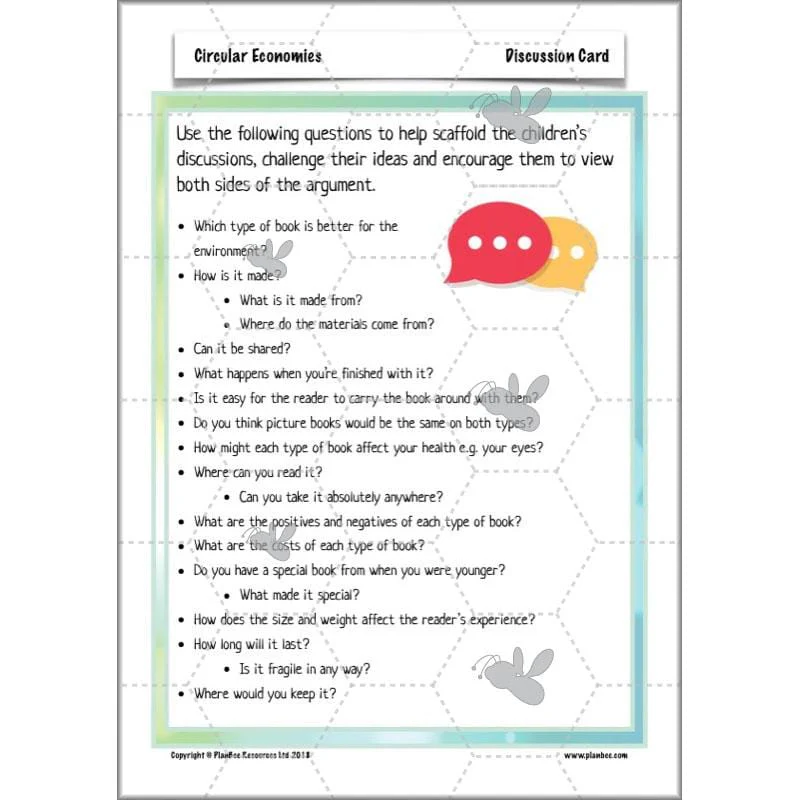
Does every household need to own every product or can some be shared among a community? Lead discussions to decide on the best ways to collaboratively consume a few chosen products with your class. Teach your class about how collaborative consumption of certain products is a step in the direction of becoming a circular economy. Discuss how collaborative consumption has always been around, but a new focus needs to happen to make sure we are using our products in a sustainable way.
This downloadable lesson includes a lesson plan, a slideshow presentation and printable teaching resources.
What's included:
- Lesson plan
- Slides
- Activity ideas
- Differentiated worksheets
- Challenge cards
- Statement card
- Discussion cards
View Lesson 3
Product Information
Product Information
Shipping & Returns
Shipping & Returns
Description
Teach your class about the environmental and societal benefits that a circular economy can have for humans in this three-lesson scheme.
As part of the ‘Finite Planet’ theme, your class will learn about the precious resources that we are taking from our planet and how these resources are treated in a linear ‘take, make and dispose’ economy, and have the opportunity to compare this to a circular economy, where products and resources are reused, repaired or recycled.
This downloadable scheme of work provides you with (almost!) everything you need to teach your class about how circular economies can provide a more sustainable outcome for our society.
What is a circular economy?
Teach your class about what an economy is and the differences between a linear ‘take, make, dispose’ economy and circular economies. Discuss the societal and environmental benefits that a circular economy can provide and explore how a circular economy works in nature. Explore how, with the change to circular economies, humans can preserve the precious resources the earth gives us and make sure we are taking only what we need at a sustainable rate.
This downloadable lesson includes a lesson plan, slideshow presentation and printable teaching resources.
What's included:
- Lesson plan
- Slides
- Activity ideas
- Differentiated worksheets
- Storyboard sheet
- Challenge cards
View Lesson 1
Producers and Consumers
Whose responsibility is it to change our economy towards a circular system? Invite your class to discuss and investigate how some companies’ design their products to be thrown away rather than shared, repaired or recycled. Discuss how electronic products in particular need to have a design which allows them to be taken apart, repaired and recycled easily when they no longer work, and that this responsibility lies with the producers of said products. Allow the children to explore how this idea affects the ways in which we own our products and what happens to them after we’re done.
This downloadable lesson includes a lesson plan, a slideshow presentation and printable teaching resources.
What's included:
- Lesson plan
- Slides
- Activity ideas
- Differentiated worksheets
View Lesson 2
Collaborative Consumption
Does every household need to own every product or can some be shared among a community? Lead discussions to decide on the best ways to collaboratively consume a few chosen products with your class. Teach your class about how collaborative consumption of certain products is a step in the direction of becoming a circular economy. Discuss how collaborative consumption has always been around, but a new focus needs to happen to make sure we are using our products in a sustainable way.
This downloadable lesson includes a lesson plan, a slideshow presentation and printable teaching resources.
What's included:
- Lesson plan
- Slides
- Activity ideas
- Differentiated worksheets
- Challenge cards
- Statement card
- Discussion cards
View Lesson 3