Comparing Numbers
This Year 4 'Comparing Numbers' series of lessons is jammed packed full of fun ways to teach your class about large numbers and how they are used in the real world.
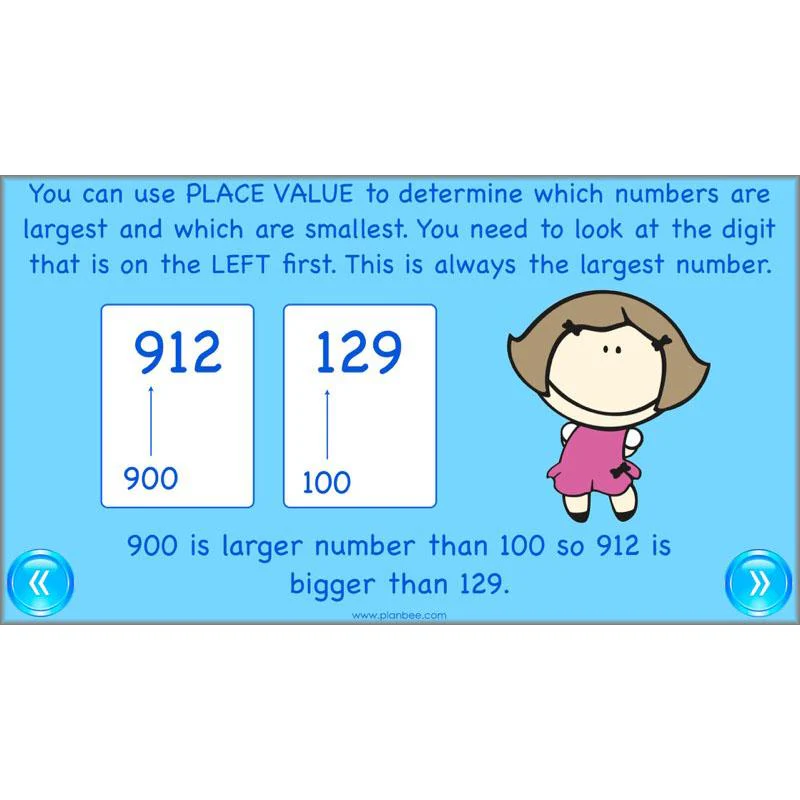
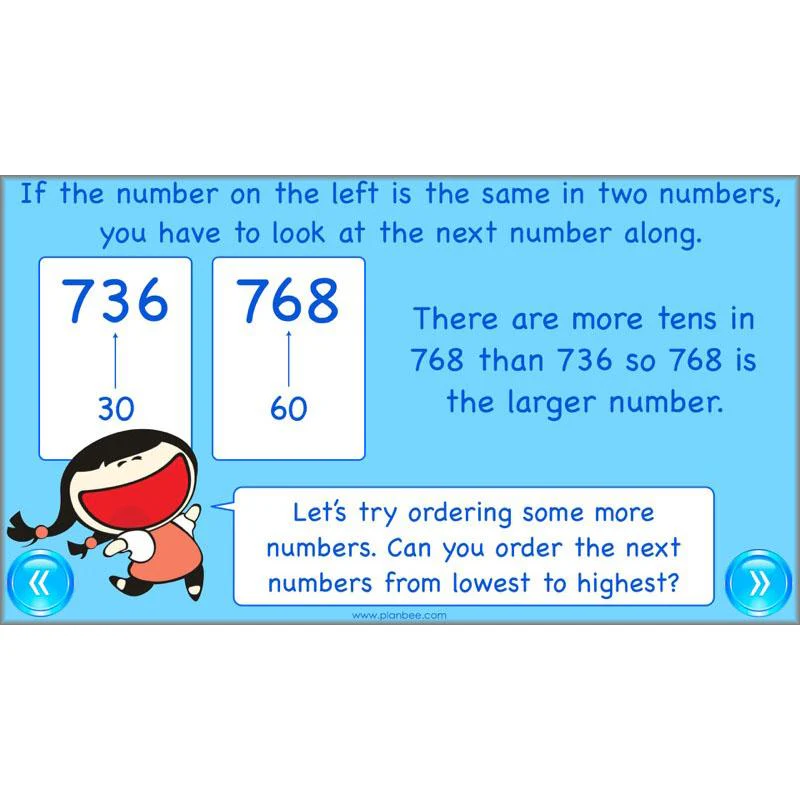
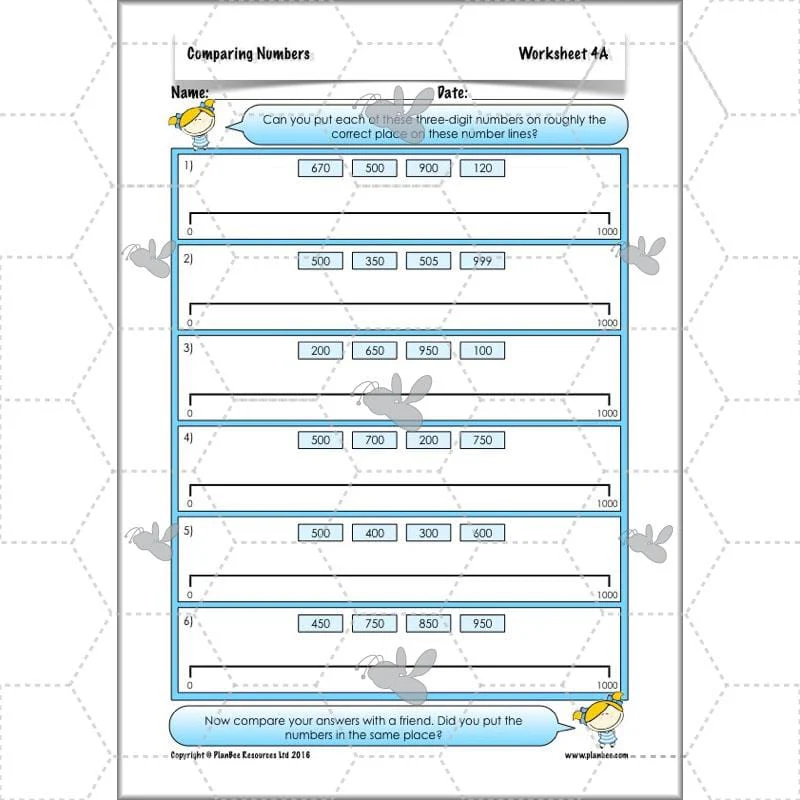
They will recap their knowledge of place value, learn to order numbers with up to five digits, solve problems involving numbers and learn to use the more than and less than signs to compare three-, four- and five-digit numbers. They will also delve into negative numbers and find out how to find the difference between a positive and negative integer.
With detailed lesson plans, engaging slides, differentiated worksheets and many other helpful resources, these 'Comparing Numbers' lessons contain everything you need teach your class what they need to know about identifying, ordering and using large numbers.
Five Digits
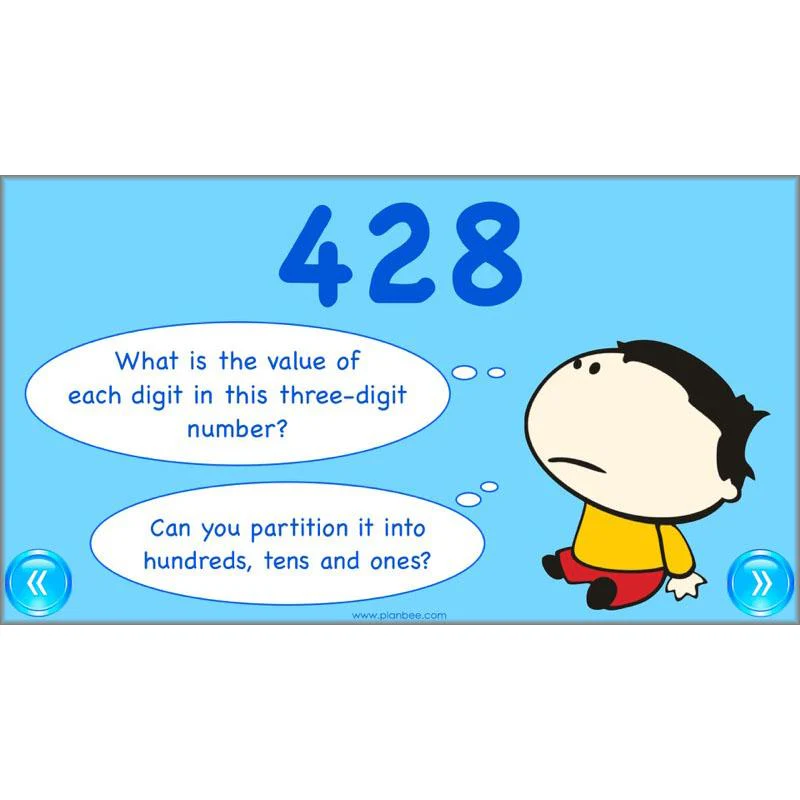
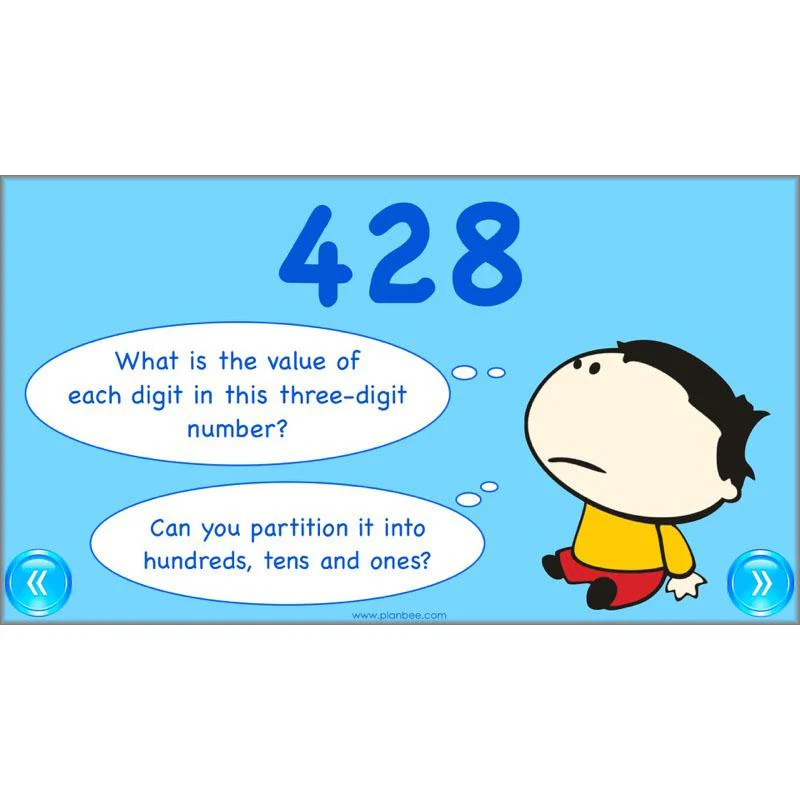
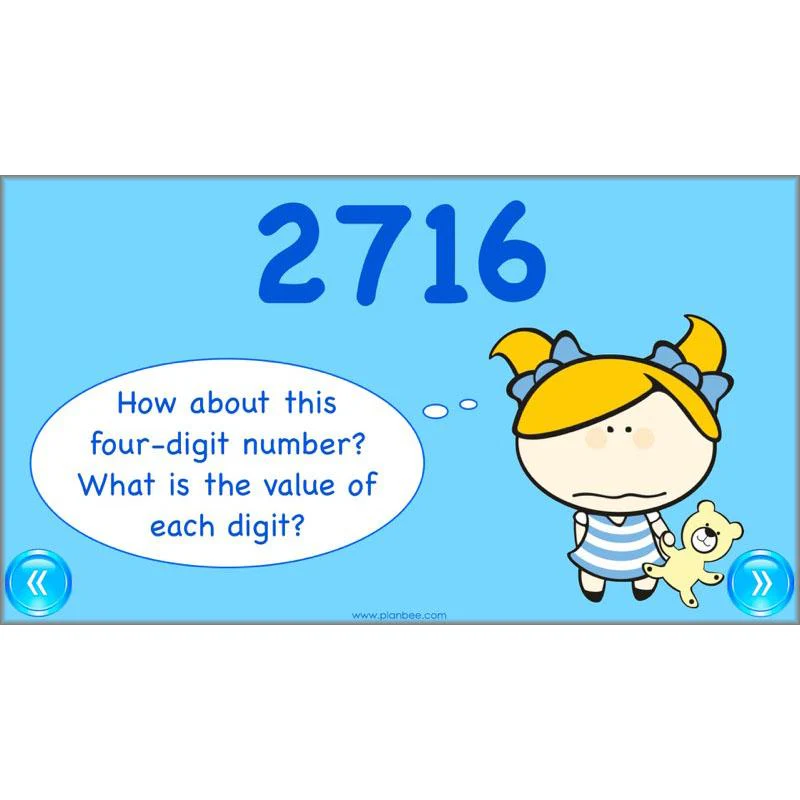
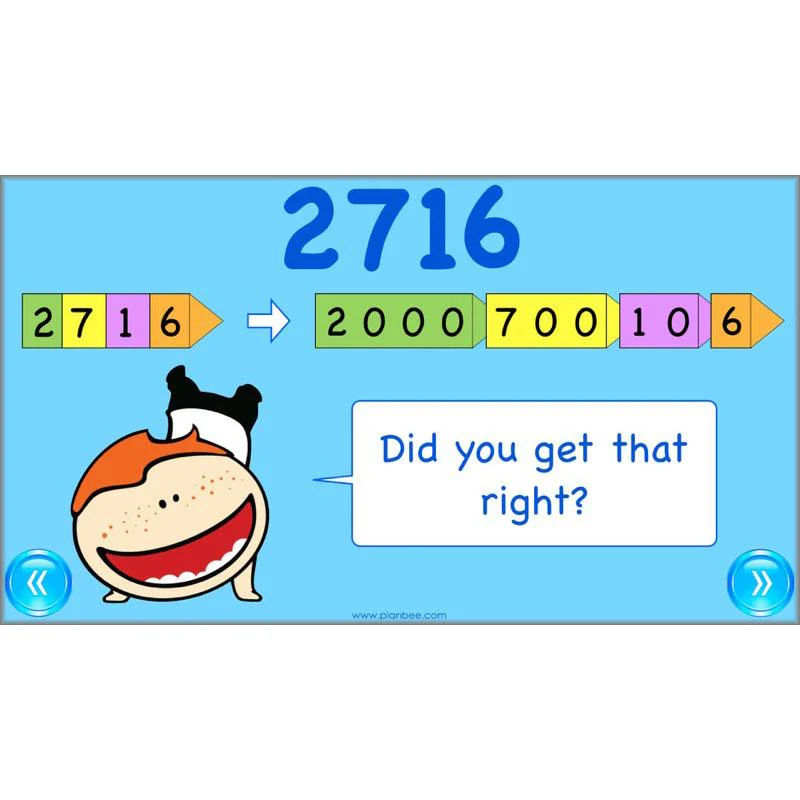
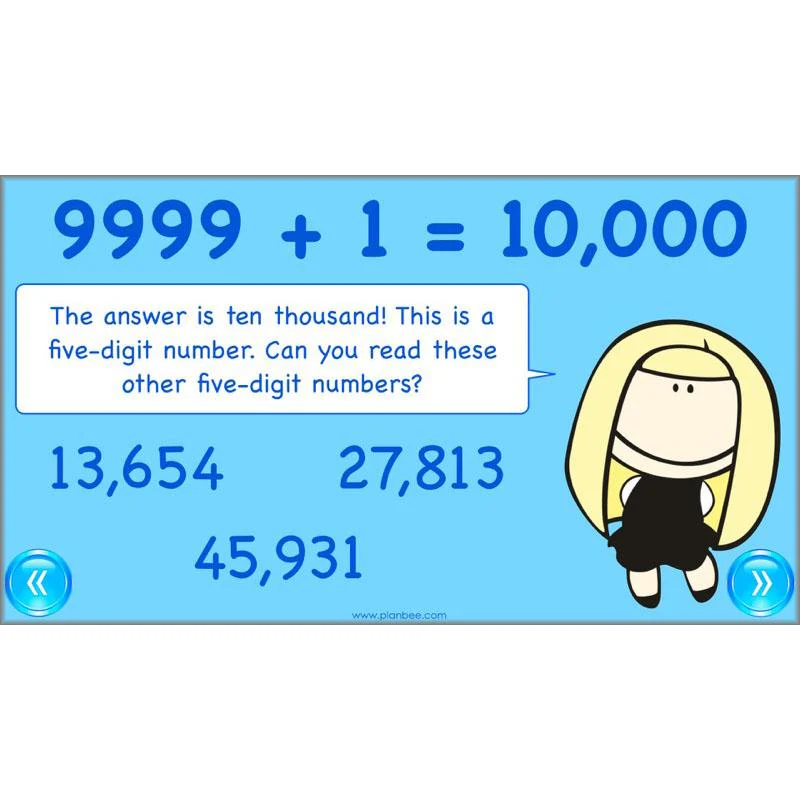
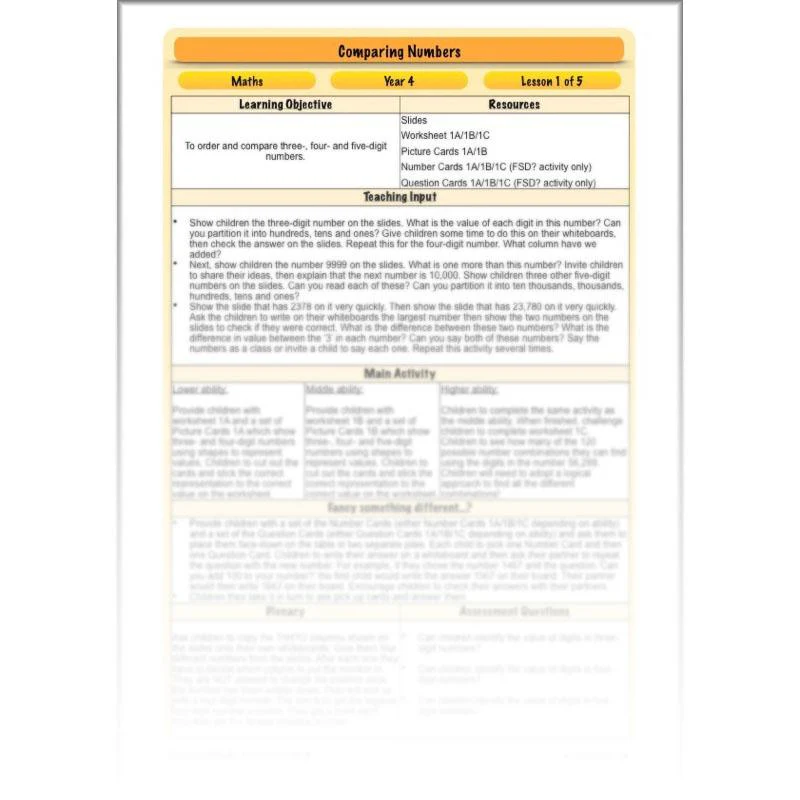
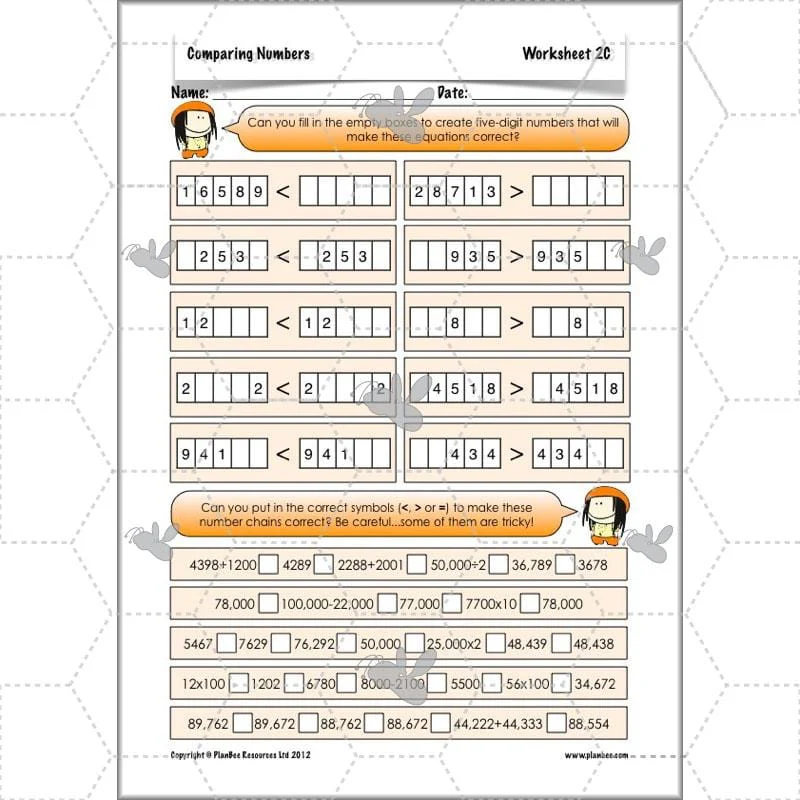
The first lesson in this series recaps the value of each digit in three- and four-digit numbers before extending this to look at five-digit numbers.
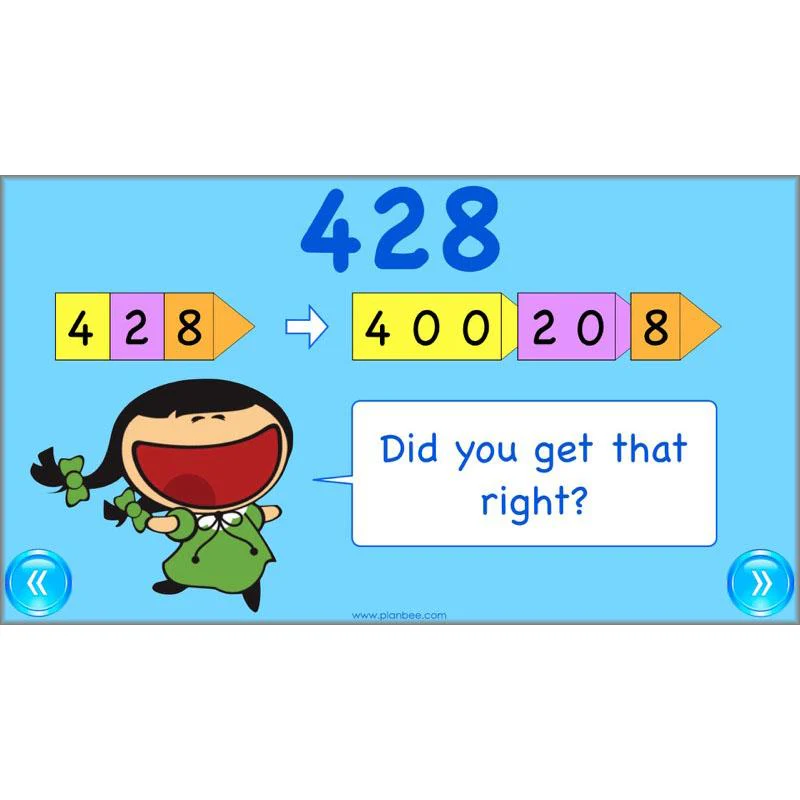
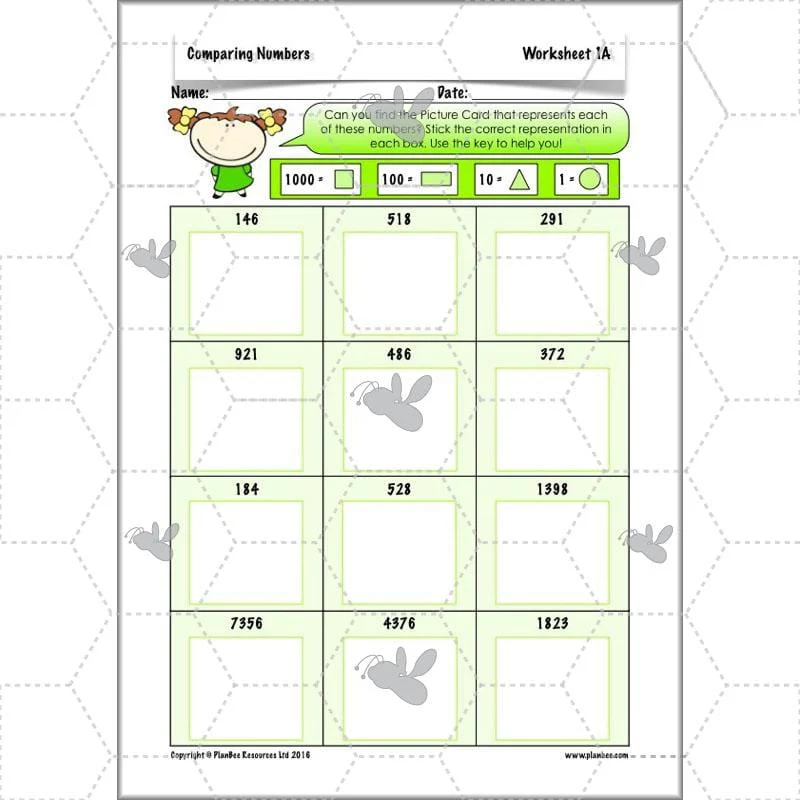
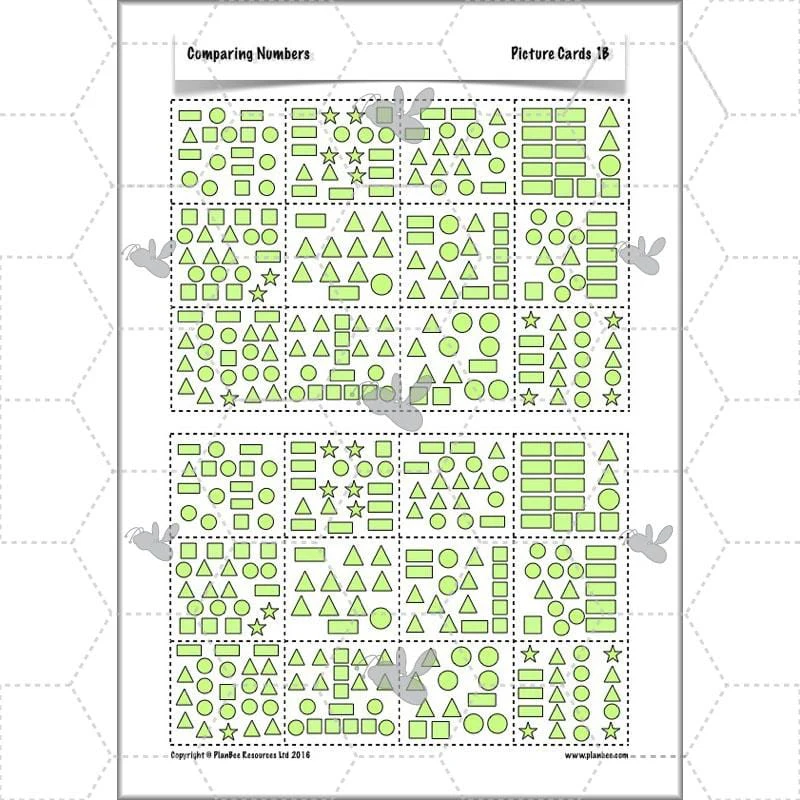
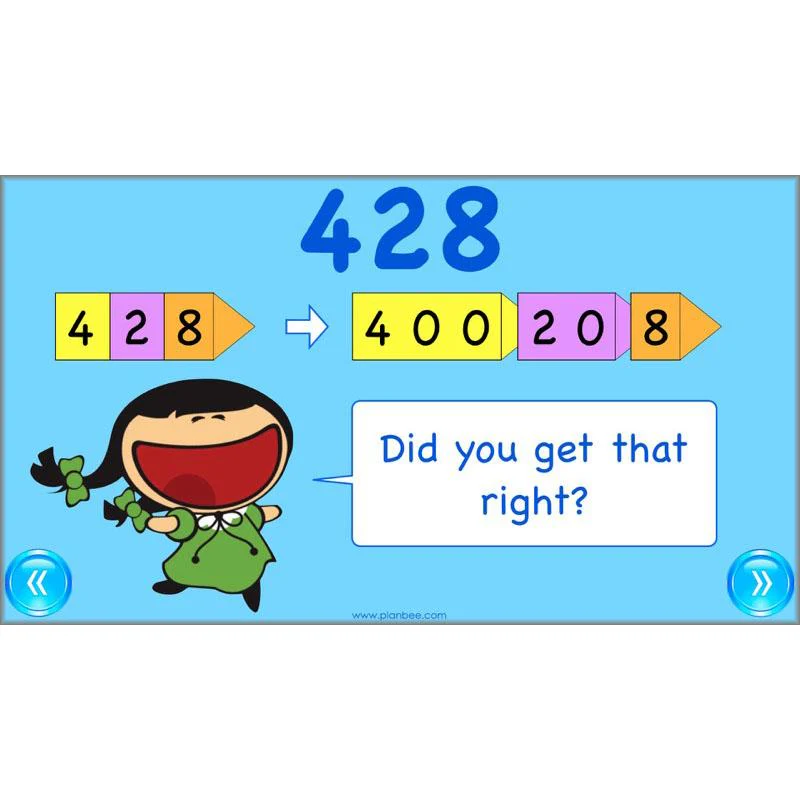
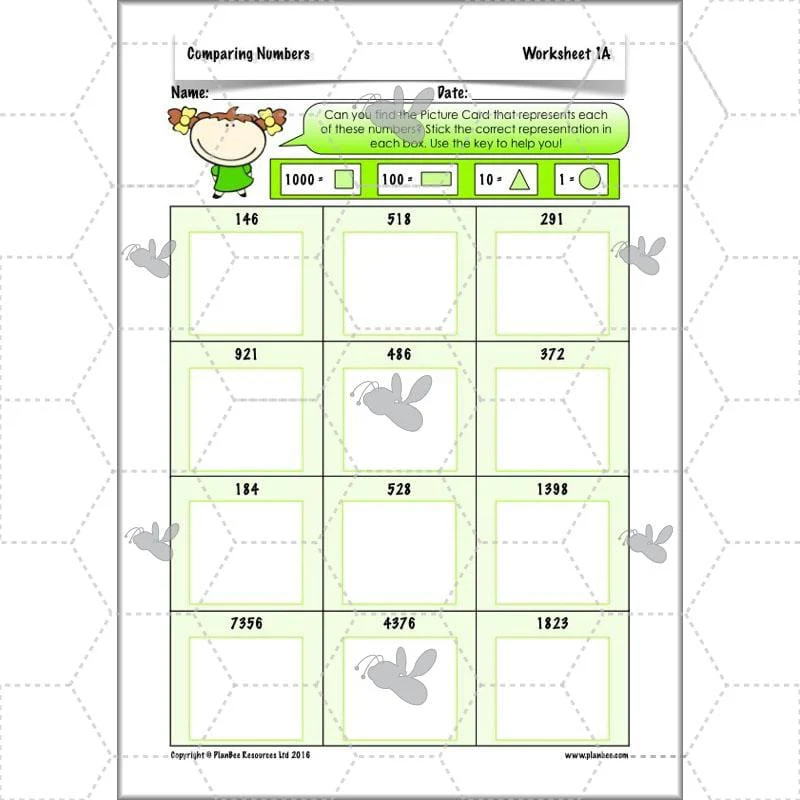
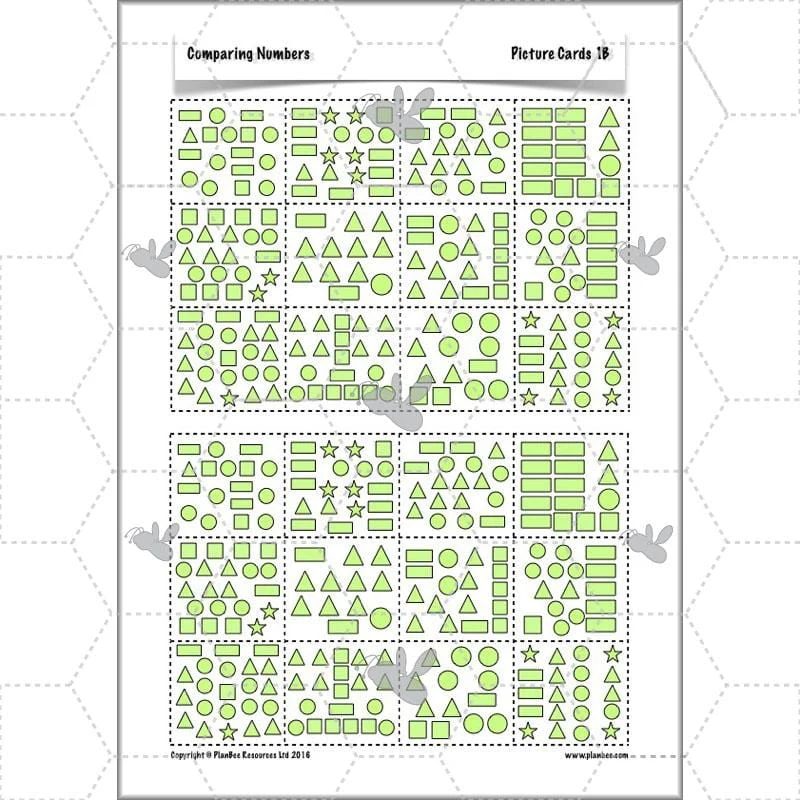
Children will learn to partition five-digit numbers to help them identify the value of each digit. They main activity then reinforces this by challenging children to match numbers represented pictorially and numerically.
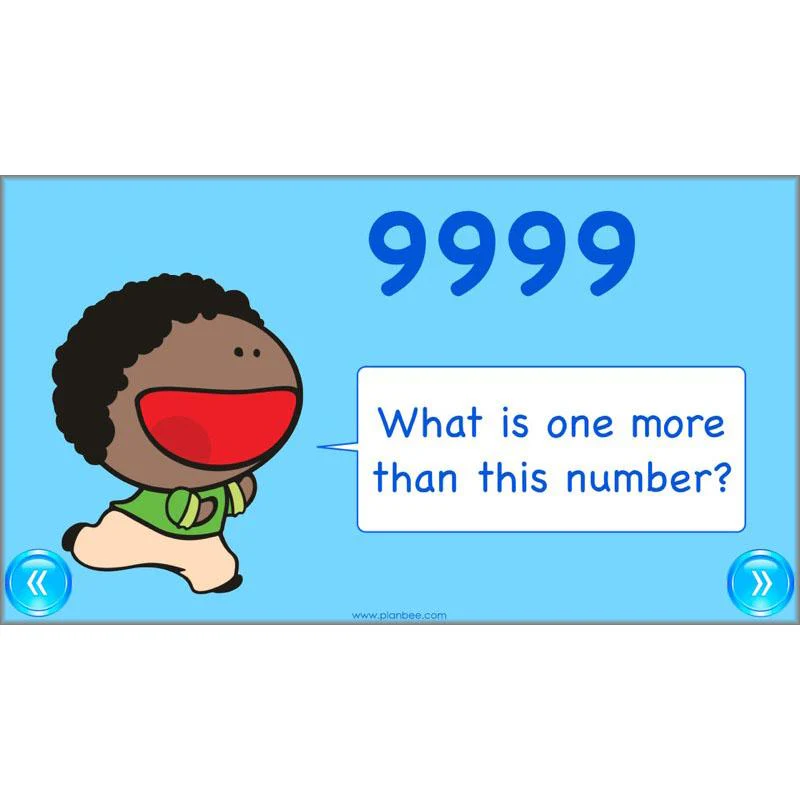
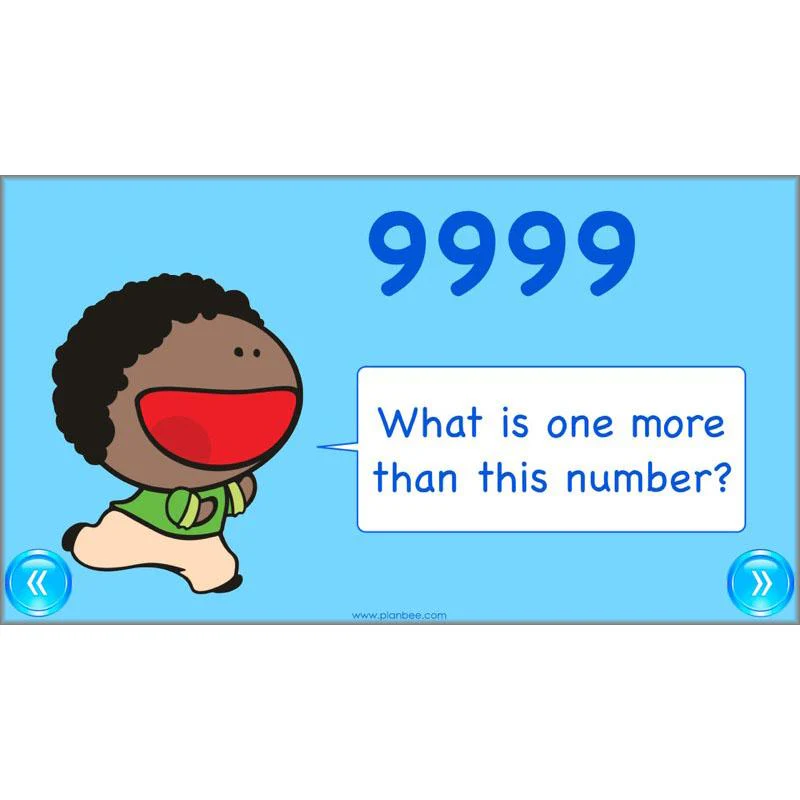
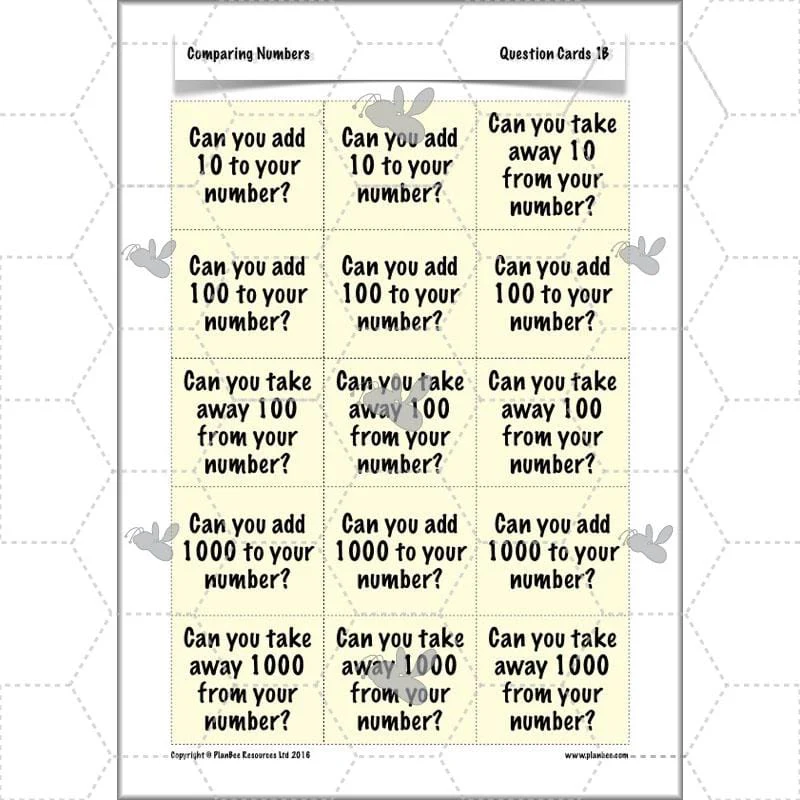
There is also a challenging investigation and the opportunity to practise adding 10, 100 or 100 to three-, four- or five-digit numbers.
What's included:
- Lesson plan
- Slides
- Activity ideas
- Differentiated worksheets
- Picture cards
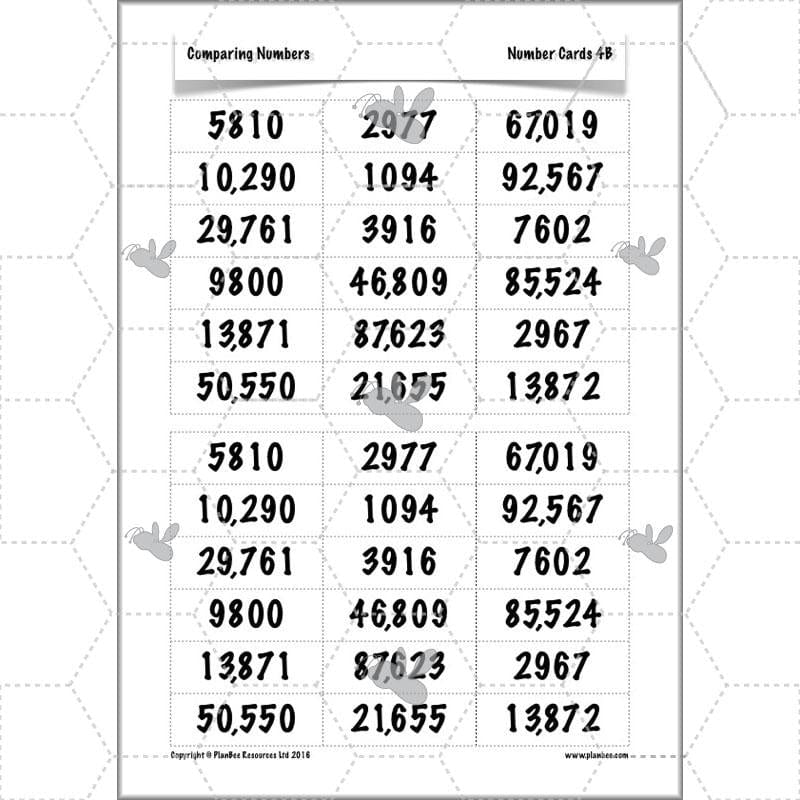
- Number cards
- Question cards
View Lesson 1
Greater or Less Than
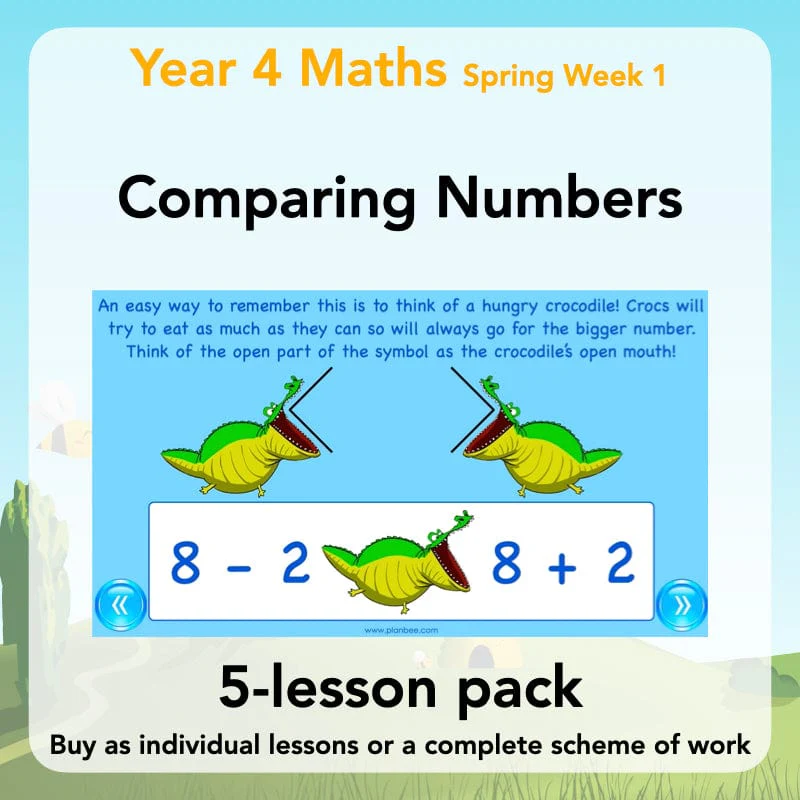
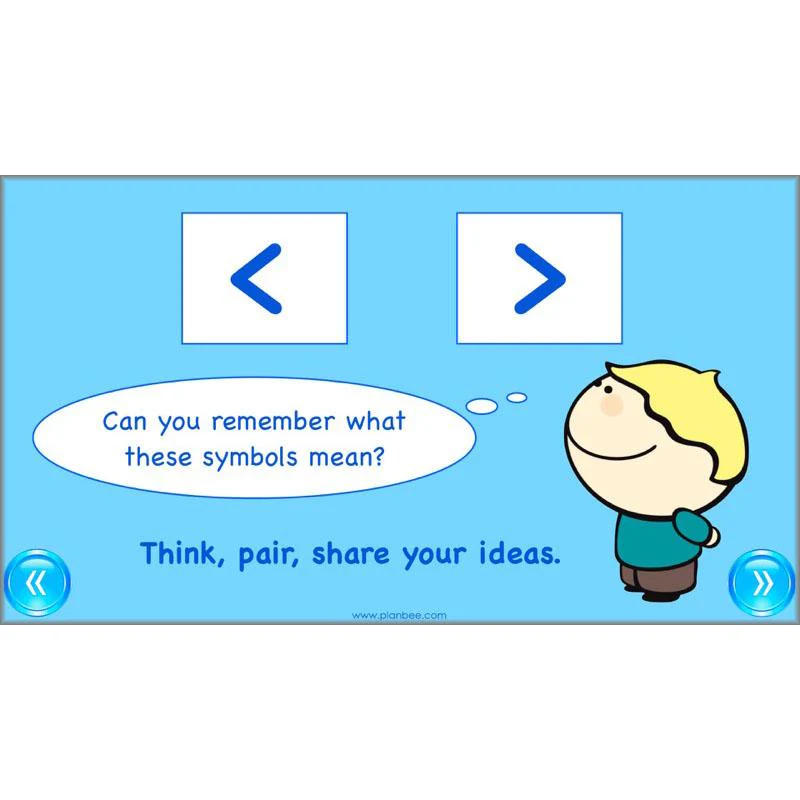
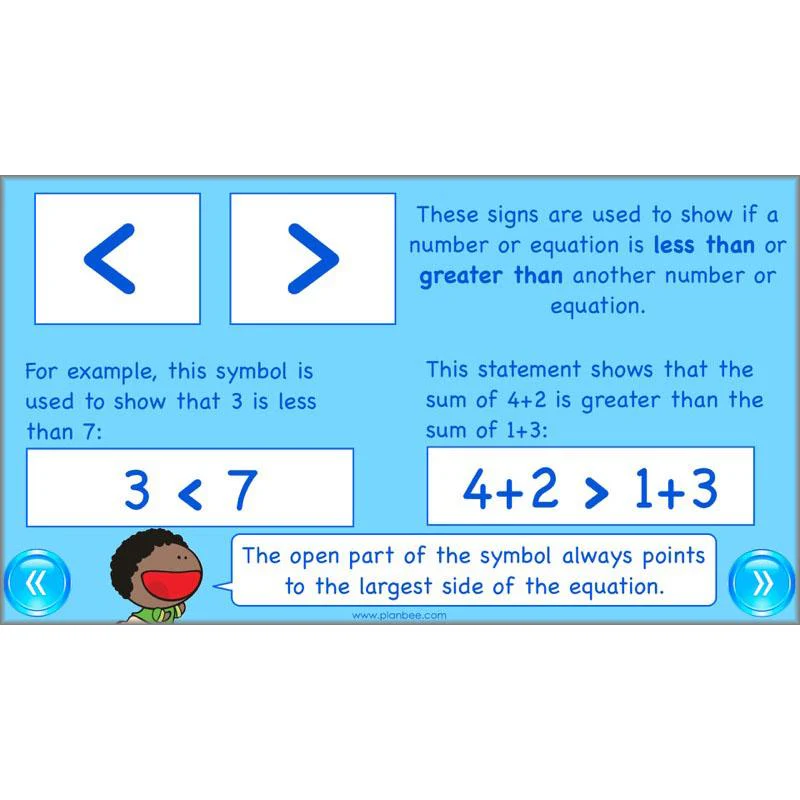
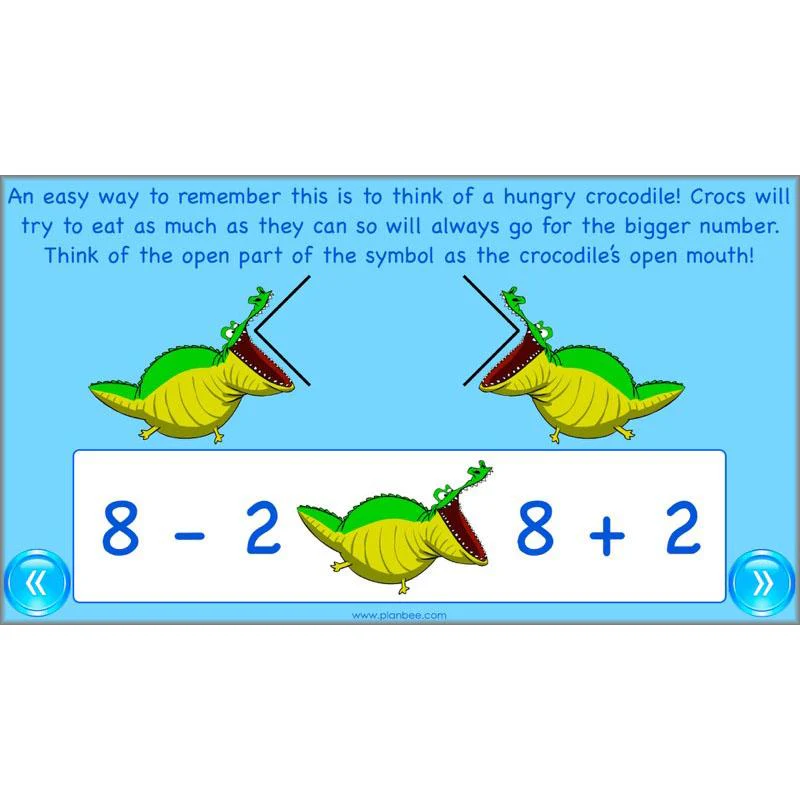
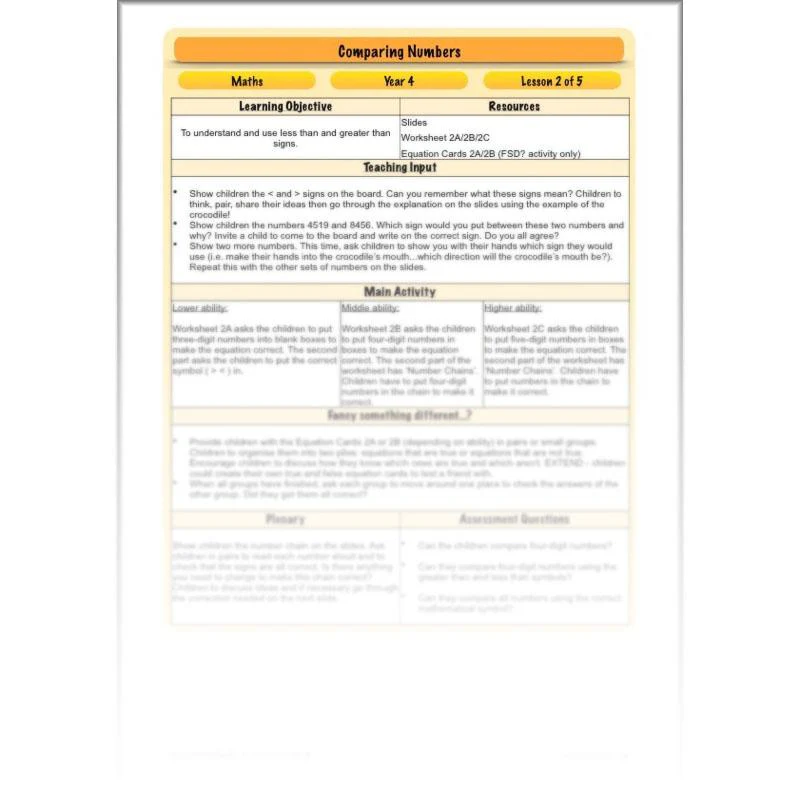
This lesson recaps what the 'greater than' and 'less than' symbols are, and reminds children how these can be used between numbers to compare them.
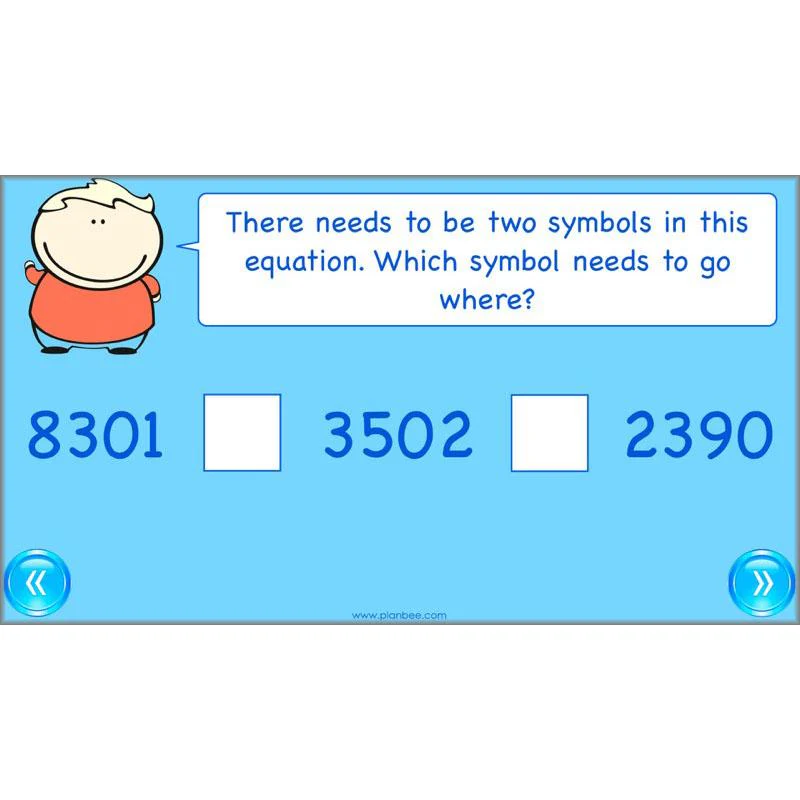
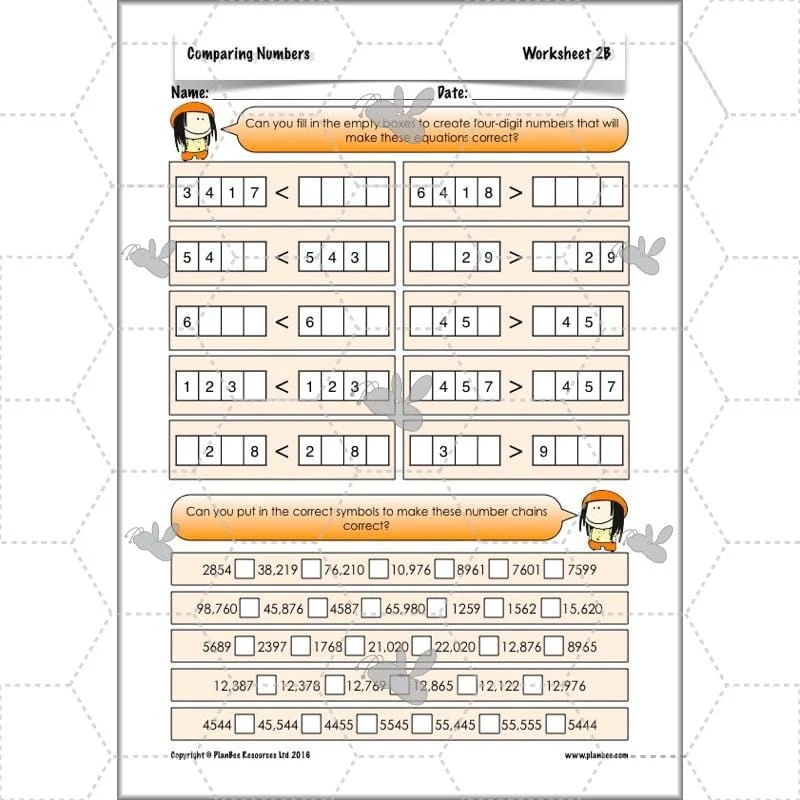
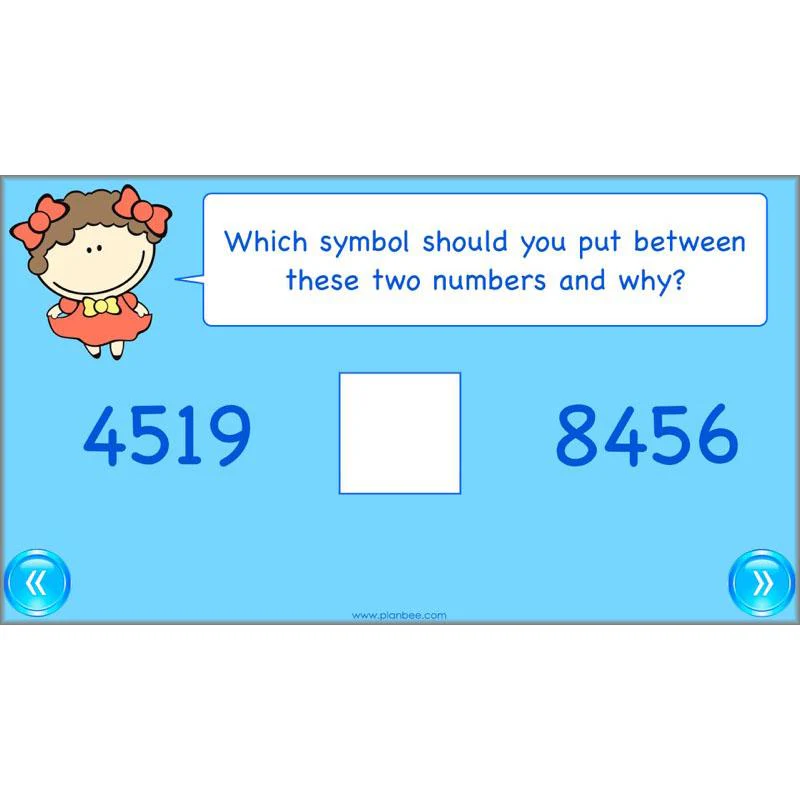
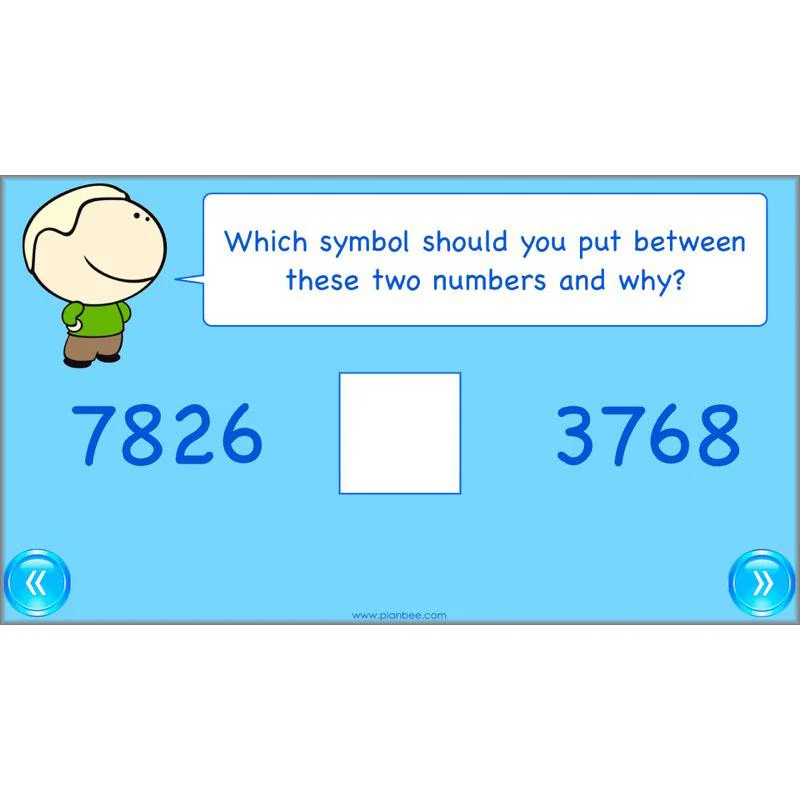
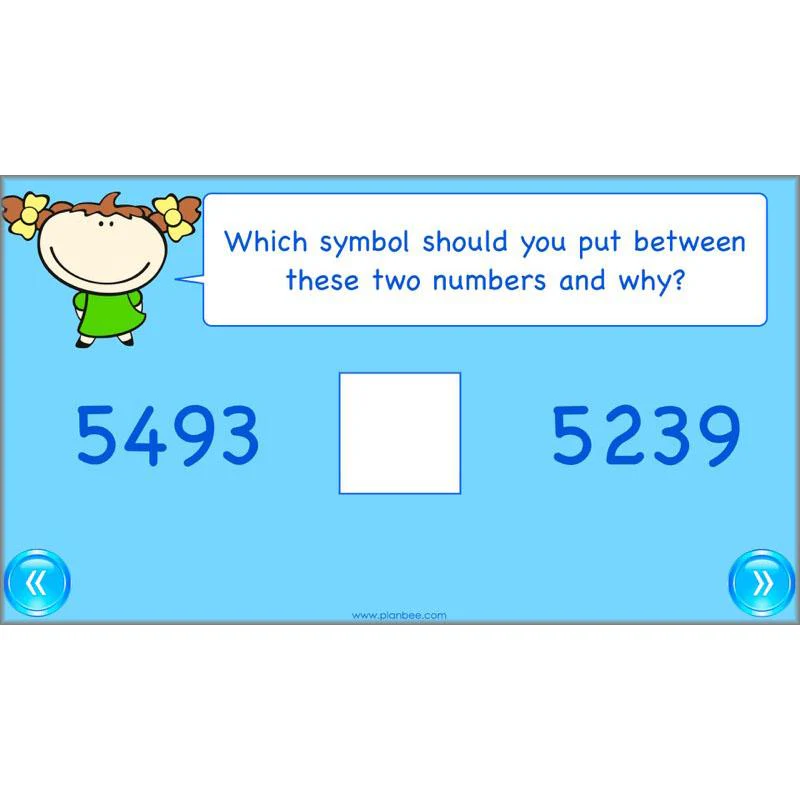
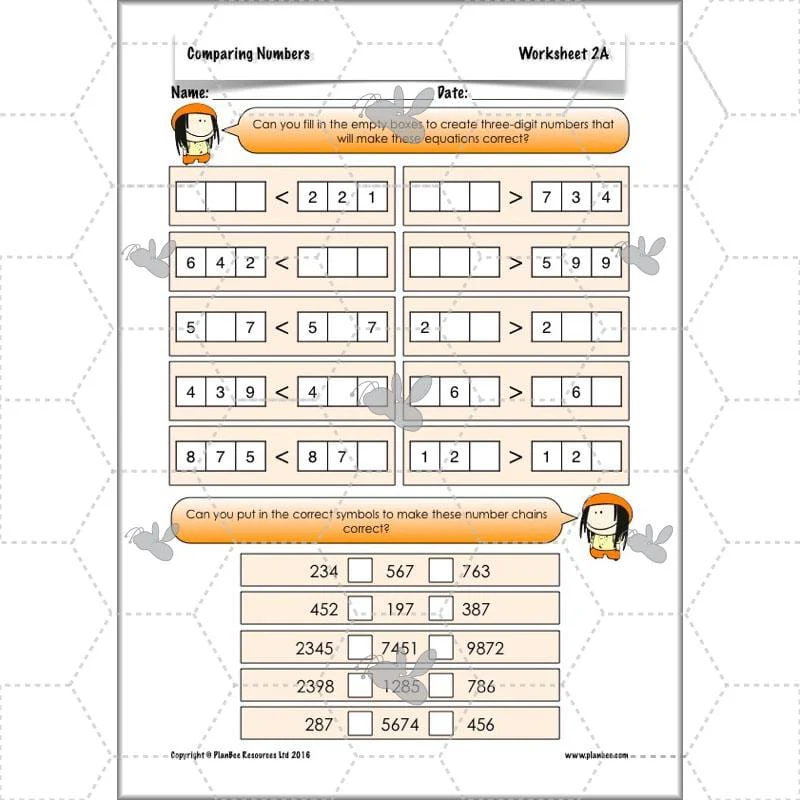
The slides give children the chance to practise correctly placing these symbols between two or more numbers and the main activity then extends this by challenging them to use their place value knowledge to fill in numbers with missing digits to make the statements correct.
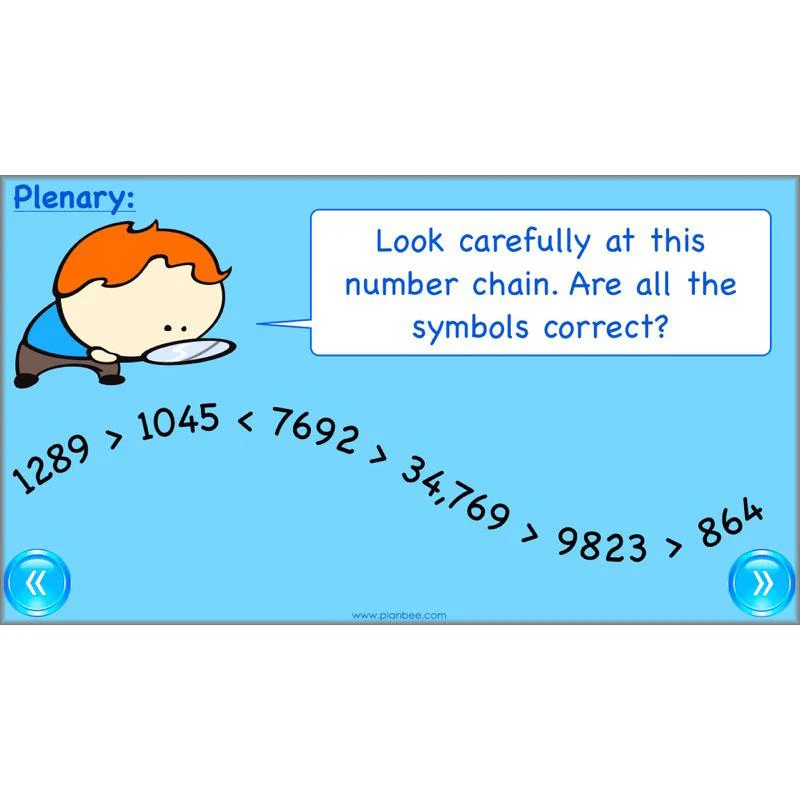
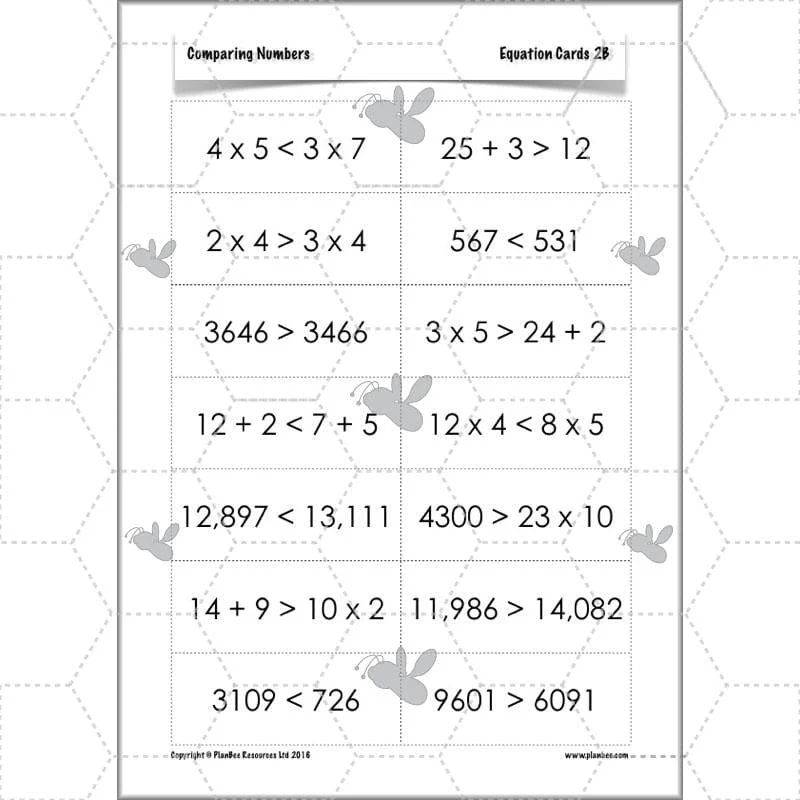
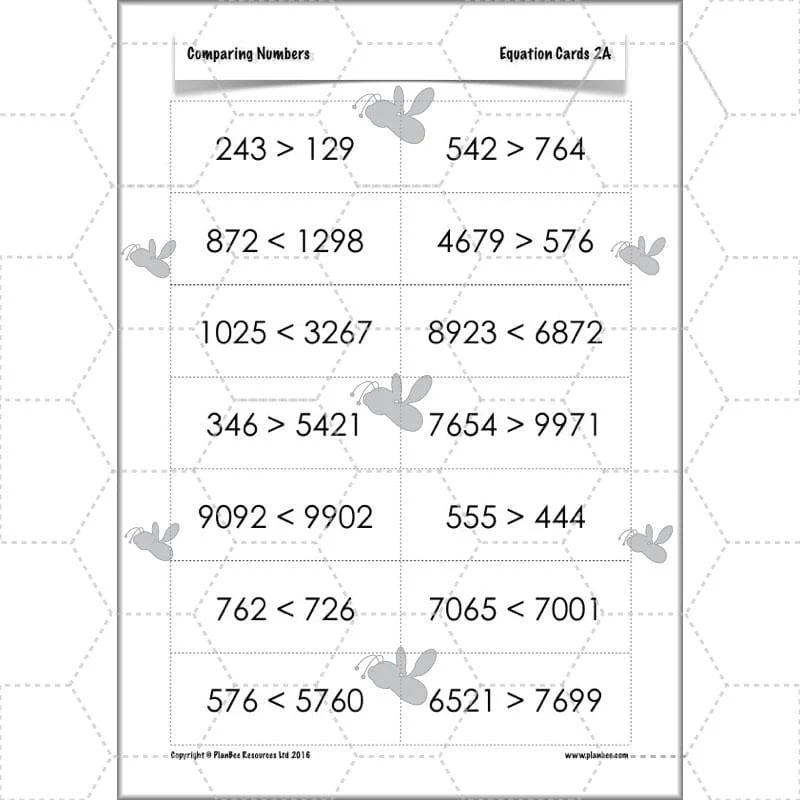
They will need to use a variety of mathematical skills to tackle the alternative activity as they identify which equations are correct and which aren't.
What's included:
- Lesson plan
- Slides
- Activity ideas
- Differentiated worksheets
- Equation cards
View Lesson 2
Ordering Measures
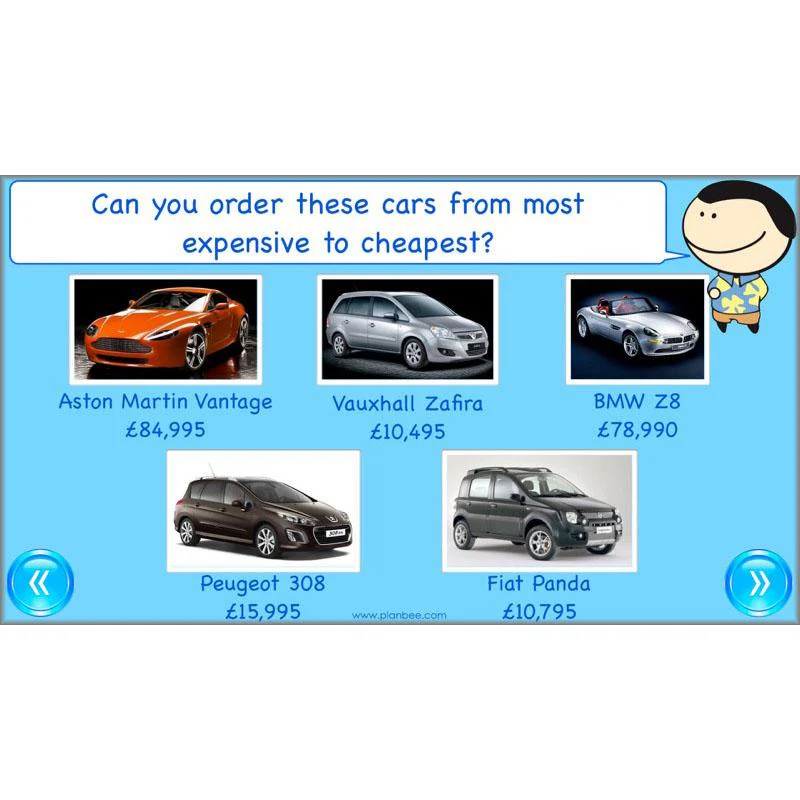
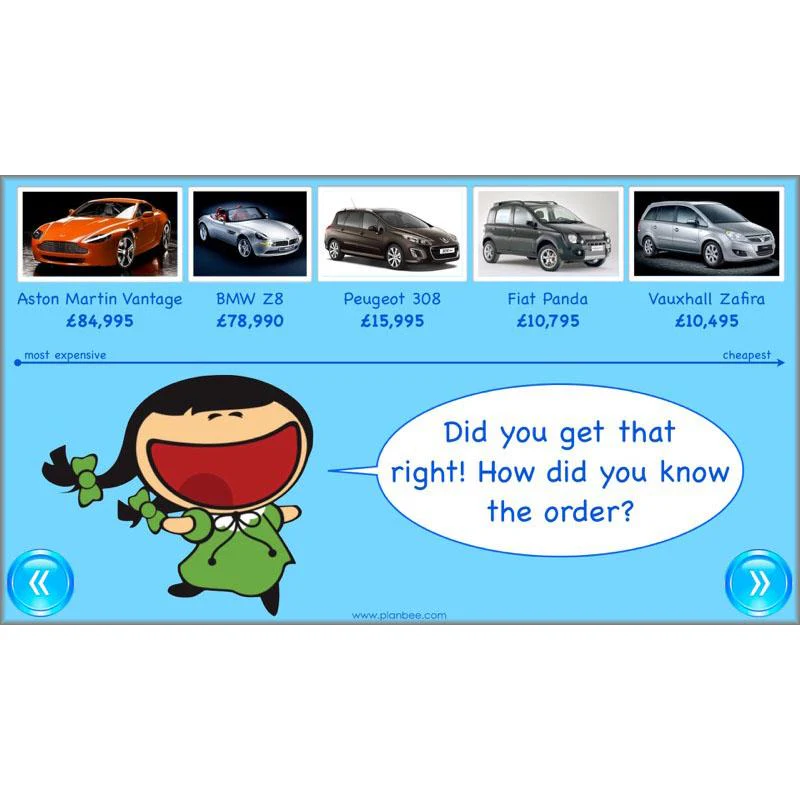
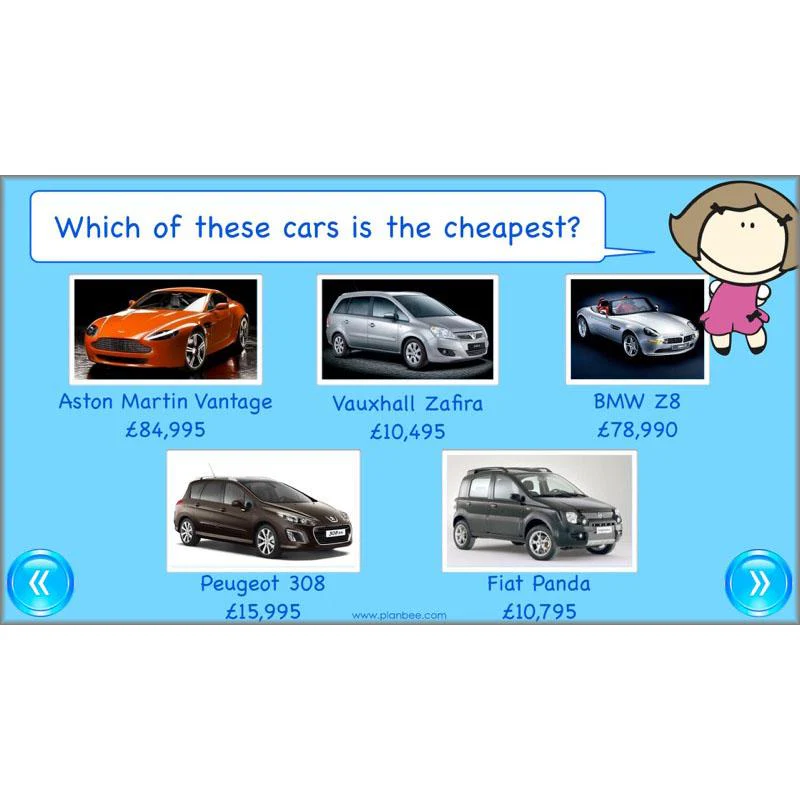
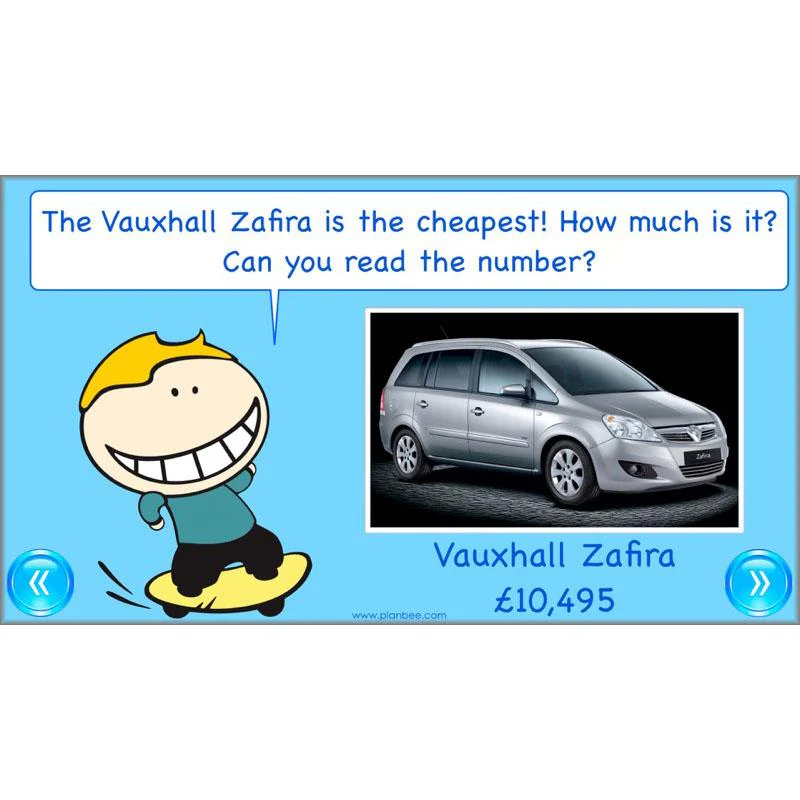
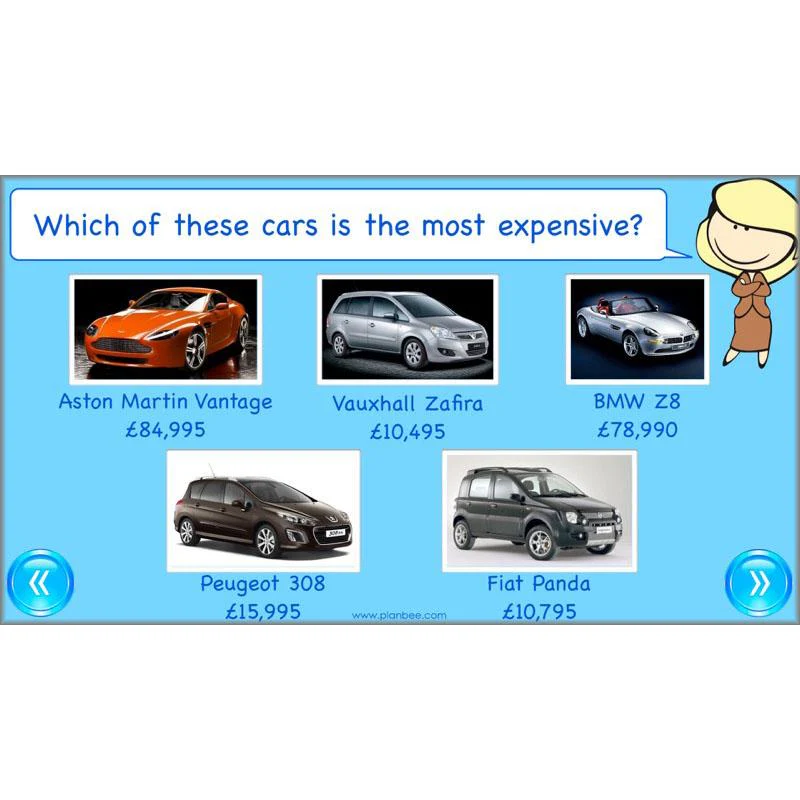
This lesson starts by looking at some five-figure cars and challenging children to order them by price.
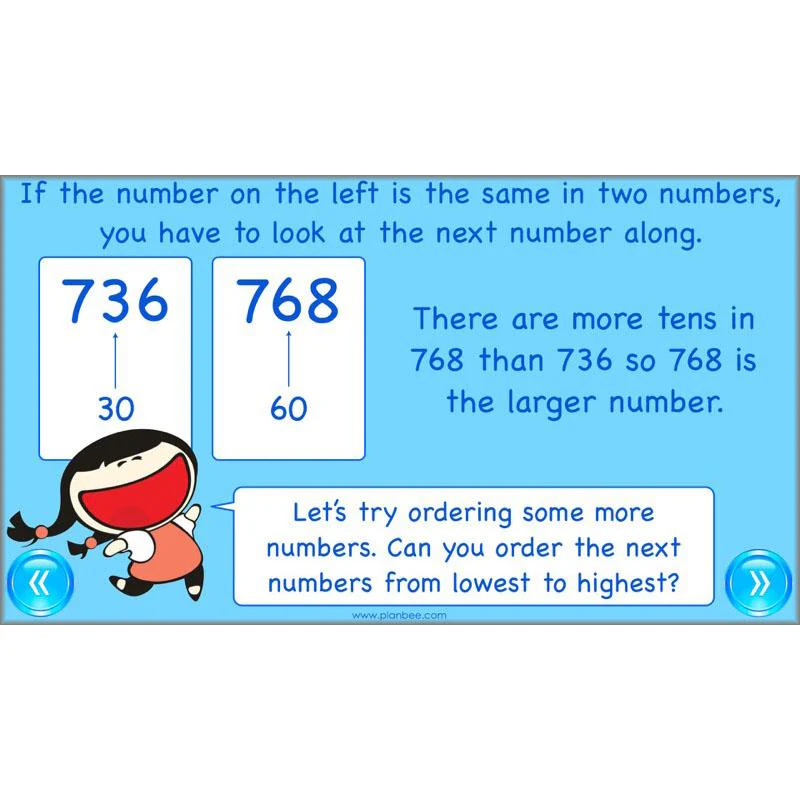
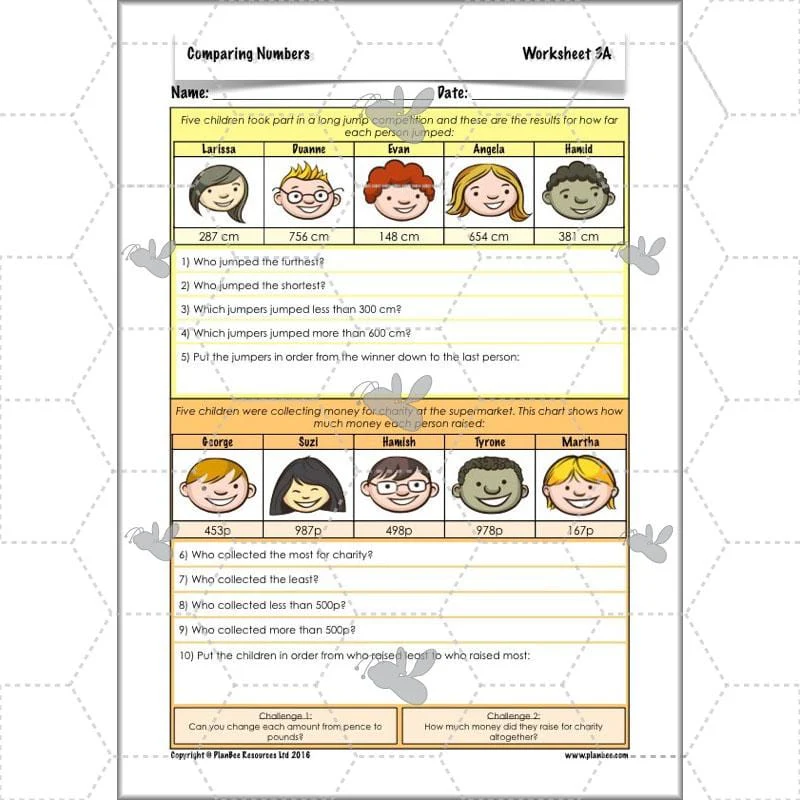
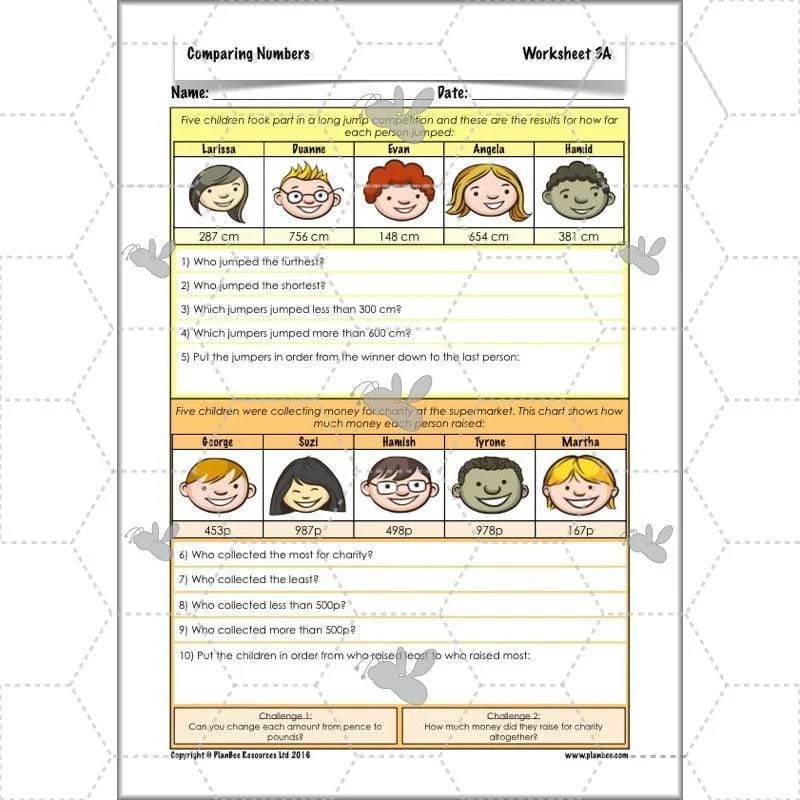
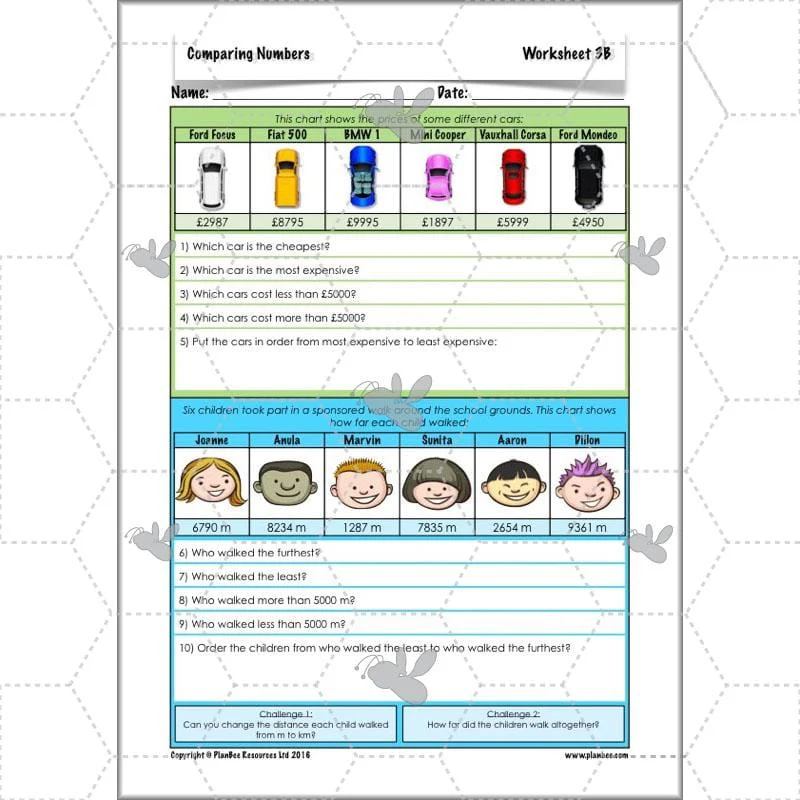
The main activity then moves on to ordering and comparing a variety of three-, four- and five-digit numbers in real-life contexts, including distances, weights and prices.
What's included:
- Lesson plan
- Slides
- Activity ideas
- Differentiated worksheets
- Challenge cards
View Lesson 3
More Ordering
By now your class should be becoming more comfortable with comparing and ordering large numbers.
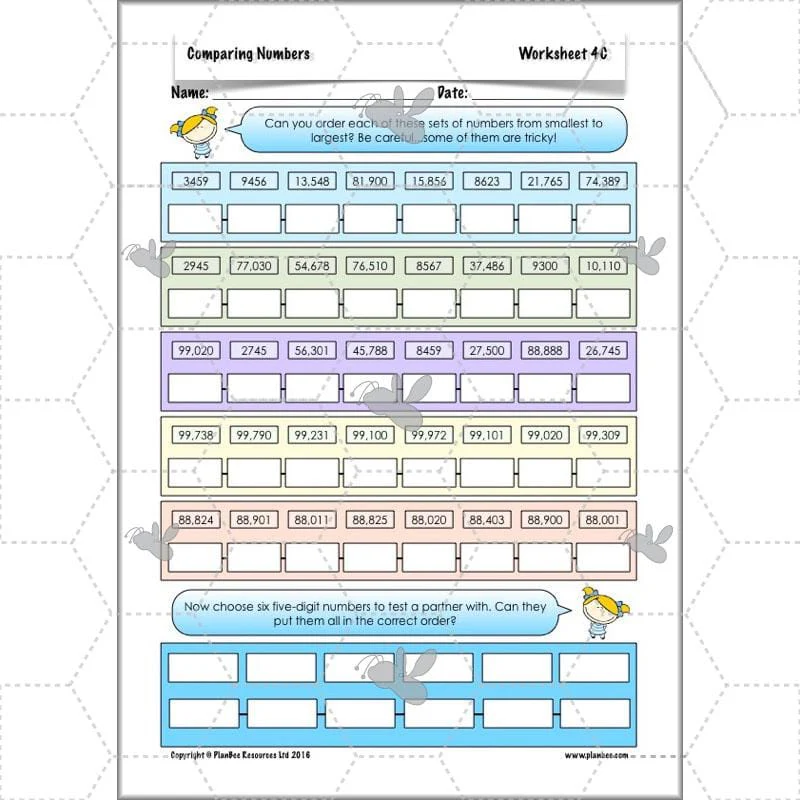
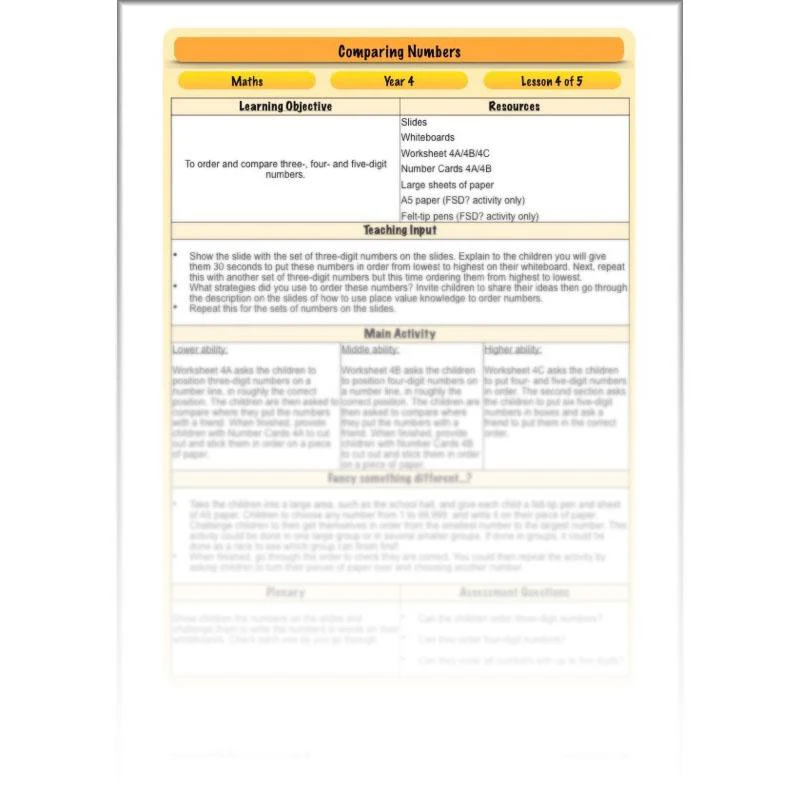
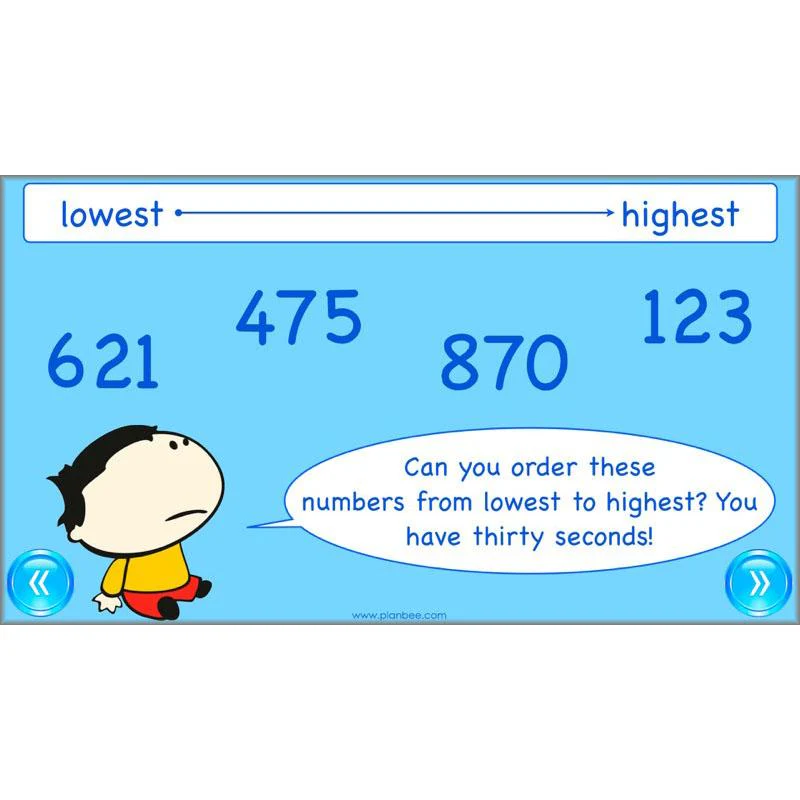
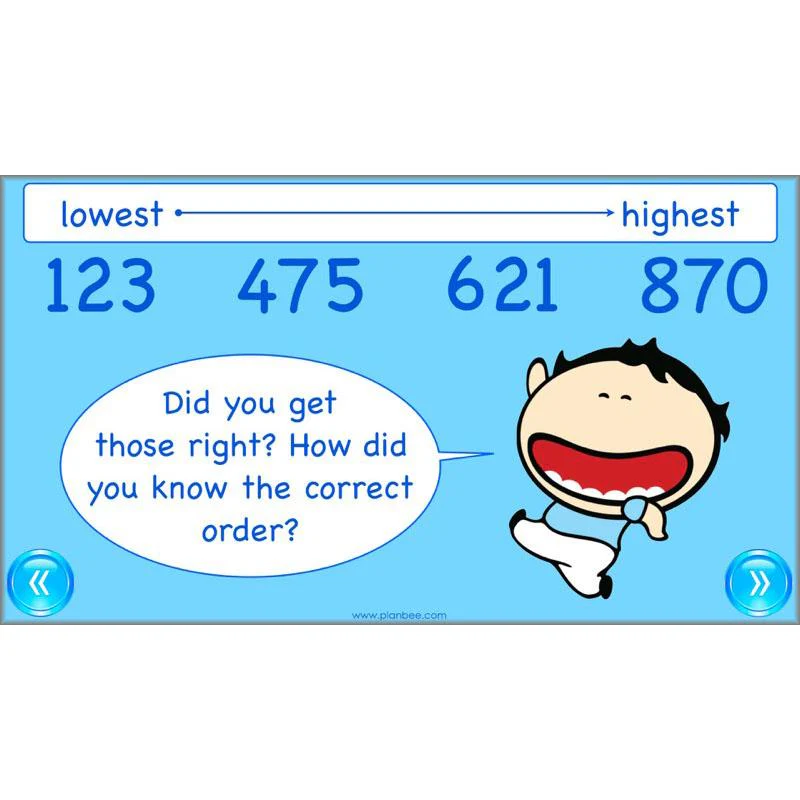
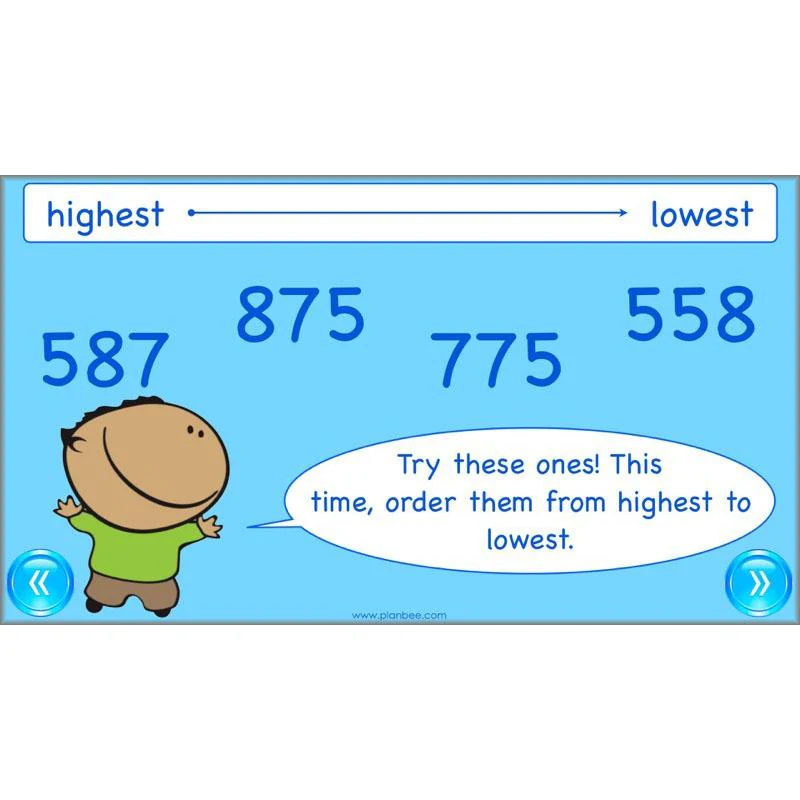
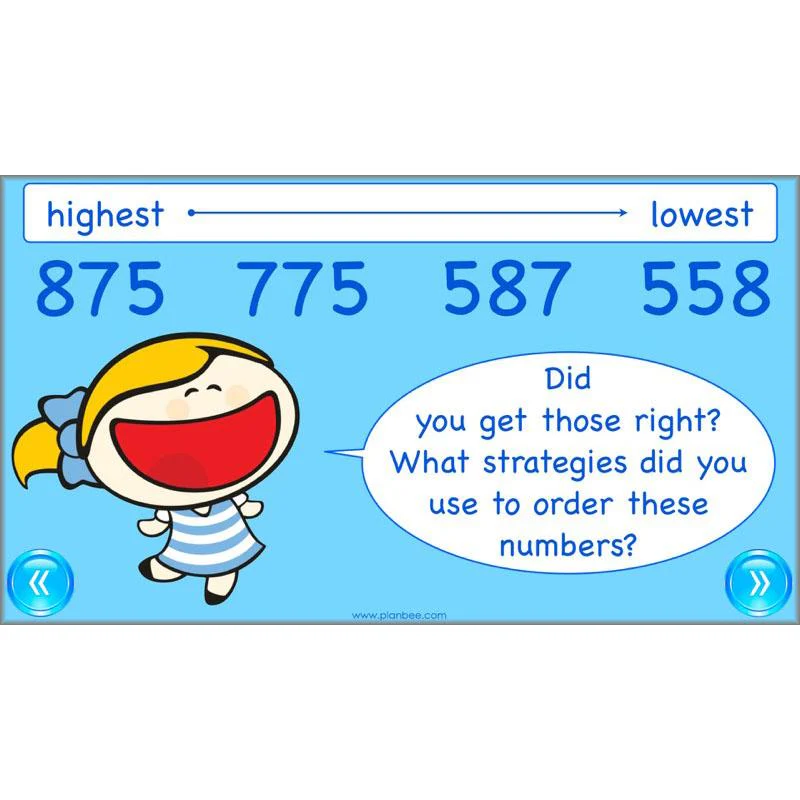
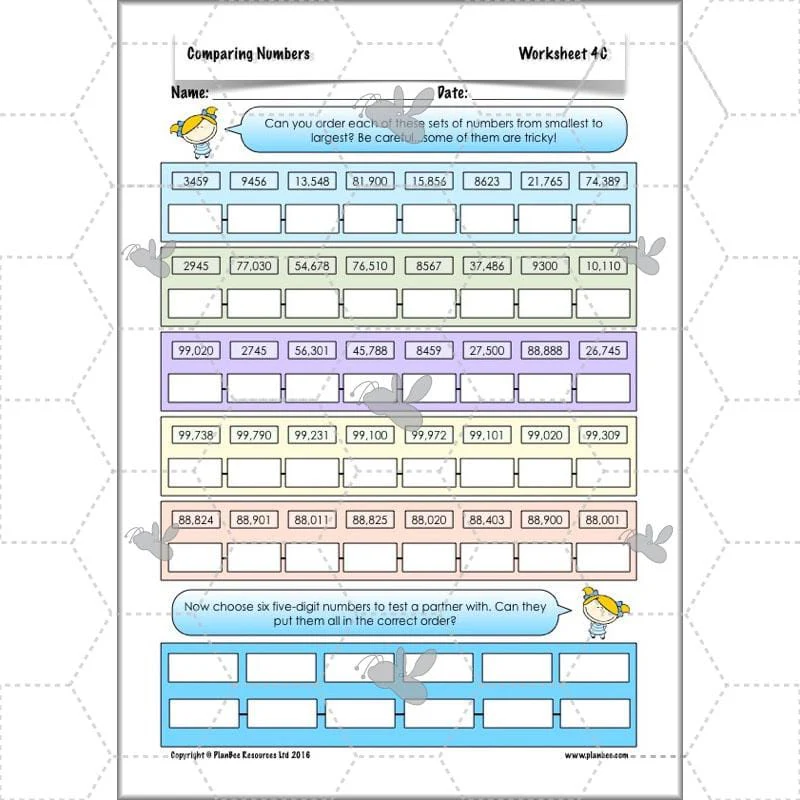
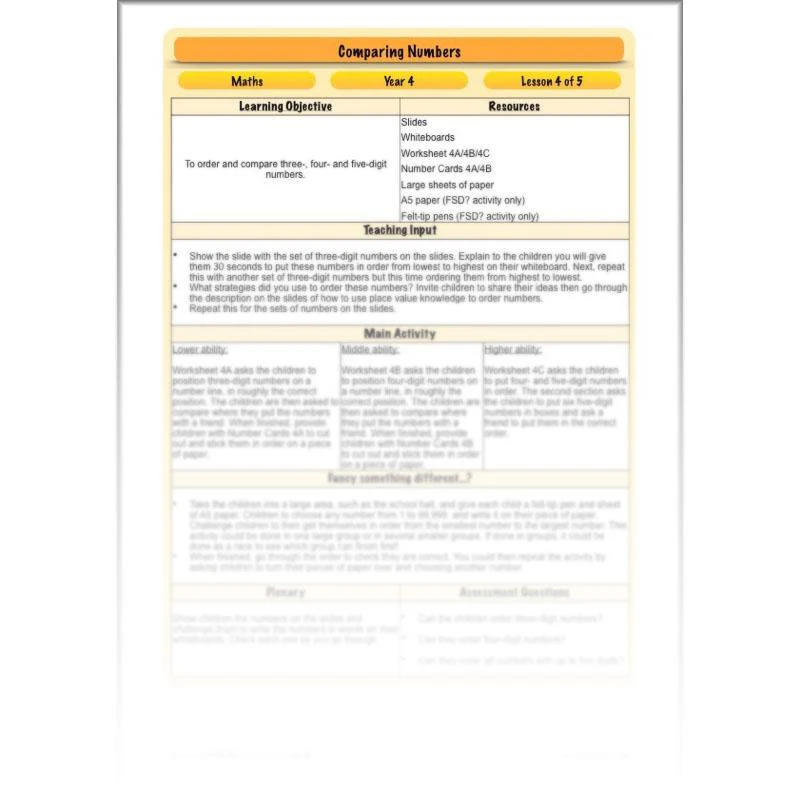
This lesson extends this by challenging children to order increasingly large sets of three-, four- and five-digit numbers.
They will also practise reading and writing larger numbers in numerals and words.
What's included:
- Lesson plan
- Slides
- Activity ideas
- Differentiated worksheets
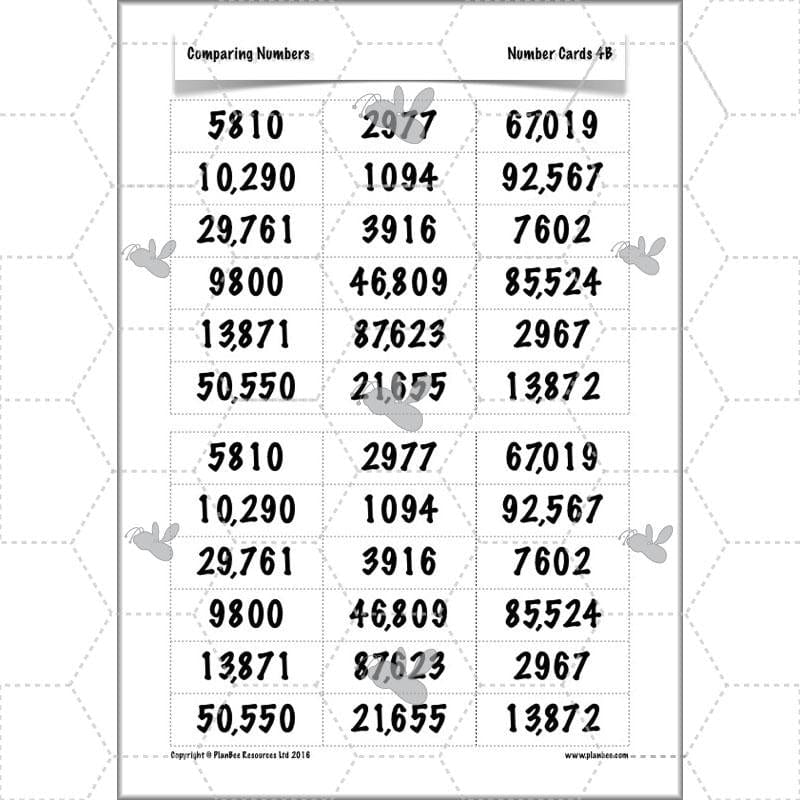
- Number cards
View Lesson 4
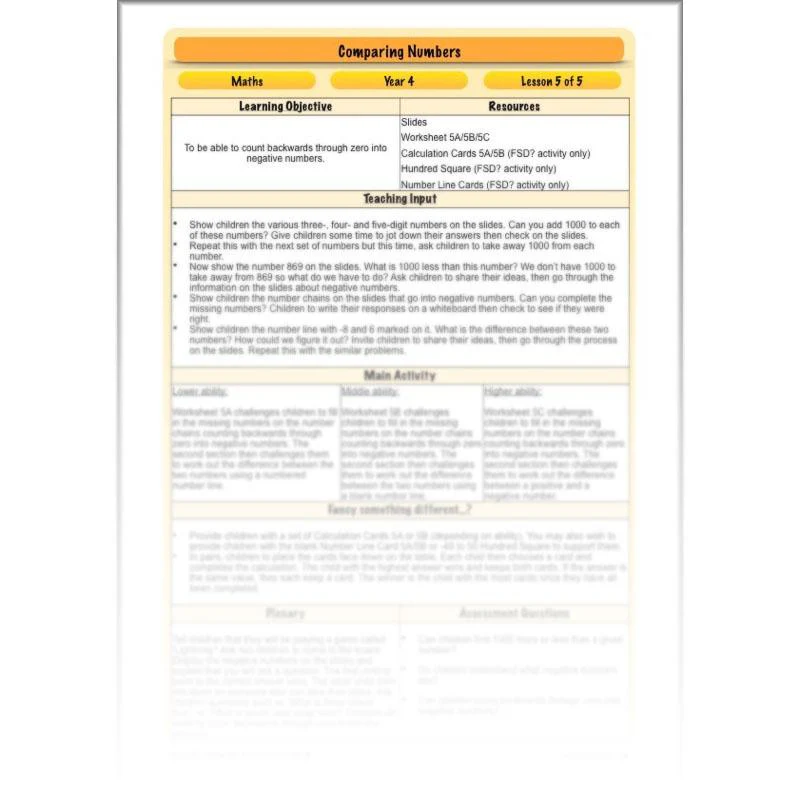
Negative Numbers
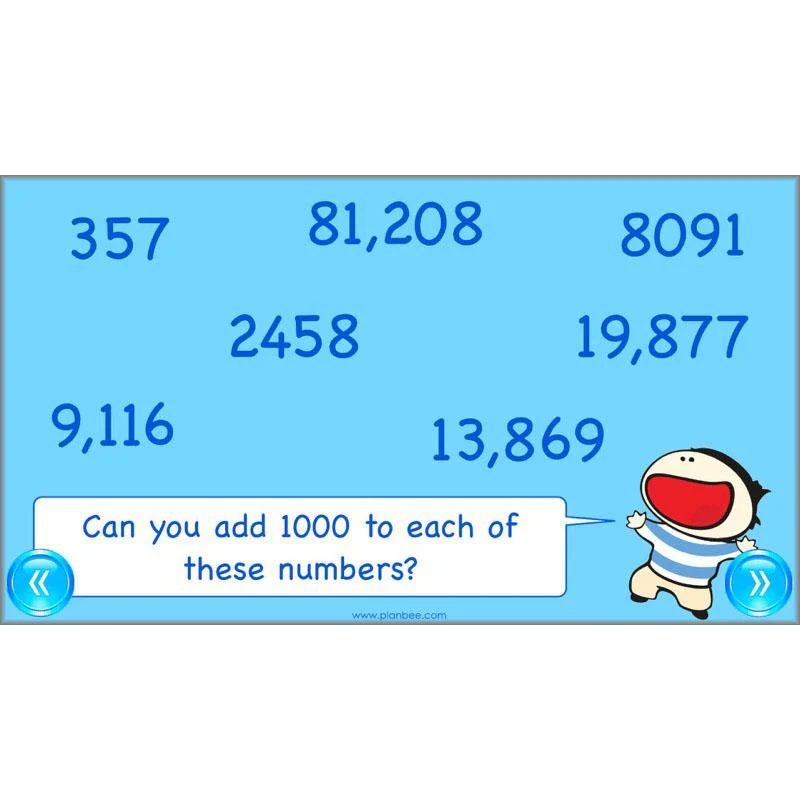
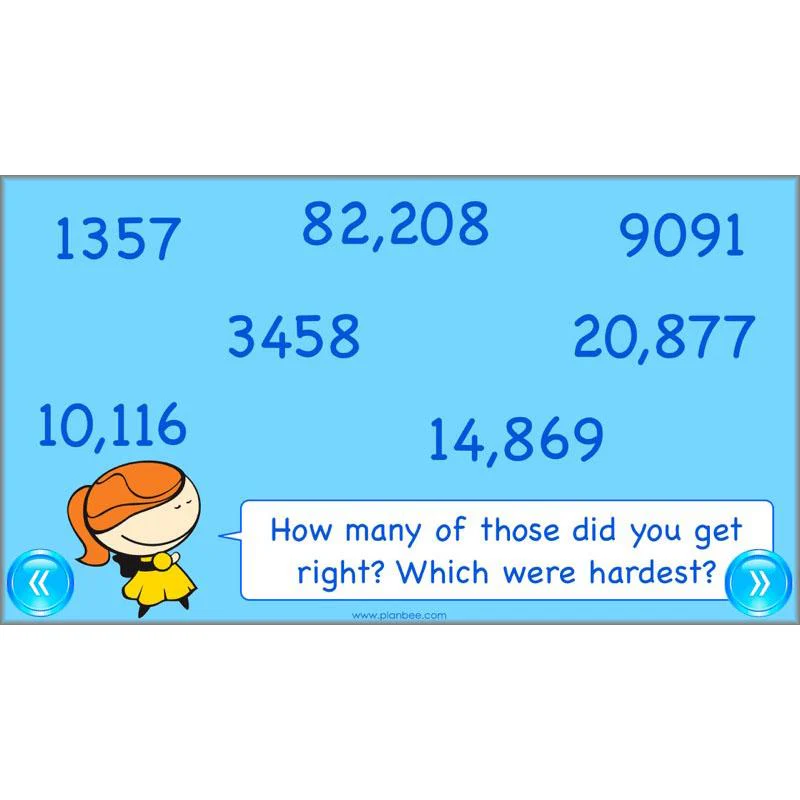
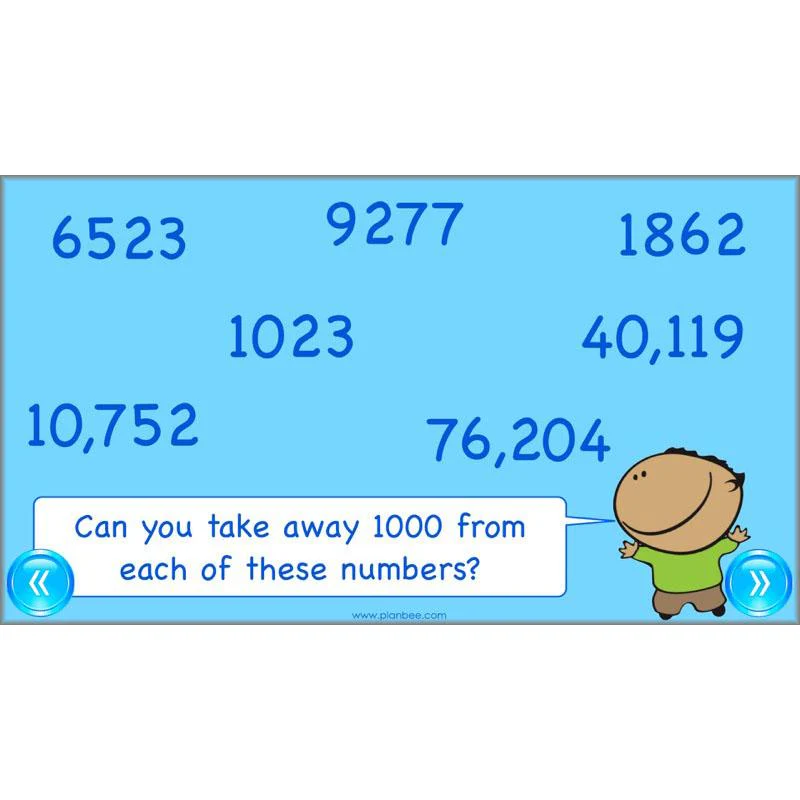
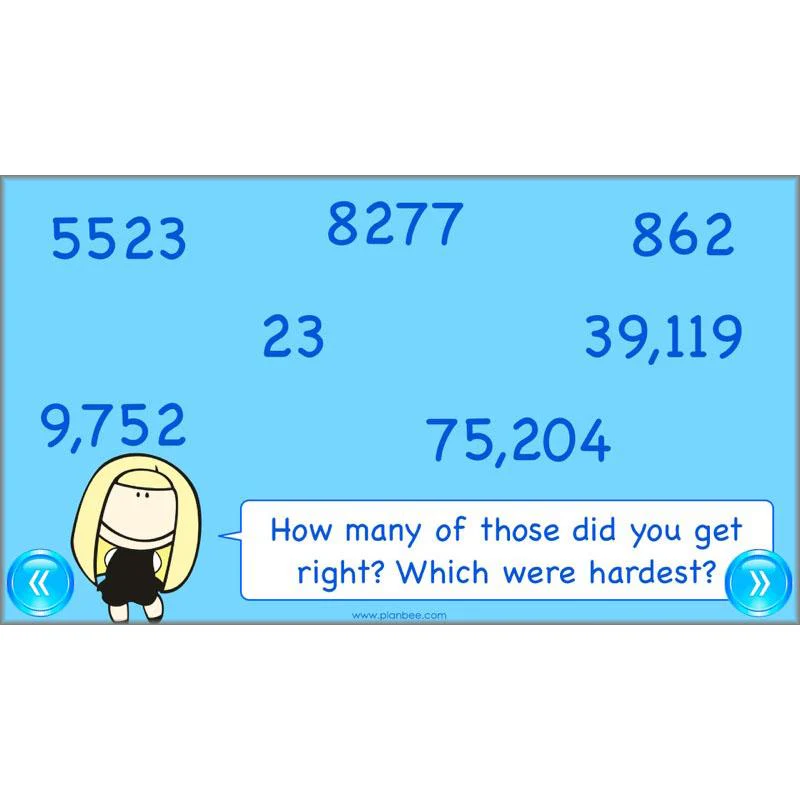
The starter in this lesson challenges your class to add a thousand to a variety of numbers.
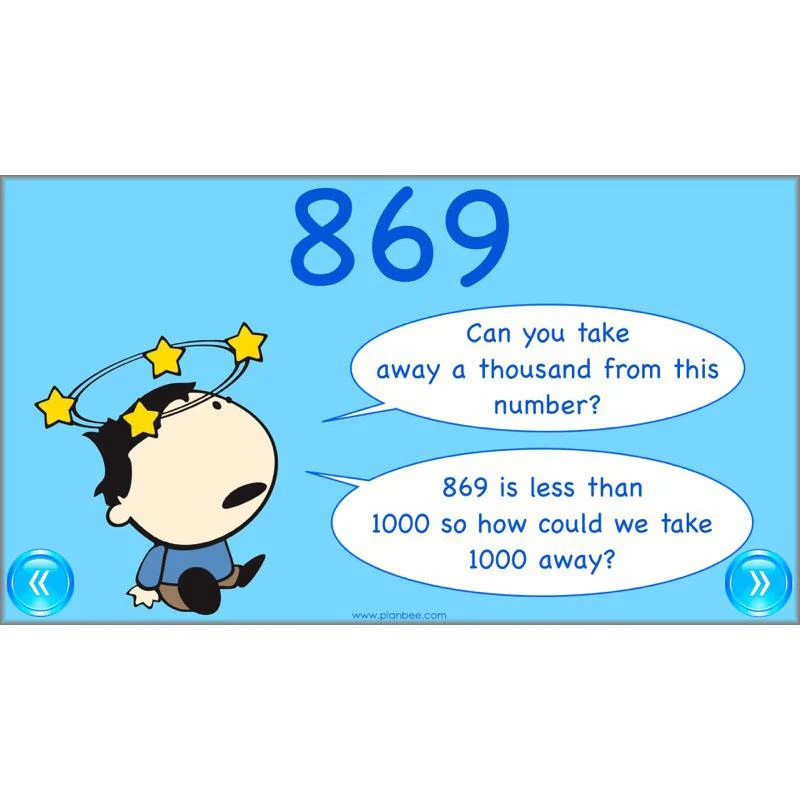
It then introduces negative numbers by asking children what would happen if they subtracted 1000 from 869.
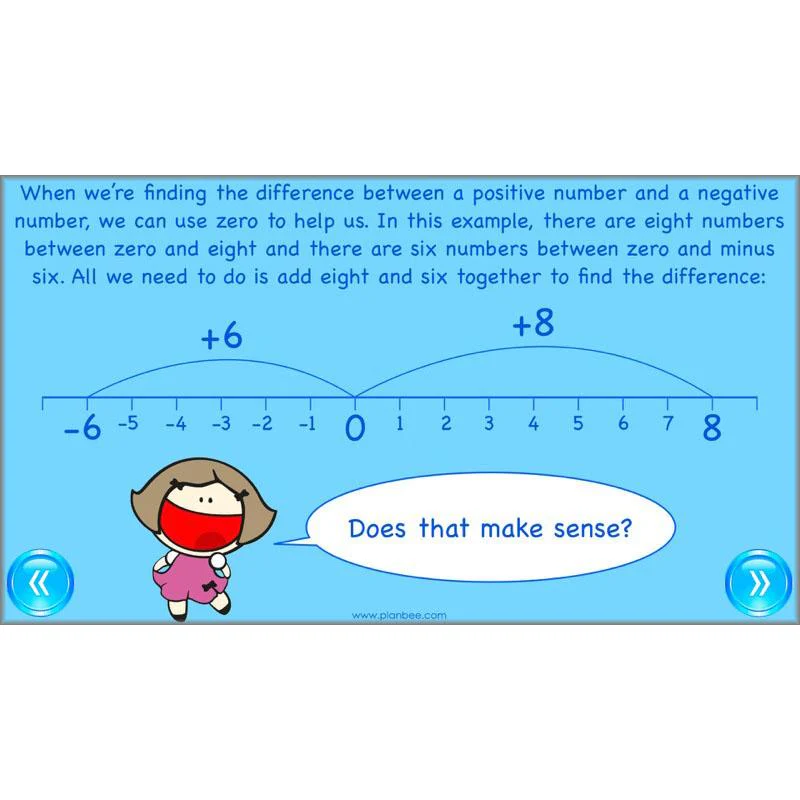
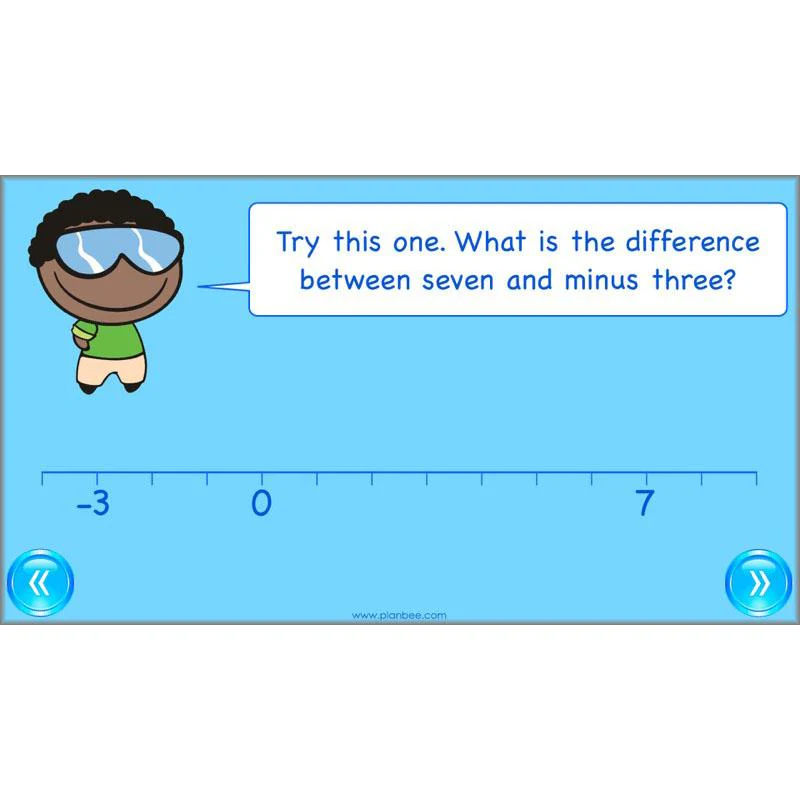
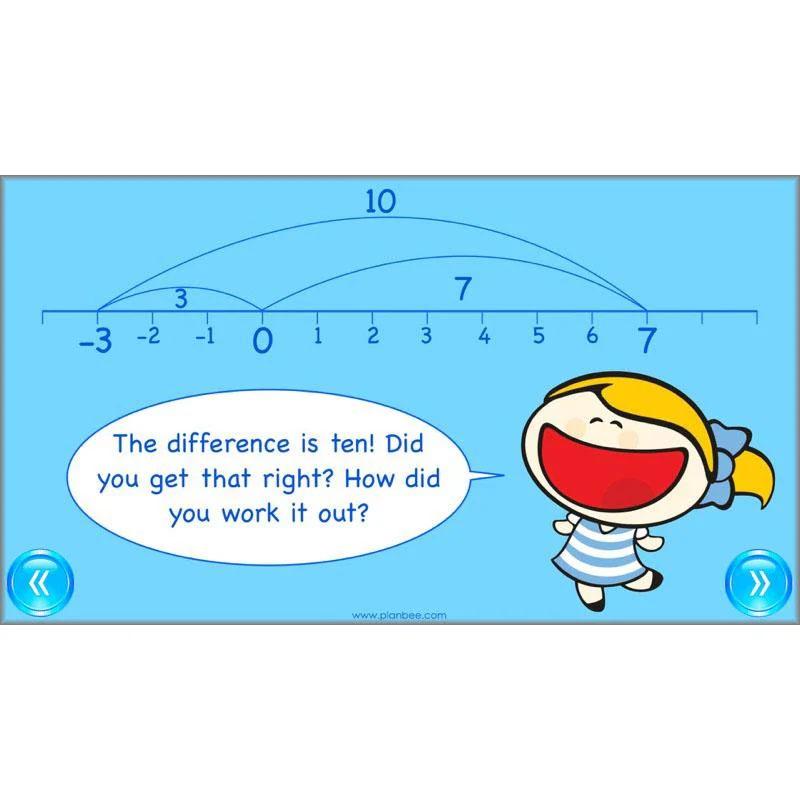
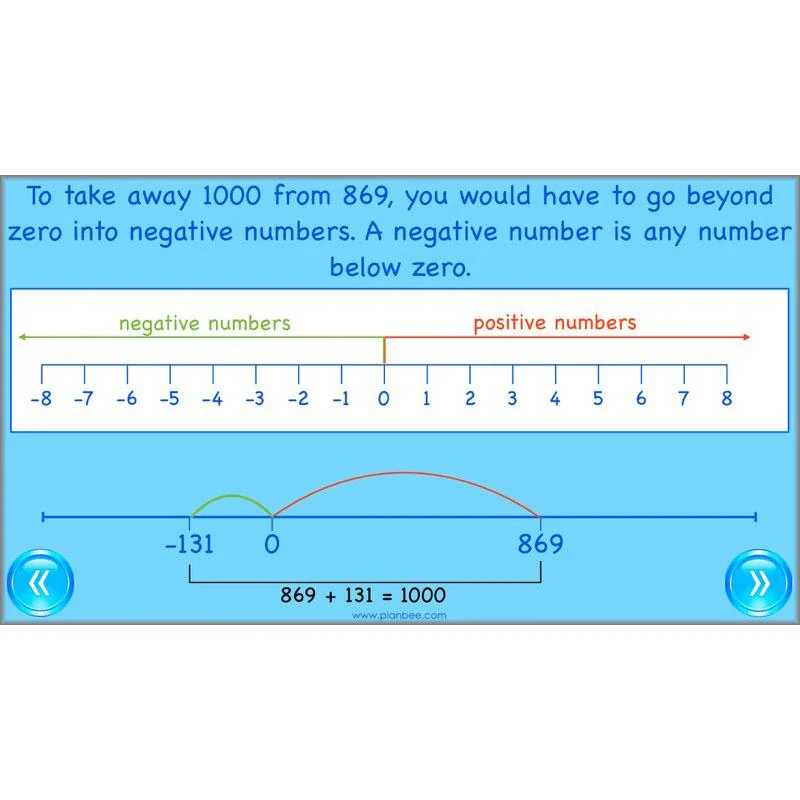
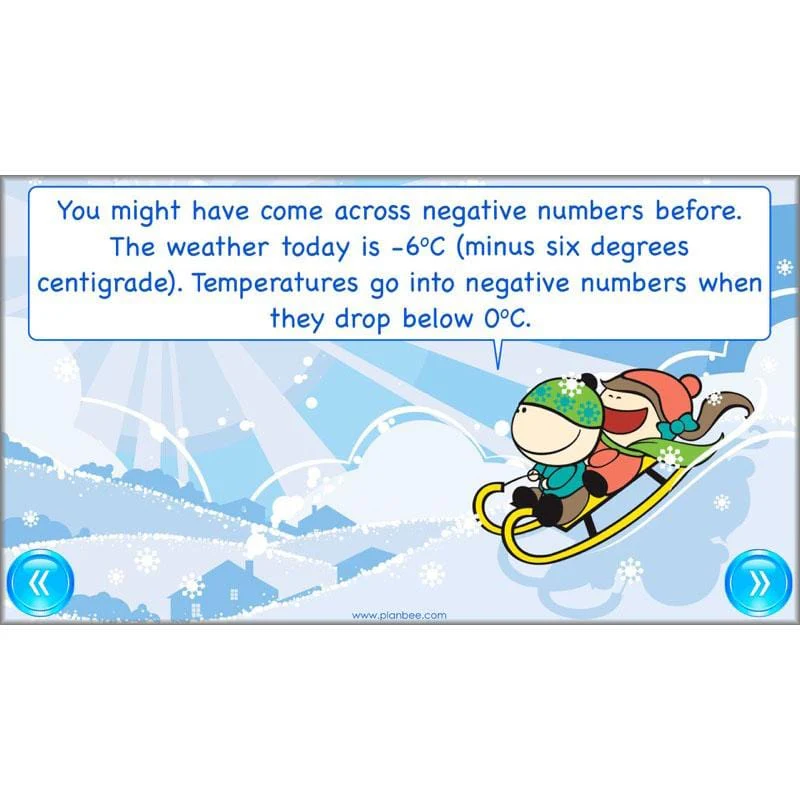
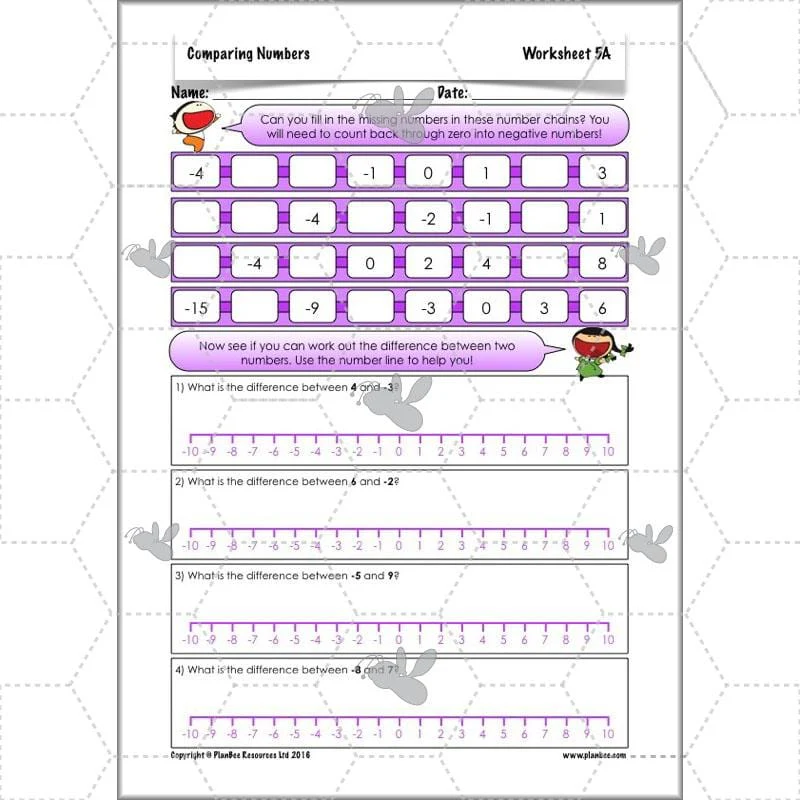
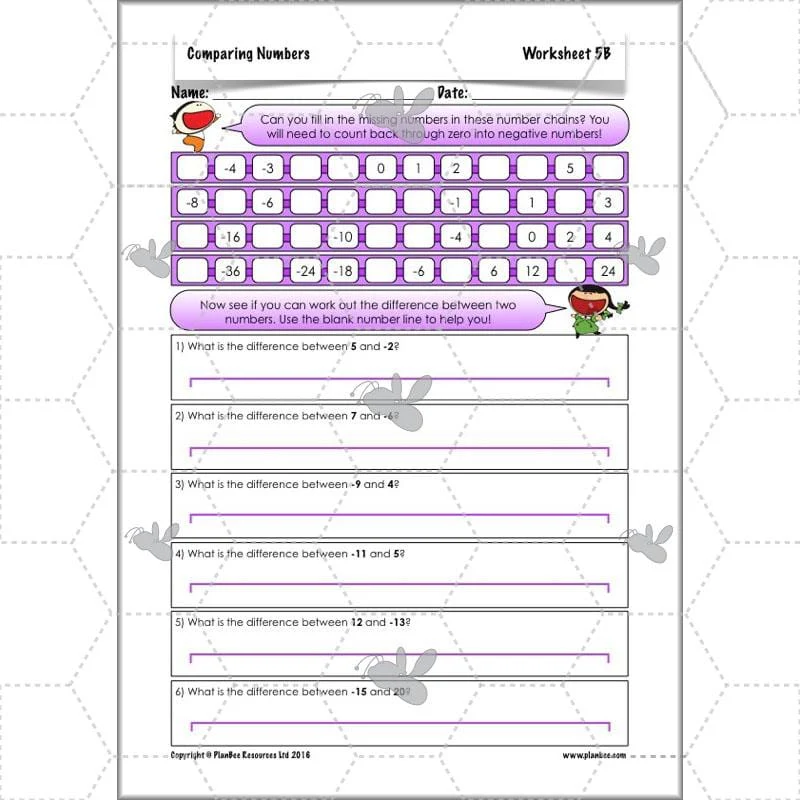
The slides then show children the difference between a positive and negative number, giving them opportunities to count in given steps across zero and calculate the difference between a positive and negative integer.
What's included:
- Lesson plan
- Slides
- Activity ideas
- Differentiated worksheets
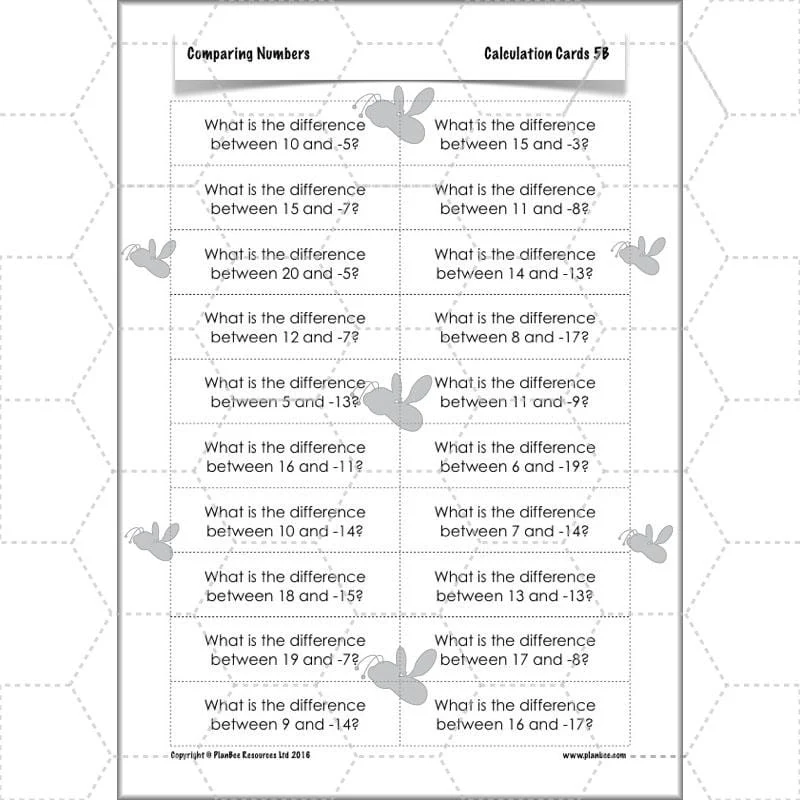
- Calculation cards
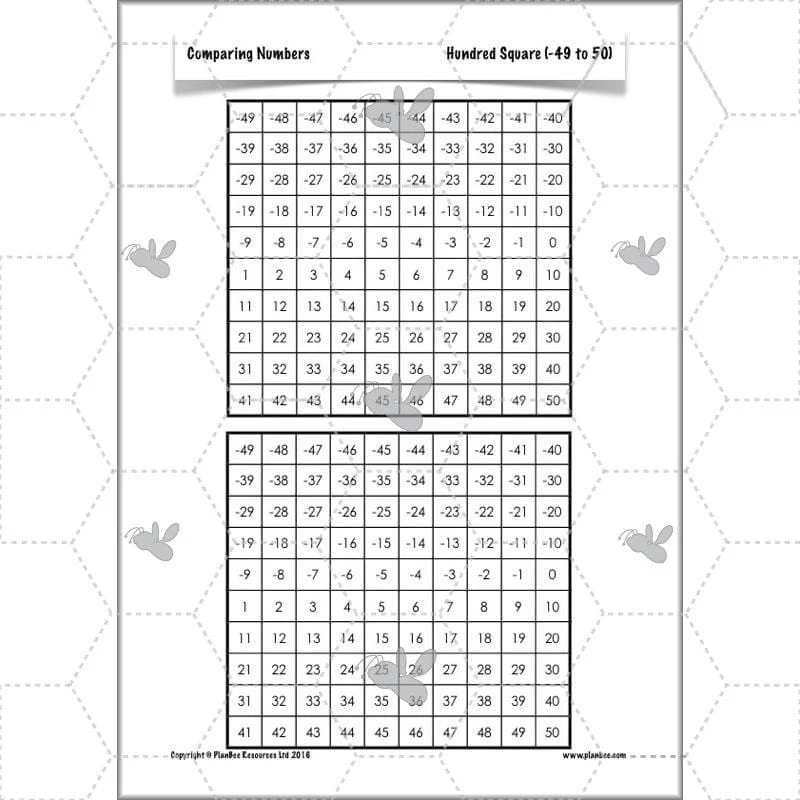
- Hundred Square
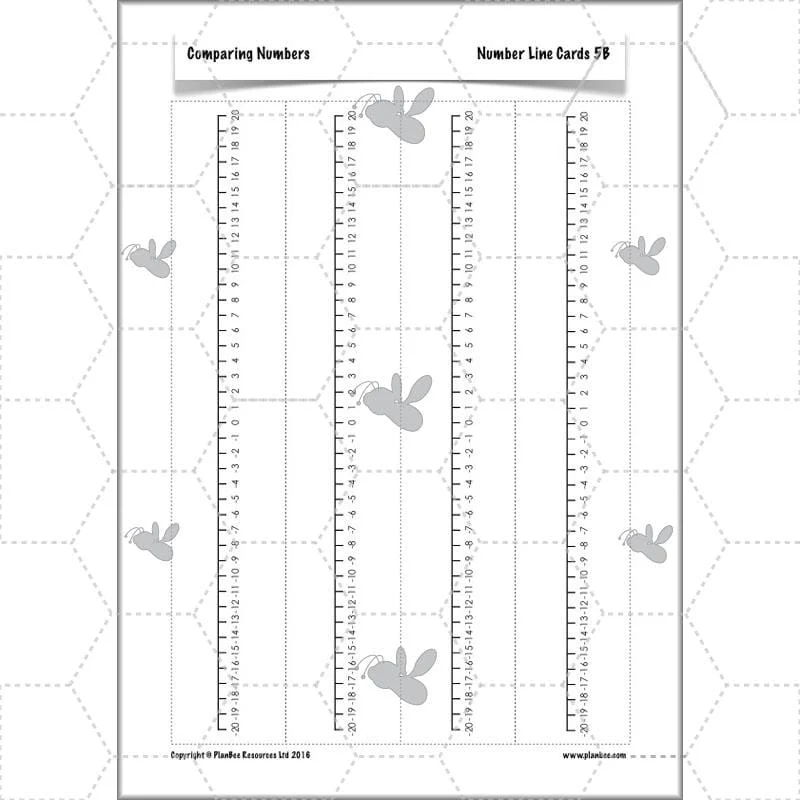
- Number line cards
View Lesson 5
Original: $4.71
-65%$4.71
$1.65More Images
Comparing Numbers
This Year 4 'Comparing Numbers' series of lessons is jammed packed full of fun ways to teach your class about large numbers and how they are used in the real world.
They will recap their knowledge of place value, learn to order numbers with up to five digits, solve problems involving numbers and learn to use the more than and less than signs to compare three-, four- and five-digit numbers. They will also delve into negative numbers and find out how to find the difference between a positive and negative integer.
With detailed lesson plans, engaging slides, differentiated worksheets and many other helpful resources, these 'Comparing Numbers' lessons contain everything you need teach your class what they need to know about identifying, ordering and using large numbers.
Five Digits
The first lesson in this series recaps the value of each digit in three- and four-digit numbers before extending this to look at five-digit numbers.
Children will learn to partition five-digit numbers to help them identify the value of each digit. They main activity then reinforces this by challenging children to match numbers represented pictorially and numerically.
There is also a challenging investigation and the opportunity to practise adding 10, 100 or 100 to three-, four- or five-digit numbers.
What's included:
- Lesson plan
- Slides
- Activity ideas
- Differentiated worksheets
- Picture cards
- Number cards
- Question cards
View Lesson 1
Greater or Less Than
This lesson recaps what the 'greater than' and 'less than' symbols are, and reminds children how these can be used between numbers to compare them.
The slides give children the chance to practise correctly placing these symbols between two or more numbers and the main activity then extends this by challenging them to use their place value knowledge to fill in numbers with missing digits to make the statements correct.
They will need to use a variety of mathematical skills to tackle the alternative activity as they identify which equations are correct and which aren't.
What's included:
- Lesson plan
- Slides
- Activity ideas
- Differentiated worksheets
- Equation cards
View Lesson 2
Ordering Measures
This lesson starts by looking at some five-figure cars and challenging children to order them by price.
The main activity then moves on to ordering and comparing a variety of three-, four- and five-digit numbers in real-life contexts, including distances, weights and prices.
What's included:
- Lesson plan
- Slides
- Activity ideas
- Differentiated worksheets
- Challenge cards
View Lesson 3
More Ordering
By now your class should be becoming more comfortable with comparing and ordering large numbers.
This lesson extends this by challenging children to order increasingly large sets of three-, four- and five-digit numbers.
They will also practise reading and writing larger numbers in numerals and words.
What's included:
- Lesson plan
- Slides
- Activity ideas
- Differentiated worksheets
- Number cards
View Lesson 4
Negative Numbers
The starter in this lesson challenges your class to add a thousand to a variety of numbers.
It then introduces negative numbers by asking children what would happen if they subtracted 1000 from 869.
The slides then show children the difference between a positive and negative number, giving them opportunities to count in given steps across zero and calculate the difference between a positive and negative integer.
What's included:
- Lesson plan
- Slides
- Activity ideas
- Differentiated worksheets
- Calculation cards
- Hundred Square
- Number line cards
View Lesson 5
Product Information
Product Information
Shipping & Returns
Shipping & Returns
Description
This Year 4 'Comparing Numbers' series of lessons is jammed packed full of fun ways to teach your class about large numbers and how they are used in the real world.
They will recap their knowledge of place value, learn to order numbers with up to five digits, solve problems involving numbers and learn to use the more than and less than signs to compare three-, four- and five-digit numbers. They will also delve into negative numbers and find out how to find the difference between a positive and negative integer.
With detailed lesson plans, engaging slides, differentiated worksheets and many other helpful resources, these 'Comparing Numbers' lessons contain everything you need teach your class what they need to know about identifying, ordering and using large numbers.
Five Digits
The first lesson in this series recaps the value of each digit in three- and four-digit numbers before extending this to look at five-digit numbers.
Children will learn to partition five-digit numbers to help them identify the value of each digit. They main activity then reinforces this by challenging children to match numbers represented pictorially and numerically.
There is also a challenging investigation and the opportunity to practise adding 10, 100 or 100 to three-, four- or five-digit numbers.
What's included:
- Lesson plan
- Slides
- Activity ideas
- Differentiated worksheets
- Picture cards
- Number cards
- Question cards
View Lesson 1
Greater or Less Than
This lesson recaps what the 'greater than' and 'less than' symbols are, and reminds children how these can be used between numbers to compare them.
The slides give children the chance to practise correctly placing these symbols between two or more numbers and the main activity then extends this by challenging them to use their place value knowledge to fill in numbers with missing digits to make the statements correct.
They will need to use a variety of mathematical skills to tackle the alternative activity as they identify which equations are correct and which aren't.
What's included:
- Lesson plan
- Slides
- Activity ideas
- Differentiated worksheets
- Equation cards
View Lesson 2
Ordering Measures
This lesson starts by looking at some five-figure cars and challenging children to order them by price.
The main activity then moves on to ordering and comparing a variety of three-, four- and five-digit numbers in real-life contexts, including distances, weights and prices.
What's included:
- Lesson plan
- Slides
- Activity ideas
- Differentiated worksheets
- Challenge cards
View Lesson 3
More Ordering
By now your class should be becoming more comfortable with comparing and ordering large numbers.
This lesson extends this by challenging children to order increasingly large sets of three-, four- and five-digit numbers.
They will also practise reading and writing larger numbers in numerals and words.
What's included:
- Lesson plan
- Slides
- Activity ideas
- Differentiated worksheets
- Number cards
View Lesson 4
Negative Numbers
The starter in this lesson challenges your class to add a thousand to a variety of numbers.
It then introduces negative numbers by asking children what would happen if they subtracted 1000 from 869.
The slides then show children the difference between a positive and negative number, giving them opportunities to count in given steps across zero and calculate the difference between a positive and negative integer.
What's included:
- Lesson plan
- Slides
- Activity ideas
- Differentiated worksheets
- Calculation cards
- Hundred Square
- Number line cards
View Lesson 5