Mental Multiplication and Division
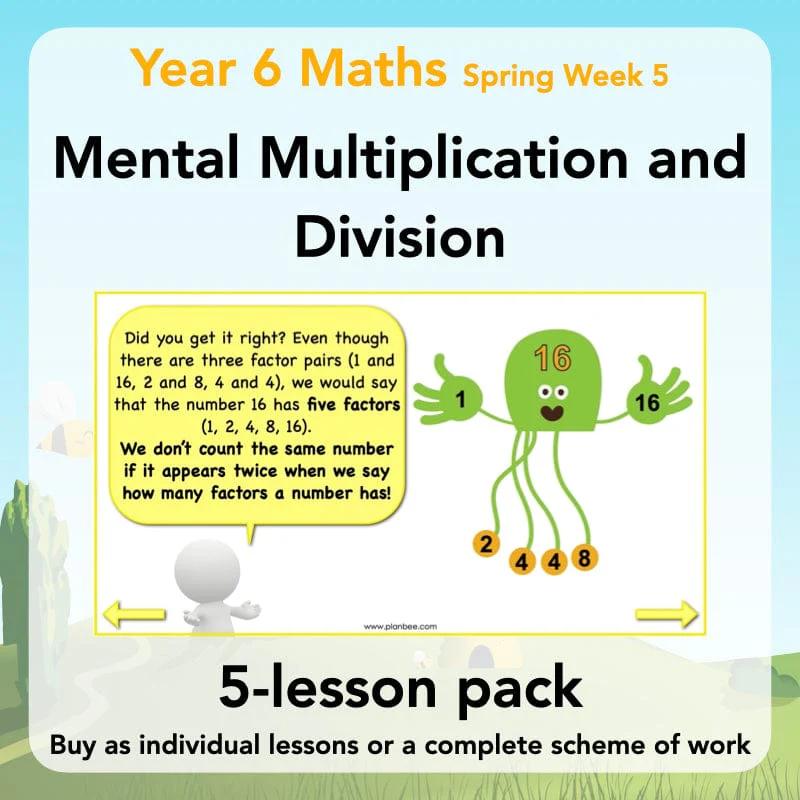
It’s time to build up those maths muscles! These five lessons focus on building your children’s abilities to manipulate numbers with confidence and draw upon their times tables knowledge to mentally solve both multiplication and division calculations.
Throughout, there are plenty of opportunities for children to practise and improve their speed and accuracy when calculating. They are also introduced to the use of brackets in number sentences and how they may be used to help when solving calculations.
Common Multiples
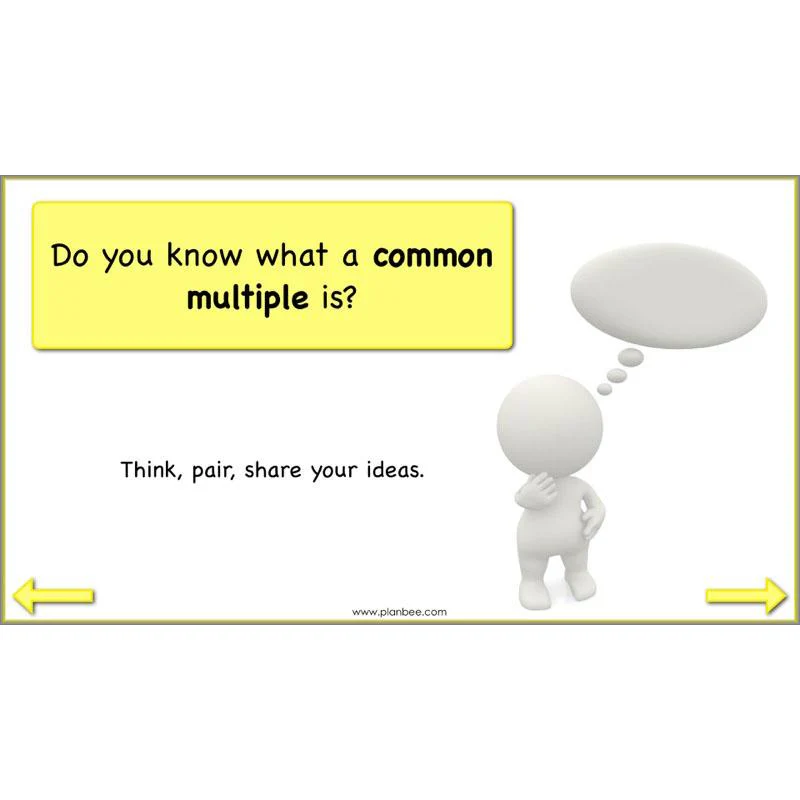
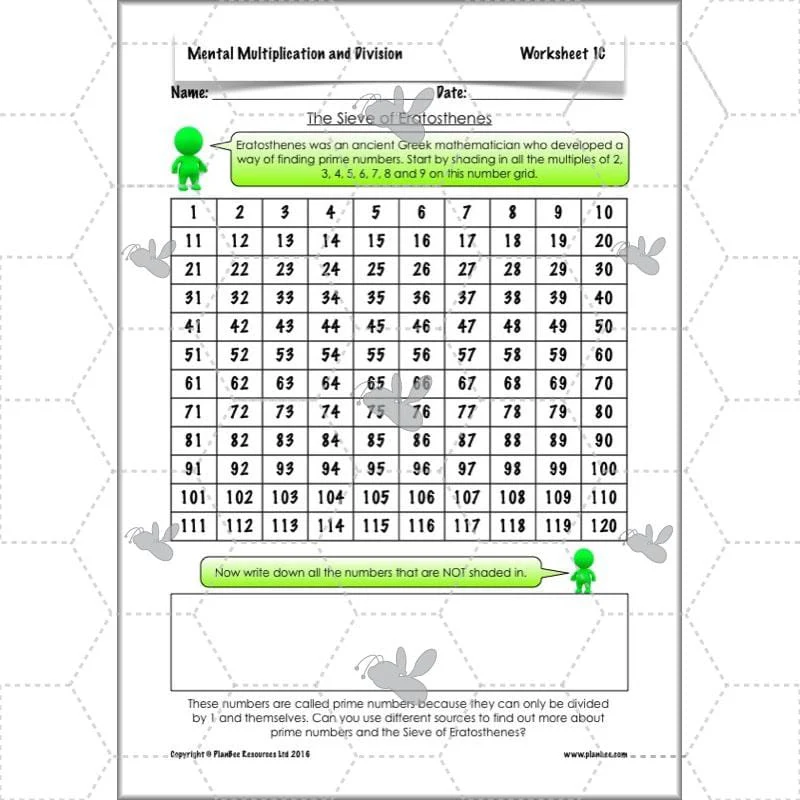
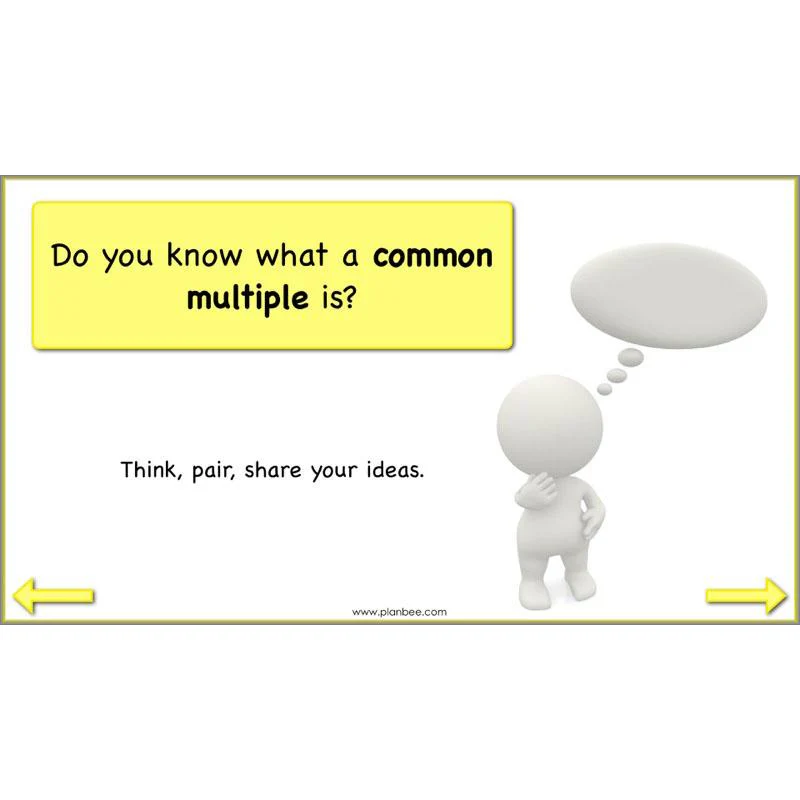
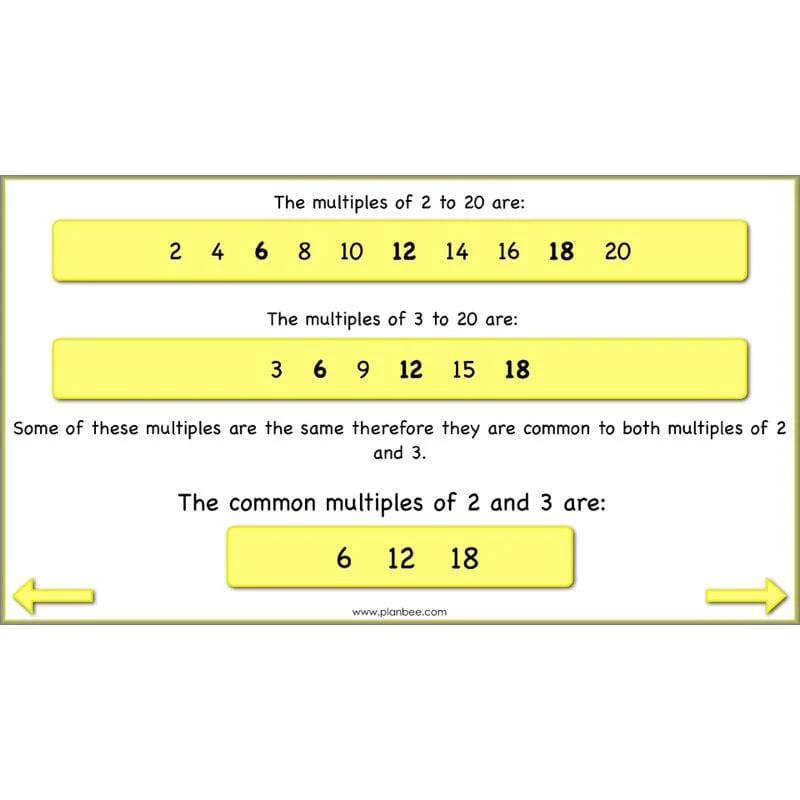
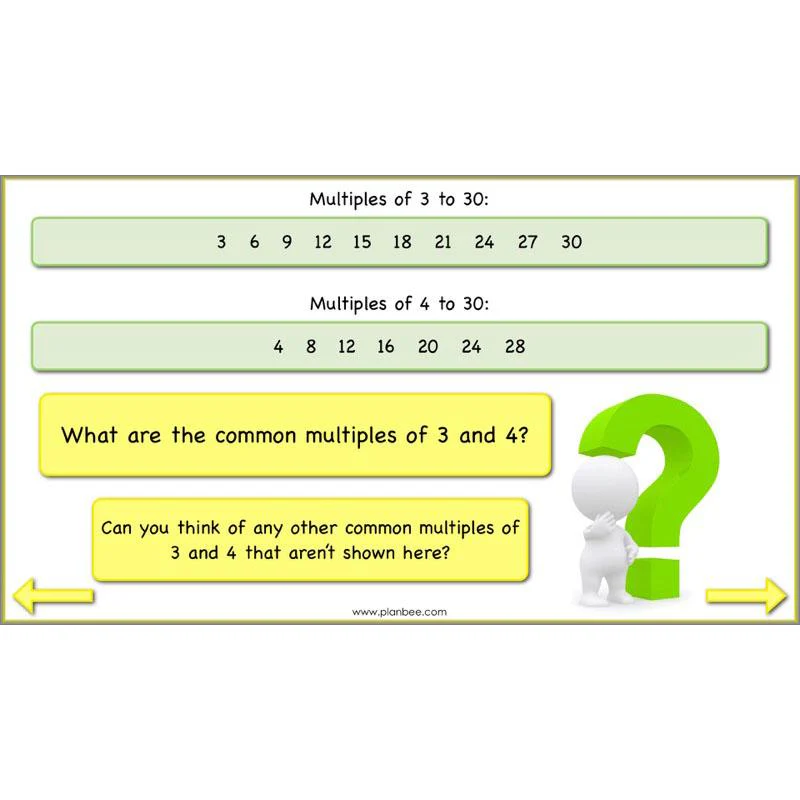
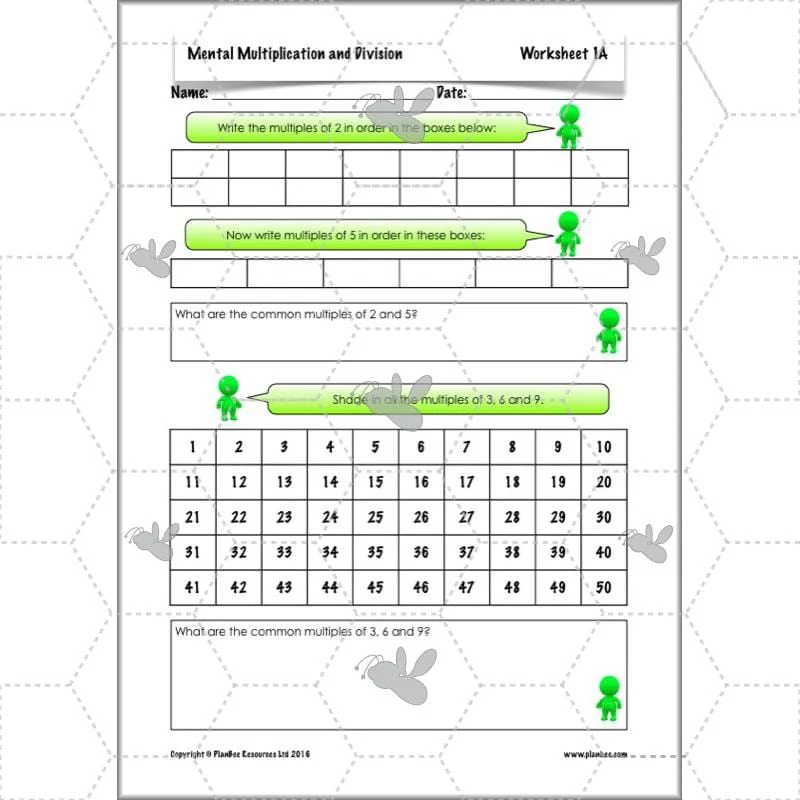
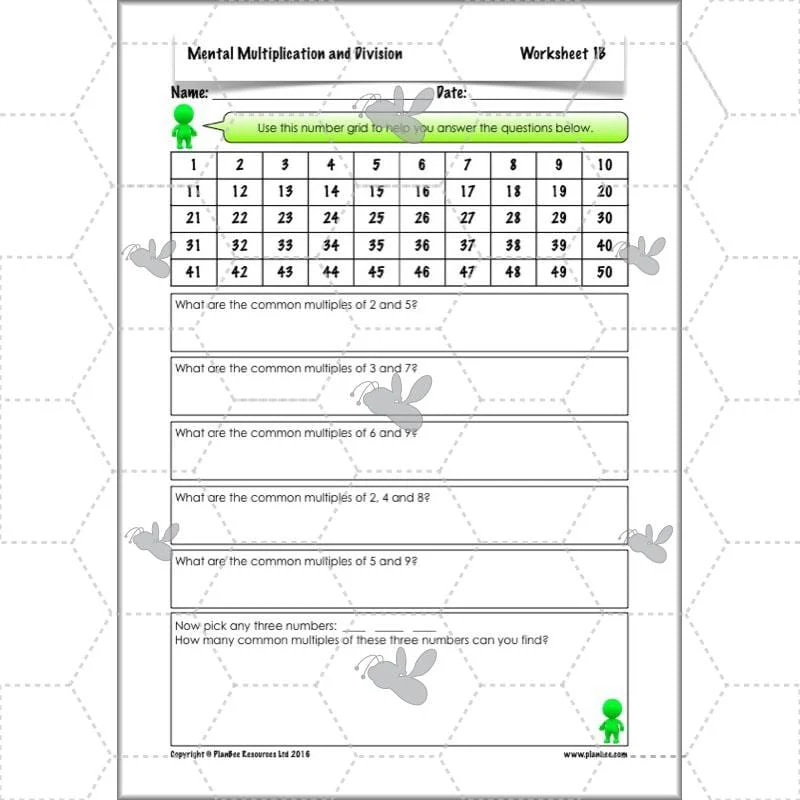
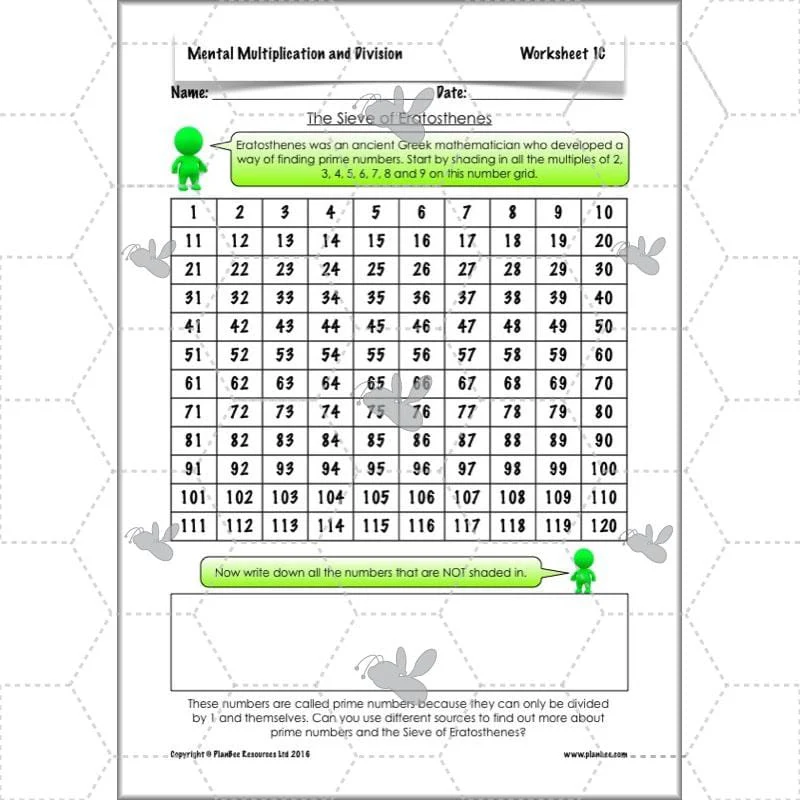
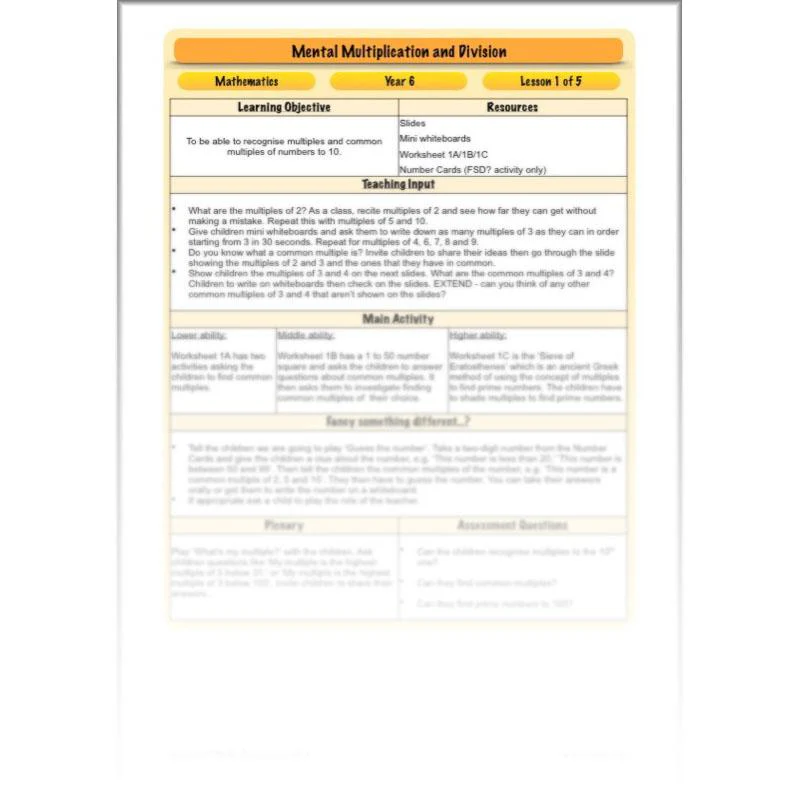
Focus on building up your children’s abilities to quickly manipulate numbers when calculating by identifying common multiples of one-digit numbers. While looking at the special properties of numbers which have common multiples, children will also identify prime numbers to 100.
What's included:
- Lesson plan
- Slides
- Activity ideas
- Differentiated worksheets
- Number cards
View Lesson 1
Primes and Factors
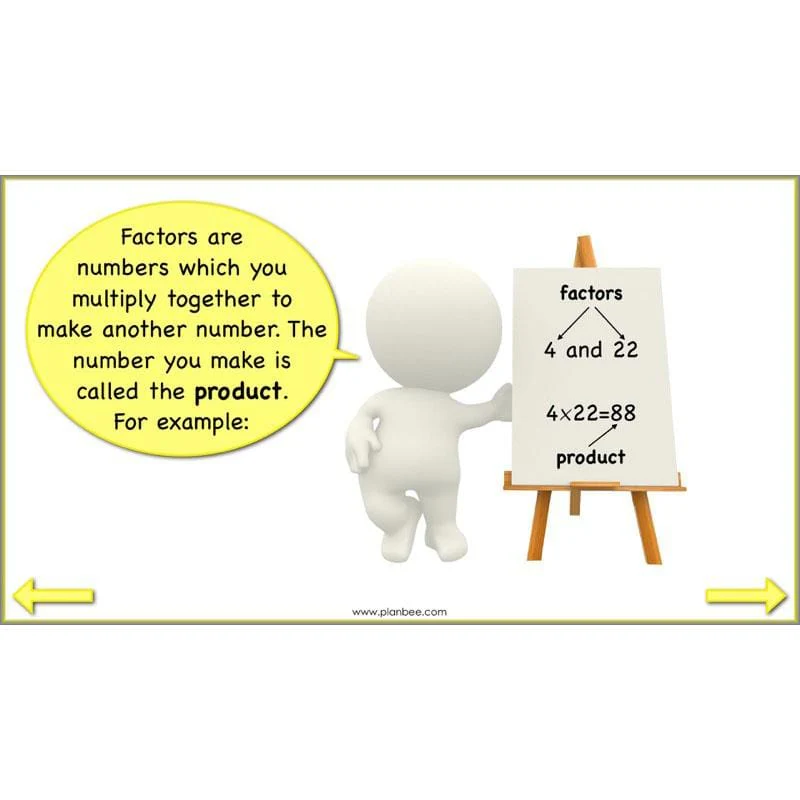
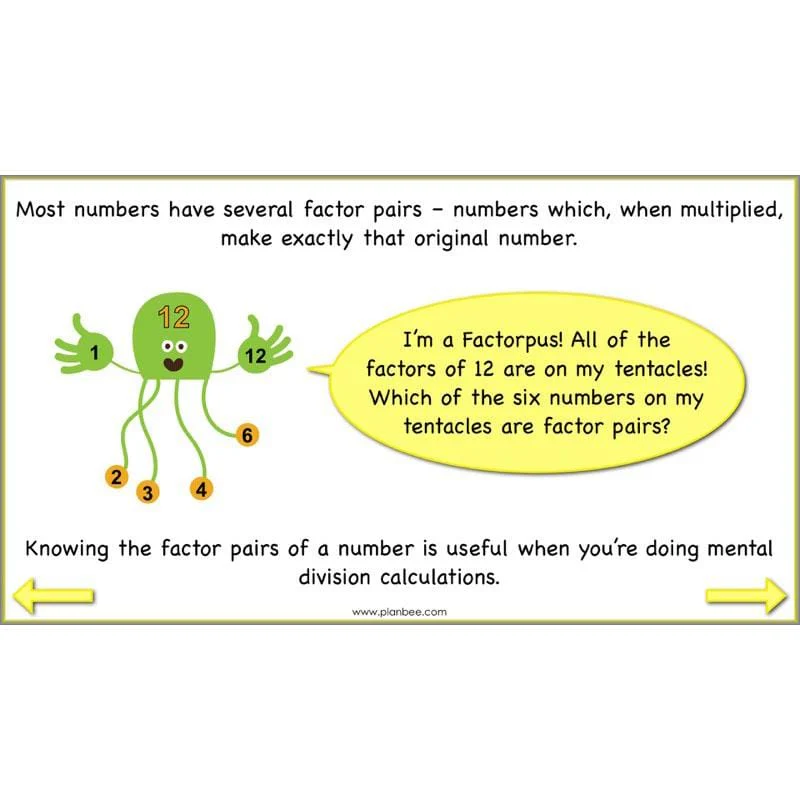
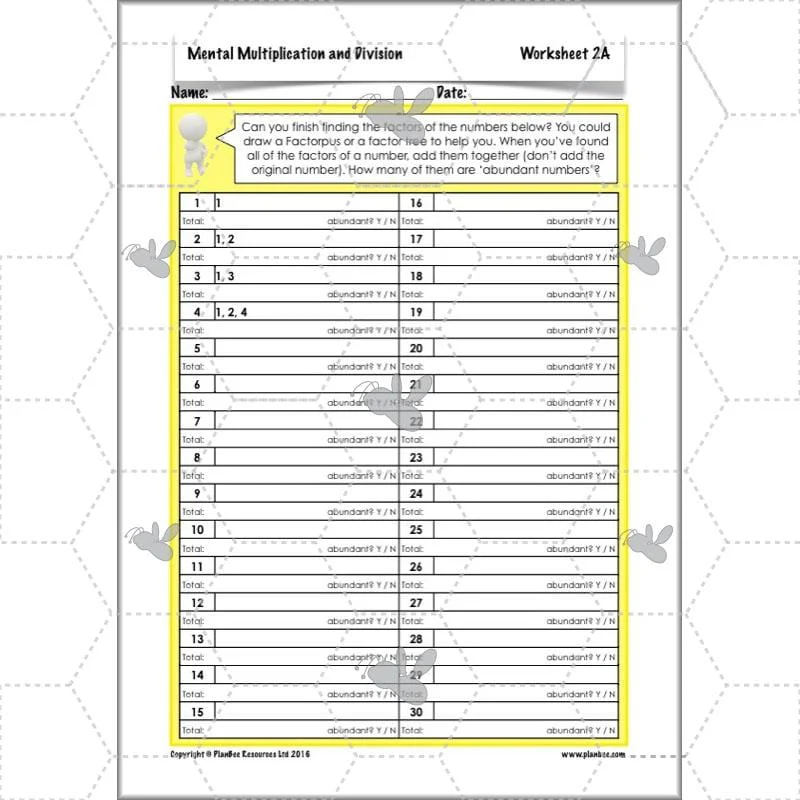
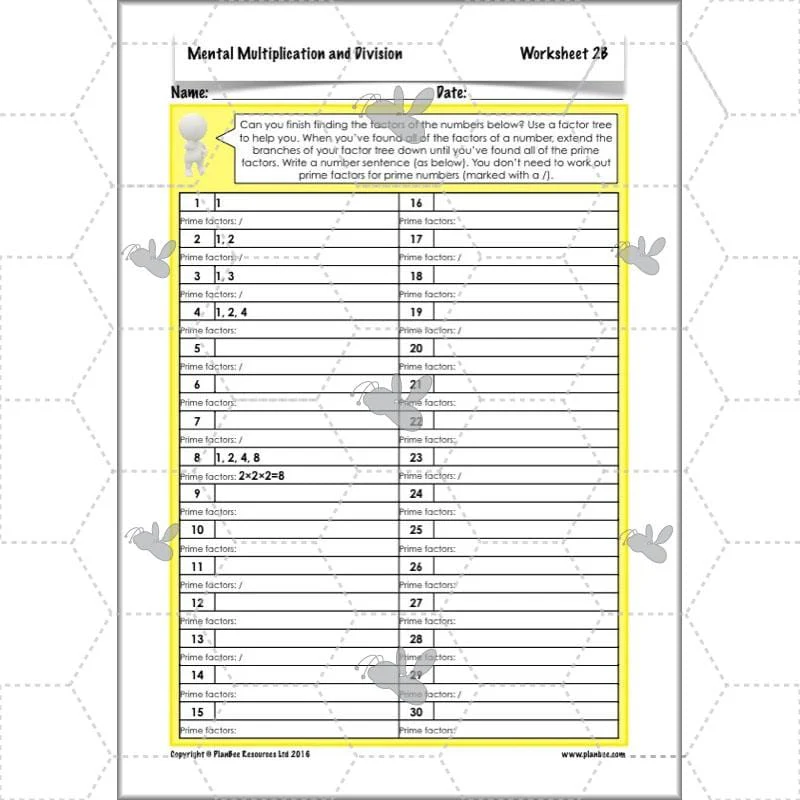
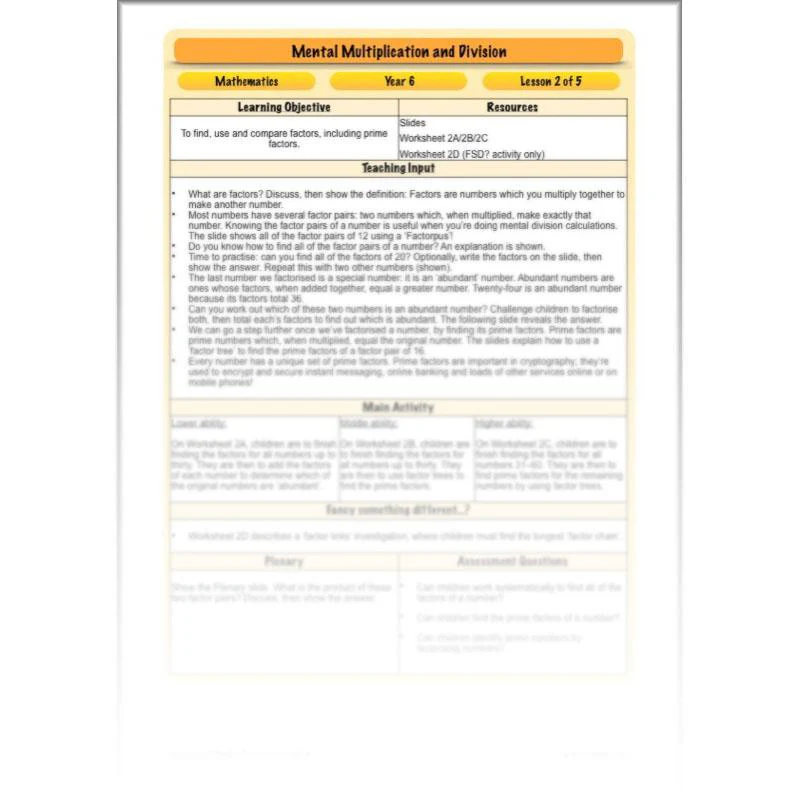
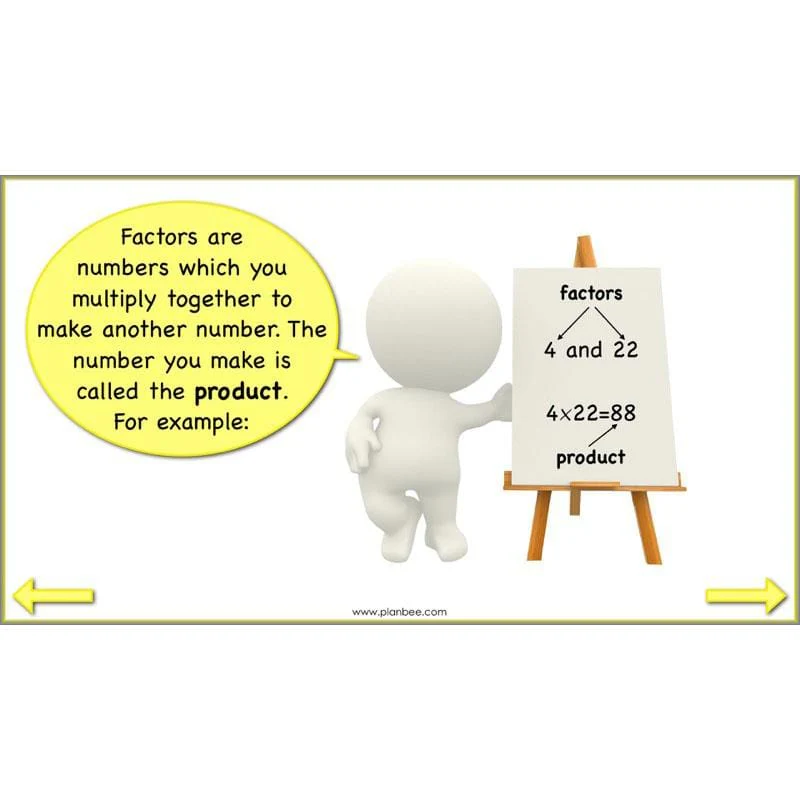
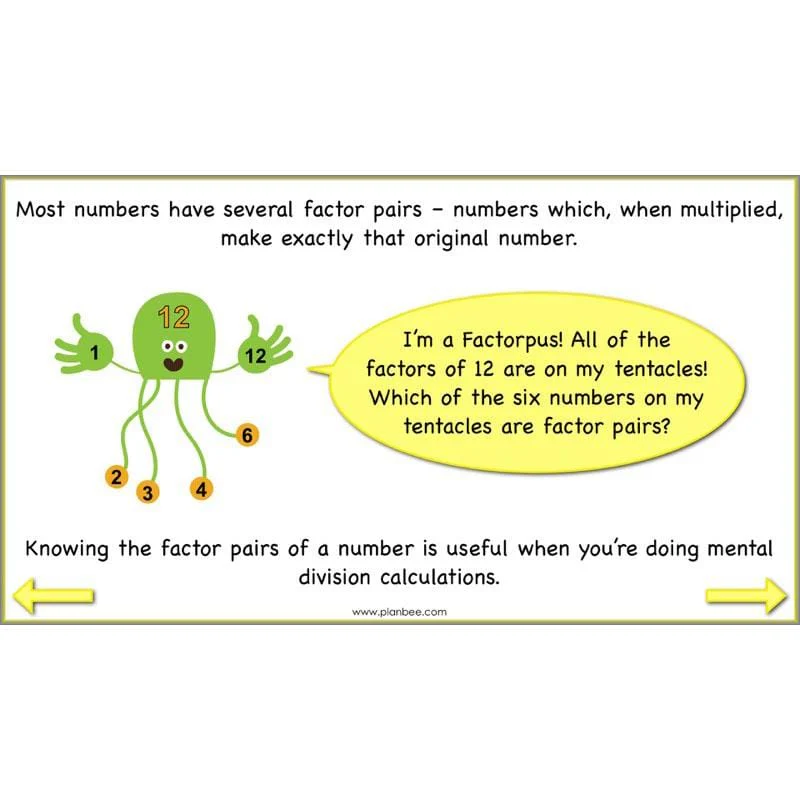
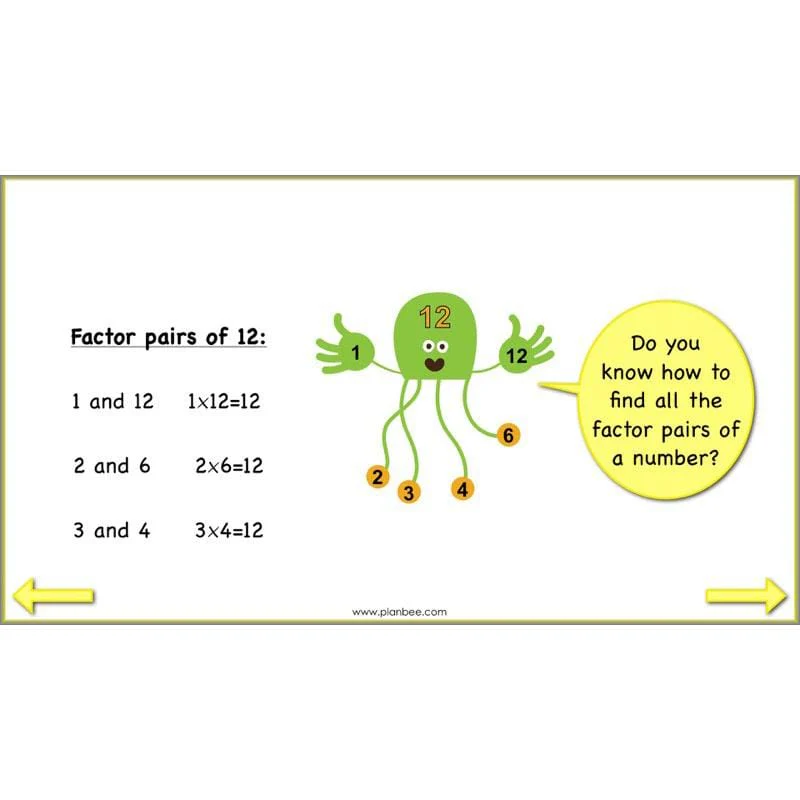
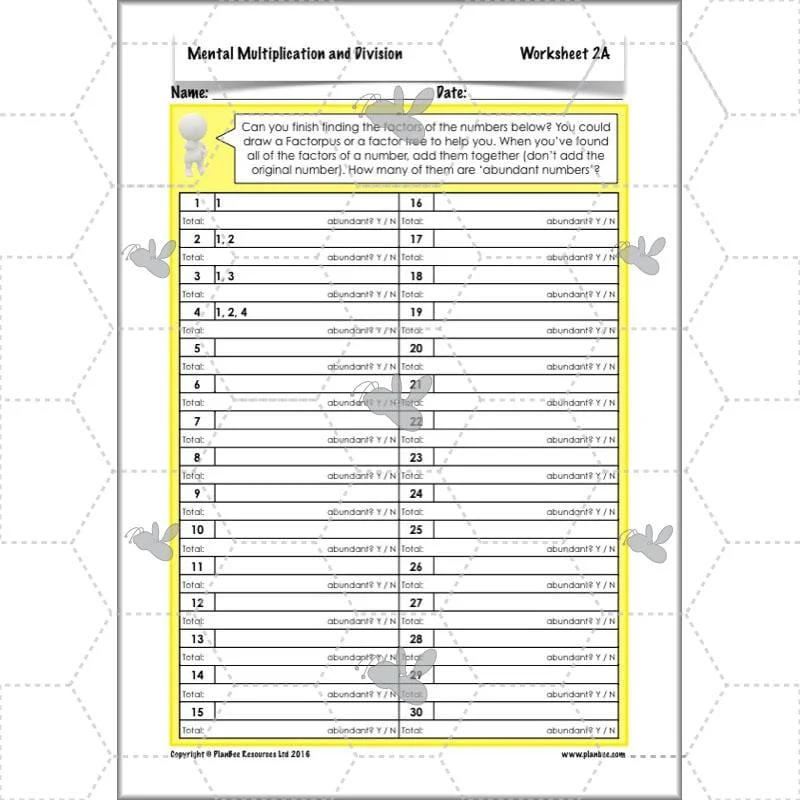
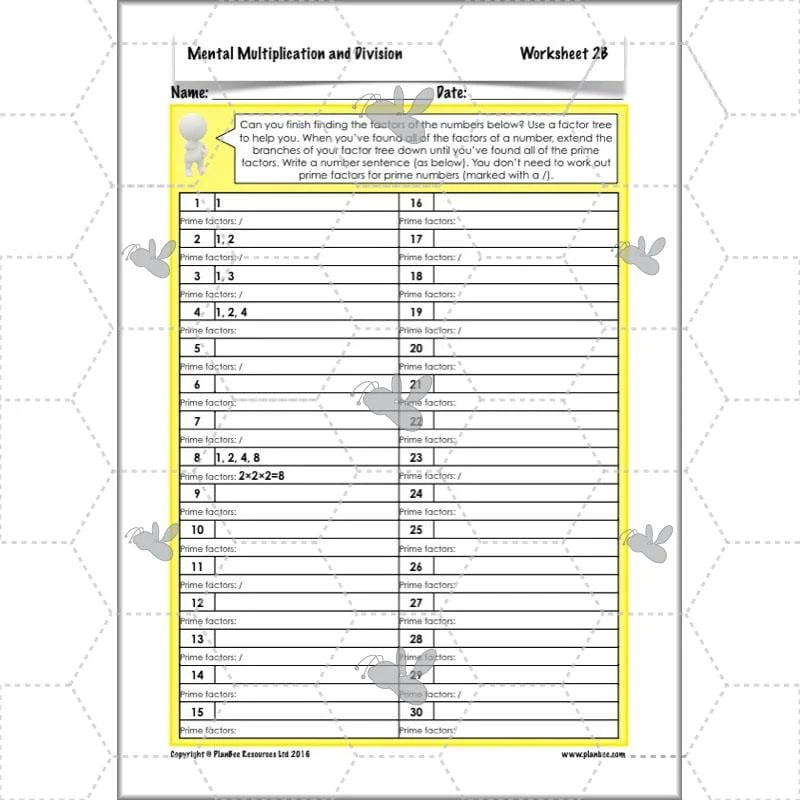
Take a step closer to becoming master manipulators of numbers! In this lesson, children will identify the factors of some two-digit numbers, then identify which of these have some special qualities. They may identify two-digit numbers whose factors, when totalled, equal more than the original number. Some children may also find all of the prime factors of some two-digit numbers by drawing factor trees.
What's included:
- Lesson plan
- Slides
- Activity ideas
- Differentiated worksheets
View Lesson 2
Multiplying Decimals
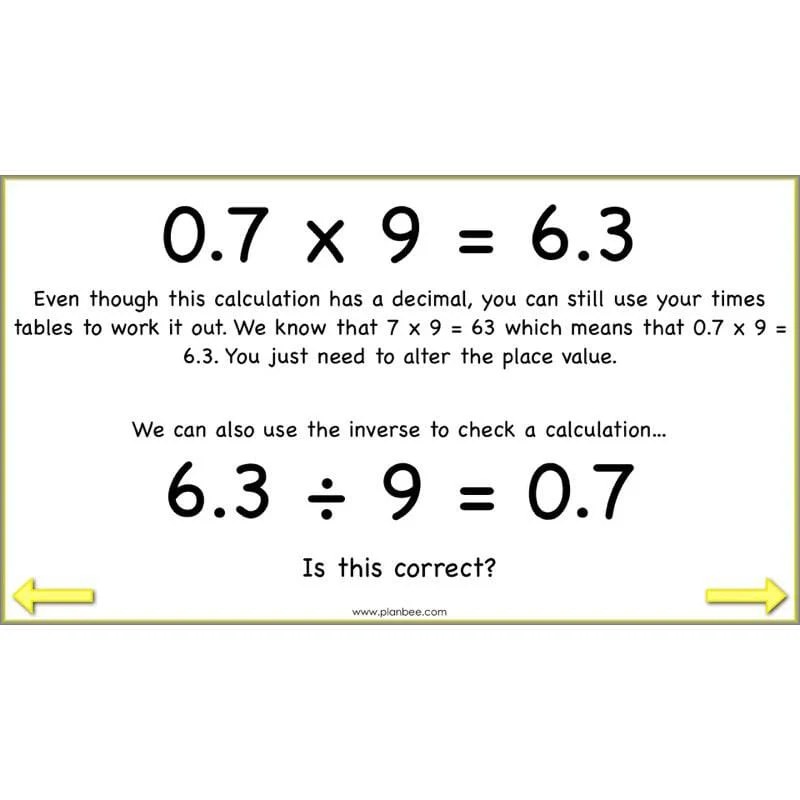
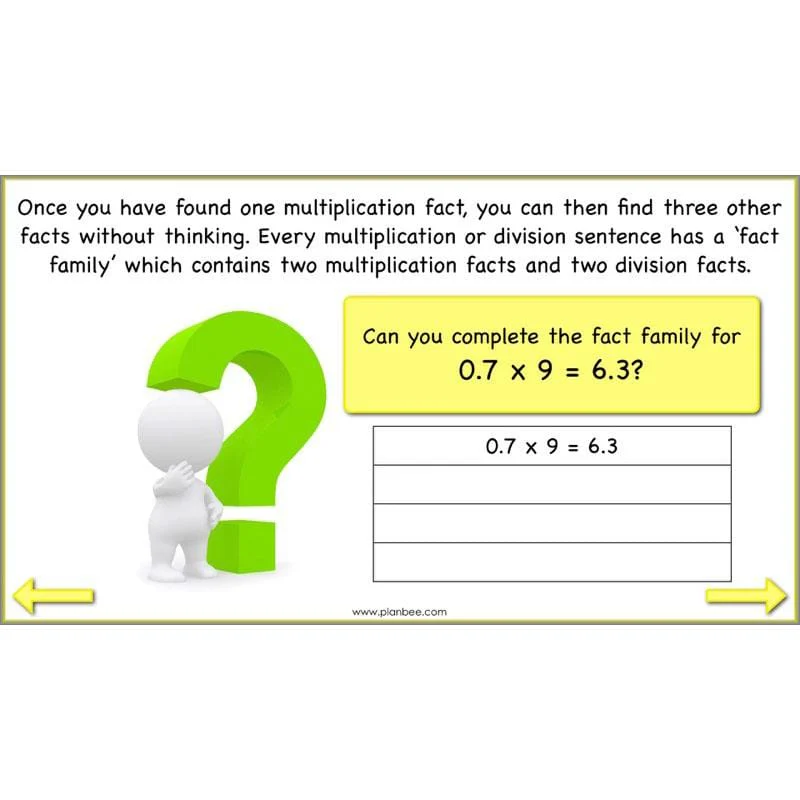
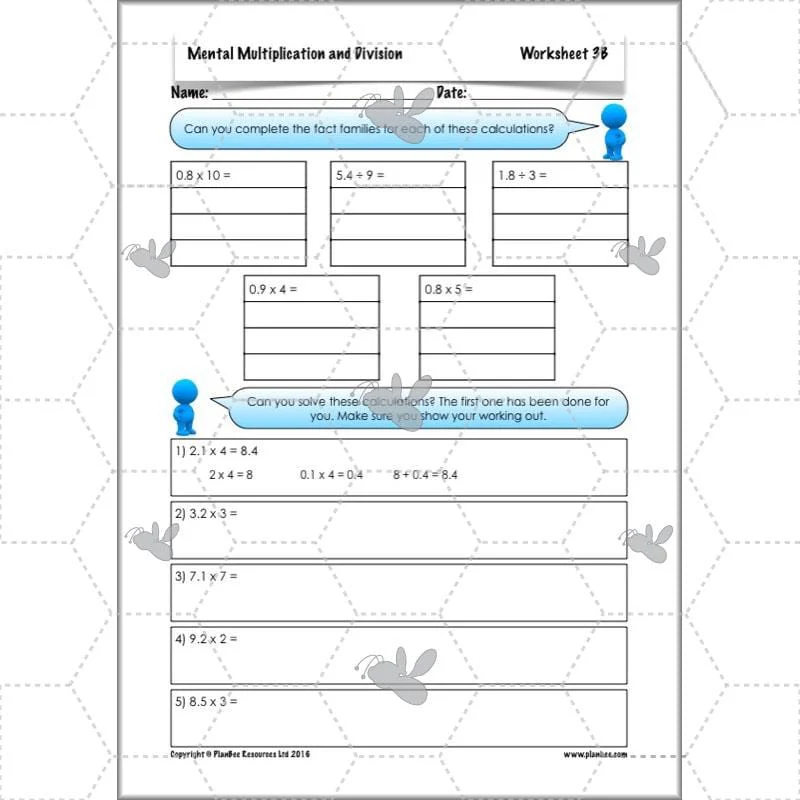
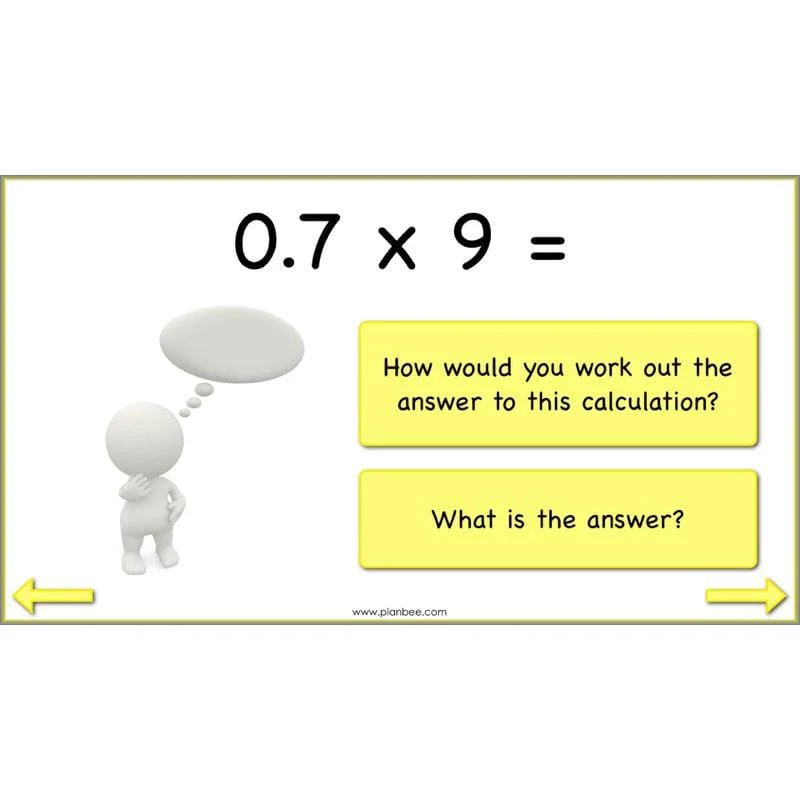
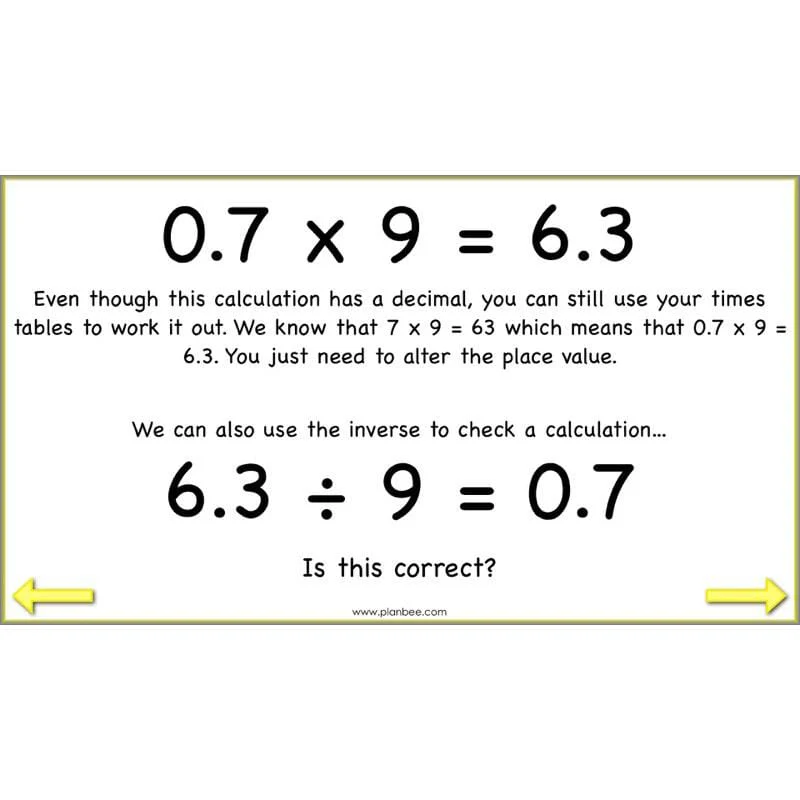
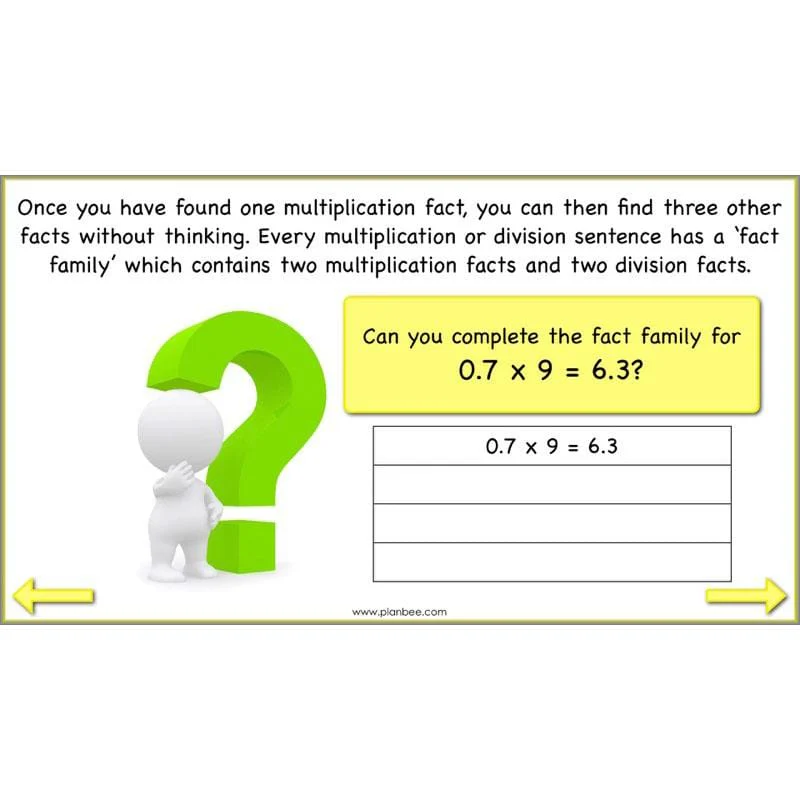
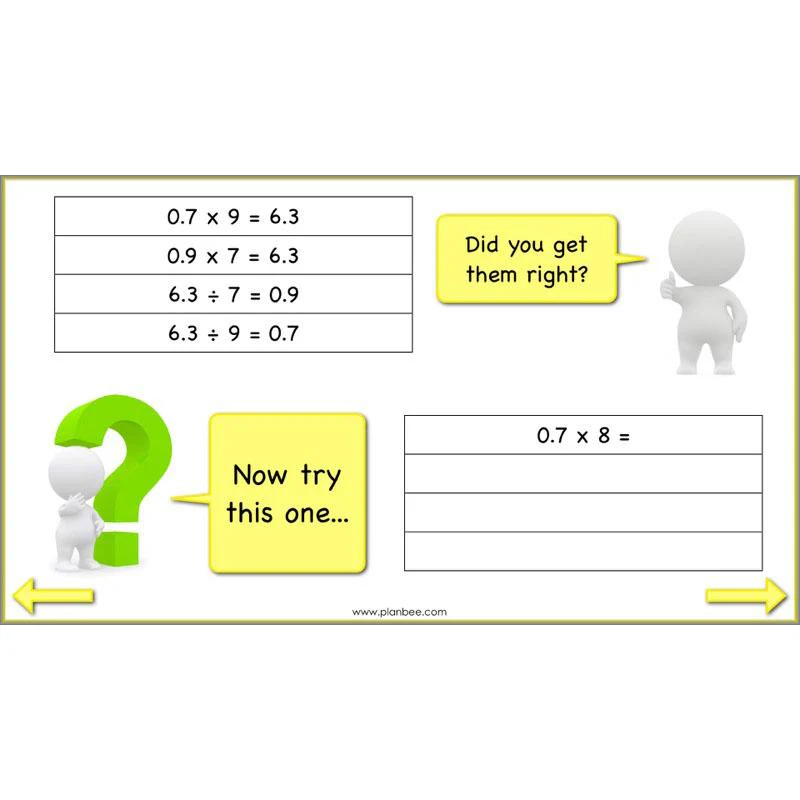
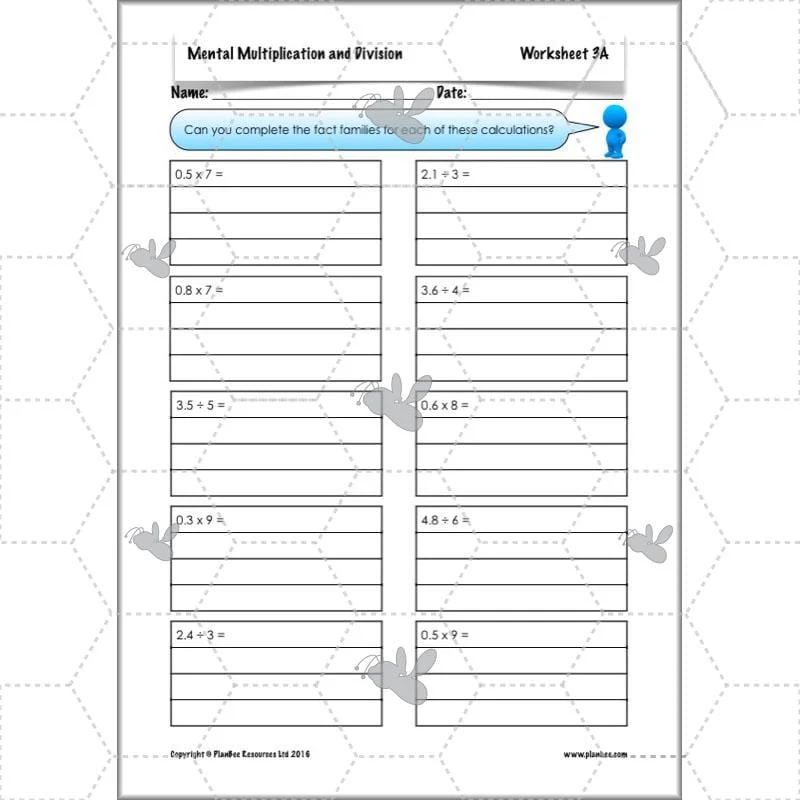
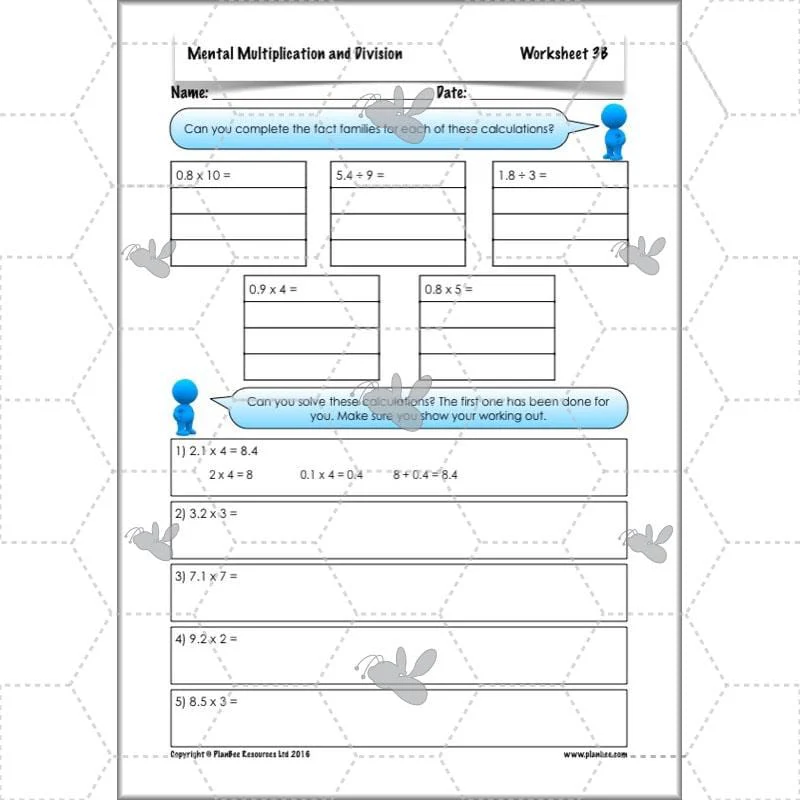
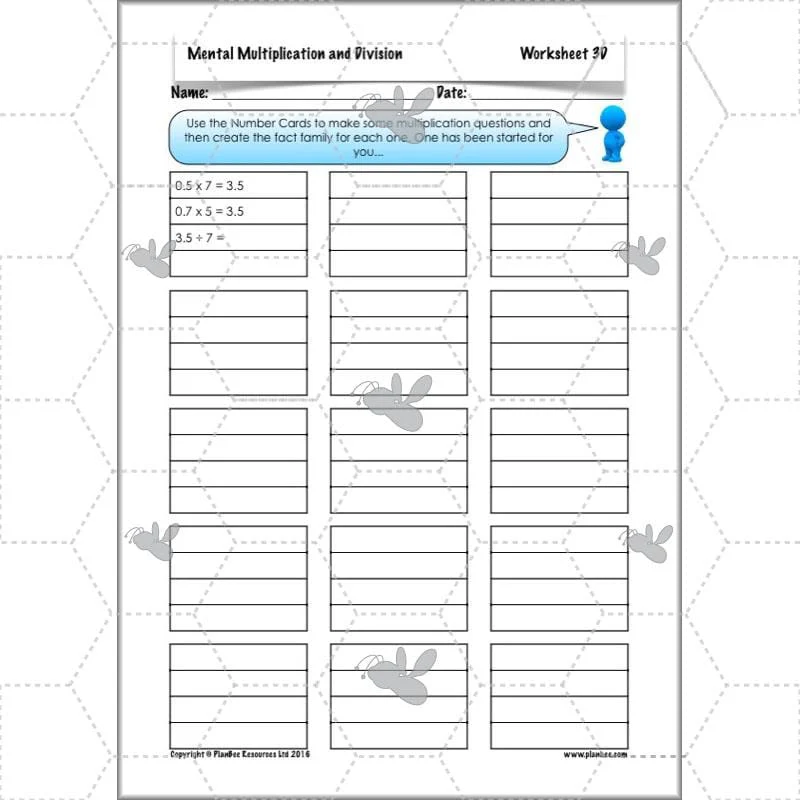
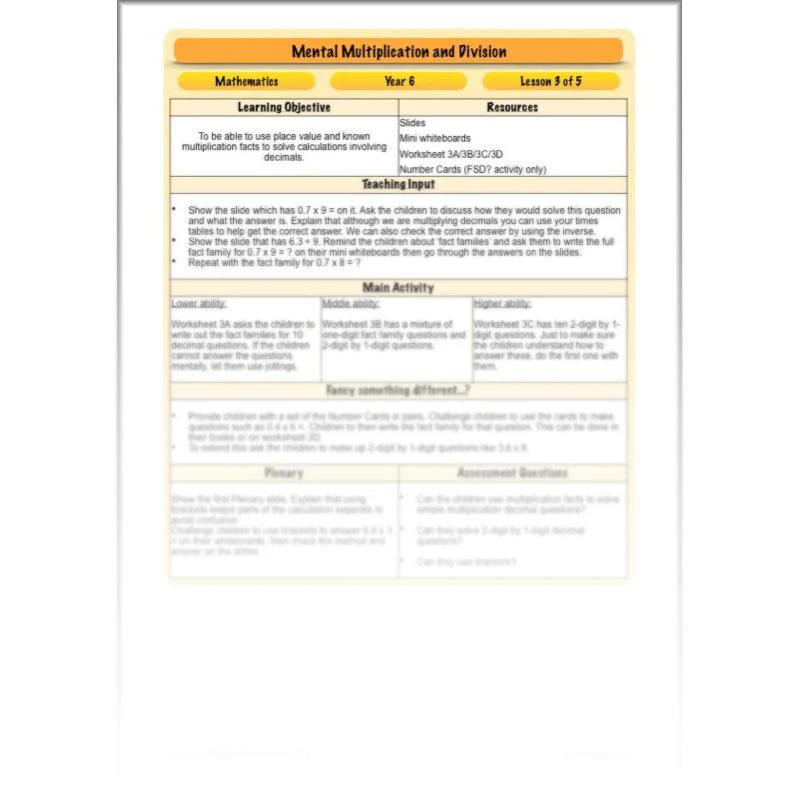
Let’s multiply decimal numbers! The included slides with this lesson clearly explain strategies your children can use to help them multiply decimal numbers less than one — and more than one — mentally. Additionally, some children may begin to explore ways in which brackets can be used in number sentences, both to help when working out which parts to solve first, and to show how they have mentally solved calculations.
What's included:
- Lesson plan
- Slides
- Activity ideas
- Differentiated worksheets
- Number cards
View Lesson 3
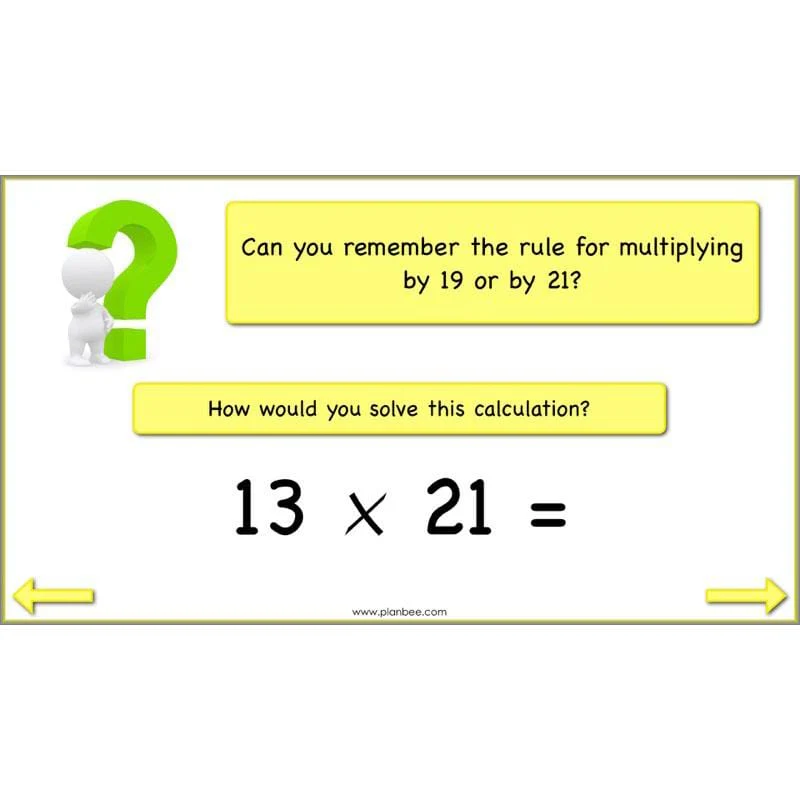
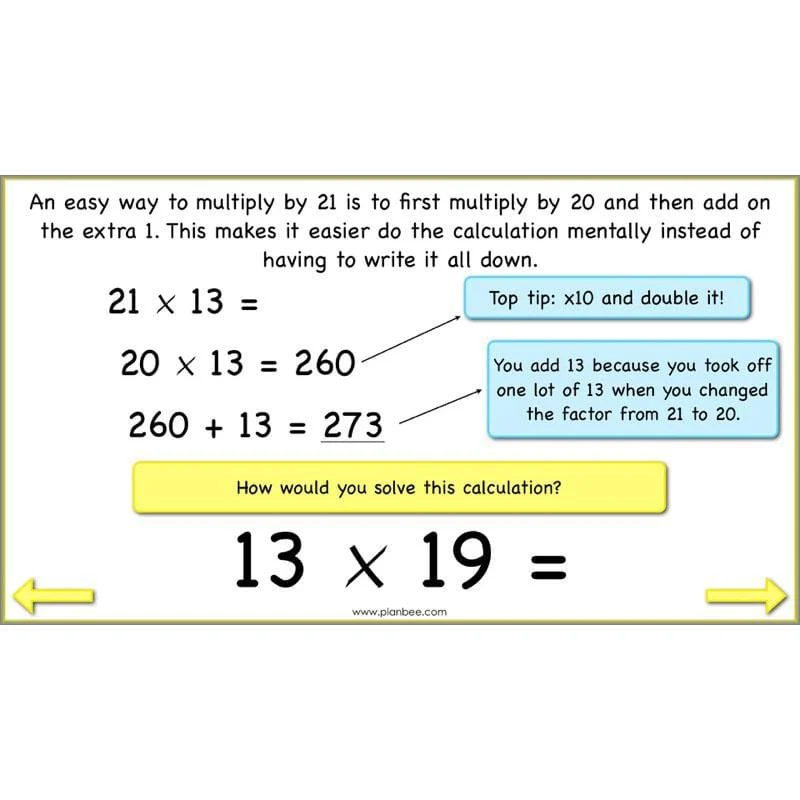
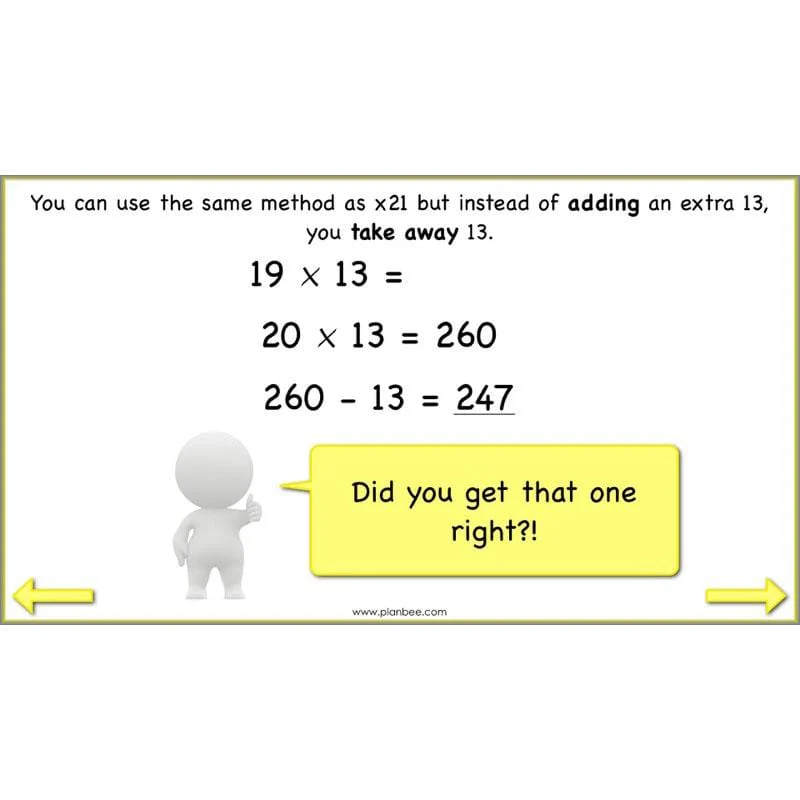
Adjusting Near Multiples
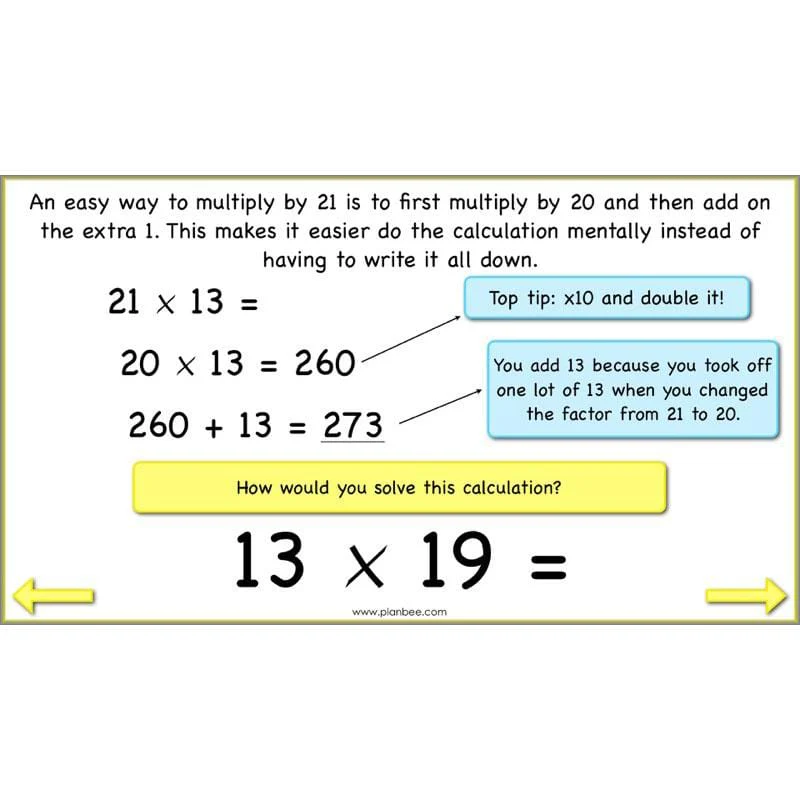
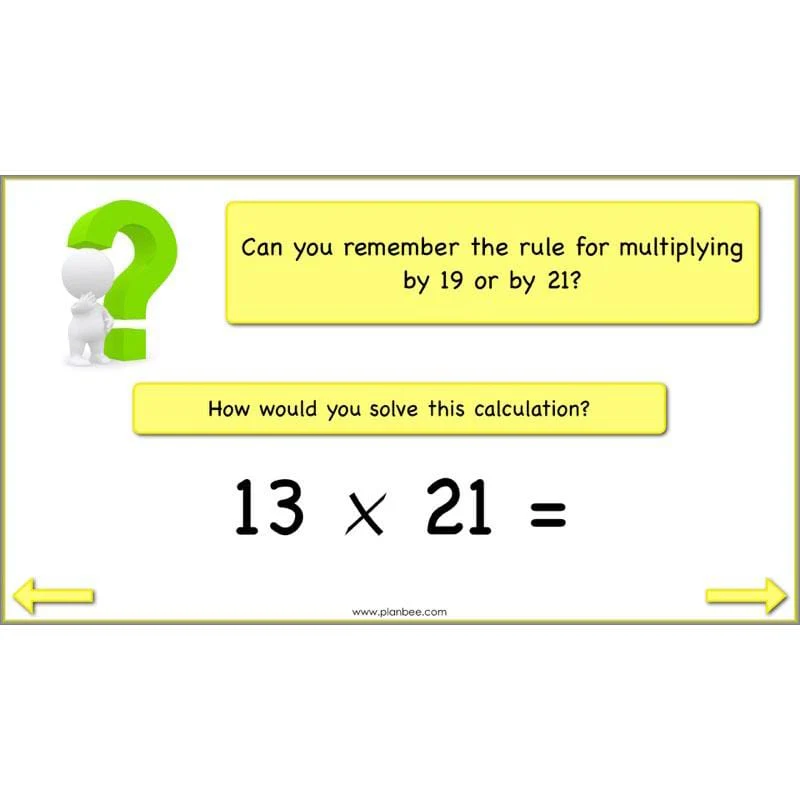
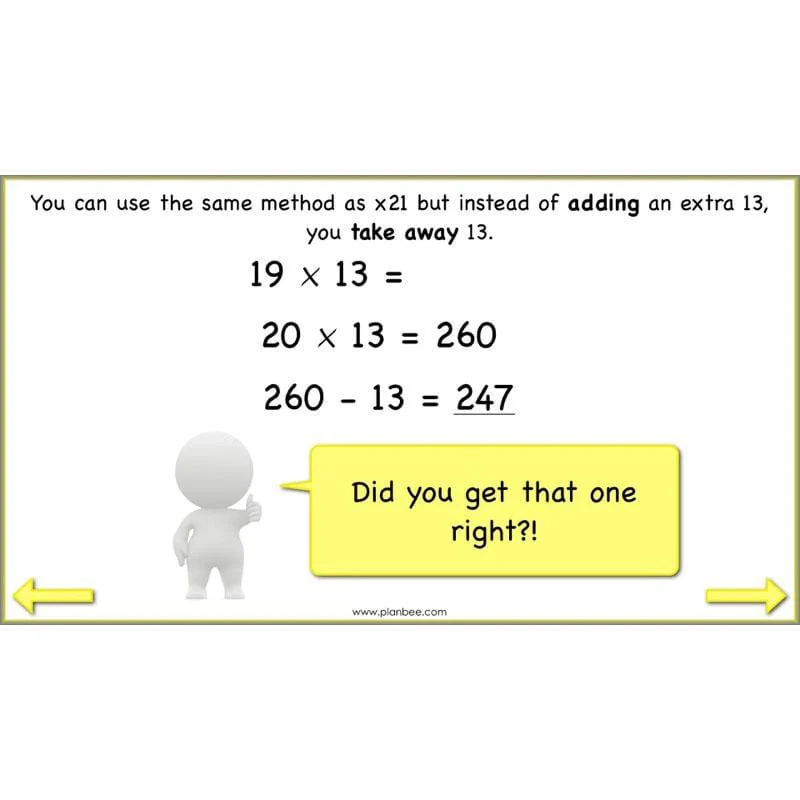
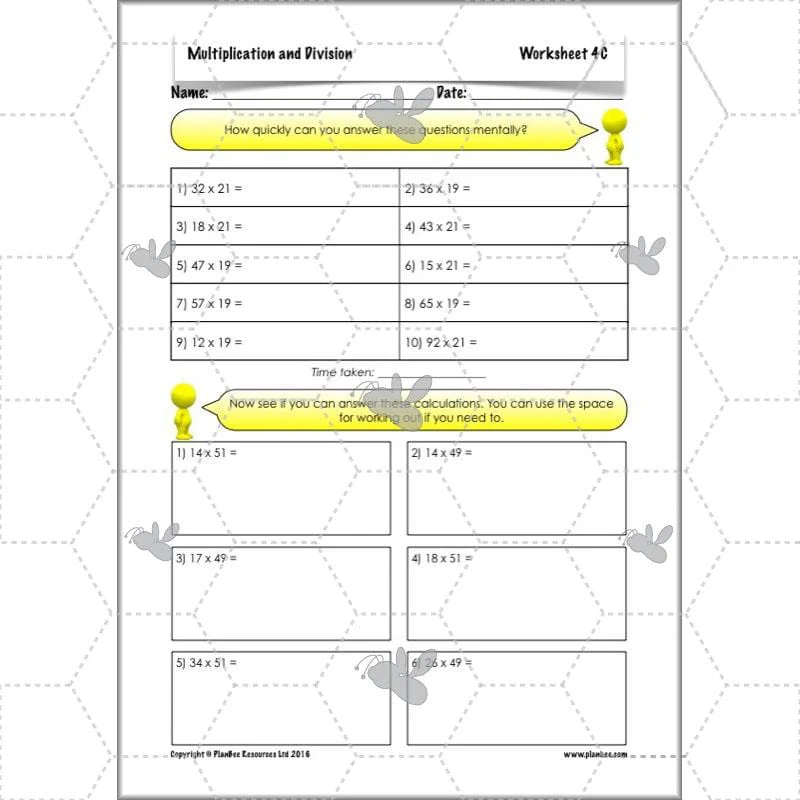
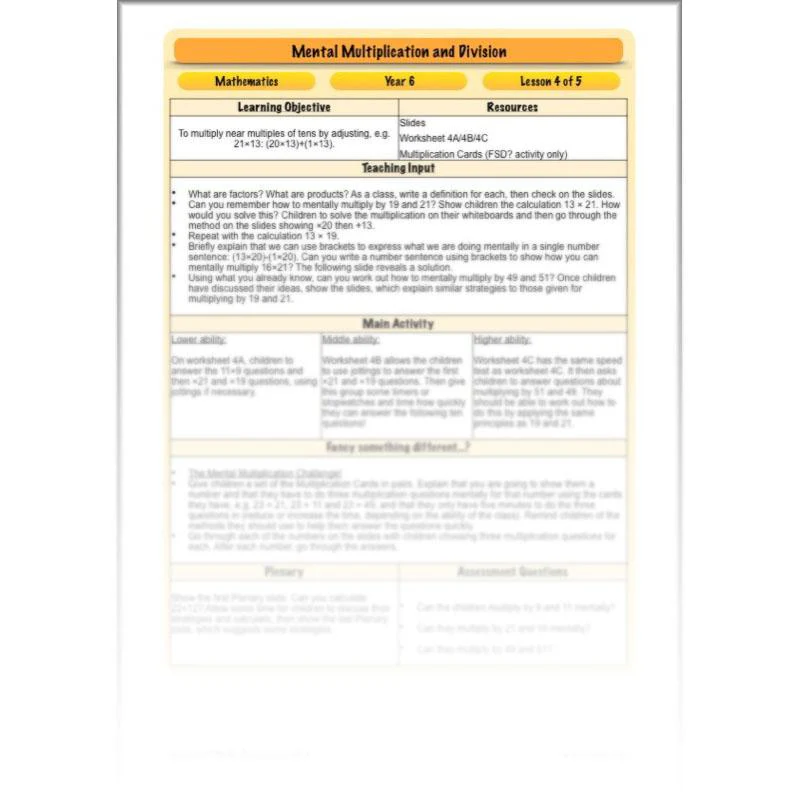
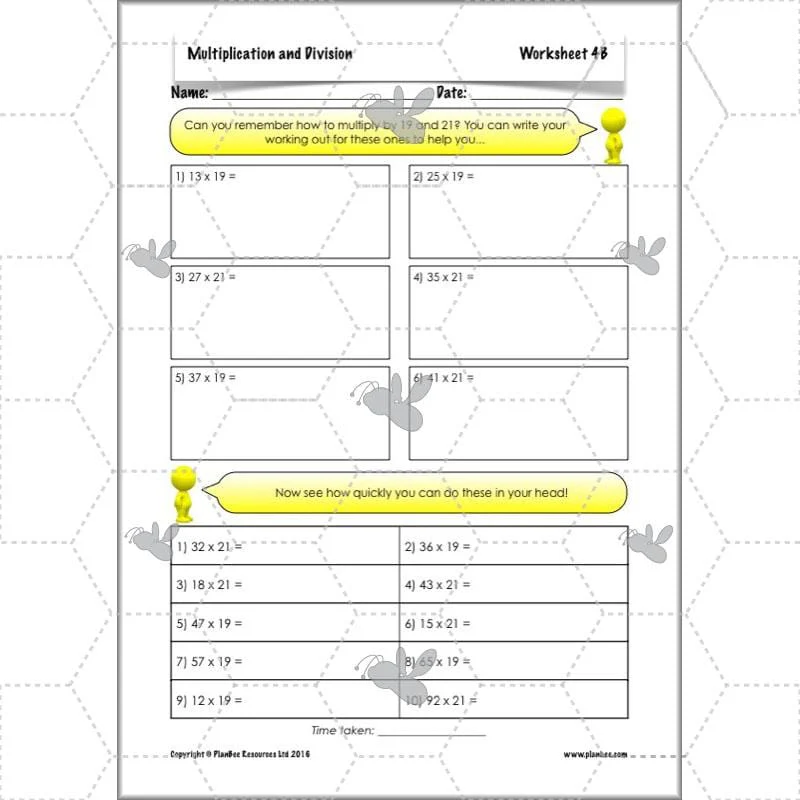
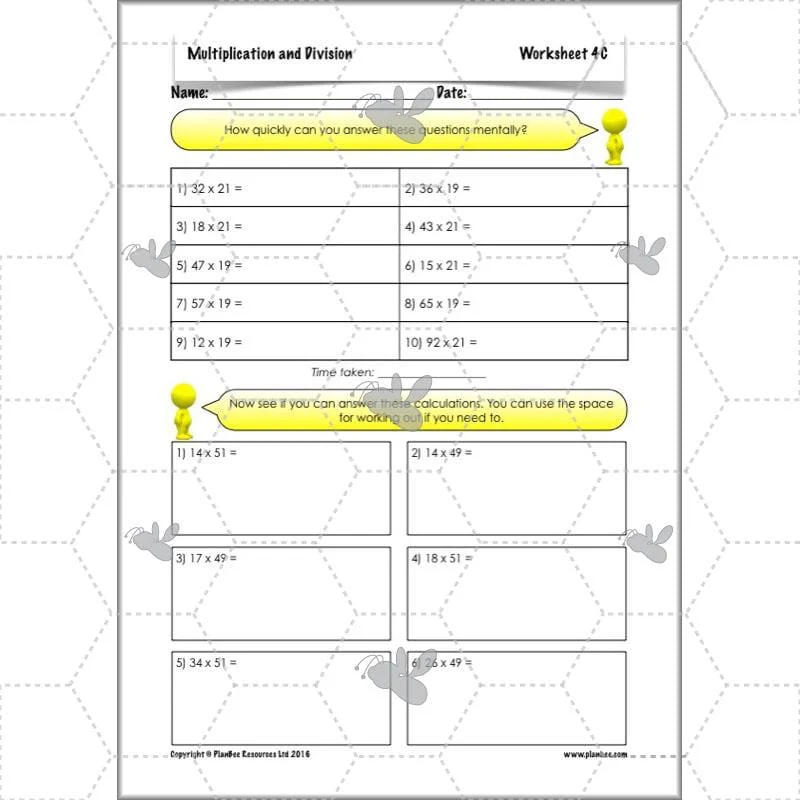
This lesson focuses on a crucial skill for mental multiplication: adjusting near multiples of ten. The included slides clearly explain how to do this mentally, and children may also use brackets in number sentences to show this process. Both of the included activities provide opportunities for children to practise these skills.
What's included:
- Lesson plan
- Slides
- Activity ideas
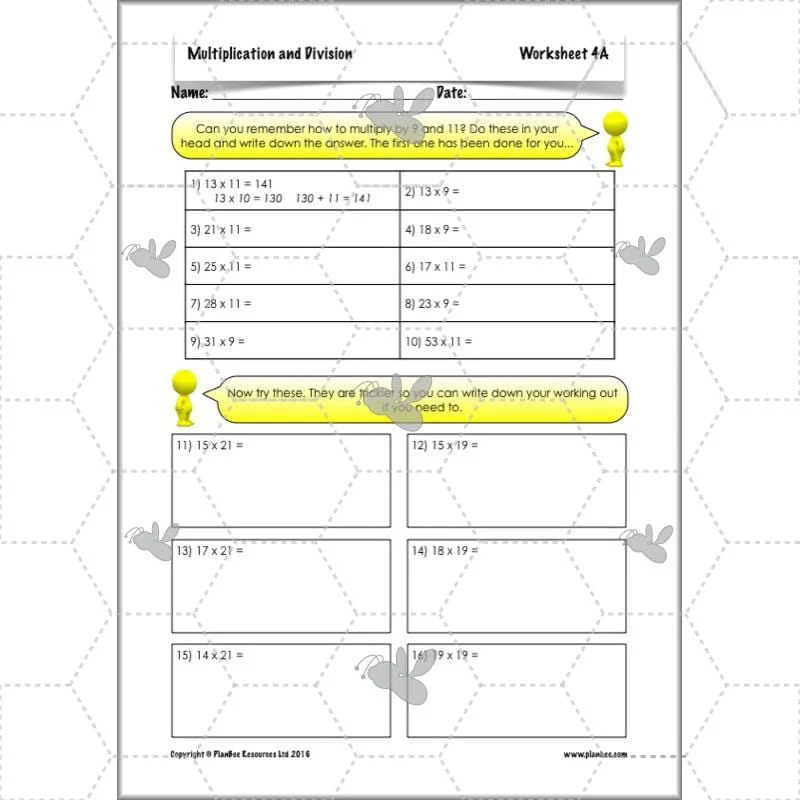
- Differentiated worksheets
- Multiplication cards
View Lesson 4
Distribution and Brackets
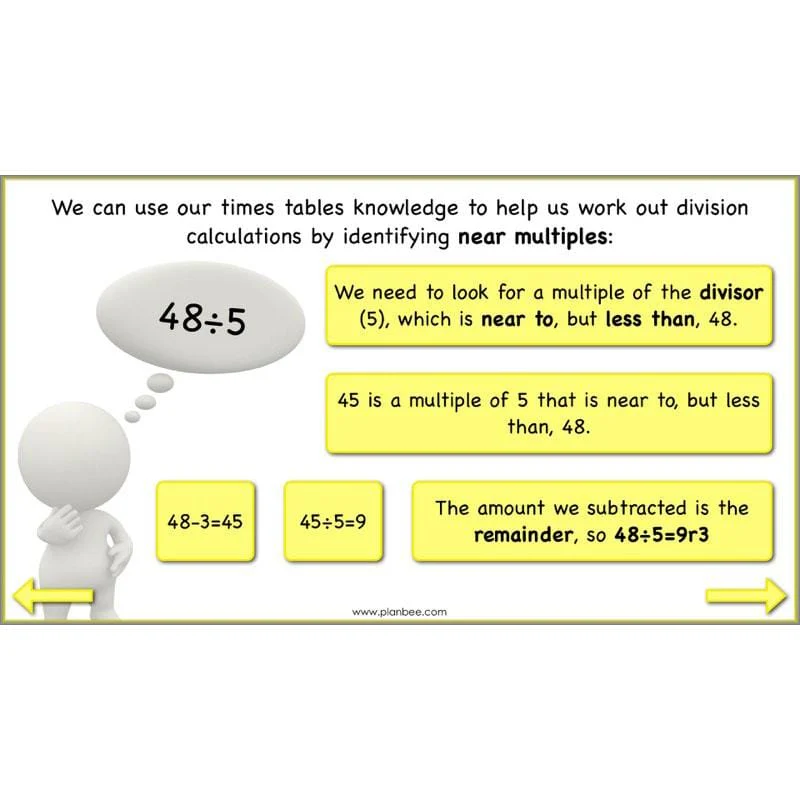
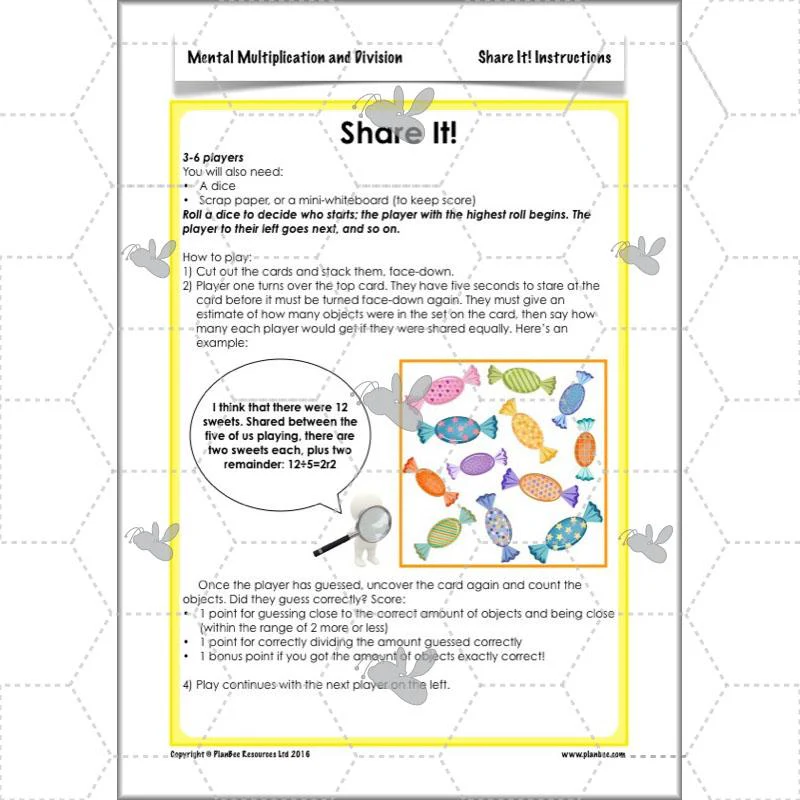
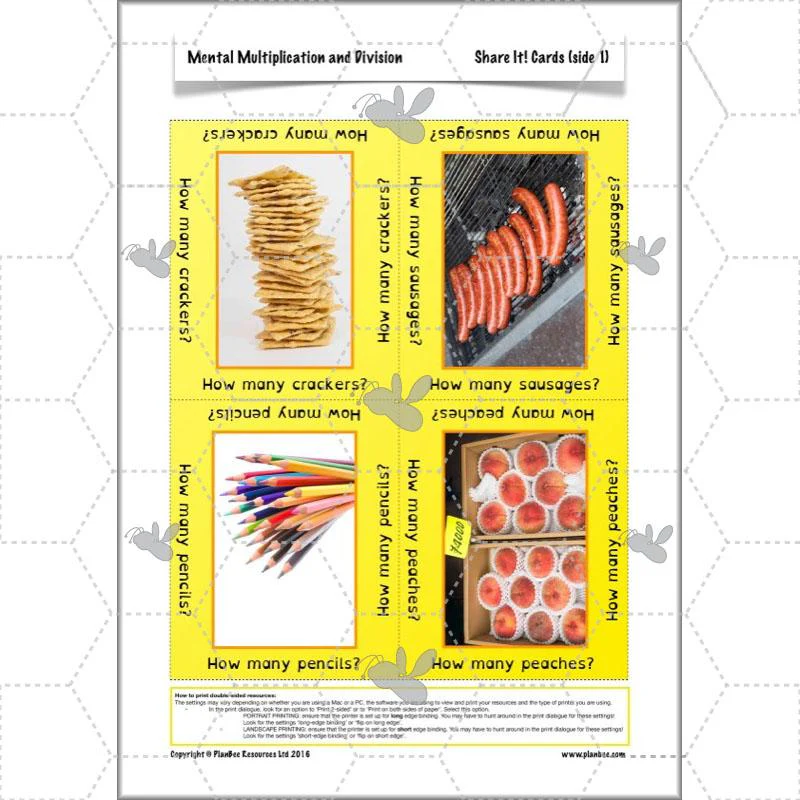
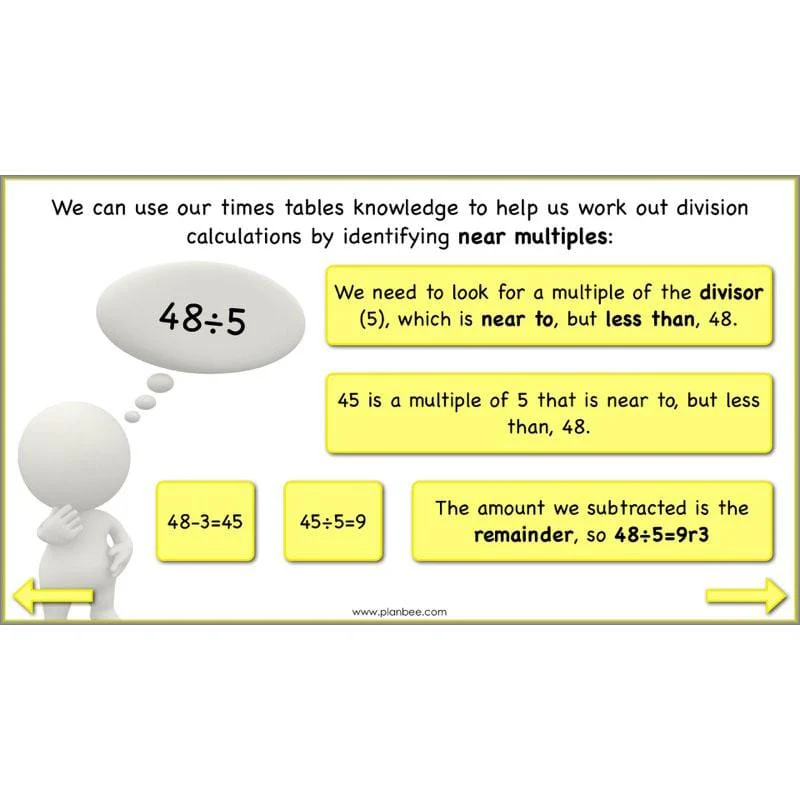
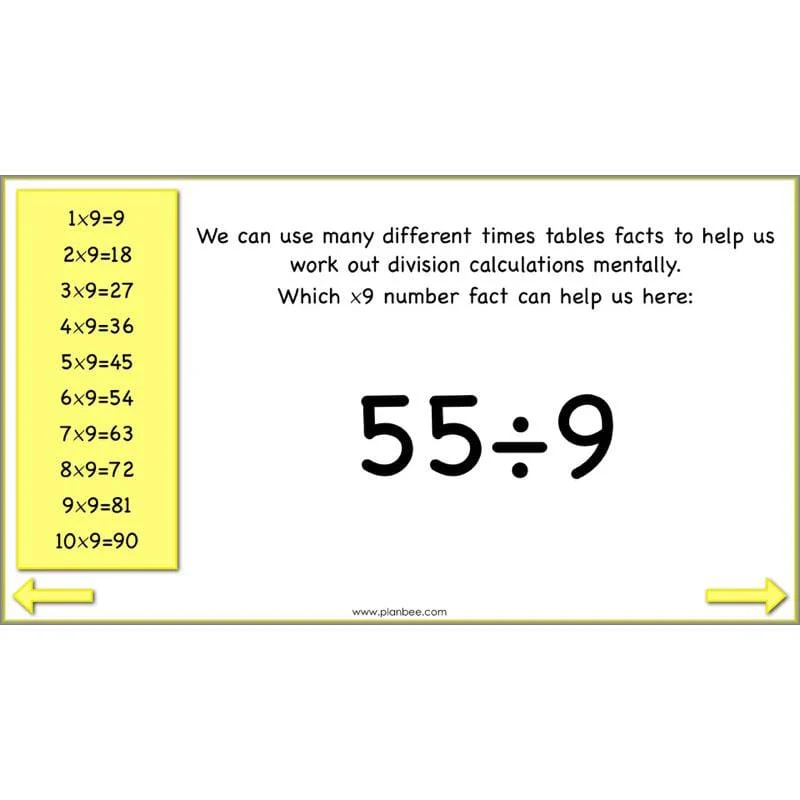
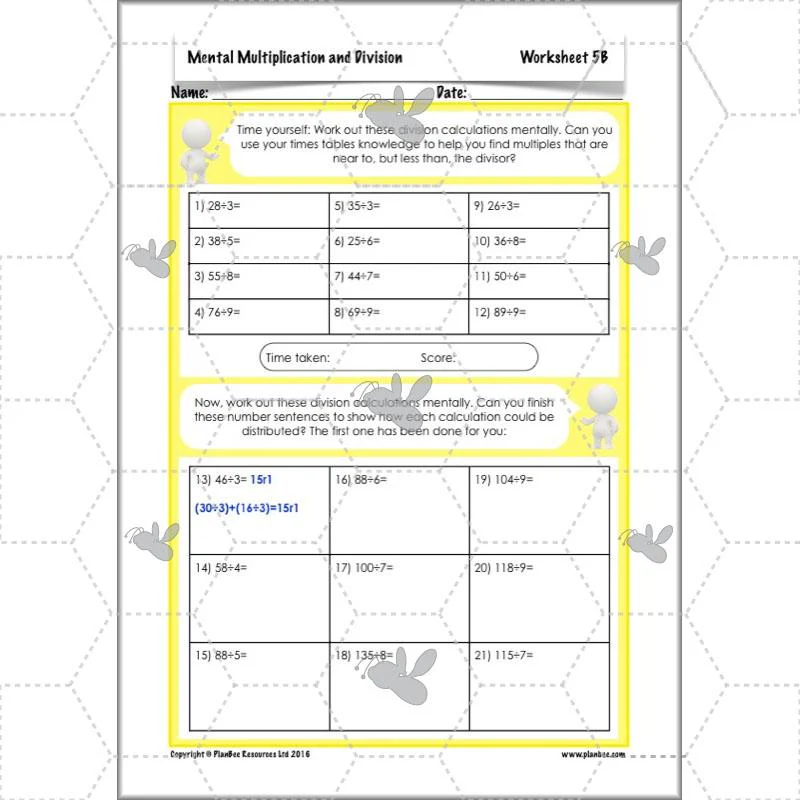
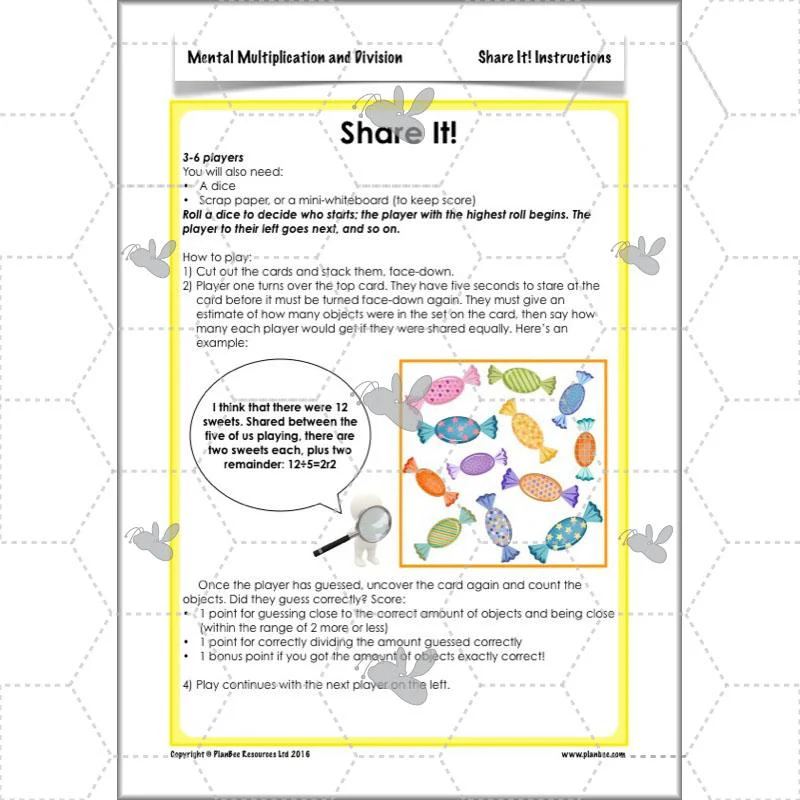
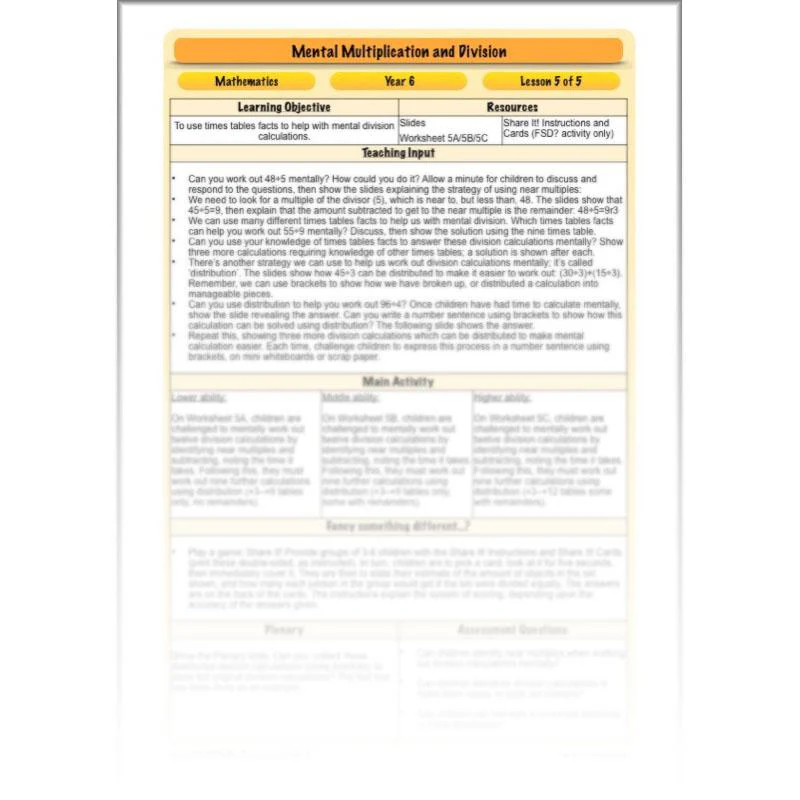
Another key skill for mental division is addressed in this lesson: identifying near multiples of the divisor. The slides show clearly how this may be done by drawing on your times tables knowledge. A straightforward explanation of a distribution method for mental division calculations is also shown — children may use whichever method they feel is most appropriate, or that they are more confident using. Following this, there’s a choice of two activities where children will have to mentally divide.
What's included:
- Lesson plan
- Slides
- Activity ideas
- Differentiated worksheets
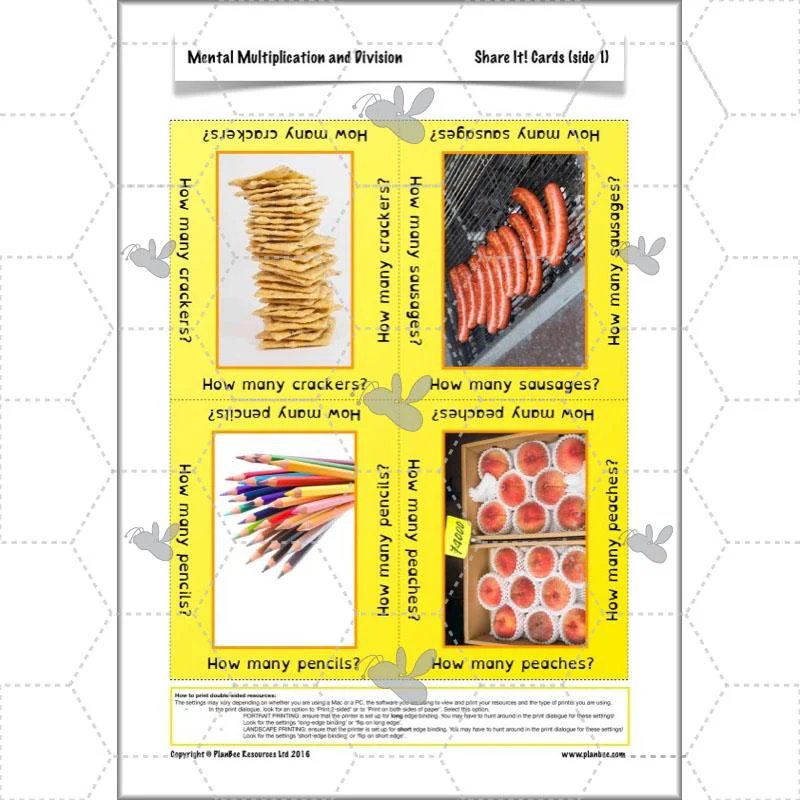
- Share It! instructions and cards
View Lesson 5
More Images


Mental Multiplication and Division
It’s time to build up those maths muscles! These five lessons focus on building your children’s abilities to manipulate numbers with confidence and draw upon their times tables knowledge to mentally solve both multiplication and division calculations.
Throughout, there are plenty of opportunities for children to practise and improve their speed and accuracy when calculating. They are also introduced to the use of brackets in number sentences and how they may be used to help when solving calculations.
Common Multiples
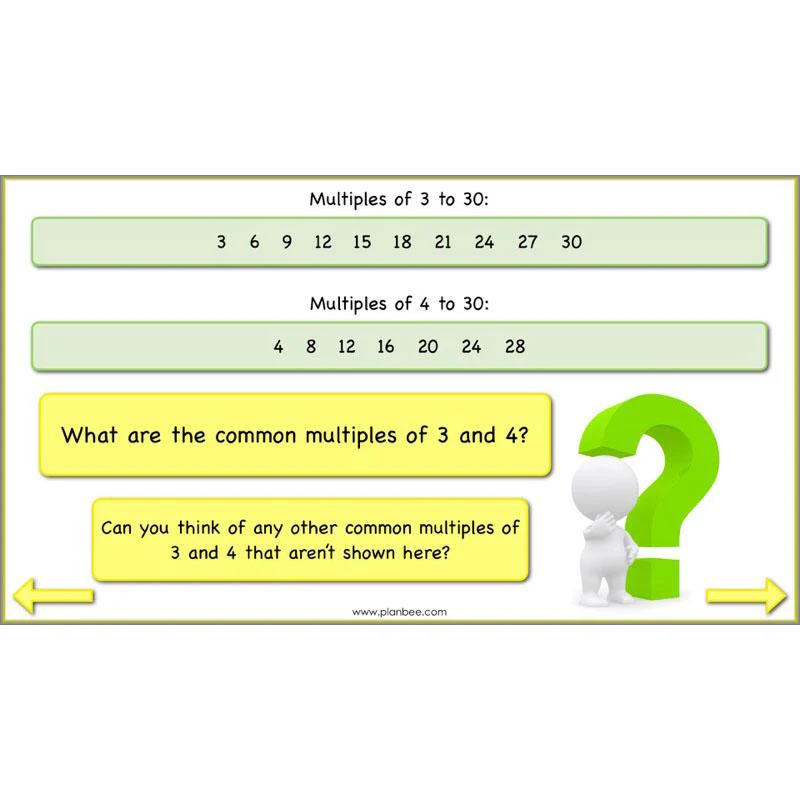
Focus on building up your children’s abilities to quickly manipulate numbers when calculating by identifying common multiples of one-digit numbers. While looking at the special properties of numbers which have common multiples, children will also identify prime numbers to 100.
What's included:
- Lesson plan
- Slides
- Activity ideas
- Differentiated worksheets
- Number cards
View Lesson 1
Primes and Factors
Take a step closer to becoming master manipulators of numbers! In this lesson, children will identify the factors of some two-digit numbers, then identify which of these have some special qualities. They may identify two-digit numbers whose factors, when totalled, equal more than the original number. Some children may also find all of the prime factors of some two-digit numbers by drawing factor trees.
What's included:
- Lesson plan
- Slides
- Activity ideas
- Differentiated worksheets
View Lesson 2
Multiplying Decimals
Let’s multiply decimal numbers! The included slides with this lesson clearly explain strategies your children can use to help them multiply decimal numbers less than one — and more than one — mentally. Additionally, some children may begin to explore ways in which brackets can be used in number sentences, both to help when working out which parts to solve first, and to show how they have mentally solved calculations.
What's included:
- Lesson plan
- Slides
- Activity ideas
- Differentiated worksheets
- Number cards
View Lesson 3
Adjusting Near Multiples
This lesson focuses on a crucial skill for mental multiplication: adjusting near multiples of ten. The included slides clearly explain how to do this mentally, and children may also use brackets in number sentences to show this process. Both of the included activities provide opportunities for children to practise these skills.
What's included:
- Lesson plan
- Slides
- Activity ideas
- Differentiated worksheets
- Multiplication cards
View Lesson 4
Distribution and Brackets
Another key skill for mental division is addressed in this lesson: identifying near multiples of the divisor. The slides show clearly how this may be done by drawing on your times tables knowledge. A straightforward explanation of a distribution method for mental division calculations is also shown — children may use whichever method they feel is most appropriate, or that they are more confident using. Following this, there’s a choice of two activities where children will have to mentally divide.
What's included:
- Lesson plan
- Slides
- Activity ideas
- Differentiated worksheets
- Share It! instructions and cards
View Lesson 5
Product Information
Product Information
Shipping & Returns
Shipping & Returns
Description
It’s time to build up those maths muscles! These five lessons focus on building your children’s abilities to manipulate numbers with confidence and draw upon their times tables knowledge to mentally solve both multiplication and division calculations.
Throughout, there are plenty of opportunities for children to practise and improve their speed and accuracy when calculating. They are also introduced to the use of brackets in number sentences and how they may be used to help when solving calculations.
Common Multiples
Focus on building up your children’s abilities to quickly manipulate numbers when calculating by identifying common multiples of one-digit numbers. While looking at the special properties of numbers which have common multiples, children will also identify prime numbers to 100.
What's included:
- Lesson plan
- Slides
- Activity ideas
- Differentiated worksheets
- Number cards
View Lesson 1
Primes and Factors
Take a step closer to becoming master manipulators of numbers! In this lesson, children will identify the factors of some two-digit numbers, then identify which of these have some special qualities. They may identify two-digit numbers whose factors, when totalled, equal more than the original number. Some children may also find all of the prime factors of some two-digit numbers by drawing factor trees.
What's included:
- Lesson plan
- Slides
- Activity ideas
- Differentiated worksheets
View Lesson 2
Multiplying Decimals
Let’s multiply decimal numbers! The included slides with this lesson clearly explain strategies your children can use to help them multiply decimal numbers less than one — and more than one — mentally. Additionally, some children may begin to explore ways in which brackets can be used in number sentences, both to help when working out which parts to solve first, and to show how they have mentally solved calculations.
What's included:
- Lesson plan
- Slides
- Activity ideas
- Differentiated worksheets
- Number cards
View Lesson 3
Adjusting Near Multiples
This lesson focuses on a crucial skill for mental multiplication: adjusting near multiples of ten. The included slides clearly explain how to do this mentally, and children may also use brackets in number sentences to show this process. Both of the included activities provide opportunities for children to practise these skills.
What's included:
- Lesson plan
- Slides
- Activity ideas
- Differentiated worksheets
- Multiplication cards
View Lesson 4
Distribution and Brackets
Another key skill for mental division is addressed in this lesson: identifying near multiples of the divisor. The slides show clearly how this may be done by drawing on your times tables knowledge. A straightforward explanation of a distribution method for mental division calculations is also shown — children may use whichever method they feel is most appropriate, or that they are more confident using. Following this, there’s a choice of two activities where children will have to mentally divide.
What's included:
- Lesson plan
- Slides
- Activity ideas
- Differentiated worksheets
- Share It! instructions and cards
View Lesson 5