What is Weight?
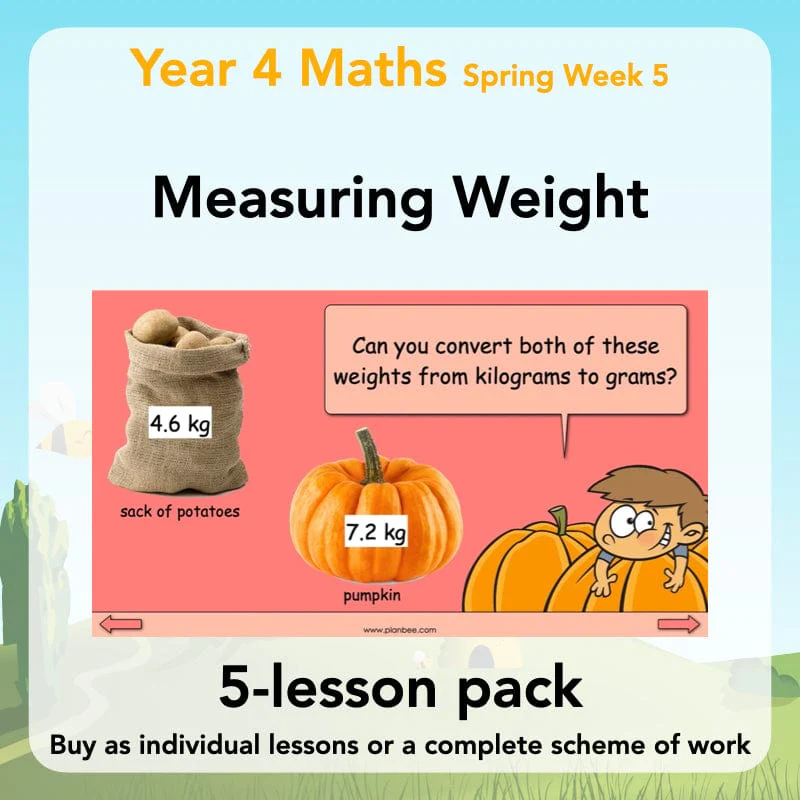
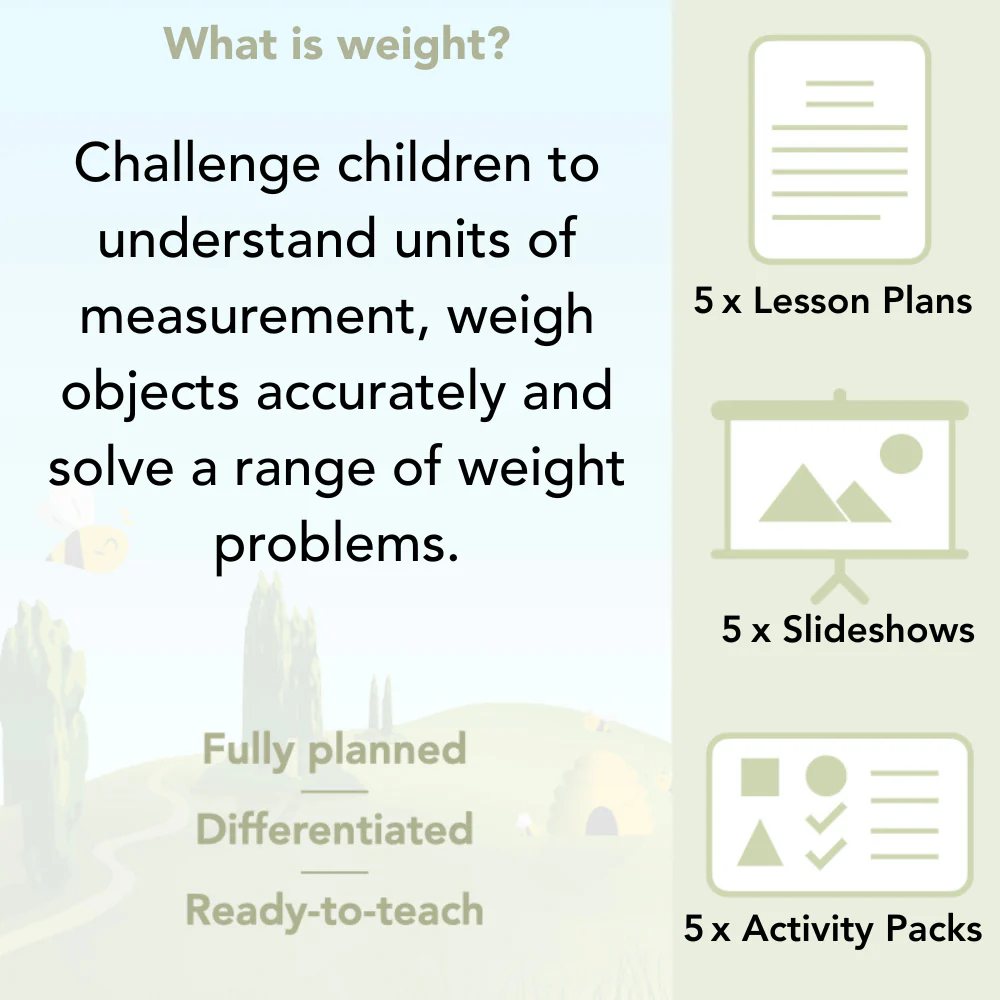
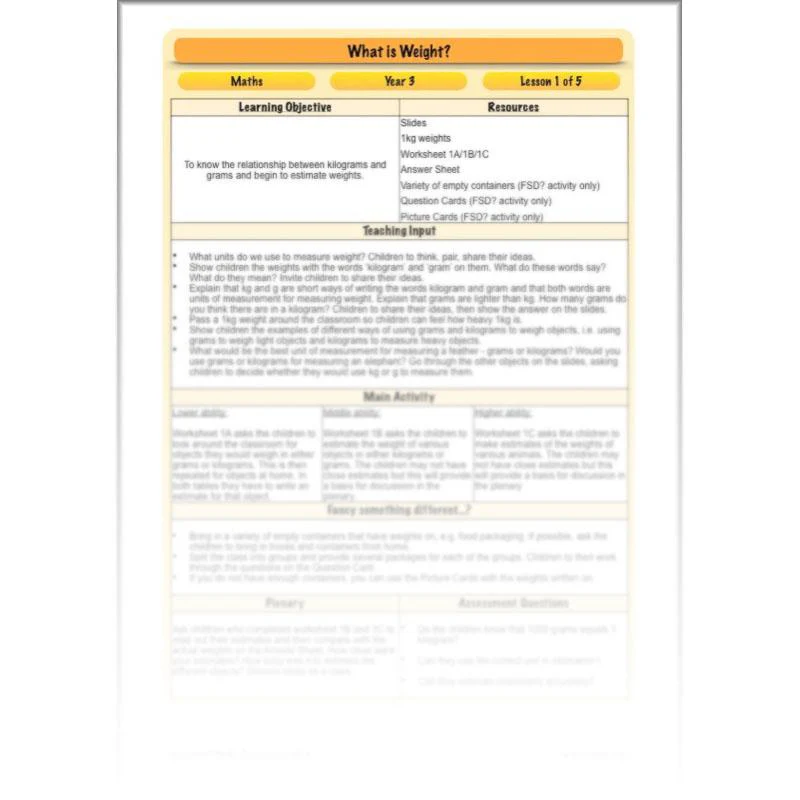
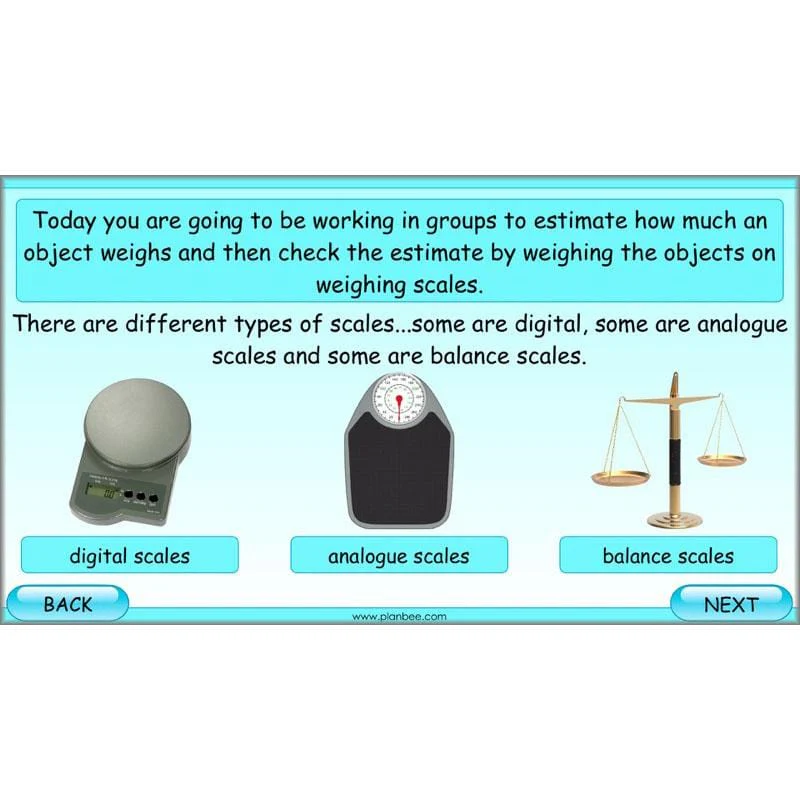
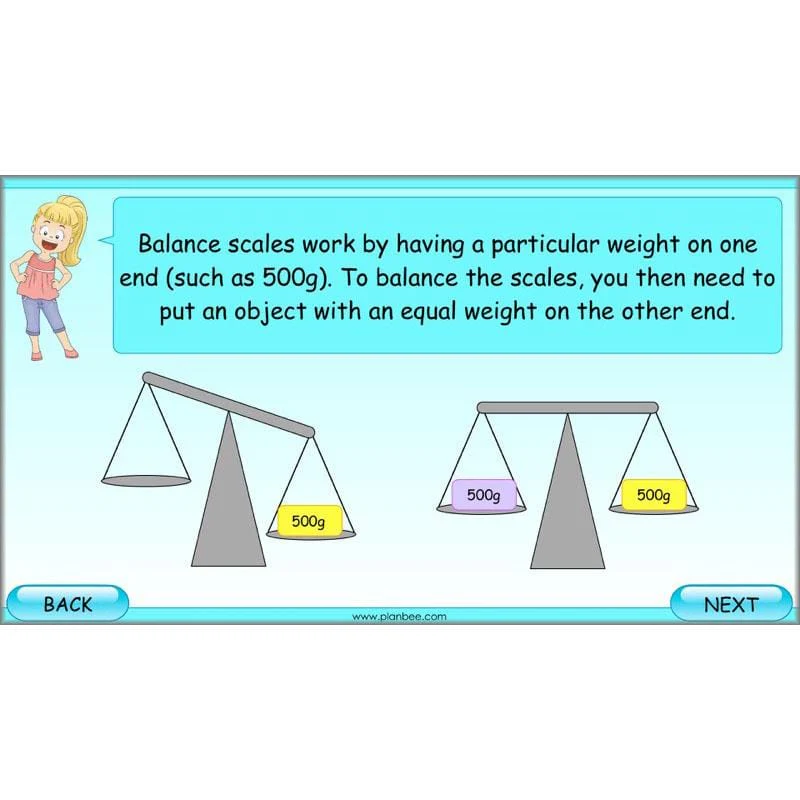
This 'What is Weight?' scheme of work for Year 3 is a fantastic way to teach your class about weight, including the units of measurements relating to weight and the relationship between them, how to estimate the weight of familiar objects, how to weigh objects accurately and how to solve problems involving weight.
These fun and informative lesson each include a detailed lesson plan, engaging slides, activity ideas, differentiated worksheets and other useful resources to make your Maths planning for this scheme of work a doddle! All you need to do is provide the scales...
Estimating Weight
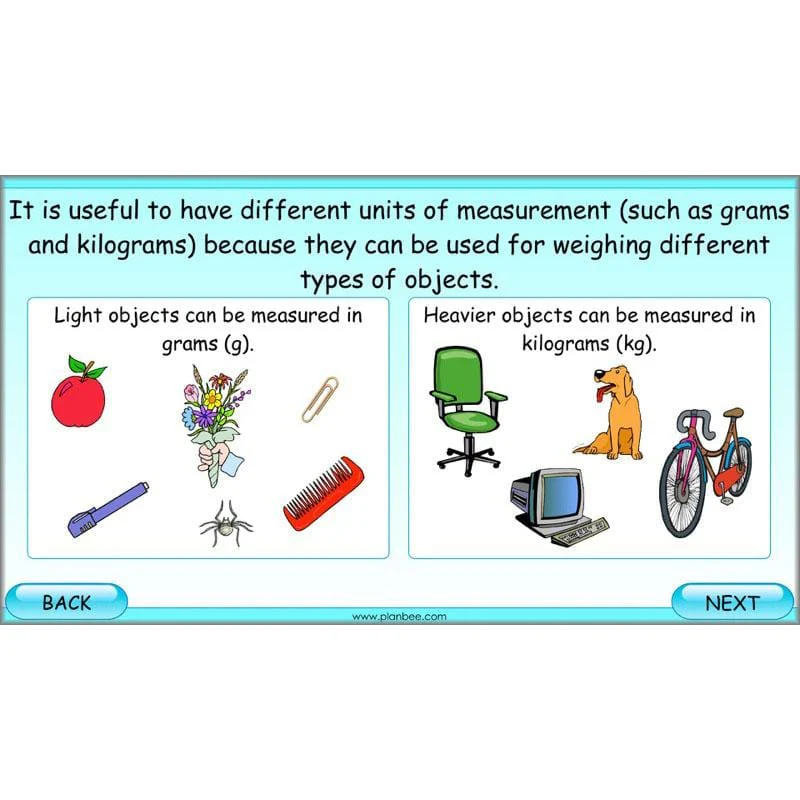
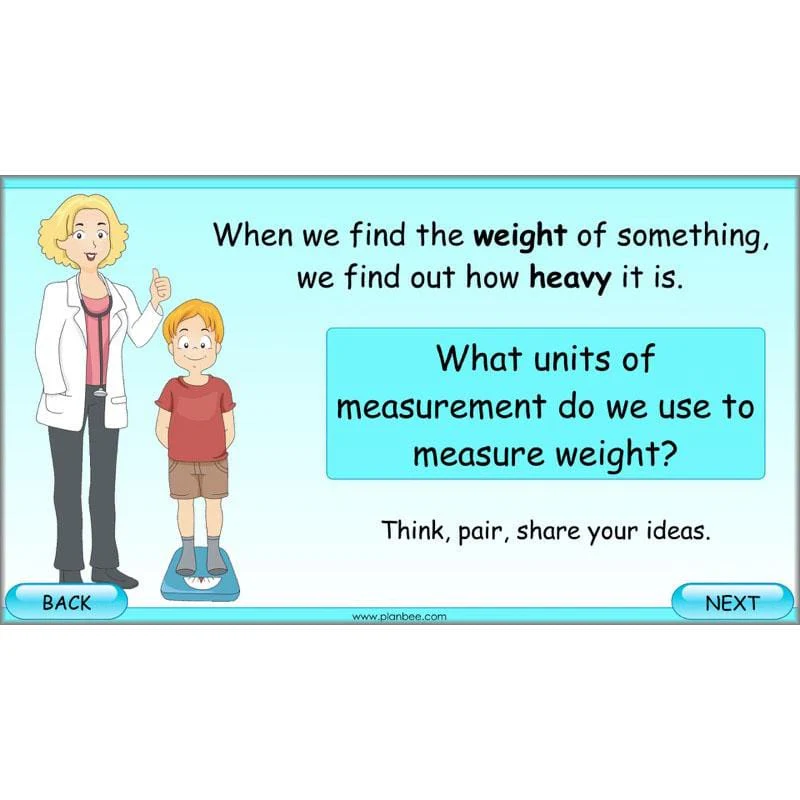
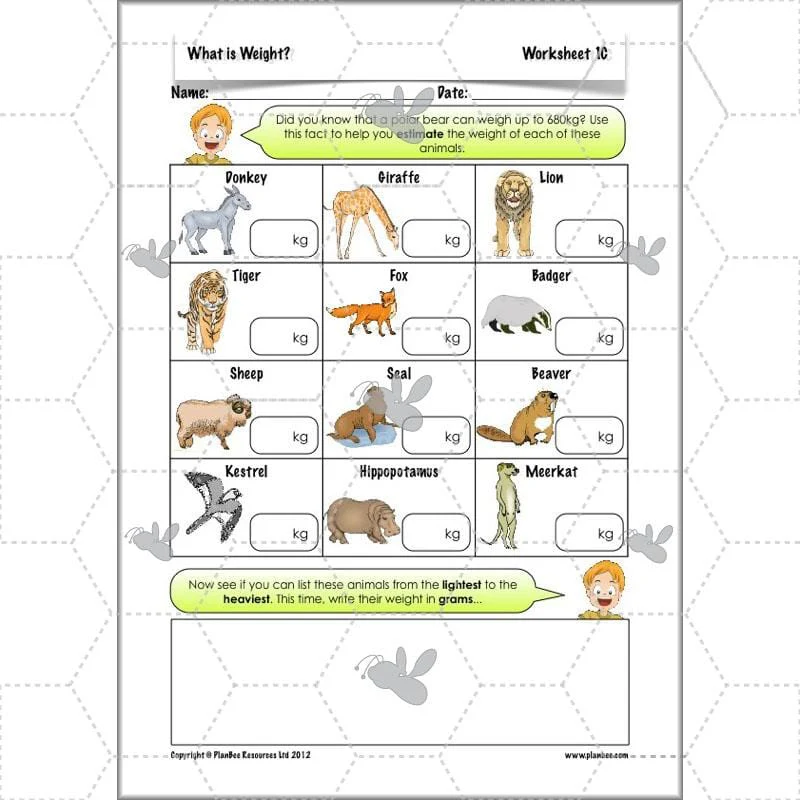
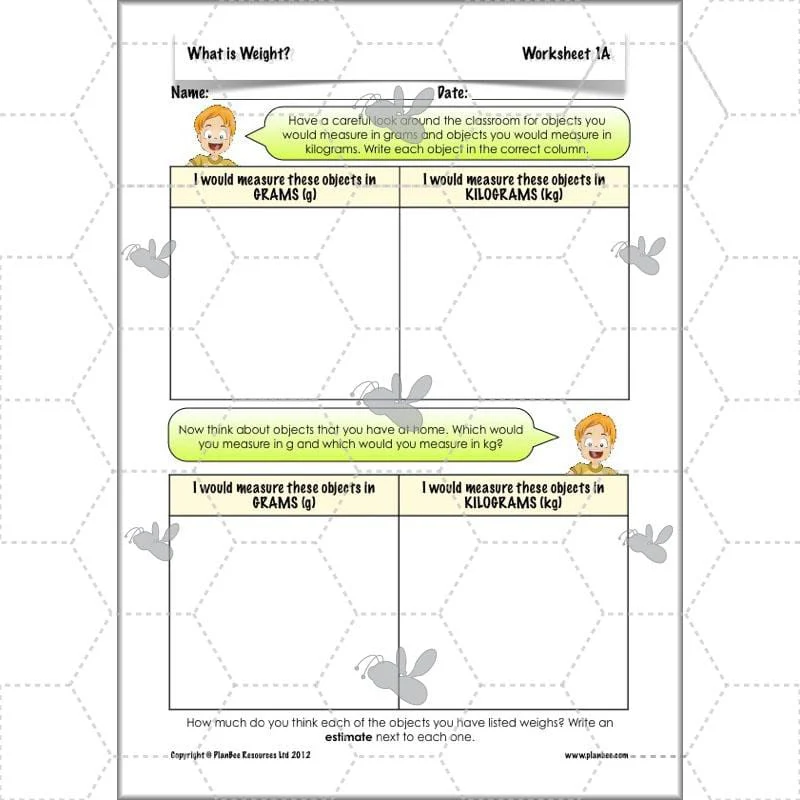
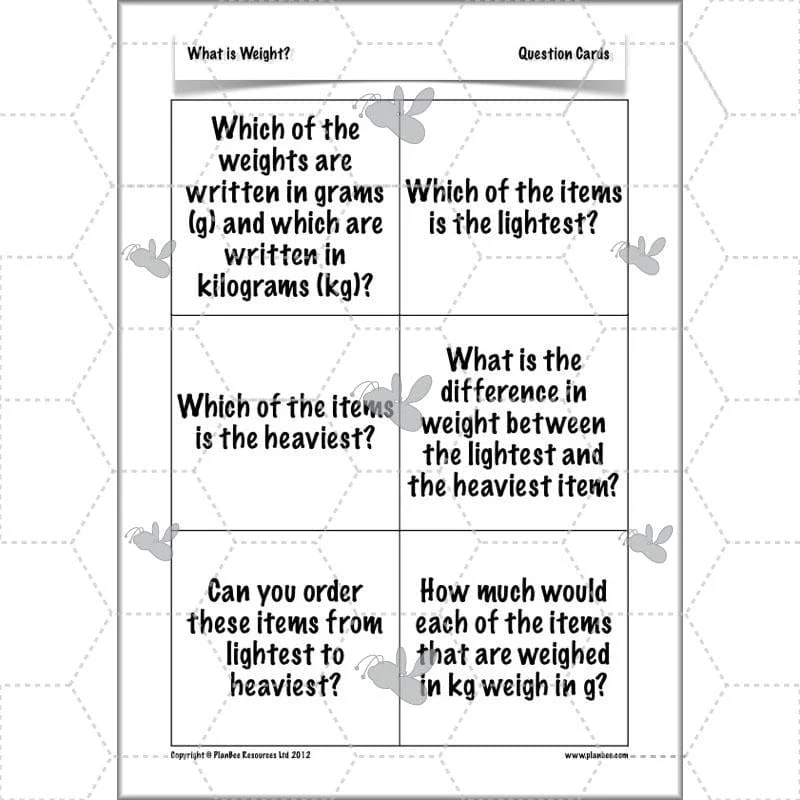
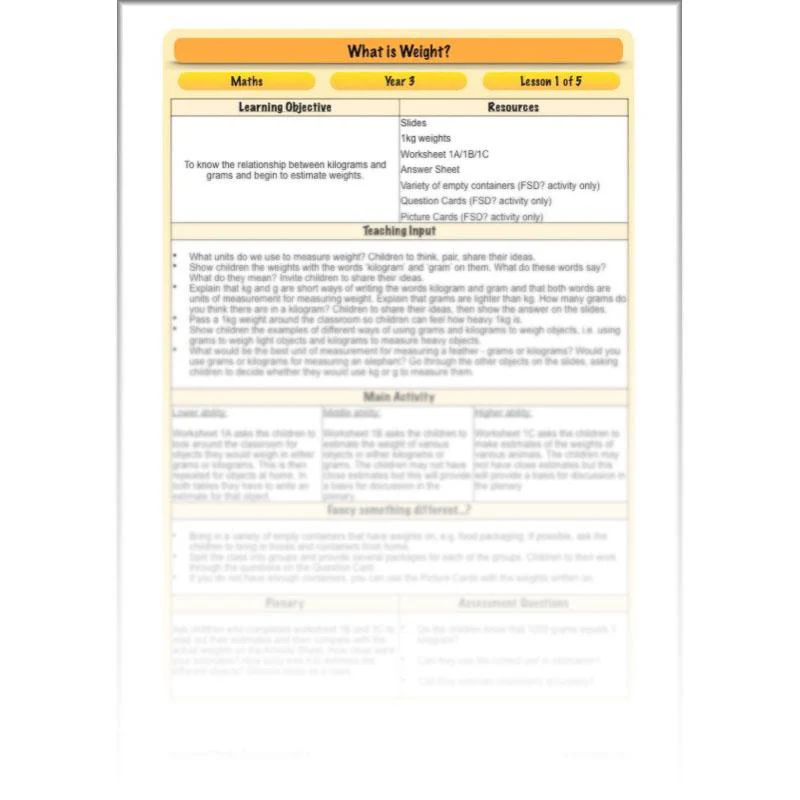
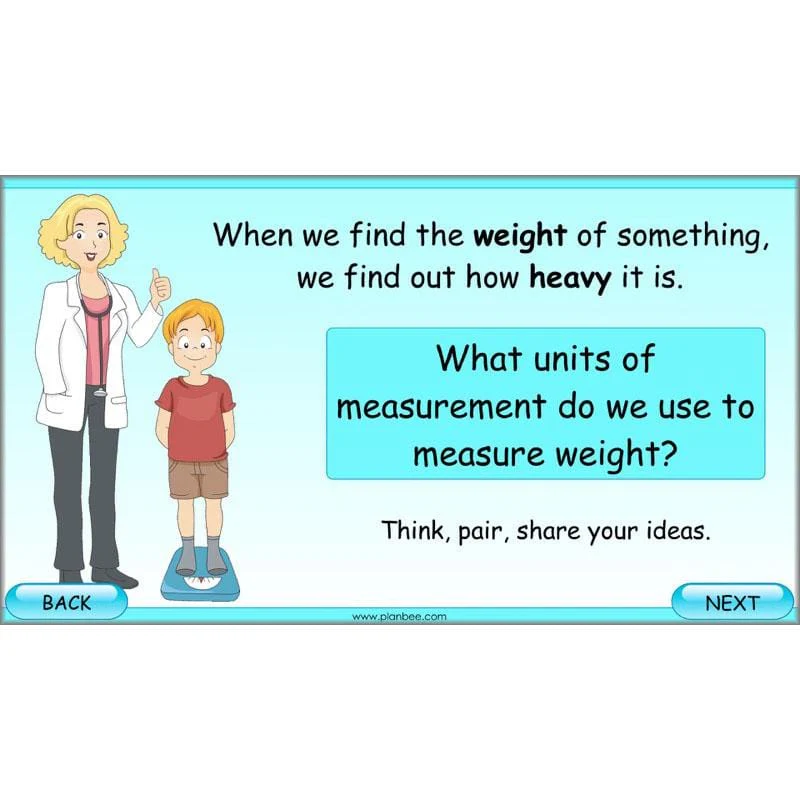
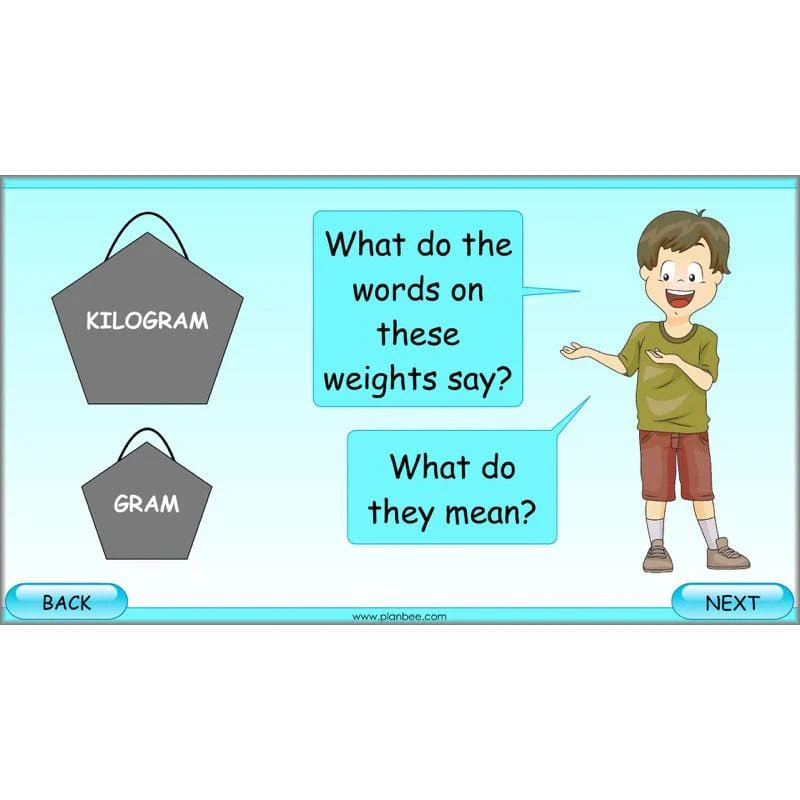
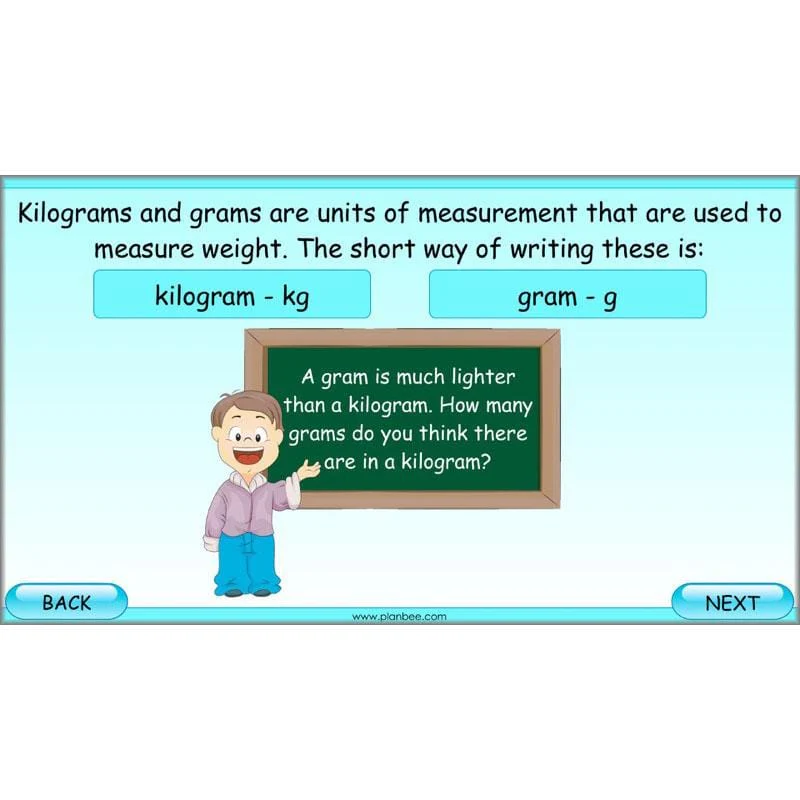
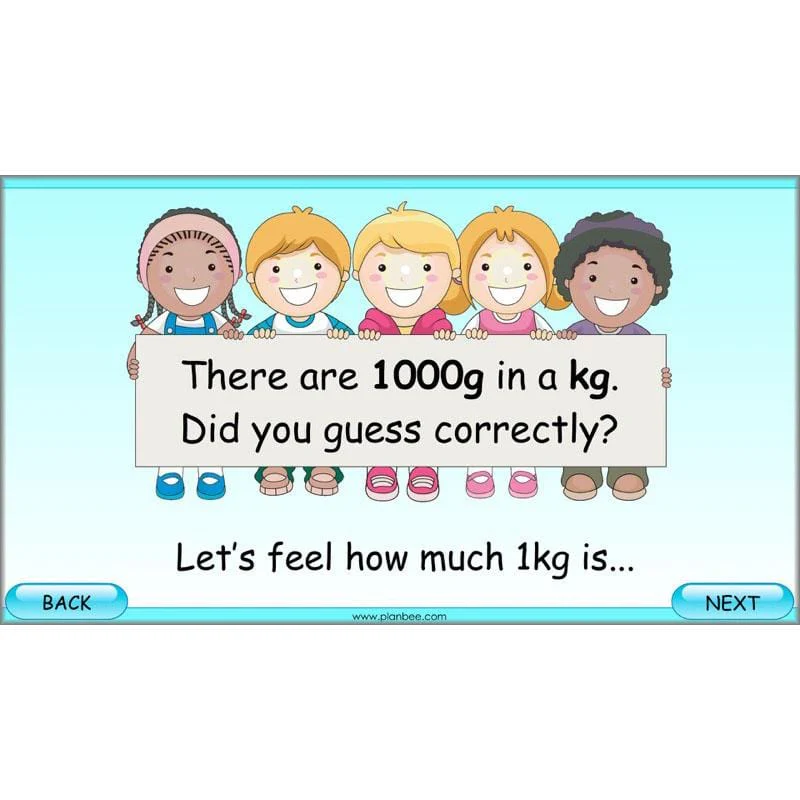
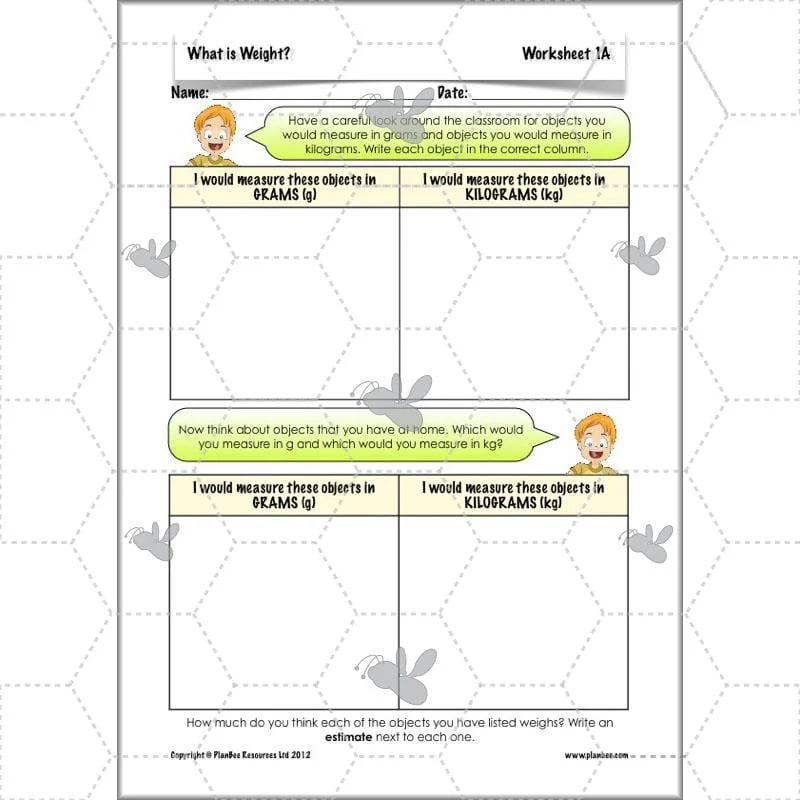
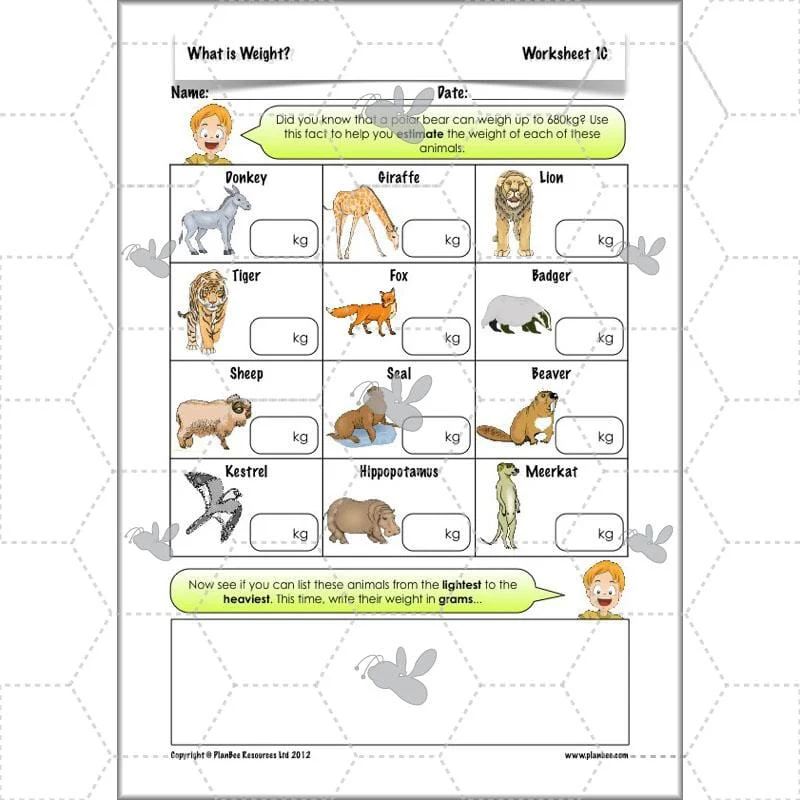
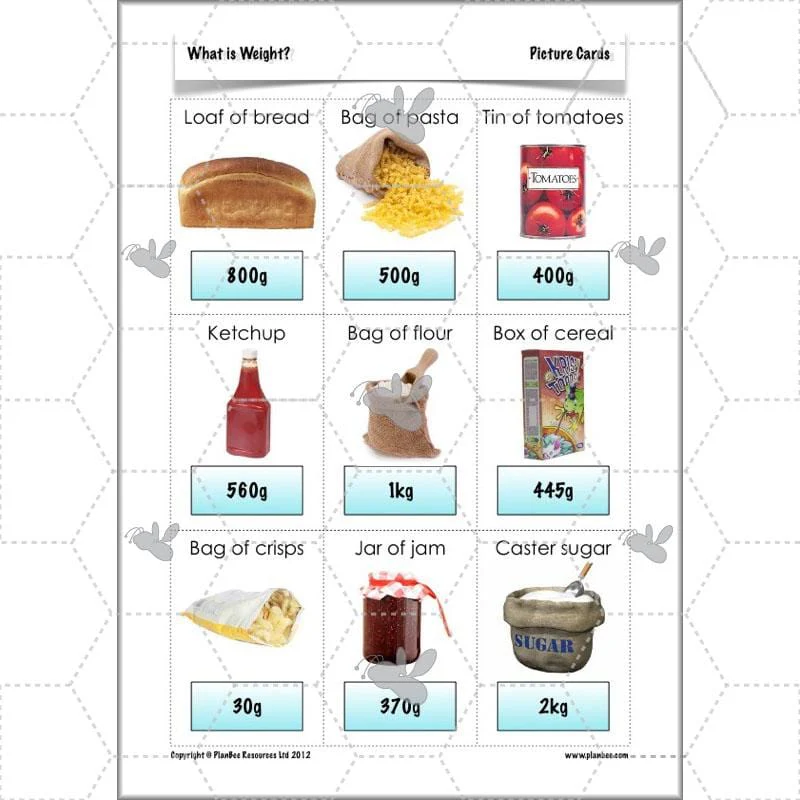
The first lesson in this series begins by thinking about the units of measurement that are used to measure weight and, more specifically, the relationship between grams and kilograms. The lesson then goes on to discuss whether grams or kilograms would be better for weighing various objects before giving your class the chance to estimate the weight of various objects.
What's included:
- Lesson plan
- Slides
- Activity ideas
- Differentiated worksheets
- Answer sheet
- Question cards
- Picture cards
View Lesson 1
Weight Check
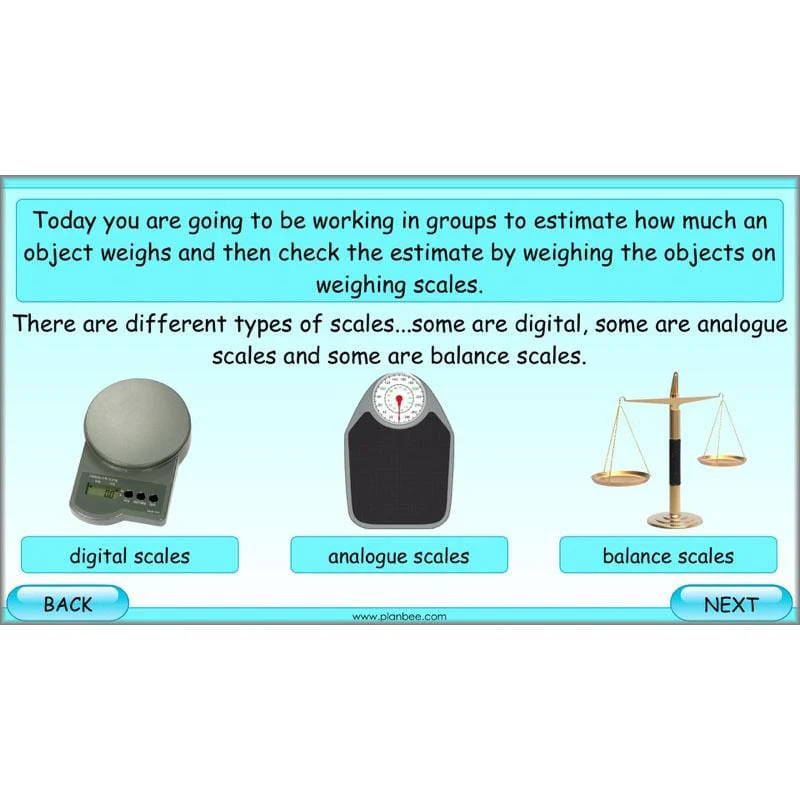
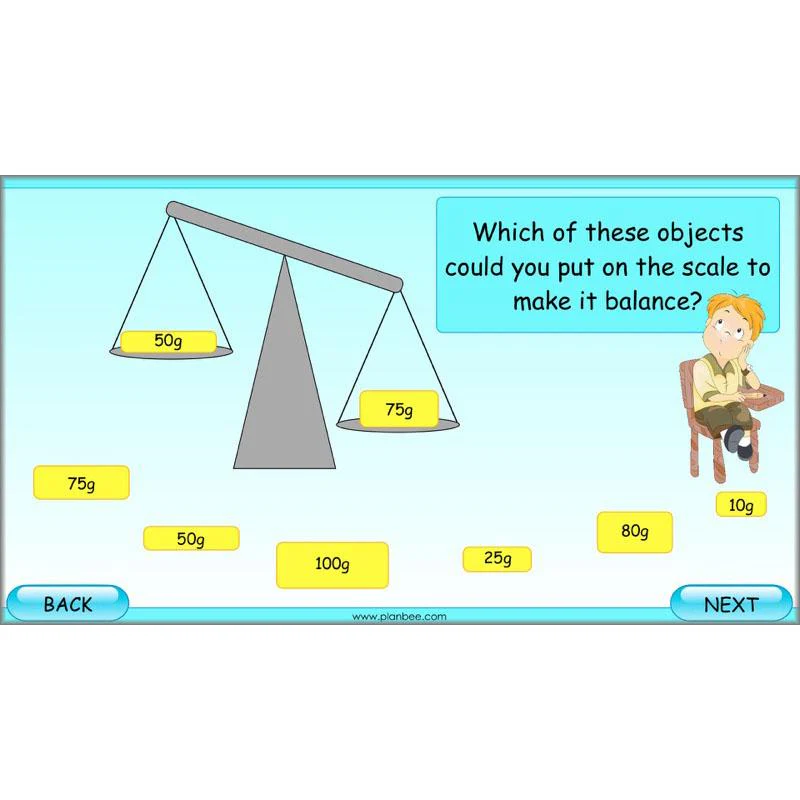
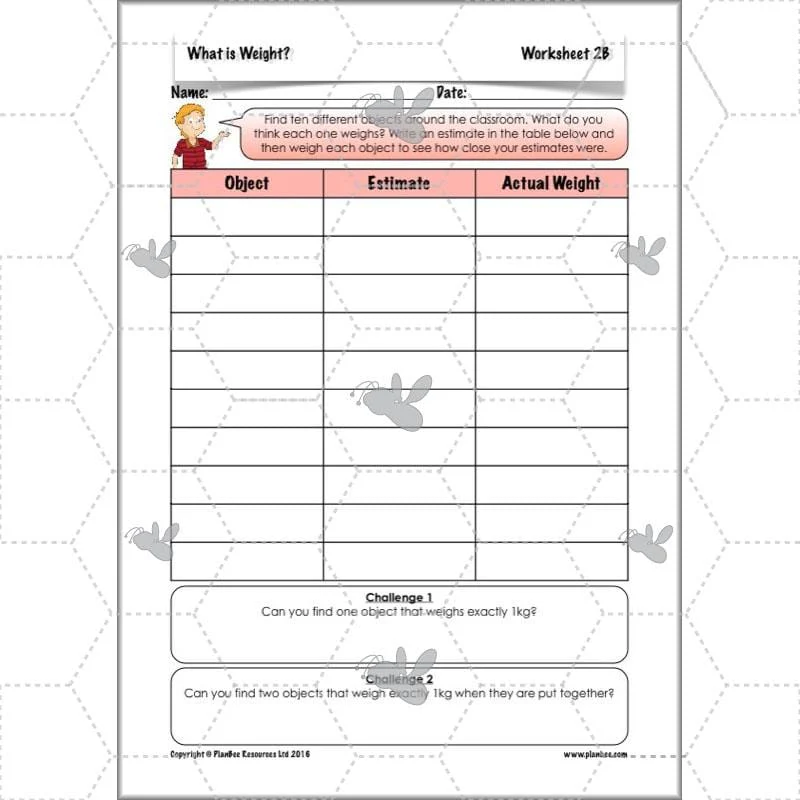
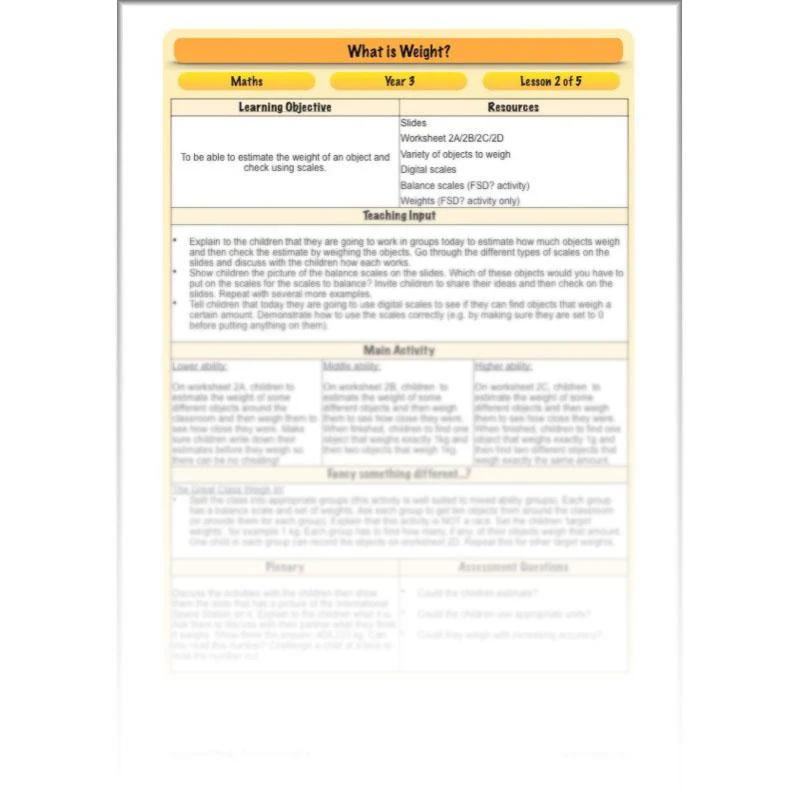
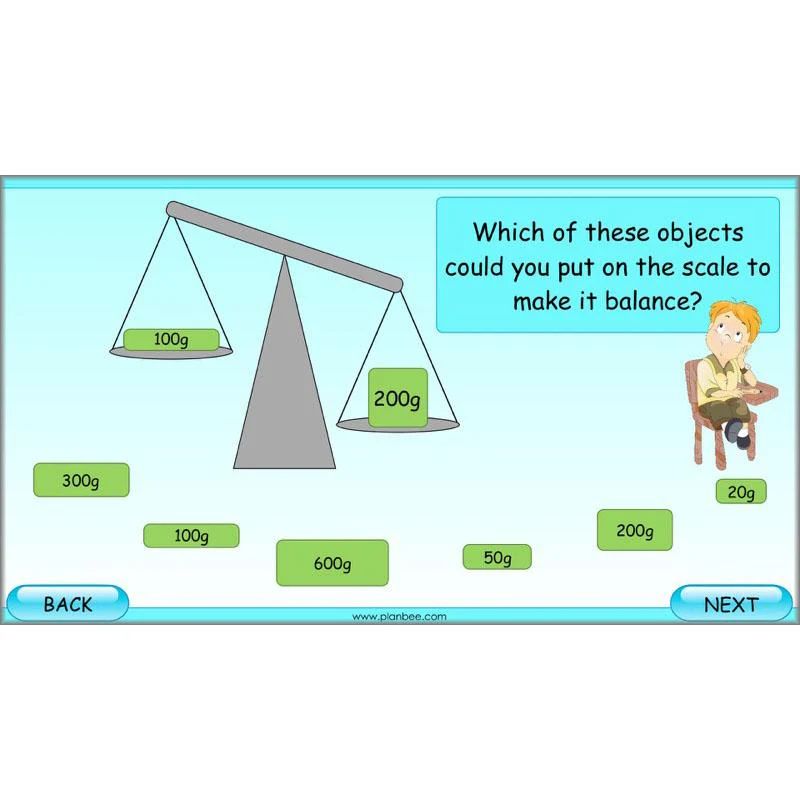
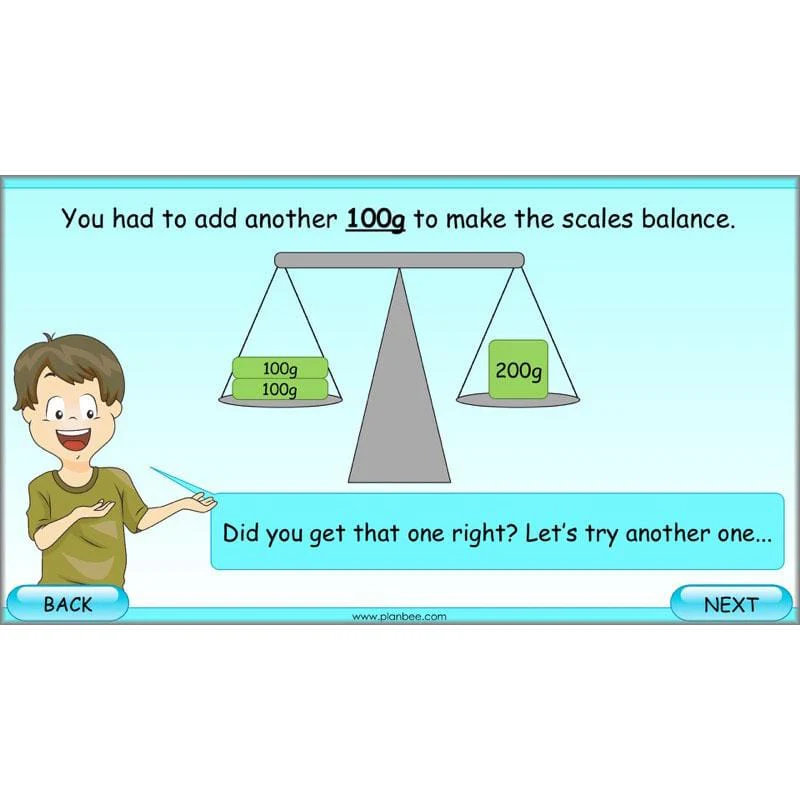
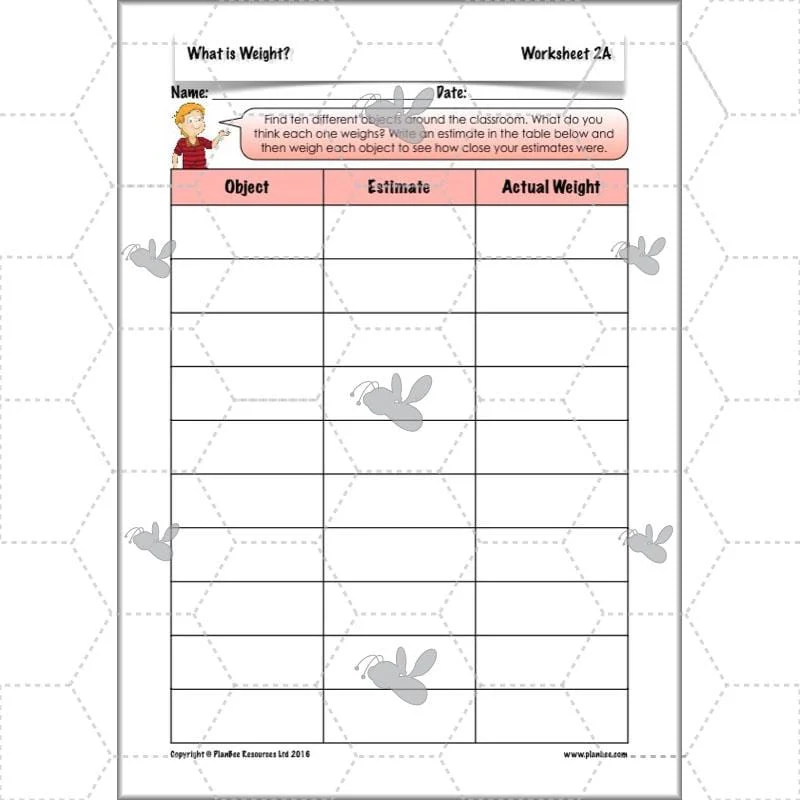
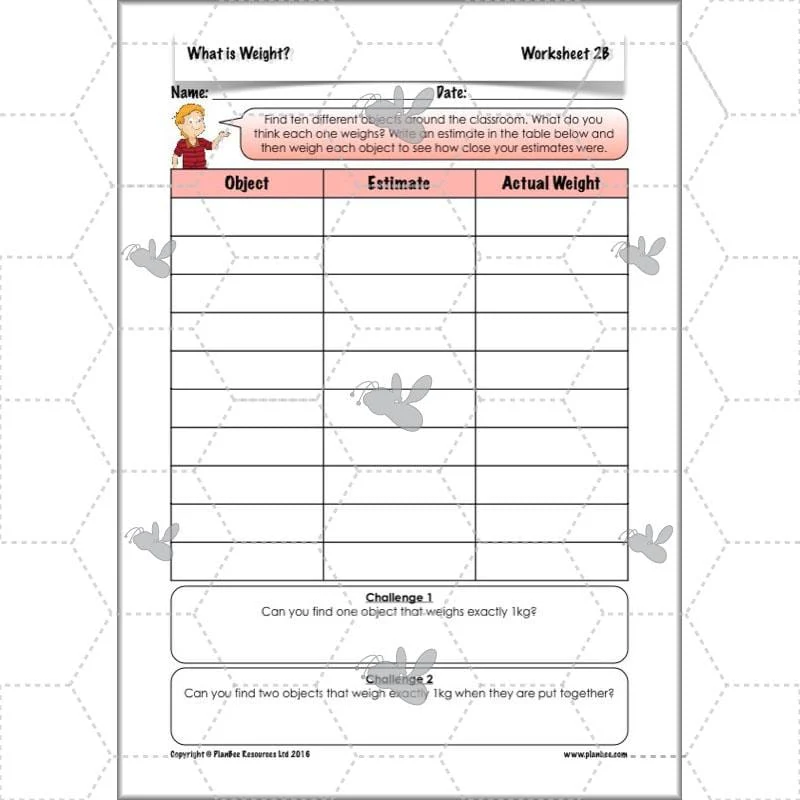
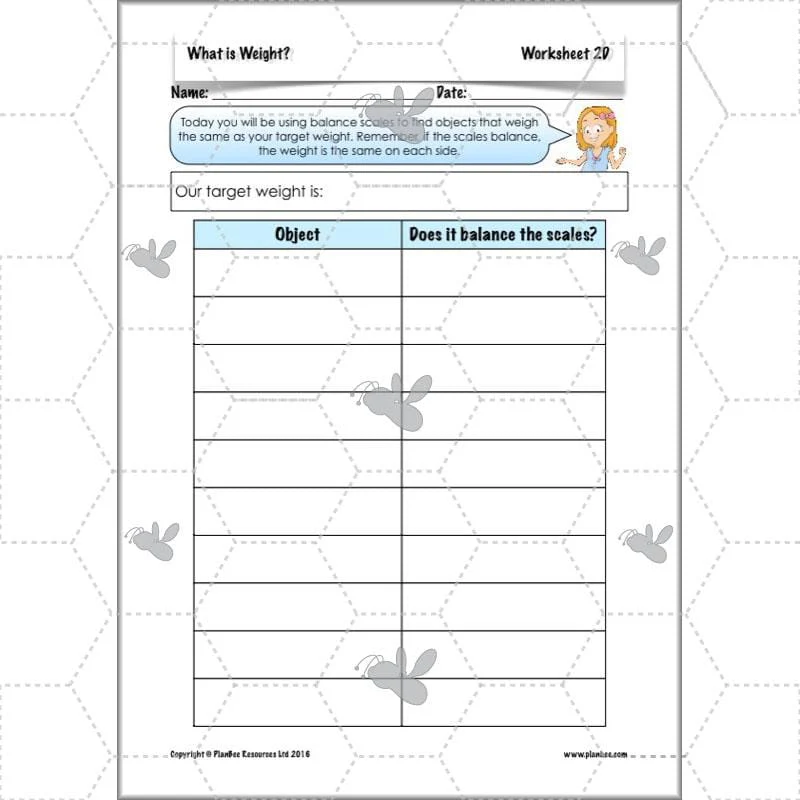
This lesson develops their estimation skills and then gives them the chance to see how close their estimates of the weights of different objects were by using scales to find out their actual weight. It also challenges children to find objects to match a target weight, such as 1 kg.
What's included:
- Lesson plan
- Slides
- Activity ideas
- Differentiated worksheets
View Lesson 2
Weighty Words
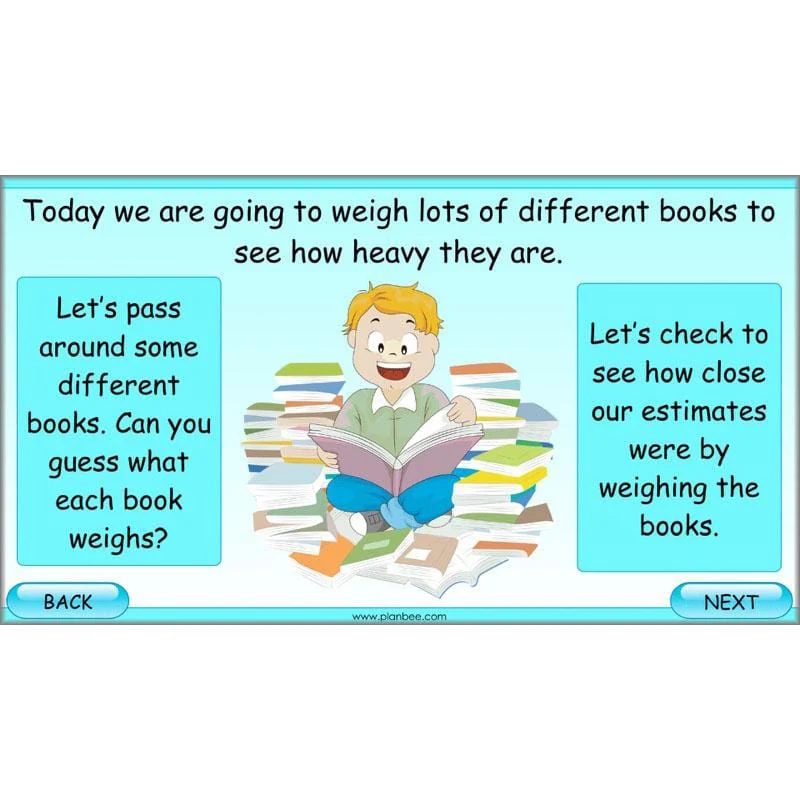
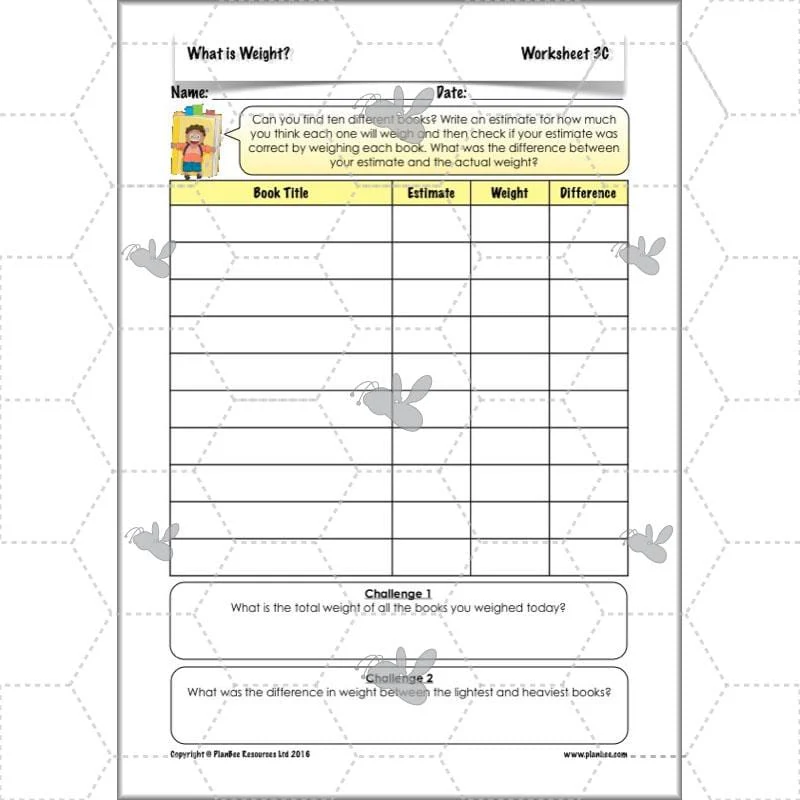
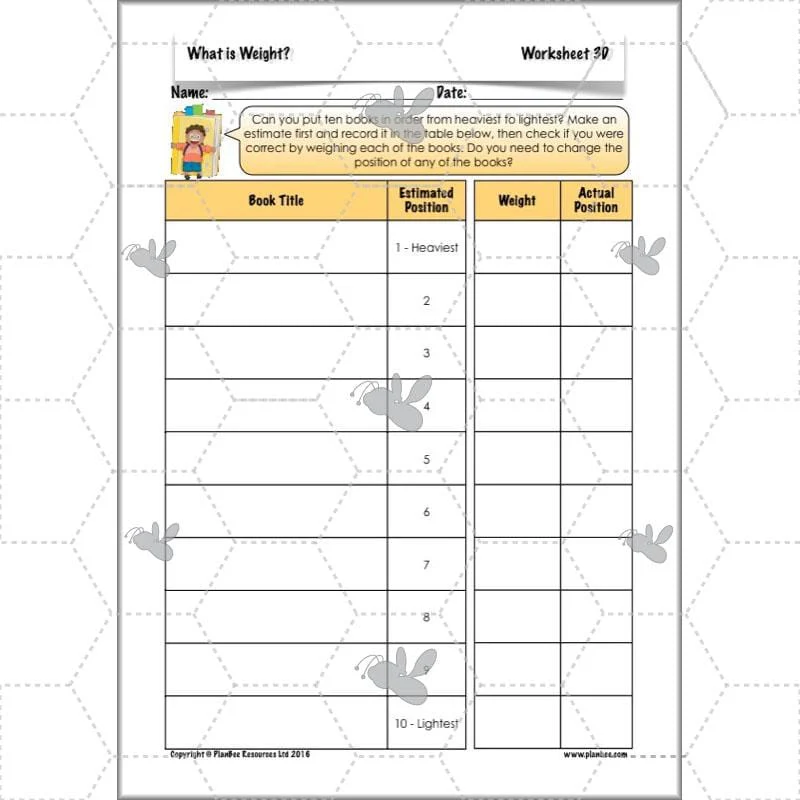
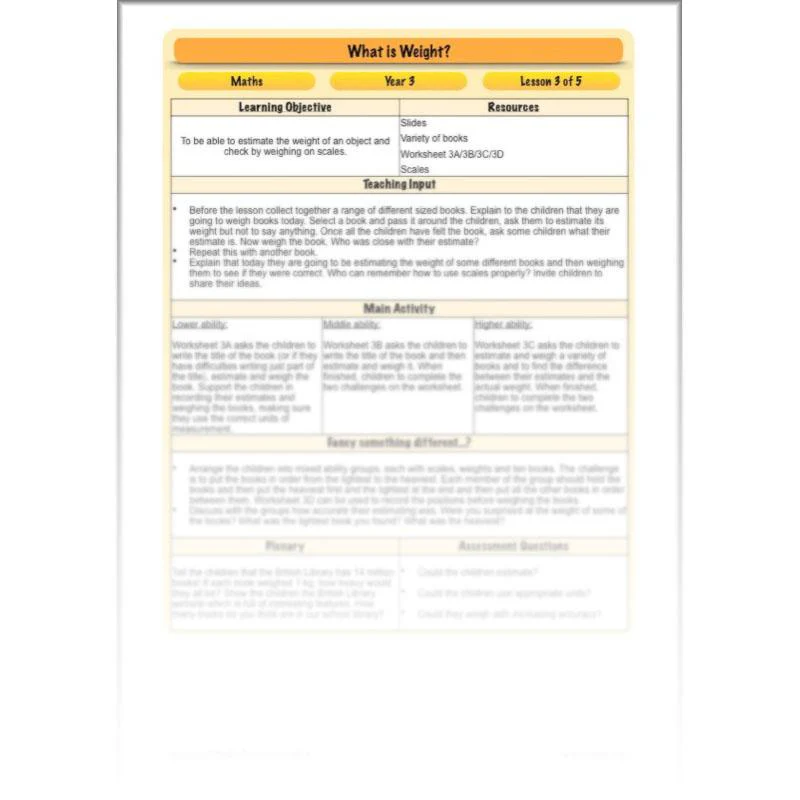
This lesson again gives your class the chance to estimate the weight of objects and then check their estimates using weighing scales, but this time the focus is on books. How does the weight of a novel compare with the weight of an information book? Today is their chance to find out as their refine their estimation skills.
What's included:
- Lesson plan
- Slides
- Activity ideas
- Differentiated worksheets
View Lesson 3
Weight Problems
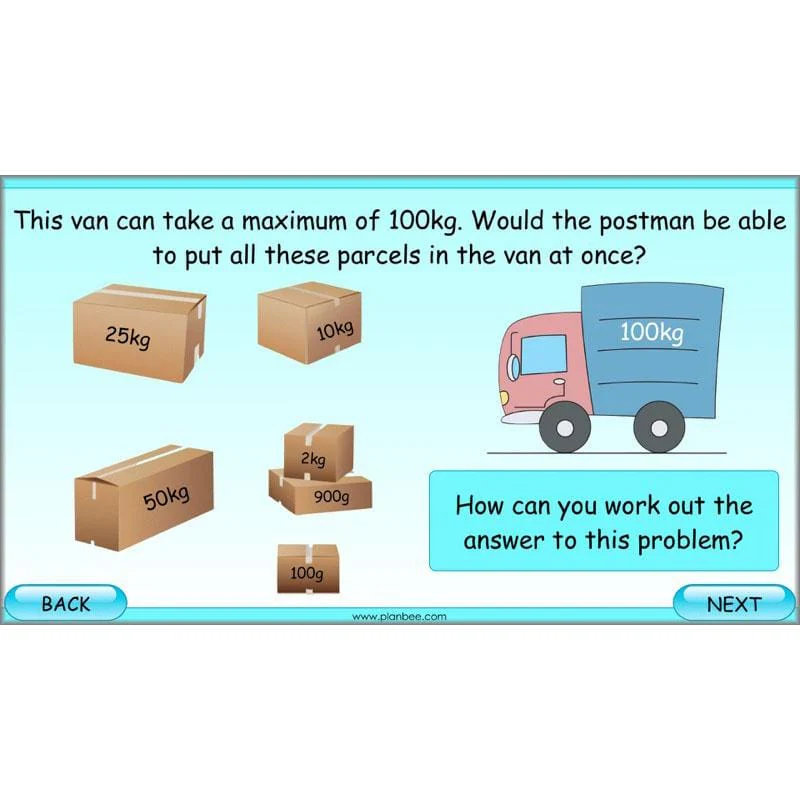
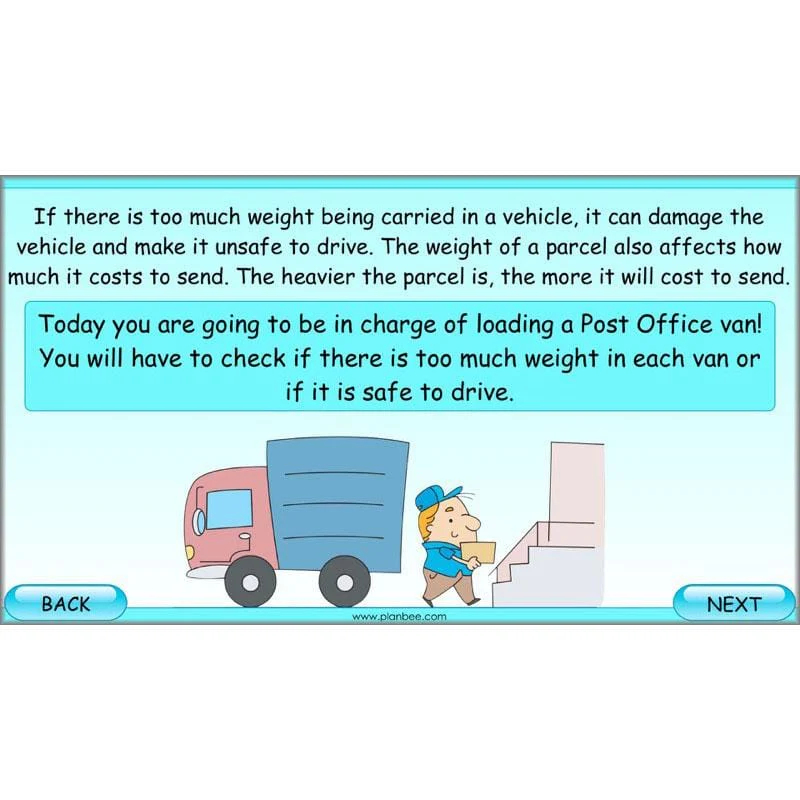
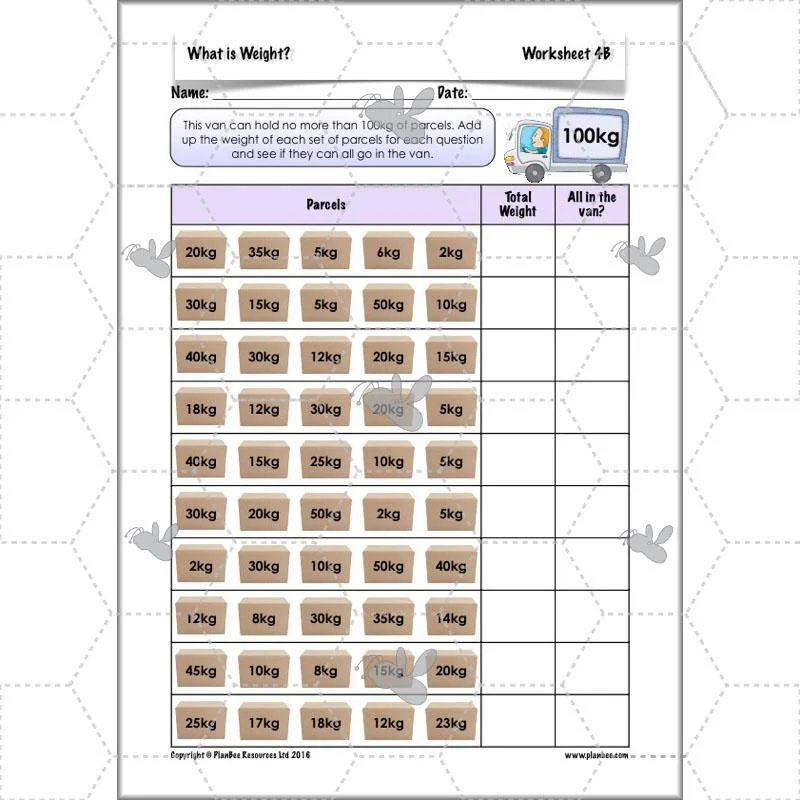
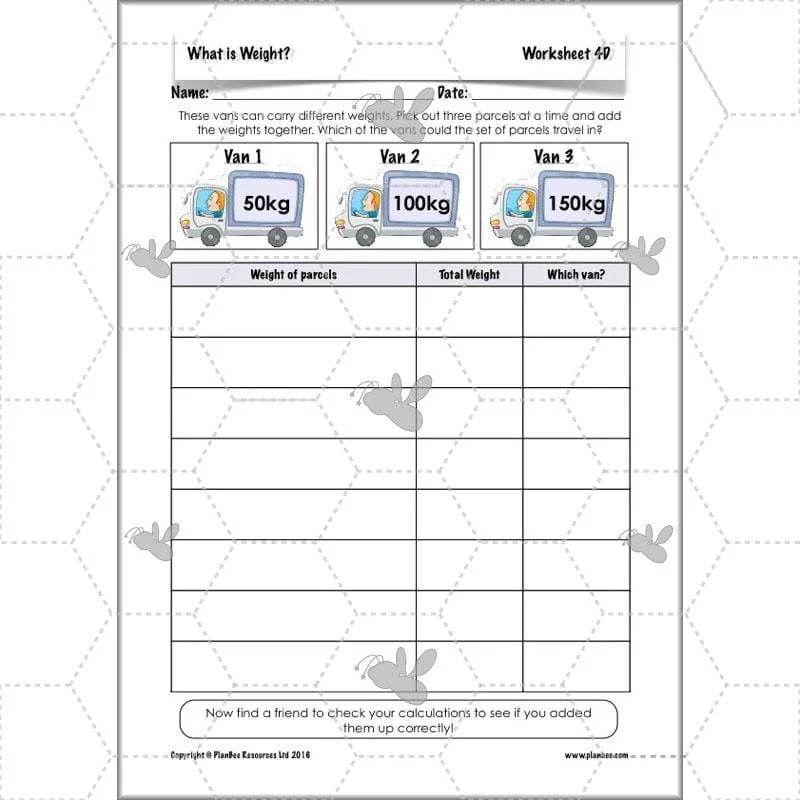
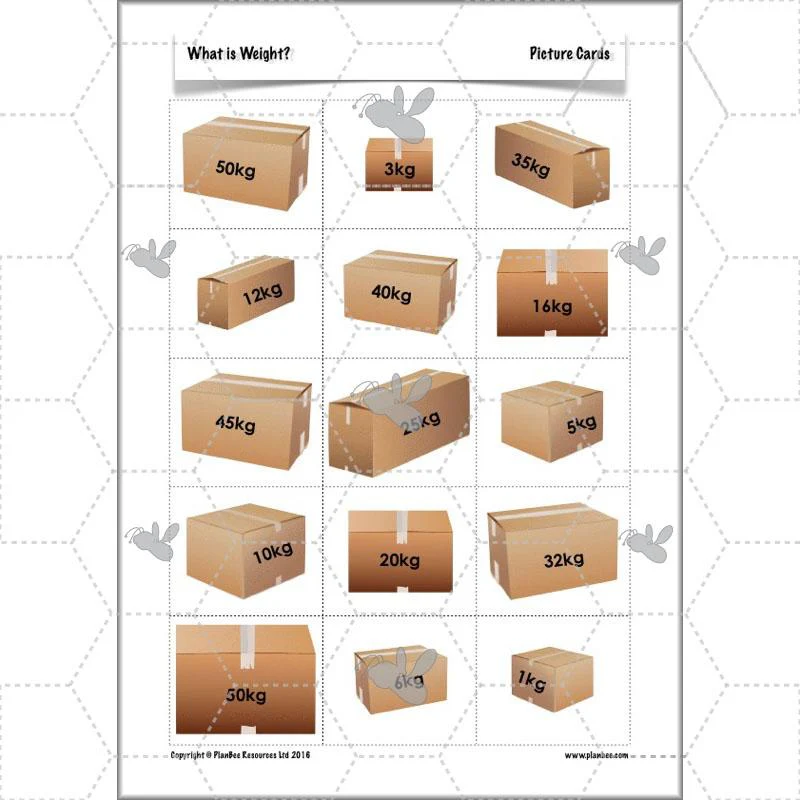
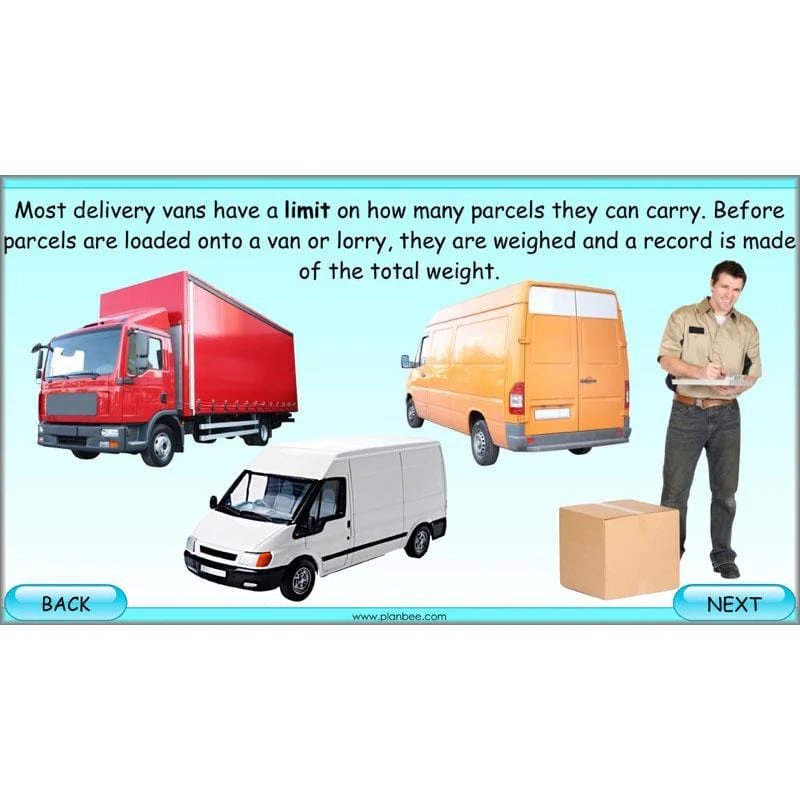
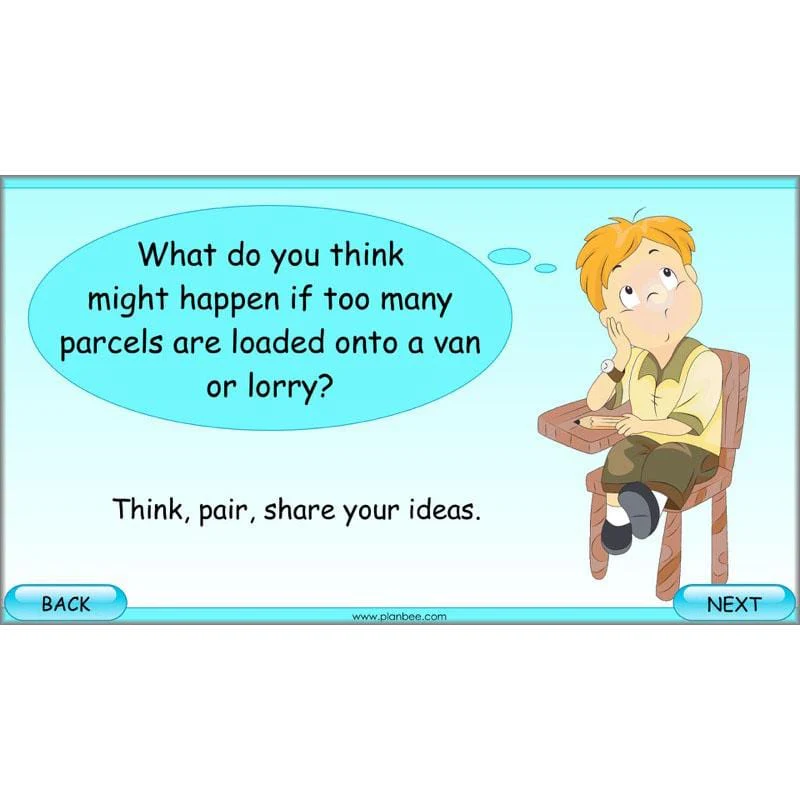
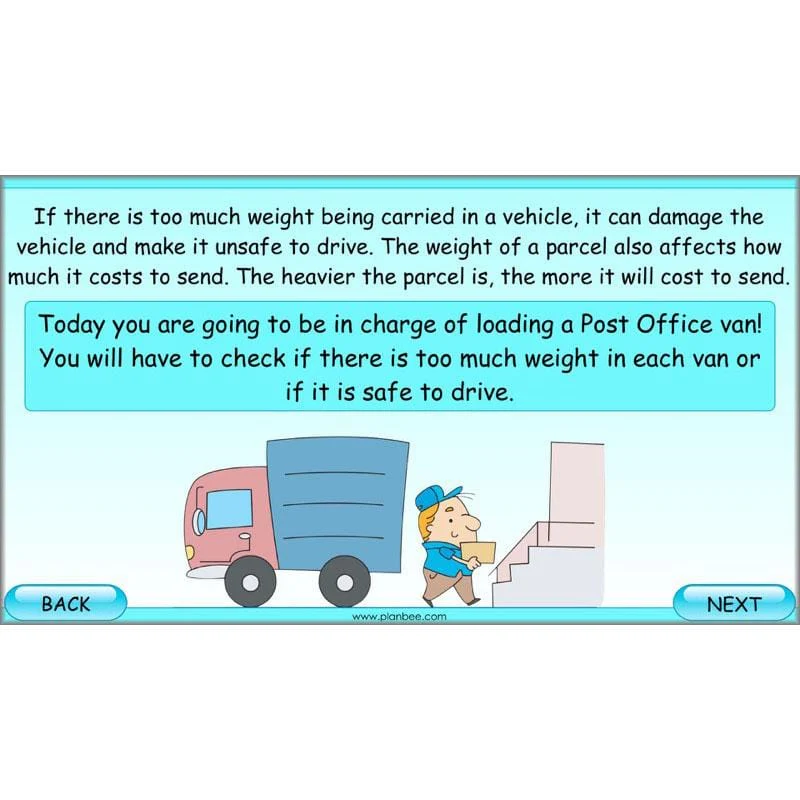
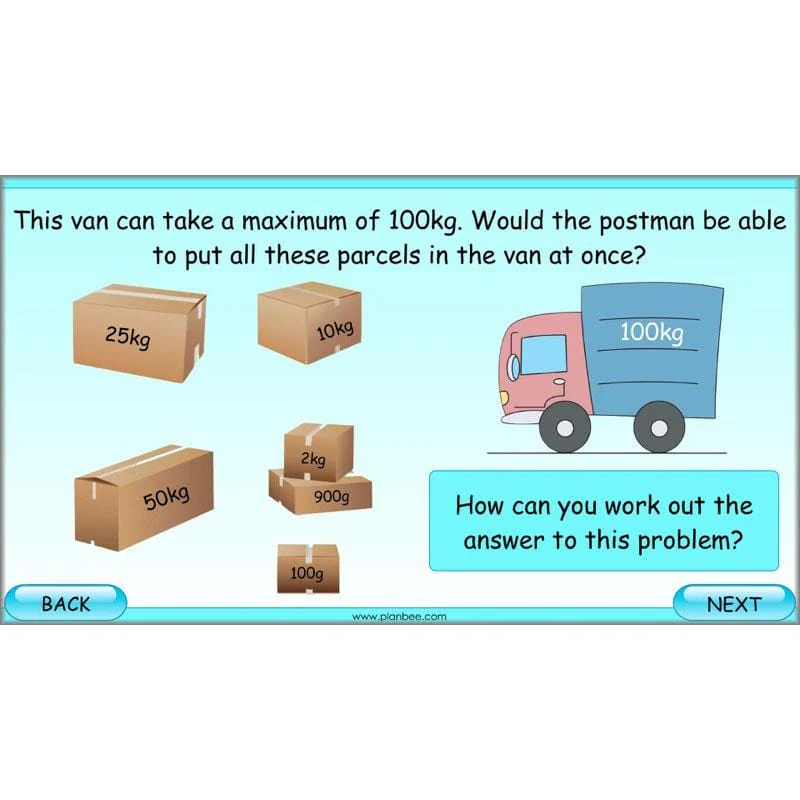
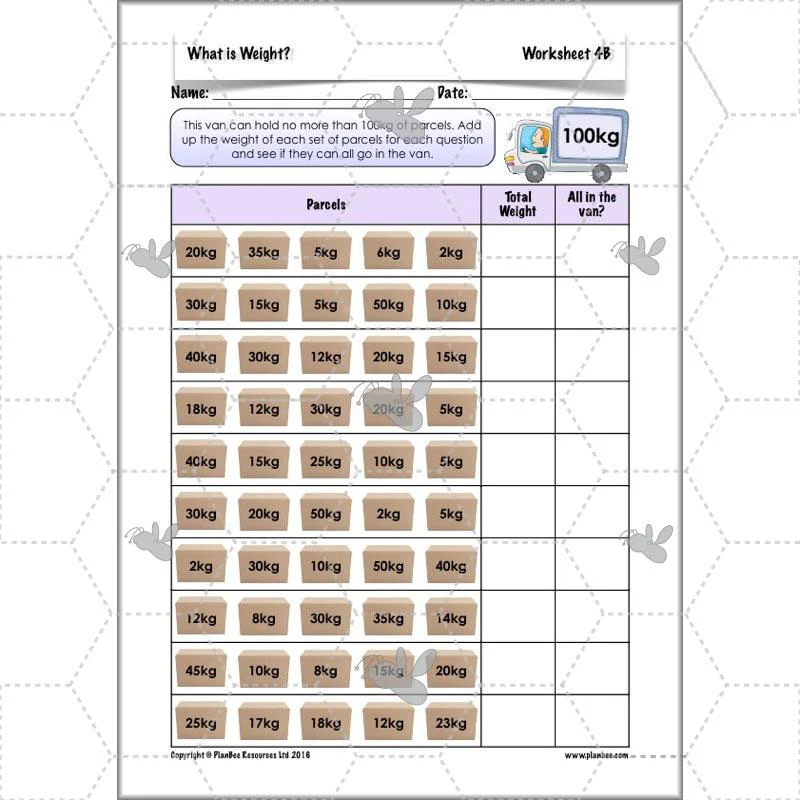
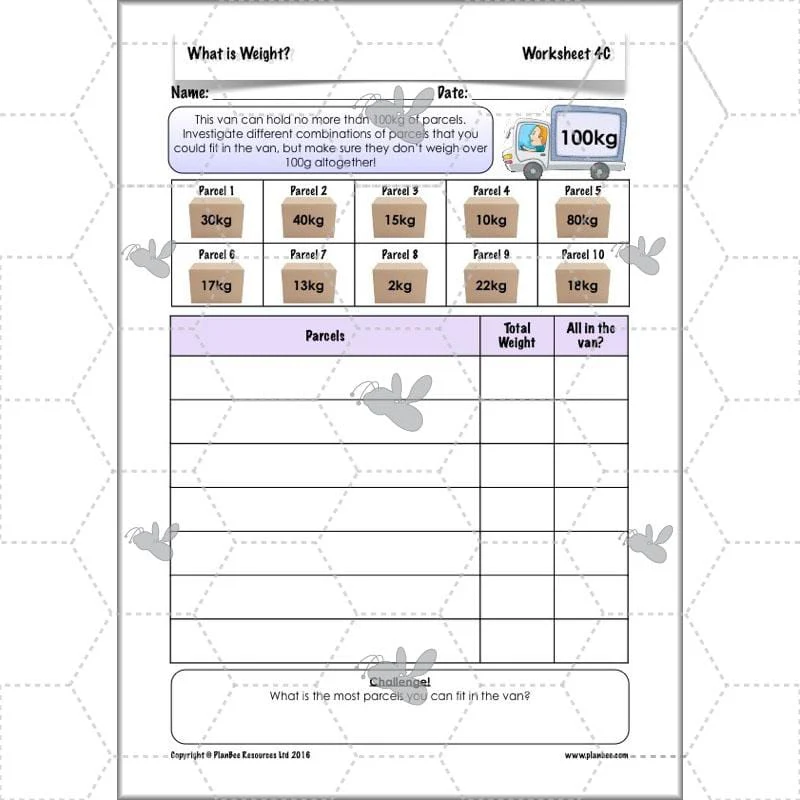
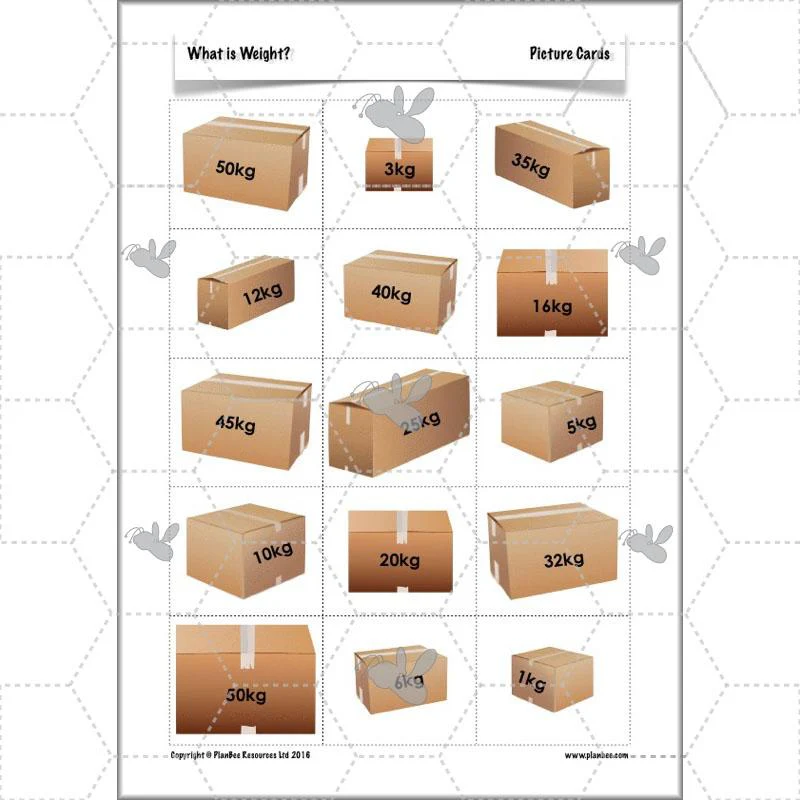
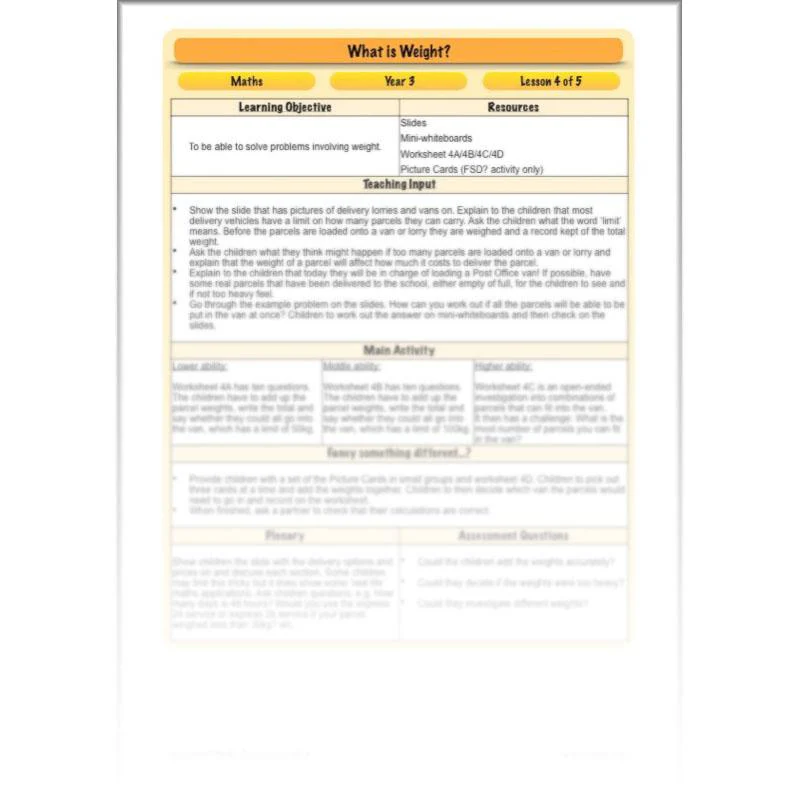
Today your class will be put in charge of a Post Office van as they assess how many packages of various weights they can load on the van at once without the van going over its weight limit! After introducing the idea in the slides, the children will then be able to work on problems of varying levels of difficulty independently or in small groups.
What's included:
- Lesson plan
- Slides
- Activity ideas
- Differentiated worksheets
- Picture cards
View Lesson 4
How Much?
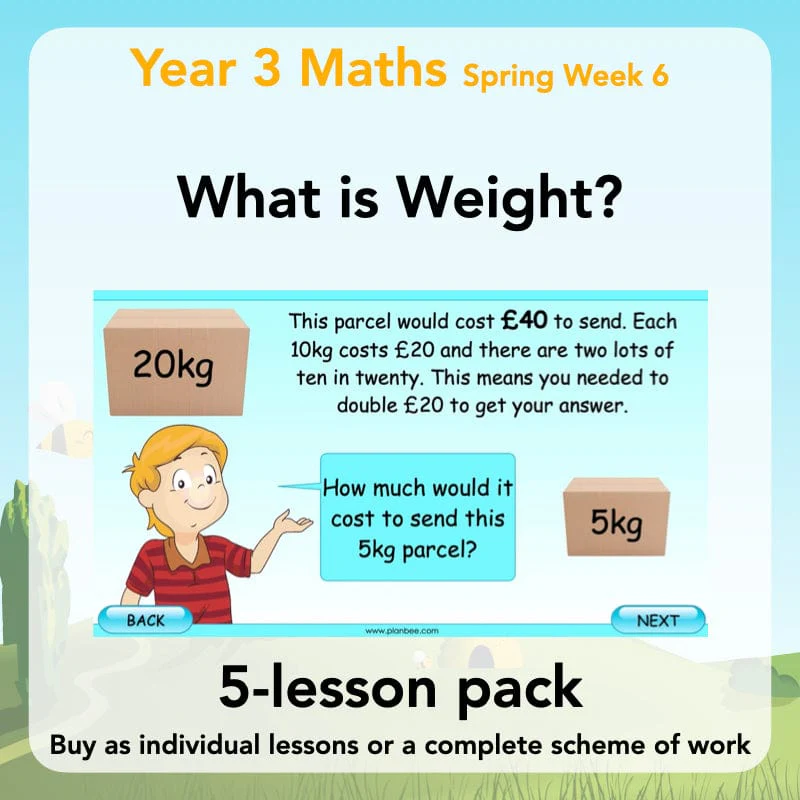
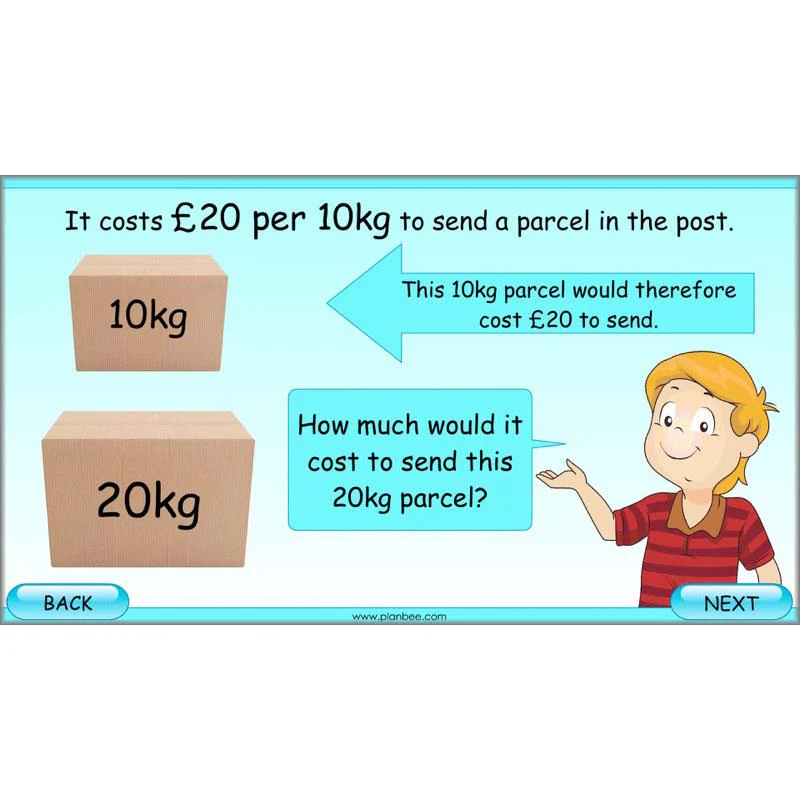
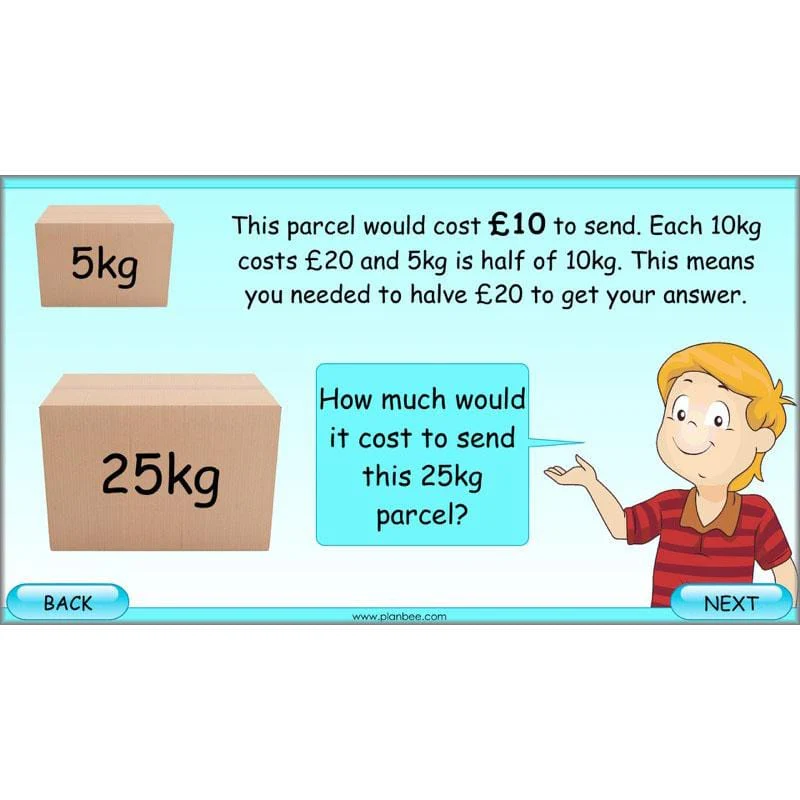
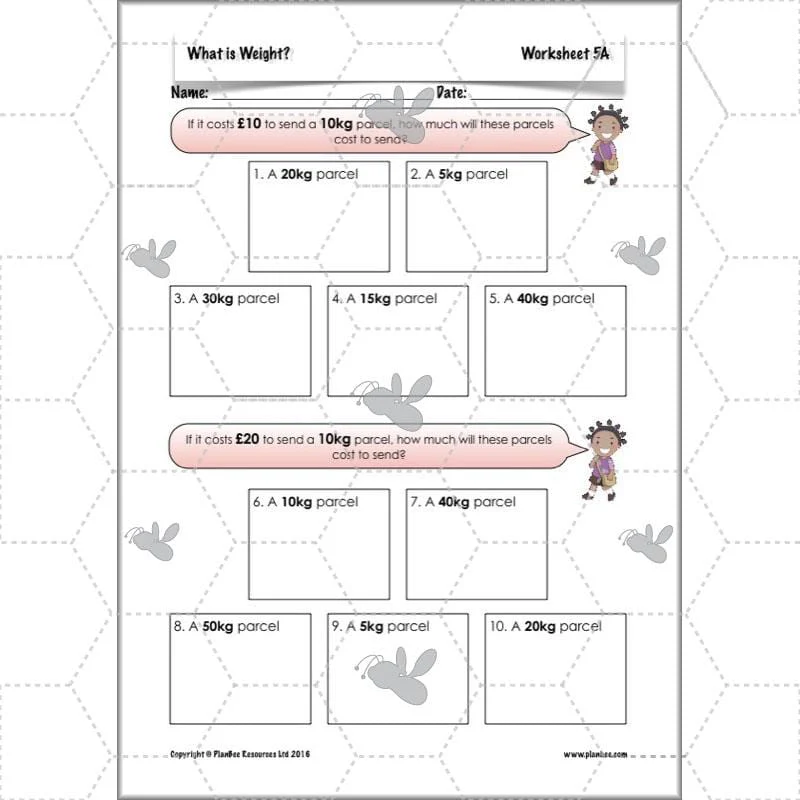
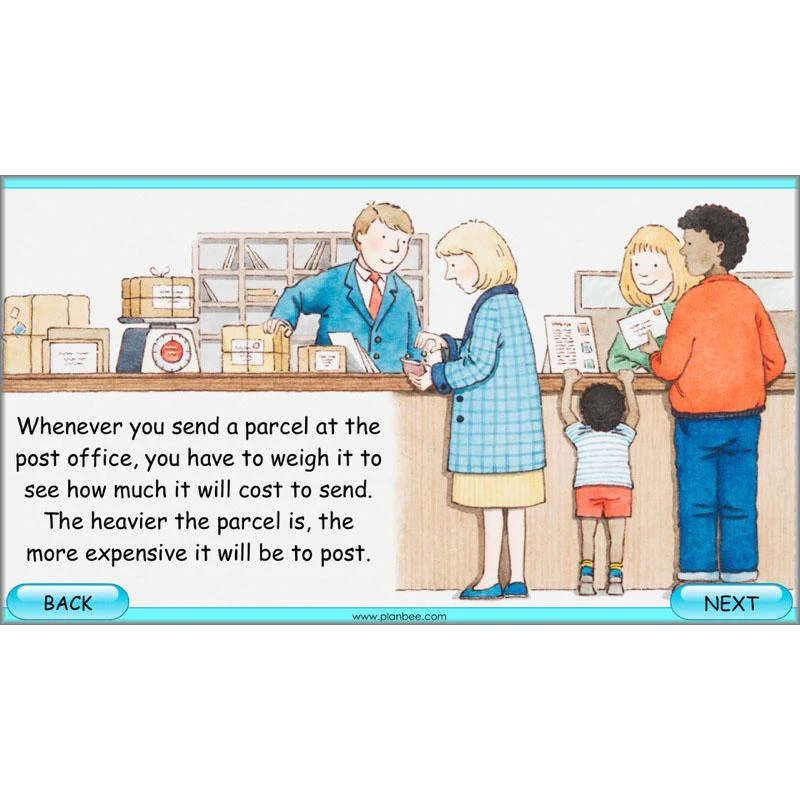
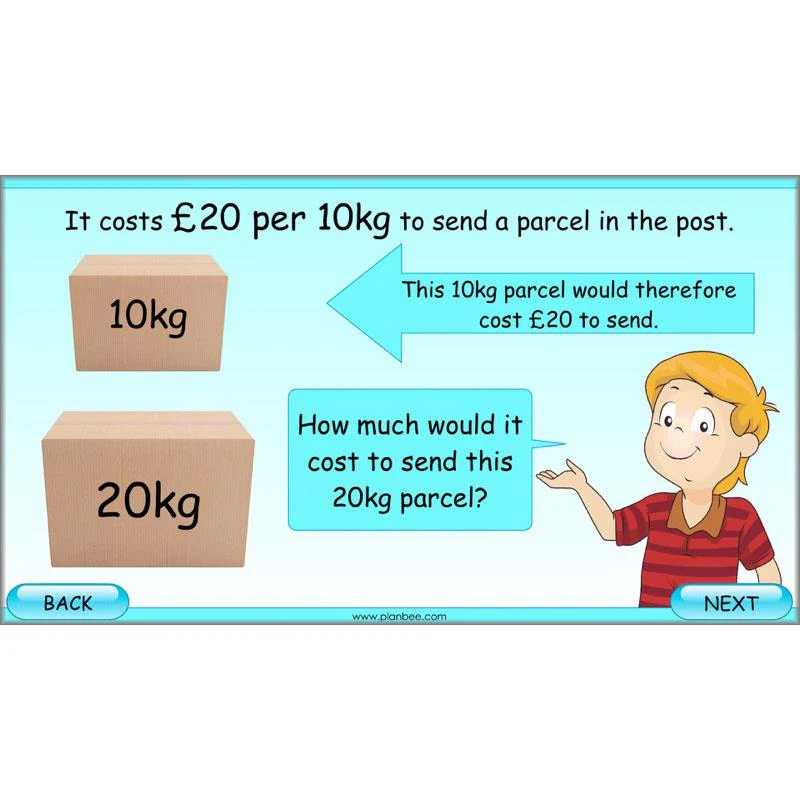
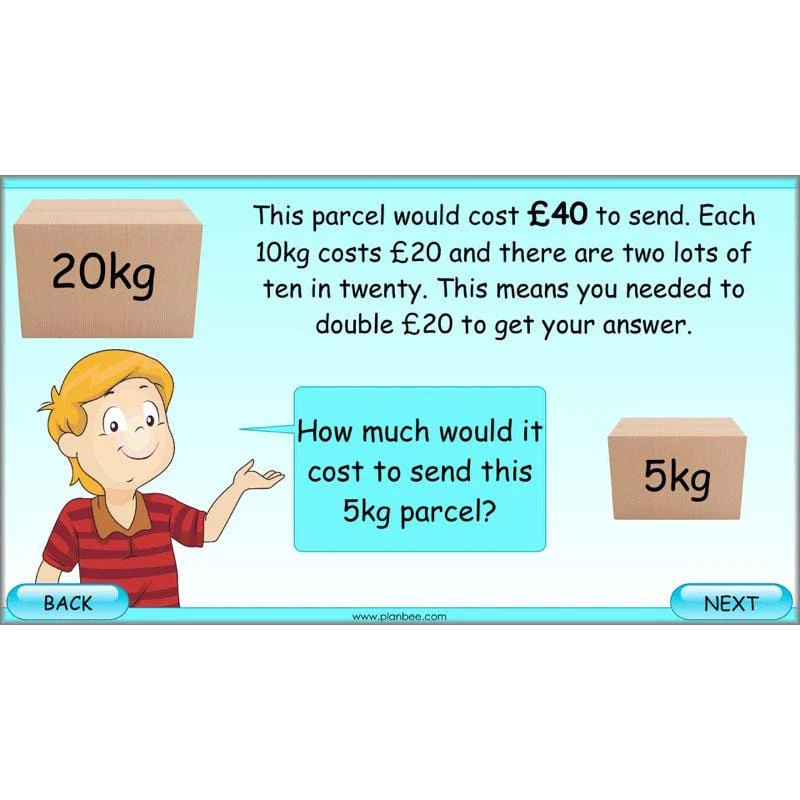
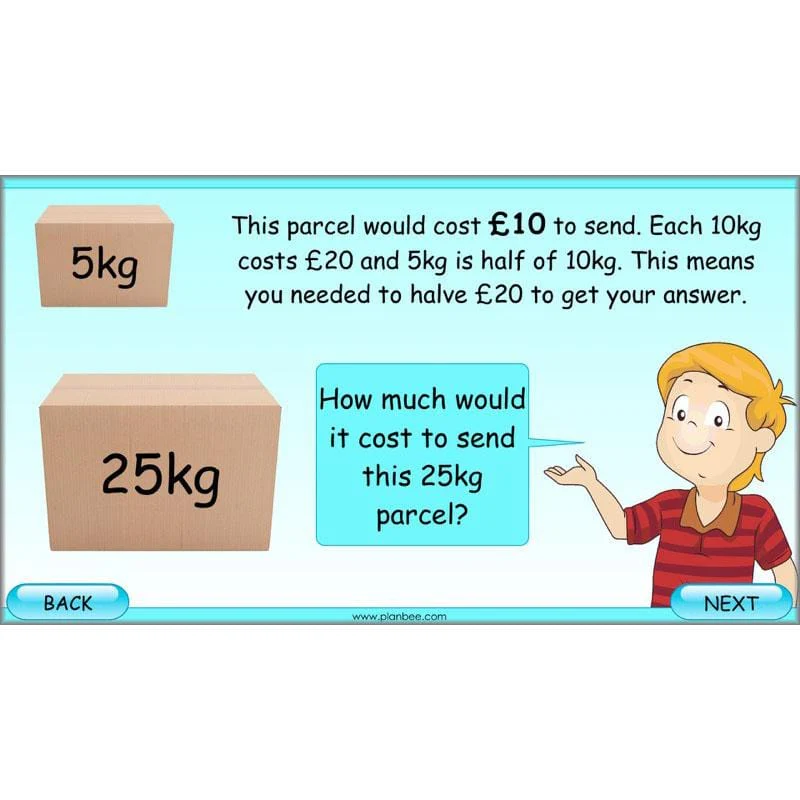
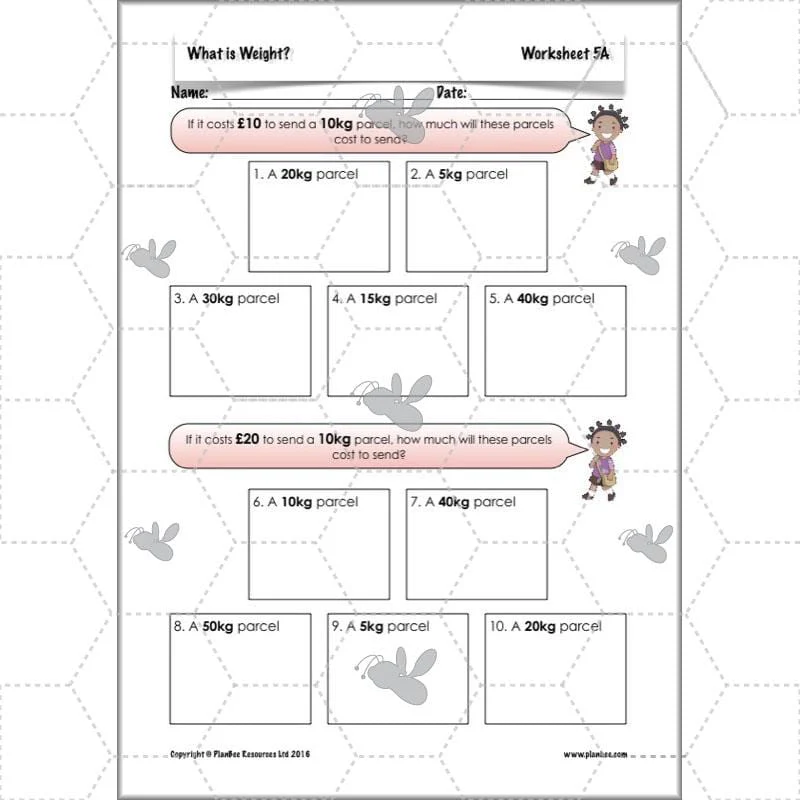
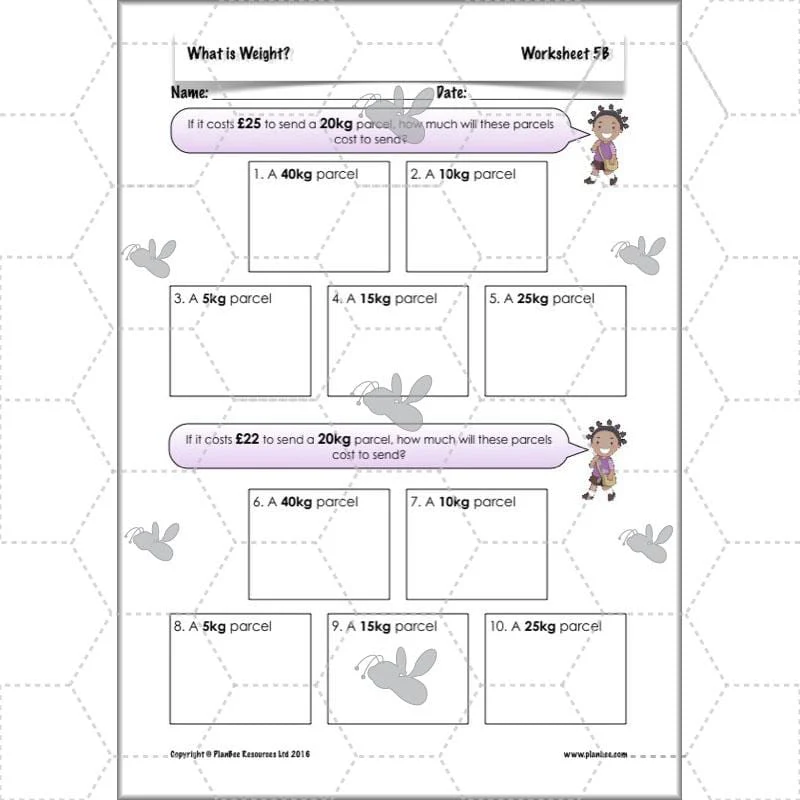
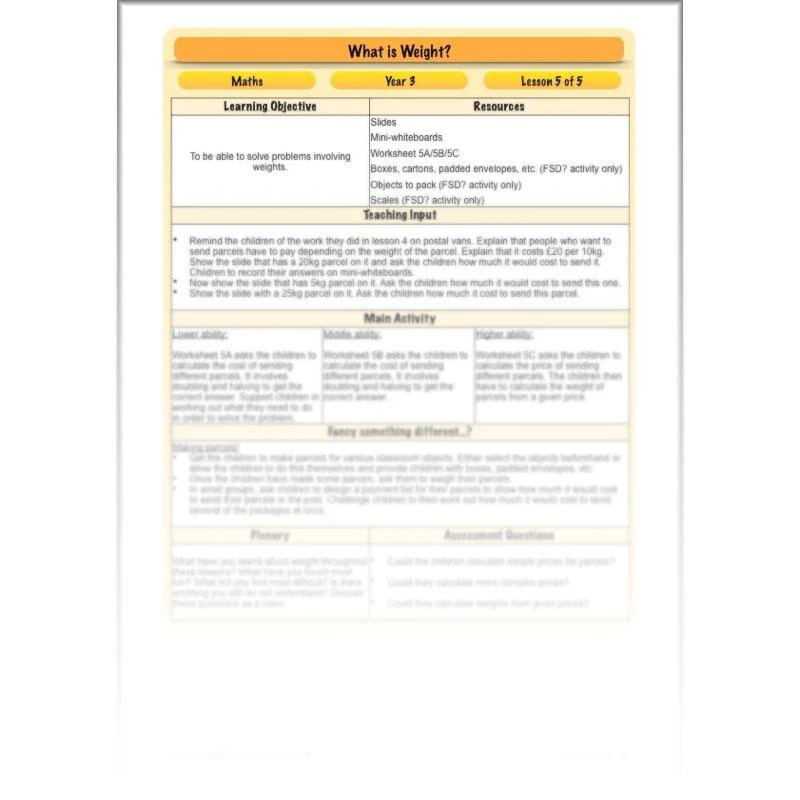
The final lesson in this series takes the work covered in the previous lesson a step further as they work out how much various parcels would cost to post. This not only challenges their knowledge of weights but also encourages their problem-solving skills as they use doubling, halving and other operations to solve problems. It also provides the opportunity for your class to create their own post office and design a price list for their parcels!
What's included:
- Lesson plan
- Slides
- Activity ideas
- Differentiated worksheets
View Lesson 5
Original: $4.71
-65%$4.71
$1.65More Images
What is Weight?
This 'What is Weight?' scheme of work for Year 3 is a fantastic way to teach your class about weight, including the units of measurements relating to weight and the relationship between them, how to estimate the weight of familiar objects, how to weigh objects accurately and how to solve problems involving weight.
These fun and informative lesson each include a detailed lesson plan, engaging slides, activity ideas, differentiated worksheets and other useful resources to make your Maths planning for this scheme of work a doddle! All you need to do is provide the scales...
Estimating Weight
The first lesson in this series begins by thinking about the units of measurement that are used to measure weight and, more specifically, the relationship between grams and kilograms. The lesson then goes on to discuss whether grams or kilograms would be better for weighing various objects before giving your class the chance to estimate the weight of various objects.
What's included:
- Lesson plan
- Slides
- Activity ideas
- Differentiated worksheets
- Answer sheet
- Question cards
- Picture cards
View Lesson 1
Weight Check
This lesson develops their estimation skills and then gives them the chance to see how close their estimates of the weights of different objects were by using scales to find out their actual weight. It also challenges children to find objects to match a target weight, such as 1 kg.
What's included:
- Lesson plan
- Slides
- Activity ideas
- Differentiated worksheets
View Lesson 2
Weighty Words
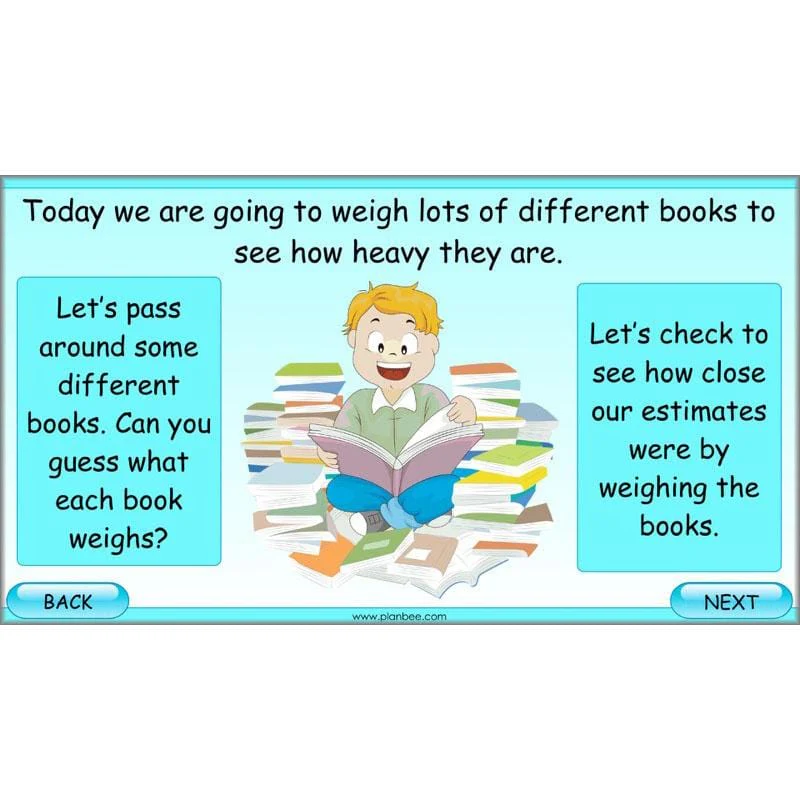
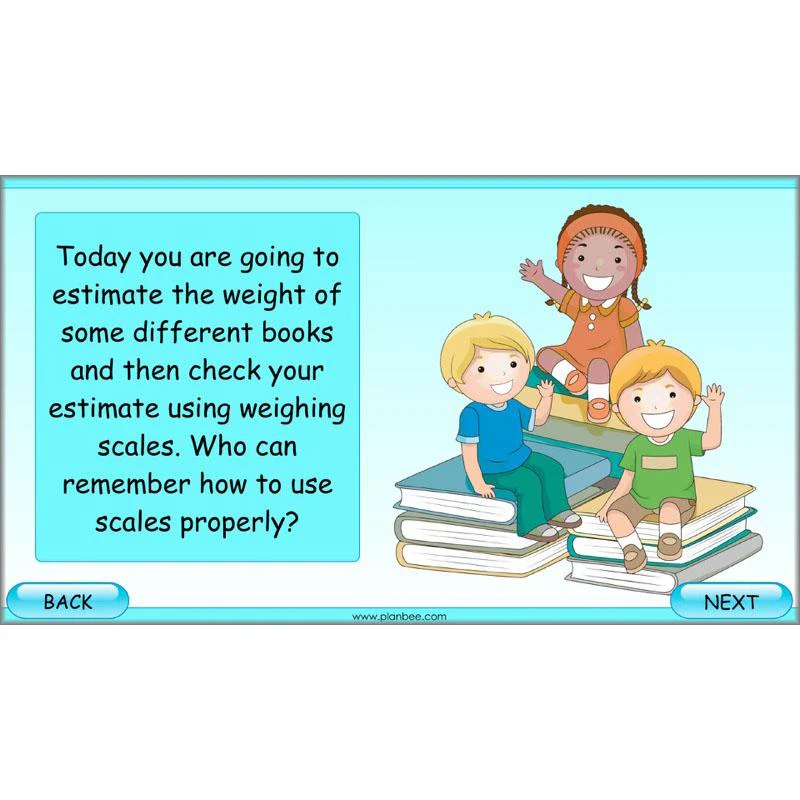
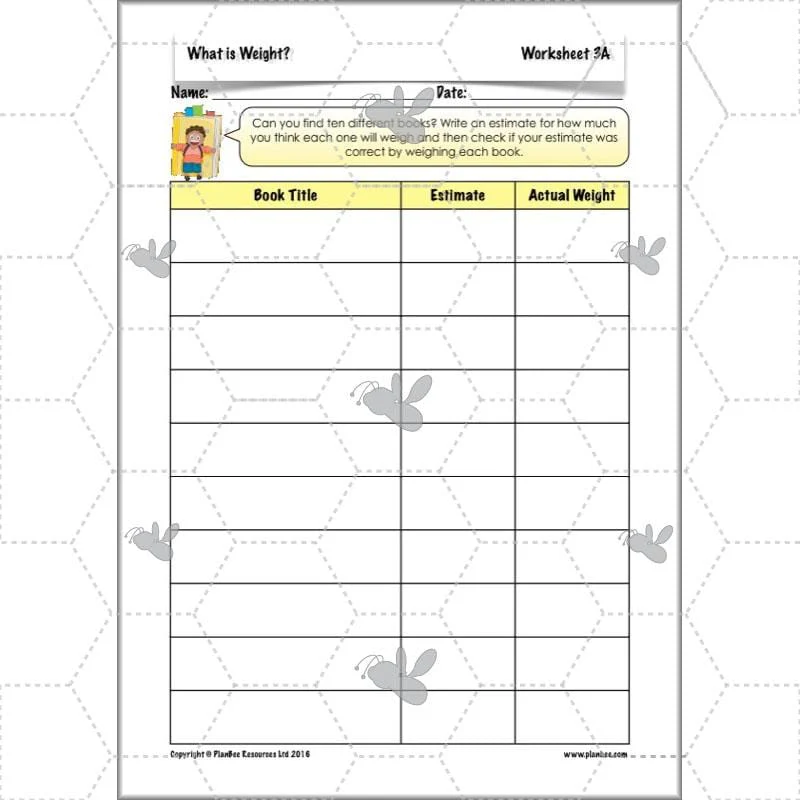
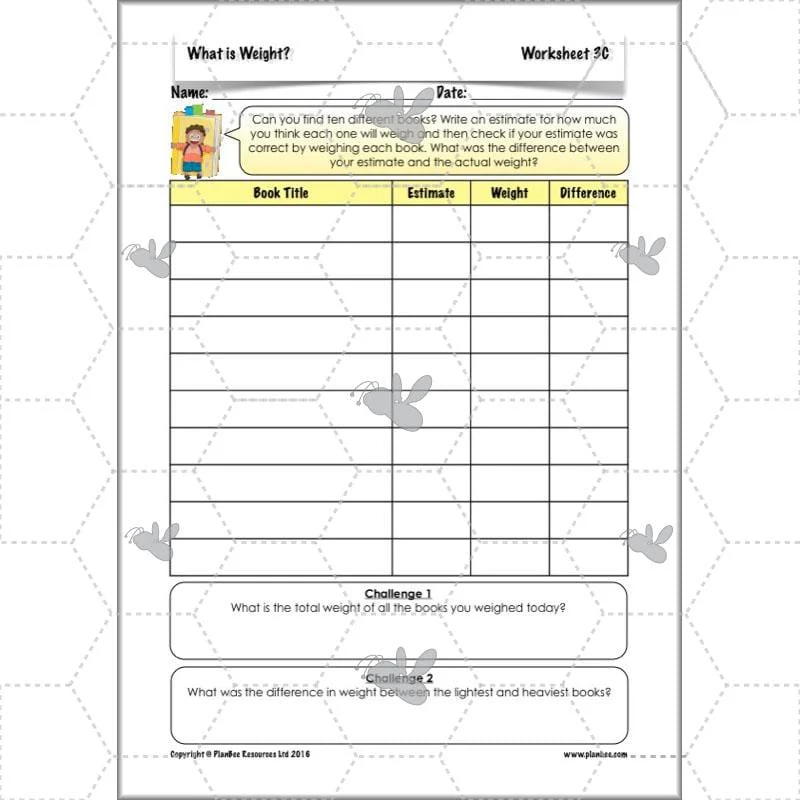
This lesson again gives your class the chance to estimate the weight of objects and then check their estimates using weighing scales, but this time the focus is on books. How does the weight of a novel compare with the weight of an information book? Today is their chance to find out as their refine their estimation skills.
What's included:
- Lesson plan
- Slides
- Activity ideas
- Differentiated worksheets
View Lesson 3
Weight Problems
Today your class will be put in charge of a Post Office van as they assess how many packages of various weights they can load on the van at once without the van going over its weight limit! After introducing the idea in the slides, the children will then be able to work on problems of varying levels of difficulty independently or in small groups.
What's included:
- Lesson plan
- Slides
- Activity ideas
- Differentiated worksheets
- Picture cards
View Lesson 4
How Much?
The final lesson in this series takes the work covered in the previous lesson a step further as they work out how much various parcels would cost to post. This not only challenges their knowledge of weights but also encourages their problem-solving skills as they use doubling, halving and other operations to solve problems. It also provides the opportunity for your class to create their own post office and design a price list for their parcels!
What's included:
- Lesson plan
- Slides
- Activity ideas
- Differentiated worksheets
View Lesson 5
Product Information
Product Information
Shipping & Returns
Shipping & Returns
Description
This 'What is Weight?' scheme of work for Year 3 is a fantastic way to teach your class about weight, including the units of measurements relating to weight and the relationship between them, how to estimate the weight of familiar objects, how to weigh objects accurately and how to solve problems involving weight.
These fun and informative lesson each include a detailed lesson plan, engaging slides, activity ideas, differentiated worksheets and other useful resources to make your Maths planning for this scheme of work a doddle! All you need to do is provide the scales...
Estimating Weight
The first lesson in this series begins by thinking about the units of measurement that are used to measure weight and, more specifically, the relationship between grams and kilograms. The lesson then goes on to discuss whether grams or kilograms would be better for weighing various objects before giving your class the chance to estimate the weight of various objects.
What's included:
- Lesson plan
- Slides
- Activity ideas
- Differentiated worksheets
- Answer sheet
- Question cards
- Picture cards
View Lesson 1
Weight Check
This lesson develops their estimation skills and then gives them the chance to see how close their estimates of the weights of different objects were by using scales to find out their actual weight. It also challenges children to find objects to match a target weight, such as 1 kg.
What's included:
- Lesson plan
- Slides
- Activity ideas
- Differentiated worksheets
View Lesson 2
Weighty Words
This lesson again gives your class the chance to estimate the weight of objects and then check their estimates using weighing scales, but this time the focus is on books. How does the weight of a novel compare with the weight of an information book? Today is their chance to find out as their refine their estimation skills.
What's included:
- Lesson plan
- Slides
- Activity ideas
- Differentiated worksheets
View Lesson 3
Weight Problems
Today your class will be put in charge of a Post Office van as they assess how many packages of various weights they can load on the van at once without the van going over its weight limit! After introducing the idea in the slides, the children will then be able to work on problems of varying levels of difficulty independently or in small groups.
What's included:
- Lesson plan
- Slides
- Activity ideas
- Differentiated worksheets
- Picture cards
View Lesson 4
How Much?
The final lesson in this series takes the work covered in the previous lesson a step further as they work out how much various parcels would cost to post. This not only challenges their knowledge of weights but also encourages their problem-solving skills as they use doubling, halving and other operations to solve problems. It also provides the opportunity for your class to create their own post office and design a price list for their parcels!
What's included:
- Lesson plan
- Slides
- Activity ideas
- Differentiated worksheets
View Lesson 5