Water World
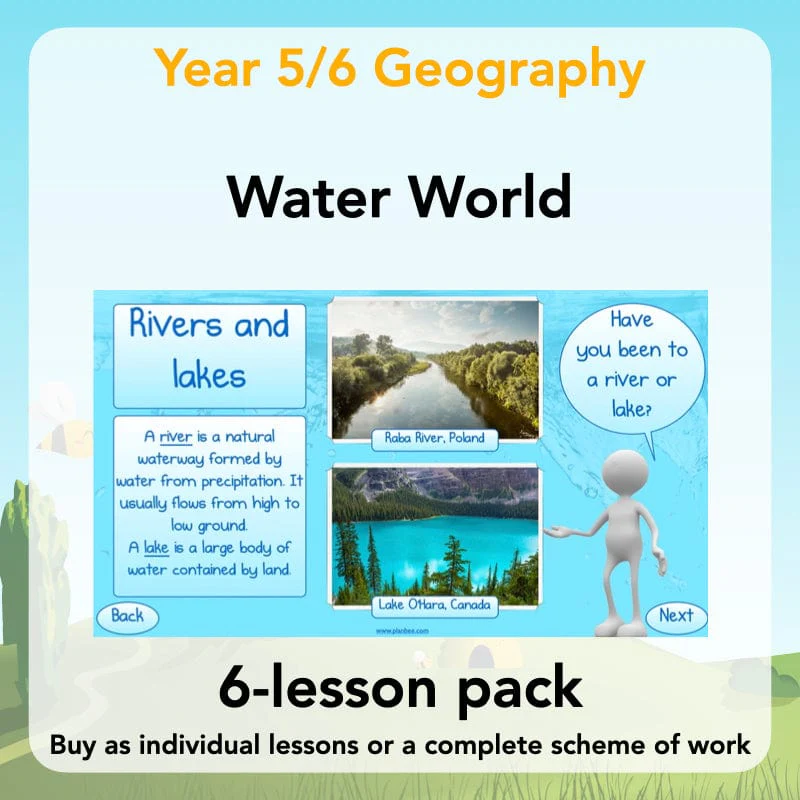
With so much water in the world, your class may not be aware of just how little of this water is available for human use. But that can soon change with these thought-provoking and challenging Geography 'Water World' lesson plans.
Your class will start by identifying some different types of bodies of water around the world and then move on to the water cycle and its importance on our planet. Your children will investigate how water is collected, stored, treated and used in the United Kingdom before comparing our water usage to water usage and availability in Kenya. There is also the opportunity to learn how water can contribute to a sustainable future, as well as the chance to go on a field trip to consolidate their learning. This 'Water World' scheme of work contains everything you need to make your Geography teaching send ripples of enjoyment across your class, including lesson plans, slides, activity ideas, differentiated worksheets and more!
Water on our Planet
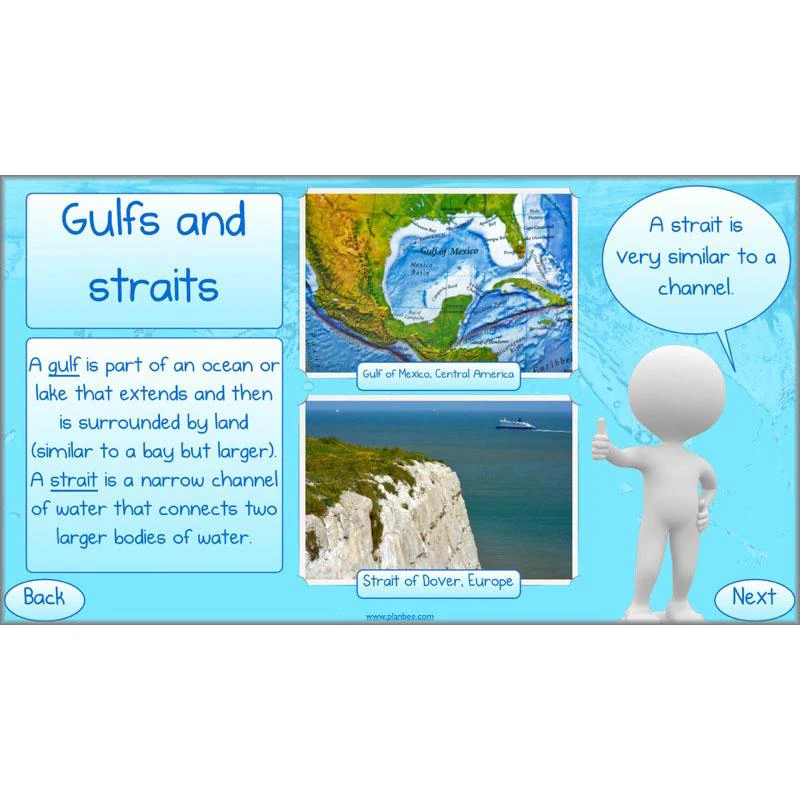
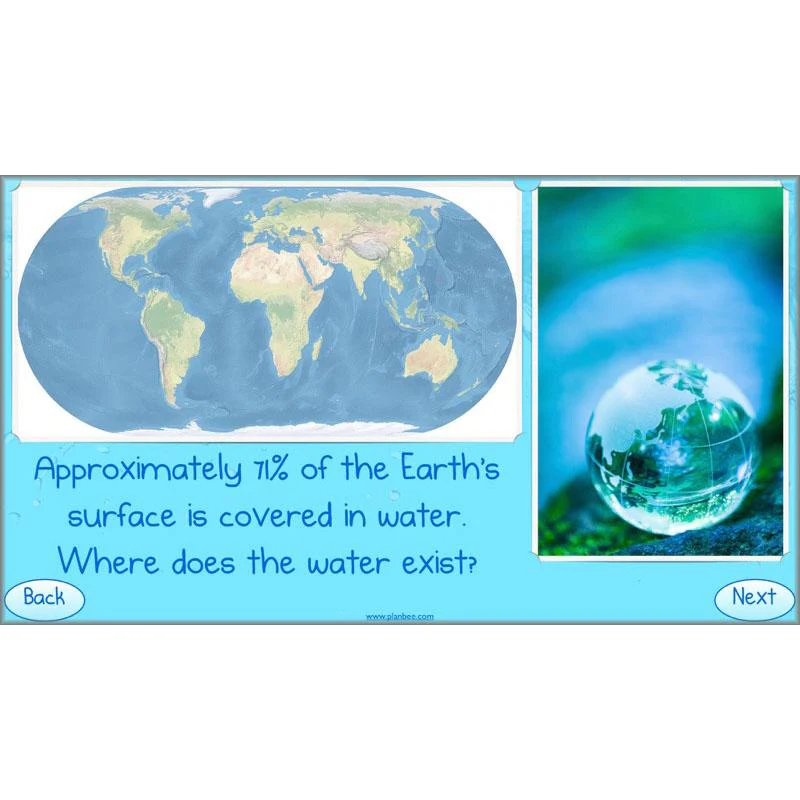
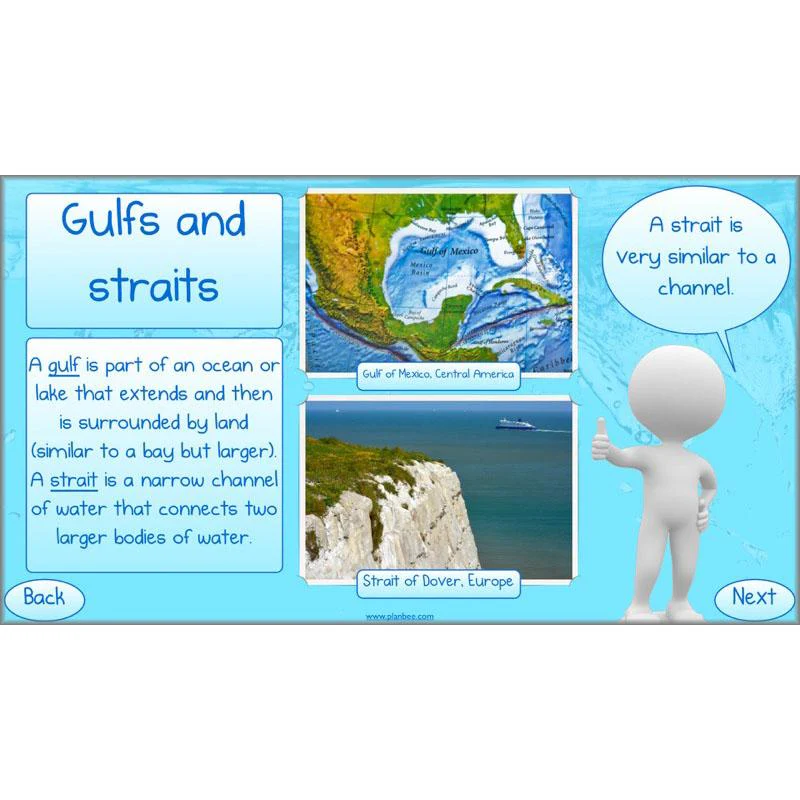
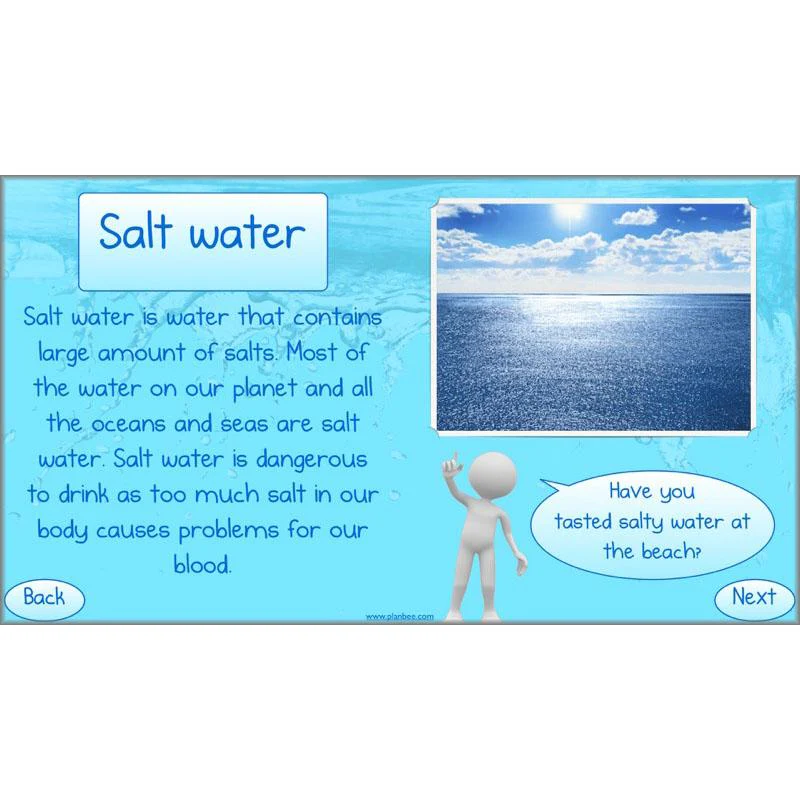
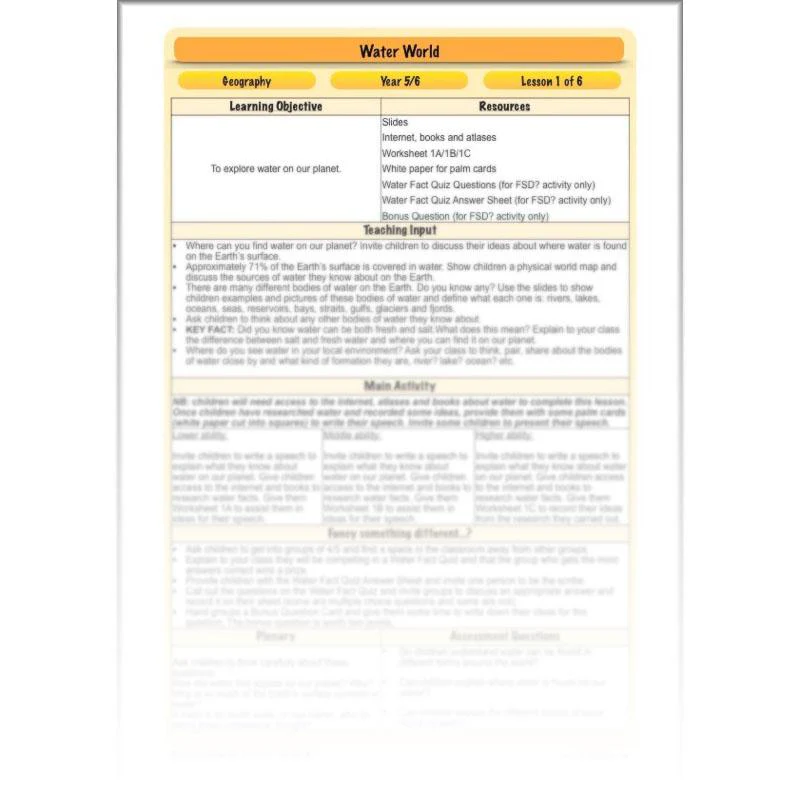
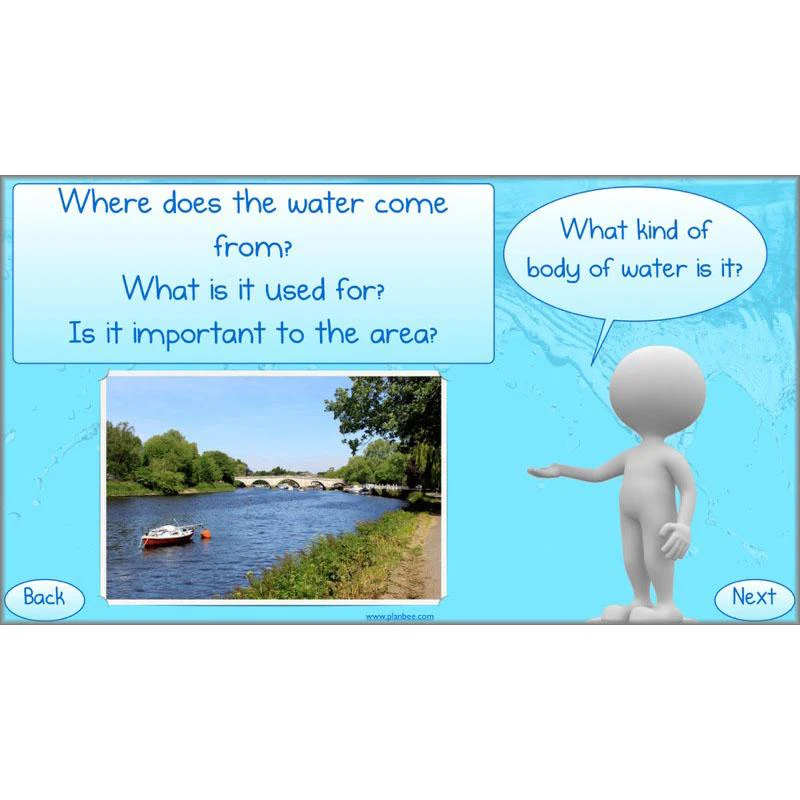
This first lesson introduces your class to some facts about water, including how much of the world's surface is covered in water. Explore some different bodies of water around the world and discuss why they are different with your class before getting them to think about where water can be found in their local environment and why it's there.
What's included:
- Lesson plan
- Slides
- Activity ideas
- Differentiated worksheets
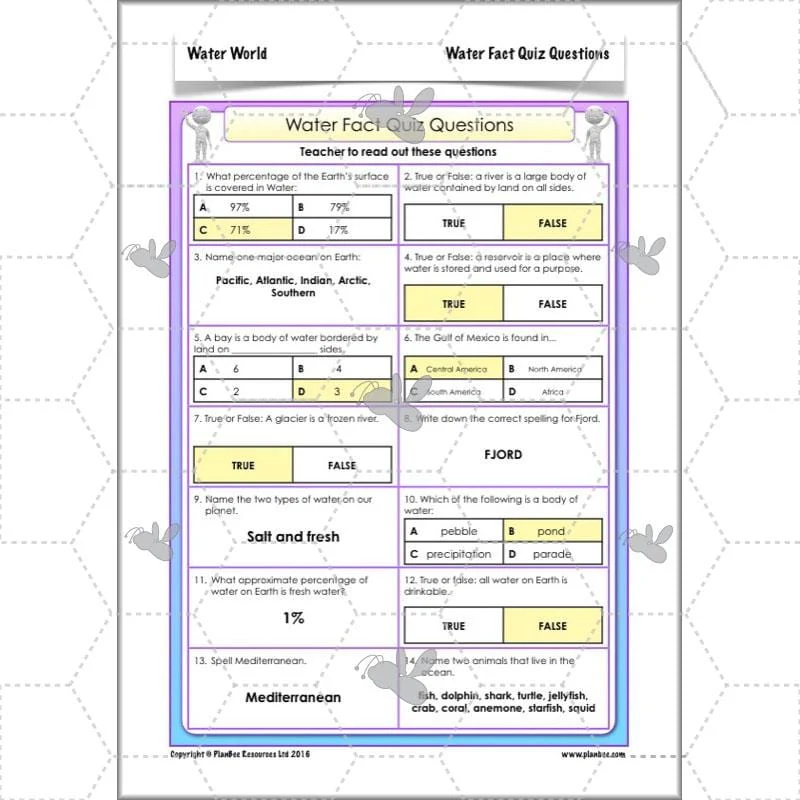
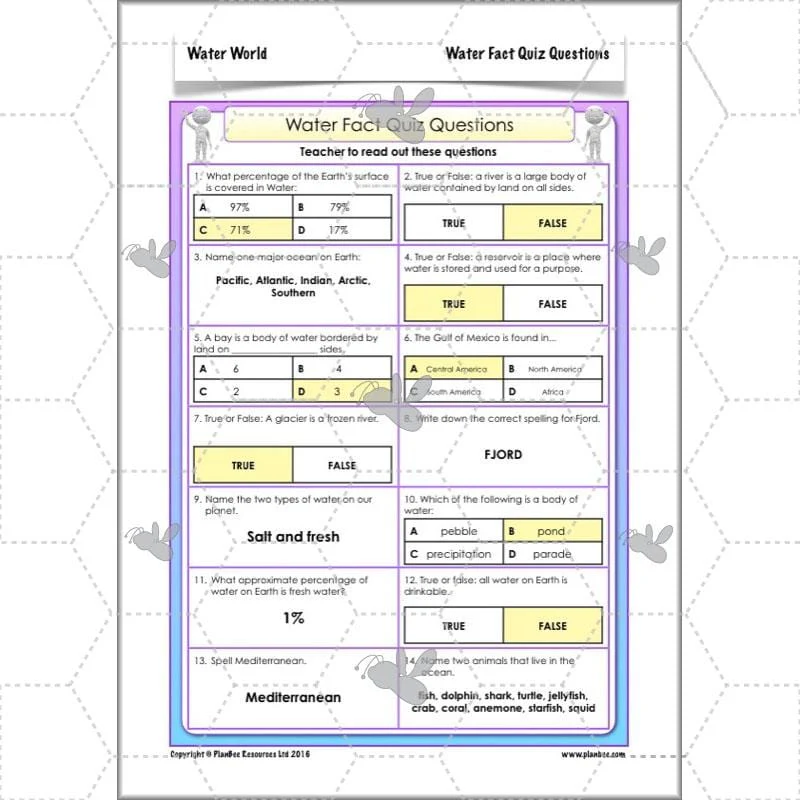
- Quiz questions
- Answer sheets
- Bonus question cards
View Lesson 1
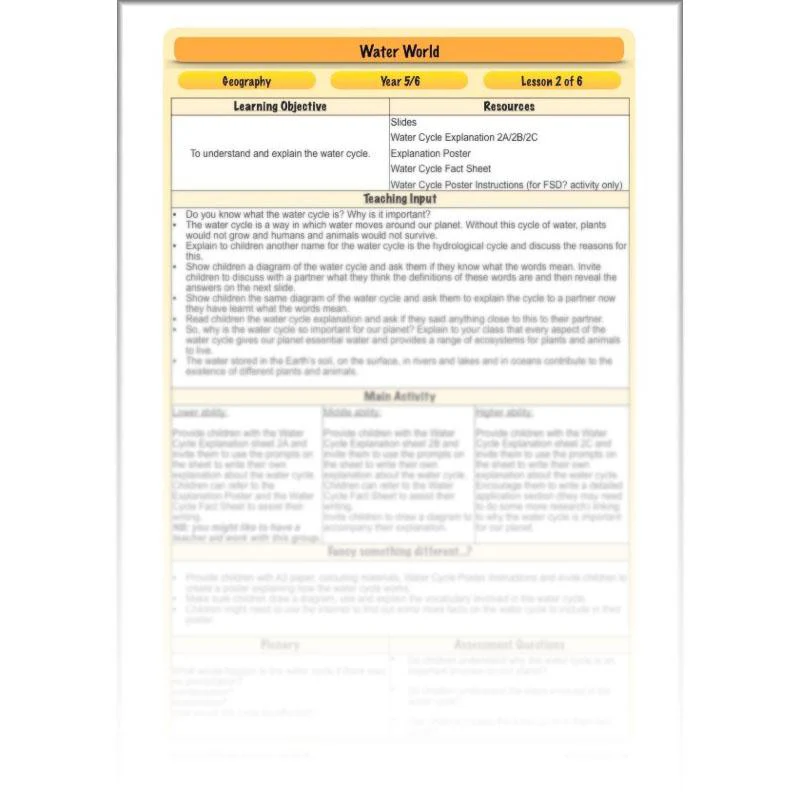
The Water Cycle
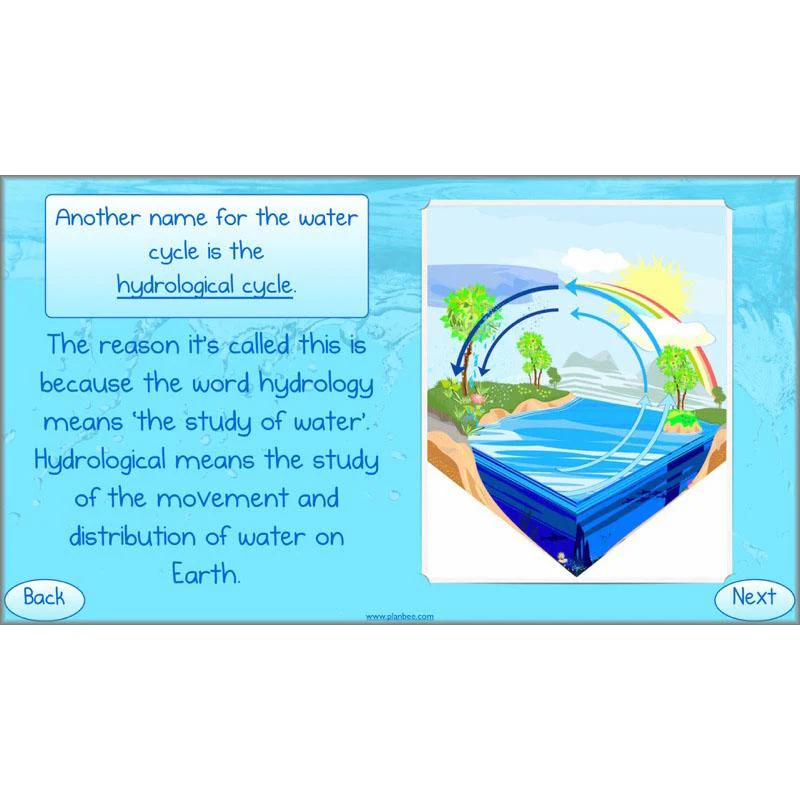
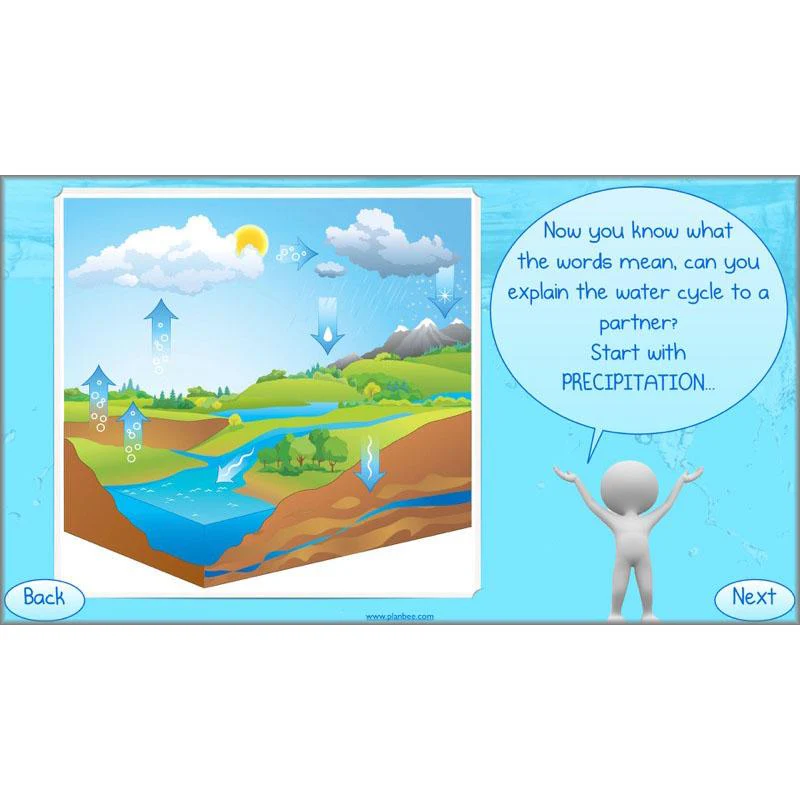
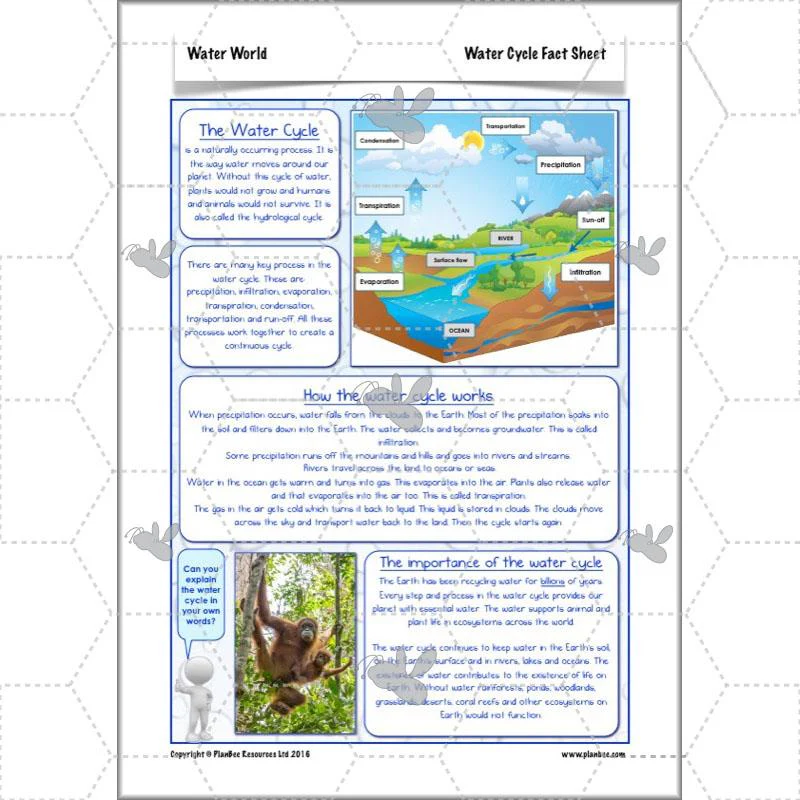
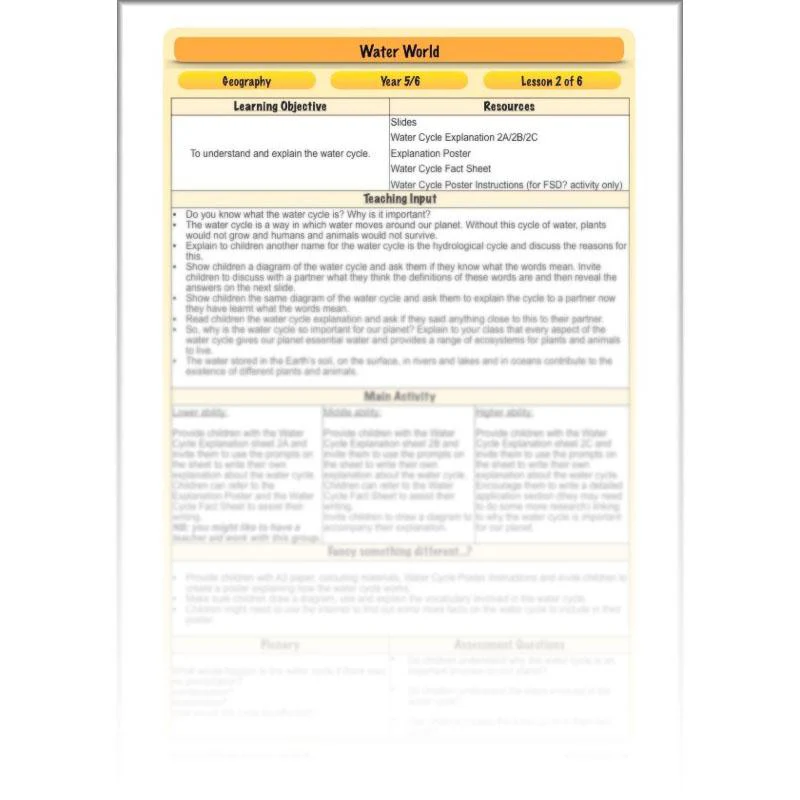
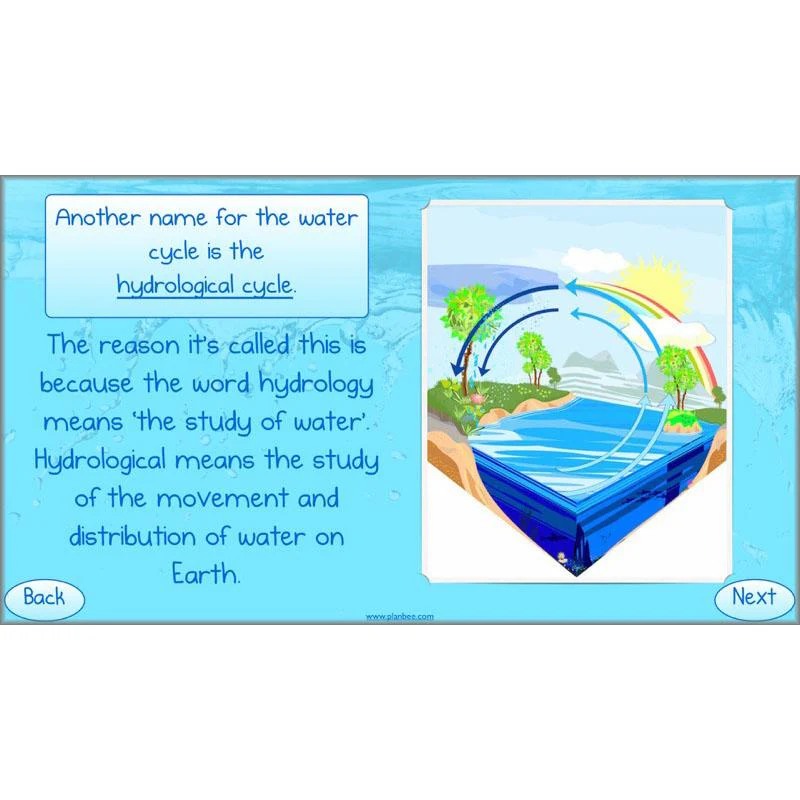
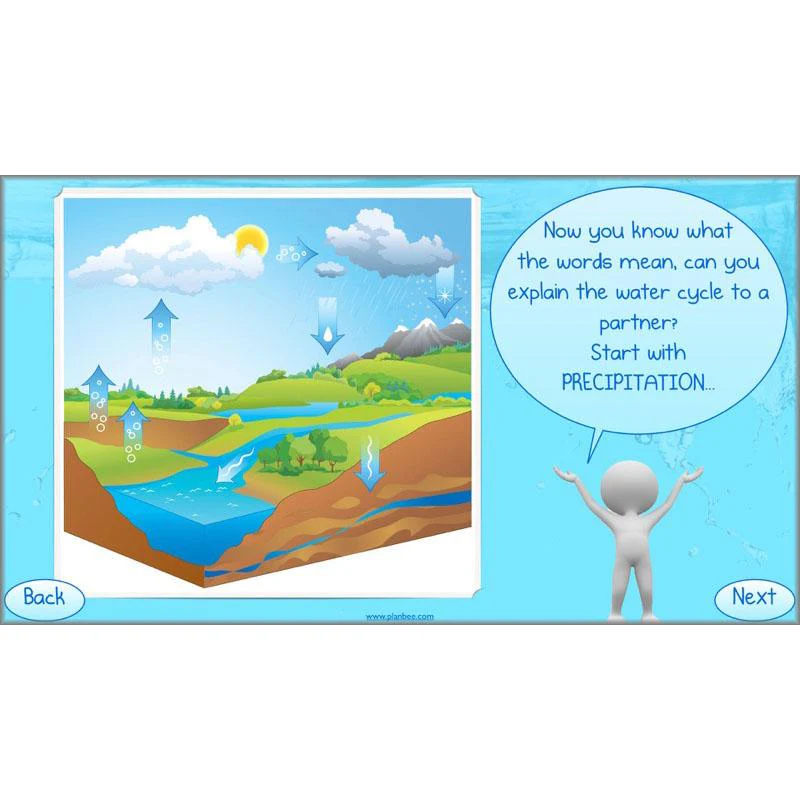
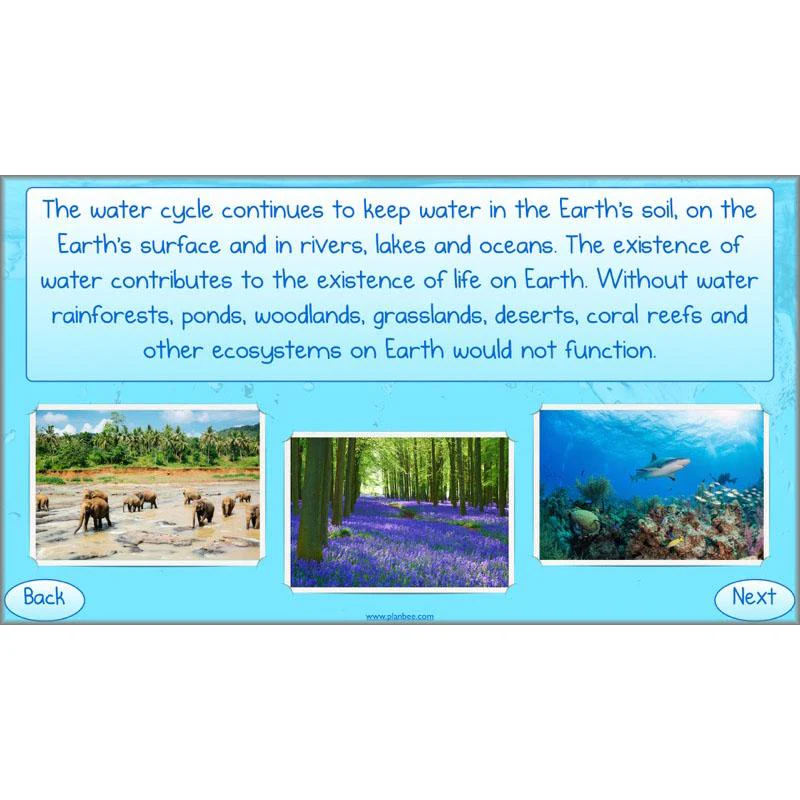
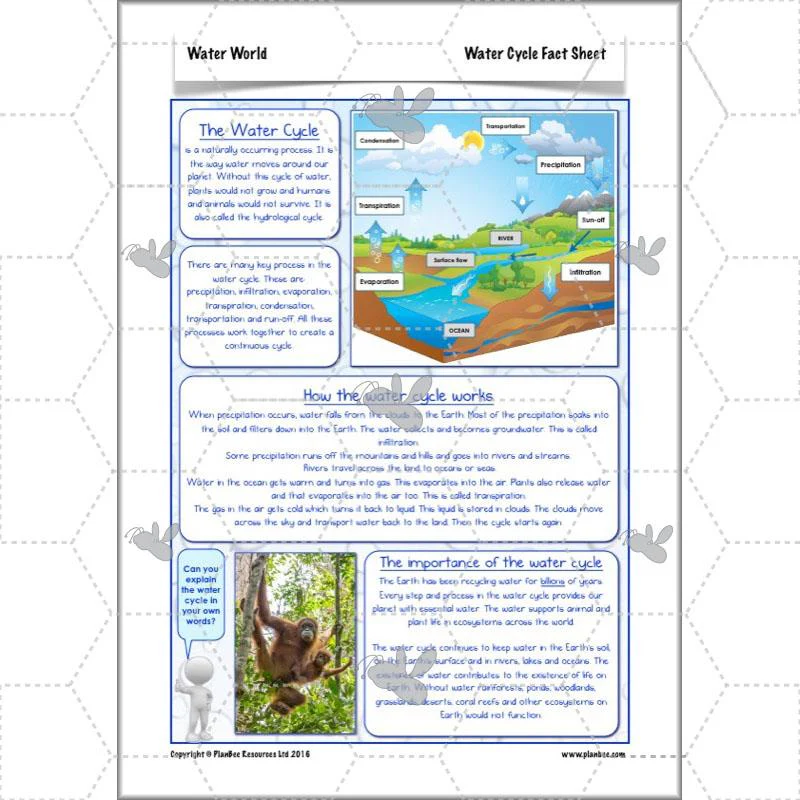
Your class will begin to understand the water cycle and its processes in this lesson. They will be challenged to explain the water cycle to a friend using the new vocabulary they have learnt. They will also explore how the cycling of water on the planet is essential to all life, and begin to realise that the water we use is precious and shouldn't be wasted.
What's included:
- Lesson plan
- Slides
- Activity ideas
- Differentiated worksheets
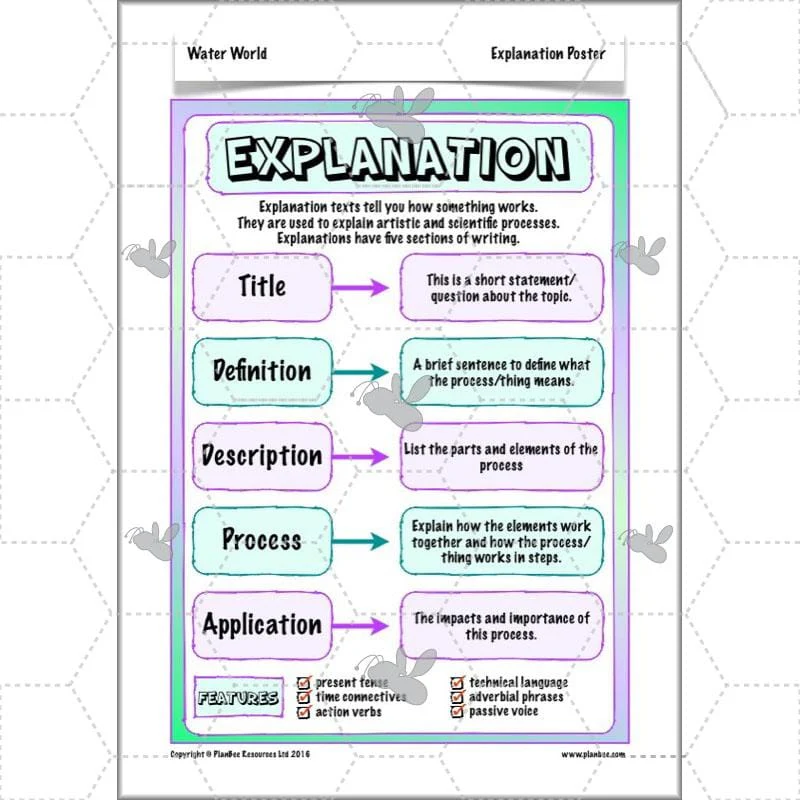
- Explanation poster
- Water cycle facts sheet
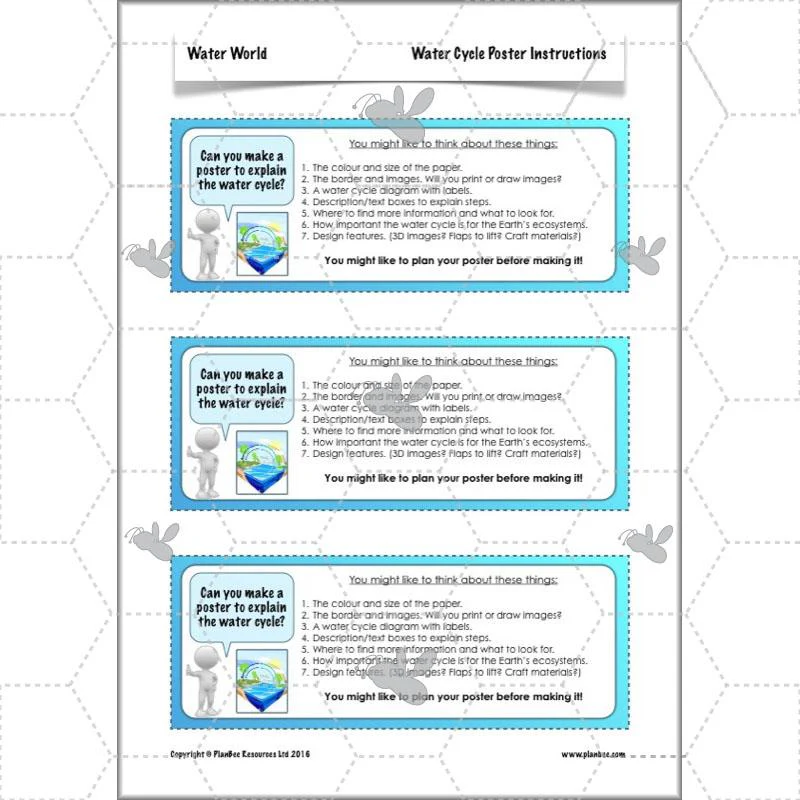
- Water cycle poster instructions
View Lesson 2
How we use water
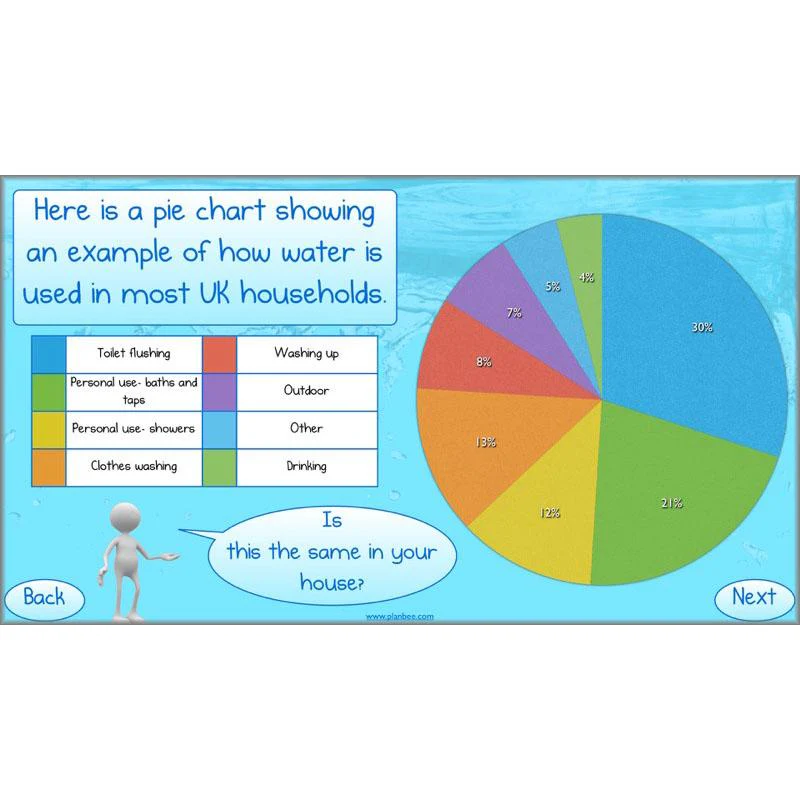
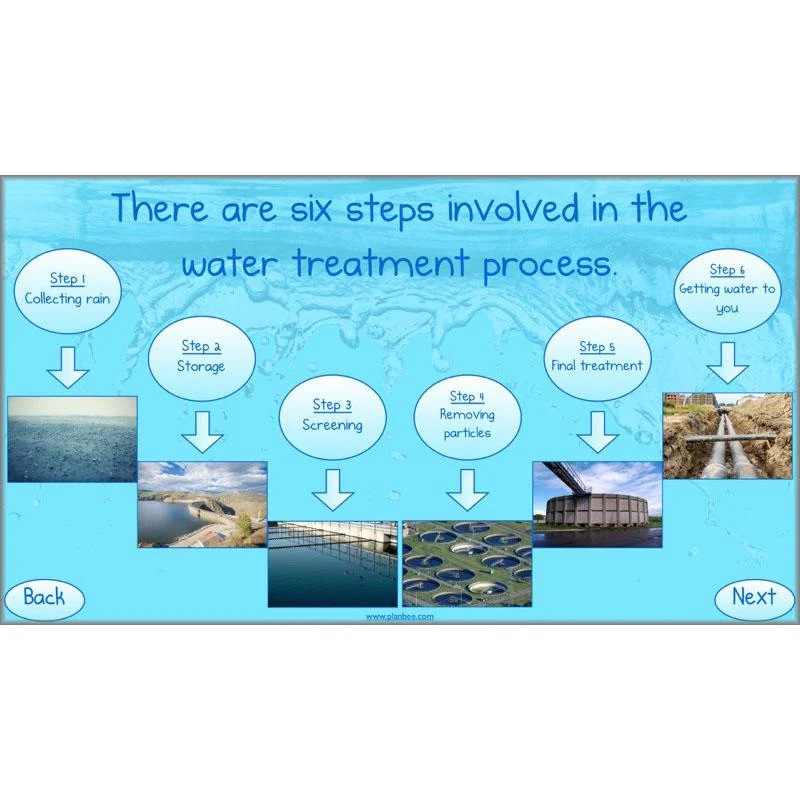
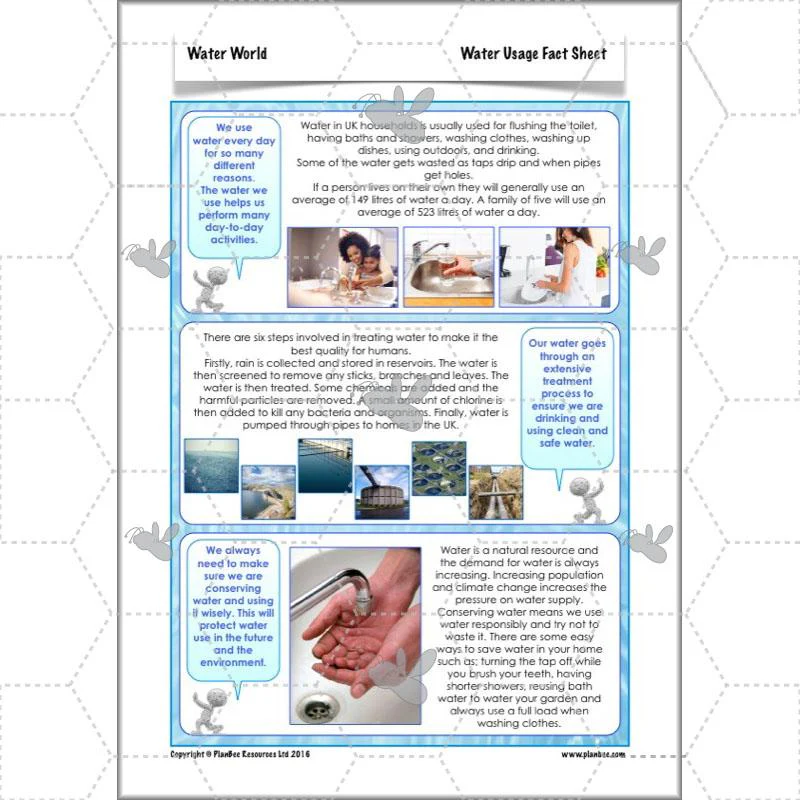
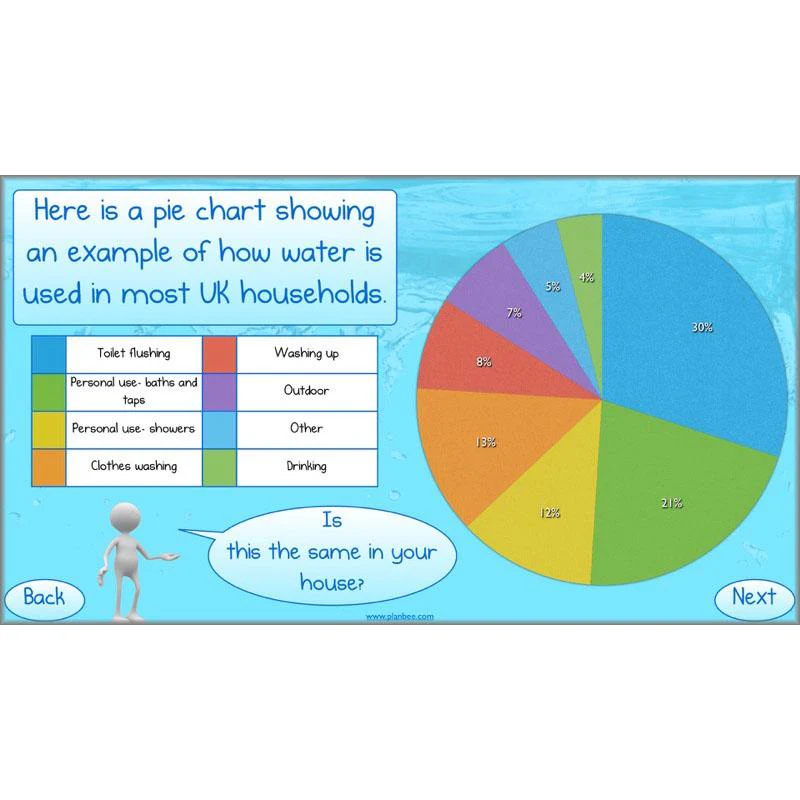
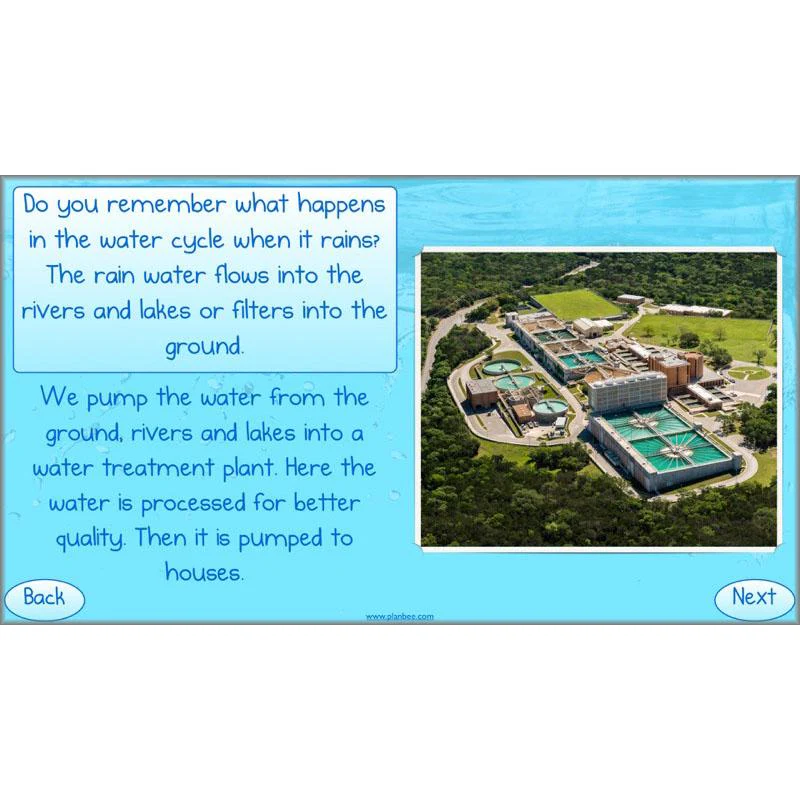
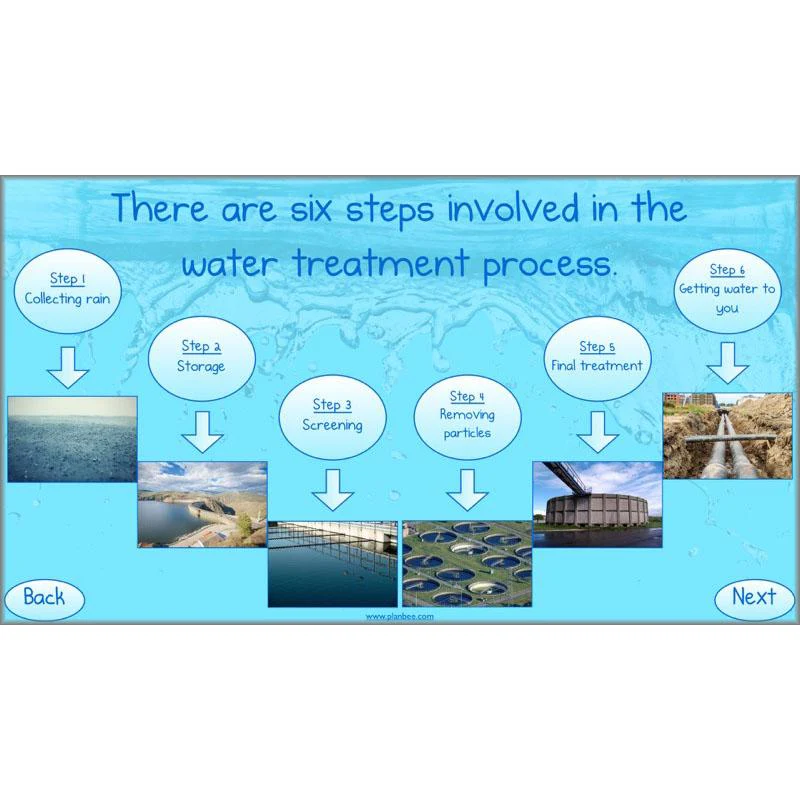
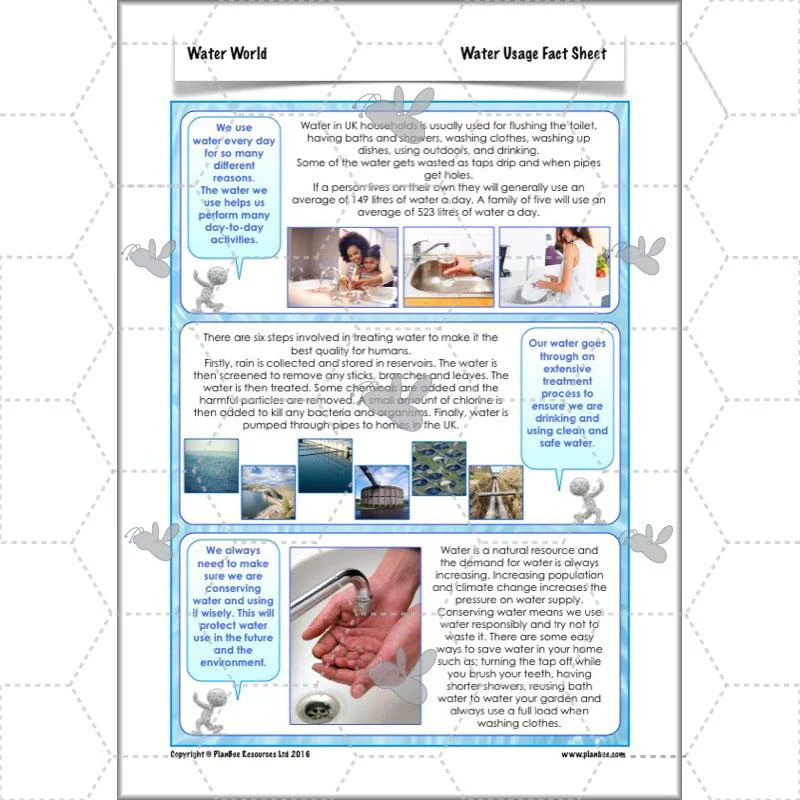
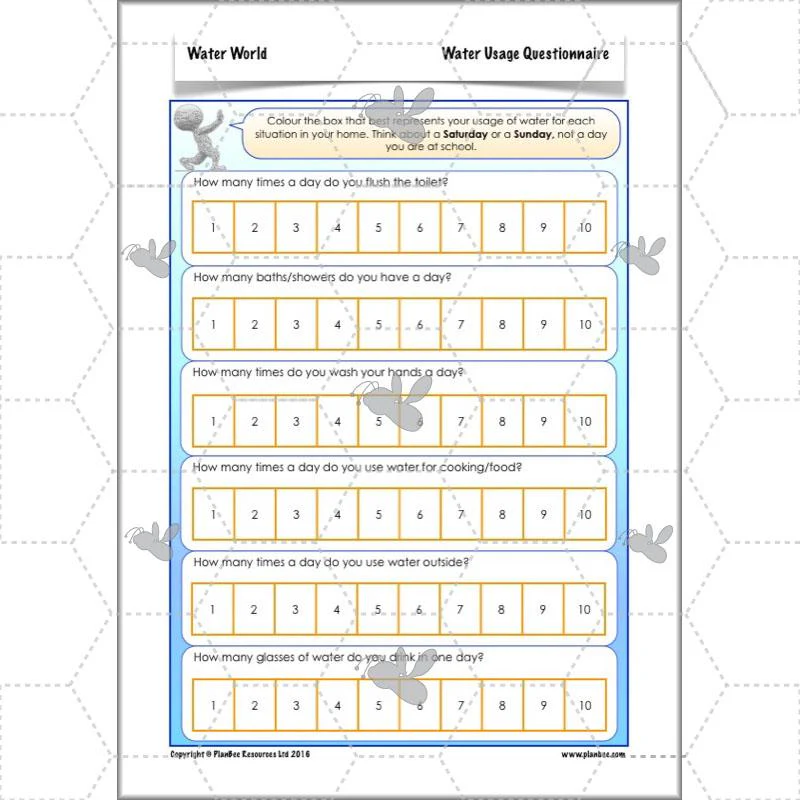
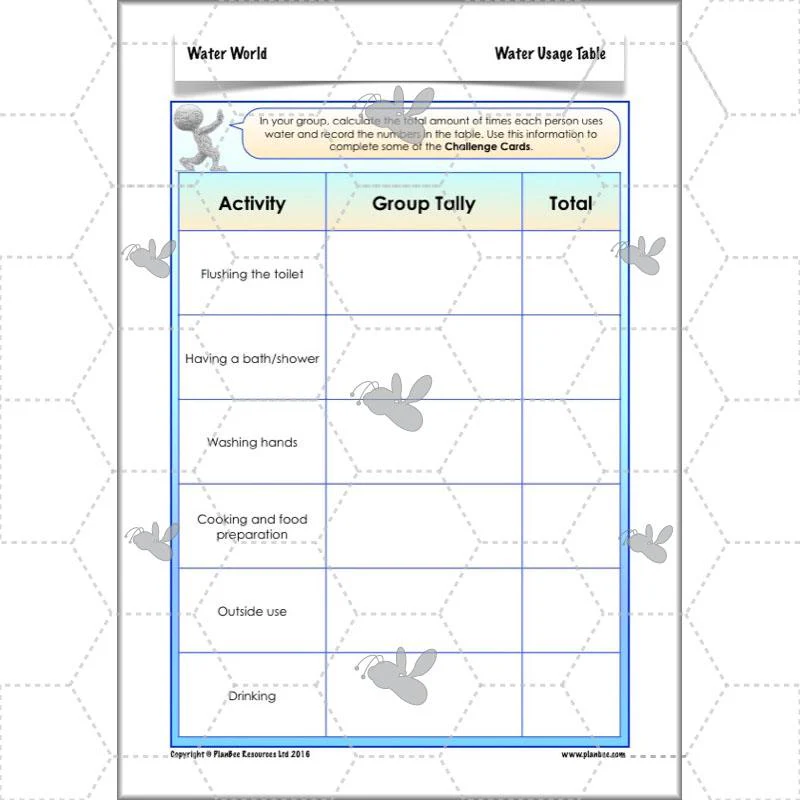
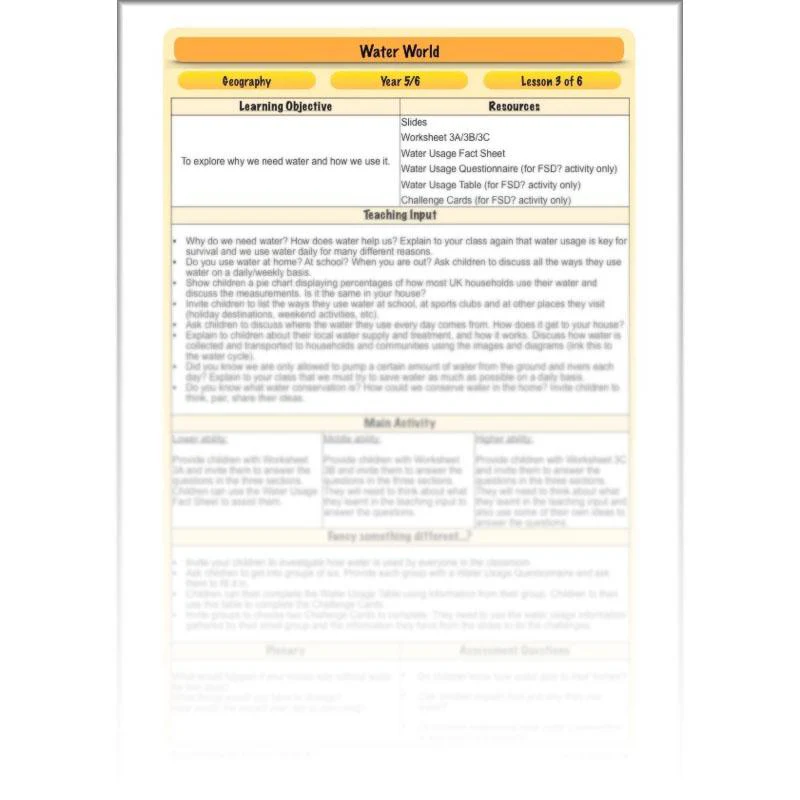
Discuss with your class all the ways people in UK households use water. Get your children thinking about how much water they use on a daily and weekly basis in their own home and when they are out and about. Your class will look at the water treatment process in the UK and will learn about how water gets to their taps, as well as becoming familiar with water conservation and what this means.
What's included:
- Lesson plan
- Slides
- Activity ideas
- Differentiated worksheets
- Water usage fact sheets
- Water usage questionnaire
- Water usage table
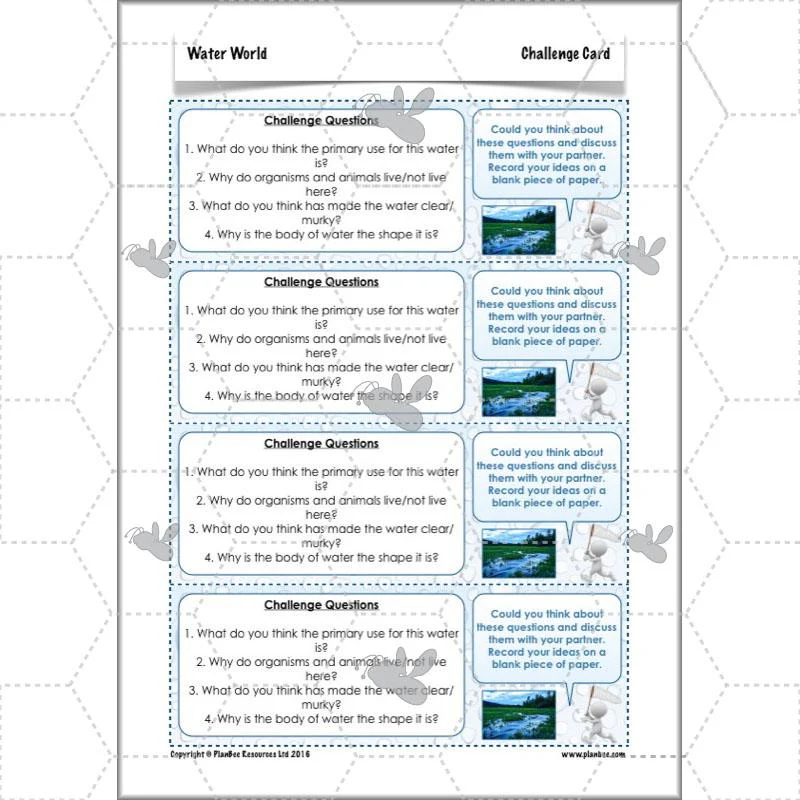
- Challenge cards
View Lesson 3
Water in the UK and Kenya
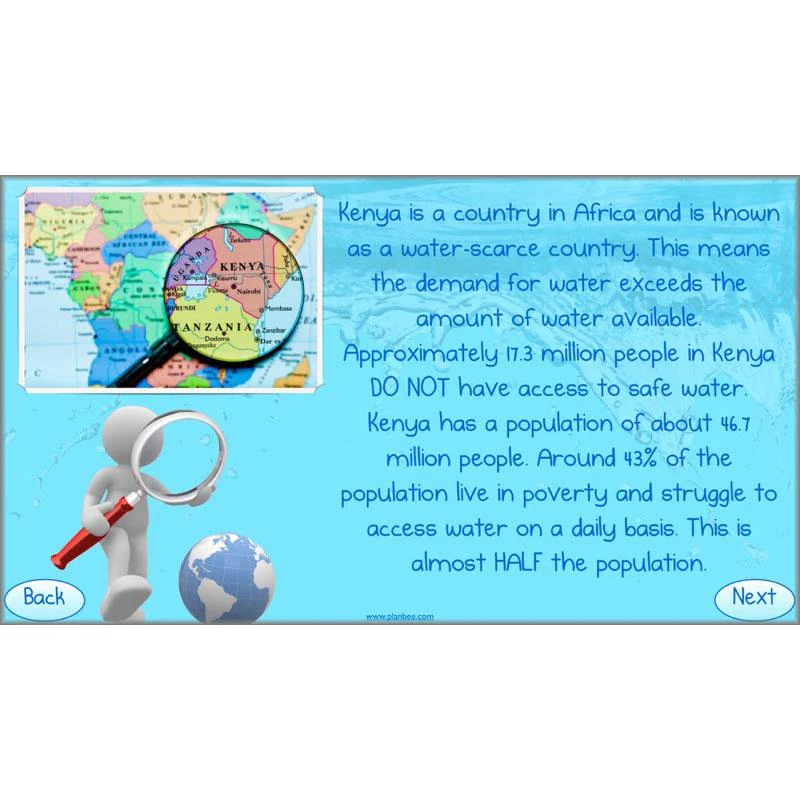
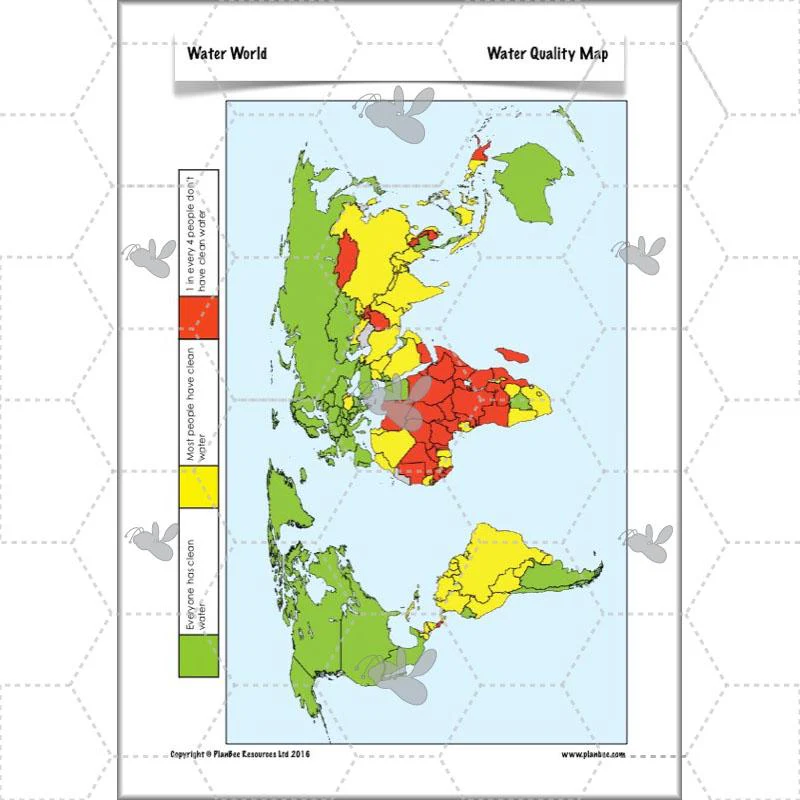
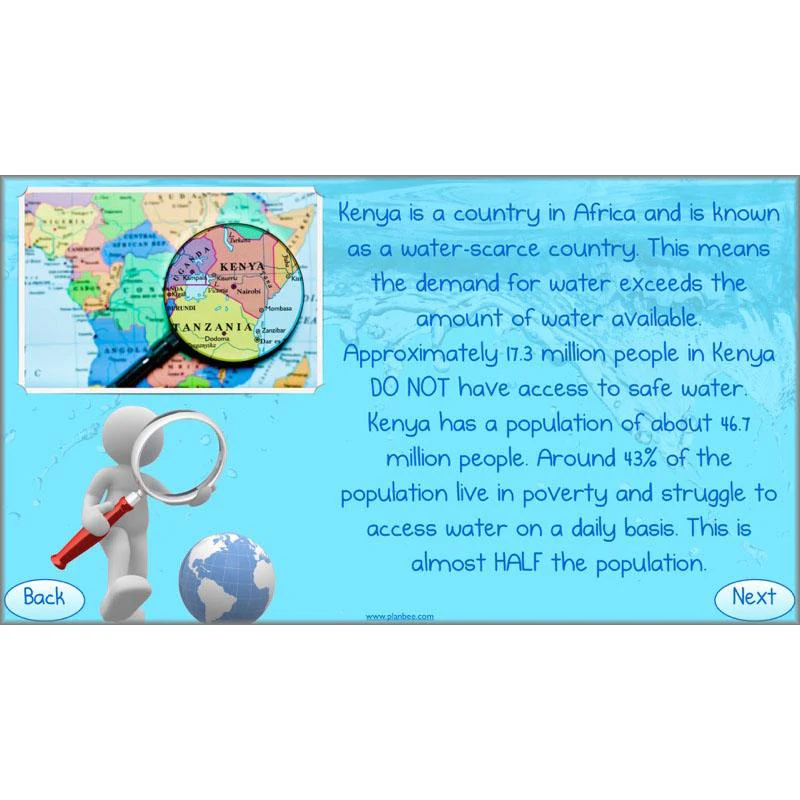
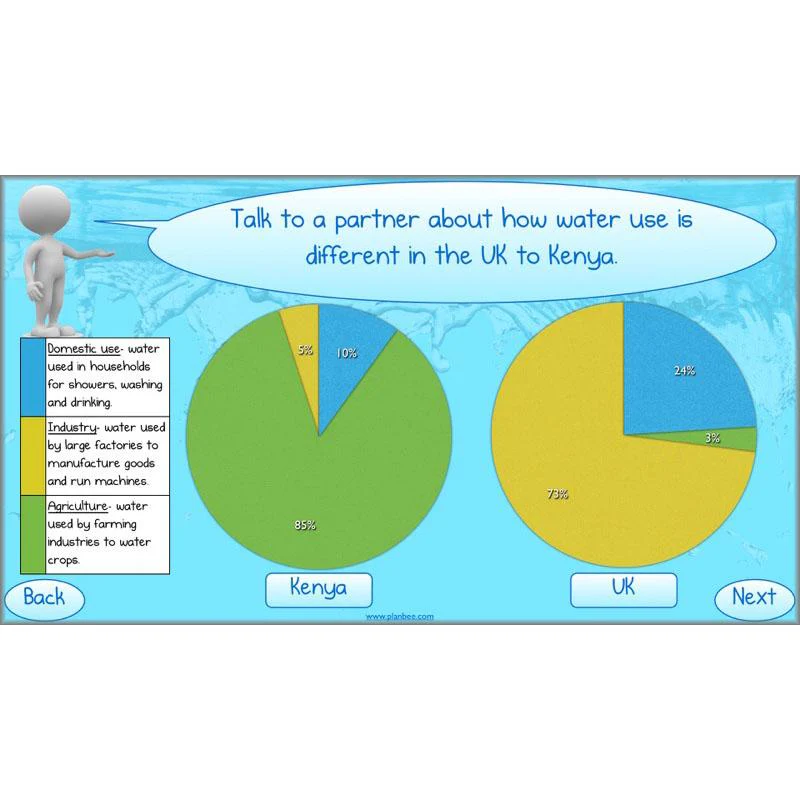
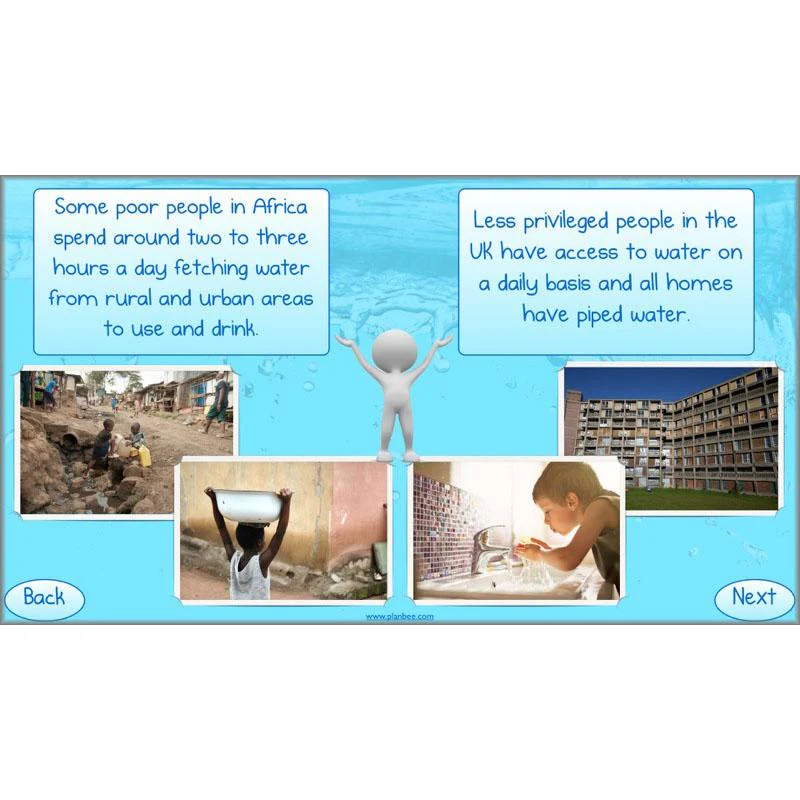
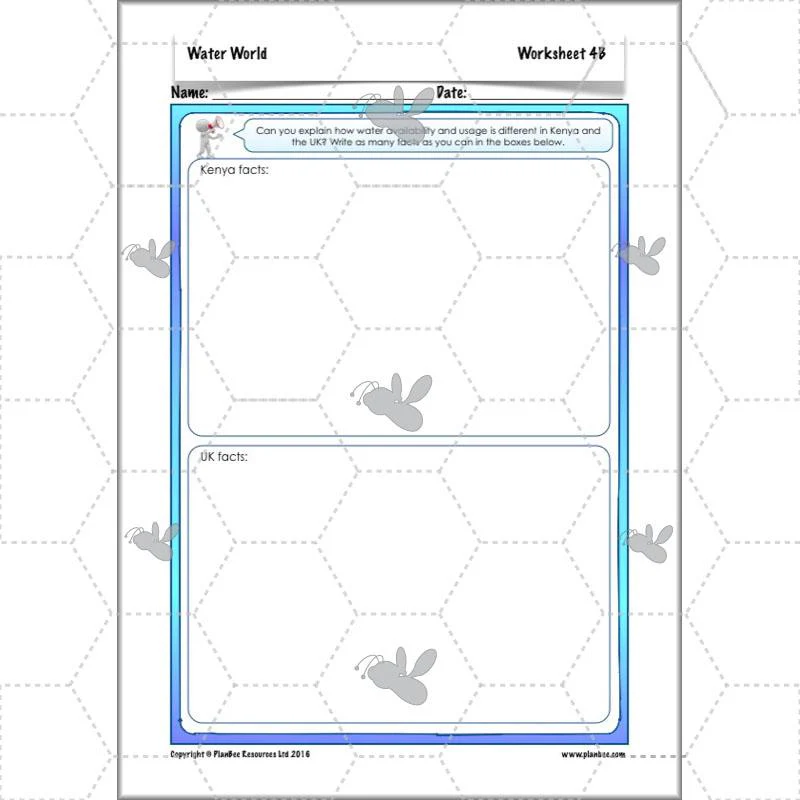
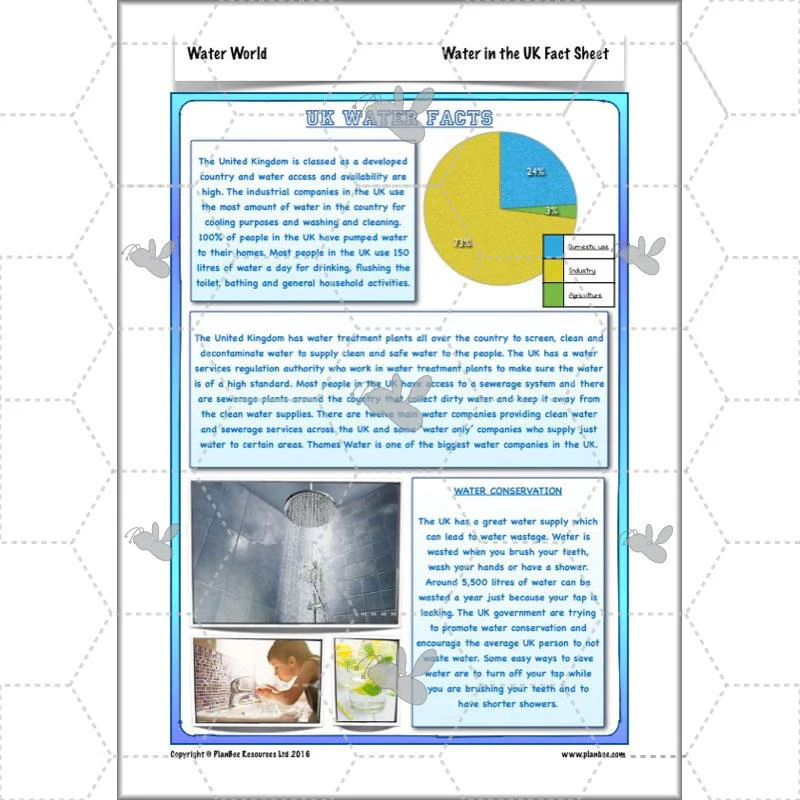
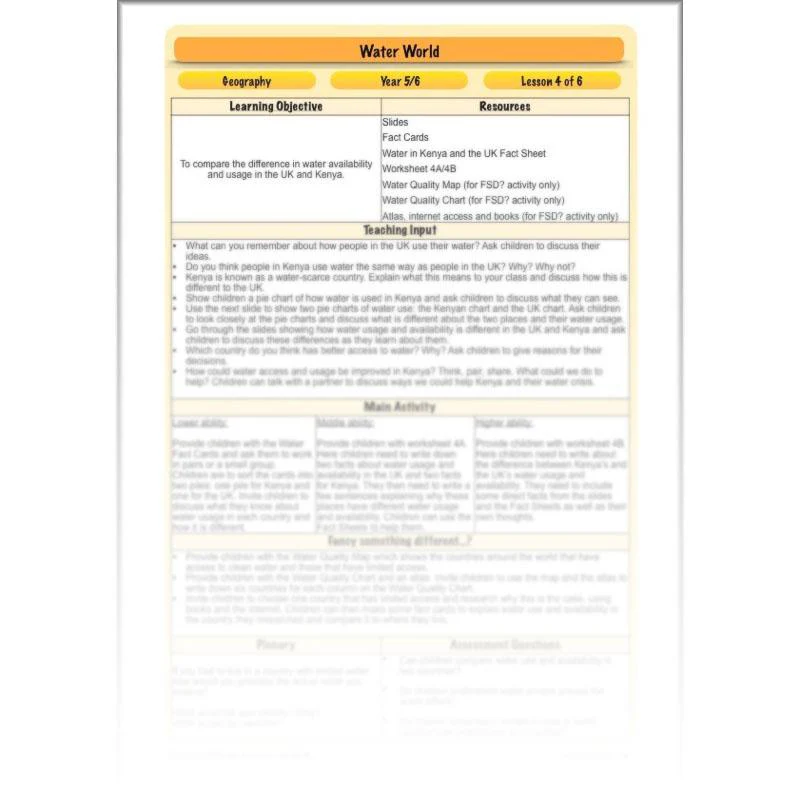
This thought-provoking lesson explores facts relating to water availability and usage in the African country of Kenya. Your class will compare pie charts of water usage in the UK and Kenya and consider the differences between the two countries. They will then explore what life is like with a limited water supply and will discuss ways in which people can help water-scarce countries improve their access to water.
What's included:
- Lesson plan
- Slides
- Activity ideas
- Differentiated worksheets
- Kenya and UK fact sheets
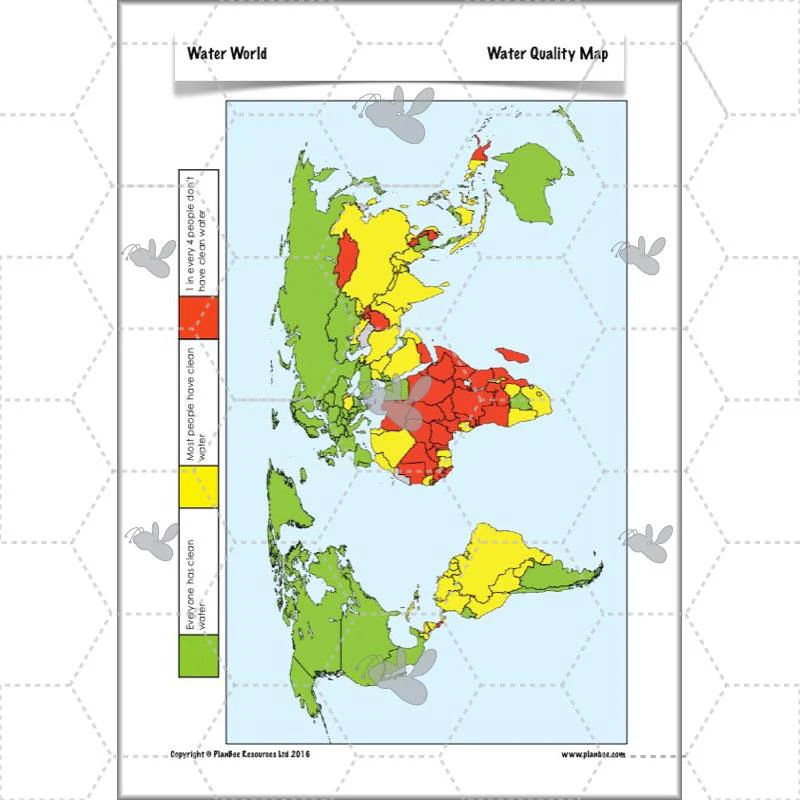
- Water quality map
- Water quality chart
View Lesson 4
Water for Power
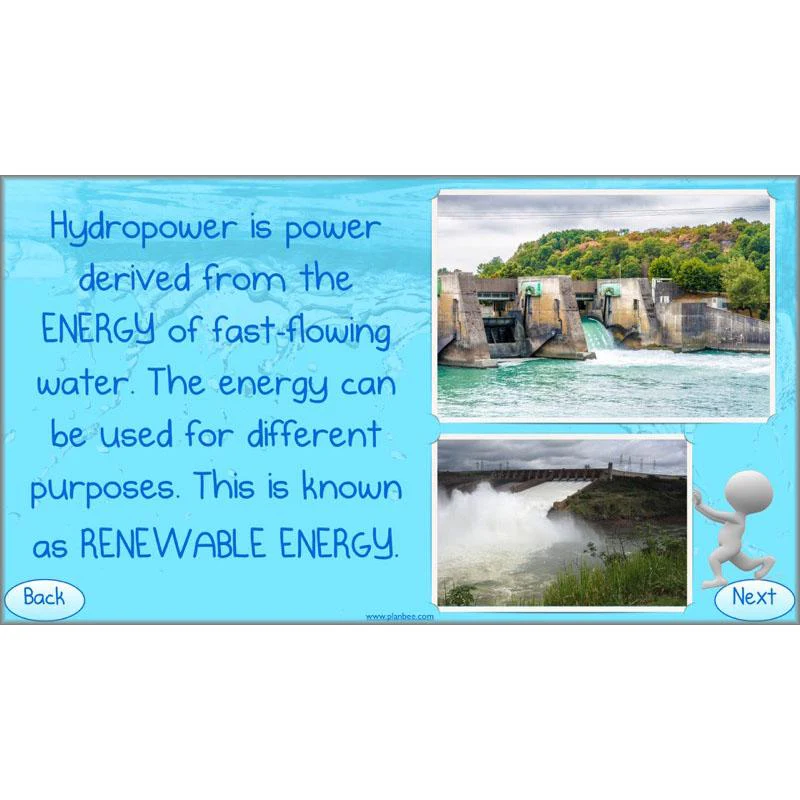
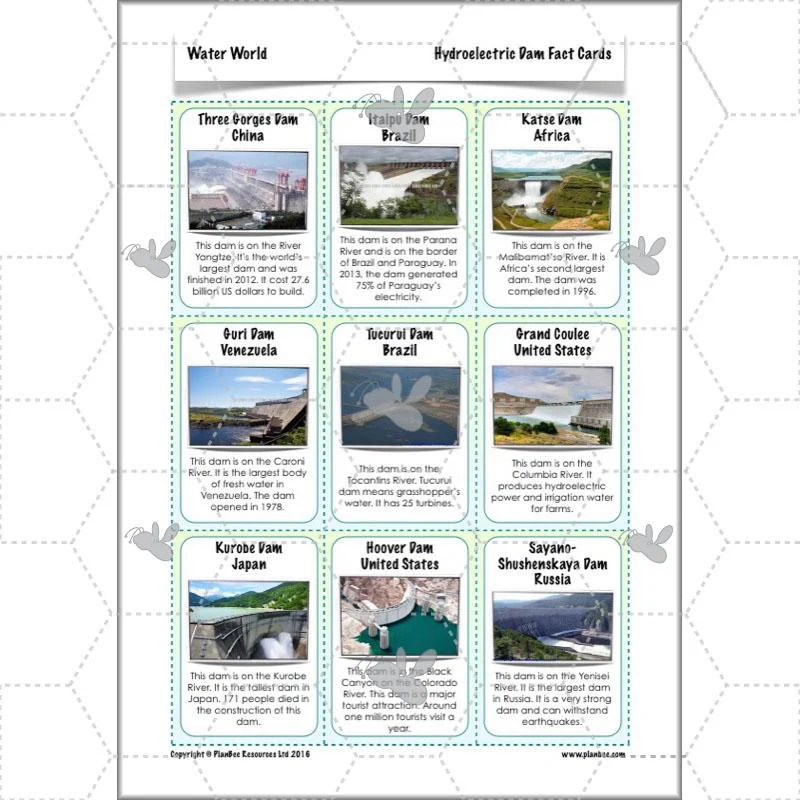
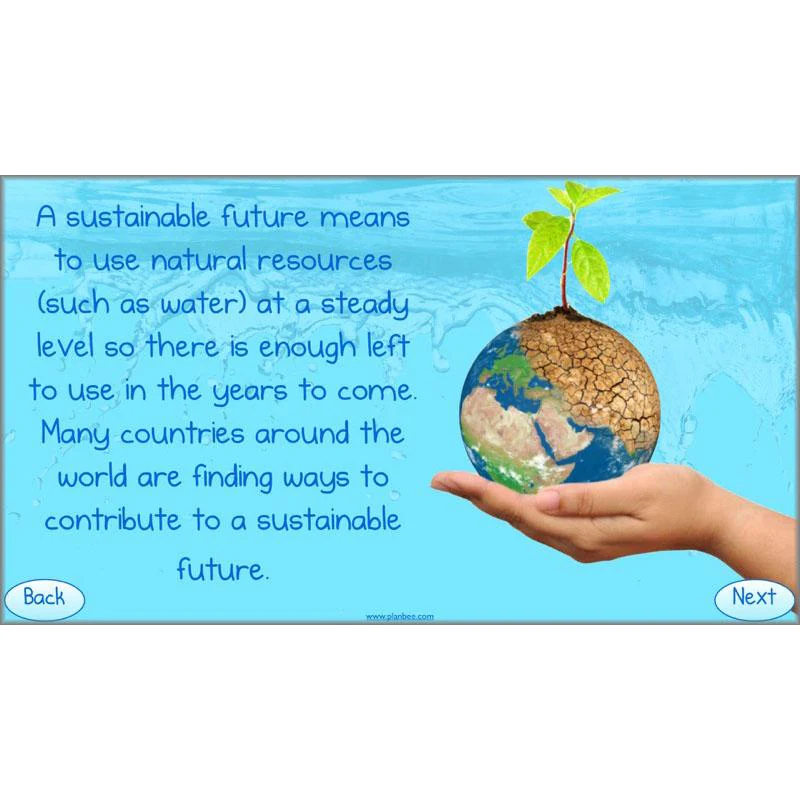
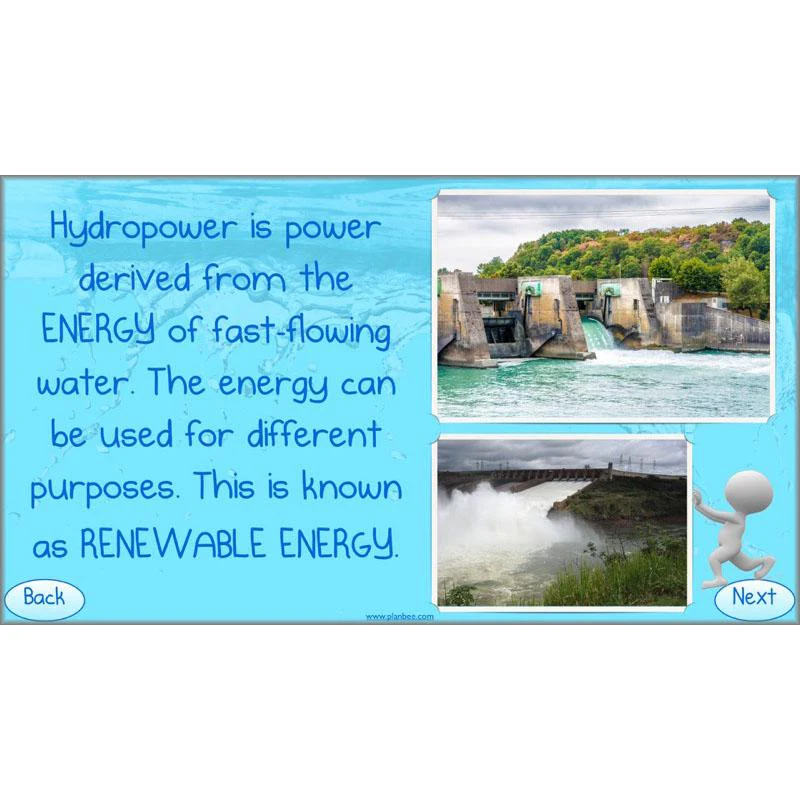
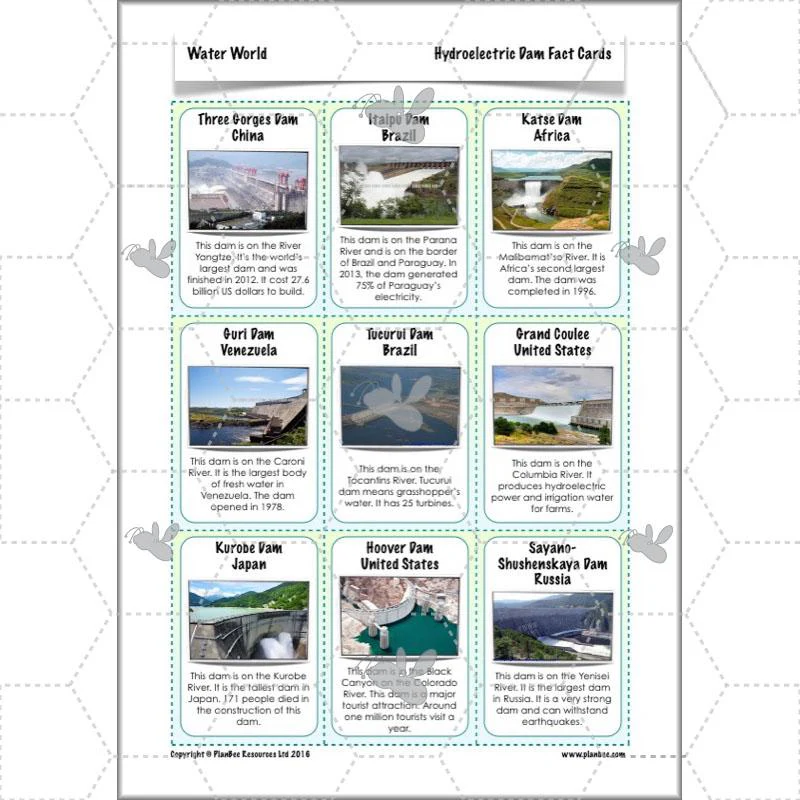
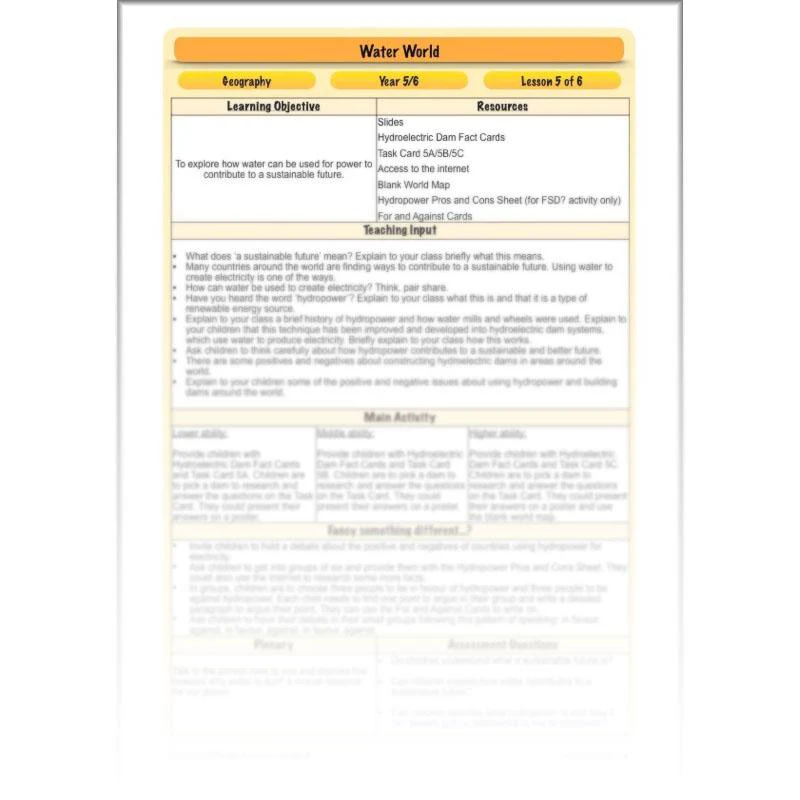
Introduce your class the the idea of a sustainable future and how water fits into this vision. Discuss with your children how water can be used to generate electricity and explore a variety of hydroelectric dams across the world.
What's included:
- Lesson plan
- Slides
- Activity ideas
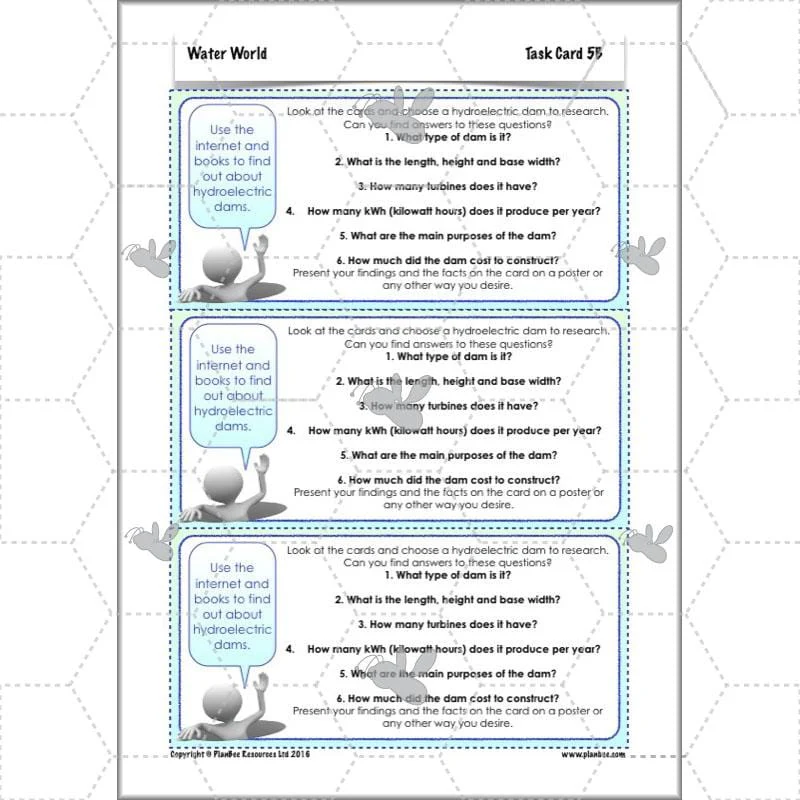
- Differentiated task cards
- Blank world map
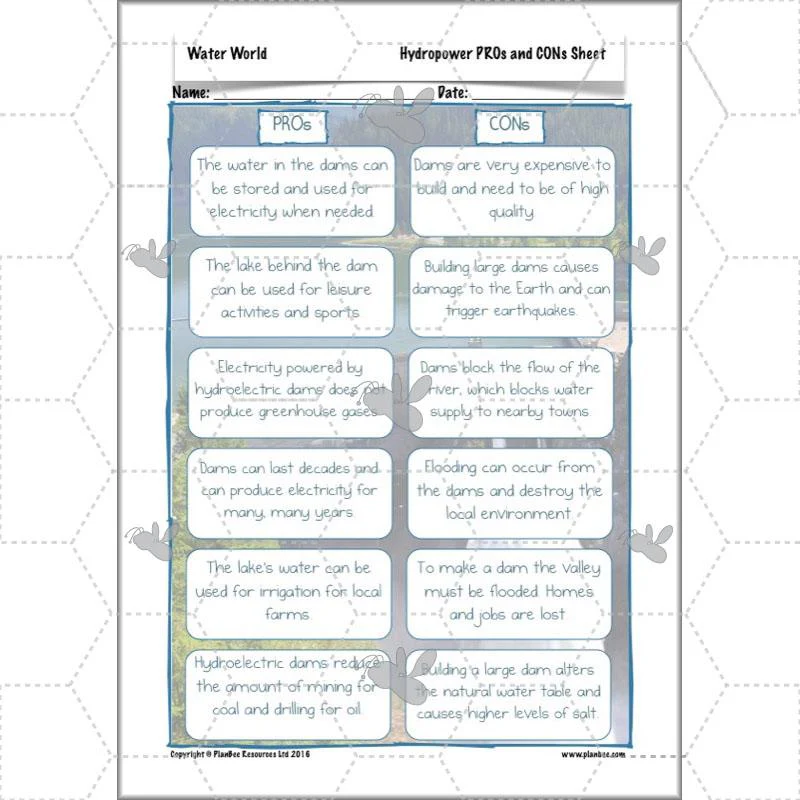
- Hydropower pros and cons sheet
View Lesson 5
Local Water
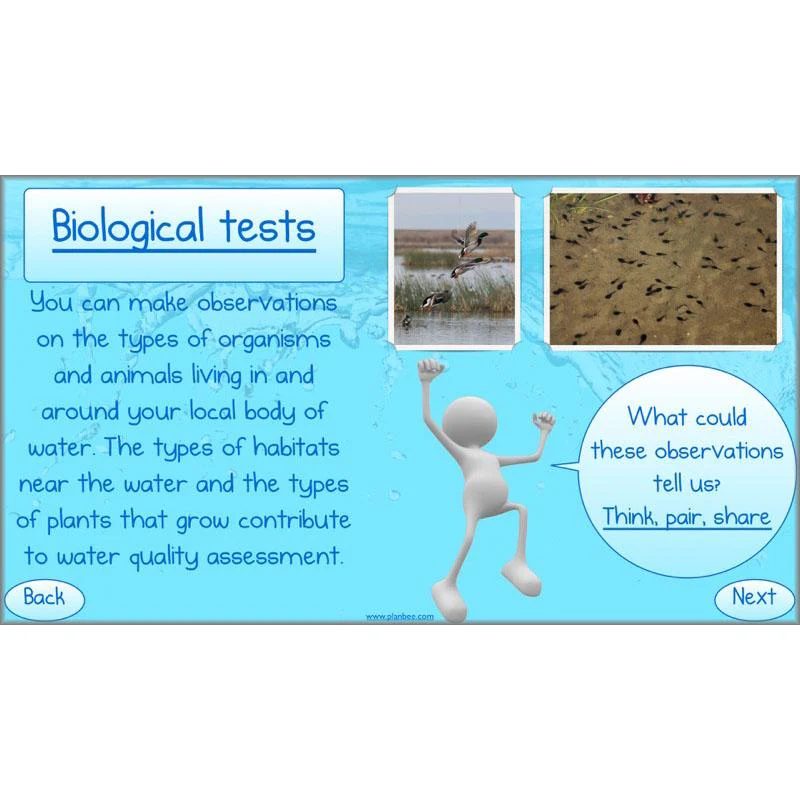
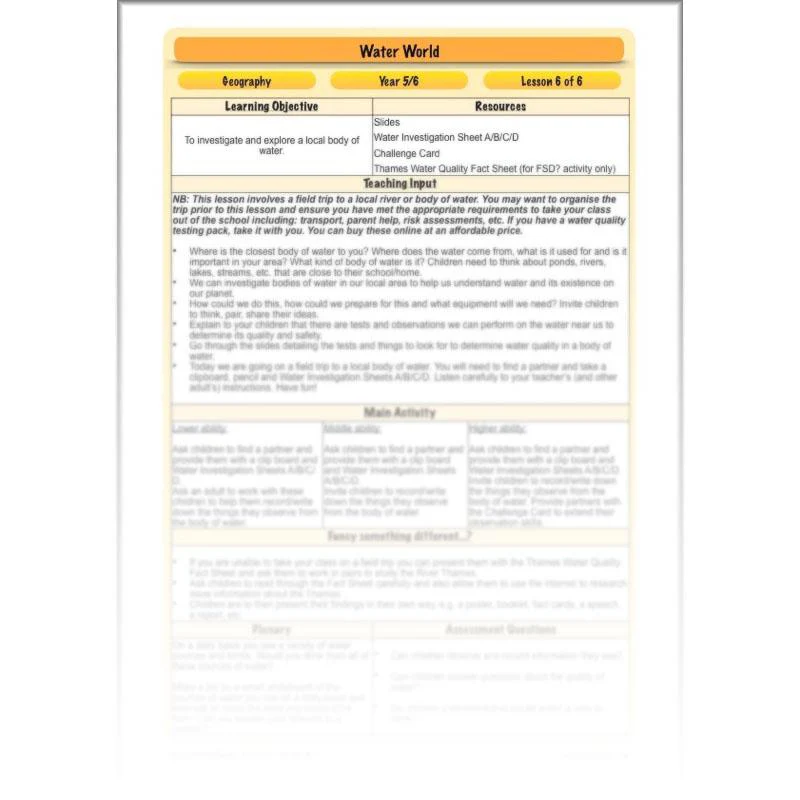
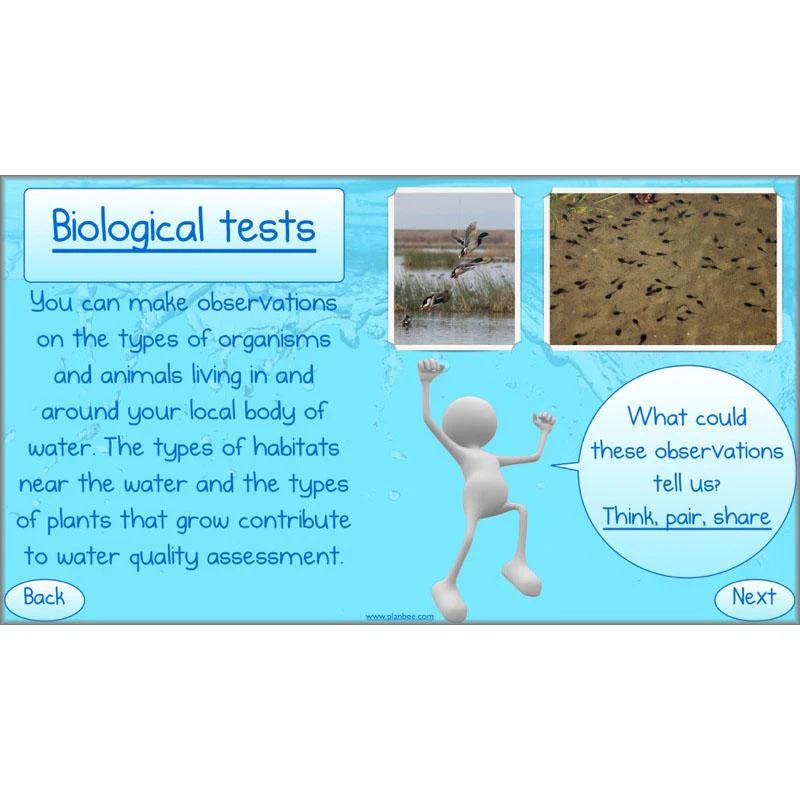
Are you ready for a field trip? Your class will love this lesson as it involves a trip to a local body of water. Introduce your class to a series of tests they could perform on a body of water to check its quality. Your children will learn about different observations they can record to explain what water quality. There is also an alternative activity if a field trip isn't possible.
What's included:
- Lesson plan
- Slides
- Activity ideas
- Water investigation sheets
- Challenge card
- Thames water quality fact sheet
View Lesson 6
Original: $4.71
-65%$4.71
$1.65More Images
Water World
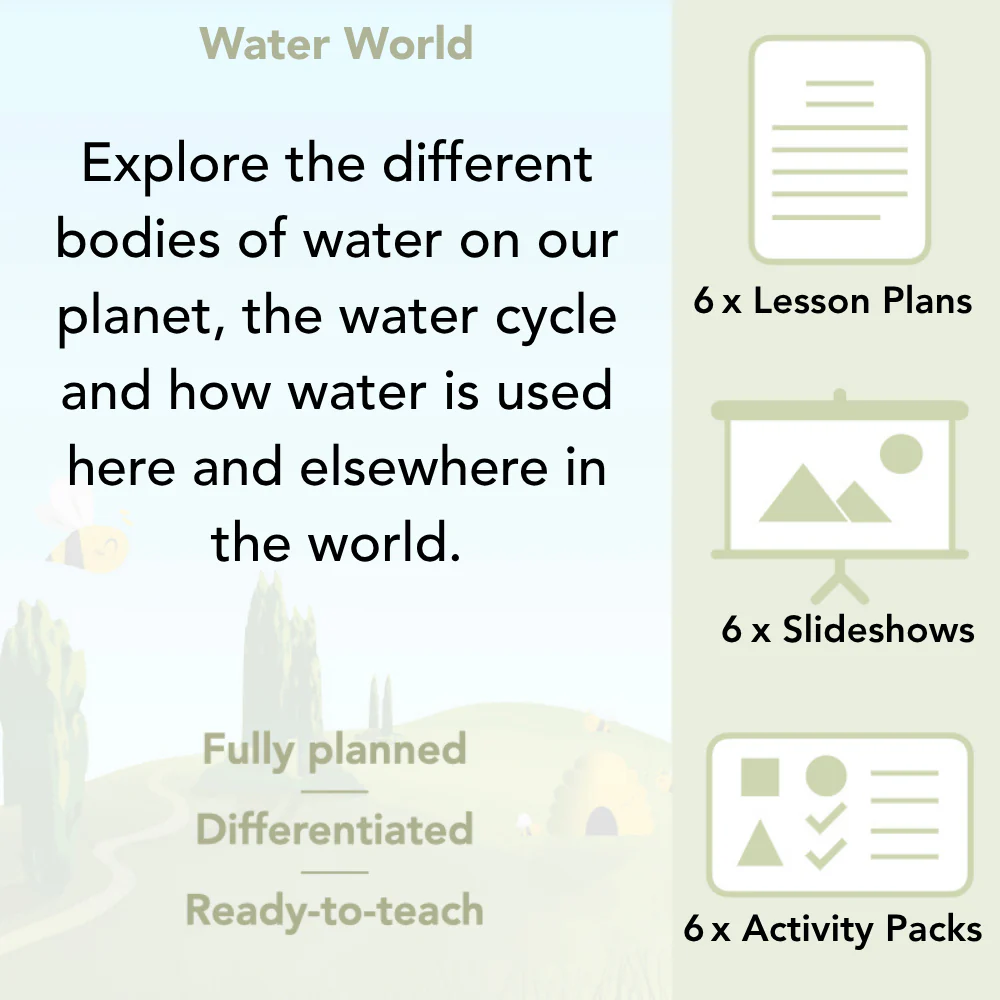
With so much water in the world, your class may not be aware of just how little of this water is available for human use. But that can soon change with these thought-provoking and challenging Geography 'Water World' lesson plans.
Your class will start by identifying some different types of bodies of water around the world and then move on to the water cycle and its importance on our planet. Your children will investigate how water is collected, stored, treated and used in the United Kingdom before comparing our water usage to water usage and availability in Kenya. There is also the opportunity to learn how water can contribute to a sustainable future, as well as the chance to go on a field trip to consolidate their learning. This 'Water World' scheme of work contains everything you need to make your Geography teaching send ripples of enjoyment across your class, including lesson plans, slides, activity ideas, differentiated worksheets and more!
Water on our Planet
This first lesson introduces your class to some facts about water, including how much of the world's surface is covered in water. Explore some different bodies of water around the world and discuss why they are different with your class before getting them to think about where water can be found in their local environment and why it's there.
What's included:
- Lesson plan
- Slides
- Activity ideas
- Differentiated worksheets
- Quiz questions
- Answer sheets
- Bonus question cards
View Lesson 1
The Water Cycle
Your class will begin to understand the water cycle and its processes in this lesson. They will be challenged to explain the water cycle to a friend using the new vocabulary they have learnt. They will also explore how the cycling of water on the planet is essential to all life, and begin to realise that the water we use is precious and shouldn't be wasted.
What's included:
- Lesson plan
- Slides
- Activity ideas
- Differentiated worksheets
- Explanation poster
- Water cycle facts sheet
- Water cycle poster instructions
View Lesson 2
How we use water
Discuss with your class all the ways people in UK households use water. Get your children thinking about how much water they use on a daily and weekly basis in their own home and when they are out and about. Your class will look at the water treatment process in the UK and will learn about how water gets to their taps, as well as becoming familiar with water conservation and what this means.
What's included:
- Lesson plan
- Slides
- Activity ideas
- Differentiated worksheets
- Water usage fact sheets
- Water usage questionnaire
- Water usage table
- Challenge cards
View Lesson 3
Water in the UK and Kenya
This thought-provoking lesson explores facts relating to water availability and usage in the African country of Kenya. Your class will compare pie charts of water usage in the UK and Kenya and consider the differences between the two countries. They will then explore what life is like with a limited water supply and will discuss ways in which people can help water-scarce countries improve their access to water.
What's included:
- Lesson plan
- Slides
- Activity ideas
- Differentiated worksheets
- Kenya and UK fact sheets
- Water quality map
- Water quality chart
View Lesson 4
Water for Power
Introduce your class the the idea of a sustainable future and how water fits into this vision. Discuss with your children how water can be used to generate electricity and explore a variety of hydroelectric dams across the world.
What's included:
- Lesson plan
- Slides
- Activity ideas
- Differentiated task cards
- Blank world map
- Hydropower pros and cons sheet
View Lesson 5
Local Water
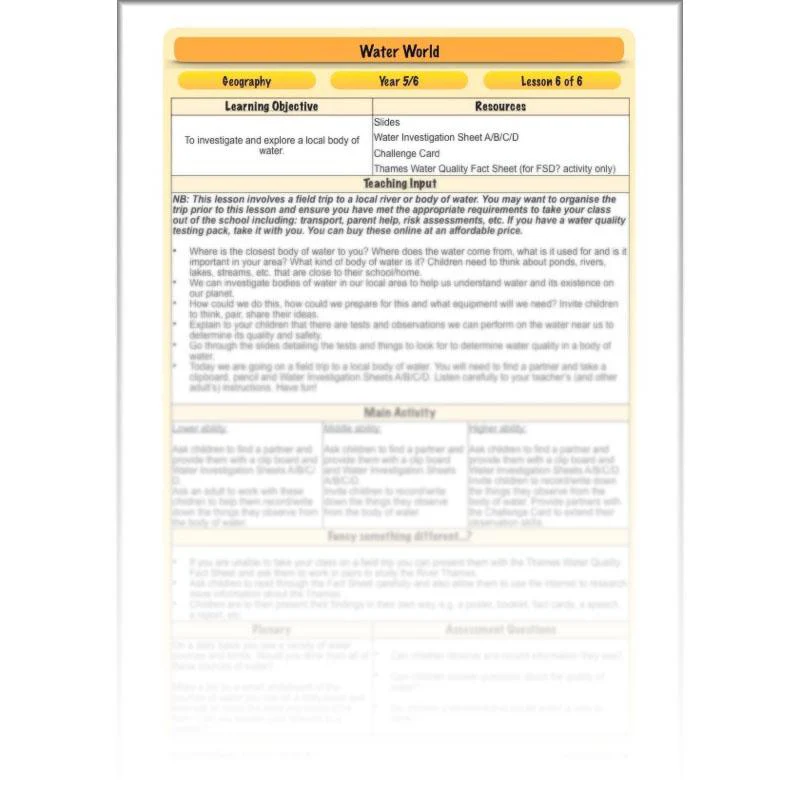
Are you ready for a field trip? Your class will love this lesson as it involves a trip to a local body of water. Introduce your class to a series of tests they could perform on a body of water to check its quality. Your children will learn about different observations they can record to explain what water quality. There is also an alternative activity if a field trip isn't possible.
What's included:
- Lesson plan
- Slides
- Activity ideas
- Water investigation sheets
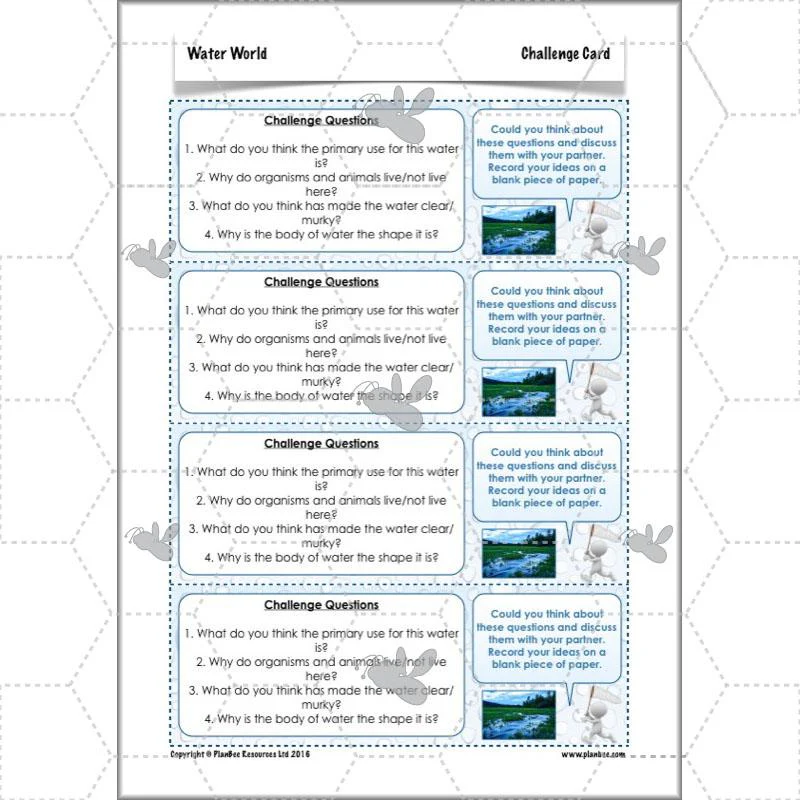
- Challenge card
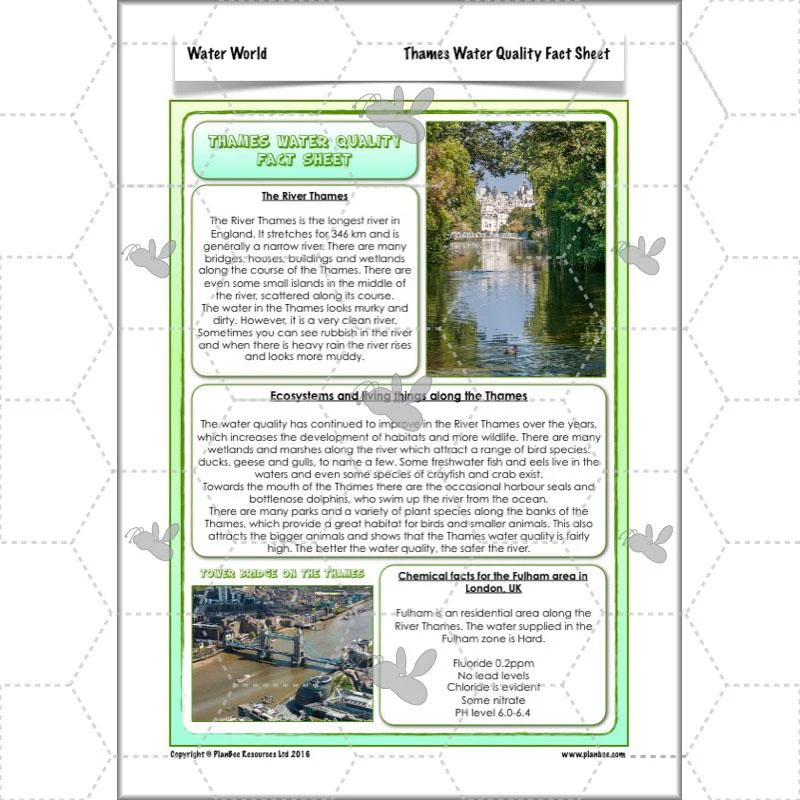
- Thames water quality fact sheet
View Lesson 6
Product Information
Product Information
Shipping & Returns
Shipping & Returns
Description
With so much water in the world, your class may not be aware of just how little of this water is available for human use. But that can soon change with these thought-provoking and challenging Geography 'Water World' lesson plans.
Your class will start by identifying some different types of bodies of water around the world and then move on to the water cycle and its importance on our planet. Your children will investigate how water is collected, stored, treated and used in the United Kingdom before comparing our water usage to water usage and availability in Kenya. There is also the opportunity to learn how water can contribute to a sustainable future, as well as the chance to go on a field trip to consolidate their learning. This 'Water World' scheme of work contains everything you need to make your Geography teaching send ripples of enjoyment across your class, including lesson plans, slides, activity ideas, differentiated worksheets and more!
Water on our Planet
This first lesson introduces your class to some facts about water, including how much of the world's surface is covered in water. Explore some different bodies of water around the world and discuss why they are different with your class before getting them to think about where water can be found in their local environment and why it's there.
What's included:
- Lesson plan
- Slides
- Activity ideas
- Differentiated worksheets
- Quiz questions
- Answer sheets
- Bonus question cards
View Lesson 1
The Water Cycle
Your class will begin to understand the water cycle and its processes in this lesson. They will be challenged to explain the water cycle to a friend using the new vocabulary they have learnt. They will also explore how the cycling of water on the planet is essential to all life, and begin to realise that the water we use is precious and shouldn't be wasted.
What's included:
- Lesson plan
- Slides
- Activity ideas
- Differentiated worksheets
- Explanation poster
- Water cycle facts sheet
- Water cycle poster instructions
View Lesson 2
How we use water
Discuss with your class all the ways people in UK households use water. Get your children thinking about how much water they use on a daily and weekly basis in their own home and when they are out and about. Your class will look at the water treatment process in the UK and will learn about how water gets to their taps, as well as becoming familiar with water conservation and what this means.
What's included:
- Lesson plan
- Slides
- Activity ideas
- Differentiated worksheets
- Water usage fact sheets
- Water usage questionnaire
- Water usage table
- Challenge cards
View Lesson 3
Water in the UK and Kenya
This thought-provoking lesson explores facts relating to water availability and usage in the African country of Kenya. Your class will compare pie charts of water usage in the UK and Kenya and consider the differences between the two countries. They will then explore what life is like with a limited water supply and will discuss ways in which people can help water-scarce countries improve their access to water.
What's included:
- Lesson plan
- Slides
- Activity ideas
- Differentiated worksheets
- Kenya and UK fact sheets
- Water quality map
- Water quality chart
View Lesson 4
Water for Power
Introduce your class the the idea of a sustainable future and how water fits into this vision. Discuss with your children how water can be used to generate electricity and explore a variety of hydroelectric dams across the world.
What's included:
- Lesson plan
- Slides
- Activity ideas
- Differentiated task cards
- Blank world map
- Hydropower pros and cons sheet
View Lesson 5
Local Water
Are you ready for a field trip? Your class will love this lesson as it involves a trip to a local body of water. Introduce your class to a series of tests they could perform on a body of water to check its quality. Your children will learn about different observations they can record to explain what water quality. There is also an alternative activity if a field trip isn't possible.
What's included:
- Lesson plan
- Slides
- Activity ideas
- Water investigation sheets
- Challenge card
- Thames water quality fact sheet
View Lesson 6