Factors and Multiples
These Year 5 'Factors and Multiples' lessons are jam-packed with ways for your class to understand the difference between a factor and a multiple, and use this to improve their understanding of multiplication and division. They will learn how to find factors of 2-digit numbers, find common multiples, double and halve multiples of 10 and 100, and much more.
With lesson plans, slides, activity ideas, differentiated worksheets and other helpful resources, these KS2 Maths 'Factors and Multiples' provide all you need for a whole week of fun with factors!
Finding Factor Pairs
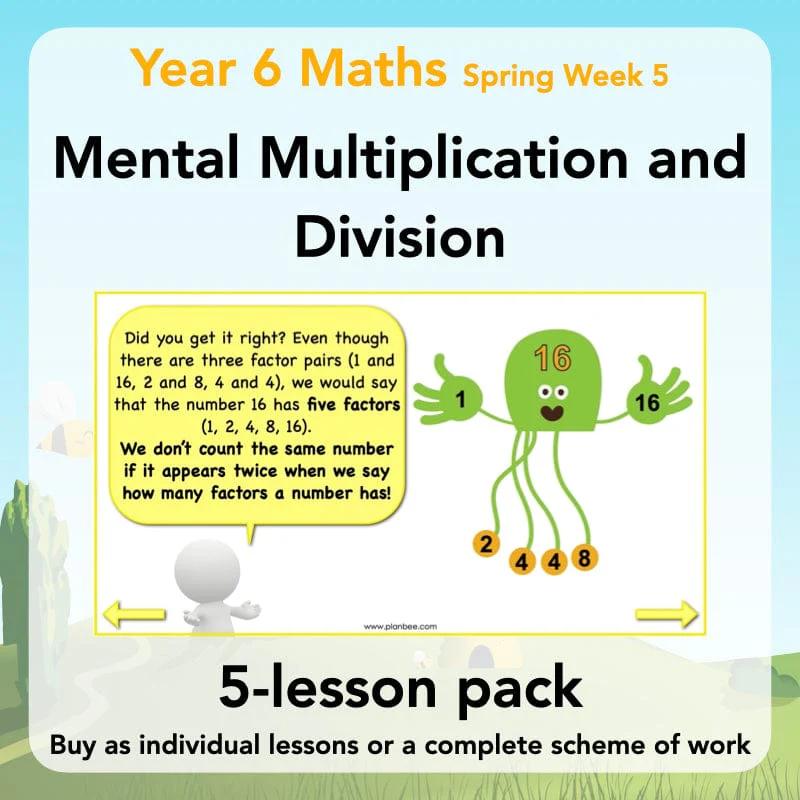
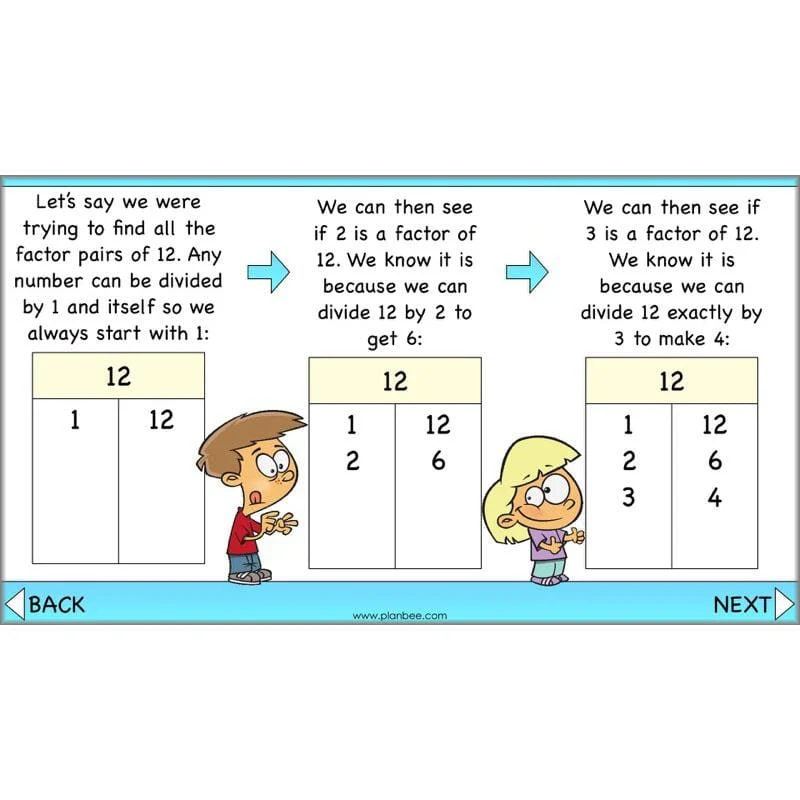
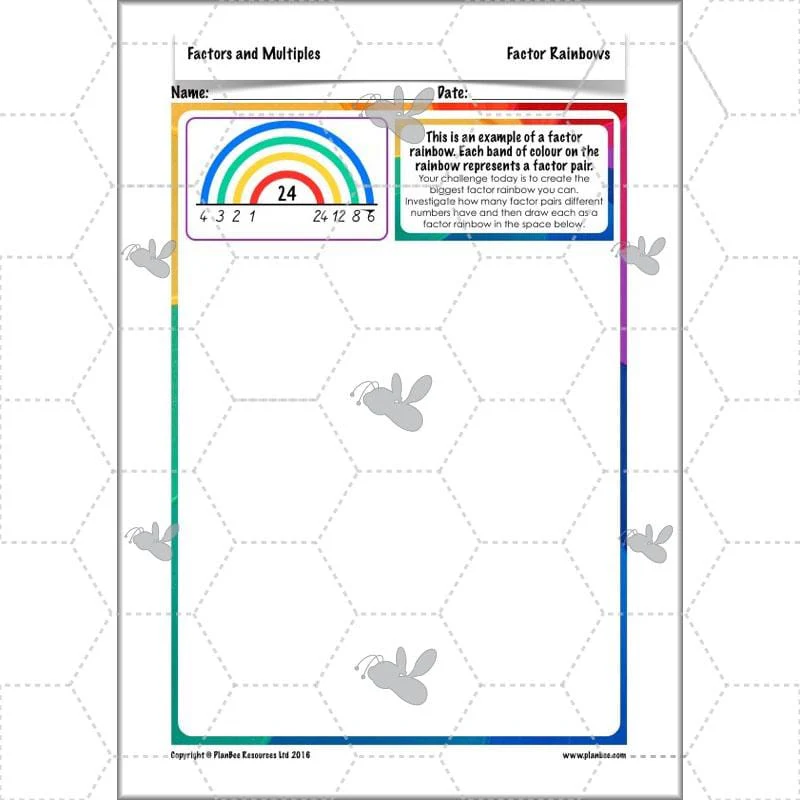
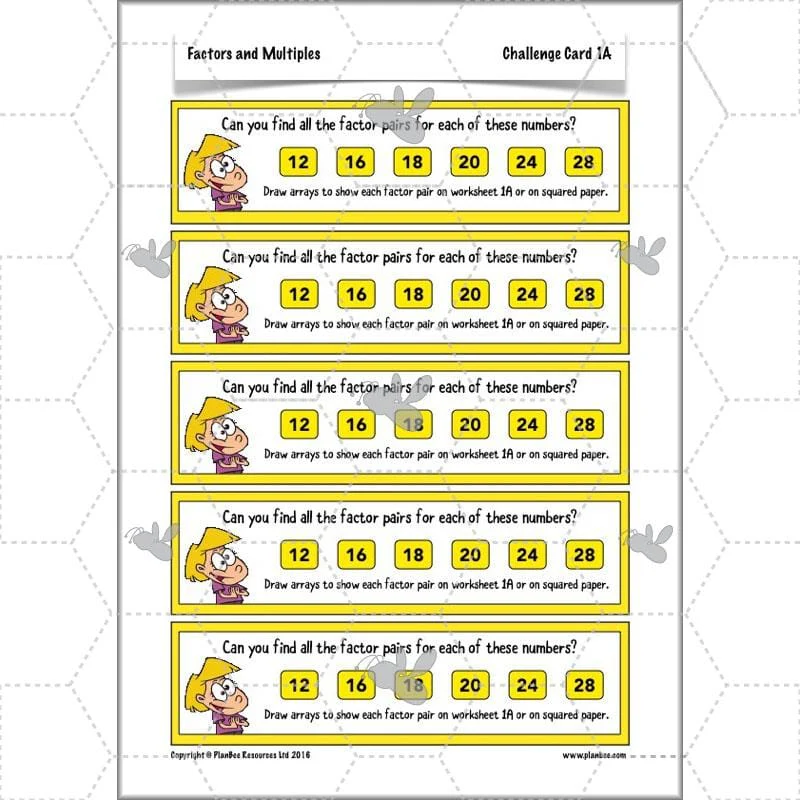
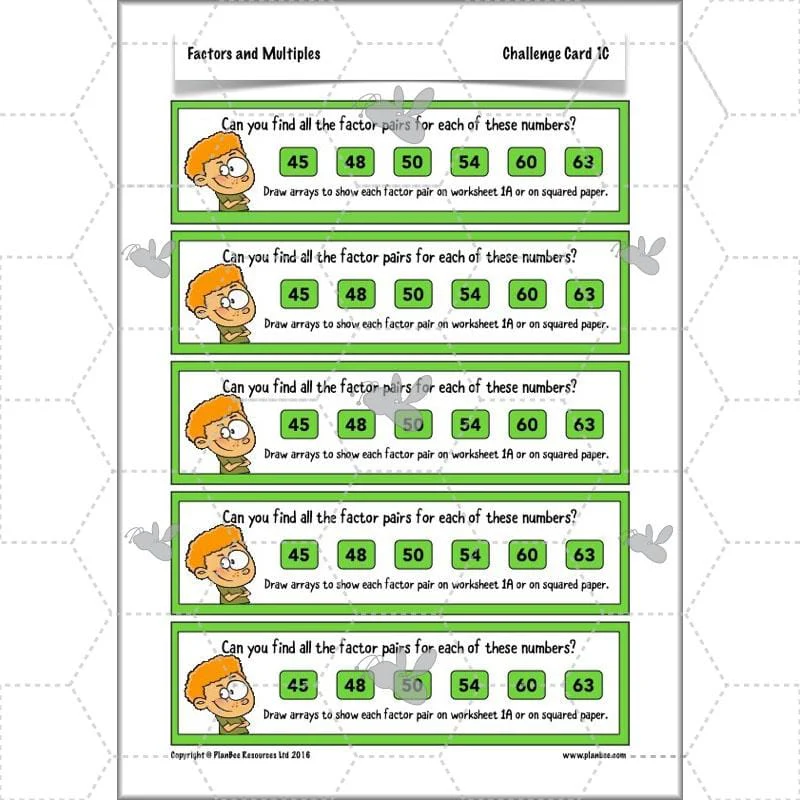
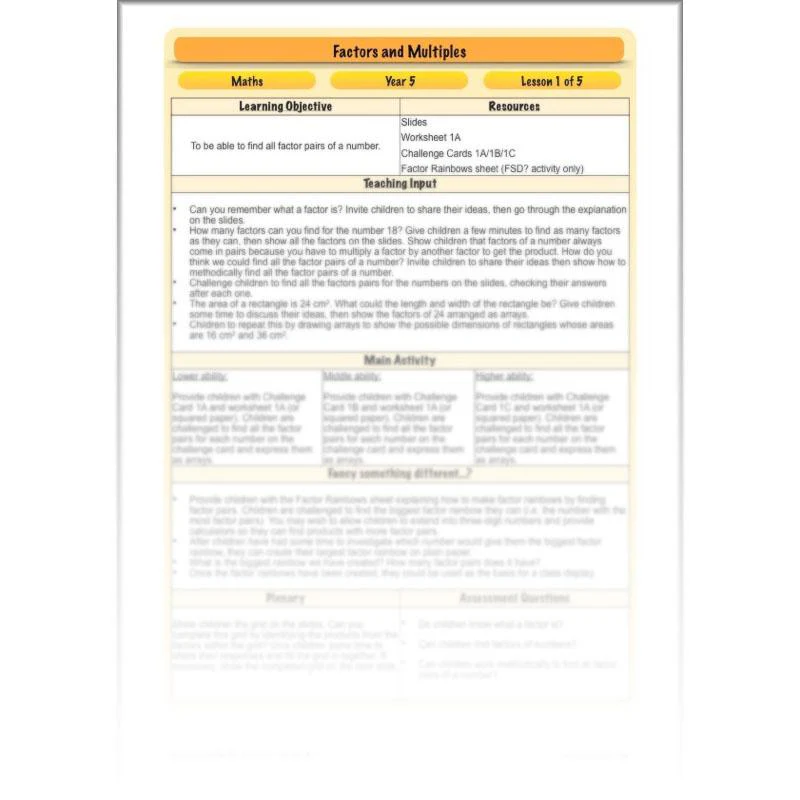
The first lesson in this series teaches your children how to find all the factor pairs for a given number. Starting with simple examples until they get the hang of it, they can then find factor pairs for increasingly tricky numbers, using arrays to show each pair. They will also think about some ways in which finding factor pairs can be helpful in real life. There is also the option of making some colourful factor rainbows to brighten up your classroom!
What's included:
- Lesson plan
- Slides
- Activity ideas
- Challenge cards
- Worksheets
- Factor rainbow sheet
Common Factors
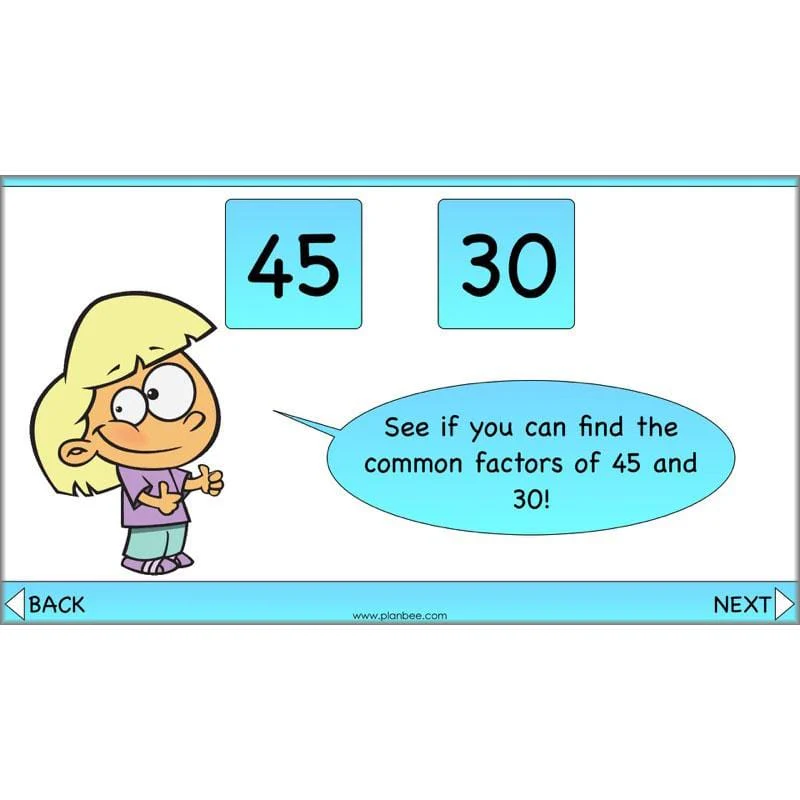
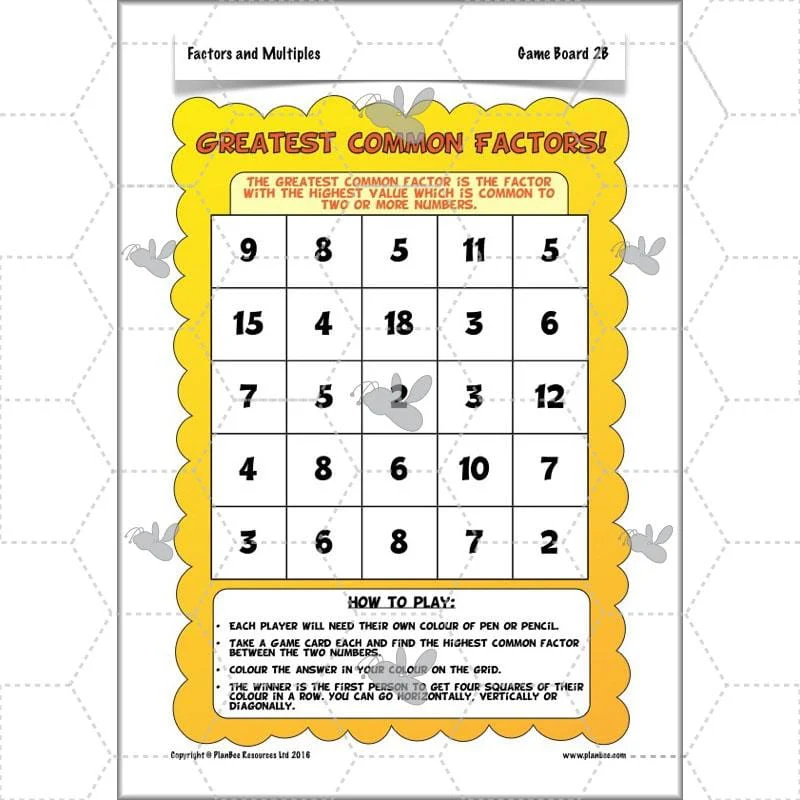
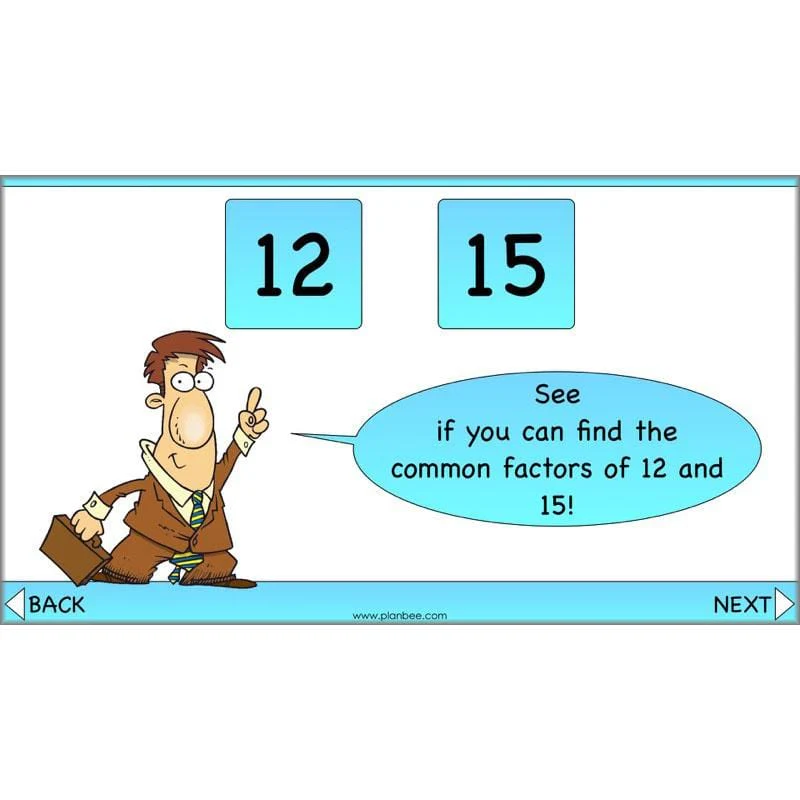
After recapping how to find factor pairs, your class will then learn how to identify common factors. The slides go through some examples of how to do this so children can get the hang of it before tackling their independent learning. Children will either sort factors in Venn diagrams to identify common factors, or play a fun board game that encourages them to find the greatest common factor. The plenary then brings them back together and challenges them to identify common multiples.
What's included:
- Lesson plan
- Slides
- Activity ideas
- Differentiated worksheets
- Multiplication grid
- Game board sheet
- Game cards
Puzzles
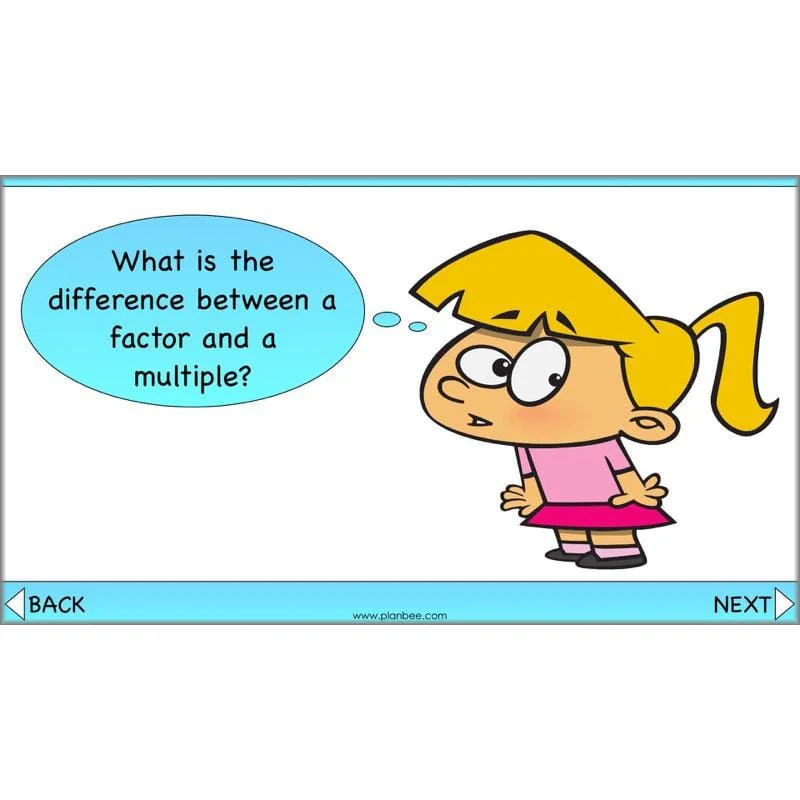
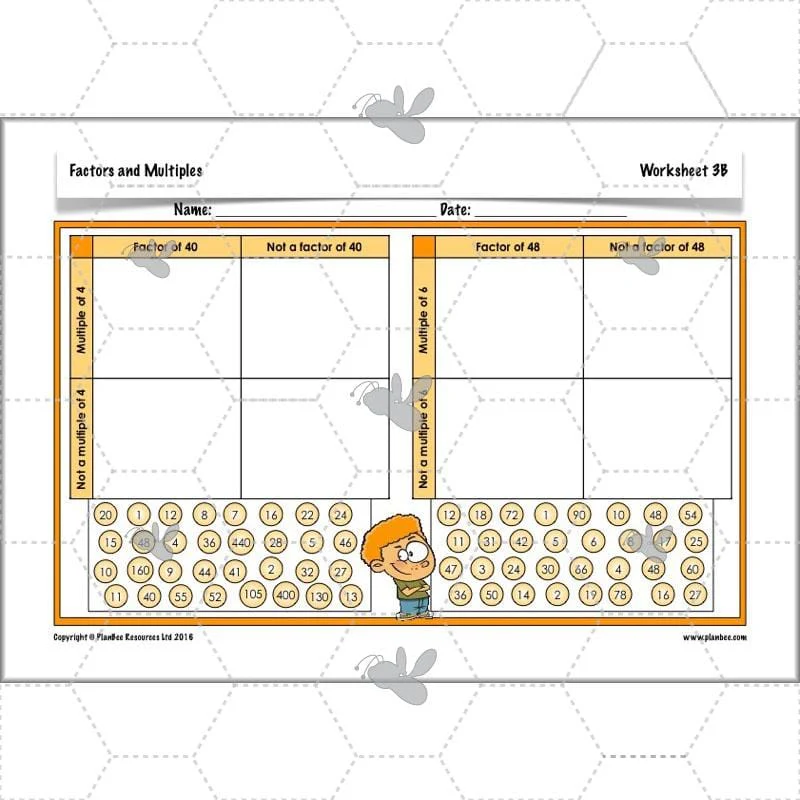
This lesson starts by asking your children to identify the difference between a multiple and a factor. It then goes on to challenge your class to solve a variety of puzzles and problems relating to factors and multiples. They will sort numbers into Carroll diagrams according to various criteria, and solve puzzles which include identifying numbers that have been replaced by symbols, all of which will challenge their understanding of the relationship between factors and multiples.
What's included:
- Lesson plan
- Slides
- Activity ideas
- Differentiated worksheets
- Challenge cards
Multiples of 10 and 100
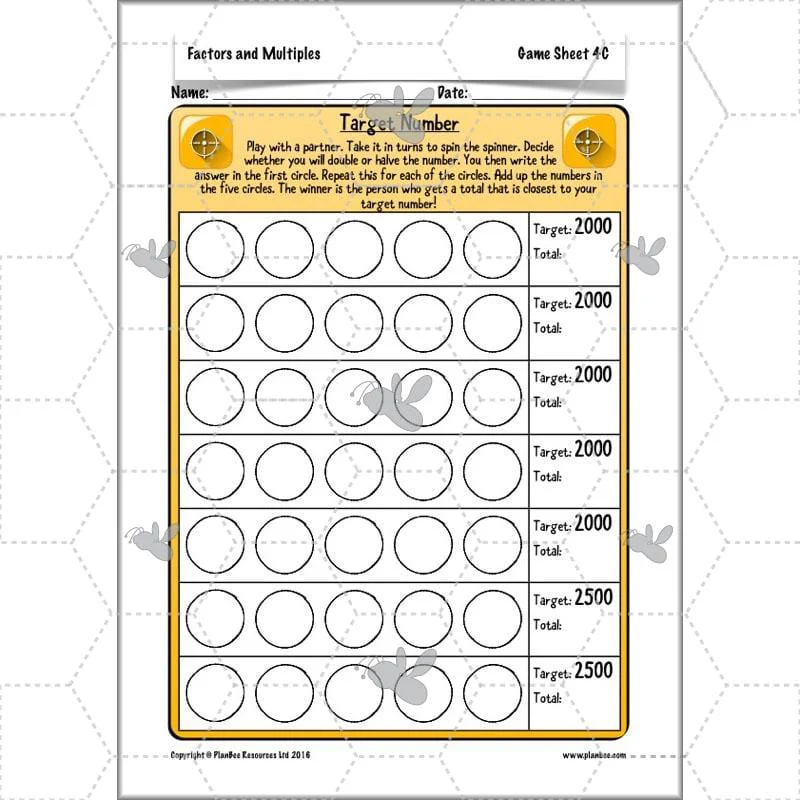
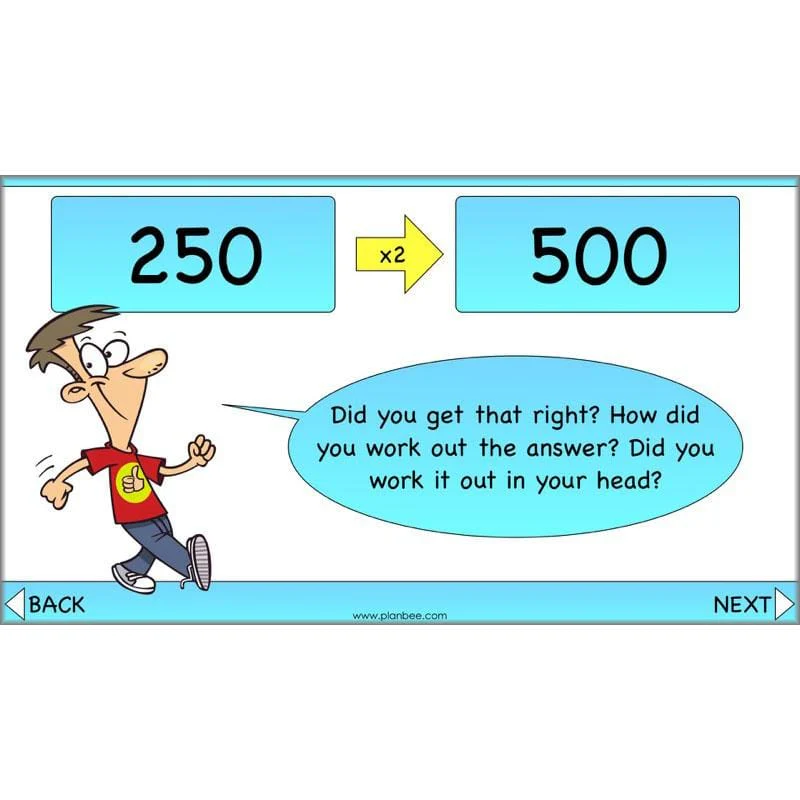
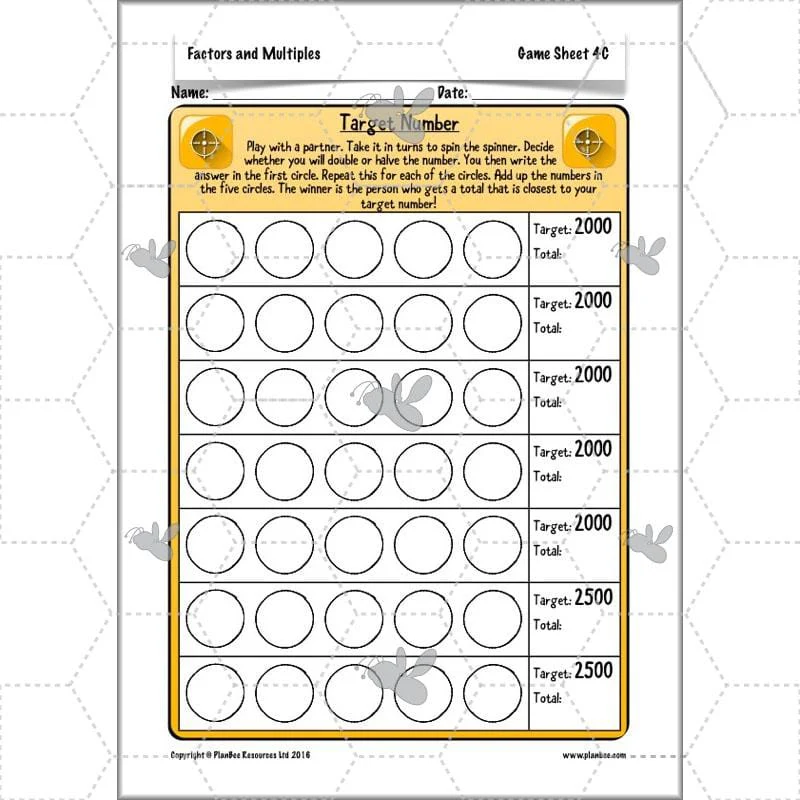
This lesson will challenge your class to double and halve multiples of 10 and 100, up to 10,000. Starting with some simple problems they can solve mentally, the slides then progress to show them some strategies they can use to double and halve trickier examples. The main activity has a great ‘target number’ activity that will engage their reasoning skills, as well as consolidating their ability to double and halve multiples of 10 and 100. If you fancy something different, there’s a number matching game too!
What's included:
- Lesson plan
- Slides
- Activity ideas
- Game sheets
- Spinner sheets
- Number cards
- Blank number cars
Factors of 100
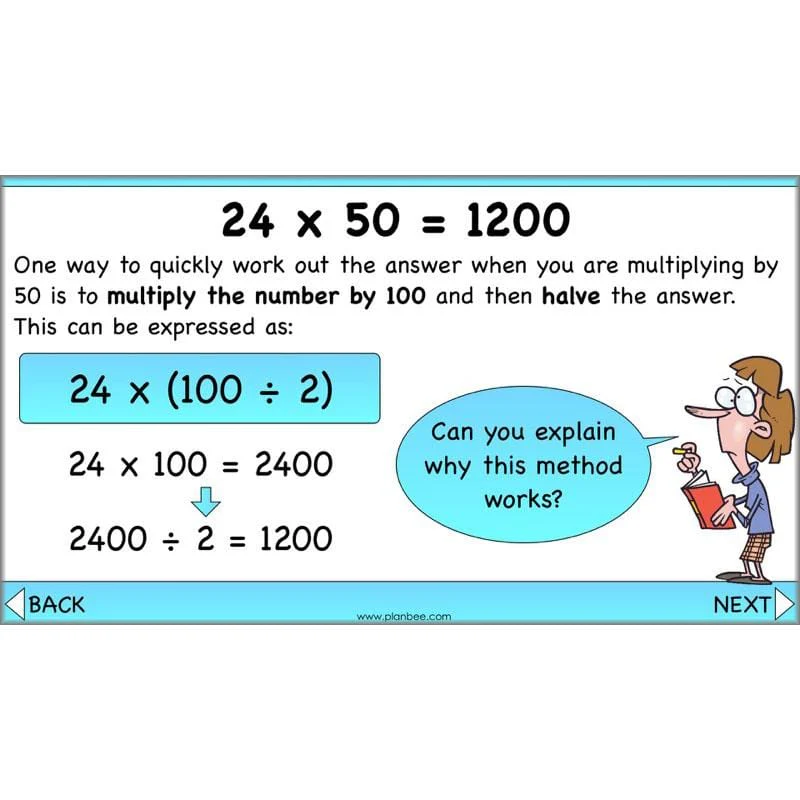
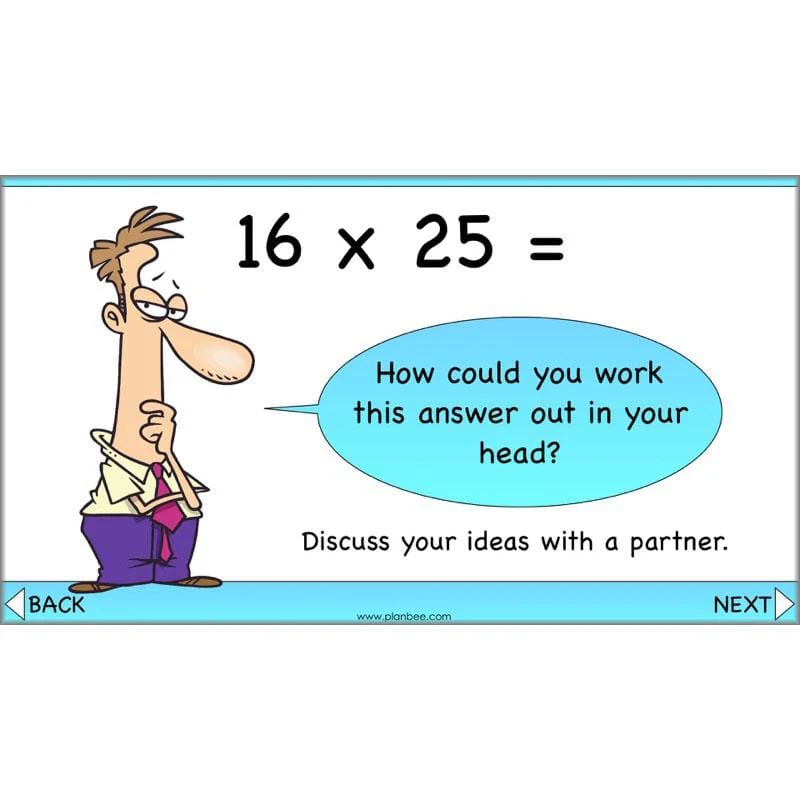
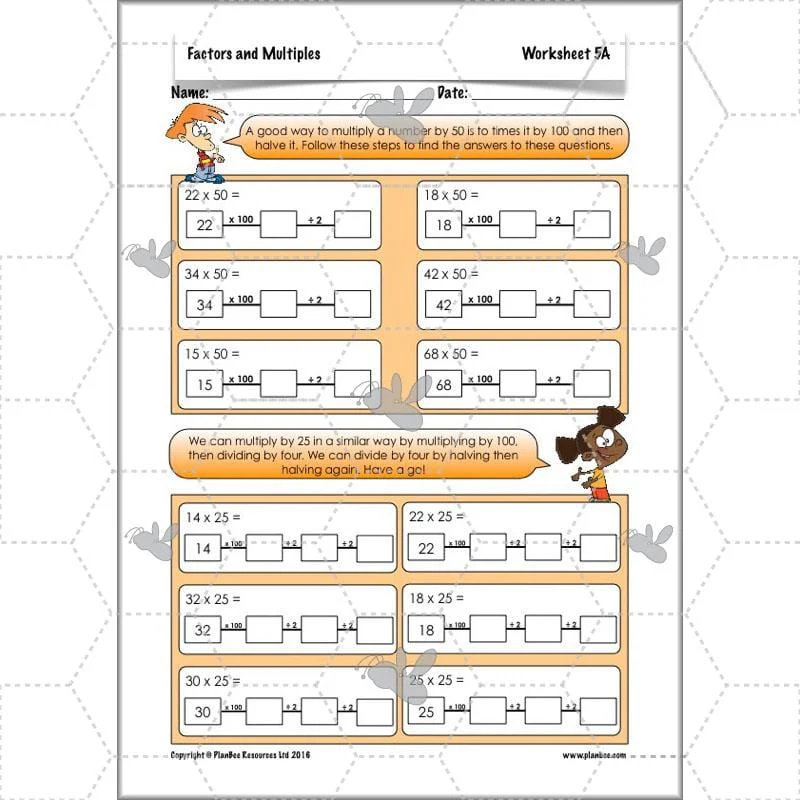
The final lesson in this series challenges your class to multiply by factors of 100, namely 25, 50 and 75. The slides show them some helpful strategies to help them do this and encourages them to solve problems mentally whenever they can. Their independent learning activities then reinforce the learning undertaken during the teaching input through a variety of differentiated activities.
What's included:
- Lesson plan
- Slides
- Activity ideas
- Worksheet
- Calculation cards
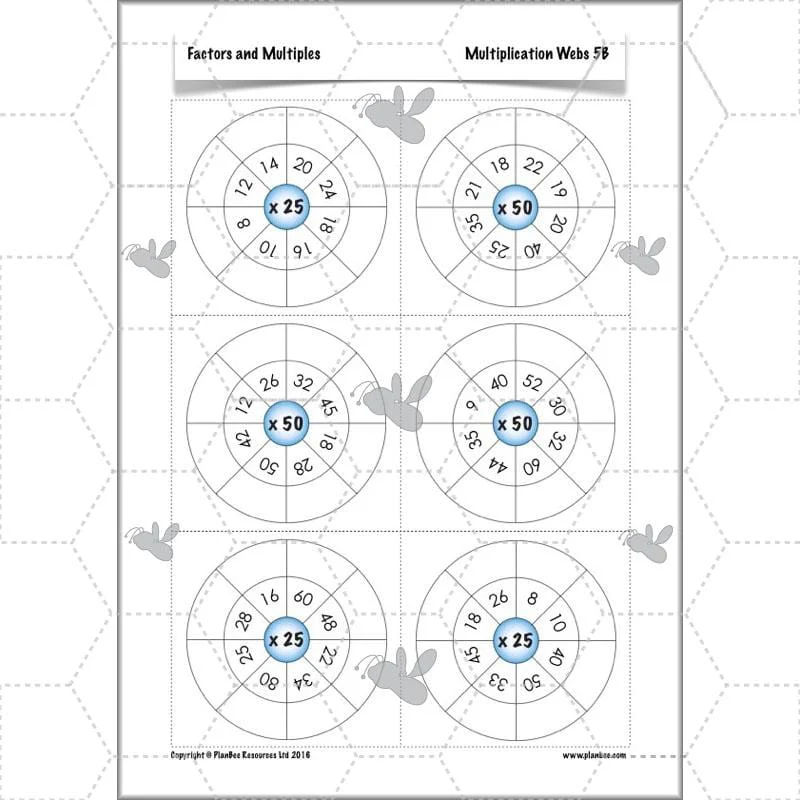
- Multiplication webs
Original: $4.71
-65%$4.71
$1.65More Images































Factors and Multiples
These Year 5 'Factors and Multiples' lessons are jam-packed with ways for your class to understand the difference between a factor and a multiple, and use this to improve their understanding of multiplication and division. They will learn how to find factors of 2-digit numbers, find common multiples, double and halve multiples of 10 and 100, and much more.
With lesson plans, slides, activity ideas, differentiated worksheets and other helpful resources, these KS2 Maths 'Factors and Multiples' provide all you need for a whole week of fun with factors!
Finding Factor Pairs
The first lesson in this series teaches your children how to find all the factor pairs for a given number. Starting with simple examples until they get the hang of it, they can then find factor pairs for increasingly tricky numbers, using arrays to show each pair. They will also think about some ways in which finding factor pairs can be helpful in real life. There is also the option of making some colourful factor rainbows to brighten up your classroom!
What's included:
- Lesson plan
- Slides
- Activity ideas
- Challenge cards
- Worksheets
- Factor rainbow sheet
Common Factors
After recapping how to find factor pairs, your class will then learn how to identify common factors. The slides go through some examples of how to do this so children can get the hang of it before tackling their independent learning. Children will either sort factors in Venn diagrams to identify common factors, or play a fun board game that encourages them to find the greatest common factor. The plenary then brings them back together and challenges them to identify common multiples.
What's included:
- Lesson plan
- Slides
- Activity ideas
- Differentiated worksheets
- Multiplication grid
- Game board sheet
- Game cards
Puzzles
This lesson starts by asking your children to identify the difference between a multiple and a factor. It then goes on to challenge your class to solve a variety of puzzles and problems relating to factors and multiples. They will sort numbers into Carroll diagrams according to various criteria, and solve puzzles which include identifying numbers that have been replaced by symbols, all of which will challenge their understanding of the relationship between factors and multiples.
What's included:
- Lesson plan
- Slides
- Activity ideas
- Differentiated worksheets
- Challenge cards
Multiples of 10 and 100
This lesson will challenge your class to double and halve multiples of 10 and 100, up to 10,000. Starting with some simple problems they can solve mentally, the slides then progress to show them some strategies they can use to double and halve trickier examples. The main activity has a great ‘target number’ activity that will engage their reasoning skills, as well as consolidating their ability to double and halve multiples of 10 and 100. If you fancy something different, there’s a number matching game too!
What's included:
- Lesson plan
- Slides
- Activity ideas
- Game sheets
- Spinner sheets
- Number cards
- Blank number cars
Factors of 100
The final lesson in this series challenges your class to multiply by factors of 100, namely 25, 50 and 75. The slides show them some helpful strategies to help them do this and encourages them to solve problems mentally whenever they can. Their independent learning activities then reinforce the learning undertaken during the teaching input through a variety of differentiated activities.
What's included:
- Lesson plan
- Slides
- Activity ideas
- Worksheet
- Calculation cards
- Multiplication webs
Product Information
Product Information
Shipping & Returns
Shipping & Returns
Description
These Year 5 'Factors and Multiples' lessons are jam-packed with ways for your class to understand the difference between a factor and a multiple, and use this to improve their understanding of multiplication and division. They will learn how to find factors of 2-digit numbers, find common multiples, double and halve multiples of 10 and 100, and much more.
With lesson plans, slides, activity ideas, differentiated worksheets and other helpful resources, these KS2 Maths 'Factors and Multiples' provide all you need for a whole week of fun with factors!
Finding Factor Pairs
The first lesson in this series teaches your children how to find all the factor pairs for a given number. Starting with simple examples until they get the hang of it, they can then find factor pairs for increasingly tricky numbers, using arrays to show each pair. They will also think about some ways in which finding factor pairs can be helpful in real life. There is also the option of making some colourful factor rainbows to brighten up your classroom!
What's included:
- Lesson plan
- Slides
- Activity ideas
- Challenge cards
- Worksheets
- Factor rainbow sheet
Common Factors
After recapping how to find factor pairs, your class will then learn how to identify common factors. The slides go through some examples of how to do this so children can get the hang of it before tackling their independent learning. Children will either sort factors in Venn diagrams to identify common factors, or play a fun board game that encourages them to find the greatest common factor. The plenary then brings them back together and challenges them to identify common multiples.
What's included:
- Lesson plan
- Slides
- Activity ideas
- Differentiated worksheets
- Multiplication grid
- Game board sheet
- Game cards
Puzzles
This lesson starts by asking your children to identify the difference between a multiple and a factor. It then goes on to challenge your class to solve a variety of puzzles and problems relating to factors and multiples. They will sort numbers into Carroll diagrams according to various criteria, and solve puzzles which include identifying numbers that have been replaced by symbols, all of which will challenge their understanding of the relationship between factors and multiples.
What's included:
- Lesson plan
- Slides
- Activity ideas
- Differentiated worksheets
- Challenge cards
Multiples of 10 and 100
This lesson will challenge your class to double and halve multiples of 10 and 100, up to 10,000. Starting with some simple problems they can solve mentally, the slides then progress to show them some strategies they can use to double and halve trickier examples. The main activity has a great ‘target number’ activity that will engage their reasoning skills, as well as consolidating their ability to double and halve multiples of 10 and 100. If you fancy something different, there’s a number matching game too!
What's included:
- Lesson plan
- Slides
- Activity ideas
- Game sheets
- Spinner sheets
- Number cards
- Blank number cars
Factors of 100
The final lesson in this series challenges your class to multiply by factors of 100, namely 25, 50 and 75. The slides show them some helpful strategies to help them do this and encourages them to solve problems mentally whenever they can. Their independent learning activities then reinforce the learning undertaken during the teaching input through a variety of differentiated activities.
What's included:
- Lesson plan
- Slides
- Activity ideas
- Worksheet
- Calculation cards
- Multiplication webs