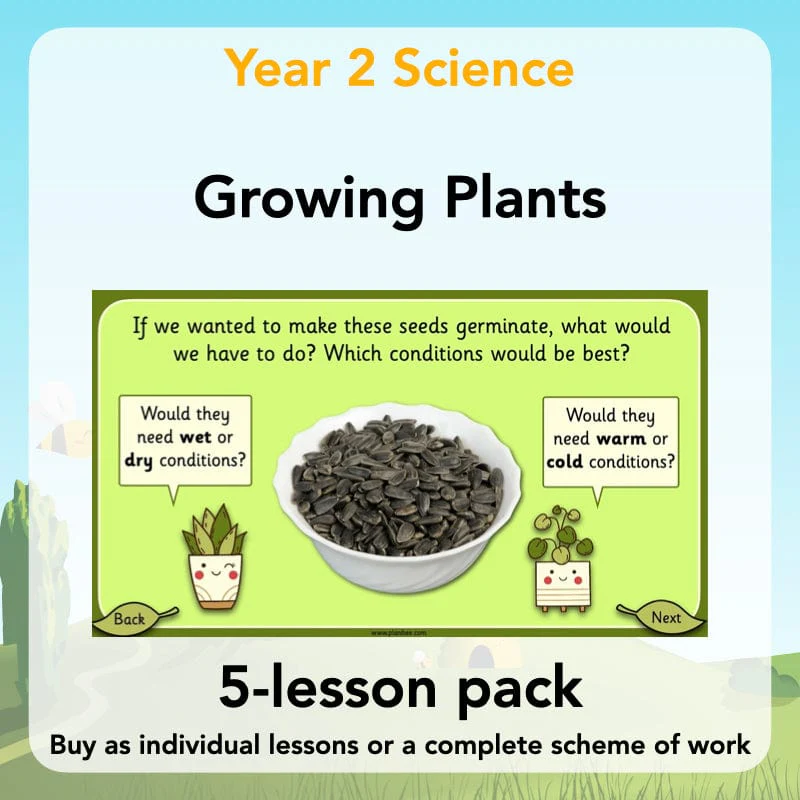
Growing Plants
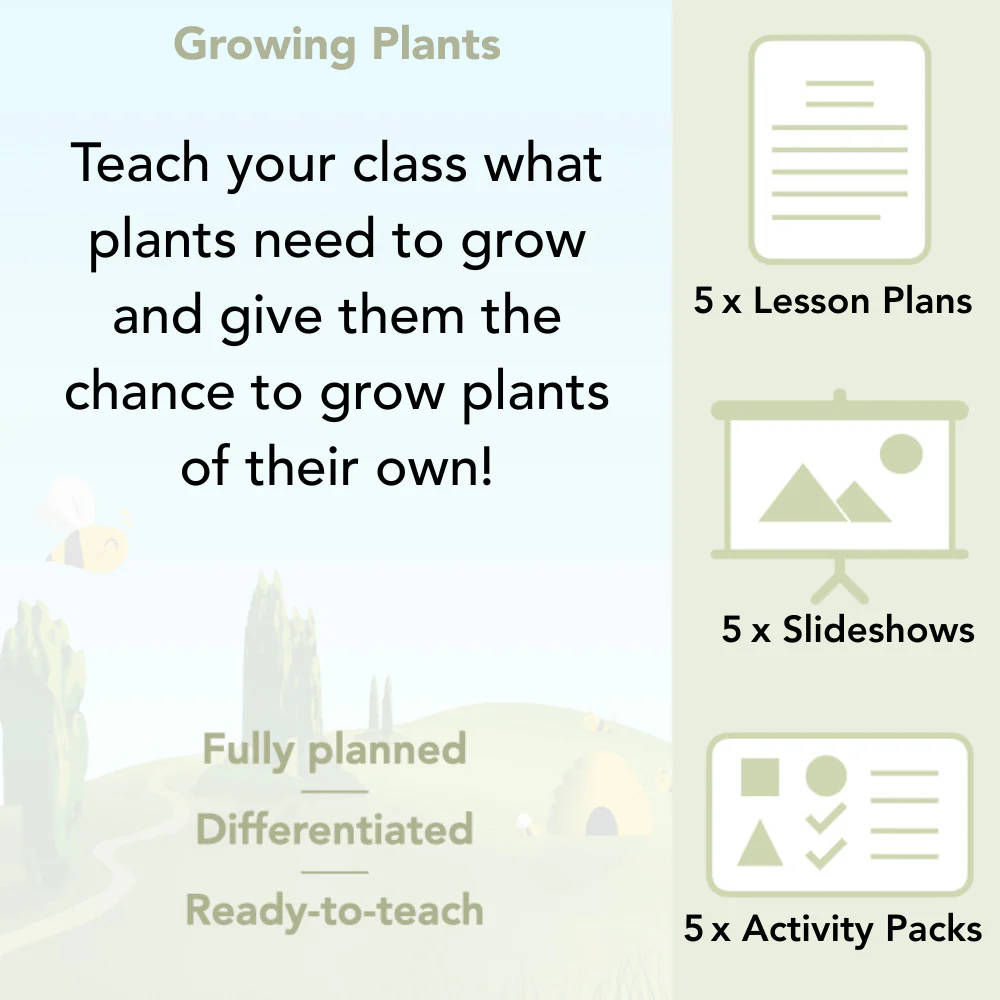
This Growing Plants KS1 Science lesson pack for Year 2 will help your children understand what plants need in order to grow, thrive and survive. They will explore the life cycles of various plants that grow from seeds and bulbs and investigate how they change as they grow and develop.
With lesson plans, slides, activity ideas, differentiated worksheets and many other helpful resources, this Year 2 plants planning contains everything you need to teach this green-fingered scheme of work.
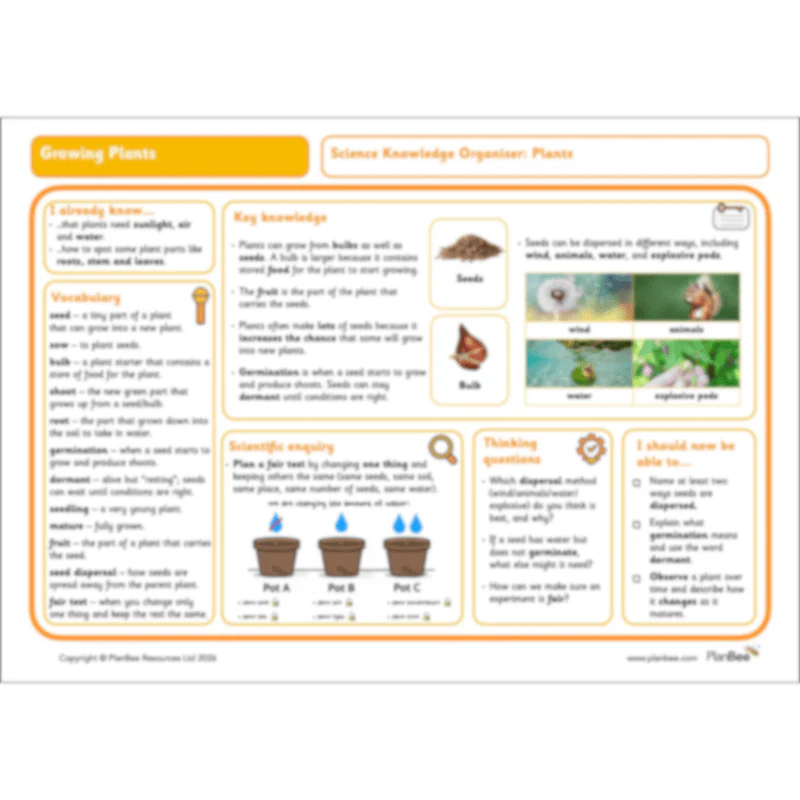
A Knowledge Organiser is included within the complete series download, or is available to purchase separately.
Seeds
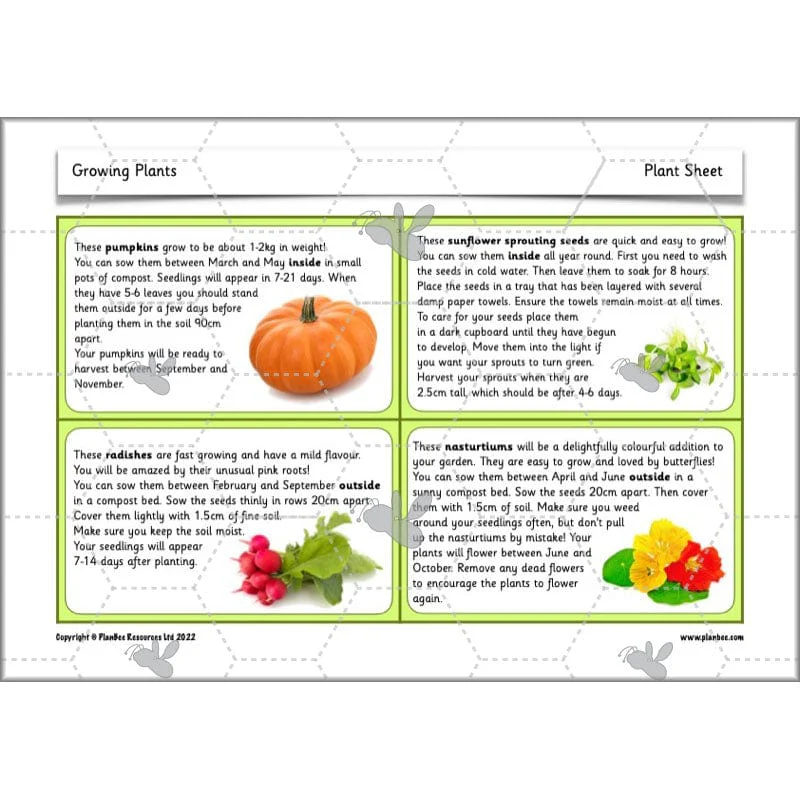
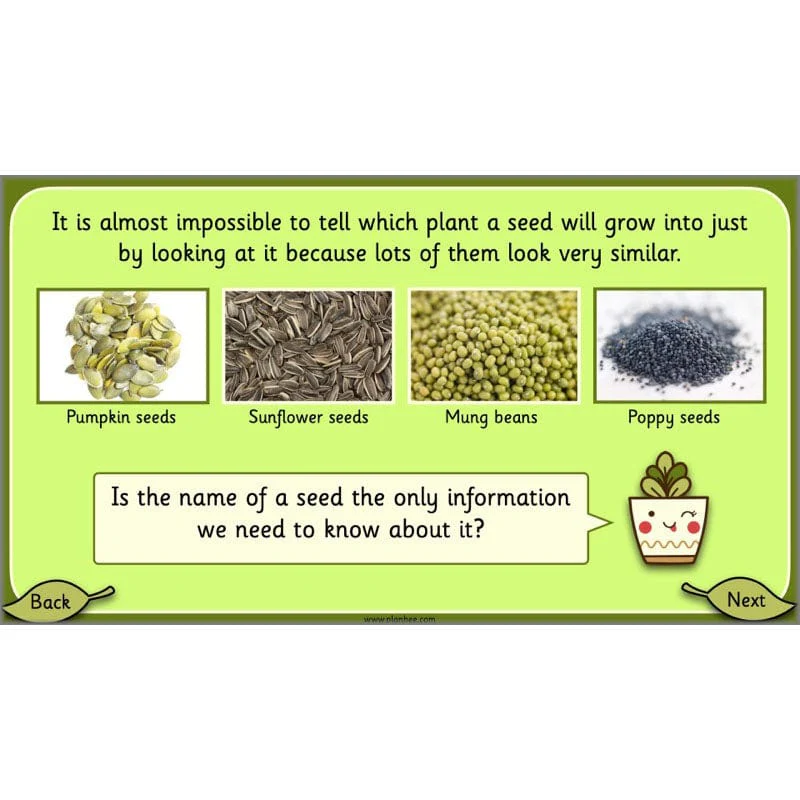
The first lesson in this series teaches your class that plants can be grown from seeds. They will look at some common seeds and see if they can identify them. Then your children will begin to think about the important information they would need to know about the seeds to help them grow.
Your class will think carefully about the information that is included on seed packets and why it is necessary. They will then either compare what two different plants need to survive or alternatively plant their own seeds so they can watch them grow.
What's included:
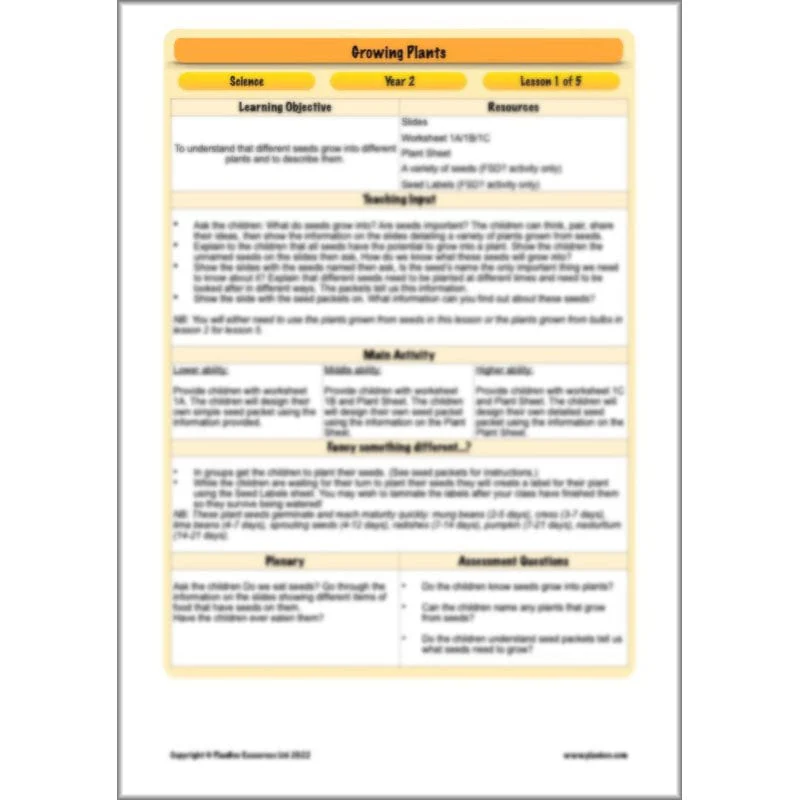
- Lesson plan
- Slides
- Activity ideas
- Differentiated worksheets
- Plant sheet
- Seed labels
View Lesson 1
Bulbs
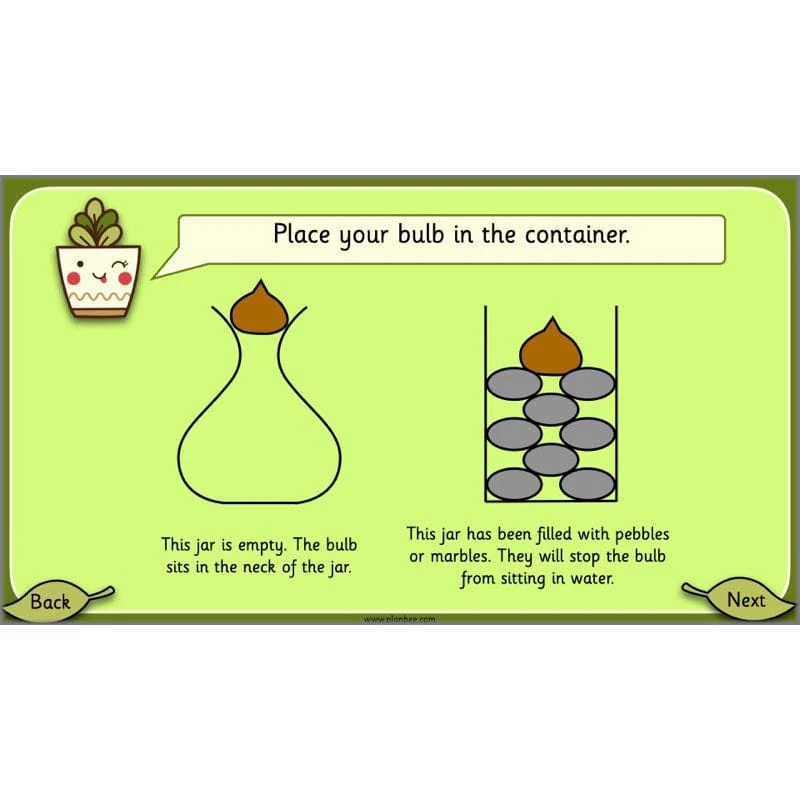
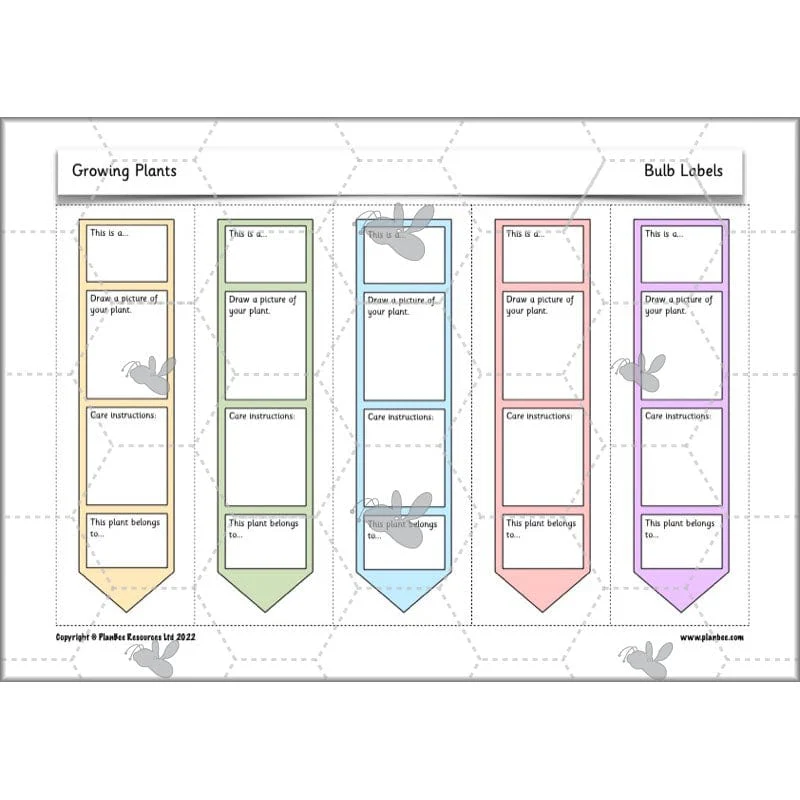
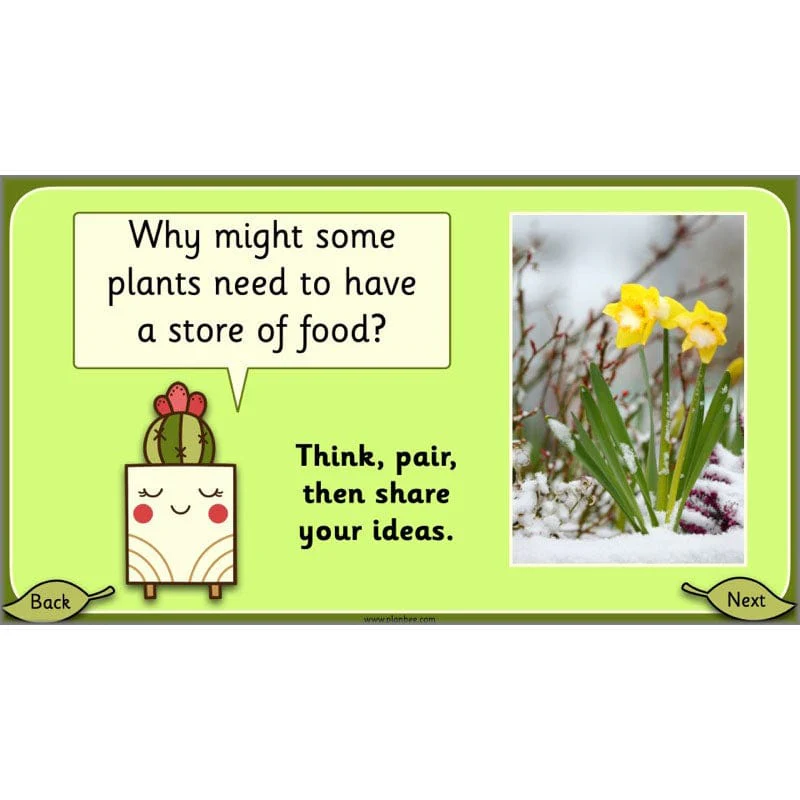
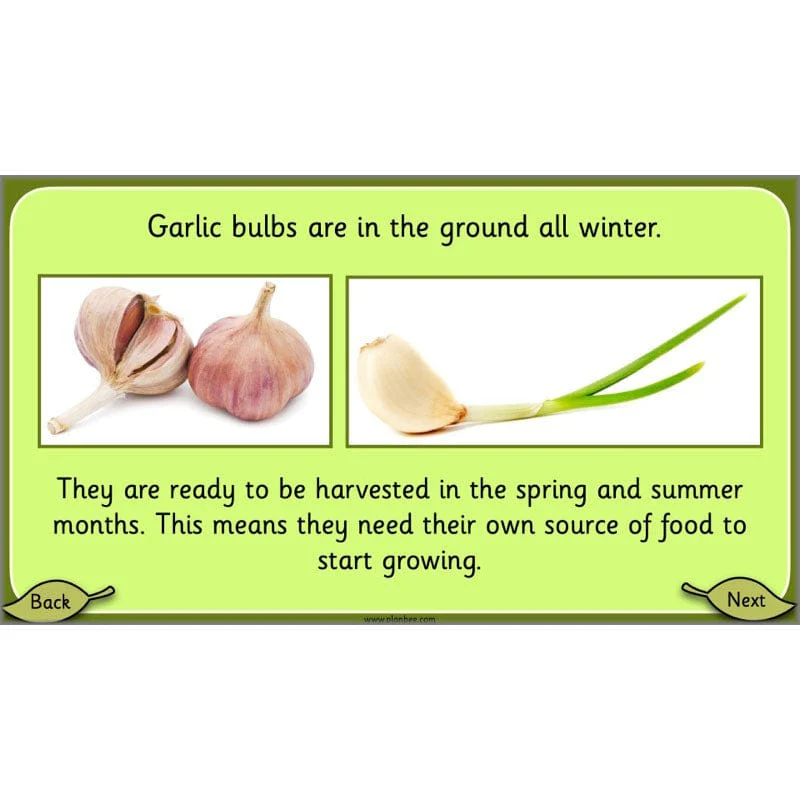
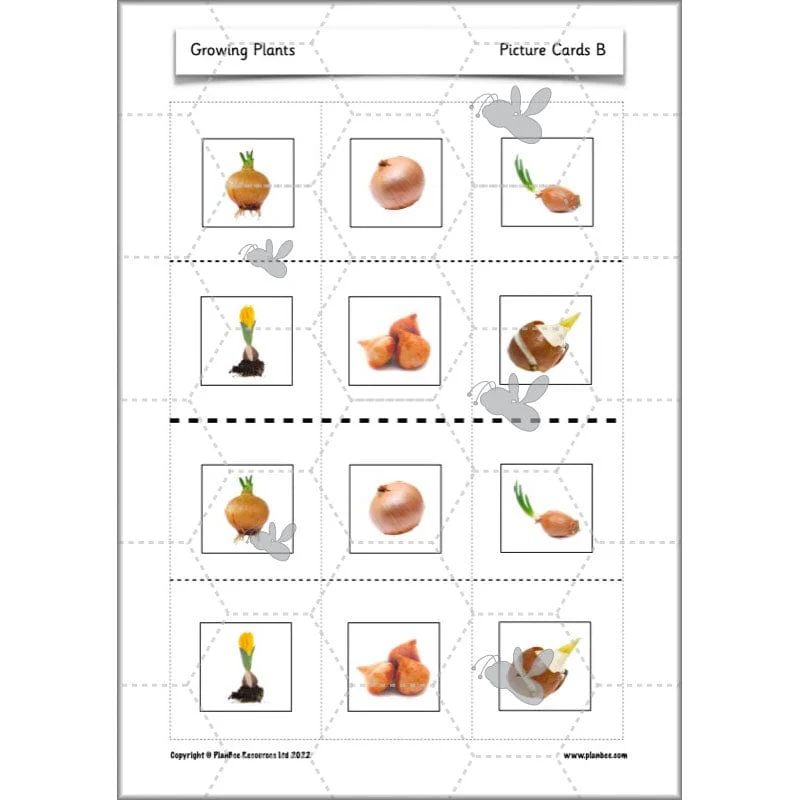
During this lesson your class will discover a range of plants that can be grown from bulbs. They will be encouraged to link their knowledge of growing seeds to growing bulbs and talk about what they think the bulbs will need to grow.
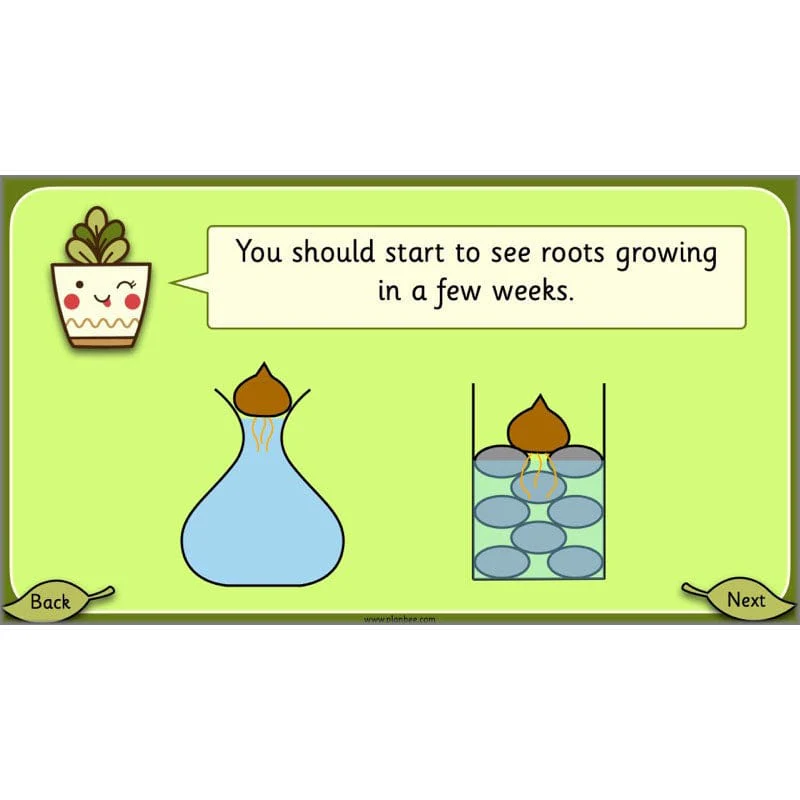
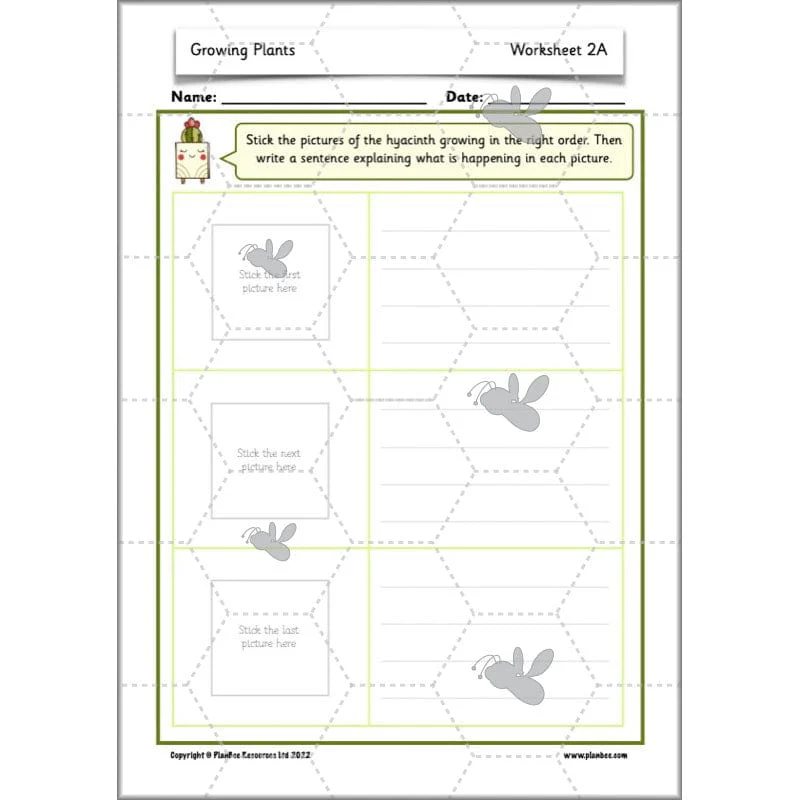
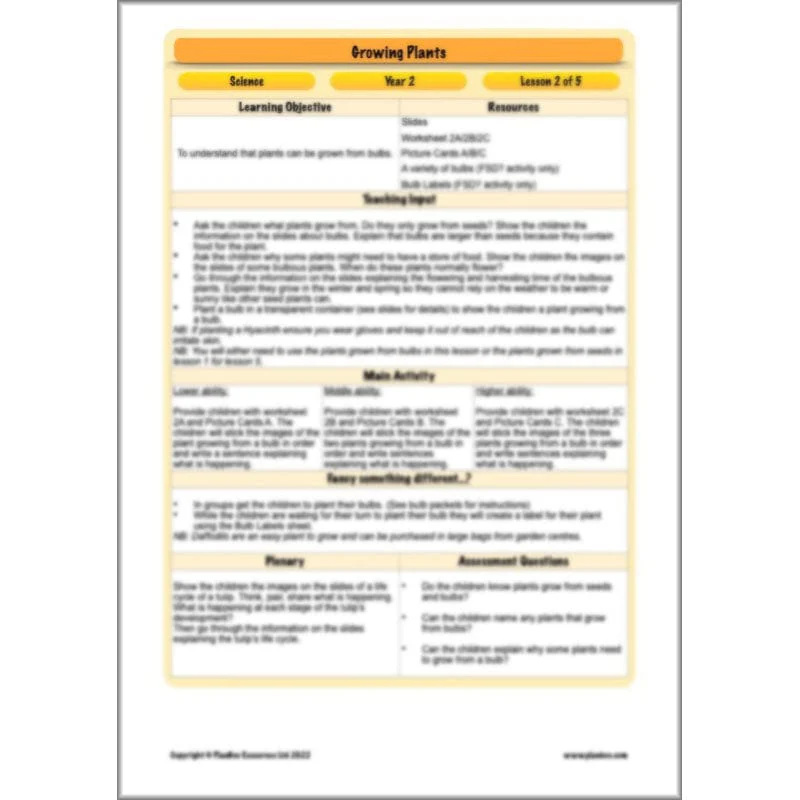
Your class will have the option of ordering the life cycle of flowering and non-flowering plants or planting their own bulbs. This lesson includes guidance on which bulbs are the easiest to grow and how to show their roots developing.
What's included:
- Lesson plan
- Slides
- Activity ideas
- Differentiated worksheets
- Picture cards
- Bulb labels
View Lesson 2
How are seeds dispersed?
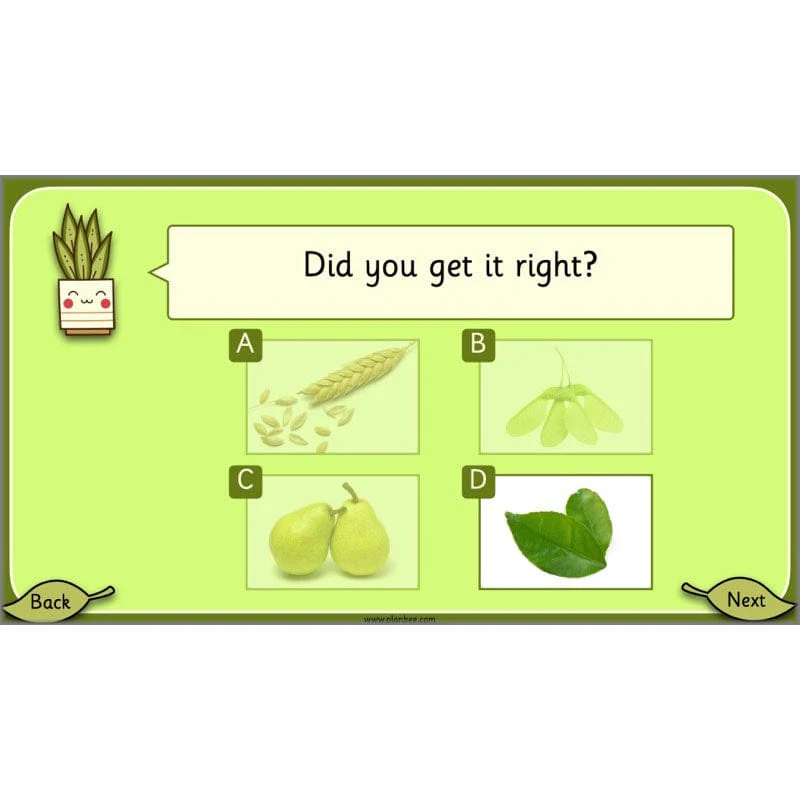
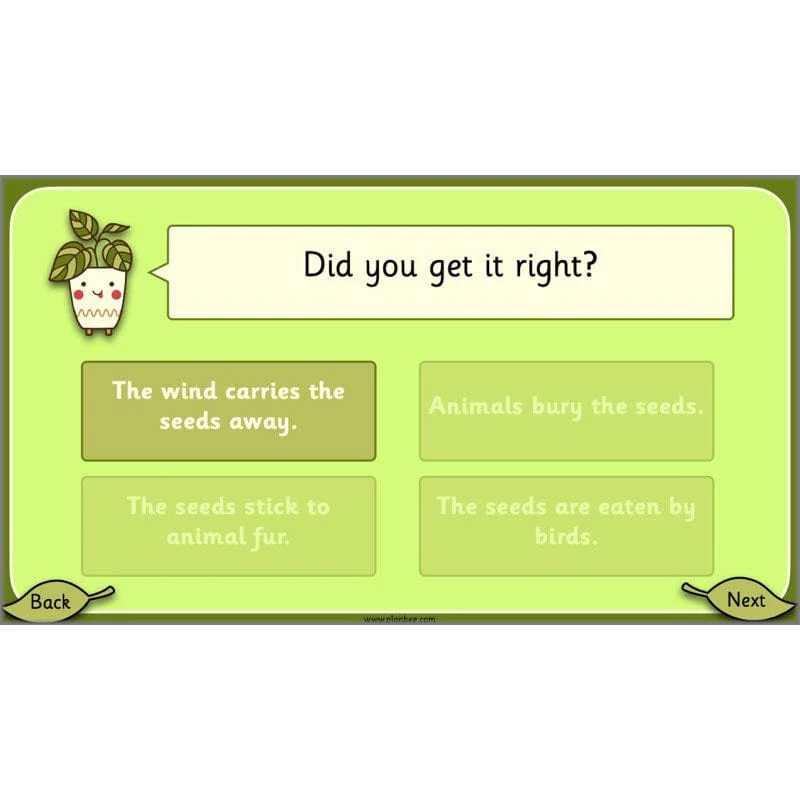
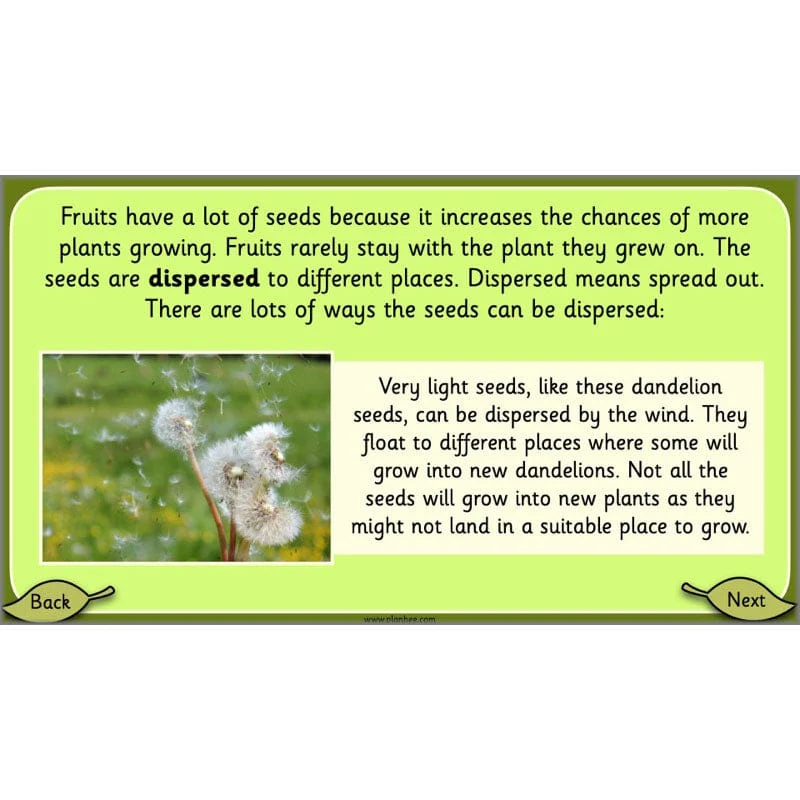
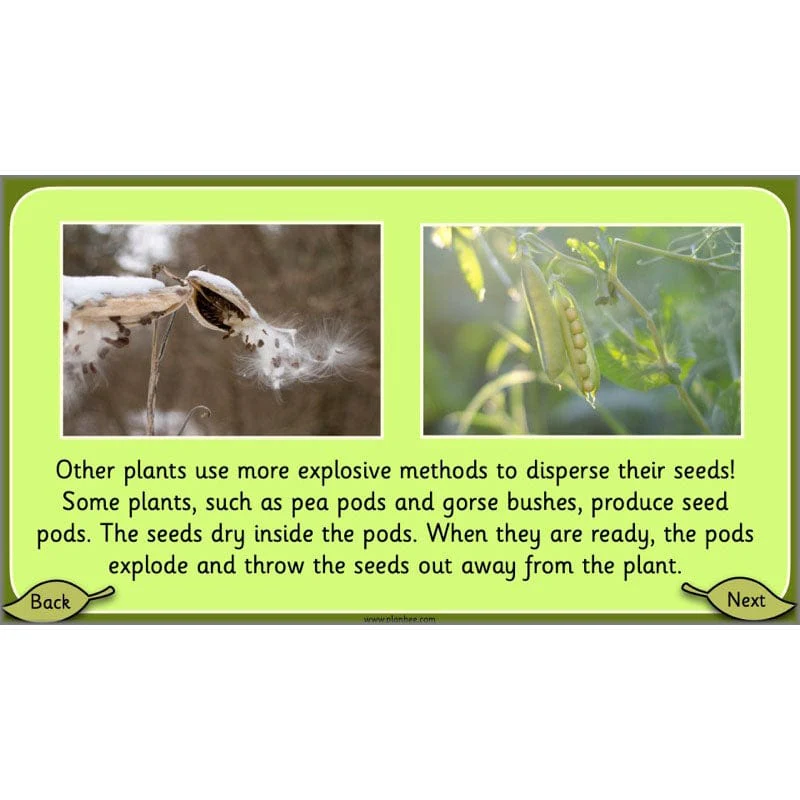
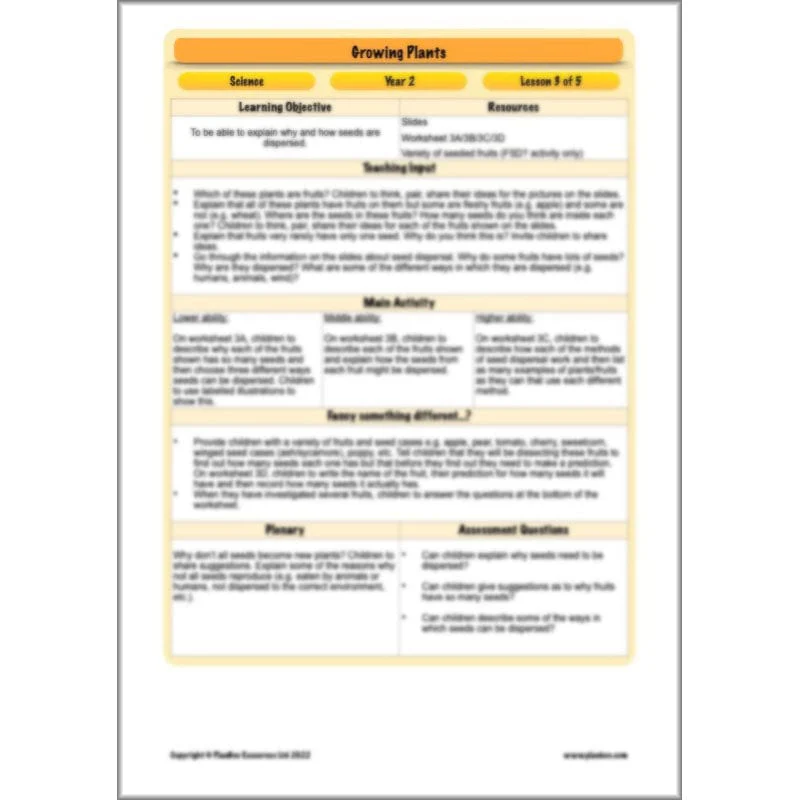
In this lesson your class will explore how and why seeds are dispersed. They will find out that some seeds are dispersed by wind, some are dispersed by animals and others are dispersed in more explosive ways.
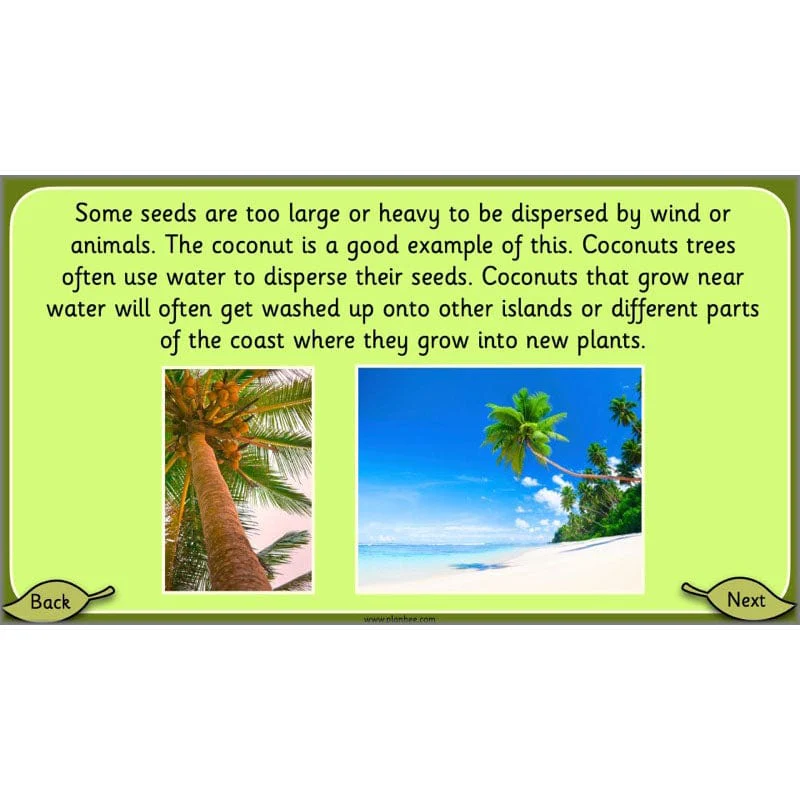
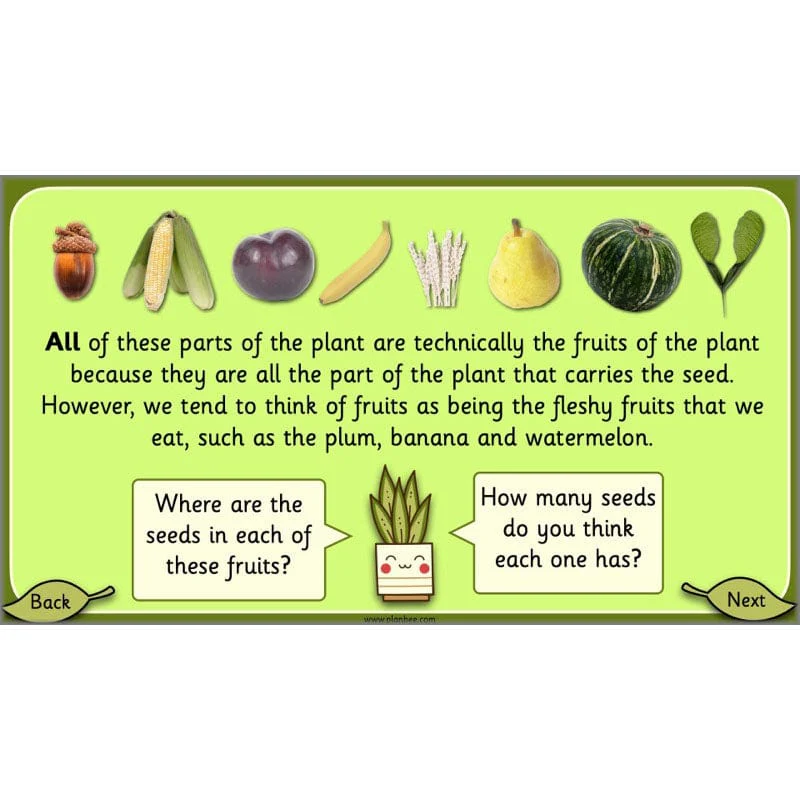
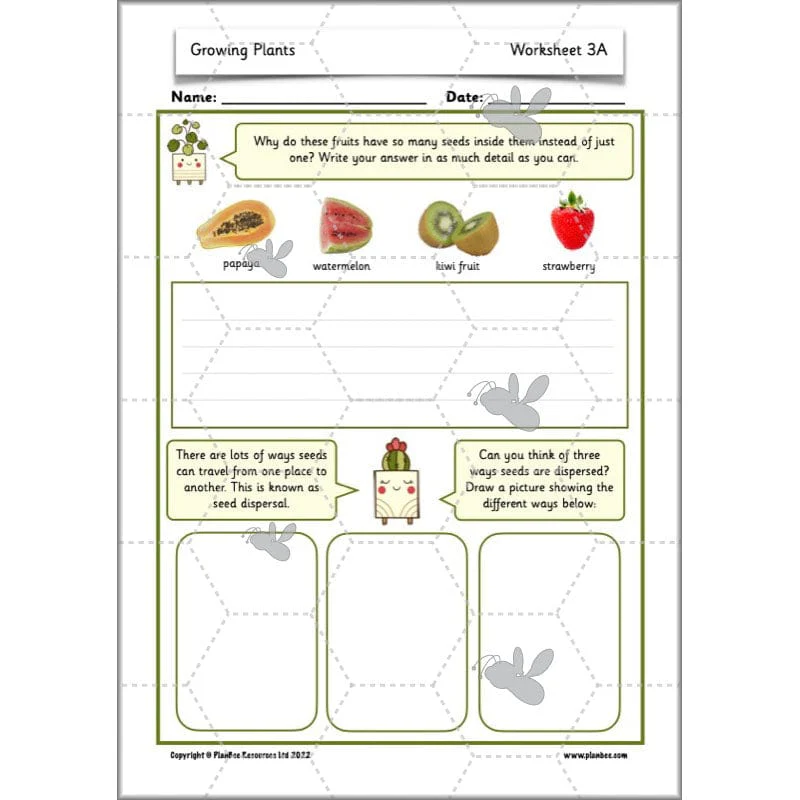
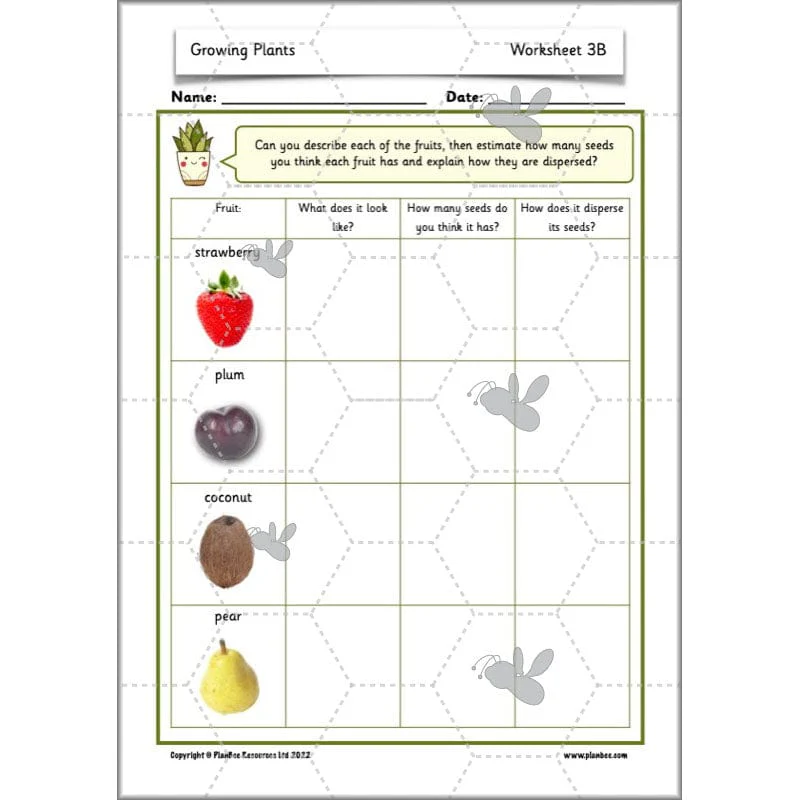
Your class will begin to think about why some fruits have lots of seeds, for example a pomegranate, and how smaller seeds might need to be transported differently to a coconut. Your class will link this knowledge to why seeds need to be transported to a suitable place to grow.
What's included:
- Lesson plan
- Slides
- Activity ideas
- Differentiated worksheets
View Lesson 3
Investigating germination conditions
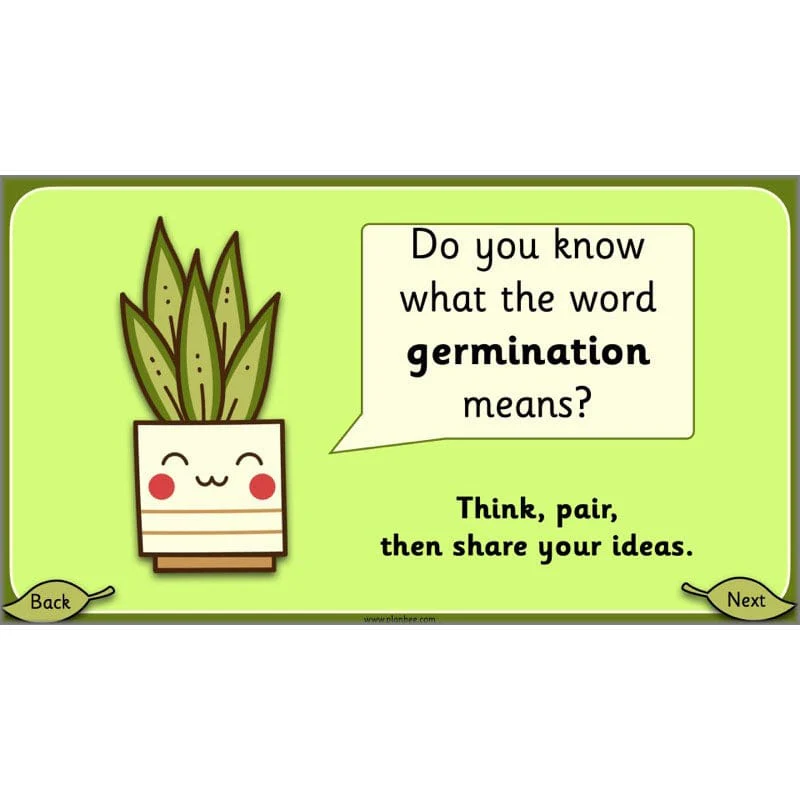
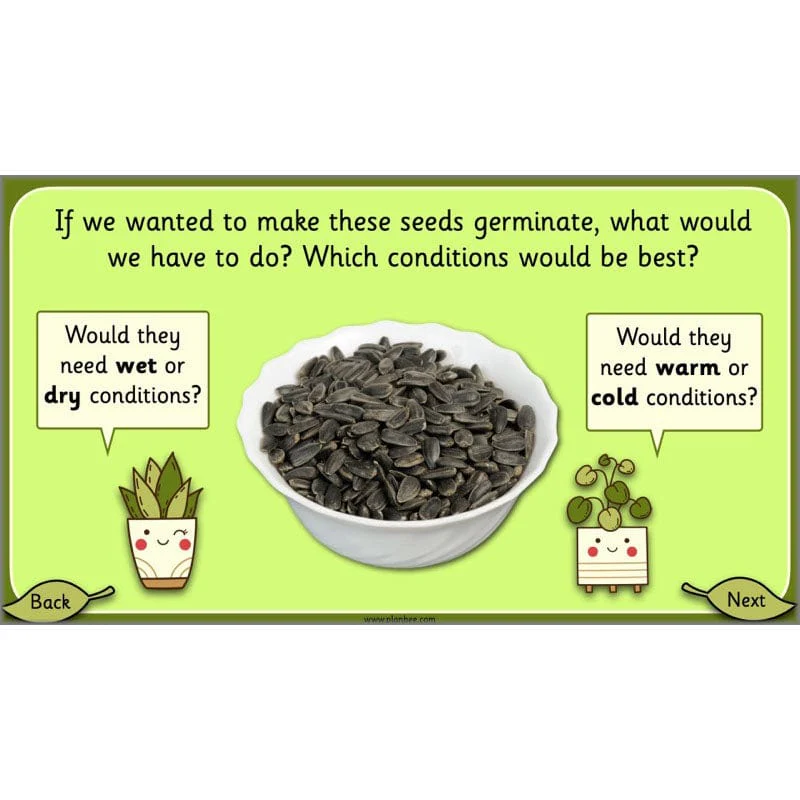
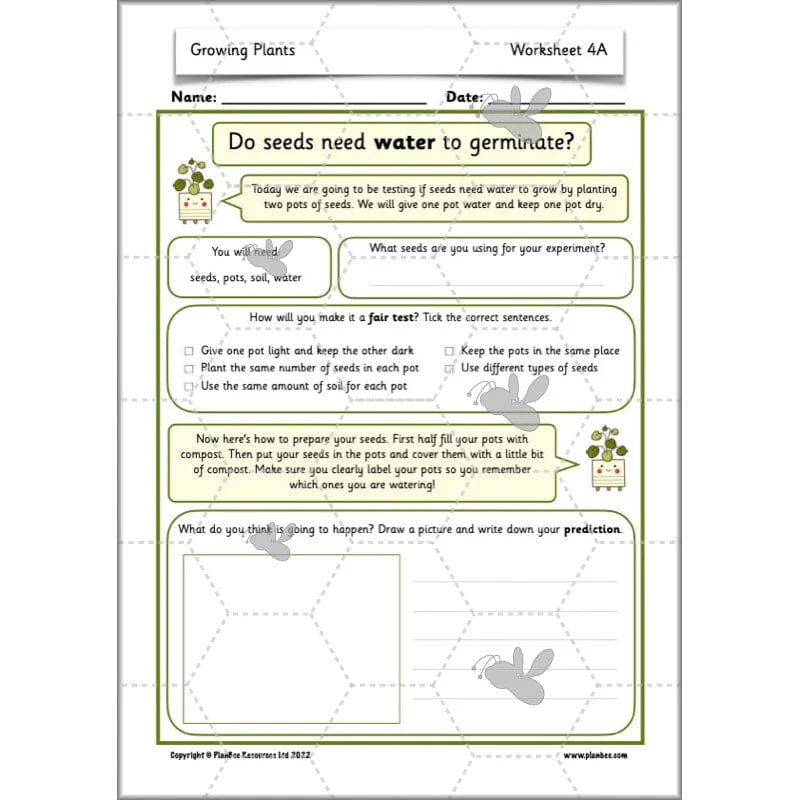
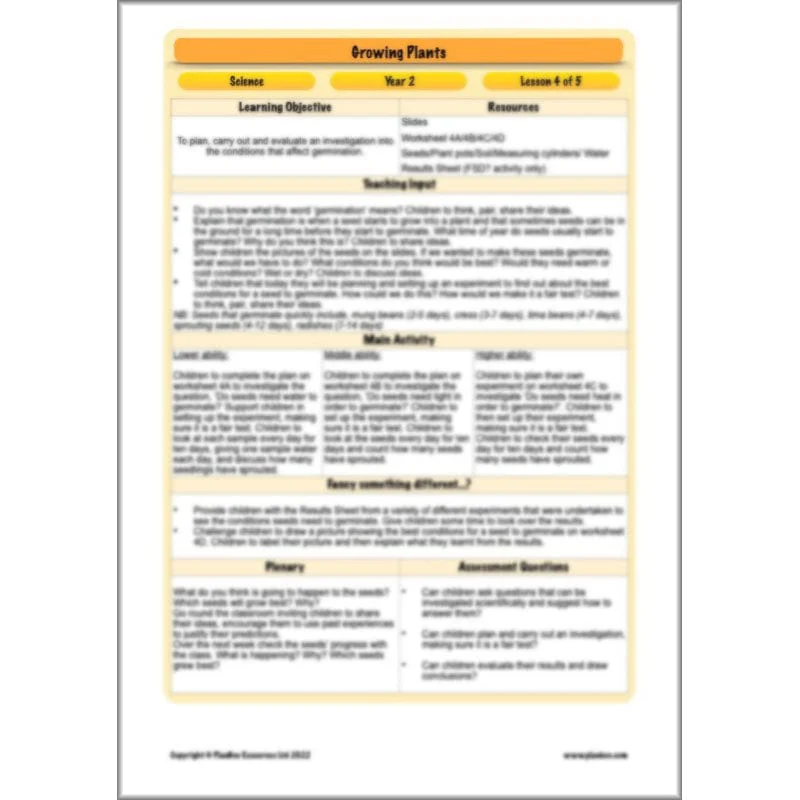
This lesson introduces your class to the scientific word 'germination', and what it means. They will begin to think about the conditions that affect seed germination and what plants need to grow.
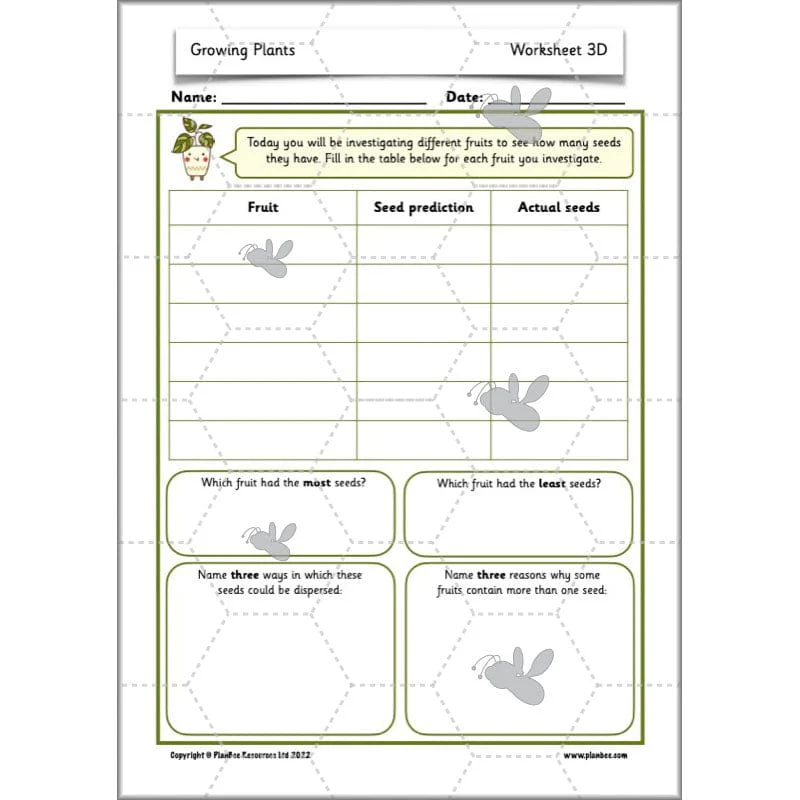
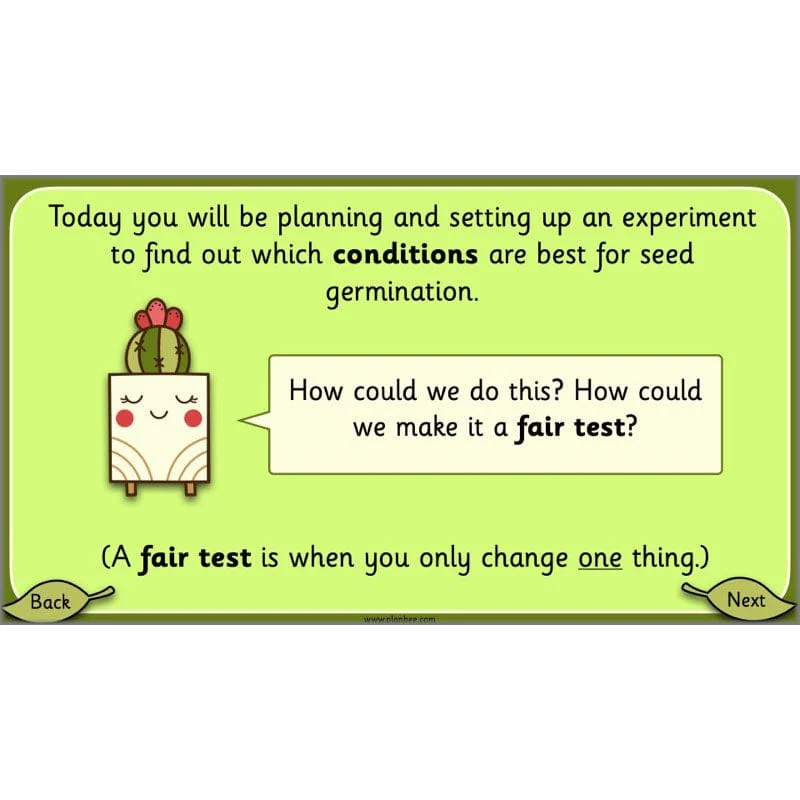
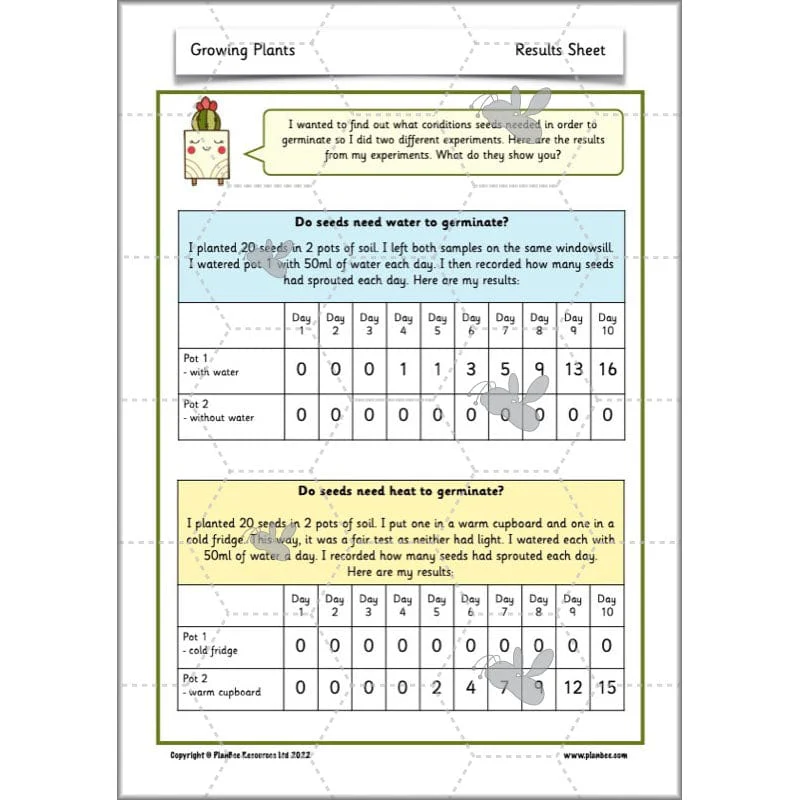
Your children will either set up their own investigation, or explore the results from an investigation that has already been carried out. Then they will put their theories to the test and make scientific conclusions as they work out what helps seeds grow best.
What's included:
- Lesson plan
- Slides
- Activity ideas
- Differentiated worksheets
- Results sheet
View Lesson 4
How have our plants changed?
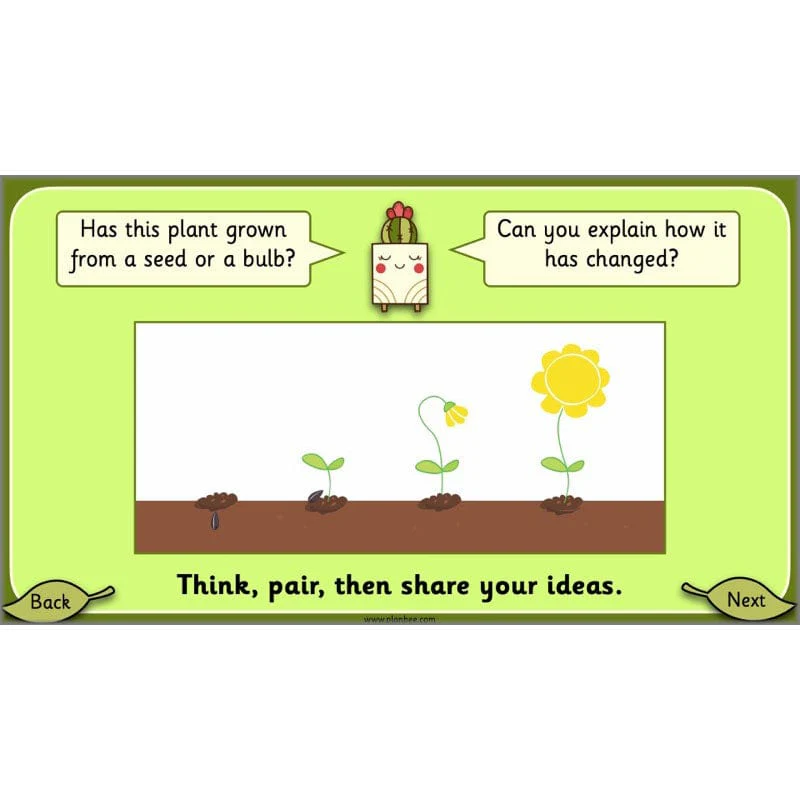
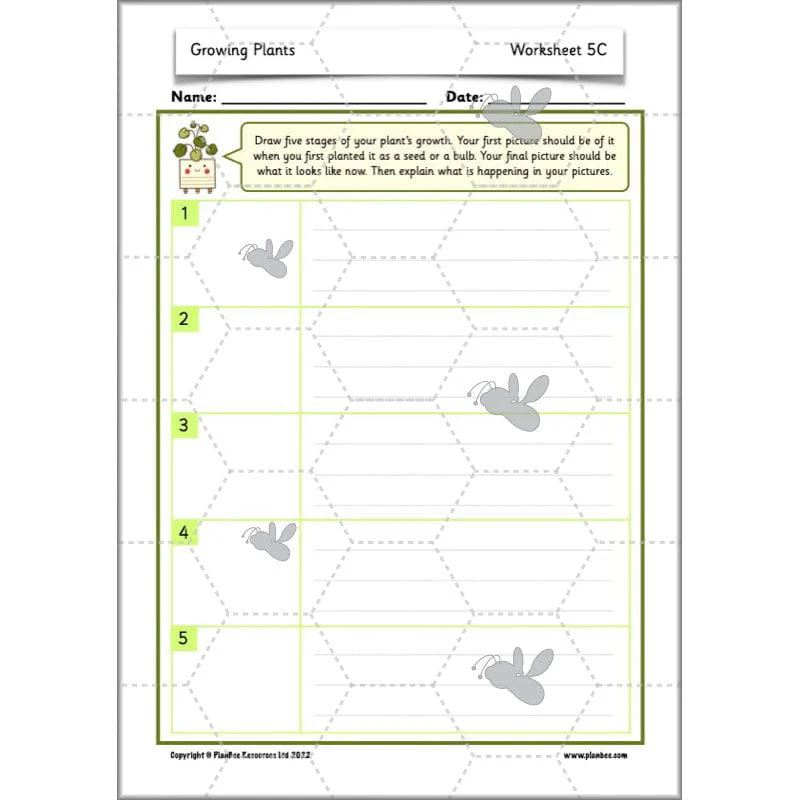
In the final lesson of this series, your class will think scientifically about how their plants have grown and matured over time. They will watch a time-lapse video showing seeds growing to remind them how their plants have developed.
Your class will be encouraged to describe at least three stages of their plant's life cycle or order and describe the photos provided.
What's included:
- Lesson plan
- Slides
- Activity ideas
- Differentiated worksheets
- Time lapse video
- Picture cards
- End of Unit Quiz slides and sheets
View Lesson 5
Original: $2.69
-65%$2.69
$0.94More Images















Growing Plants
This Growing Plants KS1 Science lesson pack for Year 2 will help your children understand what plants need in order to grow, thrive and survive. They will explore the life cycles of various plants that grow from seeds and bulbs and investigate how they change as they grow and develop.
With lesson plans, slides, activity ideas, differentiated worksheets and many other helpful resources, this Year 2 plants planning contains everything you need to teach this green-fingered scheme of work.
A Knowledge Organiser is included within the complete series download, or is available to purchase separately.
Seeds
The first lesson in this series teaches your class that plants can be grown from seeds. They will look at some common seeds and see if they can identify them. Then your children will begin to think about the important information they would need to know about the seeds to help them grow.
Your class will think carefully about the information that is included on seed packets and why it is necessary. They will then either compare what two different plants need to survive or alternatively plant their own seeds so they can watch them grow.
What's included:
- Lesson plan
- Slides
- Activity ideas
- Differentiated worksheets
- Plant sheet
- Seed labels
View Lesson 1
Bulbs
During this lesson your class will discover a range of plants that can be grown from bulbs. They will be encouraged to link their knowledge of growing seeds to growing bulbs and talk about what they think the bulbs will need to grow.
Your class will have the option of ordering the life cycle of flowering and non-flowering plants or planting their own bulbs. This lesson includes guidance on which bulbs are the easiest to grow and how to show their roots developing.
What's included:
- Lesson plan
- Slides
- Activity ideas
- Differentiated worksheets
- Picture cards
- Bulb labels
View Lesson 2
How are seeds dispersed?
In this lesson your class will explore how and why seeds are dispersed. They will find out that some seeds are dispersed by wind, some are dispersed by animals and others are dispersed in more explosive ways.
Your class will begin to think about why some fruits have lots of seeds, for example a pomegranate, and how smaller seeds might need to be transported differently to a coconut. Your class will link this knowledge to why seeds need to be transported to a suitable place to grow.
What's included:
- Lesson plan
- Slides
- Activity ideas
- Differentiated worksheets
View Lesson 3
Investigating germination conditions
This lesson introduces your class to the scientific word 'germination', and what it means. They will begin to think about the conditions that affect seed germination and what plants need to grow.
Your children will either set up their own investigation, or explore the results from an investigation that has already been carried out. Then they will put their theories to the test and make scientific conclusions as they work out what helps seeds grow best.
What's included:
- Lesson plan
- Slides
- Activity ideas
- Differentiated worksheets
- Results sheet
View Lesson 4
How have our plants changed?
In the final lesson of this series, your class will think scientifically about how their plants have grown and matured over time. They will watch a time-lapse video showing seeds growing to remind them how their plants have developed.
Your class will be encouraged to describe at least three stages of their plant's life cycle or order and describe the photos provided.
What's included:
- Lesson plan
- Slides
- Activity ideas
- Differentiated worksheets
- Time lapse video
- Picture cards
- End of Unit Quiz slides and sheets
View Lesson 5
Product Information
Product Information
Shipping & Returns
Shipping & Returns
Description
This Growing Plants KS1 Science lesson pack for Year 2 will help your children understand what plants need in order to grow, thrive and survive. They will explore the life cycles of various plants that grow from seeds and bulbs and investigate how they change as they grow and develop.
With lesson plans, slides, activity ideas, differentiated worksheets and many other helpful resources, this Year 2 plants planning contains everything you need to teach this green-fingered scheme of work.
A Knowledge Organiser is included within the complete series download, or is available to purchase separately.
Seeds
The first lesson in this series teaches your class that plants can be grown from seeds. They will look at some common seeds and see if they can identify them. Then your children will begin to think about the important information they would need to know about the seeds to help them grow.
Your class will think carefully about the information that is included on seed packets and why it is necessary. They will then either compare what two different plants need to survive or alternatively plant their own seeds so they can watch them grow.
What's included:
- Lesson plan
- Slides
- Activity ideas
- Differentiated worksheets
- Plant sheet
- Seed labels
View Lesson 1
Bulbs
During this lesson your class will discover a range of plants that can be grown from bulbs. They will be encouraged to link their knowledge of growing seeds to growing bulbs and talk about what they think the bulbs will need to grow.
Your class will have the option of ordering the life cycle of flowering and non-flowering plants or planting their own bulbs. This lesson includes guidance on which bulbs are the easiest to grow and how to show their roots developing.
What's included:
- Lesson plan
- Slides
- Activity ideas
- Differentiated worksheets
- Picture cards
- Bulb labels
View Lesson 2
How are seeds dispersed?
In this lesson your class will explore how and why seeds are dispersed. They will find out that some seeds are dispersed by wind, some are dispersed by animals and others are dispersed in more explosive ways.
Your class will begin to think about why some fruits have lots of seeds, for example a pomegranate, and how smaller seeds might need to be transported differently to a coconut. Your class will link this knowledge to why seeds need to be transported to a suitable place to grow.
What's included:
- Lesson plan
- Slides
- Activity ideas
- Differentiated worksheets
View Lesson 3
Investigating germination conditions
This lesson introduces your class to the scientific word 'germination', and what it means. They will begin to think about the conditions that affect seed germination and what plants need to grow.
Your children will either set up their own investigation, or explore the results from an investigation that has already been carried out. Then they will put their theories to the test and make scientific conclusions as they work out what helps seeds grow best.
What's included:
- Lesson plan
- Slides
- Activity ideas
- Differentiated worksheets
- Results sheet
View Lesson 4
How have our plants changed?
In the final lesson of this series, your class will think scientifically about how their plants have grown and matured over time. They will watch a time-lapse video showing seeds growing to remind them how their plants have developed.
Your class will be encouraged to describe at least three stages of their plant's life cycle or order and describe the photos provided.
What's included:
- Lesson plan
- Slides
- Activity ideas
- Differentiated worksheets
- Time lapse video
- Picture cards
- End of Unit Quiz slides and sheets
View Lesson 5