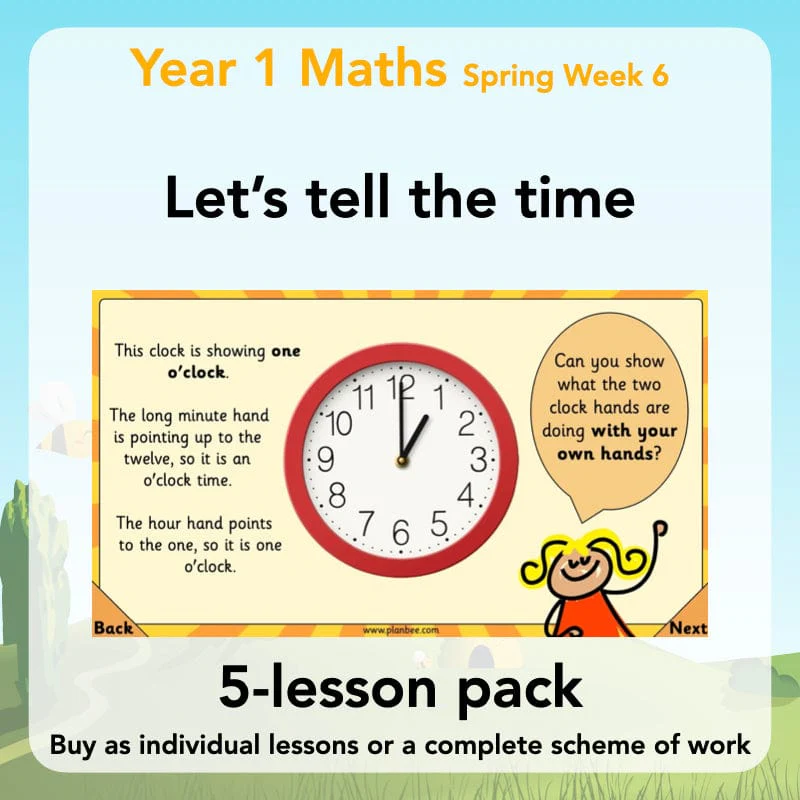
Let’s tell the time
Introduce your class to telling the time with this set of five lessons for Year 1. Children will start the week by recapping the days of the week and months of the year, using time language and connectives to describe events. They will then take a closer look at clocks and identify their features and uses, before learning how to tell the time to the hour.
Containing everything you need to teach this KS1 scheme, including lesson plans, slide presentations, differentiated activities and a variety of engaging printable resources, this ‘Let’s tell the time’ scheme is a great way to engage your class in time learning.
Days of the Week
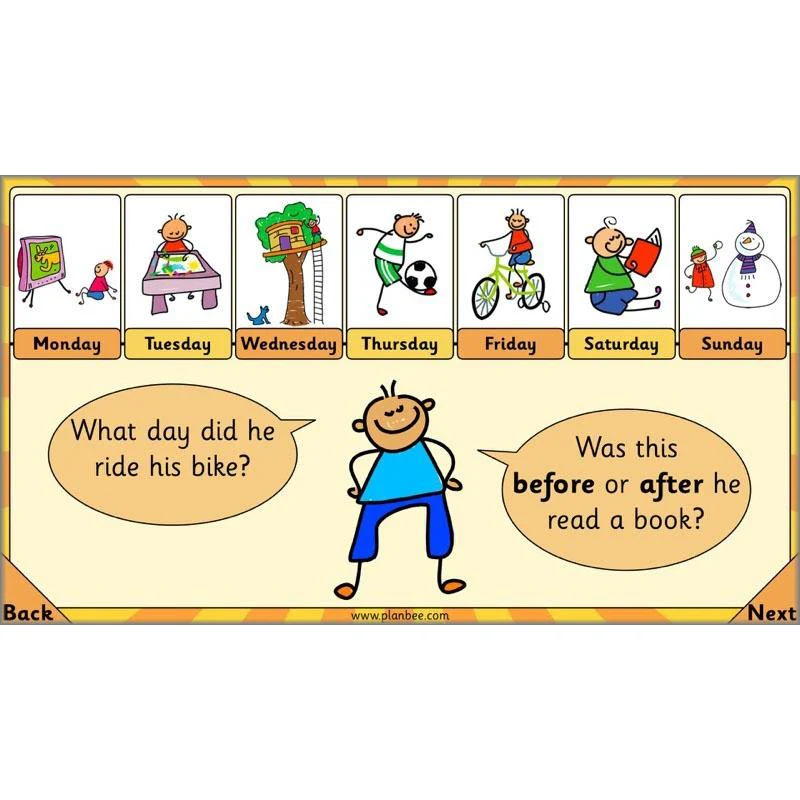
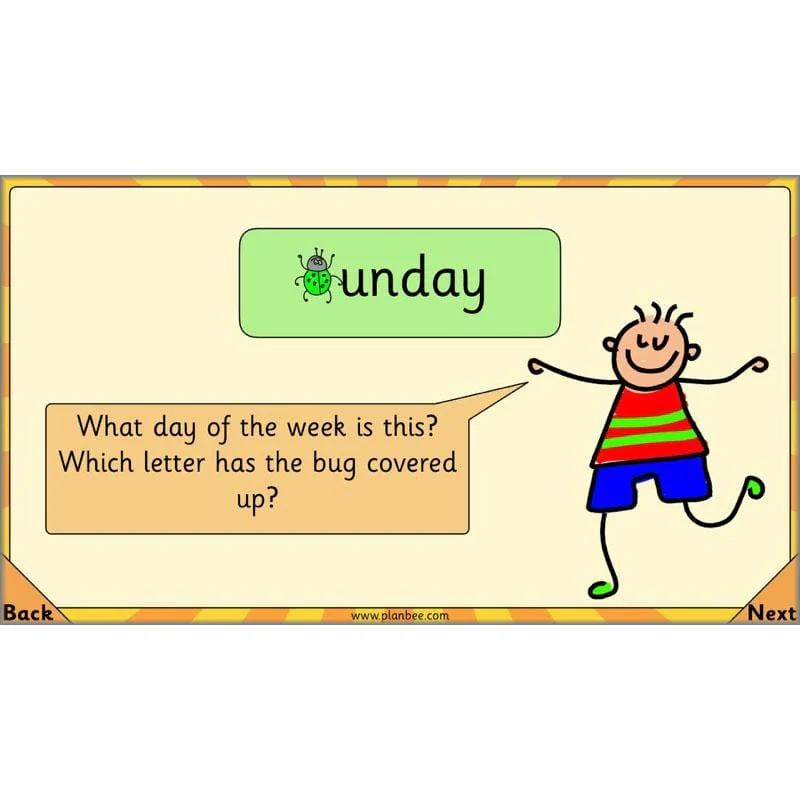
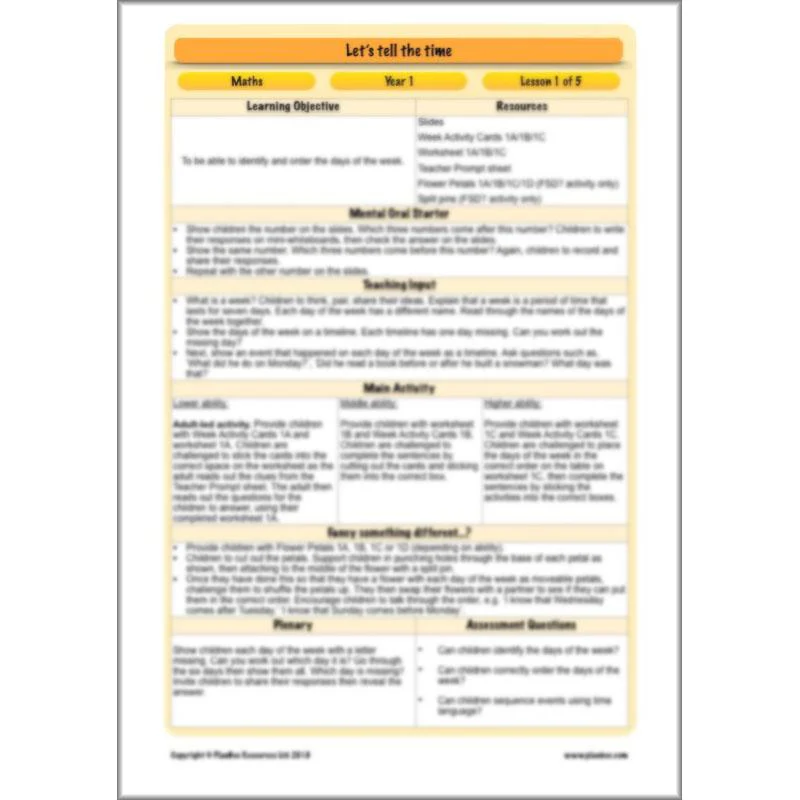
Children will start this scheme off by recapping the days of the week and identifying days that are missing from a set. They will use time language, such as before and after, to identify when different events took place during a week, as well as learning to order the days of the week correctly.
What's included:
- Lesson plan
- Slides
- Activity ideas
- Differentiated week activity cards
- Differentiated worksheets
- Teacher prompt sheet
- Flower petals (four differentiated versions)
View Lesson 1
Months of the Year
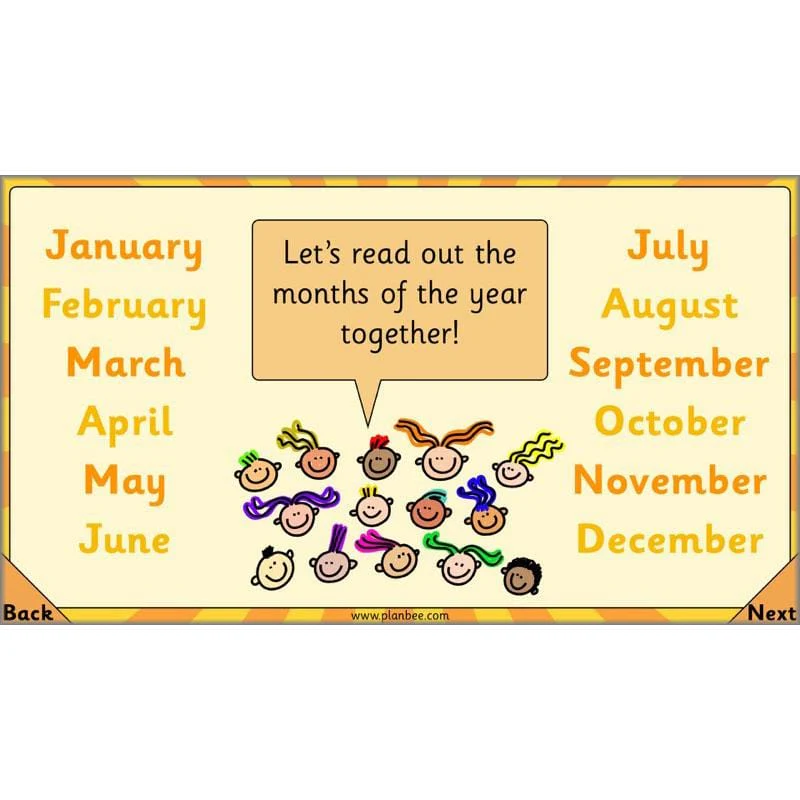
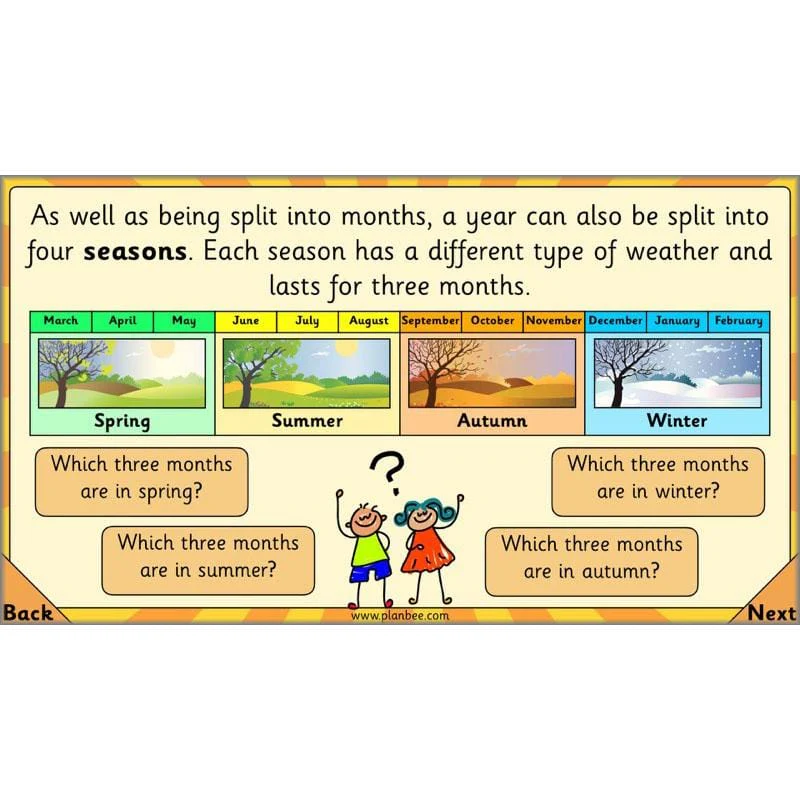
Children will identify a year as being split into twelve months in this lesson. They will learn to identify the twelve months and order them correctly, as well as identifying which months are associated with which season. They will use time language to describe when events happened and to order months correctly.
What's included:
- Lesson plan
- Slides
- Activity ideas
- Differentiated worksheets
- True of False cards
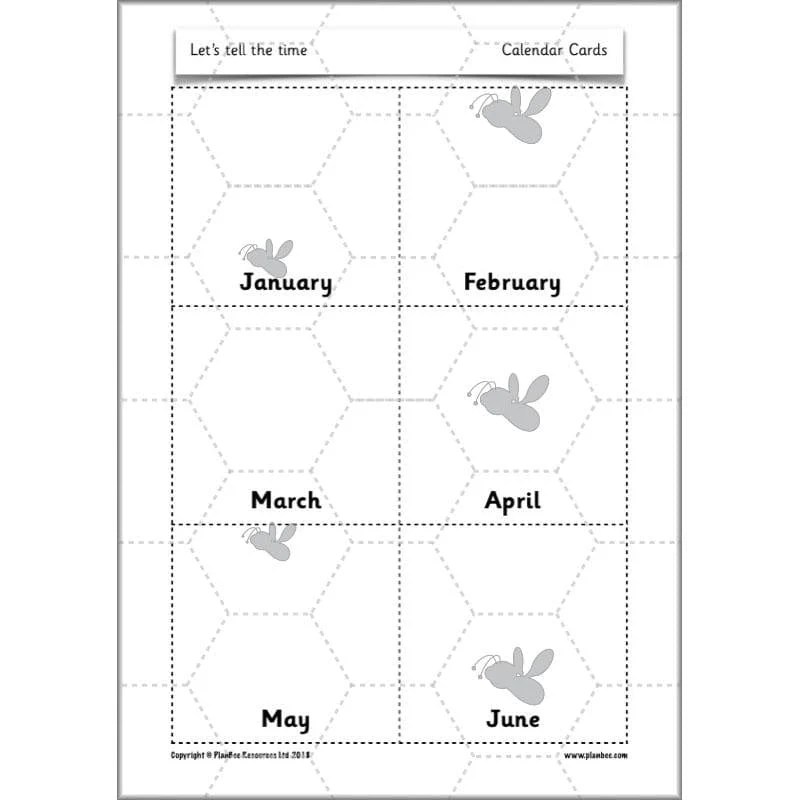
- Calendar cards
- Month of the Year cards
View Lesson 2
Calendar Events
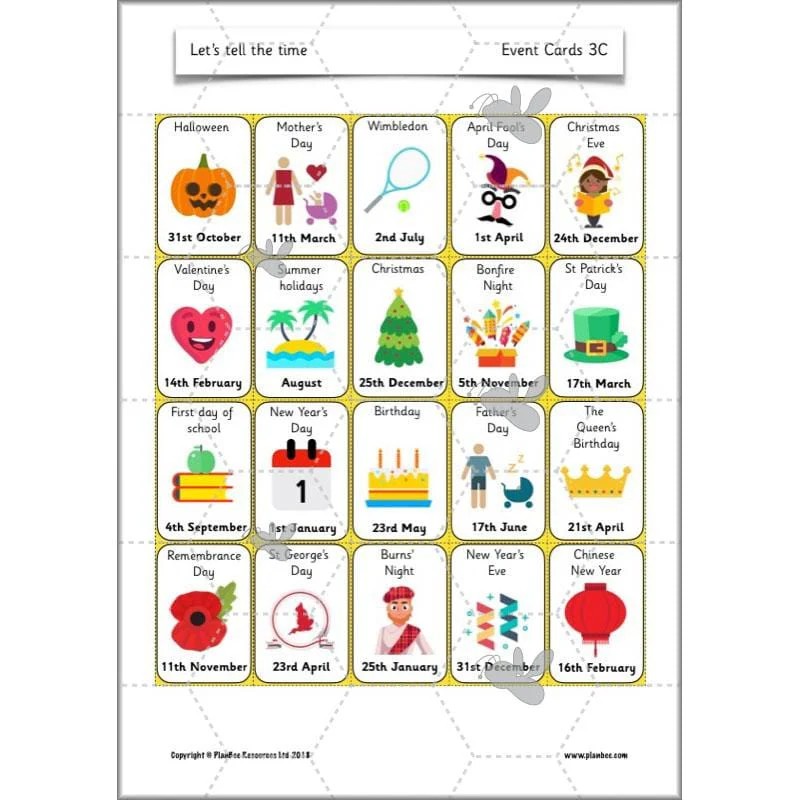
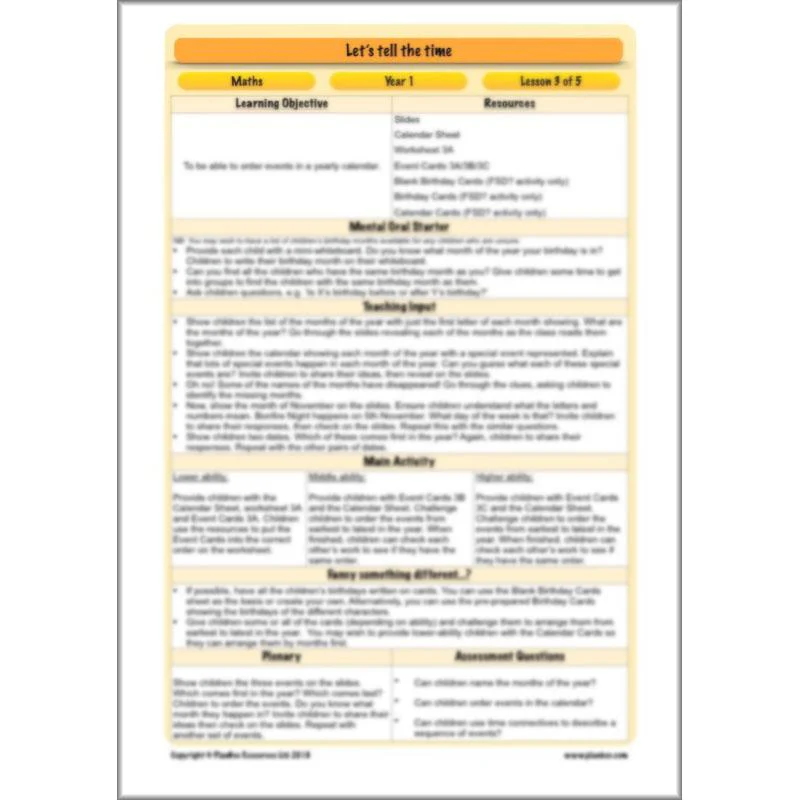
Now that your children are familiar with the days of the week and months of the year, they can use their knowledge to read calendars and order calendar events, including familiar events that happen every year, including their birthdays! They will also use time connectives to describe sequences of events, such as first, next, then, after that, etc.
What's included:
- Lesson plan
- Slides
- Activity ideas
- Calendar sheet
- Worksheet
- Differentiated event cards
- Birthday cards
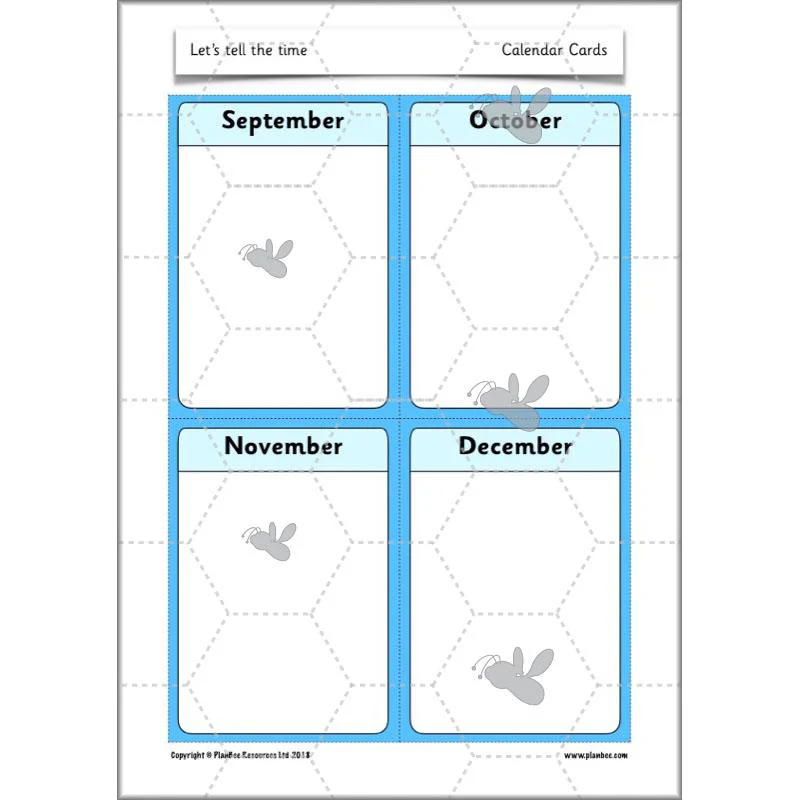
- Calendar cards
View Lesson 3
Clocks
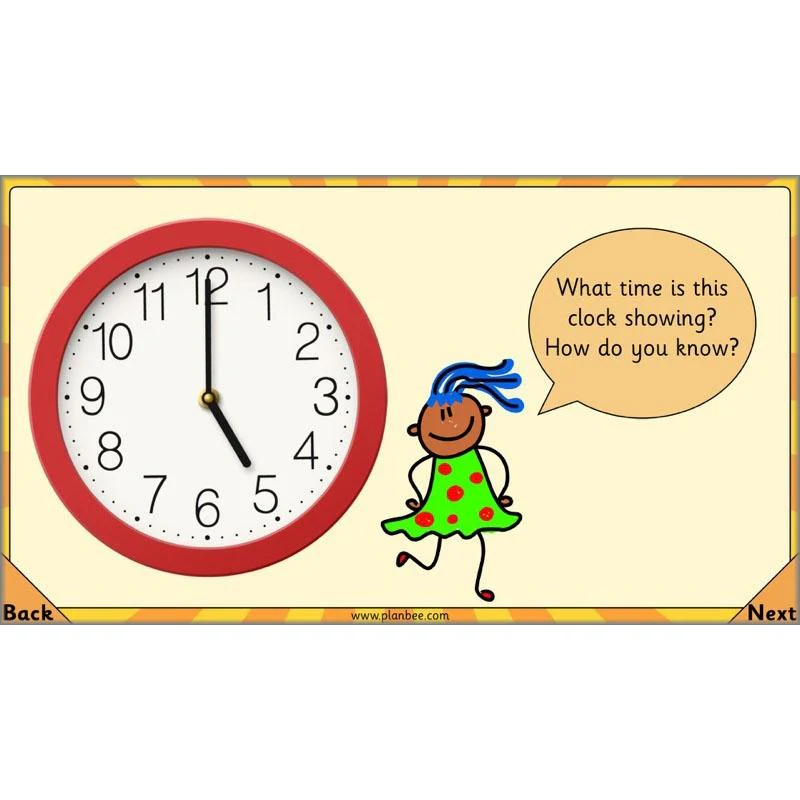
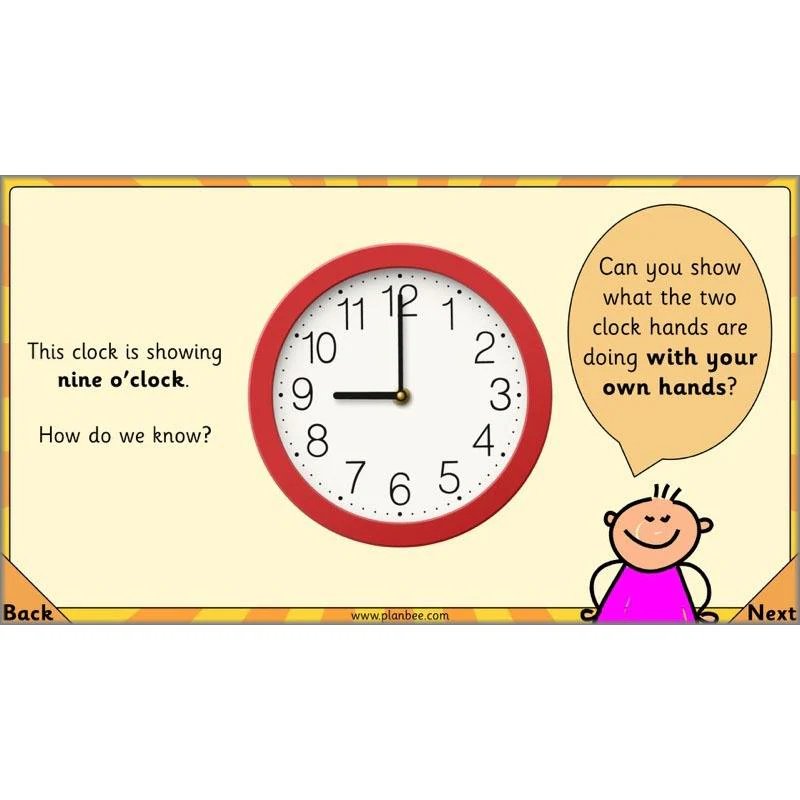
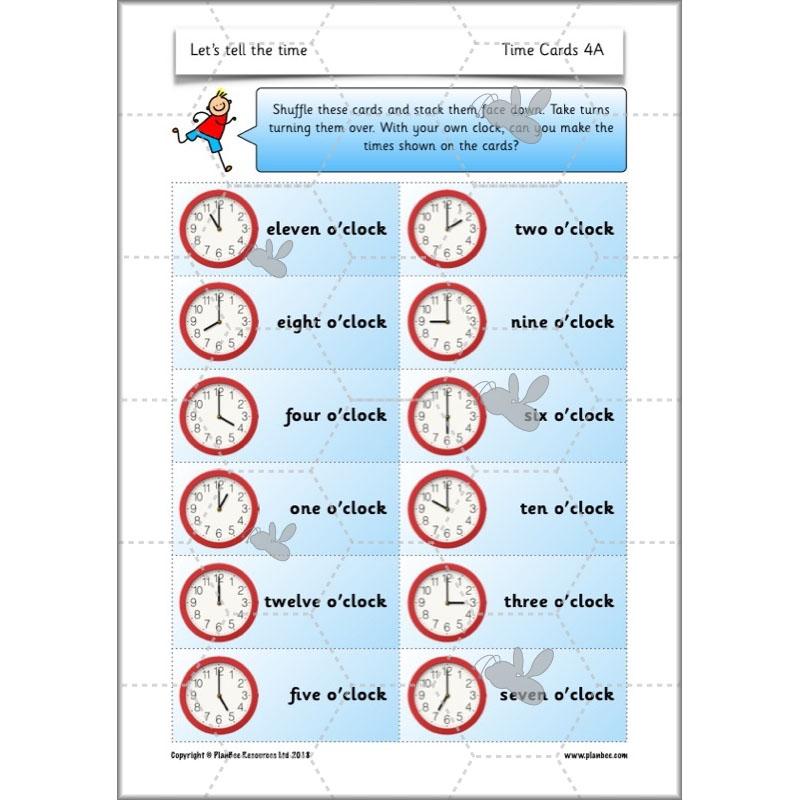
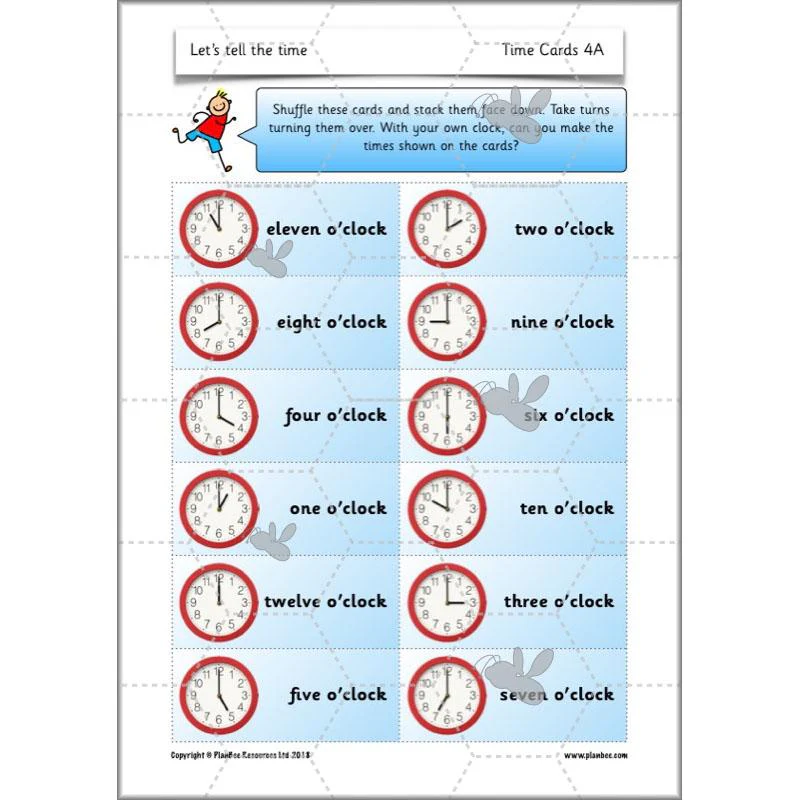
Children will explore clocks in this lesson and identify what clocks are used for. They will be given the chance to become more familiar with clock faces, identifying the different features. They will then practise reading the time on a clock to the hour, e.g. five o’clock before making their own clocks to read various o’clock times.
What's included:
- Lesson plan
- Slides
- Activity ideas
- Differentiated clock face cards
- Differentiated time cards
- Clock cards
View Lesson 4
O Clock Events
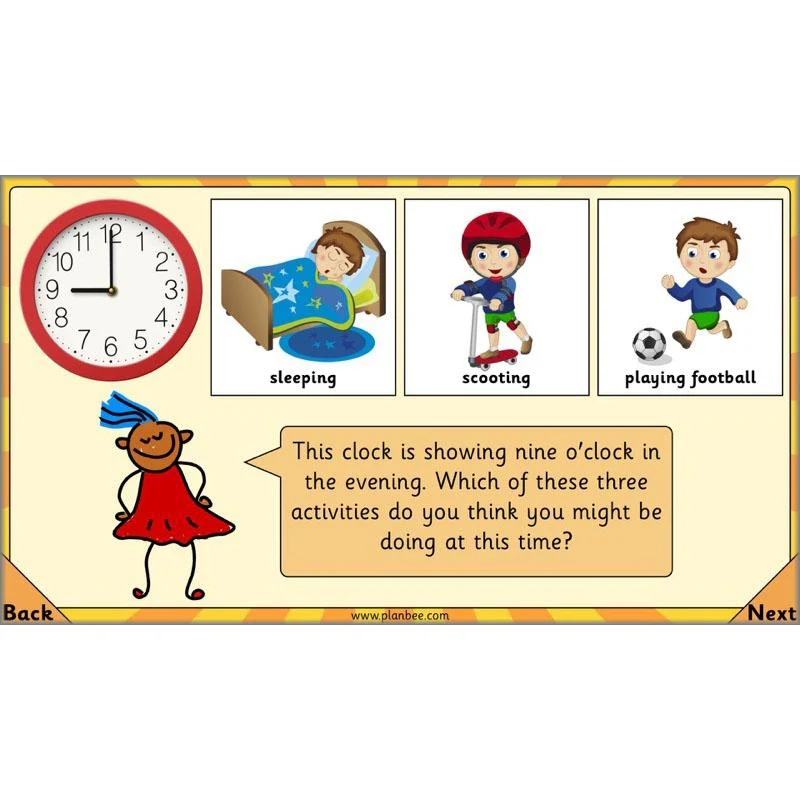
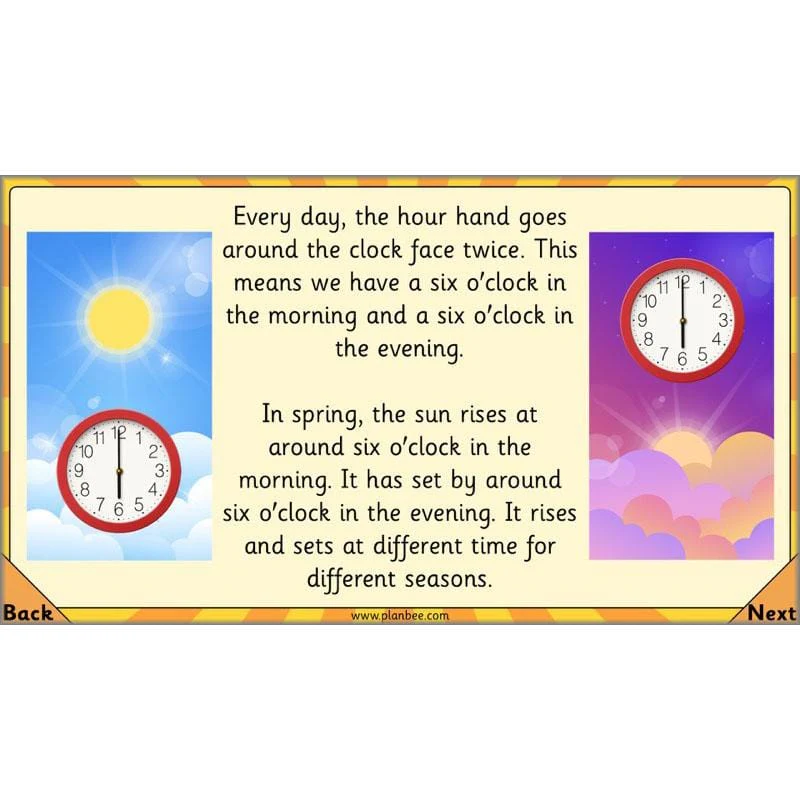
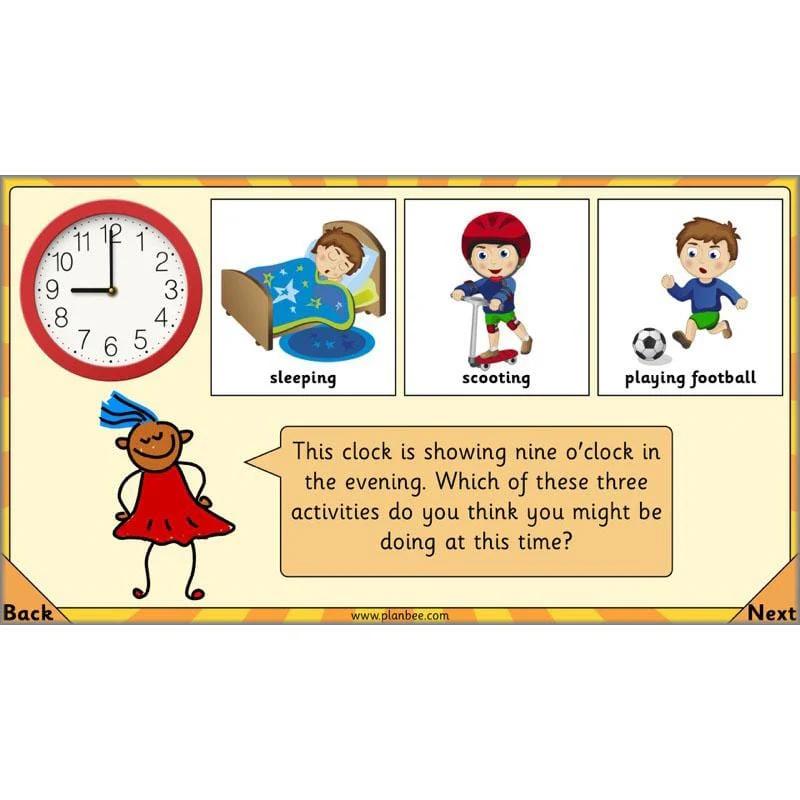
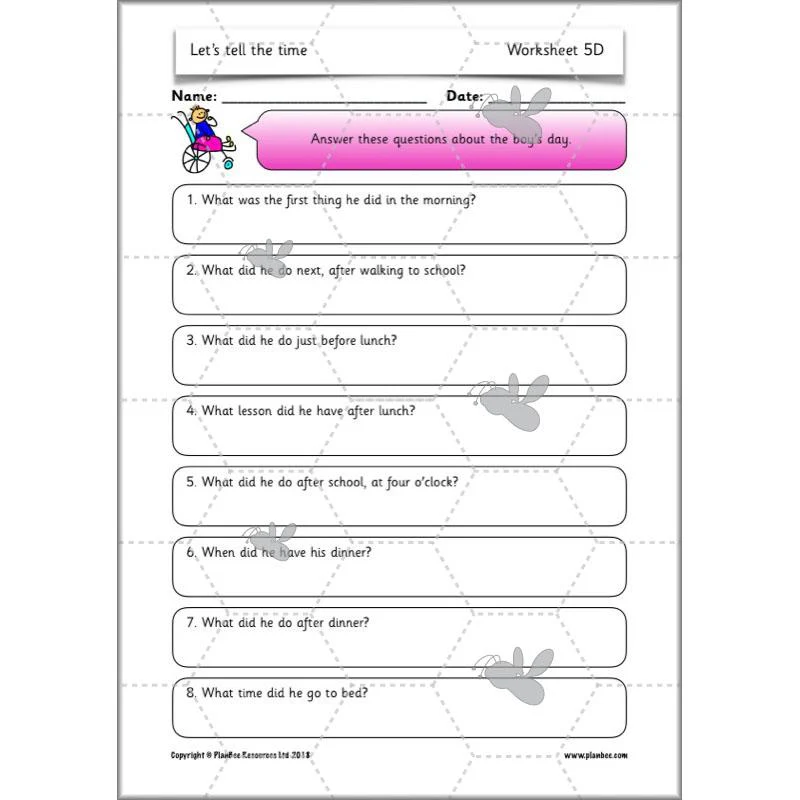
In this final lesson, children will recap how to tell the time to the hour. They will then learn how there are two rotations of the hour hand each day, giving e.g. a four o’clock in the morning and in the afternoon. They will consider which activities they might be doing at different times of the day and learn to order events by time.
What's included:
- Lesson plan
- Slides
- Activity ideas
- Differentiated worksheets
- Clock faces
- Differentiated timetable cards
- Daily Timetable sheet
View Lesson 5
Original: $4.71
-65%$4.71
$1.65More Images





















Let’s tell the time
Introduce your class to telling the time with this set of five lessons for Year 1. Children will start the week by recapping the days of the week and months of the year, using time language and connectives to describe events. They will then take a closer look at clocks and identify their features and uses, before learning how to tell the time to the hour.
Containing everything you need to teach this KS1 scheme, including lesson plans, slide presentations, differentiated activities and a variety of engaging printable resources, this ‘Let’s tell the time’ scheme is a great way to engage your class in time learning.
Days of the Week
Children will start this scheme off by recapping the days of the week and identifying days that are missing from a set. They will use time language, such as before and after, to identify when different events took place during a week, as well as learning to order the days of the week correctly.
What's included:
- Lesson plan
- Slides
- Activity ideas
- Differentiated week activity cards
- Differentiated worksheets
- Teacher prompt sheet
- Flower petals (four differentiated versions)
View Lesson 1
Months of the Year
Children will identify a year as being split into twelve months in this lesson. They will learn to identify the twelve months and order them correctly, as well as identifying which months are associated with which season. They will use time language to describe when events happened and to order months correctly.
What's included:
- Lesson plan
- Slides
- Activity ideas
- Differentiated worksheets
- True of False cards
- Calendar cards
- Month of the Year cards
View Lesson 2
Calendar Events
Now that your children are familiar with the days of the week and months of the year, they can use their knowledge to read calendars and order calendar events, including familiar events that happen every year, including their birthdays! They will also use time connectives to describe sequences of events, such as first, next, then, after that, etc.
What's included:
- Lesson plan
- Slides
- Activity ideas
- Calendar sheet
- Worksheet
- Differentiated event cards
- Birthday cards
- Calendar cards
View Lesson 3
Clocks
Children will explore clocks in this lesson and identify what clocks are used for. They will be given the chance to become more familiar with clock faces, identifying the different features. They will then practise reading the time on a clock to the hour, e.g. five o’clock before making their own clocks to read various o’clock times.
What's included:
- Lesson plan
- Slides
- Activity ideas
- Differentiated clock face cards
- Differentiated time cards
- Clock cards
View Lesson 4
O Clock Events
In this final lesson, children will recap how to tell the time to the hour. They will then learn how there are two rotations of the hour hand each day, giving e.g. a four o’clock in the morning and in the afternoon. They will consider which activities they might be doing at different times of the day and learn to order events by time.
What's included:
- Lesson plan
- Slides
- Activity ideas
- Differentiated worksheets
- Clock faces
- Differentiated timetable cards
- Daily Timetable sheet
View Lesson 5
Product Information
Product Information
Shipping & Returns
Shipping & Returns
Description
Introduce your class to telling the time with this set of five lessons for Year 1. Children will start the week by recapping the days of the week and months of the year, using time language and connectives to describe events. They will then take a closer look at clocks and identify their features and uses, before learning how to tell the time to the hour.
Containing everything you need to teach this KS1 scheme, including lesson plans, slide presentations, differentiated activities and a variety of engaging printable resources, this ‘Let’s tell the time’ scheme is a great way to engage your class in time learning.
Days of the Week
Children will start this scheme off by recapping the days of the week and identifying days that are missing from a set. They will use time language, such as before and after, to identify when different events took place during a week, as well as learning to order the days of the week correctly.
What's included:
- Lesson plan
- Slides
- Activity ideas
- Differentiated week activity cards
- Differentiated worksheets
- Teacher prompt sheet
- Flower petals (four differentiated versions)
View Lesson 1
Months of the Year
Children will identify a year as being split into twelve months in this lesson. They will learn to identify the twelve months and order them correctly, as well as identifying which months are associated with which season. They will use time language to describe when events happened and to order months correctly.
What's included:
- Lesson plan
- Slides
- Activity ideas
- Differentiated worksheets
- True of False cards
- Calendar cards
- Month of the Year cards
View Lesson 2
Calendar Events
Now that your children are familiar with the days of the week and months of the year, they can use their knowledge to read calendars and order calendar events, including familiar events that happen every year, including their birthdays! They will also use time connectives to describe sequences of events, such as first, next, then, after that, etc.
What's included:
- Lesson plan
- Slides
- Activity ideas
- Calendar sheet
- Worksheet
- Differentiated event cards
- Birthday cards
- Calendar cards
View Lesson 3
Clocks
Children will explore clocks in this lesson and identify what clocks are used for. They will be given the chance to become more familiar with clock faces, identifying the different features. They will then practise reading the time on a clock to the hour, e.g. five o’clock before making their own clocks to read various o’clock times.
What's included:
- Lesson plan
- Slides
- Activity ideas
- Differentiated clock face cards
- Differentiated time cards
- Clock cards
View Lesson 4
O Clock Events
In this final lesson, children will recap how to tell the time to the hour. They will then learn how there are two rotations of the hour hand each day, giving e.g. a four o’clock in the morning and in the afternoon. They will consider which activities they might be doing at different times of the day and learn to order events by time.
What's included:
- Lesson plan
- Slides
- Activity ideas
- Differentiated worksheets
- Clock faces
- Differentiated timetable cards
- Daily Timetable sheet
View Lesson 5