Let's read, write and use numbers
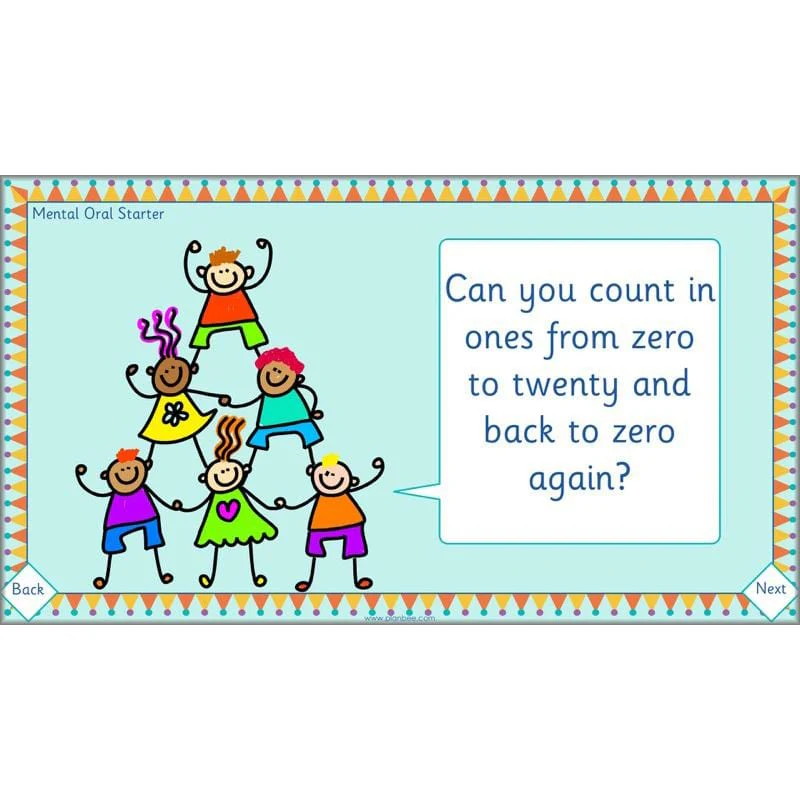
This Year 1 'Let's read, write and use numbers!' scheme of work is a great way to familiarise your class with numbers to twenty. By the end of the week, they will be able to recognise numbers to twenty in numerals and in written form, and represent them in a variety of different ways.
With detailed lesson plans, engaging slides, differentiated worksheets and other resources, these 'Let's read, write and use numbers' lessons provide all you need to teach this useful KS1 scheme of work.
What's this Number?
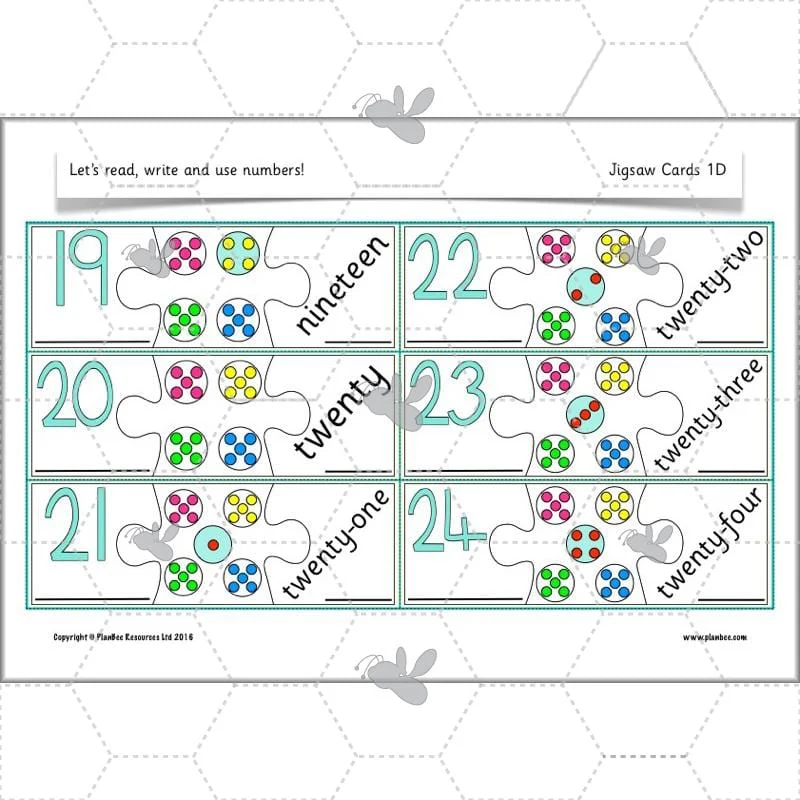
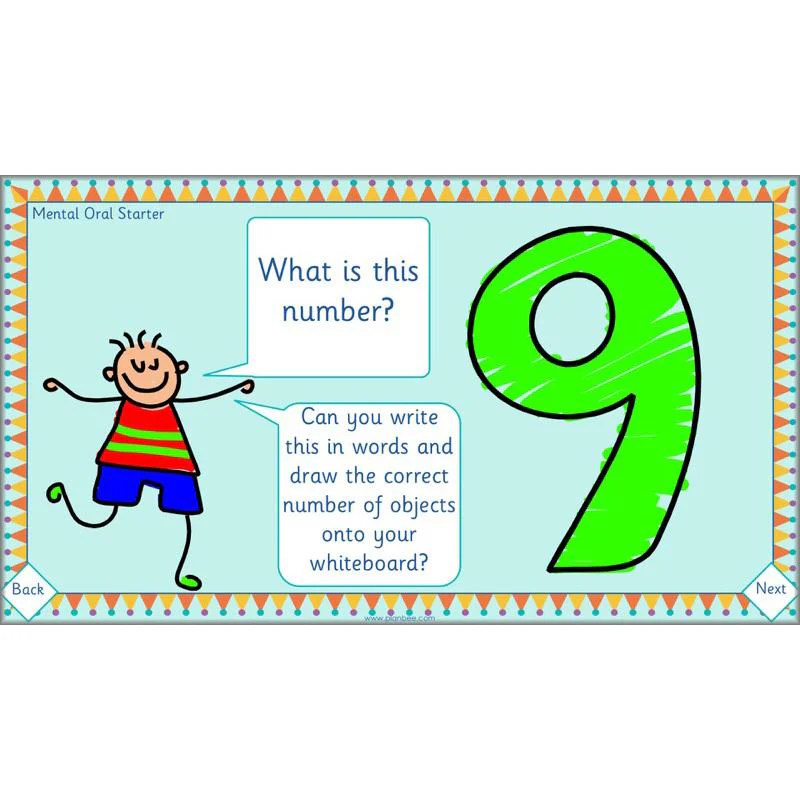
The first lesson in this series encourages your class to identify and say a number and then represent it using either words, numerals or pictures. This lesson reinforces children’s recognition of numbers zero to twenty in a variety of forms, including reading and using number sentences. The children will have opportunities to match numbers as well as write numbers in their different forms.
What's included:
- Lesson plan
- Slides
- Activity ideas
- Jigsaw cards
- Challenge cards
- Number cards
- Number lines
- Photo sheet
View Lesson 1
Matching Numbers
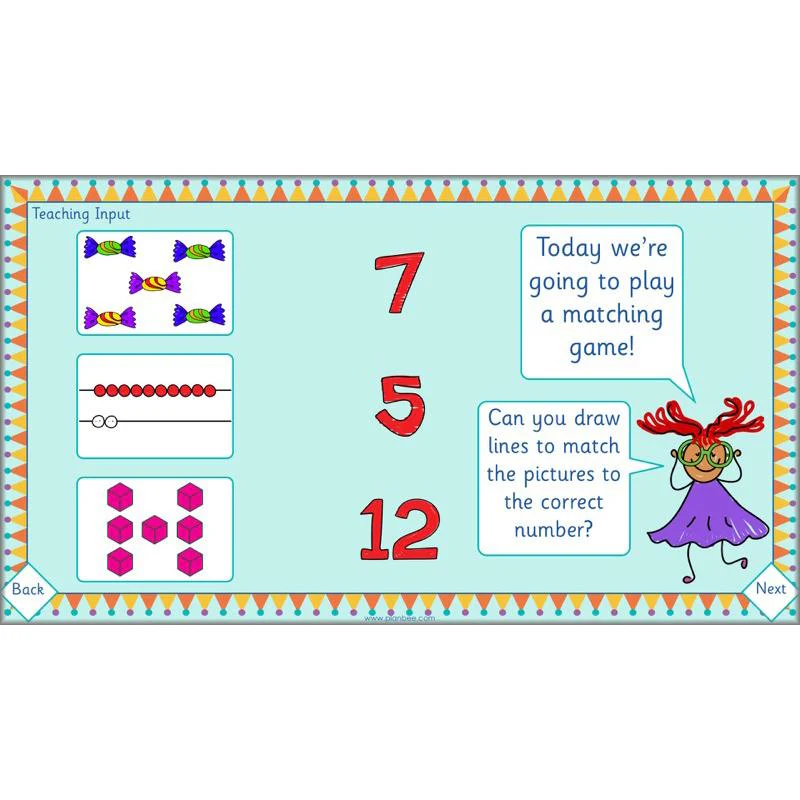
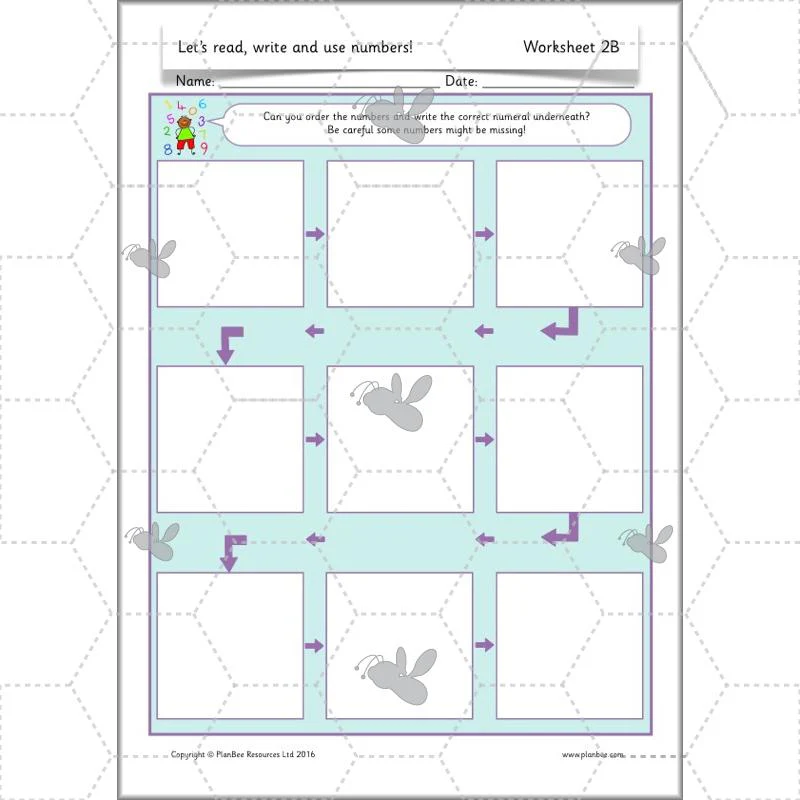
The second lesson in this series focuses on the children identifying and representing numbers in written, numerical and pictorial forms. Your class will practise matching numbers represented in a variety of ways and then go on to complete activities independently in a hands-on, practical way.
What's included:
- Lesson plan
- Slides
- Activity ideas
- Differentiated worksheets
- Picture cards
- Number cards
- Large number cards
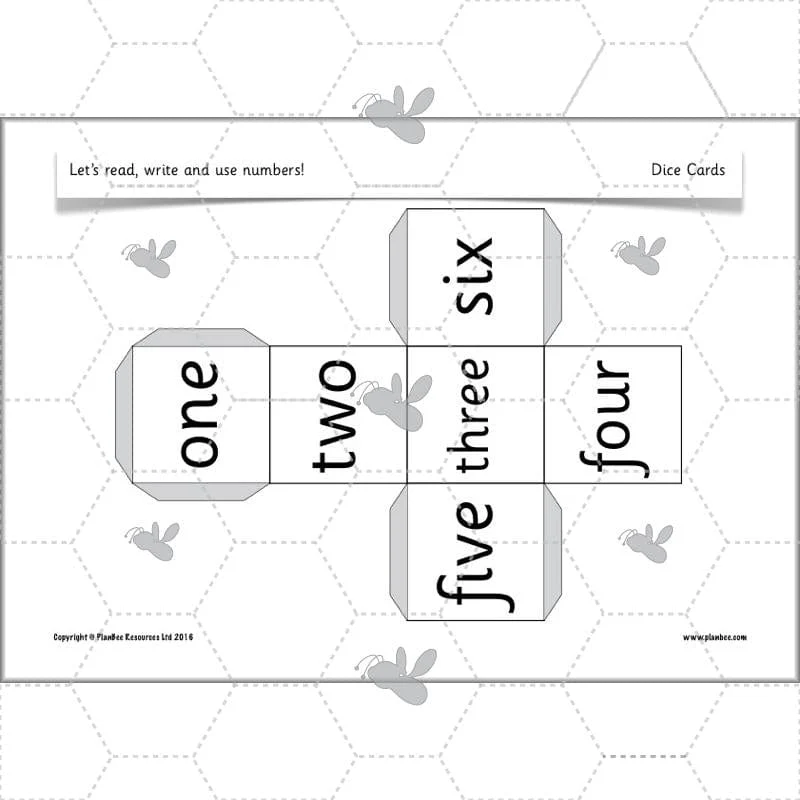
- Dice cards
- Photo sheet
View Lesson 2
Equal Numbers
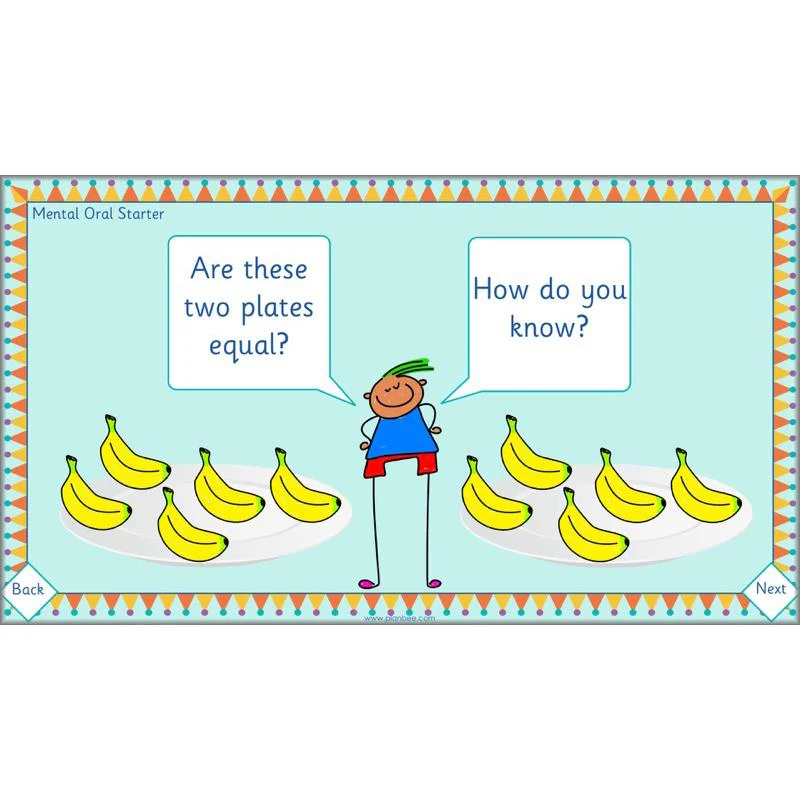
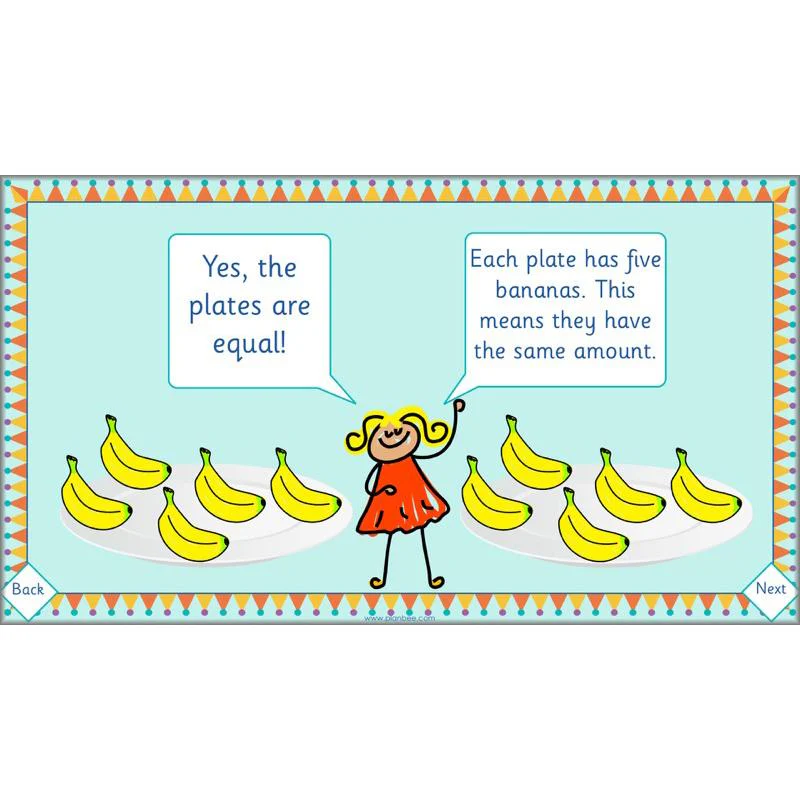
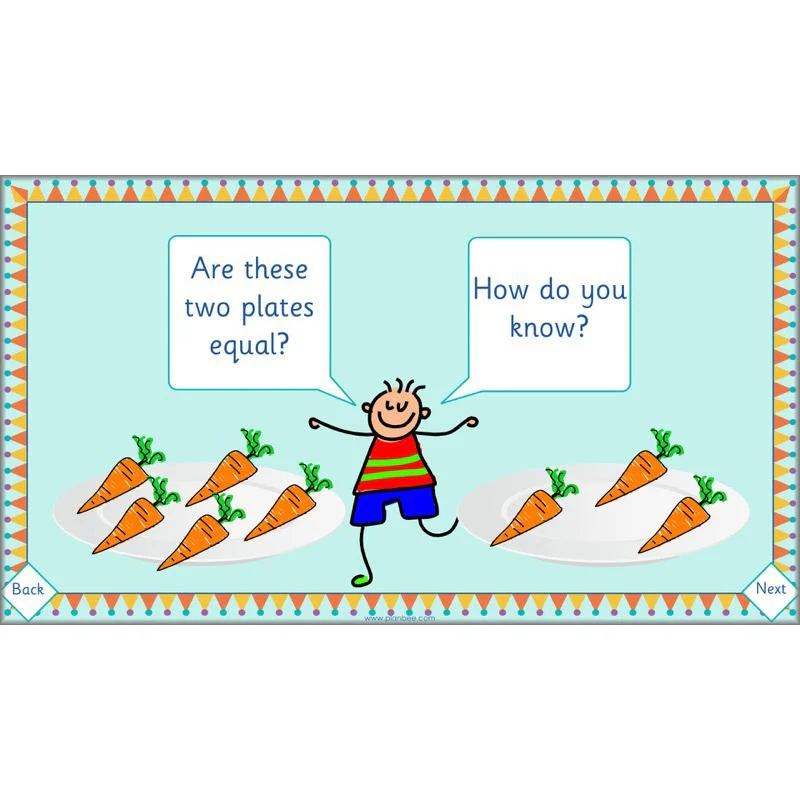
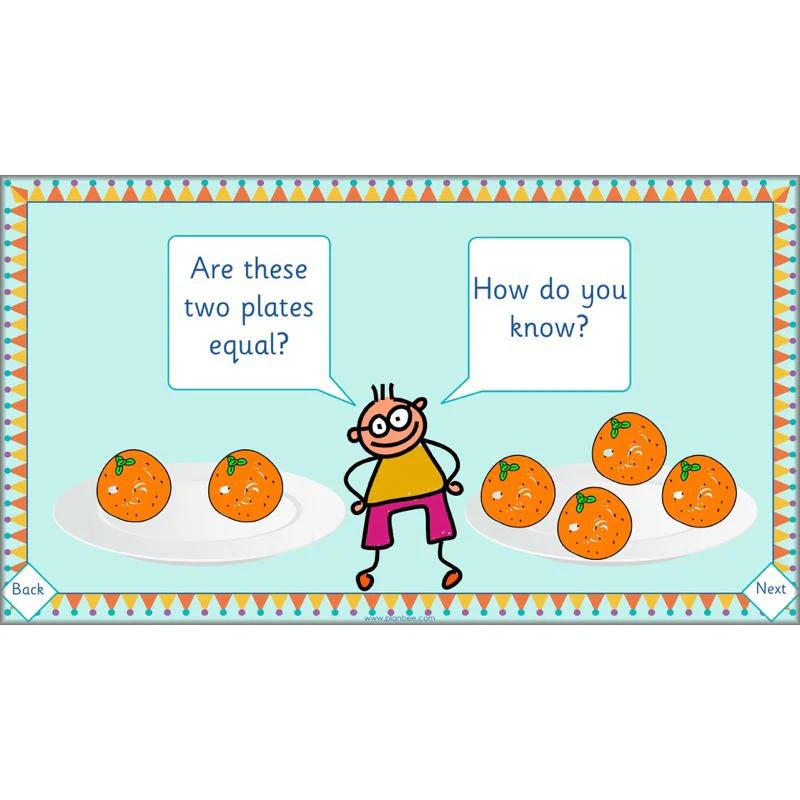
The third lesson in this series encourages your class to explain what 'equal' means. The children will be encouraged to decide if representations are equal to each other or if one has more or less than the other. These activities will promote the use of mathematical language, reinforcing terms such as; equal, more than, less than, fewer, most and least. This lesson contains a lesson plan, slides, activity ideas,
What's included:
- Lesson plan
- Slides
- Activity ideas
- Differentiated worksheets
- Number sentence cards
- Number cards
- Photo sheet
View Lesson 3
Finding One More or One Less
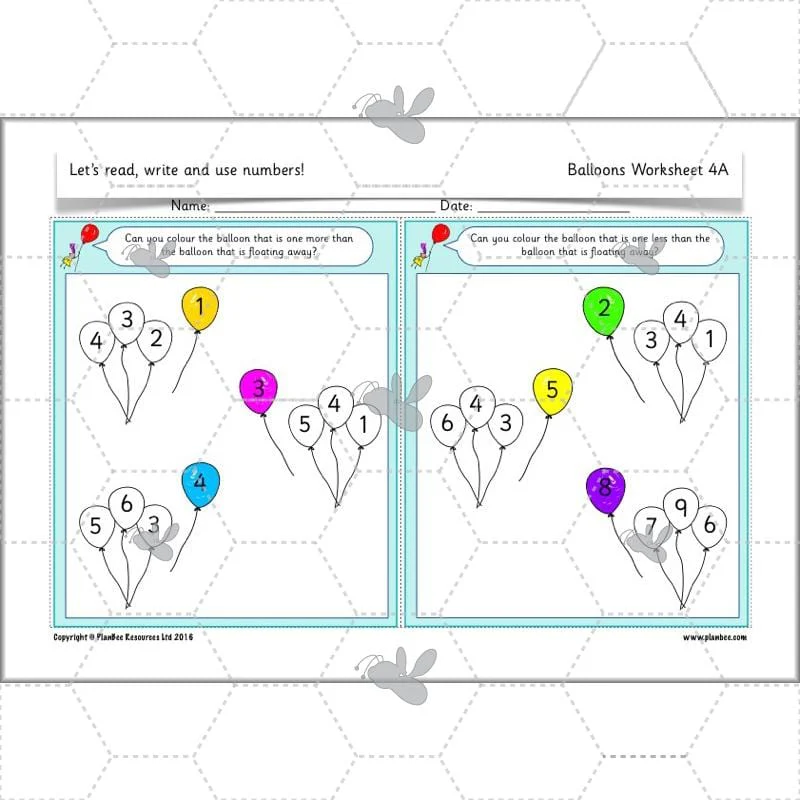
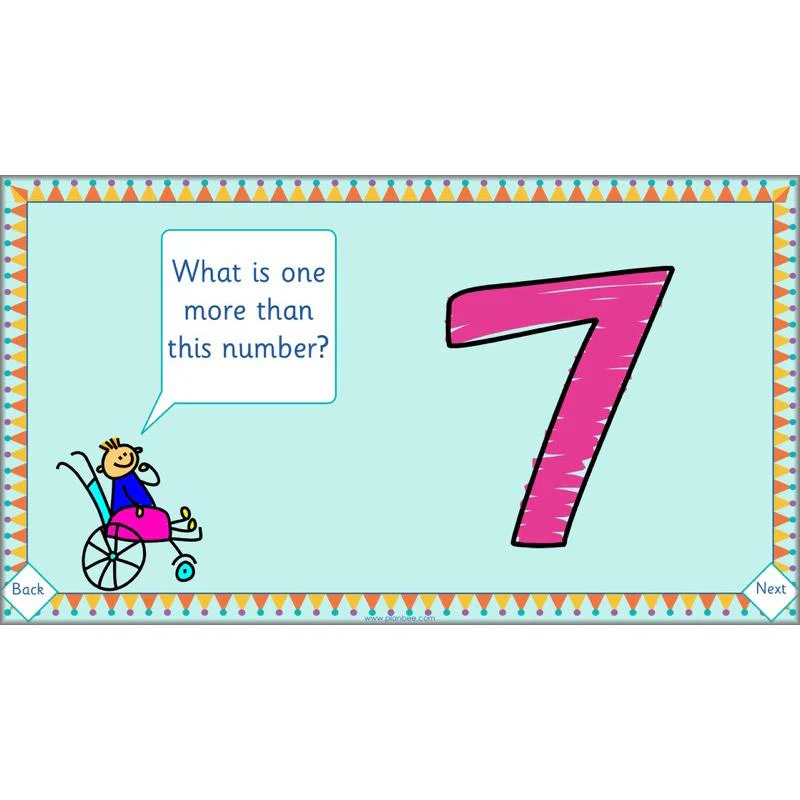
In the fourth lesson of this series, your class shall apply their knowledge of more or less using mathematical language, particularly focusing on one more and one less. They will be encouraged to use different methods to solve problems including using objects, number lines and counting on and back.
What's included:
- Lesson plan
- Slides
- Activity ideas
- Monster’s bug stew game
- Bug cards
- Number cards
- Question cards
- Balloons and jam jar worksheets
- Photo sheet
View Lesson 4
More, Less or the Same
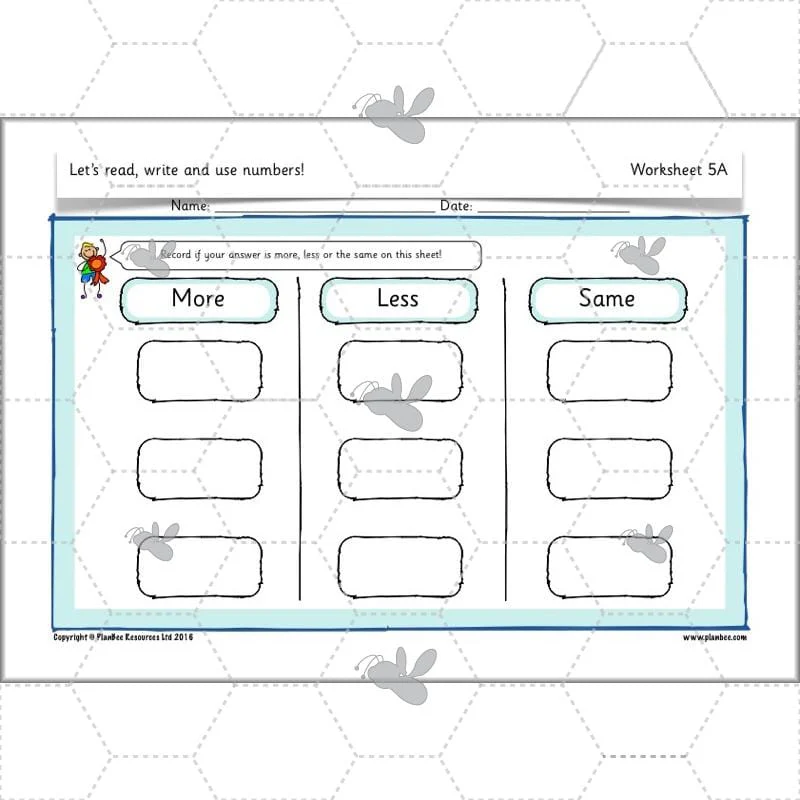
During the fifth and final lesson in this series your class will continue to apply their knowledge of numbers and place value to solve a range of problems. The children shall also enjoy playing the exciting More/Less/Same Game, encouraging the children to recognise and record numbers that are more, less or the same as each other. This lesson contains a lesson plan, slides, activity ideas,
What's included:
- Differentiated worksheets
- More/less/same game
- Number cards
- Spinners
- Dice cards
- Question cards
- Photo sheet
View Lesson 5
Original: $4.71
-65%$4.71
$1.65More Images



















Let's read, write and use numbers
This Year 1 'Let's read, write and use numbers!' scheme of work is a great way to familiarise your class with numbers to twenty. By the end of the week, they will be able to recognise numbers to twenty in numerals and in written form, and represent them in a variety of different ways.
With detailed lesson plans, engaging slides, differentiated worksheets and other resources, these 'Let's read, write and use numbers' lessons provide all you need to teach this useful KS1 scheme of work.
What's this Number?
The first lesson in this series encourages your class to identify and say a number and then represent it using either words, numerals or pictures. This lesson reinforces children’s recognition of numbers zero to twenty in a variety of forms, including reading and using number sentences. The children will have opportunities to match numbers as well as write numbers in their different forms.
What's included:
- Lesson plan
- Slides
- Activity ideas
- Jigsaw cards
- Challenge cards
- Number cards
- Number lines
- Photo sheet
View Lesson 1
Matching Numbers
The second lesson in this series focuses on the children identifying and representing numbers in written, numerical and pictorial forms. Your class will practise matching numbers represented in a variety of ways and then go on to complete activities independently in a hands-on, practical way.
What's included:
- Lesson plan
- Slides
- Activity ideas
- Differentiated worksheets
- Picture cards
- Number cards
- Large number cards
- Dice cards
- Photo sheet
View Lesson 2
Equal Numbers
The third lesson in this series encourages your class to explain what 'equal' means. The children will be encouraged to decide if representations are equal to each other or if one has more or less than the other. These activities will promote the use of mathematical language, reinforcing terms such as; equal, more than, less than, fewer, most and least. This lesson contains a lesson plan, slides, activity ideas,
What's included:
- Lesson plan
- Slides
- Activity ideas
- Differentiated worksheets
- Number sentence cards
- Number cards
- Photo sheet
View Lesson 3
Finding One More or One Less
In the fourth lesson of this series, your class shall apply their knowledge of more or less using mathematical language, particularly focusing on one more and one less. They will be encouraged to use different methods to solve problems including using objects, number lines and counting on and back.
What's included:
- Lesson plan
- Slides
- Activity ideas
- Monster’s bug stew game
- Bug cards
- Number cards
- Question cards
- Balloons and jam jar worksheets
- Photo sheet
View Lesson 4
More, Less or the Same
During the fifth and final lesson in this series your class will continue to apply their knowledge of numbers and place value to solve a range of problems. The children shall also enjoy playing the exciting More/Less/Same Game, encouraging the children to recognise and record numbers that are more, less or the same as each other. This lesson contains a lesson plan, slides, activity ideas,
What's included:
- Differentiated worksheets
- More/less/same game
- Number cards
- Spinners
- Dice cards
- Question cards
- Photo sheet
View Lesson 5
Product Information
Product Information
Shipping & Returns
Shipping & Returns
Description
This Year 1 'Let's read, write and use numbers!' scheme of work is a great way to familiarise your class with numbers to twenty. By the end of the week, they will be able to recognise numbers to twenty in numerals and in written form, and represent them in a variety of different ways.
With detailed lesson plans, engaging slides, differentiated worksheets and other resources, these 'Let's read, write and use numbers' lessons provide all you need to teach this useful KS1 scheme of work.
What's this Number?
The first lesson in this series encourages your class to identify and say a number and then represent it using either words, numerals or pictures. This lesson reinforces children’s recognition of numbers zero to twenty in a variety of forms, including reading and using number sentences. The children will have opportunities to match numbers as well as write numbers in their different forms.
What's included:
- Lesson plan
- Slides
- Activity ideas
- Jigsaw cards
- Challenge cards
- Number cards
- Number lines
- Photo sheet
View Lesson 1
Matching Numbers
The second lesson in this series focuses on the children identifying and representing numbers in written, numerical and pictorial forms. Your class will practise matching numbers represented in a variety of ways and then go on to complete activities independently in a hands-on, practical way.
What's included:
- Lesson plan
- Slides
- Activity ideas
- Differentiated worksheets
- Picture cards
- Number cards
- Large number cards
- Dice cards
- Photo sheet
View Lesson 2
Equal Numbers
The third lesson in this series encourages your class to explain what 'equal' means. The children will be encouraged to decide if representations are equal to each other or if one has more or less than the other. These activities will promote the use of mathematical language, reinforcing terms such as; equal, more than, less than, fewer, most and least. This lesson contains a lesson plan, slides, activity ideas,
What's included:
- Lesson plan
- Slides
- Activity ideas
- Differentiated worksheets
- Number sentence cards
- Number cards
- Photo sheet
View Lesson 3
Finding One More or One Less
In the fourth lesson of this series, your class shall apply their knowledge of more or less using mathematical language, particularly focusing on one more and one less. They will be encouraged to use different methods to solve problems including using objects, number lines and counting on and back.
What's included:
- Lesson plan
- Slides
- Activity ideas
- Monster’s bug stew game
- Bug cards
- Number cards
- Question cards
- Balloons and jam jar worksheets
- Photo sheet
View Lesson 4
More, Less or the Same
During the fifth and final lesson in this series your class will continue to apply their knowledge of numbers and place value to solve a range of problems. The children shall also enjoy playing the exciting More/Less/Same Game, encouraging the children to recognise and record numbers that are more, less or the same as each other. This lesson contains a lesson plan, slides, activity ideas,
What's included:
- Differentiated worksheets
- More/less/same game
- Number cards
- Spinners
- Dice cards
- Question cards
- Photo sheet
View Lesson 5