Living in Environments
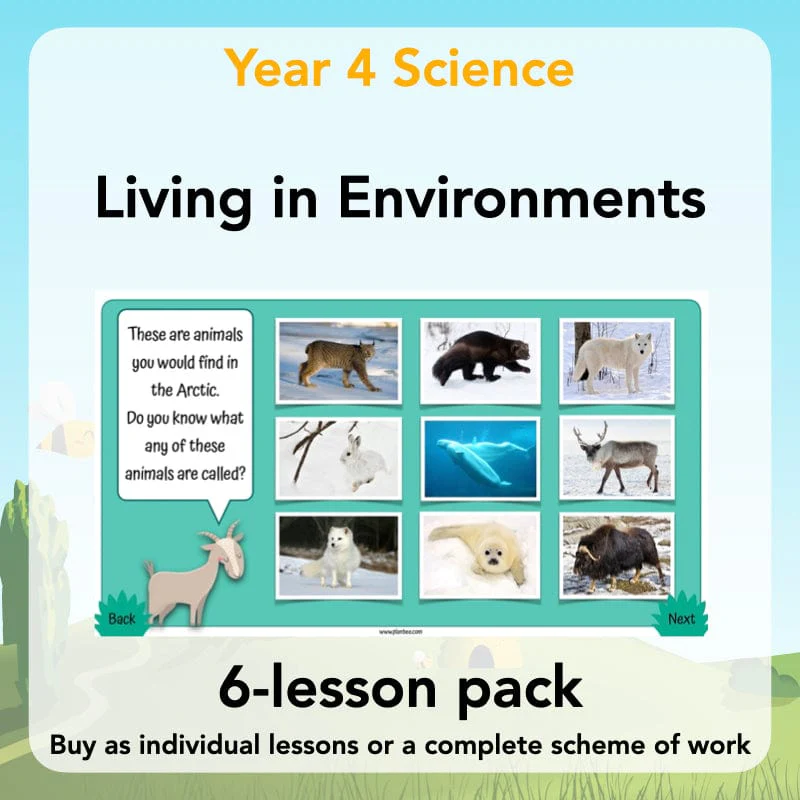
This Living in Environments KS2 Science scheme of work (covering the Living Things and their Habitats Year 4 objectives from the National Curriculum) is a great way to help your class become more familiar with the plants and animals in their local and wider environments. They will learn how to identify a range of British plants and animals, and how to classify organisms, including the use of classification keys. They will also consider why organisms live in different habitats and the impact, both positive and negative, that humans can have on environments.
With lesson plans, slides, activity ideas, differentiated worksheets, picture cards, classification keys and many other resources, this Living Things and their Habitats Year 4 planning pack covers all the objectives in this strand in a fun, engaging and challenging way. And the best part is it's all fully prepped so you don't have to spend hours of your own time planning!
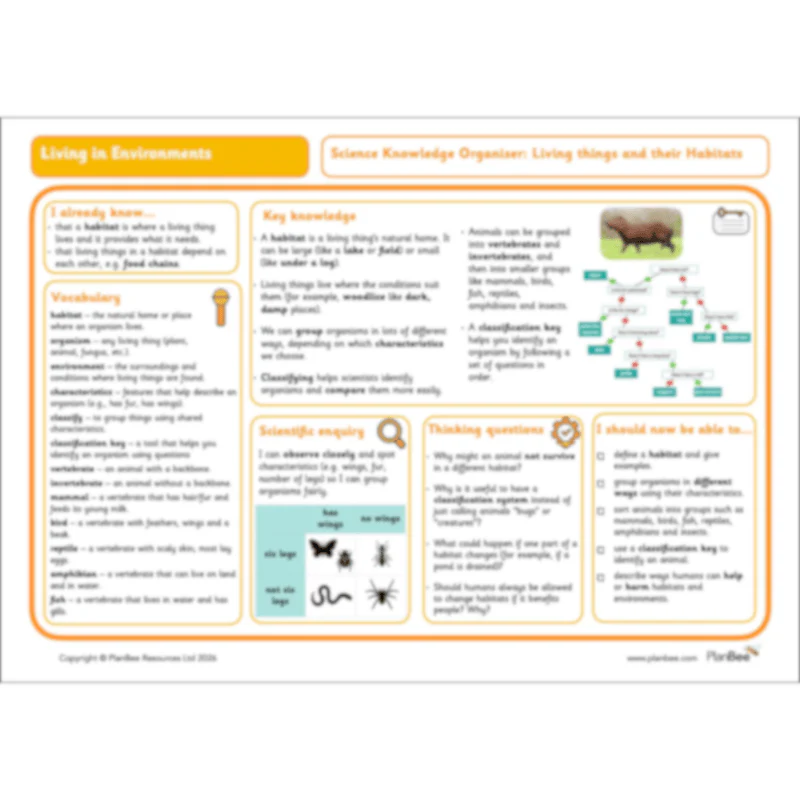
A Knowledge Organiser is included within the complete series download, or is available to purchase separately.
Habitats
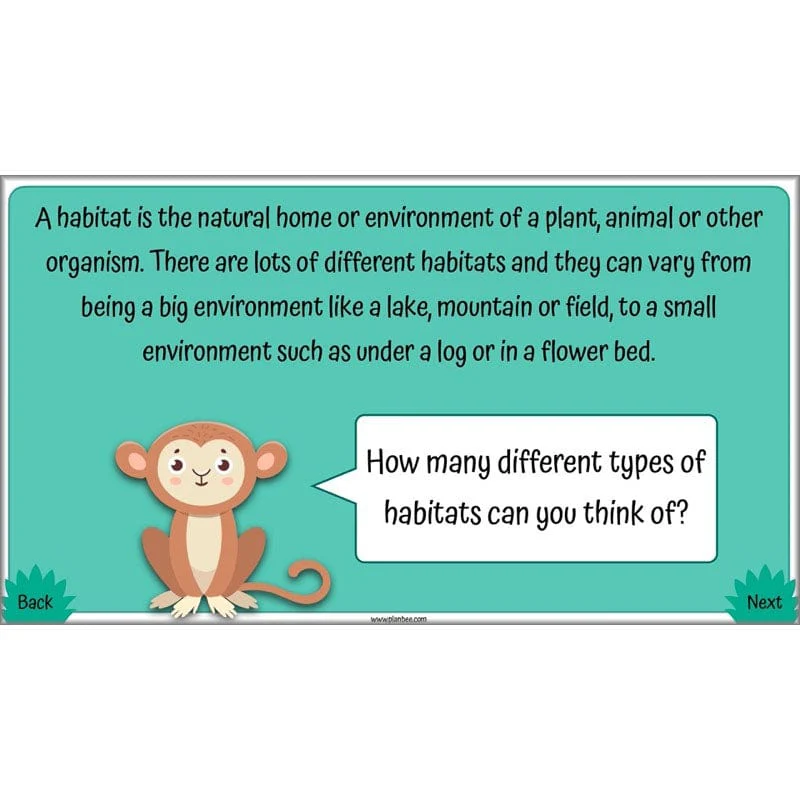
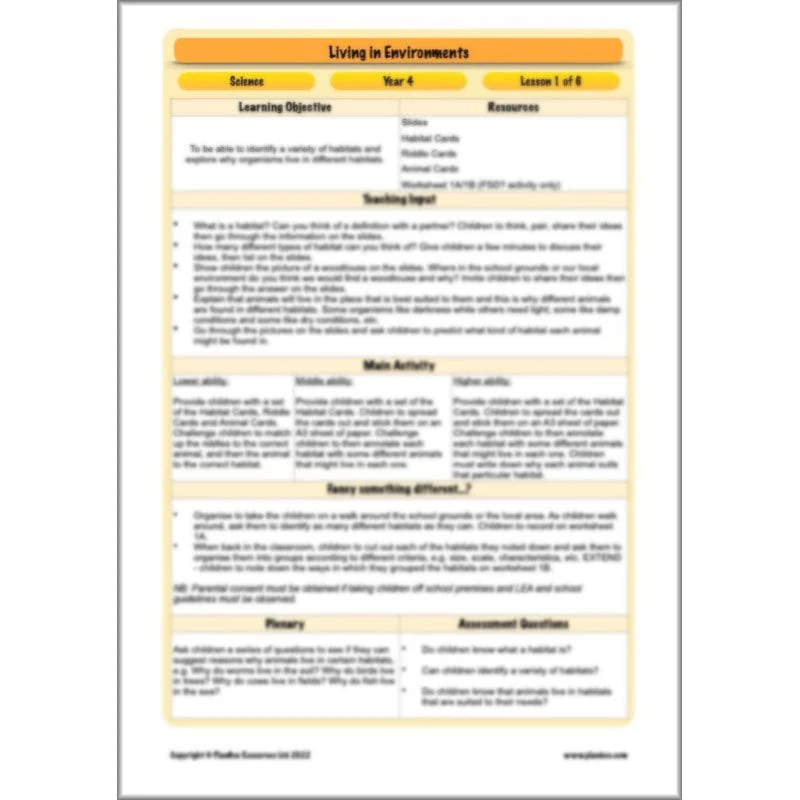
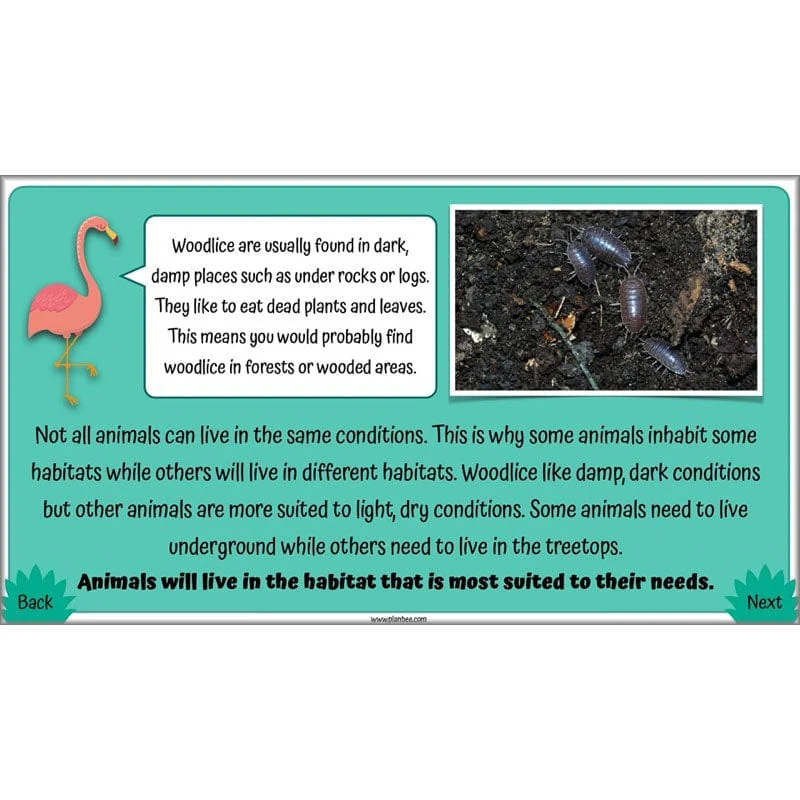
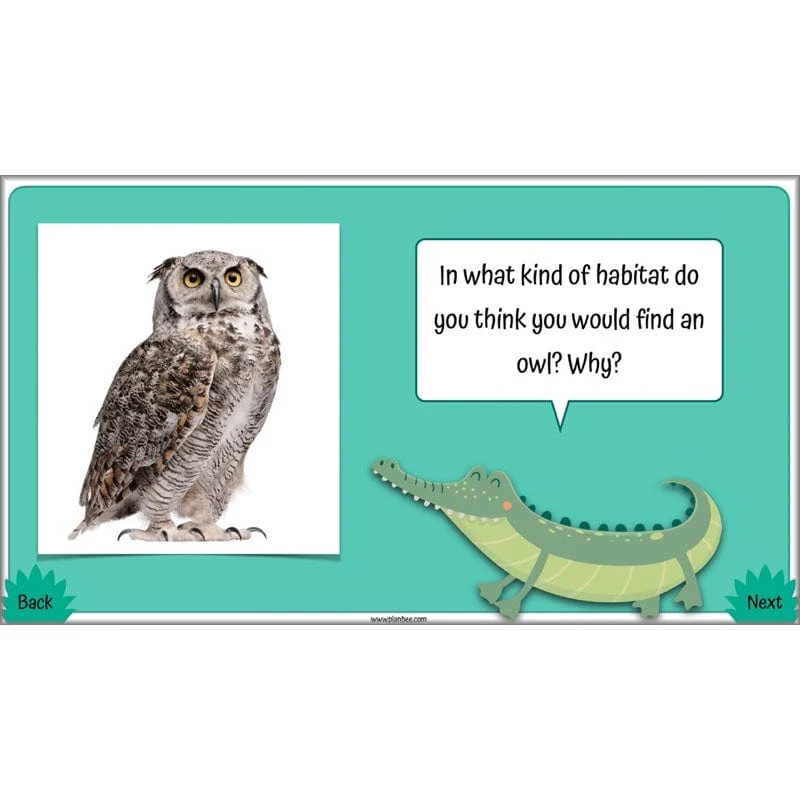
This Year 4 Habitats lesson explores what a habitat is and encourages your KS2 class to think about what habitat a particular animal might live in and why. There is the opportunity to identify a variety of habitats in the local area, as well as matching a variety of animals to an appropriate habitat.
This Year 4 Habitats planning pack comes completely ready for you to deliver to your class. There's a detailed lesson plan, a slideshow for the whole-class teaching input, differentiated activity ideas and a range of printable teaching resources.
What's included:
- Lesson plan
- Slides
- Activity ideas
- Habitat cards
- Riddle cards
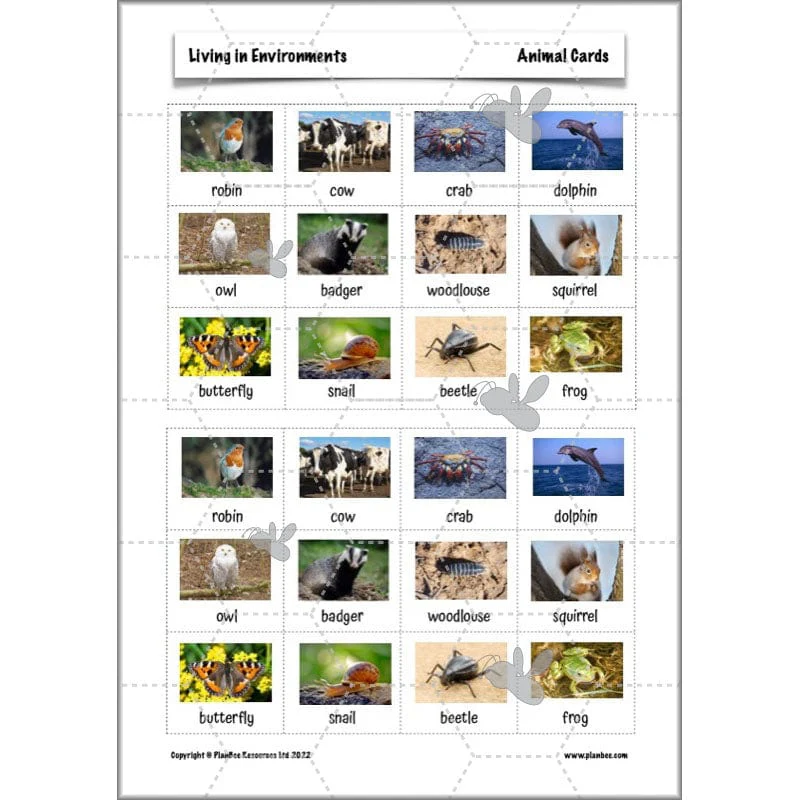
- Animal cards
- Differentiated worksheets
View Lesson 1
Animal Groups
This Animal Groups KS2 Science lesson encourages your Year 4 class to look closely at a range of animals and group them according to various criteria. They will think about grouping animals according to what they have in common and identify similarities and differences between them.
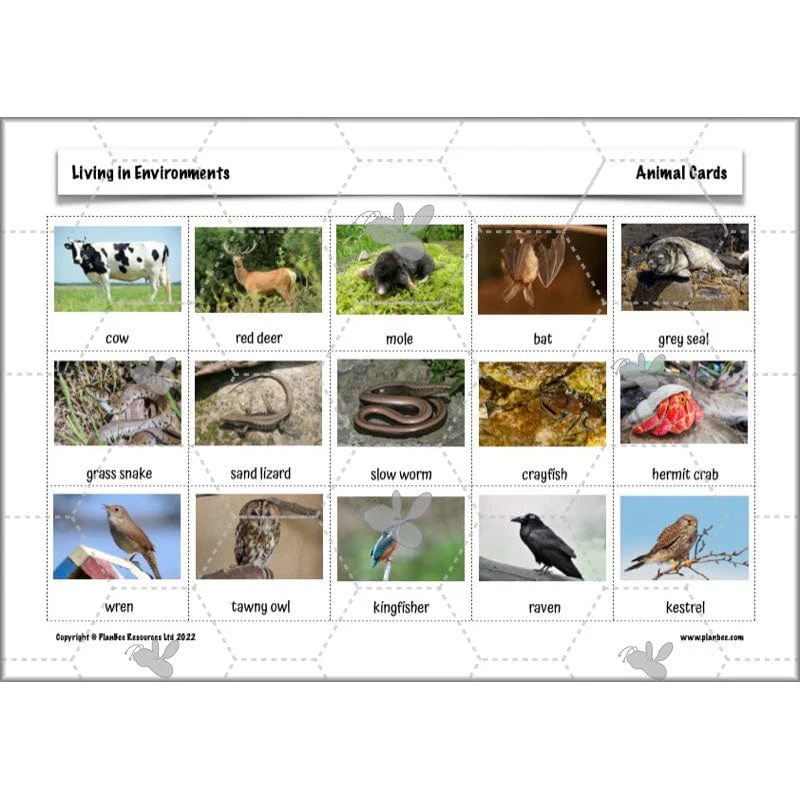
During their independent learning time, there's the opportunity for first-hand observation as they explore and classify small animals in their local environment, or they can sort animals on cards into groups according to various criteria.
This Animal Groups KS2 planning pack comes with a downloadable lesson plan, slideshow and printable resources pack – everything you need to deliver a great lesson without any prep time!
What's included:
- Lesson plan
- Slides
- Activity ideas
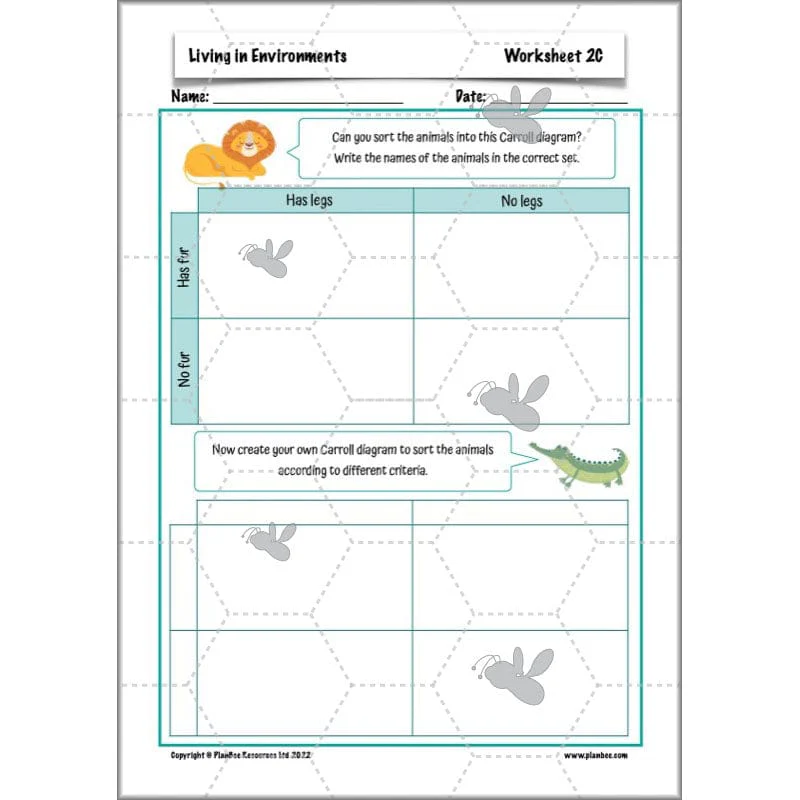
- Differentiated worksheets
- Animal cards
View Lesson 2
Classification Keys
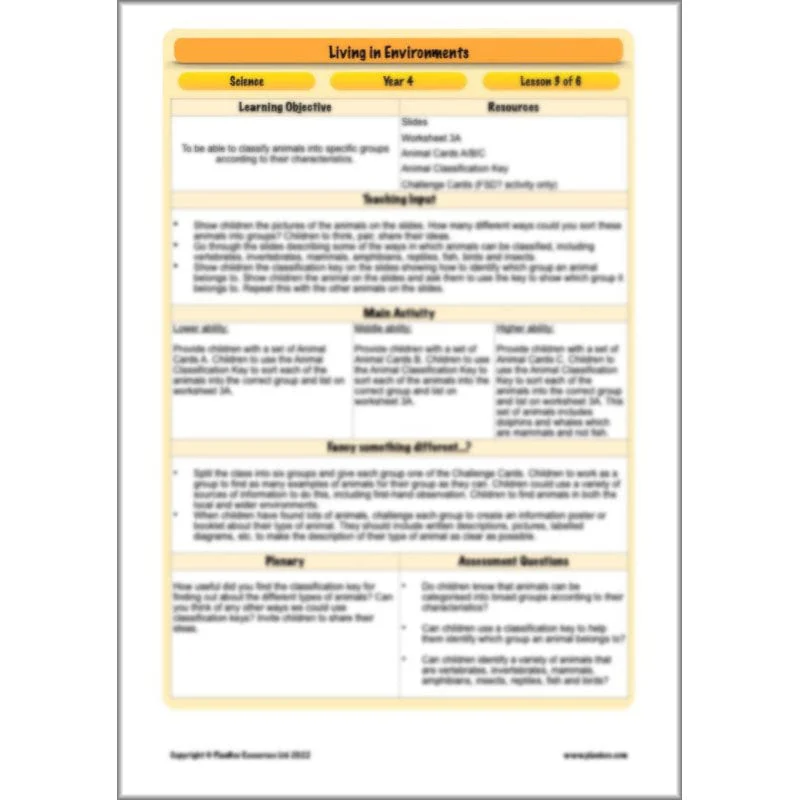
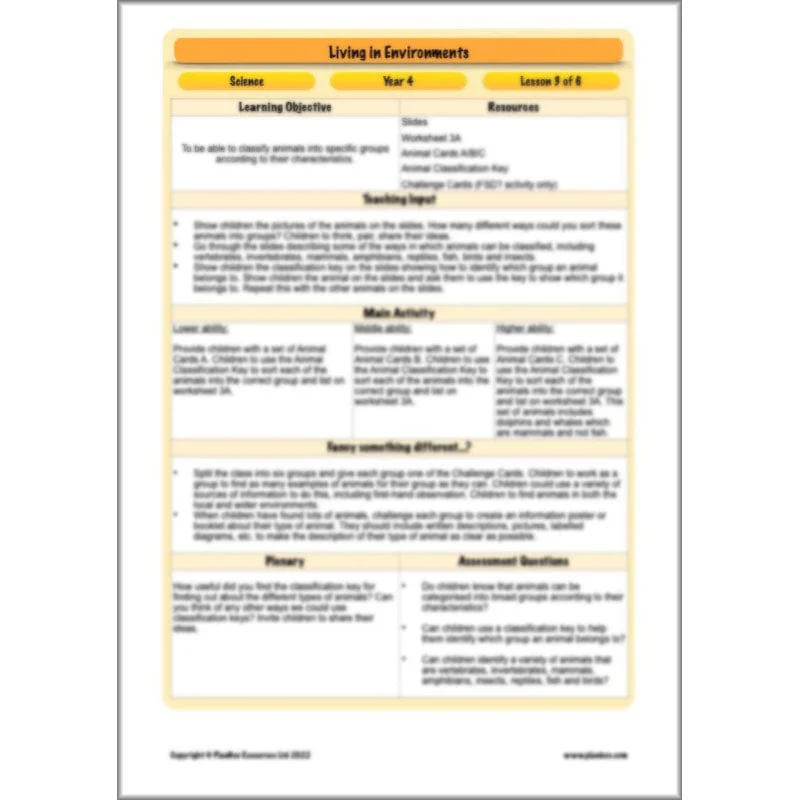
In this Classification Keys KS2 Science lesson for Year 4, your class will look at how scientists classify animals into broad groups, such as mammals, amphibians, birds, reptiles and fish. The lesson then goes on to explore how to use a classification key to help identify which of these groups a variety of different animals belong to.
This Classification Keys KS2 planning pack contains an easy-to-follow lesson plan with three-way differentiation plus an alternative activity, a slideshow for the whole-class teaching input and a set of printable resources to support children as they carry out their independent learning tasks.
What's included:
- Lesson plan
- Slides
- Activity ideas
- Worksheet
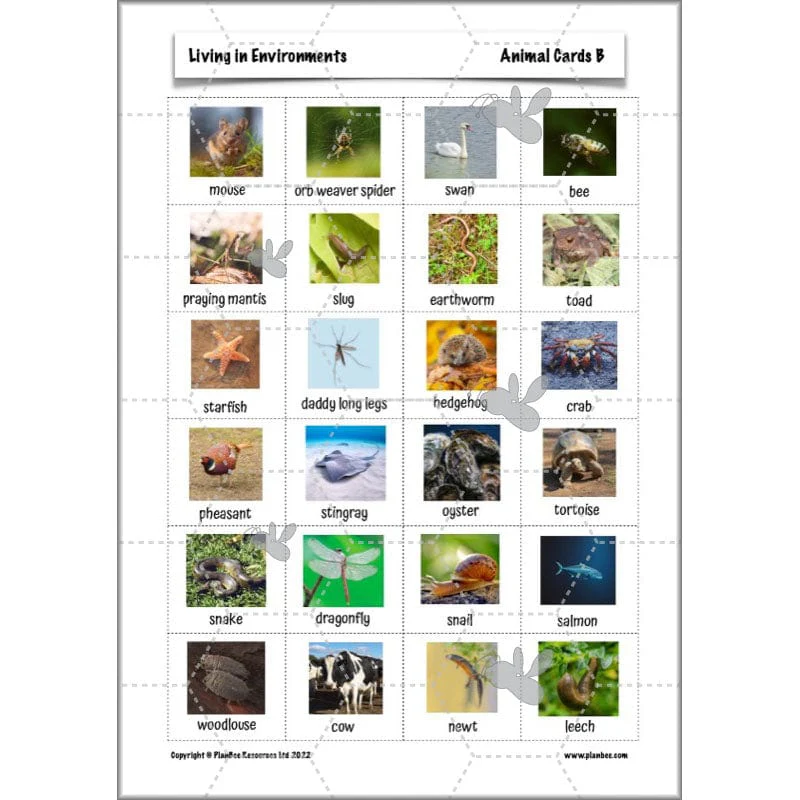
- Animal cards
- Animal classification key
- Challenge cards
View Lesson 3
Identifying Animals
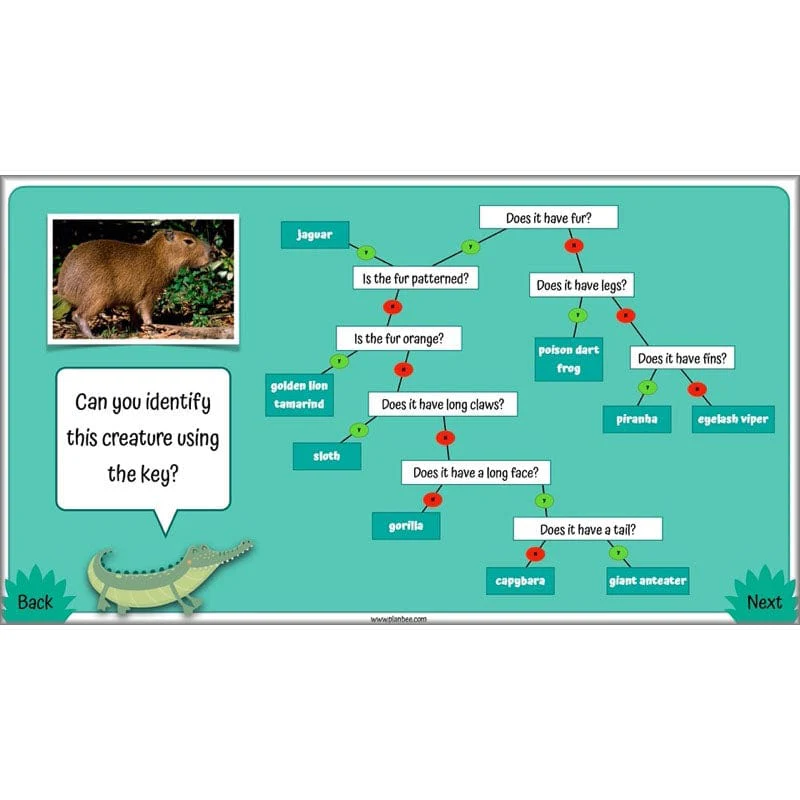
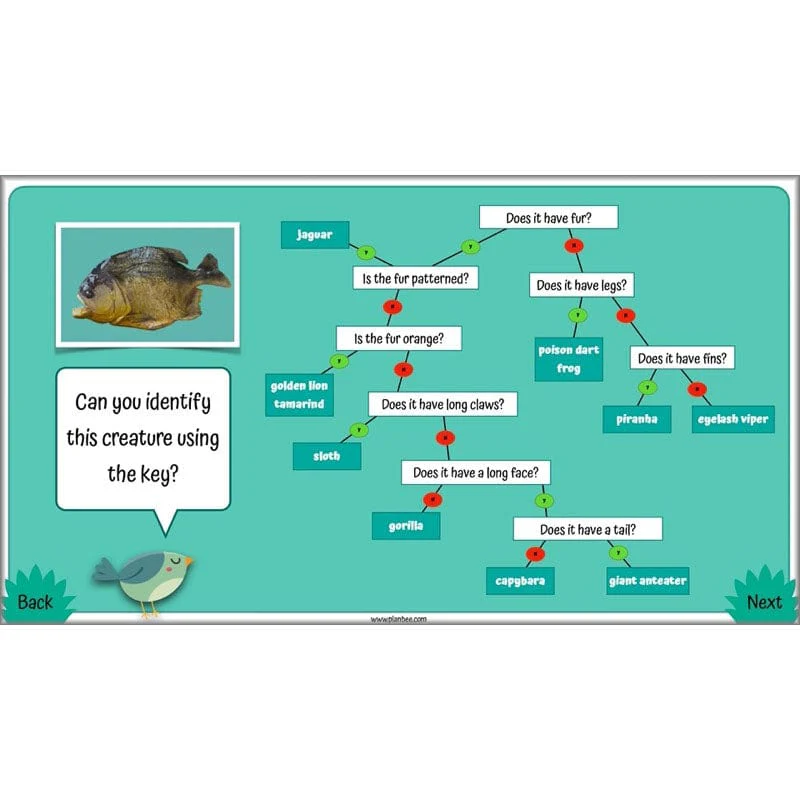
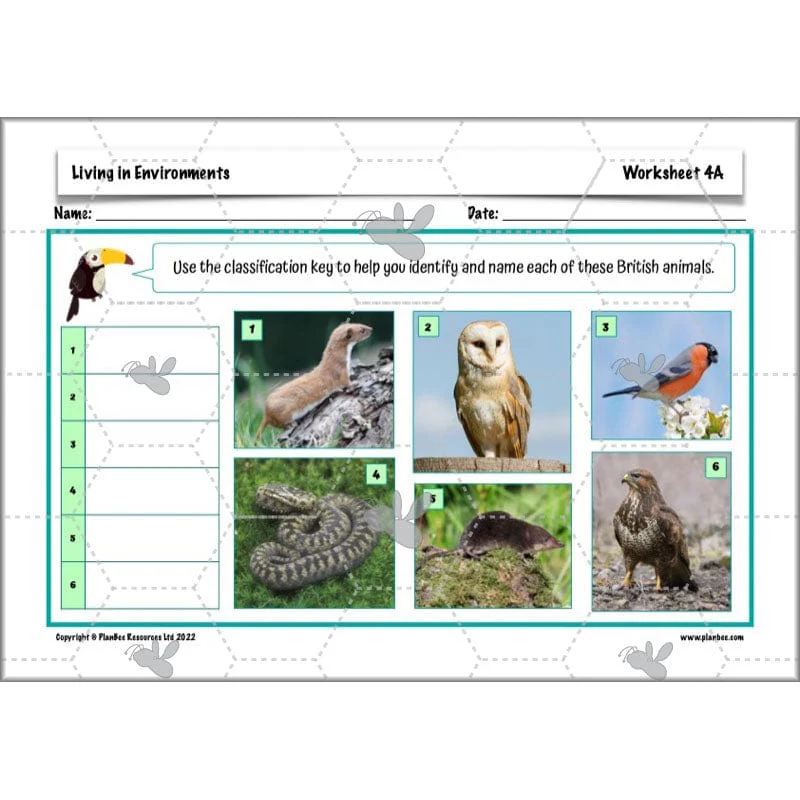
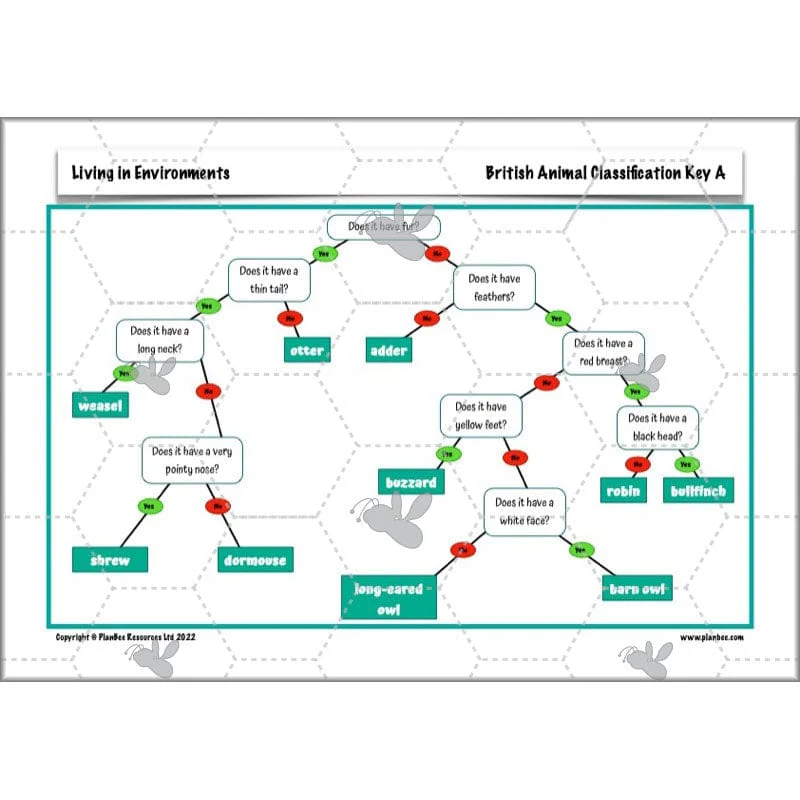
In this Identifying Animals lesson for Year 4, your children will identify a variety of animals using classification keys. They will have to look closely at a variety of animals from different environments, as well as British animals, to answer a series of 'yes' and 'no' questions to help them identify each one.
The included slideshow presentation for the teaching input guides your KS2 class through some examples while they get the hang of identifying animals using a branching database. They can then practise this skill independently during their independent tasks or, if they're feeling adventurous, creating a classification key of their own!
This Identifying Animals planning pack comes with a lesson plan, slideshow, differentiated activity ideas and a range of printable teaching resources.
What's included:
- Lesson plan
- Slides
- Activity ideas
- Differentiated worksheets
- British animals classification keys
- Animal cards
View Lesson 4
Classifying Plants
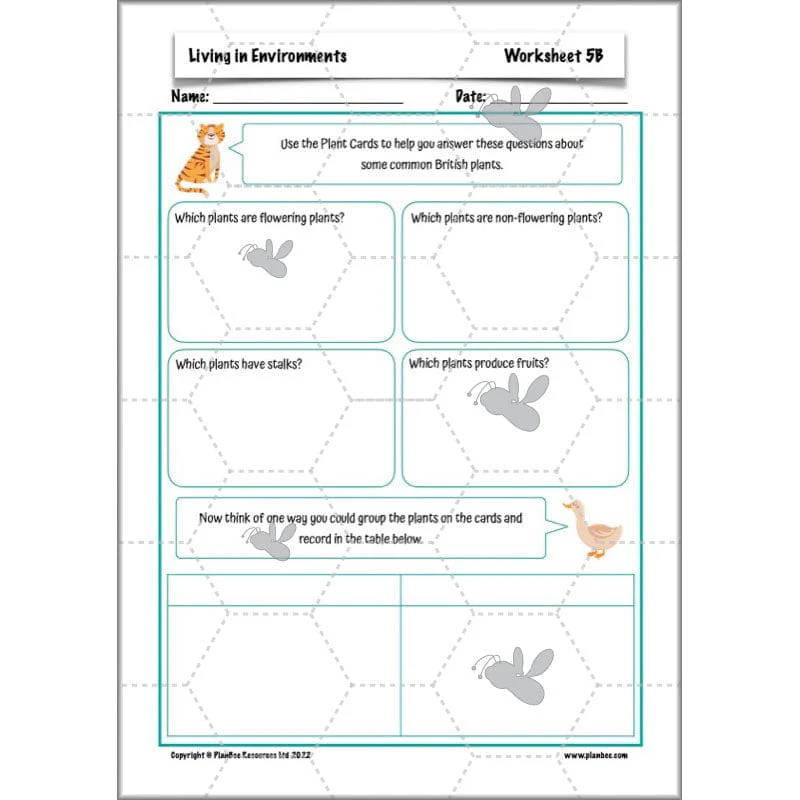
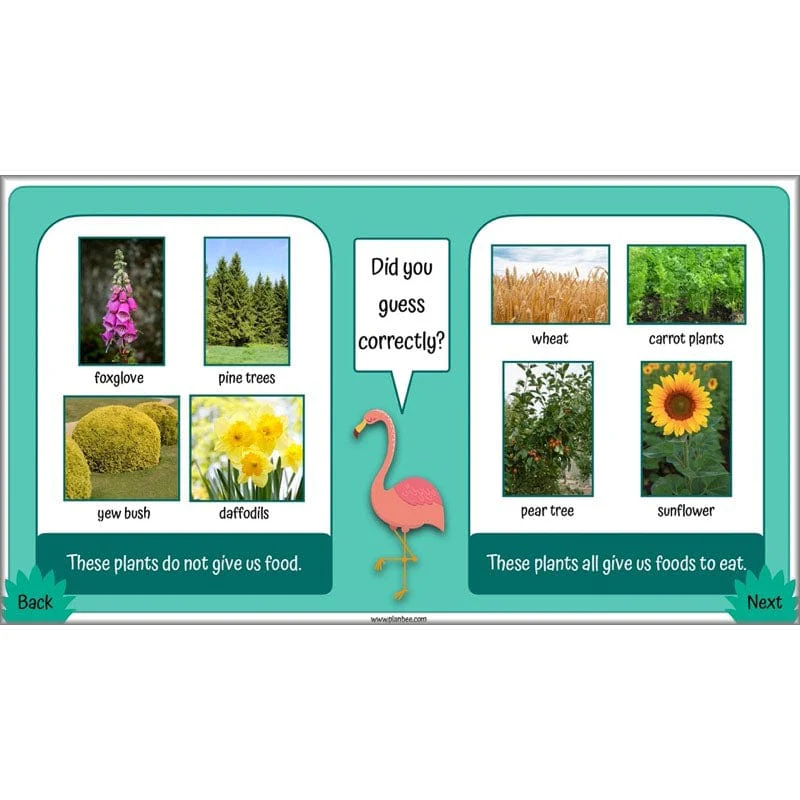
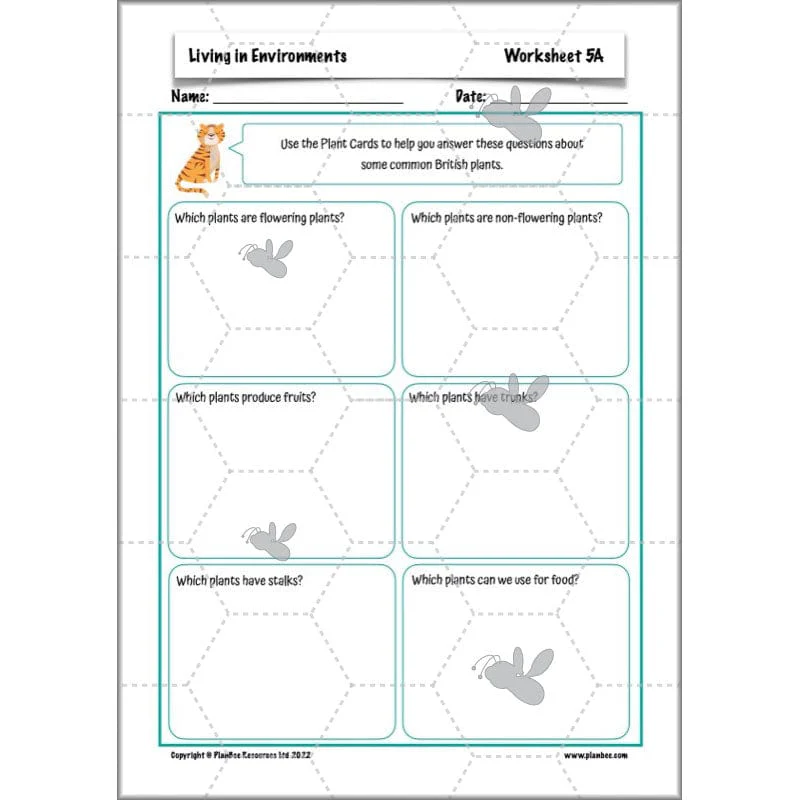
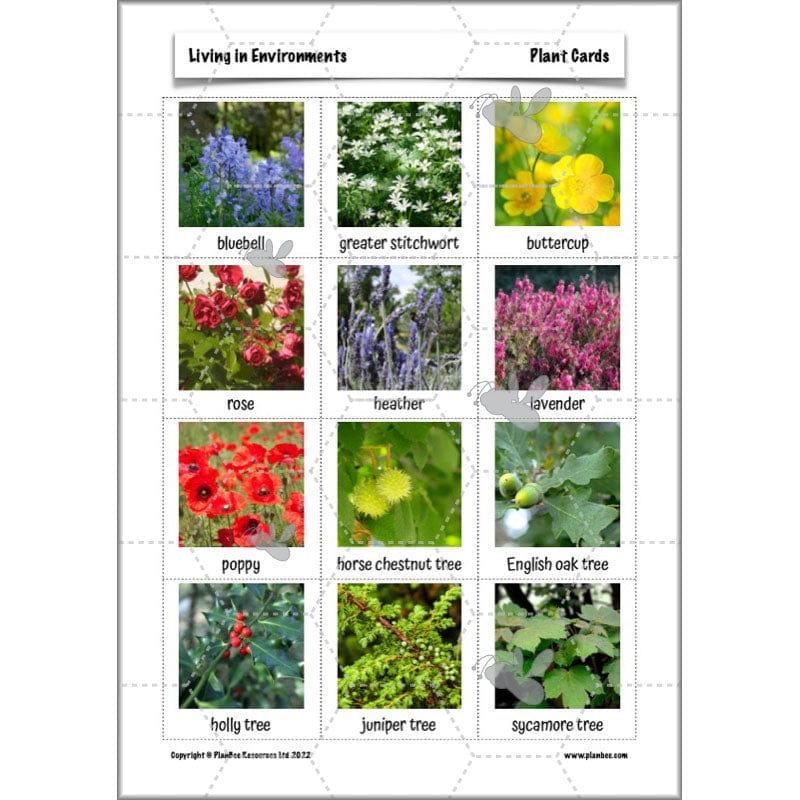
Now that your Year 4 class are pros at identifying and classifying animals, they can turn their attention to plants with this Classifying Plants KS2 Science lesson. Your class will be challenged to group a variety of different plants according to their characteristics using both Venn and Carroll diagrams. There's also the chance to explore how unfamiliar plants are identified.
This Classifying Plants KS2 planning pack comes complete with a lesson plan with three-way differentiation plus an alternative activity, a slideshow for the whole-class teaching input and a range of printable teaching resources to support children in their independent learning tasks.
What's included:
- Lesson plan
- Slides
- Activity ideas
- Differentiated worksheets
- Plant cards
View Lesson 5
Human Impact on the Environment
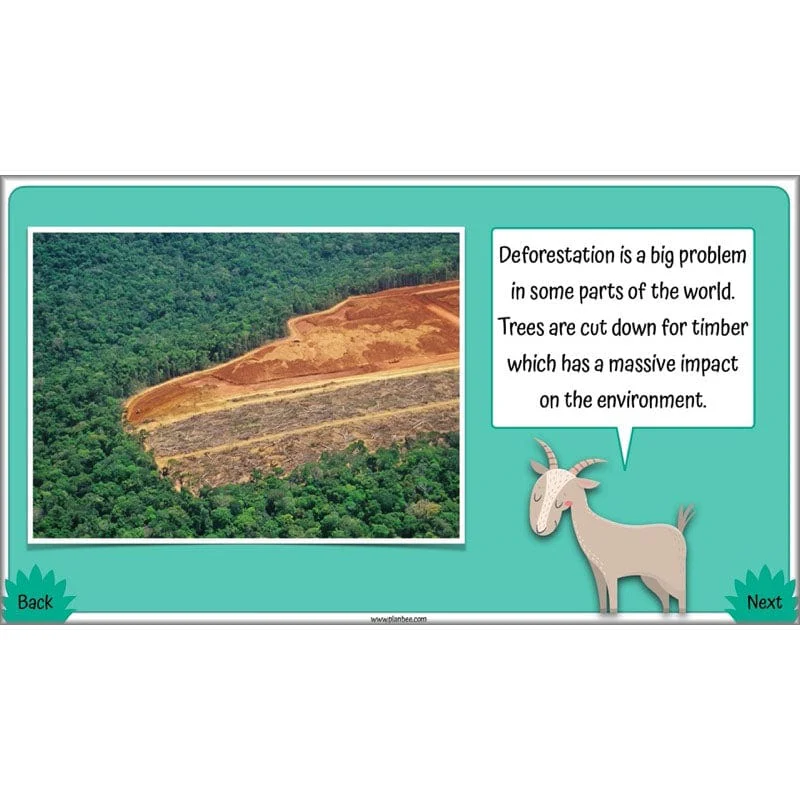
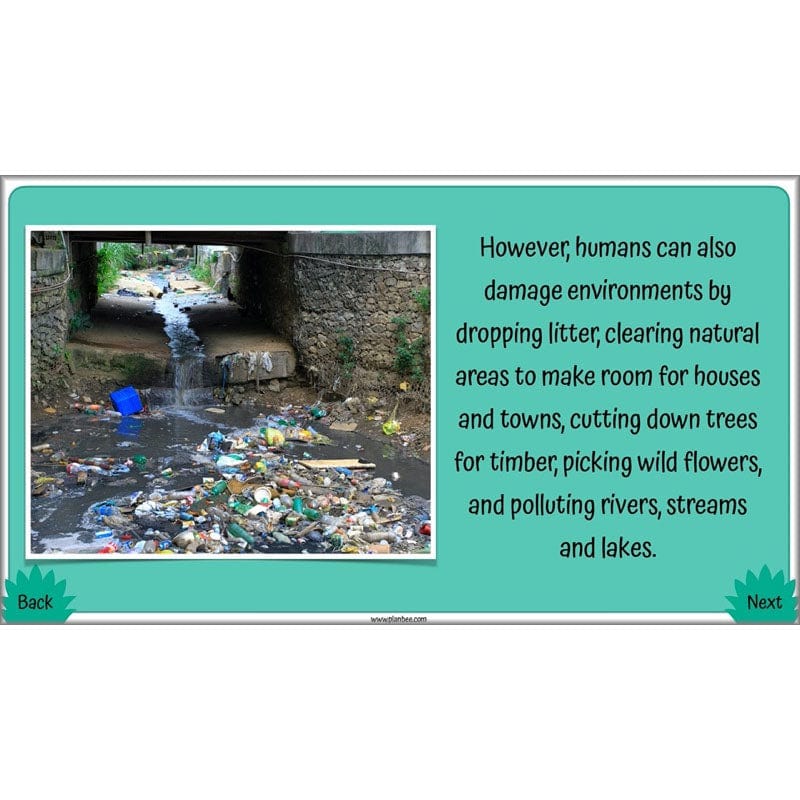
Your class will explore the human impact on the environment in this KS2 Science lesson for Year 4. They will consider how changing just one thing in a habitat can have devastating consequences for the environment and the organisms that live there. However, it also explores the positive impacts humans can have on environments and encourages your class to think about a few simple things they can do to support their local habitats.
This Human Impact on the Environment KS2 lesson contains a lesson plan, a slideshow for the teaching input, differentiated activity ideas and a range of printable teaching resources.
What's included:
- Lesson plan
- Slides
- Activity ideas
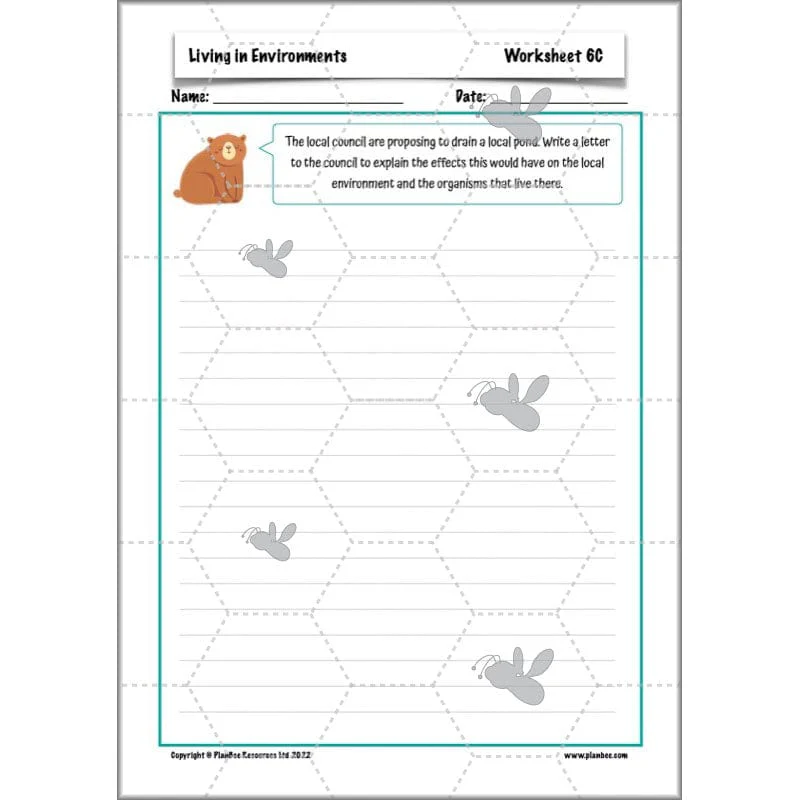
- Differentiated worksheets
- Scenario cards
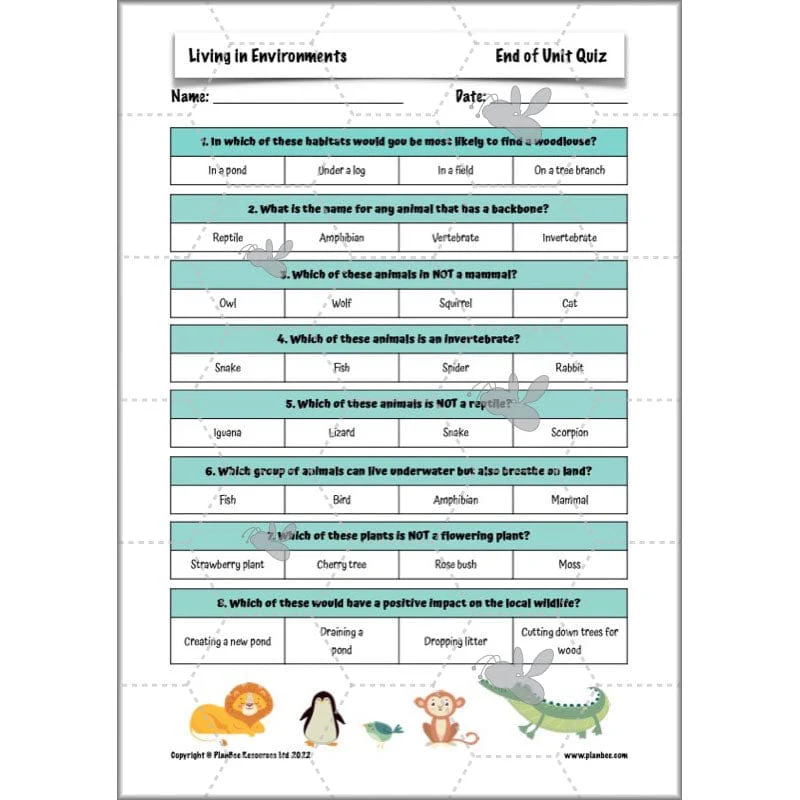
- End of Unit Quiz
View Lesson 6
Original: $2.69
-65%$2.69
$0.94More Images
























Living in Environments
This Living in Environments KS2 Science scheme of work (covering the Living Things and their Habitats Year 4 objectives from the National Curriculum) is a great way to help your class become more familiar with the plants and animals in their local and wider environments. They will learn how to identify a range of British plants and animals, and how to classify organisms, including the use of classification keys. They will also consider why organisms live in different habitats and the impact, both positive and negative, that humans can have on environments.
With lesson plans, slides, activity ideas, differentiated worksheets, picture cards, classification keys and many other resources, this Living Things and their Habitats Year 4 planning pack covers all the objectives in this strand in a fun, engaging and challenging way. And the best part is it's all fully prepped so you don't have to spend hours of your own time planning!
A Knowledge Organiser is included within the complete series download, or is available to purchase separately.
Habitats
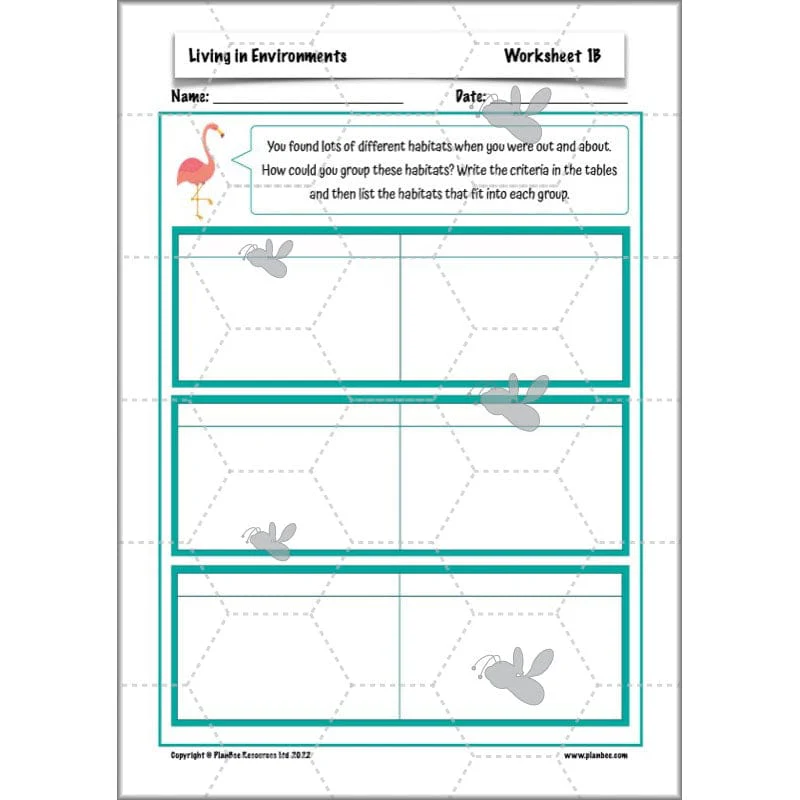
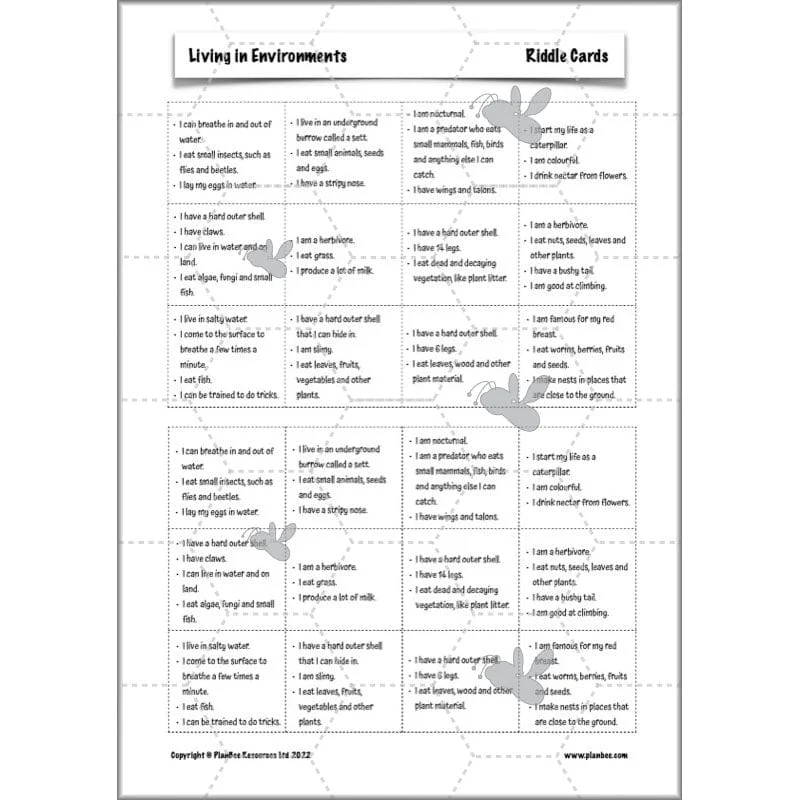
This Year 4 Habitats lesson explores what a habitat is and encourages your KS2 class to think about what habitat a particular animal might live in and why. There is the opportunity to identify a variety of habitats in the local area, as well as matching a variety of animals to an appropriate habitat.
This Year 4 Habitats planning pack comes completely ready for you to deliver to your class. There's a detailed lesson plan, a slideshow for the whole-class teaching input, differentiated activity ideas and a range of printable teaching resources.
What's included:
- Lesson plan
- Slides
- Activity ideas
- Habitat cards
- Riddle cards
- Animal cards
- Differentiated worksheets
View Lesson 1
Animal Groups
This Animal Groups KS2 Science lesson encourages your Year 4 class to look closely at a range of animals and group them according to various criteria. They will think about grouping animals according to what they have in common and identify similarities and differences between them.
During their independent learning time, there's the opportunity for first-hand observation as they explore and classify small animals in their local environment, or they can sort animals on cards into groups according to various criteria.
This Animal Groups KS2 planning pack comes with a downloadable lesson plan, slideshow and printable resources pack – everything you need to deliver a great lesson without any prep time!
What's included:
- Lesson plan
- Slides
- Activity ideas
- Differentiated worksheets
- Animal cards
View Lesson 2
Classification Keys
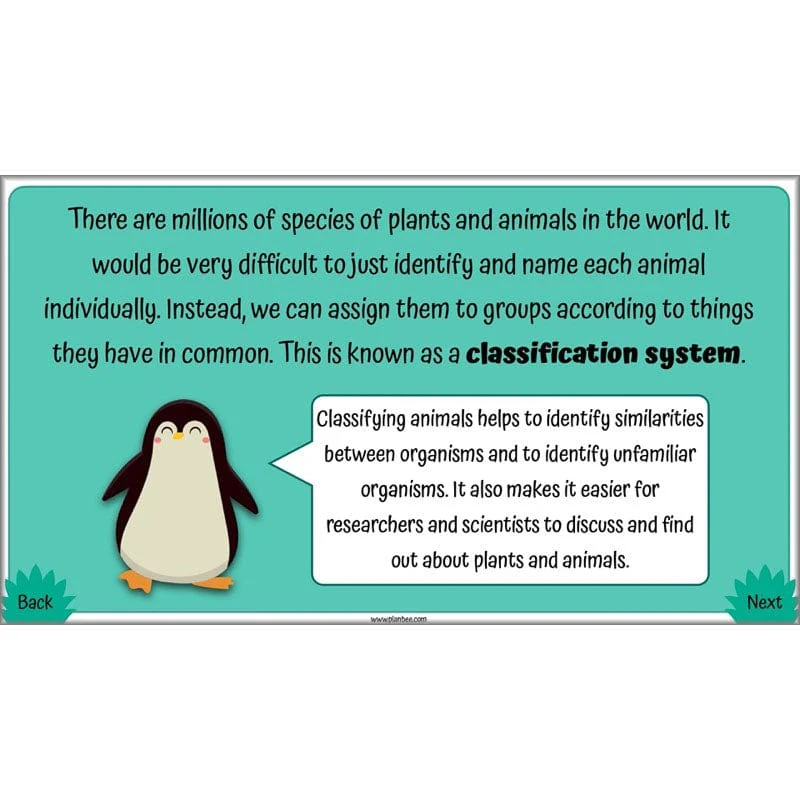
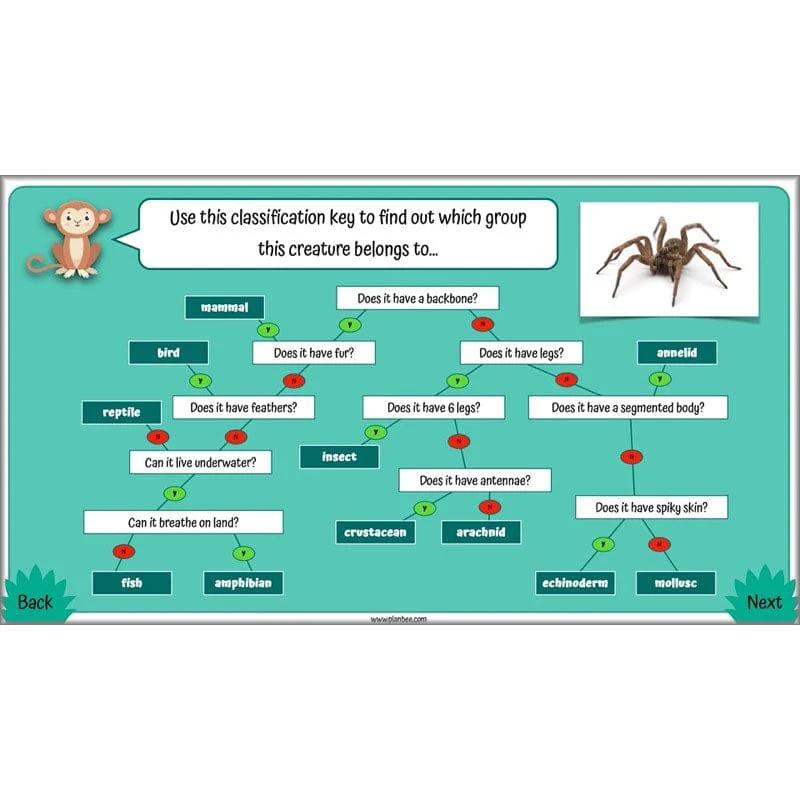
In this Classification Keys KS2 Science lesson for Year 4, your class will look at how scientists classify animals into broad groups, such as mammals, amphibians, birds, reptiles and fish. The lesson then goes on to explore how to use a classification key to help identify which of these groups a variety of different animals belong to.
This Classification Keys KS2 planning pack contains an easy-to-follow lesson plan with three-way differentiation plus an alternative activity, a slideshow for the whole-class teaching input and a set of printable resources to support children as they carry out their independent learning tasks.
What's included:
- Lesson plan
- Slides
- Activity ideas
- Worksheet
- Animal cards
- Animal classification key
- Challenge cards
View Lesson 3
Identifying Animals
In this Identifying Animals lesson for Year 4, your children will identify a variety of animals using classification keys. They will have to look closely at a variety of animals from different environments, as well as British animals, to answer a series of 'yes' and 'no' questions to help them identify each one.
The included slideshow presentation for the teaching input guides your KS2 class through some examples while they get the hang of identifying animals using a branching database. They can then practise this skill independently during their independent tasks or, if they're feeling adventurous, creating a classification key of their own!
This Identifying Animals planning pack comes with a lesson plan, slideshow, differentiated activity ideas and a range of printable teaching resources.
What's included:
- Lesson plan
- Slides
- Activity ideas
- Differentiated worksheets
- British animals classification keys
- Animal cards
View Lesson 4
Classifying Plants
Now that your Year 4 class are pros at identifying and classifying animals, they can turn their attention to plants with this Classifying Plants KS2 Science lesson. Your class will be challenged to group a variety of different plants according to their characteristics using both Venn and Carroll diagrams. There's also the chance to explore how unfamiliar plants are identified.
This Classifying Plants KS2 planning pack comes complete with a lesson plan with three-way differentiation plus an alternative activity, a slideshow for the whole-class teaching input and a range of printable teaching resources to support children in their independent learning tasks.
What's included:
- Lesson plan
- Slides
- Activity ideas
- Differentiated worksheets
- Plant cards
View Lesson 5
Human Impact on the Environment
Your class will explore the human impact on the environment in this KS2 Science lesson for Year 4. They will consider how changing just one thing in a habitat can have devastating consequences for the environment and the organisms that live there. However, it also explores the positive impacts humans can have on environments and encourages your class to think about a few simple things they can do to support their local habitats.
This Human Impact on the Environment KS2 lesson contains a lesson plan, a slideshow for the teaching input, differentiated activity ideas and a range of printable teaching resources.
What's included:
- Lesson plan
- Slides
- Activity ideas
- Differentiated worksheets
- Scenario cards
- End of Unit Quiz
View Lesson 6
Product Information
Product Information
Shipping & Returns
Shipping & Returns
Description
This Living in Environments KS2 Science scheme of work (covering the Living Things and their Habitats Year 4 objectives from the National Curriculum) is a great way to help your class become more familiar with the plants and animals in their local and wider environments. They will learn how to identify a range of British plants and animals, and how to classify organisms, including the use of classification keys. They will also consider why organisms live in different habitats and the impact, both positive and negative, that humans can have on environments.
With lesson plans, slides, activity ideas, differentiated worksheets, picture cards, classification keys and many other resources, this Living Things and their Habitats Year 4 planning pack covers all the objectives in this strand in a fun, engaging and challenging way. And the best part is it's all fully prepped so you don't have to spend hours of your own time planning!
A Knowledge Organiser is included within the complete series download, or is available to purchase separately.
Habitats
This Year 4 Habitats lesson explores what a habitat is and encourages your KS2 class to think about what habitat a particular animal might live in and why. There is the opportunity to identify a variety of habitats in the local area, as well as matching a variety of animals to an appropriate habitat.
This Year 4 Habitats planning pack comes completely ready for you to deliver to your class. There's a detailed lesson plan, a slideshow for the whole-class teaching input, differentiated activity ideas and a range of printable teaching resources.
What's included:
- Lesson plan
- Slides
- Activity ideas
- Habitat cards
- Riddle cards
- Animal cards
- Differentiated worksheets
View Lesson 1
Animal Groups
This Animal Groups KS2 Science lesson encourages your Year 4 class to look closely at a range of animals and group them according to various criteria. They will think about grouping animals according to what they have in common and identify similarities and differences between them.
During their independent learning time, there's the opportunity for first-hand observation as they explore and classify small animals in their local environment, or they can sort animals on cards into groups according to various criteria.
This Animal Groups KS2 planning pack comes with a downloadable lesson plan, slideshow and printable resources pack – everything you need to deliver a great lesson without any prep time!
What's included:
- Lesson plan
- Slides
- Activity ideas
- Differentiated worksheets
- Animal cards
View Lesson 2
Classification Keys
In this Classification Keys KS2 Science lesson for Year 4, your class will look at how scientists classify animals into broad groups, such as mammals, amphibians, birds, reptiles and fish. The lesson then goes on to explore how to use a classification key to help identify which of these groups a variety of different animals belong to.
This Classification Keys KS2 planning pack contains an easy-to-follow lesson plan with three-way differentiation plus an alternative activity, a slideshow for the whole-class teaching input and a set of printable resources to support children as they carry out their independent learning tasks.
What's included:
- Lesson plan
- Slides
- Activity ideas
- Worksheet
- Animal cards
- Animal classification key
- Challenge cards
View Lesson 3
Identifying Animals
In this Identifying Animals lesson for Year 4, your children will identify a variety of animals using classification keys. They will have to look closely at a variety of animals from different environments, as well as British animals, to answer a series of 'yes' and 'no' questions to help them identify each one.
The included slideshow presentation for the teaching input guides your KS2 class through some examples while they get the hang of identifying animals using a branching database. They can then practise this skill independently during their independent tasks or, if they're feeling adventurous, creating a classification key of their own!
This Identifying Animals planning pack comes with a lesson plan, slideshow, differentiated activity ideas and a range of printable teaching resources.
What's included:
- Lesson plan
- Slides
- Activity ideas
- Differentiated worksheets
- British animals classification keys
- Animal cards
View Lesson 4
Classifying Plants
Now that your Year 4 class are pros at identifying and classifying animals, they can turn their attention to plants with this Classifying Plants KS2 Science lesson. Your class will be challenged to group a variety of different plants according to their characteristics using both Venn and Carroll diagrams. There's also the chance to explore how unfamiliar plants are identified.
This Classifying Plants KS2 planning pack comes complete with a lesson plan with three-way differentiation plus an alternative activity, a slideshow for the whole-class teaching input and a range of printable teaching resources to support children in their independent learning tasks.
What's included:
- Lesson plan
- Slides
- Activity ideas
- Differentiated worksheets
- Plant cards
View Lesson 5
Human Impact on the Environment
Your class will explore the human impact on the environment in this KS2 Science lesson for Year 4. They will consider how changing just one thing in a habitat can have devastating consequences for the environment and the organisms that live there. However, it also explores the positive impacts humans can have on environments and encourages your class to think about a few simple things they can do to support their local habitats.
This Human Impact on the Environment KS2 lesson contains a lesson plan, a slideshow for the teaching input, differentiated activity ideas and a range of printable teaching resources.
What's included:
- Lesson plan
- Slides
- Activity ideas
- Differentiated worksheets
- Scenario cards
- End of Unit Quiz
View Lesson 6