Multiplication and Division Facts
This helpful 'Multiplication and Division Facts' scheme of work for Year 4 will help your class to become more familiar with their times tables and corresponding division facts.
They will have plenty of opportunities to hone both their multiplication and division skills through a variety of fun activities, as well as how to use various strategies to solve multiplication and division calculations.
With lesson plans, helpful slides, activity ideas, differentiated worksheets and many other resources, this 'Multiplication and Division Facts' scheme of work provides everything you need to turn your class into multiplying and dividing whizz kids!
Sixes and Sevens
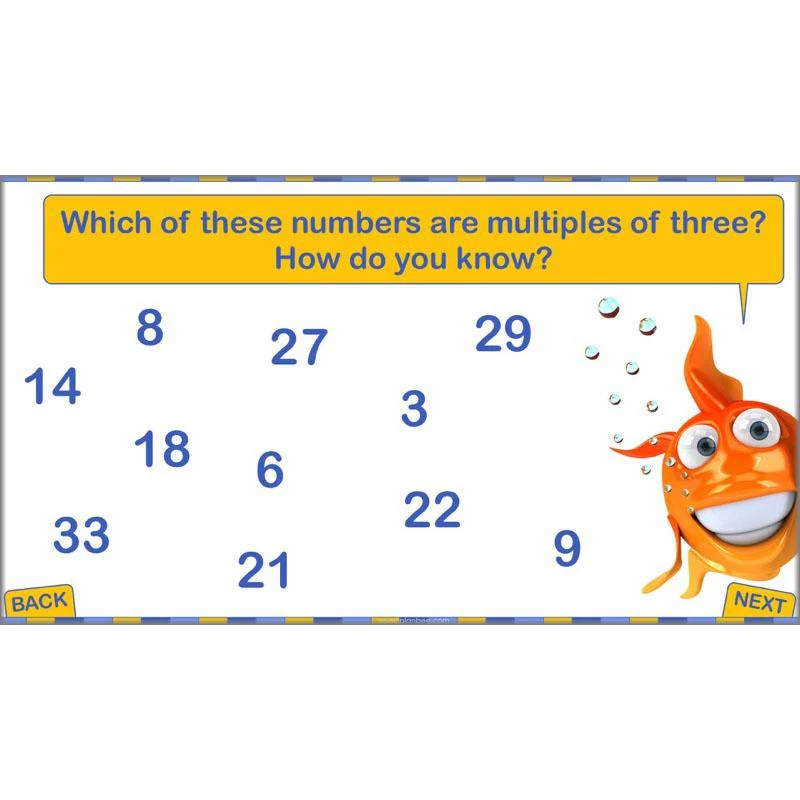
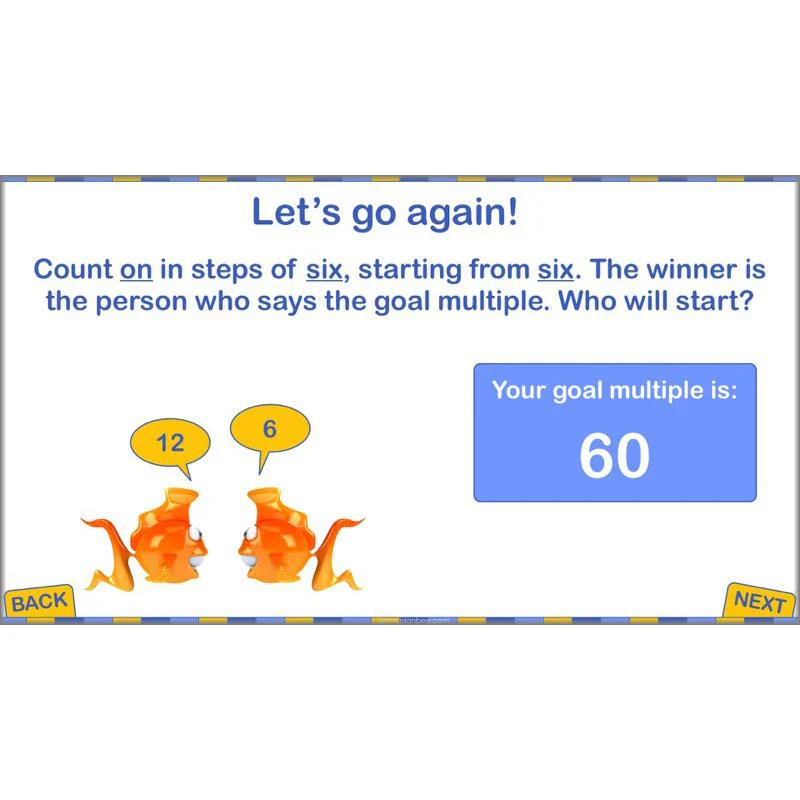
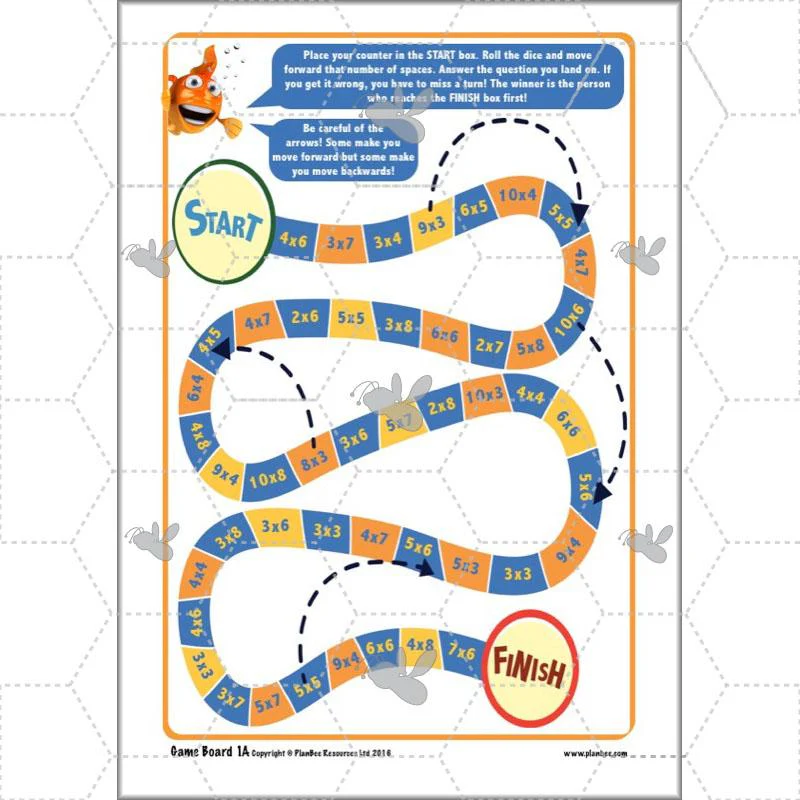
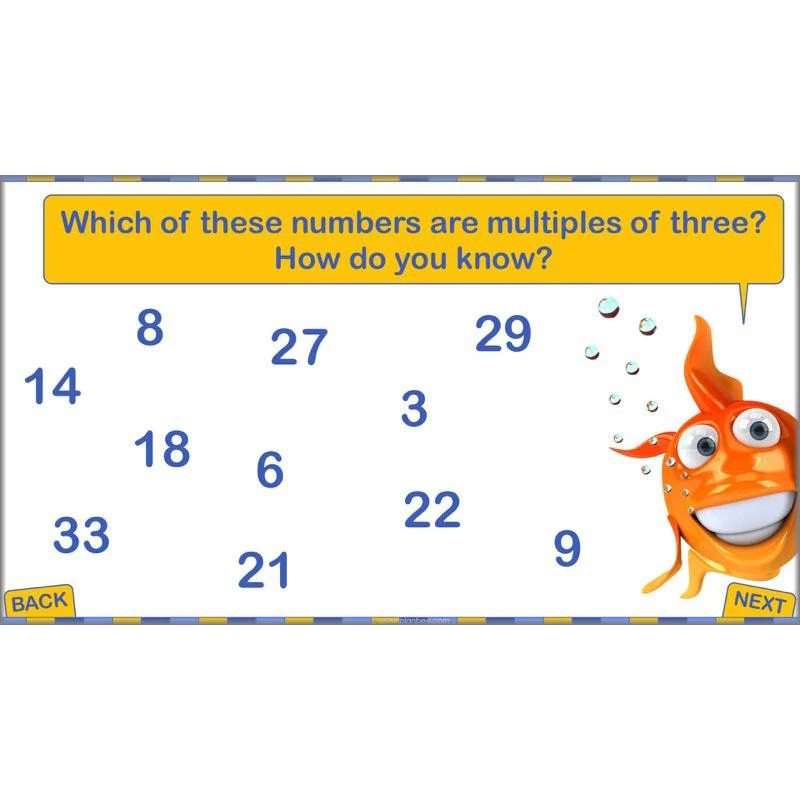
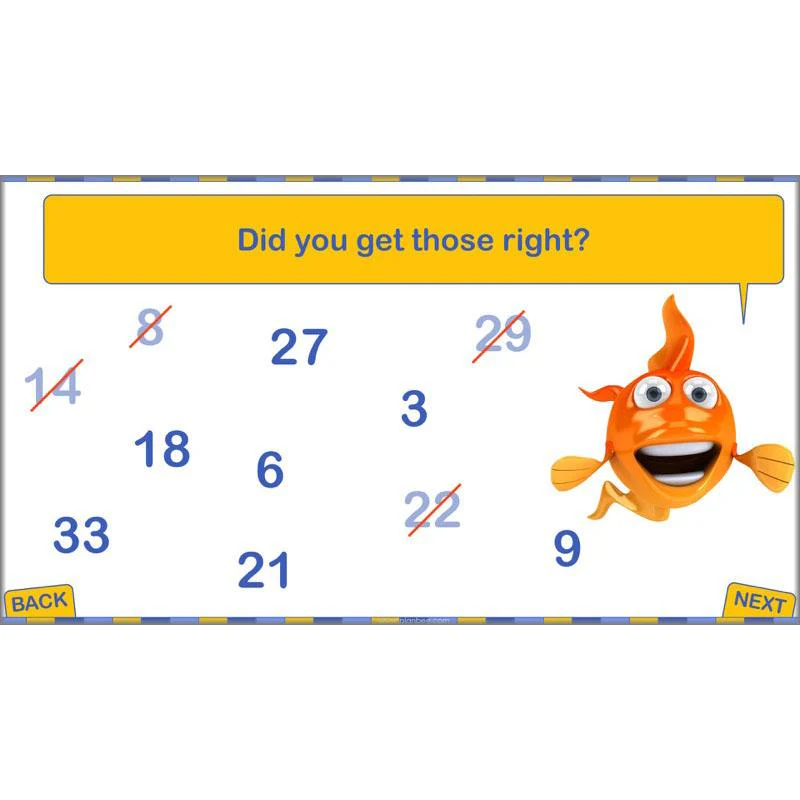
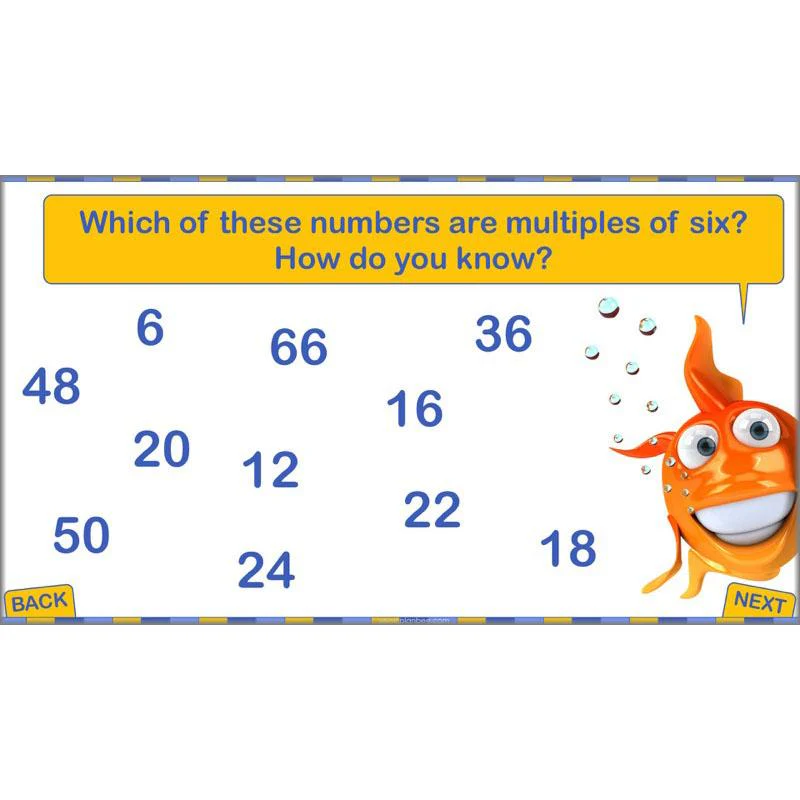
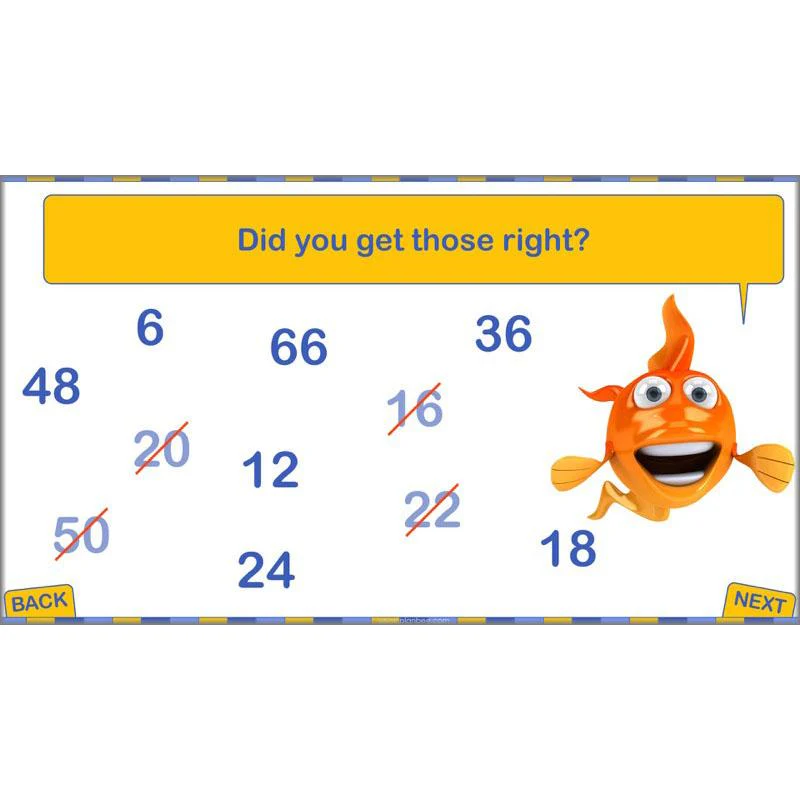
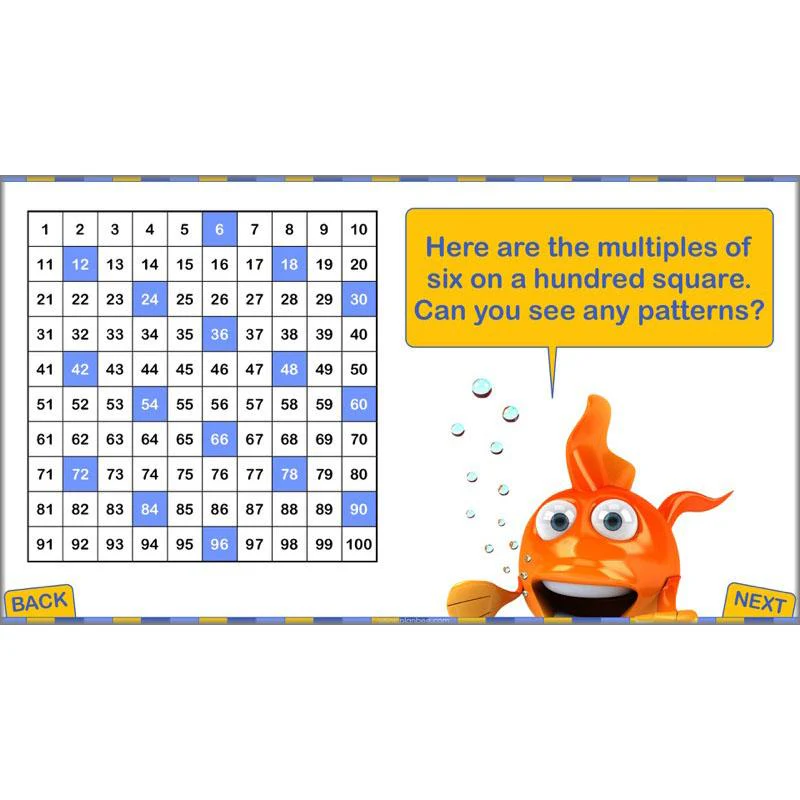
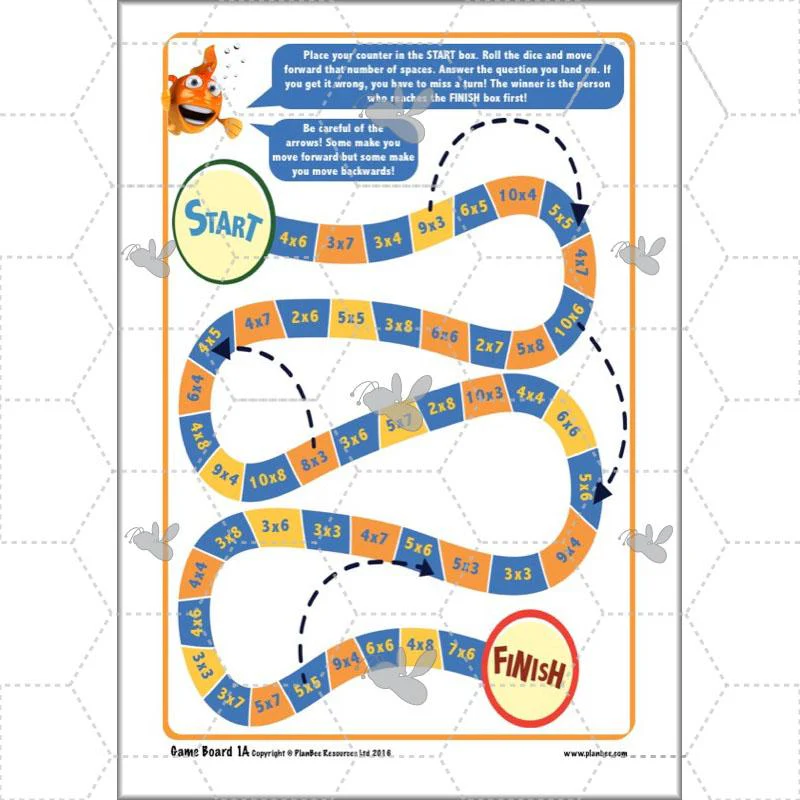
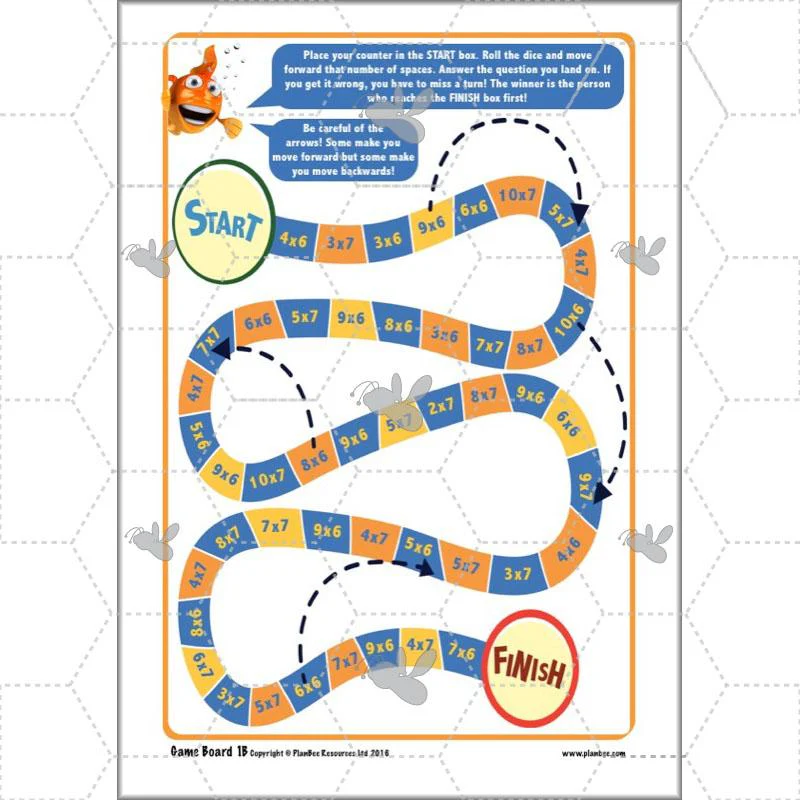
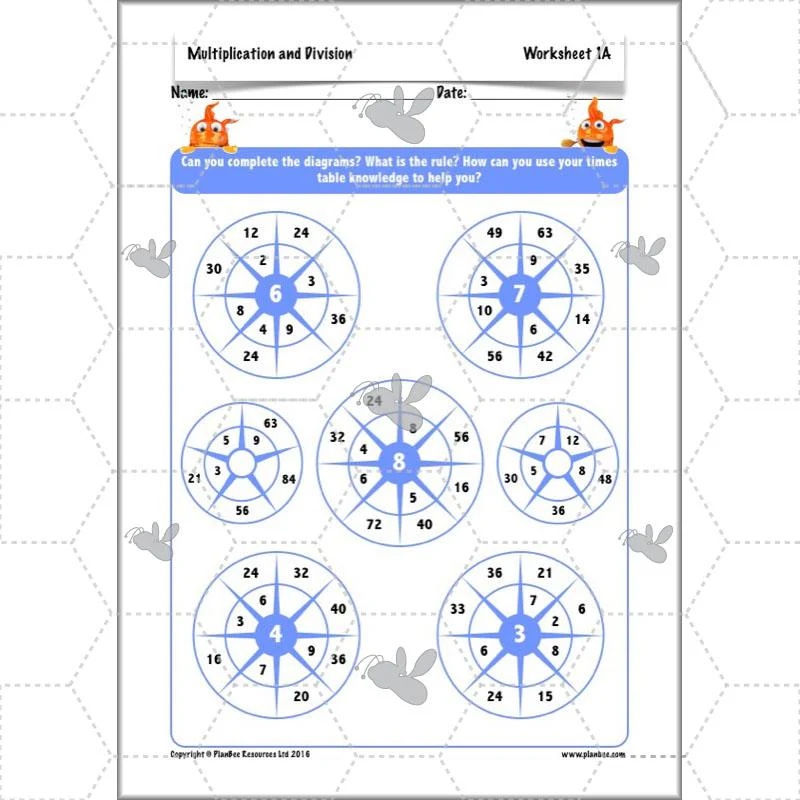
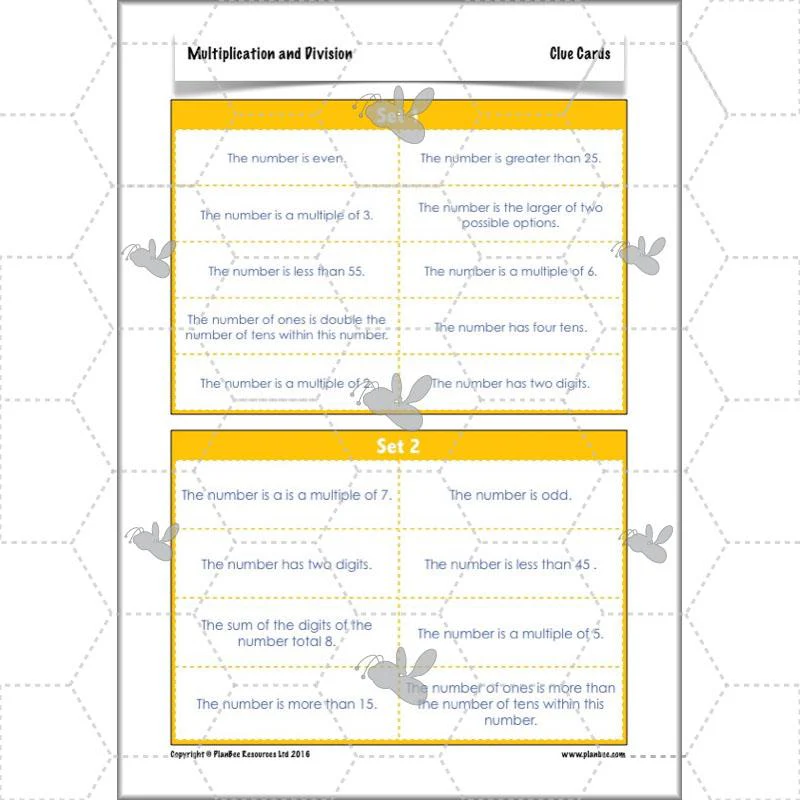
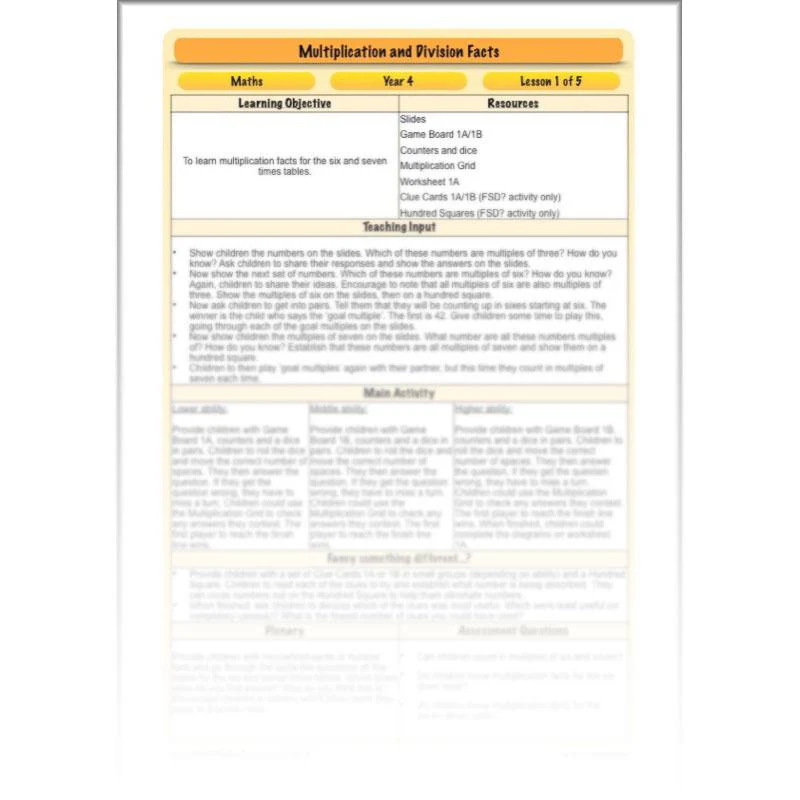
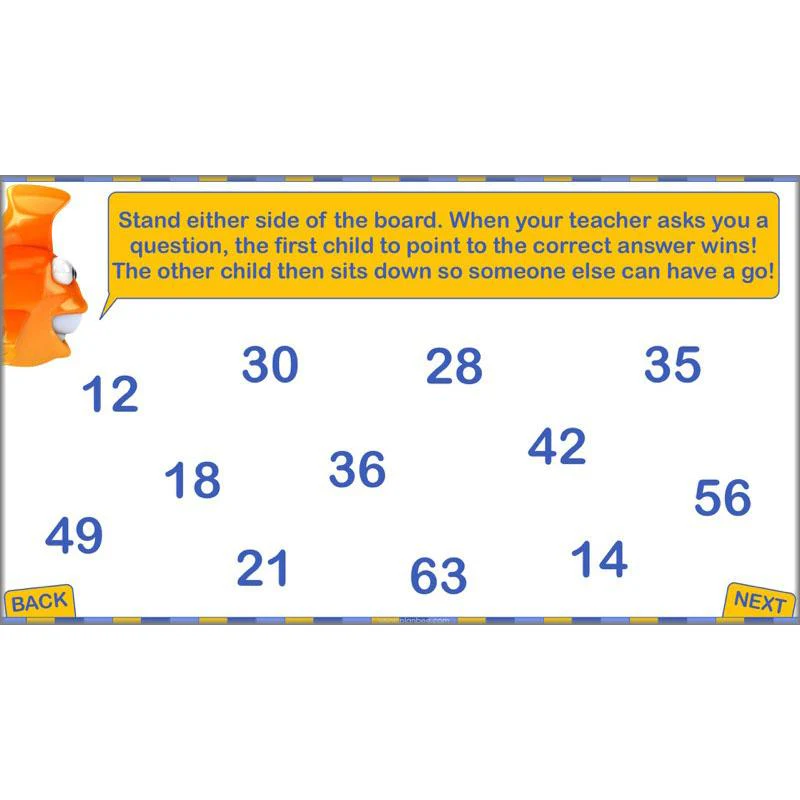
The first lesson in this series focuses on the six and seven times tables. The slides use a variety of engaging activities and quick-fire questions to help your class become more familiar with multiples of six and seven, leading on to games and puzzles for their independent learning which will consolidate not only the six and seven times tables but other tables too.Build up your class's rapid recall of number facts for the six and seven times tables.
What's included:
- Lesson plan
- Slides
- Activity ideas
- Game board
- Multiplication grid
- Worksheet
- Clue cards
- Hundred squares
Nines
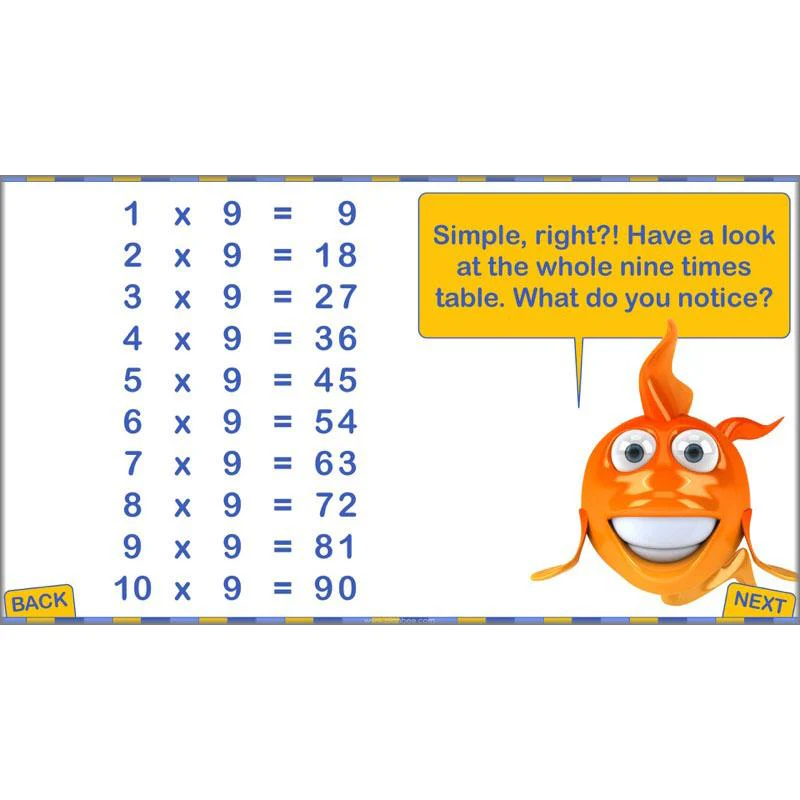
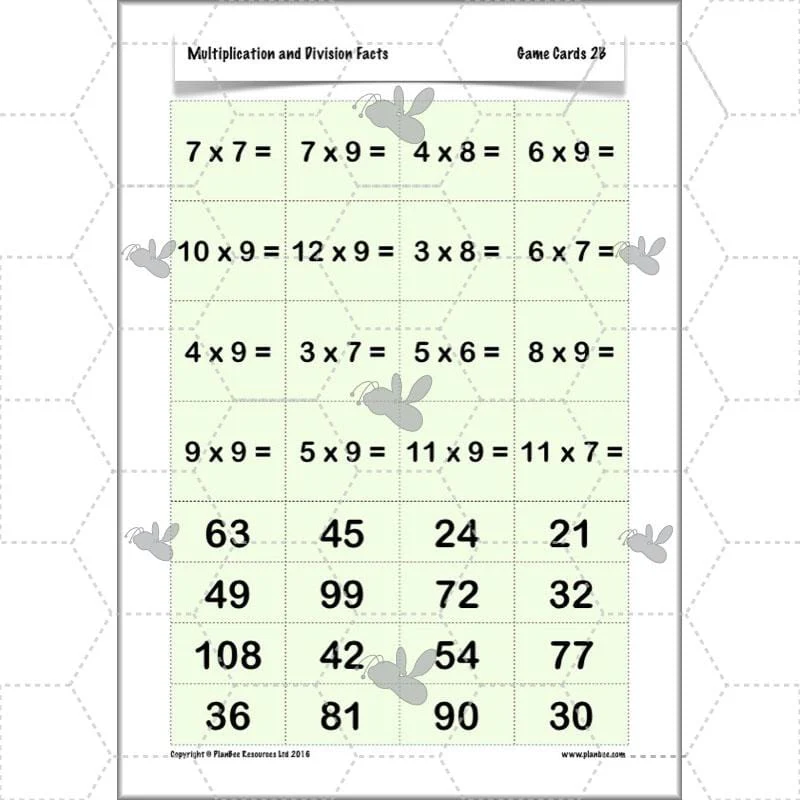
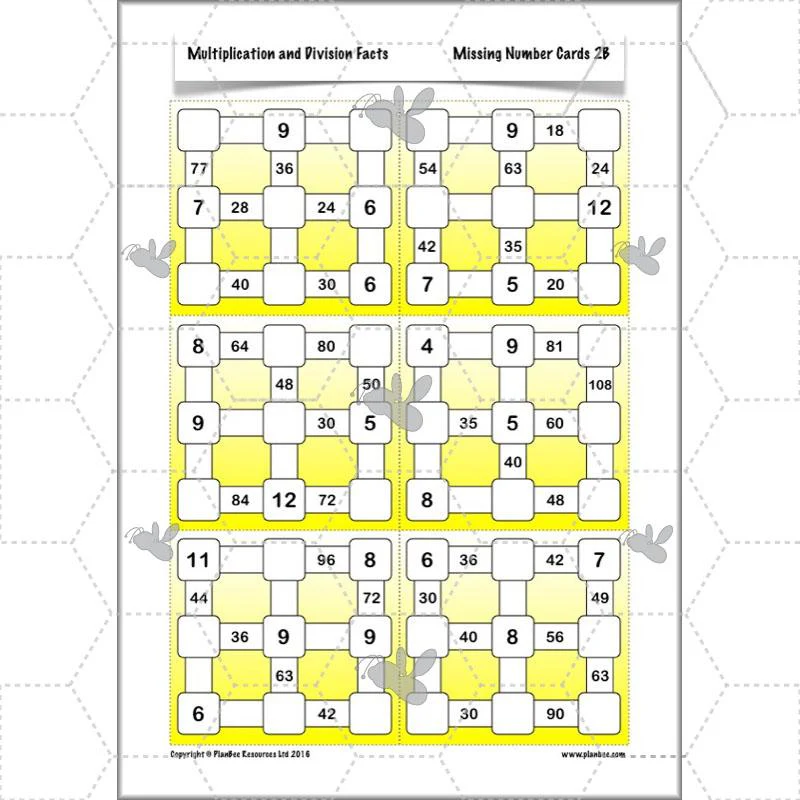
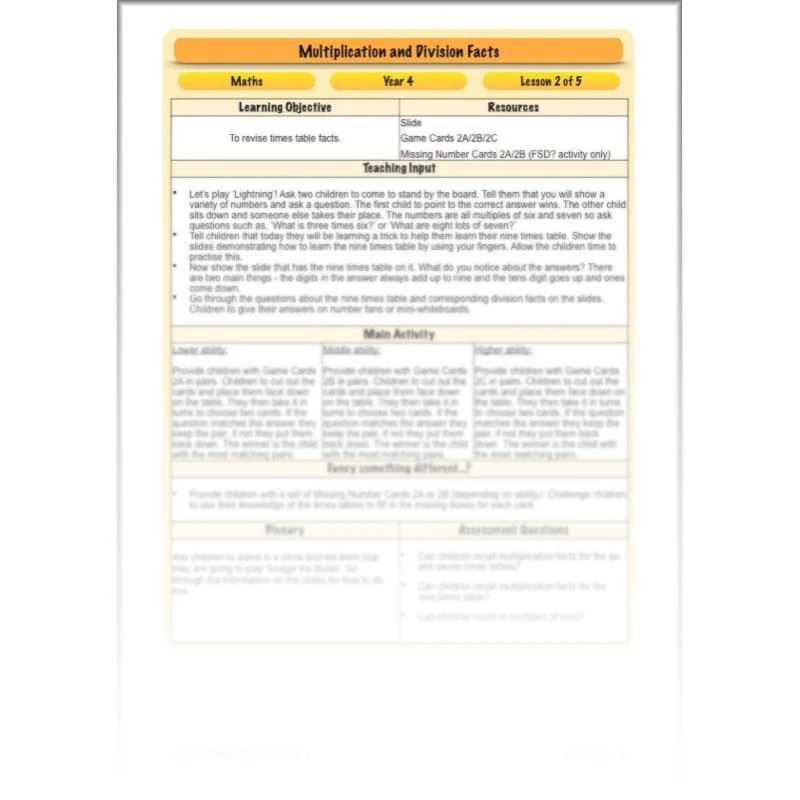
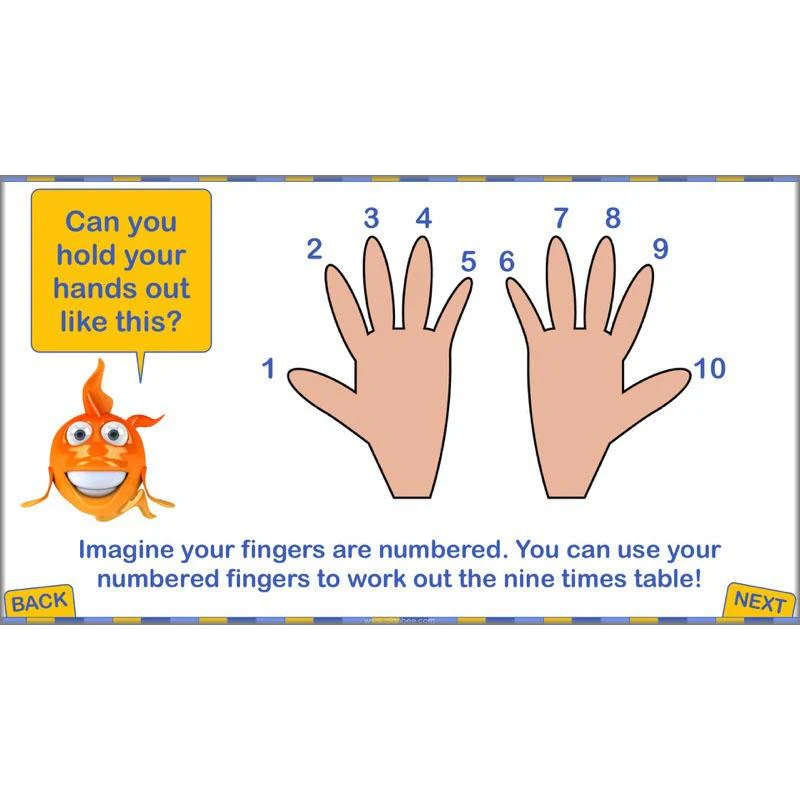
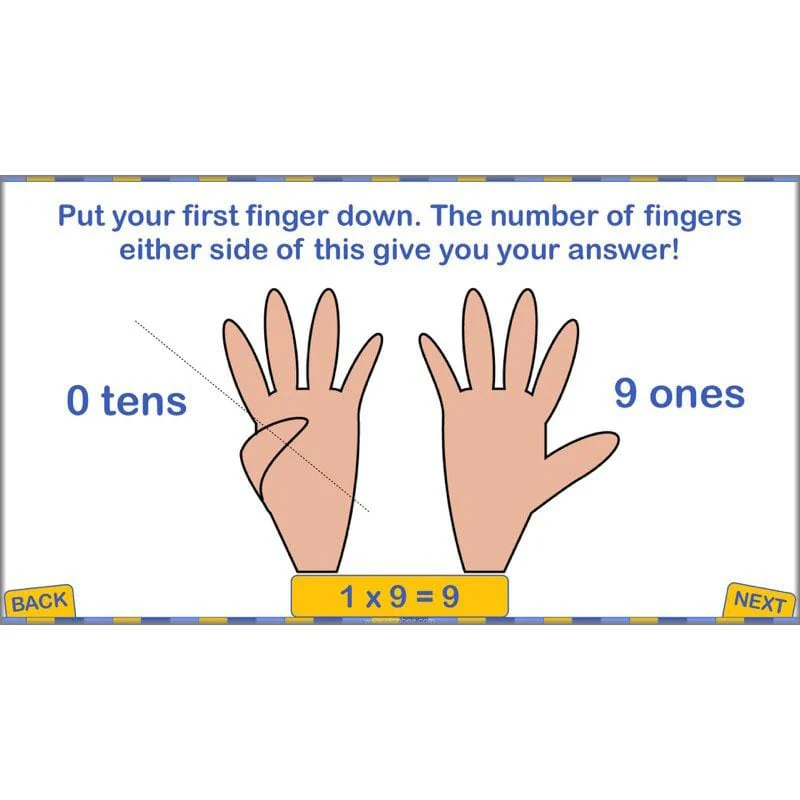
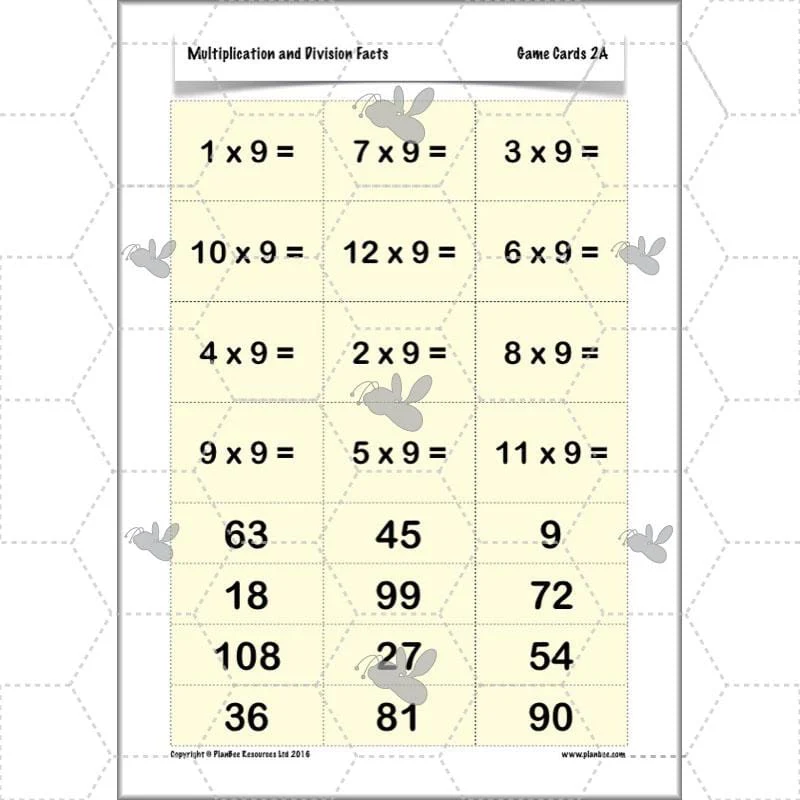
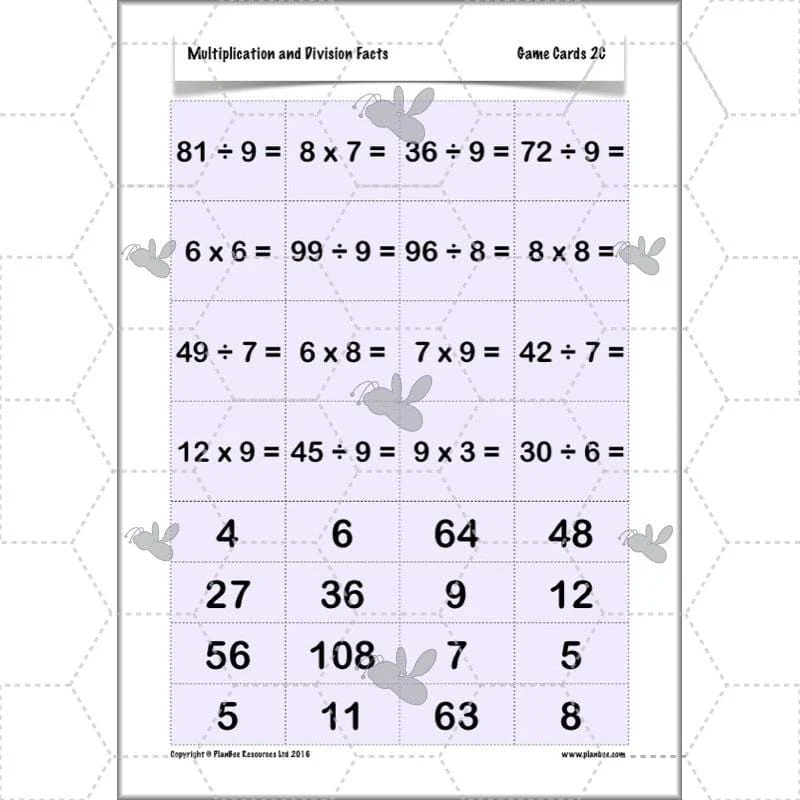
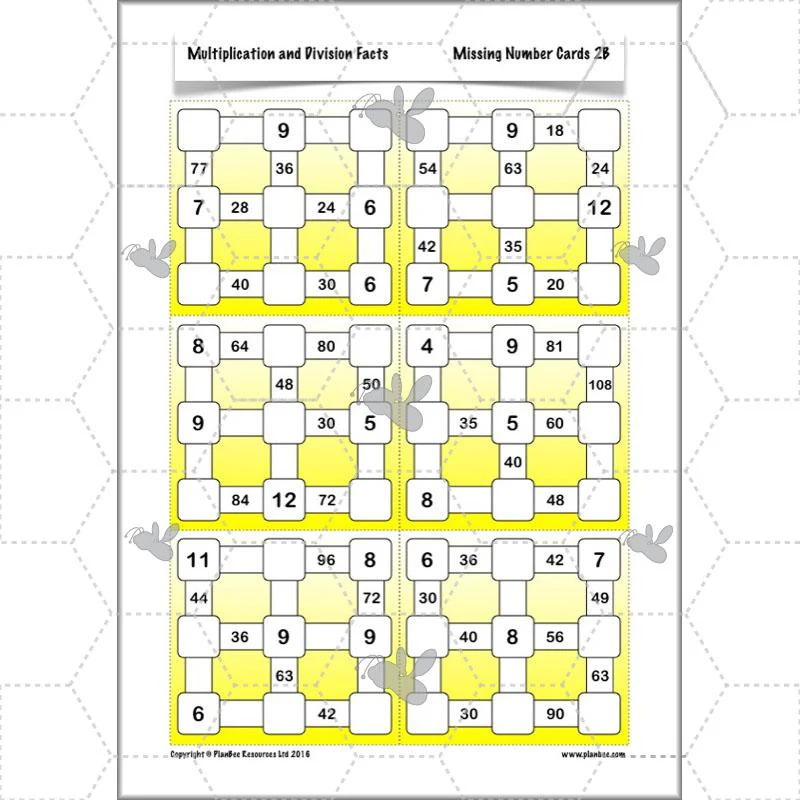
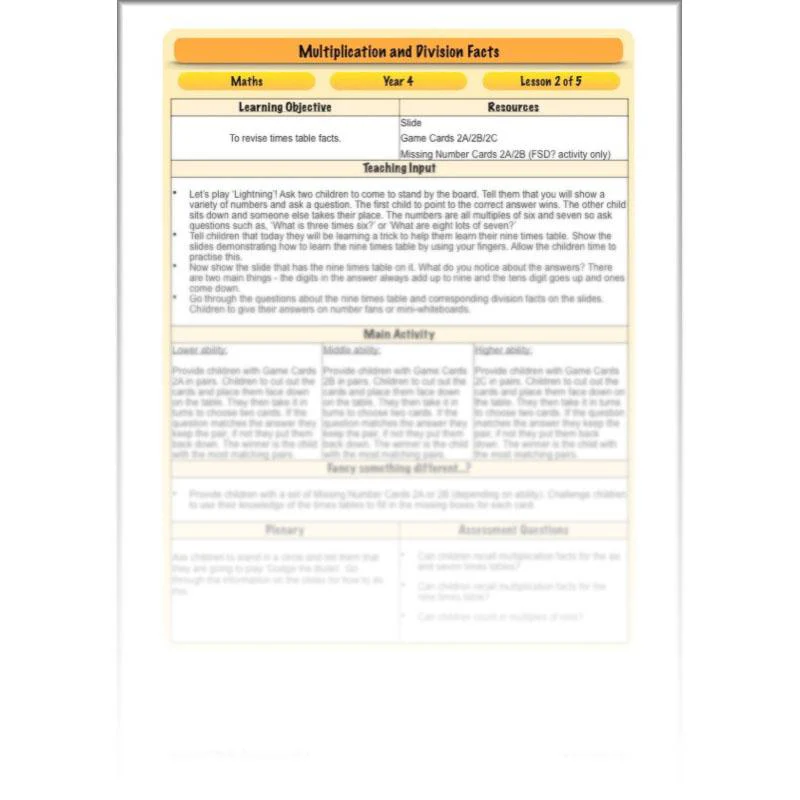
The slides teach your class a simple and 'handy' trick to help them learn their nine times table, following on with some quick-fire questions to put their new-found trick in action. The independent learning activity then provides opportunities to consolidate this by playing a matching game. There are also some challenging missing number puzzles to encourage reasoning about all their times tables.
What's included:
- Lesson plan
- Slides
- Activity ideas
- Game cards
- Missing number cards
Repeated Subtraction
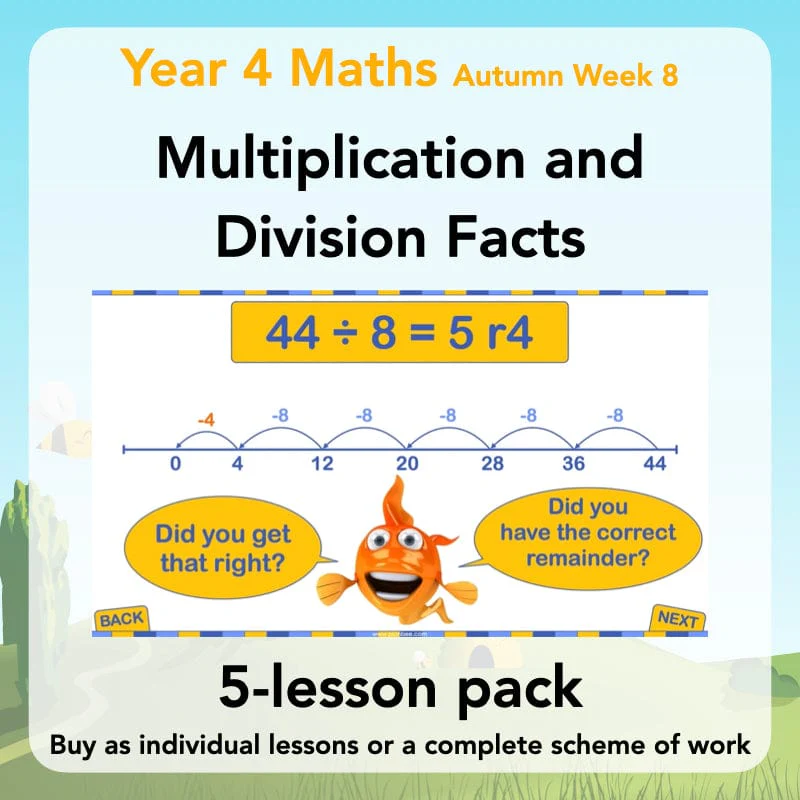
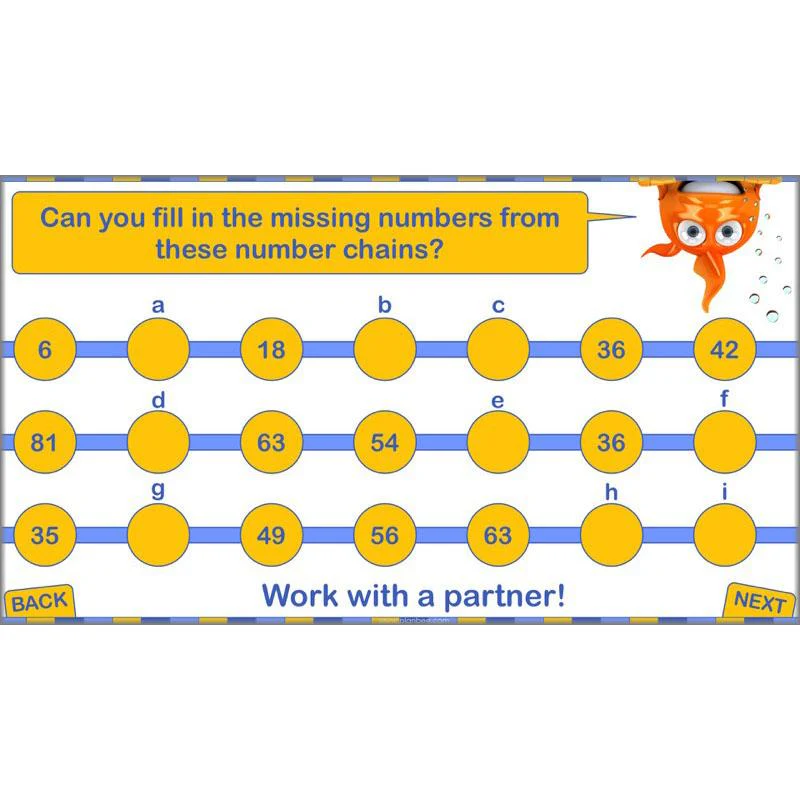
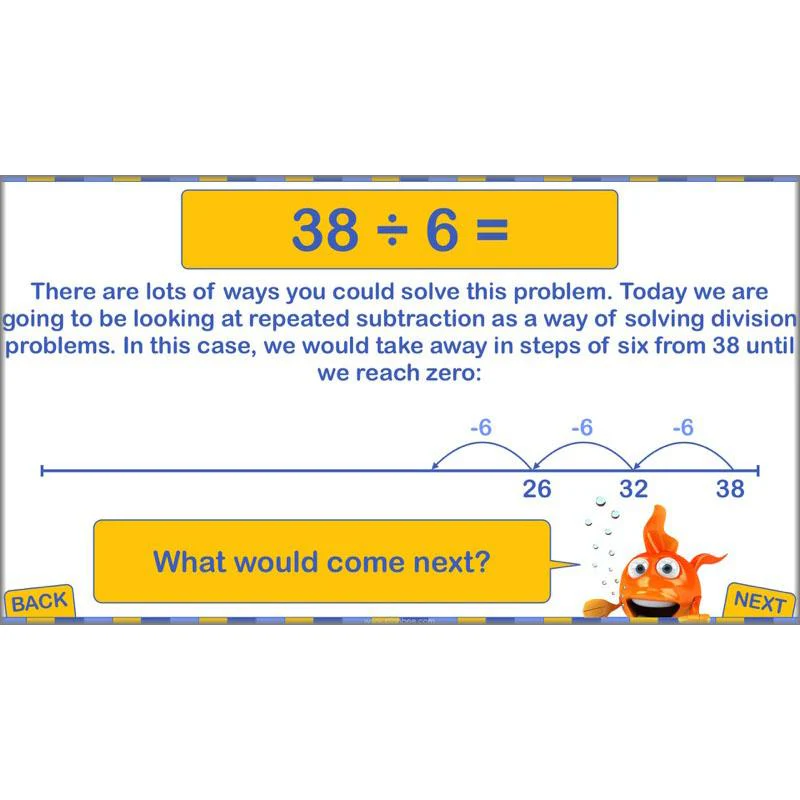
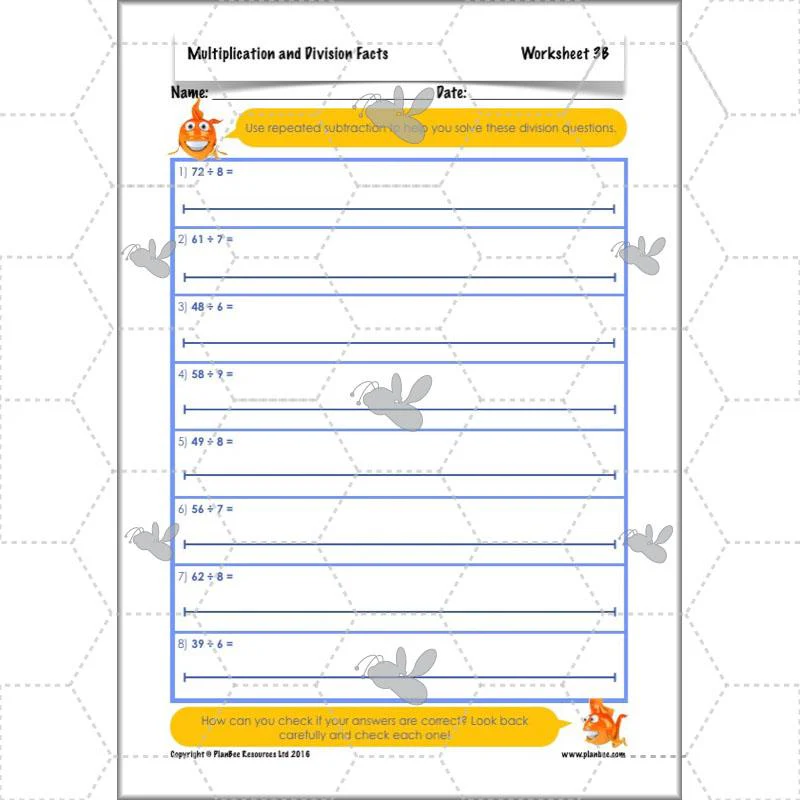
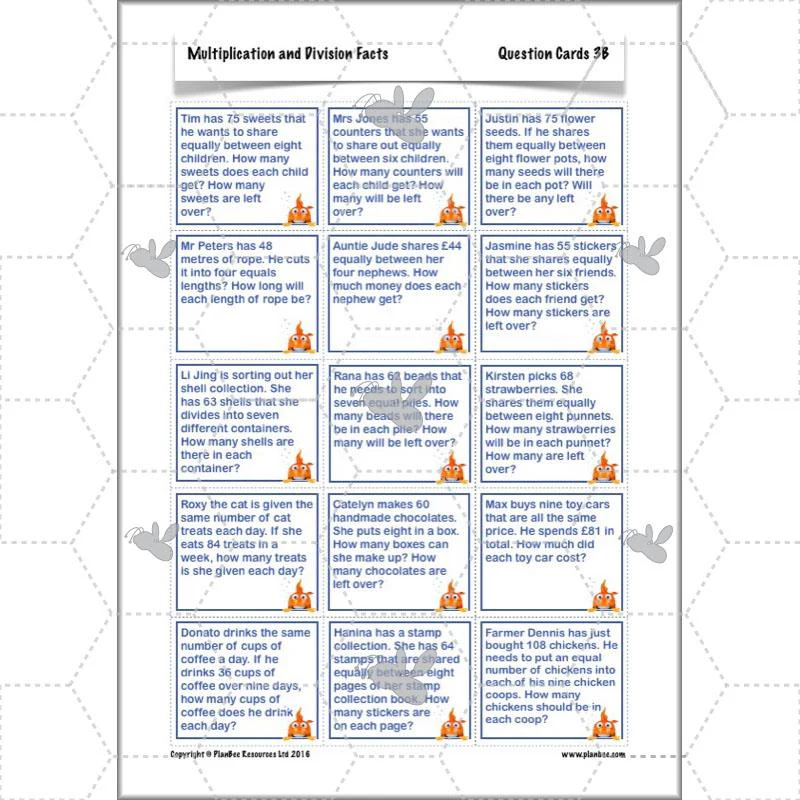
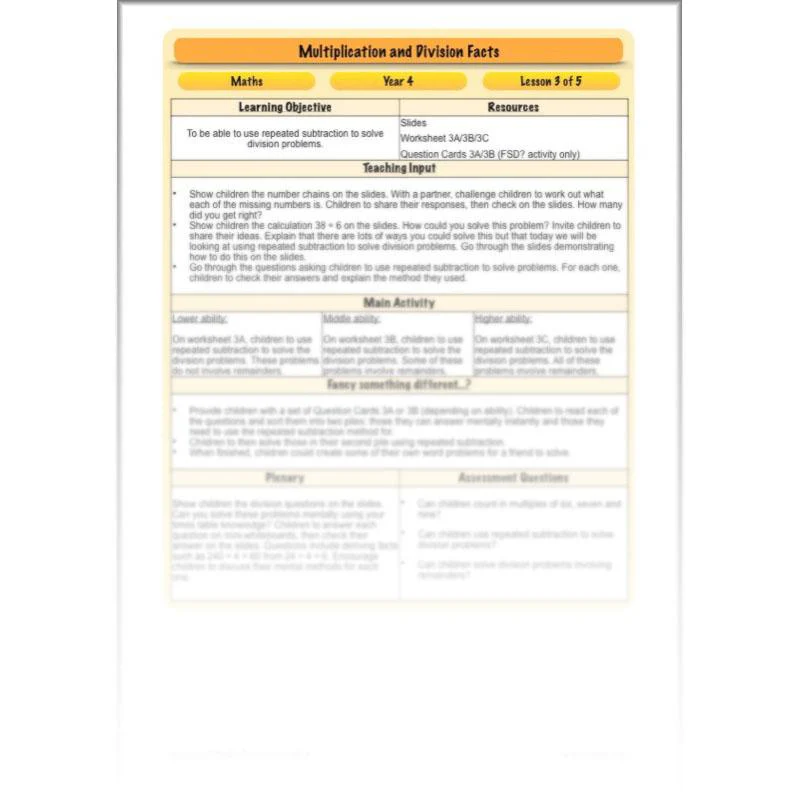
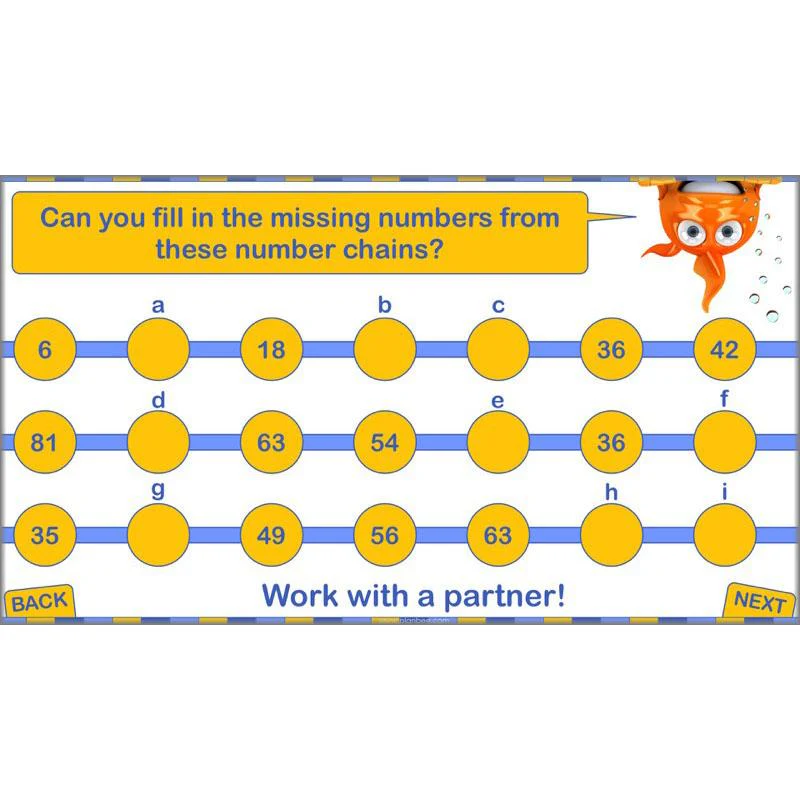
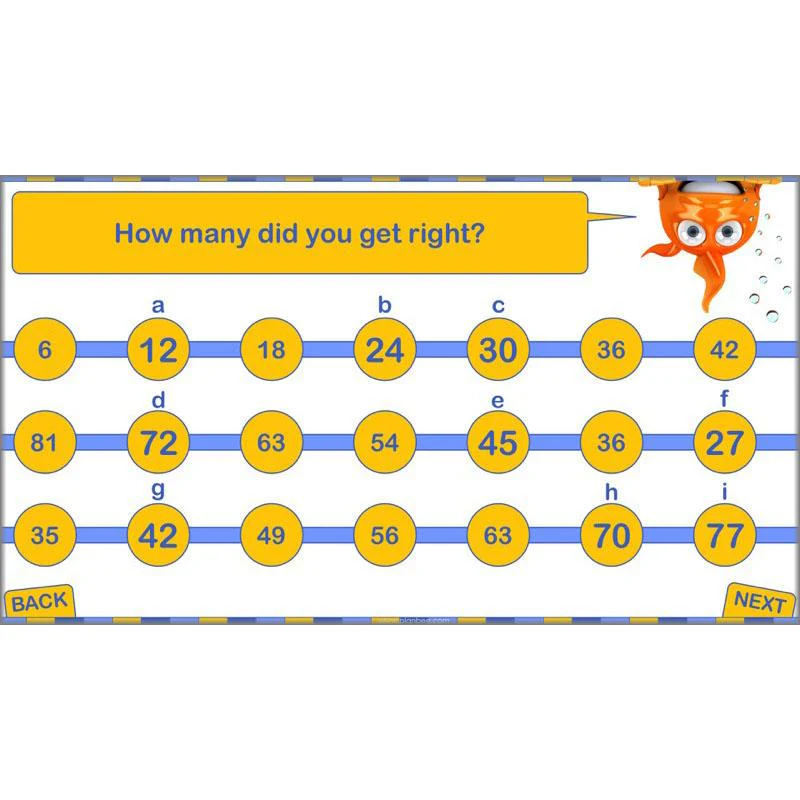
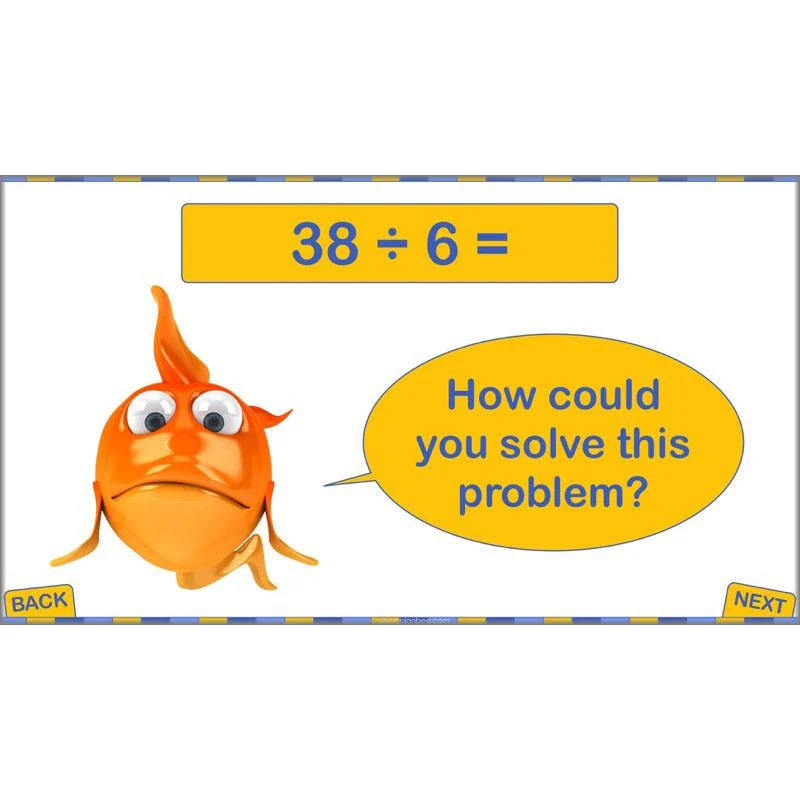
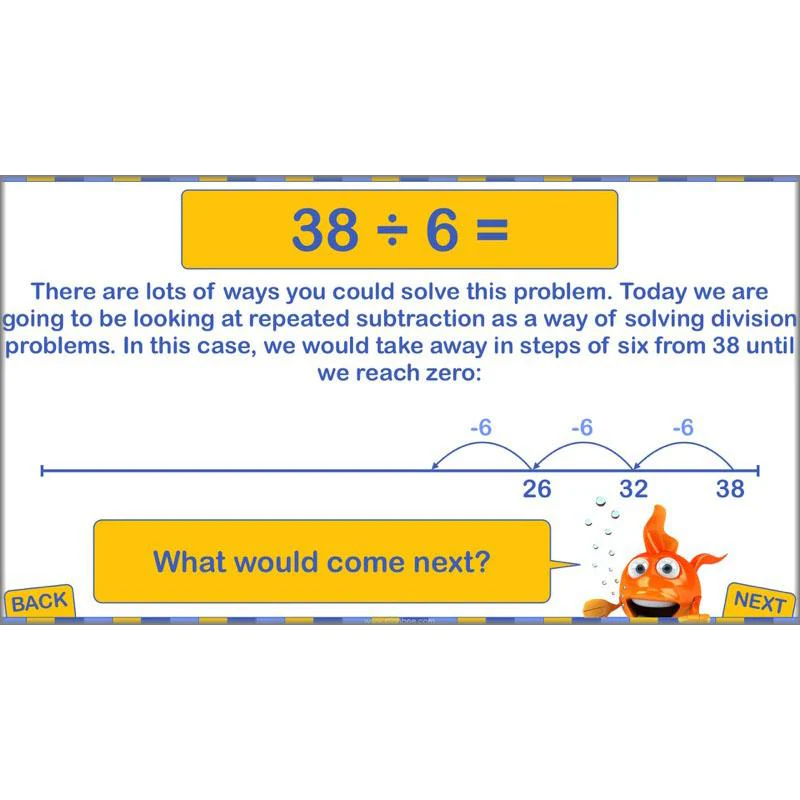
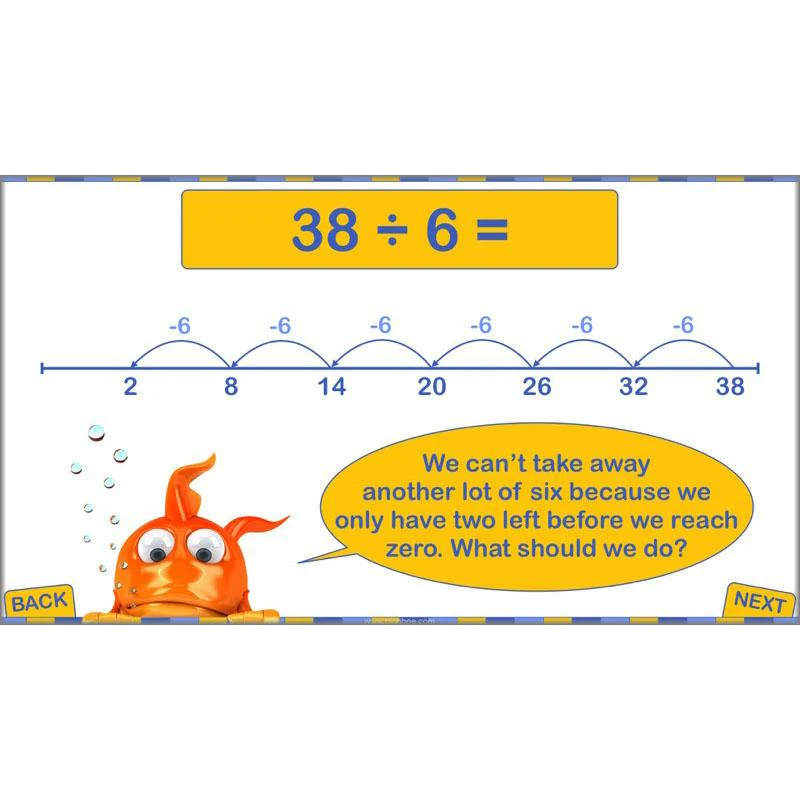
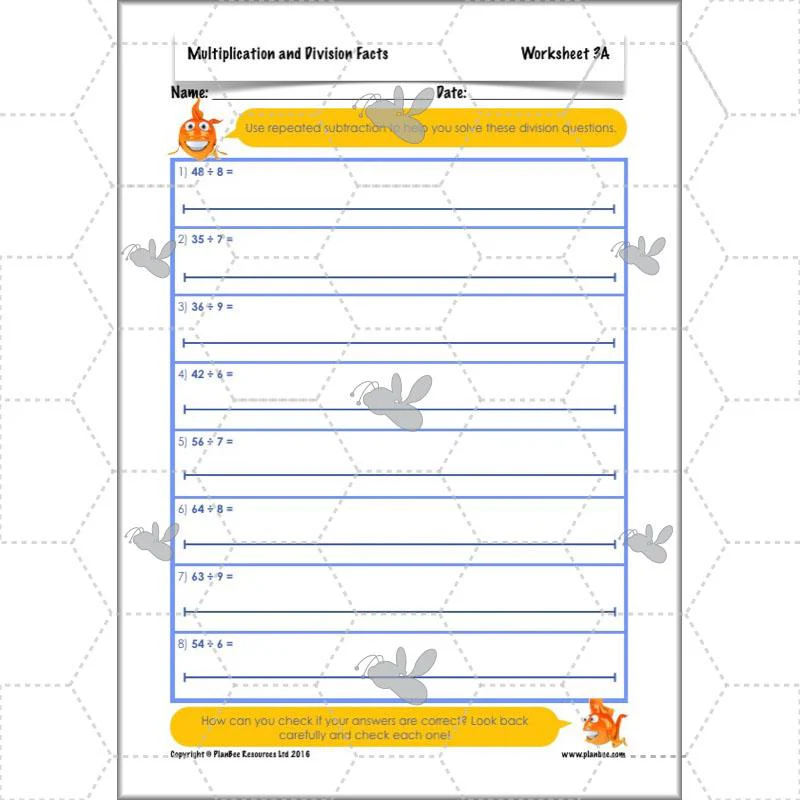
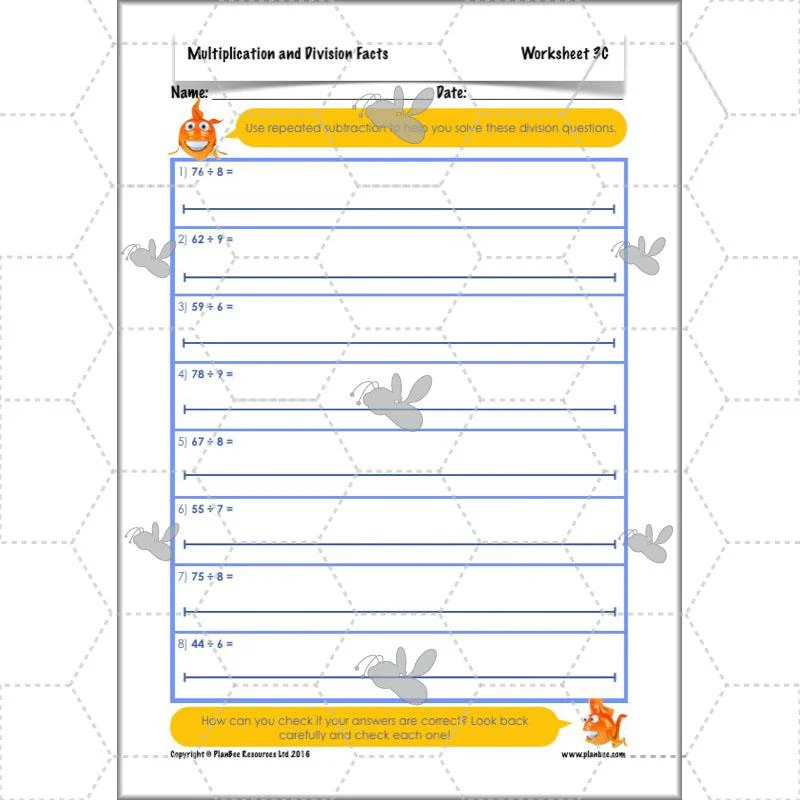
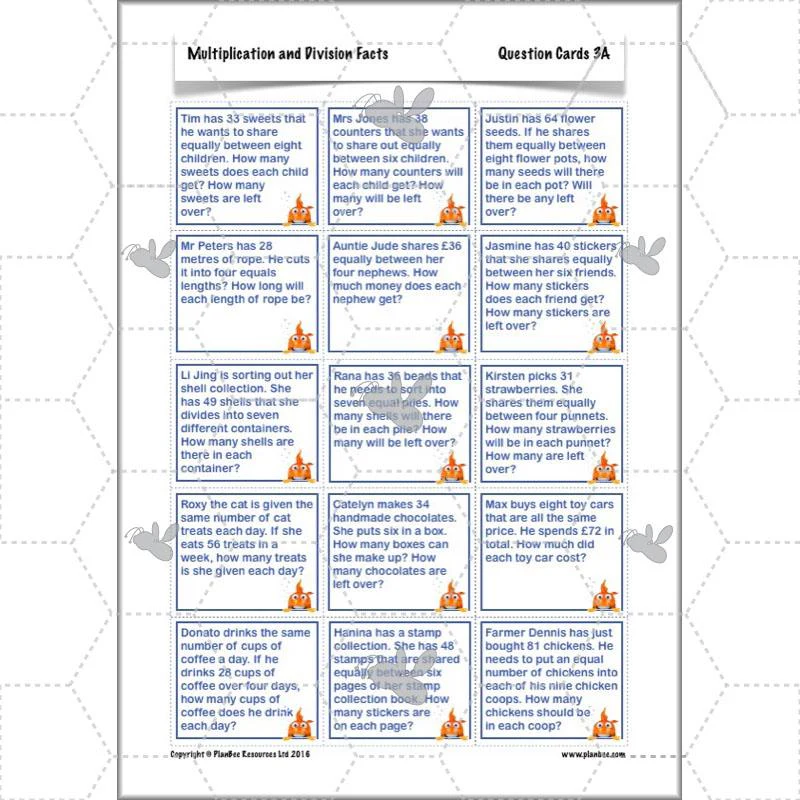
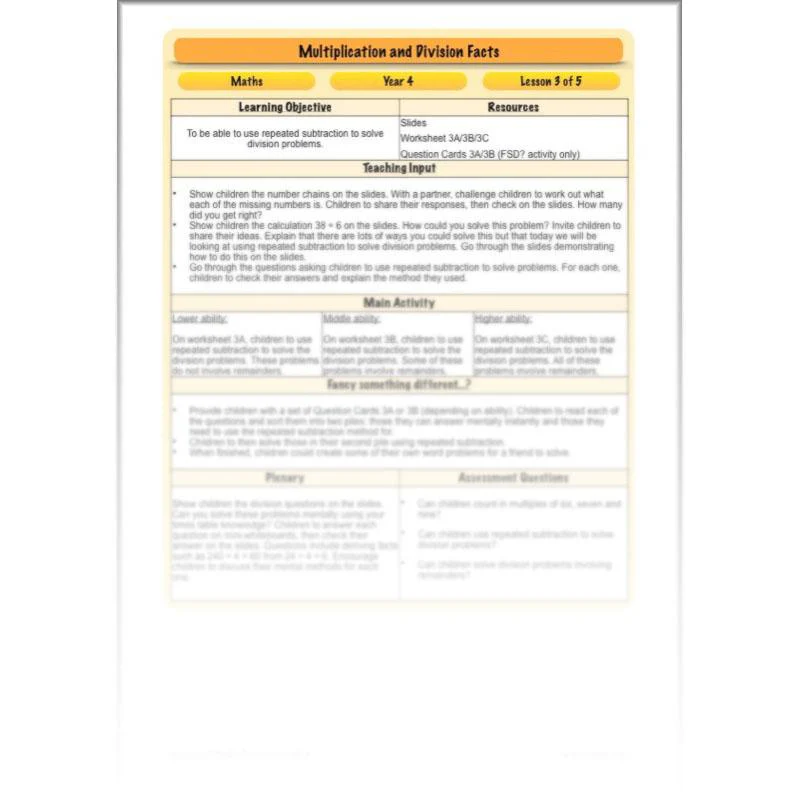
After finding missing numbers in some number chains, this lesson leads on to looking at how to use repeated subtraction on a number line to solve division calculations that involve remainders. After going through some examples as a class, your children will then try some differentiated calculations independently, including some word problems.
What's included:
- Lesson plan
- Slides
- Activity ideas
- Differentiated worksheets
- Question cards
Chunking
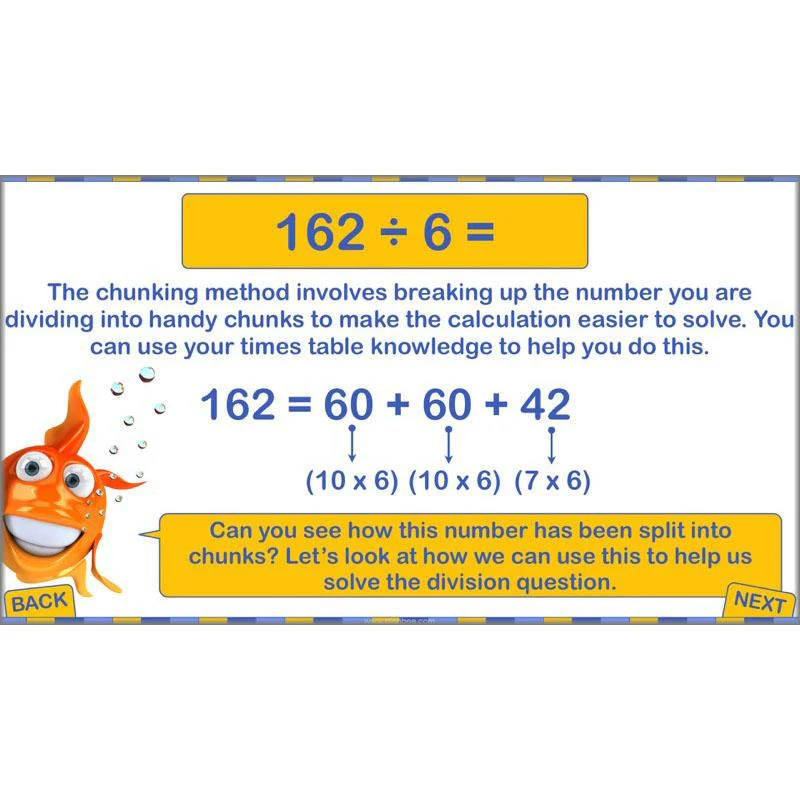
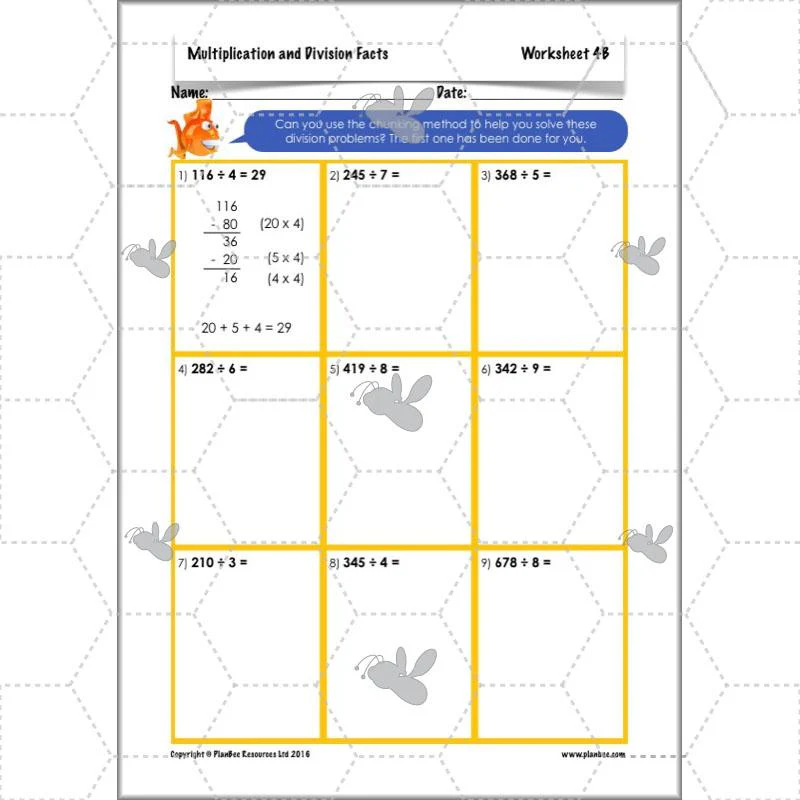
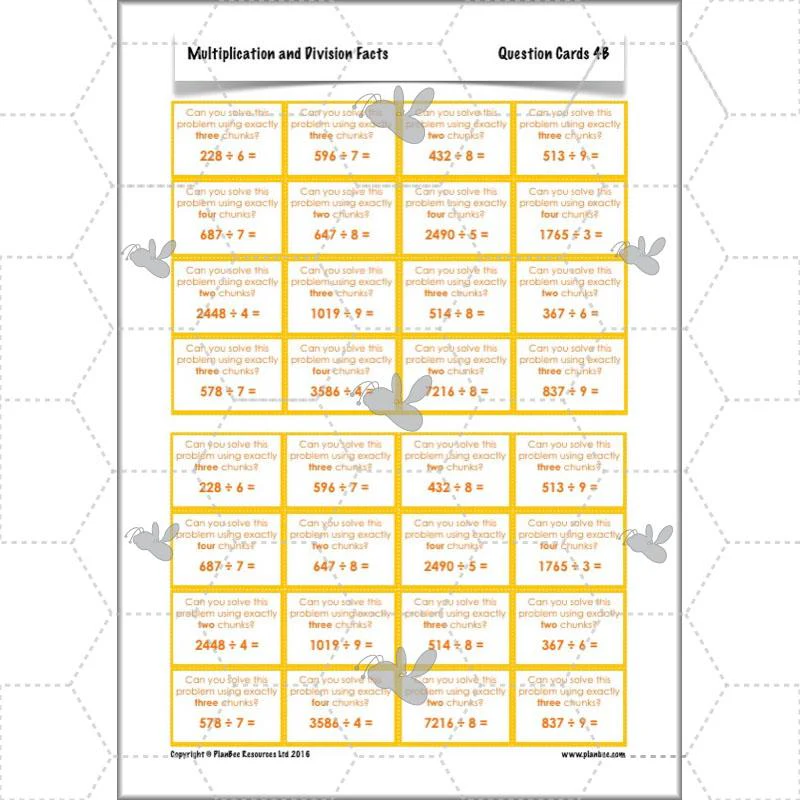
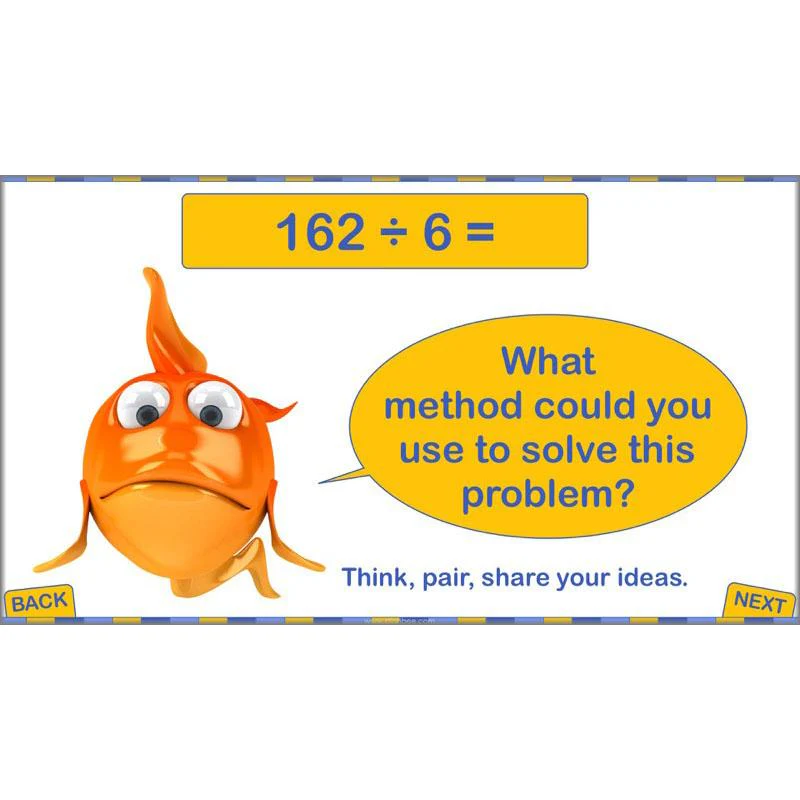
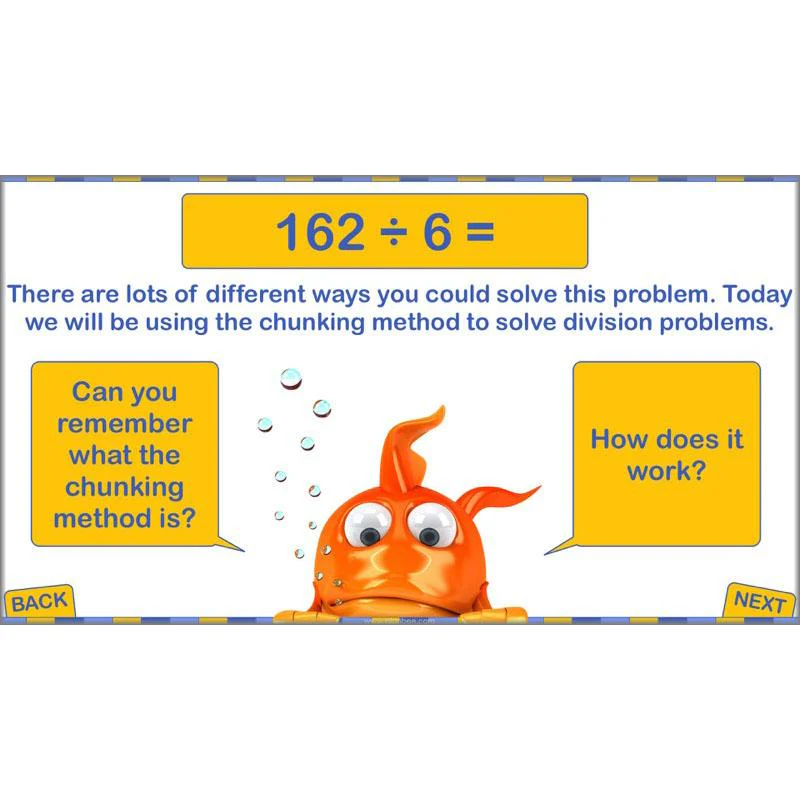
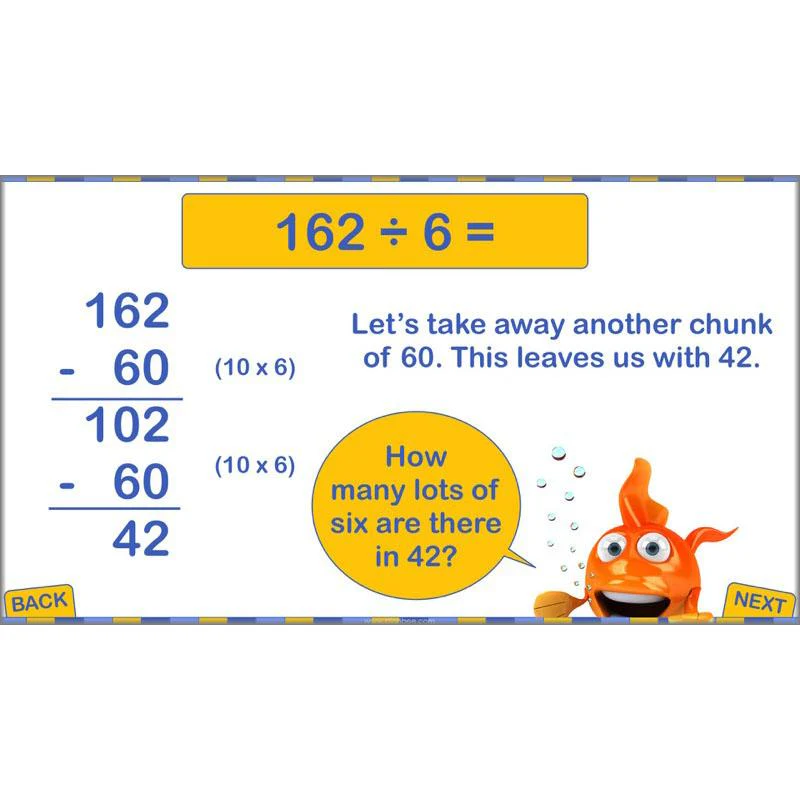
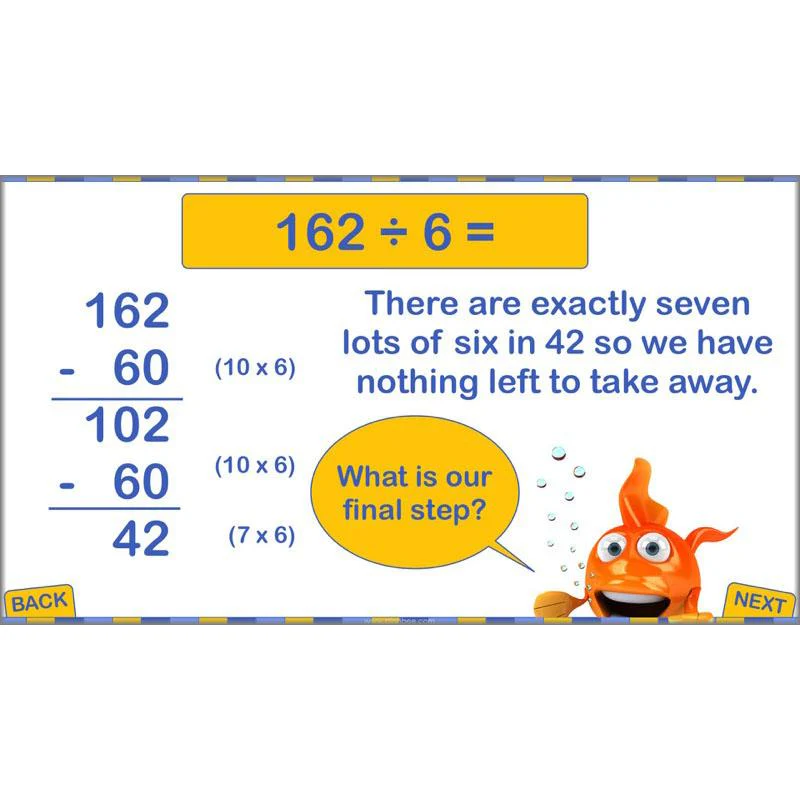
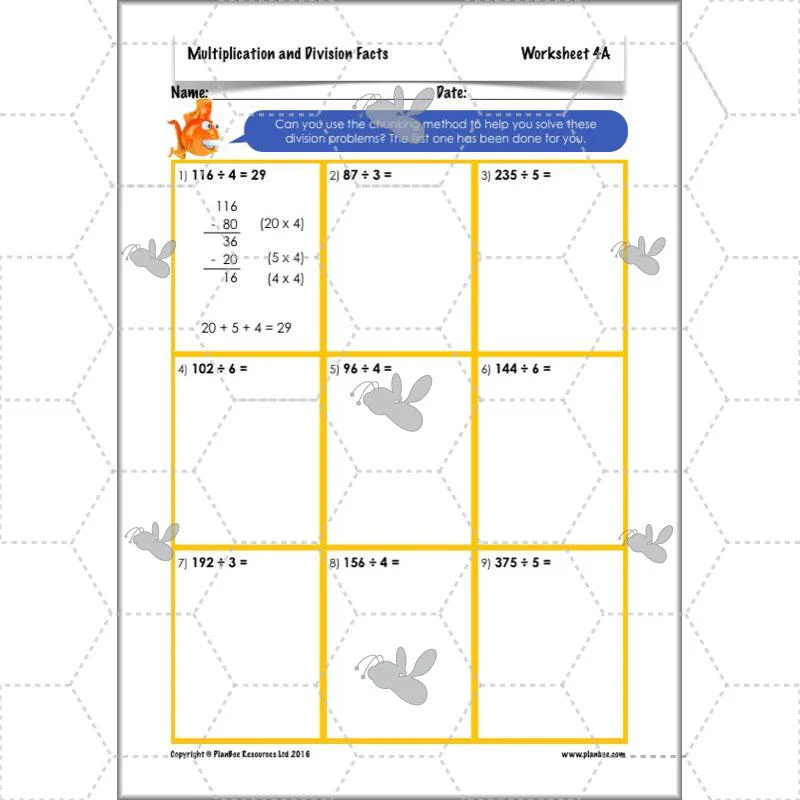
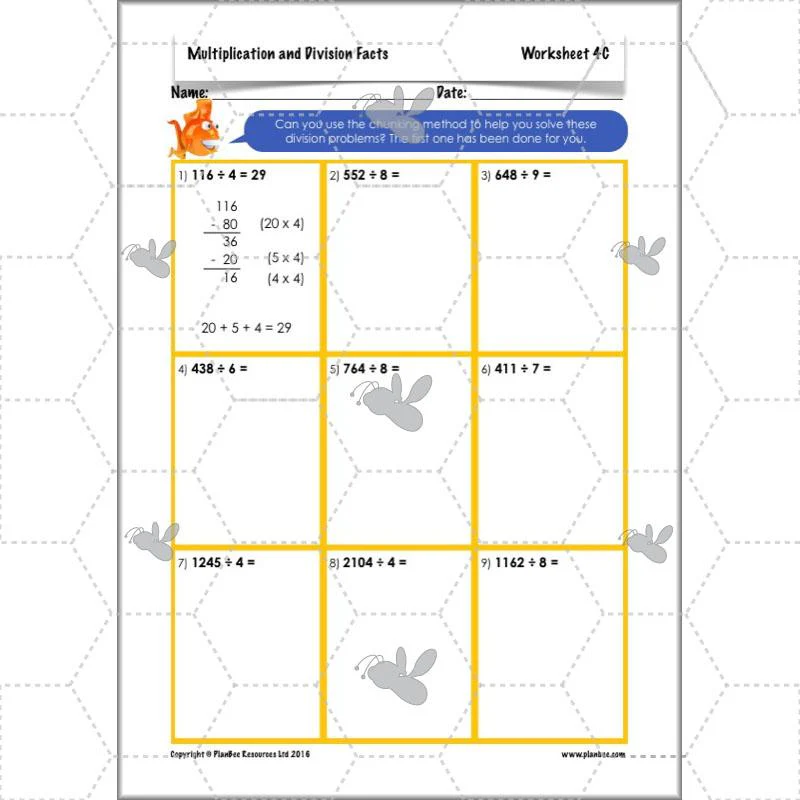
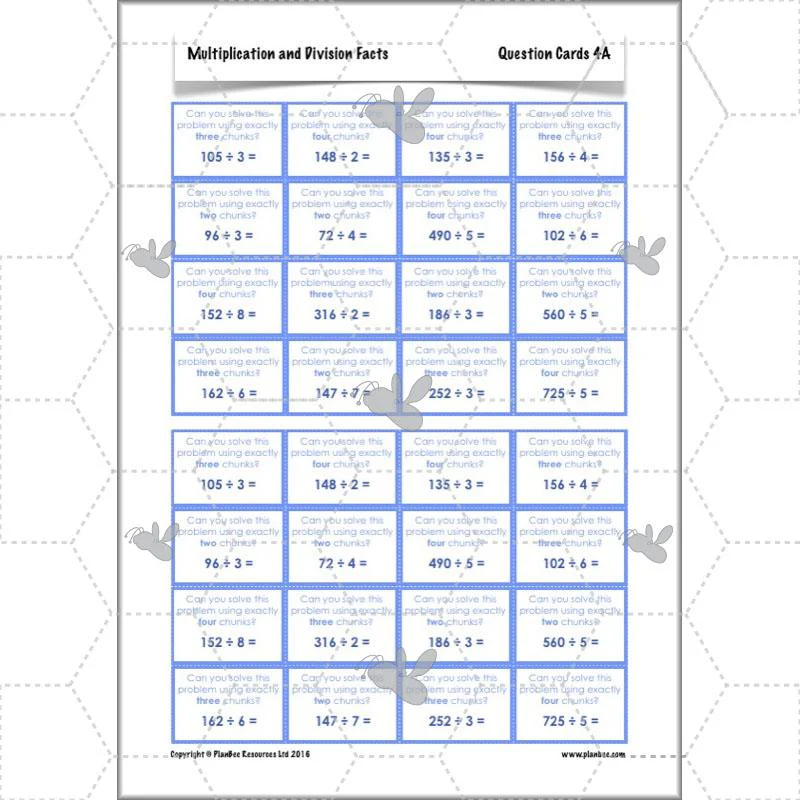
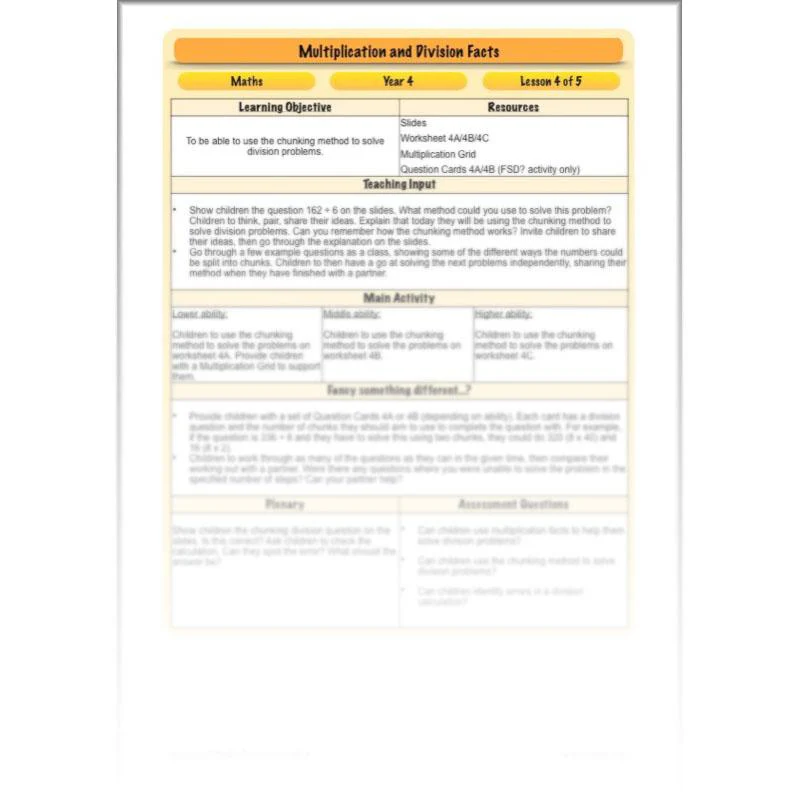
This lesson teaches your class how to use their times tables knowledge to split a number into 'chunks' to help them solve a division calculation. The slides go through a step-by-step process for how to do this and encourages children to think of the most efficient ways of breaking up a number. They can then tackle some problems independently, including problems that challenge them to use a given number of 'chunks' for a particular calculation.
What's included:
- Lesson plan
- Slides
- Activity ideas
- Differentiated worksheets
- Multiplication grid
- Question card
The Grid Method
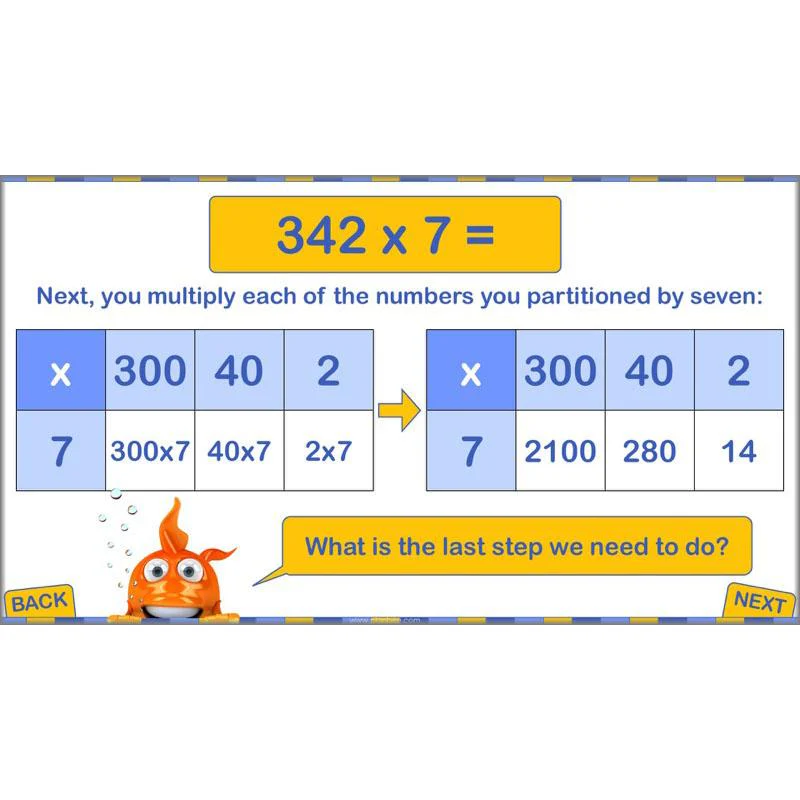
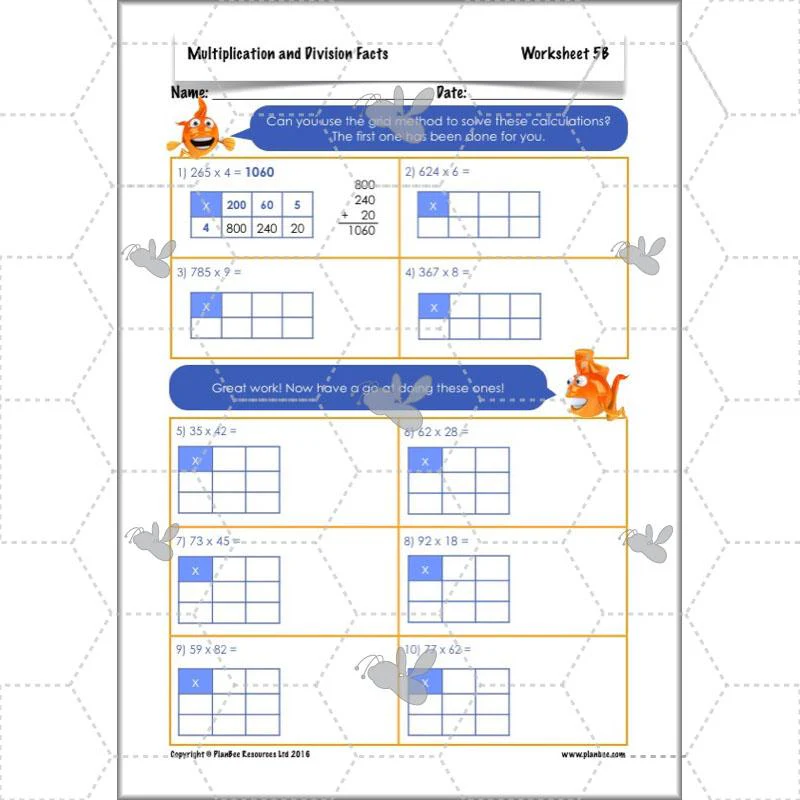
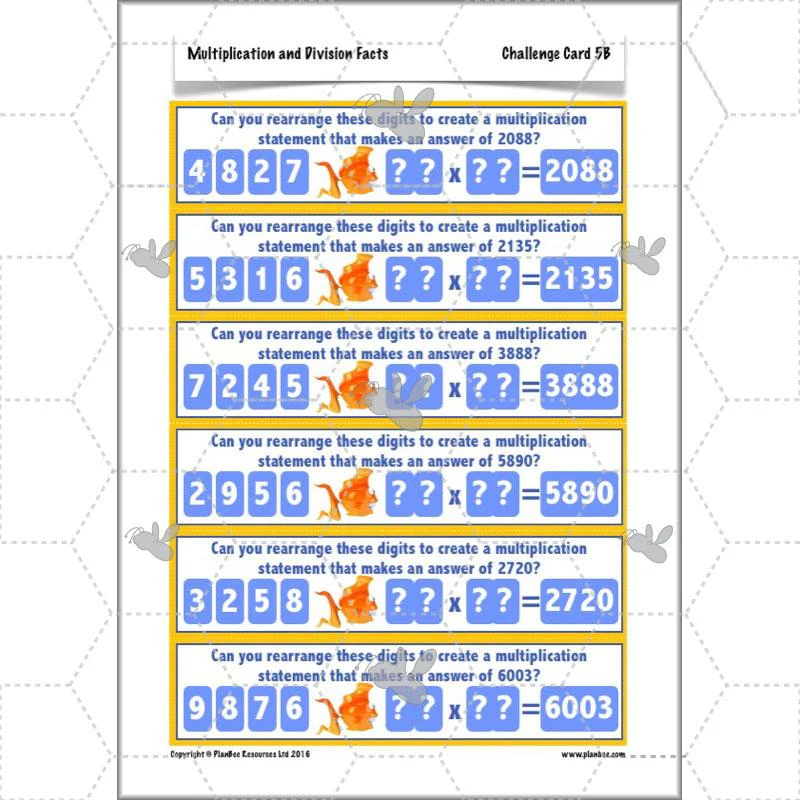
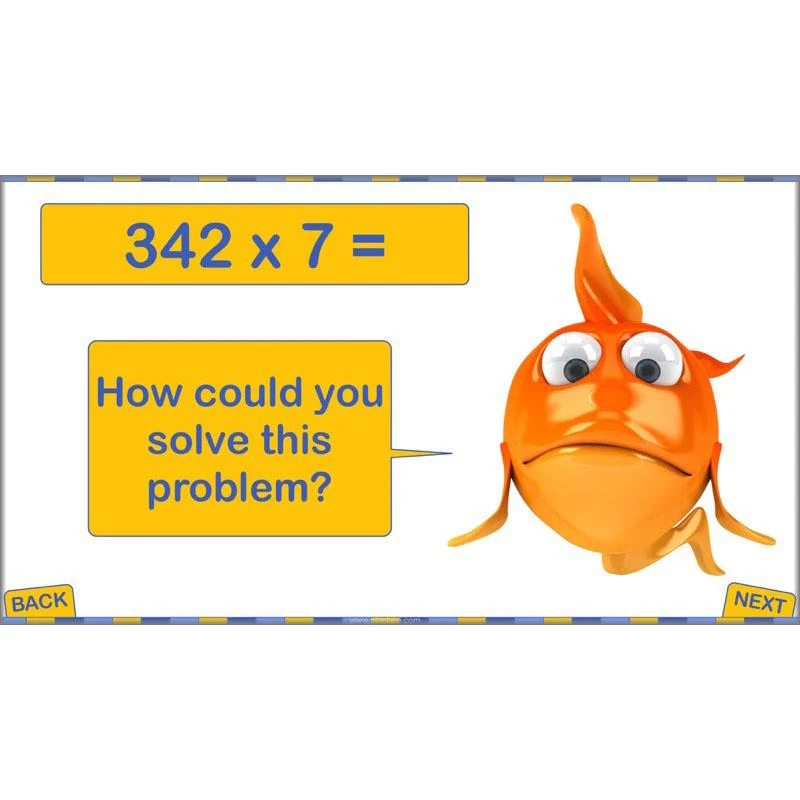
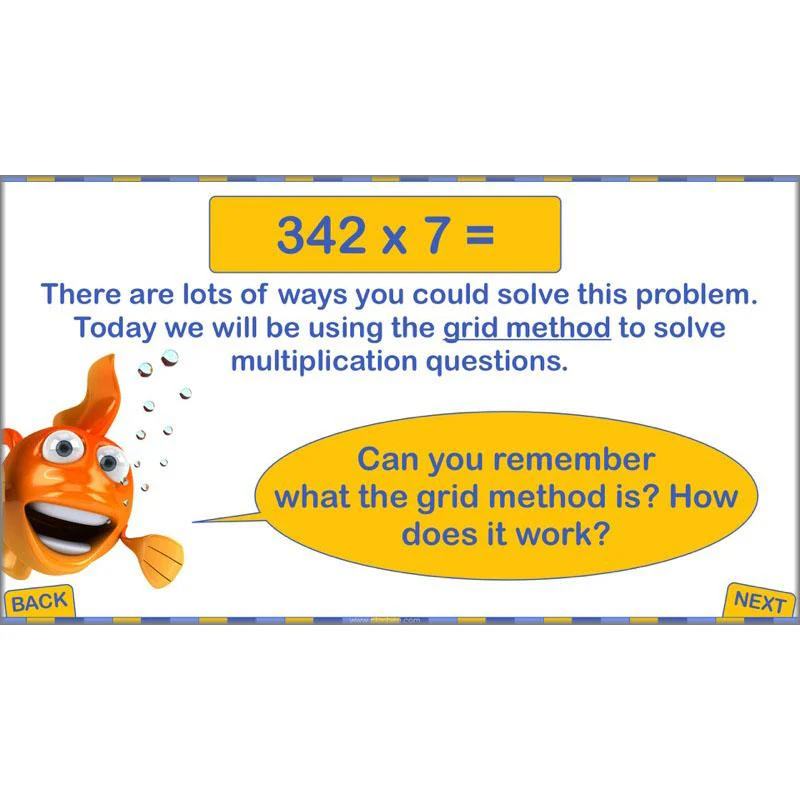
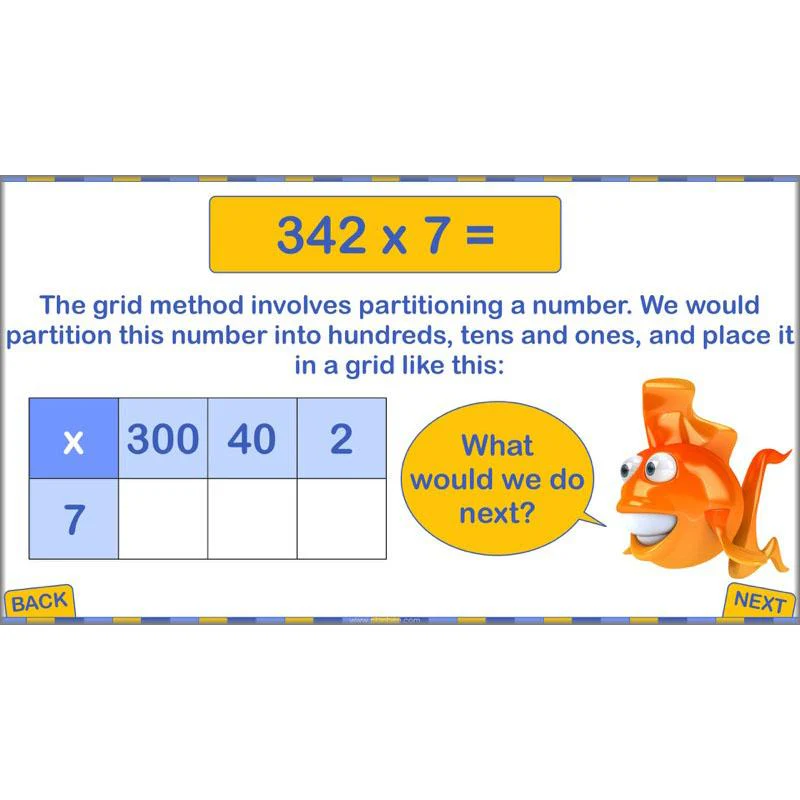
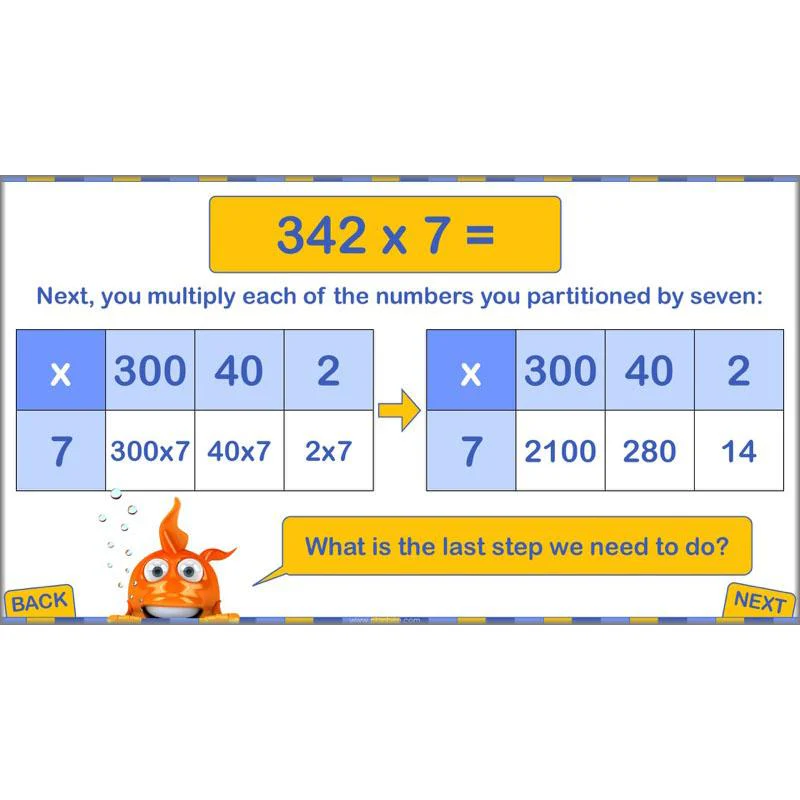
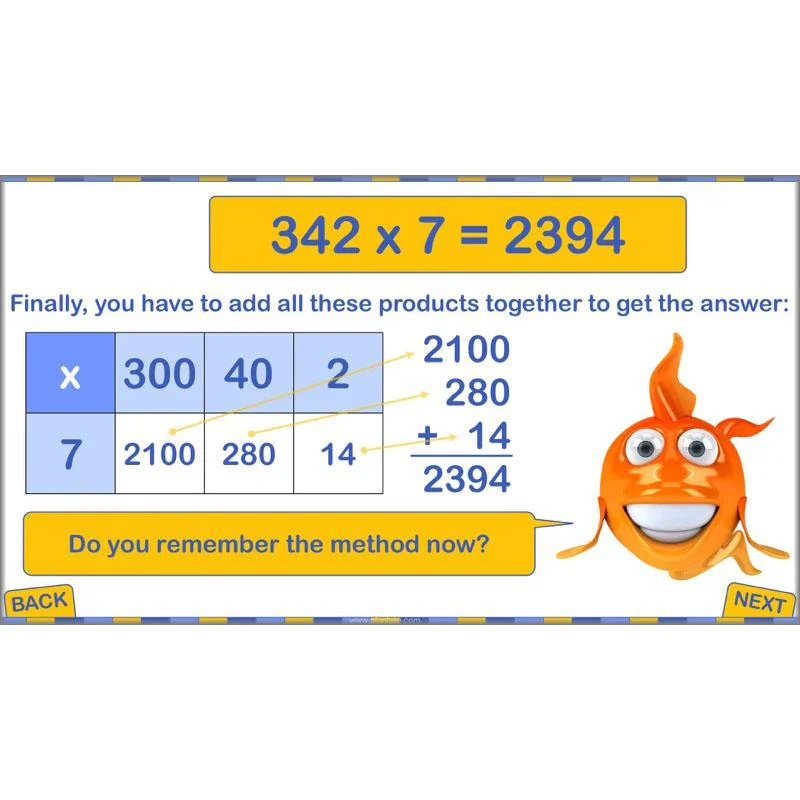
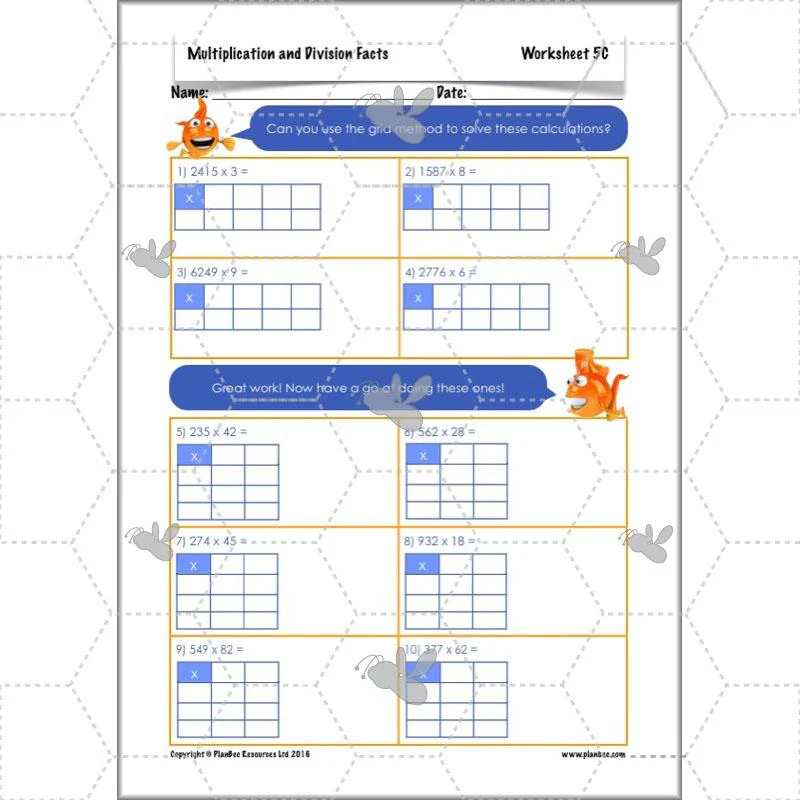
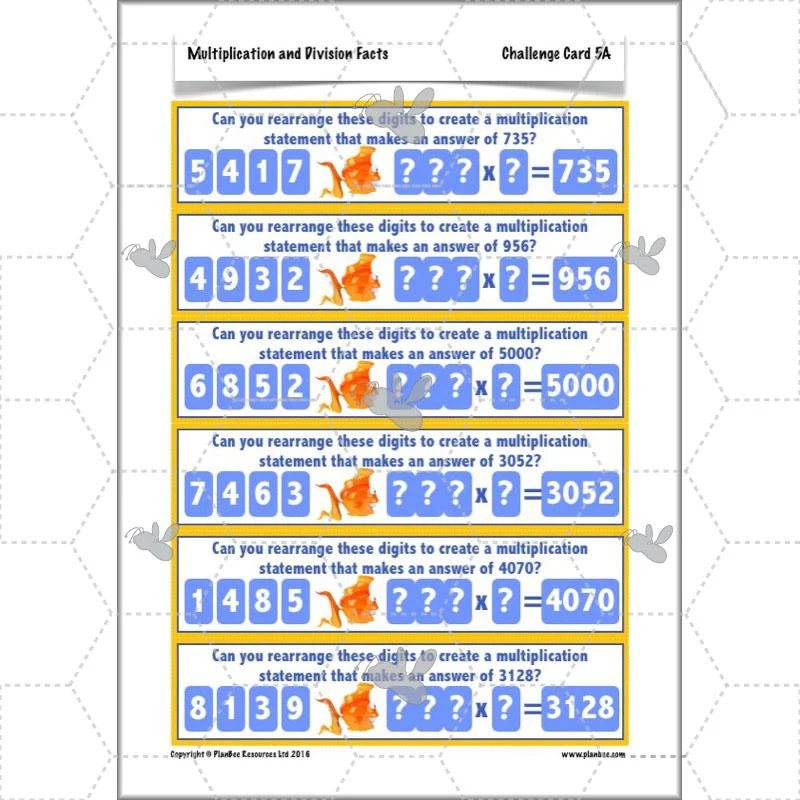
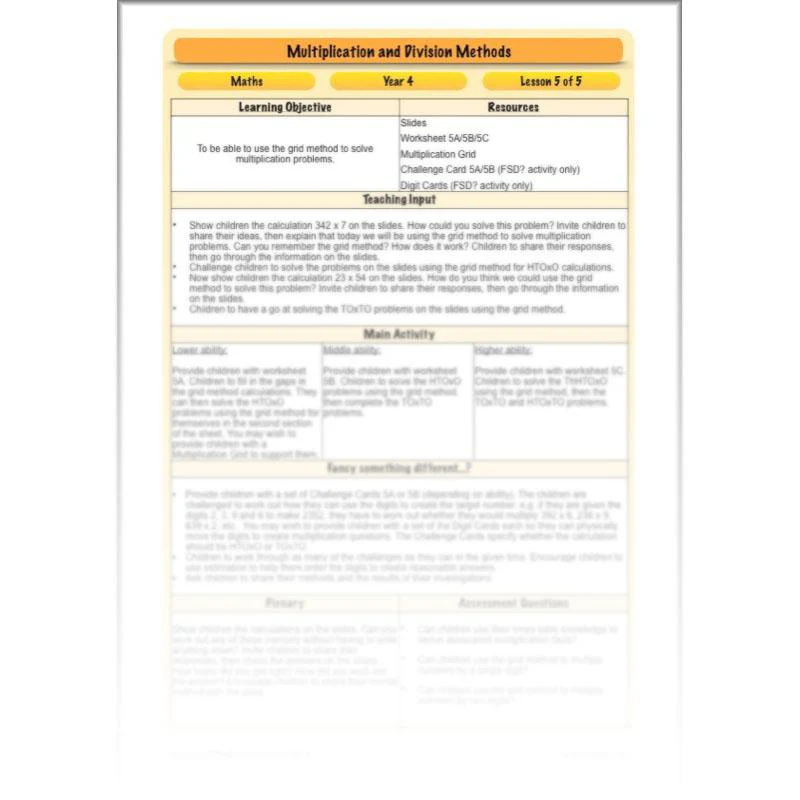
The final lesson in this series recaps how to use the grid method to solve multiplication problems. Starting with three-digit by one-digit calculations, children will then explore how to use the grid method to solve two-digit by two-digit calculations. Higher-ability children will be challenged to solve four-digit by one-digit and three-digit by two-digit calculations. There are also some challenging investigations for children to solve using the grid method.
What's included:
- Lesson plan
- Slides
- Activity ideas
- Differentiated worksheets
- Multiplication grid
- Challenge card
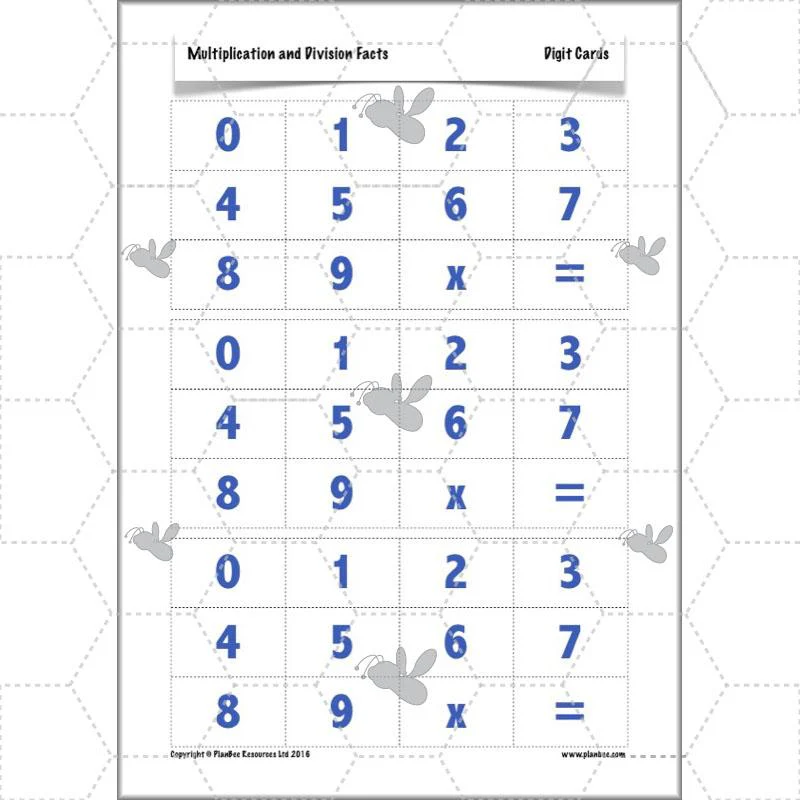
- Digit cards
Original: $4.71
-65%$4.71
$1.65More Images










Multiplication and Division Facts
This helpful 'Multiplication and Division Facts' scheme of work for Year 4 will help your class to become more familiar with their times tables and corresponding division facts.
They will have plenty of opportunities to hone both their multiplication and division skills through a variety of fun activities, as well as how to use various strategies to solve multiplication and division calculations.
With lesson plans, helpful slides, activity ideas, differentiated worksheets and many other resources, this 'Multiplication and Division Facts' scheme of work provides everything you need to turn your class into multiplying and dividing whizz kids!
Sixes and Sevens
The first lesson in this series focuses on the six and seven times tables. The slides use a variety of engaging activities and quick-fire questions to help your class become more familiar with multiples of six and seven, leading on to games and puzzles for their independent learning which will consolidate not only the six and seven times tables but other tables too.Build up your class's rapid recall of number facts for the six and seven times tables.
What's included:
- Lesson plan
- Slides
- Activity ideas
- Game board
- Multiplication grid
- Worksheet
- Clue cards
- Hundred squares
Nines
The slides teach your class a simple and 'handy' trick to help them learn their nine times table, following on with some quick-fire questions to put their new-found trick in action. The independent learning activity then provides opportunities to consolidate this by playing a matching game. There are also some challenging missing number puzzles to encourage reasoning about all their times tables.
What's included:
- Lesson plan
- Slides
- Activity ideas
- Game cards
- Missing number cards
Repeated Subtraction
After finding missing numbers in some number chains, this lesson leads on to looking at how to use repeated subtraction on a number line to solve division calculations that involve remainders. After going through some examples as a class, your children will then try some differentiated calculations independently, including some word problems.
What's included:
- Lesson plan
- Slides
- Activity ideas
- Differentiated worksheets
- Question cards
Chunking
This lesson teaches your class how to use their times tables knowledge to split a number into 'chunks' to help them solve a division calculation. The slides go through a step-by-step process for how to do this and encourages children to think of the most efficient ways of breaking up a number. They can then tackle some problems independently, including problems that challenge them to use a given number of 'chunks' for a particular calculation.
What's included:
- Lesson plan
- Slides
- Activity ideas
- Differentiated worksheets
- Multiplication grid
- Question card
The Grid Method
The final lesson in this series recaps how to use the grid method to solve multiplication problems. Starting with three-digit by one-digit calculations, children will then explore how to use the grid method to solve two-digit by two-digit calculations. Higher-ability children will be challenged to solve four-digit by one-digit and three-digit by two-digit calculations. There are also some challenging investigations for children to solve using the grid method.
What's included:
- Lesson plan
- Slides
- Activity ideas
- Differentiated worksheets
- Multiplication grid
- Challenge card
- Digit cards
Product Information
Product Information
Shipping & Returns
Shipping & Returns
Description
This helpful 'Multiplication and Division Facts' scheme of work for Year 4 will help your class to become more familiar with their times tables and corresponding division facts.
They will have plenty of opportunities to hone both their multiplication and division skills through a variety of fun activities, as well as how to use various strategies to solve multiplication and division calculations.
With lesson plans, helpful slides, activity ideas, differentiated worksheets and many other resources, this 'Multiplication and Division Facts' scheme of work provides everything you need to turn your class into multiplying and dividing whizz kids!
Sixes and Sevens
The first lesson in this series focuses on the six and seven times tables. The slides use a variety of engaging activities and quick-fire questions to help your class become more familiar with multiples of six and seven, leading on to games and puzzles for their independent learning which will consolidate not only the six and seven times tables but other tables too.Build up your class's rapid recall of number facts for the six and seven times tables.
What's included:
- Lesson plan
- Slides
- Activity ideas
- Game board
- Multiplication grid
- Worksheet
- Clue cards
- Hundred squares
Nines
The slides teach your class a simple and 'handy' trick to help them learn their nine times table, following on with some quick-fire questions to put their new-found trick in action. The independent learning activity then provides opportunities to consolidate this by playing a matching game. There are also some challenging missing number puzzles to encourage reasoning about all their times tables.
What's included:
- Lesson plan
- Slides
- Activity ideas
- Game cards
- Missing number cards
Repeated Subtraction
After finding missing numbers in some number chains, this lesson leads on to looking at how to use repeated subtraction on a number line to solve division calculations that involve remainders. After going through some examples as a class, your children will then try some differentiated calculations independently, including some word problems.
What's included:
- Lesson plan
- Slides
- Activity ideas
- Differentiated worksheets
- Question cards
Chunking
This lesson teaches your class how to use their times tables knowledge to split a number into 'chunks' to help them solve a division calculation. The slides go through a step-by-step process for how to do this and encourages children to think of the most efficient ways of breaking up a number. They can then tackle some problems independently, including problems that challenge them to use a given number of 'chunks' for a particular calculation.
What's included:
- Lesson plan
- Slides
- Activity ideas
- Differentiated worksheets
- Multiplication grid
- Question card
The Grid Method
The final lesson in this series recaps how to use the grid method to solve multiplication problems. Starting with three-digit by one-digit calculations, children will then explore how to use the grid method to solve two-digit by two-digit calculations. Higher-ability children will be challenged to solve four-digit by one-digit and three-digit by two-digit calculations. There are also some challenging investigations for children to solve using the grid method.
What's included:
- Lesson plan
- Slides
- Activity ideas
- Differentiated worksheets
- Multiplication grid
- Challenge card
- Digit cards