Parts and Proportion
Teach children how to compare fractions and ratios, and how to solve real-life problems involving proportion and scaling.
For many Year 6 children, this may be the first time they learn about ratios and how they are used to represent related amounts. 'Parts and Proportion' is the perfect way into teaching and learning about this KS2 Maths programme of study. Each of the five included lessons has clear, simple explanations for: comparing and ordering fractions; writing and scaling ratios and transforming shapes, images and objects by various scale factors.
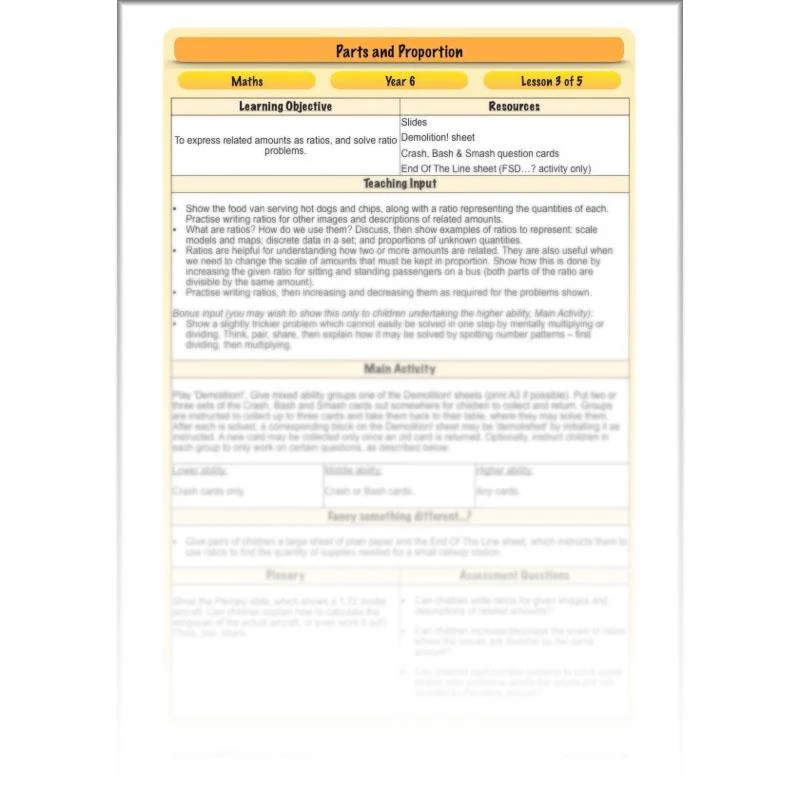
As well as detailed lesson plans with notes for teaching inputs, every lesson also comes with engaging slides which explain how to compare fractions and find ratios and give several examples and word problems for children to consider and solve. Differentiated printable resources are included, too – such as ratio questions and answers, ordering fractions worksheets, ratio and proportion games and a variety of engaging pairs/group activities.
Comparing Fractions
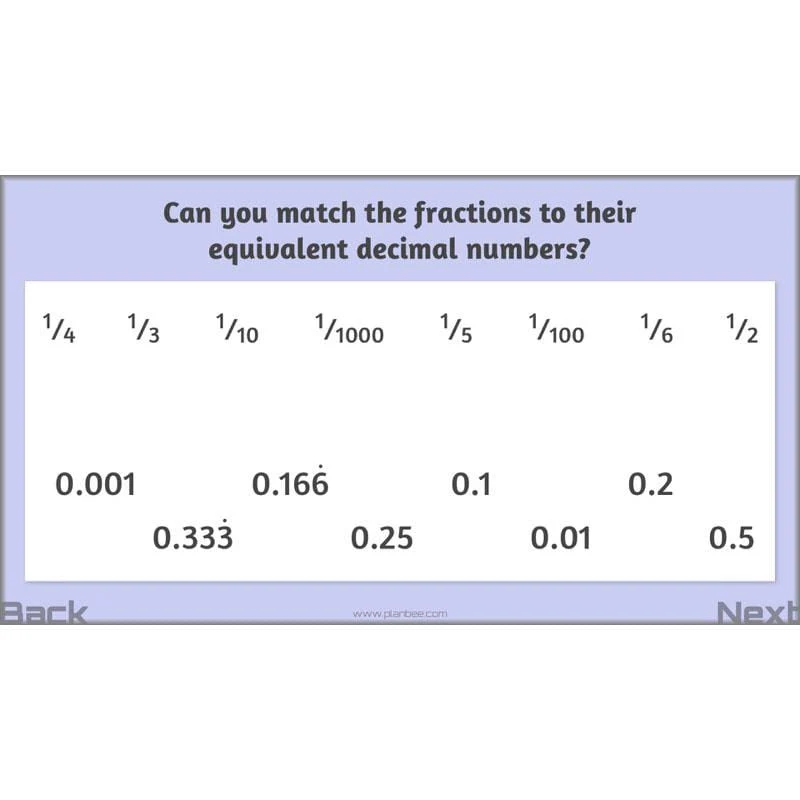
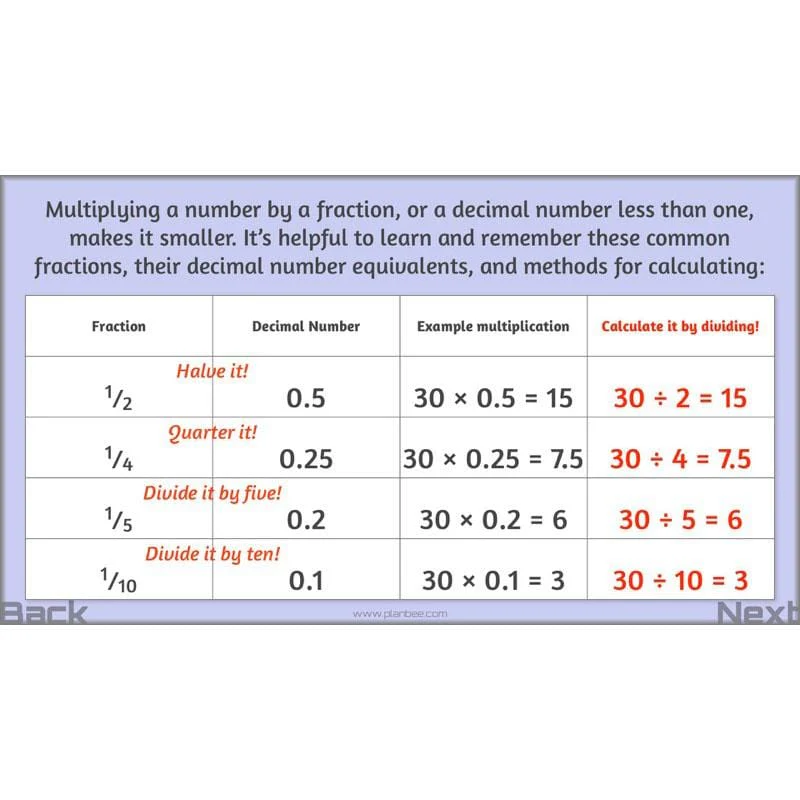
Teach children to convert fractions, including mixed number fractions and improper fractions, to decimals so that they can be compared and ordered.
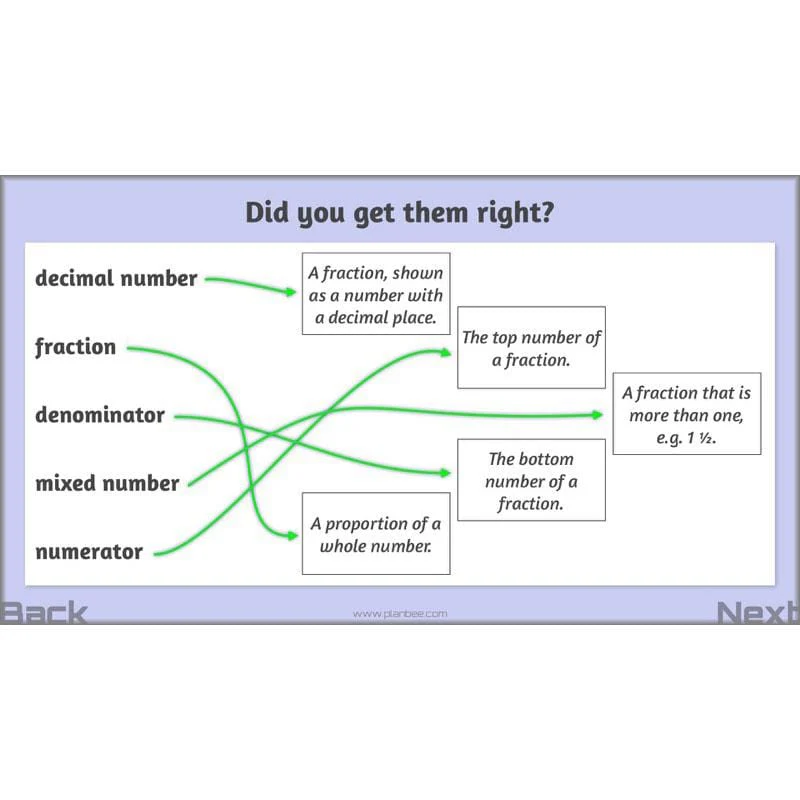
In this, the first of five lessons in the 'Parts and Proportion' unit of work for Year 6, children will begin by recapping their prior knowledge and understanding of fractions. They will then go on to discover how fractions may be used to describe proportions, and how they may be converted to decimals to make them easier to compare and order.
The included slides clearly and simply demonstrate comparing and ordering fractions, including some common mixed fractions and improper fractions. Once children have learnt how to convert them to decimals, there are several calculations and word problems for children to apply their learning to – both on the slides and in the choice of differentiated worksheets and independent learning activities.
What's included:
- Lesson plan
- Slides
- Activity ideas
- Differentiated target boards and number cards
- Big Ordering Challenge cards
Finding the Lowest Common Denominator
Compare and convert fractions by finding their lowest common denominator, or common factors. Teach your children how this method may be used to find out which of a pair of fractions is larger, or to order a set of fractions by size.
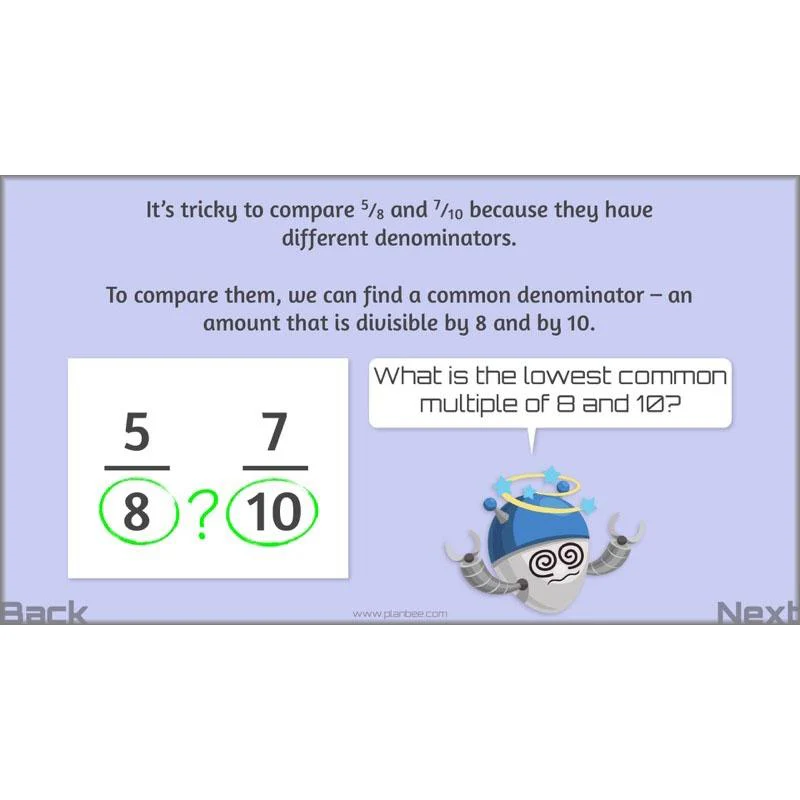
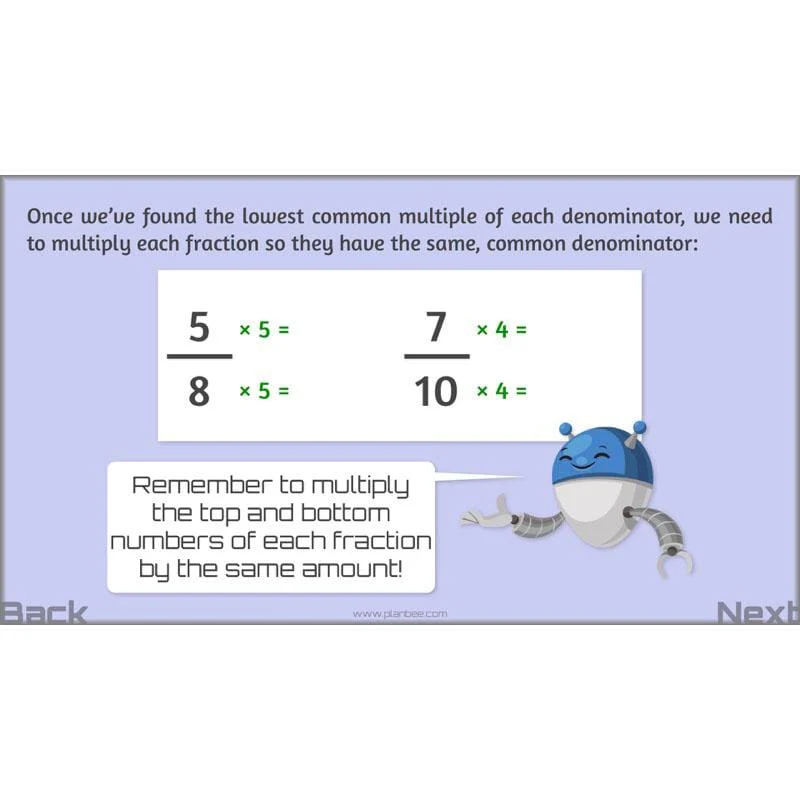
The included slides with this, the second of five lessons in 'Parts and Proportion' for Year 6, explain methods for converting fractions by finding all of their common factors. They also show several problems where children may apply what they have learnt as they attempt to solve them. After that, there's a choice of differentiated activities where children may either answer comparing fractions questions and solve various proportion problems, or do a more practical activity involving weighing fractions of a kilogram.
What's included:
- Lesson plan
- Slides
- Activity ideas
- Differentiated worksheets
- Challenge cards
How do we use rations in real life?
Show children how to find ratios of amounts, and how to scale them, too. This challenging Year 6 Maths lesson plan pack includes slides which show children how to express directly proportionate amounts (such as recipe ingredients) as ratios. They go on to explain how to work out quantities using given ratios, too.
With 'real-life' ratio problems to help children begin to understand direct proportion and scaling, this lesson is ideal if your class are getting to grips with ratio and proportion for the first time, or if they need to recap and build upon knowledge and skills they have previously learnt.
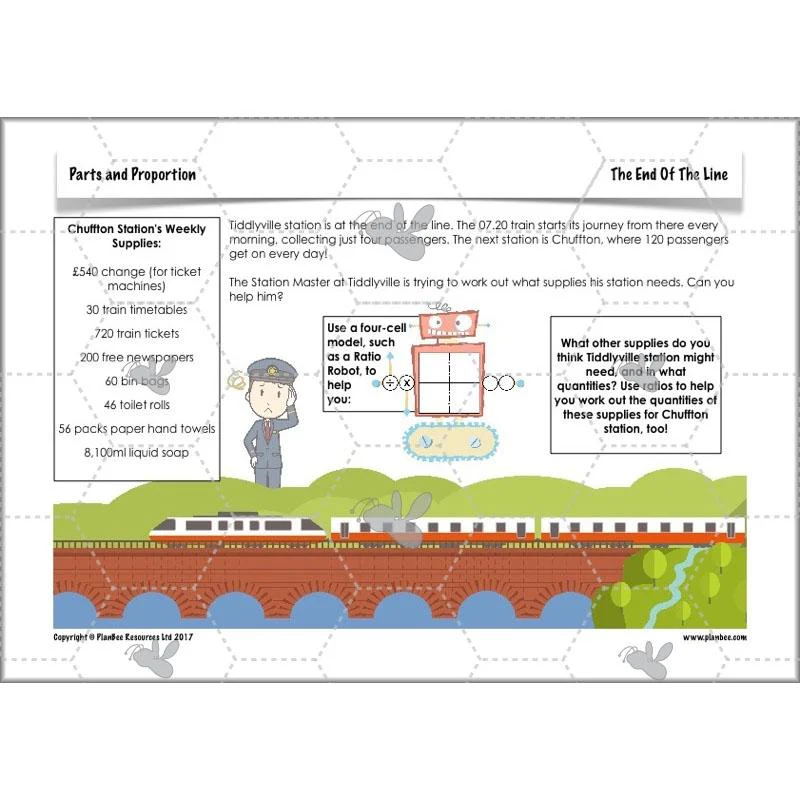
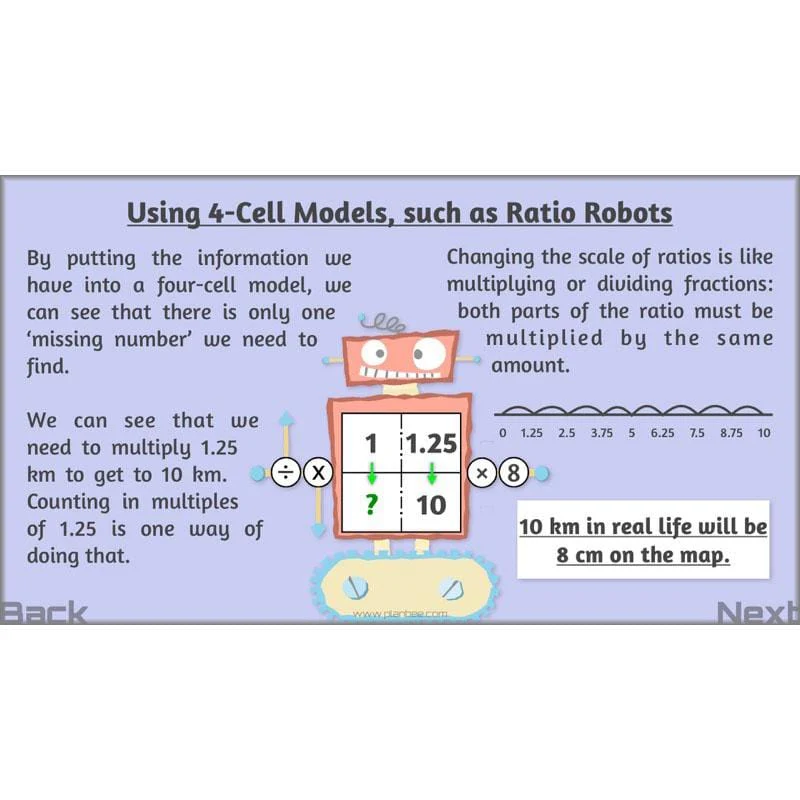
Teach children how to use a 4-sector 'ratio robot' model to help scale ratios by multiplying or dividing both sides. They'll have opportunities to apply what they've learned during either of the included learning activities. There are even some additional, multi-step ratio problems for your higher-attaining pupils to attempt, too.
What's included:
- Lesson plan
- Slides
- Activity ideas
- Demolition!' game board and cards
- End of the line' challenge sheet
Scale Factors and Enlarging Shapes
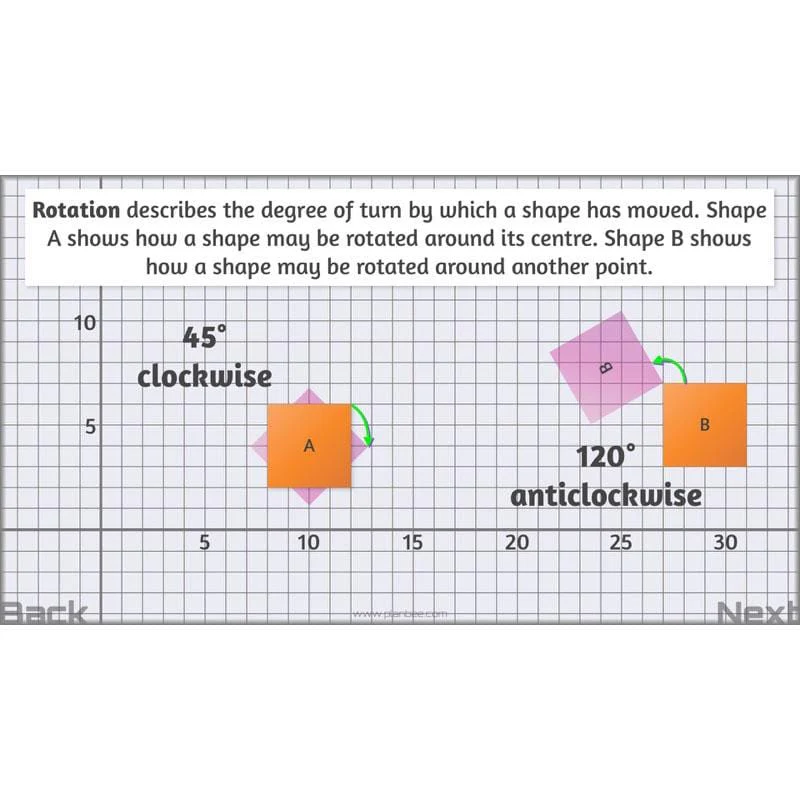
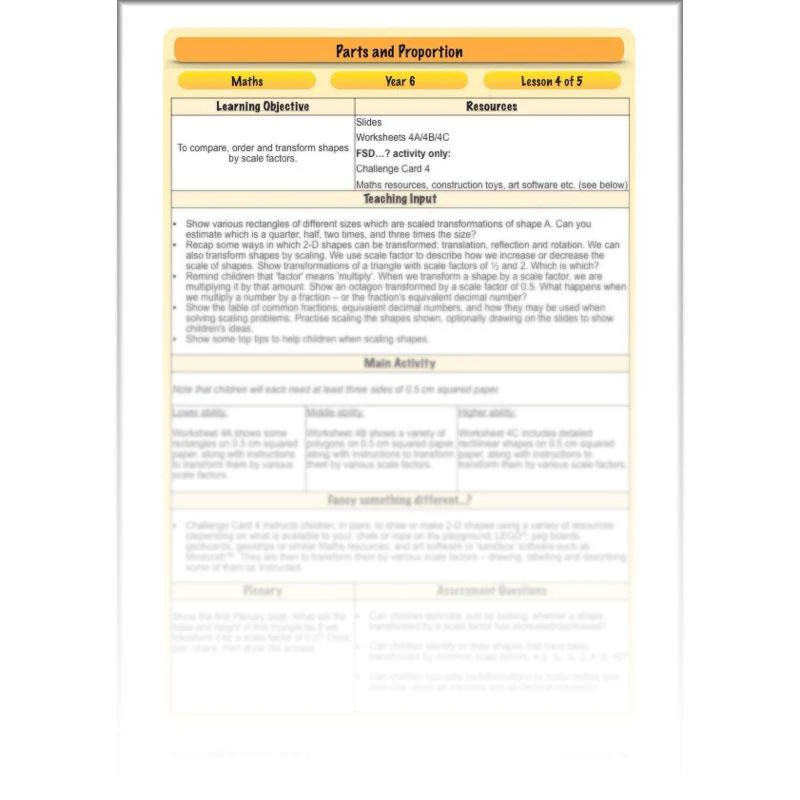
Teach children how to transform polygons and other 2-D shapes by given factors – including factors that are less than, and more than, one.
This is the fourth of five lessons included in 'Parts and Proportion' for Year 6. It builds on children's learning about ratio in the previous lesson, challenging them to use what they've learned to enlarge or reduce shapes by given scale factors.
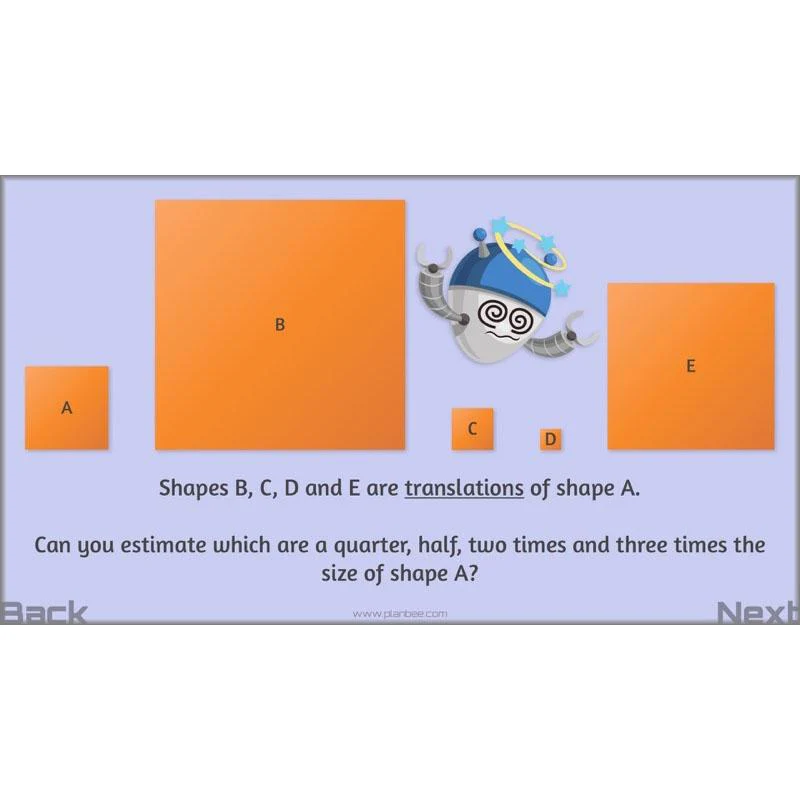
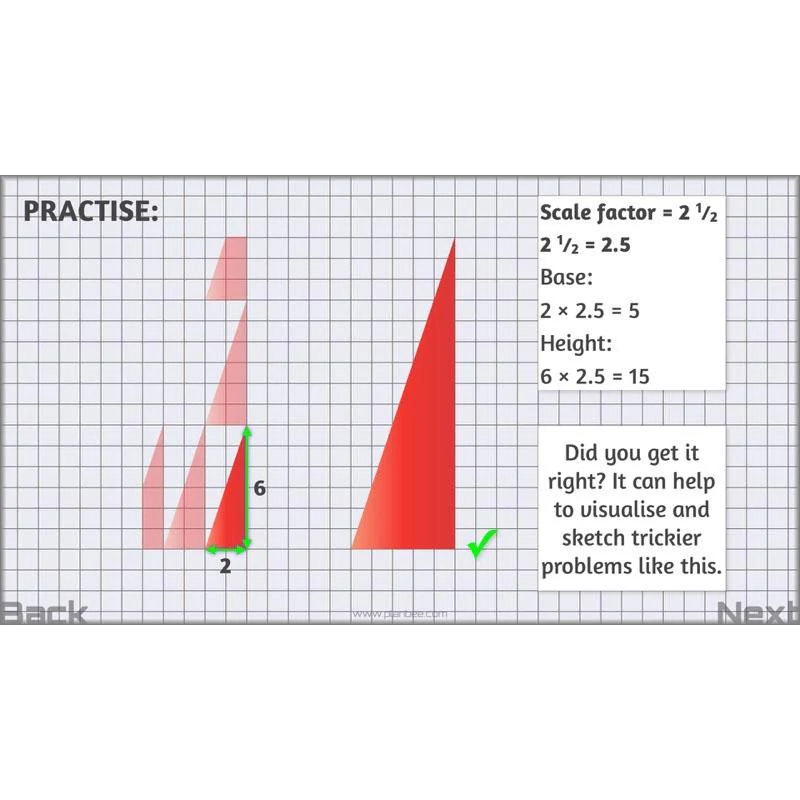
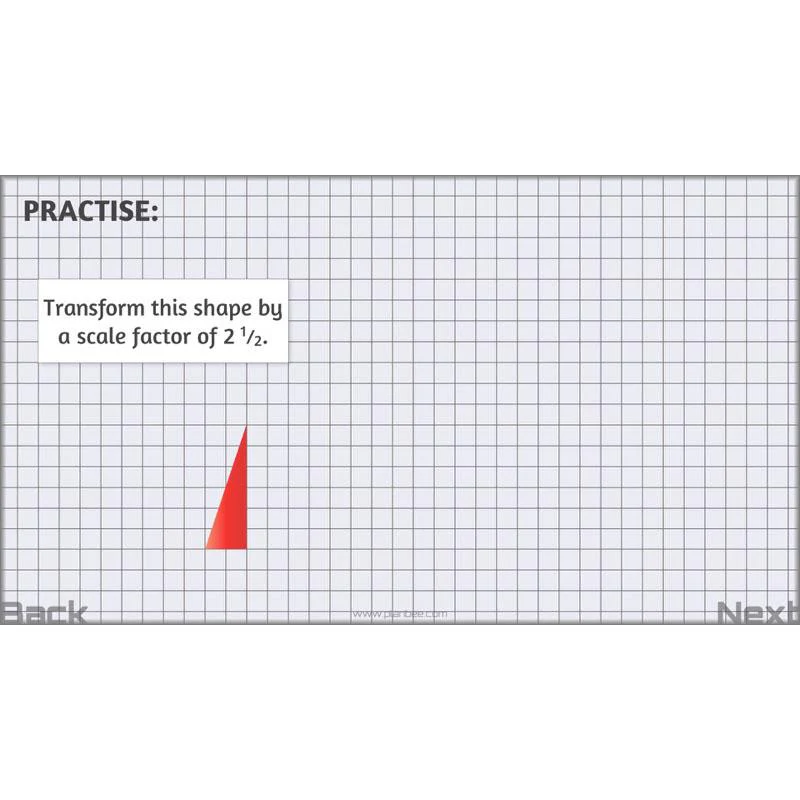
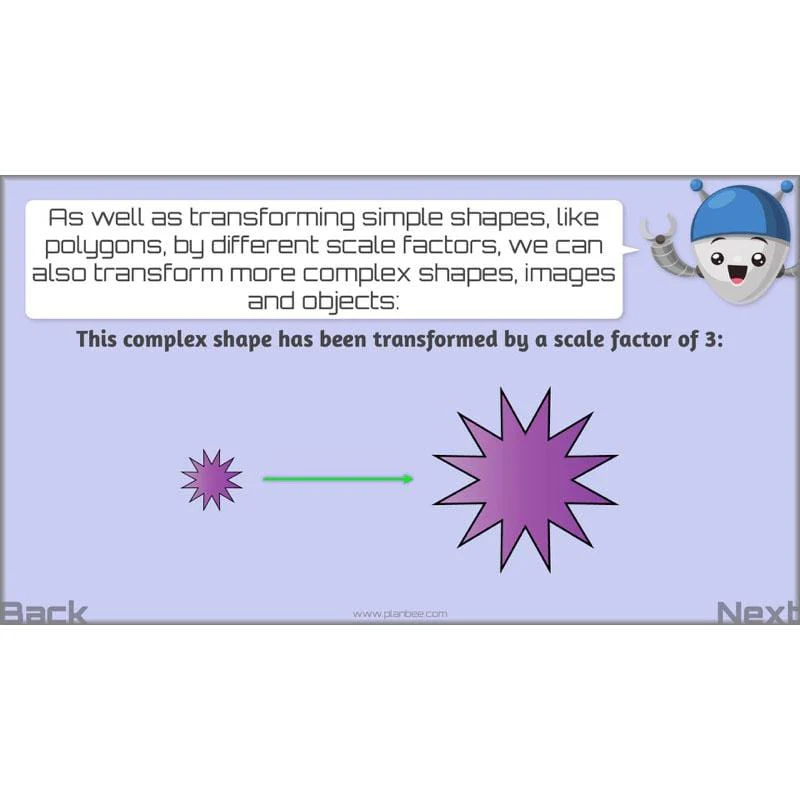
The included slides demonstrate how scaling increases or decreases may be done using ratios, and how scale factors may be used to describe these types of transformation. After the teaching input, there's a choice of activities and printable resources included: with either task, children can practise transforming 2-D shapes by various given scale factors.
What's included:
- Lesson plan
- Slides
- Activity ideas
- Differentiated worksheets
- Challenge card
Scale Factor, Scale Drawings
Teach children how to use scale factors to enlarge or reduce scale drawings by factors of more than, or less than, one with this Year 6 Maths lesson and resources.
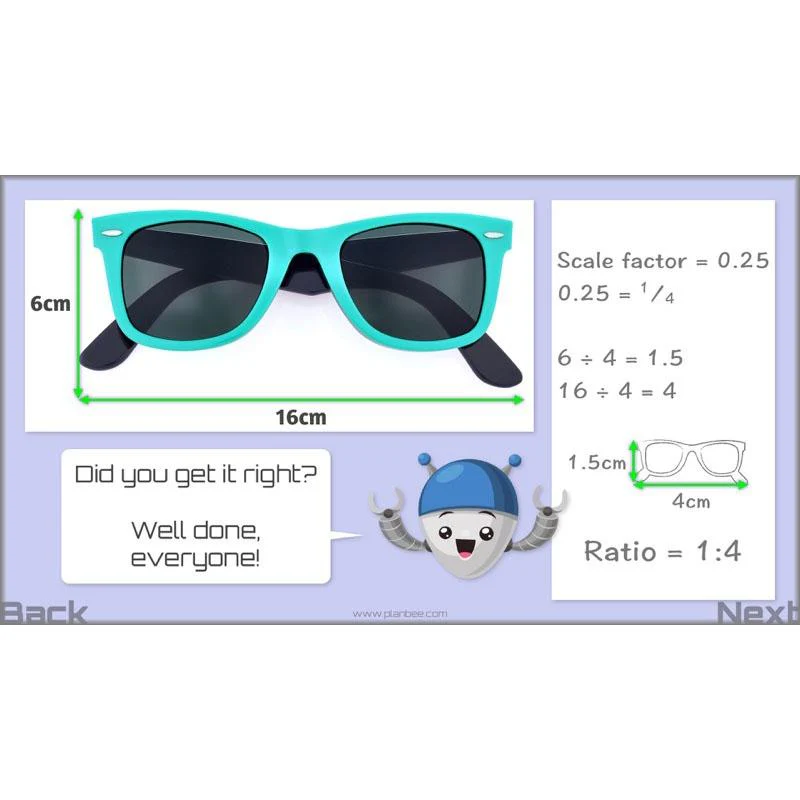
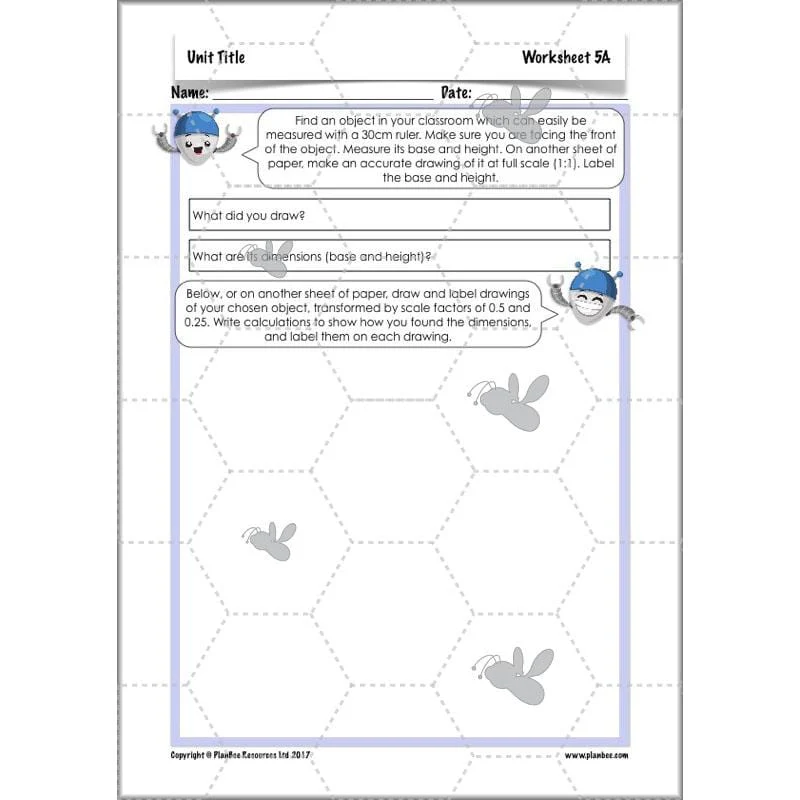
Kick things off by challenging children to identify and correct common errors made when making scale drawings. After that, the included slides explain how to make scale drawings of real objects by measuring their base and height then using scale factor ratios to work out how to transform them.
Having delivered the included teaching input, set your class one (or both) of the included activities where children may either make scale drawings or scale clay sculptures.
What's included:
- Lesson plan
- Slides
- Activity ideas
- Differentiated worksheets
- Challenge card
Original: $4.71
-65%$4.71
$1.65More Images





















Parts and Proportion
Teach children how to compare fractions and ratios, and how to solve real-life problems involving proportion and scaling.
For many Year 6 children, this may be the first time they learn about ratios and how they are used to represent related amounts. 'Parts and Proportion' is the perfect way into teaching and learning about this KS2 Maths programme of study. Each of the five included lessons has clear, simple explanations for: comparing and ordering fractions; writing and scaling ratios and transforming shapes, images and objects by various scale factors.
As well as detailed lesson plans with notes for teaching inputs, every lesson also comes with engaging slides which explain how to compare fractions and find ratios and give several examples and word problems for children to consider and solve. Differentiated printable resources are included, too – such as ratio questions and answers, ordering fractions worksheets, ratio and proportion games and a variety of engaging pairs/group activities.
Comparing Fractions
Teach children to convert fractions, including mixed number fractions and improper fractions, to decimals so that they can be compared and ordered.
In this, the first of five lessons in the 'Parts and Proportion' unit of work for Year 6, children will begin by recapping their prior knowledge and understanding of fractions. They will then go on to discover how fractions may be used to describe proportions, and how they may be converted to decimals to make them easier to compare and order.
The included slides clearly and simply demonstrate comparing and ordering fractions, including some common mixed fractions and improper fractions. Once children have learnt how to convert them to decimals, there are several calculations and word problems for children to apply their learning to – both on the slides and in the choice of differentiated worksheets and independent learning activities.
What's included:
- Lesson plan
- Slides
- Activity ideas
- Differentiated target boards and number cards
- Big Ordering Challenge cards
Finding the Lowest Common Denominator
Compare and convert fractions by finding their lowest common denominator, or common factors. Teach your children how this method may be used to find out which of a pair of fractions is larger, or to order a set of fractions by size.
The included slides with this, the second of five lessons in 'Parts and Proportion' for Year 6, explain methods for converting fractions by finding all of their common factors. They also show several problems where children may apply what they have learnt as they attempt to solve them. After that, there's a choice of differentiated activities where children may either answer comparing fractions questions and solve various proportion problems, or do a more practical activity involving weighing fractions of a kilogram.
What's included:
- Lesson plan
- Slides
- Activity ideas
- Differentiated worksheets
- Challenge cards
How do we use rations in real life?
Show children how to find ratios of amounts, and how to scale them, too. This challenging Year 6 Maths lesson plan pack includes slides which show children how to express directly proportionate amounts (such as recipe ingredients) as ratios. They go on to explain how to work out quantities using given ratios, too.
With 'real-life' ratio problems to help children begin to understand direct proportion and scaling, this lesson is ideal if your class are getting to grips with ratio and proportion for the first time, or if they need to recap and build upon knowledge and skills they have previously learnt.
Teach children how to use a 4-sector 'ratio robot' model to help scale ratios by multiplying or dividing both sides. They'll have opportunities to apply what they've learned during either of the included learning activities. There are even some additional, multi-step ratio problems for your higher-attaining pupils to attempt, too.
What's included:
- Lesson plan
- Slides
- Activity ideas
- Demolition!' game board and cards
- End of the line' challenge sheet
Scale Factors and Enlarging Shapes
Teach children how to transform polygons and other 2-D shapes by given factors – including factors that are less than, and more than, one.
This is the fourth of five lessons included in 'Parts and Proportion' for Year 6. It builds on children's learning about ratio in the previous lesson, challenging them to use what they've learned to enlarge or reduce shapes by given scale factors.
The included slides demonstrate how scaling increases or decreases may be done using ratios, and how scale factors may be used to describe these types of transformation. After the teaching input, there's a choice of activities and printable resources included: with either task, children can practise transforming 2-D shapes by various given scale factors.
What's included:
- Lesson plan
- Slides
- Activity ideas
- Differentiated worksheets
- Challenge card
Scale Factor, Scale Drawings
Teach children how to use scale factors to enlarge or reduce scale drawings by factors of more than, or less than, one with this Year 6 Maths lesson and resources.
Kick things off by challenging children to identify and correct common errors made when making scale drawings. After that, the included slides explain how to make scale drawings of real objects by measuring their base and height then using scale factor ratios to work out how to transform them.
Having delivered the included teaching input, set your class one (or both) of the included activities where children may either make scale drawings or scale clay sculptures.
What's included:
- Lesson plan
- Slides
- Activity ideas
- Differentiated worksheets
- Challenge card
Product Information
Product Information
Shipping & Returns
Shipping & Returns
Description
Teach children how to compare fractions and ratios, and how to solve real-life problems involving proportion and scaling.
For many Year 6 children, this may be the first time they learn about ratios and how they are used to represent related amounts. 'Parts and Proportion' is the perfect way into teaching and learning about this KS2 Maths programme of study. Each of the five included lessons has clear, simple explanations for: comparing and ordering fractions; writing and scaling ratios and transforming shapes, images and objects by various scale factors.
As well as detailed lesson plans with notes for teaching inputs, every lesson also comes with engaging slides which explain how to compare fractions and find ratios and give several examples and word problems for children to consider and solve. Differentiated printable resources are included, too – such as ratio questions and answers, ordering fractions worksheets, ratio and proportion games and a variety of engaging pairs/group activities.
Comparing Fractions
Teach children to convert fractions, including mixed number fractions and improper fractions, to decimals so that they can be compared and ordered.
In this, the first of five lessons in the 'Parts and Proportion' unit of work for Year 6, children will begin by recapping their prior knowledge and understanding of fractions. They will then go on to discover how fractions may be used to describe proportions, and how they may be converted to decimals to make them easier to compare and order.
The included slides clearly and simply demonstrate comparing and ordering fractions, including some common mixed fractions and improper fractions. Once children have learnt how to convert them to decimals, there are several calculations and word problems for children to apply their learning to – both on the slides and in the choice of differentiated worksheets and independent learning activities.
What's included:
- Lesson plan
- Slides
- Activity ideas
- Differentiated target boards and number cards
- Big Ordering Challenge cards
Finding the Lowest Common Denominator
Compare and convert fractions by finding their lowest common denominator, or common factors. Teach your children how this method may be used to find out which of a pair of fractions is larger, or to order a set of fractions by size.
The included slides with this, the second of five lessons in 'Parts and Proportion' for Year 6, explain methods for converting fractions by finding all of their common factors. They also show several problems where children may apply what they have learnt as they attempt to solve them. After that, there's a choice of differentiated activities where children may either answer comparing fractions questions and solve various proportion problems, or do a more practical activity involving weighing fractions of a kilogram.
What's included:
- Lesson plan
- Slides
- Activity ideas
- Differentiated worksheets
- Challenge cards
How do we use rations in real life?
Show children how to find ratios of amounts, and how to scale them, too. This challenging Year 6 Maths lesson plan pack includes slides which show children how to express directly proportionate amounts (such as recipe ingredients) as ratios. They go on to explain how to work out quantities using given ratios, too.
With 'real-life' ratio problems to help children begin to understand direct proportion and scaling, this lesson is ideal if your class are getting to grips with ratio and proportion for the first time, or if they need to recap and build upon knowledge and skills they have previously learnt.
Teach children how to use a 4-sector 'ratio robot' model to help scale ratios by multiplying or dividing both sides. They'll have opportunities to apply what they've learned during either of the included learning activities. There are even some additional, multi-step ratio problems for your higher-attaining pupils to attempt, too.
What's included:
- Lesson plan
- Slides
- Activity ideas
- Demolition!' game board and cards
- End of the line' challenge sheet
Scale Factors and Enlarging Shapes
Teach children how to transform polygons and other 2-D shapes by given factors – including factors that are less than, and more than, one.
This is the fourth of five lessons included in 'Parts and Proportion' for Year 6. It builds on children's learning about ratio in the previous lesson, challenging them to use what they've learned to enlarge or reduce shapes by given scale factors.
The included slides demonstrate how scaling increases or decreases may be done using ratios, and how scale factors may be used to describe these types of transformation. After the teaching input, there's a choice of activities and printable resources included: with either task, children can practise transforming 2-D shapes by various given scale factors.
What's included:
- Lesson plan
- Slides
- Activity ideas
- Differentiated worksheets
- Challenge card
Scale Factor, Scale Drawings
Teach children how to use scale factors to enlarge or reduce scale drawings by factors of more than, or less than, one with this Year 6 Maths lesson and resources.
Kick things off by challenging children to identify and correct common errors made when making scale drawings. After that, the included slides explain how to make scale drawings of real objects by measuring their base and height then using scale factor ratios to work out how to transform them.
Having delivered the included teaching input, set your class one (or both) of the included activities where children may either make scale drawings or scale clay sculptures.
What's included:
- Lesson plan
- Slides
- Activity ideas
- Differentiated worksheets
- Challenge card