Seaside Objects
These exciting, practical Everyday Materials Year 1 lessons will transform your class into scientists as they explore materials and their properties and learn what different seaside objects are made from.
A Knowledge Organiser is available to support the learning in this scheme. It is included in the Complete Series download or can be purchased individually.
This series of five lessons will guide your class through an exploration of different materials and their features. Each ready-to-teach downloadable lesson comes with a detailed lesson plan, associated slideshows, differentiated activities to cater to all levels of learners in your classroom, and a range of engaging printable resources. So pack up your picnic basket and head off to the seaside...! Why not upgrade to our Sun, Sea and Sand Topic Bundle – pick schemes from different subject areas to create your perfect cross-curricular topic!
Identifying Materials
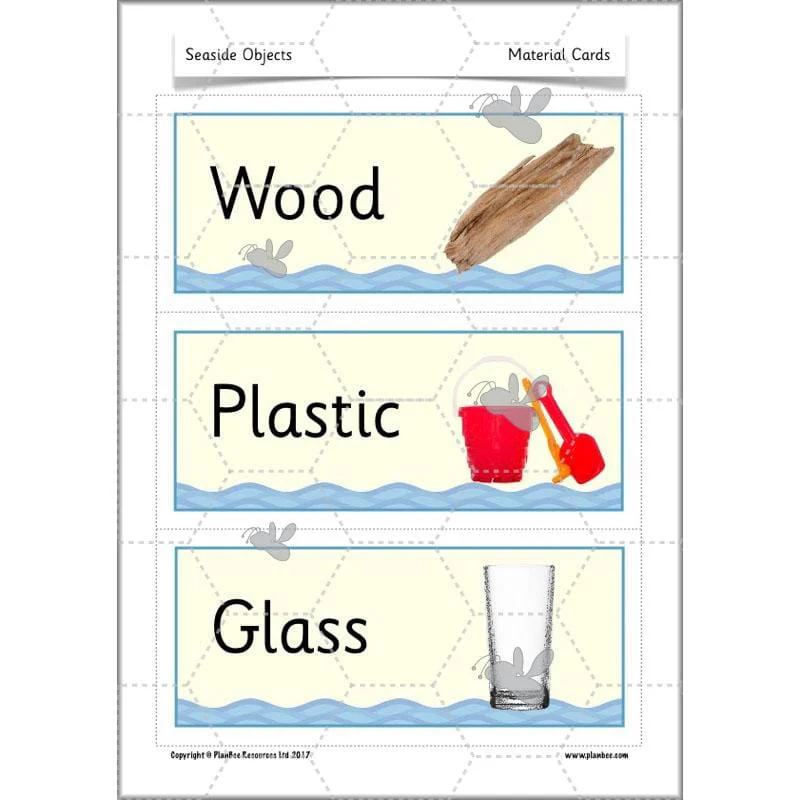
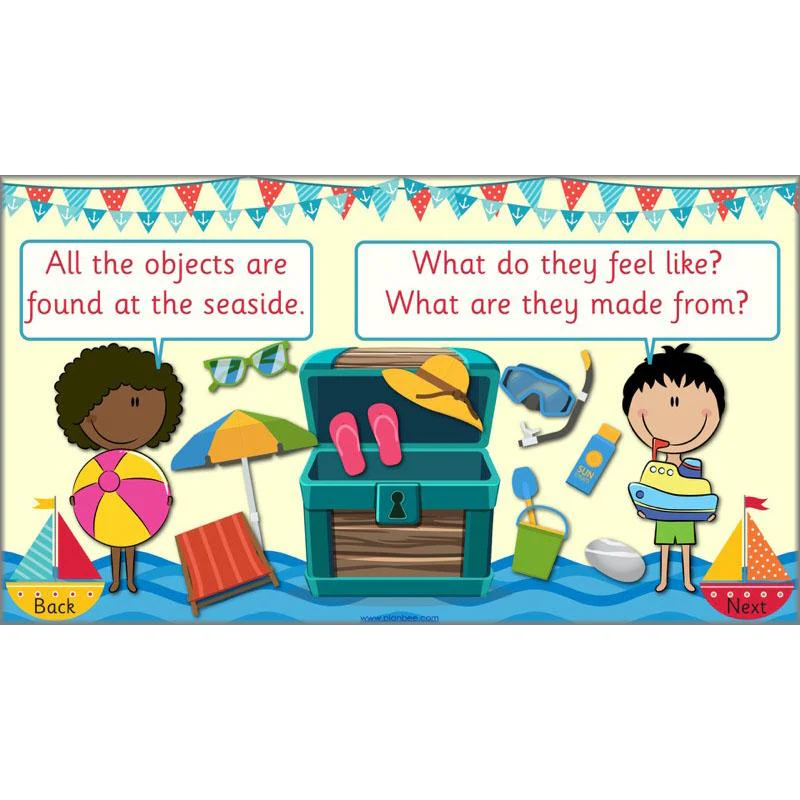
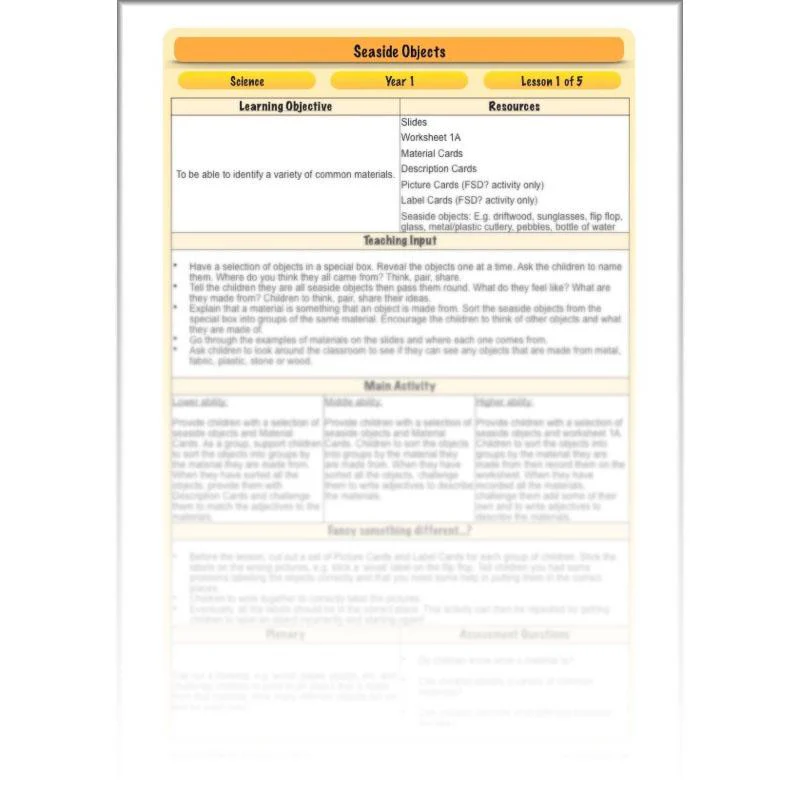
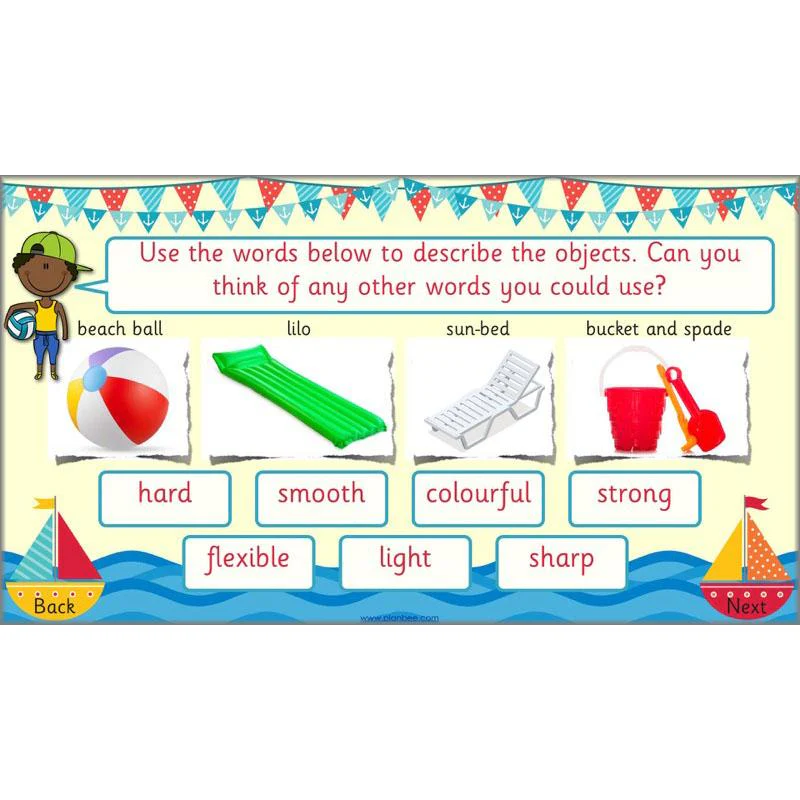
The first lesson in this practical series encourages your class to identify a variety of seaside objects and think about the materials they are made from. During a hands-on, practical activity your class will observe, sort, name and describe objects, while beginning to think about their purpose. The alternative activity sees your class relabelling objects that have had their materials incorrectly labelled.
This downloadable lesson comes with a lesson plan, a slideshow presentation and printable teaching resources.
What's included:
- Lesson plan
- Slides
- Activity ideas
- Worksheets
- Materials Cards
- Description Cards
- Picture Cards
- Labels Cards
Exploring Wood
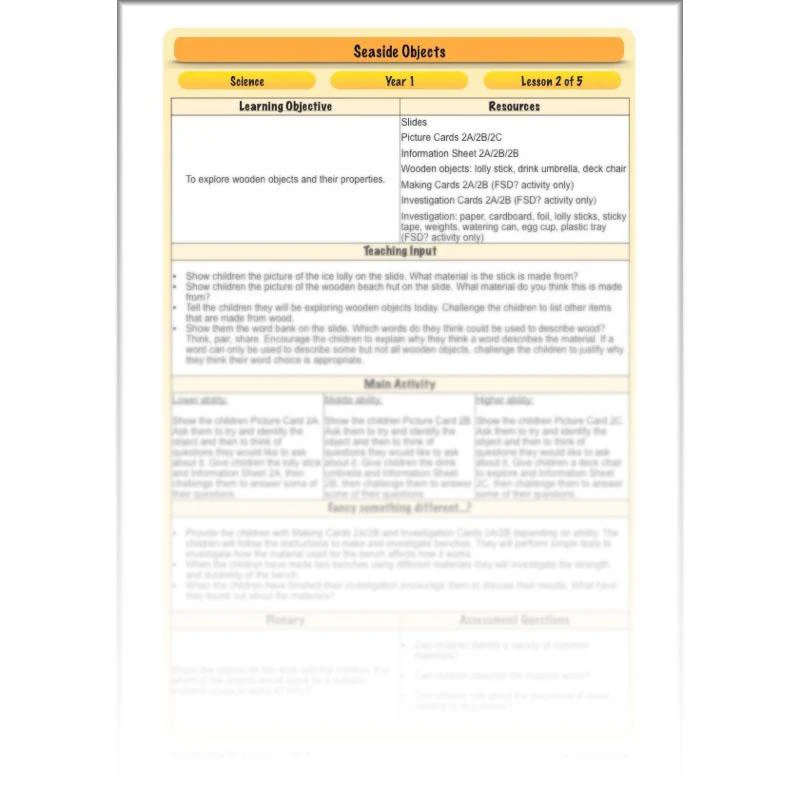
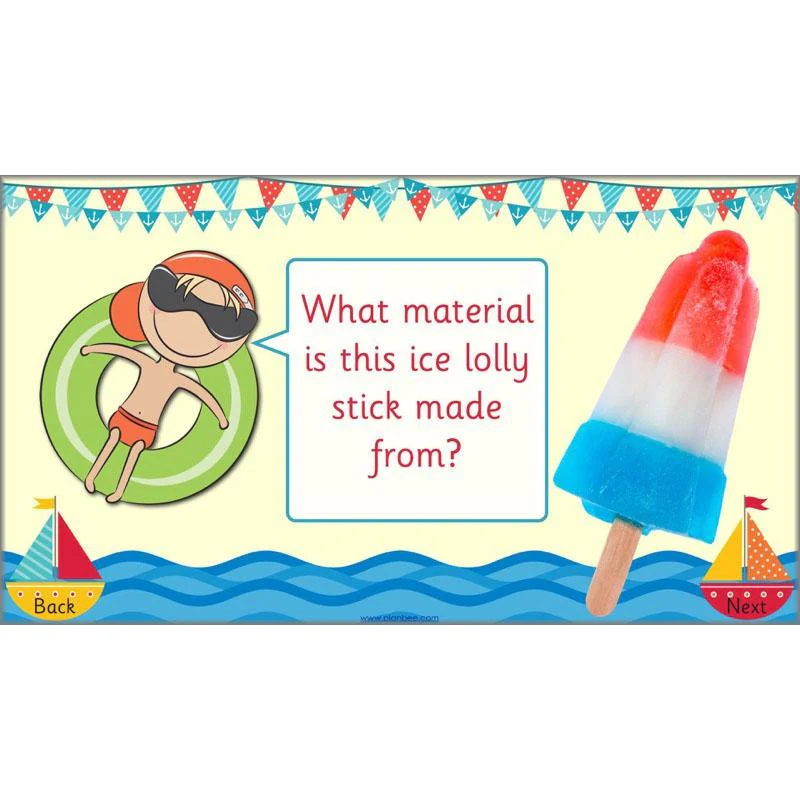
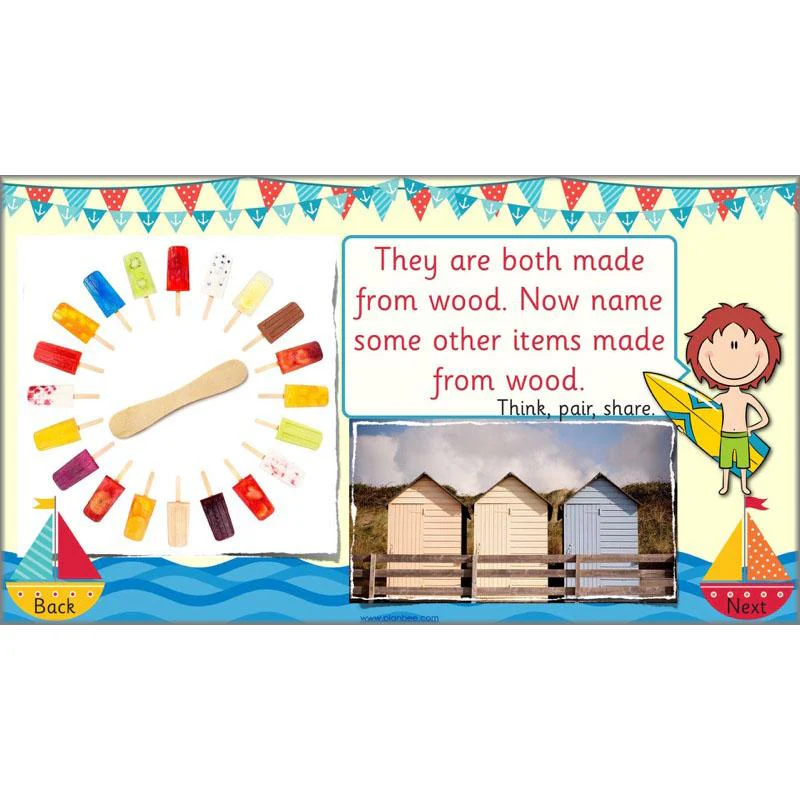
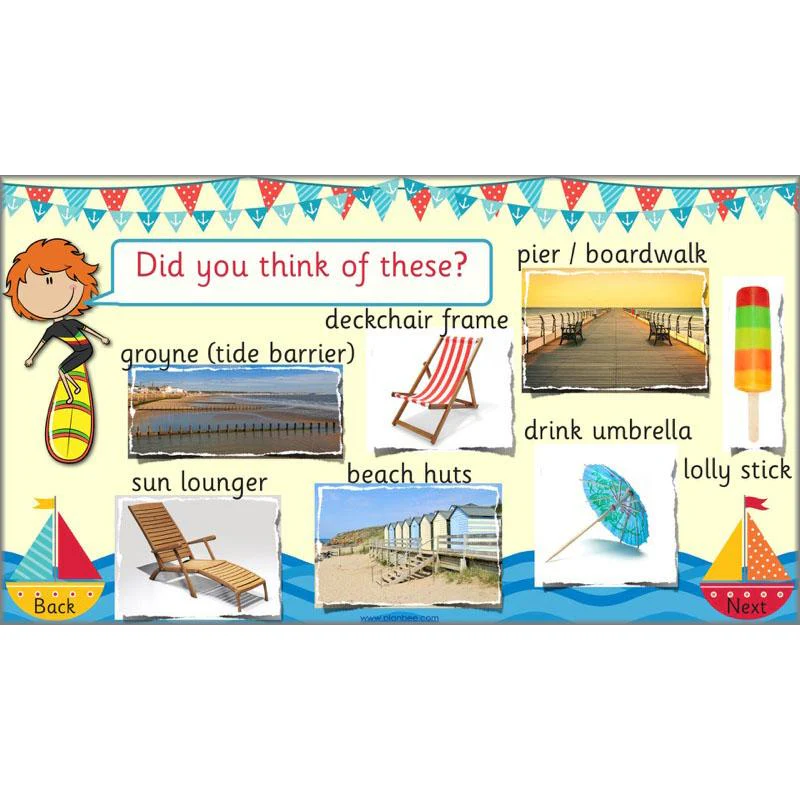
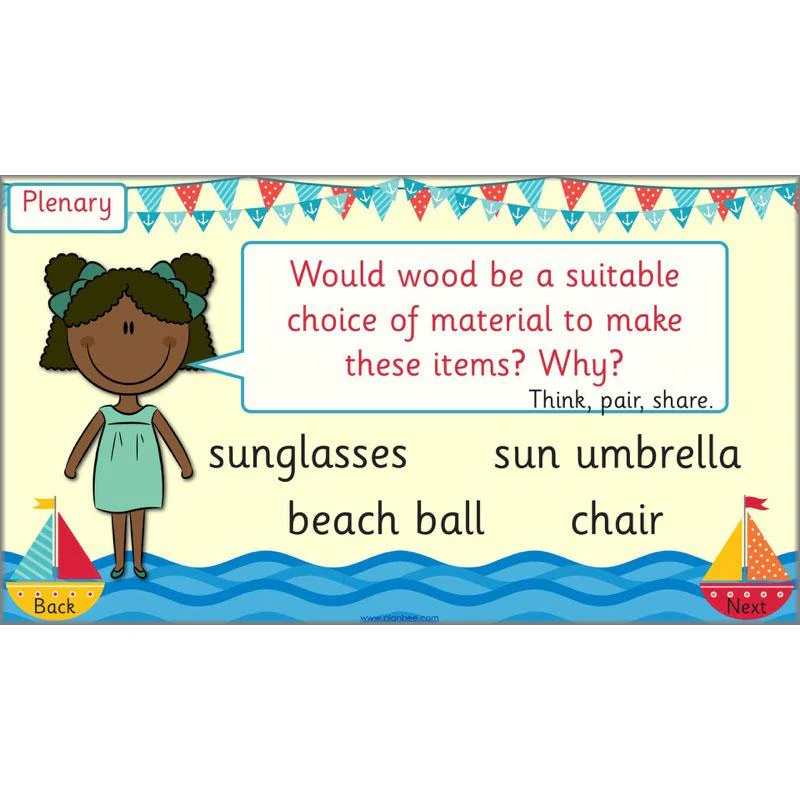
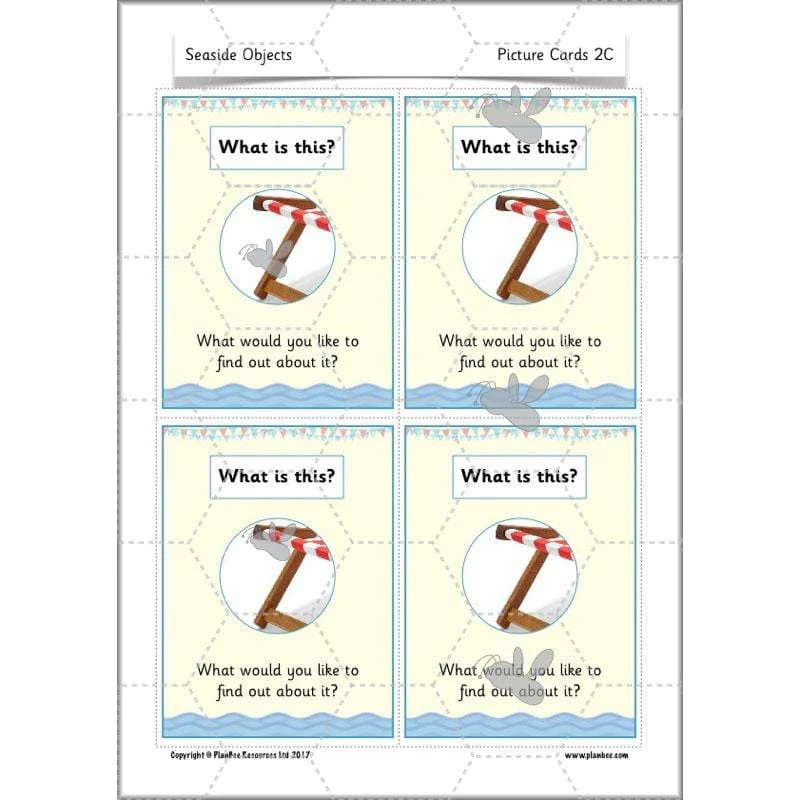
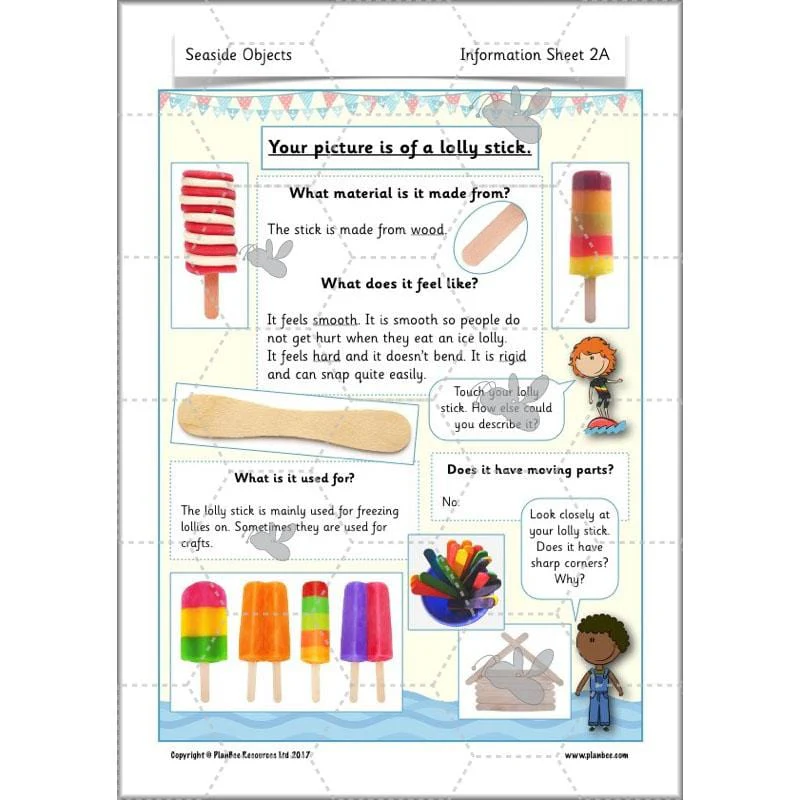
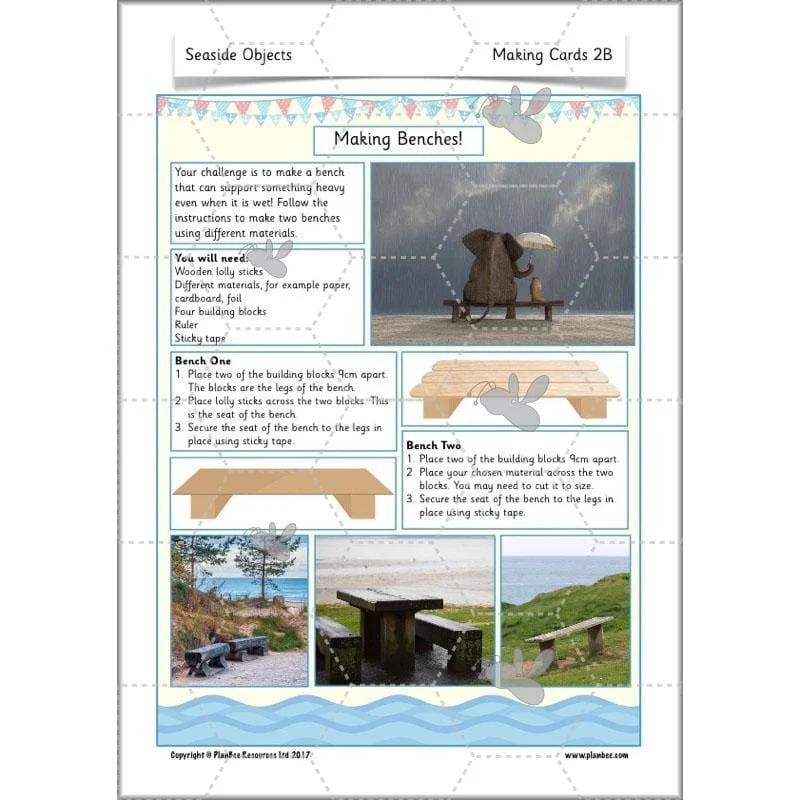
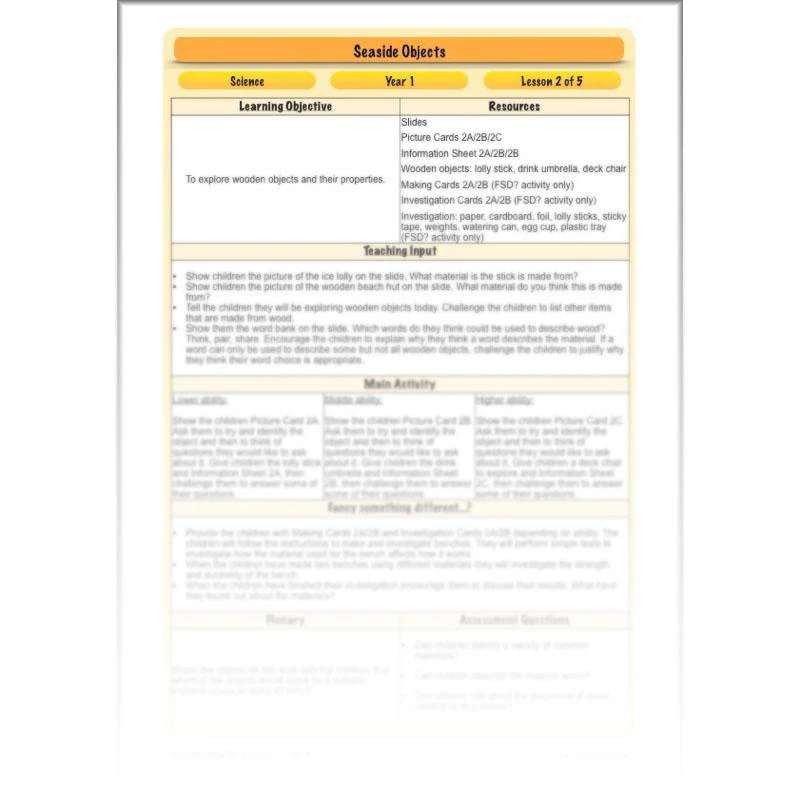
During this active lesson on wooden seaside objects your class will develop their ability to think scientifically when asking and answering questions. They will have the opportunity to practise their investigation skills as they identify mystery objects or investigate the properties of benches. The lesson closes by asking the children to think critically about whether wood is a suitable material to make some named objects from and why.
This downloadable lesson comes with a lesson plan, a slideshow presentation and printable teaching resources.
What's included:
- Lesson plan
- Slides
- Activity ideas
- Picture Cards
- Information Sheet
- Making Cards
- Investigation Cards
Exploring Rock
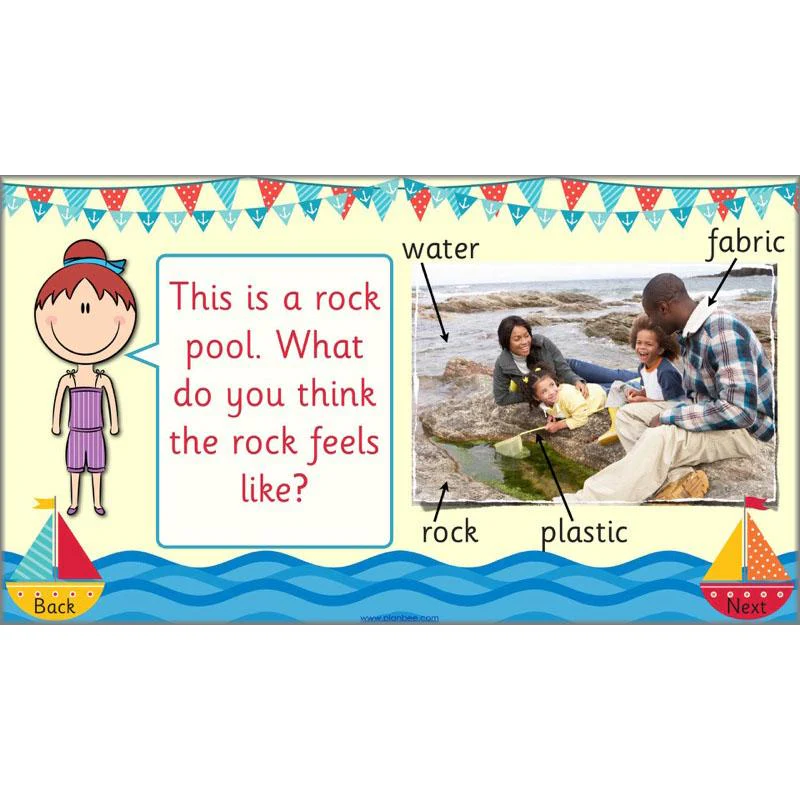
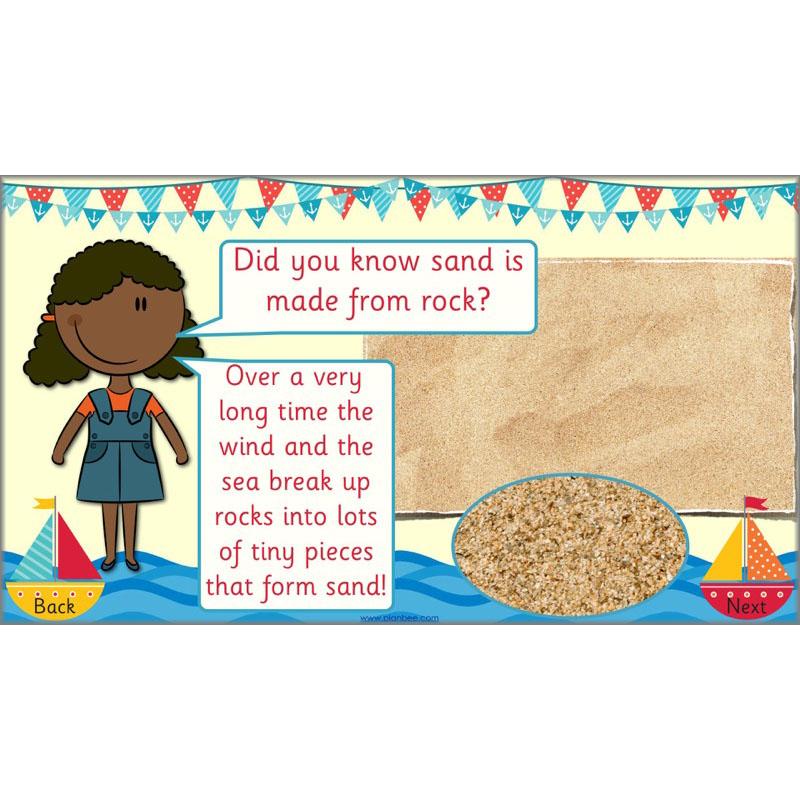
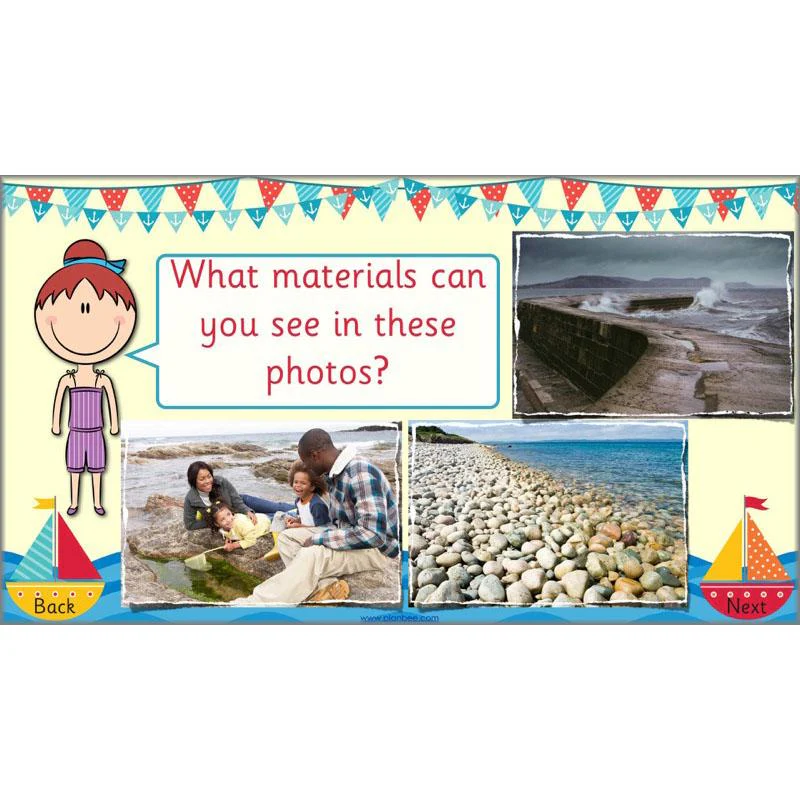
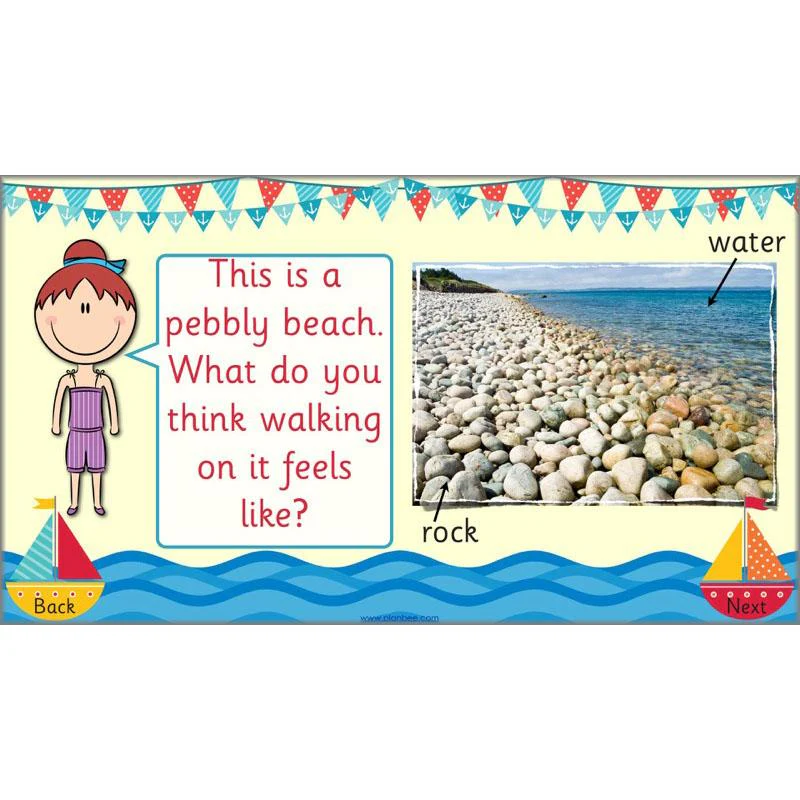
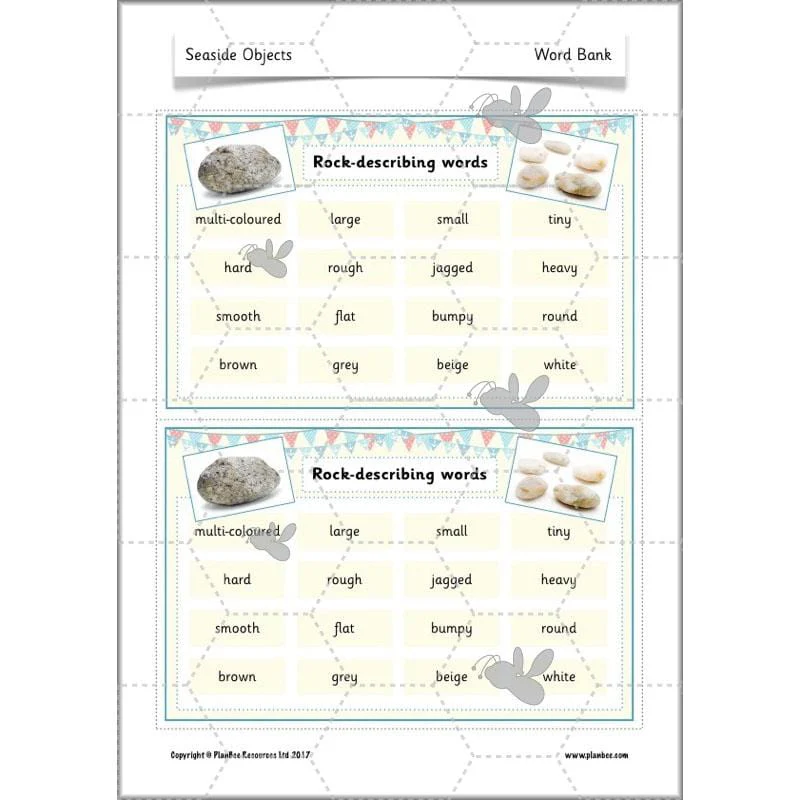
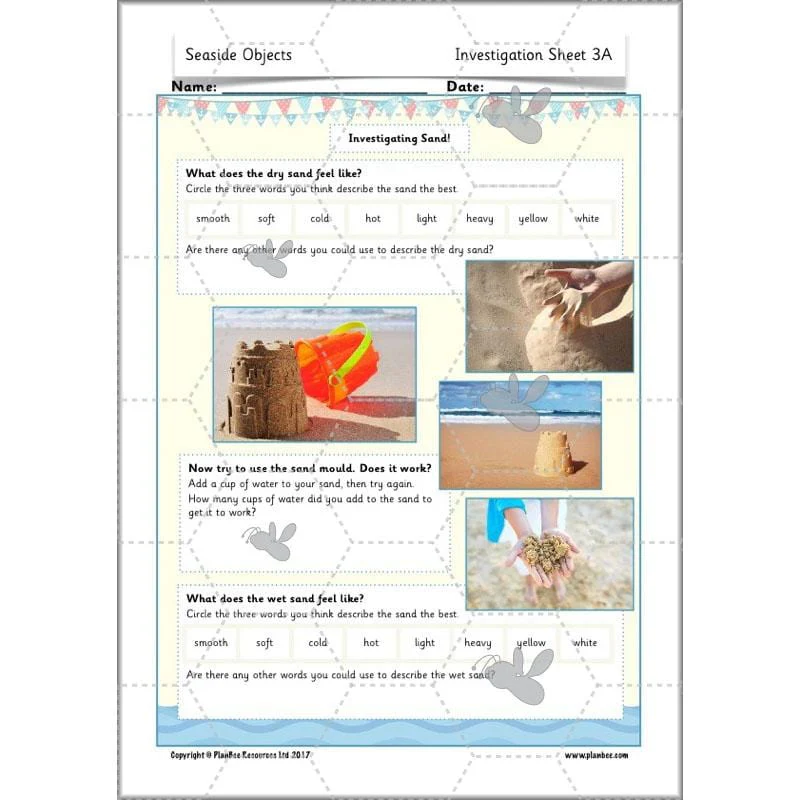
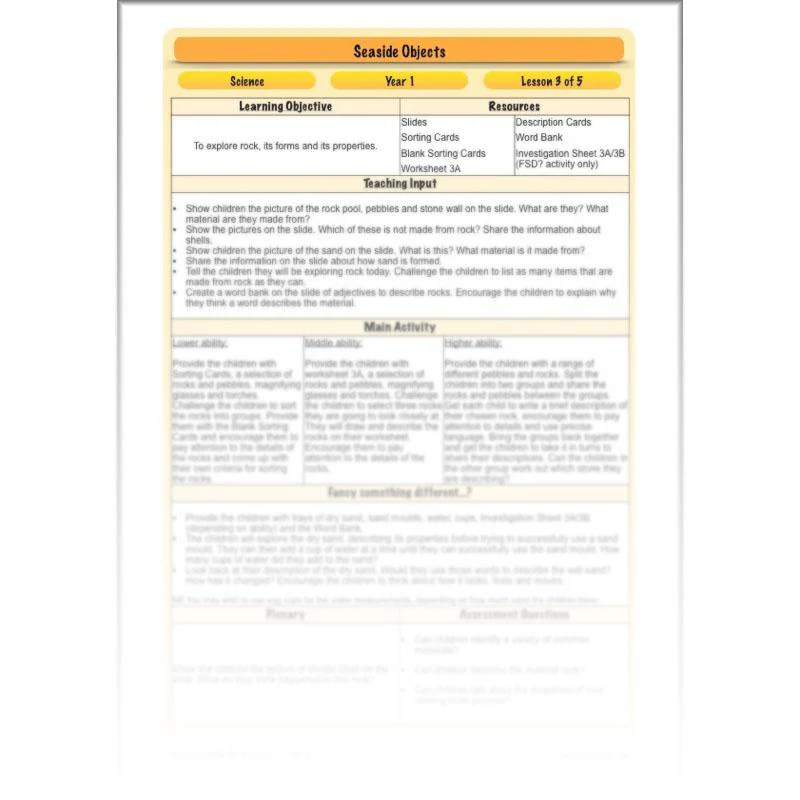
In the third lesson of this series children will identify some common forms of rock as well as thinking about where they have seen it in its natural form. In this hands-on lesson they will look closely at rocks when sorting and describing them, while developing their scientific vocabulary. During the alternative activity the children will investigate sand. They will explore how it feels when it is dry and then compare this to how it feels and changes when water is added to it, all while trying to effectively use a sand mould. This exciting, practical lesson will transform your class into scientists as they learn about the material rock.
This downloadable lesson includes a lesson plan, a slideshow presentation and printable teaching resources.
What's included:
- Lesson plan
- Slides
- Activity ideas
- Sorting Cards
- Blank Sorting Cards
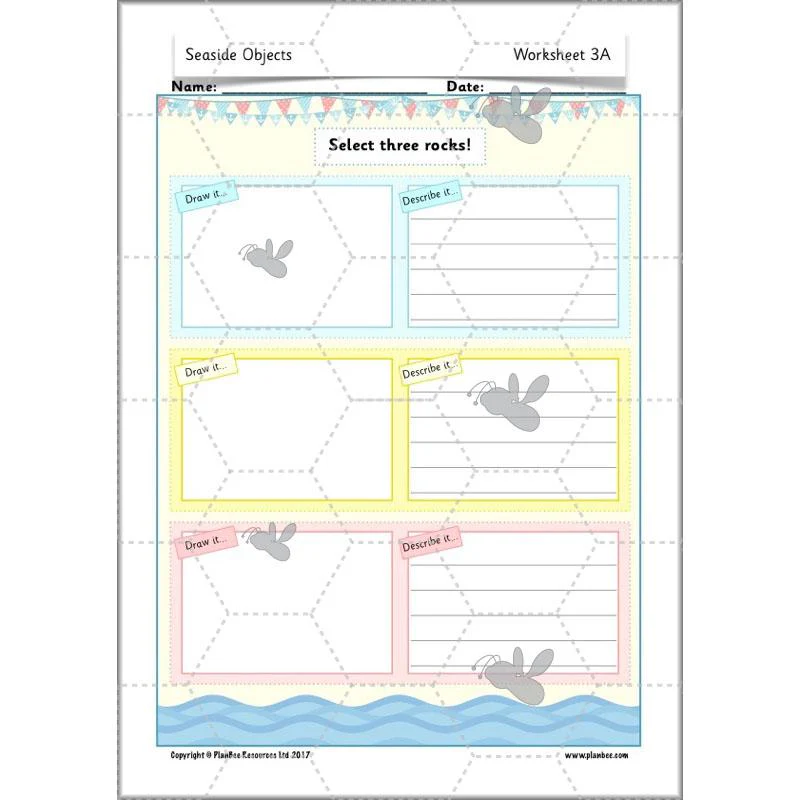
- Worksheet
- Description Cards
- Word Bank
- Investigation Sheet
Properties of Plastic
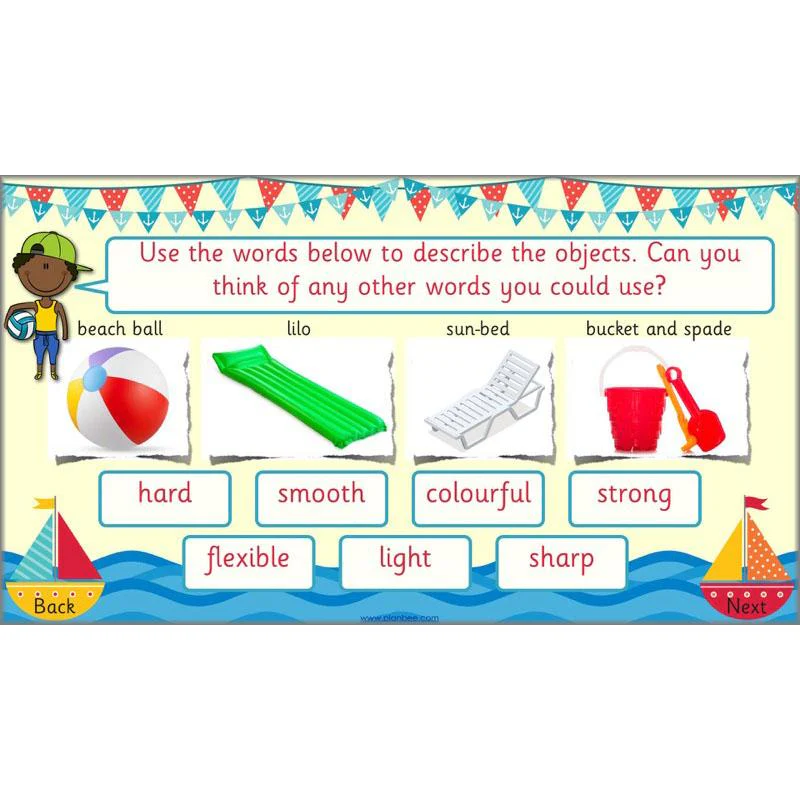
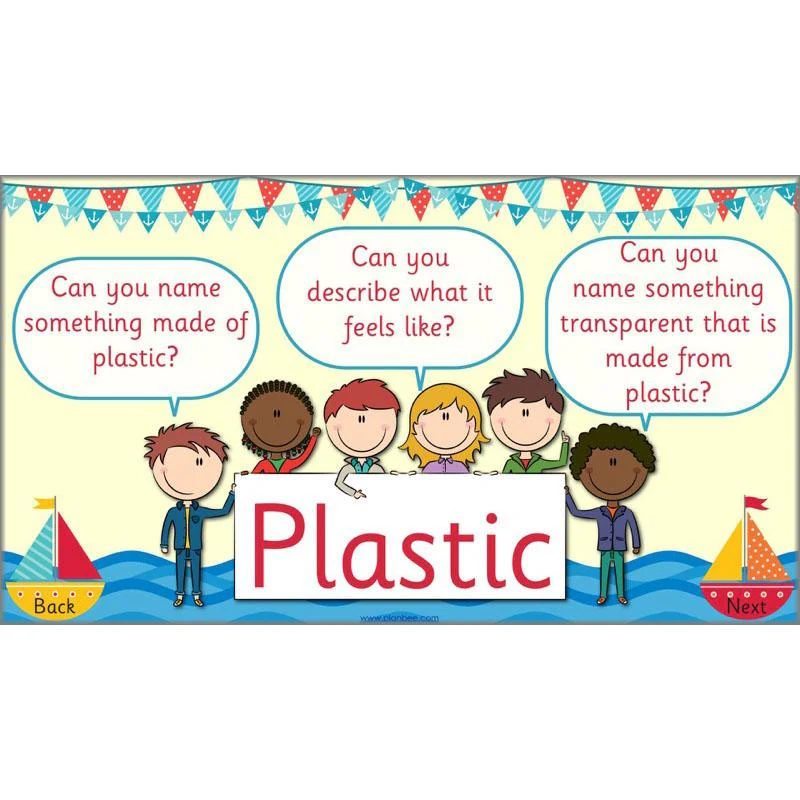
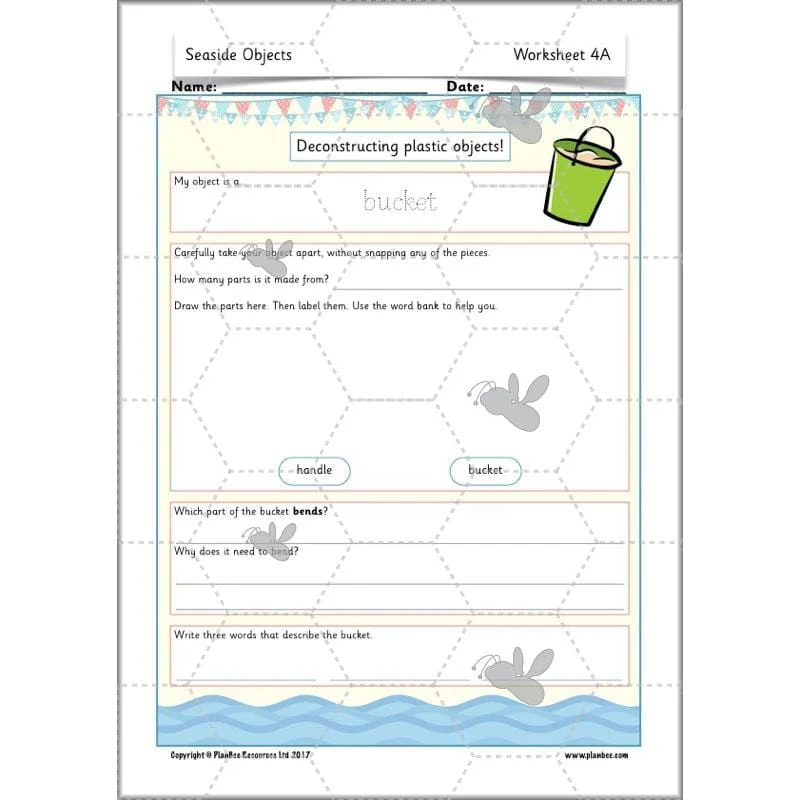
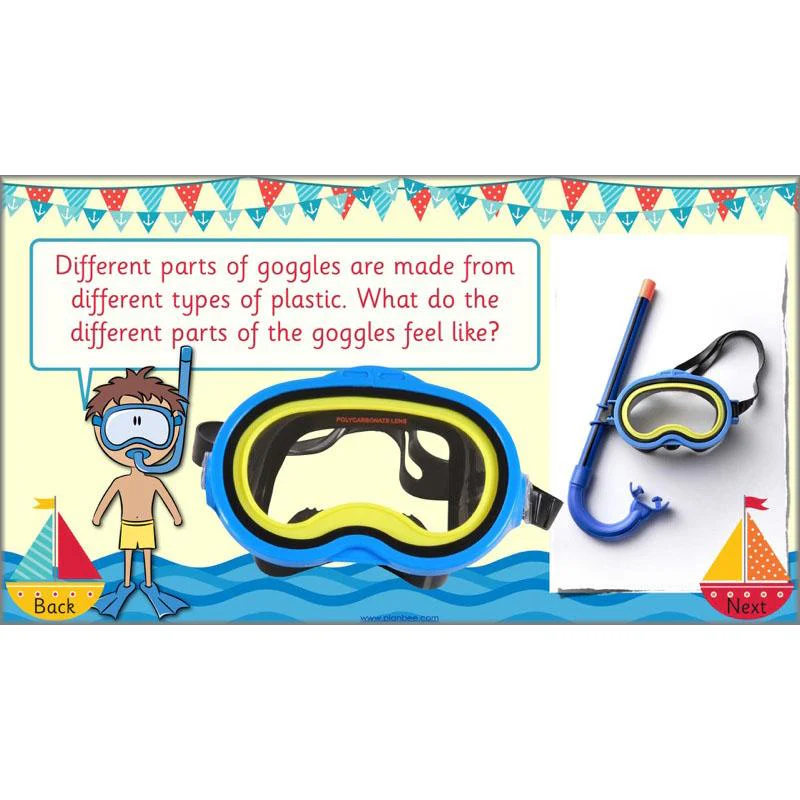
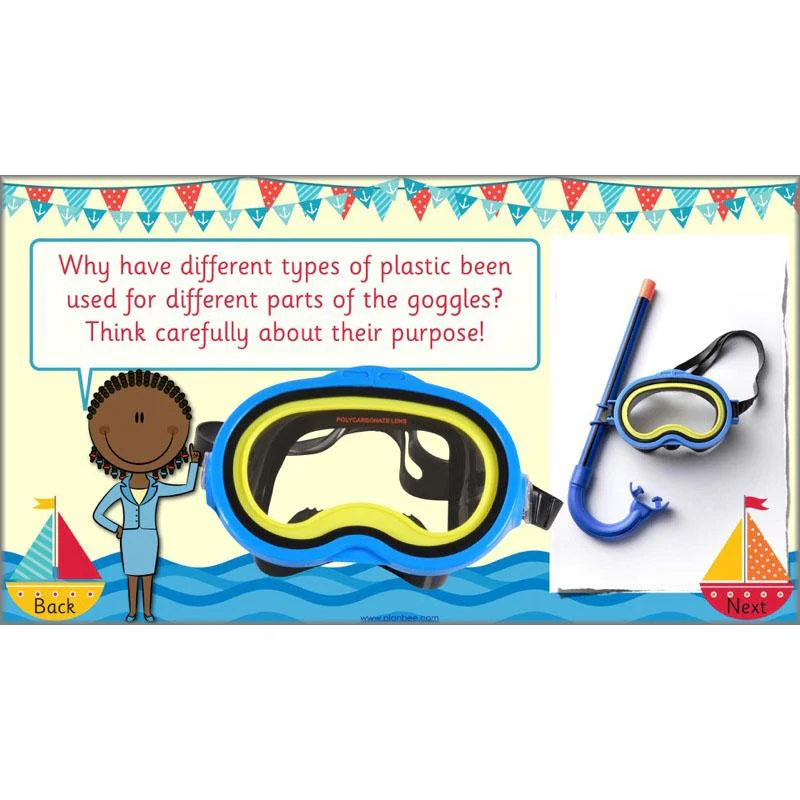
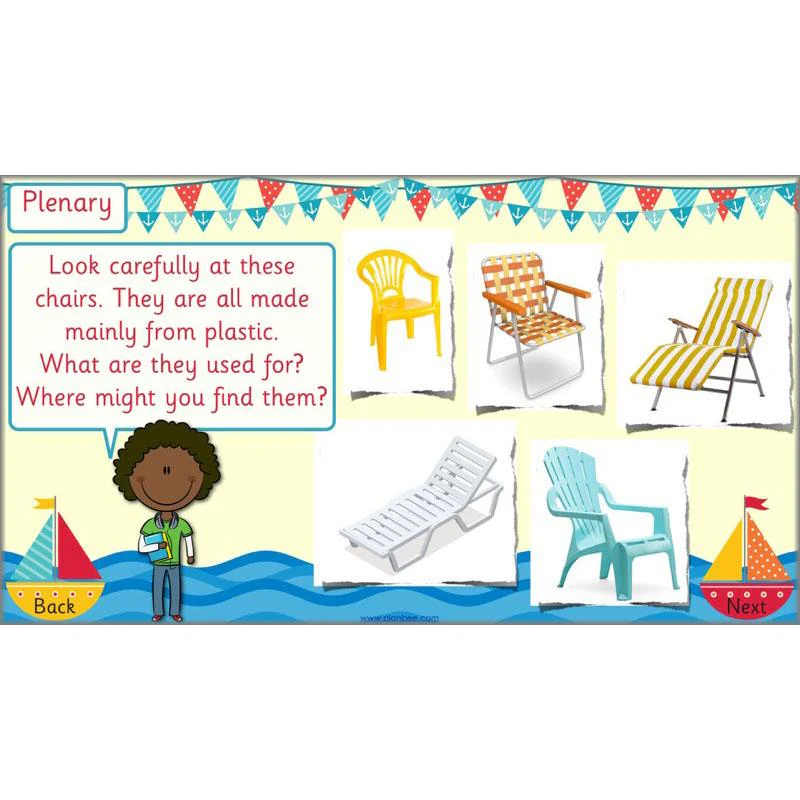
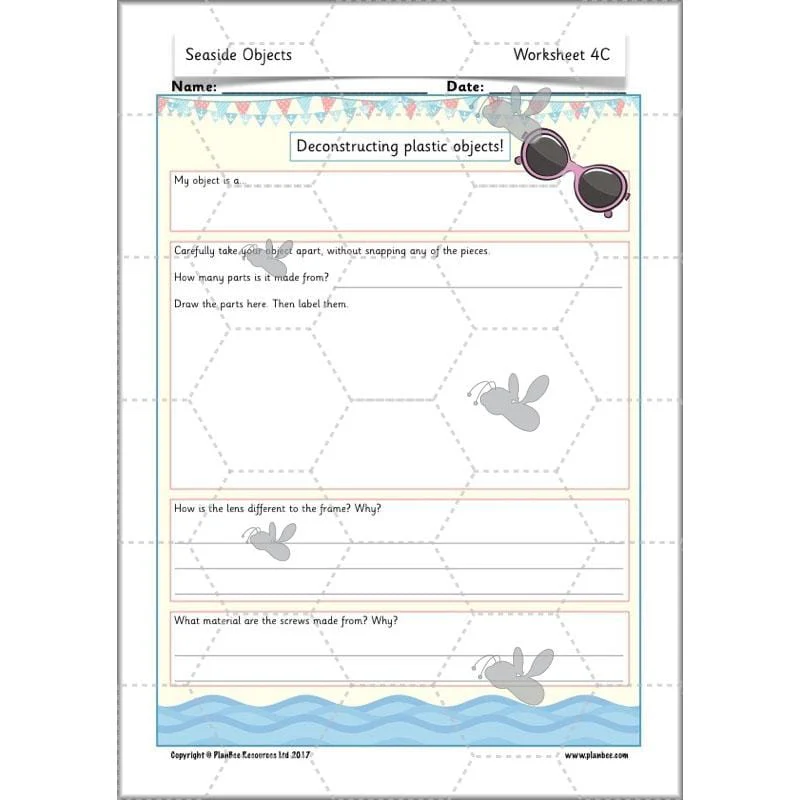
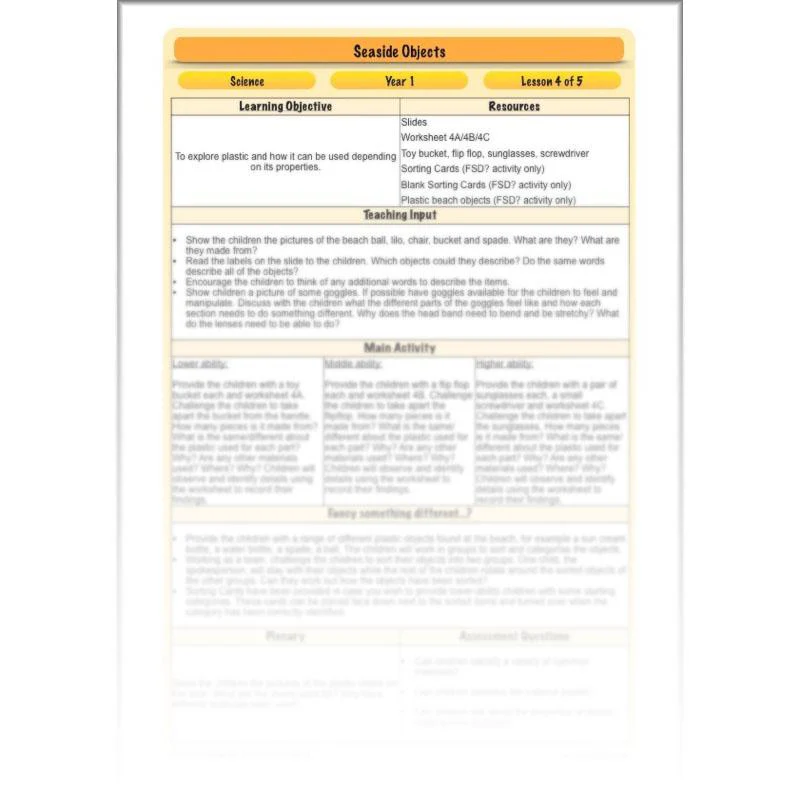
Explore plastic and the many different forms and purposes it has with your class. Your children will begin by identifying and describing some common seaside objects that have different properties. They will be encouraged to think carefully about why a product’s purpose affects the properties the material needs. Your class will then have the opportunity to deconstruct some plastic objects and explore the functions and properties of the different parts. Alternatively they will sort a variety of plastic objects and see if their peers can use their observation skills to work out what categories the objects have been sorted into.
This downloadable lesson includes a lesson plan, a slideshow presentation and printable teaching resources.
What's included:
- Lesson plan
- Slides
- Activity ideas
- Worksheet
- Sorting Cards
- Blank Sorting Cards
What have we learnt?
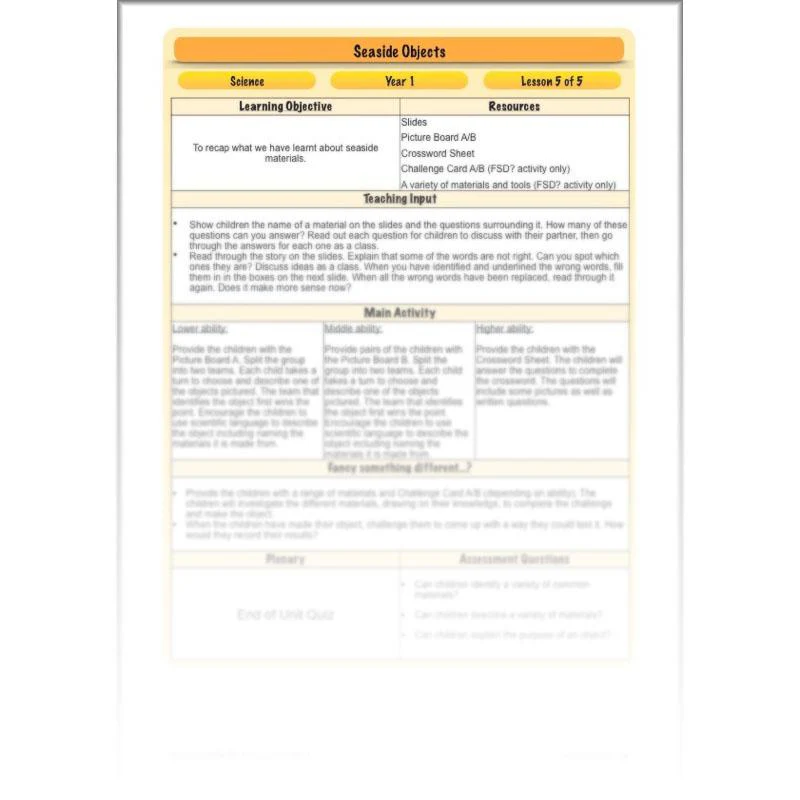
Your class will recap what they have learnt about materials and consolidate their knowledge through some exciting open-ended activities. The lesson begins by asking the children to think about and answer questions on the materials they have looked at during this series of lessons. During the activity part of the lesson your class will have the opportunity to apply their knowledge of materials when identifying the object or material being described. Alternatively they will be challenged to make appropriate choices when making one of two seaside objects. Which materials will your children choose to make their object and can they explain their reasoning? This lesson ends with an end of unit quiz.
This downloadable lesson includes a lesson plan, a slideshow presentation, a quiz and printable teaching resources.
What's included:
- Lesson plan
- Slides
- Activity ideas
- Picture Board
- Crossword Sheet
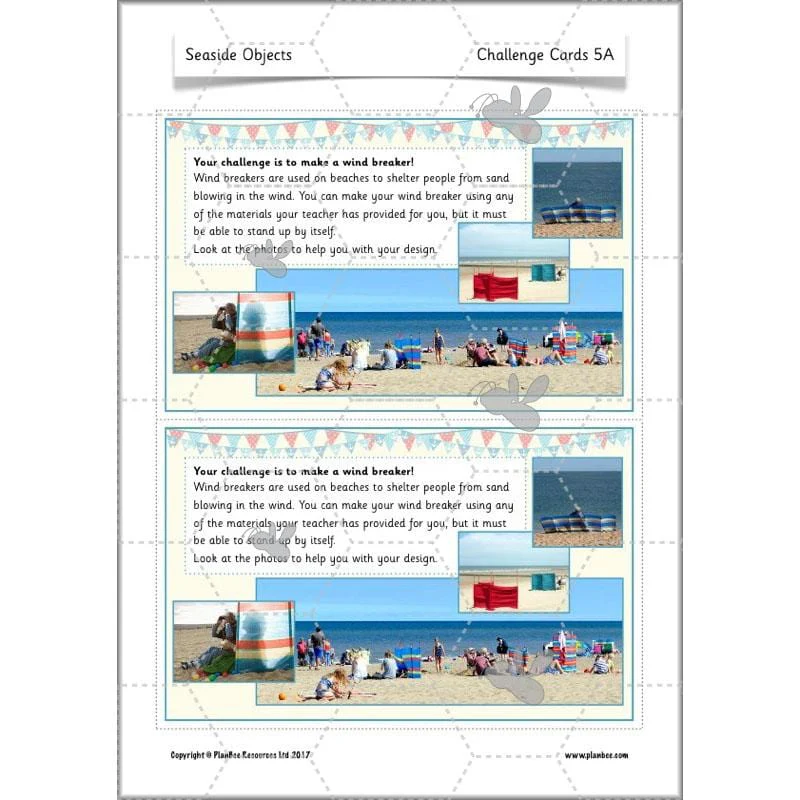
- Challenge Cards
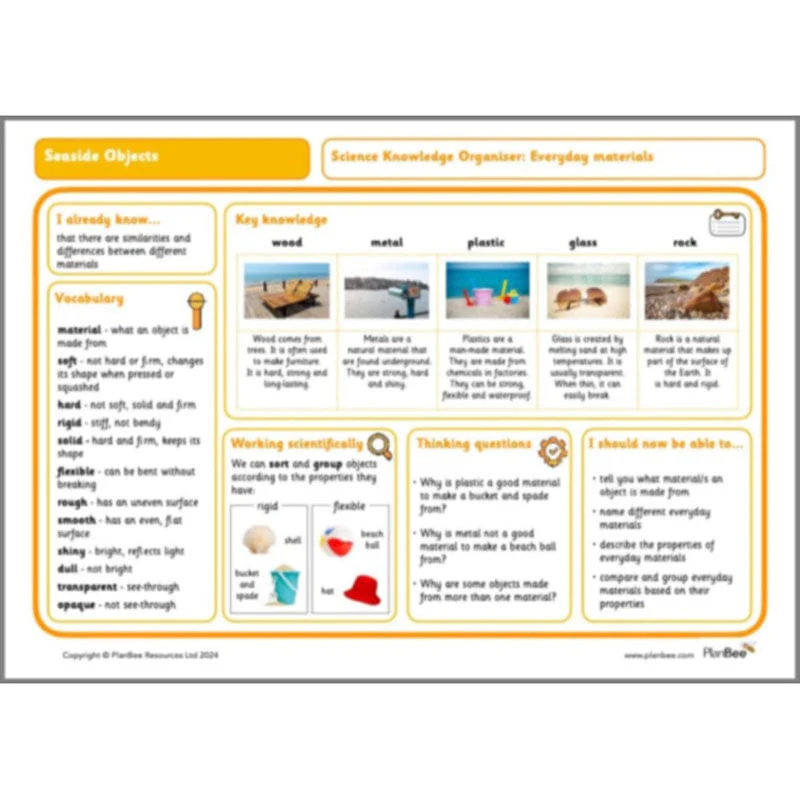
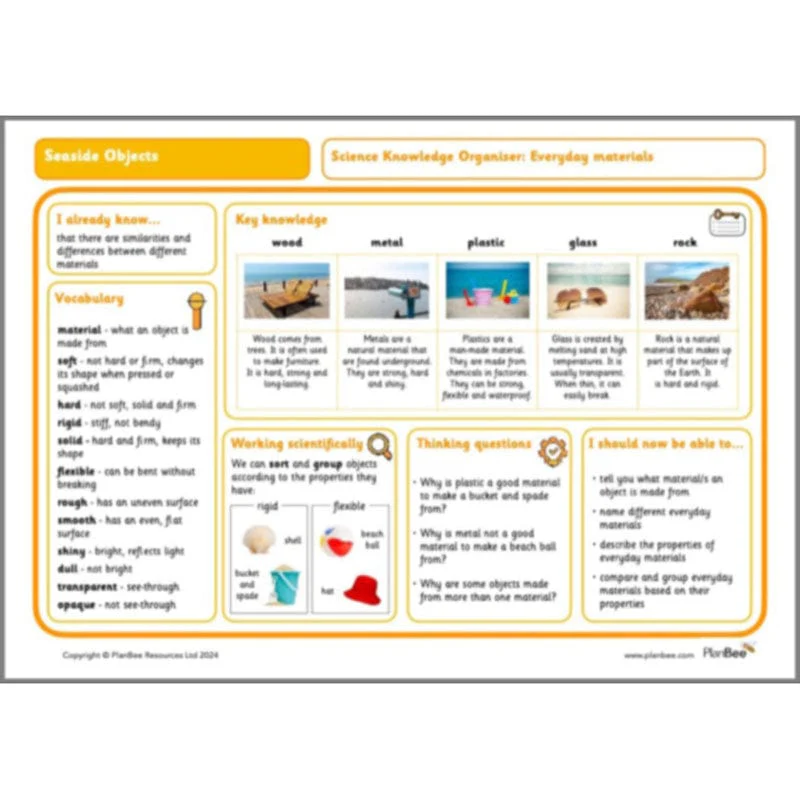
This Year 1 Science Knowledge Organiser has been created to complement this scheme of work. It is designed to support your children’s understanding of key topical and scientific vocabulary linked to this scheme of work. Enquiry questions have been included to encourage your children to develop their 'working scientifically' skills within this topic.
View Knowledge OrganiserOriginal: $2.69
-65%$2.69
$0.94More Images
















Seaside Objects
These exciting, practical Everyday Materials Year 1 lessons will transform your class into scientists as they explore materials and their properties and learn what different seaside objects are made from.
A Knowledge Organiser is available to support the learning in this scheme. It is included in the Complete Series download or can be purchased individually.
This series of five lessons will guide your class through an exploration of different materials and their features. Each ready-to-teach downloadable lesson comes with a detailed lesson plan, associated slideshows, differentiated activities to cater to all levels of learners in your classroom, and a range of engaging printable resources. So pack up your picnic basket and head off to the seaside...! Why not upgrade to our Sun, Sea and Sand Topic Bundle – pick schemes from different subject areas to create your perfect cross-curricular topic!
Identifying Materials
The first lesson in this practical series encourages your class to identify a variety of seaside objects and think about the materials they are made from. During a hands-on, practical activity your class will observe, sort, name and describe objects, while beginning to think about their purpose. The alternative activity sees your class relabelling objects that have had their materials incorrectly labelled.
This downloadable lesson comes with a lesson plan, a slideshow presentation and printable teaching resources.
What's included:
- Lesson plan
- Slides
- Activity ideas
- Worksheets
- Materials Cards
- Description Cards
- Picture Cards
- Labels Cards
Exploring Wood
During this active lesson on wooden seaside objects your class will develop their ability to think scientifically when asking and answering questions. They will have the opportunity to practise their investigation skills as they identify mystery objects or investigate the properties of benches. The lesson closes by asking the children to think critically about whether wood is a suitable material to make some named objects from and why.
This downloadable lesson comes with a lesson plan, a slideshow presentation and printable teaching resources.
What's included:
- Lesson plan
- Slides
- Activity ideas
- Picture Cards
- Information Sheet
- Making Cards
- Investigation Cards
Exploring Rock
In the third lesson of this series children will identify some common forms of rock as well as thinking about where they have seen it in its natural form. In this hands-on lesson they will look closely at rocks when sorting and describing them, while developing their scientific vocabulary. During the alternative activity the children will investigate sand. They will explore how it feels when it is dry and then compare this to how it feels and changes when water is added to it, all while trying to effectively use a sand mould. This exciting, practical lesson will transform your class into scientists as they learn about the material rock.
This downloadable lesson includes a lesson plan, a slideshow presentation and printable teaching resources.
What's included:
- Lesson plan
- Slides
- Activity ideas
- Sorting Cards
- Blank Sorting Cards
- Worksheet
- Description Cards
- Word Bank
- Investigation Sheet
Properties of Plastic
Explore plastic and the many different forms and purposes it has with your class. Your children will begin by identifying and describing some common seaside objects that have different properties. They will be encouraged to think carefully about why a product’s purpose affects the properties the material needs. Your class will then have the opportunity to deconstruct some plastic objects and explore the functions and properties of the different parts. Alternatively they will sort a variety of plastic objects and see if their peers can use their observation skills to work out what categories the objects have been sorted into.
This downloadable lesson includes a lesson plan, a slideshow presentation and printable teaching resources.
What's included:
- Lesson plan
- Slides
- Activity ideas
- Worksheet
- Sorting Cards
- Blank Sorting Cards
What have we learnt?
Your class will recap what they have learnt about materials and consolidate their knowledge through some exciting open-ended activities. The lesson begins by asking the children to think about and answer questions on the materials they have looked at during this series of lessons. During the activity part of the lesson your class will have the opportunity to apply their knowledge of materials when identifying the object or material being described. Alternatively they will be challenged to make appropriate choices when making one of two seaside objects. Which materials will your children choose to make their object and can they explain their reasoning? This lesson ends with an end of unit quiz.
This downloadable lesson includes a lesson plan, a slideshow presentation, a quiz and printable teaching resources.
What's included:
- Lesson plan
- Slides
- Activity ideas
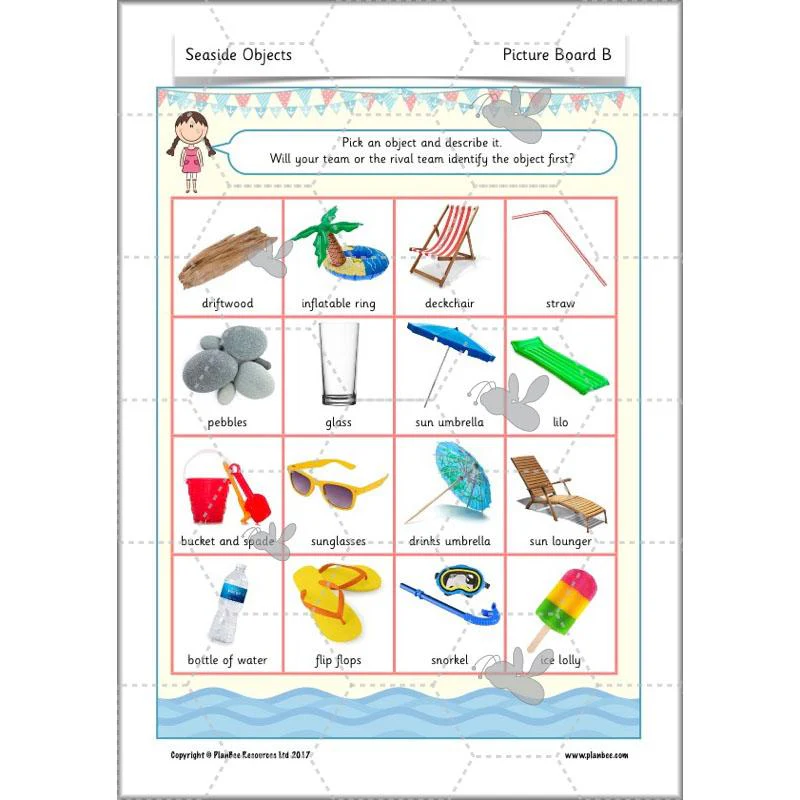
- Picture Board
- Crossword Sheet
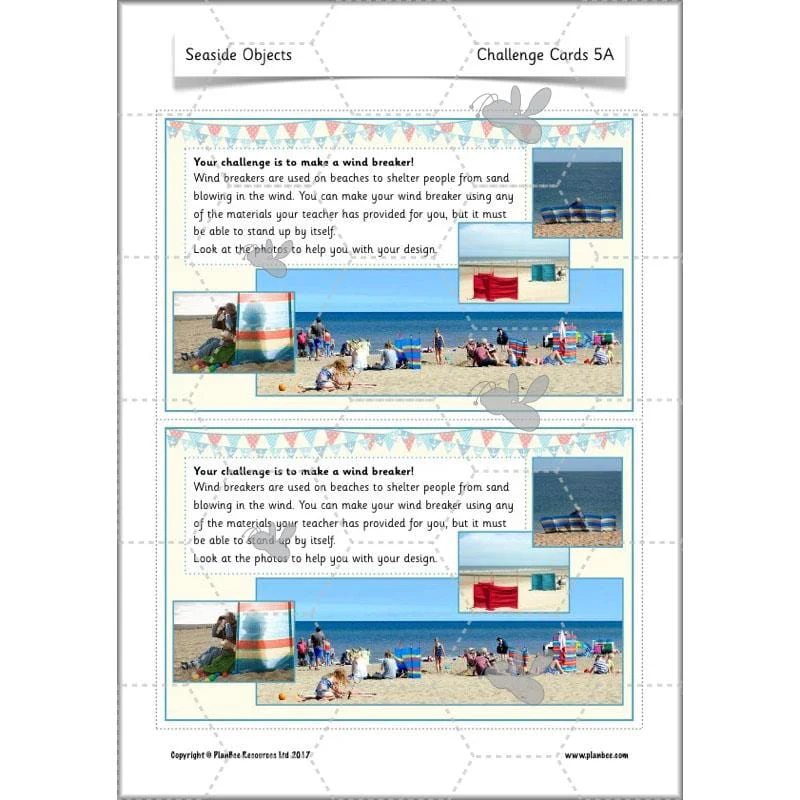
- Challenge Cards
This Year 1 Science Knowledge Organiser has been created to complement this scheme of work. It is designed to support your children’s understanding of key topical and scientific vocabulary linked to this scheme of work. Enquiry questions have been included to encourage your children to develop their 'working scientifically' skills within this topic.
View Knowledge OrganiserProduct Information
Product Information
Shipping & Returns
Shipping & Returns
Description
These exciting, practical Everyday Materials Year 1 lessons will transform your class into scientists as they explore materials and their properties and learn what different seaside objects are made from.
A Knowledge Organiser is available to support the learning in this scheme. It is included in the Complete Series download or can be purchased individually.
This series of five lessons will guide your class through an exploration of different materials and their features. Each ready-to-teach downloadable lesson comes with a detailed lesson plan, associated slideshows, differentiated activities to cater to all levels of learners in your classroom, and a range of engaging printable resources. So pack up your picnic basket and head off to the seaside...! Why not upgrade to our Sun, Sea and Sand Topic Bundle – pick schemes from different subject areas to create your perfect cross-curricular topic!
Identifying Materials
The first lesson in this practical series encourages your class to identify a variety of seaside objects and think about the materials they are made from. During a hands-on, practical activity your class will observe, sort, name and describe objects, while beginning to think about their purpose. The alternative activity sees your class relabelling objects that have had their materials incorrectly labelled.
This downloadable lesson comes with a lesson plan, a slideshow presentation and printable teaching resources.
What's included:
- Lesson plan
- Slides
- Activity ideas
- Worksheets
- Materials Cards
- Description Cards
- Picture Cards
- Labels Cards
Exploring Wood
During this active lesson on wooden seaside objects your class will develop their ability to think scientifically when asking and answering questions. They will have the opportunity to practise their investigation skills as they identify mystery objects or investigate the properties of benches. The lesson closes by asking the children to think critically about whether wood is a suitable material to make some named objects from and why.
This downloadable lesson comes with a lesson plan, a slideshow presentation and printable teaching resources.
What's included:
- Lesson plan
- Slides
- Activity ideas
- Picture Cards
- Information Sheet
- Making Cards
- Investigation Cards
Exploring Rock
In the third lesson of this series children will identify some common forms of rock as well as thinking about where they have seen it in its natural form. In this hands-on lesson they will look closely at rocks when sorting and describing them, while developing their scientific vocabulary. During the alternative activity the children will investigate sand. They will explore how it feels when it is dry and then compare this to how it feels and changes when water is added to it, all while trying to effectively use a sand mould. This exciting, practical lesson will transform your class into scientists as they learn about the material rock.
This downloadable lesson includes a lesson plan, a slideshow presentation and printable teaching resources.
What's included:
- Lesson plan
- Slides
- Activity ideas
- Sorting Cards
- Blank Sorting Cards
- Worksheet
- Description Cards
- Word Bank
- Investigation Sheet
Properties of Plastic
Explore plastic and the many different forms and purposes it has with your class. Your children will begin by identifying and describing some common seaside objects that have different properties. They will be encouraged to think carefully about why a product’s purpose affects the properties the material needs. Your class will then have the opportunity to deconstruct some plastic objects and explore the functions and properties of the different parts. Alternatively they will sort a variety of plastic objects and see if their peers can use their observation skills to work out what categories the objects have been sorted into.
This downloadable lesson includes a lesson plan, a slideshow presentation and printable teaching resources.
What's included:
- Lesson plan
- Slides
- Activity ideas
- Worksheet
- Sorting Cards
- Blank Sorting Cards
What have we learnt?
Your class will recap what they have learnt about materials and consolidate their knowledge through some exciting open-ended activities. The lesson begins by asking the children to think about and answer questions on the materials they have looked at during this series of lessons. During the activity part of the lesson your class will have the opportunity to apply their knowledge of materials when identifying the object or material being described. Alternatively they will be challenged to make appropriate choices when making one of two seaside objects. Which materials will your children choose to make their object and can they explain their reasoning? This lesson ends with an end of unit quiz.
This downloadable lesson includes a lesson plan, a slideshow presentation, a quiz and printable teaching resources.
What's included:
- Lesson plan
- Slides
- Activity ideas
- Picture Board
- Crossword Sheet
- Challenge Cards
This Year 1 Science Knowledge Organiser has been created to complement this scheme of work. It is designed to support your children’s understanding of key topical and scientific vocabulary linked to this scheme of work. Enquiry questions have been included to encourage your children to develop their 'working scientifically' skills within this topic.
View Knowledge Organiser