Shapes and Angles
This Shapes and Angles scheme of work includes five lessons covering a wide variety of shape objectives designed to enhance their knowledge and secure their understanding of the Maths National Curriculum Shape Objectives. The lessons start by exploring right angles and how they can be used to describe angles and turns, these lessons then continue to look at a variety of features of 2D shapes, including horizontal, vertical, perpendicular and parallel lines. By the end of the series, they will be dab-hands at describing shapes using a variety of criteria!
With lesson plans, slides, differentiated worksheets, activity ideas and many other useful resources, these downloadable 'Shapes and Angles' lessons provide a complete ready-to-use resource for teaching these fun and engaging lessons.
Turning Right Angles
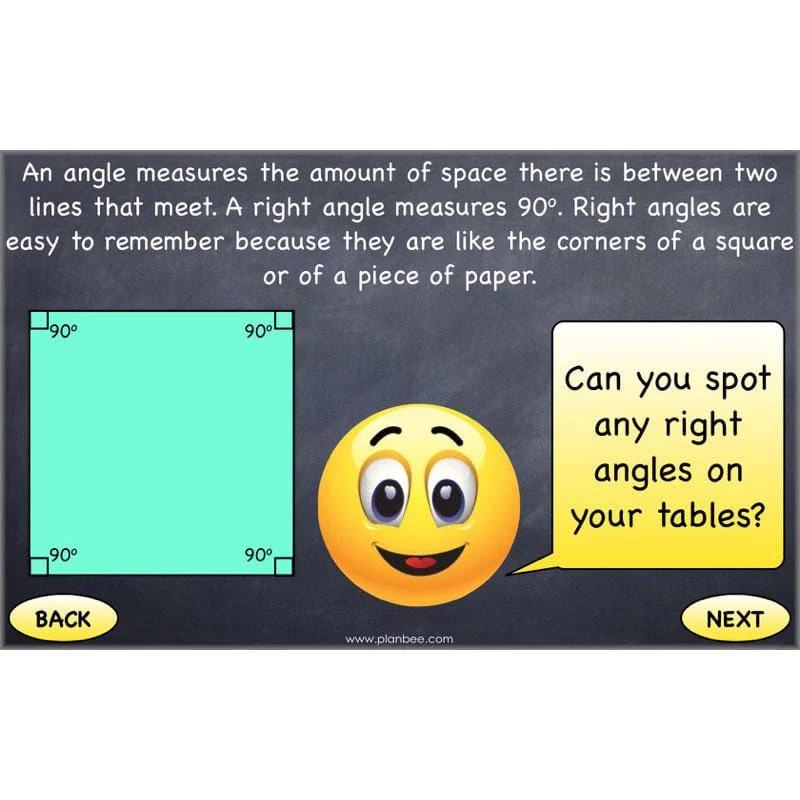
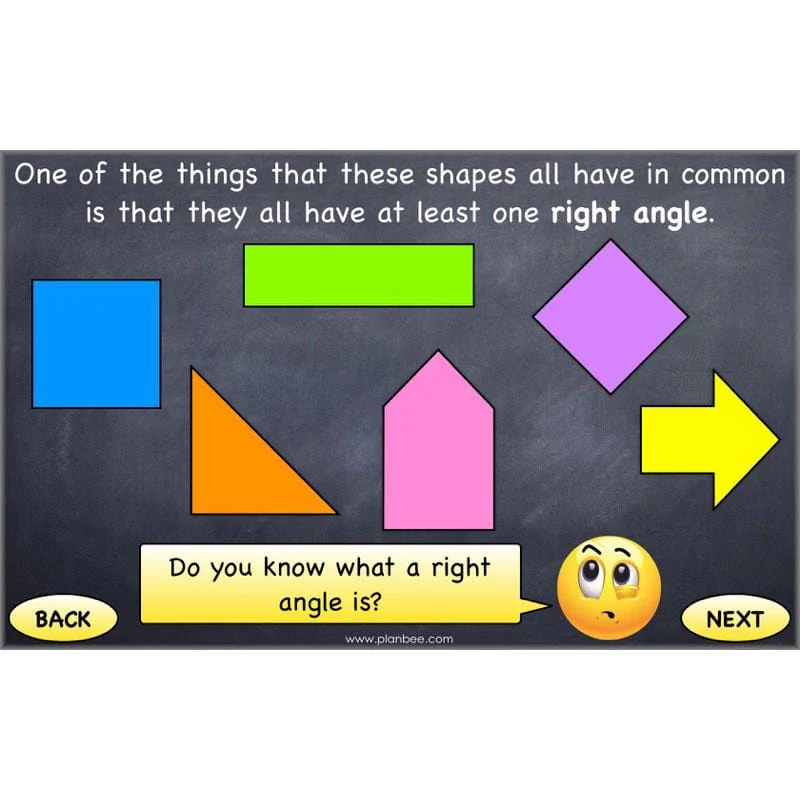
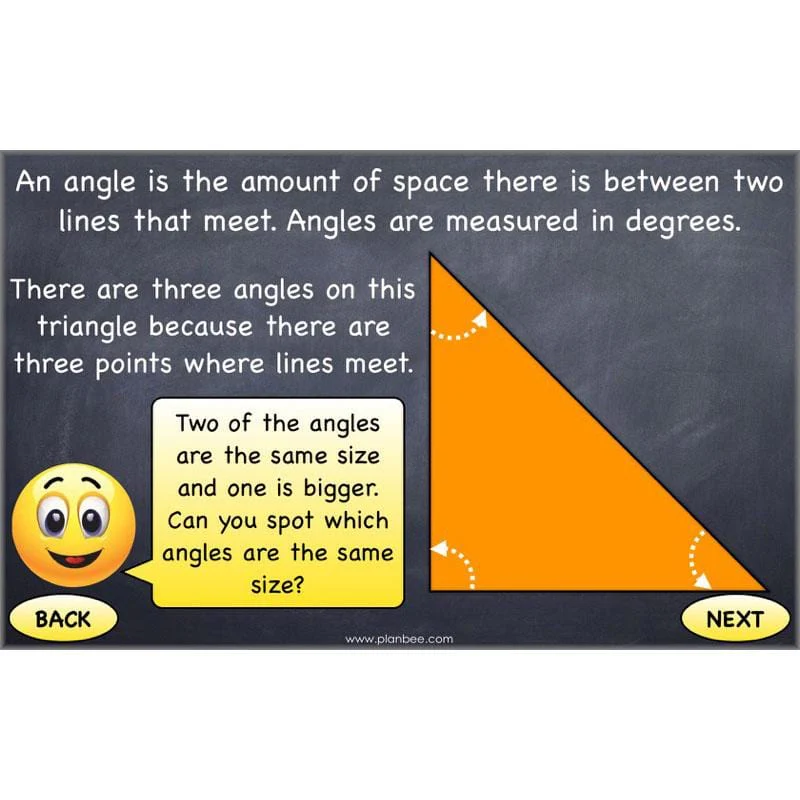
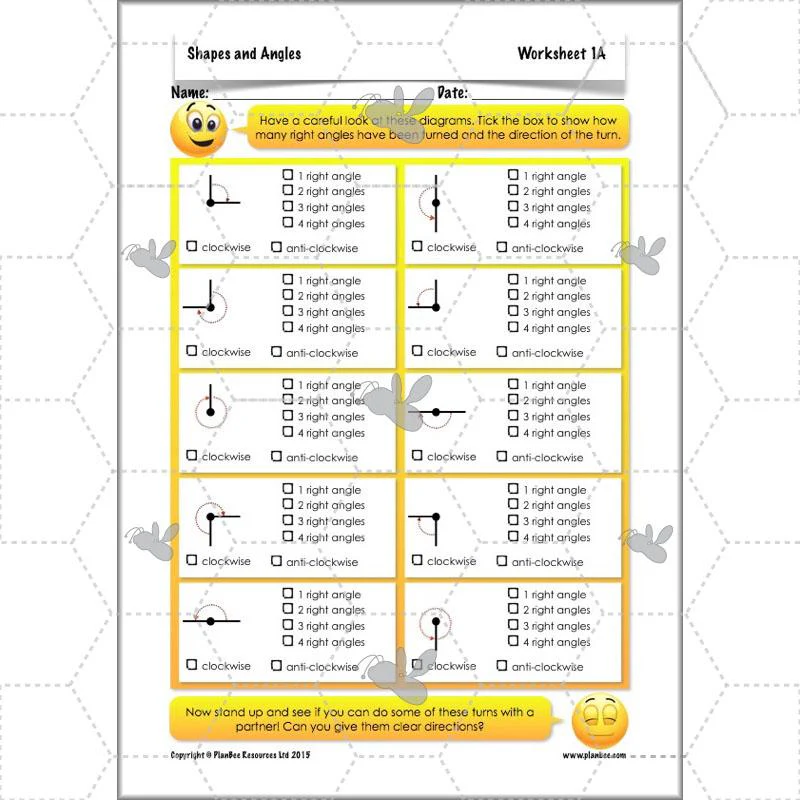
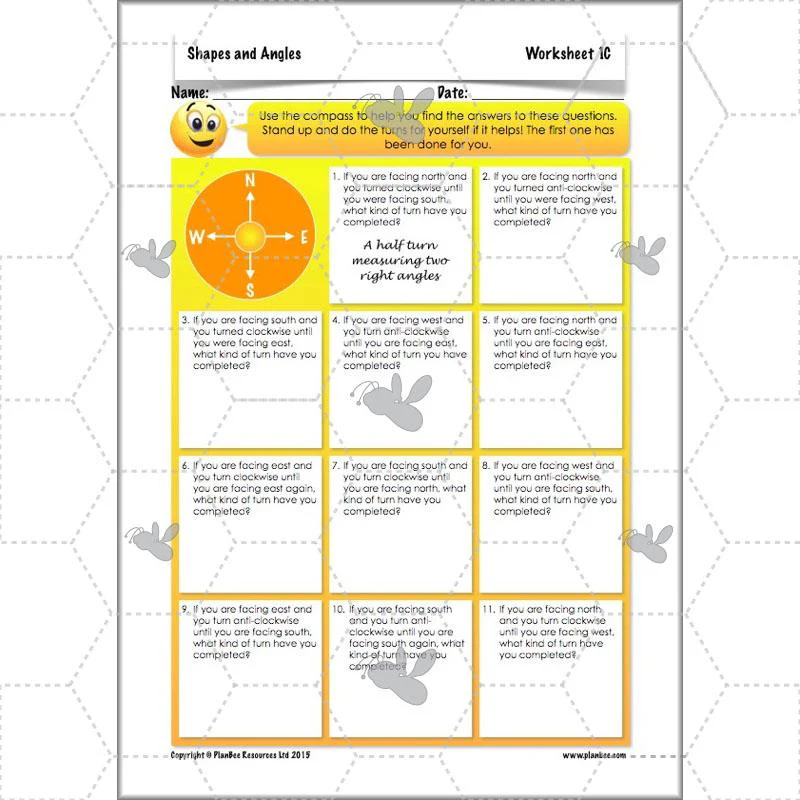
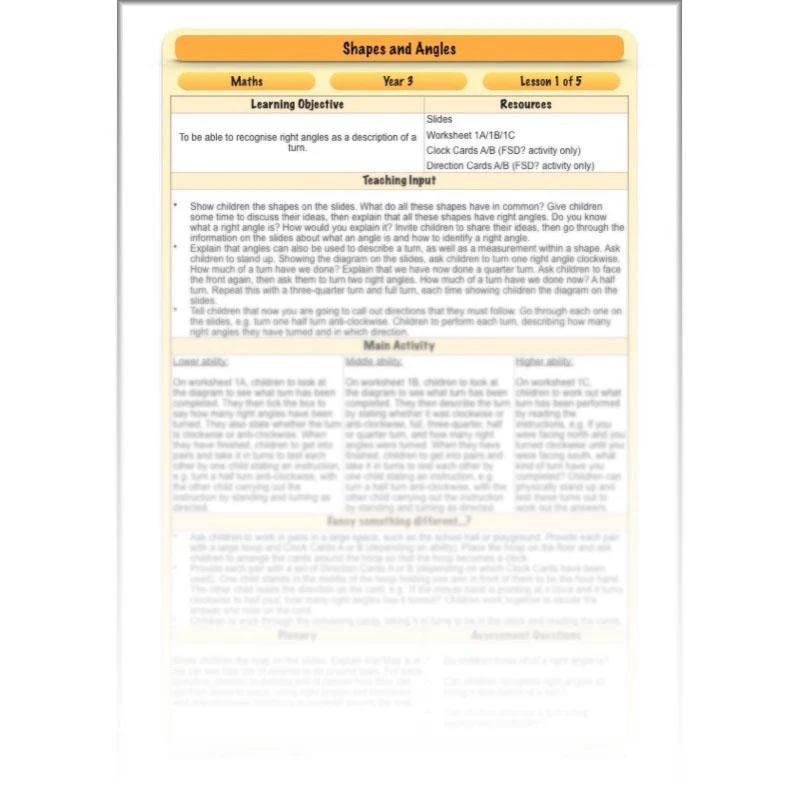
The first lesson in this Year 3 series explores right angles. It teaches your class what a right angle is and starts off by asking them to identify the right angles in a variety of 2D shapes. Once they are comfortable with this, they will explore right angles as a description of a turn. Using the terms ‘clockwise’ and ‘anti-clockwise’, they will learn how to describe quarter, half, three-quarter and full term, relating this to the number of right angles that have been turned. This will be reinforced during their independent learning through a variety of activities, including relating right angles to clock hands.
This downloadable lesson contains a lesson plan, slideshow presentation and printable teaching resources.
What's included:
- Lesson plan
- Slides
- Activity ideas
- Differentiated worksheets
- Clock cards
- Direction cards
Acute and Obtuse Angles
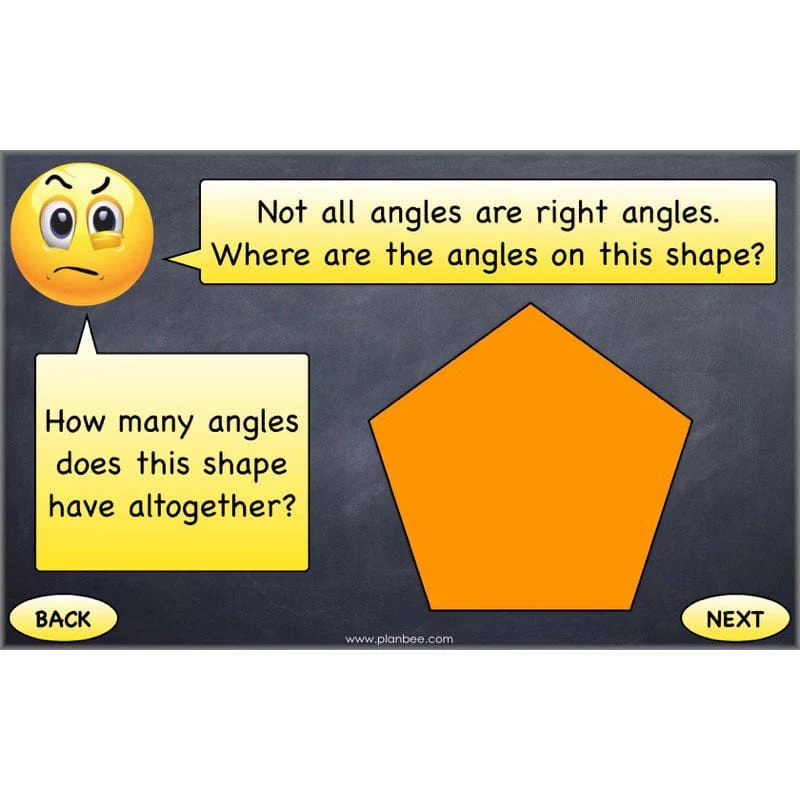
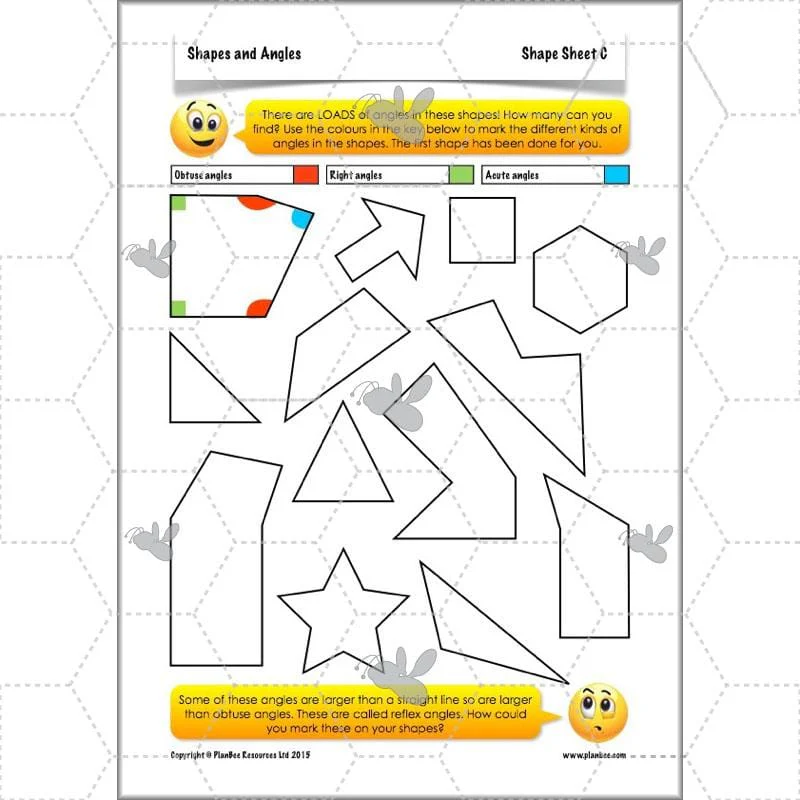
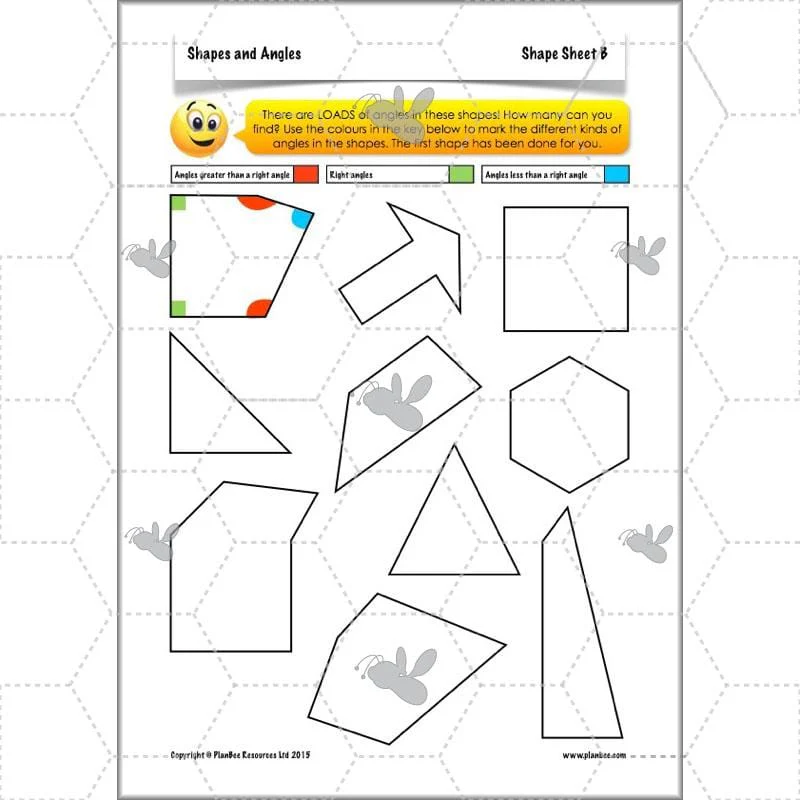
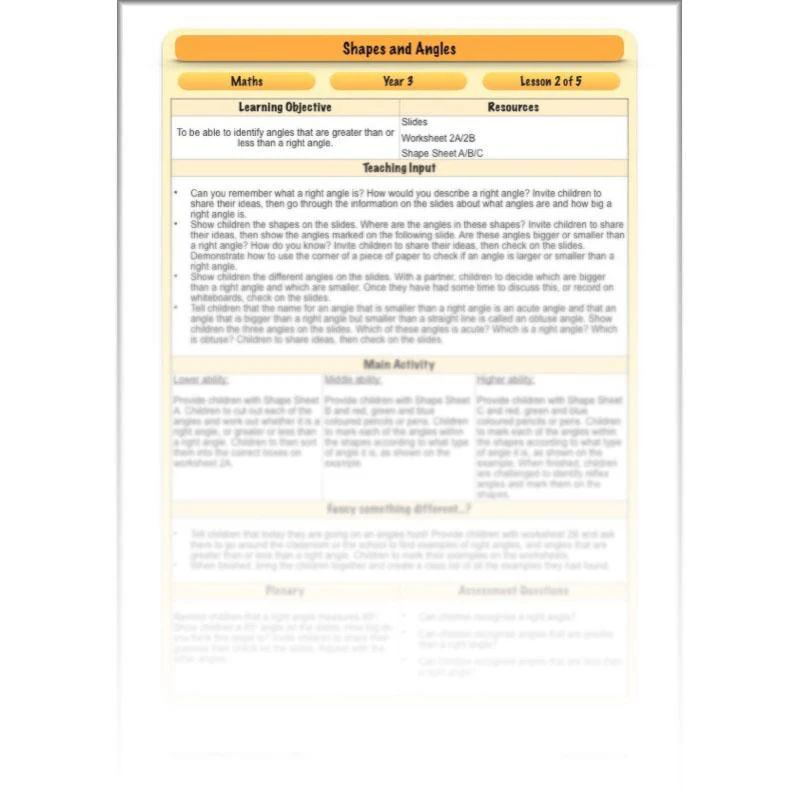
Now that your class can identify right angles, they will be introduced to acute and obtuse angles as they explore angle sizes. Children will learn how to find out if an angle is greater than or smaller than a right angle. They will start to think about how they can estimate the size of an angle based on their understanding of a right angle as ninety degrees. The main activity gives them plenty of opportunities to identify acute and obtuse angles in a variety of 2D shapes, as well as identifying in the objects around them.
This downloadable lesson contains a lesson plan, slideshow presentation and printable teaching resources.
What's included:
- Lesson plan
- Slides
- Activity ideas
- Shape sheets
- Differentiated worksheets
Horizontal and Vertical Lines
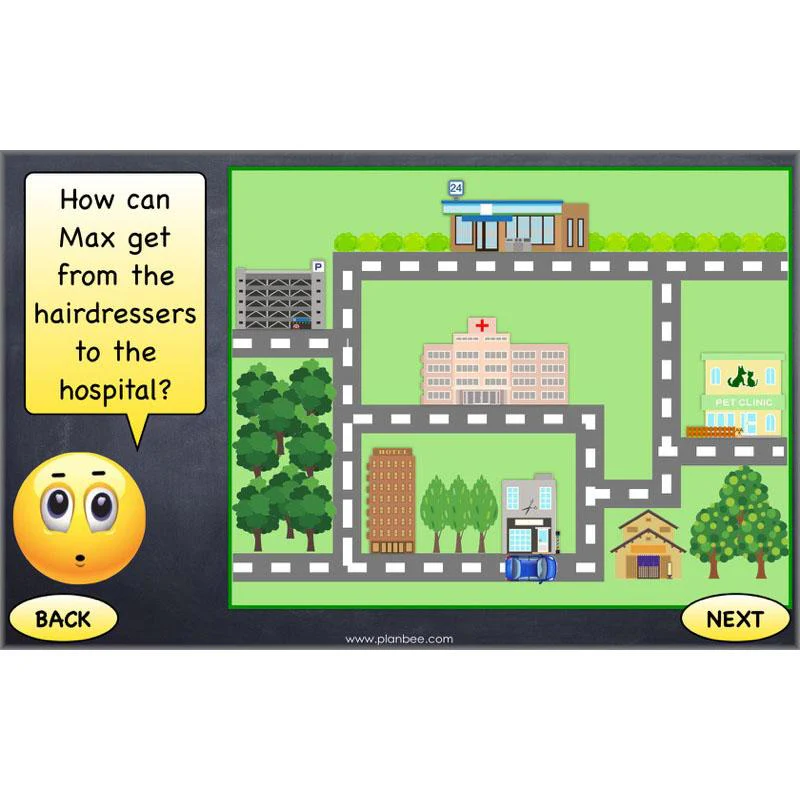
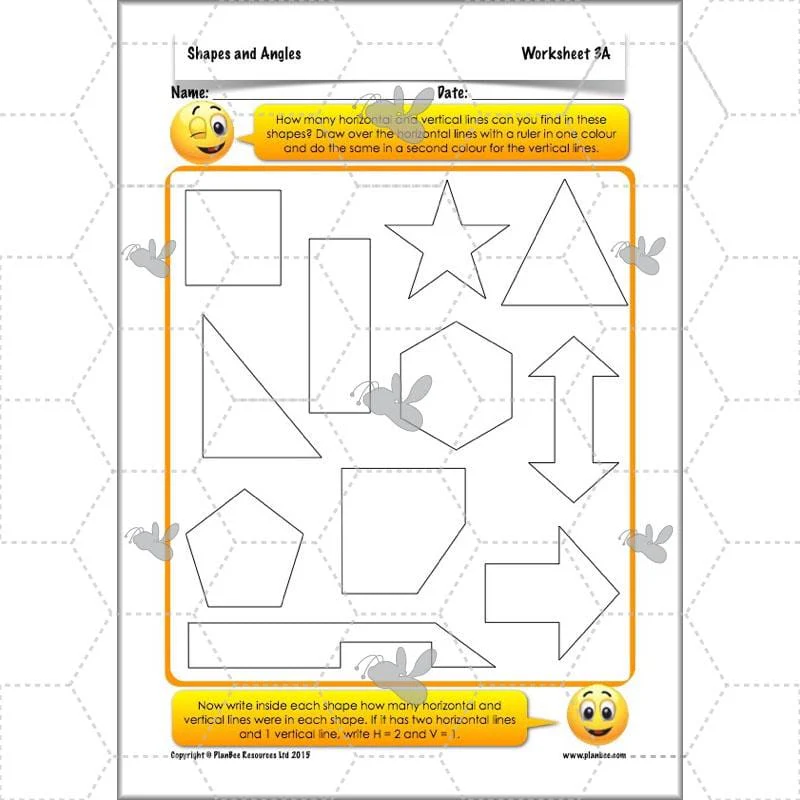
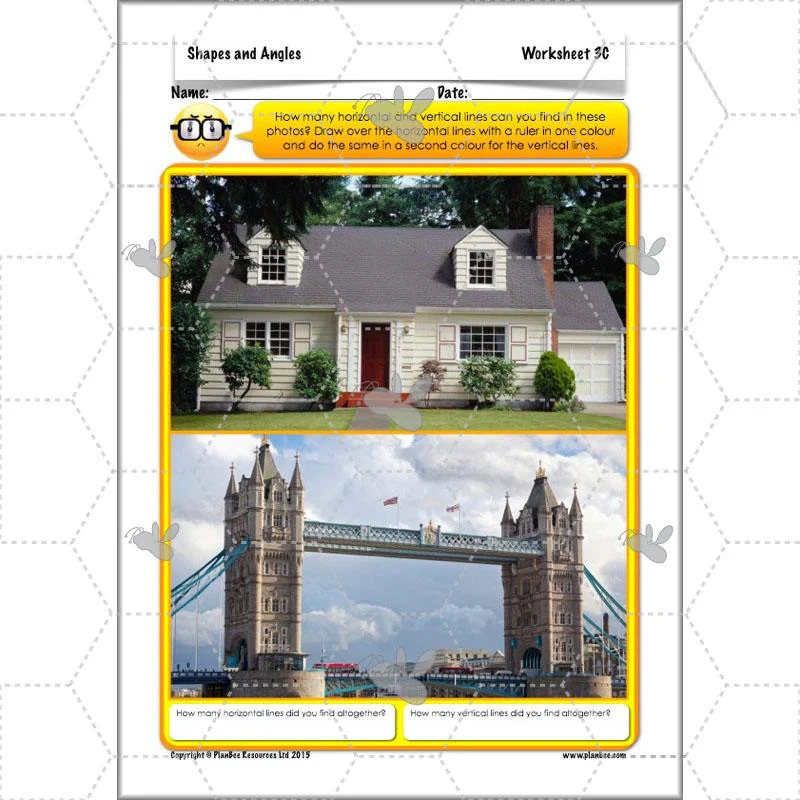
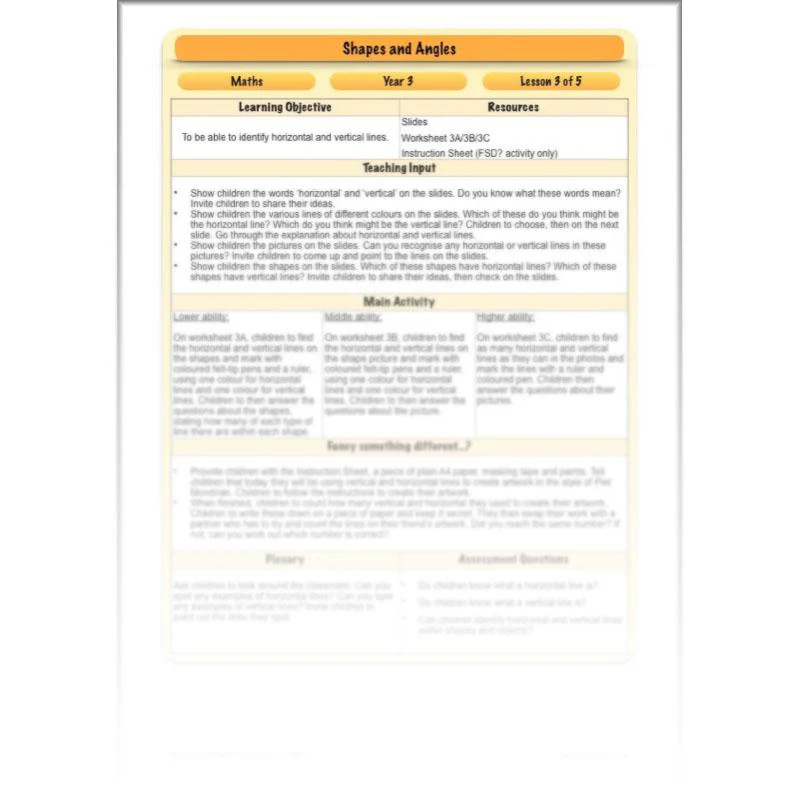
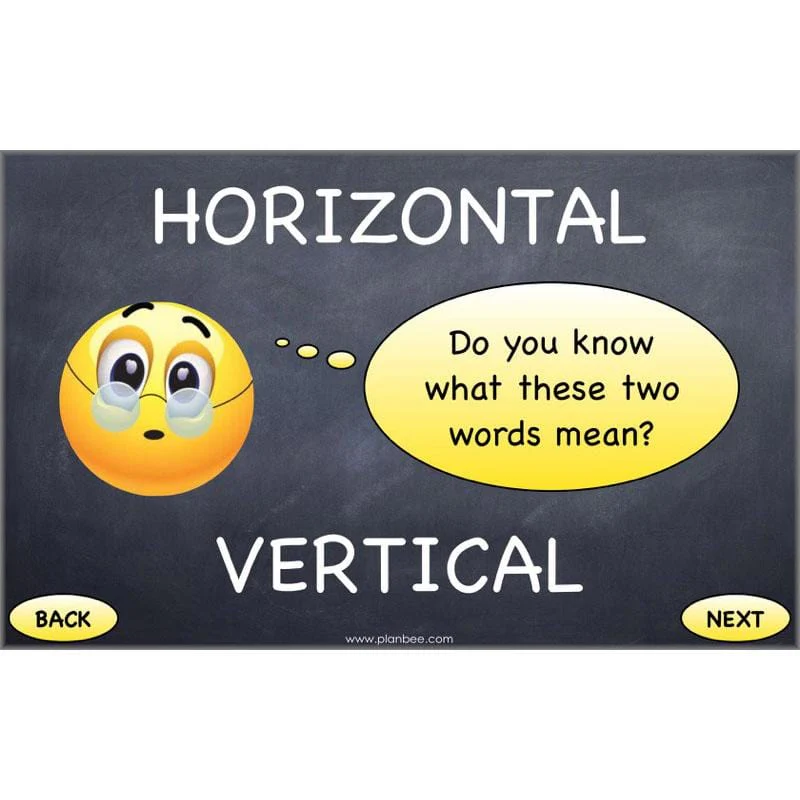
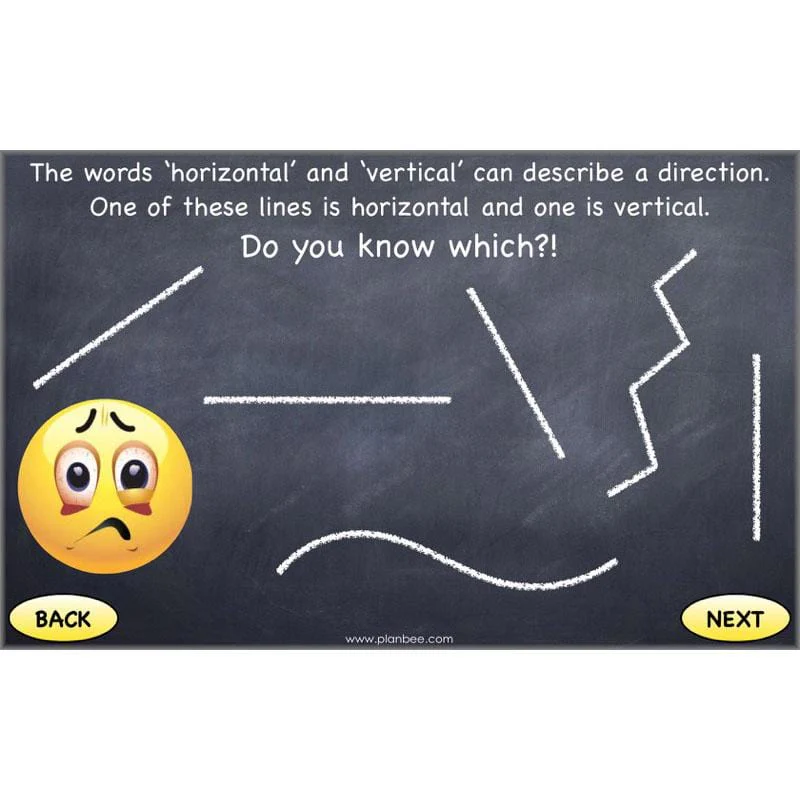
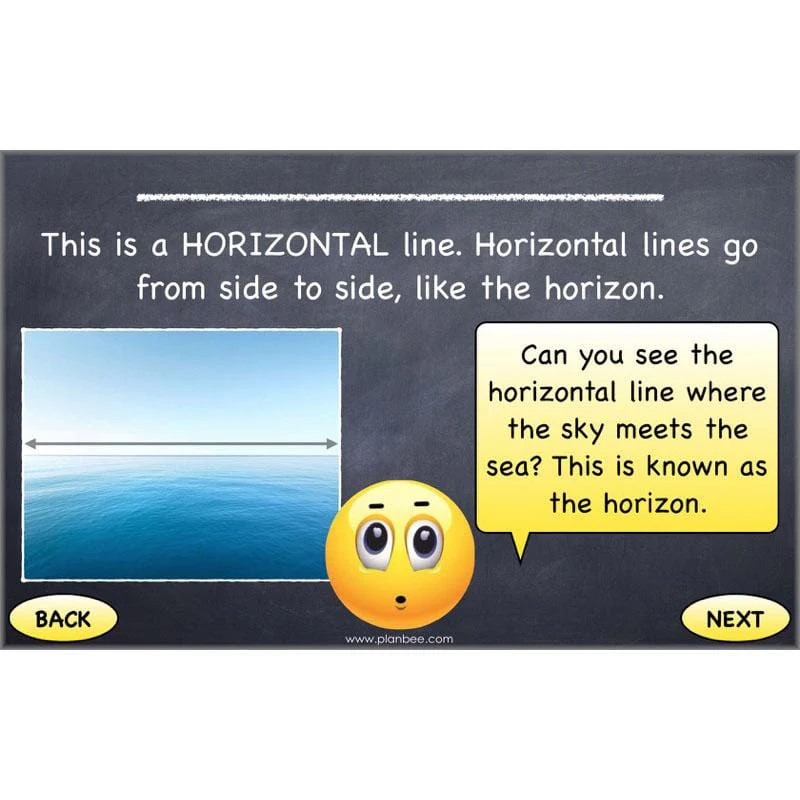
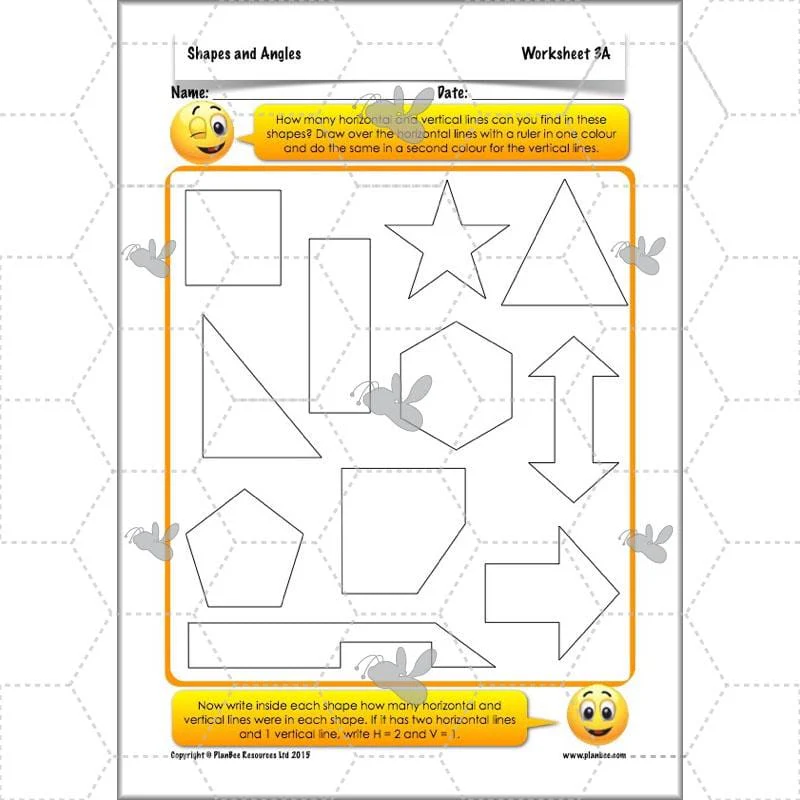
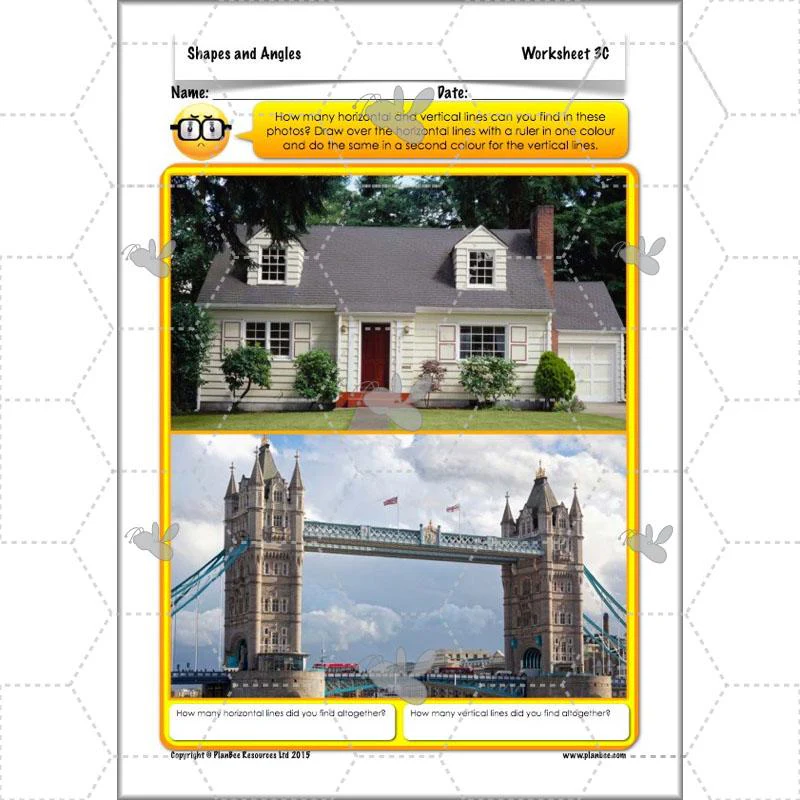
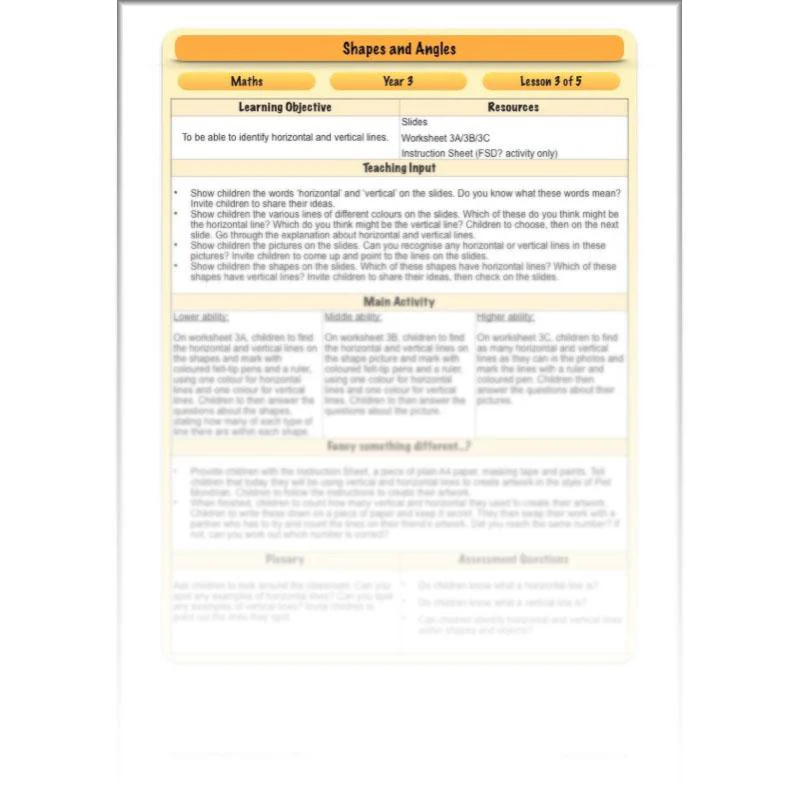
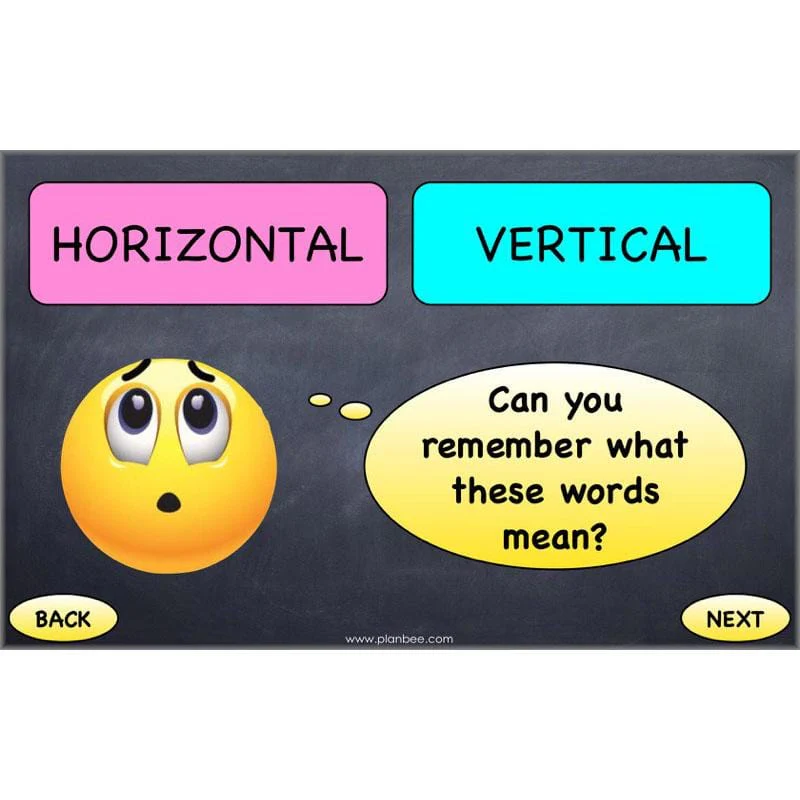
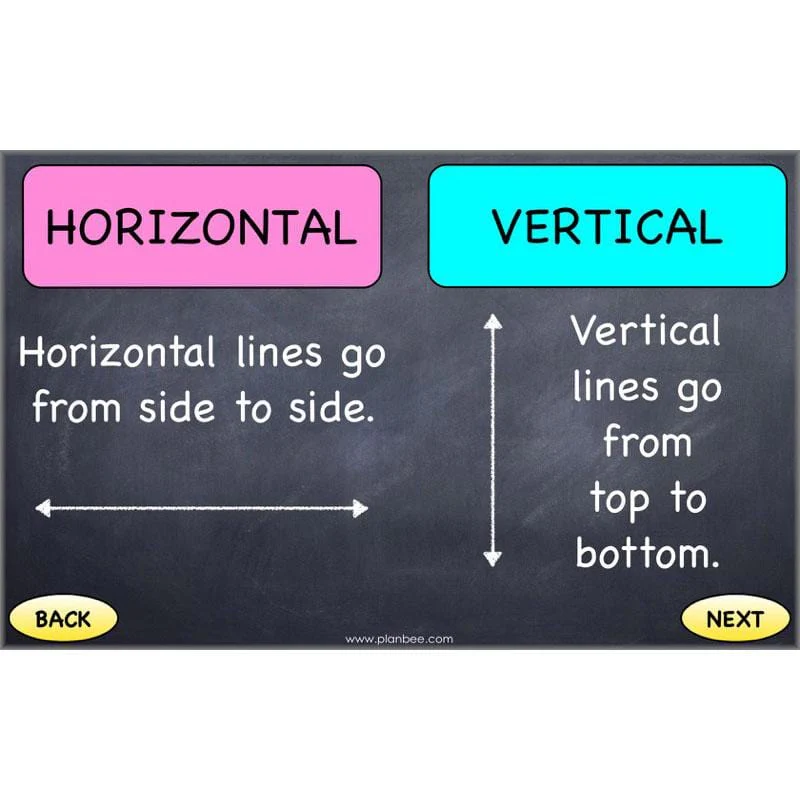
This Horizontal and Vertical Lines Year 3 Maths lesson introduces your class to the terms 'horizontal' and 'vertical'. The lesson teaches your children how to identify horizontal and vertical lines within shapes, as well as everyday scenes. After identifying what horizontal and vertical lines are, they can then see how many examples they can spot within photos of various scenes. They can also turn maths into art as they use horizontal and vertical lines to create artwork in the style of Piet Mondrian.
This downloadable lesson contains a lesson plan, slideshow presentation and printable teaching resources.
What's included:
- Slides
- Activity ideas
- Differentiated worksheets
- Instruction sheet
Parallel and Perpendicular Lines
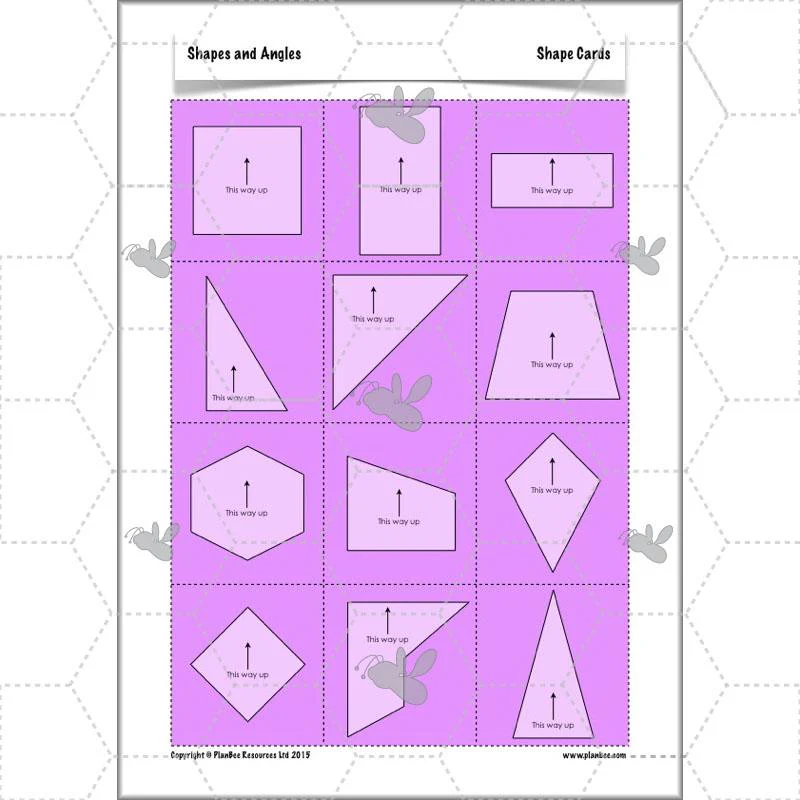
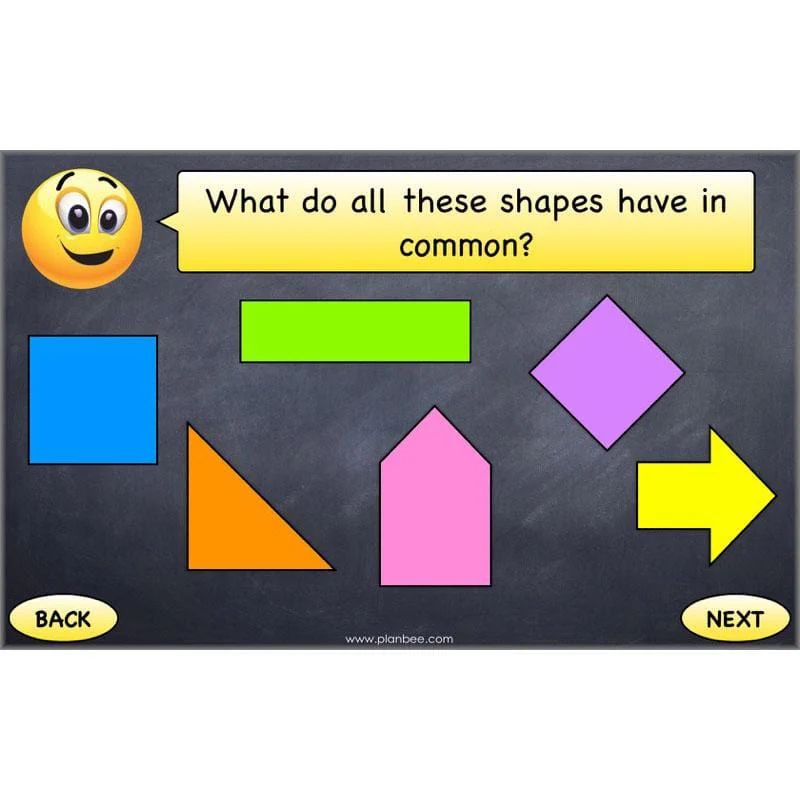
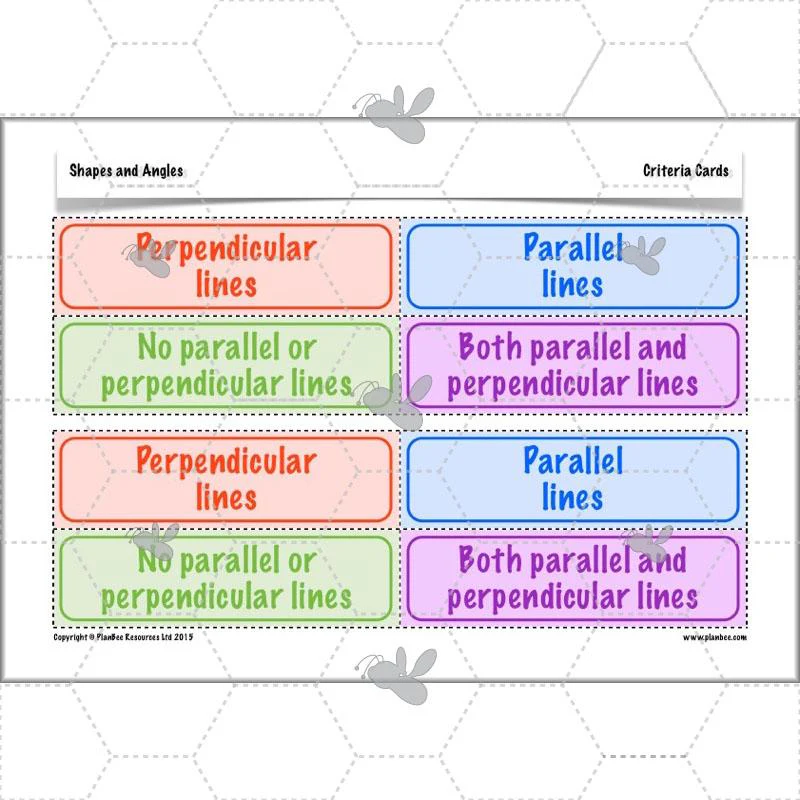
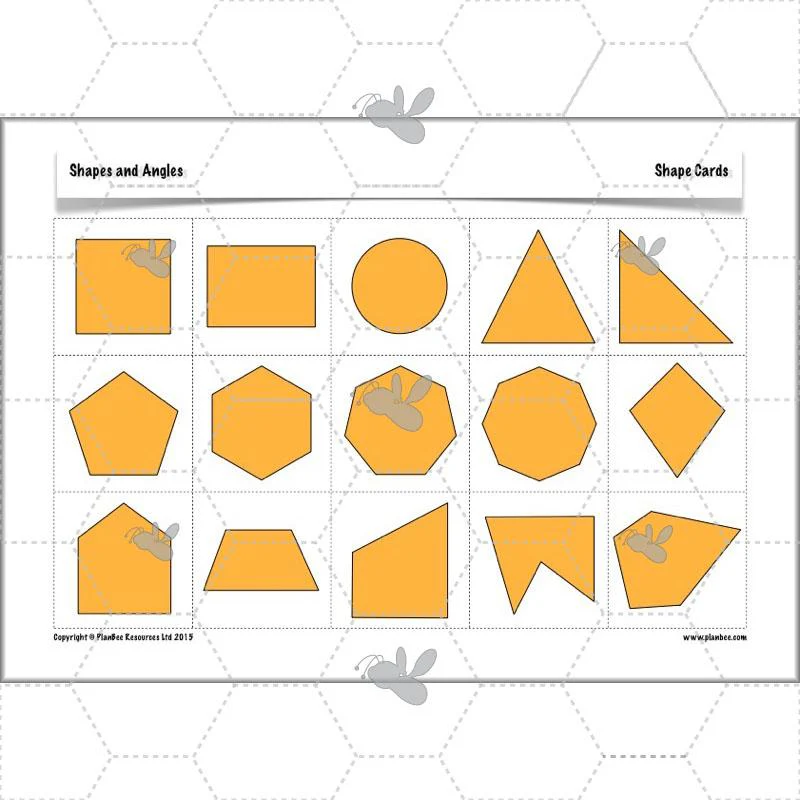
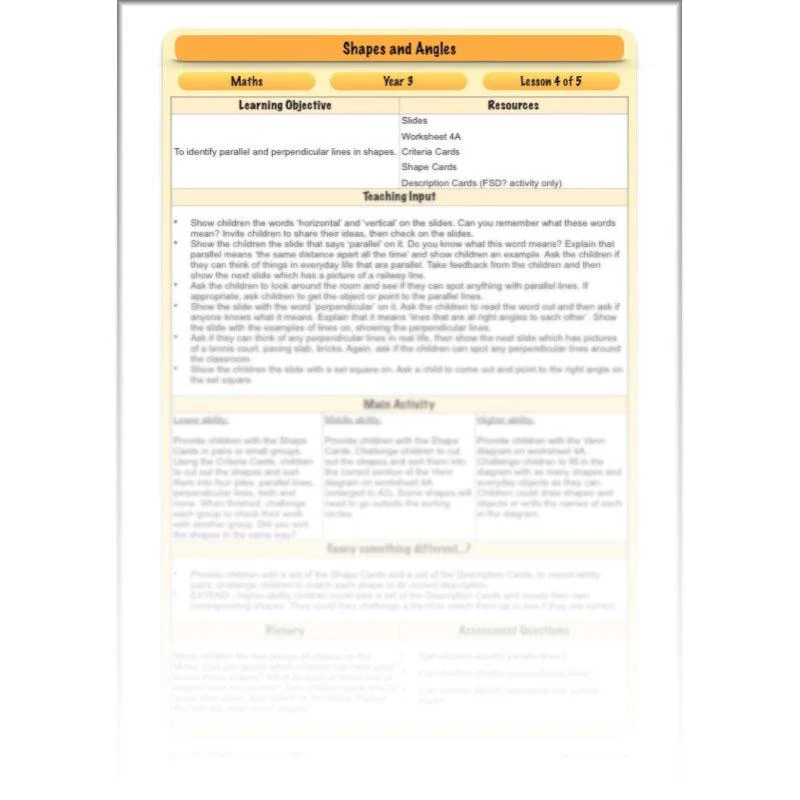
This Parallel and Perpendicular Lines Year 3 Maths lesson introduces your class to the terms ‘parallel’ and ‘perpendicular’ and teaches them to identify examples of parallel and perpendicular lines in scenes around them, before identifying these lines in 2D shapes. The independent learning activities will give your class the chance to reinforce this learning, and there is also the opportunity to identify shapes based on various criteria, including types of lines and angles.
This downloadable ready-to-teach Maths lesson contains a lesson plan, a slideshow presentation and printable teaching resources.
What's included:
- Lesson plan
- Slides
- Activity ideas
- Worksheet
- Criteria cards
- Shape cards
- Description cards
Drawing 2D Shapes
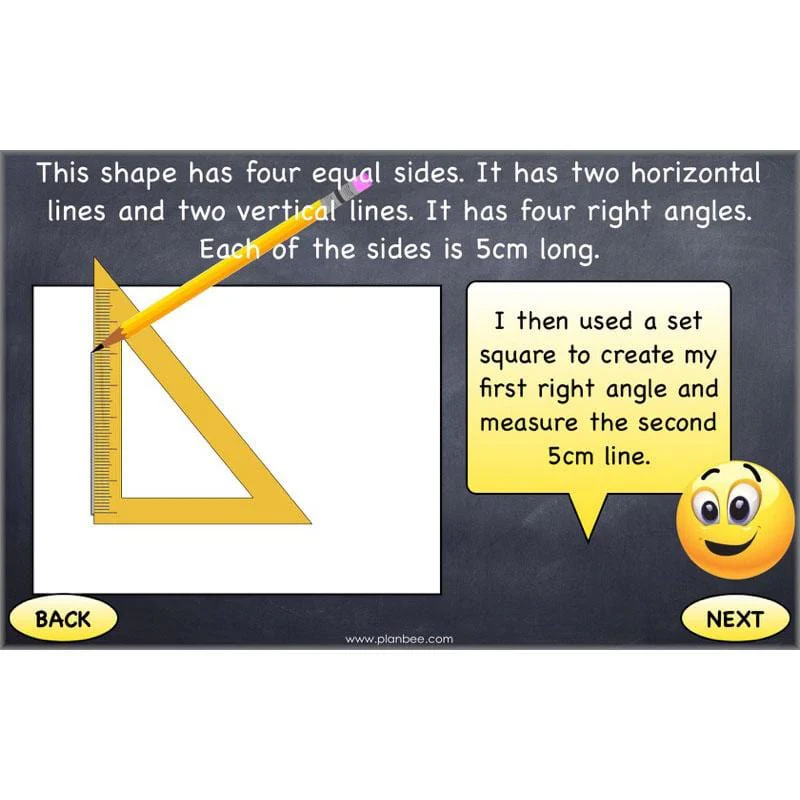
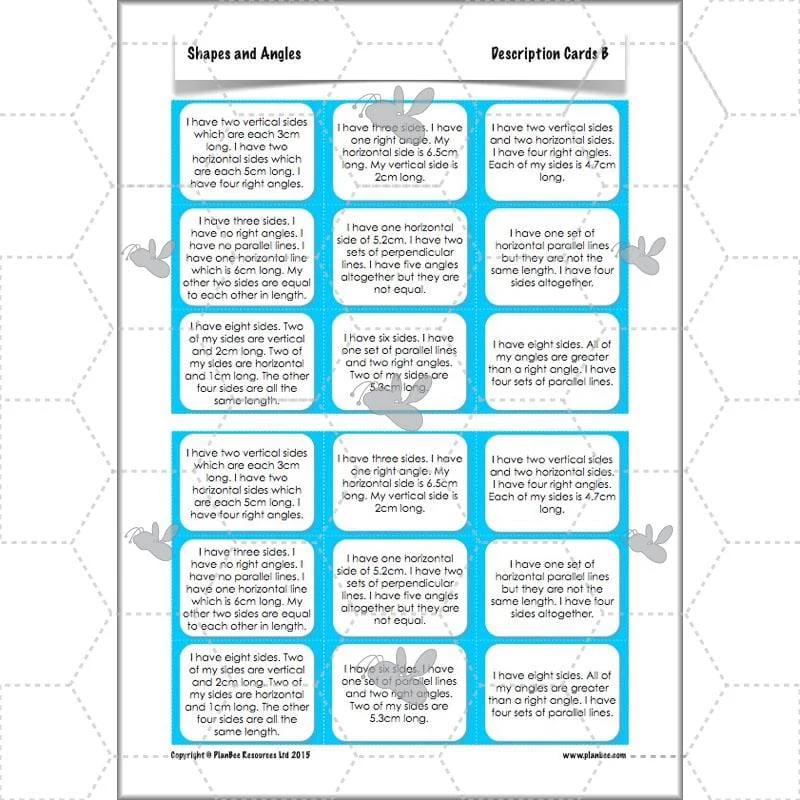
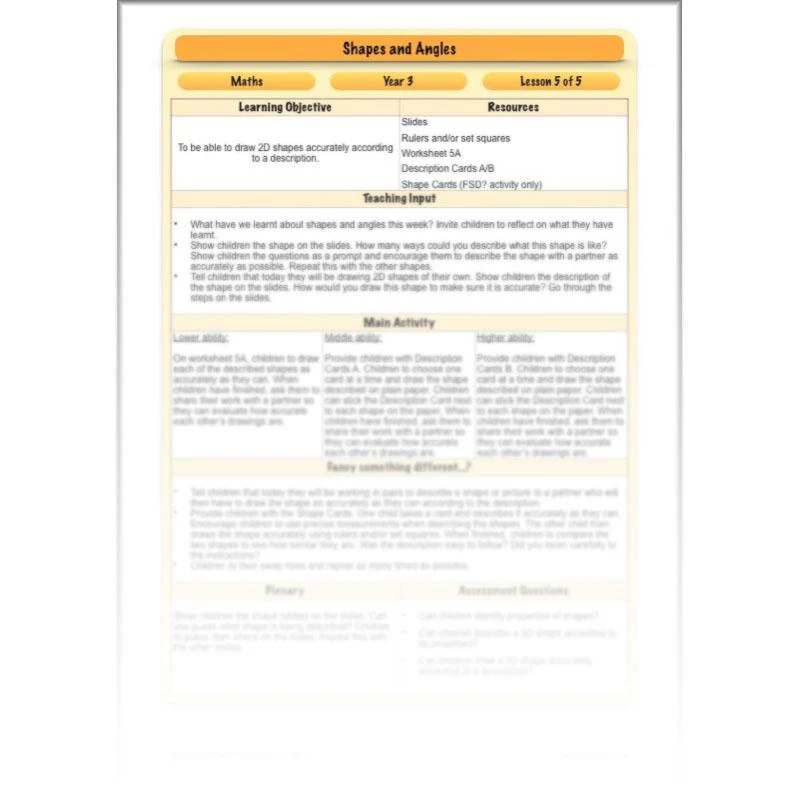
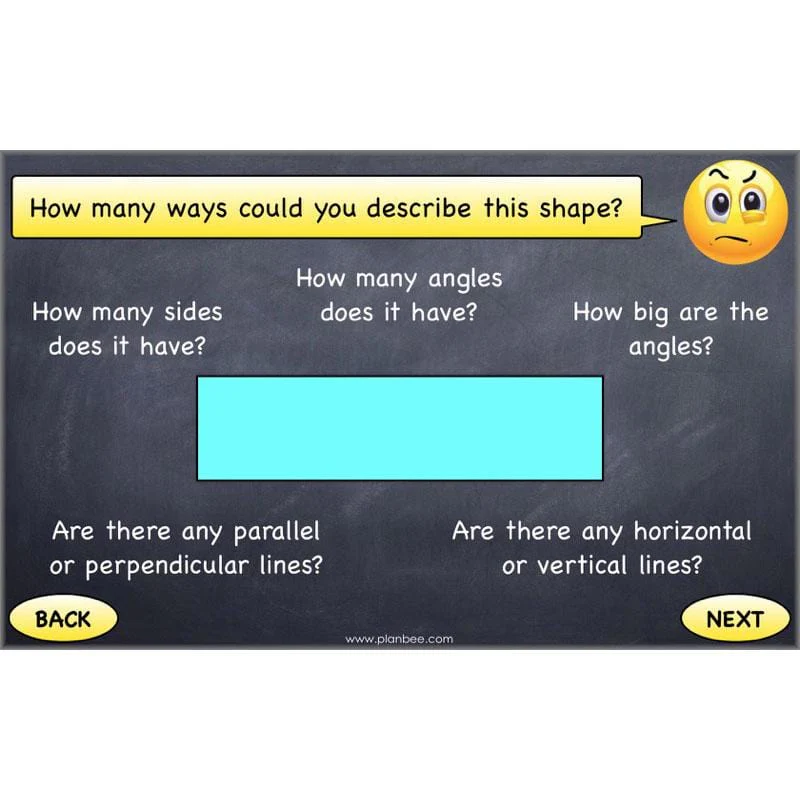
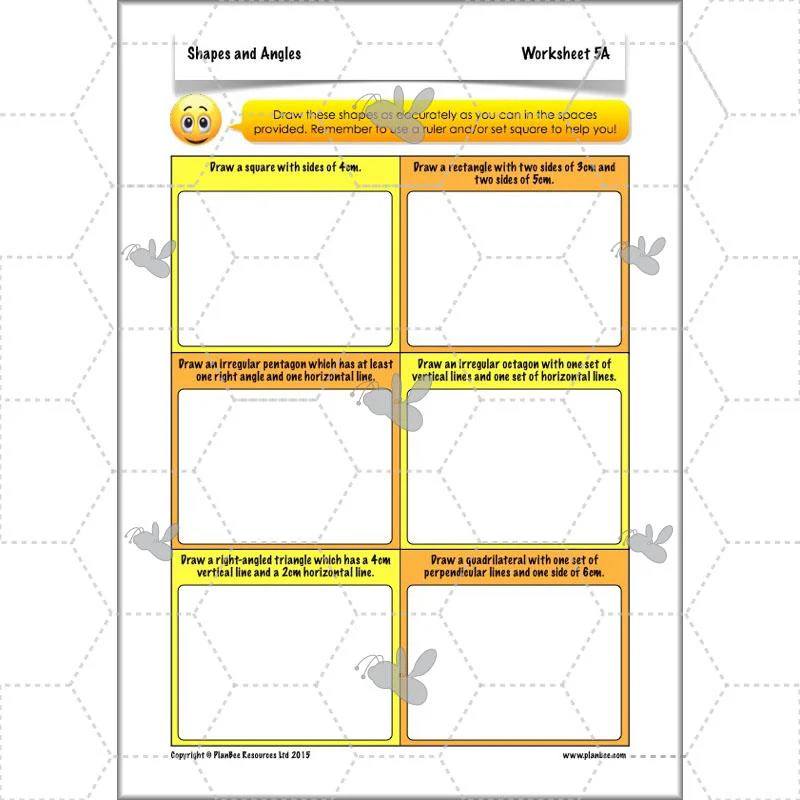
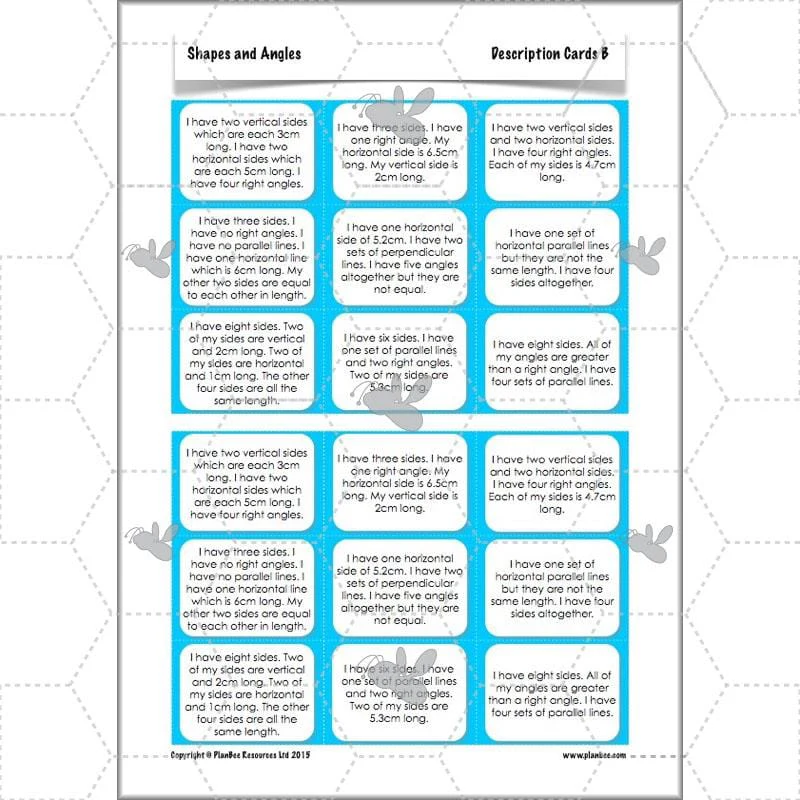
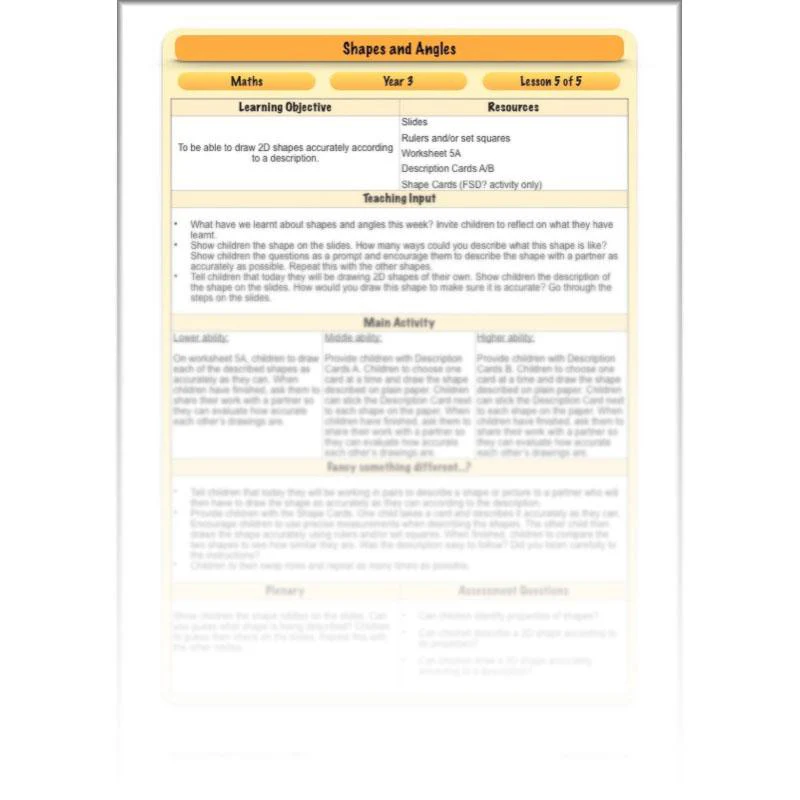
The final lesson in this series gives your class the opportunity to consolidate what they have learnt throughout the week by drawing 2D shapes according to given criteria. Your children will be challenged to draw a variety of shapes, for example, a shape with two sets of parallel lines and four right angles, or an irregular pentagon with two vertical lines and two sides of 4 cm. Drawing on everything they have learnt, children will develop their accuracy when drawing 2D shapes. The alternative activity challenges them to describe a shape to a partner to see if they can guess what it is using the vocabulary and facts they have learnt.
This downloadable Drawing 2D Shapes Year 3 Maths lesson contains a lesson plan, a slideshow presentation and printable teaching resources.
What's included:
- Lesson plan
- Slides
- Activity ideas
- Worksheet
- Description cards
- Shape cards
Original: $4.71
-65%$4.71
$1.65More Images



















Shapes and Angles
This Shapes and Angles scheme of work includes five lessons covering a wide variety of shape objectives designed to enhance their knowledge and secure their understanding of the Maths National Curriculum Shape Objectives. The lessons start by exploring right angles and how they can be used to describe angles and turns, these lessons then continue to look at a variety of features of 2D shapes, including horizontal, vertical, perpendicular and parallel lines. By the end of the series, they will be dab-hands at describing shapes using a variety of criteria!
With lesson plans, slides, differentiated worksheets, activity ideas and many other useful resources, these downloadable 'Shapes and Angles' lessons provide a complete ready-to-use resource for teaching these fun and engaging lessons.
Turning Right Angles
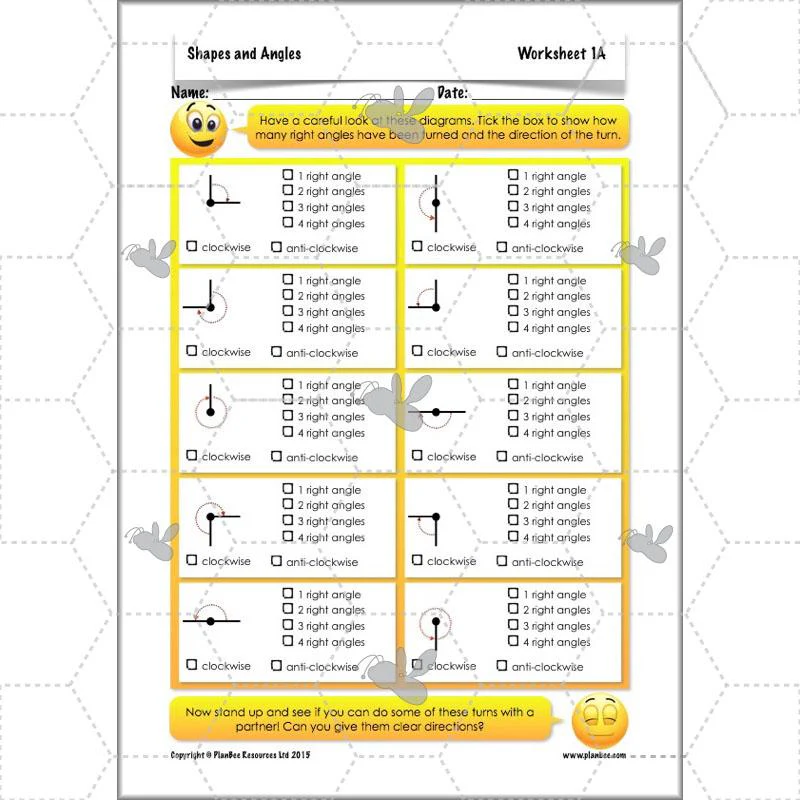
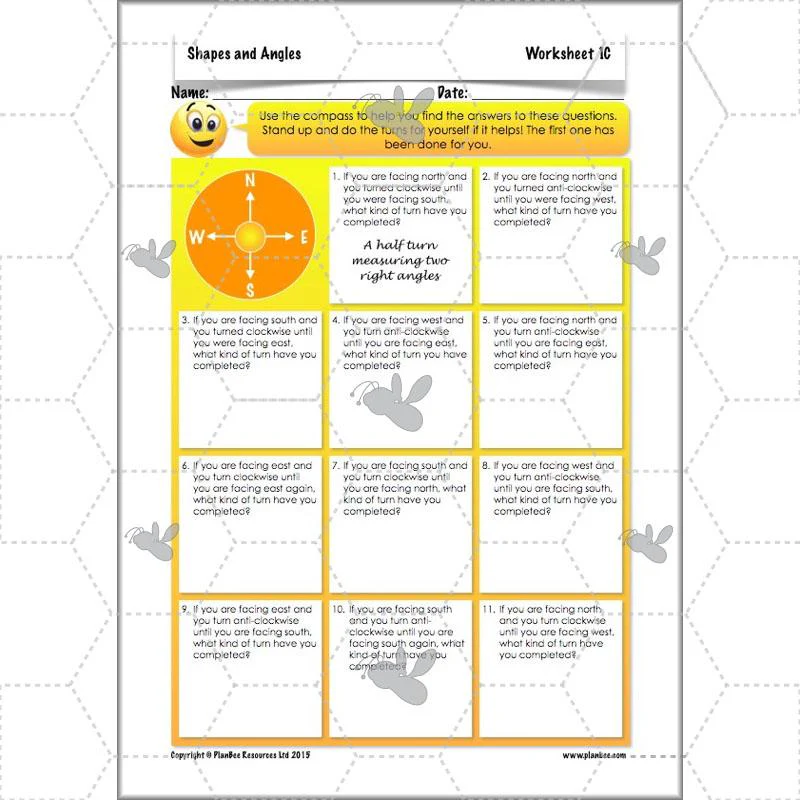
The first lesson in this Year 3 series explores right angles. It teaches your class what a right angle is and starts off by asking them to identify the right angles in a variety of 2D shapes. Once they are comfortable with this, they will explore right angles as a description of a turn. Using the terms ‘clockwise’ and ‘anti-clockwise’, they will learn how to describe quarter, half, three-quarter and full term, relating this to the number of right angles that have been turned. This will be reinforced during their independent learning through a variety of activities, including relating right angles to clock hands.
This downloadable lesson contains a lesson plan, slideshow presentation and printable teaching resources.
What's included:
- Lesson plan
- Slides
- Activity ideas
- Differentiated worksheets
- Clock cards
- Direction cards
Acute and Obtuse Angles
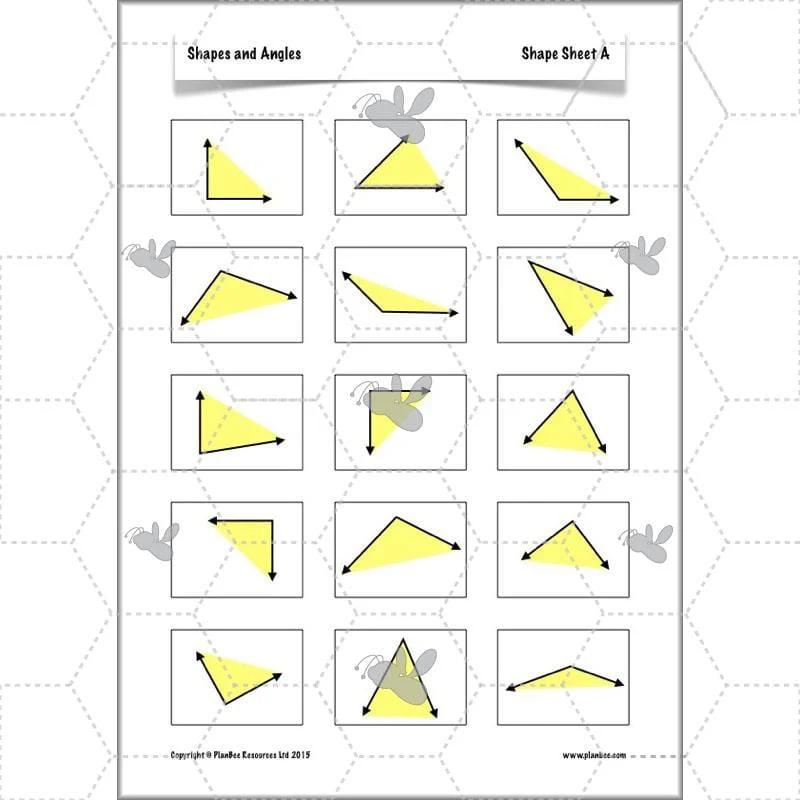
Now that your class can identify right angles, they will be introduced to acute and obtuse angles as they explore angle sizes. Children will learn how to find out if an angle is greater than or smaller than a right angle. They will start to think about how they can estimate the size of an angle based on their understanding of a right angle as ninety degrees. The main activity gives them plenty of opportunities to identify acute and obtuse angles in a variety of 2D shapes, as well as identifying in the objects around them.
This downloadable lesson contains a lesson plan, slideshow presentation and printable teaching resources.
What's included:
- Lesson plan
- Slides
- Activity ideas
- Shape sheets
- Differentiated worksheets
Horizontal and Vertical Lines
This Horizontal and Vertical Lines Year 3 Maths lesson introduces your class to the terms 'horizontal' and 'vertical'. The lesson teaches your children how to identify horizontal and vertical lines within shapes, as well as everyday scenes. After identifying what horizontal and vertical lines are, they can then see how many examples they can spot within photos of various scenes. They can also turn maths into art as they use horizontal and vertical lines to create artwork in the style of Piet Mondrian.
This downloadable lesson contains a lesson plan, slideshow presentation and printable teaching resources.
What's included:
- Slides
- Activity ideas
- Differentiated worksheets
- Instruction sheet
Parallel and Perpendicular Lines
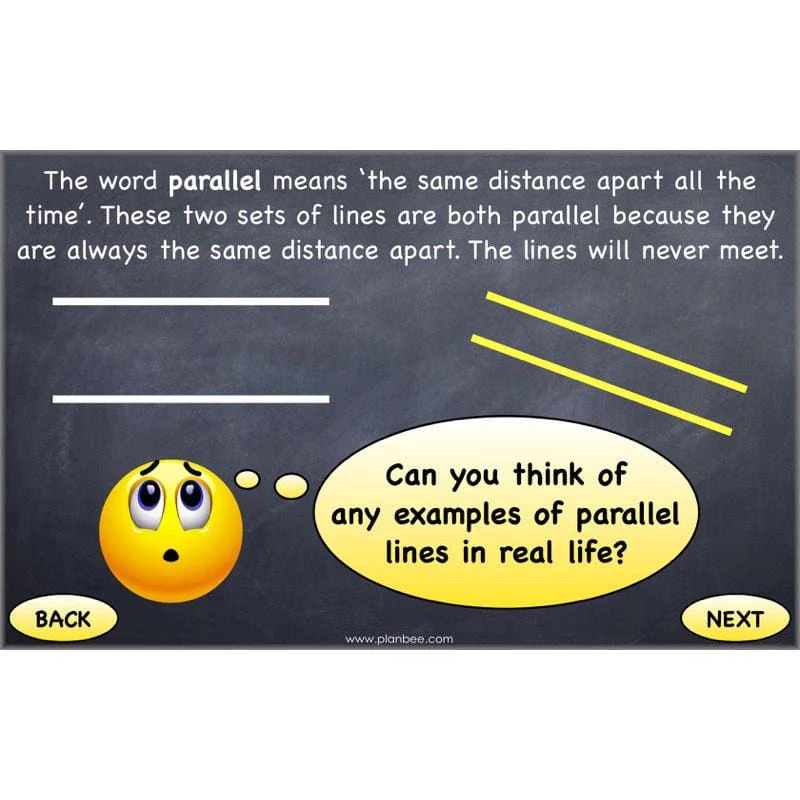
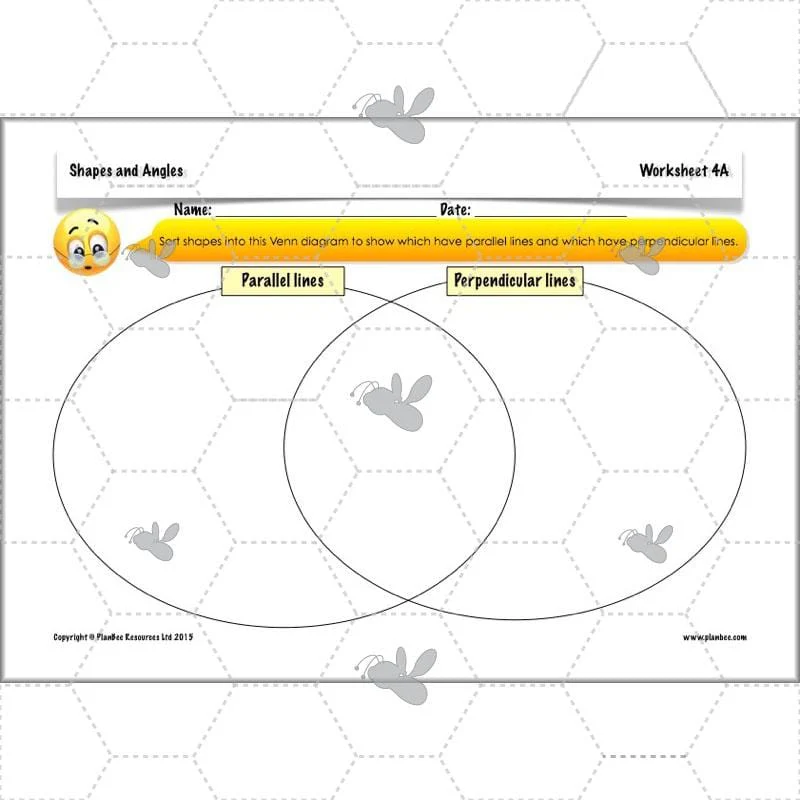
This Parallel and Perpendicular Lines Year 3 Maths lesson introduces your class to the terms ‘parallel’ and ‘perpendicular’ and teaches them to identify examples of parallel and perpendicular lines in scenes around them, before identifying these lines in 2D shapes. The independent learning activities will give your class the chance to reinforce this learning, and there is also the opportunity to identify shapes based on various criteria, including types of lines and angles.
This downloadable ready-to-teach Maths lesson contains a lesson plan, a slideshow presentation and printable teaching resources.
What's included:
- Lesson plan
- Slides
- Activity ideas
- Worksheet
- Criteria cards
- Shape cards
- Description cards
Drawing 2D Shapes
The final lesson in this series gives your class the opportunity to consolidate what they have learnt throughout the week by drawing 2D shapes according to given criteria. Your children will be challenged to draw a variety of shapes, for example, a shape with two sets of parallel lines and four right angles, or an irregular pentagon with two vertical lines and two sides of 4 cm. Drawing on everything they have learnt, children will develop their accuracy when drawing 2D shapes. The alternative activity challenges them to describe a shape to a partner to see if they can guess what it is using the vocabulary and facts they have learnt.
This downloadable Drawing 2D Shapes Year 3 Maths lesson contains a lesson plan, a slideshow presentation and printable teaching resources.
What's included:
- Lesson plan
- Slides
- Activity ideas
- Worksheet
- Description cards
- Shape cards
Product Information
Product Information
Shipping & Returns
Shipping & Returns
Description
This Shapes and Angles scheme of work includes five lessons covering a wide variety of shape objectives designed to enhance their knowledge and secure their understanding of the Maths National Curriculum Shape Objectives. The lessons start by exploring right angles and how they can be used to describe angles and turns, these lessons then continue to look at a variety of features of 2D shapes, including horizontal, vertical, perpendicular and parallel lines. By the end of the series, they will be dab-hands at describing shapes using a variety of criteria!
With lesson plans, slides, differentiated worksheets, activity ideas and many other useful resources, these downloadable 'Shapes and Angles' lessons provide a complete ready-to-use resource for teaching these fun and engaging lessons.
Turning Right Angles
The first lesson in this Year 3 series explores right angles. It teaches your class what a right angle is and starts off by asking them to identify the right angles in a variety of 2D shapes. Once they are comfortable with this, they will explore right angles as a description of a turn. Using the terms ‘clockwise’ and ‘anti-clockwise’, they will learn how to describe quarter, half, three-quarter and full term, relating this to the number of right angles that have been turned. This will be reinforced during their independent learning through a variety of activities, including relating right angles to clock hands.
This downloadable lesson contains a lesson plan, slideshow presentation and printable teaching resources.
What's included:
- Lesson plan
- Slides
- Activity ideas
- Differentiated worksheets
- Clock cards
- Direction cards
Acute and Obtuse Angles
Now that your class can identify right angles, they will be introduced to acute and obtuse angles as they explore angle sizes. Children will learn how to find out if an angle is greater than or smaller than a right angle. They will start to think about how they can estimate the size of an angle based on their understanding of a right angle as ninety degrees. The main activity gives them plenty of opportunities to identify acute and obtuse angles in a variety of 2D shapes, as well as identifying in the objects around them.
This downloadable lesson contains a lesson plan, slideshow presentation and printable teaching resources.
What's included:
- Lesson plan
- Slides
- Activity ideas
- Shape sheets
- Differentiated worksheets
Horizontal and Vertical Lines
This Horizontal and Vertical Lines Year 3 Maths lesson introduces your class to the terms 'horizontal' and 'vertical'. The lesson teaches your children how to identify horizontal and vertical lines within shapes, as well as everyday scenes. After identifying what horizontal and vertical lines are, they can then see how many examples they can spot within photos of various scenes. They can also turn maths into art as they use horizontal and vertical lines to create artwork in the style of Piet Mondrian.
This downloadable lesson contains a lesson plan, slideshow presentation and printable teaching resources.
What's included:
- Slides
- Activity ideas
- Differentiated worksheets
- Instruction sheet
Parallel and Perpendicular Lines
This Parallel and Perpendicular Lines Year 3 Maths lesson introduces your class to the terms ‘parallel’ and ‘perpendicular’ and teaches them to identify examples of parallel and perpendicular lines in scenes around them, before identifying these lines in 2D shapes. The independent learning activities will give your class the chance to reinforce this learning, and there is also the opportunity to identify shapes based on various criteria, including types of lines and angles.
This downloadable ready-to-teach Maths lesson contains a lesson plan, a slideshow presentation and printable teaching resources.
What's included:
- Lesson plan
- Slides
- Activity ideas
- Worksheet
- Criteria cards
- Shape cards
- Description cards
Drawing 2D Shapes
The final lesson in this series gives your class the opportunity to consolidate what they have learnt throughout the week by drawing 2D shapes according to given criteria. Your children will be challenged to draw a variety of shapes, for example, a shape with two sets of parallel lines and four right angles, or an irregular pentagon with two vertical lines and two sides of 4 cm. Drawing on everything they have learnt, children will develop their accuracy when drawing 2D shapes. The alternative activity challenges them to describe a shape to a partner to see if they can guess what it is using the vocabulary and facts they have learnt.
This downloadable Drawing 2D Shapes Year 3 Maths lesson contains a lesson plan, a slideshow presentation and printable teaching resources.
What's included:
- Lesson plan
- Slides
- Activity ideas
- Worksheet
- Description cards
- Shape cards