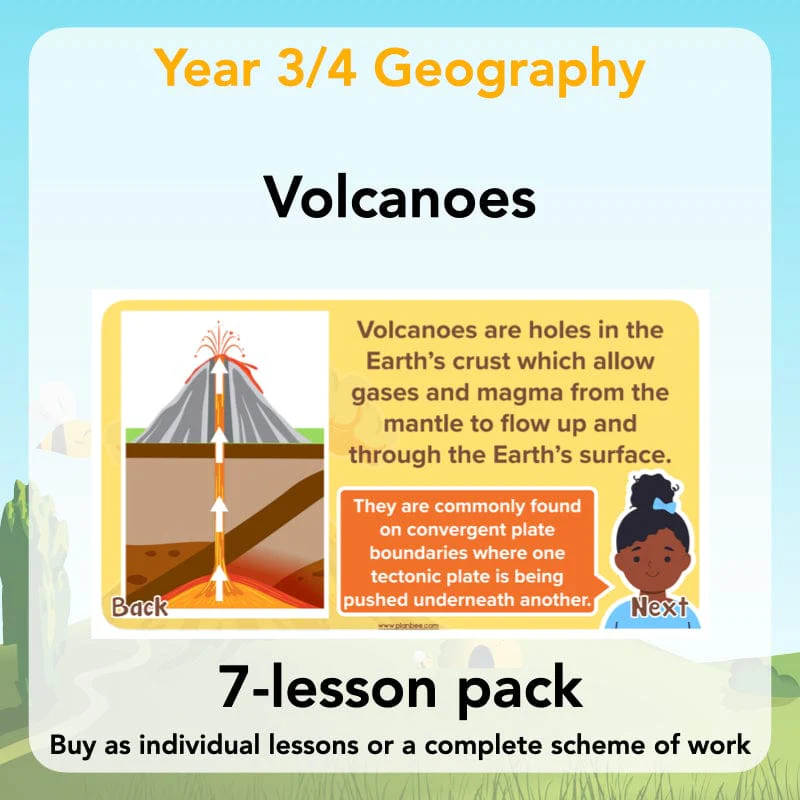
Volcanoes KS2
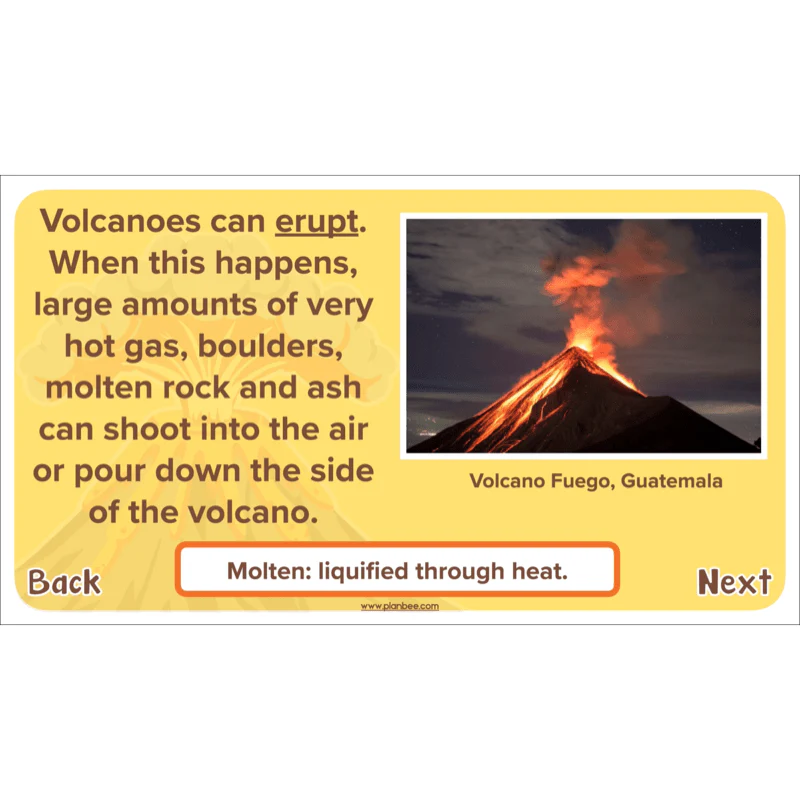
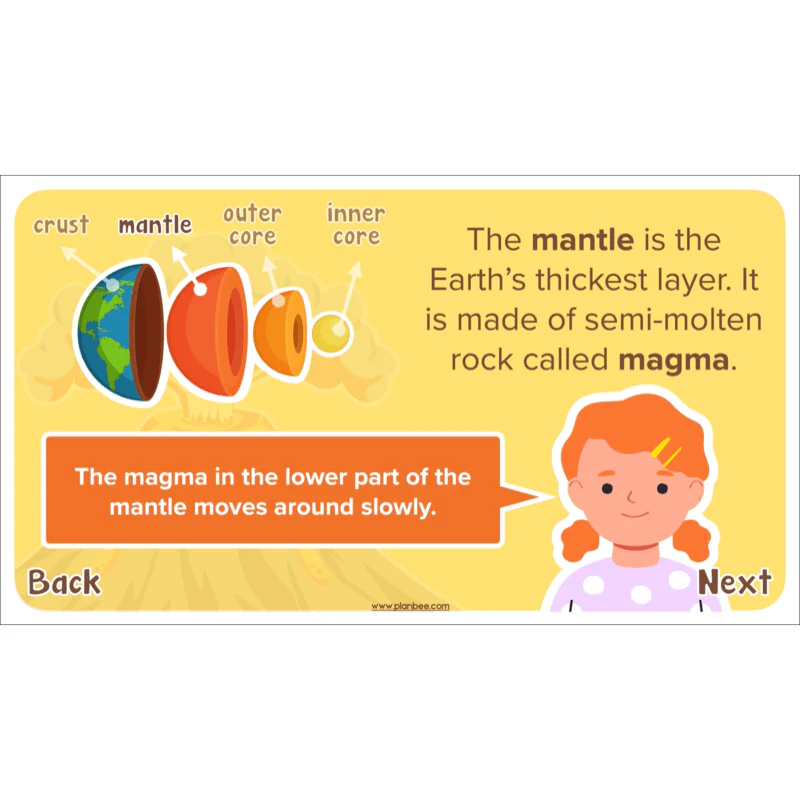
What are volcanoes and how are they formed? Explore the fascinating geographical phenomenon in this Volcanoes KS2 planning pack. Investigate the patterns and relationships between volcano locations and tectonic plate boundaries before becoming vulcanologists and identifying different types of volcanoes and their features. Your class will explore the positive and negative impact of eruptions on the environment. They will also have the opportunity to explore two volcanic areas in detail, and investigate the flora and fauna that inhabit these areas.
These lessons will take you and your class through different geographical enquiries as they seek to answer different questions about volcanoes. They are challenged to use maps to identify patterns and relationships as well as practising the geographical skills as they plot different volcano locations based on latitudes. The detailed PDF lesson slides help the children learn about the different physical processes involved when a volcano is formed and how this might affect its eruptions and the surrounding areas. Finally, your class will delve into the human geography of volcanic and non-volcanic locations, comparing the two and using their speaking and listening skills to discuss and justify why some people might choose to live in volcanic areas. Looking for content for UKS2? Try our Extreme Earth Cross-curricular Topic.
Volcano Locations Latitude KS2
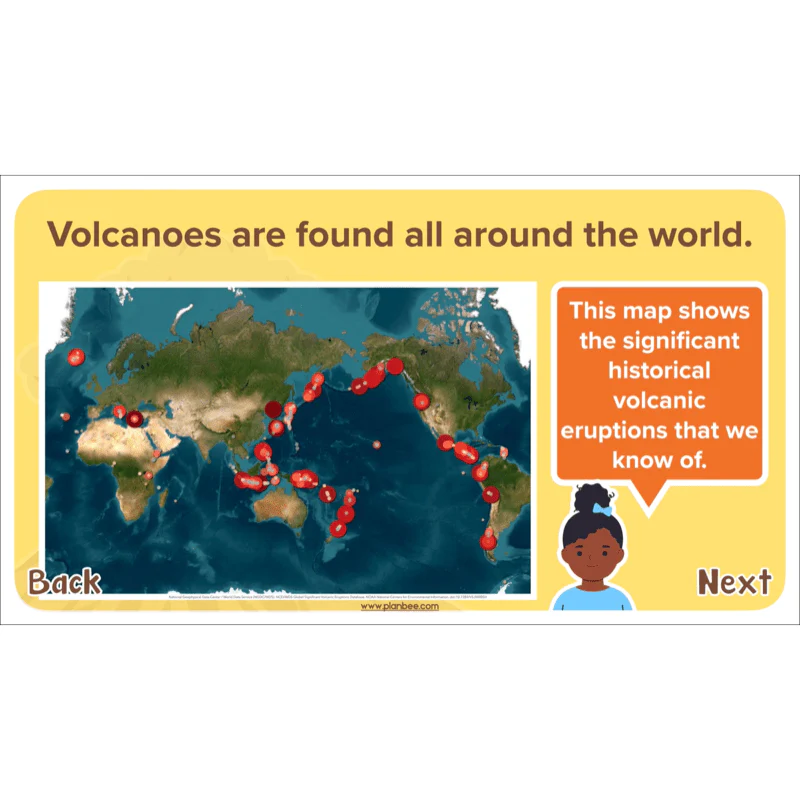
Where are volcanoes found? This question is answered over the next two lessons as your class develop their geographical skills to locate and place volcanoes onto a map using latitudinal coordinates.
This lesson comes with a detailed lesson plan, differentiated activity ideas, PDF slides and all the printable resources you'll need to support your class in learning about latitudinal lines and how they can be used to describe a location.
What's included:
- Lesson plan
- Slides
- Activity ideas
- Differentiated worksheets
- Volcano map
- Volcano top trump cards
View Lesson 1
Tectonic Plates and the Ring of Fire
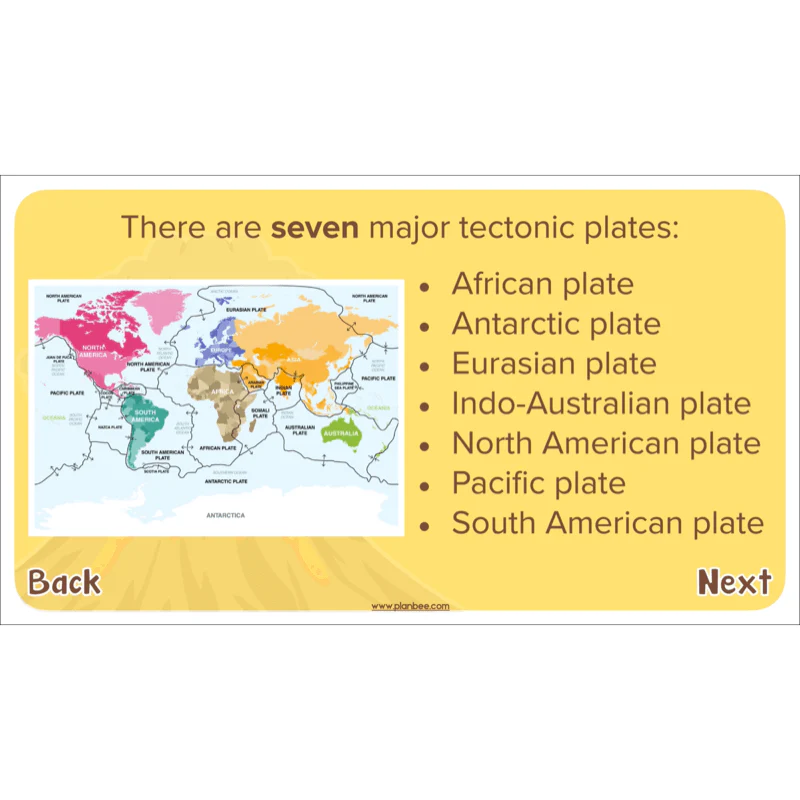
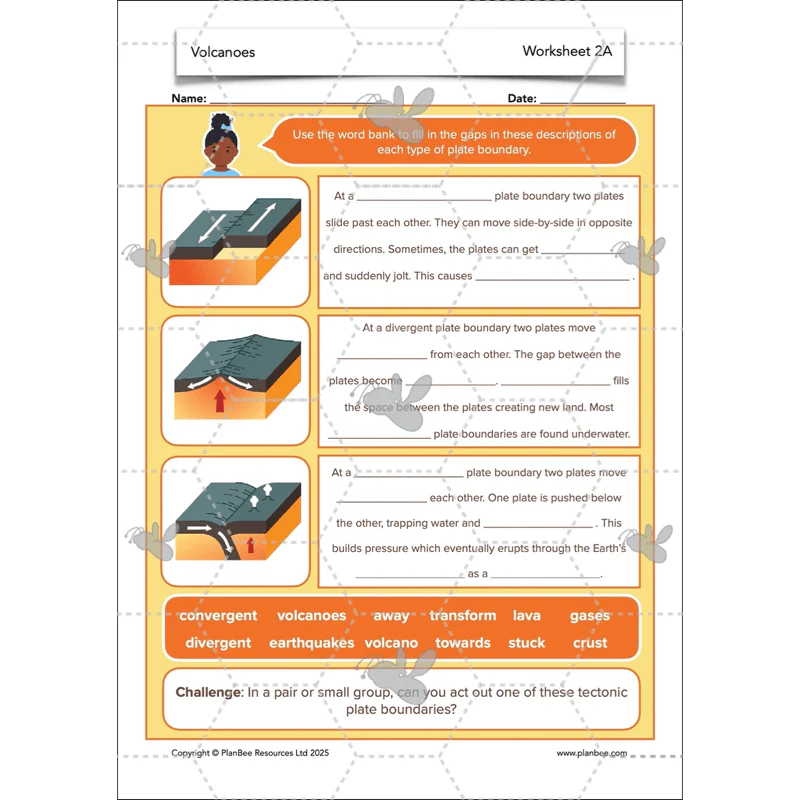
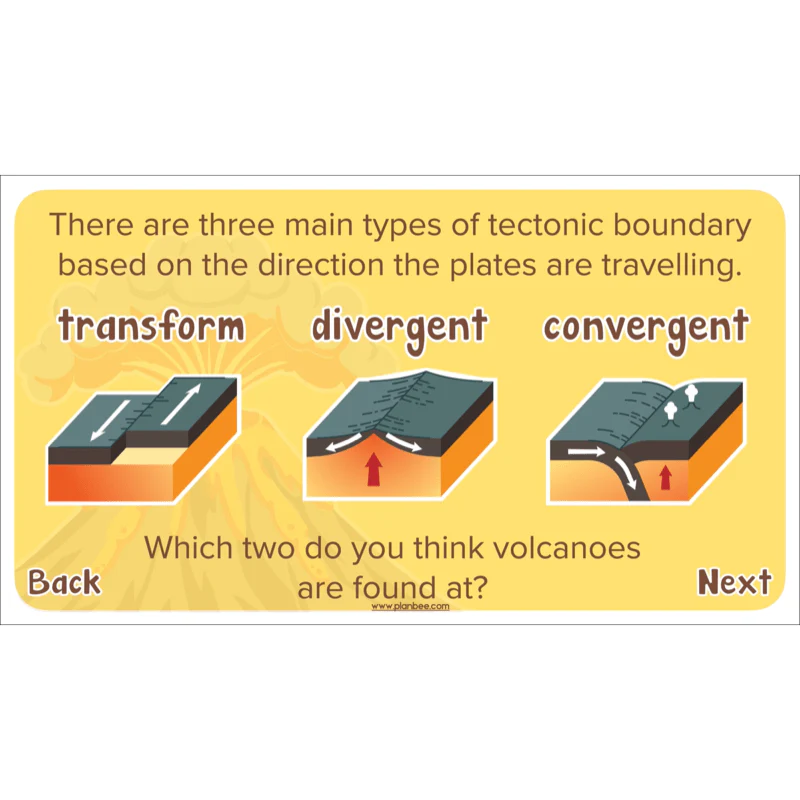
This second lesson continues your class' investigation around the enquiry question 'Where are volcanoes found?'. In this lesson, they are introduced to the concept of tectonic plates and their boundaries. Using their map skills, the children are challenged to investigate the relationship between plate boundaries and volcano locations.
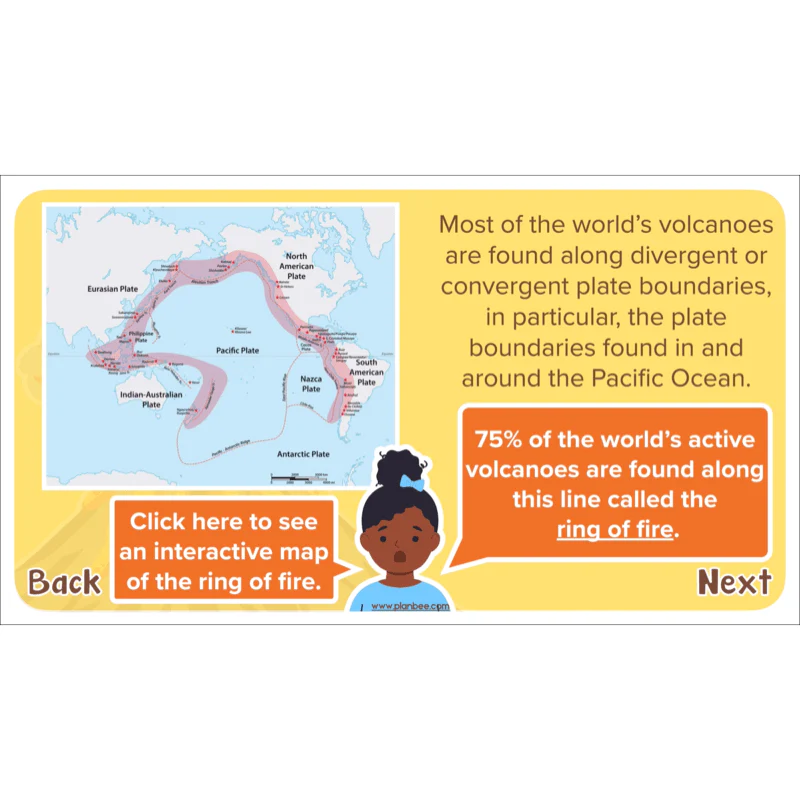
Depending on your choice of activity, the children can be challenged to evaluate the map they create and describe what it is telling them about the location of volcanoes, eventually being introduced to the Ring of Fire.
This lesson comes with a range of printable resources, PDF lesson slides, differentiated activity ideas and a detailed lesson plan.
What's included:
- Lesson plan
- Slides
- Activity ideas
- Differentiated worksheets
- Tectonic plate boundary cards
- Teacher notes
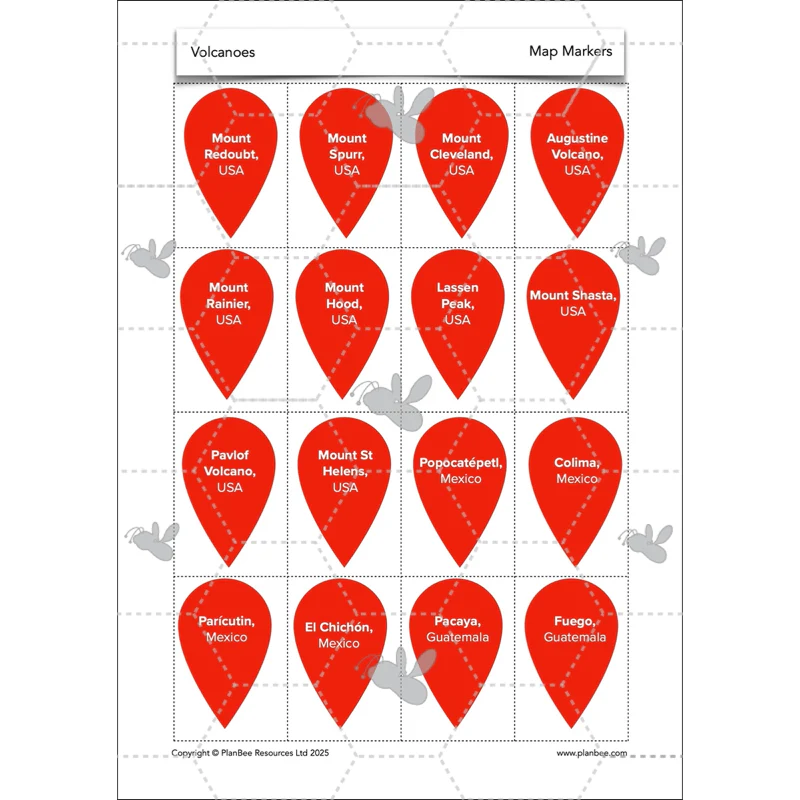
- Map markers
View Lesson 2
How are Volcanoes Formed KS2
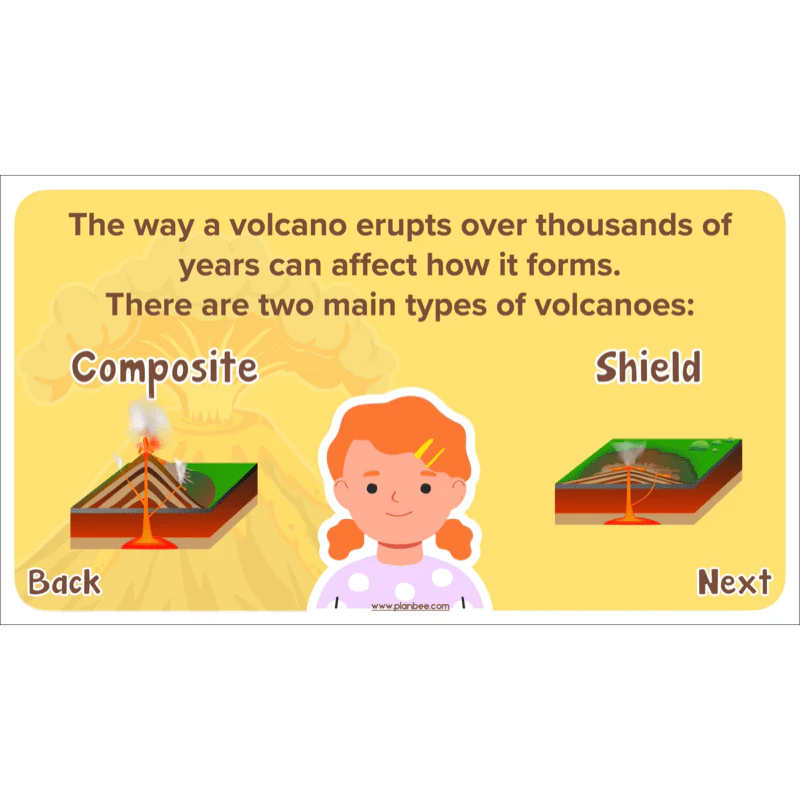
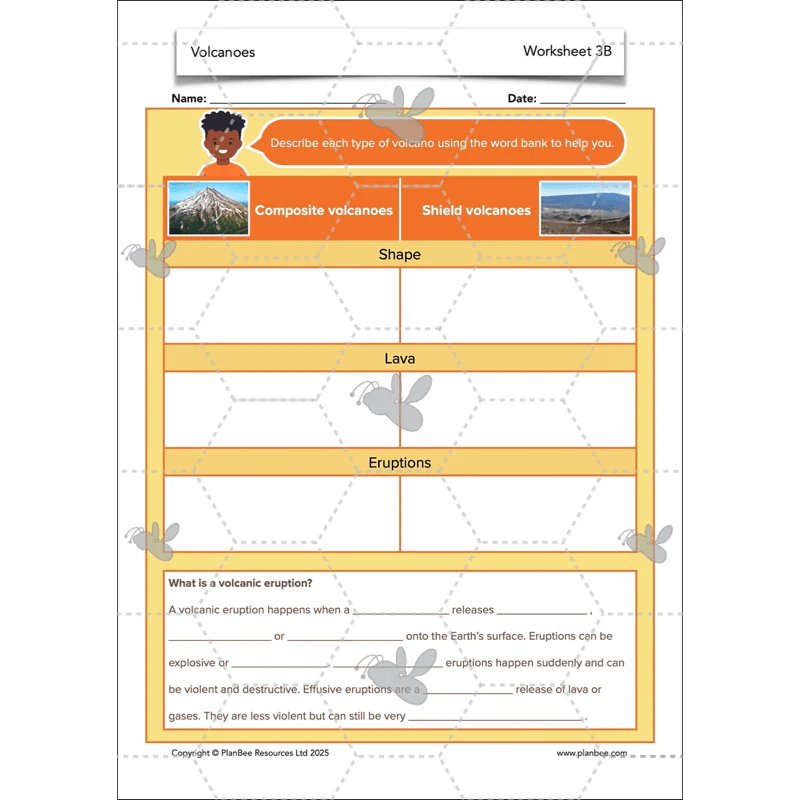
This explosive lesson looks into volcanic eruptions and how this can affect how a volcano is formed over thousands of years. The children will discuss two main types of volcanoes: composite and shield. They will then be asked to categorise different real-life examples of each type of volcano.
This downloadable lesson contains a plan, slideshow and teaching resources all made by an experienced teacher.
What's included:
- Lesson plan
- Slides
- Activity ideas
- Differentiated worksheets
- Mix and match information
- Volcano photo cards
- Volcano type cards
View Lesson 3
Features of Volcanoes
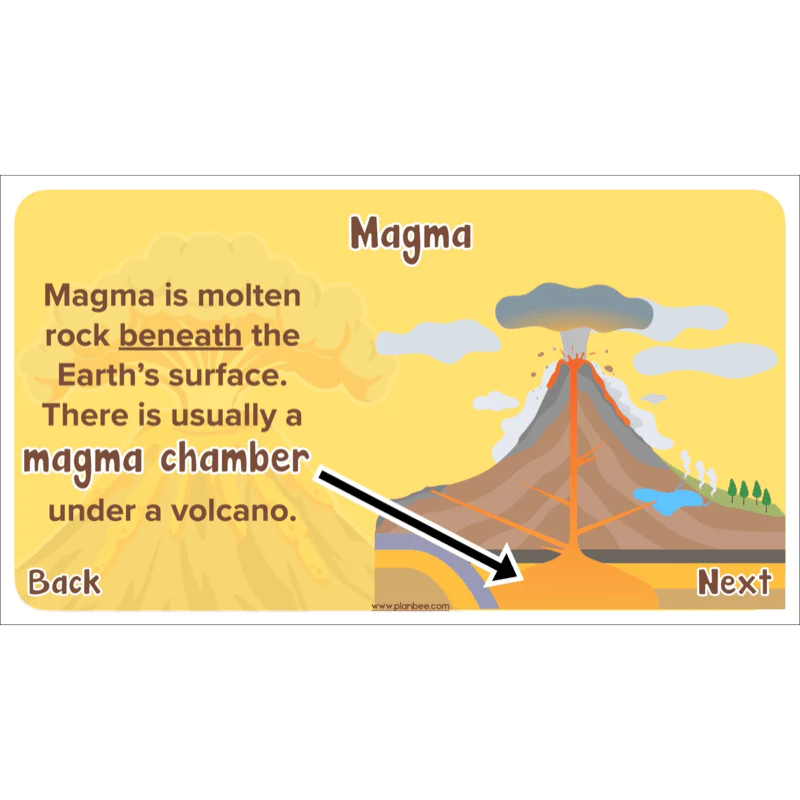
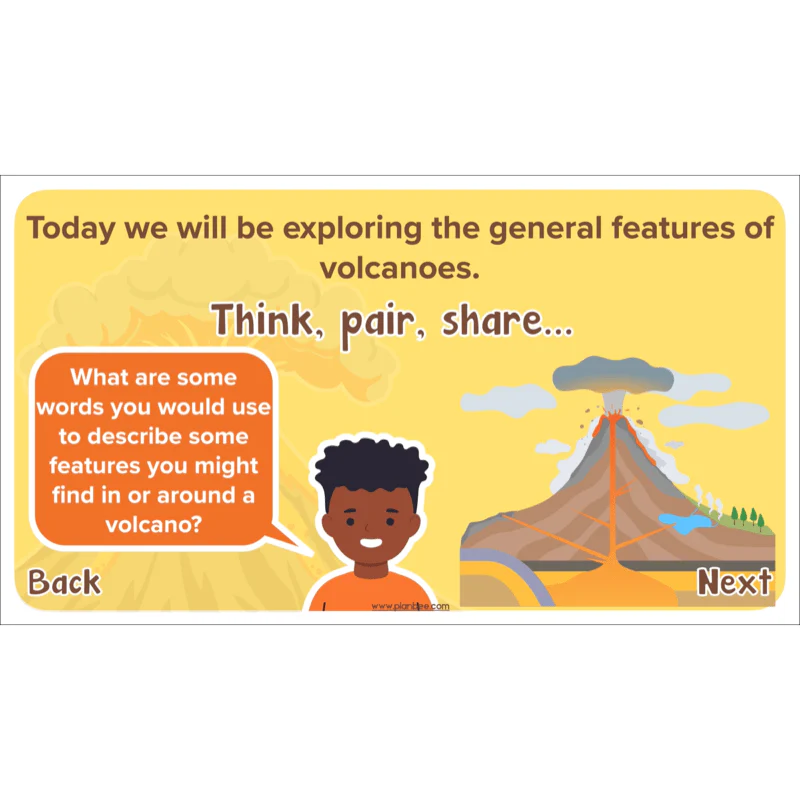
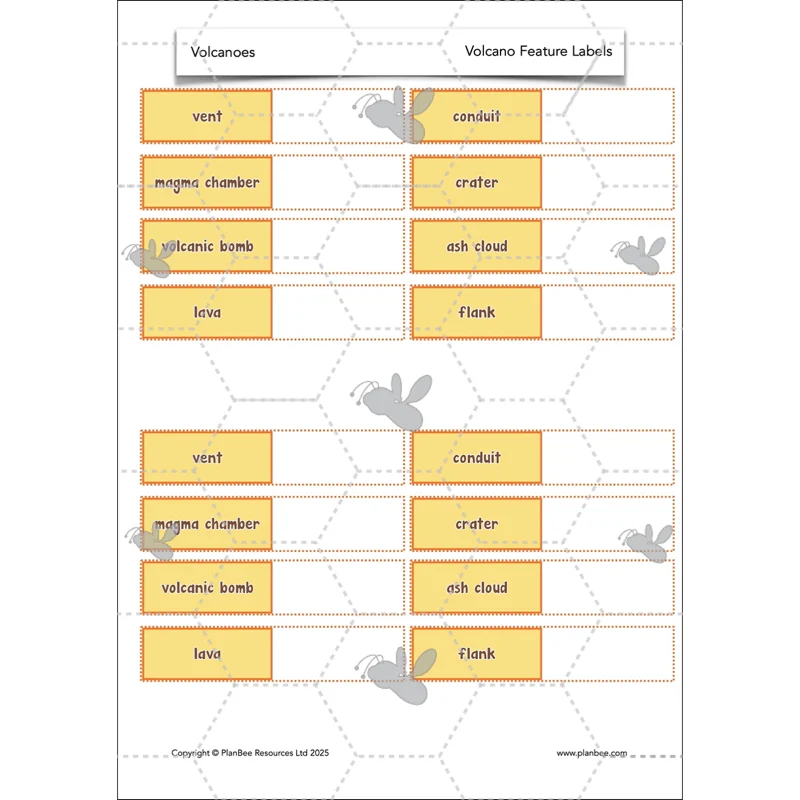
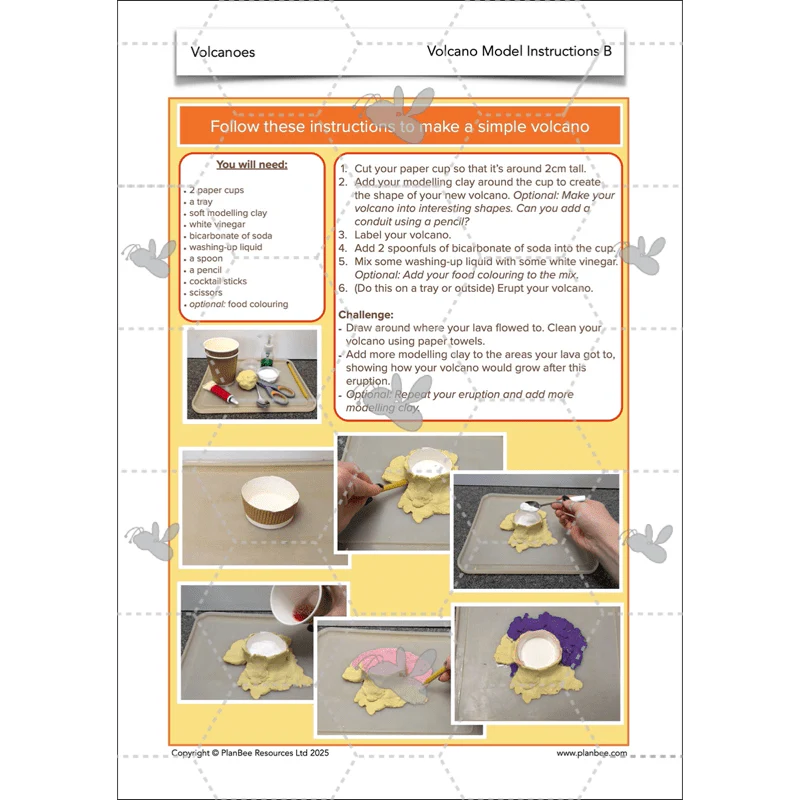
In this lesson your class learn and interpret new vocabulary associated with a typical volcano. They are challenged to label a volcano diagram with the different topical vocabulary they have learnt, or create their own model of a volcano and label the different features on this model.
Your class will also find out the difference between extinct, active and dormant volcanoes and will be able to explain this to others.
What's included:
- Lesson plan
- Slides
- Activity ideas
- Differentiated worksheets
- Volcano model instructions
- Volcano feature labels
View Lesson 4
Life in Volcanic Areas
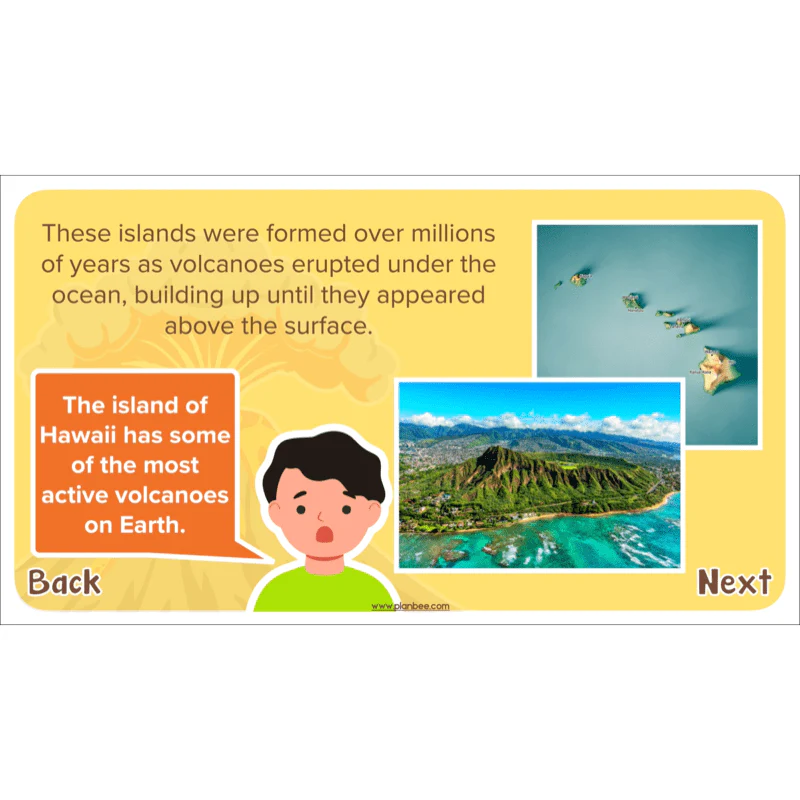
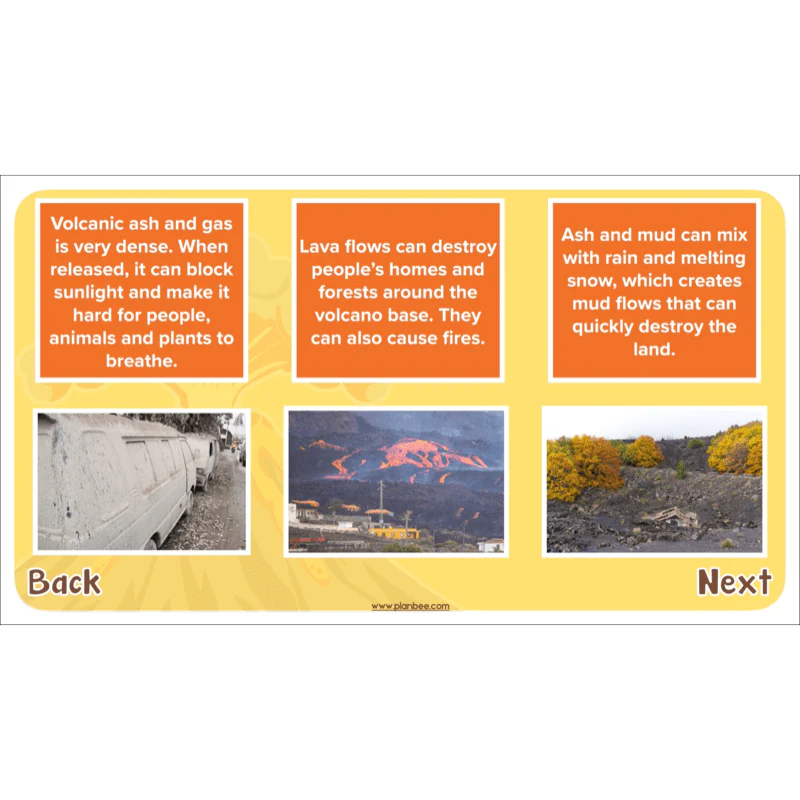
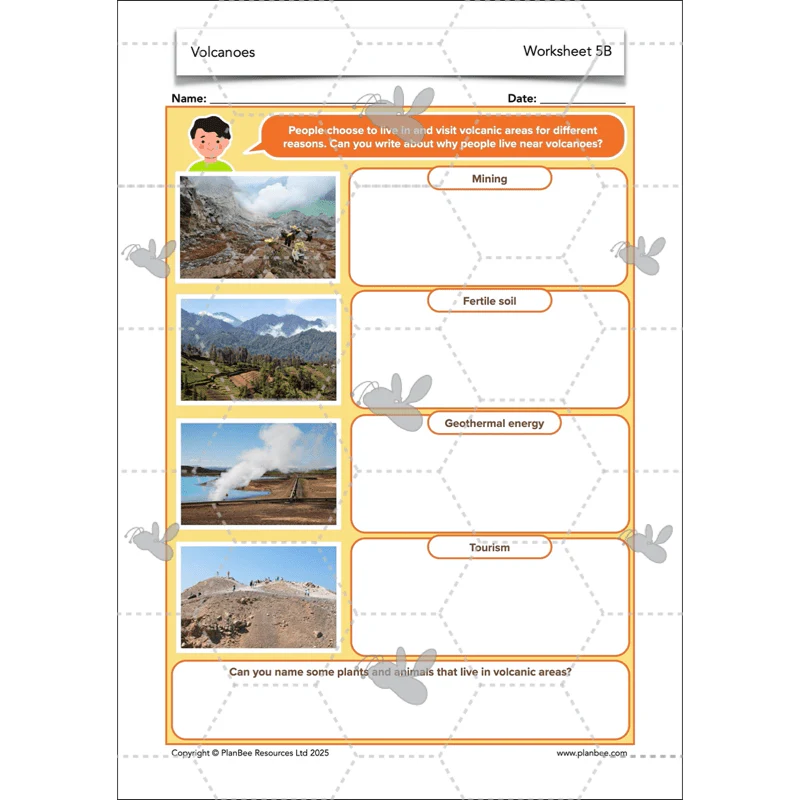
Your class will look closely at the flora and fauna found in Hawaii and the Galapagos Islands in this lesson. They will learn about the different species found in volcanic areas and why they continue to live there. Your class will also learn about the four main reasons people choose to live in volcanic areas, which are: mining, fertile soil for farming, geothermal energy and tourism.
This downloadable lesson contains a plan, slideshow and teaching resources all made by a teacher.
What's included:
- Lesson plan
- Slides
- Activity ideas
- Differentiated worksheets
- Captions
- Seismometer sheet
- Poster template
- Safety information
View Lesson 5
Comparing Volcanic and Non Volcanic Locations
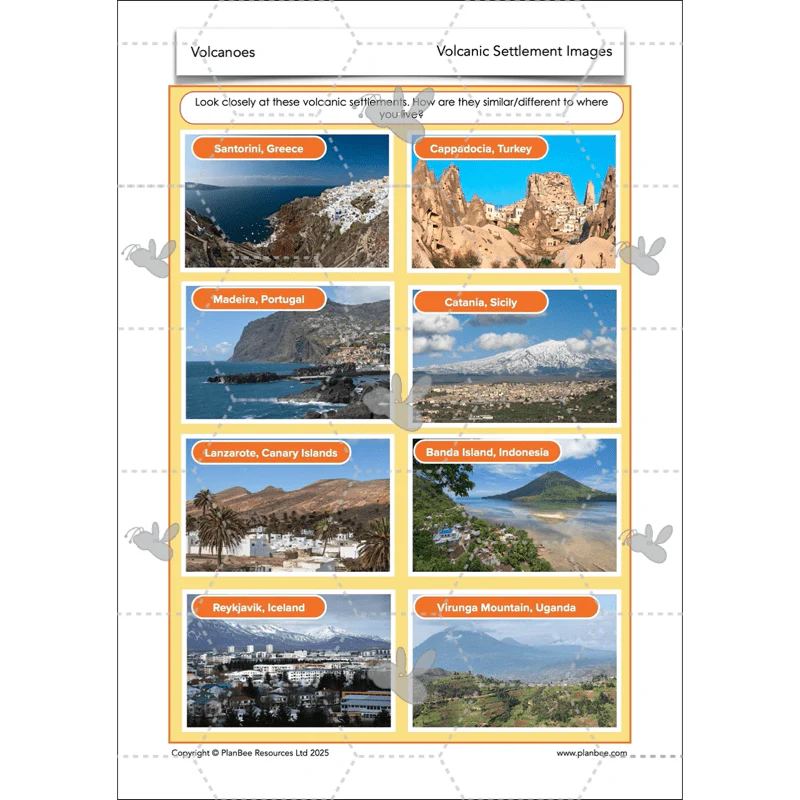
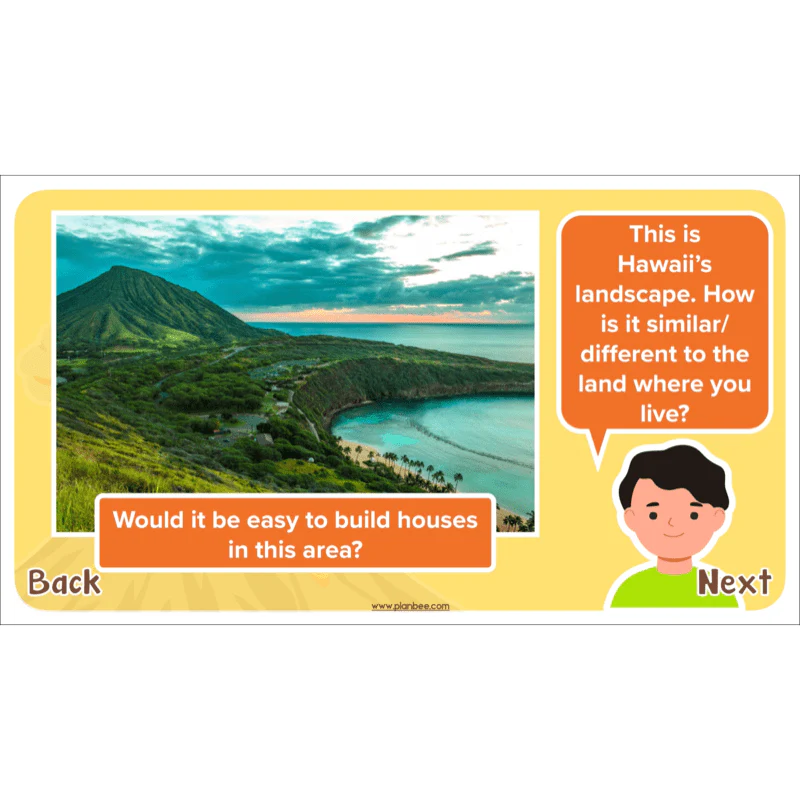
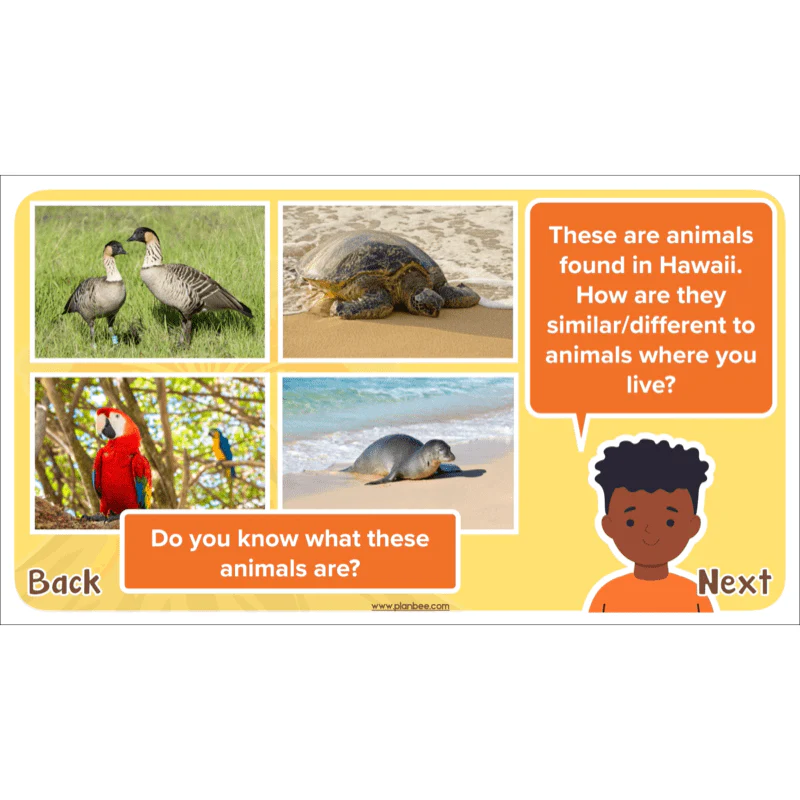
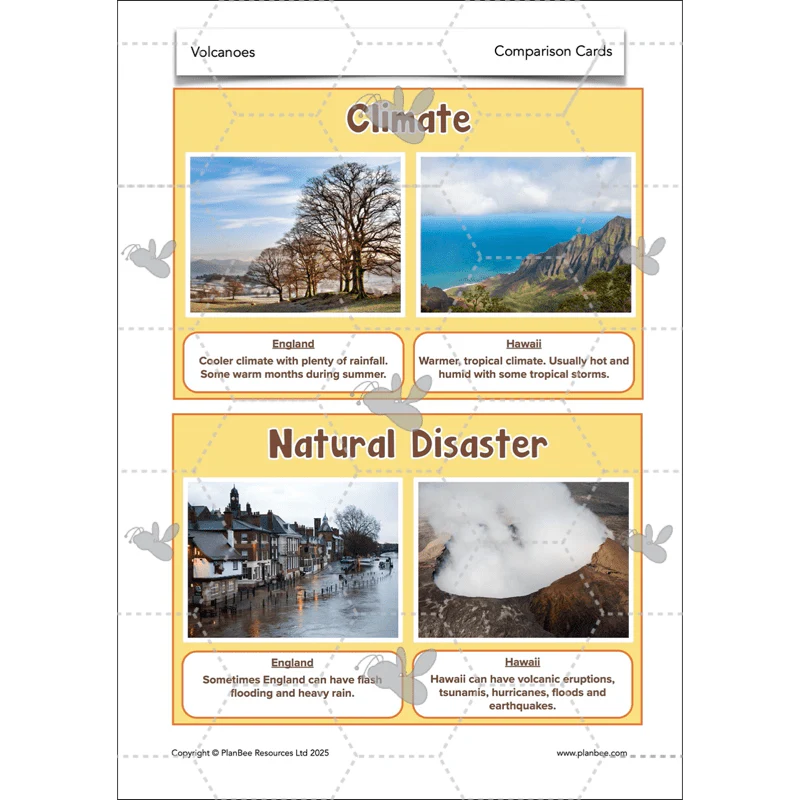
In this lesson, explore life in Hawaii and compare it to the lifestyles of children in your class. Allow your children to think about the similarities and differences between Hawaii's landscape, plants, animals, houses, climate, activities and dangers and their own home town. They will then consider where they would prefer to live, using and developing their oracy skills to help justify their ideas and join interesting discussions.
This ready-to-teach lesson is downloadable and contains a plan, slideshow, worksheets and teaching resources.
What's included:
- Lesson plan
- Slides
- Activity ideas
- Comparison cards
- Challenge cards
- Volcanic settlement images
- Comparison poster
View Lesson 6
Consolidating our Learning
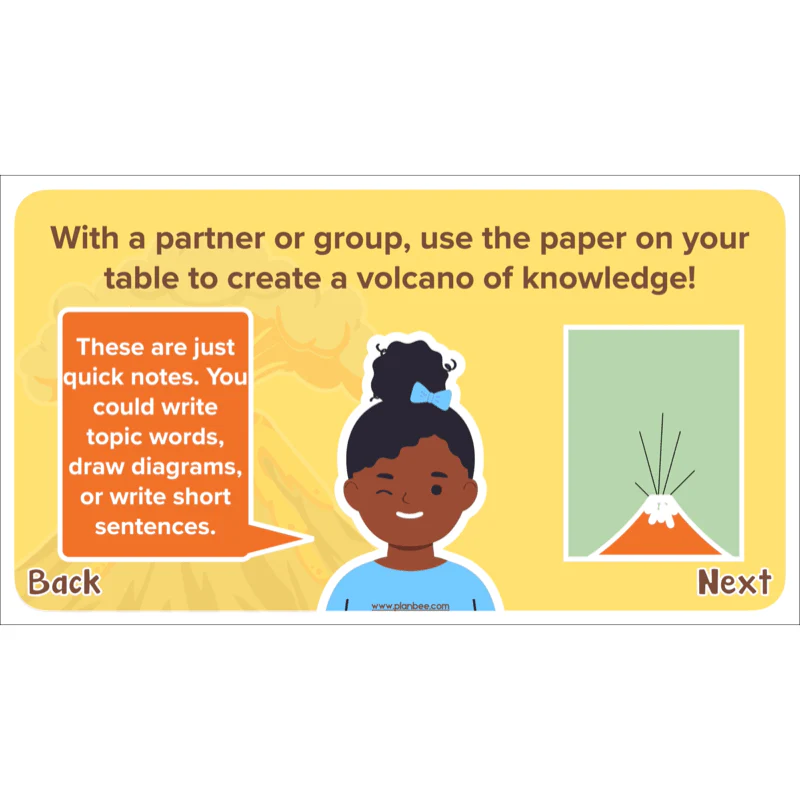
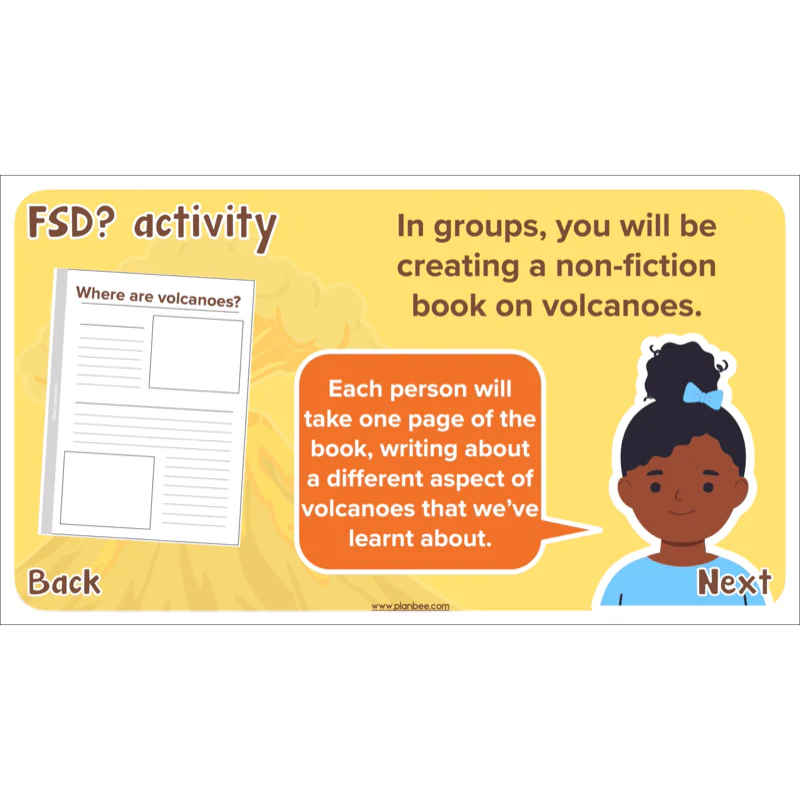
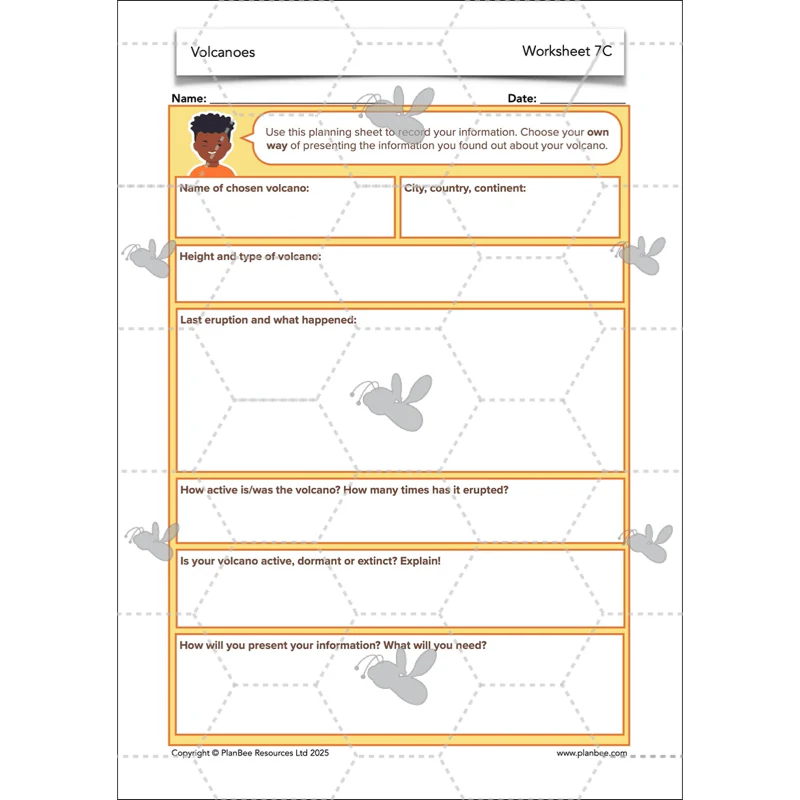
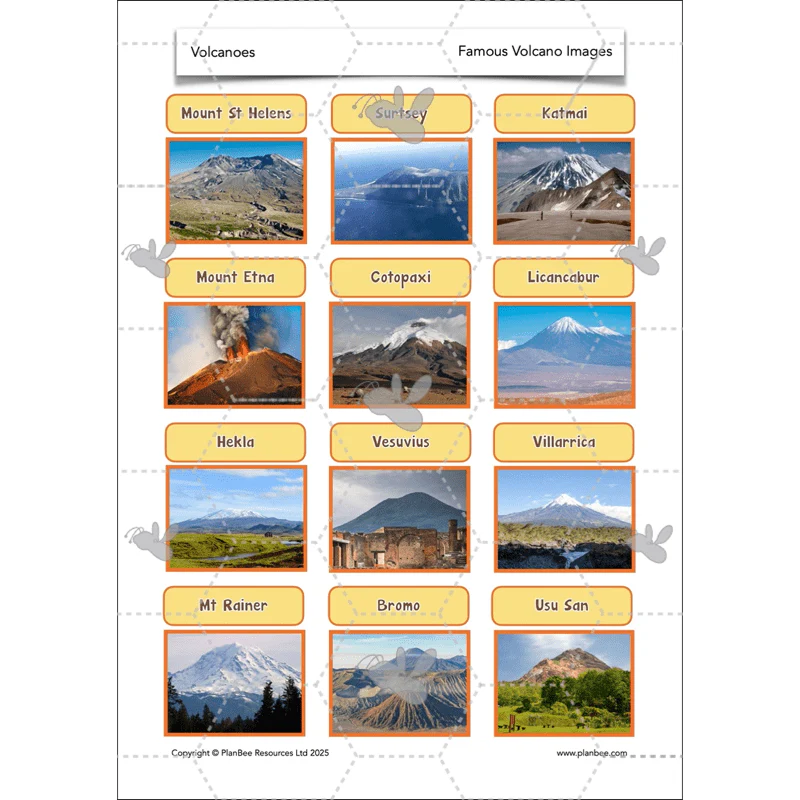
This final lesson gives your LKS2 class the opportunity to show off what they have learnt in a creative way. They can choose to research a famous volcano and create a information presentation of a poster, slideshow or other medium of that volcano. Alternatively, they can work collaboratively to create their own mini non-fiction book on volcanoes which can be displayed for others to learn about!
This KS2 volcanoes lesson includes all the printable resources you'll need to support your class in summarising their learning throughout this unit of work.
What's included:
- Lesson plan
- Slides
- Activity ideas
- Differentiated worksheets
- Volcano knowledge sheet
- Famous volcanoes images
- Project instructions
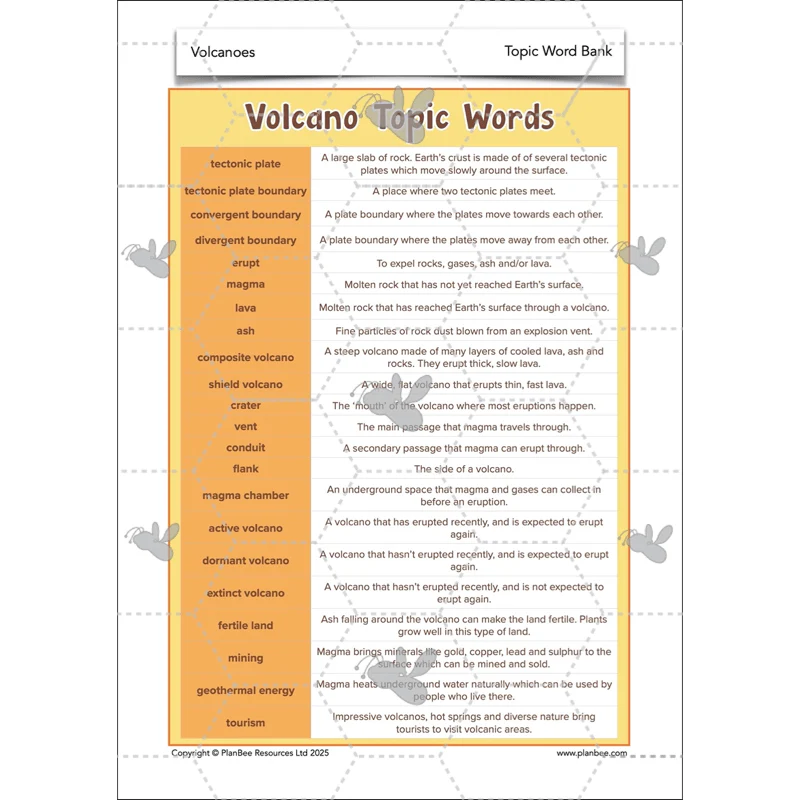
- Topic word bank
- Planning sheets
- Book page templates
- End of unit quiz
View Lesson 7
Original: $2.69
-65%$2.69
$0.94More Images






























Volcanoes KS2
What are volcanoes and how are they formed? Explore the fascinating geographical phenomenon in this Volcanoes KS2 planning pack. Investigate the patterns and relationships between volcano locations and tectonic plate boundaries before becoming vulcanologists and identifying different types of volcanoes and their features. Your class will explore the positive and negative impact of eruptions on the environment. They will also have the opportunity to explore two volcanic areas in detail, and investigate the flora and fauna that inhabit these areas.
These lessons will take you and your class through different geographical enquiries as they seek to answer different questions about volcanoes. They are challenged to use maps to identify patterns and relationships as well as practising the geographical skills as they plot different volcano locations based on latitudes. The detailed PDF lesson slides help the children learn about the different physical processes involved when a volcano is formed and how this might affect its eruptions and the surrounding areas. Finally, your class will delve into the human geography of volcanic and non-volcanic locations, comparing the two and using their speaking and listening skills to discuss and justify why some people might choose to live in volcanic areas. Looking for content for UKS2? Try our Extreme Earth Cross-curricular Topic.
Volcano Locations Latitude KS2
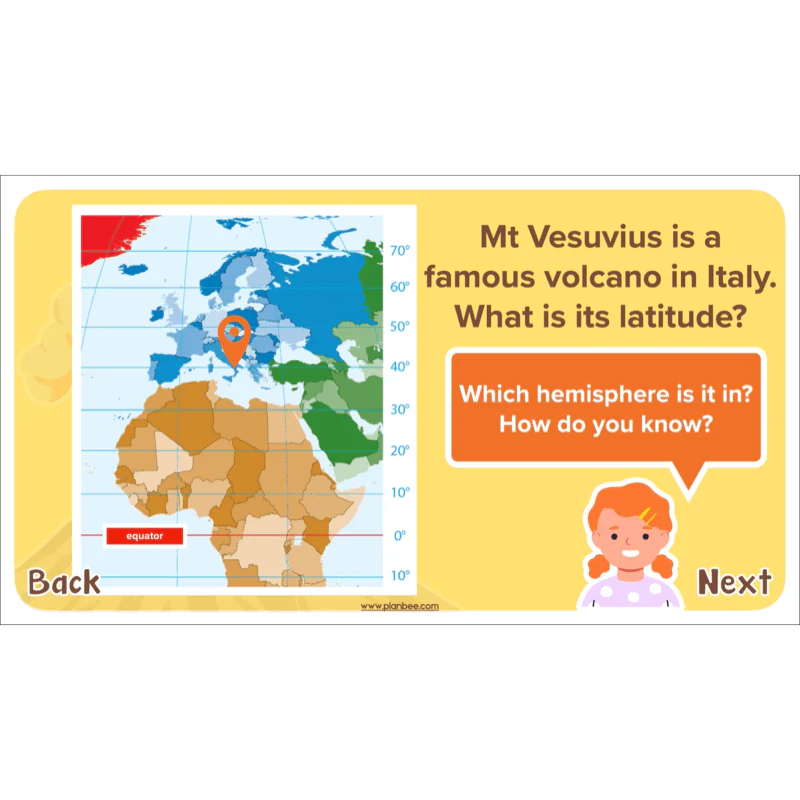
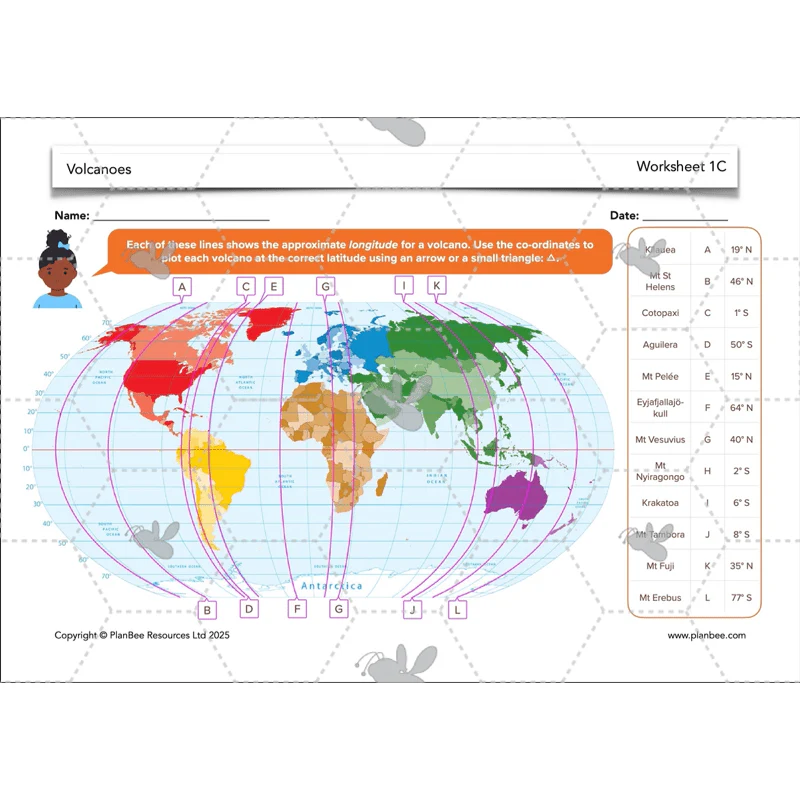
Where are volcanoes found? This question is answered over the next two lessons as your class develop their geographical skills to locate and place volcanoes onto a map using latitudinal coordinates.
This lesson comes with a detailed lesson plan, differentiated activity ideas, PDF slides and all the printable resources you'll need to support your class in learning about latitudinal lines and how they can be used to describe a location.
What's included:
- Lesson plan
- Slides
- Activity ideas
- Differentiated worksheets
- Volcano map
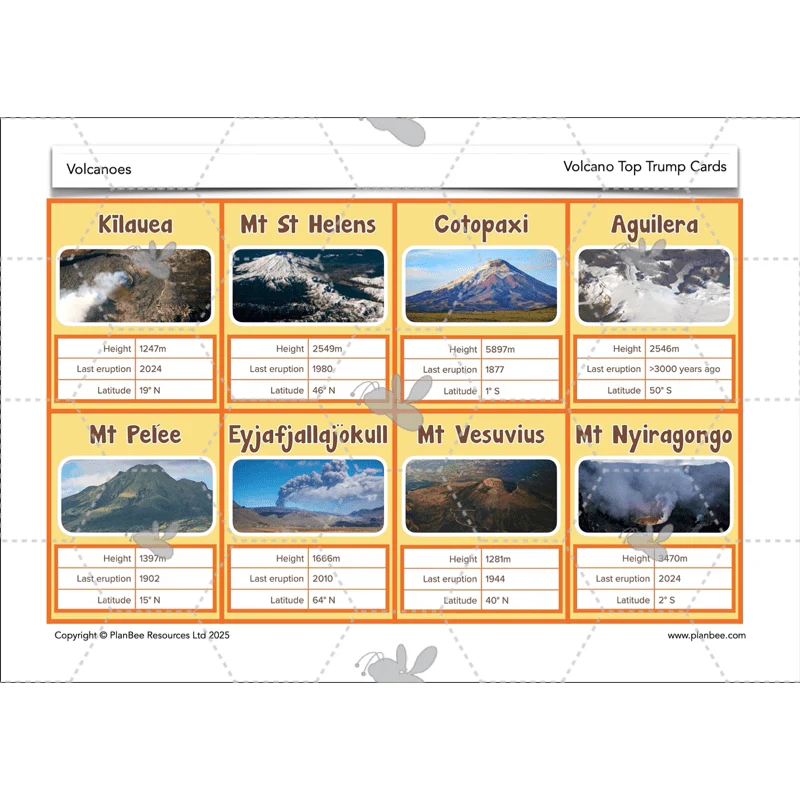
- Volcano top trump cards
View Lesson 1
Tectonic Plates and the Ring of Fire
This second lesson continues your class' investigation around the enquiry question 'Where are volcanoes found?'. In this lesson, they are introduced to the concept of tectonic plates and their boundaries. Using their map skills, the children are challenged to investigate the relationship between plate boundaries and volcano locations.
Depending on your choice of activity, the children can be challenged to evaluate the map they create and describe what it is telling them about the location of volcanoes, eventually being introduced to the Ring of Fire.
This lesson comes with a range of printable resources, PDF lesson slides, differentiated activity ideas and a detailed lesson plan.
What's included:
- Lesson plan
- Slides
- Activity ideas
- Differentiated worksheets
- Tectonic plate boundary cards
- Teacher notes
- Map markers
View Lesson 2
How are Volcanoes Formed KS2
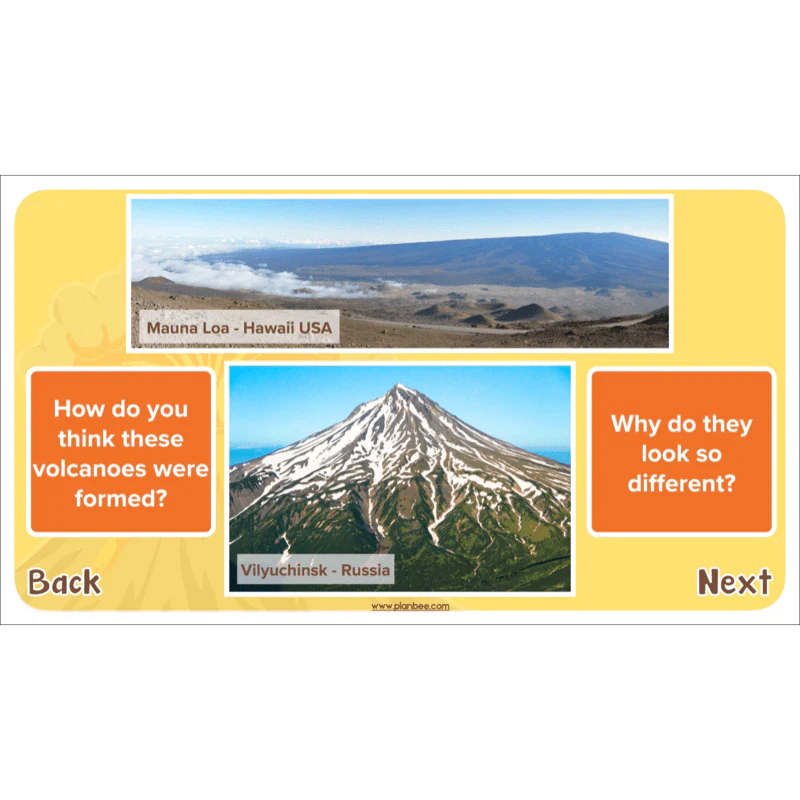
This explosive lesson looks into volcanic eruptions and how this can affect how a volcano is formed over thousands of years. The children will discuss two main types of volcanoes: composite and shield. They will then be asked to categorise different real-life examples of each type of volcano.
This downloadable lesson contains a plan, slideshow and teaching resources all made by an experienced teacher.
What's included:
- Lesson plan
- Slides
- Activity ideas
- Differentiated worksheets
- Mix and match information
- Volcano photo cards
- Volcano type cards
View Lesson 3
Features of Volcanoes
In this lesson your class learn and interpret new vocabulary associated with a typical volcano. They are challenged to label a volcano diagram with the different topical vocabulary they have learnt, or create their own model of a volcano and label the different features on this model.
Your class will also find out the difference between extinct, active and dormant volcanoes and will be able to explain this to others.
What's included:
- Lesson plan
- Slides
- Activity ideas
- Differentiated worksheets
- Volcano model instructions
- Volcano feature labels
View Lesson 4
Life in Volcanic Areas
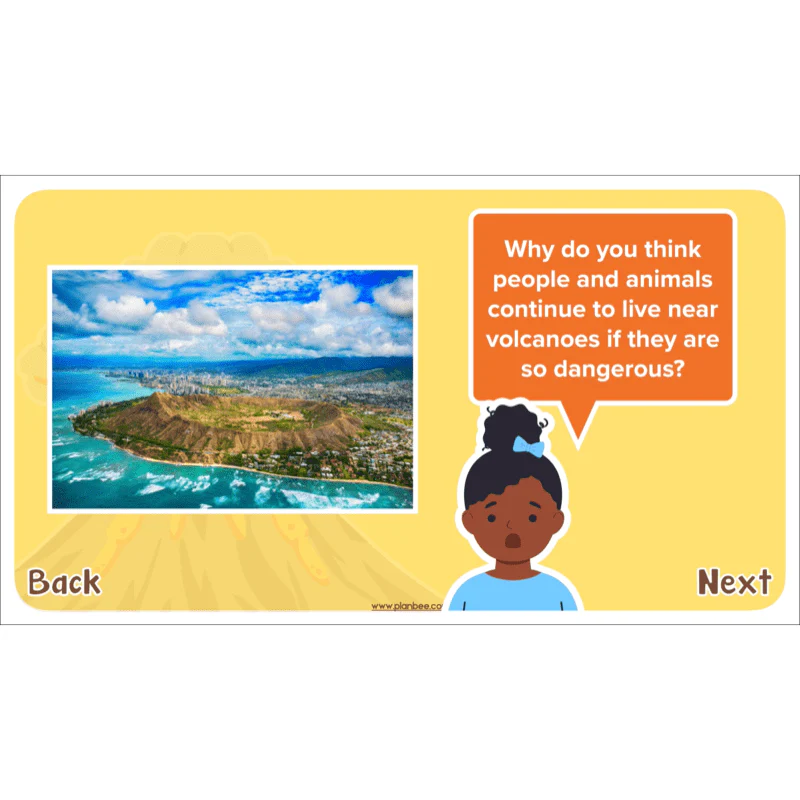
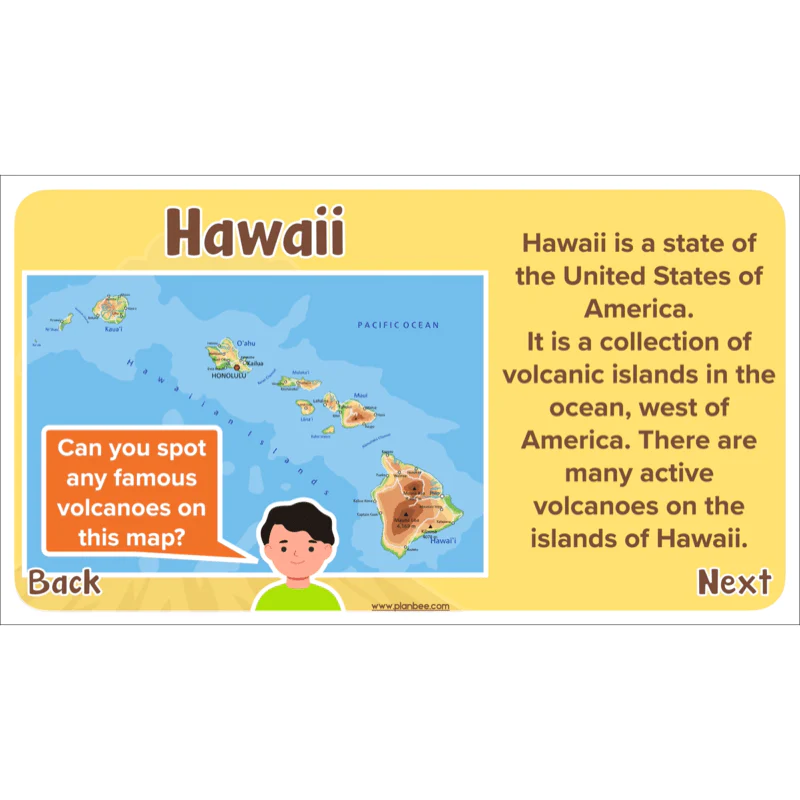
Your class will look closely at the flora and fauna found in Hawaii and the Galapagos Islands in this lesson. They will learn about the different species found in volcanic areas and why they continue to live there. Your class will also learn about the four main reasons people choose to live in volcanic areas, which are: mining, fertile soil for farming, geothermal energy and tourism.
This downloadable lesson contains a plan, slideshow and teaching resources all made by a teacher.
What's included:
- Lesson plan
- Slides
- Activity ideas
- Differentiated worksheets
- Captions
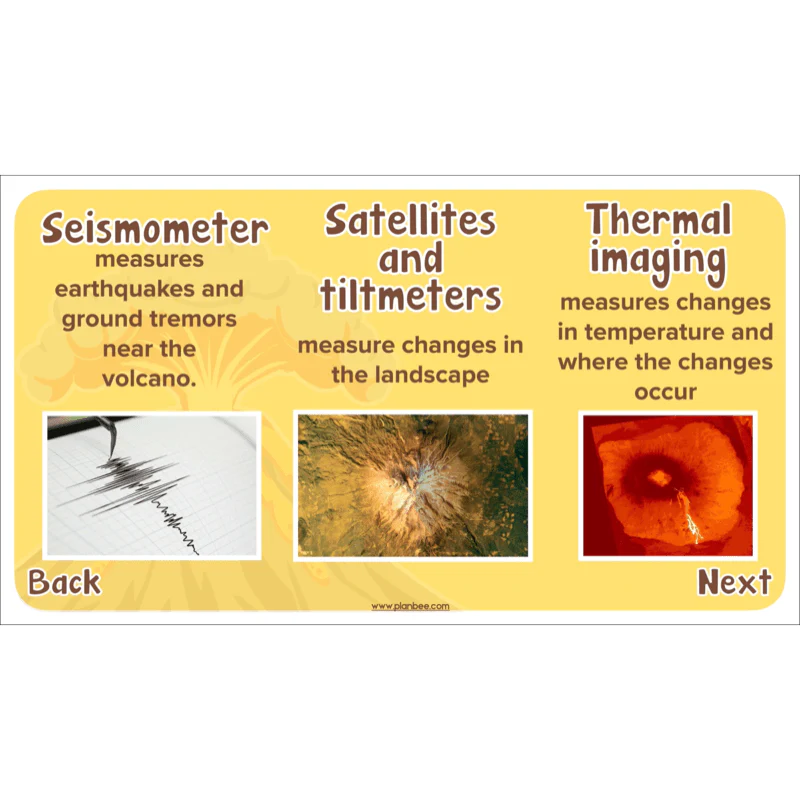
- Seismometer sheet
- Poster template
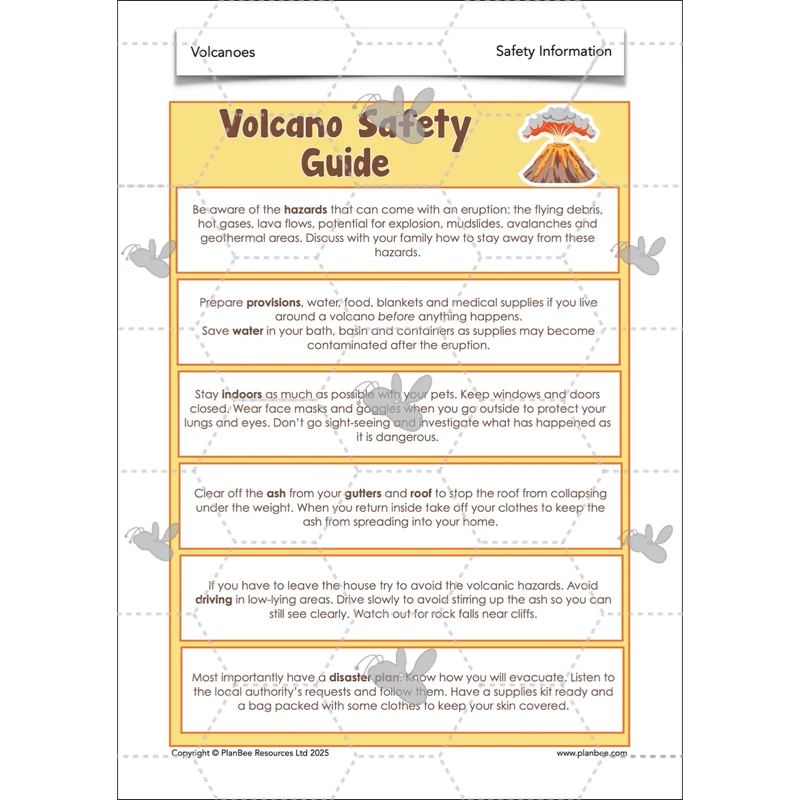
- Safety information
View Lesson 5
Comparing Volcanic and Non Volcanic Locations
In this lesson, explore life in Hawaii and compare it to the lifestyles of children in your class. Allow your children to think about the similarities and differences between Hawaii's landscape, plants, animals, houses, climate, activities and dangers and their own home town. They will then consider where they would prefer to live, using and developing their oracy skills to help justify their ideas and join interesting discussions.
This ready-to-teach lesson is downloadable and contains a plan, slideshow, worksheets and teaching resources.
What's included:
- Lesson plan
- Slides
- Activity ideas
- Comparison cards
- Challenge cards
- Volcanic settlement images
- Comparison poster
View Lesson 6
Consolidating our Learning
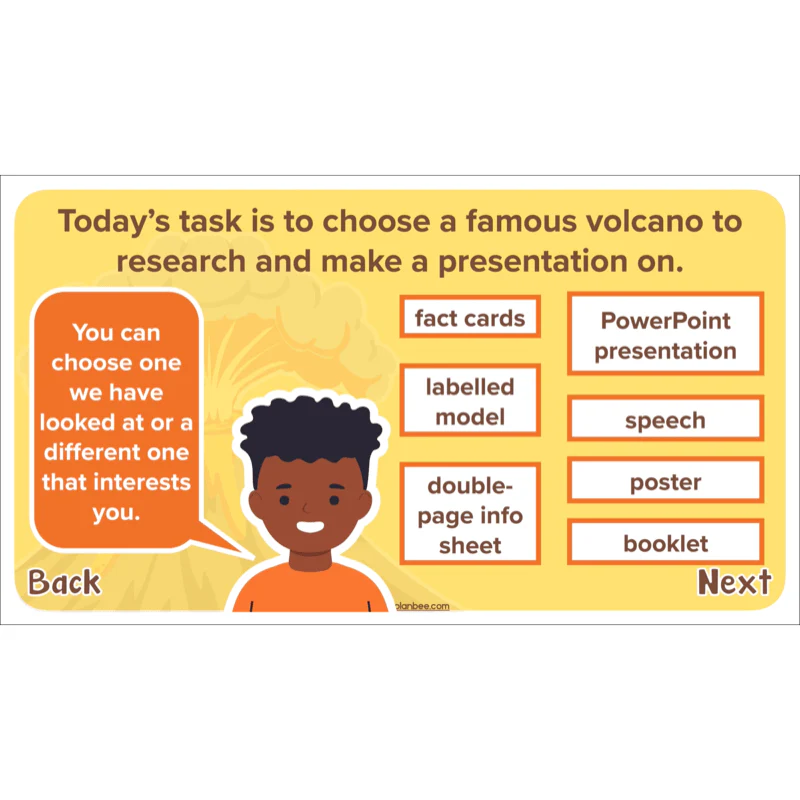
This final lesson gives your LKS2 class the opportunity to show off what they have learnt in a creative way. They can choose to research a famous volcano and create a information presentation of a poster, slideshow or other medium of that volcano. Alternatively, they can work collaboratively to create their own mini non-fiction book on volcanoes which can be displayed for others to learn about!
This KS2 volcanoes lesson includes all the printable resources you'll need to support your class in summarising their learning throughout this unit of work.
What's included:
- Lesson plan
- Slides
- Activity ideas
- Differentiated worksheets
- Volcano knowledge sheet
- Famous volcanoes images
- Project instructions
- Topic word bank
- Planning sheets
- Book page templates
- End of unit quiz
View Lesson 7
Product Information
Product Information
Shipping & Returns
Shipping & Returns
Description
What are volcanoes and how are they formed? Explore the fascinating geographical phenomenon in this Volcanoes KS2 planning pack. Investigate the patterns and relationships between volcano locations and tectonic plate boundaries before becoming vulcanologists and identifying different types of volcanoes and their features. Your class will explore the positive and negative impact of eruptions on the environment. They will also have the opportunity to explore two volcanic areas in detail, and investigate the flora and fauna that inhabit these areas.
These lessons will take you and your class through different geographical enquiries as they seek to answer different questions about volcanoes. They are challenged to use maps to identify patterns and relationships as well as practising the geographical skills as they plot different volcano locations based on latitudes. The detailed PDF lesson slides help the children learn about the different physical processes involved when a volcano is formed and how this might affect its eruptions and the surrounding areas. Finally, your class will delve into the human geography of volcanic and non-volcanic locations, comparing the two and using their speaking and listening skills to discuss and justify why some people might choose to live in volcanic areas. Looking for content for UKS2? Try our Extreme Earth Cross-curricular Topic.
Volcano Locations Latitude KS2
Where are volcanoes found? This question is answered over the next two lessons as your class develop their geographical skills to locate and place volcanoes onto a map using latitudinal coordinates.
This lesson comes with a detailed lesson plan, differentiated activity ideas, PDF slides and all the printable resources you'll need to support your class in learning about latitudinal lines and how they can be used to describe a location.
What's included:
- Lesson plan
- Slides
- Activity ideas
- Differentiated worksheets
- Volcano map
- Volcano top trump cards
View Lesson 1
Tectonic Plates and the Ring of Fire
This second lesson continues your class' investigation around the enquiry question 'Where are volcanoes found?'. In this lesson, they are introduced to the concept of tectonic plates and their boundaries. Using their map skills, the children are challenged to investigate the relationship between plate boundaries and volcano locations.
Depending on your choice of activity, the children can be challenged to evaluate the map they create and describe what it is telling them about the location of volcanoes, eventually being introduced to the Ring of Fire.
This lesson comes with a range of printable resources, PDF lesson slides, differentiated activity ideas and a detailed lesson plan.
What's included:
- Lesson plan
- Slides
- Activity ideas
- Differentiated worksheets
- Tectonic plate boundary cards
- Teacher notes
- Map markers
View Lesson 2
How are Volcanoes Formed KS2
This explosive lesson looks into volcanic eruptions and how this can affect how a volcano is formed over thousands of years. The children will discuss two main types of volcanoes: composite and shield. They will then be asked to categorise different real-life examples of each type of volcano.
This downloadable lesson contains a plan, slideshow and teaching resources all made by an experienced teacher.
What's included:
- Lesson plan
- Slides
- Activity ideas
- Differentiated worksheets
- Mix and match information
- Volcano photo cards
- Volcano type cards
View Lesson 3
Features of Volcanoes
In this lesson your class learn and interpret new vocabulary associated with a typical volcano. They are challenged to label a volcano diagram with the different topical vocabulary they have learnt, or create their own model of a volcano and label the different features on this model.
Your class will also find out the difference between extinct, active and dormant volcanoes and will be able to explain this to others.
What's included:
- Lesson plan
- Slides
- Activity ideas
- Differentiated worksheets
- Volcano model instructions
- Volcano feature labels
View Lesson 4
Life in Volcanic Areas
Your class will look closely at the flora and fauna found in Hawaii and the Galapagos Islands in this lesson. They will learn about the different species found in volcanic areas and why they continue to live there. Your class will also learn about the four main reasons people choose to live in volcanic areas, which are: mining, fertile soil for farming, geothermal energy and tourism.
This downloadable lesson contains a plan, slideshow and teaching resources all made by a teacher.
What's included:
- Lesson plan
- Slides
- Activity ideas
- Differentiated worksheets
- Captions
- Seismometer sheet
- Poster template
- Safety information
View Lesson 5
Comparing Volcanic and Non Volcanic Locations
In this lesson, explore life in Hawaii and compare it to the lifestyles of children in your class. Allow your children to think about the similarities and differences between Hawaii's landscape, plants, animals, houses, climate, activities and dangers and their own home town. They will then consider where they would prefer to live, using and developing their oracy skills to help justify their ideas and join interesting discussions.
This ready-to-teach lesson is downloadable and contains a plan, slideshow, worksheets and teaching resources.
What's included:
- Lesson plan
- Slides
- Activity ideas
- Comparison cards
- Challenge cards
- Volcanic settlement images
- Comparison poster
View Lesson 6
Consolidating our Learning
This final lesson gives your LKS2 class the opportunity to show off what they have learnt in a creative way. They can choose to research a famous volcano and create a information presentation of a poster, slideshow or other medium of that volcano. Alternatively, they can work collaboratively to create their own mini non-fiction book on volcanoes which can be displayed for others to learn about!
This KS2 volcanoes lesson includes all the printable resources you'll need to support your class in summarising their learning throughout this unit of work.
What's included:
- Lesson plan
- Slides
- Activity ideas
- Differentiated worksheets
- Volcano knowledge sheet
- Famous volcanoes images
- Project instructions
- Topic word bank
- Planning sheets
- Book page templates
- End of unit quiz
View Lesson 7