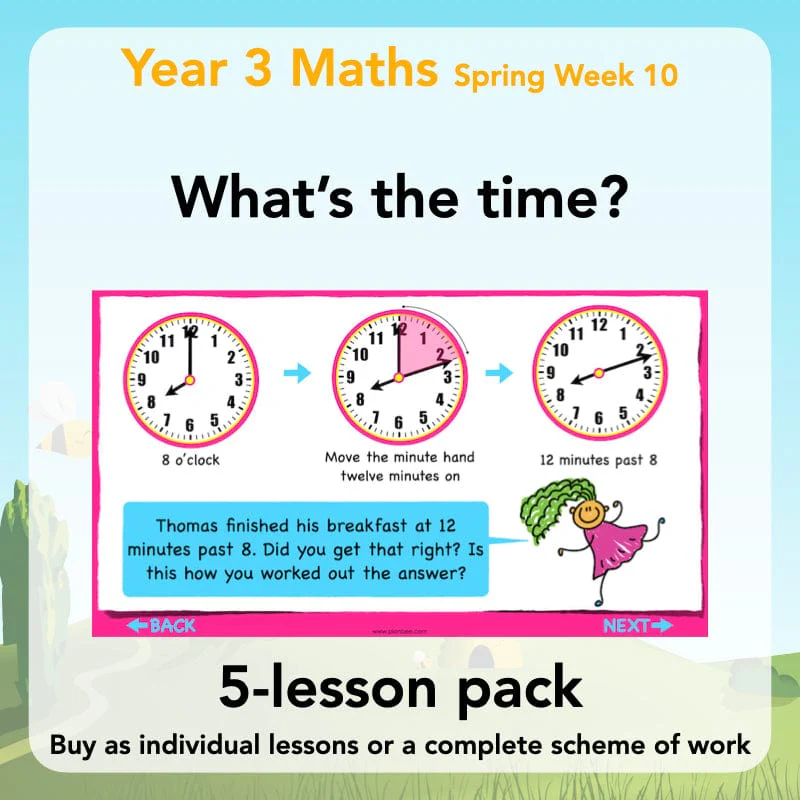
What's the Time?
This Year 3 Time planning pack is a great way of improving your class's understanding of time and how to read both analogue and digital clocks. Your children will learn how to tell the time to the nearest minute, how to express times in different ways and how to read and match analogue and digital clocks. There are some tricky word problems and many other Year 3 time activities to help challenge and consolidate their understanding along the way too!
With lesson plans, engaging slides, differentiated time worksheets and lots of fun activities, these Year 3 time lessons provide you everything you need to deliver this challenging area of the Maths curriculum with one easy click of a button!
Telling Time to the Nearest 5 Minutes
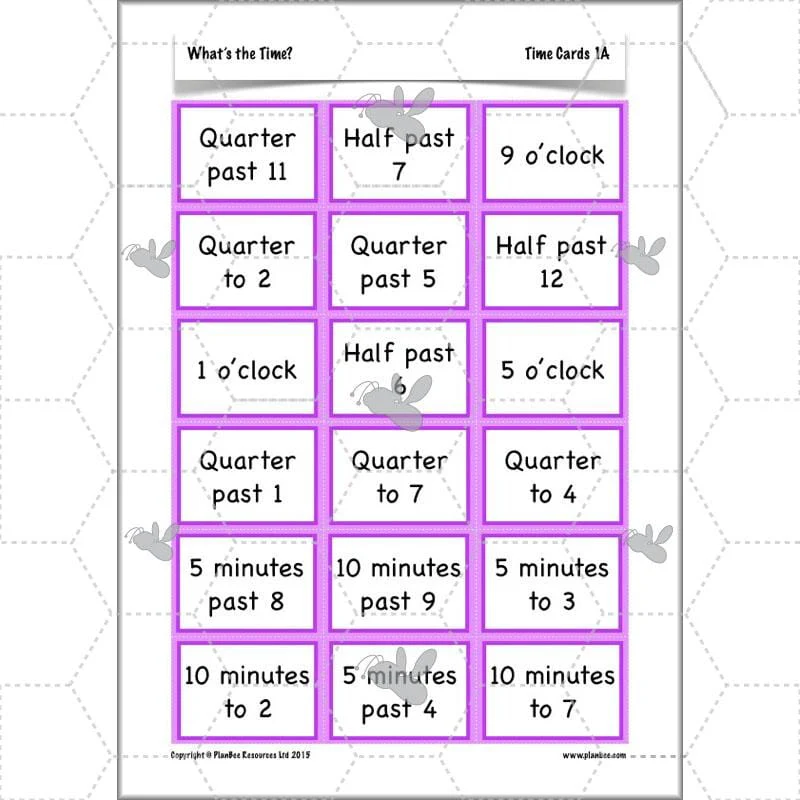
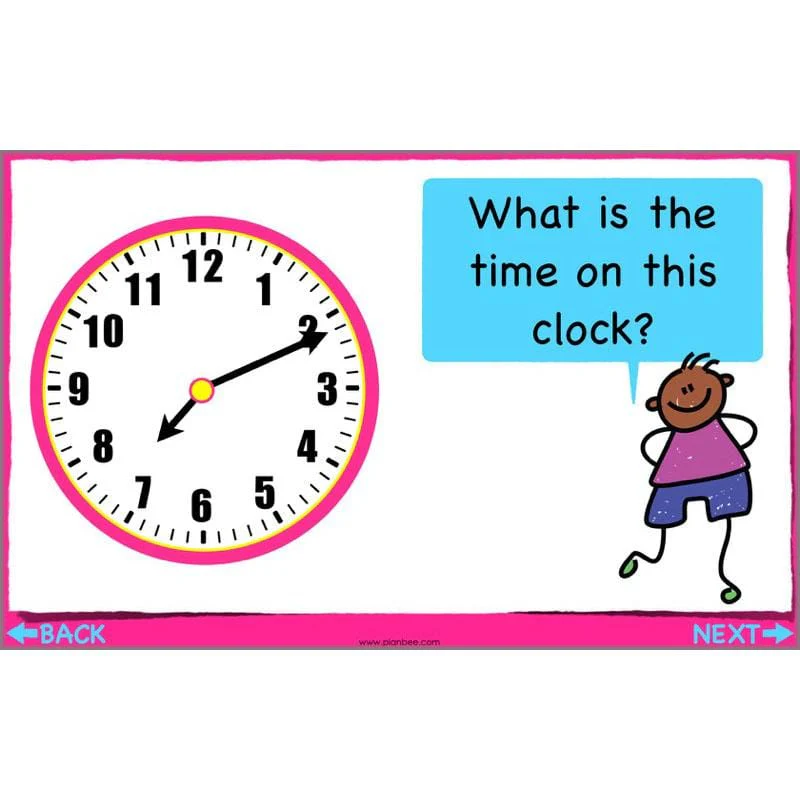
Your Year 3 class will recap what they already know about telling time to the nearest five minutes (including quarter past, half past and quarter to) in the first lesson of this Year 3 time scheme of work. They will also recap how to count in fives to help them tell the time more quickly on an analogue clock.
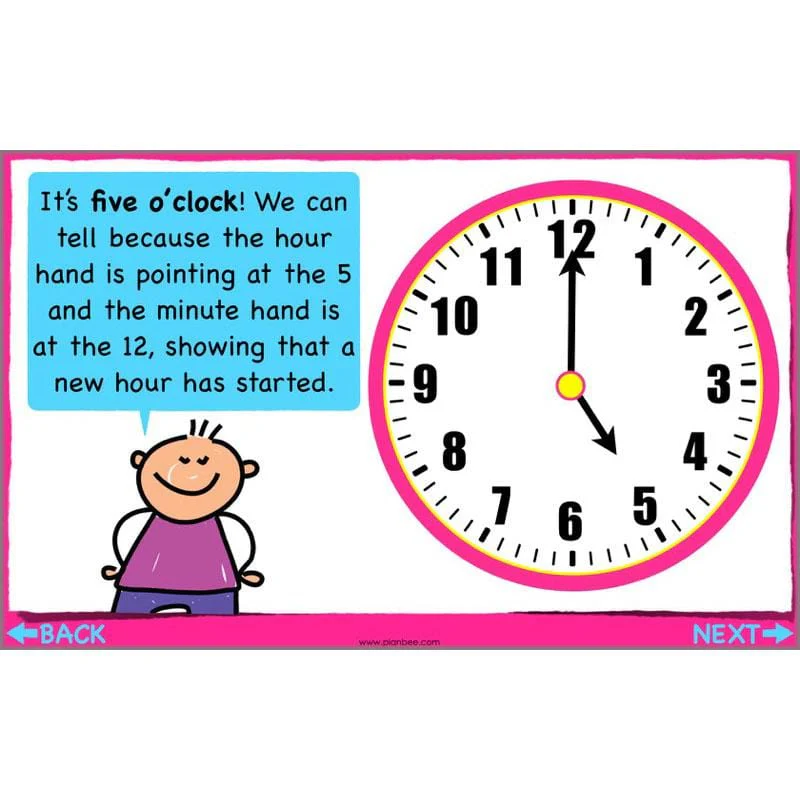
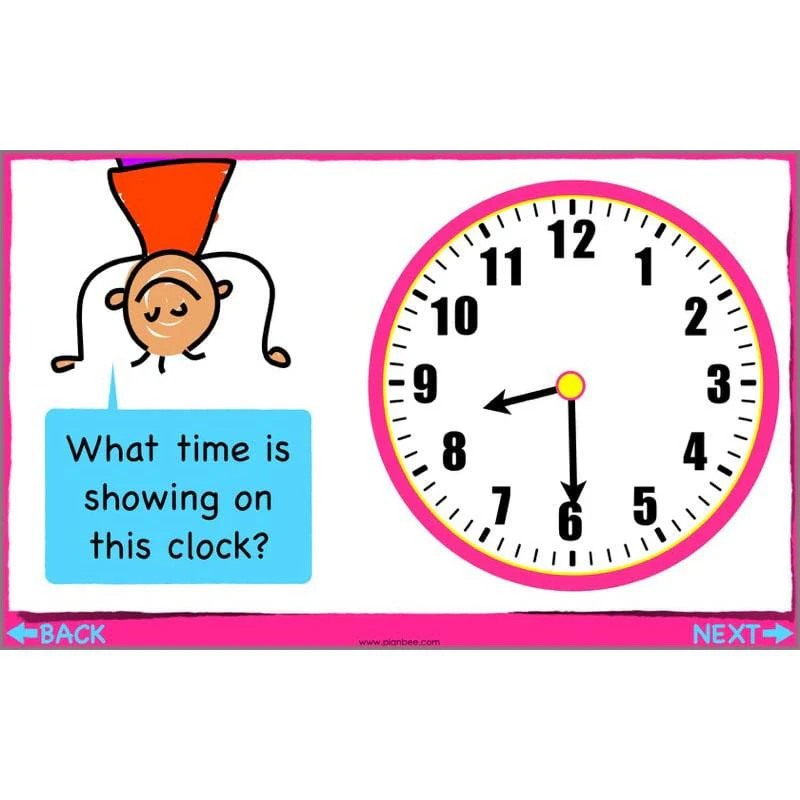
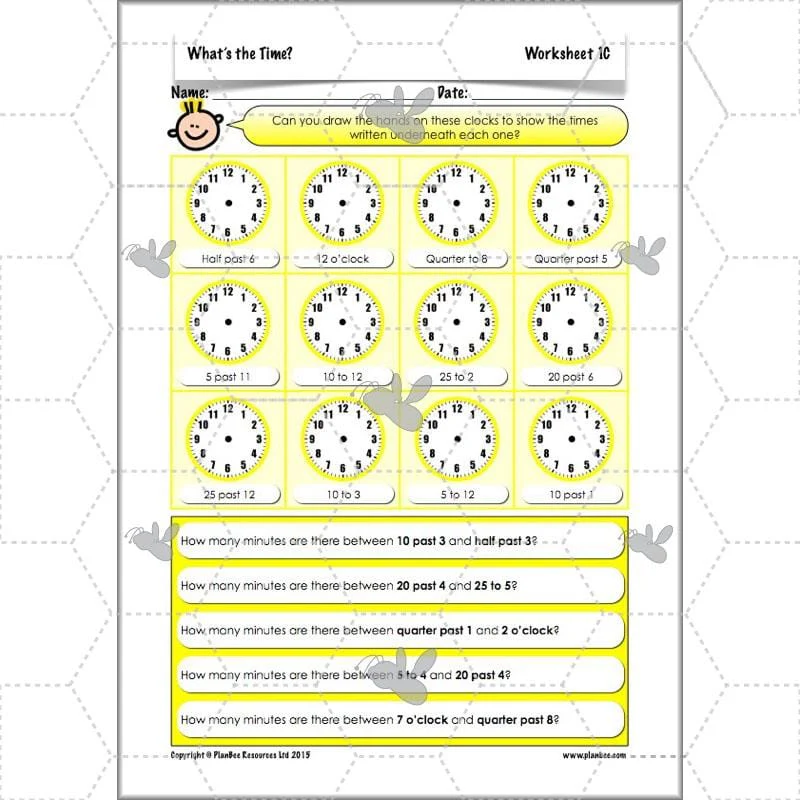
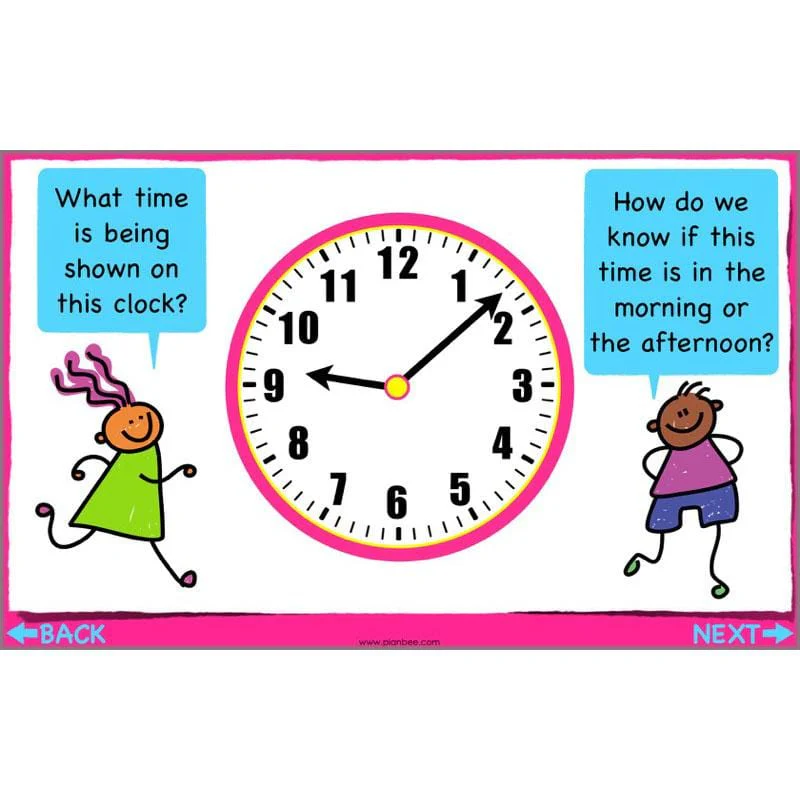
The included slideshow presentation for the whole-class input gives them plenty of chances to practise reading the time and discussing any misconceptions, before children are challenged to draw or move hands on a clock to show a given time during their independent tasks.
This lesson will soon get your class confidently telling time to the nearest 5 minutes and comes fully planned and ready for you to deliver to your class.
What's included:
- Lesson plan
- Slides
- Activity ideas
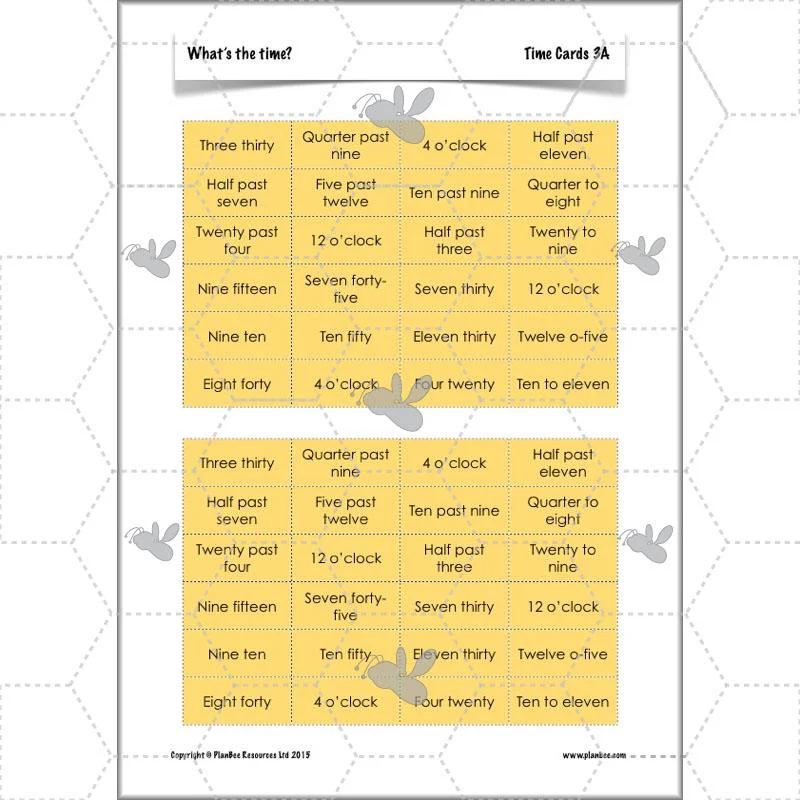
- Time cards
- Differentiated worksheets
View Lesson 1
Telling Time to the Nearest Minute
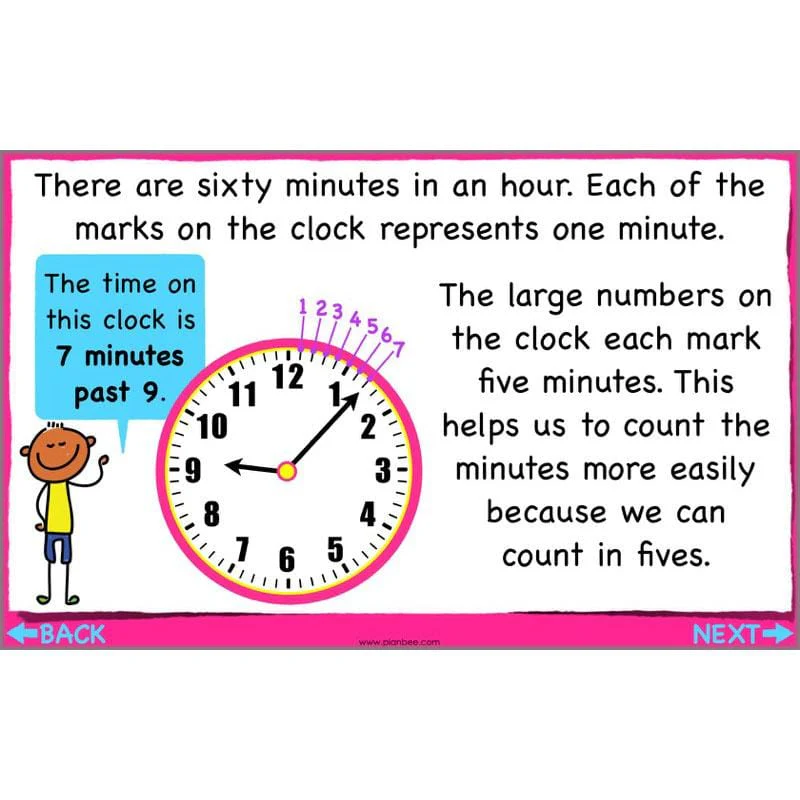
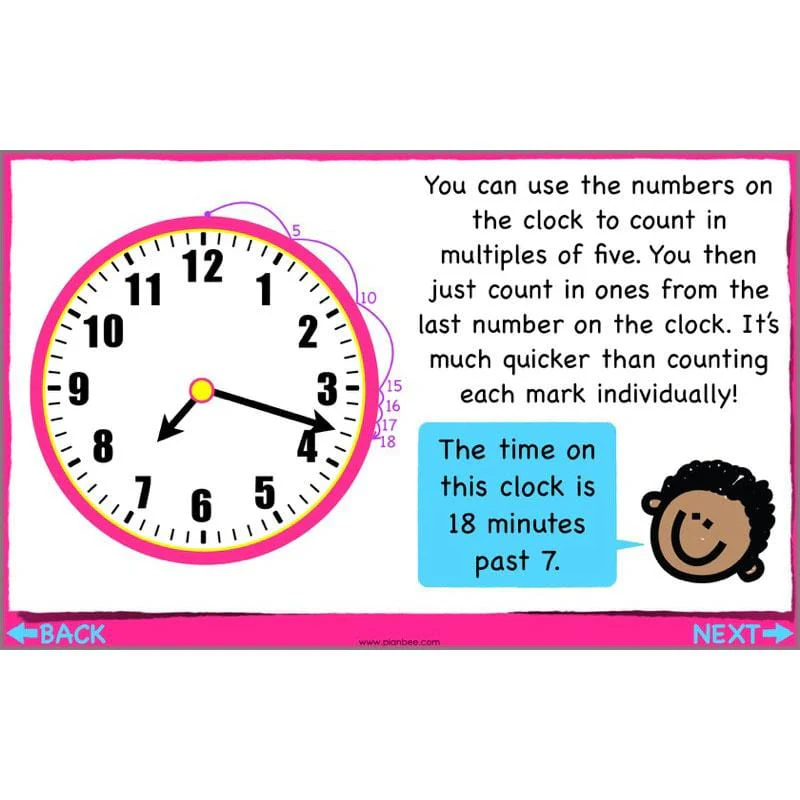
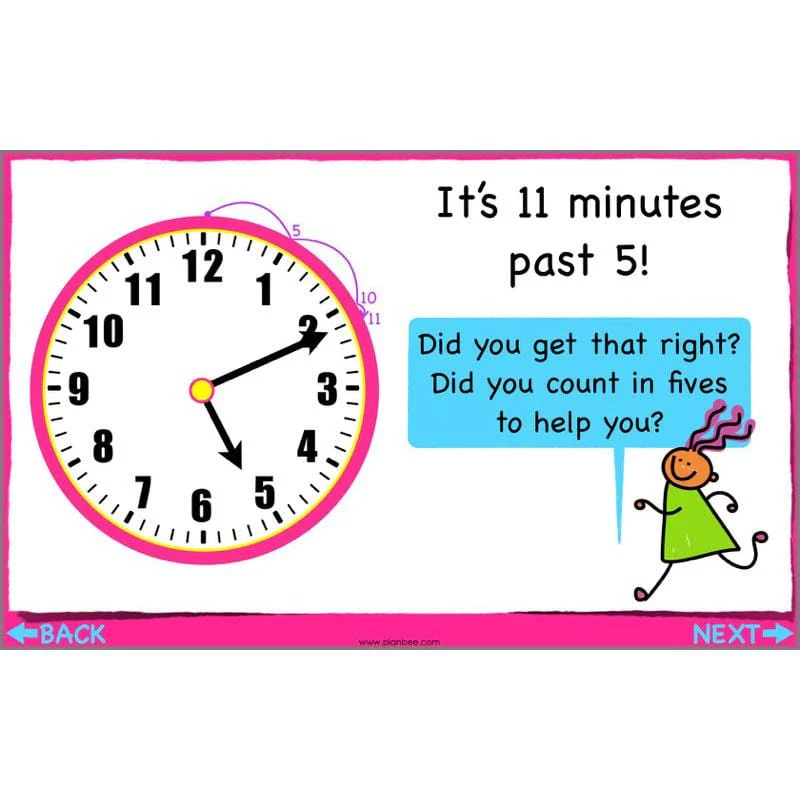
Telling time to the nearest minute is the focus of this Year 3 Maths lesson. Your class will build on their knowledge of telling time to the nearest five minutes to help them then tell time to the nearest minute, counting on in multiples of five and then adding on single minutes. The slides for the whole-class input demonstrate how to do this for both minutes past and minutes to the hour, giving your class lots of opportunities to practise for themselves.
They can then consolidate this skill during their independent learning time through a variety of fun time activities.
This Telling Time to the Nearest Minute lesson comes completely planned and resourced so you can get on with teaching. There's a detailed lesson plan, a slideshow for the teaching input, differentiated activity ideas and a range of printable resources.
What's included:
- Lesson plan
- Slides
- Activity ideas
- Differentiated worksheets
- Information sheet
- Jigsaw time pieces
- Blank jigsaw time pieces
View Lesson 2
Analogue and Digital Clocks
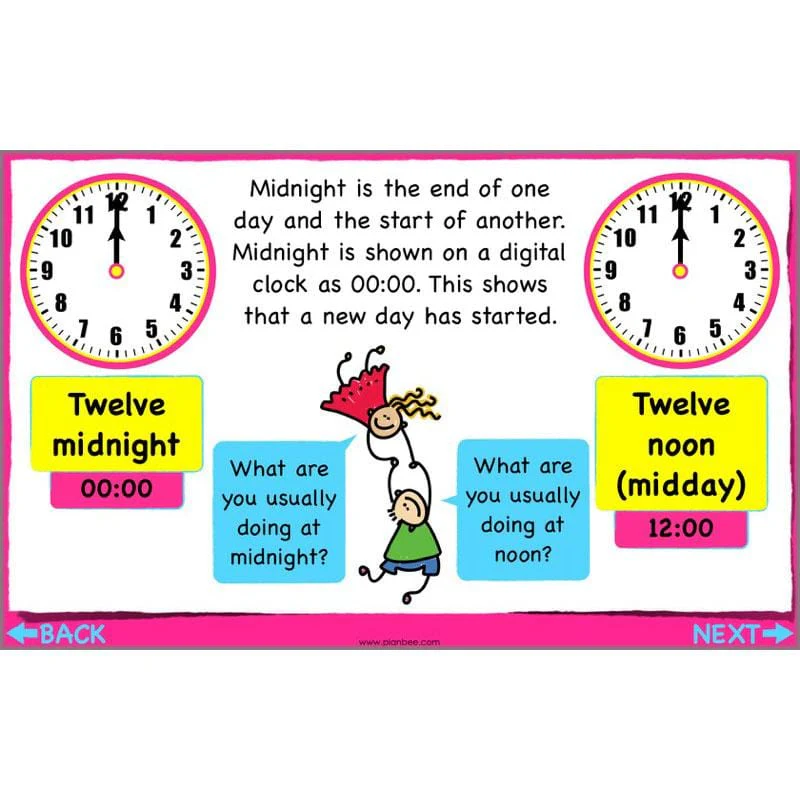
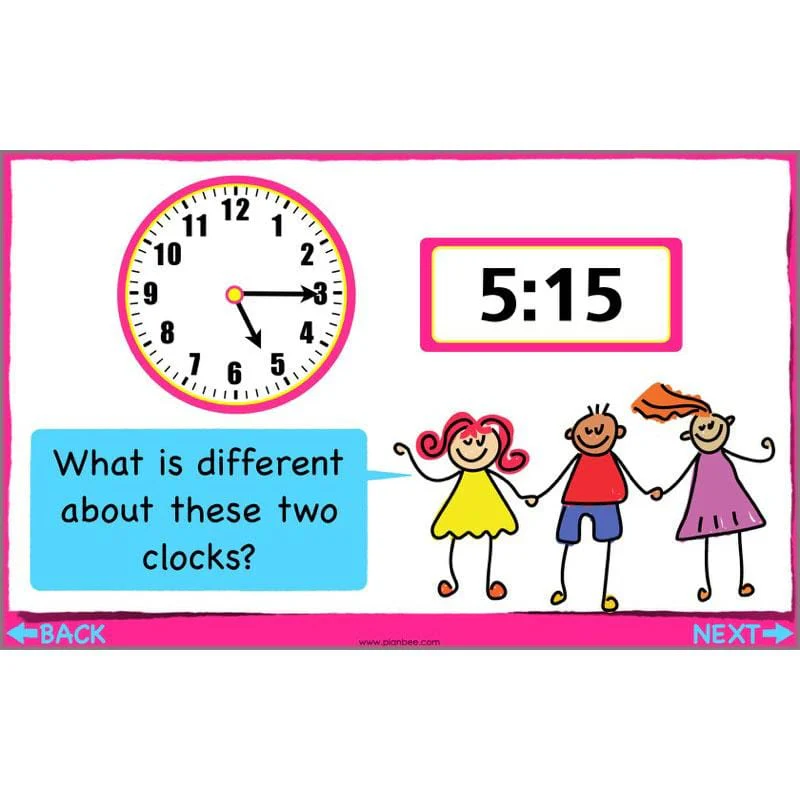
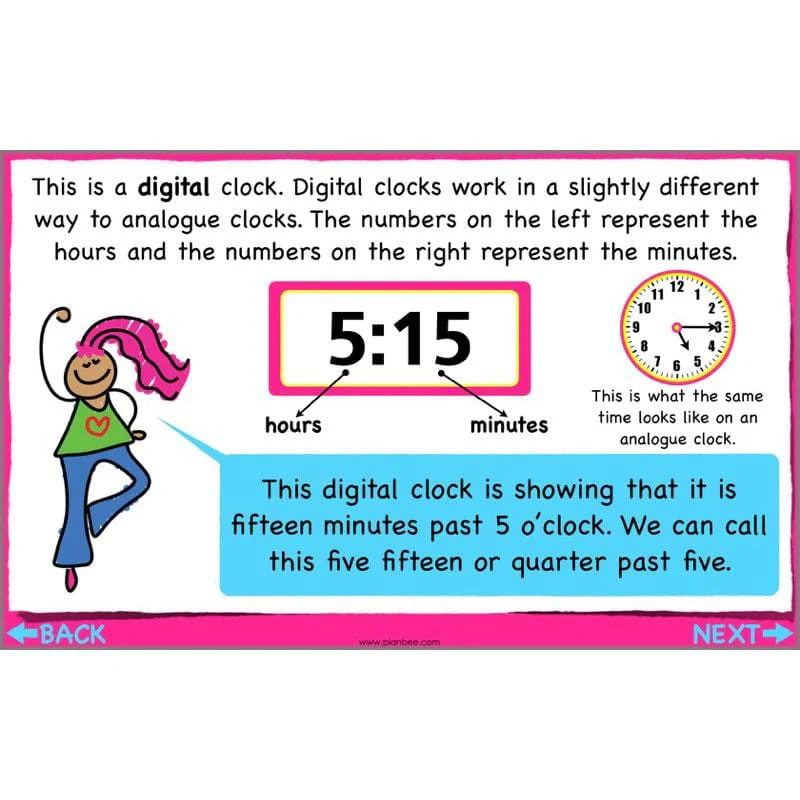
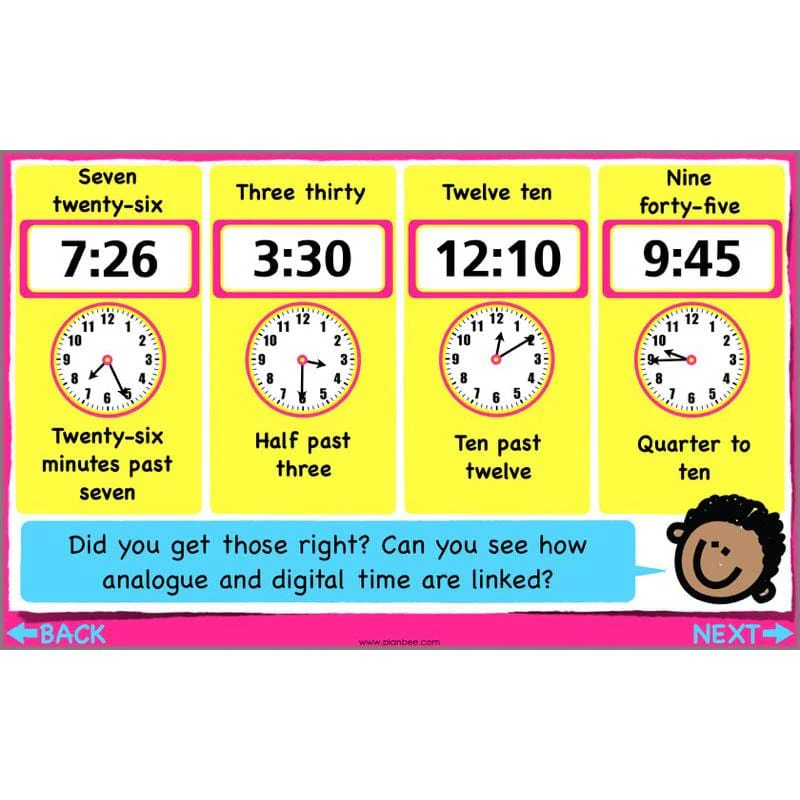
Your Year 3 class will be comparing and matching analogue and digital clocks in this lesson as they explore different ways of reading and expressing time. They will explore how digital clocks work and how they are different to analogue clocks, and learn how to say the time in different ways, such as 'three twenty' and 'twenty past three'.
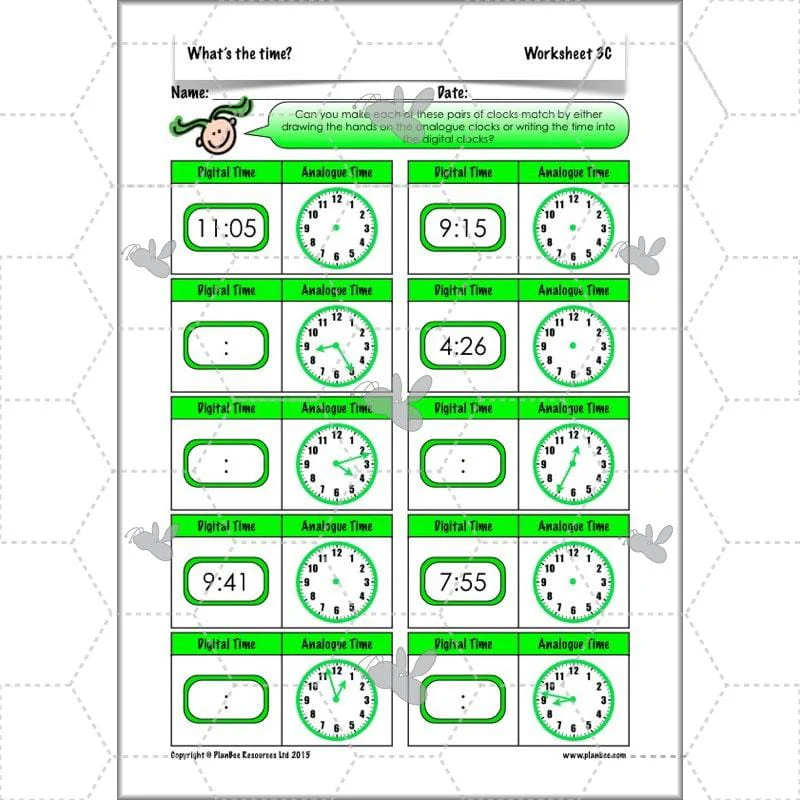
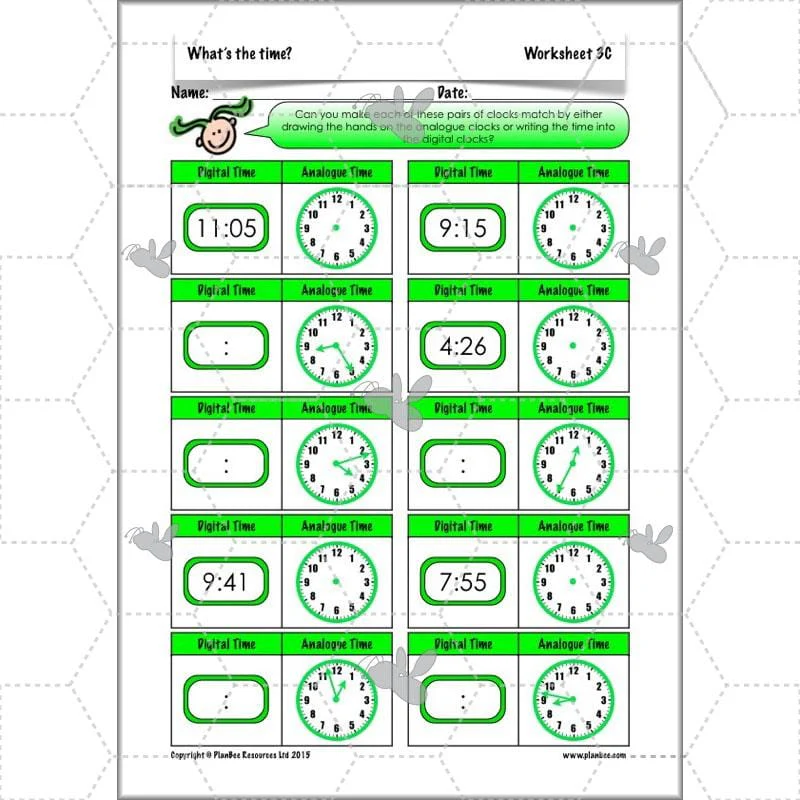
They can then have a go at matching analogue and digital clock faces or matching the written times and expressing them on clocks.
This Year 3 Analogue and Digital Clocks lesson comes with all the planning and resources you need in order to deliver a great time lesson. There's a detailed lesson plan, a slideshow for the whole-class input, differentiated activity ideas and a range of printable resources.
What's included:
- Lesson plan
- Slides
- Activity ideas
- Differentiated worksheets
- Digital clock cards
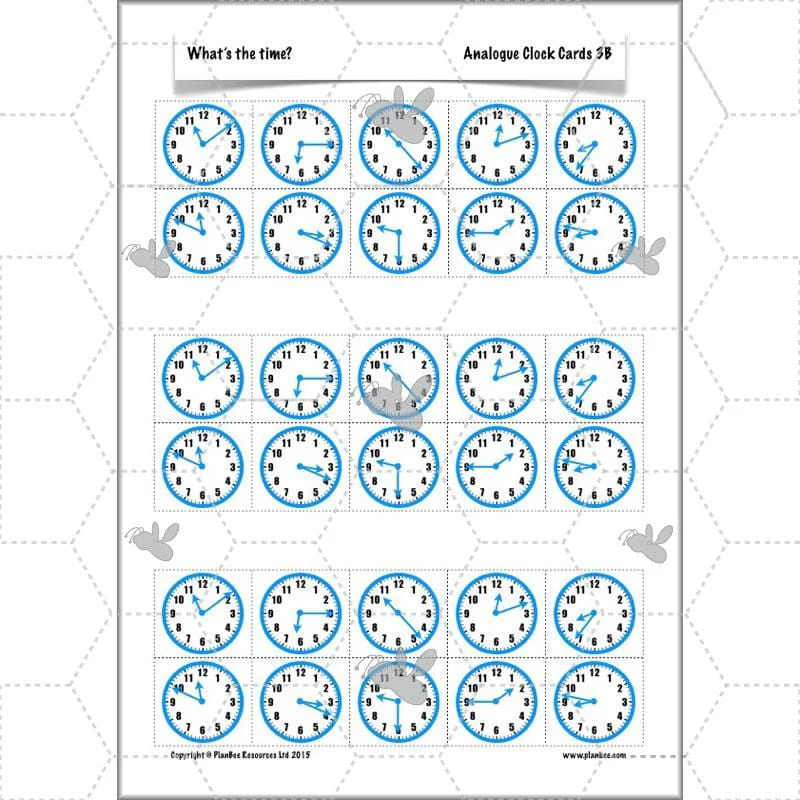
- Analogue clock cards
- Time cards
View Lesson 3
am and pm
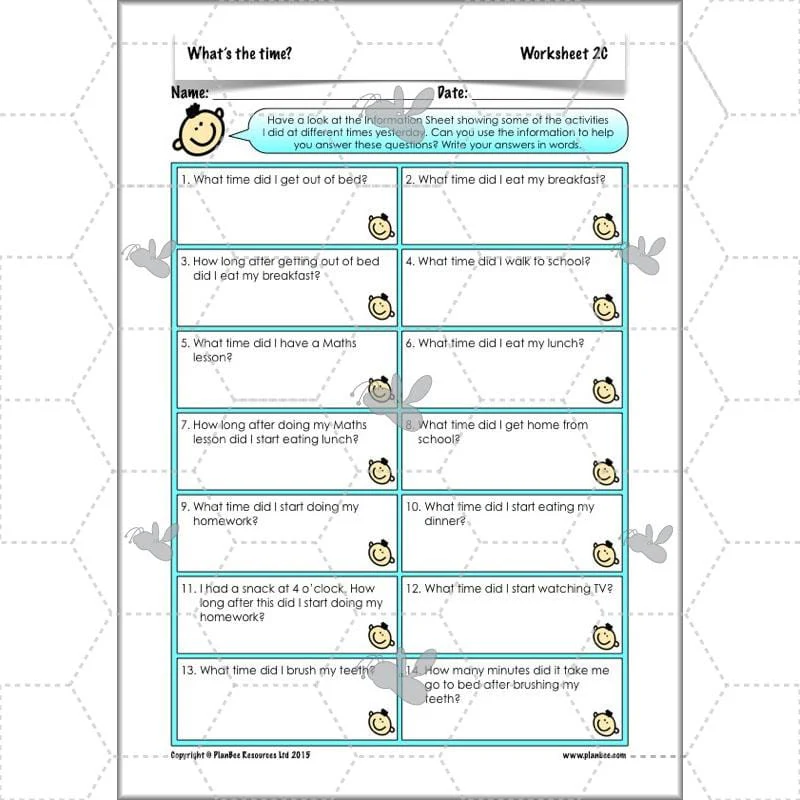
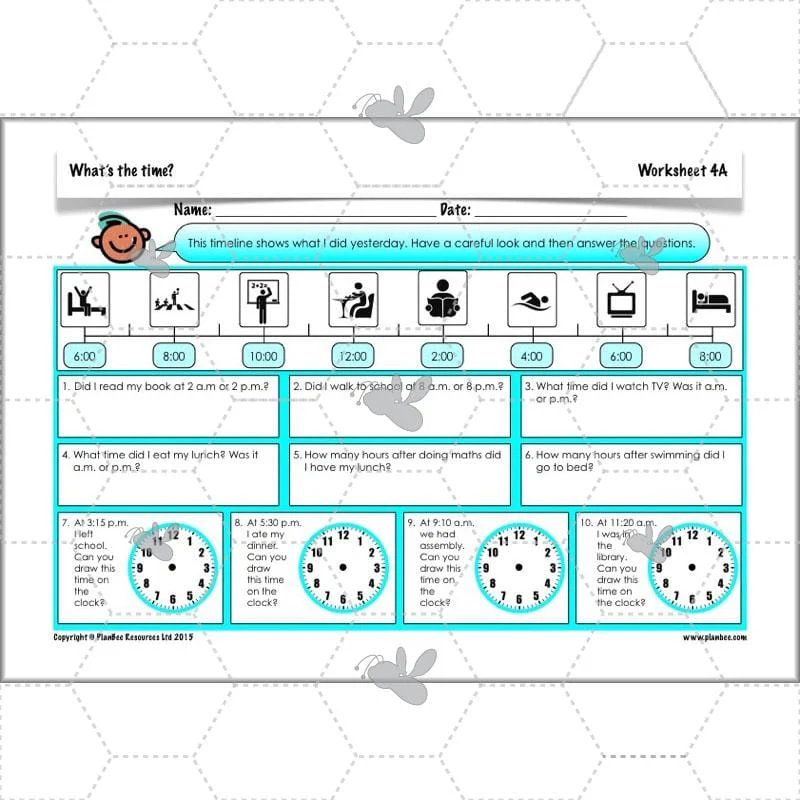
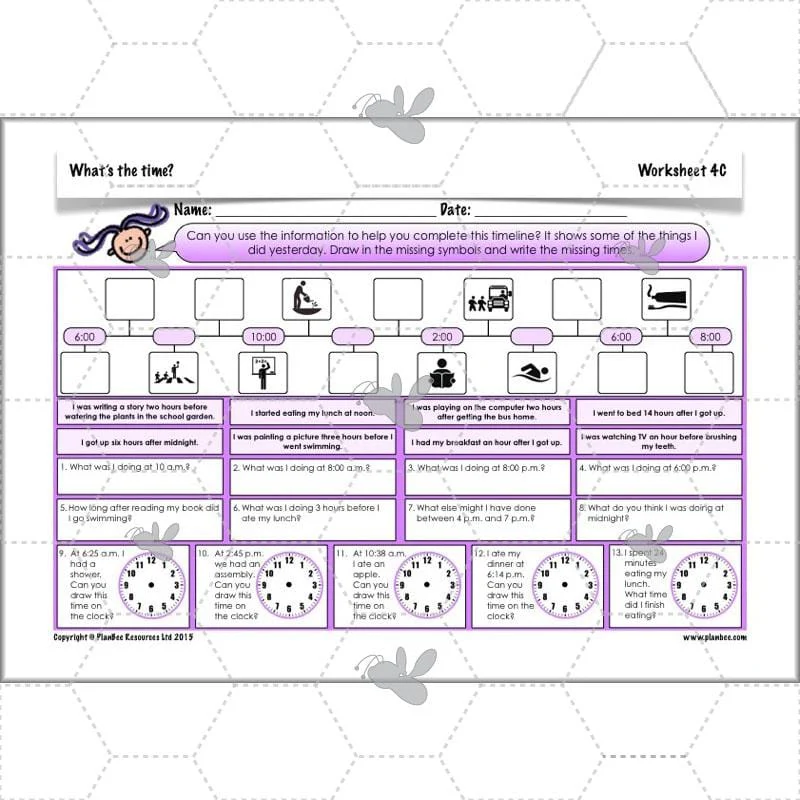
This lesson seeks to consolidate their time-reading skills as well as help them understand and differentiate between am and pm times. Your Year 3 children will think about different activities they do in a typical day and use timelines to ask and answer questions about when different activities were undertaken.
During their independent learning tasks, they can then read and interpret some daily timetables or even create their own to show what they do at certain times in a typical day.
This Year 3 time lesson will soon have your class able to differentiate between am and pm times, and it comes completely planned and resourced so you can deliver the learning with no long planning sessions!
What's included:
- Lesson plan
- Slides
- Activity ideas
- Differentiated worksheets
- Blank timeline
View Lesson 4
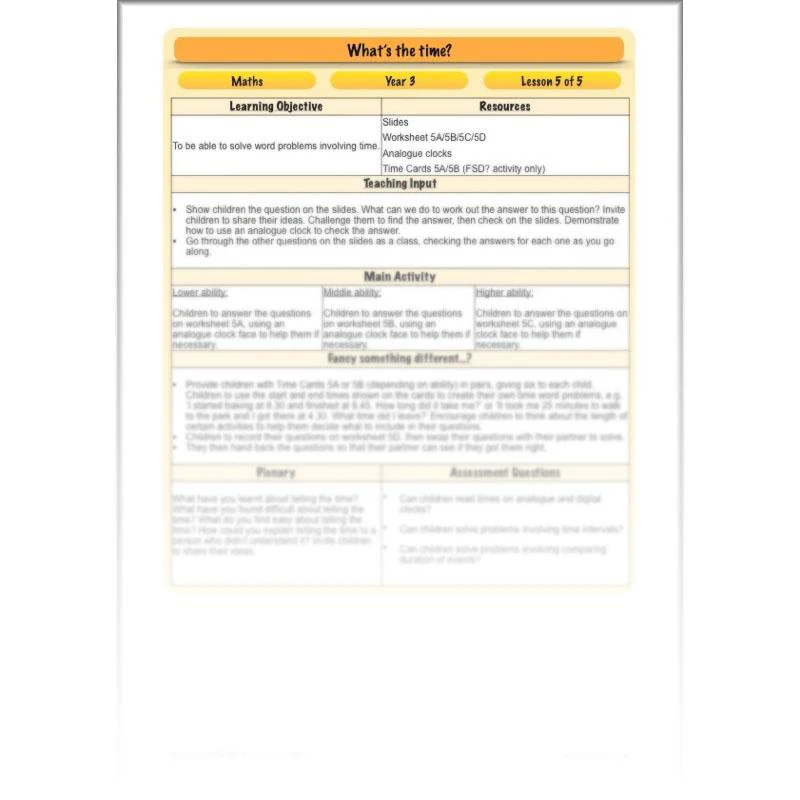
Time Word Problems
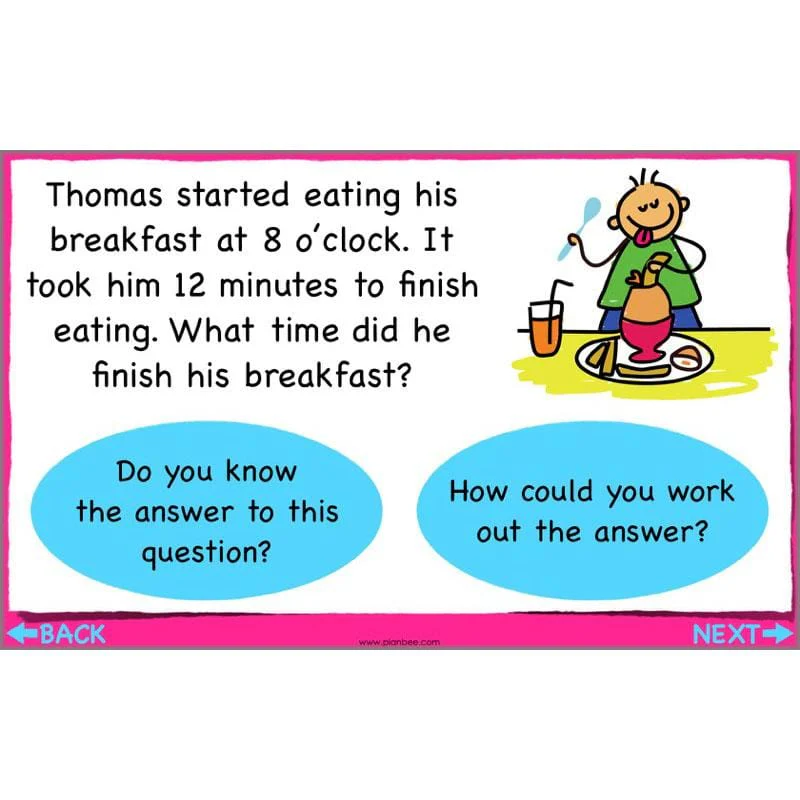
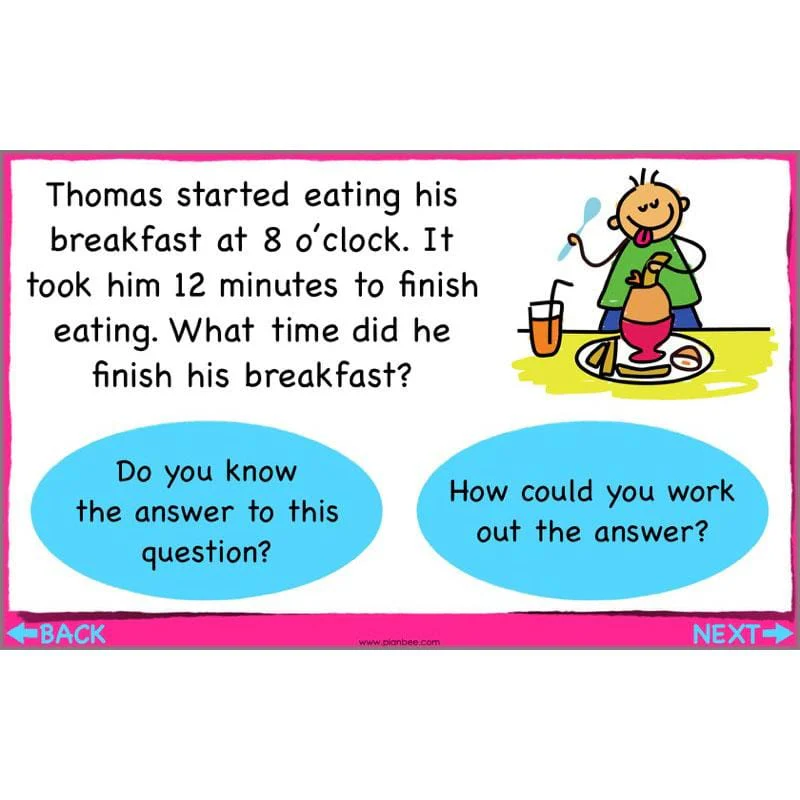
This Year 3 Time Word Problems lesson will help your class to use time in real-life contexts by answering a variety of time word problems. They will be challenged to work out what time activities started and ended in a variety of different scenarios, using their understanding of reading clock faces to help them.
Fully planned with everything you need, including a lesson plan, slideshow and differentiated time word problem worksheets, this Year 3 Time Word Problems pack is a great way to finish a week of Maths teaching by giving your class the chance to draw on everything they have learnt.
What's included:
- Lesson plan
- Slides
- Activity ideas
- Differentiated worksheets
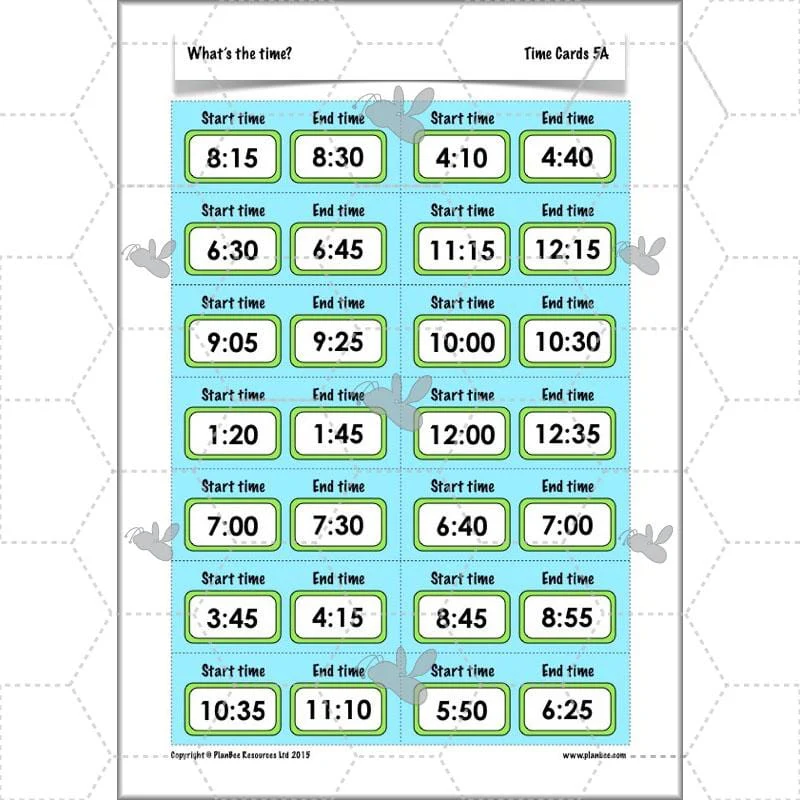
- Time cards
View Lesson 5
Original: $4.71
-65%$4.71
$1.65More Images


























What's the Time?
This Year 3 Time planning pack is a great way of improving your class's understanding of time and how to read both analogue and digital clocks. Your children will learn how to tell the time to the nearest minute, how to express times in different ways and how to read and match analogue and digital clocks. There are some tricky word problems and many other Year 3 time activities to help challenge and consolidate their understanding along the way too!
With lesson plans, engaging slides, differentiated time worksheets and lots of fun activities, these Year 3 time lessons provide you everything you need to deliver this challenging area of the Maths curriculum with one easy click of a button!
Telling Time to the Nearest 5 Minutes
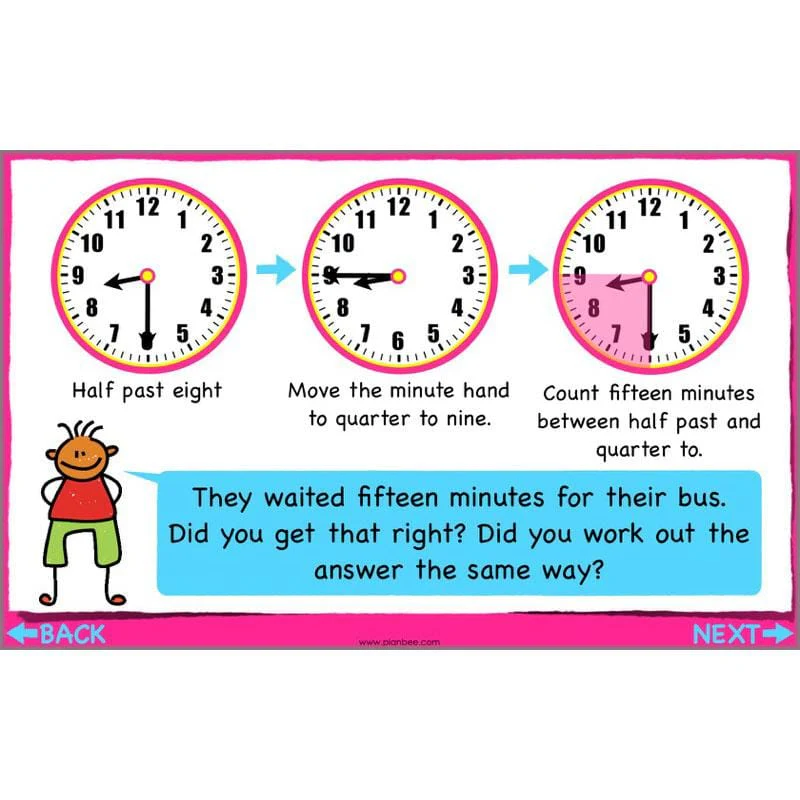
Your Year 3 class will recap what they already know about telling time to the nearest five minutes (including quarter past, half past and quarter to) in the first lesson of this Year 3 time scheme of work. They will also recap how to count in fives to help them tell the time more quickly on an analogue clock.
The included slideshow presentation for the whole-class input gives them plenty of chances to practise reading the time and discussing any misconceptions, before children are challenged to draw or move hands on a clock to show a given time during their independent tasks.
This lesson will soon get your class confidently telling time to the nearest 5 minutes and comes fully planned and ready for you to deliver to your class.
What's included:
- Lesson plan
- Slides
- Activity ideas
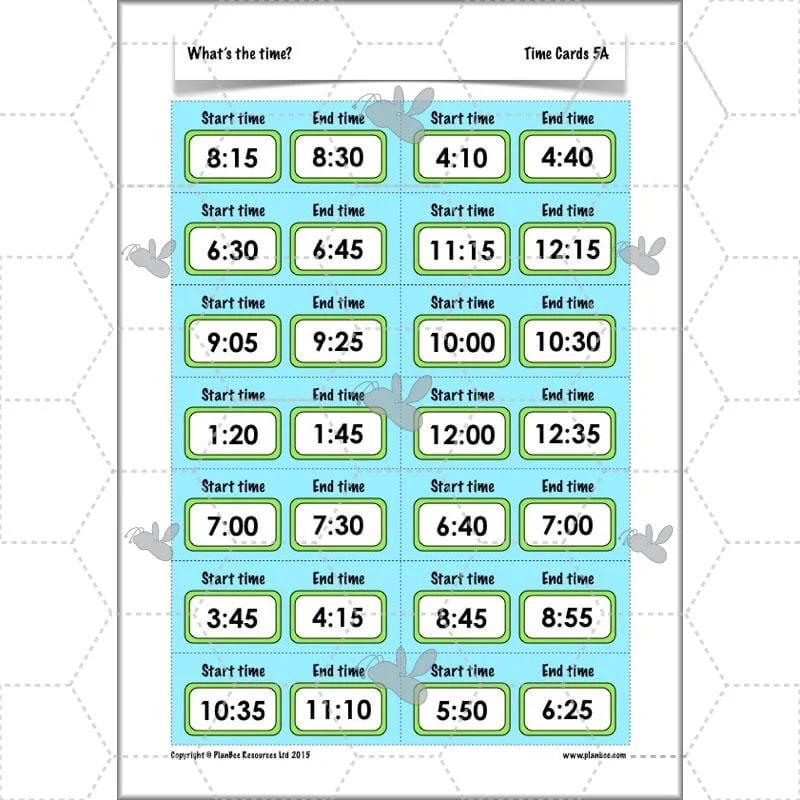
- Time cards
- Differentiated worksheets
View Lesson 1
Telling Time to the Nearest Minute
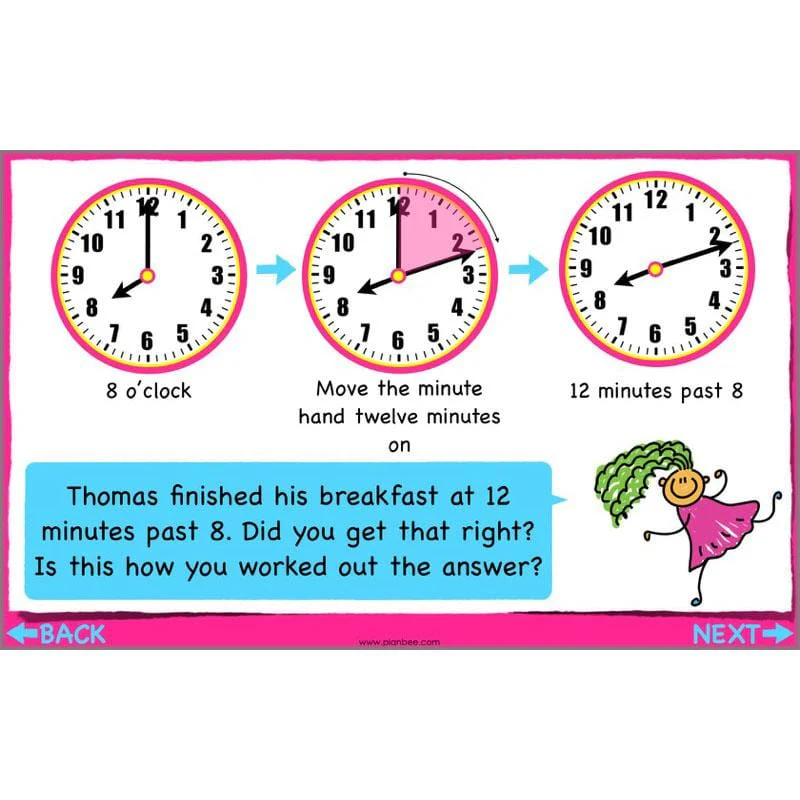
Telling time to the nearest minute is the focus of this Year 3 Maths lesson. Your class will build on their knowledge of telling time to the nearest five minutes to help them then tell time to the nearest minute, counting on in multiples of five and then adding on single minutes. The slides for the whole-class input demonstrate how to do this for both minutes past and minutes to the hour, giving your class lots of opportunities to practise for themselves.
They can then consolidate this skill during their independent learning time through a variety of fun time activities.
This Telling Time to the Nearest Minute lesson comes completely planned and resourced so you can get on with teaching. There's a detailed lesson plan, a slideshow for the teaching input, differentiated activity ideas and a range of printable resources.
What's included:
- Lesson plan
- Slides
- Activity ideas
- Differentiated worksheets
- Information sheet
- Jigsaw time pieces
- Blank jigsaw time pieces
View Lesson 2
Analogue and Digital Clocks
Your Year 3 class will be comparing and matching analogue and digital clocks in this lesson as they explore different ways of reading and expressing time. They will explore how digital clocks work and how they are different to analogue clocks, and learn how to say the time in different ways, such as 'three twenty' and 'twenty past three'.
They can then have a go at matching analogue and digital clock faces or matching the written times and expressing them on clocks.
This Year 3 Analogue and Digital Clocks lesson comes with all the planning and resources you need in order to deliver a great time lesson. There's a detailed lesson plan, a slideshow for the whole-class input, differentiated activity ideas and a range of printable resources.
What's included:
- Lesson plan
- Slides
- Activity ideas
- Differentiated worksheets
- Digital clock cards
- Analogue clock cards
- Time cards
View Lesson 3
am and pm
This lesson seeks to consolidate their time-reading skills as well as help them understand and differentiate between am and pm times. Your Year 3 children will think about different activities they do in a typical day and use timelines to ask and answer questions about when different activities were undertaken.
During their independent learning tasks, they can then read and interpret some daily timetables or even create their own to show what they do at certain times in a typical day.
This Year 3 time lesson will soon have your class able to differentiate between am and pm times, and it comes completely planned and resourced so you can deliver the learning with no long planning sessions!
What's included:
- Lesson plan
- Slides
- Activity ideas
- Differentiated worksheets
- Blank timeline
View Lesson 4
Time Word Problems
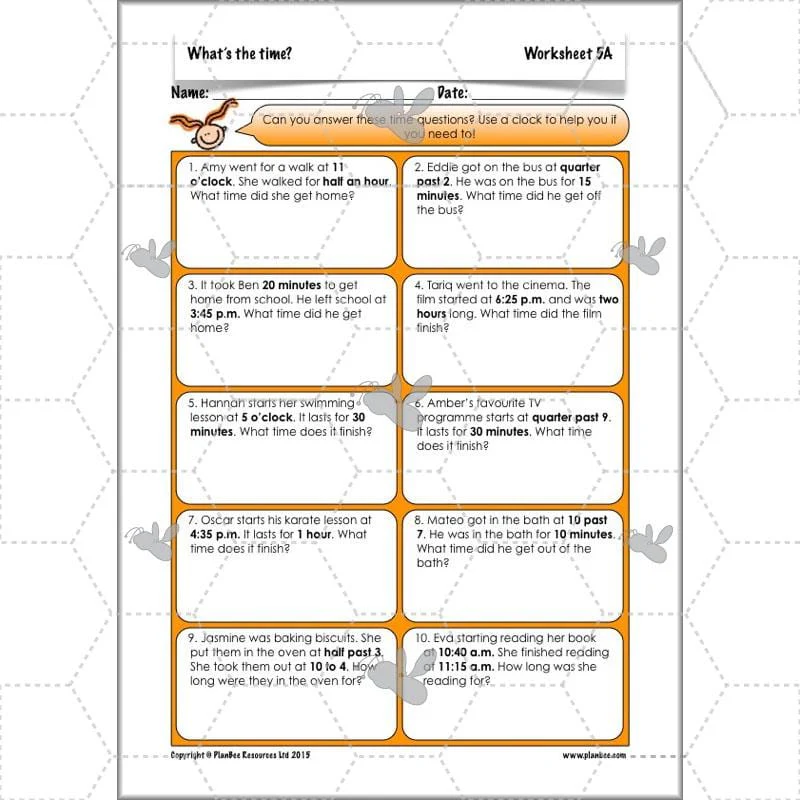
This Year 3 Time Word Problems lesson will help your class to use time in real-life contexts by answering a variety of time word problems. They will be challenged to work out what time activities started and ended in a variety of different scenarios, using their understanding of reading clock faces to help them.
Fully planned with everything you need, including a lesson plan, slideshow and differentiated time word problem worksheets, this Year 3 Time Word Problems pack is a great way to finish a week of Maths teaching by giving your class the chance to draw on everything they have learnt.
What's included:
- Lesson plan
- Slides
- Activity ideas
- Differentiated worksheets
- Time cards
View Lesson 5
Product Information
Product Information
Shipping & Returns
Shipping & Returns
Description
This Year 3 Time planning pack is a great way of improving your class's understanding of time and how to read both analogue and digital clocks. Your children will learn how to tell the time to the nearest minute, how to express times in different ways and how to read and match analogue and digital clocks. There are some tricky word problems and many other Year 3 time activities to help challenge and consolidate their understanding along the way too!
With lesson plans, engaging slides, differentiated time worksheets and lots of fun activities, these Year 3 time lessons provide you everything you need to deliver this challenging area of the Maths curriculum with one easy click of a button!
Telling Time to the Nearest 5 Minutes
Your Year 3 class will recap what they already know about telling time to the nearest five minutes (including quarter past, half past and quarter to) in the first lesson of this Year 3 time scheme of work. They will also recap how to count in fives to help them tell the time more quickly on an analogue clock.
The included slideshow presentation for the whole-class input gives them plenty of chances to practise reading the time and discussing any misconceptions, before children are challenged to draw or move hands on a clock to show a given time during their independent tasks.
This lesson will soon get your class confidently telling time to the nearest 5 minutes and comes fully planned and ready for you to deliver to your class.
What's included:
- Lesson plan
- Slides
- Activity ideas
- Time cards
- Differentiated worksheets
View Lesson 1
Telling Time to the Nearest Minute
Telling time to the nearest minute is the focus of this Year 3 Maths lesson. Your class will build on their knowledge of telling time to the nearest five minutes to help them then tell time to the nearest minute, counting on in multiples of five and then adding on single minutes. The slides for the whole-class input demonstrate how to do this for both minutes past and minutes to the hour, giving your class lots of opportunities to practise for themselves.
They can then consolidate this skill during their independent learning time through a variety of fun time activities.
This Telling Time to the Nearest Minute lesson comes completely planned and resourced so you can get on with teaching. There's a detailed lesson plan, a slideshow for the teaching input, differentiated activity ideas and a range of printable resources.
What's included:
- Lesson plan
- Slides
- Activity ideas
- Differentiated worksheets
- Information sheet
- Jigsaw time pieces
- Blank jigsaw time pieces
View Lesson 2
Analogue and Digital Clocks
Your Year 3 class will be comparing and matching analogue and digital clocks in this lesson as they explore different ways of reading and expressing time. They will explore how digital clocks work and how they are different to analogue clocks, and learn how to say the time in different ways, such as 'three twenty' and 'twenty past three'.
They can then have a go at matching analogue and digital clock faces or matching the written times and expressing them on clocks.
This Year 3 Analogue and Digital Clocks lesson comes with all the planning and resources you need in order to deliver a great time lesson. There's a detailed lesson plan, a slideshow for the whole-class input, differentiated activity ideas and a range of printable resources.
What's included:
- Lesson plan
- Slides
- Activity ideas
- Differentiated worksheets
- Digital clock cards
- Analogue clock cards
- Time cards
View Lesson 3
am and pm
This lesson seeks to consolidate their time-reading skills as well as help them understand and differentiate between am and pm times. Your Year 3 children will think about different activities they do in a typical day and use timelines to ask and answer questions about when different activities were undertaken.
During their independent learning tasks, they can then read and interpret some daily timetables or even create their own to show what they do at certain times in a typical day.
This Year 3 time lesson will soon have your class able to differentiate between am and pm times, and it comes completely planned and resourced so you can deliver the learning with no long planning sessions!
What's included:
- Lesson plan
- Slides
- Activity ideas
- Differentiated worksheets
- Blank timeline
View Lesson 4
Time Word Problems
This Year 3 Time Word Problems lesson will help your class to use time in real-life contexts by answering a variety of time word problems. They will be challenged to work out what time activities started and ended in a variety of different scenarios, using their understanding of reading clock faces to help them.
Fully planned with everything you need, including a lesson plan, slideshow and differentiated time word problem worksheets, this Year 3 Time Word Problems pack is a great way to finish a week of Maths teaching by giving your class the chance to draw on everything they have learnt.
What's included:
- Lesson plan
- Slides
- Activity ideas
- Differentiated worksheets
- Time cards
View Lesson 5