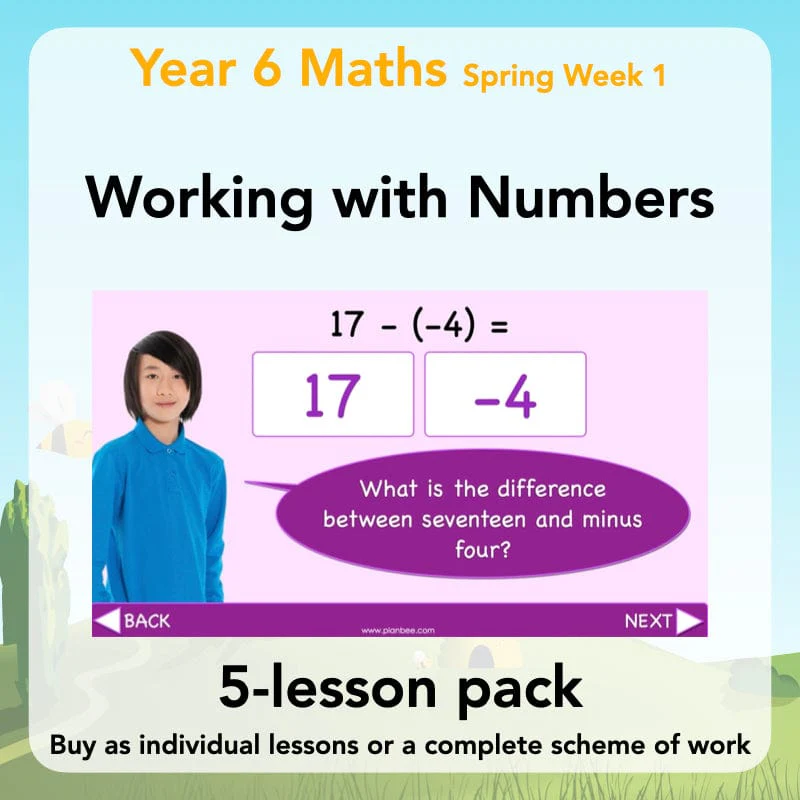
Working with Numbers
This Year 6 'Working with Numbers' scheme of work will enable your class to become much more confident in working with numbers in a range of contexts, from rounding decimals to finding the difference between positive and negative integers.
They will start by multiplying and dividing numbers by 10, 100 and 1000 and then move on to doing the same with decimals before rounding large numbers and exploring negative numbers in context.
This five-lesson scheme of work comes with everything you need, including detailed lesson plans, lesson slides and printable resources.
10, 100 and 1000
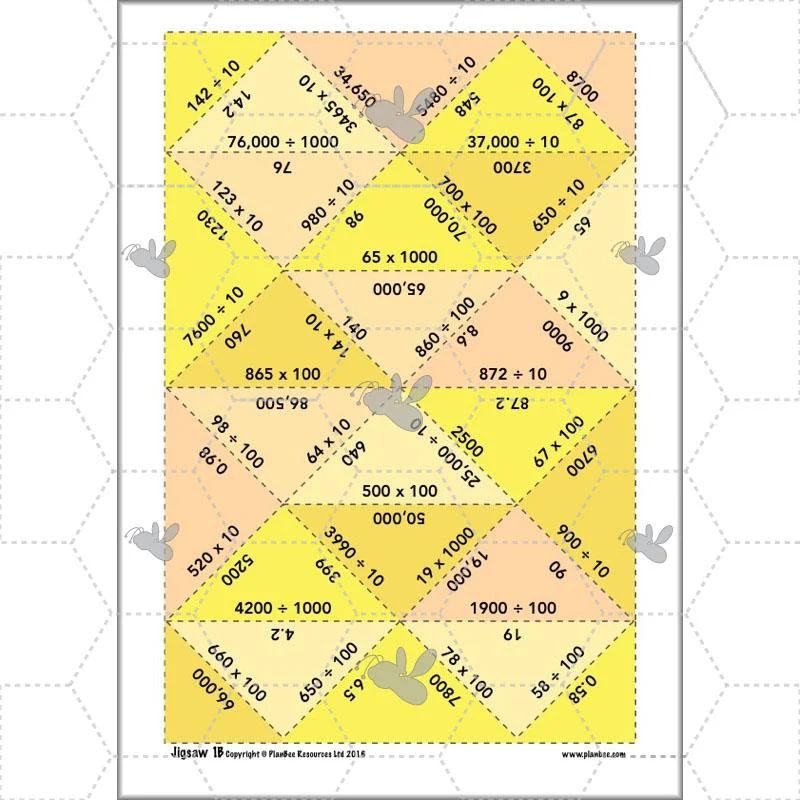
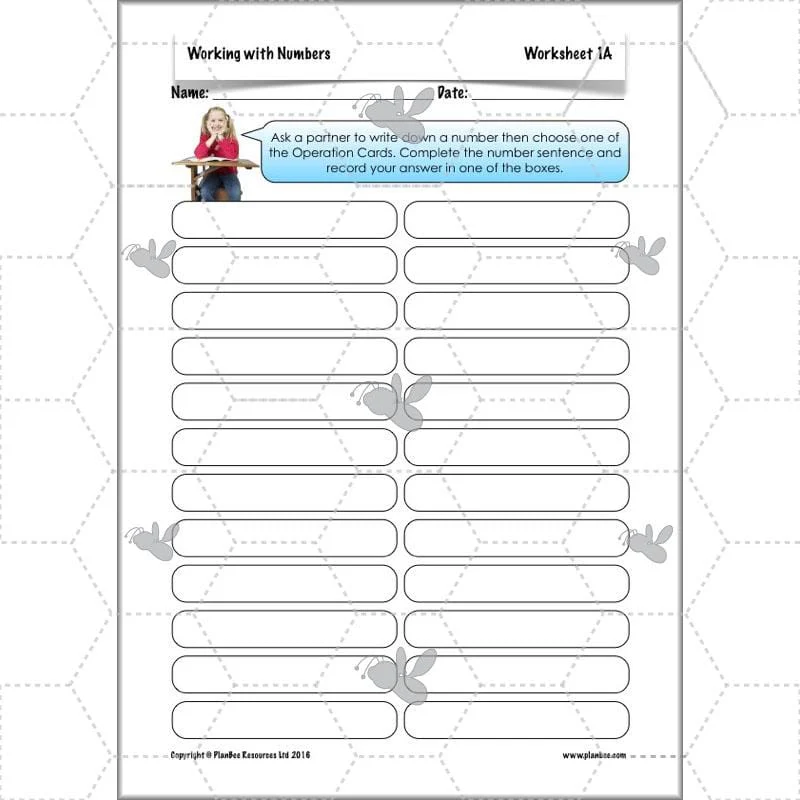
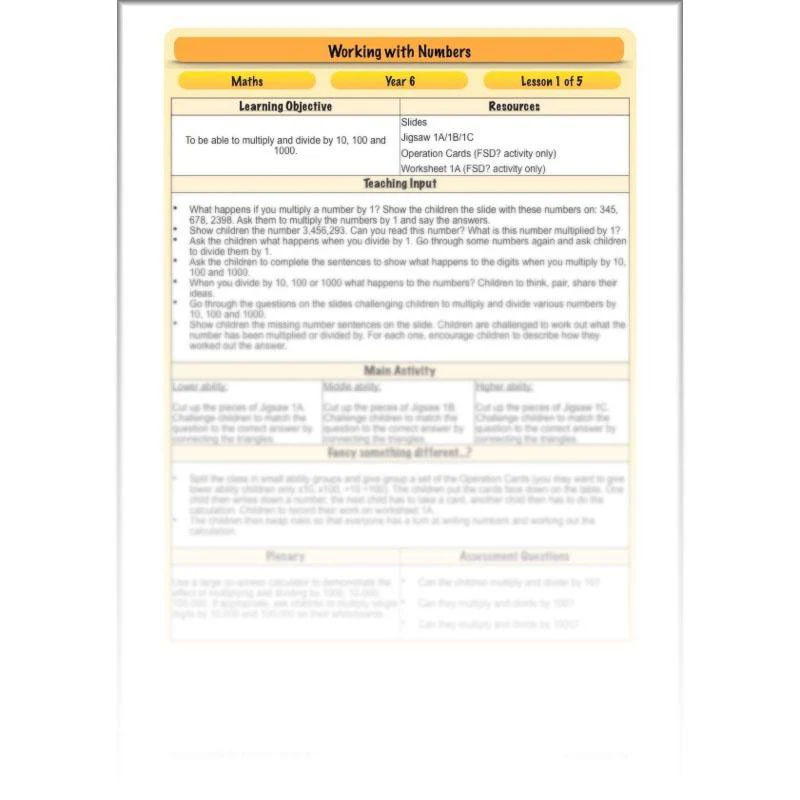
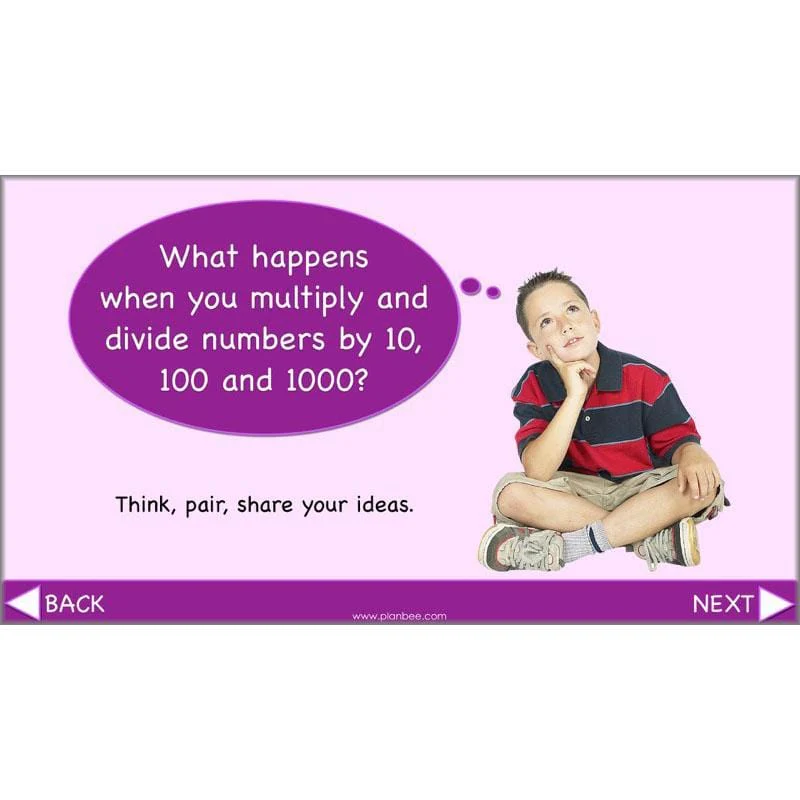
The first lesson in this series recaps the effect of multiplying and dividing numbers by 10 and 100, and extends this to study the effect of multiplying and dividing by 1000. Children will then be challenged to multiply and divide numbers with up to six digits by 10, 100 and 1000 through a variety of engaging activities, including some challenging tarsia puzzles!
What's included:
- Lesson plan
- Slides
- Activity ideas
- Jigsaw sheet
- Operation cards
- Worksheet
Multiplying and Dividing Decimals
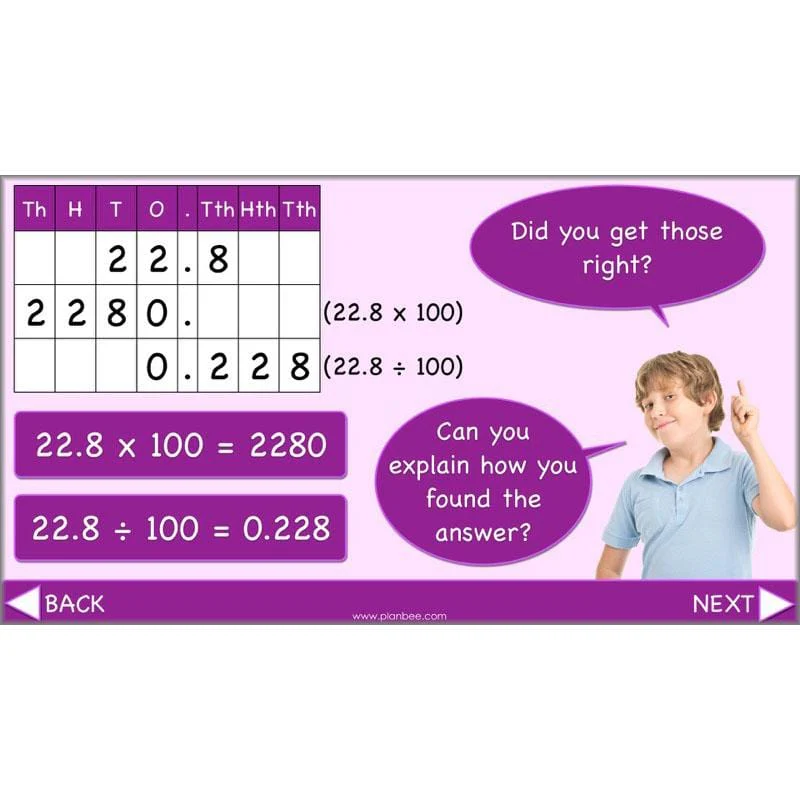
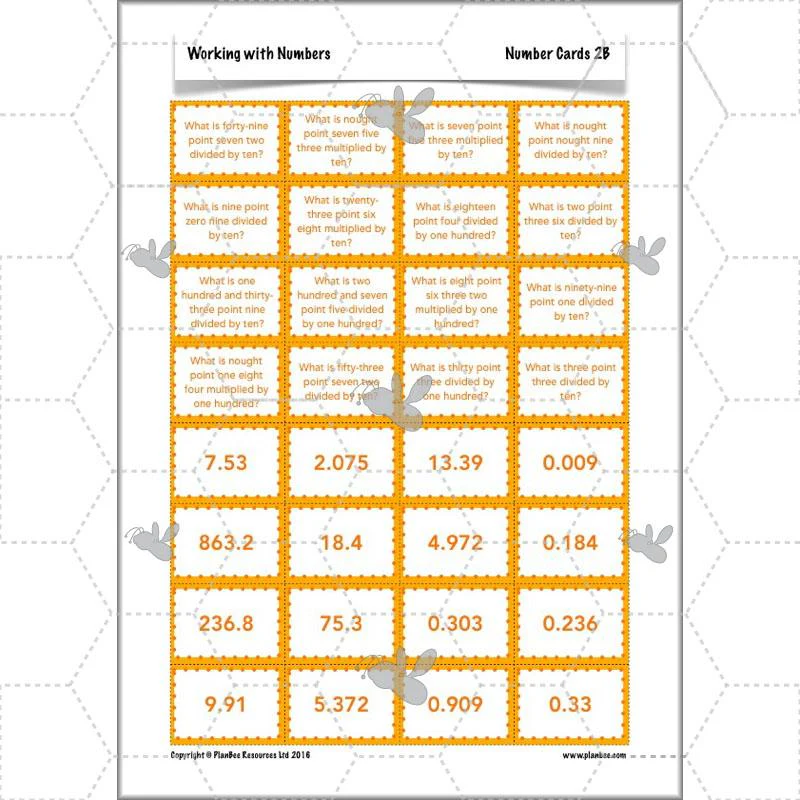
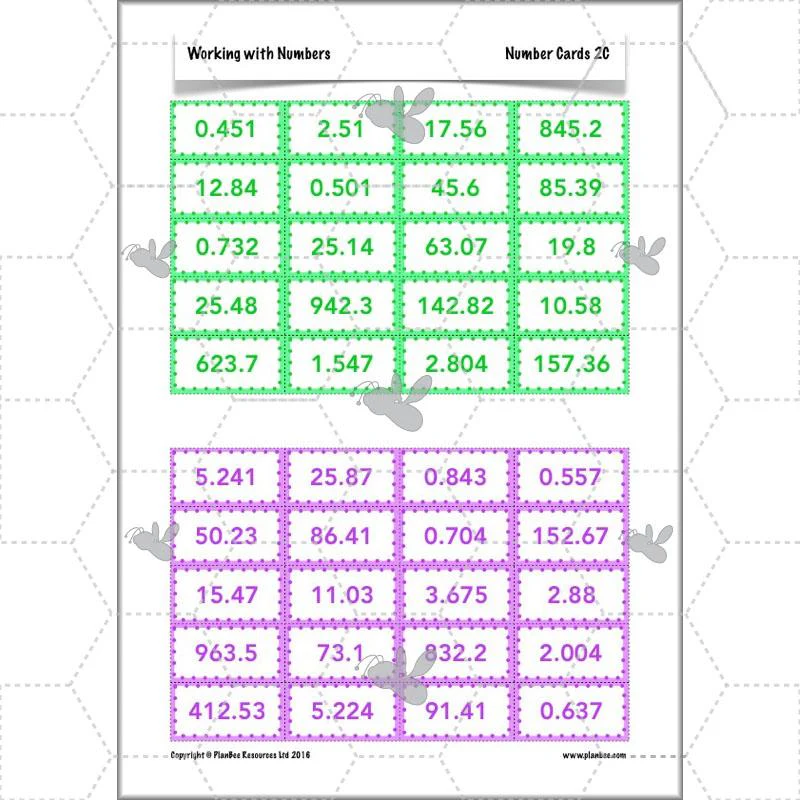
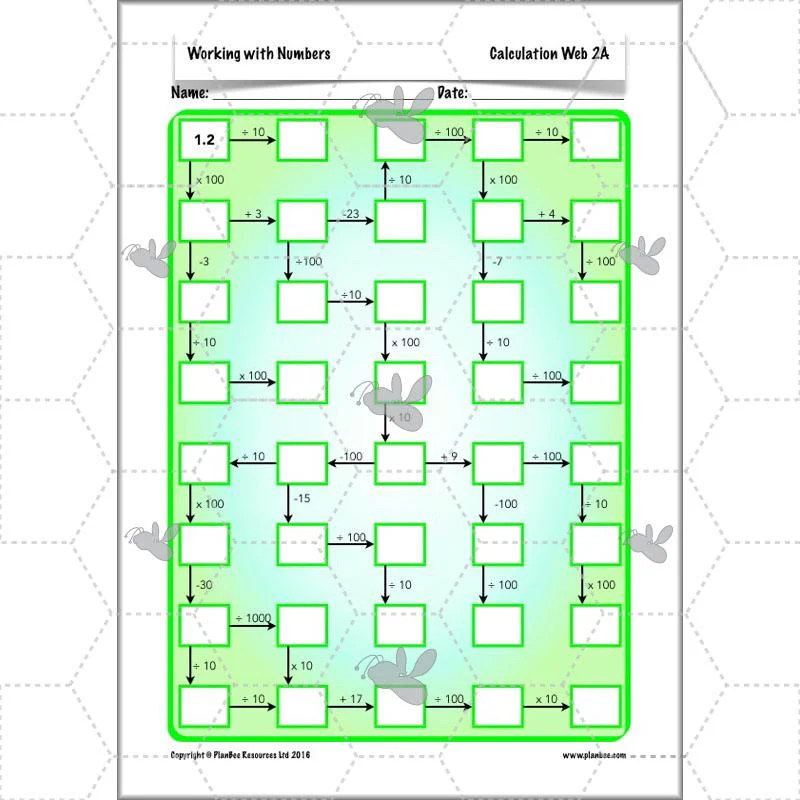
Now that children have had some practise with multiplying and dividing whole numbers, they will look at how to multiply and divide numbers with up to three decimal places by 10 and 100. The slides go through plenty of examples for children to practise altogether, before challenging them to have a go by themselves by matching questions written in words to numerical answers, or making their way through some tricky calculation webs.
What's included:
- Lesson plan
- Slides
- Activity ideas
- Number cards
- Question cards
- Calculation web
Rounding Numbers
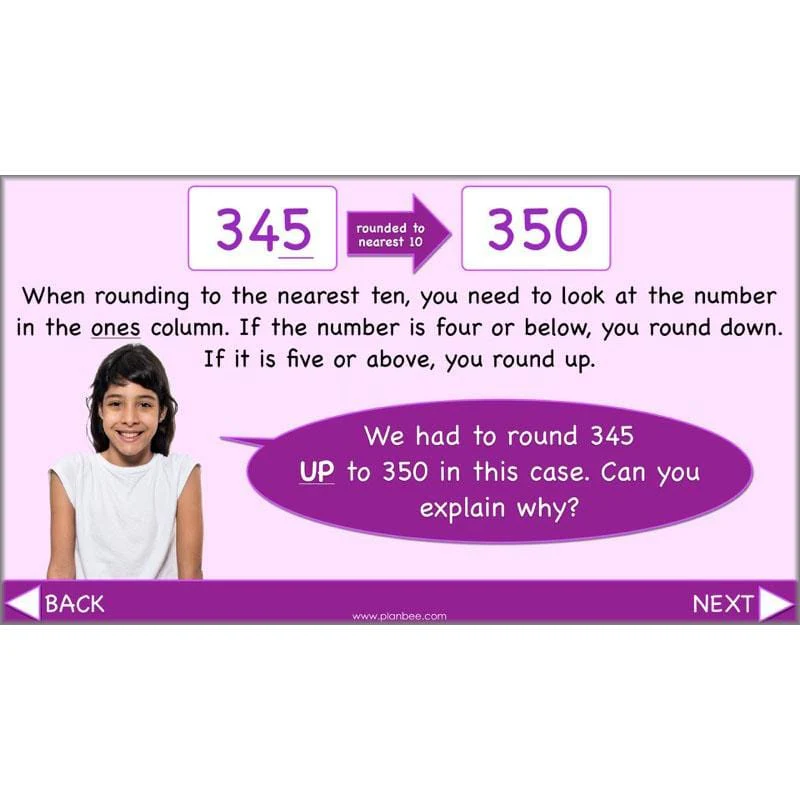
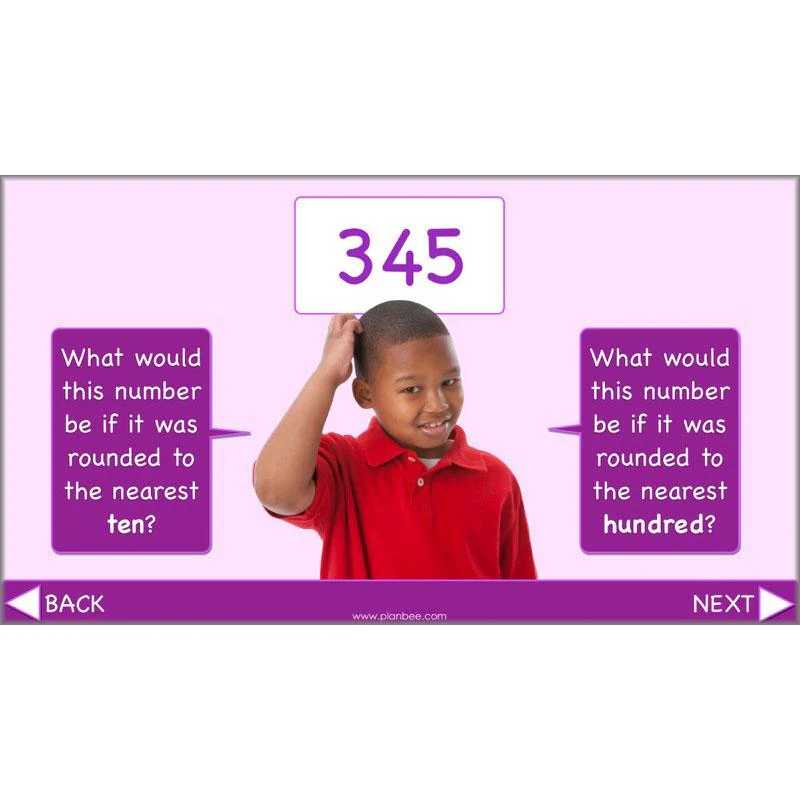
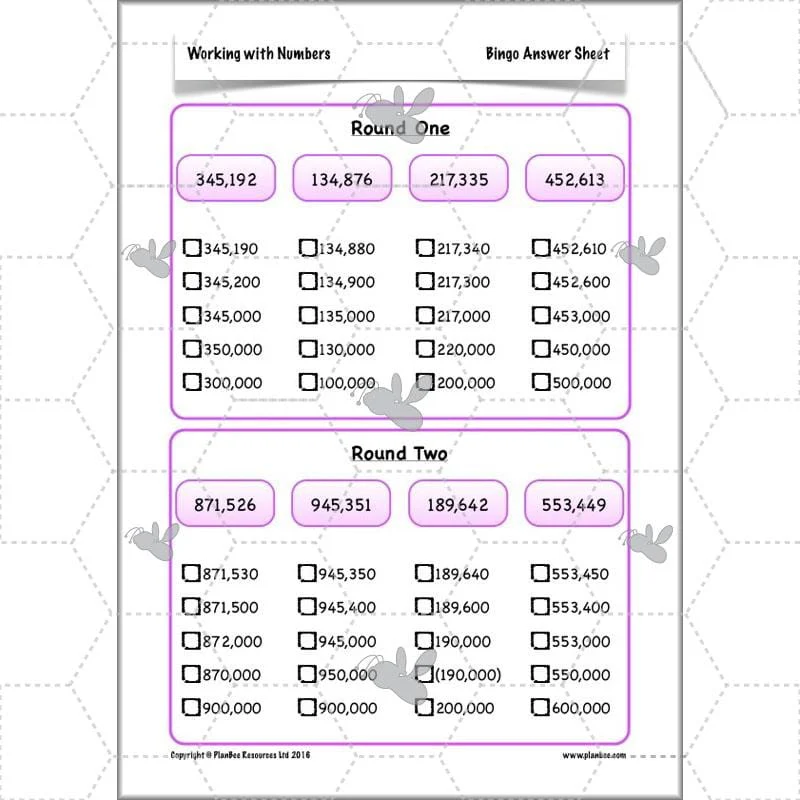
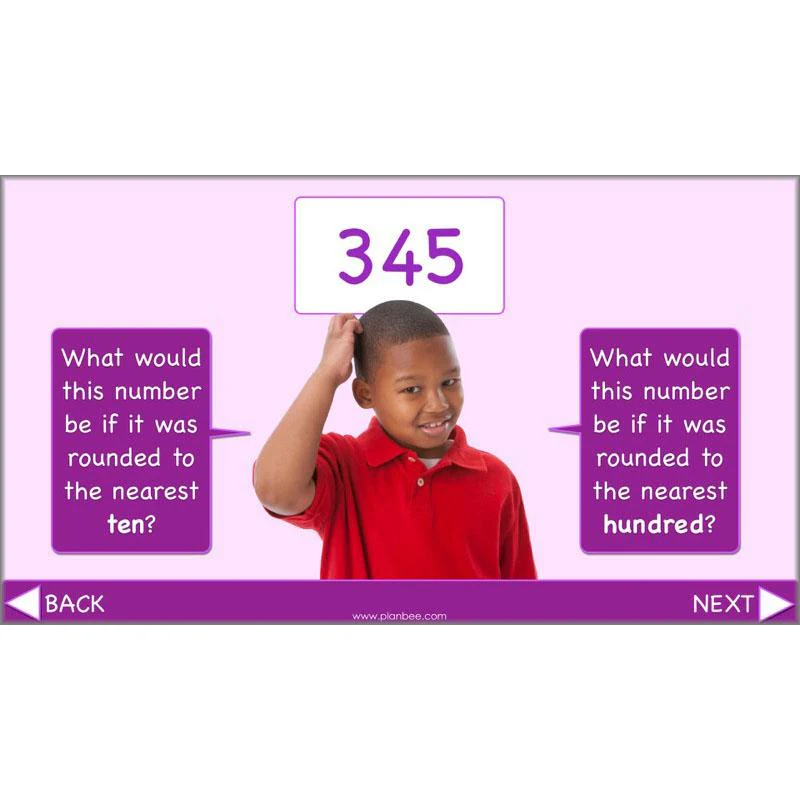
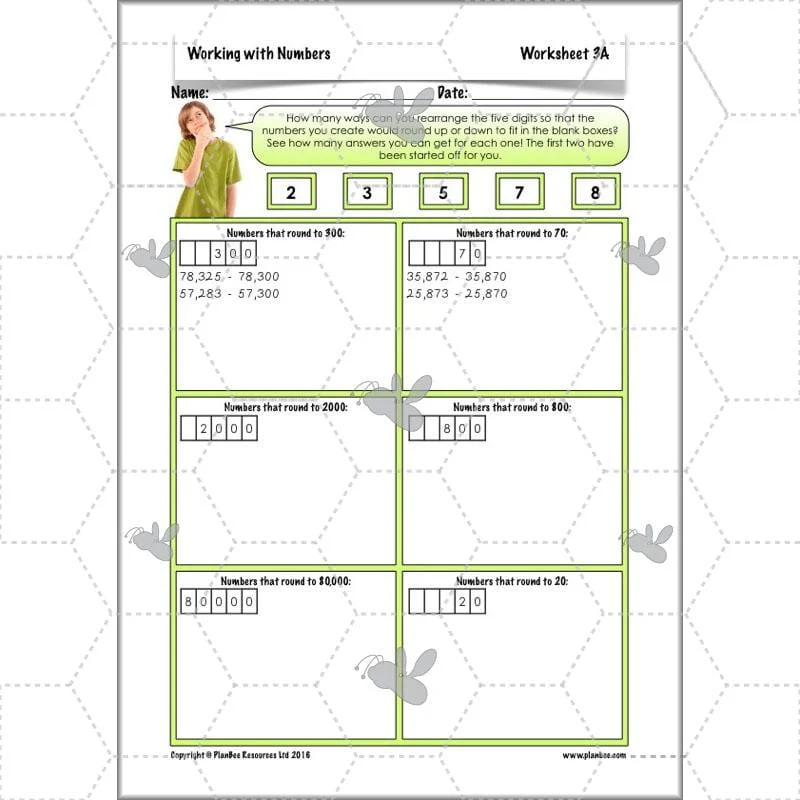
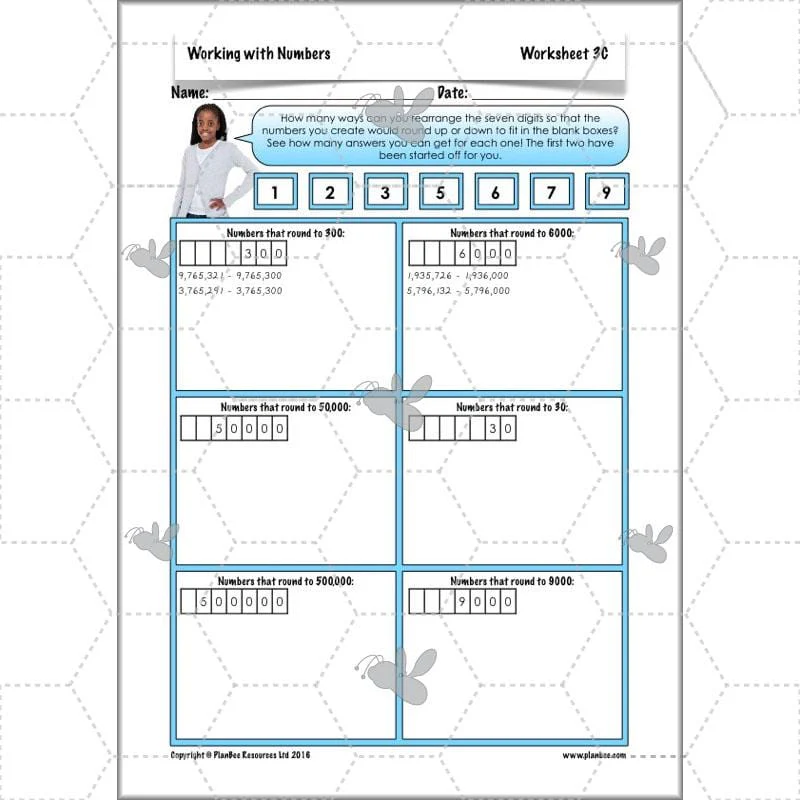
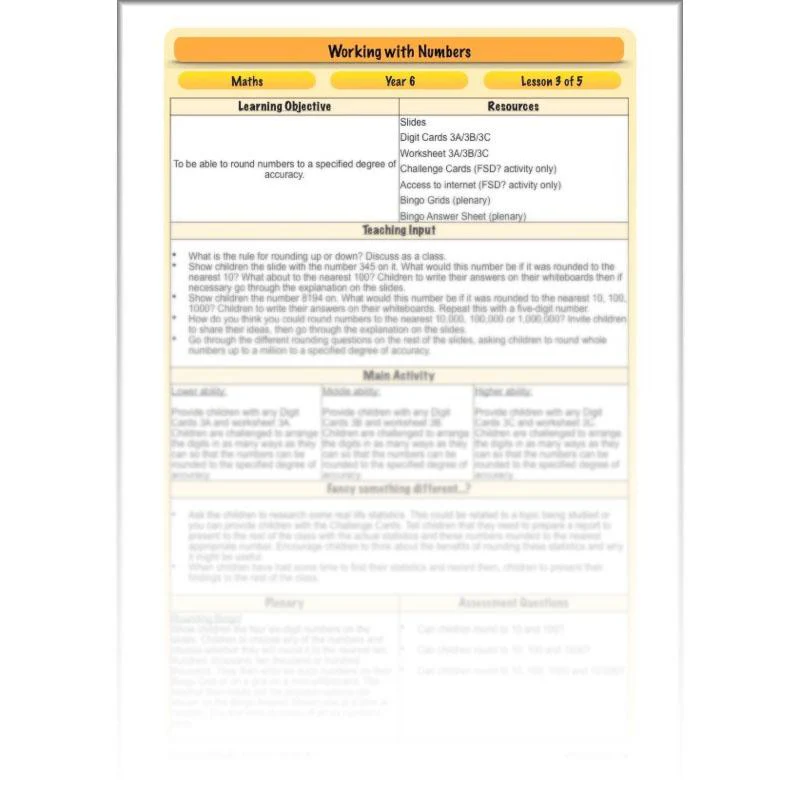
After recapping the rules for rounding numbers to the nearest 10 or 100, your class will then be challenged to round numbers to the nearest 1000, 10,000, 100,000 and 1,000,000. The slides go through some questions challenging children to round six- and seven-digit numbers to a specified degree of accuracy. Their independent learning activities then give them opportunities to practise through a variety of engaging activities, including a rounding bingo game!
What's included:
- Lesson plan
- Slides
- Activity ideas
- Digit cards
- Differentiated worksheets
- Challenge cards
- Bingo grids
- Bingo answer sheet
Ordering Integers
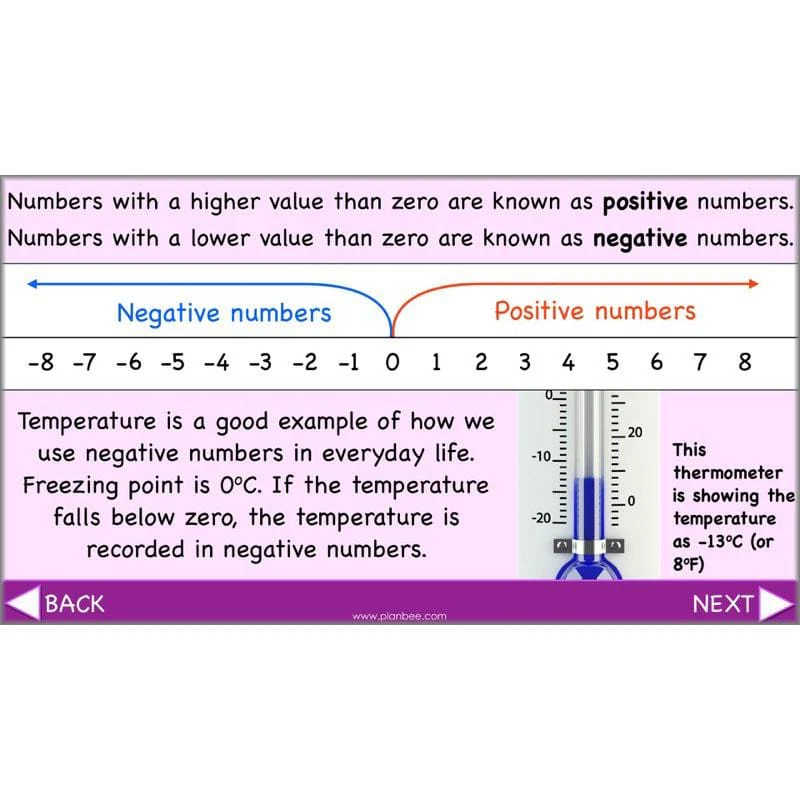
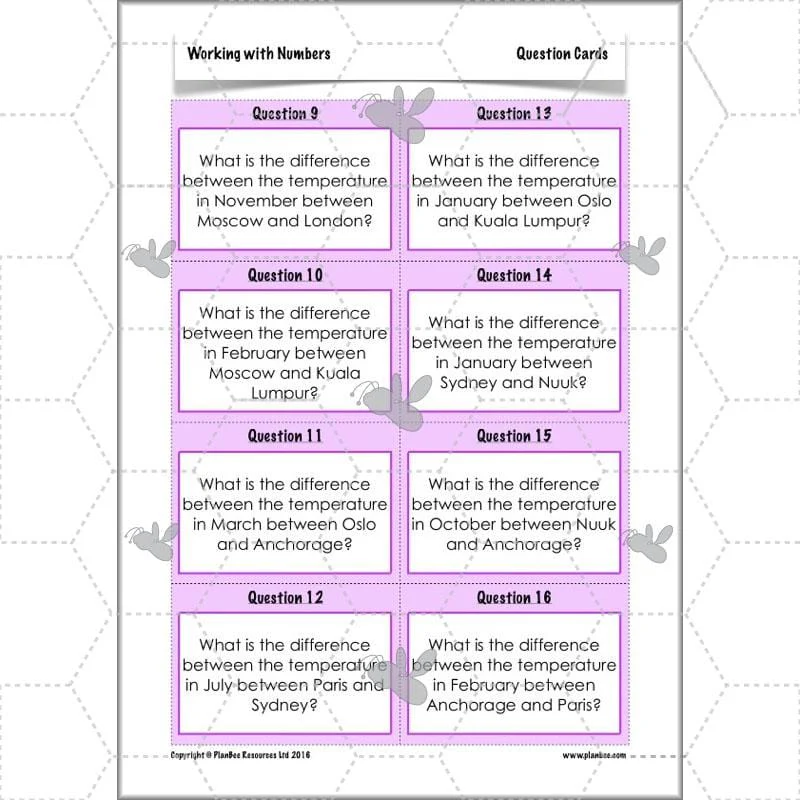
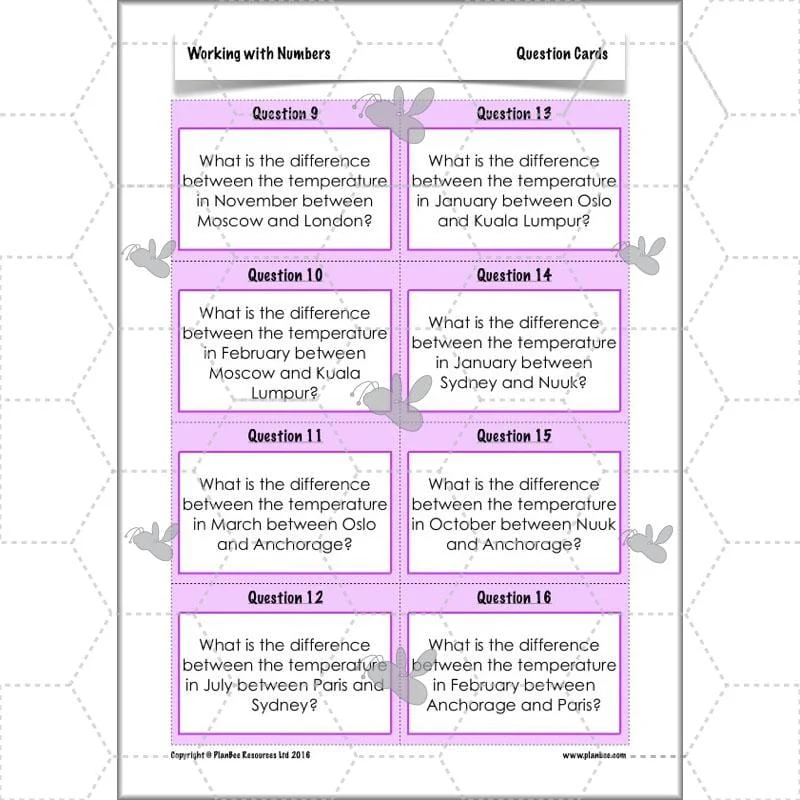
This lesson starts by challenging children to order a mixture of positive and negative numbers. It then goes on to challenge children to calculate intervals across zero by finding the difference between a positive and negative number, using number lines to support them and notation such as 14 - (-35) = 49 to record their calculations. Differentiated board games for the main activity will make these tricky concepts feel like child’s play, or alternatively they can go on a fact hunt to find information to answer questions in the context of temperatures around the world.
What's included:
- Lesson plan
- Slides
- Activity ideas
- Game board sheets
- Game cards
- Question cards
- Information sheet
- Face hunt sheet
Elevations
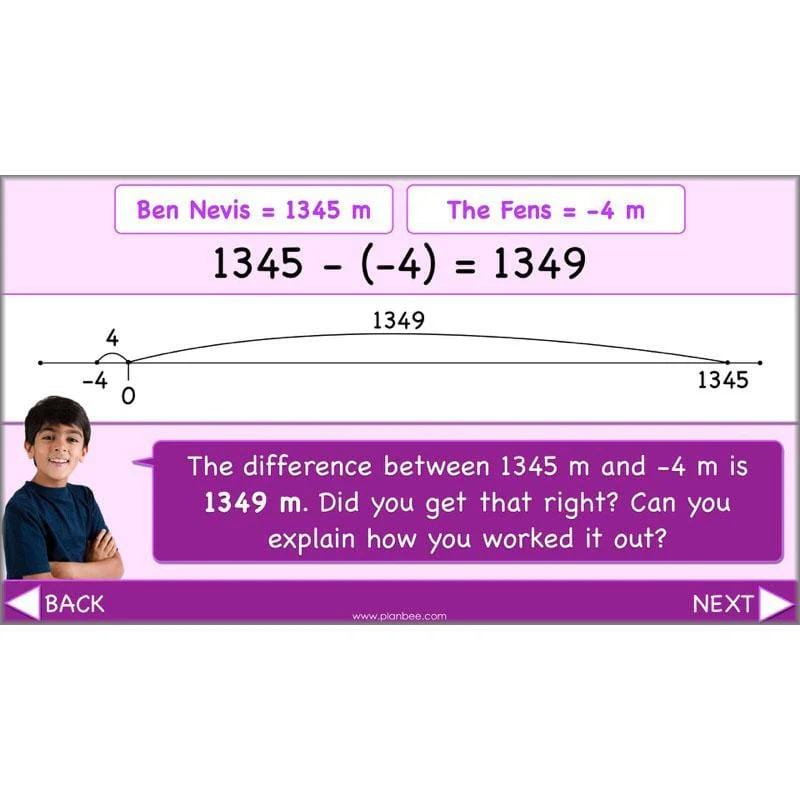
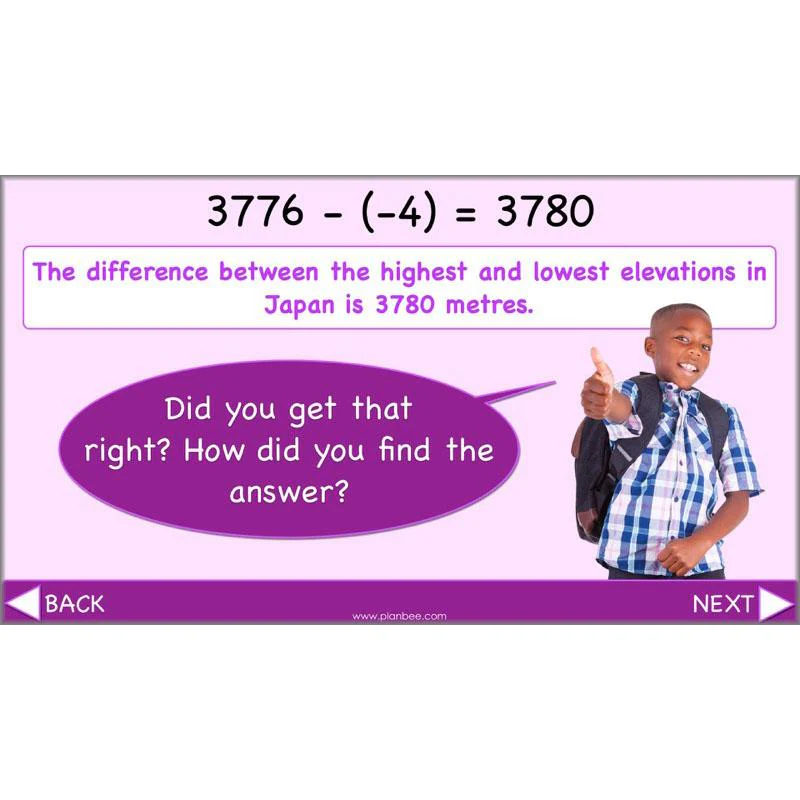
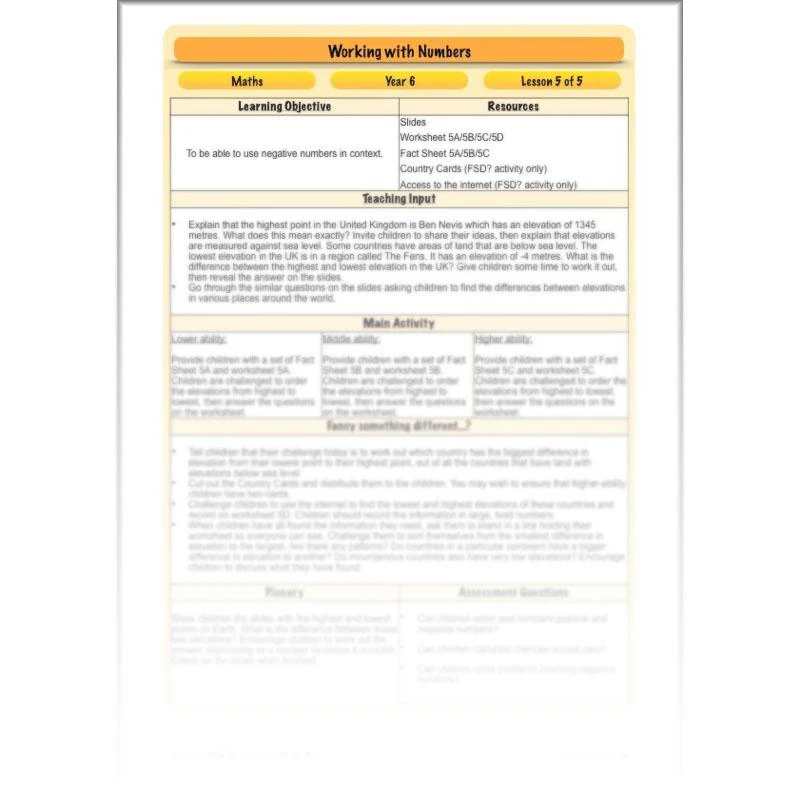
The final lesson in this series puts finding the difference between a positive and negative number into context as they calculate the difference between elevations. The slides go through some questions to solve as a class, demonstrating how to calculate the difference between, for example, the highest and lowest points of elevation in a country, using a number line to support them and recording using brackets within a number sentence. There are various differentiated ways in which children can put this into practice independently.
What's included:
- Lesson plan
- Slides
- Activity ideas
- Differentiated worksheets
- Fact sheets
- Country cards
Original: $4.71
-65%$4.71
$1.65More Images



















Working with Numbers
This Year 6 'Working with Numbers' scheme of work will enable your class to become much more confident in working with numbers in a range of contexts, from rounding decimals to finding the difference between positive and negative integers.
They will start by multiplying and dividing numbers by 10, 100 and 1000 and then move on to doing the same with decimals before rounding large numbers and exploring negative numbers in context.
This five-lesson scheme of work comes with everything you need, including detailed lesson plans, lesson slides and printable resources.
10, 100 and 1000
The first lesson in this series recaps the effect of multiplying and dividing numbers by 10 and 100, and extends this to study the effect of multiplying and dividing by 1000. Children will then be challenged to multiply and divide numbers with up to six digits by 10, 100 and 1000 through a variety of engaging activities, including some challenging tarsia puzzles!
What's included:
- Lesson plan
- Slides
- Activity ideas
- Jigsaw sheet
- Operation cards
- Worksheet
Multiplying and Dividing Decimals
Now that children have had some practise with multiplying and dividing whole numbers, they will look at how to multiply and divide numbers with up to three decimal places by 10 and 100. The slides go through plenty of examples for children to practise altogether, before challenging them to have a go by themselves by matching questions written in words to numerical answers, or making their way through some tricky calculation webs.
What's included:
- Lesson plan
- Slides
- Activity ideas
- Number cards
- Question cards
- Calculation web
Rounding Numbers
After recapping the rules for rounding numbers to the nearest 10 or 100, your class will then be challenged to round numbers to the nearest 1000, 10,000, 100,000 and 1,000,000. The slides go through some questions challenging children to round six- and seven-digit numbers to a specified degree of accuracy. Their independent learning activities then give them opportunities to practise through a variety of engaging activities, including a rounding bingo game!
What's included:
- Lesson plan
- Slides
- Activity ideas
- Digit cards
- Differentiated worksheets
- Challenge cards
- Bingo grids
- Bingo answer sheet
Ordering Integers
This lesson starts by challenging children to order a mixture of positive and negative numbers. It then goes on to challenge children to calculate intervals across zero by finding the difference between a positive and negative number, using number lines to support them and notation such as 14 - (-35) = 49 to record their calculations. Differentiated board games for the main activity will make these tricky concepts feel like child’s play, or alternatively they can go on a fact hunt to find information to answer questions in the context of temperatures around the world.
What's included:
- Lesson plan
- Slides
- Activity ideas
- Game board sheets
- Game cards
- Question cards
- Information sheet
- Face hunt sheet
Elevations
The final lesson in this series puts finding the difference between a positive and negative number into context as they calculate the difference between elevations. The slides go through some questions to solve as a class, demonstrating how to calculate the difference between, for example, the highest and lowest points of elevation in a country, using a number line to support them and recording using brackets within a number sentence. There are various differentiated ways in which children can put this into practice independently.
What's included:
- Lesson plan
- Slides
- Activity ideas
- Differentiated worksheets
- Fact sheets
- Country cards
Product Information
Product Information
Shipping & Returns
Shipping & Returns
Description
This Year 6 'Working with Numbers' scheme of work will enable your class to become much more confident in working with numbers in a range of contexts, from rounding decimals to finding the difference between positive and negative integers.
They will start by multiplying and dividing numbers by 10, 100 and 1000 and then move on to doing the same with decimals before rounding large numbers and exploring negative numbers in context.
This five-lesson scheme of work comes with everything you need, including detailed lesson plans, lesson slides and printable resources.
10, 100 and 1000
The first lesson in this series recaps the effect of multiplying and dividing numbers by 10 and 100, and extends this to study the effect of multiplying and dividing by 1000. Children will then be challenged to multiply and divide numbers with up to six digits by 10, 100 and 1000 through a variety of engaging activities, including some challenging tarsia puzzles!
What's included:
- Lesson plan
- Slides
- Activity ideas
- Jigsaw sheet
- Operation cards
- Worksheet
Multiplying and Dividing Decimals
Now that children have had some practise with multiplying and dividing whole numbers, they will look at how to multiply and divide numbers with up to three decimal places by 10 and 100. The slides go through plenty of examples for children to practise altogether, before challenging them to have a go by themselves by matching questions written in words to numerical answers, or making their way through some tricky calculation webs.
What's included:
- Lesson plan
- Slides
- Activity ideas
- Number cards
- Question cards
- Calculation web
Rounding Numbers
After recapping the rules for rounding numbers to the nearest 10 or 100, your class will then be challenged to round numbers to the nearest 1000, 10,000, 100,000 and 1,000,000. The slides go through some questions challenging children to round six- and seven-digit numbers to a specified degree of accuracy. Their independent learning activities then give them opportunities to practise through a variety of engaging activities, including a rounding bingo game!
What's included:
- Lesson plan
- Slides
- Activity ideas
- Digit cards
- Differentiated worksheets
- Challenge cards
- Bingo grids
- Bingo answer sheet
Ordering Integers
This lesson starts by challenging children to order a mixture of positive and negative numbers. It then goes on to challenge children to calculate intervals across zero by finding the difference between a positive and negative number, using number lines to support them and notation such as 14 - (-35) = 49 to record their calculations. Differentiated board games for the main activity will make these tricky concepts feel like child’s play, or alternatively they can go on a fact hunt to find information to answer questions in the context of temperatures around the world.
What's included:
- Lesson plan
- Slides
- Activity ideas
- Game board sheets
- Game cards
- Question cards
- Information sheet
- Face hunt sheet
Elevations
The final lesson in this series puts finding the difference between a positive and negative number into context as they calculate the difference between elevations. The slides go through some questions to solve as a class, demonstrating how to calculate the difference between, for example, the highest and lowest points of elevation in a country, using a number line to support them and recording using brackets within a number sentence. There are various differentiated ways in which children can put this into practice independently.
What's included:
- Lesson plan
- Slides
- Activity ideas
- Differentiated worksheets
- Fact sheets
- Country cards