Evolution and Inheritance
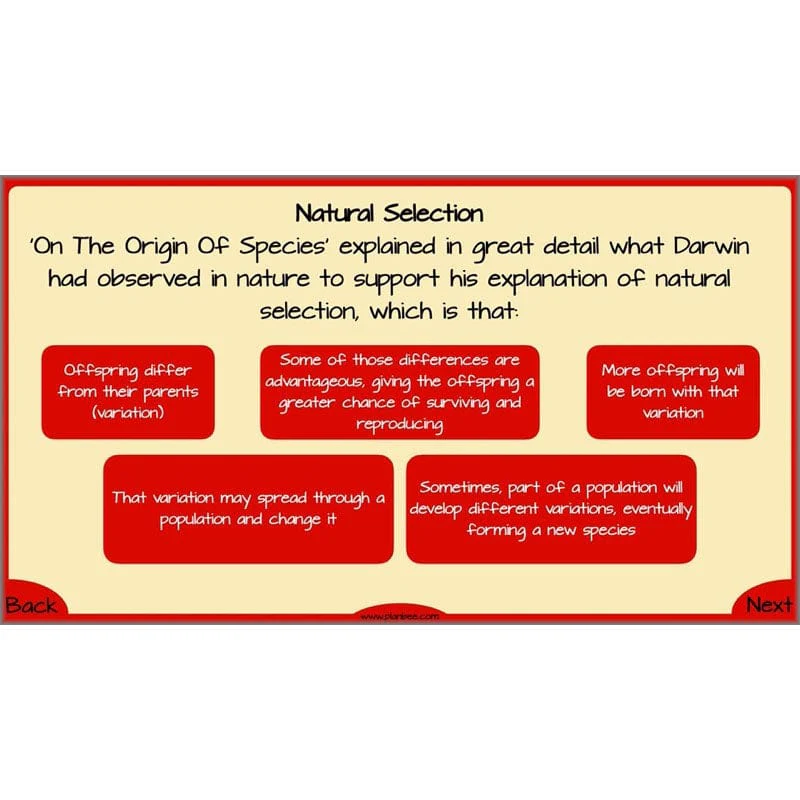
This Year 6 Evolution and Inheritance Science scheme of work will get your KS2 children thinking about characteristics passed from one generation to the next and how species have adapted to suit their environments. It goes on to explain the process of natural selection, and how our understanding of the process of evolution has developed over time thanks to the work of scientists and palaeontologists.
With detailed plans (each with a choice of activities), colourful slides with beautiful photographs, differentiated worksheets and many other resources, this Year 6 Evolution and Inheritance KS2 planning pack has everything you need to teach this exciting and complex subject to your children!
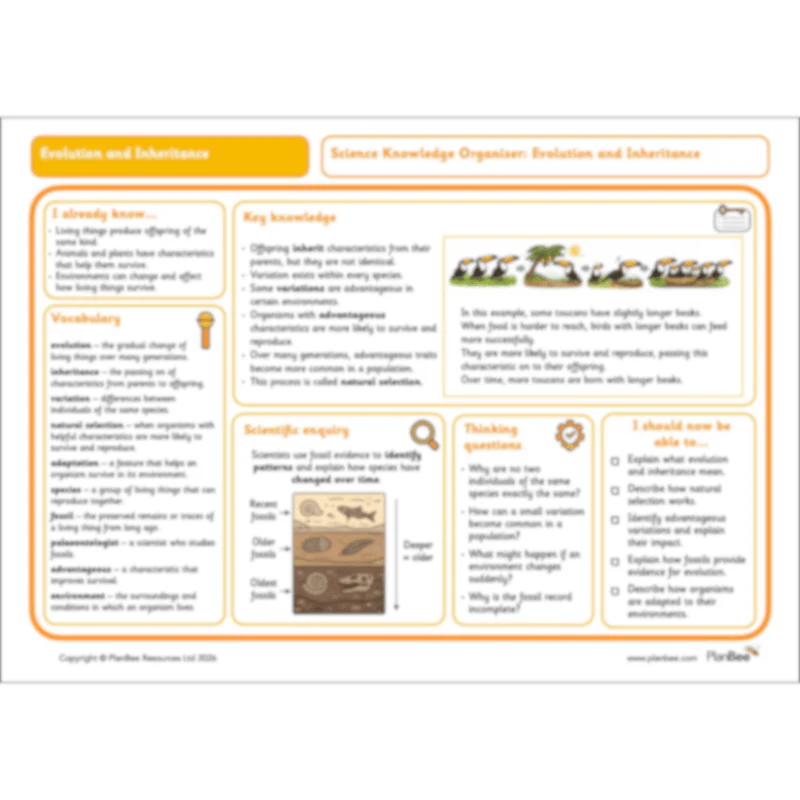
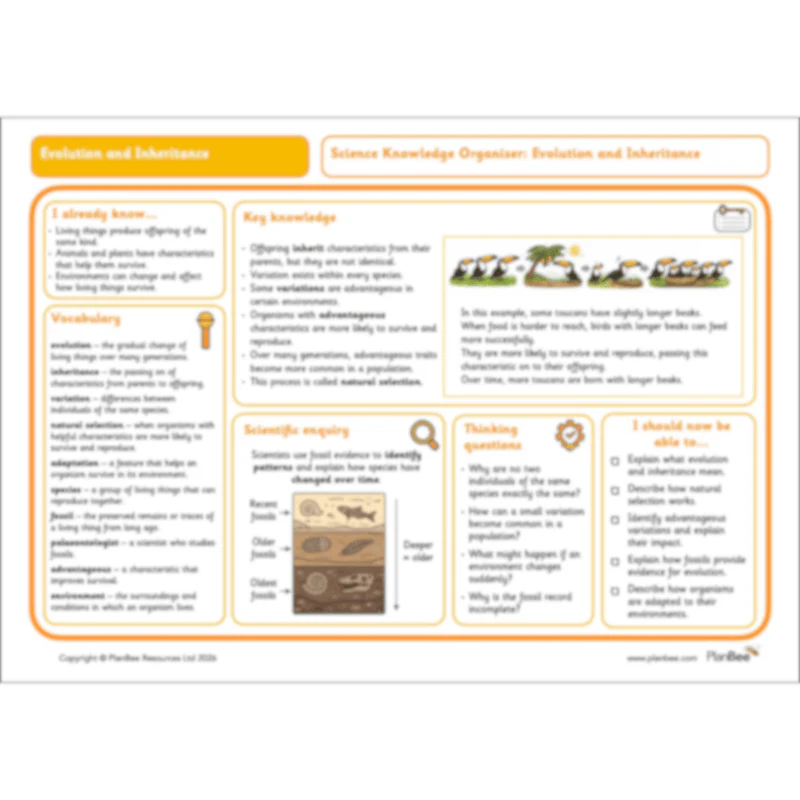
A Knowledge Organiser is included within the complete series download, or is available to purchase separately.
Inherited Characteristics
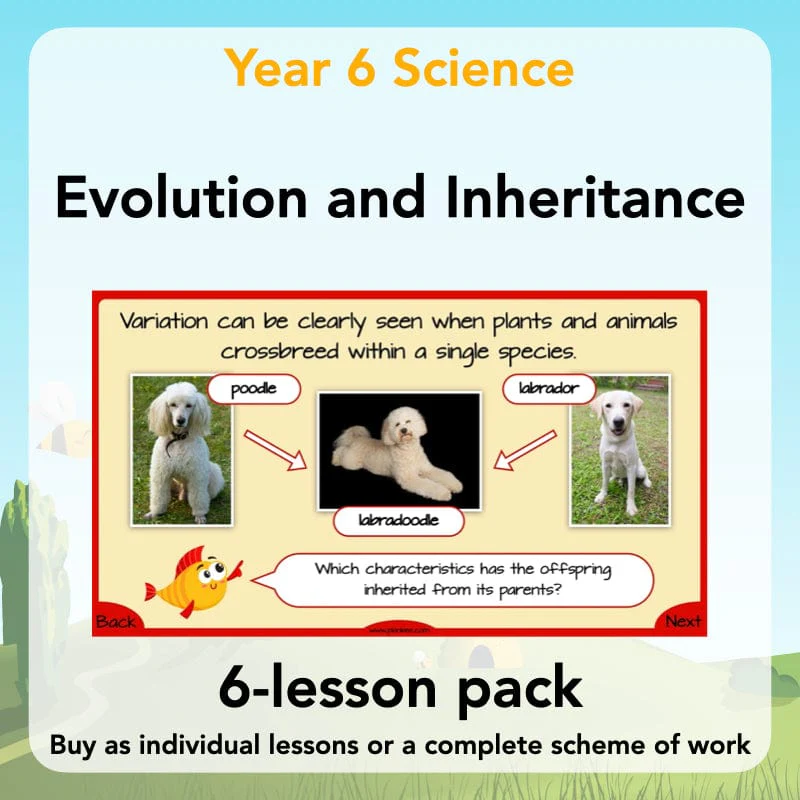
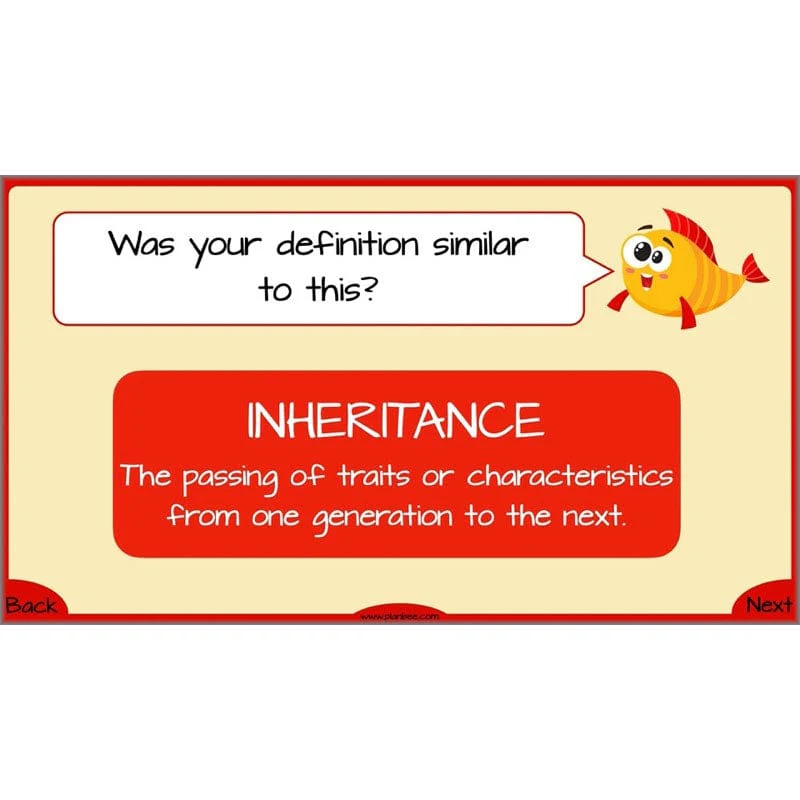
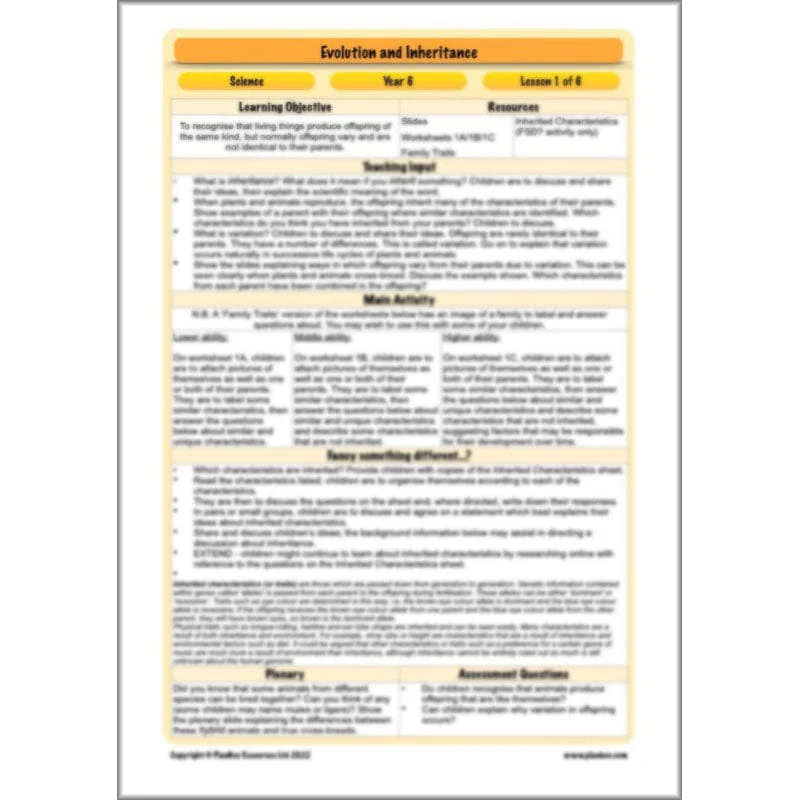
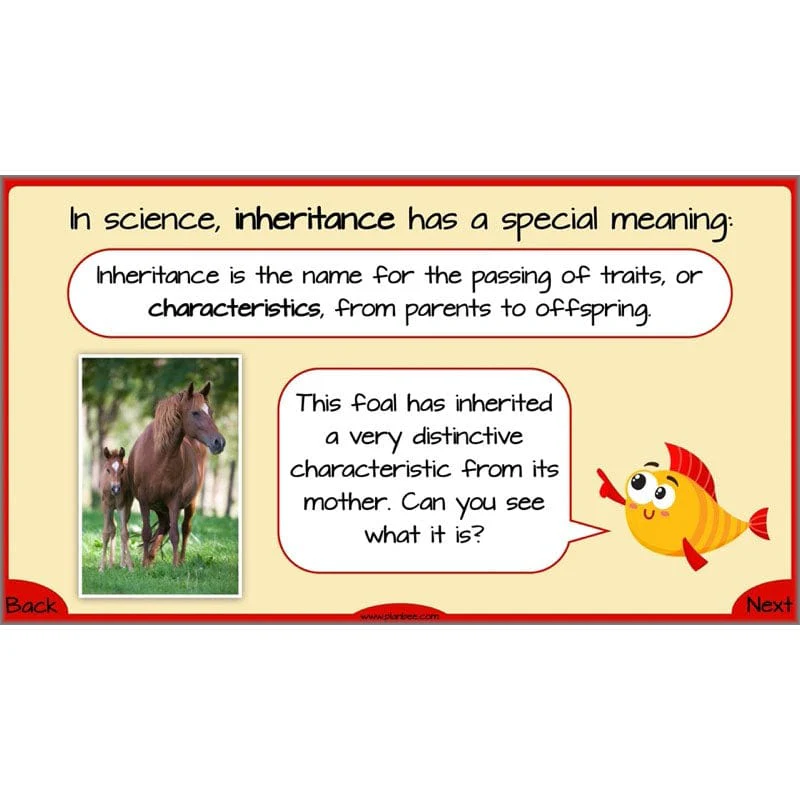
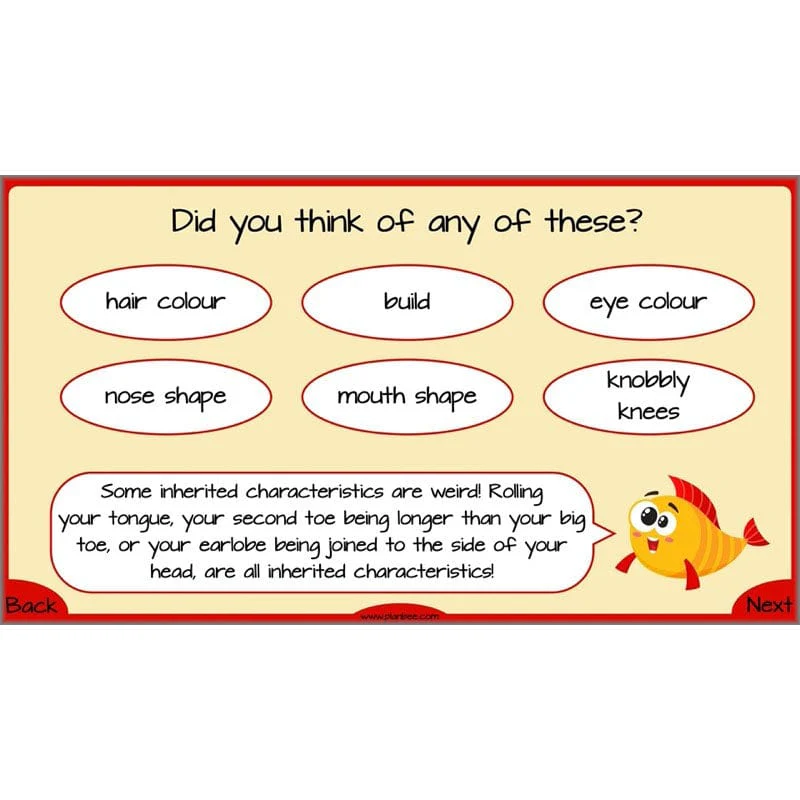
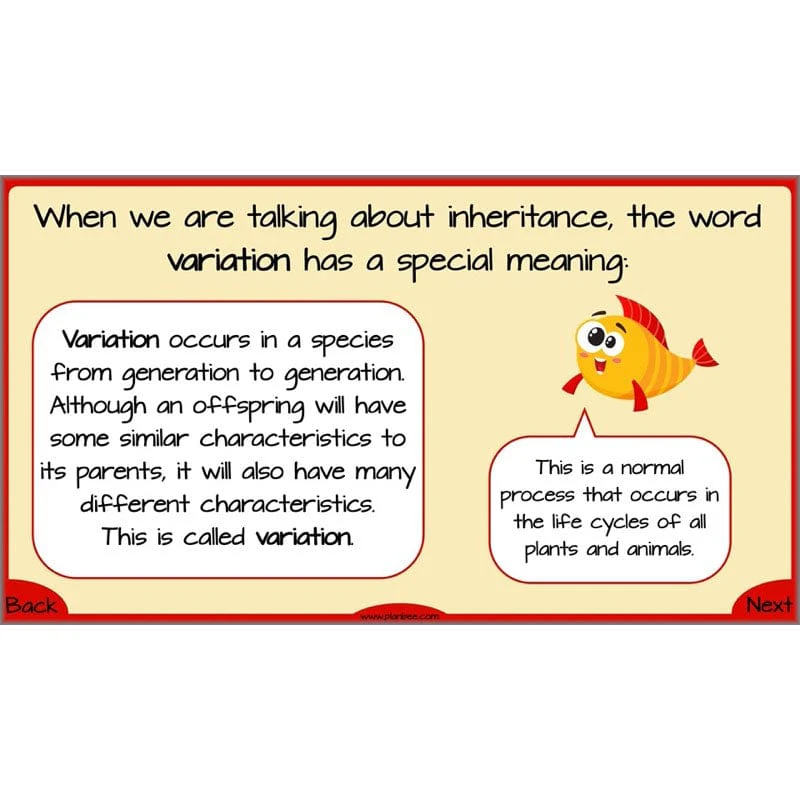
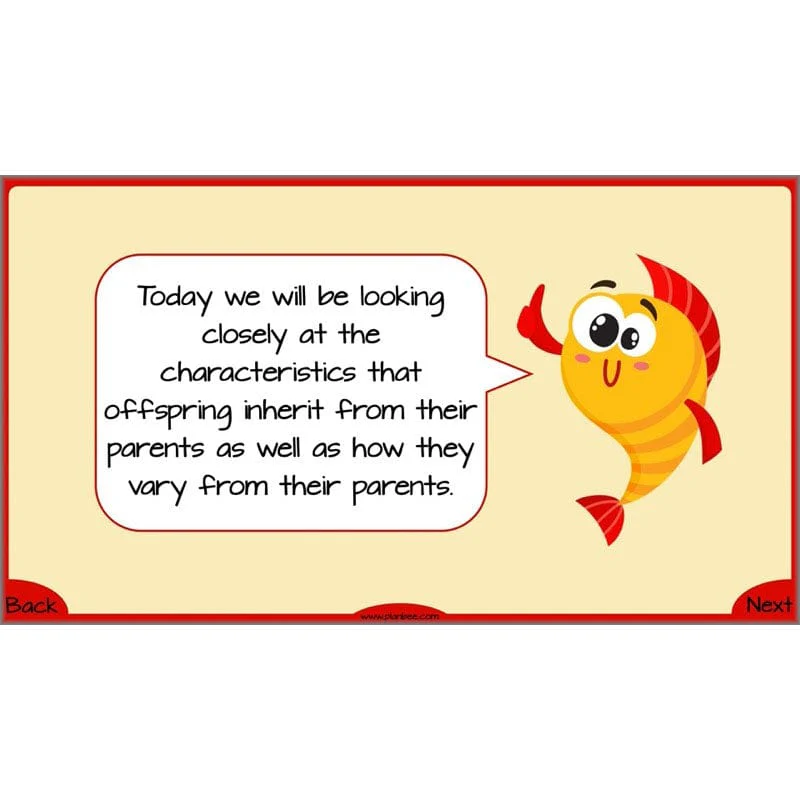
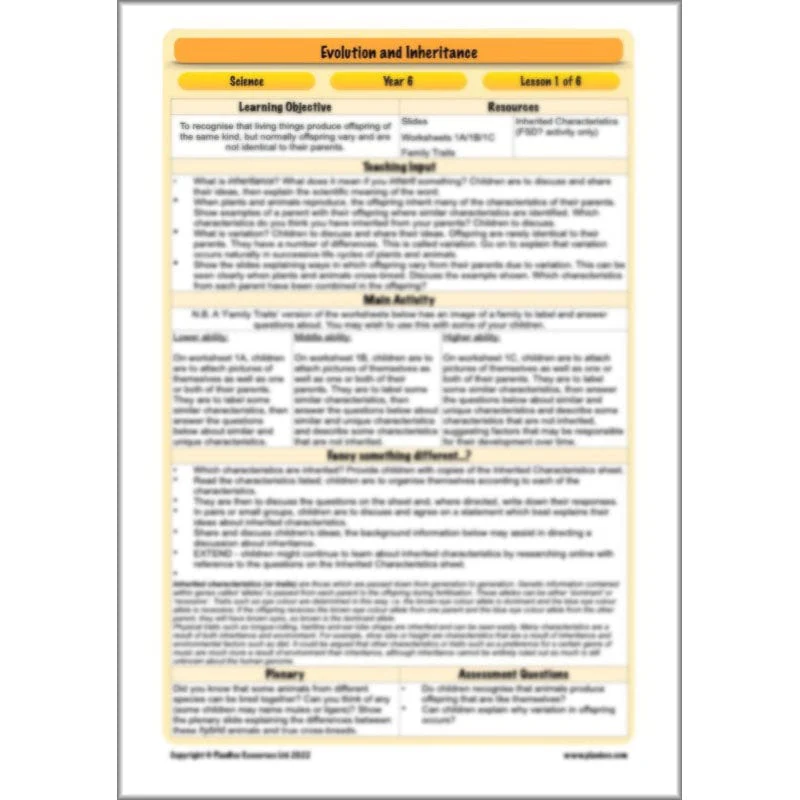
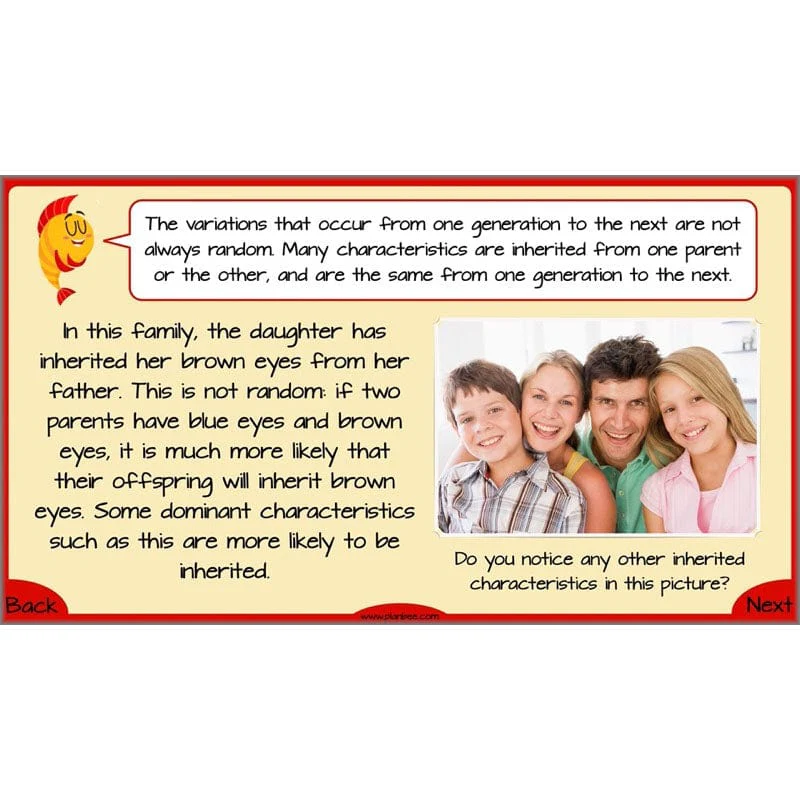
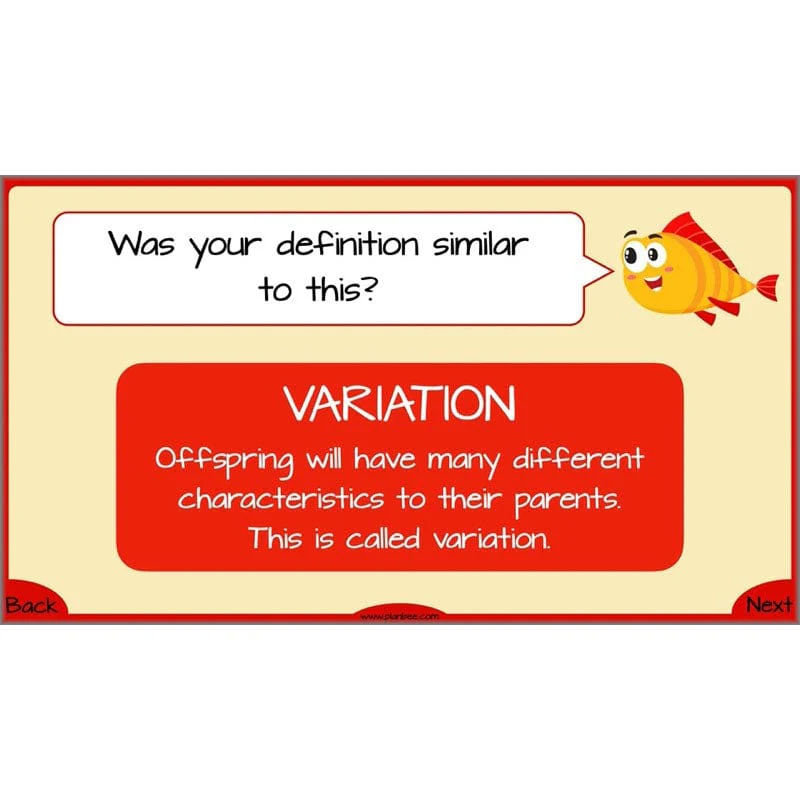
In this lesson, children will identify traits or characteristics passed from one generation of a species to the next, going on to consider ways in which variation occurs in offspring.
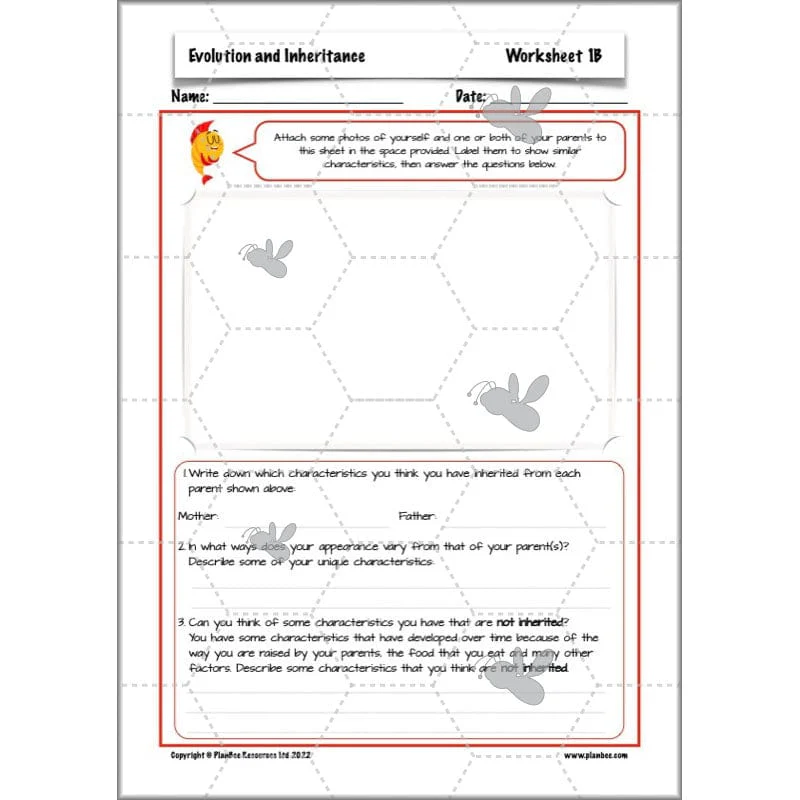
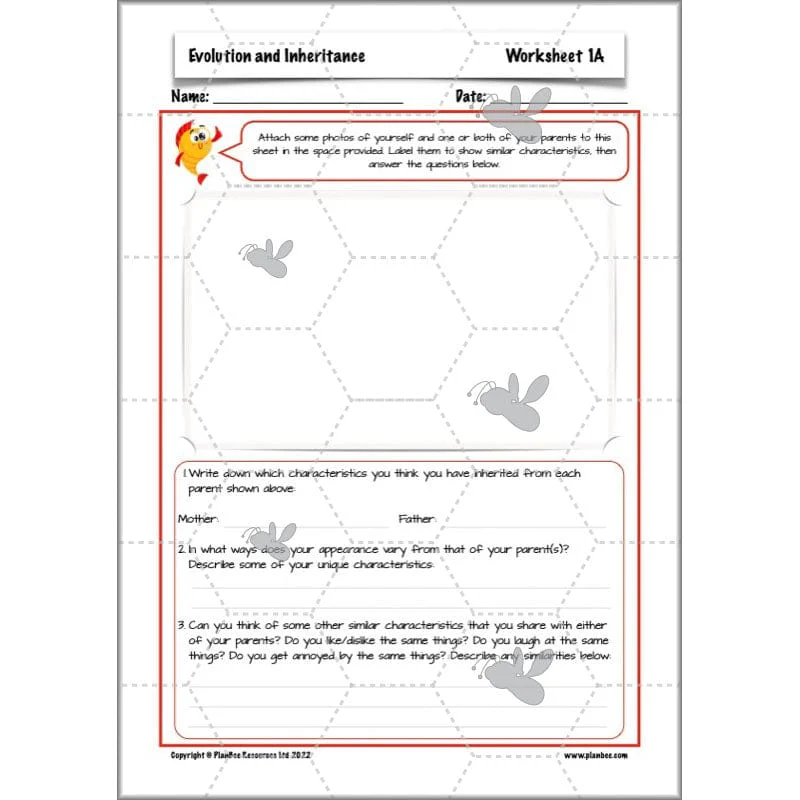
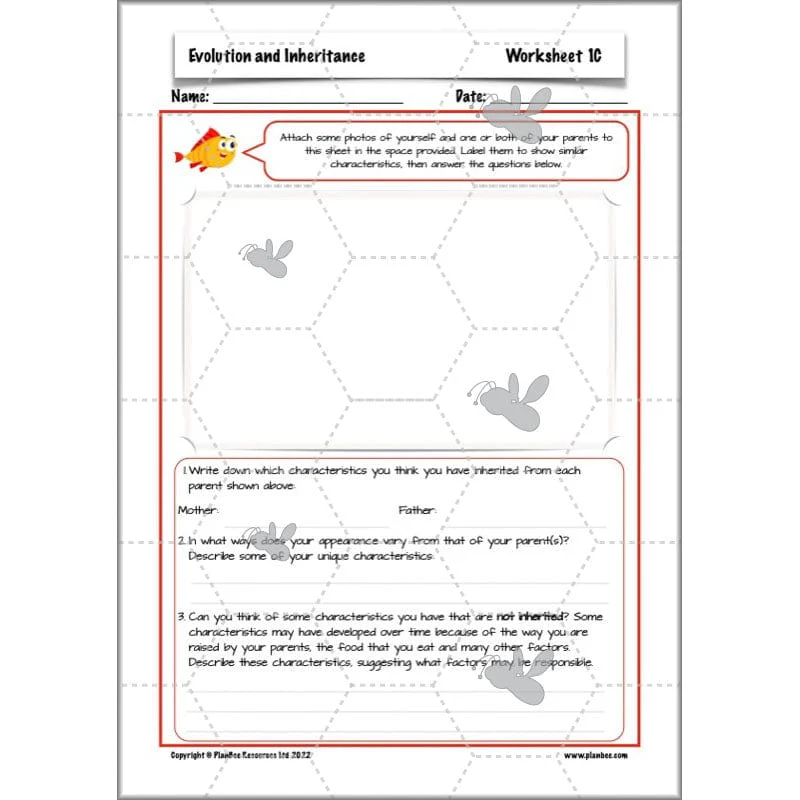
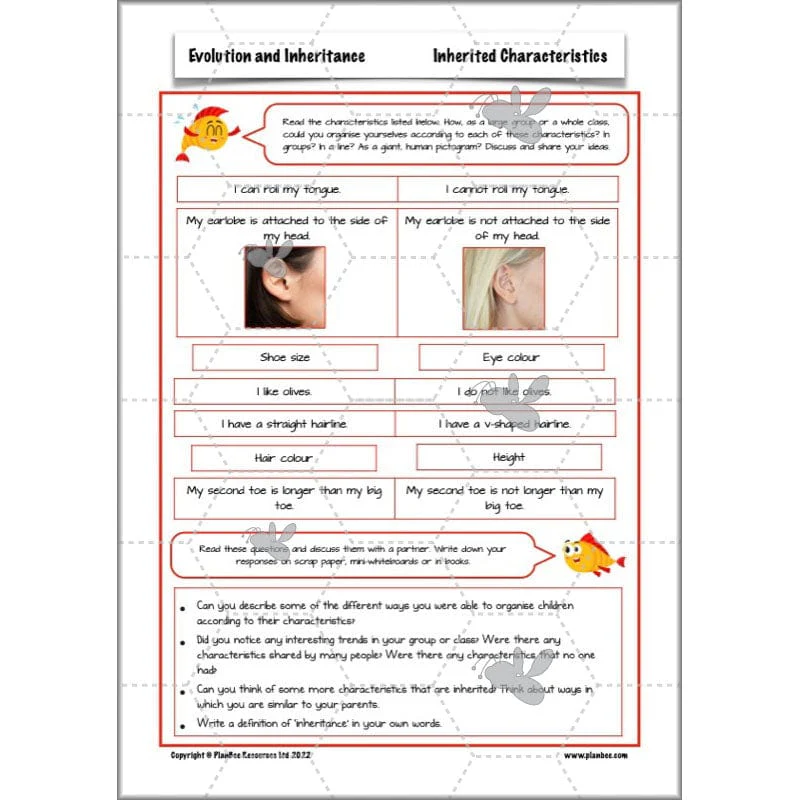
After this, there's a choice of two activities where children may either work independently to identify some family traits, or work in groups to sort themselves according to some given traits or characteristics.
What's included:
- Lesson plan
- Slides
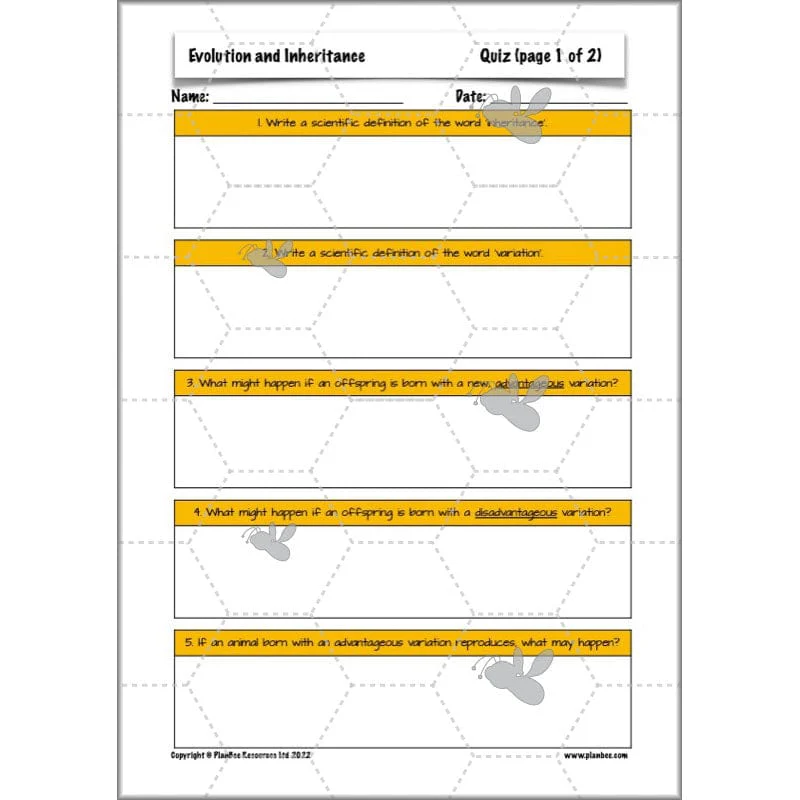
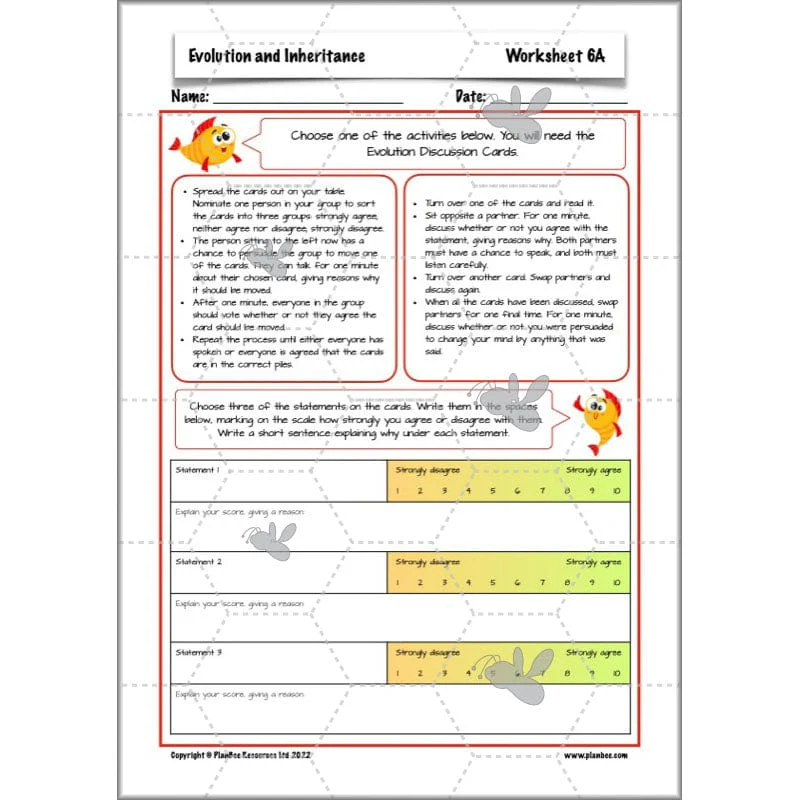
- Differentiated worksheets
- Family Traits sheet
- Inherited Characteristics sheet
View Lesson 1
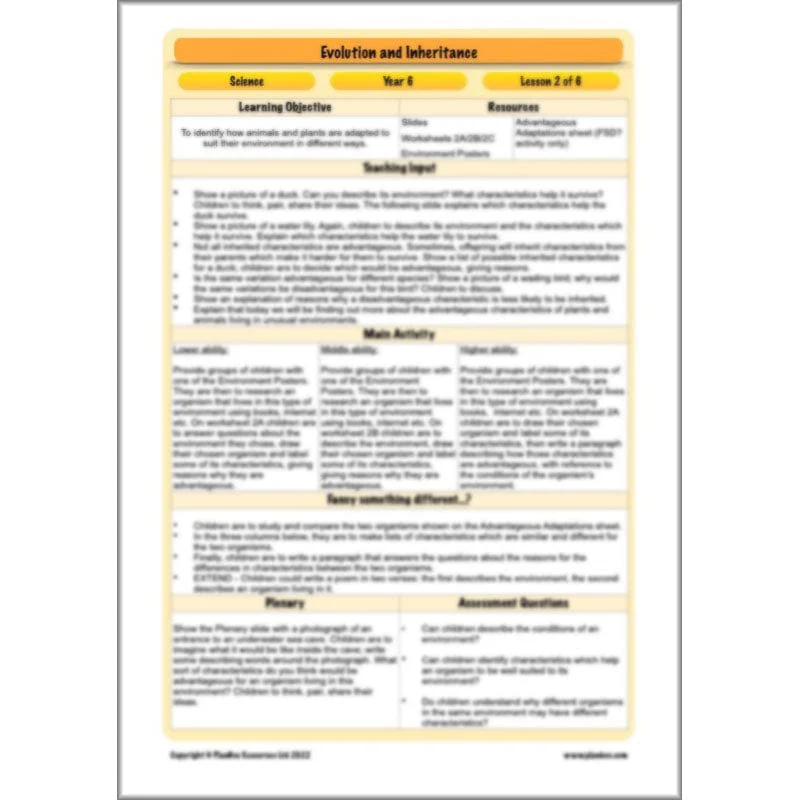
Advantageous Adaptations
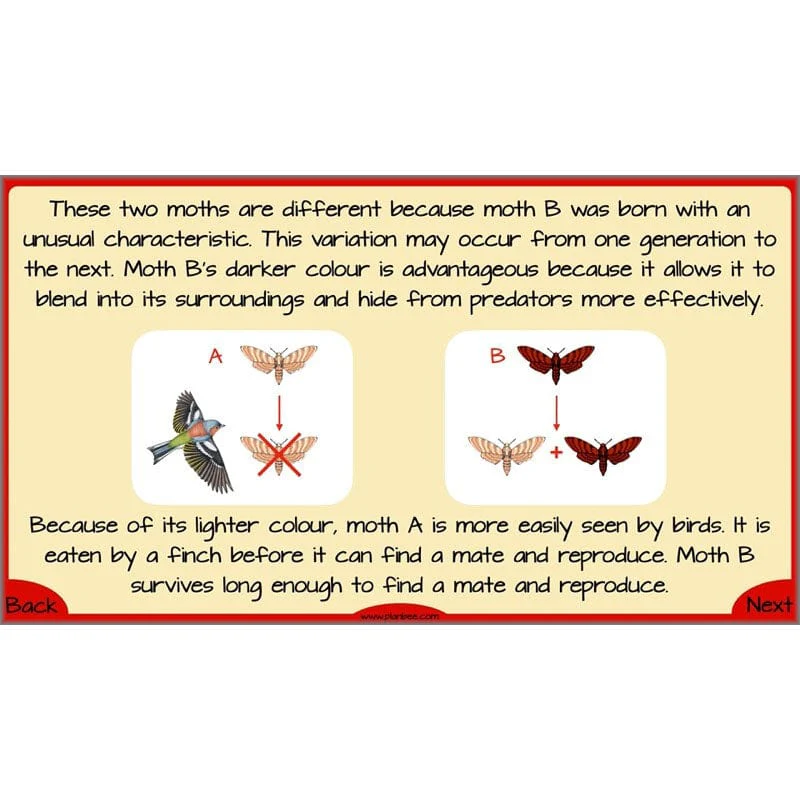
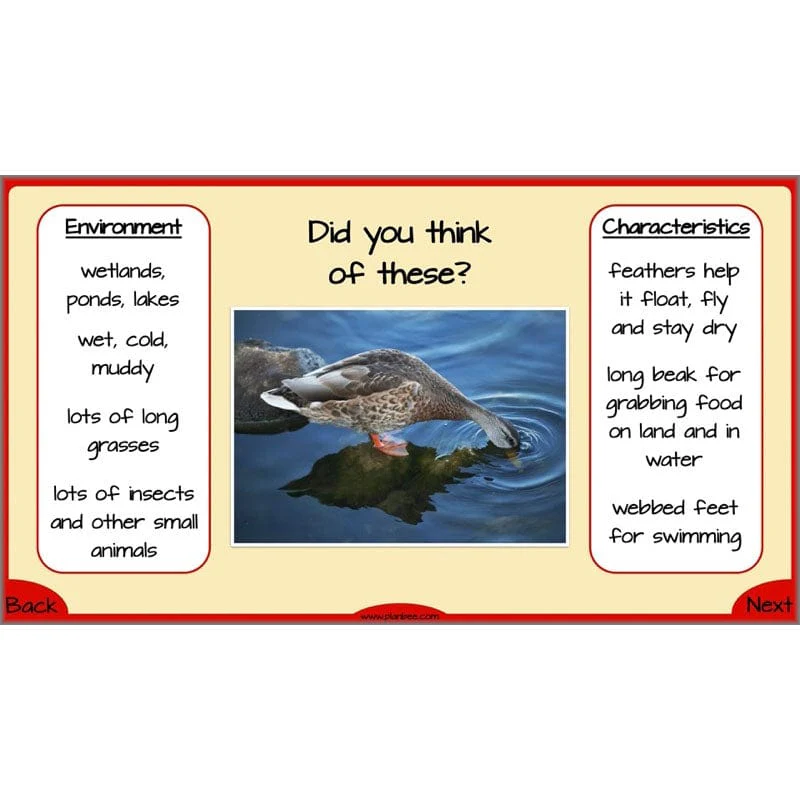
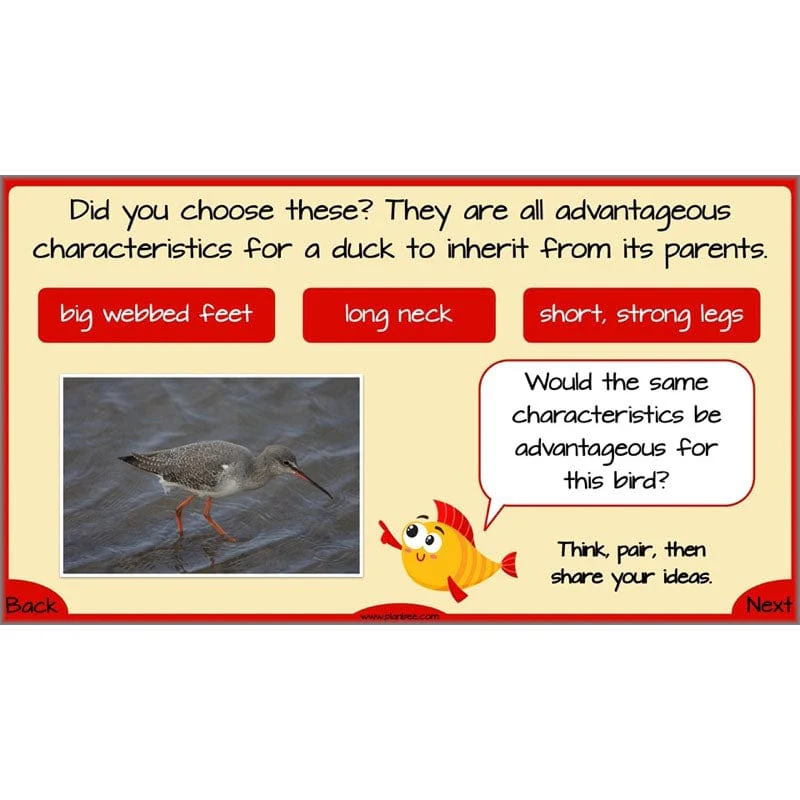
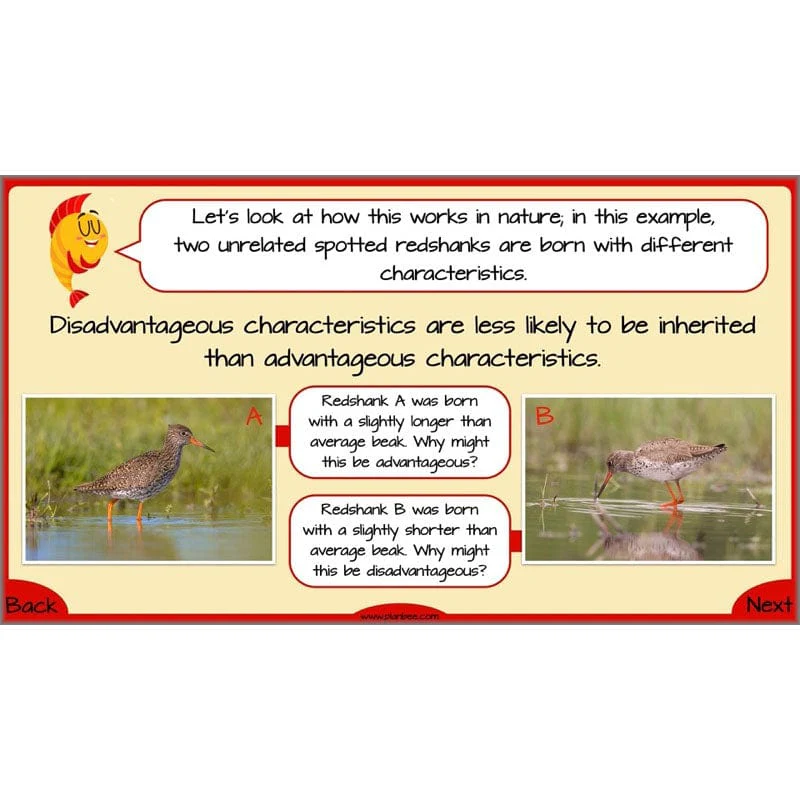
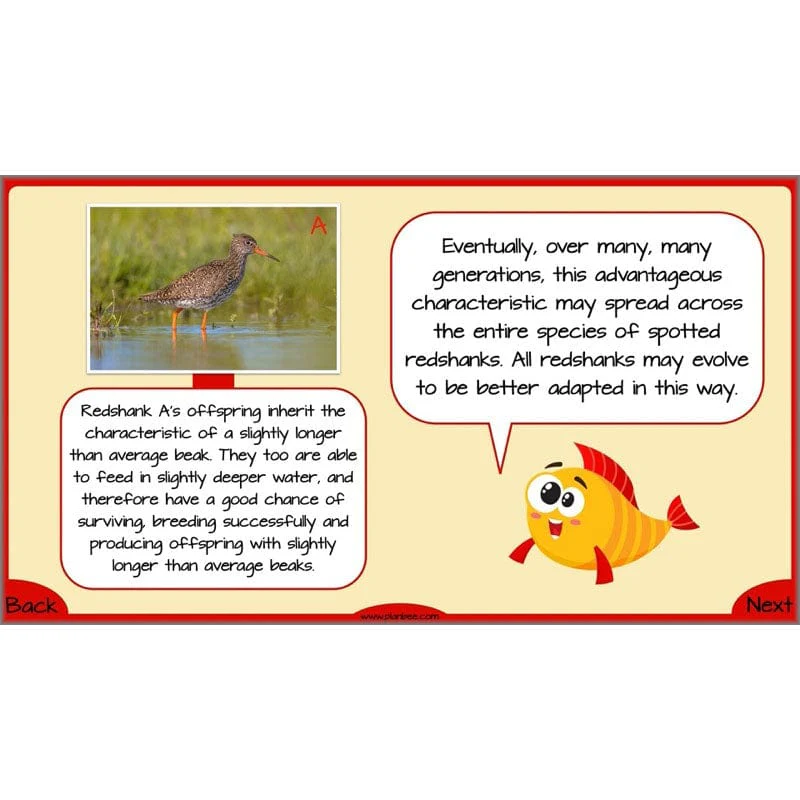
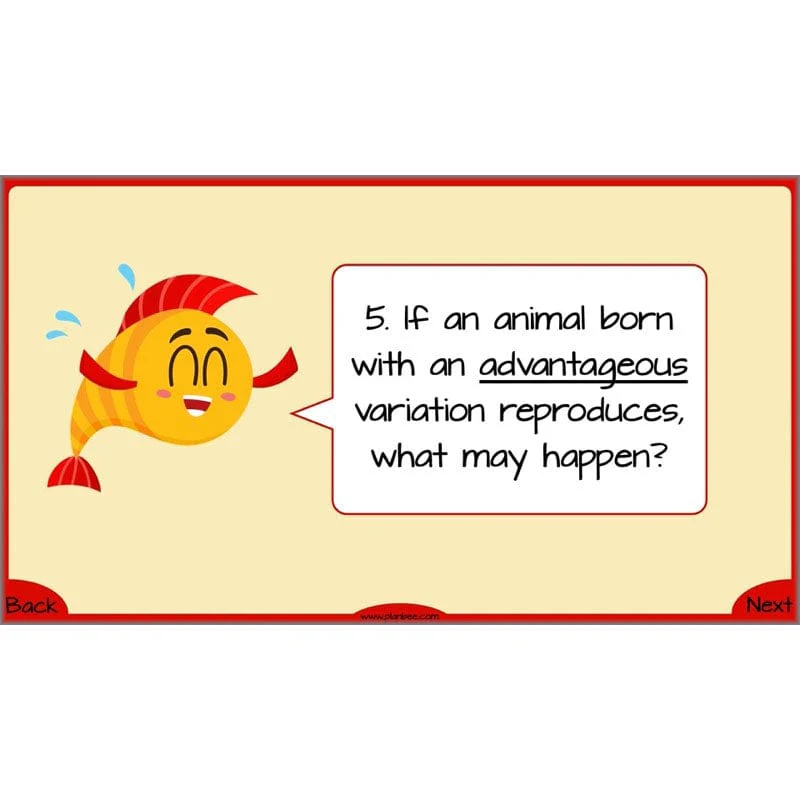
Children will begin by learning about the ways in which random mutations result in variations from one generation to the next.
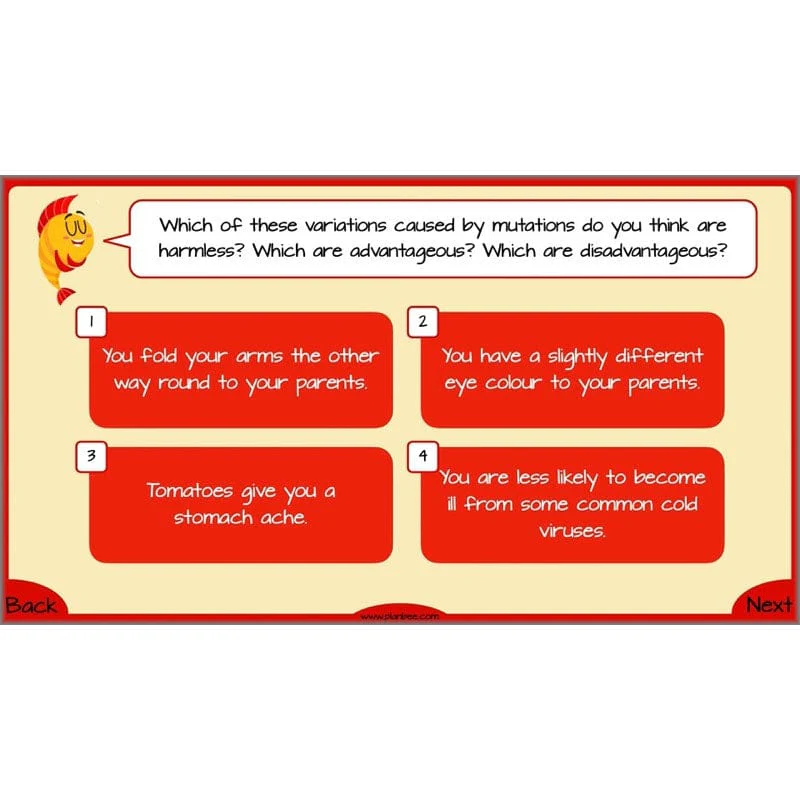
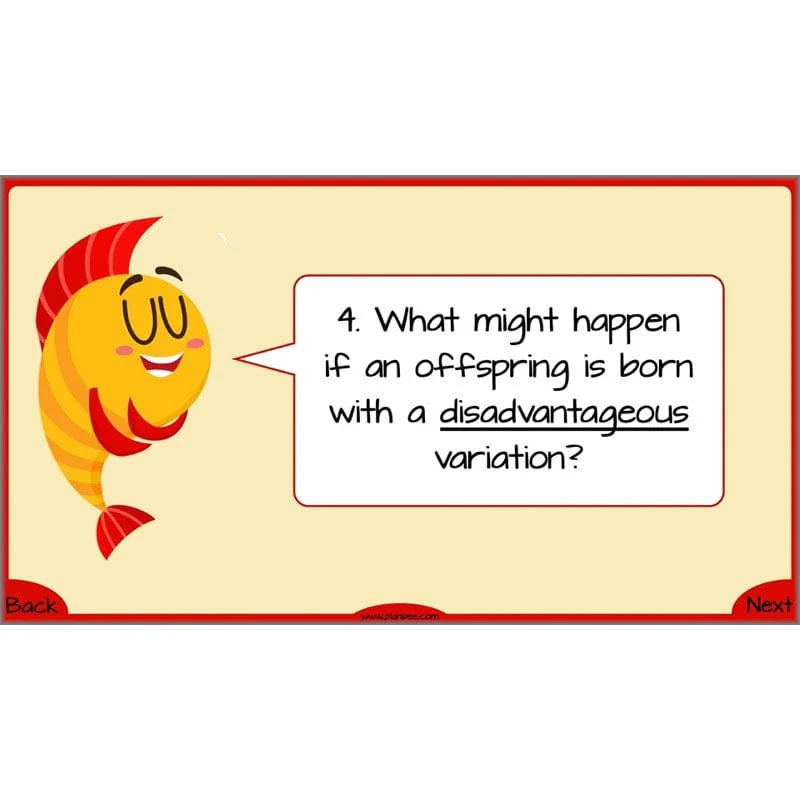
They will go on to consider which variations may be helpful or unhelpful for a species, and what happens as a result of the new variation.
What's included:
- Lesson plan
- Slides
- Differentiated worksheets
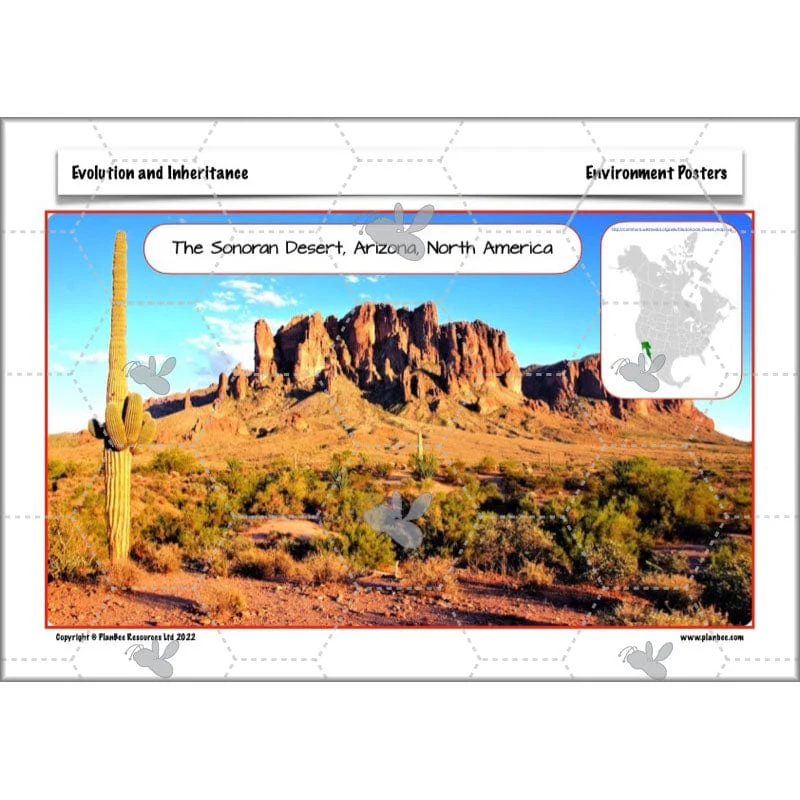
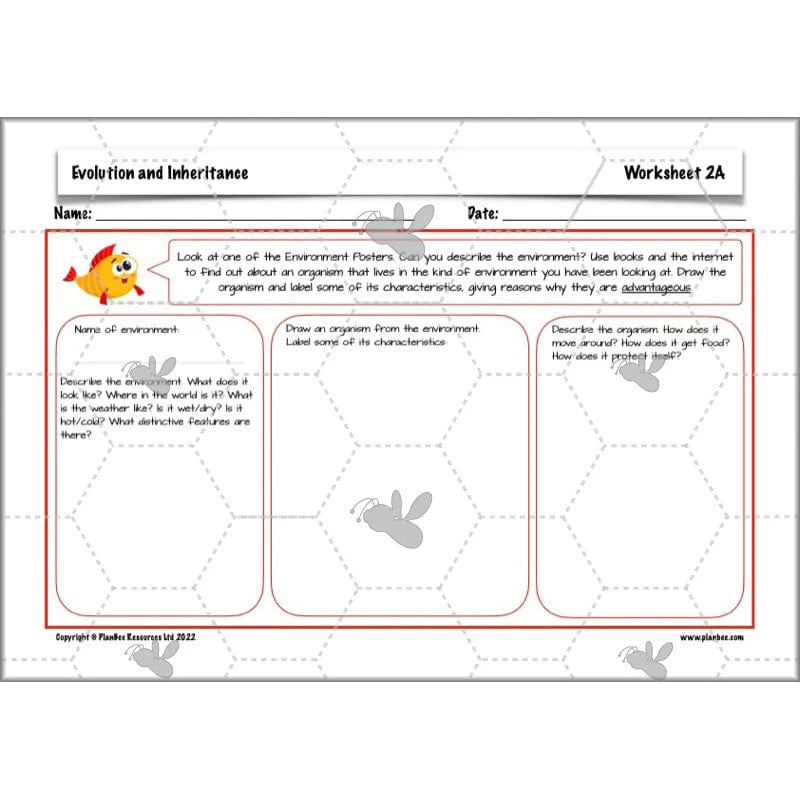
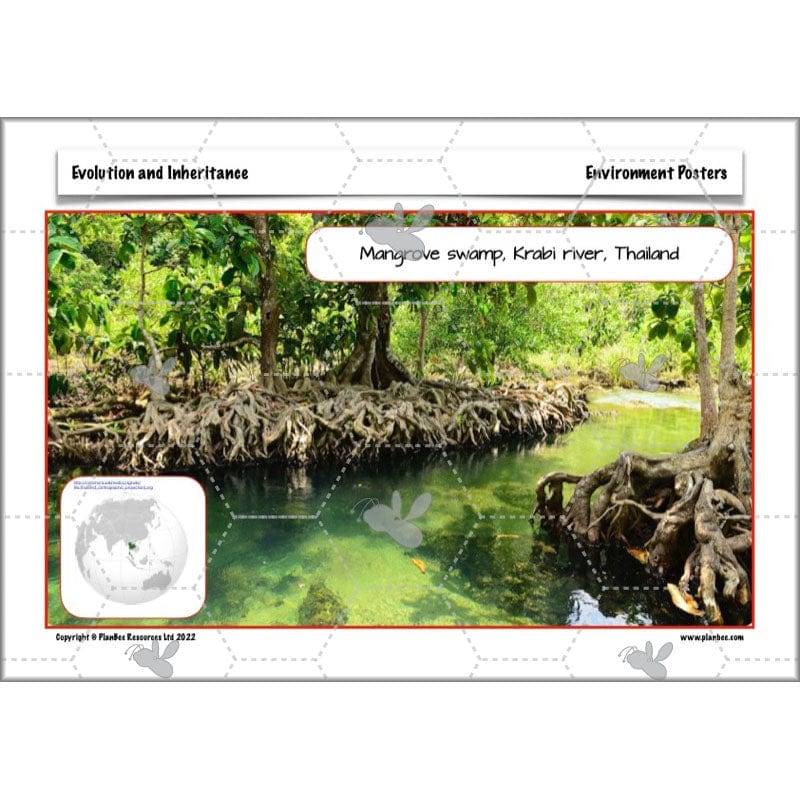
- Environment posters
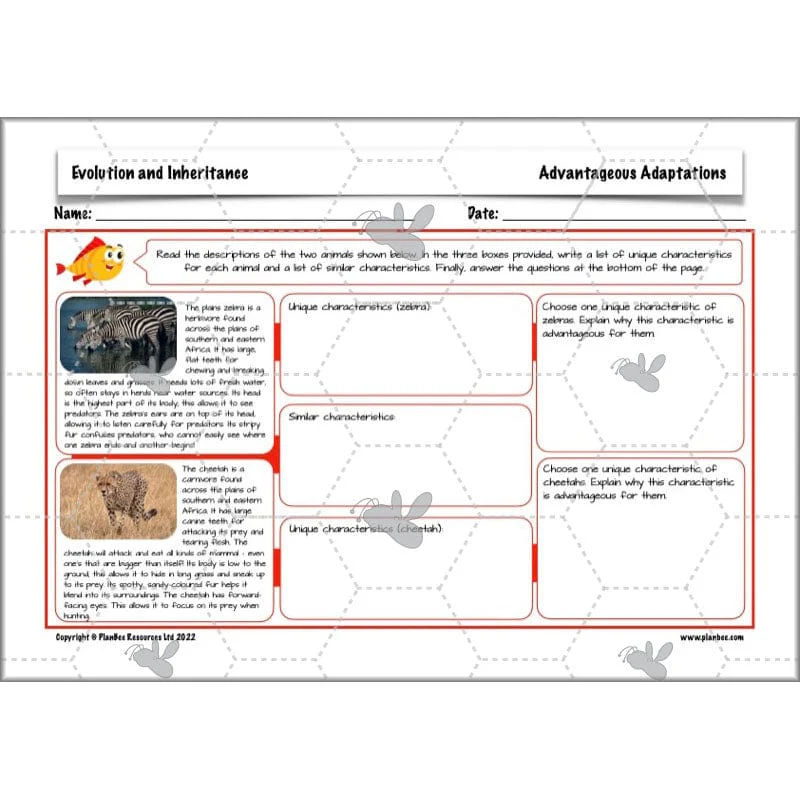
- Advantageous Adaptations sheet
View Lesson 2
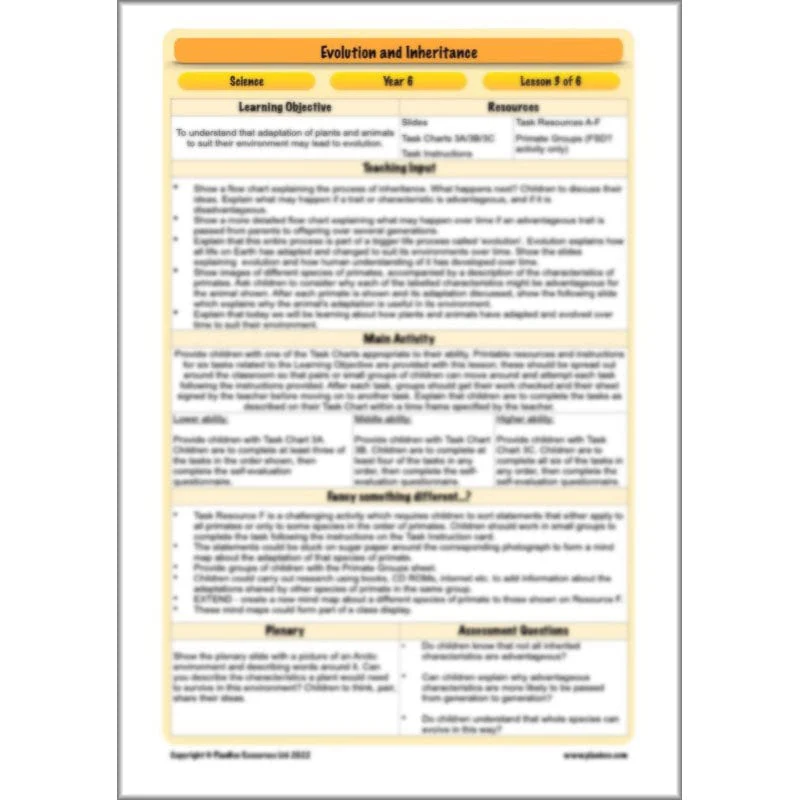
How living things evolve
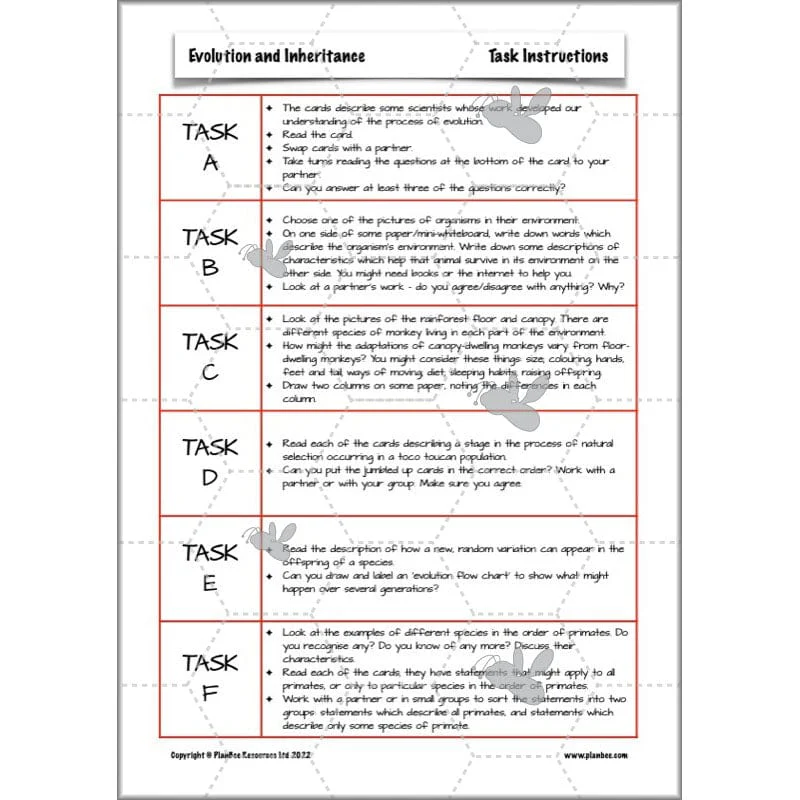
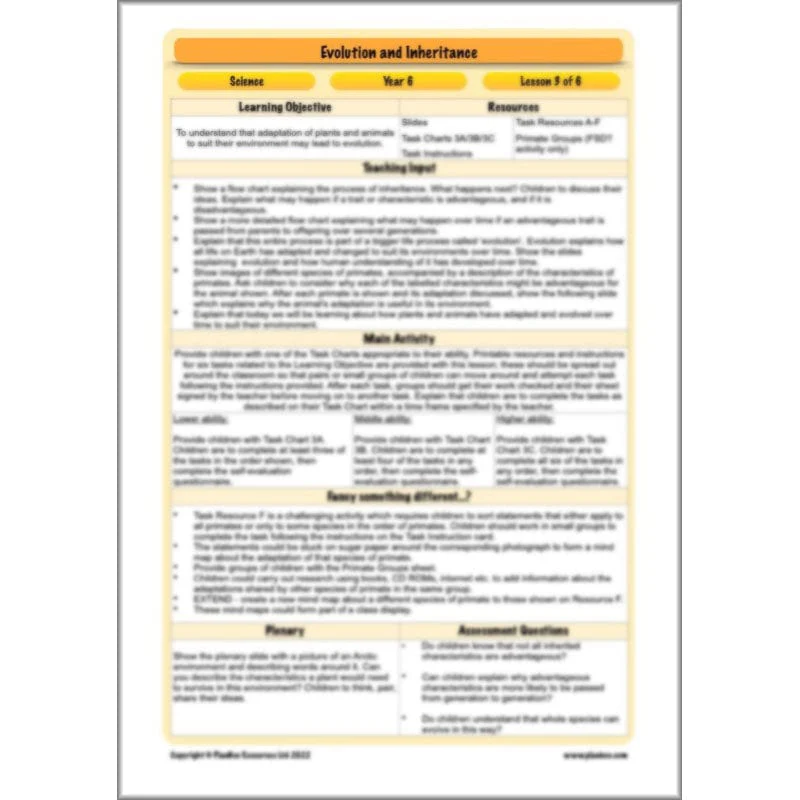
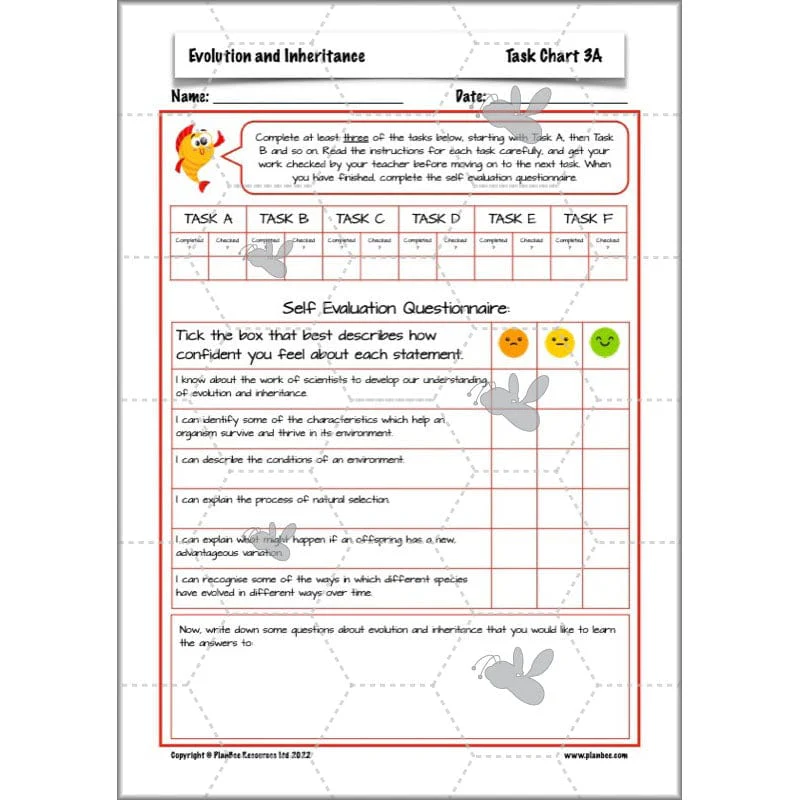
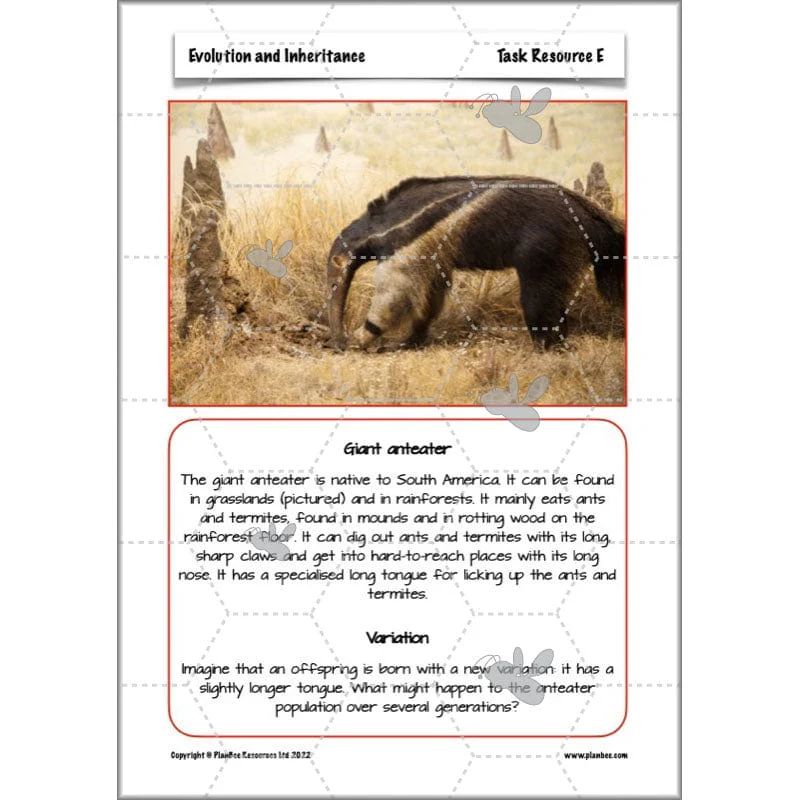
In this lesson, children will learn about what happens if new variations spread through a population over several generations.
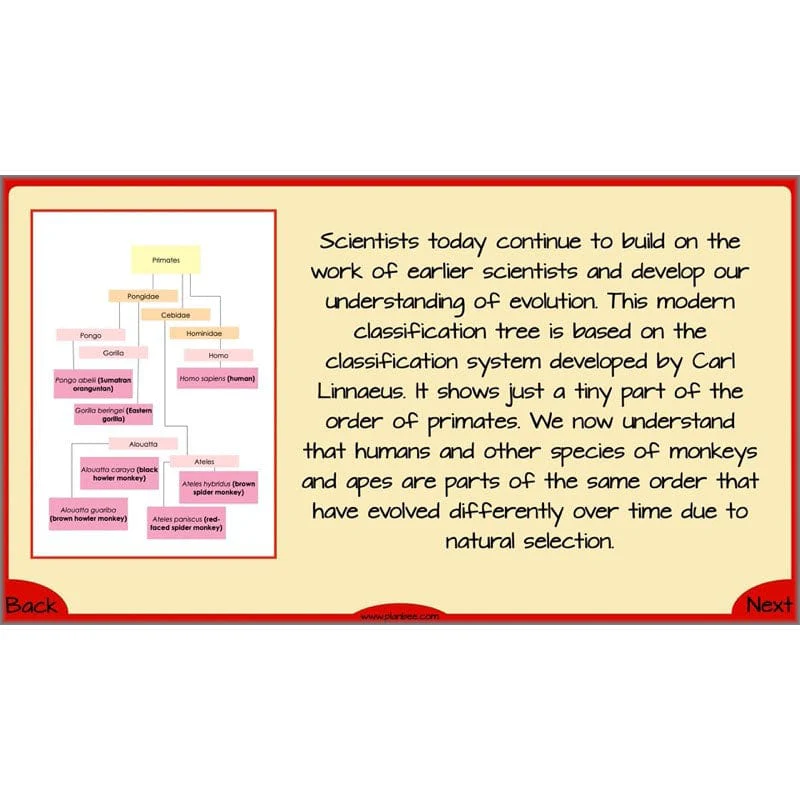
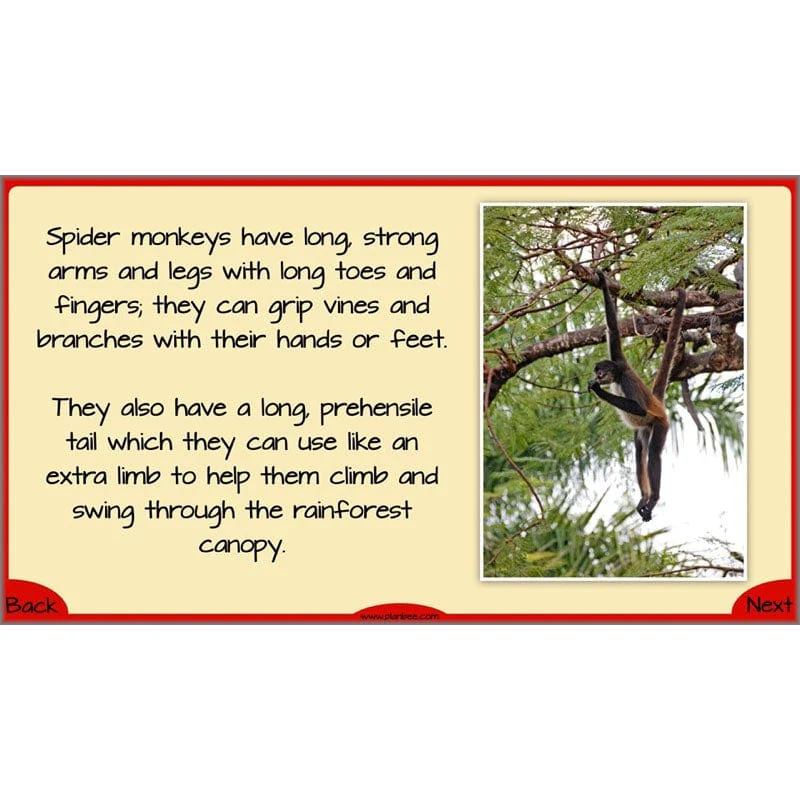
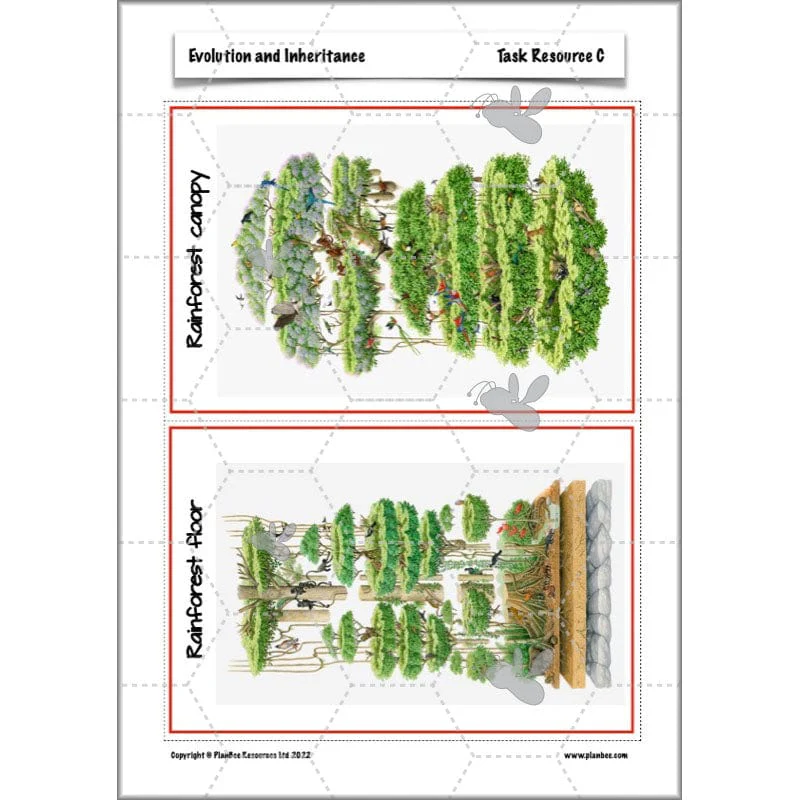
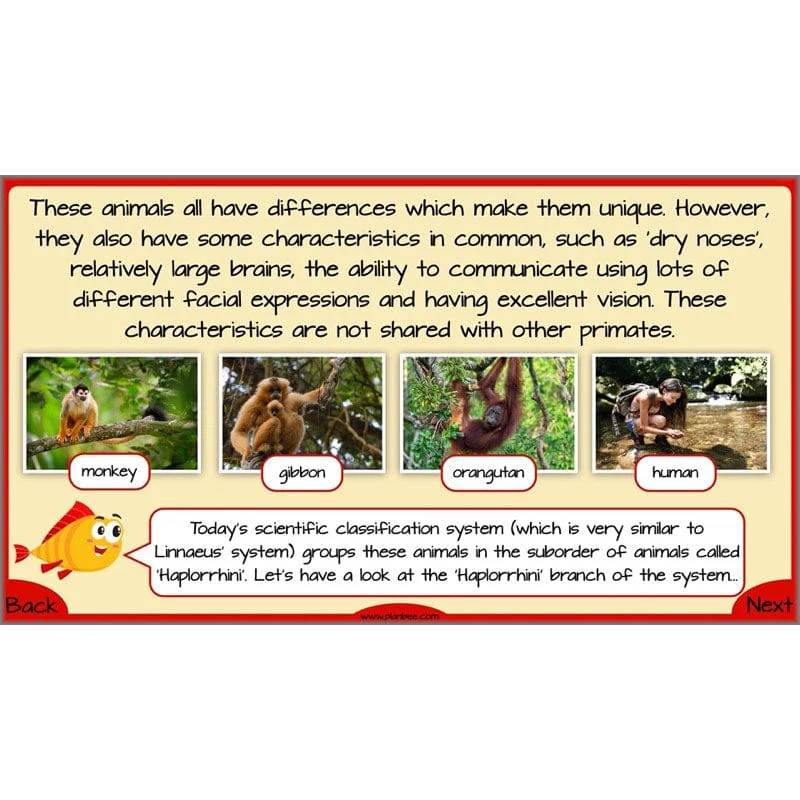
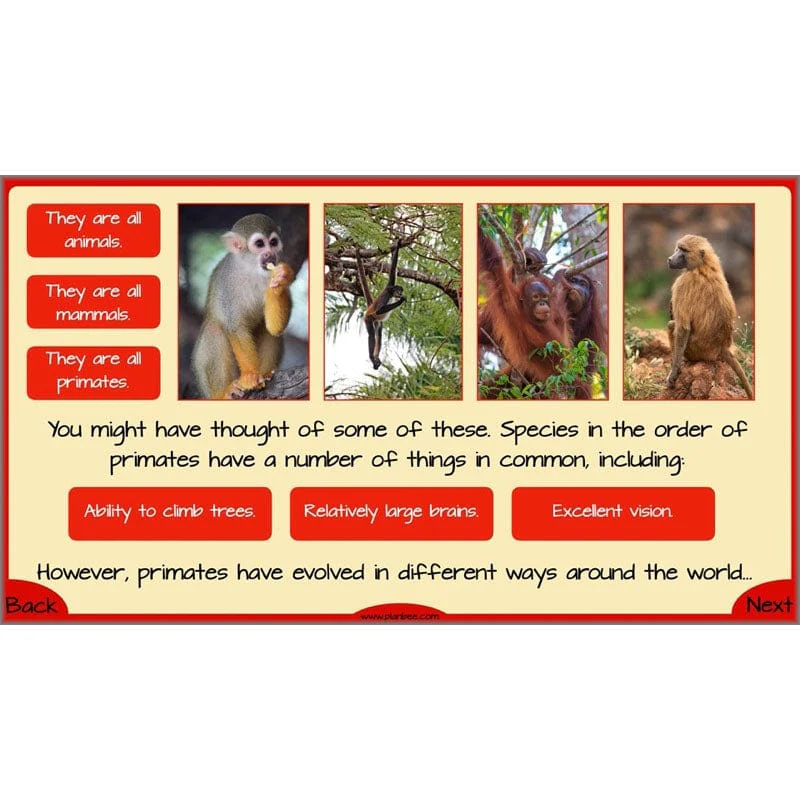
They will go on to look at ways in which different species of primate have evolved in different environments.
What's included:
- Lesson plan
- Slides
- Differentiated task charts
- Task instructions
- Task resources
View Lesson 3
Darwin
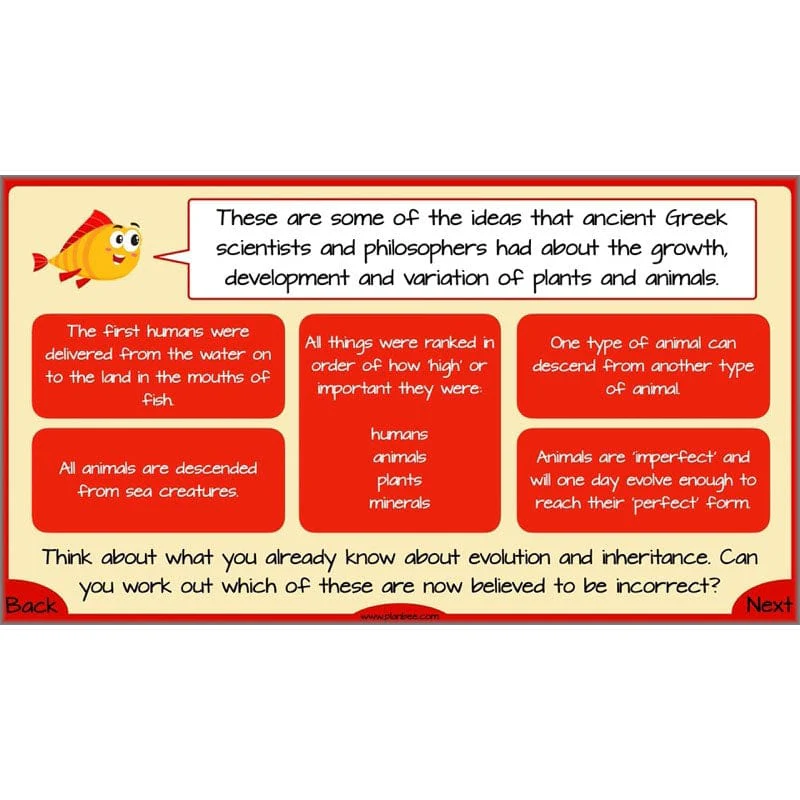
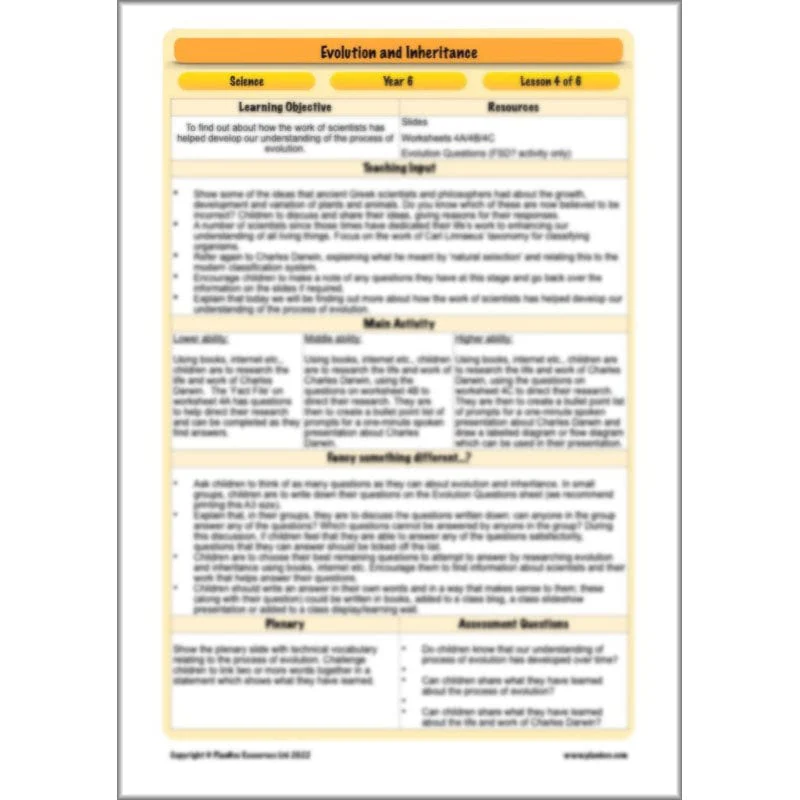
Children will begin by finding out about the ideas ancient Greek philosophers and scientists had about life on Earth.
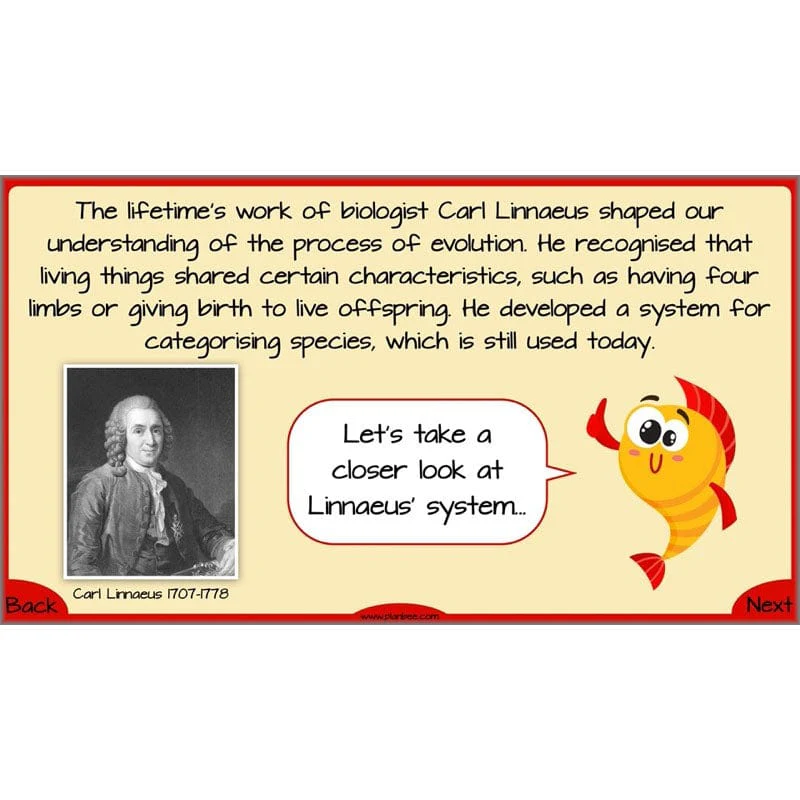
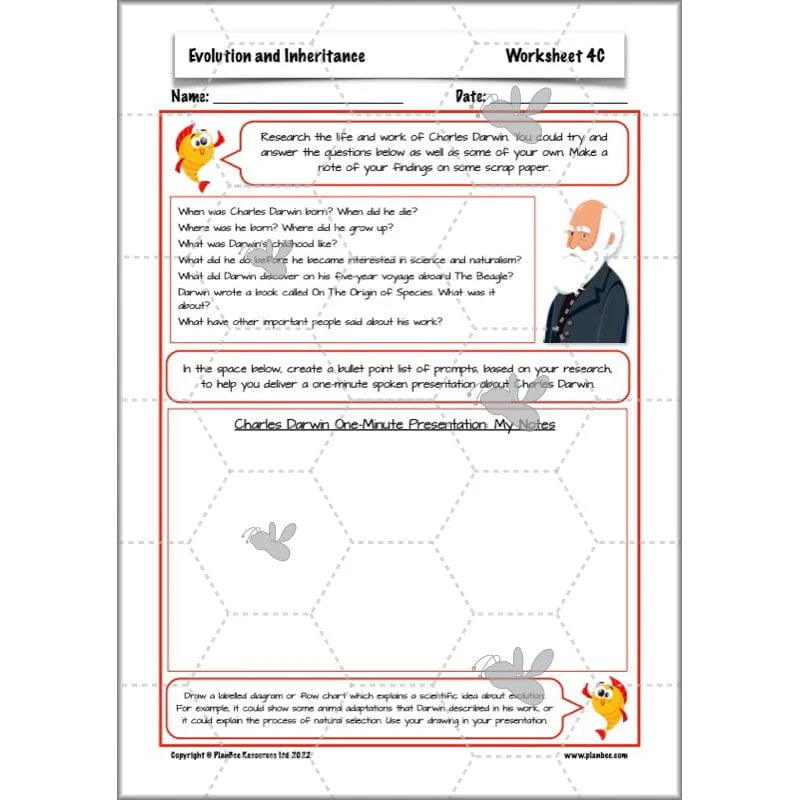
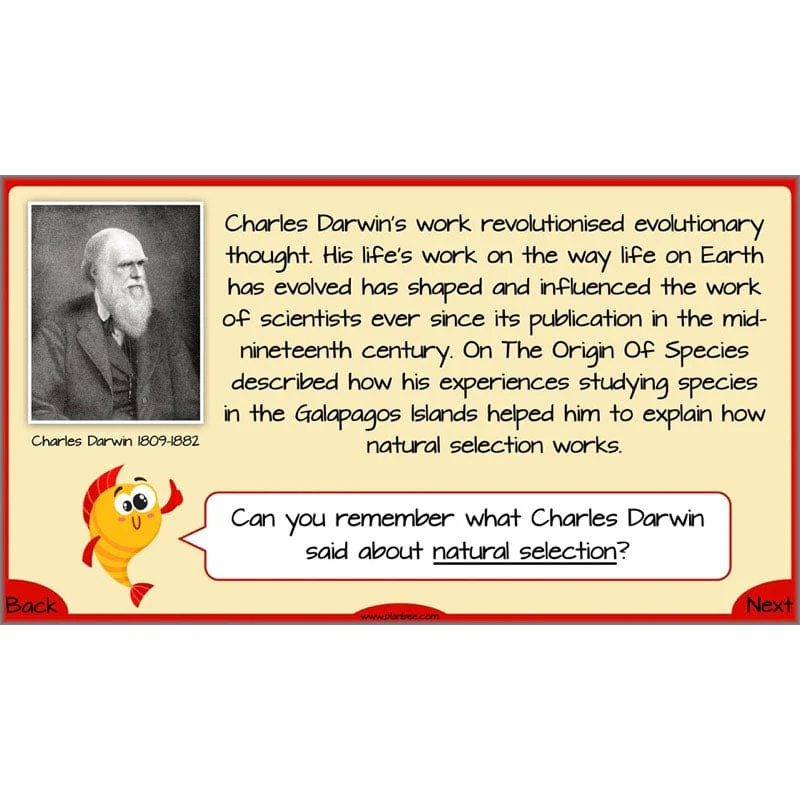
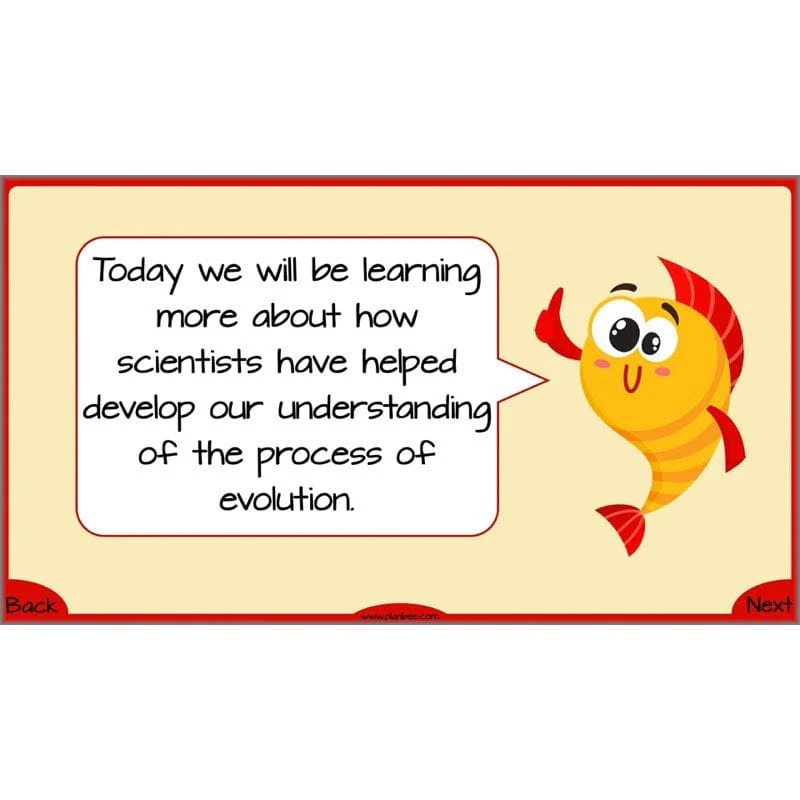
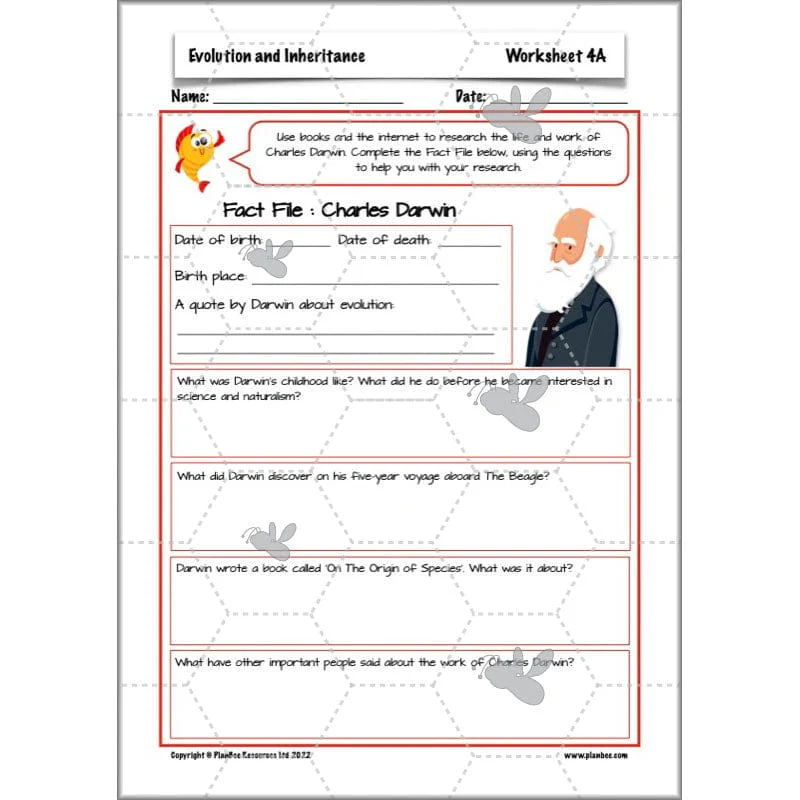
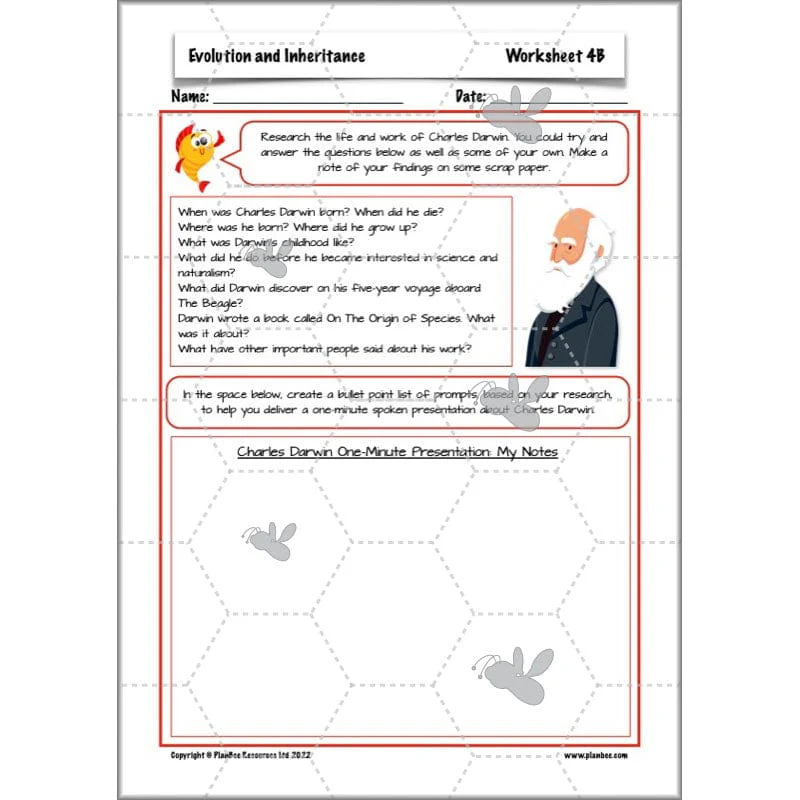
They will go on to look in more detail at the work of Linnaeus and Darwin, before engaging in a research activity to discover for themselves the contribution Darwin made to our understanding of the evolutionary process.
What's included:
- Lesson Plan
- Slides
- Differentiated worksheets
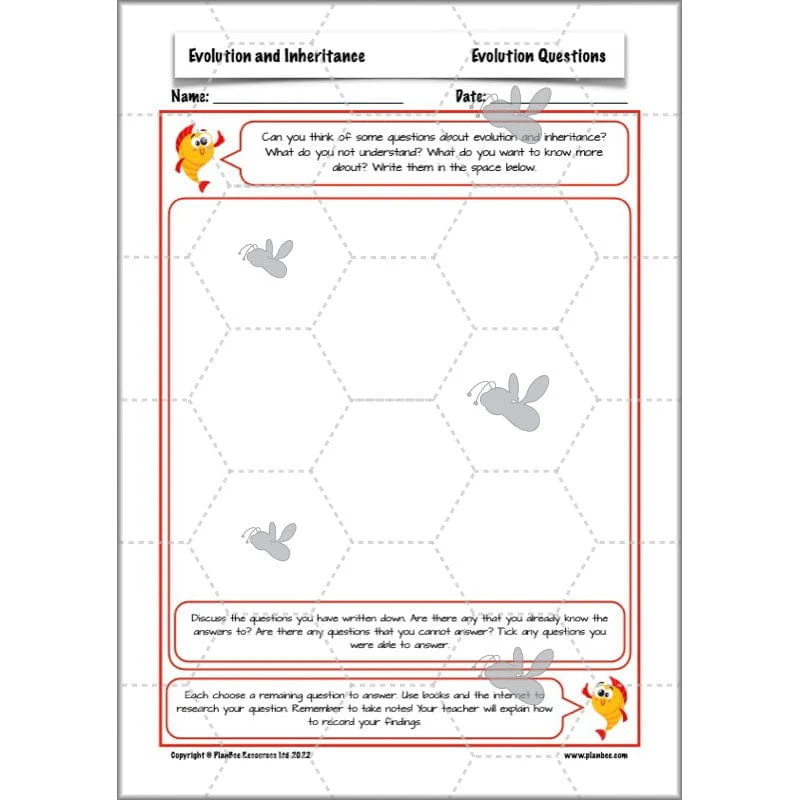
- Evolution Questions sheet
View Lesson 4
The Fossil Record
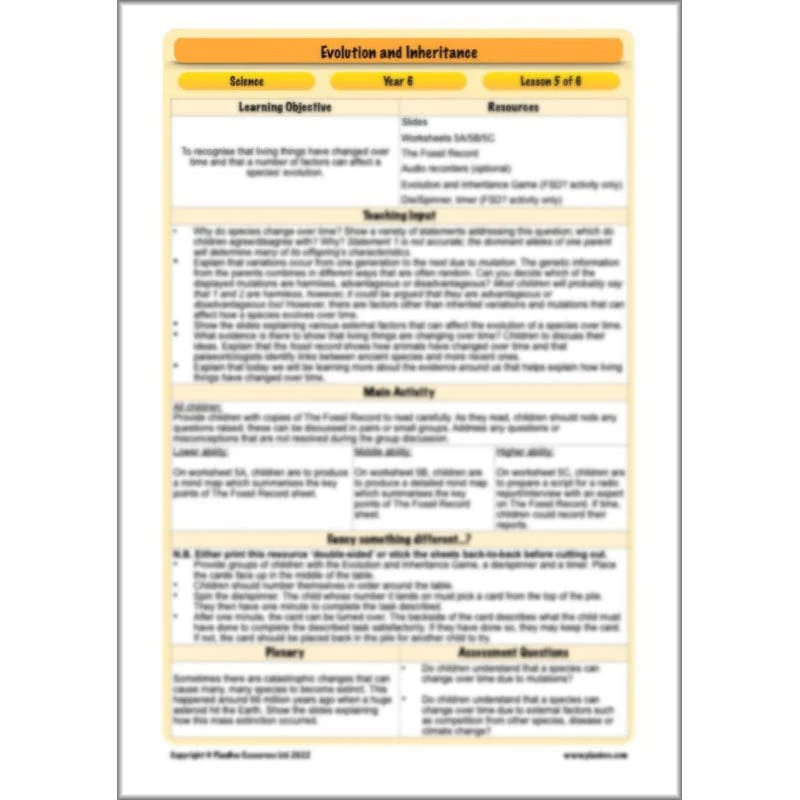
Why do species change over time?
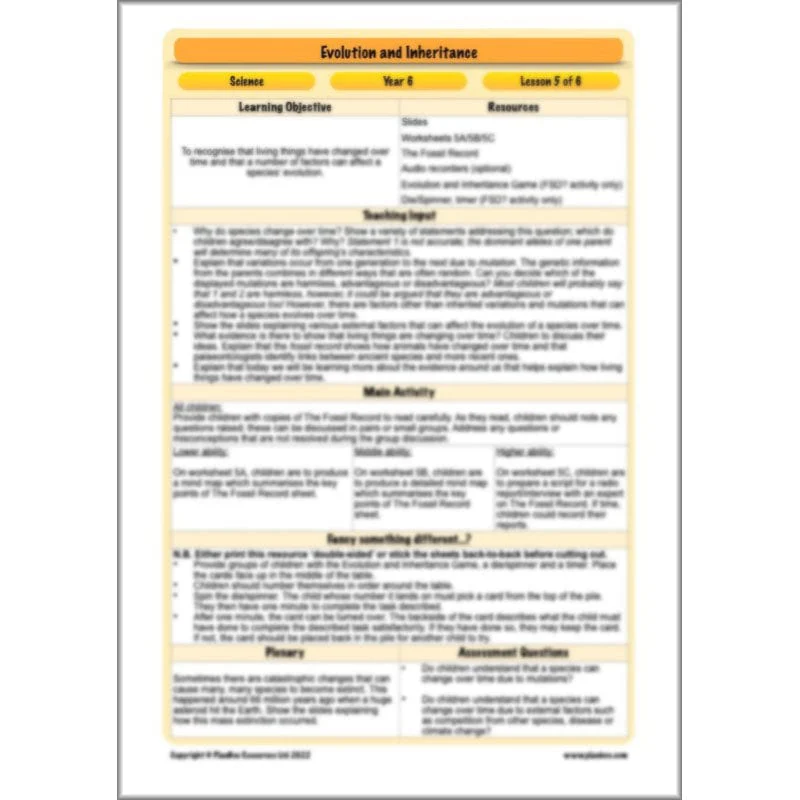
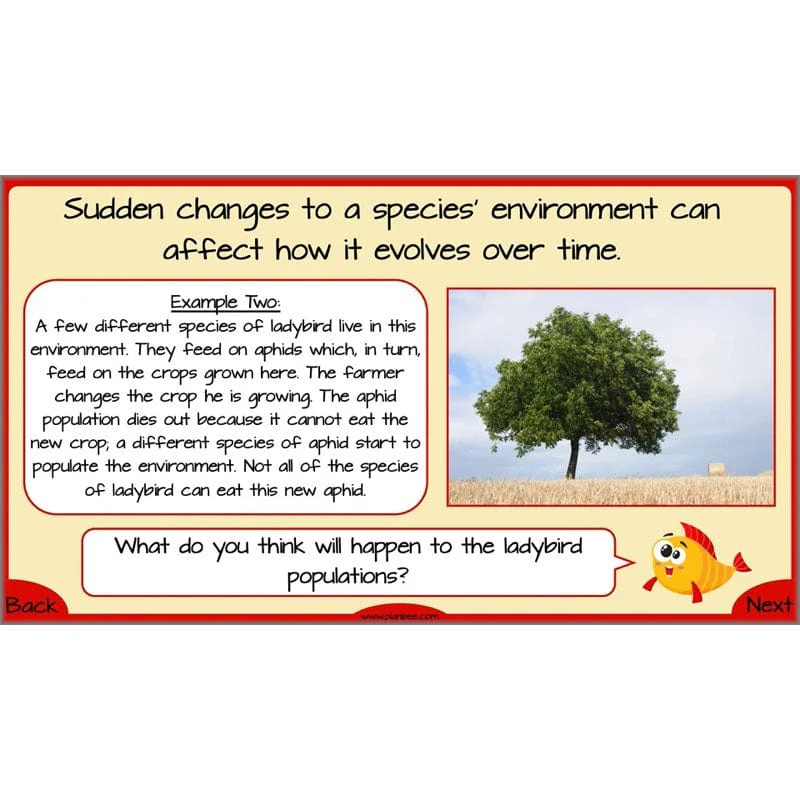
In this lesson, children will learn about some of the external factors affecting a species evolution.
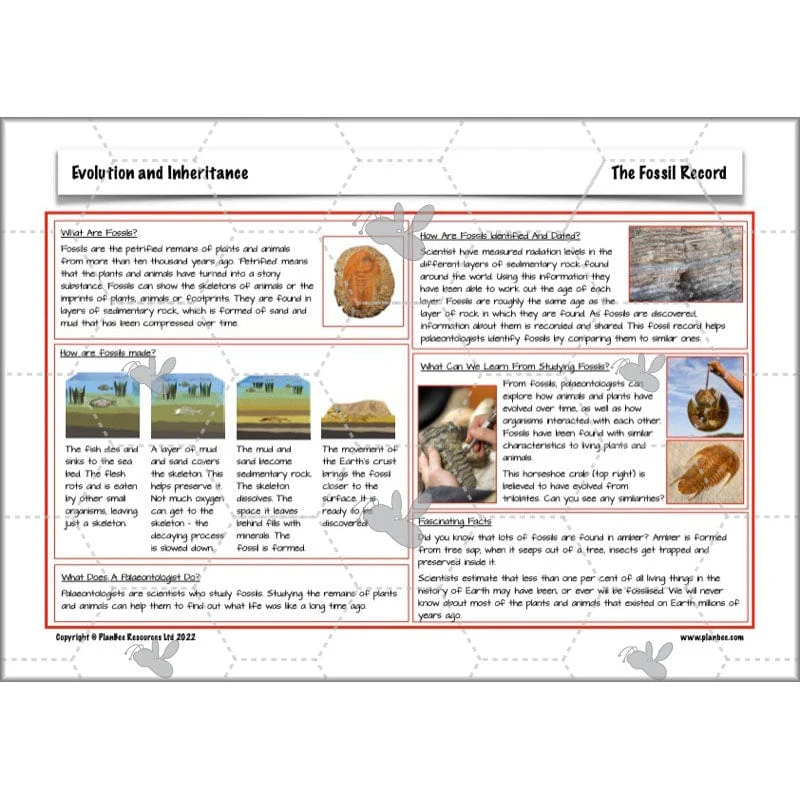
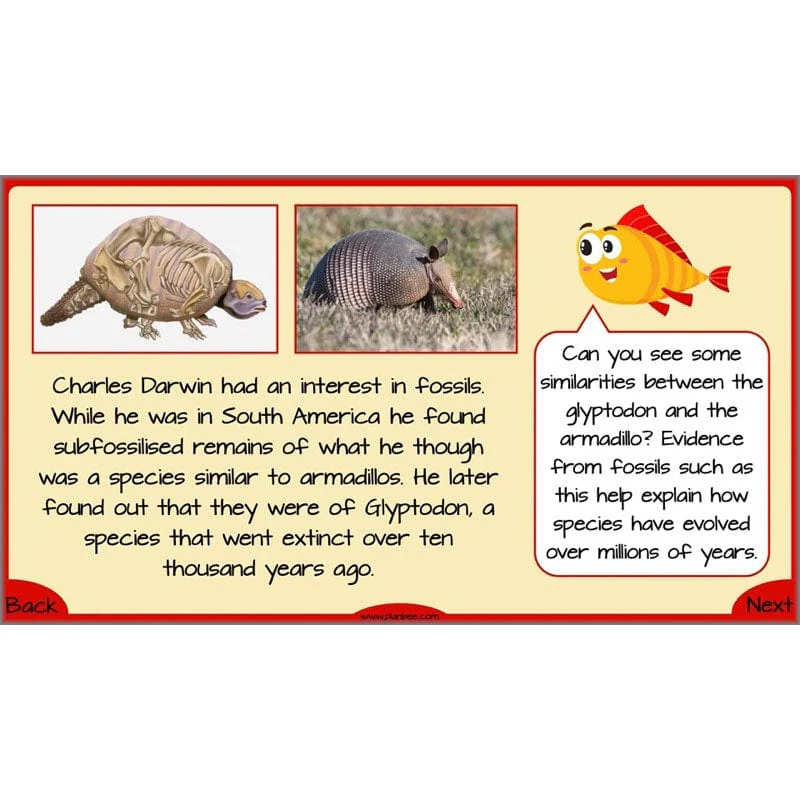
They will then go on to learn about the work of palaeontologists and the evidence of evolution found in the fossil record.
What's included:
- Lesson plan
- Slides
- Differentiated worksheets
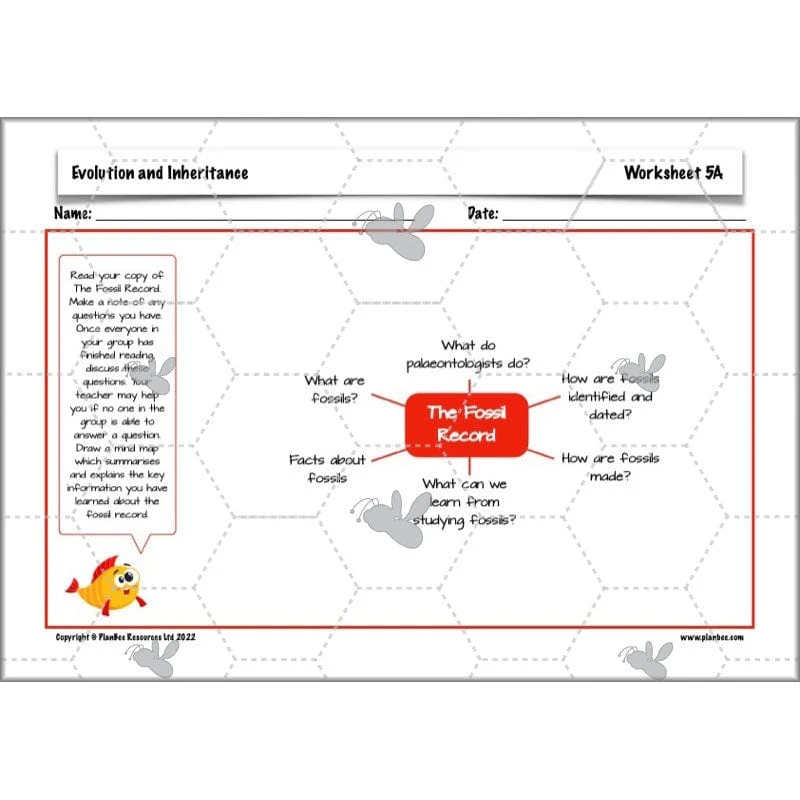
- The Fossil Record sheet
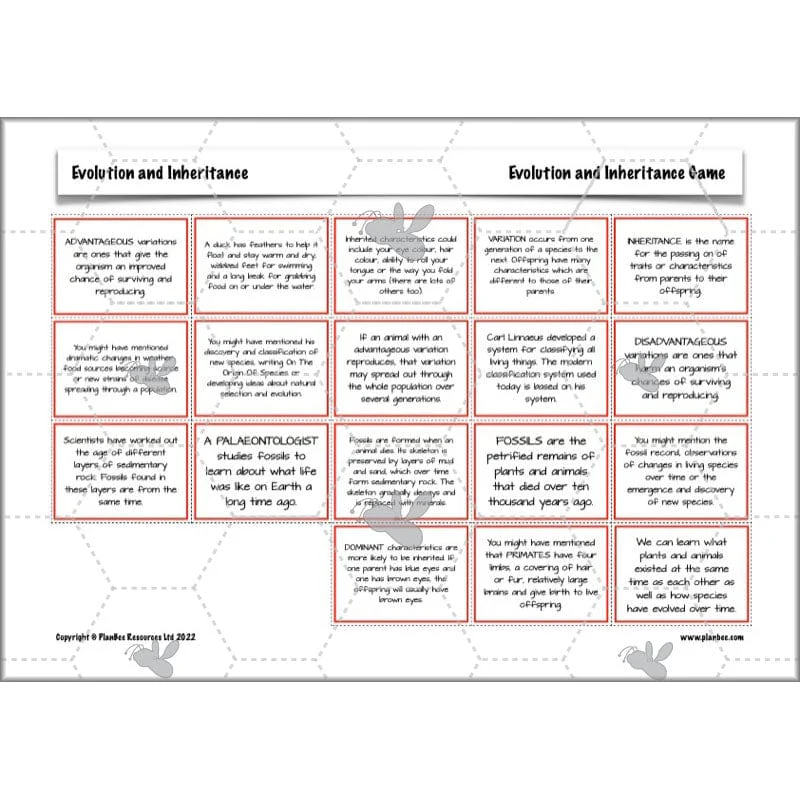
- Evolution and Inheritance game
View Lesson 5
Human Evolution
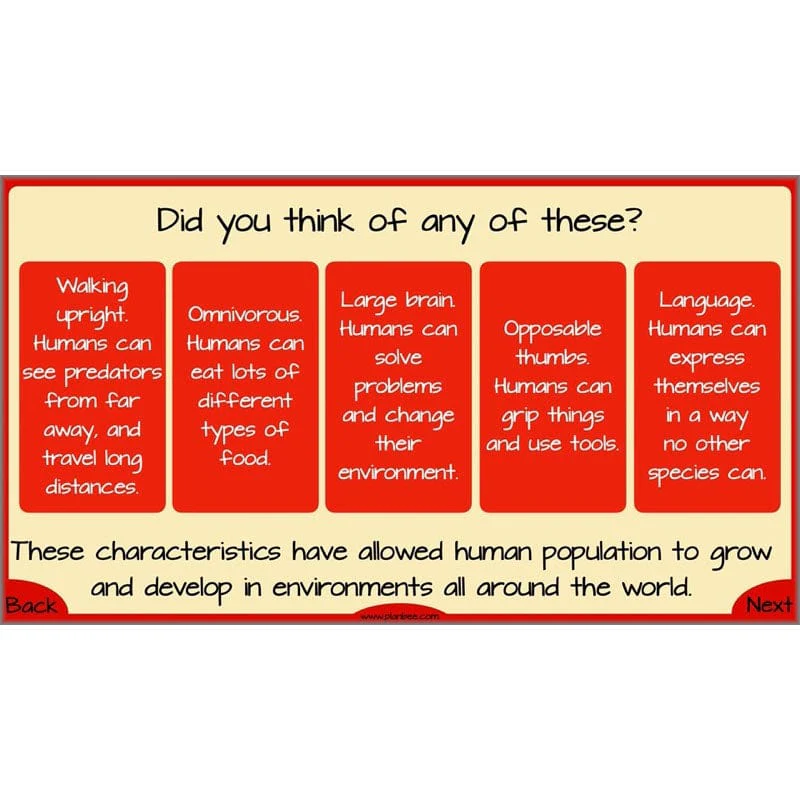
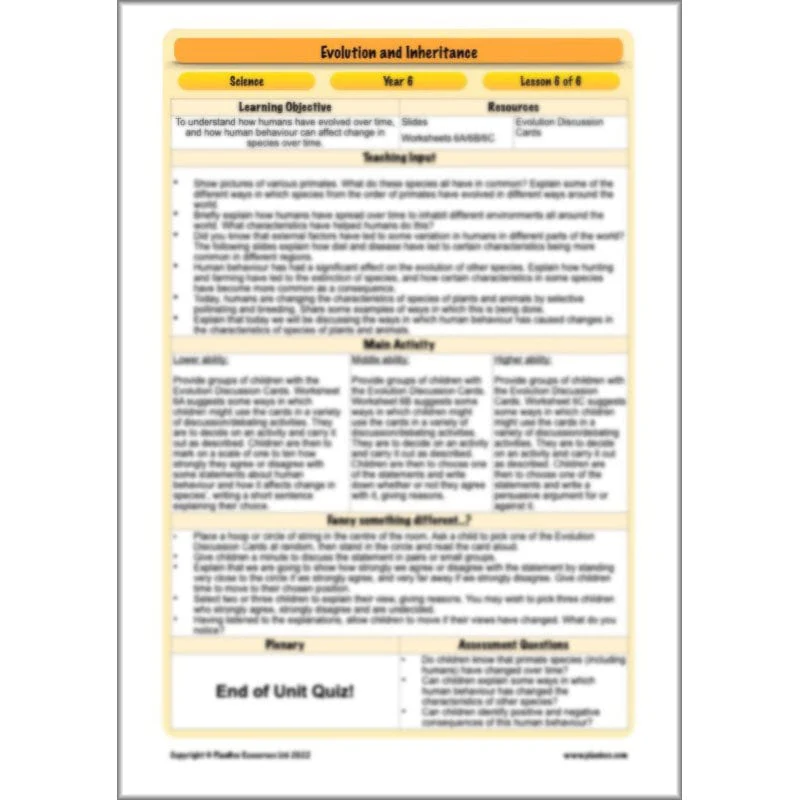
At the start of this lesson, children will learn about which adaptations have allowed humans to successfully survive and thrive in environments all around the world.
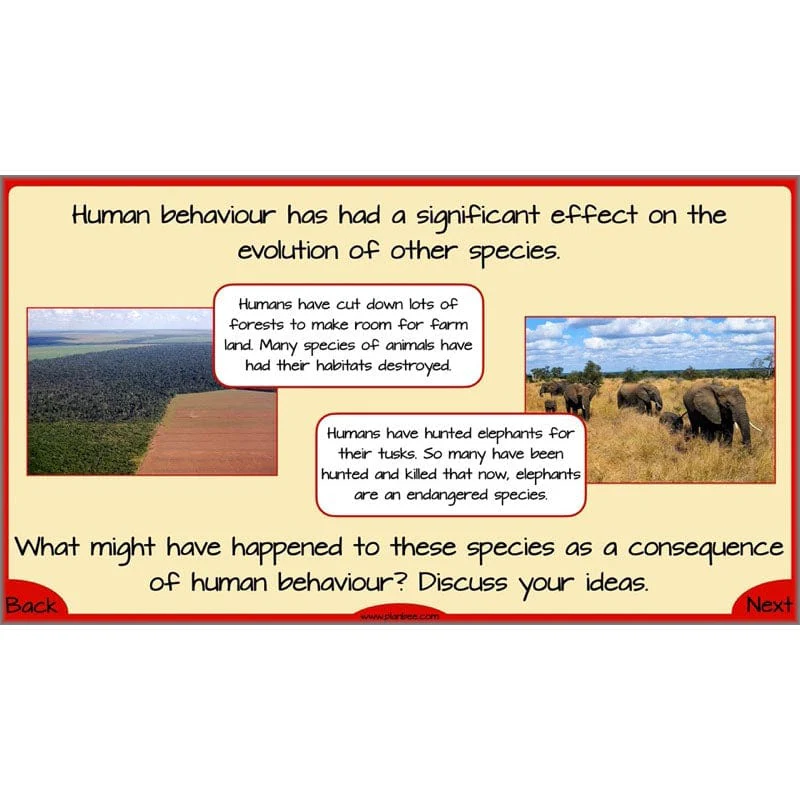
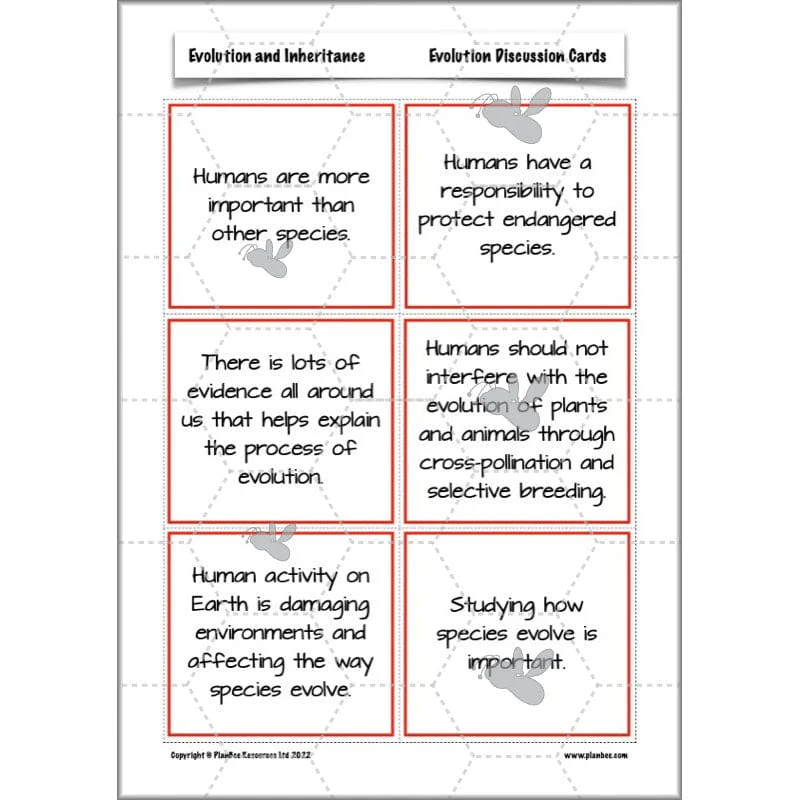
They will go on to consider the impact of human behaviour on plant and animal populations around the world.
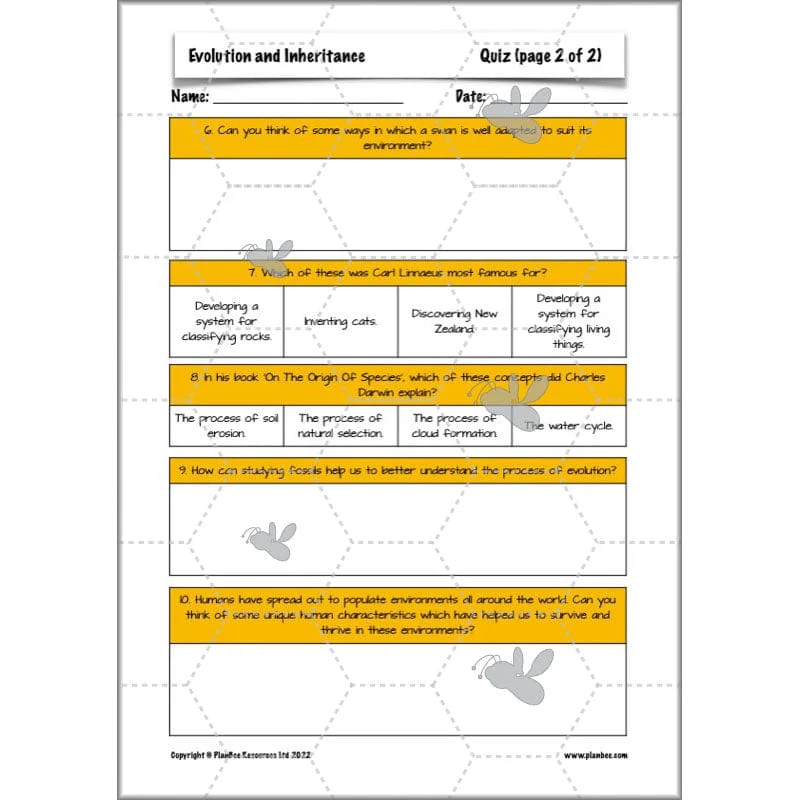
An extra slideshow is included with this final lesson: an End of Unit Quiz to test your children's knowledge!
What's included:
- Lesson plan
- Slides
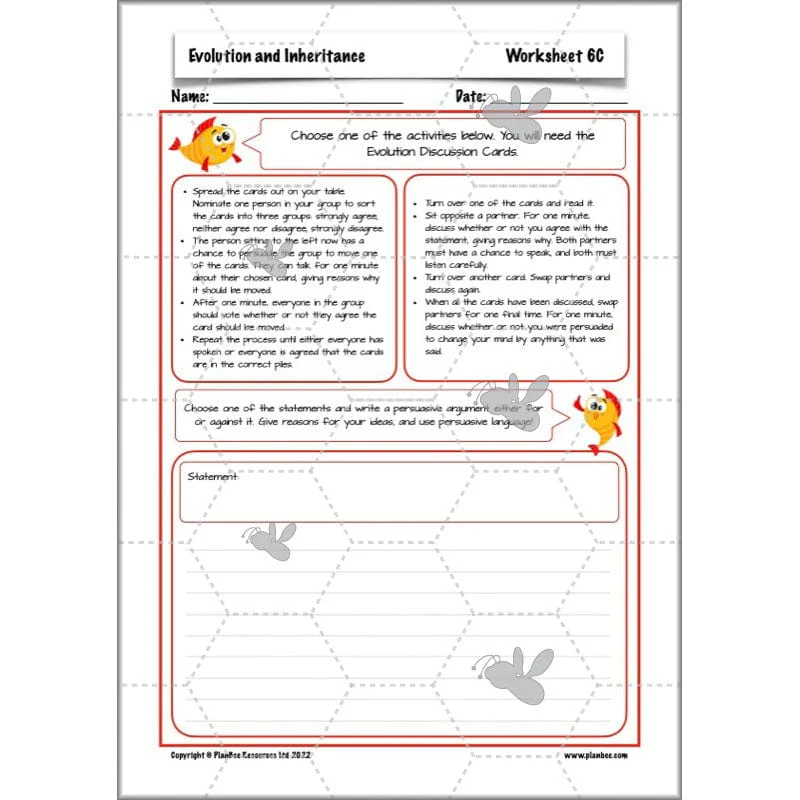
- Differentiated worksheets
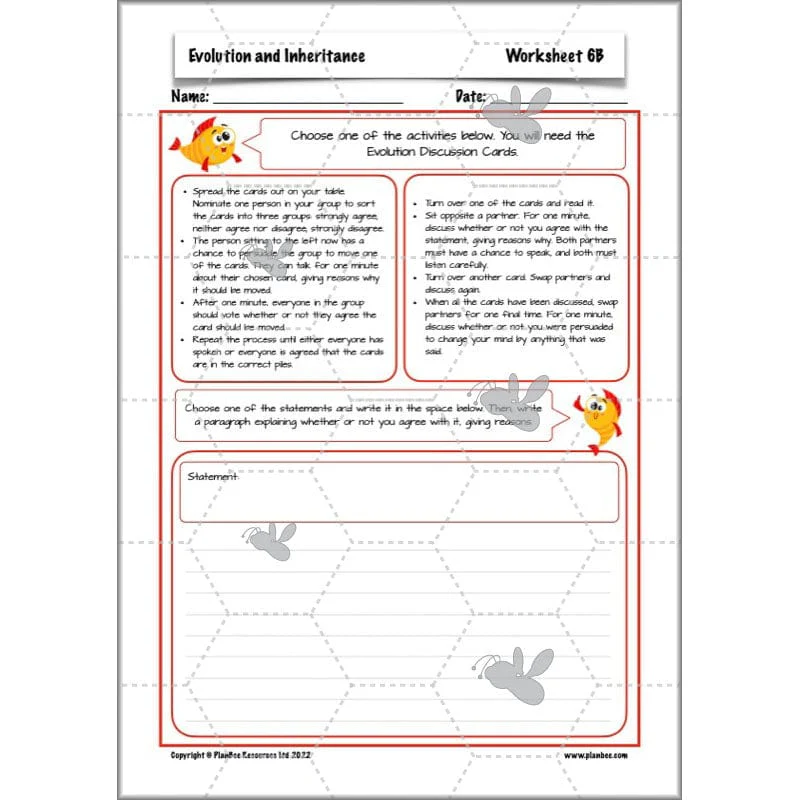
- Evolution Discussion cards
- End Of Unit Quiz slides
View Lesson 6
Original: $2.69
-65%$2.69
$0.94More Images
Evolution and Inheritance
This Year 6 Evolution and Inheritance Science scheme of work will get your KS2 children thinking about characteristics passed from one generation to the next and how species have adapted to suit their environments. It goes on to explain the process of natural selection, and how our understanding of the process of evolution has developed over time thanks to the work of scientists and palaeontologists.
With detailed plans (each with a choice of activities), colourful slides with beautiful photographs, differentiated worksheets and many other resources, this Year 6 Evolution and Inheritance KS2 planning pack has everything you need to teach this exciting and complex subject to your children!
A Knowledge Organiser is included within the complete series download, or is available to purchase separately.
Inherited Characteristics
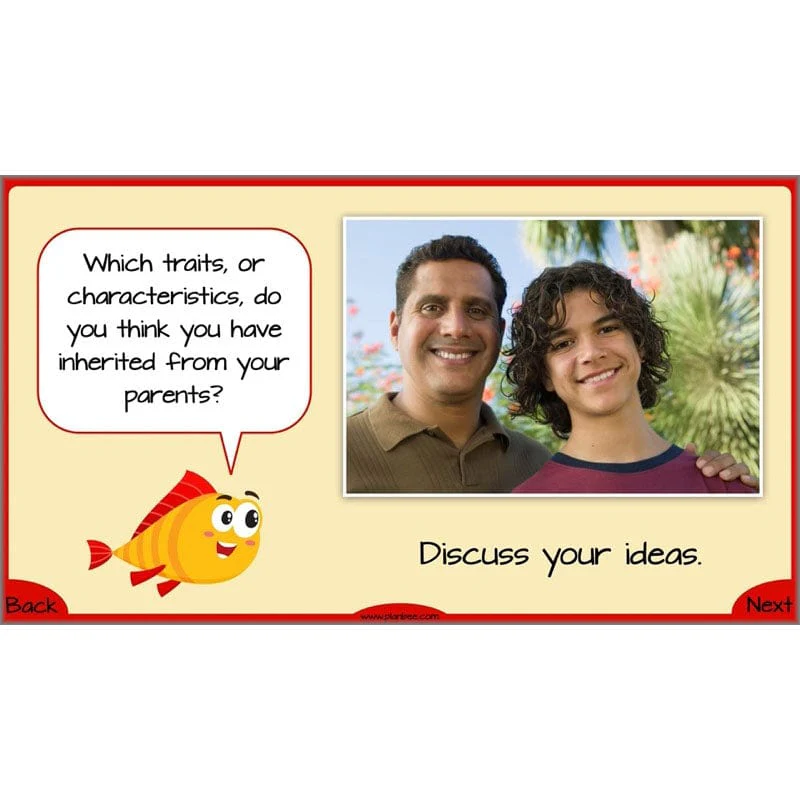
In this lesson, children will identify traits or characteristics passed from one generation of a species to the next, going on to consider ways in which variation occurs in offspring.
After this, there's a choice of two activities where children may either work independently to identify some family traits, or work in groups to sort themselves according to some given traits or characteristics.
What's included:
- Lesson plan
- Slides
- Differentiated worksheets
- Family Traits sheet
- Inherited Characteristics sheet
View Lesson 1
Advantageous Adaptations
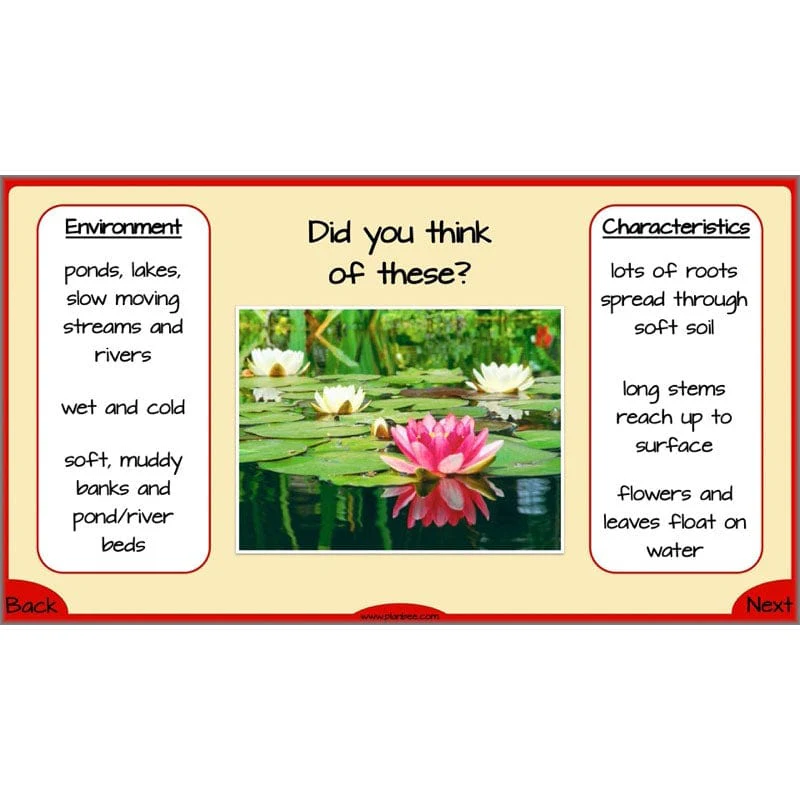
Children will begin by learning about the ways in which random mutations result in variations from one generation to the next.
They will go on to consider which variations may be helpful or unhelpful for a species, and what happens as a result of the new variation.
What's included:
- Lesson plan
- Slides
- Differentiated worksheets
- Environment posters
- Advantageous Adaptations sheet
View Lesson 2
How living things evolve
In this lesson, children will learn about what happens if new variations spread through a population over several generations.
They will go on to look at ways in which different species of primate have evolved in different environments.
What's included:
- Lesson plan
- Slides
- Differentiated task charts
- Task instructions
- Task resources
View Lesson 3
Darwin
Children will begin by finding out about the ideas ancient Greek philosophers and scientists had about life on Earth.
They will go on to look in more detail at the work of Linnaeus and Darwin, before engaging in a research activity to discover for themselves the contribution Darwin made to our understanding of the evolutionary process.
What's included:
- Lesson Plan
- Slides
- Differentiated worksheets
- Evolution Questions sheet
View Lesson 4
The Fossil Record
Why do species change over time?
In this lesson, children will learn about some of the external factors affecting a species evolution.
They will then go on to learn about the work of palaeontologists and the evidence of evolution found in the fossil record.
What's included:
- Lesson plan
- Slides
- Differentiated worksheets
- The Fossil Record sheet
- Evolution and Inheritance game
View Lesson 5
Human Evolution
At the start of this lesson, children will learn about which adaptations have allowed humans to successfully survive and thrive in environments all around the world.
They will go on to consider the impact of human behaviour on plant and animal populations around the world.
An extra slideshow is included with this final lesson: an End of Unit Quiz to test your children's knowledge!
What's included:
- Lesson plan
- Slides
- Differentiated worksheets
- Evolution Discussion cards
- End Of Unit Quiz slides
View Lesson 6
Product Information
Product Information
Shipping & Returns
Shipping & Returns
Description
This Year 6 Evolution and Inheritance Science scheme of work will get your KS2 children thinking about characteristics passed from one generation to the next and how species have adapted to suit their environments. It goes on to explain the process of natural selection, and how our understanding of the process of evolution has developed over time thanks to the work of scientists and palaeontologists.
With detailed plans (each with a choice of activities), colourful slides with beautiful photographs, differentiated worksheets and many other resources, this Year 6 Evolution and Inheritance KS2 planning pack has everything you need to teach this exciting and complex subject to your children!
A Knowledge Organiser is included within the complete series download, or is available to purchase separately.
Inherited Characteristics
In this lesson, children will identify traits or characteristics passed from one generation of a species to the next, going on to consider ways in which variation occurs in offspring.
After this, there's a choice of two activities where children may either work independently to identify some family traits, or work in groups to sort themselves according to some given traits or characteristics.
What's included:
- Lesson plan
- Slides
- Differentiated worksheets
- Family Traits sheet
- Inherited Characteristics sheet
View Lesson 1
Advantageous Adaptations
Children will begin by learning about the ways in which random mutations result in variations from one generation to the next.
They will go on to consider which variations may be helpful or unhelpful for a species, and what happens as a result of the new variation.
What's included:
- Lesson plan
- Slides
- Differentiated worksheets
- Environment posters
- Advantageous Adaptations sheet
View Lesson 2
How living things evolve
In this lesson, children will learn about what happens if new variations spread through a population over several generations.
They will go on to look at ways in which different species of primate have evolved in different environments.
What's included:
- Lesson plan
- Slides
- Differentiated task charts
- Task instructions
- Task resources
View Lesson 3
Darwin
Children will begin by finding out about the ideas ancient Greek philosophers and scientists had about life on Earth.
They will go on to look in more detail at the work of Linnaeus and Darwin, before engaging in a research activity to discover for themselves the contribution Darwin made to our understanding of the evolutionary process.
What's included:
- Lesson Plan
- Slides
- Differentiated worksheets
- Evolution Questions sheet
View Lesson 4
The Fossil Record
Why do species change over time?
In this lesson, children will learn about some of the external factors affecting a species evolution.
They will then go on to learn about the work of palaeontologists and the evidence of evolution found in the fossil record.
What's included:
- Lesson plan
- Slides
- Differentiated worksheets
- The Fossil Record sheet
- Evolution and Inheritance game
View Lesson 5
Human Evolution
At the start of this lesson, children will learn about which adaptations have allowed humans to successfully survive and thrive in environments all around the world.
They will go on to consider the impact of human behaviour on plant and animal populations around the world.
An extra slideshow is included with this final lesson: an End of Unit Quiz to test your children's knowledge!
What's included:
- Lesson plan
- Slides
- Differentiated worksheets
- Evolution Discussion cards
- End Of Unit Quiz slides
View Lesson 6